A. Ezekiel 37: 16-19 Moreover, thou son of man [Ezekiel], take thee one stick,
and write upon it, For Judah, and for the children of Israel his companions:
then take another stick, and write upon it, For Joseph, the stick of Ephraim,
and for all the house of Israel his companions: And join them one to another
into one stick; and they shall become one in thine hand. And when the children
of thy people shall speak unto thee, saying, Wilt thou not shew us what thou
meanest by these? Say unto them, Thus saith the Lord GOD; Behold, I will
take the stick of Joseph, which is in the hand of Ephraim, and the tribes of
Israel his fellows, and will put them with him, even with the stick of Judah,
and make them one stick, and they shall be one in mine hand. 1 Nephi 13: 37-42
And blessed are they who shall seek to bring forth my Zion at that day, for
they shall have the gift and the power of the Holy Ghost; and if they endure
unto the end they shall be lifted up at the last day, and shall be saved in the
everlasting kingdom of the Lamb; and whoso shall publish peace, yea, tidings
of great joy, how beautiful upon the mountains shall they be. And it came to
pass that I beheld the remnant of the seed of my brethren, and also the book
of the Lamb of God, which had proceeded forth from the mouth of the Jew,
that it came forth from the Gentiles unto the remnant of the seed of my brethren.
And after it had come forth unto them I beheld other books, which came forth
by the power of the Lamb, from the Gentiles unto them, unto the convincing
of the Gentiles and the remnant of the seed of my brethren, and also the Jews
who were scattered upon all the face of the earth, that the records of the prophets
and of the twelve apostles of the Lamb are true. And the angel spake unto me,
saying: These last records, which thou hast seen among the Gentiles, shall
establish the truth of the first, which are of the twelve apostles of the Lamb,
and shall make known the plain and precious things which have been taken
away from them; and shall make known to all kindreds, tongues, and people,
that the Lamb of God is the Son of the Eternal Father, and the Savior of the
world; and that all men must come unto him, or they cannot be saved. And
they must come according to the words which shall be established by the mouth
of the Lamb; and the words of the Lamb shall be made known in the records of
thy seed, as well as in the records of the twelve apostles of the Lamb; where-
fore they both shall be established in one; for there is one God and one
Shepherd over all the earth. And the time cometh that he shall manifest
himself unto all nations, both unto the Jews and also unto the Gentiles;
and after he has manifested himself unto the Jews and also unto the Gentiles,
then he shall manifest himself unto the Gentiles and also unto the Jews,
and the last shall be first, and the first shall be last.
B. The ancient Books of the Bible, compared with Mormon Archaeology,
invalidate the documentary hypothesis theories, traditionally known as:
J, E, P, and D; for the Torah and the Deuteronomy history, from Joshua
to Kings. Some modern historians incorrectly state that the Torah
was gradually recorded as the Hebrew Bible, between the 5th century
B.C. and the 2nd century B.C. Clearly, internal source evidence from
the Pearl of Great Price, the OT - NT and the Book of Mormon, suggest
primary source documents, or copies thereof, going back to the time of
Adam and (Eve - the Mother of all Living), were readily available to
Moses, who then wrote or copied them for himself and other Israelites.
The list of biblical figures identified in extra-biblical sources is compelling.
Additional validation of the Bible, as a surviving primary source document,
is made by the Joseph Smith, Jr. Translation of the Bible. Words added
and corrections made, restore the original formation and sense of ancient
scribes and prophets, including technical details from Genesis to Revelation.
Joseph Smith, Jr. said, [I believe the Bible as it read when it came from the pen
of the original writers. Ignorant translators, careless transcribers, or designing and
corrupt priests have committed many errors. As it read, Gen. 6:6, "It repented the
Lord that he had made man on the earth"; also, Num. 23:19, "God is not a man,
that he should lie; neither the Son of man, that he should repent"; which I do not
believe. But it ought to read, "It repented Noah that God made man." This I believe,
and then the other quotation stands fair. If any man will prove to me, by one passage
of Holy Writ, one item I believe to be false, I will renounce and disclaim it as far as I
promulgated it.] Teachings of the Prophet Joseph Smith, Jr., (book), page 327.
C. Modern claims of genealogical attachment to the biblical
(Old Testament) records are noted, with remarks.
- Ancestor Roots Information: Israel
- Mother's Love - Joys and Challenges
- History of Ancient Israel and Judah
- The Lord Jesus Christ, Jews, The House of Joseph, Gentiles and Heathens
- Jew, Jewish
- Jewish Ethnic Divisions
- Jewish Languages
- Judaism by Country
- Kingdom of Israel (United Monarchy)
- Kingdom of Judah
- Kings of Judah
- Mormonism and Judaism
- Oxyrhynchus Papyri
- People of Israel - Judah
D. GENEALOGIES: Genealogical Tables of the Sovereigns of the World,
from the earliest to the present period; exhibiting in each table their immediate
successors, collateral branches, and the duration of their respective reigns;
so constructed as to form a series of chronology; and including the genealogy
of many other personages and families distinguished in scared and profane history;
particularly all the nobility of these kingdoms descended from princes.
[The editor would have gladly quoted the various authorities which have assisted him
in the execution of his work, under the heads upon which they were consulted, if it
could have been done without crouding (sic) the Tables, and thereby depriving them
of their principal advantages--perspicuity, beauty, and uniformity. He must, therefore,
content himself with mentioning those to whom he is most indebted, which are,
The Bible, The Universal History, with many particular histories of different kingdoms,
the Classic authors, Anderson's Genealogies, Rollin, Sandford, Rapin, Guthrie, Collins,
Crawford, Lodge, and other Peerages. His chief guides in Chronology were Newton
(Newton['s] Revised History of Ancient Kingdoms) /
(The Chronology of Ancient Kingdoms Amended)
and Blair (Blair’s Chronology: Sewing Up a Timeline) /
(The Chronology and History of the World: From the Creation to the Year of Christ 1753,
Illustrated in LVI tables; of Which IV are Introductory & Include the Centurys
Prior to the Ist Olympiad, and Each of the Remaining LII Contain in One Expanded View,
50 Years or Half a Century - Wythepedia: The George Wythe Encyclopedia)]
An Arrangement of the Genealogies in the Old Testament and Apocrypha (copy) (pdf)
To which are Added, from the Same Authorities, a Selection of Single Names,
and Chronological Tables of the Kings of Egypt, Syria, and Assyria : with Notes Critical,
Philological, and Explanatory; and Copious Indexes, in Two Volumes - Volume 1
An Arrangement of the Genealogies in the Old Testament and Apocrypha (copy) (pdf)
To which are Added, from the Same Authorities, a Selection of Single Names,
and Chronological Tables of the Kings of Egypt, Syria, and Assyria : with Notes Critical,
Philological, and Explanatory; and Copious Indexes, in Two Volumes - Vol. 2 (copy).
[Research Note: The Explanation of the Tables is at the beginning of Volume 2,
which mentions, for example, that II. The Italic letters refer to the Notes in Vol. I (copy).
However, the PEDIGREE TABLES are actually listed at end of Volume 2. Use TWO PAGE
view button for full displays & PREVIOUS < > NEXT PAGE arrows to view all TABLES.]
===================================================================
SAMPLE LIST OF REFERENCE SOURCES:
- Aben Ezra;
- Abraham ibn Ezra / Abraham ben Meir ibn Ezra / Abenezra / Ibn Ezra
- Abraham ibn Ezra (1089 - 1164) - Genealogy
- Abraham ibn Ezra / Abraham ben Meir ibn Ezra / Abenezra / Ibn Ezra
- Abulfaragius writes the name, Klimia.
- Bar Hebraeus / Gregory Bar Hebraeus / Barebraya / Barebroyo, Abu'l-Faraj
Latinized name Abulpharagius
- Historia Compendiosa Dynastarium : Gregorius Abu al-Farag Barhebraeus
- Africanus: Sextus Julius Africanus
- Chronographiae: The Extant Fragments - Sextus Julius Africanus
- Julius Africanus - The Extant Fragments of the Five Books of the Chronography
- Julius Africanus Sextus: 221 AD.
Creation in 5500 BC. 70 weeks of Daniel 9 end in AD 33 at resurrection.
- Sextus Julius Africanus - JewishEncyclopedia.com
- Alberti on Hesych:
- Hesychii Alexandrini Lexicon (Ioannem Albertum)
- Hesychios. Hesychii alexandrini Lexicon post... | HathiTrust Digital Library
- OCR Results for: Hesychius (of Alexandria) (1858). Lexicon post Ioannem Albertum
- Aldine Bible
- Alexandrinus: Clemens Alexandrinus in Strom. B. i. p. 129,
- Documento1 - Clemens Alessandrinus - Stromata (The stromata, or miscellanies)
- Antient Universal History: Universal History Ant. part, Vol. i. p. 150, Note I. Edit. 8vo.;
- A catalogue of above fifteen thousand volumes : In all Arts, Sciences,
and every Branch of polite Literature, Many on Royal Paper, and in Morocco, and
other elegant Bindings ; being the Stock of the late Mr. John Hildyard, deceased,
with other Libraries purchased since. Among which are Biblia Polyglotta, 8 vols.
(repeat) Biblia Polyglotta, 8 vols. Lincis rubris. Buxtorsii Concordant. Bib. Heb. . . .
Stephani Thesaurus, 4 vols. Martinii Lexicon, 2 vols. Plutarchi Opera, 2 vols.
Aristophanes, Kusteri. Euripides, Barnes. Platonis Opera, Serrani, 3 vols. Herodotus,
Gronovii. Galeni Opera, 7 vols. Diogenes Laertius, Meibonaii. Virgilii Opera, Baskerville.
Homeri Opera, Barnes, 2 vols. Homeri Opera, Clarke, 2 vols. Hist. D'angleterre,
par M. Rapin, 10 tom. Ruins of Palmyra, Ruins of Balbec, fine Plates.
Postlethwayt's Dictionary, 2 vols. Chambers's and Supplement, 4 vols.
Johnson's Dictionary, 2 vols. Calmet's Dictionary of the Bible, 3 vols.
Ainsworth's Dictionary, 2 vols. Rushworth's Hist. Collections, 8 vols.
Rapin's History of England, 2 vols. Guthrie's and Ralph's, 5 vols. Kennet's, 3 vols.
Tyrrel's, 5 vols. Drake's Antiquities of York. Thoresby's Leeds. Somner's Canterbury.
Stukeley's Stonehenge. Maitland's History of Edinburgh. - History of Scotland, 2 vols.
Antient Universal History, 21 vols. Modern Universal Hist. 3 vols. and 8 vols.
Bp. Gibson's Camden, 2 vols. Bp. Gibson's Codex, 2 vols. Bacon's Works, 4 vols.
Churchill's Voyages, 8 vols. Duncan's Caesar, fine Plates.
Dugdale's Summons to Parliament. - Origines Juridiciales. - Hist. of St. Paul's,
Hollar's Cuts Sir William Temple's Works, 2 vols. Ben. Jonson's Works, best Edition.
System of Geography, 2 vols. Maps. Ware's Architecture Compleat Body of Husbandry
Compleat Body of Gardening Swammerdam's Natural History of Insects . . .
Humphreys on the O. and N. Test, 3 vols. Burkit on the New Testament.
Patrick, Lowth, and Whitby, 6 vols. Tillotson's Works, 3 vols. Barrow's Works, 2 vols.
Bp. Hooper's Works. Taylor's Hebrew Concordance, 2 vols.
Lord Sommers's Tracts, 12 vols. Harleian Miscellany, 8 vols. Astley's Voyages, 4 vols.
Addison's Works, 4 vols. Sully's Memoirs, 3 vols. Davila's Civil Wars of France, 2 vols.
Hampton's Polybius. Smollet's History of England, 4 vols. Cay's Statutes at large, 6 vols.
Strange's Reports, 2 vols. Peere Williams's Reports. Besides a large Collection of other
Reports and Law Books. Which will begin to be sold (the lowest Price printed
in the Catalogue) on Wednesday, February 14, 1759, and continue on Sale till
the Summer Assizes. By John Hinxman / John Hinxinan, Bookseller in Stonegate, York.
Catalogues may be had of Messrs. R. and J. Dodsley, in Pall-Mall ;
Messrs. Rivington and Fletcher, in Pater-Noster-Row ; Messrs. Whiston and White,
in Fleet-Street ; and Mr. Payne, at the Mews-Gate, London. - Also of Mr. Fletcher,
in Oxford. - Mr. Merrill, in Cambridge. - Messrs. Hamilton and Balsour, in Edinburgh. -
All the Booksellers in the North of England, and at the Place of Sale. Price One Shilling,
which will be return'd to any Gentleman who lays out Twenty | Formats and Editions
- An Universal History, from the Earliest Account of Time
- "Antient Universal History" | Catalogue search | Wellcome Collection
- From Thomas Jefferson to George W. Lewis, 25 October 1825 . . .
Micali Etc. the Antient Universal history should be on our shelves as a book
of general reference, the most learned, and most faithful perhaps
that ever was written. it's (sic) style is very plain, but perspicuous.
- Aquila: Greek version by Aquila,
- Aquila of Sinope
- Aristeas: Letter of Aristeas; Now, supposing the History of the translation
of the Old Testament into Greek by the Seventy or Seventy-two interpreters,
as delivered down to us by the author, who assumes the name of Aristeas,
and by others, to be true, still a slight knowledge of the history of those times . . .
- Artapanus; Artapanus of Alexandria
- Austin: St. Austin contra Faust. B. ii. c. xxxv.,
and Junius and others, in their comments . . .;
St. Austin's supposition in his Book de Civit. Dei. L. xviii. c. 27,
- Augustine of Hippo
- St. Austin | HolyFamilyOnline.com (Augustine of Canterbury)
- The City of God
- Who Was St Augustine? | English Heritage
- Baduellus: Claudius Baduellus or Claude Baduel (ca 1491/1499-1561)
- The Dark Bible - Cultures of Interpretation in Early Modern English
- Bar Bahlul: The Syriac Lexicographer Bar Bahlul,;
- Bar Bahlul, Ḥasan
- Dukhrana online searchable version of Hassan bar Bahlul's Syriac Lexicon
- Ḥasan bar Bahlul
- Barrington: Markland and Bp. Barrington on the same place
- Barrington, Shute - Biblical Cyclopedia
- Shute Barrington (Bishop), 1734-1826
- Barthélemy d'Herbelot [Barthélemy d'Herbelot de Molainville (14 Dec 1625-08 Dec 1695),
French Orientalist; Bibliothèque orientale, ou dictionnaire universel contenant
tout ce qui regarde la connoissance des peuples de l'Orient]
- Bibliotheque Orientale, Ou Dictionnaire Universel . . . (a) Gomer. D"Herbelot,
in his Bibl. Orient. v. Sin, informs us, that the Arabians make Sin, whom the Persians
and others call Tchin, the eldest son of Japheth, and say, that from him Sin or CHINA
derives its name. In the same place the same author further informs us, that the eldest
son of Sin was Matchin; part of the Islamic tradition that Japheth's beautiful posterity
extended outward to Europe, and northeast CHINA; through secure trade relationships;
those having been established prior to the division of the Earth, in the days of Peleg.
Genealogical origins of Middle Eastern and Asiatic peoples are copiously discussed.
- Bartolocci Bibl. Mag. Rabbin. Tom. i. p. 248, 351, Tom, iii. p. 629, 631,
- Giulio Bartolocci
- Highlights: Bartolocci’s Bibliotheca Magna Rabbinica (1675-1693)
Hebrew and Jewish Studies Resources at Oxford
- Basnage Histoire des Juifs Tom. iv. L. vi. c. 16, 17.
- Jacques Basnage de Beauval
- Jacques Basnage de Beauval's "l'Histoire des Juifs"
Christian Historiographical Perception of Jewry and Judaism
on the Eve of the Enlightenment on JSTOR
- Bayle: Bayle's observations on this passage in his Dict. Art. i. Drusilla Note (c).
- Bayle, Pierre | Internet Encyclopedia of Philosophy
- Pierre Bayle
- Pierre Bayle. 1647-1706 (Stanford Encyclopedia of Philosophy)
- Repairing Mr. Bayle’s Dictionary - ZSR Library
- Bedford in his Forty-fourth Table of his Scripture Chronol.
- Arthur Bedford (writer) (1668-1745)
. . . Scripture Chronology Demonstrated by Astronomical Considerations
- The Scripture chronology demonstrated by astronomical calculations,
and also by the year of jubilee, and the sabbatical year among the Jews:
or, an account of time from the creation of the world,
to the destruction of Jerusalem;:
Bedford, Arthur: 9781170172223: Amazon.com: Books
- The Chronology of Ancient Kingdoms Amended
Written by Sir Isaac Newton, first published posthumously in 1728.
- The Chronology of Ancient Kingdoms Ammended (London: 1728)
- Concerning Astronomical References Found in the Scriptures: Astronomy
- Search for Astronomy | The Church of Jesus Christ of Latter-day Saints
- The Bible: The World’s Greatest Book on Astronomy | ArmstrongInstitute.org
- The Joseph Smith Papers: Search for Astronomy
- Berkel: Whitby's Annot. on Luke xxiv. 1; and Berkel. on Step. Byzant.;
- Abraham van Berkel / Abraham Berkelius, 1630-1688
- German biography - Berkel, Abraham van
- Steph. Byzant. Stephanus of Byzantium
- Stephanou Byzantiou Ethnika kat'epitomen, . . .
integro commentario illustravit Abrahamus Berkelius.
- Stephanus of Byzantium
- Stephanus of Byzantium: links to translation
- The historical geography of Arabia; or, The patriarchal evidences of revealed religion:
a memoir ... and an appendix, containing translations, with an alphabet and glossary,
of the Hamyaritic inscriptions recently discovered in Hadramaut
- Bernard's Note on Josephus. 1. c.; Edward Bernard (1638-1697)
- ‘Great Expectation Among the Learned’:
Edward Bernard’s Josephus in Restoration Oxford
- Bernard de Montfaucon, 1655-1741; in his Veritè de L'Histoire de Judith, . . .
He was an astute scholar who founded the discipline of Palaeography,
and regarded as one of the founders of the modern discipline of Archaeology.
- Beza: Beza on Acts of the Apostles vii. 16, edit. Cantab., p. 316;
- Theodore Beza . . . (Théodore de Bèze (1519-1605) / 699 titles, 905 vols. | PRDL)
- Bible translations into Greek: Koine Greek
- Blayney: Pr. Blayney's Translation of Jeremiah, p. 216; Benjamin Blayney
- Commentary on Jeremiah and Lamentations - Volume 3
- Jeremiah and Lamentations
- King James Version (of the Bible)
- Bochart in his Geographia Sacra, Lib. ii. cap. xiii. Tom. iii. col. 90, 91, Edit.
Lugd. Batav. 1692,; Sam. Bochartus, Geogr. Sacr.; Samuel Bochart;
- Geographia Sacra seu Phaleg et Canaan
- Samuel Bochart (1599-1667) / 42 titles, 66 vols. | PRDL
- Bomberg: Bibl. Bomberg
- Daniel Bomberg
- Great Bibles - Judaic Treasures
- Bos's Ellips. Gr. p. 238, edit. Glasg.; but see also Schaeffer in loc. Steph. Byzant. . .
- Lambert Bos: Ellipses Graecae; Godofredvs Henricvs Schaefer
- Stephanus of Byzantium
- Brugensis, Lucas; Franciscus Lucas Brugensis
- Brunick: Brunck on Apollon.
- Brunck, Richard François Philippe . . . Apollonius Rhoidius
- Richard François Philippe Brunck
- Burrington: Gilbert Burrington (author), 1753 -
- Chudleigh History Group - Articles - Vicarages & Vicars
- Buxtorf, in his answer to Cappell; Buxtorf's Thes. Cram. Hebr.
Lib. ii. c. v. p. 386, Edit. 1651, and Glassii Philolog. Sacr. Lib. iv.
Observat. vii. p. 607, Edit. 1711.
- Johannes Buxtorf II and Louis Cappel
- Perspicue et fideliter conversus: Johannes Buxtorf the Younger’s
Translation of the Guide of the Perplexed
- The Vowel-Points Controversy in the XVI. and XVII. Centuries on JSTOR
- Bythner's Lyra Prophet. Ps. cv. 9, Parkhurst in his Hebr. Lex. vv.,
and Newcome on Amos vii. 9.; Lyra prophetica Davidis
- An Hebrew and English Lexicon Without Points
- John Parkhurst (lexicographer)
- Victorinus Bythner - Lyra Prophetica Davidis Regis (London, 1650),
a grammatical analysis of the vocabulary of the Hebrew psalms.
- Byzantine calendar; also called the Roman calendar,
the Creation Era of Constantinople or the Era of the World; the Serbian Calendar.
- Calmet's Dictionary by D'Oyly and Colson, Art. Heber;
- An Historical, Critical, Geographical, Chronological, and Etymological Dictionary
of the Holy Bible . . . To which is annexed, Bibliotheca sacra, or a copious catalogue
of the best editions and versions of the Bible . . . an ample Chronological Table . . .
a Jewish Calendar, Tables of all the Hebrew Coins . . . a Dissertation upon Jewish
Coins and Medals; another upon the Tacticks of the ancient Hebrews,
by Chevalier Folard . . . Translated into English . . . with . . . remarks,
by Samuel D'oyly . . . and John Colson
- Antoine Augustin Calmet
- Calmet [Antoine Augustin] - Google™ Search
- Calmet [Antoine Augustin] - Samuel Johnson Dictionary Sources
- Calmet's Dictionary of the Holy Bible
- Masius, Calmet, and others, suppose the people,
- Campbell: the learned Dr. Campbell; Campbell's Notes on The Four Gospels;
Note on Luke iii. 2. Vol. IV. p. 299, edit. 8vo.
- Collection of Works by George Campbell - Internet Archive
- The Four Gospels : translated from the Greek
Campbell regarded this as the greatest work of his life: a 1,500 page translation;
it includes critical dissertations on the problems of translating and interpreting
the ancient texts, as well as his observations on the translations themselves.
- George Campbell (minister) (1719-1796)
- Cappel: Kimchi, Jarchi, and the author of the Small Masora
(as quoted by Cappell in his Critic. sacr. p. 25, 200) . . .
- Louis Cappel | Reformation Scholar, Biblical Critic & Hebraist | Britannica
- Casaubon: that from Casaubon's collations it appears that a MS.
in the Royal Library at Paris reads in Josephus
- Isaac Casaubon
- Isaac Casaubon, 1559-1614
- Cassia gens: Dio's account of Archelaus's removal is thus.
- Archelaus, son of Herod
- Cassius Dio / Lucius Cassius Dio
- Cassius Dio - Internet Archive
- Castalio: Houbigant, following Castalio, and the reading of the Aldine edition
- Castalion, Castalio, or Castellio, Sebastian - Biblical Cyclopedia
- Sebastian Castellio, 1515-1563
- Sebastian Castellio and the Struggle for Freedom of Conscience
- Castell: Castell's Lex. col. 523, Root . . .
- Edmund Castell: Castell, Edmund°
- Lexicon Heptaglotton Hebraicum, Chaldaicum, Syriacum,
Samaritanum, Aethiopicum, Arabicum, et Persicum (1669) - Internet Archive
- Cedrenus: George Cedrenus - Oxford Reference:
George Kedrenos - George Kedrenos Biography
11th century Byzantine historian | Pantheon
- Compendium historiaru1a.doc
- Chaim: Heb. Bible, published by Rabbi J. Ben Chaim 1526
- Biblia Rabbinica (DFG)
- Jacob ben Chayyim
- Mikraot Gedolot
- Rabbinic literature
- The Second Rabbinic Bible, Venice, 1525
- "The Strange Career of the Biblia Rabbinica among Christian Hebraists",
by Stephen G. Burnett
- Chrisostom, Homil. xxxviii. in Gen., supposes her to be one of the slaves
given to Abraham by Pharaoh.; John Chrysostom
- John Chrysostom Homilies on Genesis - Patristic Bible Commentary
- Collected Homilies of St. John Chrysostom (15 vols.) | Logos Bible Software
- Church Fathers: EarlyChurch.org.uk
Free Resources for Students of the History of the Early Christian Church
- Christianity - Faith, Doctrine, Identity | Britannica
- Early Christianity
- Acts of the Apostles
- Christianity and Judaism
- Jewish Christian
- Early Christians
- Early Christian Writings: New Testament, Apocrypha, Gnostics, Church Fathers
- Early Church Fathers - Early Christian Writings
- Early Church Fathers - Christian Classics Ethereal Library
- Early Church Fathers - Additional Works in English Translation
- EarlyChurch.org.uk: Ambrose of Milan (339-397 AD)
- St. Ambrose B. ii. c. x. De Jacobo et Vita beata.
- Ambrose
- St. Clement in his Epistle to the Corinthians chap. lv. p. 127, ed. Colomesii.
- First Clement: Clement of Rome
- The Lost Books of the Bible: The First Epistle of Clement to the Corinthians
- History of Christianity
[Research Note: Wikipedia incorrectly states that "Christianity originated with
the ministry of Jesus, a Jewish teacher and healer who proclaimed the imminent
Kingdom of God and was crucified . . ." It started with Adam, re: Joseph Smith, Jr.]
- See: Discourse, 17 January 1843, as Reported by Wilford Woodruff, Page 2
Br Joseph spoke to some length on the kingdom of God & the Baptism of John,
he said the kingdom of God was set upon the earth in all ages from the days
of Adam to the presant (sic) time (1) whenever there was a man on earth who had
authority to Administar (sic) the ordinances of the gospel or a priest of God &
unto such a man God did reveal his will Concerning the Baptism of John it was
the Baptism of repentance unto remission of sins for the receiving of the Holy Ghost
& it was the gospel Baptism. These were questions which had been in debate for
many years & in some degree among the Saints. He also spoke upon the subject
of honor & dishonor &c [p. [2]] - Footnotes - [1] JS consistently taught that people
who were alive before the establishment of the early Christian church knew of
and worshipped Jesus Christ. Both the Book of Mormon and JS's revision of the
Old Testament included teachings about Christ and Christian worship predating
New Testament times. There were, according to JS, "dispensations and keys and
powers and glories" that had been "revealed from the days of Adam even to the
present time," Adam having been the person to whom "Christ was first revealed."
. . . [2] JS elaborated on earlier instruction, given in 1840, that "the keys of the
Kingdom of God" were on the earth "in all ages of the world" and constituted
the means by which "all knowledge, doctrine, the plan of salvation and every
important truth is revealed from heaven." According to JS, this pattern of revealing
truth to humanity would continue "to the end of time." . . . [3] JS's reference to the
church as the kingdom of God in this sermon responded to various disputes in the
nineteenth century among American Protestants regarding the original founding
date of Christ's church and earthly kingdom. . . . to the day of Pentecost . . . etc.
- Clarke: Adam Clarke, 1762-1832
- Adam Clarke: Entire Sanctification - Christian Classics Ethereal Library
- Clarke's Commentary - Bible Commentaries - StudyLight.org
- Some Notes on Joseph Smith and Adam Clarke | The Interpreter Foundation
- Clarke: Samuel Clarke (1675-1729)
- Colson: John Colson; Rev. John Colston / Colson, F.R.S., vicar of Chalk
- John Colson
- Dathius: Rosenmüller: E. F. C. Rosenmüller in his Notes on Gen. iv. 22,
and with whom Dathius agrees.
- CERL Thesaurus - accessing the record of Europe's book heritage
Consortium of European Research Libraries: CERL
Promoting Europe's cultural heritage in print and manuscript.
- German biography - Dathe, Johann August / Johann Augustus Dathius
- De-Rossi, Var. lect. Vet. Test. i. Chron. i. 7.; Giovanni Bernardo De Rossi;
De Rossi (Varia Lectiones, Vet. Test., pp. xcvii ff.)
- Full text of "Variae lectiones Veteris Testamenti. De Rossi",
by Giovanni Bernardo De Rossi - Wikiwand
- Demetrius; Demetrius - Biblical Cyclopedia
- D'Oyly: Samuel D'Oyly
- Dictionary of National Biography, 1885-1900 / D'Oyly, Samuel
- Drusius in his Notes on i Macc. xi. 39,;
- Drusius, Joannes, 1550-1616 | BYU Library - Special Collections
- Johannes van den Driesche
- Judas Maccabeus
- Maccabees, the First Book of - Biblical Cyclopedia
- Durell on the Parallel Proph. of Jacob and Moses, p. 116-119:
- The Hebrew Text of the Parallel Prophecies of Jacob and Moses
Relating to The Twelve Tribes, with a Translation and Notes
and the Various Lections of Near Forty Mss. . . .;
by David Durell, B. D. Principal of Hertford College.
- David Durell: Durell_David: Brief biography
- Ernesti 1752
- Johann August Ernesti
- Eusebius in his Chron. p. 65, 170; Eusebius; Eusebius of Caesarea
- 0265-0339- Eusebius Caesariensis, Sanctus\ -
Operum Omnium Conspectus seu 'Index of available Writings'
- Eutychius of Alexandria
- Eutychius, “Annals” – my posts containing the translation – Roger Pearse
- Ewald: Ewald's rendering of it, (subtillia, minuta);
- Ewald, Georg Heinrich August - Biblical Cyclopedia
- Ewald, Heinrich, 1803-1875 | The Online Books Page
- Heinrich Ewald / Georg Heinrich August Ewald, 1803-1875
- Jubilees, Book of - Biblical Cyclopedia
- Fabricus: Johann Albert Fabricius: Bibliotheca Graeca (Volume 14)
- Fagius: The Hebrew version of Tobit published by Fagius;
- Paul Fagius, 1504-1549
- The “Fagius” Hebrew Version of Tobit: An English Translation
Based on the Constantinople Text of 1519 in: The Book of Tobit.
- Glassius: Glassii Philolog. Sacr. Lib. iv.; Observat. vii. p. 607, Edit. 1711.;
Glassius in his Philol. sacr. L. iv. Tract. ii. Observat. xii.,
- 1911 Encyclopædia Britannica / Glassius, Salomo (1593-1656)
His principal work, Philologia sacra (1623)
- Glycas: Michael Glycas in his Annals
- Annales
- Glycas, Michael
- Michael Glykas (or Glycas)
- Grabe's Prol. c. ii.; Grabe observes on this place of i. Esdras, Prol. c. ii.;
Grabe's edit. of the Alexandr. MS. . . .
- Codex Alexandrinus
The Old Testament was edited by Emst Grabe in 1707-1720,
and the New Testament by Carl Gottfried Woide in 1786
- Grotius . . .; Hugo Grotius; Grotius, Hugo | Internet Encyclopedia of Philosophy
- Hallett in Vol. II. of Notes and Discourses p. 19;
- A Second Volume of Notes and Discourses
- A Second Volume Of Notes And Discourses (1732)
Hallet Jr, Joseph: 9781166478353: Amazon.com: Books
- Joseph Hallett II (1656-1722)
- Joseph Hallett III (c1691-1744)
- Hammond 1. c. and Dr. Owen on Mark ii. 26, in Bowyer's Conject. on New Test.
Hammond's Annotations on Luke iii. 2;
- Henry Hammond
- The Life of Henry Hammond, by John Fell
- Haverkamp: Havercamp's edition of Josephus, Vol. I. p. 445,
- Portrait of Siwart Haverkamp (1684 - 1742) - The Online Portrait Gallery
- Siwart Haverkamp
- Herodotus, B. iv. c. xi. xii.,; Herodotus;
- The Internet Classics Archive | The History of Herodotus by Herodotus
- Holmes: Dr. Holmes in his Collat. of Gen. iv. 18.;
Holmes's MSS.; Prol. to Grabe's Edit. . . .; Holmes's collations in Nehemiah
Dr. Holmes's Collation; Dr. Holmes's Collation of Vet. Test. Craec. 1. c.
- Collection: Holmes Manuscripts | Bodleian Archives & Manuscripts
- Robert Holmes (priest)
- Horsley, Samuel: Bp. Horsley, Bibl. Critic. Vol. iv. p. 480-489.
- Biblical Criticism on the First Fourteen Historical Books of the Old Testament;
also on the First Nine Prophetical Books. by Samuel Horsley, L.L.D. F.R.S. F.A.S.,
Late Lord Bishop of St. Asaph.; Volume 4 - Internet Archive
- Hottinger's Thesaur. Philolog. p. 85, 86;
- Johann Heinrich Hottinger
- Houbigant on Gen. ix. 18; x. 21.; Charles François Houbigant
- Houbigant, Charles FrançoIs - Biblical Cyclopedia
- Hudson's Note on Josephus, 1. c.
- The Antiquities of the Jews, by Flavius Josephus
(search for Dr. Hudson and Hudson)
- Jackson: The Reader may consult on this name the very learned
Mr. Jackson in his Chron. Ant. Vol. 1. p. 289, No. 2.
- Chronological antiquities: or, The antiquities and chronology
of the most ancient kingdoms, from the creation of the world,
for the space of five thousand years. In three volumes.,
by John Jackson | The Online Books Page
- Jackson, John, 1686-1763 - Biblical Cyclopedia . . .
- John Jackson (controversialist)
- Jerome: St. Jerom. in Quaest. seu trad. Hebr. Arachaeus, qui Arcas condidit oppidum . . .|
- Biography of St. Jerome the Translator of Latin Vulgate Bible
- Catholic Encyclopedia: St. Jerome
- Vulgate: Vulgate Latin Bible With English Translation
- Johnson: Samuel Johnson, 1709-1784; See Johnson's Dict. word, Cousin;
samuel johnson 1709 - Google™ Search
English writer who was arguably the most distinguished man of letters in English history.
- A brief History of English Lexicography
- A Dictionary of the English Language
- Johnson's Dictionary Online
- Related Links – Johnson's Dictionary Online
- Samuel Johnson Dictionary Sources
- Jones: Sir William Jones on Asiatic Poetry chap. ix.,
and his Discourse on the Mystical Poetry of the Persians and Hindus
- Jones, William – Encyclopaedia Iranica
- The Works of Sir William Jones
- William Jones and the Study of Hinduism
- William Jones (philologist)
- Junius: Franciscus Junius, A Treatise on True Theology
Junius Institute Digital Companions
- Junius and Tremellius
- Franciscus Junius (the elder)
- Immanuel Tremellius
- Jonathan ben Uziel, in his Targum on Gen. x. 4.; Jonathan ben Uzziel
- Josephus: Flavius Josephus - Complete Works and Writings
- Juvenal Sat. vi. v. 155, &c.
- A Commentary on the Satires of Juvenal
- Juvenal / Decimus Junius Juvenalis
- The Satires of Juvenal
- Works by or about Decimus Junius Juvenalis - Internet Archive
- Kennicott: Dr. Kennicott; See Kennicott's Dissertat. Gen. p. 79.; Kennicott Dissertation;
- Benjamin Kennicott:
- Hebrew Biblical manuscripts of Benjamin Kennicott - Archives Hub
- Kennicott - Biblical Manuscripts in Hebrew, Syriac and Arabic,
collected by Benjamin Kennicott (1718-83)
- Kimchi / Kimhi: David Kimchi; ḲIMḤI - JewishEncyclopedia.com
- David Kimhi
- David Kimhi | Hebrew grammar, Biblical exegesis, Jewish philosophy | Britannica
- King James Bible Translators: General Biographical Sources
- AV1611.COM - Bible study tools and Bible version information
- Edward Lively; Mr. Edward Lively, of Cambridge, whose immature death deprived
our English translators of the Bible, in King James's Time,;
- English Bible Translations - Subject Guides at Brigham Young University
- History of English Literature-Oxford University Press
- King James Bible Translators
- Kings Bible Concordance - A to Z
The concordance is an alphabetical index of all the words from the Bible.
Each word is displayed in the line of the verse in which it is contained.
This will help you find and compare the words and phrases within any verse.
You can select a starting letter above and select from a word list or search directly.
- Lardner's Credibility of the Gospel Hist. Part 1. B. ii. c. iv.;
- Lardner, Nathaniel, 1684-1768) Catalog Search Results | HathiTrust Digital Library
- Nathaniel Lardner (1684-1768)
- Works by or about Nathaniel Lardner - Internet Archive
- Le Clerc / Clerc: Bibl. Reg. among Sam. Clerc's Var. Lect.; Le Clerc;
Clerc's Var. Lect. et Observat. in Chald. Paraph. Lond. Pol. Tom. VI. p. 45, c. 2.
- Jean Le Clerc (theologian) 1657-1736
- The Correspondence of Jean Le Clerc – EMLO
- Leusden in his Onomast. p. 111.; Onomast Sac., Leyden, 1650; s.r. "Kadesh-barnea"
- Johann Leusden (1624-1699)
- Leusden, Johann - Biblical Cyclopedia
- Lewis's History of the English Trans. of the Bible, p. 322. 2nd edit.,;
- A complete history of the several translations of the Holy Bible,
and New Testament, into English, both in MS. and in print: and of
the most remarkable editions of them since the invention of printing.
By John Lewis ... - The second edition, with large additions. 1739
- John Lewis (antiquarian), 1675-1747
- Libanius Epist. 1011, in Acts xxv. 13, and the Codd. Lat. . . .
- Harpers Dictionary of Classical Antiquities (1898), L, Levee, Libanius
- Libanius
- The Letters of Libanius
- Lightfoot: Dr. Lightfoot interprets the words; John Lightfoot
- All the Works of John Lightfoot Doctor in Divinity, . . .
- Complete Works of Rev John Lightfoot on-line - Biblical Studies
- Lowth: Bp. Lowth, on ver. 15 of that chapter,
- Lowth, Robert - Biblical Cyclopedia
- Robert Lowth
- Maccabees: Books of the Maccabees
The author of the Arabic History of the Maccabees, printed in the Paris Polyglott,
- Macrobius in Saturn. ii. 4,
- Macrobius / Macrobius Ambrosius Theodosius
- Saturnalia (Macrobius)
- Malvenda: Tomaso Malvenda: Malvenda, Thomas - Biblical Cyclopedia
- Manctho / Manetho, with an English translation by W.G. Waddell
- Manutius: Aldine Bible
- Aldus Pius Manutius (Aldus Manutius the Elder)
- Marsh: Bp. Marsh's Notes on Michaelis's Lect. on New Test. Vol. II. Part II. p. 817.
- Herbert Marsh (1757-1839); Herbert Marsh
- History of the College of St. John the Evangelist, Cambridge; pages 735-778.
Extensive data on Herbert Marsh, his family, along with his accomplishments.
- Marsham: Sir John Marsham in Canon Chron. p. 484, and others, . . .
- D. Johannis Marshami ... Canon chronicus aegyptiacus, ebraicus, graecus, & ...
- inauthor:"Sir John Marsham"
- Sir John Marsham, 1st Baronet, 1602-1685
- Masius: Masius, Calmet, and others, suppose the people,
- Andreas Masius (1514-1573)
- Classical Syriac Manuscripts at Yale University
- Masius Search results - Patristic Bible Commentary
- Matthew: Matthew Bible (Thomas Matthew)
Matthew's Bible - 1537 Facsimile Elmo Brown Leather - Biblical Heritage Exhibit
John Rogers used the pseudonym "Thomas Matthew", a name used by William
Tyndale on occasion, to avoid persecution and prosecution by the authorities
who continued to forbid under penalty of death, the printing of the scriptures
in the English language. The Matthew's Bible was printed in 1537 in Paris
and Antwerp by Sir Jacobus van Metered the uncle of Roger's wife, Adriana.
- Maundrell quoted by the editors of Calmet's Dict.
- Full text of "Calmet's Dictionary of the Holy Bible :
as published by the late Mr. Charles Taylor, with the fragments incorporated.
The whole condensed and arranged in alphabetical order"
- Megasthenes: Megasthenes in Wikipedia - Bible History
- Menahem de Lonzano / Menachem di Lonzano | Texts & Source Sheets
from Torah, Talmud and Sefaria's library of Jewish sources.
- Michaelis and Dathius; Michaelis in Spicileg. P. ii. p. 161; eminent Biblical Critic
J. D. Michaelis, in Spicil. P. i. p. 19, &c.; Johann David Michaelis
- Ioannis Davidis Michaelis Spicilegium geographiae Hebraeorum
exterae post Bochartum [microform] : Michaelis, Johann David, 1717-1791
- Johann David Michaelis - Encyclopedia
- Mill and Wetstein on Matth. i. 4.,; Lectionary 4
The manuscript was examined by John Mill. It was added
to the list of the New Testament manuscripts by Wettstein.
- John Mill (theologian), c. 1645-1707: Textual criticism
Mill's work noted over 30,000 discrepancies between
some 100 extant New Testament manuscripts.
- Antilegomena
- Apocrypha: Biblical apocrypha
- Apocrypha - Early Christian Writings
- Deuterocanonical books
- List of Old Testament pseudepigrapha
- New Testament apocrypha
- The Church of Jesus Christ of Latter-day Saints
- Joseph Smith’s Developing Relationship with the Apocrypha
- Section 91, The Apocrypha
- The Joseph Smith Papers: Search for Apocrypha
- Letter to the Church, 7 September 1842 [D&C 128], Page 7
- Revelation, 9 March 1833 [D&C 91], Page 55
- Biblical authority
- Biblical inerrancy
- Biblical infallibility
- Biblical inspiration
- Biblical literalism
- Inspired Version of the Holy Scriptures on Centerplace.org
- Joseph Smith's Translation of the Bible | Religious Studies Center
Joseph Smith Translation & King James Translation in Parallel Columns.
- Joseph Smith's Translation of the Bible | Religious Studies Center
- From Manuscript to Finished Text | Religious Studies Center:
Genesis.pdf; Exodus, Leviticus, Numbers, Deutronomy.pdf;
Joshua, Judges, 1 Samuel, 2 Samuel, 1 Kings, 2 Kings,
and including 1 Chronicles, 2 Chronicles, Nehemiah, Job.pdf;
Psalms, Proverbs.pdf; Songs of Solomon, Isaiah, Jeremiah, Ezekiel, Daniel.pdf;
Hosea, Joel, Amos, Jonah, Zechariah.pdf; Matthew.pdf; Mark.pdf;
Luke.pdf; John.pdf; Acts.pdf; Romans, 1 Corinthians, 2 Corinthians.pdf;
Galatians.pdf; Ephesians.pdf; Phillipians.pdf; Colossians, 1 Thessalonians,
and including 2 Thessalonians, 1 Timothy,_2 Timothy.pdf; Titus, Philemon.pdf;
Hebrews.pdf; James.pdf; 1 Peter, 2 Peter, 1 John, Jude.pdf; Revelation.pdf
- The Articles of Faith: 13 Beliefs | Come unto Christ - Number Eight (8)
We believe the Bible to be the word of God as far as it is translated correctly;
we also believe the Book of Mormon to be the word of God.
- The Joseph Smith Papers: Search
- Teachings of the Prophet Joseph Smith, Jr., (book)
- Morinus; Variat. MSS. published by Morinus; Jo. Morinus
- Manuscripts, Hebrew - Biblical Cyclopedia . . . These variations were first collected
by ben-Chayim in the Rabbinic Bible (Venice, 1526), . . . Chayim does not give the
source from which he took these variations, but Morinus (Exercitt. Biblic. page 409,
Paris, 1669 fol.) testifies that he saw a list of these variations in some MSS; i.e., As
to the Eastern and Western codices; from academies in Palestine and Babylonia.
- Münster: Münster informs us, 1. c.,; Sebast. Münster, in the former passage has . . . ;
- Sebastian Münster (1488-1552)
Tombstone describes him has the Ezra and the Strabo of the German people.
- Naziazen: Gregory Nazianzen, in his Orat. in Maccab.,
- Gregory of Nazianzus, c. 329-390
Considered the most accomplished rhetorical stylist of the patristic age.
- Newcome: Newcome on Amos vii. 9.; Archbp. Newcome on Hosea 1. c.
- William Newcome (1729-1800)
- Newton: Bp. Newton's Dissert. on Proph. Vol I. p. 290-299, and p. 322, edit. 4to.
- Dictionary of National Biography, 1885-1900 / Newton, Thomas (1704-1782)
- The Right Reverend Thomas Newton D.D. Lord Bishop of Bristol,
and Dean of St. Paul’s, London. - Michael Finney Antique Prints
- Thomas Newton, Dissertations on the Prophecies, which have remarkably
been Fulfilled, and at this time are Fulfilling in the World (1825);
Thomas Newton, D.D., Late Lord Bishop of Bristol
- Works of the Right Reverend Thomas Newton, D.D., Late Lord Bishop of Bristol,
and Dean of Saint Paul's, London: with some Accounts of his Life, and Anecdotes
of Several of his Friends, written by Himself by Thomas Newton
- Nicephorus in his Chronogr.
- Database: Clavis Historicorum Antiquitatis Posterioris (CHAP)
Late Antique Historiography
- Stichometry of Nicephorus
- The Development of the Canon of the New Testament
- Nobilius: Flam. Nobilius in his Var. Lect. of LXX; Flam. Nobil. in Vers. Graec
- Nobilio (or Nobilis), Flaminio - Biblical Cyclopedia
- Nobili, Flaminio - CERL Thesaurus
- Noldius in his Hist. Idum; History of Idumaea,
a Synopsis of Sacred History and Antiquities
- Concordance - JewishEncyclopedia.com
Christian Nolde (Noldius) in his "Concordance of the Particles,"
Copenhagen, 1679; new ed., Jena, 1734.
- John Taylor (dissenting preacher)
- Nolde (or Noldius), Curistian - Biblical Cyclopedia
- The Comprehensive Concordance to the Holy Scriptures
- Owen: Hammond 1. c. and Dr. Owen on Mark ii. 26, in Bowyer's Conject. on New Test.
- Dr. Henry Owen
- Owen, Henry (1716 - 1795)
Cleric, physician, and scholar | Dictionary of Welsh Biography
- William Bowyer (printer)
- Oxford Classical Dictionary
- AElian Nat. Animal. B. vi. c. 25.
- Aelian | Oxford Classical Dictionary
- Aelian : On Animals, 6
- Claudius Aelianus
- Arrian Expedit. Alex. B. vi. p. 398, &c.;
- Arrian
- Arrian, c. 86–160 CE | Oxford Classical Dictionary
- Perseus under Philologic: searching for 3
- Diodorus Siculus B. xvii. c. 73;
- Diodorus (3), Diodorus Siculus, author of the Bibliothēkē
- Diodorus Siculus: Bibliotheca historica
- The Historical Library of Diodorus the Sicilian
- Plutarch. Alex. Tom. 1. p. 690;
- Plutarch
- Plutarch, of Chaeronea, b. before 50 CE; d. after 120 CE
- Quint. Curtius B. v. c. 13;
- Curtius Rufus, Quintus, rhetorician and historian | Oxford Classical Dictionary
- Delphi Complete Works of Quintus Curtius Rufus
History of Alexander (Illustrated) by Quintus Curtius Rufus - Ebook | Everand
- Oxford History of the Biblical World - Oxford Reference
- Oxford Research Encyclopedias
- Creation and Contingency | Oxford Research Encyclopedia of Religion [Research Note:
A dispassionate evaluation of records of beginnings of ancient societies indicates that
creation motifs of all societies, both ancient and modern, without religious affiliation,
have no fundamental attachable physical reality, outside of archaeological findings.
Physical determinism of mankind is only established within Judao-Christian theology.
Faith in the Messiah originates existence as always following from prior conditions.
An all knowing God eliminates all universal human contingencies and indeterminism.
The Prophet, Seer, Revelator, and Translator, Joseph Smith, Jr., High Priest President
of The Church of Jesus Christ of Latter-day Saints, spoke, at the Temple in Nauvoo.
Joseph spoke on the Spirit of Elias-- the Spirit of Elijah and the Spirit of Messiah--
the Spirit of Elias is a forerunner same as John the Baptist-- the Spirit of Elijah is the
sealing power-- to seal the hearts of the Fathers to the children-- and the children to
the Parents-- as Paul declared that the Saints of the last days could not be perfect with-
out them-- neither can they be perfect without us-- the Spirit of Messiah is all power in
Heaven and in Earth-- Enthroned in the Heavens as King of Kings and Lord of Lords--
See: Creation: The Creation (The Creation) and Doctrine and Covenants 77.
Furthermore, Doctrine and Covenants 101, verses 32-34, validates that current,
modern science, will never be able to comprehend or ascertain the origins,
or destiny of this earth, the solar system, or the Universe; except on the principle
of valiant service and sacrifice in the cause of our King Jesus Christ, who will reveal
all things at His coming in Glory. Keys of the Universe are restricted to all worthy
Celestial administrators, such as our Ancient of Days, Father Adam. When Son Ahman
comes, Adam delivers up his stewardship to Christ, that which was delivered to him as
holding the keys of the Universe, but retains his standing as head of the human family.
The Joseph Smith Papers - History.]
- Paschale: Chron. Paschale p. 170;
- Chronicon Paschale
Chronicon Paschale is a huge compilation, attempting
a chronological list of events from the creation of Adam.
- Patrick: Bp. Patrick on Ezra i. 8.; Patrick's Commentary, Vol. II. p. 632, edit. fol.
- A Commentary Upon the Historical Books of the Old Testament
in two volumes. By Dr Symon Patrick, late Lord Bishop . . .
- Simon Patrick (Bishop), 1626-1707; inauthor:"Simon Patrick"
- Petavius in his Doctr. Temp. L. xiii. c. 26, and in his Rat. Temp. L. ii. c. 6, make . . .
- Denis Pétau / Dionysius Petavius
- Modern Chronologies of the Bible
- The history of the vvorld: or, An account of time.
Compiled by the learned Dionisius Petavius. And continued by others,
to the year of our Lord, 1659. Together with a geographicall description
of Europe, Asia, Africa, and America.
- The History of the World; Or, an Account of Time.
- Philo in Life of Moses, Tom. ii. p. 83.
- Philo: On the Life of Moses, I
- Philo: On the Life of Moses, II
- Photius Cod. 238
- Bibliotheca (Photius)
- Photius: Bibliotheca. Table of contents
- Photios I of Constantinople
- Pilkington in his Remarks,; Remarks upon several passages of scripture:
rectifying some errors in the printed Hebrew text; Pointing out Several Mistakes
in the Versions; and Shewing The Benefit and Expediency of a more correct
and intelligible Translation of the Bible.
By Matthew Pilkington, LL.B. Prebendary of Lichfield. | Wellcome Collection
- Pirkei De-Rabbi Eliezer
- Piscator think.; Johannes Piscator
- Pliny in his Nat. Hist. B. vi. c. 20.
- Pliny the Elder, The Natural History
- Pococke: Dr. Pococke; Pococke's Collat. in vi. Vol. of Lond. Polygl, p. 30 . . .
- Edward Pococke 1604-1691)
- Edward Pococke (1604–1691), Comparative Arabic-Hebrew Philology, and the Bible
Journal of Medieval and Early Modern Studies | Duke University Press
- Poole: Malvenda, as quoted by Poole in his Synopsis, 1. c., suspects that . . .;
Tyrinus, quoted by Poole, in his Synopsis on Ezra ii. 3,
- Matthew Poole, 1624-1679: Critici sacri
- Poole Project: Matthew Poole - Poole General - Poole Search
- Poole-1-2 Chronicles
- Synopsis criticorum aliorumque Sacræ Scripturae interpretum et commentatorum,
summo studio et fide adornata, indicibusque necessariis instructa a Matthaeo Polo,
Londinensi. . . HathiTrust Digital Library - Poole, Matthew, 1624-1679
- Prideaux, (Dean), in his Connect. Hist. Old and New Test. Part ii. B. vi. Vol. 2, p. 289
- Humphrey Prideaux
- The Old and New Testaments Connected in the History of the Jews
and Neighboring Nations from the Declensions of the Kingdoms of Israel and Judah
to the Time of Christ, by Humphrey Prideaux, D.D., Dean of Norwich.
- Ptolemy, the Geographer, in B. vi. c. i., places a province in the North of Assyria
called Arrapachitis, which Bochart, Phaleg Lib. ii. c. 4, and others believe . . .;
Ptolemy's Canon, makes Xerxes to reign twenty-one years,
- Ptolemy: Geography (Ptolemy)
- Pyle in his Paraphrase, and others, . . .
- A Paraphrase with Notes, on the Acts of the Apostles,
And Upon All the Epistles of the New Testament Being a Compleat Supplement
to Dr. Clarke's Paraphrase on the Four Gospels.
With a Short Preface to Each Epistle and a General Index
- Thomas Pyle (1674-1756) / 9 titles, 12 vols. | PRDL
- Rashi or, Rabbi Shlomo Yitzchaki / Yitzhaki: Kimchi, Jarchi,
and the author of the Small Masora; the mediaeval French rabbi Rashi,
a.k.a. Jarchi (the Christian name for Rashi): the prince of Jewish commentators;
placed by Jewish Rabbis at the head of their commentators. See: List of rabbis.
- Rashi - Cyclopedia of Biblical, Theological and Ecclesiastical Literature
Rashi's piety and learning were so great, and his influence upon the Jewish nation
by means of his expositions was so extraordinary, that his comments are almost
looked upon as part of the Bible, and his interpretations in the present day are
regarded by the most orthodox Jews as the authoritative import of Holy Writ.
- Rashi family tree
- Works by or about Rashi - Interenet Archive
- Reland's Palaestin, p. 47.; Reland in his Palaestina B. i. c. xi. p. 63, &c.,
- Reland, Adrian°; Adriaan Reland; Palaestina ex monumentis veteribus illustrata
- Reiske: Johann Jakob Reiske
- Rhod. Argonaut.; . . .;
- Apollonius of Rhodes
- Argonautica
- Rosenmüller: E. F. C. Rosenmüller in his Notes on Gen. iv. 22,
and with whom Dathius agrees.
- Ernst Friedrich Karl Rosenmüller
- The Biblical geography of Asia Minor, Phœnicia, and Arabia. | Library of Congress
(Name spelled in some publications as: Ern. Frid. Car. Rosenmüller)
- Rosenmüller: Rosenmüller's Schol. in Vet. Test. P. i. p. 259;
Dr. D. Jo. George Rosenmüller;
Scholia In Novum Testamentum book by Johann Georg Rosenmüller
- Johann Georg Rosenmüller (Johann Georg Rosenmüller)
- Rutherforh (sic) Rutherford: Dr. Rutherforh's Letter to Dr. Kennicott p. 12--14
- Rutherford (Thomas) Letter to Dr. Kennicott on the Samaritan Peniteuch
- Thomas Rutherforth - Rutherford (1712-1771)
- Sale: George Sale (Sale's Transl. Koran)
- George Sale (1697–1736) | Quran Translation
- Internet Archive: Digital Library & Wayback Machine for George Sale.
- Universal History (Sale et al)
- Catalog Record: An Universal history, from the earliest account of time /
Compiled from original authors; and illustrated with maps, cuts, notes, &c.
With a general index to the whole. HathiTrust Digital Library
- Scaliger: Joseph Justus Scaliger
He succeeded in reconstructing the lost Chronicle of Eusebius: Chronicon (Eusebius)
- Abraham and Melchizedek in: The Book of Genesis in Late Antiquity
- Schultens: Albert Schultens
- Sefaria: a Living Library of Jewish Texts Online: Explore Jewish Texts by Topic
- Masoretic text | Hebrew Bible, Tanakh, Rabbinic Commentary | Britannica
- Masoretic Text - The Society for Old Testament Study
- The SOTS Wiki - The Society for Old Testament Study
- Minchat Shai on Torah | Sefaria (Minchath Shai)
- Seder Olam Rabbah | Sefaria, or The Great Order of the World
2nd-century chronicle detailing the dates of biblical events
from creation to Alexander the Great's conquest of Persia.
It adds no stories beyond what is in the biblical text.
- Seder Olam Zutta | Sefaria, or The Small Order of the World
Based in part on the Seder Olam Rabbah, the work continues the project
of providing dates fro historical events, beginning with Adam and continuing
to the talmudic period. Talmudic Figures
- Selden has long since corrected in his Treatise De Success, in Pontif. Ebraeor. L. i. c. v.
- John Selden; records listed in Internet Archive: Digital Library & Wayback Machine
- Septuagint: Read the Septuagint Bible w/ Apocrypha Free Online
- A Brief History of the Septuagint
- Roman Septuagint
- The Septuagint: LXX
- Shaw: Dr. Shaw in his Travels, Vol. ii. p. 24, edit. 1808, observes,
- Shaw, Thomas, 1694-1751 | The Online Books Page
- Dictionary of National Biography, 1885-1900 / Shaw, Thomas (1694-1751)
- Travels or observations relating to several... | HathiTrust Digital Library
- SHEM: The Jerusalem Targum, and Jonathan ben Uziel in his Targum, and several
other Jewish writers, suppose Melchizedek to be the same with Shem, the son of Noah;
and this supposition has been ingeniously supported by the editors of Calmet's Dict.
in their Enquiries and Discuss. Vol. III. . . . The Arabic version, in Gen. xiv. 18, renders
. . . Malko Aladal, considering the word as an appellative rather than a Proper name.
Probably the Arabic translator might be influenced by the customary name given to
royalty in his country; for . . . many of the Mohammedan princes were, as a token of
respect, distinguished by this appellation . . . Malck al Afdhal. It may not be improper
here to observe, that the Salem above mentioned, was, most probably, Jerusalem,
antiently (sic) known by the name of Salem--See Ps. lxxxvi. 2. And thus the writers
of the Targums call Melchizedek . . . King of Jerusalem. . . . Porro Salem [read
Melchizedek] rex Hierusalem dicitur, quae prius Salem appellabatur.
- LDS Studies: The Connection between Melchizedek and Shem
Melchizedek received his priesthood through the lineage of his fathers, even till Noah
[means my priesthood came down in time from Adam to Noah, my father]; from Noah
till Enoch through the lineage of their fathers [means my priesthood lineage descended
from Adam via Enoch to Noah, my father, through the lineage of their fathers]; for this
priesthood was received from Enoch to Abel, who received the priesthood by the hand
of his father Adam. The priesthood lineage is very clearly recorded; it is a descending
pedigree lineage, anciently from the man Adam, to the honorable Abel, his slain son
[who was a brother of Seth, another son of Adam: the actual lineage ancestry of Noah].
[Research Note: Do not interpret ancient genealogies from the standpoint, or viewpoint,
of modern, unlearned genealogists, who concentrate on creating ascending research
pedigrees. Until the Patriarchal Priesthood endowments and covenants were completely
broken, and records discontinued, or intentionally destroyed; genealogies established,
in the Ancient Book of Remembrance, were recorded as righteous descending posterity.
Our Father Abraham clearly states he received handed down records from his fathers.
Apostle Bruce R. McConkie was incorrect in his creation of gaps in the record source.]
Now Melchizedek was a man of faith, who wrought righteousness; and when a child
he feared God, and stopped the mouths of lions, and quenched the violence of fire.
And thus, having been approved of God, he was ordained an high priest after the
order of the covenant which God made with Enoch. Shem, the great pre/post flood
High Priest heir of Noah, was ordained an high priest after the order of the covenant
which God made with the pre-flood High Priest Enoch; for as a child, Shem feared
God. Shem stopped the mouths of lions, and quenched the violence of fire, prior
to the Flood, since after the Flood there was no general wickedness left and there
was only a minimal number of lions remaining upon the earth. Additionally, according
to Alma, Chapter 13, of the Book of Mormon, Melchizedek was a High Priest, and was
a king over the land of Salem . . . for he was the king of Salem, and he did reign under
his father. Noah lived from 2944 B.C. to 1994 B.C. Shem, or Melchizedek, the High Priest
lived from 2452 B.C. to 1852 B.C. Abraham lived in the time period between circa --
2062 B.C. to 1827 B.C.. Under the Patriarchal Order, Terah practiced idolatry; unable
to receive tithing. Under the Patriarchal Order, Nahor died in 2013 B.C.; Shem was alive.
[The Book of Jubilees suggests Nahor was taught idolatry by his father.] Under the
Patriarchal Order, Serug died in 1961 B.C.; Shem was alive. [The Book of Jubilees
suggests Serug worshipped idols.] Under the Patriarchal Order, Reu died in 1984 B.C.;
Shem was alive. [The Chronicles of Jerahmeel suggest he had the spirit of prophesy;
was righteous.] Under the Patriarchal Order, Peleg died in 2014 B.C.; Shem was alive.
[The Chronicles of Jerahmeel suggest he was righteous.] Under the Patriarchal Order,
Eber / Heber died in 1823 B.C. [Shem was alive until 1852 B.C. and Abraham died
between 1887 / 1827 B.C. Abraham either died in 1887 B.C., before Shem died,
or outlived him by 25 years. Nevertheless, Eber signifies "the region beyond";
unconnected to Salem.] Under the Patriarchal Order, Salah / Shelah died in 1884 B.C.;
Shem was alive. Under the Patriarchal Order, Arphaxad died in 1914 B.C.; Shem
was alive. Shem would have been King of Salem after the time of the flood, a city
of righteousness, (after they were called to repentance), under the direction of his father
Noah, who was also a King, for over a period of 350 years. . . . Finally, The Priesthood
was first given To Adam: he obtained to (crossed out) the first Presidency & held the
Keys of it, from genration (sic) to Generation; he obtained it in the creation before
the world was formed as in Gen. 1, 26:28, - he had dominion given him over every living
Creature. He is Michael, the Archangel, spoken of in the Scriptures, -- Then to Noah
who is Gabriel, he stands next in authority to Adam in the Priesthood; he was called
of God to this office & was the Father of all living in his day, & To him was Given the
Dominion. These men held keys, first on earth, & then in Heaven. -- . . . Dan VII Speaks
of the Ancient of Days, he means the oldest man, our Father Adam, Michael; he will
call his children together . . . Both Adam and Noah also obtained the Priesthood Title
of "King"; or in other words, all three were Prophets, Priests, and Kings, in their own
right; Adam holding furthermore, the very Keys of the Universe, under the direct
jurisdiction of Jesus Christ. [Also known as the Jehovah God of the Old Testament.]
- Letter to James Arlington Bennet, 13 November 1843, Page 4b
Joseph Smith, Jr. says: Shall I, who hold the keys of the last kingdom, in which is the
dispensation of the fulness of all things spoken by the mouths of all the holy prophets
since the world began; under the sealing power of the Melchizedek priesthood,
shall I stoop from the sublime authority of Almighty God, to be handled as a monkey's
cat's paw, -- and pettify myself into a clown to act the farce of political demagoguery?
No, no verily; no! . . . I solve mathematical problems of Universities; with truth . . .
- Search for Melchizedek | The Church of Jesus Christ of Latter-day Saints
- The Joseph Smith Papers: 50 Results Search for Melchizedek
. . . Abraham received the Priesthood from Melchesedec (sic) . . . and it was this
same Melchizedek to whom Abraham paid tithes; yea, even our father Abraham
paid tithes of one tenth part of all he possessed . . . [9] By this time, Melchizedek
was already associated with the high priesthood in the theology articulated by JS.
. . . vision of the afterlife that individuals who inherited the celestial kingdom
(the highest degree of heavenly glory) were "priests of the most high after the order
of Melchesadeck (sic) which was after the order of Enoch which was after the order
of . . . the only begotten son." (Jesus Christ) . . . endowed with the same power
as the ancient apostles were. [Research Note: Since the Patriarchal Priesthood
was the former, and only Priesthood Order of the ancient Church of Jesus Christ,
that was upon the earth, in the days of Abraham, then it is necessarily self evident
that Melchizedek was one of the ancient ancestors of our Father Abraham.] . . .
Then God bestow'd upon the meek, The Priesthood of Melchizedek. 2. By help
of this their faith increas'd, Till they with God spoke face to face:
An Enoch, he would walk with God; A Noah ride safe o'er the flood. . . .
By October 1831 JS taught that "the order of the High priesthood is that
they have power given them to seal up the Saints unto eternal life."
- Shuckford on the Creation and Fall of Man, Pref. p. lxii.; Samuel Shuckford
- The Creation and Fall of Man: The Creation and Fall of Man
- Shullam: Rabbi Samuel Shullam, or Samuel Shallum, who in his observations
on the Hebrew book Sepher Juchasin, written by Rabbi Abraham ben Samuel Zacuth
- Samuel Shullam
- Sigonius has done . . .
- Carolus Sigonius / Sigonio (1520/1524-1584)
- The Hebrew Republic . . . In Venice, Sigonio wrote Oratio de laudibus historiae,
which is enormously helpful in understanding his historical method within the
cultural context of his time. In this work, Sigonio finds history to be the noblest
of the humanities, writing that those who overlook the passage of time and past
events cannot really be considered men; they are rather like inexperienced boys
unable to distinguish one thing from another. Grammarians, rhetoricians, poets,
and philosophers must resort to the art of history in order to truly understand their
own disciplines, since history--the analysis of particulars with the aim of reaching
universals--lies at the foundation of every science. See Science foundations and
all aspects of scientific education: Science, Technology and How Things Work
- Simon: Father Simon, in his Critical Hist. of the Old Test. B. i. c. xxiii., speaks
of an antient (sic) copy of the Hebrew Bible, in which it is noted in the Margin
- Richard Simon (priest), 1638-1712
- Spanheim: Historia Job - Historia Job by Friedrich Spanheim;
Jobab, who is called Job; The reader will meet with the same Genealogy of Job,
though not in so diffuse a manner, at the end of the Arabic Version of Job, . . .
- Strabo . . .; Strabo
- Suetonius B. xi. sect. 7, p. 246, edit. Oxon 1690.
- Suetonius / Gaius Suetonius Tranquillus
- Suetonius on Christians
- Works by or about Suetonius - Internet Archive
- Suidas in his Lexicon v. . . .
- Index of the Suda On Line - Kata Biblon
- Suda
- Suda lexicon, by Suidas (Lexicographer) (work) | The Online Books Page
- Symmachus: Symmachus (2) - Biblical Cyclopedia
- Symmachus (translator)
- Syncellus: George Syncellus; Goar's Edit. of Syncellus
- The chronography of George Synkellos :
a Byzantine chronicle of universal history from the creation | WorldCat.org
- Syriac versions of the Bible
- Tacitus Hist. B. ii. sect. 2 and 81
- Books by Tacitus, Cornelius (sorted alphabetically) - Project Gutenberg
- CSL: Publius Cornelius Tacitus
- Historical Commentary on Tacitus' Histories I and II
Tacitus [Cornelius Tacitus] - Oxford Scholarly Editions
- Tacitus: Histories (Tacitus)
- Tanchum: Rabbi Tanchum; Rabbi Tanchum
- Tanchum - Biblical Cyclopedia
- Targum - Biblical Cyclopedia: The Chaldee Paraphrase on the Prophet Isaiah
- Targum shel Divrei ha-Yamim Rishonim va-Aharonim
yisdo Rabi Yosef rosh yeshivah be-Surya: Paraphrasis
chaldaica in Librum Priorem et Posteriorum Chronicorum
Aramaic Paraphrase of the Biblical Books of Chronicles by Joseph ben Hiyya
- David Wilkins (orientalist); Wilkins on Chron.;
Chaldee paraphrase, published by Wilkins,
- The Targum of Onkelos in Gen., and the Syriac version in Gen. and . . .
- targum of onkelos
- The authour of the Book entitled The Small Genesis,
as quoted by Epiphanius Adv. Haer. B. i. p. 287, as noted in record:
(Jubilees, Book of – Encyclopedic Dictionary of Bible and Theology);
i.e., the small Genesis, compendium of Genesis, because it only selects
certain portions of Genesis, although through its lengthy comments upon
these points it is actually longer than this canonical book (comp. Epiphanius,
Adv. Hoer. lib. 1, tom. 3, cap. 6, edit. Petav.; G. Syncellus, p. 8); or, according
to Ewald's rendering of it, (subtillia, minuta) because it divides the history
upon which it treats into very minute and small periods . . .
- The Cambridge History of the Bible
- Bibliography - The Cambridge History of the Bible
- The Complutensian Bible
Special Collections Blog | L. Tom Perry Special Collections | HBLL
- Theodotion's Version; some Fragments of . . . which are still preserved.; Theodotion
- Theodotion | Hellenistic Judaism, Septuagint, Bible Translation | Britannica
- Thorndike's Collat. Var. Lect. Syr. on Gen. x. 11.; Thorndike's Collat. of Syr. MSS.;
Thorndike's Collat. Syr. Vet. Test. in Walton's Polyglott Tom. VI.
- Herbert Thorndike (1598-1672) / 8 titles, 42 vols. | PRDL
- Herbert Thorndike. 1598-1672; countenanced a belief in Prayer for the dead; concept,
noted in the New Testament; fully in Melchizedek priesthood LDS Temple Ordinances.
- Thorndike, Herbert - Biblical Cyclopedia
- Townsend: Rev. Geo. Townsend, in his excellent publication,
entitled the Old Test. arranged, &c., Vol. II. p. 427, edit. 2nd.
- George Townsend (priest), 1788-1857
- Notes on the contributions of the Rev. George Townsend, M.A. . . .
to the new edition of Fox's martyrology : Maitland, Samuel Roffey, 1792-1866
- Townsend, George, Dd - Biblical Cyclopedia
- Tremellius: Immanuel Tremellius
- Usher's MS: James Ussher | Ussher Chronology
- Chronology of the Bible
- Valesius on Eusebius's Eccles. Hist., B. i. c. x.; [Church History (Eusebius)]
- Henri Valois (1603-1676) / Henricus Valesius
- Valpy: reprinted by Valpy in his improved edition of Stevens's Thesaur. Vol. 1 . . .
- Abraham John Valpy, 1786-1854
- Valpy, Abraham John, (1787-1854), Editor and Printer | The National Archives
- Valpy, Abraham John, 1787-1854 | The Online Books Page
- Henri Estienne / also known as Henricus Stephanus
- Stephanus' Thesaurus Graecae Linguae
- Vatable / Vatablus: François Vatable / Franciscus Vatablus
- Medieval and Early Modern Greek Manuscripts : Act and Epistles book
- Villoison: Villoison's Animad. ad Long. Past. L. iv. p. 108.
- Animadversiones ad Longi pastoralium de Daphnide et Chloe
- Jean-Baptiste Gaspard d'Ansse de Villoison
- Vitringa: Vitringa, Bp. Lowth, and Houbigant, on Isai. xxii. 15,
- Campegius Vitringa (1659-1722)
- Campegius Vitringa, Sr (1659-1722) / 166 titles, 242 vols. | PRDL
- Full text of "An attempt towards an improved version, a metrical arrangement,
and an explanation of the twelve Minor Prophets" [Search for Vitringa]
- Vossius Chronol. Sacr. c. x. p. 149.
- Gerardus Vossius (1577-1649)
- The Correspondence of Gerardus Joannes Vossius – EMLO
- Wall's Crit. Notes on Old Test. . . .
- Critical Notes on the Old Testament, By the late learned William Wall, D. D.;
Author of the History of Infant Baptism.
- An Abridgment of Wall's History of Infant Baptism by William Wall (D.D.),
Rev. William Henry Spencer - Books on Google Play.
- Dictionary of National Biography, 1885-1900 / Wall, William (1647-1728)
- Walton's Polyglott p. 65, and De-Rossi on i. Chron. i. 17.; Brian Walton (bishop)
- Brian Walton (1600-1661) / 18 titles, 23 vols. | PRDL (London Polyglot Bible)
- From the Lowy Room: the magnificent 1657 Walton Polyglot Bible
Library and Archives Canada Blog
- Wetstein / Wettstein: Wetstein on Matthew viii, 28,
- Johann Jakob Wettstein [1693-1754 A.D.]: Was a Swiss Theologian.
Best Known as a New Testament Textual Scholar - Christian Publishing House Blog
- Whiston, William; William Whiston (LibriVox); Internet Archive: Digital Library
- Whitby's Annot. on Luke xxiv. 1; and Berkel. on Step. Byzant.; SDA
- Daniel Whitby; Daniel Whitby; #9 - Additional annotations to the New Testament; . . .
- Wintle: Thomas Wintle, E. D.; Wintle's Dissert. on Daniel p. xxviii, and Notes p. 167.
- Daniel, an Improved Version Attempted; with a Preliminary Dissertation,
and Notes Critical, Historical, and Explanatory.
- Woide: Dr. Woide.
- Carl Gottfried Woide, Fellow of the Royal Society (F.R.S.)
- Xenophon: Saocoras, is by Xenophon in his Anab. B. i. called Maska.
- Dictionary of Greek and Roman Geography (1854), MESOPOTA´MIA
- Xenophon"s Anabasis and the Origin's of Military Autobiography
- Yates, Mr. T., reads in Gen. xxv. 15; and thus the Malabaric Pentateuch collated by
- Collation of an Indian copy of the Hebrew Pentateuch . . . and a notice of some others,
(Hebrew and Syriac) collected by Claudius Buchanan, in the year 1806, . . . ;
also a collation and description of a Ms. roll of the Book of Esther;
and the Megillah of Ahasuerus, from the Hebrew copy originally extant
in brazen tablets at Goa, on the Malabar Coast /
with an English translation by Thomas Yeates | Yeates, Thomas, 1768-1839 . . .
- Thomas Yeates (orientalist)
- Yeates, Thomas (1768-1839) orientalist and biblical scholar
- Yeates, Thomas, 1768-1839 | The Online Books Page
- Zacuth / Zacuto: Hebrew book Sepher Juchasin,
written by Rabbi Abraham ben Samuel Zacuth
- Abraham Ben Samuel Zacuto - Society for Crypto-Judaic Studies
- Book of Genealogies - “Sefer Yuhasin” (Heb. ספר יוחסין) by Abraham Zacuto
Some of the Jewish writers say, also, that Noah had a fourth son named Yoniko.
See Abraham ben Samuel Zacuth, in Sepher Juchasin, p. 135.
- English Translation of Sefer Yahassin: Sefer Yuḥasin
Abraham Zacuto is renowned as an astronomer; tables were used by Columbus.
Genealogies intended to outline the historical development of the Oral Law
and to establish the chronology of the sages who had transmitted it.
- Rabbi Abraham Zacuto - (1450-1515; 5210-5275) - Chabad.org
- Zacuto, Abraham ben Samuel - JewishEncyclopedia.com
===================================================================
SAMPLE LIST OF REFERENCE SOURCES: ADDENDUM [Scriptures Portal | Britannica]
VARIOUS NAMES:
- Aaron | Biblical High Priest & Brother of Moses | Britannica
- Aaron, Brother of Moses: Aaron [Research Note: An Aaronic Priest should
not be confused with the High Priest Office in the Melchizedek Priesthood.
- John Taylor: The Priesthood, Its Organization, Etc. (Journal of Discourses)
- Literal Descendants of Aaron and Bishops - LDS Scripture Teachings]
- Abaddon | angel | Britannica
- Abauzit: Firmin Abauzit | Philosopher, Scientist, Educator | Britannica
- Abel | Cain’s Brother, First Martyr, Shepherd | Britannica
- [Research Note: Abel / Abel: Letter to the Church, circa March 1834, Page 143]
- Abiathar | High Priest, David’s Court, Solomon’s Reign | Britannica
- Abigail | Queen of Israel, Wife of David, Prophetess | Britannica
- Abijah | King of Judah, Prophet, Priest | Britannica
- Abraham - Genesis, Scholarship, Bible | Britannica
[Research Note: Book of Abraham and Egyptian Material.]
- Acts of the Apostles | Summary & Facts | Britannica
- Adonijah | Son of David, Crown Prince, Solomon’s Rival | Britannica
- Adrat: Solomon ben Abraham Adret
Talmudic scholar, halakhist, philosopher | Britannica
- ʿAdullam | Canaanite, Judah, Cave | Britannica
- Aelfric | Old English, Abbot, Monasticism | Britannica
- Aelred: Saint Aelred of Rievaulx | 12th-century Abbot, Spiritual Writer | Britannica
- Ahab | Biography & Facts | Britannica
- Ahasuerus | Stories, Relationships, & Facts | Britannica
- Ahaz | Reign of Terror, Idolatry, Hezekiah | Britannica
- Aleni: Giulio Aleni | Jesuit missionary, China, Confucianism | Britannica
- Alfasi: Isaac ben Jacob Alfasi | Sephardic rabbi, halakhist, codifier | Britannica
- Ambrose Of Camaldoli | Monasticism, Hermits, Reformer | Britannica
- American Bible Society
- Amos | Hebrew Prophet, 8th Century BCE Prophet & Poet | Britannica
- Book of Amos | Prophet Amos, Israelite History, Social Justice | Britannica
- Andrew Of Caesarea | Greek Father, Cappadocian Father & Hymnographer | Britannica
- Arabians: The Arabians say that Ishmael had a son called Thor, or Thour.
- Arsenius the Great | Biography, Legacy, & Facts | Britannica
- Athaliah | Biblical Queen, Judah’s Reign, Jehoshabeath | Britannica
- Babel: Tower of Babel | Story, Summary, Meaning, & Facts | Britannica
[Research Note: The Joseph Smith Papers: Search for "Tower of Babel" confirms,
numerous times, such as in “Latter Day Saints,” 1844, Page 406, that "In this important
and interesting book the history of ancient America is unfolded, from its first settlement
(after the Great Flood of Noah), by a colony that came from the tower of Babel, at the
confusion of languages, to the beginning of the fifth century of the Christian era."; all
contrary to the false, unsubstantiated assertion in Britannica, that it was historical myth.]
- Bar Salibi: Jacob Bar Salibi | Biography & Facts | Britannica
- Baruh: Raphael Baruh
- Critica sacra examined: or, An attempt to show that a new method may be found
to reconcile the seemingly glaring variations in parallel passages of Scripture.
And that such variations, consequently, are no proofs of corruptions, or mistakes,
of transcribers : Baruh, Raphael, d. 1800
- inauthor:"Raphael Baruh"
- The Beginnings of Anglo-Jewish Biblical Exegesis and Bible Translation on JSTOR
- Bengelius in Gnom.,
- A Memoir of the Life and Writings of John Albert Bengel
- Bengel's Gnomon of the New Testament - Bible Commentaries - StudyLight.org
- Johann Albrecht Bengel, 1687-1752
- Bible Research by Michael Marlowe: Early Printed Editions of the Hebrew Bible
- Biblical Bibliographies: Index Page
- Abbreviations of periodicals, series, reference works, and others
- Pre-1800 commentaries on the whole Jewish Bible / Old Testament
- Society of Biblical Literature Publications
- Useful Links of Particular Interest for Biblical Research
- Biblical literature | Definition, Types, Significance, Survey, & Development | Britannica
- Biblical literature Facts | Britannica
Related Content, Photos and Videos, Topics and References, Quizzes and Features.
- Biblical literature - Hermeneutics, Interpretation, Exegesis | Britannica
- Biblical literature - Exegesis, Hermeneutics, Criticism | Britannica
- Hermeneutics | Definition, History, Principles, Examples, & Types | Britannica
- SBL - Resources for Biblical Study
- Biblical Studies - Oxford Bibliographies
- Biblical translation | History, Challenges & Benefits | Britannica
- Bibliography - Collection at Bartleby.com
XV. Scholars, Antiquaries and Bibliographers - Bibliography - I. Classical Scholars
The classical scholars and archaeologists mentioned in this chapter are noticed by
Sir John Edwin Sandys, in his History of Classical Scholarship. vol. II (Cambridge, 1908)
C. XXIV, pp. 421-439, and vol. III (1908) C. XL, pp. 393-449; also in his Short History of
Classical Scholarship (Cambridge, 1915), C. XXXV, pp. 273-7, and C. XLVIII, pp. 394-419.
- John Sandys (classicist): Sir John Edwin Sandys
Cross-discipline history: general interest | Cambridge University Press
- Works by or about Sir John Edwin Sandys - Internet Archive
- A history of classical scholarship : Sandys, John Edwin, 1844-1922
- A short history of classical scholarship from the sixth century B.C.
to the present day (1915) - Sandys, John Edwin, 1844-1922 - Internet Archive
- Amazon.com - Sir John Edwin Sandys: Books
- History of classical scholarship : from the sixth century B.C.
to the end of the middle ages : Sandys, John Edwin, 1844-1922
- Toup in his Emend. in Suid. P. III. p. 382, edit. Oxon.;
- Dictionary of National Biography, 1885-1900 / Toup, Jonathan
- Jonathan Toup (1713-1785) / Toup, Jonathan Oannes, (1713-1785)
philologist and classical editor | The National Archives
- Tyrwhitt: Tyrwhitt on Orpheus De Lapid.
- Thomas Tyrwhitt, 1730-1786
- Thomas Tyrwhitt (Tyrwhitt, Thomas, 1730-1786) | The Online Books Page
- British and Foreign Bible Society (BFBS) | Britannica
- Bruce's Travels, Vol. II. p. 531
- James Bruce - Historic UK, 1730-1794
- The Project Gutenberg eBook of The Life and Adventures of Bruce,
the African Traveller, by Major Sir Francis B. Head.
- Travels to Discover the Source of the Nile
- Brucioli: Antonio Brucioli
Renaissance Translator, Bible Scholar & Latinist | Britannica
- Buber: Martin Buber | Jewish Existentialist, Dialogical Philosopher | Britannica
- Calvin: John Calvin
Biography, Beliefs, Predestination, Writings, Reformation, & Facts | Britannica
- John Calvin
- Cappel: Louis Cappel | Reformation Scholar, Biblical Critic & Hebraist | Britannica
- Cassiodorus | Roman Senator, 6th-century Italy | Britannica
- Christians: Eastern Christians call her . . .
- Christian Classics Ethereal Library
- Christianity | Definition, Origin, History, Beliefs, Symbols, Types, & Facts | Britannica
- Christianity: Christian Denomination
- List of Christian Denominations by Number of Members
- The Only True and Living Church: The Church of Jesus Christ of Latter-day Saints
- Latter Day Saint Movement: List of Denominations in the Latter Day Saint Movement
- Search | The Church of Jesus Christ of Latter-day Saints: Search Tinney (example)
- Internet Sacred Text Archive: Sacred-Texts ISTA - Internet Sacred Text Archive
- Religious Denomination: Prevailing World Religions Map
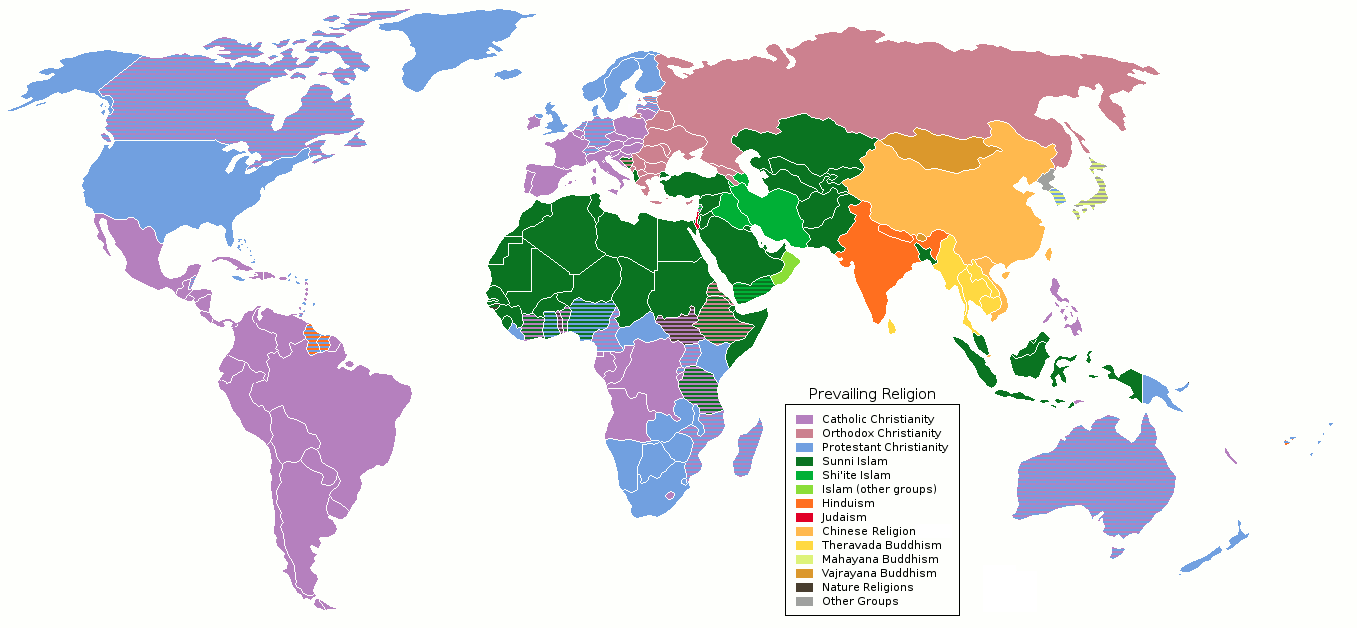
- Association of Religion Data Archives: World Religion Menu
- World Religion Database
- Comings's Answer to Kennicott's i. Dissert. p. 108.
- Comings, Fowler, 1727 or 1728- | Wellcome Collection
- Fowler Comings - Internet Archive
- Fowler Comings (c.1727-) / 1 titles, 1 vols. | PRDL
- Complutensian Polyglot Bible | Description, Languages, & Facts | Britannica
- Coverdale: Miles Coverdale | Reformer, Bible Translator, Tyndale | Britannica
- Cyrillus adver. Julian. p. 134;a
- Against the Galileans:
Cyril of Alexandria and the Revival of Paganism in the Fourth Century.
Against Julian by Cyril of Alexandria (d. 444) is a monumental refutation
of the anti-Christian polemic composed by the emperor Julian in 362-363.
- Saint Cyril of Alexandria
Biography, Writings, Legacy, Feast Day, & Facts | Britannica
- Daniel: The Book of Daniel
Prophet Daniel, Babylonian Exile, Jewish History | Britannica
[Research Note: Britannica incorrectly suggests, "Because its religious ideas
do not belong to the 6th century BC, numerous scholars date Daniel in the first
half of the 2nd century BC"; and, continues the disparagement by suggesting
falsely, that "The unknown author may have drawn inspiration from Ugaritic and
Phoenician sources that speak of a legendary figure notable for his righteousness
and wisdom." Daniel: Prophet of God, Companion of Kings (Daniel)]; in its Notes
and Commentary on Daniel, presents a comprehensive evaluation of subject matter.
That Daniel saw Adam, or the "Ancient of Days," and Also Christ Taking His Rightful
Place as King over the Earth, completely repudiates any non Israelite sources.]
- De La Mare: William De La Mare
English Philosopher, Medieval Scholar & Theologian | Britannica
- De Tott / Du Tott: Baron Du Tott, Vol. II. p. 64
- inauthor:"François baron de Tott"
- Memories of the Baron de Tott, on the Turks and the Tartars
- Dead Sea Scrolls | Definition, Discovery, History, & Facts | Britannica
- Dead Sea Scrolls
- Digital Dead Sea Scrolls
- The Dead Sea Scrolls | The Israel Museum, Jerusalem
- Deer: The Book of Deer
Early Medieval, Monastic Manuscript, Pictish Script | Britannica
- Des Maizeaux: Engl. edit. by Des Maizeaux;
- Pierre des Maizeaux
- Deuteronomy | Ancient Hebrew Law, Moses & Covenant | Britannica
[Research Note: Britannica incorrectly opines: "Although Deuteronomy is presented
as an address by Moses, scholars generally agree that it dates from a much later
period of Israelite history." However, the Prophet Joseph Smith, Jr. in review of
the Bible, produced Old Testament Revision 2, Page 73; re: Deuteronomy, Ch. 34,
mentioning: "So Mosses (sic) the Servant of the Lord died thare (sic) in the land
of Moab, according to the word of the Lord. for the Lord took him unto his Fathers,
in a valley in the land of Moab, over against . . . Bethpeor; therefore no man
knoweth of his sepulchar (sic) unto this day." See: Historical Introduction.
Note under the section Moses, that he did not physically die; he was translated,
and taken out of the midst of the disobedient. rebellious House of Israel;
which rebellion ultimately resulted in the crucifixion of our Lord Jesus Christ,
and the preaching of the Gospel of Jesus Christ to all the Gentile population.]
- Diodati: Giovanni Diodati | Reformation, Bible Translation, Geneva | Britannica
- Documents That Changed the World on Apple Podcasts
- Annals of the World, 1650 | UW News
Annals of the Old Testament, deduced from the first origins of the world,
the chronicle of Asiatic and Egyptian matters together produced from the
beginning of historical time up to the beginnings of Maccabees. Created by:
- James Ussher | Church of Ireland, Archbishop of Armagh, Theologian | Britannica;
1,300 page Annals of the World through close study of The Bible's
Old Testament, as well as a wide range of more secular histories.
- The annals of the world deduced from the origin of time, and continued
to the beginning of the Emperour Vespasians reign, and the totall destruction
and abolition of the temple and common-wealth of the Jews : containing
the historie of the Old and New Testament, with that of the Macchabees,
also the most memorable affairs of Asia and Egypt, and the rise of the empire
of the Roman Caesars under C. Julius, and Octavianus : collected from all history,
as well sacred, as prophane, and methodically digested / by ... James Ussher ...
- Works by or about James Ussher, 1581-1656; Internet Archive
- Douai-Reims Bible | Description, History, & Facts | Britannica
- du Fresne, sieur du Cange: Edit. Du Cange; Charles Dufresne
- Charles du Fresne, sieur du Cange
Du Cange is one of the historians that Edward Gibbon cites;
"our sure and indefatigable guide in the Middle Ages and Byzantine history".
- Early editions of the Hebrew Bible: Great Bibles - Judaic Treasures
- Footprints: Written Work Bible. Early Prophets. Commentary (Radak & Gersonides)
- In The Footprints of the Prophets:
Hebrew Incunabula from the Duke of Sussex’s Library | Bibliomania.
- Hebrew incunabula
- Hebrew Manuscripts at the Bodleian Libraries
- Hooght, Everadus van der, 1642?-1716 - Internet Archive;
Van der Hooght, in his edition of the Hebrew Bible . . .
- Everardus van der Hooght (1642-1716),
the Last of the Christian Hebraists in the Dutch Republic on JSTOR
- Hooght, Everardus van der, 1642?-1716 | The Online Books Page
- Soncino: a name linked to printing for five centuries - CSMonitor.com
- Soncino - JewishEncyclopedia.com
- Soncino family; consider Prophet. Soncin. printed in 1486,;
- The First Printed Haggadah,
of which Only Two Copies Survived : History of Information
- The Soncinos – j-Italy
- Earth and World: Earth - Planet, Atmosphere, Geology | Britannica
Earth sciences - Prehistoric, Origins, Geology | Britannica
[Research Note: The world and earth are not synonymous terms. (The commentaries
by the Prophet Joseph Smith, Jr., are a complete repudiation of modern science. . . .)
The world is the human family. This earth was organized or formed out of other
planets which were broke up and remodelled (sic) and made into the one on which
we live (i.e., unorganized, pulverized elements). The elements are eternal. That which
has a beginning . . . will surely have an end. Take a ring, it is without beginning or
end; cut it for a beginning place, and at the same time you will have an ending place.
A key, every principle proceeding from God is eternal, and any principle which is not
eternal is of the Devil. The sun has no beginning or end, the rays which proceed from
himself (the Sun) have no bounds, consequently are eternal (i.e., a Celestial Planet,
or glorified, eternal Star). So it is with God. If the soul of man had a beginning it will
surely have an end. In the translation; "without form and void" it should read "empty
and desolate" The word "created" should be formed or organized. . . . Observations
on the Sectarian God. That which is without body or parts is nothing. There is no other
God in heaven but that God who has flesh and bones (in a Celestial state of being).
. . . The great principle of happiness consists in having a body. . . . All beings who
have bodies have power over those who have not. . . . This earth will be rolled back
into the presence of God and crowned with Celestial Glory (i.e., become like our Sun).
Discourse, 5 January 1841, as Reported by William Clayton, Page 4]
- Eichrodt: Walther Eichrodt | Old Testament, Theology, Exegesis | Britannica
- Elijah | Biography, Name, Meaning, Story, & Elisha | Britannica
[Research Note: Power to Seal on Earth and in Heaven "The spirit, power, and calling
of Elijah is, that ye have power to hold the key of the revelation, ordinances, oracles,
powers and endowments of the fullness of the Melchizedek Priesthood and of the
kingdom of God on the earth; and to receive, obtain, and perform all the ordinances
belonging to the kingdom of God, even unto the turning of the hearts of the fathers
unto the children, and hearts of the children unto the fathers, even those who are
in heaven" (History of the Church 6:251; spelling modernized). . . . "This is the spirit
of Elijah, that we redeem our dead (through properly authorized Latter-day Saint
Temple ordinance work), and connect ourselves with our fathers which are in heaven
(deceased), and seal up our dead to come forth in the first resurrection; and here
we want the power of Elijah to seal those who dwell on earth to those who dwell
in heaven" (History of the Church, 6:252).]
- Eliot: John Eliot | Puritan, Massachusetts, Algonquian | Britannica
- Puritan John Eliot translated The 1661-1685 Eliot Bible
The First Bible Printed in America
- English Bible History: Timeline of How We Got the English Bible
- The English Bible in the Early Modern World | Brill
- Contents in: The English Bible in the Early Modern World
- Index in: The English Bible in the Early Modern World
- Emser: Hieronymus Emser | Reformer, Humanist, Scholar | Britannica
- Erasmus | Biography, Beliefs, Works, Books, & Facts | Britannica
- Fall of Man | Bible, Painting, Genesis, & Dürer | Britannica
[Research Note: Britannica's complete chronological distortion of record sources,
using fabricated, incorrect reconstructions of ancient data sets, contrary to various
theologically established narratives; provided by First President Joseph Smith, Jr.,
of The Church of Jesus Christ of Latter-day Saints; Prophet, Seer, Revelator, Translator.
- Fall of Man: The Joseph Smith Papers: Search for "Fall of Man"
- Discourse, 5 February 1840, Page 1; with Historical Introduction
- Lectures on Faith: The Joseph Smith Papers: Search for "Lectures on Faith";
the lectures can be considered Joseph Smith documents in the sense that he and
other members of the church presidency introduced them in a signed preface as
being among "the leading items of the religion which we have professed to believe."]
- Faxard Marquis of Valez (sic) Velez collated sixteen manuscripts,
eight of which he borrowed from the King of Spain's library.; Peter Faxard
- The North American Review - The Text of the New Testament
- Fuller: See Fuller's Miscell. Sacra. Lib. iii. c. 13, in the IX. Vol. of Critic. sacr. col. 2320;
- Nicholas Fuller
- Gabriel | Definition & Feast Day | Britannica
[Research Note: Fact checked as: The Joseph Smith Papers: Search for Gabriel.
And the voice of Michael the Archangel, the voice of Gabriel, and of Raphael,
and of divers Angels from Michael or Adam, down to the present time; . . .
Then to Noah who is Gabriel he stands next in authority to Adam in the priesthood.]
- Genesis | Creation, Covenant & Patriarchs | Britannica
[Research Note: Britannica incorrectly states "The patriarchal history begins
with the divine promise to Abraham that "I will make of you a great nation".
Glossary Patriarchal Priesthood | Scriptures.info correctly notes The right of dominion
over the creation belonged to God. God gave that right (first) to Adam and Eve. . . .
It is the right to hold dominion over the world as the steward, (Keys of the Universe), (as)
father, or patriarch over all creation; walking in the similitude of our Lord Jesus Christ.]
- Genesis Rabbah | Midrash, Aggadah, Parables | Britannica
- Geneva Bible | Description, History, & Facts | Britannica
- Gerard's Institutes of Bibl. Critic. p. 254.
- Gerhard: Johann Gerhard | Lutheran Reformer, Theologian & Writer | Britannica
- Gesner: Gesner's Note on the Fragm. of Orpheus p. 361.
- Gesner, Johann Matthias:
Novus Linguae Et Eruditionis Romanae Thesaurus. - Leipzig, 1749.
- inauthor:"Johann Matthias Gesner"
- Johann Matthias Gesner, 1691-1761
- The Mystical Hymns of Orpheus
- Gideons International | Christian Ministry, Bible Distribution, Evangelism | Britannica
- Gloss. Gr.;
- Goodspeed: Edgar J. Goodspeed | Translator, Translations, Bible | Britannica
- Gutenberg Bible | Description, History, & Facts | Britannica
- 7 Things You May Not Know About the Gutenberg Bible | History
- The Gutenberg Bible - Harry Ransom Center Digital Collections
- The Gutenberg Bible - Library of Congress Bible Collection
Exhibitions - Library of Congress
- The Morgan Gutenberg Bible Online
The Morgan Library & Museum Online Exhibitions
- Hebrew literature | History, Characteristics, Books, Writers, & Facts | Britannica
- Hengstenberg: Ernst Wilhelm Hengstenberg
Reformation, Biblical Criticism & Exegesis | Britannica
- Hexapla | Septuagint, Origen, Bible | Britannica
- Hodius / Hody: De Bibliorum Texibus Originalibus; Hodius De Bibl. Text. Orig. p. 114
- Humphrey Hody
- Works by or about Humphrey Hody - Internet Archive
Includes [De bibliorum textibus originalibus], Humfredi Hodii
- Hort: Fenton J. A. Hort | New Testament, Theology, Anglican | Britannica
- Howel's History, and Patrick's Commentary, that . . .
- Hugh of Saint-Cher | Facts, Writings, & Biography | Britannica
- Ibbetson in his Note on Josephus Jew. Ant. B. xx. c. i. Sect 2.p. 957;
Ibbetson's Note on Josephus Tom. I. p. 944, edit. Havercamp.
- ibn Tibbon: Moses ben Samuel ibn Tibbon
Hebrew Scholar, Translator & Philosopher | Britannica
- Ibrāhīm al-Ḥāqilānī | Islamic Scholar, Scholar of Hadith | Britannica
- Isaac: Saint Isaac the Great | Biography, Feast Day, Legacy, & Facts | Britannica
- Isaiah: Book of Isaiah | Prophecy, Messianic Hope & Historical Context | Britannica
[Research Note: Britannica improperly divides the writings of Isaiah into two areas
of authorship, ignoring other resources presenting findings on Understanding Isaiah.
As mentioned, Nephi taught that the words of Isaiah "are plain unto all those that
are filled with the spirit of prophecy". The Book of Mormon prophet Nephi further
stated concerning Joseph, son of Jacob, that "He truly prophesied concerning all
his seed. And the prophecies which he wrote, there are not many greater." So this
resolves all problems. The Book of Mormon is true, because it is not restricted by
time considerations; meaning events going forward for generations of time, are
known and can be spoken of, as if occurring within the present generation, of living
prophets, seers, and revelators; such as Joseph of Egypt speaking in future times,
of the restoration of the Gospel of Jesus Christ, by his descendants Joseph, father and
son, or Joseph Smith, Sr. and Joseph Smith, Jr.; which only the faithful comprehend.
This same power of belief, founded upon a perfect faith in Jesus Christ, grants a JST
Genesis 50 translation, to be valid, when ancient Joseph prophesied the bondage of
his father's family in Egypt and their eventual deliverance by Moses, and specifically
names him and his brother, Aaron. Moses was to deliver Israel from Egypt, have
power over the Red Sea, receive commandments from God, and be assisted by
Aaron as his spokesman. This belief system is grounded in the spirit of prophecy.]
- Jablonski: and particularly the Glossarium P. E. Jablonskii Voc. AEgypt. p. cclii. &c.,
[P. E. Jablonski, who stressed the fact that the Gnostics liked to represent, Christ
as the Sun (god). From: Three Elusive Amulets on JSTOR];
[The risen Christ is our SUN - Wijngaards Institute for Catholic Research].
A Gnostic letter of around 200 AD states that resurrection is real for us Christians,
because we 'possess' resurrection. "Resurrection of the spirit", it says, "swallows
resurrection of the psyche and resurrection of the flesh". It then describes resurrection
of the spirit as "being drawn upward by God as rays are drawn by the sun". [Research
Note: A partial "resurrection" is described in the Book of Mormon, in the distinct case
of Three Nephites. In the Book of Mormon, the Three Nephites (also known as the
Three Nephite Disciples) are three Nephite disciples of Jesus who were blessed by
Jesus to remain alive on the earth, engaged in the ministry and in their apostolic
callings until his Second Coming. As described in Third Nephi chapter 28, this change
occurred when they were caught up into heaven. Similar to Mormon beliefs about
John: the Apostle. Three Nephites were granted immortality in order to carry out their
ministering work on the earth . . . they can show themselves unto whatsoever person
or people they choose. Wikipedia falsely denigrates these facts as "Mormon folklore".]
- ADB:Jablonski, Paul Ernst - Wikisource
- Coptic manuscripts of Paul Ernest Jablonski - Archives Hub
- Jablonski, Paul Ernst, 1693-1757 | The Online Books Page
- OCLC Classify -- an Experimental Classification Service - Paul Ernst Jablonski
- Paul Ernst Jablonski
- Jason of Cyrene: Jason of Cyrene
- Job: The Book of Job | Biblical Text and Themes | Britannica
[Research Note: Fact check: Britannica incorrectly states "The poetic disputations
are set within the prose framework of an ancient legend that originated outside Israel.
This legend concerns Job, . . ." See: Doctrine and Covenants 121: 10 "Thou art not yet
as Job; thy friends do not contend against thee, neither charge thee with transgression,
as they did Job." The Lord God Jehovah, or Jesus Christ, validates by His statements,
to Joseph Smith, Jr., in the jail at Liberty, Missouri, that Job is connected to Israel.]
- John: Saint John the Apostle
Biography, Facts, Feast Day, Writings, & Death | Britannica
[Research Note: The John.pdf translation, by the Prophet Joseph Smith, Jr.,
confirms John as a historical person. The JST title is: "The Testimony of St. John".
It invalidates Britannica's false assertion that John's subsequent history is obscure
and passes into the uncertain mists of legend; etc.. John is mentioned frequently
in latter-day revelation . . . passages serve to confirm and to clarify the biblical record
of John and also give us a hint as to his greatness and the importance of the work
the Lord has given him to do on the earth, not only in the time of the New Testament,
but also in the last days. We especially have a clarification . . . ascertaining that John
did not die but has been allowed to remain on the earth as a ministering servant
until the time of the Lord's Second Coming . . . .]
- Joseph: Book of Joseph / Book of Joseph / Joseph, Son of Jacob
- Joseph foretold of a latter-day seer - Church News
- Joseph Smith and Ancient Egypt | Religious Studies Center
- Joseph Smith Papyri
- Joseph Smith’s Biblical View of Egypt | Religious Studies Center
- Patriarchal Era: Joseph in Egypt - Part I / Part 2 / Part 3 / Part 4 / Part 5 / Part 6
- The Joseph Smith Papers: Search for Joseph in Egypt
- The Joseph Smith Papyri and the Writings of Joseph of Egypt on JSTOR
- Translation and Historicity of the Book of Abraham: Book of Abraham Translation
- Book of Abraham and Egyptian Material
- Joshua | Conquest of Canaan, Military Leader, Miracle of Jericho | Britannica
- [Research Note: Britannica incorrectly asserts that Joshua, the leader of the Israelite
tribes after the death of Moses. Moses did not physically die; he was translated,
and taken out of the midst of the disobedient. rebellious House of Israel;
which rebellion ultimately resulted in the crucifixion of our Lord Jesus Christ,
and the preaching of the Gospel of Jesus Christ to all the Gentile population.
Elijah, Moses + 6 More Times People Were Translated by God - LDS Living.]
- Josiah | Reformation, Covenant & Prophets | Britannica
- Jud: Leo Jud | Reformation, Zurich, Theology | Britannica
- Judah ha-Nasi | Jewish Patriarch, Talmudic Scholar | Britannica
- Judaism | Definition, Origin, History, Beliefs, & Facts | Britannica
- Judson: Adoniram Judson | Burma, Baptist, Conversion | Britannica
- Kanzō: Uchimura Kanzō | Meiji period, Christian faith, pacifism | Britannica
- Knox: John Knox | Scottish Reformer & Father of Presbyterianism | Britannica
- Works by or about John Knox -Internet Archive
- Knox: Ronald Knox | Anglican Priest, Catholic Convert, Writer | Britannica
- Laban: The Joseph Smith Papers: Search for Brass Plates of Laban
- Laban, Keeper of the Brass Plates: Brass Plates
- Search for Brass Plates of Laban | The Church of Jesus Christ of Latter-day Saints
- Lagrange: Marie-Joseph Lagrange
Biblical Scholar, Scholarly Writings, Catholic Church | Britannica
- Leclerc: Jean Leclerc | French, Historian, Theologian | Britannica
[Research Note: Britannica describes His views on the Scriptures included
the denial of Mosaic authorship of the Pentateuch as well as of the divine
inspiration of Ecclesiastes, Job, Proverbs, and the Song of Solomon. Compare:
Is the Song of Solomon Scripture? - BYU Studies . . . In July 1832, during his divinely
directed efforts to provide inspired revisions to the biblical text (now called the
Joseph Smith Translation, JST, Joseph Smith claimed, "The Songs of Solomon
are not inspired writings (sic)." The Book of Moses confirms the authorship of Moses.]
- Lefèvre: Jacques Lefèvre d’Étaples
French Humanist, Theologian & Bible Translator | Britannica
- List of Biblical Commentaries
- Cornelius a Lapide: Biblical Commentary of Cornelius ἁ Lapide
- Lloyd: Bishop Lloyd contends, that Obed was the grandfather . . .
- Lloyd, William (1627 - 1717),
Bishop of St Asaph (1680-1692) | Dictionary of Welsh Biography
- William Lloyd (Bishop of Worcester), 1627-1717
- Luke: Saint Luke | Biography, Feast Day, Patron Saint Of, Facts, & History | Britannica
[Research Note: The Luke.pdf translation, by the Prophet Joseph Smith, Jr.,
confirms Luke as a historical person. The JST title is: "The Testimony of St. Luke".
It invalidates Britannica's false insinuation, concerning "If Luke was the author of
the third Gospel and the Acts of the Apostles", as being a quite spurious statement.]
- Luther: Martin Luther | Biography,
Reformation, Accomplishments, Quotes, & Facts | Britannica
- Luther Bible: Luther Bible - Internet Archive
- Martin Luther: Martin Luther bibliography
- Temple Work for the Founding Fathers . . . and other Eminent Men and Women
. . . Martin Luther and John Wesley helped to release the people from religious
bondage that held them during the dark ages. They also prepared the people's
hearts so they would be ready to receive the restored gospel when the Lord
sent it again to men on the earth. James Godson Bleak - Chief Recorder, SGEOR.
- Lyra's opinion is, that there were three successive generations . . .
- Nicholas of Lyra
- Nicholas Of Lyra | Medieval Theologian, Exegete, Commentator | Britannica
- Mahonri Moriancumer | Book of Mormon Central: Chapter 50: Ether 1–5
- Family Genealogy and History Internet Education Directory - Wiki - Posts | Facebook
Pure Genealogy in The Body of Christ - Family Genealogy & History Book of Life.
- The meaning of the name Mahonri Moriancumer
General Discussions - Mormon Dialogue and Discussion Board.
- Maimonides: Moses Maimonides | Biography, Philosophy, & Teachings | Britannica
- Malachi: The Book of Malachi | Summary & Facts | Britannica
[Research Note: Malachi and Moroni said Elijah would come - Church News; see also:
Why Did Moroni Quote Malachi about Elijah’s Coming? | Book of Mormon Central.
These additional resources indicate that Malachi was not an unknown author, as
suggested in Britannica; but that indeed, he was the Prophet Malachi; since he was
quoted by both the Messiah Jesus Christ and the Book of Mormon Prophet, Moroni.]
- Marianna; Mariana; I suppose with Piscator, Mariana, Houbigant and others;
the opinion of Tirinus and Mariana; Tyrinus: Tyrinus, quoted by Poole
- Biblia Sacra Vulgatae Editionis Sixti V. Pontificis Maximi iussu recognita.
et Clementis VIII. auctoritate edita | WorldCat.org
- Juan de Mariana
- Tirinus, Jacobus, (S.I.), 1580-1636 | The Online Books Page;
- au="Tirinus, Jacobus" - Search Results
- Mark: Gospel According to Mark | Description, Authorship, & Facts | Britannica
[Research Note: The Mark.pdf translation, by the Prophet Joseph Smith, Jr.,
confirms Mark as a historical person. The JST title is: "The Testimony of St. Mark".
It invalidates Britannica's false assertion of some scholars, concerning authorship.]
- Markland and Bp. Barrington on the same place;
- Marnix: Philips van Marnix, Heer Van Sint Aldegonde
Facts, Biography, & Psalms | Britannica
- Martin: Gregory Martin | Biography, Legacy, & Facts | Britannica
- Martyr: unless, with Pet. Martyr, we suppose this Pillar to have been erected . . .
- Martyr, Peter - Biblical Cyclopedia
- Masoretic text | Hebrew Bible, Tanakh, Rabbinic Commentary | Britannica
- Matthew: Saint Matthew | History, Facts, Feast Day, & Death | Britannica
[Research Note: The Matthew.pdf translation, by the Prophet Joseph Smith, Jr.,
confirms Matthew as a historical person. The JST title is: "The Testimony of St. Matthew".
It invalidates Britannica's false assertion that Matthew's authorship is seriously doubted.]
- Maximus The Greek | Byzantine Scholar, Monk & Humanist | Britannica
- Melanchthon: Philipp Melanchthon | Biography, Reformation, Works, & Facts | Britannica
- Melchizedek | Story, Meaning, Priesthood, & Bible Verse | Britannica
[Research Note: Overview of Priesthood Line of Authority indicates that Melchizedek
was of Patriarchal descent from the House of Noah; as Abraham received priesthood
from Melchizedek; which priesthood originally was called very respectfully, "the Holy
Priesthood after the Order of the Son of God"; namely, that of Jesus Christ / Jehovah.
Shem, or Melchizedek, his Royal King Title, ruled in righteousness under King Noah.
This validates that Church of the Firstborn (Jesus Christ) initiated the hereditary kings.
Thus, The Lord Jesus Christ was appropriately "Jesus the Nazarene, King of the Jews".]
- Menahem | King of Israel | Britannica
- Mendelssohn: Moses Mendelssohn | Biography, Books, & Facts | Britannica
- Mesrop: Saint Mesrop Mashtots | Biography, Alphabet, Legacy, & Facts | Britannica
- Methuselah | Bible, Age, Passages, & Facts | Britannica
[Research Note: Grammar & Alphabet of the Egyptian Language notes:
Kolob in the first degree. It signifies the first great grand governing fixed star which
is the fartherest that ever has been discovered by the fathers which was discovered
by Methusela (sic) and also by Abraham; by the use of the Urim and Thummim.]
- Michael | Description, History, & Feast Days | Britannica
[Research Note: Michael is Adam, the Ancient of Days; or Adam, the Archangel.]
- Micah: Book of Micah | Prophet, Prophecy, Israel | Britannica
- Milescu: Nicolae Milescu | Enlightened traveler, polymath, diplomat | Britannica
- Moffatt: James Moffatt | New Testament, Bible Translation, Theology | Britannica
- Mohammedan: Mohammedan authors also say; Mohammedan writers
- List of biographies of Muhammad
- List of Muslim historians
- List of Muslim theologians
- List of Muslim writers and poets
- Lists of Muslims
- Muhammad | Biography, History, & Facts | Britannica
- Muhammad in Islam
- The Mohammedan World on JSTOR
- Montanus, Pagninus, and our English translators, in the margin, render, . . .
- Bible/Hebrew/Christian hebraist/Pagninus/Montanus
- Arias Montanus (Benedictus) - JewishEncyclopedia.com
. . . Xantis Pagnini Lucensis, Benedicti Ariae Montani Hispal.
- Biblia Hebraica. : Eorundem Latina interpretatio Xantis Pagnini Lucensis,
Benedicti Ariae Montani Hispal. & quorundam aliorum collato studio,
ad Hebraicam dictionem dilligentissimè expensa | WorldCat.org
Authors: Sante Paginni and Benito Arias Montano
- Santes Pagnino: Pagninus, Sanctes - Biblical Cyclopedia
- Santes Pagninus | Hebrew Bible translator, commentator | Britannica
- Thesaurus linguae sanctae sive lexicon hebraicum
- Moore: George Foot Moore | Religious Historian,
Harvard Professor, Biblical Critic | Britannica
- Morgan: William Morgan | Welsh Reformer, Bible Translator & Bishop | Britannica
- Morin: Jean Morin | Reformer, Scholar, Jesuit | Britannica
- Mormon: Book of Mormon | Description & History | Britannica
- Moroni: Moroni | Prophet, Angel, Book of Mormon | Britannica
[Research Note: The Joseph Smith Papers: Search for Moroni, and
Search for Moroni | The Church of Jesus Christ of Latter-day Saints]
- Morrison: Robert Morrison | China, Translation, Bible | Britannica
- Moses: Moses | Story, Summary, Significance, & Facts | Britannica
[Research Note: Answer to the question, was the Priesthood
of Melchizedeck (sic) taken away when Moses died. (?) ,
{Internal Research Note: Moses did not physically die; he was translated,
and taken out of the midst of the disobedient. rebellious House of Israel;
which rebellion ultimately resulted in the crucifixion of our Lord Jesus Christ,
and the preaching of the Gospel of Jesus Christ to all the Gentile population.
Elijah, Moses + 6 More Times People Were Translated by God - LDS Living.}
Continuing: All priesthood is Melchizedek; but there are different portions
or degrees of it. That portion which brought Moses to speak with God face
to face was taken away; but that which brought the ministry of angels (i.e.,
The Aaronic Priesthood) remained. All the Prophets had the Melchizedeck (sic)
Priesthood and was ordained by God himself (i.e., by authorized representatives).
Discourse, 5 January 1841, as Reported by William Clayton, Page 4]
- Mowinckel: Sigmund Mowinckel | Old Testament, Psalms, Theology | Britannica
- Nahum: Book of Nahum | Prophecy, Judgment & Wrath | Britannica
- New Testament | Description & History | Britannica
- New Testament Books | Listed in Canonical Order | Britannica
- Nicholas Of Hereford | Medieval theologian, Philosopher, Mystic | Britannica
- Nimrod | Definition, Meaning, & Facts | Britannica
[Research Note: Britannica incorrectly defines Nimrod as a legendary biblical figure
of the Book of Genesis. Nevertheless, he is included by the Prophet Joseph Smith, Jr.,
in his Old Testament Revision 1. Furthermore, Nimrod is part of the ancient Adamic
language, as it is a name of one of the Kings in the Book of Ether; as part of records
contained in the Book of Mormon. The Book of Ether names are indicative of the pure
Adamic Language, handed down from the time of Adam and Eve. Biblical patterns
are included, in the List of Book of Mormon people: Jared, Noah, Levi, Aaron, Seth, etc.
Nimrod also is in Revelation given to Joseph the Seer: Old Testament Revision 2.]
- Noah | Biblical Hero, Flood Survivor & Patriarch | Britannica
[Research Note: Noah, the son of Lamech, with full historical pedigree documentation,
contrary to the incorrect statement, that he was the originator of vineyard cultivation,
(which belonged to Adam & Eve, who were commanded to tend the Garden of Eden);
as well as incorrect designation of Noah, Bible Patriarch, as just a biblical tradition.]
- Numbers | Israelites, Tribes & Wilderness | Britannica
- Obadiah: Book of Obadiah
Hebrew Prophecy, Minor Prophet & Judgment | Britannica
- Oecolampadius: Johann Oecolampadius
Biography, Reformation, Protestant, & Facts | Britannica
- Old Testament | Definition & History | Britannica
- Hebrew Bible - Torah, Prophets, Writings | Britannica
Books of the Hebrew Bible.
- Olives: Mount of Olives | Gethsemane, History, Map, & Facts | Britannica
- Orientals believe . . . Oriental writers
- Origen | Early Christian Theologian & Scholar | Britannica
- Orm | Old English, Anglo-Saxon, Poet | Britannica
- Palmer in Exercit. ad Strah. p. 289,
- Paul: Saint Paul the Apostle | Biography & Facts | Britannica
[Research Note: Discourse, 5 January 1841, as Reported by William Clayton, Page 4
Description of Paul-- He is about 5 foot high; very dark hair; dark complection (sic);
dark skin; large Roman nose; sharp face; small black eyes, penetrating as eternity;
round shoulders; a whining voice, exept (sic) when elevated and then it almost
resembles the roaring of a Lion. He was a good orator, but Doctor John C. Bennett
is a superior orator; and like Paul is active and diligent, always, employing himself
in doing good to his fellow men.]
- Pedersen: Christiern Pedersen
Renaissance Scholar, Historian & Translator | Britannica
- Pedersen: Johannes Peder Ejler Pedersen
Philosophy, Logic & Mathematics | Britannica
- Peshitta | Definition, History, & Facts | Britannica
- Peter: Letters of Peter | Summary, Authorship, & Facts | Britannica
- Peter: St. Peter the Apostle - Disciple, Rome, Martyr | Britannica
[Research Note: Keys – Glossary Topic notes that Jesus Christ gave Peter the "keys
of the kingdom of heaven"; which were later conferred upon Joseph Smith, Jr., and
also Oliver Cowdery by former Apostleship Presidency: Peter James, and John.]
- Petri: Laurentius Petri | Reformation, Lutheranism & Archbishop | Britannica
- Philemon: Letter of Paul to Philemon | Summary & Facts | Britannica
- Philipppians: Letter of Paul to the Philippians | Summary & Facts | Britannica
- Philological criticism | Textual analysis, Source criticism, Historical context | Britannica
- Philoxenus of Mabbug | Biography & Facts | Britannica
- Plantin: Christophe Plantin | Renaissance, Bookbinding, Antwerp | Britannica
- Polycarp: Martyrdom of Polycarp | Description, Importance, Date, & Facts | Britannica
- Polyglot Bible | Description, Editions, & Facts | Britannica
- Portal:Latter Day Saint Movement
- Latter Day Saint Movement
- Mormon Studies
- The Church of Jesus Christ of Latter-day Saints
Latter-day Saint Family History Centers and Temples
(Mormon Family History and Genealogy Search)
- PRDL | Welcome to The Post-Reformation Digital Library
16th century religious movement creating the establishment of Protestant Churches.
- PRDL | Authors
- PRDL | Biblical Books
- PRDL | Dates / Range: 10 years
- PRDL | Digital Libraries
- PRDL | Genres
- PRDL | Genres / Biographical
- PRDL | Publishers
- PRDL | Reference
- PRDL | Related Websites
- PRDL | Scholastica
- TIMELINE of Christianity
- Proverbs, The | Wisdom, Morality & Instruction | Britannica
- Psalms | Definition & Facts | Britannica
- Raphalengius: Franciscus Raphalengius, who printed them in the year 1572, . . .
- Franciscus Raphelengius, 1539-1597
- Research Bibliography for Biblical & Theological Studies – BibTheo
- Academic Journals – BibTheo
- Bible Dictionaries – BibTheo
- Commentaries – BibTheo
- Online Bibliography Guides – BibTheo
- Primary Sources – BibTheo
- Revelation to John | Summary & Facts | Britannica
[Research Note: Britannica totally distorts historical reality by stating that:
Revelation to John appears to be a collection of separate units composed
by unknown authors who lived during the last quarter of the 1st century,
though it purports to have been written by an individual named John--
who calls himself "the servant" of Jesus--at Patmos, in the Aegean Sea.
Joseph Smith and the Book of Revelation clarifies, and provides understanding.
- John the Beloved in Latter-day Scripture (D&C 7) | Religious Studies Center
- John, the Disciple Whom Jesus Loved
- Revelation - Inspired Version and Revelation_2.pdf offers corrected translation,
with further information on the servant of Jesus, at: Section 7, John the Revelator.]
- Robinson: Edward Robinson | Religious Historian,
Biblical Geographer, Biblical Critic | Britannica
- Robinson: Henry Wheeler Robinson
Victorian Era, Anglican Church, Scholar | Britannica
- Rogers: John Rogers | Puritan preacher, martyr, Bible translator | Britannica
- John Rogers (Bible editor and martyr)
- Romans: Letter of Paul to the Romans | Summary & Facts | Britannica
- Rosenzweig: Franz Rosenzweig
Jewish Philosopher, Theologian & Translator | Britannica
- Ruffinus makes his surname Caddis.
- Tyrannius Rufinus
- Tyrannius Rufinus | Christian Apologist, Church Historian & Monk | Britannica
- Russell: Charles Taze Russell | Founder of Jehovah’s Witnesses,
Bible Student Movement | Britannica
- Ruth: Book of Ruth | Summary & Facts | Britannica
- Saʿadia ben Joseph | Jewish Exegete, Philosopher & Gaon | Britannica
- Salesbury: William Salesbury | Translator, Lexicographer, Welsh | Britannica
- Samuel: Books of Samuel | History, Figures & Themes | Britannica
- Samuel: Samuel ha-Nagid
Maimonidean philosopher, Andalusian poet, Granadan vizier | Britannica
- Schechter: Solomon Schechter | Conservative Judaism
Jewish Education, Jewish Theology | Britannica
- Genizah | Definition & Facts | Britannica
- Cairo Genizah: Advanced Search for Genealogy
- Cambridge Digital Library - University of Cambridge - Bibliography Search
- Scripture | Meaning, Religions, & Facts | Britannica
[Research Note: Scriptures / Scriptures / Search for Scriptures
The Church of Jesus Christ of Latter-day Saints.]
- ScripturePlus: About ScripturePlus
- Septuagint | Greek, Hebrew & Aramaic Sources | Britannica
- Several writers, both Arabic and Turkish, expressly say, that Azar, or Azer,
and Terah, were the same person, under different names; thus making
their Genealogy to coincide with that given in Scripture. . . . Abraham's Father,
as we learn from Sale 1. c., is called Zarah in the Talmud, and Athar by Eusebius,
- Simson in Chron. Cathol. A. M. 3902, supposes that Alexander Janneus . . .
- Smith: Sir George Adam Smith
Scottish Historian, Geographer, Theologian | Britannica
- Smith: Joseph Smith | Biography & Facts | Britannica
- Inspired Version of the Holy Scriptures on Centerplace.org
- The Joseph Smith Papers
Comprehensive digital collection of the papers of Joseph Smith, Jr..
- Smith: William Robertson Smith
Religious Critic, Biblical Scholar, Theologian | Britannica
- Solomon | Sources, Meaning, Temple, & Facts | Britannica
- Stackhouse and Calmet have committed; Stackhouse in his History of the Bible . . .
- Steevens's Note on Othello Vol. XIX. p. 235; George Steevens;
Johnson's and Steeven's Shakspeare edit. Reed.
- The Dramatic Works of Shakspeare, From the Text of Johnson, Steevens and Reed;
With a Biographical Memoir, Summary Remarks on each Play, Copious Glossary,
and Variorum Notes, by William Shakespeare et al. | The Online Books Page
- Stephen: Saint Stephen of Perm
Slavic Evangelist, Miracle Worker & Martyr | Britannica
- Strigelius and others consider the word . . .; Lat. Victorinus Strigelius, 1524-1569
- Strigel, Viktorin - Oxford Reference
- Strigel, Victorinus, 1524-1569 | The Online Books Page
- Strype: See Lightfoot's works, published by Strype, Vol. II. p. 98.
- John Strype, 1643-1737
- Sulpicius: And Severus Sulpicius, and many other writers,
as well as the antients (sic), as the moderns come also into this opinion.
- 1911 Encyclopædia Britannica / Severus, Sulpicius
- Sulpicius Severus, c. 363 - c. 425
- Sulpicius Severus | Roman historian, Gallic monk | Britannica
- Talmud and Midrash | Definition, Books, Examples, & Facts | Britannica
- Tam: Jacob ben Meir Tam | Rashi’s grandson, Tosafist | Britannica
- Tanakh | Hebrew Bible, Torah, Prophets | Britannica
- Targum | Ancient Jewish Biblical Interpretation & Translation | Britannica
- Tatian | Biography, Apologist, Works, & Facts | Britannica
- Taylor in his Concordance supposes, . . .
- The Bible Collection: Introduction
Resource Guide from the Rare Book and Special Collections Division
Research Guides at Library of Congress
- Collection Materials - The Bible Collection
- Digital Resources - The Bible Collection
- Reference Bibliography - The Bible Collection
- Search Strategies - The Bible Collection
- Using the Library of Congress - The Bible Collection
- Video Resources - The Bible Collection
- Theobald's Note on King Richard II. Vol. XIV. p. 296,; Lewis Theobald
- Mr. Theobald (Theobald, Mr. (Lewis), 1688-1744) | The Online Books Page
- Theodore Of Mopsuestia | Syrian Theologian, Biblical Exegete | Britannica
- Thessalonians: Letters of Paul to the Thessalonians | Summary & Facts | Britannica
- Thorláksson: Gudbrandur Thorláksson (Icelandic Bishop and Scholar
Renaissance Man, Reformer & Educator | Britannica
- Timothy: Saint Timothy | Apostle, Disciple, Ephesus | Britannica
- Letters of Paul to Timothy | Summary, Authorship, & Facts | Britannica
- Tirinus; Tyrinus: Marianna; Mariana; I suppose with Piscator, Mariana, Houbigant
and others; the opinion of Tirinus and Mariana; Tyrinus: Tyrinus, quoted by Poole
- Biblia Sacra Vulgatae Editionis Sixti V. Pontificis Maximi iussu recognita.
et Clementis VIII. auctoritate edita | WorldCat.org
- Juan de Mariana
- Tirinus, Jacobus, (S.I.), 1580-1636 | The Online Books Page;
- au="Tirinus, Jacobus" - Search Results
- Tischendorf: Konstantin von Tischendorf | Facts, Biography, & Research | Britannica
- Codex Sinaiticus: Codex Sinaiticus - See The Manuscript | Genesis |
- Codex Sinaiticus | Earliest Known Biblical Manuscript | Britannica
- Titus: Letter of Paul to Titus | Summary, Authorship, & Facts | Britannica
- Tobit: Tobit | Book of Tobit, Apocrypha, Aramaic | Britannica
- Book of Tobit
- Torah | Definition, Meaning, & Facts | Britannica
- Tosafot | Talmudic, Commentaries, Rishonim | Britannica
- Tyconius | 5th Century Christian Theologian & Biblical Exegete | Britannica
- Tyndale: William Tyndale | Biography, Bible, Death, & Facts | Britannica
- Tyndale House: Tyndale Archive of Biblical Studies
- Ulfilas | 4th-Century Bishop of the Goths | Britannica
- Uzziah | Reign of Uzziah, Judah, Temple Building | Britannica
- Van Dalen: A Van Dalen in his Dissert. De Hist. Aristeae p. 136. and . . .
- Waxman: Meyer Waxman
- Meyer Waxman | Jewish Historian, Talmudic Scholar, Rabbi | Britannica
- Weiss: Johannes Weiss | Biblical Critic, Lutheranism, Exegesis | Britannica
- Welch: Adam Cleghorn Welch | Victorian Era, Biblical Criticism, Theology | Britannica
- Wellhausen: Julius Wellhausen | Biblical Critic, Historian, Theologian | Britannica
- Wells: In this I have the concurrence of Dr. Wells;
- Wesley: John Wesley | Biography, Methodism, Beliefs, & Facts | Britannica
- John Wesley: John Wesley bibliography
- The works of John and Charles Wesley : a bibliography,
containing an exact account of all the publications issued by the brothers Wesley,
arranged in chronological order, with a list of the early editions, and descriptive
and illustrative notes : Green, Richard, 1829-1907 : Internet Archive
- Westcott: Brooke Foss Westcott
Church of England, Anglican Theology, Biblical Criticism | Britannica
- Weymouth: Richard Francis Weymouth | Translation, Bible, Theology | Britannica
- Wolfü: Chr. Wolfü Bibl. Heb. Part. i.p. 492, &c. and p. 497, &c.; Wolfius Biblioth. Hebr.
Tom i. 215, and Gesner's Note on the Fragm. of Orpheus p. 361.
- Christian Wolff (philosopher) / Wolfius / ennobled as Christian Freiherr von Wolff.
- Wolff, Christian (1679–1754) - Routledge Encyclopedia of Philosophy
- Works by or about Christian Wolff - Internet Archive
- Willet, and others,
- Wycliffe: John Wycliffe | Biography, Bible, (Read the Wycliffe Free Online),
Beliefs, Reformation, Legacy, Death, & Facts | Britannica
- Yahweh | YHWH, Adonai, Elohim, Meaning, & Facts | Britannica
[Research Note: Sacred Name Honor; similar to substitution and use of Melchizedek,
which is the Priesthood that is after the Order of the Son of God, even Jehovah; for,
before his day it was called the Holy Priesthood, after the Order of the Son of God.]
- Yiddish literature - Jewish Culture, Poetry, Fiction | Britannica
- Zechariah: Book of Zechariah | Prophet, Visions, Judgement | Britannica
- Zedekiah | Babylonian Exile, Prophecy & Blindness | Britannica
[Research Note: All the posterity of Zedekiah were not slain.
- BOOK [Stick] of JUDAH - Mattaniah - Zedekiah
- The Joseph Smith Papers: Search for Mulek]
- Zephaniah: Book of Zephaniah | Prophet, Judah, Judgment | Britannica
- Zeraʿim | Torah, Mishnah, Talmud | Britannica
- Zerubbabel | Persian Ruler, Jewish Leader & Temple Builder | Britannica
- Zerubbabel: Temple of Zerubbabel
- Zion | History, Significance, Map, & Facts | Britannica
[Research Note: The Joseph Smith Papers: Search for Zion
Search for Zion | The Church of Jesus Christ of Latter-day Saints: Zion]
- Zunz: Leopold Zunz | Jewish Historian, German Scholar | Britannica
- Zwingli: Huldrych Zwingli - Reformation, Theology, Switzerland | Britannica
===================================================================
Berry: William Berry (genealogist):
- Genealogica Sacra, or Scripture Tables (Biblical Canon)
Betham, William, 1749-1839 (William Betham. 1749–1839)
Complete Bible Genealogy - Jesus Family Tree - Kings of Judah and Israel
Inspired Version of the Holy Scriptures on Centerplace.org
- Bible Search | The Church of Jesus Christ of Latter-day Saints
- Archive Bible Search | The Church of Jesus Christ of Latter-day Saints
- JewishEncyclopedia.com
- Joseph Smith, Jr. Papers: Teachings of the Prophet Joseph Smith, Jr., (book)
Comprehensive digital collection of the papers of Joseph Smith, Jr.
- Scriptures: LDS Church Magazines and LDS Information
Journal of Ancient Judaism | Brill
- Genealogy versus Merit? On the Role of Lineage in Ancient Judaism.
Introduction in: Journal of Ancient Judaism Volume 11 Issue 1 (2020)
The articles gathered in this theme issue explore the dynamics of genealogy
and merit in Jewish texts from the Hellenistic and Roman periods,
in relation to individual family, and ethnic self-definitions, as well as individual
and group strategies meant to establish legitimacy, prestige,
or control over other segments of society.
Royal Genealogies : Or, the Genealogical Tables of Emperors, Kings and Princes,
From Adam to these Times. James Anderson (Freemason), D. D.
PART I. Begins with a Chronological History of the World,
from the Beginning of Time to the Christian Era, and then the Genealogies
of the earliest great Families and most ancient Sovereigns of Alia, Europe,
Africa and America, down to Charlemain, and many of 'em down to these Times.
PART II. Begins with the Grand Revolution of Charlemain, and carries on the Royal
and Princely Genealogies of Europe down to these Times, concluding with those
of the Britannic Isles. See a more particular Account in the Preface
and in the Contents of the Tables. [Research Note: The Royal Genealogies
by James Anderson can be best read by switching to view as plain text,
using the "More actions menu" at the top left side of the front book page.
Genealogical Tables: Tab. II., or Table Two (2), mention is made of Antediluvian
Patriarchs, according to Profane History. It should be clearly noted from a Biblical
perspective, that after the Tower of Babel, naming patterns were distorted globally,
when the Language of Adam was lost, in its purity, except in peculiar cases; such
as the Jaredites, the greatest nation upon the earth; until destroyed by internal, open
civil warfare, waged across the length and breadth of the North American Continent.
Table III. shows Chaldean Kings before the Flood, from Berosus. Table IV. mentions
The Egyptians have also a Series of Kings, who, as they pretend, reigned before
the Flood; and their Account begins the same Year with that of Berossus. The naming
of the Gods, and Demigods, who are supposed to have reigned in Egypt, clearly do
show the transliteration of God the Father, or Ahman, and Jesus Christ, also known
as Son Ahman, into Hephsestion / Hephaestus, or Vulcan; as well as Helios, or the Sun.
Ancient Patriarchs and their Priesthood powers were transmogrified into planetary
designations; originally revealed by the words of Abraham, via Urim and Thummim.]
The Plates within the Plates: Ether [Research Note: What was the faith of the Brother
of Jared; also know as Mahonri Moriancumer? Answer: "And when the Lord had said
these words, he showed unto the brother of Jared all the inhabitants of the earth which
had been, and also all that would be; and he withheld them not from his sight, even
unto the ends of the earth. For he had said unto him in times before, that if he would
believe in him that he could show unto him all things--it should be shown unto him;
therefore the Lord could not withhold anything from him, for he knew that the Lord
could show him all things." . . . "They shall not go forth unto the Gentiles until the day
that they shall repent of their iniquity, and become clean before the Lord. And in that
day that they shall exercise faith in me, saith the Lord, even as the brother of Jared did,
(also known as Mahonri Moriancumer), that they may become sanctified in me, then will
I manifest unto them the things which the brother of Jared (Mahonri Moriancumer) saw,
even to the unfolding unto them all my revelations, saith Jesus Christ, the Son of God,
the Father of the heavens and of the earth, and all things that in them are."]
Ussher Chronology by James Ussher; James Ussher - Internet Archive: Digital Library
E. Witness Evidence: The Book of Mormon: A Guide for the Old Testament
The Book of Mormon As a Witness of the Old Testament
Ether 1 . . . twenty and four plates . . . called the Book of Ether
. . . (I, Moroni) suppose that the first part of this record, which speaks concerning
the creation of the world, and also of Adam, and an account from that time even
to the great tower (Tower of Babel), and whatsoever things transpired among the
children of men until that time, is had among the Jews-- Therefore I do not write
those things which transpired from the days of Adam until that time; but they are
had upon the plates; and whoso findeth them, the same will have power that he
may get the full account. But behold, I give not the full account, but a part of the
account I give, from the tower down until they were destroyed. . . .
Appendix 4: Testimony of Three Witnesses, Late June 1829, P. 589 . . . Historical
Introduction . . . Oliver Cowdery, David Whitmer, and Martin Harris testified . . .
Decades later, David Whitmer added, "We not only saw the plates of the B[ook]
of M[ormon] but also the Brass plates, the Plates of the Book of ether, the Plates
containing the Record of the wickedness of the people of the world, and many
other plates." The Joseph Smith Papers: Search for the "Brass Plates of Laban"
. . . and thus my father lehi did discover the genealogy of his fathers and Laban
also was a desendant of joseph (Of the land of egypt) wherefore he and his fathers
had kept the records . . . that these plate of brass Should go forth unto all nations
kindreds tongues and people Which ware of his seed wherefore he said that these
plate of brass should never perish neither should they be dimd Any more by time
The Plates of Brass: A Witness of Christ (The Joseph Smith Papers: Search for "Plates")
The Savior’s Use of the Old Testament "This day is this scripture fulfilled in your ears."
025: JUDA - JUDAH - JUDAS (the son of JACOB - ISRAEL)
- Joseph Smith Sr. Genealogical Website: Judah
Family of Juda - Judah - Judas: Biblical Genealogy: From Judah to Bustanai
Judah (son of Jacob): Judah: Chart / House of Israel |
Marriages:
Gospel Women - Studies of the Named Women in the Gospels,
by Richard Bauckham (Amazon.com): + and the name of Judah's wife, (Jubilees 34:20).
Betasu'el [Shuah], a Canaanite; as: {Bet (letter) House of asu'el [Shuah], or 41:7: Bedsuel}
Gospel Women: Studies of the Named Women in the Gospels.
Document - Gale Academic OneFile: Tamar (Genesis)
Women In Genealogies / Women in Kingly Genealogies:
The Queens, Widows, and Prostitutes that Changed the Story.
D&C 132: 38 David also received many wives and concubines, and also Solomon
and Moses my servants, as also many others of my servants, from the beginning
of Creation until this time; and in nothing did they sin save in those things which they
received not of me. [Research Note: This reference from God specifically implies that
Adam, who was at the beginning of Creation, received many wives and concubines,
which would have been given to Adam, by Eve; from some of their female posterity.
This would be consistent with Mary, the Mother of Jesus Christ; she also being a spirit
daughter of God, the Eternal Father; betrothed to God Ahman, by Angel Gabriel (Noah).
This would have directly involved the full consent of Heavenly Mother; as the only means
provided, whereby she could obtain a future return to an eternal association with all of her
righteous and glorified mortal children. Prophets have taught that our immortal, celestial,
heavenly parents work together in a united manner, for the total comprehensive salvation
of the human family; brought to fulfillment through the blood Atonement of Jesus Christ.]
[Research Note: Plural Marriage "was believed in and practiced by the ancients"; noted
Brigham Young: Beneficial Effects of Polygamy (Journal of Discourses). As LDS President,
Brigham Young also stated "that if you desire with all your hearts to obtain the blessings
which Abraham obtained, you will be polygamists at least in your faith, or you will come
short of enjoying the salvation and the glory which Abraham has obtained. This is as true
as that God lives. . . . The only men who become Gods, even the Sons of God, are those
who enter into polygamy. Others attain unto a glory and may even be permitted to come
into the presence of the Father and the Son (in the Celestial Earth Kingdom; single, or in
a monogamously Temple sealed marriage), but they cannot (fully) reign as kings in glory,
because they had blessings offered unto them (to have power to save their own posterity),
and they refused to accept them." The Power to Seal on Earth and in Heaven remained
actively upon the earth until the days of Elijah the Prophet, one of Messengers with Keys.
Therefore, according to President Brigham Young, Jesus Christ had to have been married
to more than one wife, before he was exalted. Thus, the New Testament does not contain
a complete record of the Saints family relationships. Furthermore, Biblical society clearly
included plural marriage, as it was "believed in and practiced by the ancients", (as three
years previous to the death of Adam, he called Seth, Enos, Cainan, Mahalaleel, Jared,
Enoch, and Methuselah; all just high priests, having the Holy Priesthood, after the Order
of the Son of God, with the residue of his, Adam's righteous posterity, into the green valley
of Adam-ondi-Ahman); which society continued on through Shem, or Melchizedek, the son
of Noah; to Abraham, Isaac, and Jacob, or Israel; down into the later Christian Gentile era.
This certainly indicates a tremendous disparity in surviving Biblical records, when actually
compared mathematically, with the high number of global inhabitants, in pre-flood times.
Section 138, Vision of the Redemption of the Dead (Doctrine and Covenants 138): "Among
the great and mighty ones who were assembled in this vast congregation of the righteous
were Father Adam, the Ancient of Days and father of all, And our glorious Mother Eve,
with many of her faithful daughters who had lived through the (past Old Testament) ages
and worshiped the true and living God." Adam, or Michael, as the Holy Patriarchal Head
of the Human Family, by Right, has been delegated to hold the keys of the resurrection
of the dead, from Jesus Christ, or Jehovah; having previously passed through that order,
and continuously assists in bringing to pass the crowning of his posterity with immortality,
and eternal lives, under the direction of Son Ahman, the Messiah, Lord of Lords, and King
of Kings. President Joseph F. Smith validates tremendous disparity in surviving Biblical
records,: "I saw the hosts of the dead, both small and great." -- "And there were gathered
together in one place an innumerable company of the spirits of the just who had been
faithful in the testimony of Jesus while they lived in mortality;" "They were assembled
awaiting the advent of the Son of God into the spirit world, to declare their redemption
from the bands of death." (Thus, this would have been an innumerable company of spirits
having lived in Old Testament times, as "Their sleeping dust was to be restored unto its
perfect frame . . .") "While this vast multitude waited and conversed, rejoicing in the hour
of their deliverance from the chains of death, the Son of God appeared, declaring liberty
to the captives who had been faithful," Also, this multitude did not include all the wicked.
Specific mention is made of seeing and critically identifying additional Old Testament
personalities: Abel, the first martyr; Seth, one of the mighty ones; Noah, of the flood era;
Shem, the great high priest (Melchizedek); Abraham, the father of the faithful; Isaac,
Jacob; Moses, the great law-giver of Israel; Isaiah, who spoke of the Messiah; Ezekiel;
Daniel; Elias, who appeared on the Mount of Transfiguration; and the prophet Malachi;
"All these and many more, even the prophets who dwelt among the Nephites and testified
of the coming of the Son of God, mingled in the vast assembly"; waiting for deliverance.
Furthermore, Jesus Christ mentions in Matthew 7: 19–23, when asked why Moses permitted
divorce; Jesus Christ declared: "Moses because of the hardness of your hearts suffered
you to put away your wives: but from the beginning it was not so. And I say unto you,
Whosoever shall put away his wife, except it be for fornication, and shall marry another,
committeth adultery: and whoso marrieth her which is put away doth commit adultery."
Isaiah 3 & 4 notes Zion and her daughters will be redeemed and cleansed in the coming
millennial day, by the restoration of polygamy: "And in that day, seven women shall
take hold of one man, saying: We will eat our own bread, and wear our own apparel;
only let us be called by thy name to take away our reproach"; re: 2 Nephi Chapter 14, as
mentioned in the Book of Mormon; indicating modern day Zion is yet filthy, beforehand.
Since there was no divorce in the beginning, under the ancient patriarchal priesthood,
the unity of family associations would have greatly expanded the number of the children
living upon the earth, down to the time of the period of the administration of prophet Elijah.
Therefore, it is priesthood unrighteous dominion, in the cancellation of Temple Sealings,
or civil divorces, and not genetic DNA, that promotes extreme mental cruelty within lives
of separated posterity; that is the origination of adultery, fornication; all perverted forms
of biological disorientation of the children; a diminished World Population Since Creation.]
See: List of Names for the Biblical Nameless and List of Women in the Bible
The Role of Women in the Bible - Jews for Jesus
The Social Status of Woman in the Old Testament
Women's Testimony and Talmudic Reasoning
Genesis 38: 12 Daughter of a certain Canaanite, whose name was Shuah [Betasu'el];
[Prostitute relationship with] Tamar (Genesis), by whom twin sons. "Joseph's half-brother
Judah had three sons by a Canaanite wife named Shuah and twin sons by
Tamar, whose ancestry is unknown (Genesis 38:2–30). Of the half-Canaanite
sons, only one (Shelah) lived long enough to have posterity, but his mtDNA
would be unlike that of his half-brothers, Pharez and Zarah, unless their mothers
were sisters (Genesis 46:12; Numbers 26:19–21). From Pharez descended
Salmon, who married the Canaanite woman Rahab, who had been spared
with her father's household during the Israelite destruction of the city of
Jericho in Joshua's day. Their son was Boaz, who married the Moabitess
Ruth, who became the great-grandmother of King David and, consequently,
of all the kings of Judah and of Jesus Christ himself (Ruth 4:18–22;
Matthew 1:2–16). While most of the kings of Judah from whom Christ is
descended married women of the same tribe or of other Israelite tribes,
this is not true of all of them. For example, Rehoboam, son of Solomon,
was born of a woman named Naamah, who was an Ammonitess (1 Kings 14:21,
31; 2 Chronicles 12:13). Genesis 40:10 informs us that Simeon had a Canaanite
wife, but nothing is said of the other wives of Jacob's sons or their origins,
although it seems likely that they also married outside Abraham's kin group.
The children and grandchildren of Jacob who are mentioned in the biblical
account number seventy, but this does not include daughters and granddaughters.
Although nothing is specifically said on the matter, it is not unreasonable to
assume that Jacob's people included servants and their families as well.
One thing, however, seems certain: all of Jacob's grandchildren inherited
their mtDNA from their mothers, who were likely non-Israelite."
Swimming in the Gene Pool: Israelite Kinship Relations, Genes, and Genealogy
Matthew Roper - FARMS Review - Volume 15 - Issue 2
The Children of 025: Juda - Judah - Judas
025-001: DIRECT DESCENDANT (a son) 026: BOOK - Er (biblical person)
025-002: DIRECT DESCENDANT (a son) 026: BOOK - Onan
025-003: DIRECT DESCENDANT (a son) 026: BOOK - Shelah (son of Judah)
025-004: DIRECT DESCENDANT (a son) 026: PEREZ - PHARES - PHAREZ
025-005: DIRECT DESCENDANT (a son) 026: BOOK - Zara - Zarah - Zerah
Family Information: Old Testament Student Manual Genesis-2 Samuel (pdf)
Judah
geography (location):
Lived in Canaan and Ancient Egypt
life: Biblical Hermeneutics Stack Exchange
The Many Bibles of Joseph Smith:
Textual, Prophetic, and Scholarly Authority in Early-National Bible Culture.
* Historicity of the Bible
* Joseph Smith’s Biblical Antiquity | Religious Studies Center
* List of Burial Places of Abrahamic Figures (from Adam and Eve)
* List of Inscriptions in Biblical Archaeology: Biblical Archaeology
* Personages who appeared to Joseph Smith - FAIR
* The Visions of Joseph Smith: "The Visions of Joseph Smith" - YouTube™ (Alex Baugh)
* Universal Resurrection: (Resurrection) The Ultimate Triumph
* What Does It Mean to "Come Forth in the Morning of the First Resurrection"?
About: Asenath
About: Asher
About: Benjamin
About: Dan (son of Jacob)
About: Dinah
About: Gad (son of Jacob)
About: Issachar
About: Joseph (Genesis)
About: Judah (son of Jacob)
About: Levi
About: Naphtali
About: Reuben (son of Jacob)
About: Simeon (son of Jacob)
About: Twelve Tribes of Israel
About: Zebulun
Art: Representation of Biblical Women | Jewish Women's Archive
Asenath: Bible | Jewish Women's Archive
Asenath - Biblical Cyclopedia
Asenath, History of - Biblical Cyclopedia
Asenath: Midrash and Aggadah | Jewish Women's Archive
Asher - Biblical Cyclopedia
Asherite - Biblical Cyclopedia
Barren Women in the Bible | Jewish Women's Archive
Bathshua - Biblical Cyclopedia
Benjamin - Biblical Cyclopedia
Benjamite - Biblical Cyclopedia
BibleGateway - Keyword Search: Asenath
BibleGateway - Keyword Search: Asher
BibleGateway - Keyword Search: Asherite
BibleGateway - Keyword Search: Ben-oni / Benjamin
BibleGateway - Keyword Search: Concubine
BibleGateway - Keyword Search: "Dan"
BibleGateway - Keyword Search: Danite
BibleGateway - Keyword Search: Daughter
BibleGateway - Keyword Search: Dinah
BibleGateway - Keyword Search: "Gad"
BibleGateway - Keyword Search: Gadite
BibleGateway - Keyword Search: Issachar
BibleGateway - Keyword Search: Joseph
BibleGateway - Keyword Search: Juda
BibleGateway - Keyword Search: Judah
BibleGateway - Keyword Search: Judas
BibleGateway - Keyword Search: "Levi"
BibleGateway - Keyword Search: Levite
BibleGateway - Keyword Search: Naphtali
BibleGateway - Keyword Search: Reuben
BibleGateway - Keyword Search: Reubenite
BibleGateway - Keyword Search: Simeon
BibleGateway - Keyword Search: Simeonite
BibleGateway - Keyword Search: Shua
BibleGateway - Keyword Search: Tamar
BibleGateway - Keyword Search: Zebulonite
BibleGateway - Keyword Search: Zebulun
BibleGateway - Keyword Search: Zebulunite
Biblical Women in World and Hebrew Literature | Jewish Women's Archive
Dan - Biblical Cyclopedia
Danite - Biblical Cyclopedia
Daughter - Biblical Cyclopedia
Daughter in Jewish Law - JewishEncyclopedia.com
Daughter Zion (Bat Tzion) | Jewish Women's Archive
Dinah
Dinah
Dinah: Bible | Jewish Women's Archive
Dinah - Biblical Cyclopedia
Dinah: Midrash and Aggadah | Jewish Women's Archive
Female Purity (Niddah) | Jewish Women's Archive
Festivals and Holy Days | Jewish Women's Archive
Gad - Biblical Cyclopedia
Gadite - Biblical Cyclopedia
Genealogy - Biblical Cyclopedia
Genealogy of Jesus Christ - Biblical Cyclopedia
Hebrew Women in Egypt: Bible | Jewish Women's Archive
Herodian Women | Jewish Women's Archive: Mariamme I The Hasmonean
Issachar - Biblical Cyclopedia
Jesus's Interactions with Women: Relief Society | Relief Society
Jewish Women in the New Testament | Jewish Women's Archive
Joseph
Joseph
Joseph - Bible History
Joseph - Biblical Cyclopedia
Juda - Bible History
Juda - Biblical Cyclopedia
Juda - Judah - Judas
Juda - Judah - Judas
Judah
Judah - Bible History
Judah - Biblical Cyclopedia
Judah, Kingdom of
Judah, Tribe of
Judaism - Livius
Judas - Bible History
Judas - Biblical Cyclopedia
Legal-Religious Status of the Jewish Female | Jewish Women's Archive
Legal-Religious Status of the Virgin | Jewish Women's Archive
Levi - Biblical Cyclopedia
Levite - Biblical Cyclopedia
List of Biblical Names
- List of Names for the Biblical Nameless
- List of Women in the Bible
Maimonides | Jewish Women's Archive
Menstruation in the Bible | Jewish Women's Archive
Midwife: Bible | Jewish Women's Archive
Midwife: Midrash and Aggadah | Jewish Women's Archive
Naphtali - Biblical Cyclopedia
Naphtali, Tribe of - Biblical Cyclopedia
Portal:Judaism
Post-Biblical and Rabbinic Women | Jewish Women's Archive
Quran: List of people in both the Bible and the Quran
Rashi | Jewish Women's Archive
Reuben - Biblical Cyclopedia
Reubenite - Biblical Cyclopedia
Search Bible | Jewish Women's Archive
Shelomith 1: Midrash and Aggadah | Jewish Women's Archive
Shuah - Biblical Cyclopedia
Shua's daughter: Midrash and Aggadah | Jewish Women's Archive
Simeon - Biblical Cyclopedia
Simeonite - Biblical Cyclopedia
Sotah, Tractate | Jewish Women's Archive: Consecration: An Everlasting Covenant
[Research Note: John 8 mentions concerning Jesus Christ: "And early in the morning
he came again into the temple, and all the people came unto him; and he sat down,
and taught them. And the scribes and Pharisees brought unto him a woman taken
in adultery; and when they had set her in the midst, They say unto him, Master,
this woman was taken in adultery, in the very act." The Sotah (Talmud) historical reality
of this encounter is testified to within the Sotah, Tractate, as "The Mishnaic Tractate
Soah deals with the trial by ordeal undergone in the Temple by a sotah, a woman
whose husband suspected her of adultery. In particular, the Mishnaic ritual is closer
to the punishment of an adulteress . . . the laws of evidence transform the sotah . . .
to one against whom there is solid evidence of immoral behavior." There is unbinding
of the woman's hair, rending of the woman's garments (currently, LDS temple garments,
or requirements forbidding their use or wearing in the future), and inviting public witness;
or, subject her to buffetings of Satan; a repulsive open abuse; destruction in naked flesh.]
Tamar: Bible | Jewish Women's Archive
Tamar - Biblical Cyclopedia
Tribe - Biblical Cyclopedia
Women in Judaism
Women in Scripture - Google™ Books
PART I NAMED WOMEN
PART II UNNAMED WOMEN
The Hebrew Bible
The Apocryphal / Deuterocanonical Books
The New Testament
PART III FEMALE DEITIES AND PERSONIFICATIONS
[Women in scripture : a dictionary of named and unnamed women in the Hebrew Bible,
the Apocryphal / Deuterocanonical books, and the New Testament : Internet Archive]
Reference work of all women mentioned in the Bible, named and unnamed; from
prophets to prostitutes, military heroines to musicians, deacons to dancers, widows
to wet nurses, rulers to slaves; innovative section devoted to many unnamed women.
Women in the Bible
Women in the Qur'an, Traditions, and Interpretation | Oxford Academic: Mary
Women Warriors | Jewish Women's Archive
Yael Wife of Heber The Kenite: Midrash and Aggadah | Jewish Women's Archive
Zebulonite - Biblical Cyclopedia
Zebulun - Biblical Cyclopedia
religion: Scripture Citation Index
The Priesthood was first given to Adam. He obtained the First Presidency and held
the Keys of it. He obtained it in the creation before the world was formed, and they
remained on the earth until the Old Testament times of Elijah the Prophet; the last
of those prophets to hold the Keys of the Sealing Power of the Melchizedek Priesthood.
All the ancient prophets of the Old Testament times had the Melchizedek Priesthood.
The Order of the Melchizedek Priesthood was formerly called the High Priesthood of
the Holy Order of God, or the Holy Priesthood, after the Order of the Son of God. It is
the Church of the Firstborn, or glorified Patriarchal Priesthood celestial heir members.
The sealed family is central to the Creator's plan for the eternal destiny of His children.
Old Testament Biblical Records include statements concerning High Priests presiding
in, or holding Priesthood Keys in the Melchizedek Priesthood, as well as Bishops, who
hold the mighty sacred keys over The Aaronic Priesthood: The Ministering of Angels.
Priesthood of Aaron restoration was performed by John the Baptist. The testimony of
Jesus Christ was: This is he, of whom it is written, behold, I send my messenger before
thy face, which shall prepare thy way before thee. For I say unto you, Among those
that are born of women there is not a greater prophet than John the Baptist: but he
that is least in the kingdom of God is greater than he. And all the people that heard
him, and the publicans, justified God, being baptized with the baptism of dear John.
Thus, we carefully listen to Andrea Bocelli - Angels We Have Heard On High - YouTube™.
Also: Listen to the Voice of Jesus Christ, your Lord, your God, and your Redeemer, whose
word is quick and powerful. And also John the son of Zacharias, which Zacharias he (Elias,
to whom I have committed the keys of bringing to pass the restoration of all things spoken
by the mouth of all the holy prophets since the world began, concerning the last days),
visited and gave promise that he should have a son, and his name should be John,
and he should be filled with the spirit of Elias; Which John I have have sent unto you,
my servants, Joseph Smith, Jun., and Oliver Cowdery, to ordain you unto the first priest-
hood, which you have received, that you might be called and ordained even as Aaron.
Open Access Digital Theological Library (OADTL) LibGuides at Digital Theological Library
Curates high-quality content in religious studies and related disciplines from publisher
websites, Institutional repositories, scholarly societies, archives, and stable public domain
collections. Curates content without regard for theological or confessional perspective.
Research Aids: Complete Bible Commentaries | Dissertations and Articles
Translation: Greek Lexica and Grammars | Hebrew Lexica and Grammars
What Truths Do 1 Nephi and 2 Nephi Teach Us about Jesus Christ?
[Research Note: RootsTech • FamilySearch was presented 29 Feb 2024 - 02 Mar 2024; it
did "provide meaningful connections through a deeper understanding of family history
and genealogy." Class Schedule Preview shows 27 DNA results. A Search of RootsTech
On-Demand Library reveals an added 289 results. The Science of Molecular Genealogy
suggests: "Molecular science can help genealogists uncover previously unknown family
relationships, verify or refute claims to ancestry, and shed light on questions that have
puzzled family historians for years." There are however, scientific limitations involved,
when considering Latter-day Saint, or Christian belief systems, based upon Bible text;
showing The Internal Consistency and Historical Reliability of the Biblical Genealogies.
Scott Ray Woodward (biologist)] extracted and typed DNA going back millions of years.
Faith in the Lord Jesus Christ and His EASTER resurrection, validated by LDS (D&C 138),
suggest serious reconsiderations on the actual value of DNA studies, extrapolated back
in temporal time. Foremost of all, What are resurrected bodies like?, declares they are
physical; and thus, no physical bodies upon the earth for molecular science to evaluate.
Moroni, who lived in the fifth century A.D., additionally is a physically resurrected being.
So what is left of the ancient molecular past, to scientifically evaluate, are remains from
wicked societies, and social environments, destined for a future Telestial or Terrestrial
eternal existence. All these societies, except for Noah and his family relationships, had
disruptive global flood experiences, degrading and altering their molecular body purity
(as well as a stated corruption of all flesh, intermingled between animals and humans).
Additionally, all spirit is matter, but it is more refined and pure, such that it is infinitely
incapable of being measured by modern technological instruments; nor by DNA data.
God of course knows all of His spirit children, and knows from the beginnings of their
spiritual birth in heaven; thus He knows the past, present and future of the Universe,
knowing beforehand, the beginnings and ends of all the works of His own Creations.
In conclusion then, What Truths Do 1 Nephi and 2 Nephi Teach Us about Jesus Christ?
The Book of Mormon is the greatest primary witness on the face of the earth to validate
the authenticity of the Ancient Biblical Record, with Moroni as the greatest key witness.
The Prophet Moroni testifies emphatically that the Theory of Evolution is so completely
false, as noted in Line upon Line: Moroni 10:3–5. Behold, I would exhort you, that when
ye shall read these things, if it be wisdom in God that ye should read them, that ye would
remember how merciful the Lord hath been unto the children of men, from the creation
of Adam even down until the time that ye shall receive these things, and ponder it in your
hearts. . . . And by the power of the Holy Ghost ye may know the truth of all things. . . .
The key element of this witness testimony concerning the real mortal existence of Adam,
and the factual evidence of the creation of the earth, and all the subsequent related things
thereto, is clearly stated within The Book of Ether. Moroni specifically abridged the record
of the Jaredites. Therefore, from a professional genealogical research specialist standpoint,
he is an intimate, personally involved, eye-witness to this account of those twenty and four
plates which were found by the people of Limhi, which is called the Book of Ether. Moroni
mentions: "And as I suppose that the first part of this record, which speaks concerning the
creation of the world, and also of Adam, and an account from that time even to the great
tower, and whatsoever things transpired among the children of men until that time, is had
among the Jews-- Therefore I do not write those things which transpired from the days of
Adam until that time; but they are had upon the plates; and whoso findeth them, the same
will have power that he may get the full account" (as they are written in Adamic language).
Additionally Legal Records, the Brass Plates, held in the originating possession of Laban,
contained not only the Jewish scriptures, but also Lehi's own genealogy back to Joseph
in Egypt. From a dispassionate, professional genealogical research specialist standpoint,
this directly relates to the genealogical Truths taught in 1 Nephi and 2 Nephi, Moroni had
access to the Brass Plates of Laban and knew that those records came forth out of the City
of Jerusalem; and were handed down intact by the seed of originating Nephite father Lehi.
Nevertheless, the very false theory, or secular doctrine of Evolution is currently, and very
openly, and proudly; blatantly expounded upon, by open-minded "scientific" leadership,
from the sacred halls of learning, at Brigham Young University. Yet, Nephi, son of Lehi,
had a vision of great significance, recorded in 1 Nephi 13:20–42: Plain and Precious Truths.
In particular, from a genealogical research standpoint, 1 Nephi 13: 23, the Gentiles, or us,
today, had a book, which an angel from the Throne of God in Heaven declared, stating:
Behold it proceedeth out of the mouth of a Jew (collectively, the ancestry of the Jews).
"The book that thou beholdest is a record of the Jews, which contains the covenants
of the Lord, which he hath made unto the house of Israel (from Old Testament times);
and it also containeth many of the prophecies of the holy prophets; and it is a record
like unto the engravings which are upon the plates of brass, save there are not so many;
nevertheless, they contain the covenants of the Lord, which he hath made unto the house
of Israel; wherefore, they are of great worth unto the Gentiles." Organic Evolution is false.
See: Witnesses of the Gold Plates of the Book of Mormon]
time period: Judah was born circa 1819/1759 B.C. to ____/____ B.C.
A Walk Through Time - Ancient Calendars | NIST
Calendar - Roman, Ancient, Lunar | Britannica
Gezer Calendar | Britannica
History of Calendars - Wikipedia
The History of Calendars and How They Evolved - Calendar
Understanding Historical Dates And Calendars For Genealogical Research
[Research Note: Calendars are part of record keeping. There is no real physical science
in existence without accurate record keeping, to determine what has transpired in past
events, or real experiments, to determine what is going on in the present, or knowing
what calculated future outcomes will be. True and perfect science is based upon written
testimony, and the testimony of Jesus Christ is the The Spirit of Prophecy: true science.
There are the massive amounts of witnesses verifying the origination of calendar record
keeping, before, and since the beginning of time. References are found in Astronomy /
Astronomy, where records of the fathers contain knowledge of creation: planets, stars.
See references: Book of Remembrance, Knowledge, Record, and Write, Wrote, Written;
for the Lord always commands all men to write all the words which he speaks to them.
Revelation, 27–28 December 1832, Broadsheet [D&C 88:1–126], Page 1 mentions two great
concepts: (1) All kingdoms have a law given; and there are many kingdoms; for there is no
space in the which there is no kingdom; & there is no kingdom in which there is no space,
either a greater or lesser kingdom. And unto every kingdom is given a law; and unto every
law there are certain bounds, also, and conditions. (2) . . . for intelligence cleaveth unto
intelligence . . . judgment goeth before the face of him who sitteth upon the throne,
and governeth and executeth all things; he comprehendeth all things, and all things
are before him, and all things are round about him; and he is above all things, and in
all things, and is through all things, and is round about all things: and all things are
by him, and of him; even God, for ever, and ever. From a viewpoint of heavenly physics
and astronomy: there is no vacuum in the Universe; forever having matter and energy
existing in an intertwined state of being. Furthermore, the Universe is forever in control,
magnifying the Glory of God, within all its elements; condensing disparate intelligences.]
=======================================================================
Alpha: Center for Jewish History (Avotaynu) | GENEALOGY - JewishEncyclopedia.com
Ancient and Modern Genealogies, with Temple (Church of Jesus Christ of LDS) Records;
. . . (as privately published by Thomas Milton Tinney, Sr., 1941- : Free Download.)
Bible Chronology / Timeline from Adam to Zedekiah – GatheredIn.One
Biblical and Quranic Narratives: The Qur'an and the Bible - Google™ Books
Biblical Literalist Chronology
Biblical Literature - Old Testament, Canon, Versions | Britannica
Catholic Encyclopedia: Biblical Chronology
Chronology - JewishEncyclopedia.com
Chronology of the Bible: The chronology of the Bible is an elaborate system
of lifespans, 'generations', and other means by which the Masoretic Hebrew
Bible (the text of the Bible most commonly in use today) measures the passage
of events from the creation to . . . (the year of the re-dedication of the Second
Temple). . . . The passage of time is measured initially by adding the ages of
the Patriarchs at the birth of their firstborn sons, later through express statements,
and later still by the synchronized reigns of the kings of Israel and Judah. Later,
The Great Order of the World, or Seder Olam Rabbah, detailed all the dates of
biblical events from creation to Alexander the Great's conquest of Persia. Thus,
Traditional Jewish Chronology has long preserved a record of dates and time
sequences of important historical events related to the Jewish nation. Josephus
painstakingly listed the complete panoply of Jewish high priests who served
during the Second Temple period and which, by comparison of his dates when
each man officiated as high priest, can be used as a time indicator to determine
the span of time in which the Second Temple had its existence. In Early Jewish
Writings, Flavius Josephus Against Apion. Book I, expounds upon the historical
accuracy and applications of official Ancient handed down record compilations.
Josephus Rejected the Rebellion Against Rome, Why Did He Celebrate Chanukah?
. . . "But now as to our forefathers, that they took no less care about writing such
records, (for I will not say they took greater care than the others I spoke of), and
that they committed that matter to their (Aaronic) high priests and to their prophets,
(Ancient Patriarchal High Priests), and that these records have been written all
along down to our own times with the utmost accuracy, nay, if it be not too bold
for me to say it, our history will be so written hereafter, - I shall endeavor briefly
to inform you. 7. For our forefathers did not only appoint the best of these (Aaronic)
priests, and those that attended upon the Divine worship, for that design from
the beginning, (or, from the time of Adam and Eve), but made provision that the
stock of the (Aaronic) priests should continue unmixed and pure; for he who is
partaker of the priesthood must propagate of a wife of the same nation, without
having any regard to money, or any other dignities, but he is to make a scrutiny,
and take his wife's genealogy from the ancient (Bible) tables, and procure many
witnesses to it. (7) Of this accuracy of the Jews before and in our Savior's time, in
carefully preserving their genealogies all along, particularly those of the priests,
see Josephus's Life, sect. 1. This accuracy seems to have ended at the destruction
of Jerusalem by Titus, or, however, at that by Adrian." [Further relevant information
is reviewed in: Joseph Smith Translation - Luke 11: 52 (JST Luke 11:53; at b and c)
Woe unto you, lawyers! for ye have taken away The Key of Knowledge, the fulness
of the scriptures; . . . (Indication by Jesus Christ that holy family records,
genealogies and related family data, were being destroyed by the lawyers.)
Sextus Julius Africanus wrote a history of the world (Chronografiai) and Kestoi
("Embroiderings"), the latter work includes a "Letter to Aristides" on the genealogies
of Christ, of which only fragments are preserved. "But since the Hebrew families
and those traceable to proselytes, such as Achior the Ammonite . . . , and Ruth the
Moabitess, and the mixed families which had come out of Egypt, had until then been
enrolled . . . in the archives . . . , Herod, because the family of the Israelites contributed
nothing to him, and because he was goaded by his own consciousness of his base birth,
burned the records . . . of their families, thinking to appear noble if no one else was able
by public documents . . . to trace his family to the patriarchs or proselytes, to the so--called
gers . . . of mixed descent." - Jude and the Relatives of Jesus in the Early Church (pdf),
by Richard Bauckham, page 358; from the Translation of Eusebius - footnote #135.
"The Lukan Genealogy of Jesus" further mentions: "We know that Herod was sensitive
about his Idumaean and therefore only half-Jewish origins, which many Jews regarded
as disqualifying him from legitimate rule over Israel . . . , that his court historian Nicolaus
of Damascus gave him a pure Jewish ancestry . . . presumably as part of an attempt
by Herod himself to conceal his origins, and that his fear of rivals to his throne led
to decimation of the leading Jewish aristocratic families . . ." - Titus 1: 14
Not giving heed to Jewish fables, and commandments of men, that turn from the truth.]
Continuing, "And this is our practice not only in Judea, but wheresoever any body of men
of our nation do live, and even there an exact catalogue of our priests' marriages is kept,
I mean at Egypt and at Babylon, or in any other place of the rest of the habitable earth,
whithersoever our priests are scattered, for they send to Jerusalem the ancient names of
their parents in writing, as well as those of their remoter ancestors, and signify who are
the witnesses also." [Research Note: Asenath: Bible | Jewish Women's Archive definitely
appears to be an absolute fictional novel. In Volume 02 Journal of Discourses, page 269,
Brigham Young notes: "The Book of Mormon came to Ephraim, for Joseph Smith was a
pure Ephraimite, and the Book of Mormon was revealed to him, and while he lived he
made it his business to search for those who believed the Gospel." Joseph Smith, Jr.,
as a direct descendant of the ancient Joseph in Egypt, and according to the patriarchal
law of the Holy Priesthood, after the Order of the Son of God; it would have been contrary
to family standards to marry out of the pure descendants of the House of Abraham. This
clearly suggests that when Pharaoh honored Joseph. by giving him as a wife, Asenath,
"the daughter of Potiphera, priest from the city of On"; she was a relative of Abraham.
Asenath: Midrash and Aggadah | Jewish Women's Archive addresses this conundrum.
Accordingly, Ephraim and Manasseh are worthy descendents, who continue Jacob's way.
See also: Israel in Egypt | The Evidence for the Authenticity of the Exodus Tradition]
"But if any war falls out, such as have fallen out a great many of them already, . . .
those priests that survive them compose new tables of genealogy out of the old records,
and examine the circumstances of the women that remain, for still they do not admit
of those that have been captives, as suspecting that they had conversation with some
foreigners. But what is the strongest argument of our exact management in this matter
is what I am now going to say, that we have the names of our (Aaronic) high priests
from father to son set down in our records for the interval of two thousand years, and
if any of these have been transgressors of these rules, they are prohibited to present
themselves at the altar, or to be partakers of any other of our purifications, and this
is justly, or rather necessarily done, because every one is not permitted of his own
accord to be a writer, nor is there any disagreement in what is written, they being
only prophets that have written the original and earliest accounts of things as they
learned them of God himself by inspiration, and others have written what happened
in their own times, and that in a very distinct manner also. . . . It is true, our history
hath been written since Artaxerxes very particularly, but hath not been esteemed
of the like authority with the former by our forefathers, because there hath not been
an exact succession of prophets since that time; and how firmly we have given credit
to these books of our own nation is evident by what we do, for during so many ages
as have already passed, no one has been so bold as either to add any thing to them,
to take any thing from them, or to make any change in them; but it is become natural
to all Jews immediately, and from their very birth, to esteem these books to contain
Divine doctrines, and to persist in them, and if occasion be willingly to die for them.
For it is no new thing for our captives, many of them in number, and frequently in time,
to be seen to endure racks and deaths of all kinds upon the theatres, that they may
not be obliged to say one word against our laws and the records that contain them,
whereas there are none at all among the Greeks who would undergo the least harm
on that account, no, nor in case all the writings that are among them were to be
destroyed, for they take them to be such discourses as are framed agreeably to the
inclinations of those that write them; and they have justly the same opinion of the
ancient writers, since they see some of the present generation bold enough to write
about such affairs, wherein they were not present, nor had concern enough to inform
themselves about them from those that knew them, examples of which may be had
in this late war of ours, where some persons have written histories, and published
them, without having been in the places concerned, or having been near them
when the actions were done; but these men put a few things together by hearsay,
and insolently abuse the world, and call these writings by the name of Histories. . . .
I shall begin with the writings of the Egyptians; not indeed of those that have written
in the Egyptian language, which it is impossible for me to do. But Manetho was a man
who by birth an Egyptian, yet had he made himself master of the Greek learning,
as is very evident, for he wrote the history of his own country in the Greek tongue,
by translating it, as he saith himself, out of their sacred records; he also finds great
fault with Herodotus for his ignorance and false relations of Egyptian affairs. Now
this Manetho, in the second book of his Egyptian History, writes concerning us (Jews)
in the following manner. I will set down his very words, as if I were to bring the very
man himself into a court for a witness. . . . This whole nation was styled HYCSOS,
that is, Shepherd-kings: for the first syllable HYC, according to the sacred dialect,
denotes a king, as is SOS a shepherd; . . . in another copy it is said that this word
does not denote Kings, but on the contrary, denotes Captive Shepherds, . . . they built
a city in that country which is now called Judea, and that large enough to contain
this great number of men, (their whole families and effects, not fewer in number than
two hundred and forty thousand), and called it Jerusalem. (9) Now Manetho, in another
book of his, says, "That this nation thus called Shepherds, were also called Captives,
in their sacred books." And this account of his is the truth, for feeding of sheep was
the employment of our forefathers in the most ancient ages (10) and as they led such
a wandering life in feeding sheep, they were called Shepherds. Nor was it without
reason that they were called Captives by the Egyptians, since one of our ancestors,
Joseph, told the king of Egypt that he was a captive, and afterward sent for his brethren
into Egypt by the king's permission. But as for these matters, I shall make a more exact
inquiry about them elsewhere. [Research Note: Abel, one of the sons of Adam and Eve,
is recorded as a keeper of sheep. The Contents of the Plates of Brass further validates
a copy of the Law, or the Five Books of Moses, was historically preserved by the Jews.
What Are the Five Books of Moses? - Chabad.org: the Torah, the foundation of Judaism.
The Book of Mormon mentions the history of the Jews, further confirming the words
of Flavius Josephus, including specifically the prophet Lehi genealogy, to circa 600 B. C.;
indicating from this primary source, that Lehi descended from Joseph's son Manasseh.
See also: The BOOK [Stick] of LEVI: List of High Priests of Israel (Aaronic Priesthood).
Tolidah, a concise summary of Samaritan history and the dynasty of kohanim.
Samaritan High Priest has List of Samaritan High Priests and [Moses Gaster's List /
Moses Gaster Manuscripts Collection at The University of Manchester Rylands Library /
Gaster Cataloguing Project: | UCL Special Collections / An Update of Moses Gaster’s
“Chain of Samaritan High Priests”: The Samaritans in Flavius Josephus - Google™ Books.
Thus, the Ussher Chronology is based correctly upon Annals of the Old Testament, as
deduced from the first origins of the world; preserved over time by the House of Israel.
Annales Veteris Testamenti, a prima mundi origine dedvcti: una cum rerum asiaticarum
et ægyptiacarum chronico, a temporis historici principio usque ad Maccabaicorum
initia producto | Library of Congress.]
Doctrine and Covenants, 1835, THEOLOGY LECTURES 1-7: Lectures Second on Faith
Biblical Chronology of the World: Tracing ancient records from Adam to Father Abraham.
"Neither can there be a doubt existing on the mind of any person, that Adam was the first
who did communicate the knowledge of the existence of a God, to his posterity; and that
the whole faith of the world, from that time down to the present (now to the 21st Century),
is in a certain degree, dependent on the knowledge first communicated to them by their
common progenitor; and it has been handed down to the day and generation in which
we live, as we shall show (by Biblical chronology) from the face of the sacred records."
Genealogies in the Bible: Complete Bible Genealogy
Genesis - Biblical Cyclopedia / Exodus - Biblical Cyclopedia: The Exodus
=======================================================================
[INSPIRED VERSION: Genesis | Exodus | Leviticus | Numbers | Deuteronomy | Joshua |
Judges | Ruth | First Samuel | Second Samuel | First Kings | Second Kings |
First Chronicles | Second Chronicles | Ezra | Nehemiah | Esther | Job | Psalms | Proverbs |
Ecclesiastes | Isaiah | Jeremiah | Lamentations | Ezekiel | Daniel | Hosea | Joel | Amos |
Obadiah | Jonah | Micah | Nahum | Habakkuk | Zephaniah | Haggai | Zechariah | Malachi | ]
=======================================================================
Joseph Smith Translating Genesis - BYU Studies
Ketef Hinnom Scrolls: Jerusalem in Time, Space, and the Imagination
Old Testament Times at a Glance: Prophet - Prophets and Prophecy
Pentateuch - Biblical Cyclopedia
Table of Prophets of Abrahamic Religions: Abrahamic Religions
Research Notes: ↑ upΛ
A. Jewish History Resource Center - Dinur: Study of Biblical History - Online Resources
The Jewish History Resource Center is a project of the
Dinur Center for Research in Jewish History, of the Hebrew
University of Jerusalem. Links to websites in various categories
dealing with Jewish History are visited and evaluated: to index
resources on the web that can help in the study of Jewish History.
B. Index of Articles Related to Jewish History
- Lists of Jews
C. Genealogy of Jesus
D. Witness Evidence: The Book of Mormon: A Guide for the Old Testament
The Book of Mormon As a Witness of the Old Testament
Ether 1 . . . twenty and four plates . . . called the Book of Ether
. . . (I, Moroni) suppose that the first part of this record, which speaks concerning
the creation of the world, and also of Adam, and an account from that time even
to the great tower (Tower of Babel), and whatsoever things transpired among the
children of men until that time, is had among the Jews-- Therefore I do not write
those things which transpired from the days of Adam until that time; but they are
had upon the plates; and whoso findeth them, the same will have power that he
may get the full account. But behold, I give not the full account, but a part of the
account I give, from the tower down until they were destroyed. . . .
Appendix 4: Testimony of Three Witnesses, Late June 1829, P. 589 . . . Historical
Introduction . . . Oliver Cowdery, David Whitmer, and Martin Harris testified . . .
Decades later, David Whitmer added, "We not only saw the plates of the B[ook]
of M[ormon] but also the Brass plates, the Plates of the Book of ether, the Plates
containing the Record of the wickedness of the people of the world, and many
other plates." The Joseph Smith Papers: Search for the "Brass Plates of Laban"
. . . and thus my father lehi did discover the genealogy of his fathers and Laban
also was a desendant of joseph (Of the land of egypt) wherefore he and his fathers
had kept the records . . . that these plate of brass Should go forth unto all nations
kindreds tongues and people Which ware of his seed wherefore he said that these
plate of brass should never perish neither should they be dimd Any more by time
The Plates of Brass: A Witness of Christ (The Joseph Smith Papers: Search for "Plates")
The Savior’s Use of the Old Testament "This day is this scripture fulfilled in your ears."
026: PEREZ -PHARES - PHAREZ (the son of JUDA - JUDAH- JUDAS)
- Joseph Smith Sr. Genealogical Website: Pharez
Family of Perez - Phares - Pharez: Perez (son of Judah)
Marriage:
[Research Note: Female Ancestors of Jesus, has information from a 6th century text extant
in Ge'ez but with an Arabic original. It lists all the female ancestors of Jesus by name. This
article gives a sample of this genealogy, "from Judah's son Perez to Jeconiah, last king of
Judah (discounting his uncle Zedekiah.)" These names and information are infiltrated into
FamilySearch pedigree records, Geni.com, Jewish genealogies, etc. A Study of the book,
which is online: The Book of Adam and Eve - Google™ Books, A Book of the early Eastern
Church, was done, with preface written by S. C. Malan, dated July 12th, 1882. In particular,
moving forward to Book III., Chapter XVI., on page 164, mention is made on page 164, of:
And the angel of God said unto him (Cainan father of Melchizedec), "I am the angel who
brought gold to thy father Adam, when he was below the garden; . . . I am Michael the
angel who received the soul of Abel the just; I am the angel who was with Seth when he
was born in the cave. . . . etc. " This is a direct distortion of fact as it has been revealed to
the modern day Prophet, Seer, Revelator, and Translator, Joseph Smith, Jr., that Michael
is the angelic name of Father Adam. This record falsely suggests that an angel presented
himself, to himself, both as an angel bringing gold, and then receiving it unto himself, as
the man Adam. The whole document as published, is false, untrue, and self contradictory;
by The Rev. Solomon Caesar Malan, D.D., Vicar of Broadwindsor.]
D&C 132: 38 David also received many wives and concubines, and also Solomon
and Moses my servants, as also many others of my servants, from the beginning
of Creation until this time; and in nothing did they sin save in those things which they
received not of me. [Research Note: This reference from God specifically implies that
Adam, who was at the beginning of Creation, received many wives and concubines,
which would have been given to Adam, by Eve; from some of their female posterity.
This would be consistent with Mary, the Mother of Jesus Christ; she also being a spirit
daughter of God, the Eternal Father; betrothed to God Ahman, by Angel Gabriel (Noah).
This would have directly involved the full consent of Heavenly Mother; as the only means
provided, whereby she could obtain a future return to an eternal association with all of her
righteous and glorified mortal children. Prophets have taught that our immortal, celestial,
heavenly parents work together in a united manner, for the total comprehensive salvation
of the human family; brought to fulfillment through the blood Atonement of Jesus Christ.]
[Research Note: Plural Marriage "was believed in and practiced by the ancients"; noted
Brigham Young: Beneficial Effects of Polygamy (Journal of Discourses). As LDS President,
Brigham Young also stated "that if you desire with all your hearts to obtain the blessings
which Abraham obtained, you will be polygamists at least in your faith, or you will come
short of enjoying the salvation and the glory which Abraham has obtained. This is as true
as that God lives. . . . The only men who become Gods, even the Sons of God, are those
who enter into polygamy. Others attain unto a glory and may even be permitted to come
into the presence of the Father and the Son (in the Celestial Earth Kingdom; single, or in
a monogamously Temple sealed marriage), but they cannot (fully) reign as kings in glory,
because they had blessings offered unto them (to have power to save their own posterity),
and they refused to accept them." The Power to Seal on Earth and in Heaven remained
actively upon the earth until the days of Elijah the Prophet, one of Messengers with Keys.
Therefore, according to President Brigham Young, Jesus Christ had to have been married
to more than one wife, before he was exalted. Thus, the New Testament does not contain
a complete record of the Saints family relationships. Furthermore, Biblical society clearly
included plural marriage, as it was "believed in and practiced by the ancients", (as three
years previous to the death of Adam, he called Seth, Enos, Cainan, Mahalaleel, Jared,
Enoch, and Methuselah; all just high priests, having the Holy Priesthood, after the Order
of the Son of God, with the residue of his, Adam's righteous posterity, into the green valley
of Adam-ondi-Ahman); which society continued on through Shem, or Melchizedek, the son
of Noah; to Abraham, Isaac, and Jacob, or Israel; down into the later Christian Gentile era.
This certainly indicates a tremendous disparity in surviving Biblical records, when actually
compared mathematically, with the high number of global inhabitants, in pre-flood times.
Section 138, Vision of the Redemption of the Dead (Doctrine and Covenants 138): "Among
the great and mighty ones who were assembled in this vast congregation of the righteous
were Father Adam, the Ancient of Days and father of all, And our glorious Mother Eve,
with many of her faithful daughters who had lived through the (past Old Testament) ages
and worshiped the true and living God." Adam, or Michael, as the Holy Patriarchal Head
of the Human Family, by Right, has been delegated to hold the keys of the resurrection
of the dead, from Jesus Christ, or Jehovah; having previously passed through that order,
and continuously assists in bringing to pass the crowning of his posterity with immortality,
and eternal lives, under the direction of Son Ahman, the Messiah, Lord of Lords, and King
of Kings. President Joseph F. Smith validates tremendous disparity in surviving Biblical
records,: "I saw the hosts of the dead, both small and great." -- "And there were gathered
together in one place an innumerable company of the spirits of the just who had been
faithful in the testimony of Jesus while they lived in mortality;" "They were assembled
awaiting the advent of the Son of God into the spirit world, to declare their redemption
from the bands of death." (Thus, this would have been an innumerable company of spirits
having lived in Old Testament times, as "Their sleeping dust was to be restored unto its
perfect frame . . .") "While this vast multitude waited and conversed, rejoicing in the hour
of their deliverance from the chains of death, the Son of God appeared, declaring liberty
to the captives who had been faithful," Also, this multitude did not include all the wicked.
Specific mention is made of seeing and critically identifying additional Old Testament
personalities: Abel, the first martyr; Seth, one of the mighty ones; Noah, of the flood era;
Shem, the great high priest (Melchizedek); Abraham, the father of the faithful; Isaac,
Jacob; Moses, the great law-giver of Israel; Isaiah, who spoke of the Messiah; Ezekiel;
Daniel; Elias, who appeared on the Mount of Transfiguration; and the prophet Malachi;
"All these and many more, even the prophets who dwelt among the Nephites and testified
of the coming of the Son of God, mingled in the vast assembly"; waiting for deliverance.
Furthermore, Jesus Christ mentions in Matthew 7: 19–23, when asked why Moses permitted
divorce; Jesus Christ declared: "Moses because of the hardness of your hearts suffered
you to put away your wives: but from the beginning it was not so. And I say unto you,
Whosoever shall put away his wife, except it be for fornication, and shall marry another,
committeth adultery: and whoso marrieth her which is put away doth commit adultery."
Isaiah 3 & 4 notes Zion and her daughters will be redeemed and cleansed in the coming
millennial day, by the restoration of polygamy: "And in that day, seven women shall
take hold of one man, saying: We will eat our own bread, and wear our own apparel;
only let us be called by thy name to take away our reproach"; re: 2 Nephi Chapter 14, as
mentioned in the Book of Mormon; indicating modern day Zion is yet filthy, beforehand.
Since there was no divorce in the beginning, under the ancient patriarchal priesthood,
the unity of family associations would have greatly expanded the number of the children
living upon the earth, down to the time of the period of the administration of prophet Elijah.
Therefore, it is priesthood unrighteous dominion, in the cancellation of Temple Sealings,
or civil divorces, and not genetic DNA, that promotes extreme mental cruelty within lives
of separated posterity; that is the origination of adultery, fornication; all perverted forms
of biological disorientation of the children; a diminished World Population Since Creation.]
See: List of Names for the Biblical Nameless and List of Women in the Bible
The Role of Women in the Bible - Jews for Jesus
The Social Status of Woman in the Old Testament
Women's Testimony and Talmudic Reasoning
The Children of 026: Perez - Phares - Pharez
026-001: DIRECT DESCENDANT (a son) 027: EZRON - HEZRON
026-002: DIRECT DESCENDANT (a son) 027: BOOK - Hamul
Family Information: Old Testament Student Manual Genesis-2 Samuel (pdf)
geography (location):
In Genesis 46: 12, Pharez is listed as one of the 70 Israelites
to move to Ancient Egypt, with Jacob. And the sons of Judah;
Er, and Onan, and Shelah, and Pharez, and Zerah: but Er
and Onan died in the land of Canaan. And the sons of Pharez
were Hezron and Hamul.
life: Biblical Hermeneutics Stack Exchange
The Many Bibles of Joseph Smith:
Textual, Prophetic, and Scholarly Authority in Early-National Bible Culture.
* Historicity of the Bible
* Joseph Smith’s Biblical Antiquity | Religious Studies Center
* List of Burial Places of Abrahamic Figures (from Adam and Eve)
* List of Inscriptions in Biblical Archaeology: Biblical Archaeology
* Personages who appeared to Joseph Smith - FAIR
* The Visions of Joseph Smith: "The Visions of Joseph Smith" - YouTube™ (Alex Baugh)
* Universal Resurrection: (Resurrection) The Ultimate Triumph
* What Does It Mean to "Come Forth in the Morning of the First Resurrection"?
About: Onan
About: Perez (son of Judah)
About: Shelah (son of Judah)
About: Zerah
BibleGateway - Keyword Search: "Er"
BibleGateway - Keyword Search: Onan
BibleGateway - Keyword Search: Parez
BibleGateway - Keyword Search: Perez
BibleGateway - Keyword Search: Phares
BibleGateway - Keyword Search: Pharez
BibleGateway - Keyword Search: Pharzites
BibleGateway - Keyword Search: Shelah
BibleGateway - Keyword Search: Shelanites
BibleGateway - Keyword Search: Zarhites
BibleGateway - Keyword Search: Zerah
"Er"
Er
Er - Bible History
Er - Biblical Cyclopedia
Genealogy - Biblical Cyclopedia
Genealogy of Jesus Christ - Biblical Cyclopedia
Hebrew Women in Egypt: Bible | Jewish Women's Archive
"Onan"
Onan
Onan - Bible History
Onan - Biblical Cyclopedia
Perez - Bible History
Phares - Bible History
Phares - Biblical Cyclopedia
"Pharez"
Pharez - Bible History
Pharez - Biblical Cyclopedia
Pharzite - Biblical Cyclopedia
"Shelah"
Shelah
Shelah - Bible History
Shelah / Shelanites - Biblical Cyclopedia
"Zarah"
Zarah in the Bible | Nave's Concordance
[Research Note: Zarahemla, or Zarah-emla; a key Book of Mormon Nephite capital.
The people of Zarahemla, led by the ruler Zarahemla, was a descendant of Mulek;
Mulek having been mentioned as a son of the biblical King Zedekiah, as recorded.
Printer’s Manuscript of the Book of Mormon, circa August 1829–circa January 1830,
Page 356; it shows word division, at | end of writing, as: Zarahem | la (6); Za | rahemla (2);
Zara | hemla (3); Zarah | emla (2); Zarahe | mla; from a total of 153 Zarahemla entries.
Combined: Za / Zara / Zarah / Zarahe / Zarahem / and, Zarahemla, in complete form;
with endings: rahemla / hemla / emla / mla / and, la; with emla = I will be full; from:
למלאת – to be full; to become full; to complete, to be over – Hebrew conjugation tables;
suggests that Zarahemla inhabitants were full of the descendants of the tribe of Zarah.]
"Zerah"
Zerah / Zarhites- Biblical Cyclopedia
religion: Scripture Citation Index
The Priesthood was first given to Adam. He obtained the First Presidency and held
the Keys of it. He obtained it in the creation before the world was formed, and they
remained on the earth until the Old Testament times of Elijah the Prophet; the last
of those prophets to hold the Keys of the Sealing Power of the Melchizedek Priesthood.
All the ancient prophets of the Old Testament times had the Melchizedek Priesthood.
The Order of the Melchizedek Priesthood was formerly called the High Priesthood of
the Holy Order of God, or the Holy Priesthood, after the Order of the Son of God. It is
the Church of the Firstborn, or glorified Patriarchal Priesthood celestial heir members.
The sealed family is central to the Creator's plan for the eternal destiny of His children.
Old Testament Biblical Records include statements concerning High Priests presiding
in, or holding Priesthood Keys in the Melchizedek Priesthood, as well as Bishops, who
hold the mighty sacred keys over The Aaronic Priesthood: The Ministering of Angels.
Priesthood of Aaron restoration was performed by John the Baptist. The testimony of
Jesus Christ was: This is he, of whom it is written, behold, I send my messenger before
thy face, which shall prepare thy way before thee. For I say unto you, Among those
that are born of women there is not a greater prophet than John the Baptist: but he
that is least in the kingdom of God is greater than he. And all the people that heard
him, and the publicans, justified God, being baptized with the baptism of dear John.
Thus, we carefully listen to Andrea Bocelli - Angels We Have Heard On High - YouTube™.
Also: Listen to the Voice of Jesus Christ, your Lord, your God, and your Redeemer, whose
word is quick and powerful. And also John the son of Zacharias, which Zacharias he (Elias,
to whom I have committed the keys of bringing to pass the restoration of all things spoken
by the mouth of all the holy prophets since the world began, concerning the last days),
visited and gave promise that he should have a son, and his name should be John,
and he should be filled with the spirit of Elias; Which John I have have sent unto you,
my servants, Joseph Smith, Jun., and Oliver Cowdery, to ordain you unto the first priest-
hood, which you have received, that you might be called and ordained even as Aaron.
Open Access Digital Theological Library (OADTL) LibGuides at Digital Theological Library
Curates high-quality content in religious studies and related disciplines from publisher
websites, Institutional repositories, scholarly societies, archives, and stable public domain
collections. Curates content without regard for theological or confessional perspective.
Research Aids: Complete Bible Commentaries | Dissertations and Articles
Translation: Greek Lexica and Grammars | Hebrew Lexica and Grammars
What Truths Do 1 Nephi and 2 Nephi Teach Us about Jesus Christ?
[Research Note: RootsTech • FamilySearch was presented 29 Feb 2024 - 02 Mar 2024; it
did "provide meaningful connections through a deeper understanding of family history
and genealogy." Class Schedule Preview shows 27 DNA results. A Search of RootsTech
On-Demand Library reveals an added 289 results. The Science of Molecular Genealogy
suggests: "Molecular science can help genealogists uncover previously unknown family
relationships, verify or refute claims to ancestry, and shed light on questions that have
puzzled family historians for years." There are however, scientific limitations involved,
when considering Latter-day Saint, or Christian belief systems, based upon Bible text;
showing The Internal Consistency and Historical Reliability of the Biblical Genealogies.
Scott Ray Woodward (biologist)] extracted and typed DNA going back millions of years.
Faith in the Lord Jesus Christ and His EASTER resurrection, validated by LDS (D&C 138),
suggest serious reconsiderations on the actual value of DNA studies, extrapolated back
in temporal time. Foremost of all, What are resurrected bodies like?, declares they are
physical; and thus, no physical bodies upon the earth for molecular science to evaluate.
Moroni, who lived in the fifth century AD, additionally is a physically resurrected being.
So what is left of the ancient molecular past, to scientifically evaluate, are remains from
wicked societies, and social environments, destined for a future Telestial or Terrestrial
eternal existence. All these societies, except for Noah and his family relationships, had
disruptive global flood experiences, degrading and altering their molecular body purity
(as well as a stated corruption of all flesh, intermingled between animals and humans).
Additionally, all spirit is matter, but it is more refined and pure, such that it is infinitely
incapable of being measured by modern technological instruments; nor by DNA data.
God of course knows all of His spirit children, and knows from the beginnings of their
spiritual birth in heaven; thus He knows the past, present and future of the Universe,
knowing beforehand, the beginnings and ends of all the works of His own Creations.
In conclusion then, What Truths Do 1 Nephi and 2 Nephi Teach Us about Jesus Christ?
The Book of Mormon is the greatest primary witness on the face of the earth to validate
the authenticity of the Ancient Biblical Record, with Moroni as the greatest key witness.
The Prophet Moroni testifies emphatically that the Theory of Evolution is so completely
false, as noted in Line upon Line: Moroni 10:3–5. Behold, I would exhort you, that when
ye shall read these things, if it be wisdom in God that ye should read them, that ye would
remember how merciful the Lord hath been unto the children of men, from the creation
of Adam even down until the time that ye shall receive these things, and ponder it in your
hearts. . . . And by the power of the Holy Ghost ye may know the truth of all things. . . .
The key element of this witness testimony concerning the real mortal existence of Adam,
and the factual evidence of the creation of the earth, and all the subsequent related things
thereto, is clearly stated within The Book of Ether. Moroni specifically abridged the record
of the Jaredites. Therefore, from a professional genealogical research specialist standpoint,
he is an intimate, personally involved, eye-witness to this account of those twenty and four
plates which were found by the people of Limhi, which is called the Book of Ether. Moroni
mentions: "And as I suppose that the first part of this record, which speaks concerning the
creation of the world, and also of Adam, and an account from that time even to the great
tower, and whatsoever things transpired among the children of men until that time, is had
among the Jews-- Therefore I do not write those things which transpired from the days of
Adam until that time; but they are had upon the plates; and whoso findeth them, the same
will have power that he may get the full account" (as they are written in Adamic language).
Additionally Legal Records, the Brass Plates, held in the originating possession of Laban,
contained not only the Jewish scriptures, but also Lehi's own genealogy back to Joseph
in Egypt. From a dispassionate, professional genealogical research specialist standpoint,
this directly relates to the genealogical Truths taught in 1 Nephi and 2 Nephi, Moroni had
access to the Brass Plates of Laban and knew that those records came forth out of the City
of Jerusalem; and were handed down intact by the seed of originating Nephite father Lehi.
Nevertheless, the very false theory, or secular doctrine of Evolution is currently, and very
openly, and proudly; blatantly expounded upon, by open-minded "scientific" leadership,
from the sacred halls of learning, at Brigham Young University. Yet, Nephi, son of Lehi,
had a vision of great significance, recorded in 1 Nephi 13:20–42: Plain and Precious Truths.
In particular, from a genealogical research standpoint, 1 Nephi 13: 23, the Gentiles, or us,
today, had a book, which an angel from the Throne of God in Heaven declared, stating:
Behold it proceedeth out of the mouth of a Jew (collectively, the ancestry of the Jews).
"The book that thou beholdest is a record of the Jews, which contains the covenants
of the Lord, which he hath made unto the house of Israel (from Old Testament times);
and it also containeth many of the prophecies of the holy prophets; and it is a record
like unto the engravings which are upon the plates of brass, save there are not so many;
nevertheless, they contain the covenants of the Lord, which he hath made unto the house
of Israel; wherefore, they are of great worth unto the Gentiles." Organic Evolution is false.
See: Witnesses of the Gold Plates of the Book of Mormon]
time period:
A Walk Through Time - Ancient Calendars | NIST
Calendar - Roman, Ancient, Lunar | Britannica
Gezer Calendar | Britannica
History of Calendars - Wikipedia
The History of Calendars and How They Evolved - Calendar
Understanding Historical Dates And Calendars For Genealogical Research
[Research Note: Calendars are part of record keeping. There is no real physical science
in existence without accurate record keeping, to determine what has transpired in past
events, or real experiments, to determine what is going on in the present, or knowing
what calculated future outcomes will be. True and perfect science is based upon written
testimony, and the testimony of Jesus Christ is the The Spirit of Prophecy: true science.
There are the massive amounts of witnesses verifying the origination of calendar record
keeping, before, and since the beginning of time. References are found in Astronomy /
Astronomy, where records of the fathers contain knowledge of creation: planets, stars.
See references: Book of Remembrance, Knowledge, Record, and Write, Wrote, Written;
for the Lord always commands all men to write all the words which he speaks to them.
Revelation, 27–28 December 1832, Broadsheet [D&C 88:1–126], Page 1 mentions two great
concepts: (1) All kingdoms have a law given; and there are many kingdoms; for there is no
space in the which there is no kingdom; & there is no kingdom in which there is no space,
either a greater or lesser kingdom. And unto every kingdom is given a law; and unto every
law there are certain bounds, also, and conditions. (2) . . . for intelligence cleaveth unto
intelligence . . . judgment goeth before the face of him who sitteth upon the throne,
and governeth and executeth all things; he comprehendeth all things, and all things
are before him, and all things are round about him; and he is above all things, and in
all things, and is through all things, and is round about all things: and all things are
by him, and of him; even God, for ever, and ever. From a viewpoint of heavenly physics
and astronomy: there is no vacuum in the Universe; forever having matter and energy
existing in an intertwined state of being. Furthermore, the Universe is forever in control,
magnifying the Glory of God, within all its elements; condensing disparate intelligences.]
=======================================================================
Alpha: Center for Jewish History (Avotaynu) | GENEALOGY - JewishEncyclopedia.com
Ancient and Modern Genealogies, with Temple (Church of Jesus Christ of LDS) Records;
. . . (as privately published by Thomas Milton Tinney, Sr., 1941- : Free Download.)
Bible Chronology / Timeline from Adam to Zedekiah – GatheredIn.One
Biblical and Quranic Narratives: The Qur'an and the Bible - Google™ Books
Biblical Literalist Chronology
Biblical Literature - Old Testament, Canon, Versions | Britannica
Catholic Encyclopedia: Biblical Chronology
Chronology - JewishEncyclopedia.com
Chronology of the Bible
Doctrine and Covenants, 1835, THEOLOGY LECTURES 1-7: Lectures Second on Faith
Biblical Chronology of the World: Tracing ancient records from Adam to Father Abraham.
"Neither can there be a doubt existing on the mind of any person, that Adam was the first
who did communicate the knowledge of the existence of a God, to his posterity; and that
the whole faith of the world, from that time down to the present (now to the 21st Century),
is in a certain degree, dependent on the knowledge first communicated to them by their
common progenitor; and it has been handed down to the day and generation in which
we live, as we shall show (by Biblical chronology) from the face of the sacred records."
Genealogies in the Bible: Complete Bible Genealogy
Genesis - Biblical Cyclopedia / Exodus - Biblical Cyclopedia: The Exodus
=======================================================================
[INSPIRED VERSION: Genesis | Exodus | Leviticus | Numbers | Deuteronomy | Joshua |
Judges | Ruth | First Samuel | Second Samuel | First Kings | Second Kings |
First Chronicles | Second Chronicles | Ezra | Nehemiah | Esther | Job | Psalms | Proverbs |
Ecclesiastes | Isaiah | Jeremiah | Lamentations | Ezekiel | Daniel | Hosea | Joel | Amos |
Obadiah | Jonah | Micah | Nahum | Habakkuk | Zephaniah | Haggai | Zechariah | Malachi | ]
=======================================================================
Joseph Smith Translating Genesis - BYU Studies
Ketef Hinnom Scrolls: Jerusalem in Time, Space, and the Imagination
Old Testament Times at a Glance: Prophet - Prophets and Prophecy
Pentateuch - Biblical Cyclopedia
Table of Prophets of Abrahamic Religions: Abrahamic Religions
Research Notes: ↑ upΛ
A. Genealogy of Jesus
B. Witness Evidence: The Book of Mormon: A Guide for the Old Testament
The Book of Mormon As a Witness of the Old Testament
Ether 1 . . . twenty and four plates . . . called the Book of Ether
. . . (I, Moroni) suppose that the first part of this record, which speaks concerning
the creation of the world, and also of Adam, and an account from that time even
to the great tower (Tower of Babel), and whatsoever things transpired among the
children of men until that time, is had among the Jews-- Therefore I do not write
those things which transpired from the days of Adam until that time; but they are
had upon the plates; and whoso findeth them, the same will have power that he
may get the full account. But behold, I give not the full account, but a part of the
account I give, from the tower down until they were destroyed. . . .
Appendix 4: Testimony of Three Witnesses, Late June 1829, P. 589 . . . Historical
Introduction . . . Oliver Cowdery, David Whitmer, and Martin Harris testified . . .
Decades later, David Whitmer added, "We not only saw the plates of the B[ook]
of M[ormon] but also the Brass plates, the Plates of the Book of ether, the Plates
containing the Record of the wickedness of the people of the world, and many
other plates." The Joseph Smith Papers: Search for the "Brass Plates of Laban"
. . . and thus my father lehi did discover the genealogy of his fathers and Laban
also was a desendant of joseph (Of the land of egypt) wherefore he and his fathers
had kept the records . . . that these plate of brass Should go forth unto all nations
kindreds tongues and people Which ware of his seed wherefore he said that these
plate of brass should never perish neither should they be dimd Any more by time
The Plates of Brass: A Witness of Christ (The Joseph Smith Papers: Search for "Plates")
The Savior’s Use of the Old Testament "This day is this scripture fulfilled in your ears."
027: EZRON - HEZRON (the son of PEREZ - PHARES - PHAREZ)
- Joseph Smith Sr. Genealogical Website: Ezrom
Family of Ezron - Hezron: Hezron
Marriages:
[He had by his first marriage three sons: Jerahmeel; Ram,
from whom David descended; and Caleb. When Hezron
was sixty years old, he married Gilead's sister, the daughter
of Machir - Makir, who bore him Segub, the father of Jair.
After Hezron's death in the town of Caleb Ephrathah,
his wife Abiah / Abijah bore Ashur (I Chron. ii. 9, 21, 24).]
D&C 132: 38 David also received many wives and concubines, and also Solomon
and Moses my servants, as also many others of my servants, from the beginning
of Creation until this time; and in nothing did they sin save in those things which they
received not of me. [Research Note: This reference from God specifically implies that
Adam, who was at the beginning of Creation, received many wives and concubines,
which would have been given to Adam, by Eve; from some of their female posterity.
This would be consistent with Mary, the Mother of Jesus Christ; she also being a spirit
daughter of God, the Eternal Father; betrothed to God Ahman, by Angel Gabriel (Noah).
This would have directly involved the full consent of Heavenly Mother; as the only means
provided, whereby she could obtain a future return to an eternal association with all of her
righteous and glorified mortal children. Prophets have taught that our immortal, celestial,
heavenly parents work together in a united manner, for the total comprehensive salvation
of the human family; brought to fulfillment through the blood Atonement of Jesus Christ.]
[Research Note: Plural Marriage "was believed in and practiced by the ancients"; noted
Brigham Young: Beneficial Effects of Polygamy (Journal of Discourses). As LDS President,
Brigham Young also stated "that if you desire with all your hearts to obtain the blessings
which Abraham obtained, you will be polygamists at least in your faith, or you will come
short of enjoying the salvation and the glory which Abraham has obtained. This is as true
as that God lives. . . . The only men who become Gods, even the Sons of God, are those
who enter into polygamy. Others attain unto a glory and may even be permitted to come
into the presence of the Father and the Son (in the Celestial Earth Kingdom; single, or in
a monogamously Temple sealed marriage), but they cannot (fully) reign as kings in glory,
because they had blessings offered unto them (to have power to save their own posterity),
and they refused to accept them." The Power to Seal on Earth and in Heaven remained
actively upon the earth until the days of Elijah the Prophet, one of Messengers with Keys.
Therefore, according to President Brigham Young, Jesus Christ had to have been married
to more than one wife, before he was exalted. Thus, the New Testament does not contain
a complete record of the Saints family relationships. Furthermore, Biblical society clearly
included plural marriage, as it was "believed in and practiced by the ancients", (as three
years previous to the death of Adam, he called Seth, Enos, Cainan, Mahalaleel, Jared,
Enoch, and Methuselah; all just high priests, having the Holy Priesthood, after the Order
of the Son of God, with the residue of his, Adam's righteous posterity, into the green valley
of Adam-ondi-Ahman); which society continued on through Shem, or Melchizedek, the son
of Noah; to Abraham, Isaac, and Jacob, or Israel; down into the later Christian Gentile era.
This certainly indicates a tremendous disparity in surviving Biblical records, when actually
compared mathematically, with the high number of global inhabitants, in pre-flood times.
Section 138, Vision of the Redemption of the Dead (Doctrine and Covenants 138): "Among
the great and mighty ones who were assembled in this vast congregation of the righteous
were Father Adam, the Ancient of Days and father of all, And our glorious Mother Eve,
with many of her faithful daughters who had lived through the (past Old Testament) ages
and worshiped the true and living God." Adam, or Michael, as the Holy Patriarchal Head
of the Human Family, by Right, has been delegated to hold the keys of the resurrection
of the dead, from Jesus Christ, or Jehovah; having previously passed through that order,
and continuously assists in bringing to pass the crowning of his posterity with immortality,
and eternal lives, under the direction of Son Ahman, the Messiah, Lord of Lords, and King
of Kings. President Joseph F. Smith validates tremendous disparity in surviving Biblical
records,: "I saw the hosts of the dead, both small and great." -- "And there were gathered
together in one place an innumerable company of the spirits of the just who had been
faithful in the testimony of Jesus while they lived in mortality;" "They were assembled
awaiting the advent of the Son of God into the spirit world, to declare their redemption
from the bands of death." (Thus, this would have been an innumerable company of spirits
having lived in Old Testament times, as "Their sleeping dust was to be restored unto its
perfect frame . . .") "While this vast multitude waited and conversed, rejoicing in the hour
of their deliverance from the chains of death, the Son of God appeared, declaring liberty
to the captives who had been faithful," Also, this multitude did not include all the wicked.
Specific mention is made of seeing and critically identifying additional Old Testament
personalities: Abel, the first martyr; Seth, one of the mighty ones; Noah, of the flood era;
Shem, the great high priest (Melchizedek); Abraham, the father of the faithful; Isaac,
Jacob; Moses, the great law-giver of Israel; Isaiah, who spoke of the Messiah; Ezekiel;
Daniel; Elias, who appeared on the Mount of Transfiguration; and the prophet Malachi;
"All these and many more, even the prophets who dwelt among the Nephites and testified
of the coming of the Son of God, mingled in the vast assembly"; waiting for deliverance.
Furthermore, Jesus Christ mentions in Matthew 7: 19–23, when asked why Moses permitted
divorce; Jesus Christ declared: "Moses because of the hardness of your hearts suffered
you to put away your wives: but from the beginning it was not so. And I say unto you,
Whosoever shall put away his wife, except it be for fornication, and shall marry another,
committeth adultery: and whoso marrieth her which is put away doth commit adultery."
Isaiah 3 & 4 notes Zion and her daughters will be redeemed and cleansed in the coming
millennial day, by the restoration of polygamy: "And in that day, seven women shall
take hold of one man, saying: We will eat our own bread, and wear our own apparel;
only let us be called by thy name to take away our reproach"; re: 2 Nephi Chapter 14, as
mentioned in the Book of Mormon; indicating modern day Zion is yet filthy, beforehand.
Since there was no divorce in the beginning, under the ancient patriarchal priesthood,
the unity of family associations would have greatly expanded the number of the children
living upon the earth, down to the time of the period of the administration of prophet Elijah.
Therefore, it is priesthood unrighteous dominion, in the cancellation of Temple Sealings,
or civil divorces, and not genetic DNA, that promotes extreme mental cruelty within lives
of separated posterity; that is the origination of adultery, fornication; all perverted forms
of biological disorientation of the children; a diminished World Population Since Creation.]
See: List of Names for the Biblical Nameless and List of Women in the Bible
The Role of Women in the Bible - Jews for Jesus
The Social Status of Woman in the Old Testament
Women's Testimony and Talmudic Reasoning
The Children of 027: Ezron - Hezron
027-001: DIRECT DESCENDANT (a son) 028: BOOK - Jerahmeel
027-002: DIRECT DESCENDANT (a son) 028: BOOK - ARAM - RAM
027-003: DIRECT DESCENDANT (a son) 028: BOOK - Caleb - Carmi - Chelub
027-004: DIRECT DESCENDANT (a son) 028: BOOK - Segub
027-005: DIRECT DESCENDANT (a son) 028: BOOK - Ashur
Family Information: Old Testament Student Manual Genesis-2 Samuel (pdf)
Ancestor of the Hezronite clan.
geography (location):
In Genesis 46: 12, Hezron is listed with the youngest generation of the 70 Israelites
to move to Ancient Egypt, with Jacob. And the sons of Judah; Er, and Onan, and
Shelah, and Pharez, and Zerah: but Er and Onan died in the land of Canaan. And
the sons of Pharez were Hezron and Hamul.
life: Biblical Hermeneutics Stack Exchange
The Many Bibles of Joseph Smith:
Textual, Prophetic, and Scholarly Authority in Early-National Bible Culture.
* Historicity of the Bible
* Joseph Smith’s Biblical Antiquity | Religious Studies Center
* List of Burial Places of Abrahamic Figures (from Adam and Eve)
* List of Inscriptions in Biblical Archaeology: Biblical Archaeology
* Personages who appeared to Joseph Smith - FAIR
* The Visions of Joseph Smith: "The Visions of Joseph Smith" - YouTube™ (Alex Baugh)
* Universal Resurrection: (Resurrection) The Ultimate Triumph
* What Does It Mean to "Come Forth in the Morning of the First Resurrection"?
"Abiah"
Abiah - Biblical Cyclopedia
Abijah - Biblical Cyclopedia
About: Hezron
BibleGateway - Keyword Search: Abiah
BibleGateway - Keyword Search: Hezron
Genealogy - Biblical Cyclopedia
Genealogy of Jesus Christ - Biblical Cyclopedia
"Hamul"
Hamul
Hamulites, The Meaning - Bible Definition and References
Hebrew Women in Egypt: Bible | Jewish Women's Archive
Hezron
Hezron - Biblical Cyclopedia
Hezron in the Bible | Nave's Concordance
Hezronites Meaning - Bible Definition and References
religion: Scripture Citation Index
The Priesthood was first given to Adam. He obtained the First Presidency and held
the Keys of it. He obtained it in the creation before the world was formed, and they
remained on the earth until the Old Testament times of Elijah the Prophet; the last
of those prophets to hold the Keys of the Sealing Power of the Melchizedek Priesthood.
All the ancient prophets of the Old Testament times had the Melchizedek Priesthood.
The Order of the Melchizedek Priesthood was formerly called the High Priesthood of
the Holy Order of God, or the Holy Priesthood, after the Order of the Son of God. It is
the Church of the Firstborn, or glorified Patriarchal Priesthood celestial heir members.
The sealed family is central to the Creator's plan for the eternal destiny of His children.
Old Testament Biblical Records include statements concerning High Priests presiding
in, or holding Priesthood Keys in the Melchizedek Priesthood, as well as Bishops, who
hold the mighty sacred keys over The Aaronic Priesthood: The Ministering of Angels.
Priesthood of Aaron restoration was performed by John the Baptist. The testimony of
Jesus Christ was: This is he, of whom it is written, behold, I send my messenger before
thy face, which shall prepare thy way before thee. For I say unto you, Among those
that are born of women there is not a greater prophet than John the Baptist: but he
that is least in the kingdom of God is greater than he. And all the people that heard
him, and the publicans, justified God, being baptized with the baptism of dear John.
Thus, we carefully listen to Andrea Bocelli - Angels We Have Heard On High - YouTube™.
Also: Listen to the Voice of Jesus Christ, your Lord, your God, and your Redeemer, whose
word is quick and powerful. And also John the son of Zacharias, which Zacharias he (Elias,
to whom I have committed the keys of bringing to pass the restoration of all things spoken
by the mouth of all the holy prophets since the world began, concerning the last days),
visited and gave promise that he should have a son, and his name should be John,
and he should be filled with the spirit of Elias; Which John I have have sent unto you,
my servants, Joseph Smith, Jun., and Oliver Cowdery, to ordain you unto the first priest-
hood, which you have received, that you might be called and ordained even as Aaron.
Open Access Digital Theological Library (OADTL) LibGuides at Digital Theological Library
Curates high-quality content in religious studies and related disciplines from publisher
websites, Institutional repositories, scholarly societies, archives, and stable public domain
collections. Curates content without regard for theological or confessional perspective.
Research Aids: Complete Bible Commentaries | Dissertations and Articles
Translation: Greek Lexica and Grammars | Hebrew Lexica and Grammars
What Truths Do 1 Nephi and 2 Nephi Teach Us about Jesus Christ?
[Research Note: RootsTech • FamilySearch was presented 29 Feb 2024 - 02 Mar 2024; it
did "provide meaningful connections through a deeper understanding of family history
and genealogy." Class Schedule Preview shows 27 DNA results. A Search of RootsTech
On-Demand Library reveals an added 289 results. The Science of Molecular Genealogy
suggests: "Molecular science can help genealogists uncover previously unknown family
relationships, verify or refute claims to ancestry, and shed light on questions that have
puzzled family historians for years." There are however, scientific limitations involved,
when considering Latter-day Saint, or Christian belief systems, based upon Bible text;
showing The Internal Consistency and Historical Reliability of the Biblical Genealogies.
Scott Ray Woodward (biologist)] extracted and typed DNA going back millions of years.
Faith in the Lord Jesus Christ and His EASTER resurrection, validated by LDS (D&C 138),
suggest serious reconsiderations on the actual value of DNA studies, extrapolated back
in temporal time. Foremost of all, What are resurrected bodies like?, declares they are
physical; and thus, no physical bodies upon the earth for molecular science to evaluate.
Moroni, who lived in the fifth century AD, additionally is a physically resurrected being.
So what is left of the ancient molecular past, to scientifically evaluate, are remains from
wicked societies, and social environments, destined for a future Telestial or Terrestrial
eternal existence. All these societies, except for Noah and his family relationships, had
disruptive global flood experiences, degrading and altering their molecular body purity
(as well as a stated corruption of all flesh, intermingled between animals and humans).
Additionally, all spirit is matter, but it is more refined and pure, such that it is infinitely
incapable of being measured by modern technological instruments; nor by DNA data.
God of course knows all of His spirit children, and knows from the beginnings of their
spiritual birth in heaven; thus He knows the past, present and future of the Universe,
knowing beforehand, the beginnings and ends of all the works of His own Creations.
In conclusion then, What Truths Do 1 Nephi and 2 Nephi Teach Us about Jesus Christ?
The Book of Mormon is the greatest primary witness on the face of the earth to validate
the authenticity of the Ancient Biblical Record, with Moroni as the greatest key witness.
The Prophet Moroni testifies emphatically that the Theory of Evolution is so completely
false, as noted in Line upon Line: Moroni 10:3–5. Behold, I would exhort you, that when
ye shall read these things, if it be wisdom in God that ye should read them, that ye would
remember how merciful the Lord hath been unto the children of men, from the creation
of Adam even down until the time that ye shall receive these things, and ponder it in your
hearts. . . . And by the power of the Holy Ghost ye may know the truth of all things. . . .
The key element of this witness testimony concerning the real mortal existence of Adam,
and the factual evidence of the creation of the earth, and all the subsequent related things
thereto, is clearly stated within The Book of Ether. Moroni specifically abridged the record
of the Jaredites. Therefore, from a professional genealogical research specialist standpoint,
he is an intimate, personally involved, eye-witness to this account of those twenty and four
plates which were found by the people of Limhi, which is called the Book of Ether. Moroni
mentions: "And as I suppose that the first part of this record, which speaks concerning the
creation of the world, and also of Adam, and an account from that time even to the great
tower, and whatsoever things transpired among the children of men until that time, is had
among the Jews-- Therefore I do not write those things which transpired from the days of
Adam until that time; but they are had upon the plates; and whoso findeth them, the same
will have power that he may get the full account" (as they are written in Adamic language).
Additionally Legal Records, the Brass Plates, held in the originating possession of Laban,
contained not only the Jewish scriptures, but also Lehi's own genealogy back to Joseph
in Egypt. From a dispassionate, professional genealogical research specialist standpoint,
this directly relates to the genealogical Truths taught in 1 Nephi and 2 Nephi, Moroni had
access to the Brass Plates of Laban and knew that those records came forth out of the City
of Jerusalem; and were handed down intact by the seed of originating Nephite father Lehi.
Nevertheless, the very false theory, or secular doctrine of Evolution is currently, and very
openly, and proudly; blatantly expounded upon, by open-minded "scientific" leadership,
from the sacred halls of learning, at Brigham Young University. Yet, Nephi, son of Lehi,
had a vision of great significance, recorded in 1 Nephi 13:20–42: Plain and Precious Truths.
In particular, from a genealogical research standpoint, 1 Nephi 13: 23, the Gentiles, or us,
today, had a book, which an angel from the Throne of God in Heaven declared, stating:
Behold it proceedeth out of the mouth of a Jew (collectively, the ancestry of the Jews).
"The book that thou beholdest is a record of the Jews, which contains the covenants
of the Lord, which he hath made unto the house of Israel (from Old Testament times);
and it also containeth many of the prophecies of the holy prophets; and it is a record
like unto the engravings which are upon the plates of brass, save there are not so many;
nevertheless, they contain the covenants of the Lord, which he hath made unto the house
of Israel; wherefore, they are of great worth unto the Gentiles." Organic Evolution is false.
See: Witnesses of the Gold Plates of the Book of Mormon]
time period:
A Walk Through Time - Ancient Calendars | NIST
Calendar - Roman, Ancient, Lunar | Britannica
Gezer Calendar | Britannica
History of Calendars - Wikipedia
The History of Calendars and How They Evolved - Calendar
Understanding Historical Dates And Calendars For Genealogical Research
[Research Note: Calendars are part of record keeping. There is no real physical science
in existence without accurate record keeping, to determine what has transpired in past
events, or real experiments, to determine what is going on in the present, or knowing
what calculated future outcomes will be. True and perfect science is based upon written
testimony, and the testimony of Jesus Christ is the The Spirit of Prophecy: true science.
There are the massive amounts of witnesses verifying the origination of calendar record
keeping, before, and since the beginning of time. References are found in Astronomy /
Astronomy, where records of the fathers contain knowledge of creation: planets, stars.
See references: Book of Remembrance, Knowledge, Record, and Write, Wrote, Written;
for the Lord always commands all men to write all the words which he speaks to them.
Revelation, 27–28 December 1832, Broadsheet [D&C 88:1–126], Page 1 mentions two great
concepts: (1) All kingdoms have a law given; and there are many kingdoms; for there is no
space in the which there is no kingdom; & there is no kingdom in which there is no space,
either a greater or lesser kingdom. And unto every kingdom is given a law; and unto every
law there are certain bounds, also, and conditions. (2) . . . for intelligence cleaveth unto
intelligence . . . judgment goeth before the face of him who sitteth upon the throne,
and governeth and executeth all things; he comprehendeth all things, and all things
are before him, and all things are round about him; and he is above all things, and in
all things, and is through all things, and is round about all things: and all things are
by him, and of him; even God, for ever, and ever. From a viewpoint of heavenly physics
and astronomy: there is no vacuum in the Universe; forever having matter and energy
existing in an intertwined state of being. Furthermore, the Universe is forever in control,
magnifying the Glory of God, within all its elements; condensing disparate intelligences.]
=======================================================================
Alpha: Center for Jewish History (Avotaynu) | GENEALOGY - JewishEncyclopedia.com
Ancient and Modern Genealogies, with Temple (Church of Jesus Christ of LDS) Records;
. . . (as privately published by Thomas Milton Tinney, Sr., 1941- : Free Download.)
Bible Chronology / Timeline from Adam to Zedekiah – GatheredIn.One
Biblical and Quranic Narratives: The Qur'an and the Bible - Google™ Books
Biblical Literalist Chronology
Biblical Literature - Old Testament, Canon, Versions | Britannica
Catholic Encyclopedia: Biblical Chronology
Chronology - JewishEncyclopedia.com
Chronology of the Bible
Doctrine and Covenants, 1835, THEOLOGY LECTURES 1-7: Lectures Second on Faith
Biblical Chronology of the World: Tracing ancient records from Adam to Father Abraham.
"Neither can there be a doubt existing on the mind of any person, that Adam was the first
who did communicate the knowledge of the existence of a God, to his posterity; and that
the whole faith of the world, from that time down to the present (now to the 21st Century),
is in a certain degree, dependent on the knowledge first communicated to them by their
common progenitor; and it has been handed down to the day and generation in which
we live, as we shall show (by Biblical chronology) from the face of the sacred records."
Genealogies in the Bible: Complete Bible Genealogy
Genesis - Biblical Cyclopedia / Exodus - Biblical Cyclopedia: The Exodus
=======================================================================
[INSPIRED VERSION: Genesis | Exodus | Leviticus | Numbers | Deuteronomy | Joshua |
Judges | Ruth | First Samuel | Second Samuel | First Kings | Second Kings |
First Chronicles | Second Chronicles | Ezra | Nehemiah | Esther | Job | Psalms | Proverbs |
Ecclesiastes | Isaiah | Jeremiah | Lamentations | Ezekiel | Daniel | Hosea | Joel | Amos |
Obadiah | Jonah | Micah | Nahum | Habakkuk | Zephaniah | Haggai | Zechariah | Malachi | ]
=======================================================================
Joseph Smith Translating Genesis - BYU Studies
Ketef Hinnom Scrolls: Jerusalem in Time, Space, and the Imagination
Old Testament Times at a Glance: Prophet - Prophets and Prophecy
Pentateuch - Biblical Cyclopedia
Table of Prophets of Abrahamic Religions: Abrahamic Religions
Research Notes: ↑ upΛ
A. Genealogy of Jesus
B. Witness Evidence: The Book of Mormon: A Guide for the Old Testament
The Book of Mormon As a Witness of the Old Testament
Ether 1 . . . twenty and four plates . . . called the Book of Ether
. . . (I, Moroni) suppose that the first part of this record, which speaks concerning
the creation of the world, and also of Adam, and an account from that time even
to the great tower (Tower of Babel), and whatsoever things transpired among the
children of men until that time, is had among the Jews-- Therefore I do not write
those things which transpired from the days of Adam until that time; but they are
had upon the plates; and whoso findeth them, the same will have power that he
may get the full account. But behold, I give not the full account, but a part of the
account I give, from the tower down until they were destroyed. . . .
Appendix 4: Testimony of Three Witnesses, Late June 1829, P. 589 . . . Historical
Introduction . . . Oliver Cowdery, David Whitmer, and Martin Harris testified . . .
Decades later, David Whitmer added, "We not only saw the plates of the B[ook]
of M[ormon] but also the Brass plates, the Plates of the Book of ether, the Plates
containing the Record of the wickedness of the people of the world, and many
other plates." The Joseph Smith Papers: Search for the "Brass Plates of Laban"
. . . and thus my father lehi did discover the genealogy of his fathers and Laban
also was a desendant of joseph (Of the land of egypt) wherefore he and his fathers
had kept the records . . . that these plate of brass Should go forth unto all nations
kindreds tongues and people Which ware of his seed wherefore he said that these
plate of brass should never perish neither should they be dimd Any more by time
The Plates of Brass: A Witness of Christ (The Joseph Smith Papers: Search for "Plates")
The Savior’s Use of the Old Testament "This day is this scripture fulfilled in your ears."
028: ARAM - RAM (the son of EZRON - HEZRON)
- Joseph Smith Sr. Genealogical Website: Aram
Family of Aram - Ram: Aram - Ram (Biblical Figure)
Marriages:
D&C 132: 38 David also received many wives and concubines, and also Solomon
and Moses my servants, as also many others of my servants, from the beginning
of Creation until this time; and in nothing did they sin save in those things which they
received not of me. [Research Note: This reference from God specifically implies that
Adam, who was at the beginning of Creation, received many wives and concubines,
which would have been given to Adam, by Eve; from some of their female posterity.
This would be consistent with Mary, the Mother of Jesus Christ; she also being a spirit
daughter of God, the Eternal Father; betrothed to God Ahman, by Angel Gabriel (Noah).
This would have directly involved the full consent of Heavenly Mother; as the only means
provided, whereby she could obtain a future return to an eternal association with all of her
righteous and glorified mortal children. Prophets have taught that our immortal, celestial,
heavenly parents work together in a united manner, for the total comprehensive salvation
of the human family; brought to fulfillment through the blood Atonement of Jesus Christ.]
[Research Note: Plural Marriage "was believed in and practiced by the ancients"; noted
Brigham Young: Beneficial Effects of Polygamy (Journal of Discourses). As LDS President,
Brigham Young also stated "that if you desire with all your hearts to obtain the blessings
which Abraham obtained, you will be polygamists at least in your faith, or you will come
short of enjoying the salvation and the glory which Abraham has obtained. This is as true
as that God lives. . . . The only men who become Gods, even the Sons of God, are those
who enter into polygamy. Others attain unto a glory and may even be permitted to come
into the presence of the Father and the Son (in the Celestial Earth Kingdom; single, or in
a monogamously Temple sealed marriage), but they cannot (fully) reign as kings in glory,
because they had blessings offered unto them (to have power to save their own posterity),
and they refused to accept them." The Power to Seal on Earth and in Heaven remained
actively upon the earth until the days of Elijah the Prophet, one of Messengers with Keys.
Therefore, according to President Brigham Young, Jesus Christ had to have been married
to more than one wife, before he was exalted. Thus, the New Testament does not contain
a complete record of the Saints family relationships. Furthermore, Biblical society clearly
included plural marriage, as it was "believed in and practiced by the ancients", (as three
years previous to the death of Adam, he called Seth, Enos, Cainan, Mahalaleel, Jared,
Enoch, and Methuselah; all just high priests, having the Holy Priesthood, after the Order
of the Son of God, with the residue of his, Adam's righteous posterity, into the green valley
of Adam-ondi-Ahman); which society continued on through Shem, or Melchizedek, the son
of Noah; to Abraham, Isaac, and Jacob, or Israel; down into the later Christian Gentile era.
This certainly indicates a tremendous disparity in surviving Biblical records, when actually
compared mathematically, with the high number of global inhabitants, in pre-flood times.
Section 138, Vision of the Redemption of the Dead (Doctrine and Covenants 138): "Among
the great and mighty ones who were assembled in this vast congregation of the righteous
were Father Adam, the Ancient of Days and father of all, And our glorious Mother Eve,
with many of her faithful daughters who had lived through the (past Old Testament) ages
and worshiped the true and living God." Adam, or Michael, as the Holy Patriarchal Head
of the Human Family, by Right, has been delegated to hold the keys of the resurrection
of the dead, from Jesus Christ, or Jehovah; having previously passed through that order,
and continuously assists in bringing to pass the crowning of his posterity with immortality,
and eternal lives, under the direction of Son Ahman, the Messiah, Lord of Lords, and King
of Kings. President Joseph F. Smith validates tremendous disparity in surviving Biblical
records,: "I saw the hosts of the dead, both small and great." -- "And there were gathered
together in one place an innumerable company of the spirits of the just who had been
faithful in the testimony of Jesus while they lived in mortality;" "They were assembled
awaiting the advent of the Son of God into the spirit world, to declare their redemption
from the bands of death." (Thus, this would have been an innumerable company of spirits
having lived in Old Testament times, as "Their sleeping dust was to be restored unto its
perfect frame . . .") "While this vast multitude waited and conversed, rejoicing in the hour
of their deliverance from the chains of death, the Son of God appeared, declaring liberty
to the captives who had been faithful," Also, this multitude did not include all the wicked.
Specific mention is made of seeing and critically identifying additional Old Testament
personalities: Abel, the first martyr; Seth, one of the mighty ones; Noah, of the flood era;
Shem, the great high priest (Melchizedek); Abraham, the father of the faithful; Isaac,
Jacob; Moses, the great law-giver of Israel; Isaiah, who spoke of the Messiah; Ezekiel;
Daniel; Elias, who appeared on the Mount of Transfiguration; and the prophet Malachi;
"All these and many more, even the prophets who dwelt among the Nephites and testified
of the coming of the Son of God, mingled in the vast assembly"; waiting for deliverance.
Furthermore, Jesus Christ mentions in Matthew 7: 19–23, when asked why Moses permitted
divorce; Jesus Christ declared: "Moses because of the hardness of your hearts suffered
you to put away your wives: but from the beginning it was not so. And I say unto you,
Whosoever shall put away his wife, except it be for fornication, and shall marry another,
committeth adultery: and whoso marrieth her which is put away doth commit adultery."
Isaiah 3 & 4 notes Zion and her daughters will be redeemed and cleansed in the coming
millennial day, by the restoration of polygamy: "And in that day, seven women shall
take hold of one man, saying: We will eat our own bread, and wear our own apparel;
only let us be called by thy name to take away our reproach"; re: 2 Nephi Chapter 14, as
mentioned in the Book of Mormon; indicating modern day Zion is yet filthy, beforehand.
Since there was no divorce in the beginning, under the ancient patriarchal priesthood,
the unity of family associations would have greatly expanded the number of the children
living upon the earth, down to the time of the period of the administration of prophet Elijah.
Therefore, it is priesthood unrighteous dominion, in the cancellation of Temple Sealings,
or civil divorces, and not genetic DNA, that promotes extreme mental cruelty within lives
of separated posterity; that is the origination of adultery, fornication; all perverted forms
of biological disorientation of the children; a diminished World Population Since Creation.]
See: List of Names for the Biblical Nameless and List of Women in the Bible
The Role of Women in the Bible - Jews for Jesus
The Social Status of Woman in the Old Testament
Women's Testimony and Talmudic Reasoning
The Children of 028: Aram - Ram
028-001: DIRECT DESCENDANT (a son) 029: AMINADAB - AMMINADAB
Family Information: Old Testament Student Manual Genesis-2 Samuel (pdf)
geography (location):
Lived when the Israelites were in Ancient Egypt.
life: Biblical Hermeneutics Stack Exchange
The Many Bibles of Joseph Smith:
Textual, Prophetic, and Scholarly Authority in Early-National Bible Culture.
* Historicity of the Bible
* Joseph Smith’s Biblical Antiquity | Religious Studies Center
* List of Burial Places of Abrahamic Figures (from Adam and Eve)
* List of Inscriptions in Biblical Archaeology: Biblical Archaeology
* Personages who appeared to Joseph Smith - FAIR
* The Visions of Joseph Smith: "The Visions of Joseph Smith" - YouTube™ (Alex Baugh)
* Universal Resurrection: (Resurrection) The Ultimate Triumph
* What Does It Mean to "Come Forth in the Morning of the First Resurrection"?
About: Ram (biblical figure)
Aram
Aram - Bible History
Aram - Biblical Cyclopedia
Aram, Arameans
Ashur in the Bible | Nave's Concordance
BibleGateway - Keyword Search: Aram
BibleGateway - Keyword Search: Ashur
BibleGateway - Keyword Search: Caleb
BibleGateway - Keyword Search: Chelubai
BibleGateway - Keyword Search: Jerahmeel
BibleGateway - Keyword Search: "Ram"
BibleGateway - Keyword Search: Segub
Genealogy - Biblical Cyclopedia
Genealogy of Jesus Christ - Biblical Cyclopedia
Hebrew Women in Egypt: Bible | Jewish Women's Archive
Jerahmeel in the Bible | Nave's Concordance
Ram - Biblical Cyclopedia
Segub - Biblical Cyclopedia
Sheep ("ayil,") the ram; additionally, the Shofar was made of the horn of the ram;
("the male of the ewes"); Of the ram, the horns were made into wind-instruments,
the hollow thigh-bones into flutes, the large intestine into lute-strings, and the small
intestine into harp-strings; while from its wool were made the pomegranates in the
garment of the (Aaronic) High Priest, against which the striking of small golden bells
produced a tinkling sound, a succession of short, light, ringing sounds, as a small bell.
religion: Scripture Citation Index
The Priesthood was first given to Adam. He obtained the First Presidency and held
the Keys of it. He obtained it in the creation before the world was formed, and they
remained on the earth until the Old Testament times of Elijah the Prophet; the last
of those prophets to hold the Keys of the Sealing Power of the Melchizedek Priesthood.
All the ancient prophets of the Old Testament times had the Melchizedek Priesthood.
The Order of the Melchizedek Priesthood was formerly called the High Priesthood of
the Holy Order of God, or the Holy Priesthood, after the Order of the Son of God. It is
the Church of the Firstborn, or glorified Patriarchal Priesthood celestial heir members.
The sealed family is central to the Creator's plan for the eternal destiny of His children.
Old Testament Biblical Records include statements concerning High Priests presiding
in, or holding Priesthood Keys in the Melchizedek Priesthood, as well as Bishops, who
hold the mighty sacred keys over The Aaronic Priesthood: The Ministering of Angels.
Priesthood of Aaron restoration was performed by John the Baptist. The testimony of
Jesus Christ was: This is he, of whom it is written, behold, I send my messenger before
thy face, which shall prepare thy way before thee. For I say unto you, Among those
that are born of women there is not a greater prophet than John the Baptist: but he
that is least in the kingdom of God is greater than he. And all the people that heard
him, and the publicans, justified God, being baptized with the baptism of dear John.
Thus, we carefully listen to Andrea Bocelli - Angels We Have Heard On High - YouTube™.
Also: Listen to the Voice of Jesus Christ, your Lord, your God, and your Redeemer, whose
word is quick and powerful. And also John the son of Zacharias, which Zacharias he (Elias,
to whom I have committed the keys of bringing to pass the restoration of all things spoken
by the mouth of all the holy prophets since the world began, concerning the last days),
visited and gave promise that he should have a son, and his name should be John,
and he should be filled with the spirit of Elias; Which John I have have sent unto you,
my servants, Joseph Smith, Jun., and Oliver Cowdery, to ordain you unto the first priest-
hood, which you have received, that you might be called and ordained even as Aaron.
Open Access Digital Theological Library (OADTL) LibGuides at Digital Theological Library
Curates high-quality content in religious studies and related disciplines from publisher
websites, Institutional repositories, scholarly societies, archives, and stable public domain
collections. Curates content without regard for theological or confessional perspective.
Research Aids: Complete Bible Commentaries | Dissertations and Articles
Translation: Greek Lexica and Grammars | Hebrew Lexica and Grammars
What Truths Do 1 Nephi and 2 Nephi Teach Us about Jesus Christ?
[Research Note: RootsTech • FamilySearch was presented 29 Feb 2024 - 02 Mar 2024; it
did "provide meaningful connections through a deeper understanding of family history
and genealogy." Class Schedule Preview shows 27 DNA results. A Search of RootsTech
On-Demand Library reveals an added 289 results. The Science of Molecular Genealogy
suggests: "Molecular science can help genealogists uncover previously unknown family
relationships, verify or refute claims to ancestry, and shed light on questions that have
puzzled family historians for years." There are however, scientific limitations involved,
when considering Latter-day Saint, or Christian belief systems, based upon Bible text;
showing The Internal Consistency and Historical Reliability of the Biblical Genealogies.
Scott Ray Woodward (biologist)] extracted and typed DNA going back millions of years.
Faith in the Lord Jesus Christ and His EASTER resurrection, validated by LDS (D&C 138),
suggest serious reconsiderations on the actual value of DNA studies, extrapolated back
in temporal time. Foremost of all, What are resurrected bodies like?, declares they are
physical; and thus, no physical bodies upon the earth for molecular science to evaluate.
Moroni, who lived in the fifth century AD, additionally is a physically resurrected being.
So what is left of the ancient molecular past, to scientifically evaluate, are remains from
wicked societies, and social environments, destined for a future Telestial or Terrestrial
eternal existence. All these societies, except for Noah and his family relationships, had
disruptive global flood experiences, degrading and altering their molecular body purity
(as well as a stated corruption of all flesh, intermingled between animals and humans).
Additionally, all spirit is matter, but it is more refined and pure, such that it is infinitely
incapable of being measured by modern technological instruments; nor by DNA data.
God of course knows all of His spirit children, and knows from the beginnings of their
spiritual birth in heaven; thus He knows the past, present and future of the Universe,
knowing beforehand, the beginnings and ends of all the works of His own Creations.
In conclusion then, What Truths Do 1 Nephi and 2 Nephi Teach Us about Jesus Christ?
The Book of Mormon is the greatest primary witness on the face of the earth to validate
the authenticity of the Ancient Biblical Record, with Moroni as the greatest key witness.
The Prophet Moroni testifies emphatically that the Theory of Evolution is so completely
false, as noted in Line upon Line: Moroni 10:3–5. Behold, I would exhort you, that when
ye shall read these things, if it be wisdom in God that ye should read them, that ye would
remember how merciful the Lord hath been unto the children of men, from the creation
of Adam even down until the time that ye shall receive these things, and ponder it in your
hearts. . . . And by the power of the Holy Ghost ye may know the truth of all things. . . .
The key element of this witness testimony concerning the real mortal existence of Adam,
and the factual evidence of the creation of the earth, and all the subsequent related things
thereto, is clearly stated within The Book of Ether. Moroni specifically abridged the record
of the Jaredites. Therefore, from a professional genealogical research specialist standpoint,
he is an intimate, personally involved, eye-witness to this account of those twenty and four
plates which were found by the people of Limhi, which is called the Book of Ether. Moroni
mentions: "And as I suppose that the first part of this record, which speaks concerning the
creation of the world, and also of Adam, and an account from that time even to the great
tower, and whatsoever things transpired among the children of men until that time, is had
among the Jews-- Therefore I do not write those things which transpired from the days of
Adam until that time; but they are had upon the plates; and whoso findeth them, the same
will have power that he may get the full account" (as they are written in Adamic language).
Additionally Legal Records, the Brass Plates, held in the originating possession of Laban,
contained not only the Jewish scriptures, but also Lehi's own genealogy back to Joseph
in Egypt. From a dispassionate, professional genealogical research specialist standpoint,
this directly relates to the genealogical Truths taught in 1 Nephi and 2 Nephi, Moroni had
access to the Brass Plates of Laban and knew that those records came forth out of the City
of Jerusalem; and were handed down intact by the seed of originating Nephite father Lehi.
Nevertheless, the very false theory, or secular doctrine of Evolution is currently, and very
openly, and proudly; blatantly expounded upon, by open-minded "scientific" leadership,
from the sacred halls of learning, at Brigham Young University. Yet, Nephi, son of Lehi,
had a vision of great significance, recorded in 1 Nephi 13:20–42: Plain and Precious Truths.
In particular, from a genealogical research standpoint, 1 Nephi 13: 23, the Gentiles, or us,
today, had a book, which an angel from the Throne of God in Heaven declared, stating:
Behold it proceedeth out of the mouth of a Jew (collectively, the ancestry of the Jews).
"The book that thou beholdest is a record of the Jews, which contains the covenants
of the Lord, which he hath made unto the house of Israel (from Old Testament times);
and it also containeth many of the prophecies of the holy prophets; and it is a record
like unto the engravings which are upon the plates of brass, save there are not so many;
nevertheless, they contain the covenants of the Lord, which he hath made unto the house
of Israel; wherefore, they are of great worth unto the Gentiles." Organic Evolution is false.
See: Witnesses of the Gold Plates of the Book of Mormon]
time period:
A Walk Through Time - Ancient Calendars | NIST
Calendar - Roman, Ancient, Lunar | Britannica
Gezer Calendar | Britannica
History of Calendars - Wikipedia
The History of Calendars and How They Evolved - Calendar
Understanding Historical Dates And Calendars For Genealogical Research
[Research Note: Calendars are part of record keeping. There is no real physical science
in existence without accurate record keeping, to determine what has transpired in past
events, or real experiments, to determine what is going on in the present, or knowing
what calculated future outcomes will be. True and perfect science is based upon written
testimony, and the testimony of Jesus Christ is the The Spirit of Prophecy: true science.
There are the massive amounts of witnesses verifying the origination of calendar record
keeping, before, and since the beginning of time. References are found in Astronomy /
Astronomy, where records of the fathers contain knowledge of creation: planets, stars.
See references: Book of Remembrance, Knowledge, Record, and Write, Wrote, Written;
for the Lord always commands all men to write all the words which he speaks to them.
Revelation, 27–28 December 1832, Broadsheet [D&C 88:1–126], Page 1 mentions two great
concepts: (1) All kingdoms have a law given; and there are many kingdoms; for there is no
space in the which there is no kingdom; & there is no kingdom in which there is no space,
either a greater or lesser kingdom. And unto every kingdom is given a law; and unto every
law there are certain bounds, also, and conditions. (2) . . . for intelligence cleaveth unto
intelligence . . . judgment goeth before the face of him who sitteth upon the throne,
and governeth and executeth all things; he comprehendeth all things, and all things
are before him, and all things are round about him; and he is above all things, and in
all things, and is through all things, and is round about all things: and all things are
by him, and of him; even God, for ever, and ever. From a viewpoint of heavenly physics
and astronomy: there is no vacuum in the Universe; forever having matter and energy
existing in an intertwined state of being. Furthermore, the Universe is forever in control,
magnifying the Glory of God, within all its elements; condensing disparate intelligences.]
=======================================================================
Alpha: Center for Jewish History (Avotaynu) | GENEALOGY - JewishEncyclopedia.com
Ancient and Modern Genealogies, with Temple (Church of Jesus Christ of LDS) Records;
. . . (as privately published by Thomas Milton Tinney, Sr., 1941- : Free Download.)
Bible Chronology / Timeline from Adam to Zedekiah – GatheredIn.One
Biblical and Quranic Narratives: The Qur'an and the Bible - Google™ Books
Biblical Literalist Chronology
Biblical Literature - Old Testament, Canon, Versions | Britannica
Catholic Encyclopedia: Biblical Chronology
Chronology - JewishEncyclopedia.com
Chronology of the Bible
Doctrine and Covenants, 1835, THEOLOGY LECTURES 1-7: Lectures Second on Faith
Biblical Chronology of the World: Tracing ancient records from Adam to Father Abraham.
"Neither can there be a doubt existing on the mind of any person, that Adam was the first
who did communicate the knowledge of the existence of a God, to his posterity; and that
the whole faith of the world, from that time down to the present (now to the 21st Century),
is in a certain degree, dependent on the knowledge first communicated to them by their
common progenitor; and it has been handed down to the day and generation in which
we live, as we shall show (by Biblical chronology) from the face of the sacred records."
Genealogies in the Bible: Complete Bible Genealogy
Genesis - Biblical Cyclopedia / Exodus - Biblical Cyclopedia: The Exodus
=======================================================================
[INSPIRED VERSION: Genesis | Exodus | Leviticus | Numbers | Deuteronomy | Joshua |
Judges | Ruth | First Samuel | Second Samuel | First Kings | Second Kings |
First Chronicles | Second Chronicles | Ezra | Nehemiah | Esther | Job | Psalms | Proverbs |
Ecclesiastes | Isaiah | Jeremiah | Lamentations | Ezekiel | Daniel | Hosea | Joel | Amos |
Obadiah | Jonah | Micah | Nahum | Habakkuk | Zephaniah | Haggai | Zechariah | Malachi | ]
=======================================================================
Joseph Smith Translating Genesis - BYU Studies
Ketef Hinnom Scrolls: Jerusalem in Time, Space, and the Imagination
Old Testament Times at a Glance: Prophet - Prophets and Prophecy
Pentateuch - Biblical Cyclopedia
Table of Prophets of Abrahamic Religions: Abrahamic Religions
Research Notes: ↑ upΛ
A. Mesopotamia - Aram-naharaim: Aram - Aramaeans
B. Genealogy of Jesus
C. Witness Evidence: The Book of Mormon: A Guide for the Old Testament
The Book of Mormon As a Witness of the Old Testament
Ether 1 . . . twenty and four plates . . . called the Book of Ether
. . . (I, Moroni) suppose that the first part of this record, which speaks concerning
the creation of the world, and also of Adam, and an account from that time even
to the great tower (Tower of Babel), and whatsoever things transpired among the
children of men until that time, is had among the Jews-- Therefore I do not write
those things which transpired from the days of Adam until that time; but they are
had upon the plates; and whoso findeth them, the same will have power that he
may get the full account. But behold, I give not the full account, but a part of the
account I give, from the tower down until they were destroyed. . . .
Appendix 4: Testimony of Three Witnesses, Late June 1829, P. 589 . . . Historical
Introduction . . . Oliver Cowdery, David Whitmer, and Martin Harris testified . . .
Decades later, David Whitmer added, "We not only saw the plates of the B[ook]
of M[ormon] but also the Brass plates, the Plates of the Book of ether, the Plates
containing the Record of the wickedness of the people of the world, and many
other plates." The Joseph Smith Papers: Search for the "Brass Plates of Laban"
. . . and thus my father lehi did discover the genealogy of his fathers and Laban
also was a desendant of joseph (Of the land of egypt) wherefore he and his fathers
had kept the records . . . that these plate of brass Should go forth unto all nations
kindreds tongues and people Which ware of his seed wherefore he said that these
plate of brass should never perish neither should they be dimd Any more by time
The Plates of Brass: A Witness of Christ (The Joseph Smith Papers: Search for "Plates")
The Savior’s Use of the Old Testament "This day is this scripture fulfilled in your ears."
029: AMINADAB - AMMINADAB (the son of ARAM - RAM)
- Joseph Smith Sr. Genealogical Website: Aminadab
Family of Aminadab - Amminadab: Aminadab - Amminadab
Marriage:
D&C 132: 38 David also received many wives and concubines, and also Solomon
and Moses my servants, as also many others of my servants, from the beginning
of Creation until this time; and in nothing did they sin save in those things which they
received not of me. [Research Note: This reference from God specifically implies that
Adam, who was at the beginning of Creation, received many wives and concubines,
which would have been given to Adam, by Eve; from some of their female posterity.
This would be consistent with Mary, the Mother of Jesus Christ; she also being a spirit
daughter of God, the Eternal Father; betrothed to God Ahman, by Angel Gabriel (Noah).
This would have directly involved the full consent of Heavenly Mother; as the only means
provided, whereby she could obtain a future return to an eternal association with all of her
righteous and glorified mortal children. Prophets have taught that our immortal, celestial,
heavenly parents work together in a united manner, for the total comprehensive salvation
of the human family; brought to fulfillment through the blood Atonement of Jesus Christ.]
[Research Note: Plural Marriage "was believed in and practiced by the ancients"; noted
Brigham Young: Beneficial Effects of Polygamy (Journal of Discourses). As LDS President,
Brigham Young also stated "that if you desire with all your hearts to obtain the blessings
which Abraham obtained, you will be polygamists at least in your faith, or you will come
short of enjoying the salvation and the glory which Abraham has obtained. This is as true
as that God lives. . . . The only men who become Gods, even the Sons of God, are those
who enter into polygamy. Others attain unto a glory and may even be permitted to come
into the presence of the Father and the Son (in the Celestial Earth Kingdom; single, or in
a monogamously Temple sealed marriage), but they cannot (fully) reign as kings in glory,
because they had blessings offered unto them (to have power to save their own posterity),
and they refused to accept them." The Power to Seal on Earth and in Heaven remained
actively upon the earth until the days of Elijah the Prophet, one of Messengers with Keys.
Therefore, according to President Brigham Young, Jesus Christ had to have been married
to more than one wife, before he was exalted. Thus, the New Testament does not contain
a complete record of the Saints family relationships. Furthermore, Biblical society clearly
included plural marriage, as it was "believed in and practiced by the ancients", (as three
years previous to the death of Adam, he called Seth, Enos, Cainan, Mahalaleel, Jared,
Enoch, and Methuselah; all just high priests, having the Holy Priesthood, after the Order
of the Son of God, with the residue of his, Adam's righteous posterity, into the green valley
of Adam-ondi-Ahman); which society continued on through Shem, or Melchizedek, the son
of Noah; to Abraham, Isaac, and Jacob, or Israel; down into the later Christian Gentile era.
This certainly indicates a tremendous disparity in surviving Biblical records, when actually
compared mathematically, with the high number of global inhabitants, in pre-flood times.
Section 138, Vision of the Redemption of the Dead (Doctrine and Covenants 138): "Among
the great and mighty ones who were assembled in this vast congregation of the righteous
were Father Adam, the Ancient of Days and father of all, And our glorious Mother Eve,
with many of her faithful daughters who had lived through the (past Old Testament) ages
and worshiped the true and living God." Adam, or Michael, as the Holy Patriarchal Head
of the Human Family, by Right, has been delegated to hold the keys of the resurrection
of the dead, from Jesus Christ, or Jehovah; having previously passed through that order,
and continuously assists in bringing to pass the crowning of his posterity with immortality,
and eternal lives, under the direction of Son Ahman, the Messiah, Lord of Lords, and King
of Kings. President Joseph F. Smith validates tremendous disparity in surviving Biblical
records,: "I saw the hosts of the dead, both small and great." -- "And there were gathered
together in one place an innumerable company of the spirits of the just who had been
faithful in the testimony of Jesus while they lived in mortality;" "They were assembled
awaiting the advent of the Son of God into the spirit world, to declare their redemption
from the bands of death." (Thus, this would have been an innumerable company of spirits
having lived in Old Testament times, as "Their sleeping dust was to be restored unto its
perfect frame . . .") "While this vast multitude waited and conversed, rejoicing in the hour
of their deliverance from the chains of death, the Son of God appeared, declaring liberty
to the captives who had been faithful," Also, this multitude did not include all the wicked.
Specific mention is made of seeing and critically identifying additional Old Testament
personalities: Abel, the first martyr; Seth, one of the mighty ones; Noah, of the flood era;
Shem, the great high priest (Melchizedek); Abraham, the father of the faithful; Isaac,
Jacob; Moses, the great law-giver of Israel; Isaiah, who spoke of the Messiah; Ezekiel;
Daniel; Elias, who appeared on the Mount of Transfiguration; and the prophet Malachi;
"All these and many more, even the prophets who dwelt among the Nephites and testified
of the coming of the Son of God, mingled in the vast assembly"; waiting for deliverance.
Furthermore, Jesus Christ mentions in Matthew 7: 19–23, when asked why Moses permitted
divorce; Jesus Christ declared: "Moses because of the hardness of your hearts suffered
you to put away your wives: but from the beginning it was not so. And I say unto you,
Whosoever shall put away his wife, except it be for fornication, and shall marry another,
committeth adultery: and whoso marrieth her which is put away doth commit adultery."
Isaiah 3 & 4 notes Zion and her daughters will be redeemed and cleansed in the coming
millennial day, by the restoration of polygamy: "And in that day, seven women shall
take hold of one man, saying: We will eat our own bread, and wear our own apparel;
only let us be called by thy name to take away our reproach"; re: 2 Nephi Chapter 14, as
mentioned in the Book of Mormon; indicating modern day Zion is yet filthy, beforehand.
Since there was no divorce in the beginning, under the ancient patriarchal priesthood,
the unity of family associations would have greatly expanded the number of the children
living upon the earth, down to the time of the period of the administration of prophet Elijah.
Therefore, it is priesthood unrighteous dominion, in the cancellation of Temple Sealings,
or civil divorces, and not genetic DNA, that promotes extreme mental cruelty within lives
of separated posterity; that is the origination of adultery, fornication; all perverted forms
of biological disorientation of the children; a diminished World Population Since Creation.]
See: List of Names for the Biblical Nameless and List of Women in the Bible
The Role of Women in the Bible - Jews for Jesus
The Social Status of Woman in the Old Testament
Women's Testimony and Talmudic Reasoning
The Children of 029: Aminadab - Amminadab
029-001: DIRECT DESCENDANT (a dau) 030: BOOK - Elisheba,
married to 027-001: 028 Aaron,
the son of 027: Amram: The BOOK (Stick) of LEVI.
029-002: DIRECT DESCENDANT (a son) 030: NAASHON - NAASSON - NAHSHON
Family Information: Old Testament Student Manual Genesis-2 Samuel (pdf)
geography (location):
Lived in Ancient Egypt.
life: Biblical Hermeneutics Stack Exchange
The Many Bibles of Joseph Smith:
Textual, Prophetic, and Scholarly Authority in Early-National Bible Culture.
* Historicity of the Bible
* Joseph Smith’s Biblical Antiquity | Religious Studies Center
* List of Burial Places of Abrahamic Figures (from Adam and Eve)
* List of Inscriptions in Biblical Archaeology: Biblical Archaeology
* Personages who appeared to Joseph Smith - FAIR
* The Visions of Joseph Smith: "The Visions of Joseph Smith" - YouTube™ (Alex Baugh)
* Universal Resurrection: (Resurrection) The Ultimate Triumph
* What Does It Mean to "Come Forth in the Morning of the First Resurrection"?
About: Amminadab
Amminadab
Amminadab - Bible History
Amminadab - Biblical Cyclopedia
BibleGateway - Keyword Search: Amminadab
Genealogy - Biblical Cyclopedia
Genealogy of Jesus Christ - Biblical Cyclopedia
religion: Scripture Citation Index
The Priesthood was first given to Adam. He obtained the First Presidency and held
the Keys of it. He obtained it in the creation before the world was formed, and they
remained on the earth until the Old Testament times of Elijah the Prophet; the last
of those prophets to hold the Keys of the Sealing Power of the Melchizedek Priesthood.
All the ancient prophets of the Old Testament times had the Melchizedek Priesthood.
The Order of the Melchizedek Priesthood was formerly called the High Priesthood of
the Holy Order of God, or the Holy Priesthood, after the Order of the Son of God. It is
the Church of the Firstborn, or glorified Patriarchal Priesthood celestial heir members.
The sealed family is central to the Creator's plan for the eternal destiny of His children.
Old Testament Biblical Records include statements concerning High Priests presiding
in, or holding Priesthood Keys in the Melchizedek Priesthood, as well as Bishops, who
hold the mighty sacred keys over The Aaronic Priesthood: The Ministering of Angels.
Priesthood of Aaron restoration was performed by John the Baptist. The testimony of
Jesus Christ was: This is he, of whom it is written, behold, I send my messenger before
thy face, which shall prepare thy way before thee. For I say unto you, Among those
that are born of women there is not a greater prophet than John the Baptist: but he
that is least in the kingdom of God is greater than he. And all the people that heard
him, and the publicans, justified God, being baptized with the baptism of dear John.
Thus, we carefully listen to Andrea Bocelli - Angels We Have Heard On High - YouTube™.
Also: Listen to the Voice of Jesus Christ, your Lord, your God, and your Redeemer, whose
word is quick and powerful. And also John the son of Zacharias, which Zacharias he (Elias,
to whom I have committed the keys of bringing to pass the restoration of all things spoken
by the mouth of all the holy prophets since the world began, concerning the last days),
visited and gave promise that he should have a son, and his name should be John,
and he should be filled with the spirit of Elias; Which John I have have sent unto you,
my servants, Joseph Smith, Jun., and Oliver Cowdery, to ordain you unto the first priest-
hood, which you have received, that you might be called and ordained even as Aaron.
Open Access Digital Theological Library (OADTL) LibGuides at Digital Theological Library
Curates high-quality content in religious studies and related disciplines from publisher
websites, Institutional repositories, scholarly societies, archives, and stable public domain
collections. Curates content without regard for theological or confessional perspective.
Research Aids: Complete Bible Commentaries | Dissertations and Articles
Translation: Greek Lexica and Grammars | Hebrew Lexica and Grammars
What Truths Do 1 Nephi and 2 Nephi Teach Us about Jesus Christ?
[Research Note: RootsTech • FamilySearch was presented 29 Feb 2024 - 02 Mar 2024; it
did "provide meaningful connections through a deeper understanding of family history
and genealogy." Class Schedule Preview shows 27 DNA results. A Search of RootsTech
On-Demand Library reveals an added 289 results. The Science of Molecular Genealogy
suggests: "Molecular science can help genealogists uncover previously unknown family
relationships, verify or refute claims to ancestry, and shed light on questions that have
puzzled family historians for years." There are however, scientific limitations involved,
when considering Latter-day Saint, or Christian belief systems, based upon Bible text;
showing The Internal Consistency and Historical Reliability of the Biblical Genealogies.
Scott Ray Woodward (biologist)] extracted and typed DNA going back millions of years.
Faith in the Lord Jesus Christ and His EASTER resurrection, validated by LDS (D&C 138),
suggest serious reconsiderations on the actual value of DNA studies, extrapolated back
in temporal time. Foremost of all, What are resurrected bodies like?, declares they are
physical; and thus, no physical bodies upon the earth for molecular science to evaluate.
Moroni, who lived in the fifth century AD, additionally is a physically resurrected being.
So what is left of the ancient molecular past, to scientifically evaluate, are remains from
wicked societies, and social environments, destined for a future Telestial or Terrestrial
eternal existence. All these societies, except for Noah and his family relationships, had
disruptive global flood experiences, degrading and altering their molecular body purity
(as well as a stated corruption of all flesh, intermingled between animals and humans).
Additionally, all spirit is matter, but it is more refined and pure, such that it is infinitely
incapable of being measured by modern technological instruments; nor by DNA data.
God of course knows all of His spirit children, and knows from the beginnings of their
spiritual birth in heaven; thus He knows the past, present and future of the Universe,
knowing beforehand, the beginnings and ends of all the works of His own Creations.
In conclusion then, What Truths Do 1 Nephi and 2 Nephi Teach Us about Jesus Christ?
The Book of Mormon is the greatest primary witness on the face of the earth to validate
the authenticity of the Ancient Biblical Record, with Moroni as the greatest key witness.
The Prophet Moroni testifies emphatically that the Theory of Evolution is so completely
false, as noted in Line upon Line: Moroni 10:3–5. Behold, I would exhort you, that when
ye shall read these things, if it be wisdom in God that ye should read them, that ye would
remember how merciful the Lord hath been unto the children of men, from the creation
of Adam even down until the time that ye shall receive these things, and ponder it in your
hearts. . . . And by the power of the Holy Ghost ye may know the truth of all things. . . .
The key element of this witness testimony concerning the real mortal existence of Adam,
and the factual evidence of the creation of the earth, and all the subsequent related things
thereto, is clearly stated within The Book of Ether. Moroni specifically abridged the record
of the Jaredites. Therefore, from a professional genealogical research specialist standpoint,
he is an intimate, personally involved, eye-witness to this account of those twenty and four
plates which were found by the people of Limhi, which is called the Book of Ether. Moroni
mentions: "And as I suppose that the first part of this record, which speaks concerning the
creation of the world, and also of Adam, and an account from that time even to the great
tower, and whatsoever things transpired among the children of men until that time, is had
among the Jews-- Therefore I do not write those things which transpired from the days of
Adam until that time; but they are had upon the plates; and whoso findeth them, the same
will have power that he may get the full account" (as they are written in Adamic language).
Additionally Legal Records, the Brass Plates, held in the originating possession of Laban,
contained not only the Jewish scriptures, but also Lehi's own genealogy back to Joseph
in Egypt. From a dispassionate, professional genealogical research specialist standpoint,
this directly relates to the genealogical Truths taught in 1 Nephi and 2 Nephi, Moroni had
access to the Brass Plates of Laban and knew that those records came forth out of the City
of Jerusalem; and were handed down intact by the seed of originating Nephite father Lehi.
Nevertheless, the very false theory, or secular doctrine of Evolution is currently, and very
openly, and proudly; blatantly expounded upon, by open-minded "scientific" leadership,
from the sacred halls of learning, at Brigham Young University. Yet, Nephi, son of Lehi,
had a vision of great significance, recorded in 1 Nephi 13:20–42: Plain and Precious Truths.
In particular, from a genealogical research standpoint, 1 Nephi 13: 23, the Gentiles, or us,
today, had a book, which an angel from the Throne of God in Heaven declared, stating:
Behold it proceedeth out of the mouth of a Jew (collectively, the ancestry of the Jews).
"The book that thou beholdest is a record of the Jews, which contains the covenants
of the Lord, which he hath made unto the house of Israel (from Old Testament times);
and it also containeth many of the prophecies of the holy prophets; and it is a record
like unto the engravings which are upon the plates of brass, save there are not so many;
nevertheless, they contain the covenants of the Lord, which he hath made unto the house
of Israel; wherefore, they are of great worth unto the Gentiles." Organic Evolution is false.
See: Witnesses of the Gold Plates of the Book of Mormon]
time period:
A Walk Through Time - Ancient Calendars | NIST
Calendar - Roman, Ancient, Lunar | Britannica
Gezer Calendar | Britannica
History of Calendars - Wikipedia
The History of Calendars and How They Evolved - Calendar
Understanding Historical Dates And Calendars For Genealogical Research
[Research Note: Calendars are part of record keeping. There is no real physical science
in existence without accurate record keeping, to determine what has transpired in past
events, or real experiments, to determine what is going on in the present, or knowing
what calculated future outcomes will be. True and perfect science is based upon written
testimony, and the testimony of Jesus Christ is the The Spirit of Prophecy: true science.
There are the massive amounts of witnesses verifying the origination of calendar record
keeping, before, and since the beginning of time. References are found in Astronomy /
Astronomy, where records of the fathers contain knowledge of creation: planets, stars.
See references: Book of Remembrance, Knowledge, Record, and Write, Wrote, Written;
for the Lord always commands all men to write all the words which he speaks to them.
Revelation, 27–28 December 1832, Broadsheet [D&C 88:1–126], Page 1 mentions two great
concepts: (1) All kingdoms have a law given; and there are many kingdoms; for there is no
space in the which there is no kingdom; & there is no kingdom in which there is no space,
either a greater or lesser kingdom. And unto every kingdom is given a law; and unto every
law there are certain bounds, also, and conditions. (2) . . . for intelligence cleaveth unto
intelligence . . . judgment goeth before the face of him who sitteth upon the throne,
and governeth and executeth all things; he comprehendeth all things, and all things
are before him, and all things are round about him; and he is above all things, and in
all things, and is through all things, and is round about all things: and all things are
by him, and of him; even God, for ever, and ever. From a viewpoint of heavenly physics
and astronomy: there is no vacuum in the Universe; forever having matter and energy
existing in an intertwined state of being. Furthermore, the Universe is forever in control,
magnifying the Glory of God, within all its elements; condensing disparate intelligences.]
=======================================================================
Alpha: Center for Jewish History (Avotaynu) | GENEALOGY - JewishEncyclopedia.com
Ancient and Modern Genealogies, with Temple (Church of Jesus Christ of LDS) Records;
. . . (as privately published by Thomas Milton Tinney, Sr., 1941- : Free Download.)
Bible Chronology / Timeline from Adam to Zedekiah – GatheredIn.One
Biblical and Quranic Narratives: The Qur'an and the Bible - Google™ Books
Biblical Literalist Chronology
Biblical Literature - Old Testament, Canon, Versions | Britannica
Catholic Encyclopedia: Biblical Chronology
Chronology - JewishEncyclopedia.com
Chronology of the Bible
Doctrine and Covenants, 1835, THEOLOGY LECTURES 1-7: Lectures Second on Faith
Biblical Chronology of the World: Tracing ancient records from Adam to Father Abraham.
"Neither can there be a doubt existing on the mind of any person, that Adam was the first
who did communicate the knowledge of the existence of a God, to his posterity; and that
the whole faith of the world, from that time down to the present (now to the 21st Century),
is in a certain degree, dependent on the knowledge first communicated to them by their
common progenitor; and it has been handed down to the day and generation in which
we live, as we shall show (by Biblical chronology) from the face of the sacred records."
Genealogies in the Bible: Complete Bible Genealogy
Genesis - Biblical Cyclopedia / Exodus - Biblical Cyclopedia: The Exodus
=======================================================================
[INSPIRED VERSION: Genesis | Exodus | Leviticus | Numbers | Deuteronomy | Joshua |
Judges | Ruth | First Samuel | Second Samuel | First Kings | Second Kings |
First Chronicles | Second Chronicles | Ezra | Nehemiah | Esther | Job | Psalms | Proverbs |
Ecclesiastes | Isaiah | Jeremiah | Lamentations | Ezekiel | Daniel | Hosea | Joel | Amos |
Obadiah | Jonah | Micah | Nahum | Habakkuk | Zephaniah | Haggai | Zechariah | Malachi | ]
=======================================================================
Joseph Smith Translating Genesis - BYU Studies
Ketef Hinnom Scrolls: Jerusalem in Time, Space, and the Imagination
Old Testament Times at a Glance: Prophet - Prophets and Prophecy
Pentateuch - Biblical Cyclopedia
Table of Prophets of Abrahamic Religions: Abrahamic Religions
Research Notes: ↑ upΛ
A. Genealogy of Jesus
B. Witness Evidence: The Book of Mormon: A Guide for the Old Testament
The Book of Mormon As a Witness of the Old Testament
Ether 1 . . . twenty and four plates . . . called the Book of Ether
. . . (I, Moroni) suppose that the first part of this record, which speaks concerning
the creation of the world, and also of Adam, and an account from that time even
to the great tower (Tower of Babel), and whatsoever things transpired among the
children of men until that time, is had among the Jews-- Therefore I do not write
those things which transpired from the days of Adam until that time; but they are
had upon the plates; and whoso findeth them, the same will have power that he
may get the full account. But behold, I give not the full account, but a part of the
account I give, from the tower down until they were destroyed. . . .
Appendix 4: Testimony of Three Witnesses, Late June 1829, P. 589 . . . Historical
Introduction . . . Oliver Cowdery, David Whitmer, and Martin Harris testified . . .
Decades later, David Whitmer added, "We not only saw the plates of the B[ook]
of M[ormon] but also the Brass plates, the Plates of the Book of ether, the Plates
containing the Record of the wickedness of the people of the world, and many
other plates." The Joseph Smith Papers: Search for the "Brass Plates of Laban"
. . . and thus my father lehi did discover the genealogy of his fathers and Laban
also was a desendant of joseph (Of the land of egypt) wherefore he and his fathers
had kept the records . . . that these plate of brass Should go forth unto all nations
kindreds tongues and people Which ware of his seed wherefore he said that these
plate of brass should never perish neither should they be dimd Any more by time
The Plates of Brass: A Witness of Christ (The Joseph Smith Papers: Search for "Plates")
The Savior’s Use of the Old Testament "This day is this scripture fulfilled in your ears."
030: NAASHON - NAASSON - NAHSHON (the son of AMINADAB - AMMINADAB)
- Joseph Smith Sr. Genealogical Website: Prince Nashon of the Tribe of Judah
Family of Naashon - Naasson - Nahshon:
Naashon - Naasson - Nahshon (Exodus - Inspired Version) / Chart / Naashon /
Marriages:
D&C 132: 38 David also received many wives and concubines, and also Solomon
and Moses my servants, as also many others of my servants, from the beginning
of Creation until this time; and in nothing did they sin save in those things which they
received not of me. [Research Note: This reference from God specifically implies that
Adam, who was at the beginning of Creation, received many wives and concubines,
which would have been given to Adam, by Eve; from some of their female posterity.
This would be consistent with Mary, the Mother of Jesus Christ; she also being a spirit
daughter of God, the Eternal Father; betrothed to God Ahman, by Angel Gabriel (Noah).
This would have directly involved the full consent of Heavenly Mother; as the only means
provided, whereby she could obtain a future return to an eternal association with all of her
righteous and glorified mortal children. Prophets have taught that our immortal, celestial,
heavenly parents work together in a united manner, for the total comprehensive salvation
of the human family; brought to fulfillment through the blood Atonement of Jesus Christ.]
[Research Note: Plural Marriage "was believed in and practiced by the ancients"; noted
Brigham Young: Beneficial Effects of Polygamy (Journal of Discourses). As LDS President,
Brigham Young also stated "that if you desire with all your hearts to obtain the blessings
which Abraham obtained, you will be polygamists at least in your faith, or you will come
short of enjoying the salvation and the glory which Abraham has obtained. This is as true
as that God lives. . . . The only men who become Gods, even the Sons of God, are those
who enter into polygamy. Others attain unto a glory and may even be permitted to come
into the presence of the Father and the Son (in the Celestial Earth Kingdom; single, or in
a monogamously Temple sealed marriage), but they cannot (fully) reign as kings in glory,
because they had blessings offered unto them (to have power to save their own posterity),
and they refused to accept them." The Power to Seal on Earth and in Heaven remained
actively upon the earth until the days of Elijah the Prophet, one of Messengers with Keys.
Therefore, according to President Brigham Young, Jesus Christ had to have been married
to more than one wife, before he was exalted. Thus, the New Testament does not contain
a complete record of the Saints family relationships. Furthermore, Biblical society clearly
included plural marriage, as it was "believed in and practiced by the ancients", (as three
years previous to the death of Adam, he called Seth, Enos, Cainan, Mahalaleel, Jared,
Enoch, and Methuselah; all just high priests, having the Holy Priesthood, after the Order
of the Son of God, with the residue of his, Adam's righteous posterity, into the green valley
of Adam-ondi-Ahman); which society continued on through Shem, or Melchizedek, the son
of Noah; to Abraham, Isaac, and Jacob, or Israel; down into the later Christian Gentile era.
This certainly indicates a tremendous disparity in surviving Biblical records, when actually
compared mathematically, with the high number of global inhabitants, in pre-flood times.
Section 138, Vision of the Redemption of the Dead (Doctrine and Covenants 138): "Among
the great and mighty ones who were assembled in this vast congregation of the righteous
were Father Adam, the Ancient of Days and father of all, And our glorious Mother Eve,
with many of her faithful daughters who had lived through the (past Old Testament) ages
and worshiped the true and living God." Adam, or Michael, as the Holy Patriarchal Head
of the Human Family, by Right, has been delegated to hold the keys of the resurrection
of the dead, from Jesus Christ, or Jehovah; having previously passed through that order,
and continuously assists in bringing to pass the crowning of his posterity with immortality,
and eternal lives, under the direction of Son Ahman, the Messiah, Lord of Lords, and King
of Kings. President Joseph F. Smith validates tremendous disparity in surviving Biblical
records,: "I saw the hosts of the dead, both small and great." -- "And there were gathered
together in one place an innumerable company of the spirits of the just who had been
faithful in the testimony of Jesus while they lived in mortality;" "They were assembled
awaiting the advent of the Son of God into the spirit world, to declare their redemption
from the bands of death." (Thus, this would have been an innumerable company of spirits
having lived in Old Testament times, as "Their sleeping dust was to be restored unto its
perfect frame . . .") "While this vast multitude waited and conversed, rejoicing in the hour
of their deliverance from the chains of death, the Son of God appeared, declaring liberty
to the captives who had been faithful," Also, this multitude did not include all the wicked.
Specific mention is made of seeing and critically identifying additional Old Testament
personalities: Abel, the first martyr; Seth, one of the mighty ones; Noah, of the flood era;
Shem, the great high priest (Melchizedek); Abraham, the father of the faithful; Isaac,
Jacob; Moses, the great law-giver of Israel; Isaiah, who spoke of the Messiah; Ezekiel;
Daniel; Elias, who appeared on the Mount of Transfiguration; and the prophet Malachi;
"All these and many more, even the prophets who dwelt among the Nephites and testified
of the coming of the Son of God, mingled in the vast assembly"; waiting for deliverance.
Furthermore, Jesus Christ mentions in Matthew 7: 19–23, when asked why Moses permitted
divorce; Jesus Christ declared: "Moses because of the hardness of your hearts suffered
you to put away your wives: but from the beginning it was not so. And I say unto you,
Whosoever shall put away his wife, except it be for fornication, and shall marry another,
committeth adultery: and whoso marrieth her which is put away doth commit adultery."
Isaiah 3 & 4 notes Zion and her daughters will be redeemed and cleansed in the coming
millennial day, by the restoration of polygamy: "And in that day, seven women shall
take hold of one man, saying: We will eat our own bread, and wear our own apparel;
only let us be called by thy name to take away our reproach"; re: 2 Nephi Chapter 14, as
mentioned in the Book of Mormon; indicating modern day Zion is yet filthy, beforehand.
Since there was no divorce in the beginning, under the ancient patriarchal priesthood,
the unity of family associations would have greatly expanded the number of the children
living upon the earth, down to the time of the period of the administration of prophet Elijah.
Therefore, it is priesthood unrighteous dominion, in the cancellation of Temple Sealings,
or civil divorces, and not genetic DNA, that promotes extreme mental cruelty within lives
of separated posterity; that is the origination of adultery, fornication; all perverted forms
of biological disorientation of the children; a diminished World Population Since Creation.]
See: List of Names for the Biblical Nameless and List of Women in the Bible
The Role of Women in the Bible - Jews for Jesus
The Social Status of Woman in the Old Testament
Women's Testimony and Talmudic Reasoning
The Children of 030: Naashon - Naasson - Nahshon
030-001: DIRECT DESCENDANT (a son) 031: SALMA - SALMON
Family Information: Old Testament Student Manual Genesis-2 Samuel (pdf)
geography (location):
Resident of Ancient Egypt, who fled with Moses
to the Sinai Peninsula: Stations of the Exodus and The Exodus.
life: Biblical Hermeneutics Stack Exchange
The Many Bibles of Joseph Smith:
Textual, Prophetic, and Scholarly Authority in Early-National Bible Culture.
* Historicity of the Bible
* Joseph Smith’s Biblical Antiquity | Religious Studies Center
* List of Burial Places of Abrahamic Figures (from Adam and Eve)
* List of Inscriptions in Biblical Archaeology: Biblical Archaeology
* Personages who appeared to Joseph Smith - FAIR
* The Visions of Joseph Smith: "The Visions of Joseph Smith" - YouTube™ (Alex Baugh)
* Universal Resurrection: (Resurrection) The Ultimate Triumph
* What Does It Mean to "Come Forth in the Morning of the First Resurrection"?
About: Elisheba
About: Nahshon
BibleGateway - Keyword Search: Elisheba
BibleGateway - Keyword Search: Nahshon
Elisheba: Bible | Jewish Women's Archive
Elisheba - Biblical Cyclopedia
Elisheba, daughter of Amminadab: Midrash and Aggadah | Jewish Women's Archive
Genealogy - Biblical Cyclopedia
Genealogy of Jesus Christ - Biblical Cyclopedia
Hebrew Women in Egypt: Bible | Jewish Women's Archive
Nahshon
Nahshon - Bible History
Nahshon - Biblical Cyclopedia
Numbers 2: 3 And on the east side toward the rising of the sun
shall they of the standard of the camp of Judah pitch throughout
their armies: and Nahshon the son of Amminadab shall be captain
of the children of Judah. Numbers 7: 17 And for a sacrifice of peace
offerings, two oxen, five rams, five he goats, five lambs of the first
year: this was the offering of Nahshon the son of Amminadab.
1 Chronicles 2: 10 And Ram begat Amminadab; and Amminadab
begat Nahshon, prince of the children of Judah; . . .
religion: Scripture Citation Index
The Priesthood was first given to Adam. He obtained the First Presidency and held
the Keys of it. He obtained it in the creation before the world was formed, and they
remained on the earth until the Old Testament times of Elijah the Prophet; the last
of those prophets to hold the Keys of the Sealing Power of the Melchizedek Priesthood.
All the ancient prophets of the Old Testament times had the Melchizedek Priesthood.
The Order of the Melchizedek Priesthood was formerly called the High Priesthood of
the Holy Order of God, or the Holy Priesthood, after the Order of the Son of God. It is
the Church of the Firstborn, or glorified Patriarchal Priesthood celestial heir members.
The sealed family is central to the Creator's plan for the eternal destiny of His children.
Old Testament Biblical Records include statements concerning High Priests presiding
in, or holding Priesthood Keys in the Melchizedek Priesthood, as well as Bishops, who
hold the mighty sacred keys over The Aaronic Priesthood: The Ministering of Angels.
Priesthood of Aaron restoration was performed by John the Baptist. The testimony of
Jesus Christ was: This is he, of whom it is written, behold, I send my messenger before
thy face, which shall prepare thy way before thee. For I say unto you, Among those
that are born of women there is not a greater prophet than John the Baptist: but he
that is least in the kingdom of God is greater than he. And all the people that heard
him, and the publicans, justified God, being baptized with the baptism of dear John.
Thus, we carefully listen to Andrea Bocelli - Angels We Have Heard On High - YouTube™.
Also: Listen to the Voice of Jesus Christ, your Lord, your God, and your Redeemer, whose
word is quick and powerful. And also John the son of Zacharias, which Zacharias he (Elias,
to whom I have committed the keys of bringing to pass the restoration of all things spoken
by the mouth of all the holy prophets since the world began, concerning the last days),
visited and gave promise that he should have a son, and his name should be John,
and he should be filled with the spirit of Elias; Which John I have have sent unto you,
my servants, Joseph Smith, Jun., and Oliver Cowdery, to ordain you unto the first priest-
hood, which you have received, that you might be called and ordained even as Aaron.
Open Access Digital Theological Library (OADTL) LibGuides at Digital Theological Library
Curates high-quality content in religious studies and related disciplines from publisher
websites, Institutional repositories, scholarly societies, archives, and stable public domain
collections. Curates content without regard for theological or confessional perspective.
Research Aids: Complete Bible Commentaries | Dissertations and Articles
Translation: Greek Lexica and Grammars | Hebrew Lexica and Grammars
What Truths Do 1 Nephi and 2 Nephi Teach Us about Jesus Christ?
[Research Note: RootsTech • FamilySearch was presented 29 Feb 2024 - 02 Mar 2024; it
did "provide meaningful connections through a deeper understanding of family history
and genealogy." Class Schedule Preview shows 27 DNA results. A Search of RootsTech
On-Demand Library reveals an added 289 results. The Science of Molecular Genealogy
suggests: "Molecular science can help genealogists uncover previously unknown family
relationships, verify or refute claims to ancestry, and shed light on questions that have
puzzled family historians for years." There are however, scientific limitations involved,
when considering Latter-day Saint, or Christian belief systems, based upon Bible text;
showing The Internal Consistency and Historical Reliability of the Biblical Genealogies.
Scott Ray Woodward (biologist)] extracted and typed DNA going back millions of years.
Faith in the Lord Jesus Christ and His EASTER resurrection, validated by LDS (D&C 138),
suggest serious reconsiderations on the actual value of DNA studies, extrapolated back
in temporal time. Foremost of all, What are resurrected bodies like?, declares they are
physical; and thus, no physical bodies upon the earth for molecular science to evaluate.
Moroni, who lived in the fifth century AD, additionally is a physically resurrected being.
So what is left of the ancient molecular past, to scientifically evaluate, are remains from
wicked societies, and social environments, destined for a future Telestial or Terrestrial
eternal existence. All these societies, except for Noah and his family relationships, had
disruptive global flood experiences, degrading and altering their molecular body purity
(as well as a stated corruption of all flesh, intermingled between animals and humans).
Additionally, all spirit is matter, but it is more refined and pure, such that it is infinitely
incapable of being measured by modern technological instruments; nor by DNA data.
God of course knows all of His spirit children, and knows from the beginnings of their
spiritual birth in heaven; thus He knows the past, present and future of the Universe,
knowing beforehand, the beginnings and ends of all the works of His own Creations.
In conclusion then, What Truths Do 1 Nephi and 2 Nephi Teach Us about Jesus Christ?
The Book of Mormon is the greatest primary witness on the face of the earth to validate
the authenticity of the Ancient Biblical Record, with Moroni as the greatest key witness.
The Prophet Moroni testifies emphatically that the Theory of Evolution is so completely
false, as noted in Line upon Line: Moroni 10:3–5. Behold, I would exhort you, that when
ye shall read these things, if it be wisdom in God that ye should read them, that ye would
remember how merciful the Lord hath been unto the children of men, from the creation
of Adam even down until the time that ye shall receive these things, and ponder it in your
hearts. . . . And by the power of the Holy Ghost ye may know the truth of all things. . . .
The key element of this witness testimony concerning the real mortal existence of Adam,
and the factual evidence of the creation of the earth, and all the subsequent related things
thereto, is clearly stated within The Book of Ether. Moroni specifically abridged the record
of the Jaredites. Therefore, from a professional genealogical research specialist standpoint,
he is an intimate, personally involved, eye-witness to this account of those twenty and four
plates which were found by the people of Limhi, which is called the Book of Ether. Moroni
mentions: "And as I suppose that the first part of this record, which speaks concerning the
creation of the world, and also of Adam, and an account from that time even to the great
tower, and whatsoever things transpired among the children of men until that time, is had
among the Jews-- Therefore I do not write those things which transpired from the days of
Adam until that time; but they are had upon the plates; and whoso findeth them, the same
will have power that he may get the full account" (as they are written in Adamic language).
Additionally Legal Records, the Brass Plates, held in the originating possession of Laban,
contained not only the Jewish scriptures, but also Lehi's own genealogy back to Joseph
in Egypt. From a dispassionate, professional genealogical research specialist standpoint,
this directly relates to the genealogical Truths taught in 1 Nephi and 2 Nephi, Moroni had
access to the Brass Plates of Laban and knew that those records came forth out of the City
of Jerusalem; and were handed down intact by the seed of originating Nephite father Lehi.
Nevertheless, the very false theory, or secular doctrine of Evolution is currently, and very
openly, and proudly; blatantly expounded upon, by open-minded "scientific" leadership,
from the sacred halls of learning, at Brigham Young University. Yet, Nephi, son of Lehi,
had a vision of great significance, recorded in 1 Nephi 13:20–42: Plain and Precious Truths.
In particular, from a genealogical research standpoint, 1 Nephi 13: 23, the Gentiles, or us,
today, had a book, which an angel from the Throne of God in Heaven declared, stating:
Behold it proceedeth out of the mouth of a Jew (collectively, the ancestry of the Jews).
"The book that thou beholdest is a record of the Jews, which contains the covenants
of the Lord, which he hath made unto the house of Israel (from Old Testament times);
and it also containeth many of the prophecies of the holy prophets; and it is a record
like unto the engravings which are upon the plates of brass, save there are not so many;
nevertheless, they contain the covenants of the Lord, which he hath made unto the house
of Israel; wherefore, they are of great worth unto the Gentiles." Organic Evolution is false.
See: Witnesses of the Gold Plates of the Book of Mormon]
time period:
A Walk Through Time - Ancient Calendars | NIST
Calendar - Roman, Ancient, Lunar | Britannica
Gezer Calendar | Britannica
History of Calendars - Wikipedia
The History of Calendars and How They Evolved - Calendar
Understanding Historical Dates And Calendars For Genealogical Research
[Research Note: Calendars are part of record keeping. There is no real physical science
in existence without accurate record keeping, to determine what has transpired in past
events, or real experiments, to determine what is going on in the present, or knowing
what calculated future outcomes will be. True and perfect science is based upon written
testimony, and the testimony of Jesus Christ is the The Spirit of Prophecy: true science.
There are the massive amounts of witnesses verifying the origination of calendar record
keeping, before, and since the beginning of time. References are found in Astronomy /
Astronomy, where records of the fathers contain knowledge of creation: planets, stars.
See references: Book of Remembrance, Knowledge, Record, and Write, Wrote, Written;
for the Lord always commands all men to write all the words which he speaks to them.
Revelation, 27–28 December 1832, Broadsheet [D&C 88:1–126], Page 1 mentions two great
concepts: (1) All kingdoms have a law given; and there are many kingdoms; for there is no
space in the which there is no kingdom; & there is no kingdom in which there is no space,
either a greater or lesser kingdom. And unto every kingdom is given a law; and unto every
law there are certain bounds, also, and conditions. (2) . . . for intelligence cleaveth unto
intelligence . . . judgment goeth before the face of him who sitteth upon the throne,
and governeth and executeth all things; he comprehendeth all things, and all things
are before him, and all things are round about him; and he is above all things, and in
all things, and is through all things, and is round about all things: and all things are
by him, and of him; even God, for ever, and ever. From a viewpoint of heavenly physics
and astronomy: there is no vacuum in the Universe; forever having matter and energy
existing in an intertwined state of being. Furthermore, the Universe is forever in control,
magnifying the Glory of God, within all its elements; condensing disparate intelligences.]
=======================================================================
Alpha: Center for Jewish History (Avotaynu) | GENEALOGY - JewishEncyclopedia.com
Ancient and Modern Genealogies, with Temple (Church of Jesus Christ of LDS) Records;
. . . (as privately published by Thomas Milton Tinney, Sr., 1941- : Free Download.)
Bible Chronology / Timeline from Adam to Zedekiah – GatheredIn.One
Biblical and Quranic Narratives: The Qur'an and the Bible - Google™ Books
Biblical Literalist Chronology
Biblical Literature - Old Testament, Canon, Versions | Britannica
Catholic Encyclopedia: Biblical Chronology
Chronology - JewishEncyclopedia.com
Chronology of the Bible
Doctrine and Covenants, 1835, THEOLOGY LECTURES 1-7: Lectures Second on Faith
Biblical Chronology of the World: Tracing ancient records from Adam to Father Abraham.
"Neither can there be a doubt existing on the mind of any person, that Adam was the first
who did communicate the knowledge of the existence of a God, to his posterity; and that
the whole faith of the world, from that time down to the present (now to the 21st Century),
is in a certain degree, dependent on the knowledge first communicated to them by their
common progenitor; and it has been handed down to the day and generation in which
we live, as we shall show (by Biblical chronology) from the face of the sacred records."
Genealogies in the Bible: Complete Bible Genealogy
Genesis - Biblical Cyclopedia / Exodus - Biblical Cyclopedia: The Exodus
=======================================================================
[INSPIRED VERSION: Genesis | Exodus | Leviticus | Numbers | Deuteronomy | Joshua |
Judges | Ruth | First Samuel | Second Samuel | First Kings | Second Kings |
First Chronicles | Second Chronicles | Ezra | Nehemiah | Esther | Job | Psalms | Proverbs |
Ecclesiastes | Isaiah | Jeremiah | Lamentations | Ezekiel | Daniel | Hosea | Joel | Amos |
Obadiah | Jonah | Micah | Nahum | Habakkuk | Zephaniah | Haggai | Zechariah | Malachi | ]
=======================================================================
Joseph Smith Translating Genesis - BYU Studies
Ketef Hinnom Scrolls: Jerusalem in Time, Space, and the Imagination
Old Testament Times at a Glance: Prophet - Prophets and Prophecy
Pentateuch - Biblical Cyclopedia
Table of Prophets of Abrahamic Religions: Abrahamic Religions
Research Notes: ↑ upΛ
A. Genealogy of Jesus
B. Witness Evidence: The Book of Mormon: A Guide for the Old Testament
The Book of Mormon As a Witness of the Old Testament
Ether 1 . . . twenty and four plates . . . called the Book of Ether
. . . (I, Moroni) suppose that the first part of this record, which speaks concerning
the creation of the world, and also of Adam, and an account from that time even
to the great tower (Tower of Babel), and whatsoever things transpired among the
children of men until that time, is had among the Jews-- Therefore I do not write
those things which transpired from the days of Adam until that time; but they are
had upon the plates; and whoso findeth them, the same will have power that he
may get the full account. But behold, I give not the full account, but a part of the
account I give, from the tower down until they were destroyed. . . .
Appendix 4: Testimony of Three Witnesses, Late June 1829, P. 589 . . . Historical
Introduction . . . Oliver Cowdery, David Whitmer, and Martin Harris testified . . .
Decades later, David Whitmer added, "We not only saw the plates of the B[ook]
of M[ormon] but also the Brass plates, the Plates of the Book of ether, the Plates
containing the Record of the wickedness of the people of the world, and many
other plates." The Joseph Smith Papers: Search for the "Brass Plates of Laban"
. . . and thus my father lehi did discover the genealogy of his fathers and Laban
also was a desendant of joseph (Of the land of egypt) wherefore he and his fathers
had kept the records . . . that these plate of brass Should go forth unto all nations
kindreds tongues and people Which ware of his seed wherefore he said that these
plate of brass should never perish neither should they be dimd Any more by time
The Plates of Brass: A Witness of Christ (The Joseph Smith Papers: Search for "Plates")
The Savior’s Use of the Old Testament "This day is this scripture fulfilled in your ears."
031: SALMA - SALMON (the son of NAASHON - NAASSON - NAHSHON)
- Joseph Smith Sr. Genealogical Website: Salmon (Wife Rahab ancestry unknown.)
Family of Salma - Salmon: Salma(h) - Salmon
Marriage:
Matthew 1: 5 And Salmon begat Booz of Rachab - Rahab
'Boaz and Rahab,' Lattanzio Mainardi
D&C 132: 38 David also received many wives and concubines, and also Solomon
and Moses my servants, as also many others of my servants, from the beginning
of Creation until this time; and in nothing did they sin save in those things which they
received not of me. [Research Note: This reference from God specifically implies that
Adam, who was at the beginning of Creation, received many wives and concubines,
which would have been given to Adam, by Eve; from some of their female posterity.
This would be consistent with Mary, the Mother of Jesus Christ; she also being a spirit
daughter of God, the Eternal Father; betrothed to God Ahman, by Angel Gabriel (Noah).
This would have directly involved the full consent of Heavenly Mother; as the only means
provided, whereby she could obtain a future return to an eternal association with all of her
righteous and glorified mortal children. Prophets have taught that our immortal, celestial,
heavenly parents work together in a united manner, for the total comprehensive salvation
of the human family; brought to fulfillment through the blood Atonement of Jesus Christ.]
[Research Note: Plural Marriage "was believed in and practiced by the ancients"; noted
Brigham Young: Beneficial Effects of Polygamy (Journal of Discourses). As LDS President,
Brigham Young also stated "that if you desire with all your hearts to obtain the blessings
which Abraham obtained, you will be polygamists at least in your faith, or you will come
short of enjoying the salvation and the glory which Abraham has obtained. This is as true
as that God lives. . . . The only men who become Gods, even the Sons of God, are those
who enter into polygamy. Others attain unto a glory and may even be permitted to come
into the presence of the Father and the Son (in the Celestial Earth Kingdom; single, or in
a monogamously Temple sealed marriage), but they cannot (fully) reign as kings in glory,
because they had blessings offered unto them (to have power to save their own posterity),
and they refused to accept them." The Power to Seal on Earth and in Heaven remained
actively upon the earth until the days of Elijah the Prophet, one of Messengers with Keys.
Therefore, according to President Brigham Young, Jesus Christ had to have been married
to more than one wife, before he was exalted. Thus, the New Testament does not contain
a complete record of the Saints family relationships. Furthermore, Biblical society clearly
included plural marriage, as it was "believed in and practiced by the ancients", (as three
years previous to the death of Adam, he called Seth, Enos, Cainan, Mahalaleel, Jared,
Enoch, and Methuselah; all just high priests, having the Holy Priesthood, after the Order
of the Son of God, with the residue of his, Adam's righteous posterity, into the green valley
of Adam-ondi-Ahman); which society continued on through Shem, or Melchizedek, the son
of Noah; to Abraham, Isaac, and Jacob, or Israel; down into the later Christian Gentile era.
This certainly indicates a tremendous disparity in surviving Biblical records, when actually
compared mathematically, with the high number of global inhabitants, in pre-flood times.
Section 138, Vision of the Redemption of the Dead (Doctrine and Covenants 138): "Among
the great and mighty ones who were assembled in this vast congregation of the righteous
were Father Adam, the Ancient of Days and father of all, And our glorious Mother Eve,
with many of her faithful daughters who had lived through the (past Old Testament) ages
and worshiped the true and living God." Adam, or Michael, as the Holy Patriarchal Head
of the Human Family, by Right, has been delegated to hold the keys of the resurrection
of the dead, from Jesus Christ, or Jehovah; having previously passed through that order,
and continuously assists in bringing to pass the crowning of his posterity with immortality,
and eternal lives, under the direction of Son Ahman, the Messiah, Lord of Lords, and King
of Kings. President Joseph F. Smith validates tremendous disparity in surviving Biblical
records,: "I saw the hosts of the dead, both small and great." -- "And there were gathered
together in one place an innumerable company of the spirits of the just who had been
faithful in the testimony of Jesus while they lived in mortality;" "They were assembled
awaiting the advent of the Son of God into the spirit world, to declare their redemption
from the bands of death." (Thus, this would have been an innumerable company of spirits
having lived in Old Testament times, as "Their sleeping dust was to be restored unto its
perfect frame . . .") "While this vast multitude waited and conversed, rejoicing in the hour
of their deliverance from the chains of death, the Son of God appeared, declaring liberty
to the captives who had been faithful," Also, this multitude did not include all the wicked.
Specific mention is made of seeing and critically identifying additional Old Testament
personalities: Abel, the first martyr; Seth, one of the mighty ones; Noah, of the flood era;
Shem, the great high priest (Melchizedek); Abraham, the father of the faithful; Isaac,
Jacob; Moses, the great law-giver of Israel; Isaiah, who spoke of the Messiah; Ezekiel;
Daniel; Elias, who appeared on the Mount of Transfiguration; and the prophet Malachi;
"All these and many more, even the prophets who dwelt among the Nephites and testified
of the coming of the Son of God, mingled in the vast assembly"; waiting for deliverance.
Furthermore, Jesus Christ mentions in Matthew 7: 19–23, when asked why Moses permitted
divorce; Jesus Christ declared: "Moses because of the hardness of your hearts suffered
you to put away your wives: but from the beginning it was not so. And I say unto you,
Whosoever shall put away his wife, except it be for fornication, and shall marry another,
committeth adultery: and whoso marrieth her which is put away doth commit adultery."
Isaiah 3 & 4 notes Zion and her daughters will be redeemed and cleansed in the coming
millennial day, by the restoration of polygamy: "And in that day, seven women shall
take hold of one man, saying: We will eat our own bread, and wear our own apparel;
only let us be called by thy name to take away our reproach"; re: 2 Nephi Chapter 14, as
mentioned in the Book of Mormon; indicating modern day Zion is yet filthy, beforehand.
Since there was no divorce in the beginning, under the ancient patriarchal priesthood,
the unity of family associations would have greatly expanded the number of the children
living upon the earth, down to the time of the period of the administration of prophet Elijah.
Therefore, it is priesthood unrighteous dominion, in the cancellation of Temple Sealings,
or civil divorces, and not genetic DNA, that promotes extreme mental cruelty within lives
of separated posterity; that is the origination of adultery, fornication; all perverted forms
of biological disorientation of the children; a diminished World Population Since Creation.]
See: List of Names for the Biblical Nameless and List of Women in the Bible
The Role of Women in the Bible - Jews for Jesus
The Social Status of Woman in the Old Testament
Women's Testimony and Talmudic Reasoning
The Children of 031: Salma - Salmon
031-001: DIRECT DESCENDANT (a son) 032: BOAZ - BOOZ
Family Information: Old Testament Student Manual Genesis-2 Samuel (pdf)
geography (location):
Salmon was the first in his genealogy to cross the Jordan River, leaving
the Sinai Peninsula: Stations of the Exodus. After the conquest of the land
by the prophet Joshua, the Tribe of Judah became a leading part of a loose
confederation of Israelite tribes.
life: Biblical Hermeneutics Stack Exchange
The Many Bibles of Joseph Smith:
Textual, Prophetic, and Scholarly Authority in Early-National Bible Culture.
* Historicity of the Bible
* Joseph Smith’s Biblical Antiquity | Religious Studies Center
* List of Burial Places of Abrahamic Figures (from Adam and Eve)
* List of Inscriptions in Biblical Archaeology: Biblical Archaeology
* Personages who appeared to Joseph Smith - FAIR
* The Visions of Joseph Smith: "The Visions of Joseph Smith" - YouTube™ (Alex Baugh)
* Universal Resurrection: (Resurrection) The Ultimate Triumph
* What Does It Mean to "Come Forth in the Morning of the First Resurrection"?
About: Rahab
About: Salmon (biblical figure)
BibleGateway - Keyword Search: Rahab
BibleGateway - Keyword Search: Salma
BibleGateway - Keyword Search: Salmon
Genealogy - Biblical Cyclopedia
Genealogy of Jesus Christ - Biblical Cyclopedia
Hebrew Women in Egypt: Bible | Jewish Women's Archive
Rahab
Rahab
Rahab: Bible | Jewish Women's Archive
Rahab - Biblical Cyclopedia
Rahab: Midrash and Aggadah | Jewish Women's Archive
Salma - Biblical Cyclopedia
Salmon - Bible History
Salmon - Biblical Cyclopedia
religion: Scripture Citation Index
The Priesthood was first given to Adam. He obtained the First Presidency and held
the Keys of it. He obtained it in the creation before the world was formed, and they
remained on the earth until the Old Testament times of Elijah the Prophet; the last
of those prophets to hold the Keys of the Sealing Power of the Melchizedek Priesthood.
All the ancient prophets of the Old Testament times had the Melchizedek Priesthood.
The Order of the Melchizedek Priesthood was formerly called the High Priesthood of
the Holy Order of God, or the Holy Priesthood, after the Order of the Son of God. It is
the Church of the Firstborn, or glorified Patriarchal Priesthood celestial heir members.
The sealed family is central to the Creator's plan for the eternal destiny of His children.
Old Testament Biblical Records include statements concerning High Priests presiding
in, or holding Priesthood Keys in the Melchizedek Priesthood, as well as Bishops, who
hold the mighty sacred keys over The Aaronic Priesthood: The Ministering of Angels.
Priesthood of Aaron restoration was performed by John the Baptist. The testimony of
Jesus Christ was: This is he, of whom it is written, behold, I send my messenger before
thy face, which shall prepare thy way before thee. For I say unto you, Among those
that are born of women there is not a greater prophet than John the Baptist: but he
that is least in the kingdom of God is greater than he. And all the people that heard
him, and the publicans, justified God, being baptized with the baptism of dear John.
Thus, we carefully listen to Andrea Bocelli - Angels We Have Heard On High - YouTube™.
Also: Listen to the Voice of Jesus Christ, your Lord, your God, and your Redeemer, whose
word is quick and powerful. And also John the son of Zacharias, which Zacharias he (Elias,
to whom I have committed the keys of bringing to pass the restoration of all things spoken
by the mouth of all the holy prophets since the world began, concerning the last days),
visited and gave promise that he should have a son, and his name should be John,
and he should be filled with the spirit of Elias; Which John I have have sent unto you,
my servants, Joseph Smith, Jun., and Oliver Cowdery, to ordain you unto the first priest-
hood, which you have received, that you might be called and ordained even as Aaron.
Open Access Digital Theological Library (OADTL) LibGuides at Digital Theological Library
Curates high-quality content in religious studies and related disciplines from publisher
websites, Institutional repositories, scholarly societies, archives, and stable public domain
collections. Curates content without regard for theological or confessional perspective.
Research Aids: Complete Bible Commentaries | Dissertations and Articles
Translation: Greek Lexica and Grammars | Hebrew Lexica and Grammars
What Truths Do 1 Nephi and 2 Nephi Teach Us about Jesus Christ?
[Research Note: RootsTech • FamilySearch was presented 29 Feb 2024 - 02 Mar 2024; it
did "provide meaningful connections through a deeper understanding of family history
and genealogy." Class Schedule Preview shows 27 DNA results. A Search of RootsTech
On-Demand Library reveals an added 289 results. The Science of Molecular Genealogy
suggests: "Molecular science can help genealogists uncover previously unknown family
relationships, verify or refute claims to ancestry, and shed light on questions that have
puzzled family historians for years." There are however, scientific limitations involved,
when considering Latter-day Saint, or Christian belief systems, based upon Bible text;
showing The Internal Consistency and Historical Reliability of the Biblical Genealogies.
Scott Ray Woodward (biologist)] extracted and typed DNA going back millions of years.
Faith in the Lord Jesus Christ and His EASTER resurrection, validated by LDS (D&C 138),
suggest serious reconsiderations on the actual value of DNA studies, extrapolated back
in temporal time. Foremost of all, What are resurrected bodies like?, declares they are
physical; and thus, no physical bodies upon the earth for molecular science to evaluate.
Moroni, who lived in the fifth century AD, additionally is a physically resurrected being.
So what is left of the ancient molecular past, to scientifically evaluate, are remains from
wicked societies, and social environments, destined for a future Telestial or Terrestrial
eternal existence. All these societies, except for Noah and his family relationships, had
disruptive global flood experiences, degrading and altering their molecular body purity
(as well as a stated corruption of all flesh, intermingled between animals and humans).
Additionally, all spirit is matter, but it is more refined and pure, such that it is infinitely
incapable of being measured by modern technological instruments; nor by DNA data.
God of course knows all of His spirit children, and knows from the beginnings of their
spiritual birth in heaven; thus He knows the past, present and future of the Universe,
knowing beforehand, the beginnings and ends of all the works of His own Creations.
In conclusion then, What Truths Do 1 Nephi and 2 Nephi Teach Us about Jesus Christ?
The Book of Mormon is the greatest primary witness on the face of the earth to validate
the authenticity of the Ancient Biblical Record, with Moroni as the greatest key witness.
The Prophet Moroni testifies emphatically that the Theory of Evolution is so completely
false, as noted in Line upon Line: Moroni 10:3–5. Behold, I would exhort you, that when
ye shall read these things, if it be wisdom in God that ye should read them, that ye would
remember how merciful the Lord hath been unto the children of men, from the creation
of Adam even down until the time that ye shall receive these things, and ponder it in your
hearts. . . . And by the power of the Holy Ghost ye may know the truth of all things. . . .
The key element of this witness testimony concerning the real mortal existence of Adam,
and the factual evidence of the creation of the earth, and all the subsequent related things
thereto, is clearly stated within The Book of Ether. Moroni specifically abridged the record
of the Jaredites. Therefore, from a professional genealogical research specialist standpoint,
he is an intimate, personally involved, eye-witness to this account of those twenty and four
plates which were found by the people of Limhi, which is called the Book of Ether. Moroni
mentions: "And as I suppose that the first part of this record, which speaks concerning the
creation of the world, and also of Adam, and an account from that time even to the great
tower, and whatsoever things transpired among the children of men until that time, is had
among the Jews-- Therefore I do not write those things which transpired from the days of
Adam until that time; but they are had upon the plates; and whoso findeth them, the same
will have power that he may get the full account" (as they are written in Adamic language).
Additionally Legal Records, the Brass Plates, held in the originating possession of Laban,
contained not only the Jewish scriptures, but also Lehi's own genealogy back to Joseph
in Egypt. From a dispassionate, professional genealogical research specialist standpoint,
this directly relates to the genealogical Truths taught in 1 Nephi and 2 Nephi, Moroni had
access to the Brass Plates of Laban and knew that those records came forth out of the City
of Jerusalem; and were handed down intact by the seed of originating Nephite father Lehi.
Nevertheless, the very false theory, or secular doctrine of Evolution is currently, and very
openly, and proudly; blatantly expounded upon, by open-minded "scientific" leadership,
from the sacred halls of learning, at Brigham Young University. Yet, Nephi, son of Lehi,
had a vision of great significance, recorded in 1 Nephi 13:20–42: Plain and Precious Truths.
In particular, from a genealogical research standpoint, 1 Nephi 13: 23, the Gentiles, or us,
today, had a book, which an angel from the Throne of God in Heaven declared, stating:
Behold it proceedeth out of the mouth of a Jew (collectively, the ancestry of the Jews).
"The book that thou beholdest is a record of the Jews, which contains the covenants
of the Lord, which he hath made unto the house of Israel (from Old Testament times);
and it also containeth many of the prophecies of the holy prophets; and it is a record
like unto the engravings which are upon the plates of brass, save there are not so many;
nevertheless, they contain the covenants of the Lord, which he hath made unto the house
of Israel; wherefore, they are of great worth unto the Gentiles." Organic Evolution is false.
See: Witnesses of the Gold Plates of the Book of Mormon]
time period: Salmon was less than twenty years of age at the beginning of The Exodus.
A Walk Through Time - Ancient Calendars | NIST
Calendar - Roman, Ancient, Lunar | Britannica
Gezer Calendar | Britannica
History of Calendars - Wikipedia
The History of Calendars and How They Evolved - Calendar
Understanding Historical Dates And Calendars For Genealogical Research
[Research Note: Calendars are part of record keeping. There is no real physical science
in existence without accurate record keeping, to determine what has transpired in past
events, or real experiments, to determine what is going on in the present, or knowing
what calculated future outcomes will be. True and perfect science is based upon written
testimony, and the testimony of Jesus Christ is the The Spirit of Prophecy: true science.
There are the massive amounts of witnesses verifying the origination of calendar record
keeping, before, and since the beginning of time. References are found in Astronomy /
Astronomy, where records of the fathers contain knowledge of creation: planets, stars.
See references: Book of Remembrance, Knowledge, Record, and Write, Wrote, Written;
for the Lord always commands all men to write all the words which he speaks to them.
Revelation, 27–28 December 1832, Broadsheet [D&C 88:1–126], Page 1 mentions two great
concepts: (1) All kingdoms have a law given; and there are many kingdoms; for there is no
space in the which there is no kingdom; & there is no kingdom in which there is no space,
either a greater or lesser kingdom. And unto every kingdom is given a law; and unto every
law there are certain bounds, also, and conditions. (2) . . . for intelligence cleaveth unto
intelligence . . . judgment goeth before the face of him who sitteth upon the throne,
and governeth and executeth all things; he comprehendeth all things, and all things
are before him, and all things are round about him; and he is above all things, and in
all things, and is through all things, and is round about all things: and all things are
by him, and of him; even God, for ever, and ever. From a viewpoint of heavenly physics
and astronomy: there is no vacuum in the Universe; forever having matter and energy
existing in an intertwined state of being. Furthermore, the Universe is forever in control,
magnifying the Glory of God, within all its elements; condensing disparate intelligences.]
=======================================================================
Alpha: Center for Jewish History (Avotaynu) | GENEALOGY - JewishEncyclopedia.com
Ancient and Modern Genealogies, with Temple (Church of Jesus Christ of LDS) Records;
. . . (as privately published by Thomas Milton Tinney, Sr., 1941- : Free Download.)
Bible Chronology / Timeline from Adam to Zedekiah – GatheredIn.One
Biblical and Quranic Narratives: The Qur'an and the Bible - Google™ Books
Biblical Literalist Chronology
Biblical Literature - Old Testament, Canon, Versions | Britannica
Catholic Encyclopedia: Biblical Chronology
Chronology - JewishEncyclopedia.com
Chronology of the Bible
Doctrine and Covenants, 1835, THEOLOGY LECTURES 1-7: Lectures Second on Faith
Biblical Chronology of the World: Tracing ancient records from Adam to Father Abraham.
"Neither can there be a doubt existing on the mind of any person, that Adam was the first
who did communicate the knowledge of the existence of a God, to his posterity; and that
the whole faith of the world, from that time down to the present (now to the 21st Century),
is in a certain degree, dependent on the knowledge first communicated to them by their
common progenitor; and it has been handed down to the day and generation in which
we live, as we shall show (by Biblical chronology) from the face of the sacred records."
Genealogies in the Bible: Complete Bible Genealogy
Genesis - Biblical Cyclopedia / Exodus - Biblical Cyclopedia: The Exodus
=======================================================================
[INSPIRED VERSION: Genesis | Exodus | Leviticus | Numbers | Deuteronomy | Joshua |
Judges | Ruth | First Samuel | Second Samuel | First Kings | Second Kings |
First Chronicles | Second Chronicles | Ezra | Nehemiah | Esther | Job | Psalms | Proverbs |
Ecclesiastes | Isaiah | Jeremiah | Lamentations | Ezekiel | Daniel | Hosea | Joel | Amos |
Obadiah | Jonah | Micah | Nahum | Habakkuk | Zephaniah | Haggai | Zechariah | Malachi | ]
=======================================================================
Joseph Smith Translating Genesis - BYU Studies
Ketef Hinnom Scrolls: Jerusalem in Time, Space, and the Imagination
Old Testament Times at a Glance: Prophet - Prophets and Prophecy
Pentateuch - Biblical Cyclopedia
Table of Prophets of Abrahamic Religions: Abrahamic Religions
Research Notes: ↑ upΛ
A. Genealogy of Jesus
B. Witness Evidence: The Book of Mormon: A Guide for the Old Testament
The Book of Mormon As a Witness of the Old Testament
Ether 1 . . . twenty and four plates . . . called the Book of Ether
. . . (I, Moroni) suppose that the first part of this record, which speaks concerning
the creation of the world, and also of Adam, and an account from that time even
to the great tower (Tower of Babel), and whatsoever things transpired among the
children of men until that time, is had among the Jews-- Therefore I do not write
those things which transpired from the days of Adam until that time; but they are
had upon the plates; and whoso findeth them, the same will have power that he
may get the full account. But behold, I give not the full account, but a part of the
account I give, from the tower down until they were destroyed. . . .
Appendix 4: Testimony of Three Witnesses, Late June 1829, P. 589 . . . Historical
Introduction . . . Oliver Cowdery, David Whitmer, and Martin Harris testified . . .
Decades later, David Whitmer added, "We not only saw the plates of the B[ook]
of M[ormon] but also the Brass plates, the Plates of the Book of ether, the Plates
containing the Record of the wickedness of the people of the world, and many
other plates." The Joseph Smith Papers: Search for the "Brass Plates of Laban"
. . . and thus my father lehi did discover the genealogy of his fathers and Laban
also was a desendant of joseph (Of the land of egypt) wherefore he and his fathers
had kept the records . . . that these plate of brass Should go forth unto all nations
kindreds tongues and people Which ware of his seed wherefore he said that these
plate of brass should never perish neither should they be dimd Any more by time
The Plates of Brass: A Witness of Christ (The Joseph Smith Papers: Search for "Plates")
The Savior’s Use of the Old Testament "This day is this scripture fulfilled in your ears."
032: BOAZ - BOOZ (the son of SALMA - SALMON)
- Joseph Smith Sr. Genealogical Website: Boaz
Family of Boaz - Booz: Boaz - Booz: Boaz - Booz
'Boaz and Rahab,' Lattanzio Mainardi
Marriage:
Gospel Women: Studies of the Named Women in the Gospels.
Document - Gale Academic OneFile: Ruth; the widow of Mahlon.
D&C 132: 38 David also received many wives and concubines, and also Solomon
and Moses my servants, as also many others of my servants, from the beginning
of Creation until this time; and in nothing did they sin save in those things which they
received not of me. [Research Note: This reference from God specifically implies that
Adam, who was at the beginning of Creation, received many wives and concubines,
which would have been given to Adam, by Eve; from some of their female posterity.
This would be consistent with Mary, the Mother of Jesus Christ; she also being a spirit
daughter of God, the Eternal Father; betrothed to God Ahman, by Angel Gabriel (Noah).
This would have directly involved the full consent of Heavenly Mother; as the only means
provided, whereby she could obtain a future return to an eternal association with all of her
righteous and glorified mortal children. Prophets have taught that our immortal, celestial,
heavenly parents work together in a united manner, for the total comprehensive salvation
of the human family; brought to fulfillment through the blood Atonement of Jesus Christ.]
[Research Note: Plural Marriage "was believed in and practiced by the ancients"; noted
Brigham Young: Beneficial Effects of Polygamy (Journal of Discourses). As LDS President,
Brigham Young also stated "that if you desire with all your hearts to obtain the blessings
which Abraham obtained, you will be polygamists at least in your faith, or you will come
short of enjoying the salvation and the glory which Abraham has obtained. This is as true
as that God lives. . . . The only men who become Gods, even the Sons of God, are those
who enter into polygamy. Others attain unto a glory and may even be permitted to come
into the presence of the Father and the Son (in the Celestial Earth Kingdom; single, or in
a monogamously Temple sealed marriage), but they cannot (fully) reign as kings in glory,
because they had blessings offered unto them (to have power to save their own posterity),
and they refused to accept them." The Power to Seal on Earth and in Heaven remained
actively upon the earth until the days of Elijah the Prophet, one of Messengers with Keys.
Therefore, according to President Brigham Young, Jesus Christ had to have been married
to more than one wife, before he was exalted. Thus, the New Testament does not contain
a complete record of the Saints family relationships. Furthermore, Biblical society clearly
included plural marriage, as it was "believed in and practiced by the ancients", (as three
years previous to the death of Adam, he called Seth, Enos, Cainan, Mahalaleel, Jared,
Enoch, and Methuselah; all just high priests, having the Holy Priesthood, after the Order
of the Son of God, with the residue of his, Adam's righteous posterity, into the green valley
of Adam-ondi-Ahman); which society continued on through Shem, or Melchizedek, the son
of Noah; to Abraham, Isaac, and Jacob, or Israel; down into the later Christian Gentile era.
This certainly indicates a tremendous disparity in surviving Biblical records, when actually
compared mathematically, with the high number of global inhabitants, in pre-flood times.
Section 138, Vision of the Redemption of the Dead (Doctrine and Covenants 138): "Among
the great and mighty ones who were assembled in this vast congregation of the righteous
were Father Adam, the Ancient of Days and father of all, And our glorious Mother Eve,
with many of her faithful daughters who had lived through the (past Old Testament) ages
and worshiped the true and living God." Adam, or Michael, as the Holy Patriarchal Head
of the Human Family, by Right, has been delegated to hold the keys of the resurrection
of the dead, from Jesus Christ, or Jehovah; having previously passed through that order,
and continuously assists in bringing to pass the crowning of his posterity with immortality,
and eternal lives, under the direction of Son Ahman, the Messiah, Lord of Lords, and King
of Kings. President Joseph F. Smith validates tremendous disparity in surviving Biblical
records,: "I saw the hosts of the dead, both small and great." -- "And there were gathered
together in one place an innumerable company of the spirits of the just who had been
faithful in the testimony of Jesus while they lived in mortality;" "They were assembled
awaiting the advent of the Son of God into the spirit world, to declare their redemption
from the bands of death." (Thus, this would have been an innumerable company of spirits
having lived in Old Testament times, as "Their sleeping dust was to be restored unto its
perfect frame . . .") "While this vast multitude waited and conversed, rejoicing in the hour
of their deliverance from the chains of death, the Son of God appeared, declaring liberty
to the captives who had been faithful," Also, this multitude did not include all the wicked.
Specific mention is made of seeing and critically identifying additional Old Testament
personalities: Abel, the first martyr; Seth, one of the mighty ones; Noah, of the flood era;
Shem, the great high priest (Melchizedek); Abraham, the father of the faithful; Isaac,
Jacob; Moses, the great law-giver of Israel; Isaiah, who spoke of the Messiah; Ezekiel;
Daniel; Elias, who appeared on the Mount of Transfiguration; and the prophet Malachi;
"All these and many more, even the prophets who dwelt among the Nephites and testified
of the coming of the Son of God, mingled in the vast assembly"; waiting for deliverance.
Furthermore, Jesus Christ mentions in Matthew 7: 19–23, when asked why Moses permitted
divorce; Jesus Christ declared: "Moses because of the hardness of your hearts suffered
you to put away your wives: but from the beginning it was not so. And I say unto you,
Whosoever shall put away his wife, except it be for fornication, and shall marry another,
committeth adultery: and whoso marrieth her which is put away doth commit adultery."
Isaiah 3 & 4 notes Zion and her daughters will be redeemed and cleansed in the coming
millennial day, by the restoration of polygamy: "And in that day, seven women shall
take hold of one man, saying: We will eat our own bread, and wear our own apparel;
only let us be called by thy name to take away our reproach"; re: 2 Nephi Chapter 14, as
mentioned in the Book of Mormon; indicating modern day Zion is yet filthy, beforehand.
Since there was no divorce in the beginning, under the ancient patriarchal priesthood,
the unity of family associations would have greatly expanded the number of the children
living upon the earth, down to the time of the period of the administration of prophet Elijah.
Therefore, it is priesthood unrighteous dominion, in the cancellation of Temple Sealings,
or civil divorces, and not genetic DNA, that promotes extreme mental cruelty within lives
of separated posterity; that is the origination of adultery, fornication; all perverted forms
of biological disorientation of the children; a diminished World Population Since Creation.]
See: List of Names for the Biblical Nameless and List of Women in the Bible
The Role of Women in the Bible - Jews for Jesus
The Social Status of Woman in the Old Testament
Women's Testimony and Talmudic Reasoning
The Children of 032: Boaz - Booz
032-001: DIRECT DESCENDANT (a son) 033: OBED
Family Information: Old Testament Student Manual Genesis-2 Samuel (pdf)
geography (location):
Ruth 1: 22 So Naomi (biblical figure) returned, and Ruth the Moabitess,
her daughter in law, with her, which returned out of the country of Moab:
and they came to Beth-lehem in the beginning of barley harvest.
life: Biblical Hermeneutics Stack Exchange
The Many Bibles of Joseph Smith:
Textual, Prophetic, and Scholarly Authority in Early-National Bible Culture.
* Historicity of the Bible
* Joseph Smith’s Biblical Antiquity | Religious Studies Center
* List of Burial Places of Abrahamic Figures (from Adam and Eve)
* List of Inscriptions in Biblical Archaeology: Biblical Archaeology
* Personages who appeared to Joseph Smith - FAIR
* The Visions of Joseph Smith: "The Visions of Joseph Smith" - YouTube™ (Alex Baugh)
* Universal Resurrection: (Resurrection) The Ultimate Triumph
* What Does It Mean to "Come Forth in the Morning of the First Resurrection"?
About: Boaz
About: Naomi (biblical figure)
About: Ruth (biblical figure)
BibleGateway - Keyword Search: Boaz
BibleGateway - Keyword Search: Naomi
BibleGateway - Keyword Search: Ruth
Boaz
Boaz
Boaz - Bible History
Boaz - Biblical Cyclopedia
Boaz, City of [Research Note: That the Nephites fled before the Lamanites,
and came to the City Boaz, in A.D. 375 to A. D. 380, confirms Biblical, historical
affiliation, between the ancient Davidic ancestry, and the descendants of Lehi.]
Book of Ruth: Book of Ruth
And Naomi had a kinsman of her husband’s, a mighty man
of wealth, of the family of Elimelech; and his name was Boaz.
Genealogy - Biblical Cyclopedia
Genealogy of Jesus Christ - Biblical Cyclopedia
Naomi: Bible | Jewish Women's Archive
Naomi - Biblical Cyclopedia
Naomi: Midrash and Aggadah | Jewish Women's Archive
Orpah: Midrash and Aggadah | Jewish Women's Archive
Ruth: Bible | Jewish Women's Archive
Ruth - Biblical Cyclopedia
Ruth: Midrash and Aggadah | Jewish Women's Archive
religion: Scripture Citation Index
The Priesthood was first given to Adam. He obtained the First Presidency and held
the Keys of it. He obtained it in the creation before the world was formed, and they
remained on the earth until the Old Testament times of Elijah the Prophet; the last
of those prophets to hold the Keys of the Sealing Power of the Melchizedek Priesthood.
All the ancient prophets of the Old Testament times had the Melchizedek Priesthood.
The Order of the Melchizedek Priesthood was formerly called the High Priesthood of
the Holy Order of God, or the Holy Priesthood, after the Order of the Son of God. It is
the Church of the Firstborn, or glorified Patriarchal Priesthood celestial heir members.
The sealed family is central to the Creator's plan for the eternal destiny of His children.
Old Testament Biblical Records include statements concerning High Priests presiding
in, or holding Priesthood Keys in the Melchizedek Priesthood, as well as Bishops, who
hold the mighty sacred keys over The Aaronic Priesthood: The Ministering of Angels.
Priesthood of Aaron restoration was performed by John the Baptist. The testimony of
Jesus Christ was: This is he, of whom it is written, behold, I send my messenger before
thy face, which shall prepare thy way before thee. For I say unto you, Among those
that are born of women there is not a greater prophet than John the Baptist: but he
that is least in the kingdom of God is greater than he. And all the people that heard
him, and the publicans, justified God, being baptized with the baptism of dear John.
Thus, we carefully listen to Andrea Bocelli - Angels We Have Heard On High - YouTube™.
Also: Listen to the Voice of Jesus Christ, your Lord, your God, and your Redeemer, whose
word is quick and powerful. And also John the son of Zacharias, which Zacharias he (Elias,
to whom I have committed the keys of bringing to pass the restoration of all things spoken
by the mouth of all the holy prophets since the world began, concerning the last days),
visited and gave promise that he should have a son, and his name should be John,
and he should be filled with the spirit of Elias; Which John I have have sent unto you,
my servants, Joseph Smith, Jun., and Oliver Cowdery, to ordain you unto the first priest-
hood, which you have received, that you might be called and ordained even as Aaron.
Open Access Digital Theological Library (OADTL) LibGuides at Digital Theological Library
Curates high-quality content in religious studies and related disciplines from publisher
websites, Institutional repositories, scholarly societies, archives, and stable public domain
collections. Curates content without regard for theological or confessional perspective.
Research Aids: Complete Bible Commentaries | Dissertations and Articles
Translation: Greek Lexica and Grammars | Hebrew Lexica and Grammars
What Truths Do 1 Nephi and 2 Nephi Teach Us about Jesus Christ?
[Research Note: RootsTech • FamilySearch was presented 29 Feb 2024 - 02 Mar 2024; it
did "provide meaningful connections through a deeper understanding of family history
and genealogy." Class Schedule Preview shows 27 DNA results. A Search of RootsTech
On-Demand Library reveals an added 289 results. The Science of Molecular Genealogy
suggests: "Molecular science can help genealogists uncover previously unknown family
relationships, verify or refute claims to ancestry, and shed light on questions that have
puzzled family historians for years." There are however, scientific limitations involved,
when considering Latter-day Saint, or Christian belief systems, based upon Bible text;
showing The Internal Consistency and Historical Reliability of the Biblical Genealogies.
Scott Ray Woodward (biologist)] extracted and typed DNA going back millions of years.
Faith in the Lord Jesus Christ and His EASTER resurrection, validated by LDS (D&C 138),
suggest serious reconsiderations on the actual value of DNA studies, extrapolated back
in temporal time. Foremost of all, What are resurrected bodies like?, declares they are
physical; and thus, no physical bodies upon the earth for molecular science to evaluate.
Moroni, who lived in the fifth century AD, additionally is a physically resurrected being.
So what is left of the ancient molecular past, to scientifically evaluate, are remains from
wicked societies, and social environments, destined for a future Telestial or Terrestrial
eternal existence. All these societies, except for Noah and his family relationships, had
disruptive global flood experiences, degrading and altering their molecular body purity
(as well as a stated corruption of all flesh, intermingled between animals and humans).
Additionally, all spirit is matter, but it is more refined and pure, such that it is infinitely
incapable of being measured by modern technological instruments; nor by DNA data.
God of course knows all of His spirit children, and knows from the beginnings of their
spiritual birth in heaven; thus He knows the past, present and future of the Universe,
knowing beforehand, the beginnings and ends of all the works of His own Creations.
In conclusion then, What Truths Do 1 Nephi and 2 Nephi Teach Us about Jesus Christ?
The Book of Mormon is the greatest primary witness on the face of the earth to validate
the authenticity of the Ancient Biblical Record, with Moroni as the greatest key witness.
The Prophet Moroni testifies emphatically that the Theory of Evolution is so completely
false, as noted in Line upon Line: Moroni 10:3–5. Behold, I would exhort you, that when
ye shall read these things, if it be wisdom in God that ye should read them, that ye would
remember how merciful the Lord hath been unto the children of men, from the creation
of Adam even down until the time that ye shall receive these things, and ponder it in your
hearts. . . . And by the power of the Holy Ghost ye may know the truth of all things. . . .
The key element of this witness testimony concerning the real mortal existence of Adam,
and the factual evidence of the creation of the earth, and all the subsequent related things
thereto, is clearly stated within The Book of Ether. Moroni specifically abridged the record
of the Jaredites. Therefore, from a professional genealogical research specialist standpoint,
he is an intimate, personally involved, eye-witness to this account of those twenty and four
plates which were found by the people of Limhi, which is called the Book of Ether. Moroni
mentions: "And as I suppose that the first part of this record, which speaks concerning the
creation of the world, and also of Adam, and an account from that time even to the great
tower, and whatsoever things transpired among the children of men until that time, is had
among the Jews-- Therefore I do not write those things which transpired from the days of
Adam until that time; but they are had upon the plates; and whoso findeth them, the same
will have power that he may get the full account" (as they are written in Adamic language).
Additionally Legal Records, the Brass Plates, held in the originating possession of Laban,
contained not only the Jewish scriptures, but also Lehi's own genealogy back to Joseph
in Egypt. From a dispassionate, professional genealogical research specialist standpoint,
this directly relates to the genealogical Truths taught in 1 Nephi and 2 Nephi, Moroni had
access to the Brass Plates of Laban and knew that those records came forth out of the City
of Jerusalem; and were handed down intact by the seed of originating Nephite father Lehi.
Nevertheless, the very false theory, or secular doctrine of Evolution is currently, and very
openly, and proudly; blatantly expounded upon, by open-minded "scientific" leadership,
from the sacred halls of learning, at Brigham Young University. Yet, Nephi, son of Lehi,
had a vision of great significance, recorded in 1 Nephi 13:20–42: Plain and Precious Truths.
In particular, from a genealogical research standpoint, 1 Nephi 13: 23, the Gentiles, or us,
today, had a book, which an angel from the Throne of God in Heaven declared, stating:
Behold it proceedeth out of the mouth of a Jew (collectively, the ancestry of the Jews).
"The book that thou beholdest is a record of the Jews, which contains the covenants
of the Lord, which he hath made unto the house of Israel (from Old Testament times);
and it also containeth many of the prophecies of the holy prophets; and it is a record
like unto the engravings which are upon the plates of brass, save there are not so many;
nevertheless, they contain the covenants of the Lord, which he hath made unto the house
of Israel; wherefore, they are of great worth unto the Gentiles." Organic Evolution is false.
See: Witnesses of the Gold Plates of the Book of Mormon]
time period:
A Walk Through Time - Ancient Calendars | NIST
Calendar - Roman, Ancient, Lunar | Britannica
Gezer Calendar | Britannica
History of Calendars - Wikipedia
The History of Calendars and How They Evolved - Calendar
Understanding Historical Dates And Calendars For Genealogical Research
[Research Note: Calendars are part of record keeping. There is no real physical science
in existence without accurate record keeping, to determine what has transpired in past
events, or real experiments, to determine what is going on in the present, or knowing
what calculated future outcomes will be. True and perfect science is based upon written
testimony, and the testimony of Jesus Christ is the The Spirit of Prophecy: true science.
There are the massive amounts of witnesses verifying the origination of calendar record
keeping, before, and since the beginning of time. References are found in Astronomy /
Astronomy, where records of the fathers contain knowledge of creation: planets, stars.
See references: Book of Remembrance, Knowledge, Record, and Write, Wrote, Written;
for the Lord always commands all men to write all the words which he speaks to them.
Revelation, 27–28 December 1832, Broadsheet [D&C 88:1–126], Page 1 mentions two great
concepts: (1) All kingdoms have a law given; and there are many kingdoms; for there is no
space in the which there is no kingdom; & there is no kingdom in which there is no space,
either a greater or lesser kingdom. And unto every kingdom is given a law; and unto every
law there are certain bounds, also, and conditions. (2) . . . for intelligence cleaveth unto
intelligence . . . judgment goeth before the face of him who sitteth upon the throne,
and governeth and executeth all things; he comprehendeth all things, and all things
are before him, and all things are round about him; and he is above all things, and in
all things, and is through all things, and is round about all things: and all things are
by him, and of him; even God, for ever, and ever. From a viewpoint of heavenly physics
and astronomy: there is no vacuum in the Universe; forever having matter and energy
existing in an intertwined state of being. Furthermore, the Universe is forever in control,
magnifying the Glory of God, within all its elements; condensing disparate intelligences.]
=======================================================================
Alpha: Center for Jewish History (Avotaynu) | GENEALOGY - JewishEncyclopedia.com
Ancient and Modern Genealogies, with Temple (Church of Jesus Christ of LDS) Records;
. . . (as privately published by Thomas Milton Tinney, Sr., 1941- : Free Download.)
Bible Chronology / Timeline from Adam to Zedekiah – GatheredIn.One
Biblical and Quranic Narratives: The Qur'an and the Bible - Google™ Books
Biblical Literalist Chronology
Biblical Literature - Old Testament, Canon, Versions | Britannica
Catholic Encyclopedia: Biblical Chronology
Chronology - JewishEncyclopedia.com
Chronology of the Bible
Doctrine and Covenants, 1835, THEOLOGY LECTURES 1-7: Lectures Second on Faith
Biblical Chronology of the World: Tracing ancient records from Adam to Father Abraham.
"Neither can there be a doubt existing on the mind of any person, that Adam was the first
who did communicate the knowledge of the existence of a God, to his posterity; and that
the whole faith of the world, from that time down to the present (now to the 21st Century),
is in a certain degree, dependent on the knowledge first communicated to them by their
common progenitor; and it has been handed down to the day and generation in which
we live, as we shall show (by Biblical chronology) from the face of the sacred records."
Genealogies in the Bible: Complete Bible Genealogy
Genesis - Biblical Cyclopedia / Exodus - Biblical Cyclopedia: The Exodus
=======================================================================
[INSPIRED VERSION: Genesis | Exodus | Leviticus | Numbers | Deuteronomy | Joshua |
Judges | Ruth | First Samuel | Second Samuel | First Kings | Second Kings |
First Chronicles | Second Chronicles | Ezra | Nehemiah | Esther | Job | Psalms | Proverbs |
Ecclesiastes | Isaiah | Jeremiah | Lamentations | Ezekiel | Daniel | Hosea | Joel | Amos |
Obadiah | Jonah | Micah | Nahum | Habakkuk | Zephaniah | Haggai | Zechariah | Malachi | ]
=======================================================================
Joseph Smith Translating Genesis - BYU Studies
Ketef Hinnom Scrolls: Jerusalem in Time, Space, and the Imagination
Old Testament Times at a Glance: Prophet - Prophets and Prophecy
Pentateuch - Biblical Cyclopedia
Table of Prophets of Abrahamic Religions: Abrahamic Religions
Research Notes: ↑ upΛ
A. Antiquities of the Jews - Book V - From the Death of Moses to the Death of Eli
B. Genealogy of Jesus
C. Witness Evidence: The Book of Mormon: A Guide for the Old Testament
The Book of Mormon As a Witness of the Old Testament
Ether 1 . . . twenty and four plates . . . called the Book of Ether
. . . (I, Moroni) suppose that the first part of this record, which speaks concerning
the creation of the world, and also of Adam, and an account from that time even
to the great tower (Tower of Babel), and whatsoever things transpired among the
children of men until that time, is had among the Jews-- Therefore I do not write
those things which transpired from the days of Adam until that time; but they are
had upon the plates; and whoso findeth them, the same will have power that he
may get the full account. But behold, I give not the full account, but a part of the
account I give, from the tower down until they were destroyed. . . .
Appendix 4: Testimony of Three Witnesses, Late June 1829, P. 589 . . . Historical
Introduction . . . Oliver Cowdery, David Whitmer, and Martin Harris testified . . .
Decades later, David Whitmer added, "We not only saw the plates of the B[ook]
of M[ormon] but also the Brass plates, the Plates of the Book of ether, the Plates
containing the Record of the wickedness of the people of the world, and many
other plates." The Joseph Smith Papers: Search for the "Brass Plates of Laban"
. . . and thus my father lehi did discover the genealogy of his fathers and Laban
also was a desendant of joseph (Of the land of egypt) wherefore he and his fathers
had kept the records . . . that these plate of brass Should go forth unto all nations
kindreds tongues and people Which ware of his seed wherefore he said that these
plate of brass should never perish neither should they be dimd Any more by time
The Plates of Brass: A Witness of Christ (The Joseph Smith Papers: Search for "Plates")
The Savior’s Use of the Old Testament "This day is this scripture fulfilled in your ears."
033: OBED (the son of BOAZ - BOOZ)
- Joseph Smith Sr. Genealogical Website: Obed
Family of Obed: Obed (biblical figure)
Marriage:
D&C 132: 38 David also received many wives and concubines, and also Solomon
and Moses my servants, as also many others of my servants, from the beginning
of Creation until this time; and in nothing did they sin save in those things which they
received not of me. [Research Note: This reference from God specifically implies that
Adam, who was at the beginning of Creation, received many wives and concubines,
which would have been given to Adam, by Eve; from some of their female posterity.
This would be consistent with Mary, the Mother of Jesus Christ; she also being a spirit
daughter of God, the Eternal Father; betrothed to God Ahman, by Angel Gabriel (Noah).
This would have directly involved the full consent of Heavenly Mother; as the only means
provided, whereby she could obtain a future return to an eternal association with all of her
righteous and glorified mortal children. Prophets have taught that our immortal, celestial,
heavenly parents work together in a united manner, for the total comprehensive salvation
of the human family; brought to fulfillment through the blood Atonement of Jesus Christ.]
[Research Note: Plural Marriage "was believed in and practiced by the ancients"; noted
Brigham Young: Beneficial Effects of Polygamy (Journal of Discourses). As LDS President,
Brigham Young also stated "that if you desire with all your hearts to obtain the blessings
which Abraham obtained, you will be polygamists at least in your faith, or you will come
short of enjoying the salvation and the glory which Abraham has obtained. This is as true
as that God lives. . . . The only men who become Gods, even the Sons of God, are those
who enter into polygamy. Others attain unto a glory and may even be permitted to come
into the presence of the Father and the Son (in the Celestial Earth Kingdom; single, or in
a monogamously Temple sealed marriage), but they cannot (fully) reign as kings in glory,
because they had blessings offered unto them (to have power to save their own posterity),
and they refused to accept them." The Power to Seal on Earth and in Heaven remained
actively upon the earth until the days of Elijah the Prophet, one of Messengers with Keys.
Therefore, according to President Brigham Young, Jesus Christ had to have been married
to more than one wife, before he was exalted. Thus, the New Testament does not contain
a complete record of the Saints family relationships. Furthermore, Biblical society clearly
included plural marriage, as it was "believed in and practiced by the ancients", (as three
years previous to the death of Adam, he called Seth, Enos, Cainan, Mahalaleel, Jared,
Enoch, and Methuselah; all just high priests, having the Holy Priesthood, after the Order
of the Son of God, with the residue of his, Adam's righteous posterity, into the green valley
of Adam-ondi-Ahman); which society continued on through Shem, or Melchizedek, the son
of Noah; to Abraham, Isaac, and Jacob, or Israel; down into the later Christian Gentile era.
This certainly indicates a tremendous disparity in surviving Biblical records, when actually
compared mathematically, with the high number of global inhabitants, in pre-flood times.
Section 138, Vision of the Redemption of the Dead (Doctrine and Covenants 138): "Among
the great and mighty ones who were assembled in this vast congregation of the righteous
were Father Adam, the Ancient of Days and father of all, And our glorious Mother Eve,
with many of her faithful daughters who had lived through the (past Old Testament) ages
and worshiped the true and living God." Adam, or Michael, as the Holy Patriarchal Head
of the Human Family, by Right, has been delegated to hold the keys of the resurrection
of the dead, from Jesus Christ, or Jehovah; having previously passed through that order,
and continuously assists in bringing to pass the crowning of his posterity with immortality,
and eternal lives, under the direction of Son Ahman, the Messiah, Lord of Lords, and King
of Kings. President Joseph F. Smith validates tremendous disparity in surviving Biblical
records,: "I saw the hosts of the dead, both small and great." -- "And there were gathered
together in one place an innumerable company of the spirits of the just who had been
faithful in the testimony of Jesus while they lived in mortality;" "They were assembled
awaiting the advent of the Son of God into the spirit world, to declare their redemption
from the bands of death." (Thus, this would have been an innumerable company of spirits
having lived in Old Testament times, as "Their sleeping dust was to be restored unto its
perfect frame . . .") "While this vast multitude waited and conversed, rejoicing in the hour
of their deliverance from the chains of death, the Son of God appeared, declaring liberty
to the captives who had been faithful," Also, this multitude did not include all the wicked.
Specific mention is made of seeing and critically identifying additional Old Testament
personalities: Abel, the first martyr; Seth, one of the mighty ones; Noah, of the flood era;
Shem, the great high priest (Melchizedek); Abraham, the father of the faithful; Isaac,
Jacob; Moses, the great law-giver of Israel; Isaiah, who spoke of the Messiah; Ezekiel;
Daniel; Elias, who appeared on the Mount of Transfiguration; and the prophet Malachi;
"All these and many more, even the prophets who dwelt among the Nephites and testified
of the coming of the Son of God, mingled in the vast assembly"; waiting for deliverance.
Furthermore, Jesus Christ mentions in Matthew 7: 19–23, when asked why Moses permitted
divorce; Jesus Christ declared: "Moses because of the hardness of your hearts suffered
you to put away your wives: but from the beginning it was not so. And I say unto you,
Whosoever shall put away his wife, except it be for fornication, and shall marry another,
committeth adultery: and whoso marrieth her which is put away doth commit adultery."
Isaiah 3 & 4 notes Zion and her daughters will be redeemed and cleansed in the coming
millennial day, by the restoration of polygamy: "And in that day, seven women shall
take hold of one man, saying: We will eat our own bread, and wear our own apparel;
only let us be called by thy name to take away our reproach"; re: 2 Nephi Chapter 14, as
mentioned in the Book of Mormon; indicating modern day Zion is yet filthy, beforehand.
Since there was no divorce in the beginning, under the ancient patriarchal priesthood,
the unity of family associations would have greatly expanded the number of the children
living upon the earth, down to the time of the period of the administration of prophet Elijah.
Therefore, it is priesthood unrighteous dominion, in the cancellation of Temple Sealings,
or civil divorces, and not genetic DNA, that promotes extreme mental cruelty within lives
of separated posterity; that is the origination of adultery, fornication; all perverted forms
of biological disorientation of the children; a diminished World Population Since Creation.]
See: List of Names for the Biblical Nameless and List of Women in the Bible
The Role of Women in the Bible - Jews for Jesus
The Social Status of Woman in the Old Testament
Women's Testimony and Talmudic Reasoning
The Children of 033: Obed
033-001: DIRECT DESCENDANT (a son) 034: JESSE
Family Information: Old Testament Student Manual Genesis-2 Samuel (pdf)
geography (location):
Family posterity and ancestry has connections to Bethlehem.
life: Biblical Hermeneutics Stack Exchange
The Many Bibles of Joseph Smith:
Textual, Prophetic, and Scholarly Authority in Early-National Bible Culture.
* Historicity of the Bible
* Joseph Smith’s Biblical Antiquity | Religious Studies Center
* List of Burial Places of Abrahamic Figures (from Adam and Eve)
* List of Inscriptions in Biblical Archaeology: Biblical Archaeology
* Personages who appeared to Joseph Smith - FAIR
* The Visions of Joseph Smith: "The Visions of Joseph Smith" - YouTube™ (Alex Baugh)
* Universal Resurrection: (Resurrection) The Ultimate Triumph
* What Does It Mean to "Come Forth in the Morning of the First Resurrection"?
About: Obed (biblical figure)
BibleGateway - Keyword Search: Obed
Genealogy - Biblical Cyclopedia
Genealogy of Jesus Christ - Biblical Cyclopedia
Obed
Obed
Obed - Bible History
Obed - Biblical Cyclopedia
religion: Scripture Citation Index
The Priesthood was first given to Adam. He obtained the First Presidency and held
the Keys of it. He obtained it in the creation before the world was formed, and they
remained on the earth until the Old Testament times of Elijah the Prophet; the last
of those prophets to hold the Keys of the Sealing Power of the Melchizedek Priesthood.
All the ancient prophets of the Old Testament times had the Melchizedek Priesthood.
The Order of the Melchizedek Priesthood was formerly called the High Priesthood of
the Holy Order of God, or the Holy Priesthood, after the Order of the Son of God. It is
the Church of the Firstborn, or glorified Patriarchal Priesthood celestial heir members.
The sealed family is central to the Creator's plan for the eternal destiny of His children.
Old Testament Biblical Records include statements concerning High Priests presiding
in, or holding Priesthood Keys in the Melchizedek Priesthood, as well as Bishops, who
hold the mighty sacred keys over The Aaronic Priesthood: The Ministering of Angels.
Priesthood of Aaron restoration was performed by John the Baptist. The testimony of
Jesus Christ was: This is he, of whom it is written, behold, I send my messenger before
thy face, which shall prepare thy way before thee. For I say unto you, Among those
that are born of women there is not a greater prophet than John the Baptist: but he
that is least in the kingdom of God is greater than he. And all the people that heard
him, and the publicans, justified God, being baptized with the baptism of dear John.
Thus, we carefully listen to Andrea Bocelli - Angels We Have Heard On High - YouTube™.
Also: Listen to the Voice of Jesus Christ, your Lord, your God, and your Redeemer, whose
word is quick and powerful. And also John the son of Zacharias, which Zacharias he (Elias,
to whom I have committed the keys of bringing to pass the restoration of all things spoken
by the mouth of all the holy prophets since the world began, concerning the last days),
visited and gave promise that he should have a son, and his name should be John,
and he should be filled with the spirit of Elias; Which John I have have sent unto you,
my servants, Joseph Smith, Jun., and Oliver Cowdery, to ordain you unto the first priest-
hood, which you have received, that you might be called and ordained even as Aaron.
Open Access Digital Theological Library (OADTL) LibGuides at Digital Theological Library
Curates high-quality content in religious studies and related disciplines from publisher
websites, Institutional repositories, scholarly societies, archives, and stable public domain
collections. Curates content without regard for theological or confessional perspective.
Research Aids: Complete Bible Commentaries | Dissertations and Articles
Translation: Greek Lexica and Grammars | Hebrew Lexica and Grammars
What Truths Do 1 Nephi and 2 Nephi Teach Us about Jesus Christ?
[Research Note: RootsTech • FamilySearch was presented 29 Feb 2024 - 02 Mar 2024; it
did "provide meaningful connections through a deeper understanding of family history
and genealogy." Class Schedule Preview shows 27 DNA results. A Search of RootsTech
On-Demand Library reveals an added 289 results. The Science of Molecular Genealogy
suggests: "Molecular science can help genealogists uncover previously unknown family
relationships, verify or refute claims to ancestry, and shed light on questions that have
puzzled family historians for years." There are however, scientific limitations involved,
when considering Latter-day Saint, or Christian belief systems, based upon Bible text;
showing The Internal Consistency and Historical Reliability of the Biblical Genealogies.
Scott Ray Woodward (biologist)] extracted and typed DNA going back millions of years.
Faith in the Lord Jesus Christ and His EASTER resurrection, validated by LDS (D&C 138),
suggest serious reconsiderations on the actual value of DNA studies, extrapolated back
in temporal time. Foremost of all, What are resurrected bodies like?, declares they are
physical; and thus, no physical bodies upon the earth for molecular science to evaluate.
Moroni, who lived in the fifth century AD, additionally is a physically resurrected being.
So what is left of the ancient molecular past, to scientifically evaluate, are remains from
wicked societies, and social environments, destined for a future Telestial or Terrestrial
eternal existence. All these societies, except for Noah and his family relationships, had
disruptive global flood experiences, degrading and altering their molecular body purity
(as well as a stated corruption of all flesh, intermingled between animals and humans).
Additionally, all spirit is matter, but it is more refined and pure, such that it is infinitely
incapable of being measured by modern technological instruments; nor by DNA data.
God of course knows all of His spirit children, and knows from the beginnings of their
spiritual birth in heaven; thus He knows the past, present and future of the Universe,
knowing beforehand, the beginnings and ends of all the works of His own Creations.
In conclusion then, What Truths Do 1 Nephi and 2 Nephi Teach Us about Jesus Christ?
The Book of Mormon is the greatest primary witness on the face of the earth to validate
the authenticity of the Ancient Biblical Record, with Moroni as the greatest key witness.
The Prophet Moroni testifies emphatically that the Theory of Evolution is so completely
false, as noted in Line upon Line: Moroni 10:3–5. Behold, I would exhort you, that when
ye shall read these things, if it be wisdom in God that ye should read them, that ye would
remember how merciful the Lord hath been unto the children of men, from the creation
of Adam even down until the time that ye shall receive these things, and ponder it in your
hearts. . . . And by the power of the Holy Ghost ye may know the truth of all things. . . .
The key element of this witness testimony concerning the real mortal existence of Adam,
and the factual evidence of the creation of the earth, and all the subsequent related things
thereto, is clearly stated within The Book of Ether. Moroni specifically abridged the record
of the Jaredites. Therefore, from a professional genealogical research specialist standpoint,
he is an intimate, personally involved, eye-witness to this account of those twenty and four
plates which were found by the people of Limhi, which is called the Book of Ether. Moroni
mentions: "And as I suppose that the first part of this record, which speaks concerning the
creation of the world, and also of Adam, and an account from that time even to the great
tower, and whatsoever things transpired among the children of men until that time, is had
among the Jews-- Therefore I do not write those things which transpired from the days of
Adam until that time; but they are had upon the plates; and whoso findeth them, the same
will have power that he may get the full account" (as they are written in Adamic language).
Additionally Legal Records, the Brass Plates, held in the originating possession of Laban,
contained not only the Jewish scriptures, but also Lehi's own genealogy back to Joseph
in Egypt. From a dispassionate, professional genealogical research specialist standpoint,
this directly relates to the genealogical Truths taught in 1 Nephi and 2 Nephi, Moroni had
access to the Brass Plates of Laban and knew that those records came forth out of the City
of Jerusalem; and were handed down intact by the seed of originating Nephite father Lehi.
Nevertheless, the very false theory, or secular doctrine of Evolution is currently, and very
openly, and proudly; blatantly expounded upon, by open-minded "scientific" leadership,
from the sacred halls of learning, at Brigham Young University. Yet, Nephi, son of Lehi,
had a vision of great significance, recorded in 1 Nephi 13:20–42: Plain and Precious Truths.
In particular, from a genealogical research standpoint, 1 Nephi 13: 23, the Gentiles, or us,
today, had a book, which an angel from the Throne of God in Heaven declared, stating:
Behold it proceedeth out of the mouth of a Jew (collectively, the ancestry of the Jews).
"The book that thou beholdest is a record of the Jews, which contains the covenants
of the Lord, which he hath made unto the house of Israel (from Old Testament times);
and it also containeth many of the prophecies of the holy prophets; and it is a record
like unto the engravings which are upon the plates of brass, save there are not so many;
nevertheless, they contain the covenants of the Lord, which he hath made unto the house
of Israel; wherefore, they are of great worth unto the Gentiles." Organic Evolution is false.
See: Witnesses of the Gold Plates of the Book of Mormon]
time period:
A Walk Through Time - Ancient Calendars | NIST
Calendar - Roman, Ancient, Lunar | Britannica
Gezer Calendar | Britannica
History of Calendars - Wikipedia
The History of Calendars and How They Evolved - Calendar
Understanding Historical Dates And Calendars For Genealogical Research
[Research Note: Calendars are part of record keeping. There is no real physical science
in existence without accurate record keeping, to determine what has transpired in past
events, or real experiments, to determine what is going on in the present, or knowing
what calculated future outcomes will be. True and perfect science is based upon written
testimony, and the testimony of Jesus Christ is the The Spirit of Prophecy: true science.
There are the massive amounts of witnesses verifying the origination of calendar record
keeping, before, and since the beginning of time. References are found in Astronomy /
Astronomy, where records of the fathers contain knowledge of creation: planets, stars.
See references: Book of Remembrance, Knowledge, Record, and Write, Wrote, Written;
for the Lord always commands all men to write all the words which he speaks to them.
Revelation, 27–28 December 1832, Broadsheet [D&C 88:1–126], Page 1 mentions two great
concepts: (1) All kingdoms have a law given; and there are many kingdoms; for there is no
space in the which there is no kingdom; & there is no kingdom in which there is no space,
either a greater or lesser kingdom. And unto every kingdom is given a law; and unto every
law there are certain bounds, also, and conditions. (2) . . . for intelligence cleaveth unto
intelligence . . . judgment goeth before the face of him who sitteth upon the throne,
and governeth and executeth all things; he comprehendeth all things, and all things
are before him, and all things are round about him; and he is above all things, and in
all things, and is through all things, and is round about all things: and all things are
by him, and of him; even God, for ever, and ever. From a viewpoint of heavenly physics
and astronomy: there is no vacuum in the Universe; forever having matter and energy
existing in an intertwined state of being. Furthermore, the Universe is forever in control,
magnifying the Glory of God, within all its elements; condensing disparate intelligences.]
=======================================================================
Alpha: Center for Jewish History (Avotaynu) | GENEALOGY - JewishEncyclopedia.com
Ancient and Modern Genealogies, with Temple (Church of Jesus Christ of LDS) Records;
. . . (as privately published by Thomas Milton Tinney, Sr., 1941- : Free Download.)
Bible Chronology / Timeline from Adam to Zedekiah – GatheredIn.One
Biblical and Quranic Narratives: The Qur'an and the Bible - Google™ Books
Biblical Literalist Chronology
Biblical Literature - Old Testament, Canon, Versions | Britannica
Catholic Encyclopedia: Biblical Chronology
Chronology - JewishEncyclopedia.com
Chronology of the Bible
Doctrine and Covenants, 1835, THEOLOGY LECTURES 1-7: Lectures Second on Faith
Biblical Chronology of the World: Tracing ancient records from Adam to Father Abraham.
"Neither can there be a doubt existing on the mind of any person, that Adam was the first
who did communicate the knowledge of the existence of a God, to his posterity; and that
the whole faith of the world, from that time down to the present (now to the 21st Century),
is in a certain degree, dependent on the knowledge first communicated to them by their
common progenitor; and it has been handed down to the day and generation in which
we live, as we shall show (by Biblical chronology) from the face of the sacred records."
Genealogies in the Bible: Complete Bible Genealogy
Genesis - Biblical Cyclopedia / Exodus - Biblical Cyclopedia: The Exodus
=======================================================================
[INSPIRED VERSION: Genesis | Exodus | Leviticus | Numbers | Deuteronomy | Joshua |
Judges | Ruth | First Samuel | Second Samuel | First Kings | Second Kings |
First Chronicles | Second Chronicles | Ezra | Nehemiah | Esther | Job | Psalms | Proverbs |
Ecclesiastes | Isaiah | Jeremiah | Lamentations | Ezekiel | Daniel | Hosea | Joel | Amos |
Obadiah | Jonah | Micah | Nahum | Habakkuk | Zephaniah | Haggai | Zechariah | Malachi | ]
=======================================================================
Joseph Smith Translating Genesis - BYU Studies
Ketef Hinnom Scrolls: Jerusalem in Time, Space, and the Imagination
Old Testament Times at a Glance: Prophet - Prophets and Prophecy
Pentateuch - Biblical Cyclopedia
Prophets of Christianity: Twelve Minor Prophets
Table of Prophets of Abrahamic Religions: Abrahamic Religions
Research Notes: ↑ upΛ
A. Antiquities of the Jews - Book V - From the Death of Moses to the Death of Eli
B. Genealogy of Jesus
C. Witness Evidence: The Book of Mormon: A Guide for the Old Testament
The Book of Mormon As a Witness of the Old Testament
Ether 1 . . . twenty and four plates . . . called the Book of Ether
. . . (I, Moroni) suppose that the first part of this record, which speaks concerning
the creation of the world, and also of Adam, and an account from that time even
to the great tower (Tower of Babel), and whatsoever things transpired among the
children of men until that time, is had among the Jews-- Therefore I do not write
those things which transpired from the days of Adam until that time; but they are
had upon the plates; and whoso findeth them, the same will have power that he
may get the full account. But behold, I give not the full account, but a part of the
account I give, from the tower down until they were destroyed. . . .
Appendix 4: Testimony of Three Witnesses, Late June 1829, P. 589 . . . Historical
Introduction . . . Oliver Cowdery, David Whitmer, and Martin Harris testified . . .
Decades later, David Whitmer added, "We not only saw the plates of the B[ook]
of M[ormon] but also the Brass plates, the Plates of the Book of ether, the Plates
containing the Record of the wickedness of the people of the world, and many
other plates." The Joseph Smith Papers: Search for the "Brass Plates of Laban"
. . . and thus my father lehi did discover the genealogy of his fathers and Laban
also was a desendant of joseph (Of the land of egypt) wherefore he and his fathers
had kept the records . . . that these plate of brass Should go forth unto all nations
kindreds tongues and people Which ware of his seed wherefore he said that these
plate of brass should never perish neither should they be dimd Any more by time
The Plates of Brass: A Witness of Christ (The Joseph Smith Papers: Search for "Plates")
The Savior’s Use of the Old Testament "This day is this scripture fulfilled in your ears."
034: JESSE (the son of OBED)
- Joseph Smith Sr. Genealogical Website: Jesse
Family of Jesse: Jesse (biblical figure)
Jesse and the Jesse Tree in Christian Art
Marriage:
Nitzevet bat Adel (Babylonian Talmud: Baba Bathra 91)
R. Hanan b. Raba / Hanan bar Rava further stated in the name of Rab: . . .
The mother of David was named Nizbeth the daughter of Adael.
A History of the Jews in Babylonia, Volume 3, by Jacob Neusner
D&C 132: 38 David also received many wives and concubines, and also Solomon
and Moses my servants, as also many others of my servants, from the beginning
of Creation until this time; and in nothing did they sin save in those things which they
received not of me. [Research Note: This reference from God specifically implies that
Adam, who was at the beginning of Creation, received many wives and concubines,
which would have been given to Adam, by Eve; from some of their female posterity.
This would be consistent with Mary, the Mother of Jesus Christ; she also being a spirit
daughter of God, the Eternal Father; betrothed to God Ahman, by Angel Gabriel (Noah).
This would have directly involved the full consent of Heavenly Mother; as the only means
provided, whereby she could obtain a future return to an eternal association with all of her
righteous and glorified mortal children. Prophets have taught that our immortal, celestial,
heavenly parents work together in a united manner, for the total comprehensive salvation
of the human family; brought to fulfillment through the blood Atonement of Jesus Christ.]
[Research Note: Plural Marriage "was believed in and practiced by the ancients"; noted
Brigham Young: Beneficial Effects of Polygamy (Journal of Discourses). As LDS President,
Brigham Young also stated "that if you desire with all your hearts to obtain the blessings
which Abraham obtained, you will be polygamists at least in your faith, or you will come
short of enjoying the salvation and the glory which Abraham has obtained. This is as true
as that God lives. . . . The only men who become Gods, even the Sons of God, are those
who enter into polygamy. Others attain unto a glory and may even be permitted to come
into the presence of the Father and the Son (in the Celestial Earth Kingdom; single, or in
a monogamously Temple sealed marriage), but they cannot (fully) reign as kings in glory,
because they had blessings offered unto them (to have power to save their own posterity),
and they refused to accept them." The Power to Seal on Earth and in Heaven remained
actively upon the earth until the days of Elijah the Prophet, one of Messengers with Keys.
Therefore, according to President Brigham Young, Jesus Christ had to have been married
to more than one wife, before he was exalted. Thus, the New Testament does not contain
a complete record of the Saints family relationships. Furthermore, Biblical society clearly
included plural marriage, as it was "believed in and practiced by the ancients", (as three
years previous to the death of Adam, he called Seth, Enos, Cainan, Mahalaleel, Jared,
Enoch, and Methuselah; all just high priests, having the Holy Priesthood, after the Order
of the Son of God, with the residue of his, Adam's righteous posterity, into the green valley
of Adam-ondi-Ahman); which society continued on through Shem, or Melchizedek, the son
of Noah; to Abraham, Isaac, and Jacob, or Israel; down into the later Christian Gentile era.
This certainly indicates a tremendous disparity in surviving Biblical records, when actually
compared mathematically, with the high number of global inhabitants, in pre-flood times.
Section 138, Vision of the Redemption of the Dead (Doctrine and Covenants 138): "Among
the great and mighty ones who were assembled in this vast congregation of the righteous
were Father Adam, the Ancient of Days and father of all, And our glorious Mother Eve,
with many of her faithful daughters who had lived through the (past Old Testament) ages
and worshiped the true and living God." Adam, or Michael, as the Holy Patriarchal Head
of the Human Family, by Right, has been delegated to hold the keys of the resurrection
of the dead, from Jesus Christ, or Jehovah; having previously passed through that order,
and continuously assists in bringing to pass the crowning of his posterity with immortality,
and eternal lives, under the direction of Son Ahman, the Messiah, Lord of Lords, and King
of Kings. President Joseph F. Smith validates tremendous disparity in surviving Biblical
records,: "I saw the hosts of the dead, both small and great." -- "And there were gathered
together in one place an innumerable company of the spirits of the just who had been
faithful in the testimony of Jesus while they lived in mortality;" "They were assembled
awaiting the advent of the Son of God into the spirit world, to declare their redemption
from the bands of death." (Thus, this would have been an innumerable company of spirits
having lived in Old Testament times, as "Their sleeping dust was to be restored unto its
perfect frame . . .") "While this vast multitude waited and conversed, rejoicing in the hour
of their deliverance from the chains of death, the Son of God appeared, declaring liberty
to the captives who had been faithful," Also, this multitude did not include all the wicked.
Specific mention is made of seeing and critically identifying additional Old Testament
personalities: Abel, the first martyr; Seth, one of the mighty ones; Noah, of the flood era;
Shem, the great high priest (Melchizedek); Abraham, the father of the faithful; Isaac,
Jacob; Moses, the great law-giver of Israel; Isaiah, who spoke of the Messiah; Ezekiel;
Daniel; Elias, who appeared on the Mount of Transfiguration; and the prophet Malachi;
"All these and many more, even the prophets who dwelt among the Nephites and testified
of the coming of the Son of God, mingled in the vast assembly"; waiting for deliverance.
Furthermore, Jesus Christ mentions in Matthew 7: 19–23, when asked why Moses permitted
divorce; Jesus Christ declared: "Moses because of the hardness of your hearts suffered
you to put away your wives: but from the beginning it was not so. And I say unto you,
Whosoever shall put away his wife, except it be for fornication, and shall marry another,
committeth adultery: and whoso marrieth her which is put away doth commit adultery."
Isaiah 3 & 4 notes Zion and her daughters will be redeemed and cleansed in the coming
millennial day, by the restoration of polygamy: "And in that day, seven women shall
take hold of one man, saying: We will eat our own bread, and wear our own apparel;
only let us be called by thy name to take away our reproach"; re: 2 Nephi Chapter 14, as
mentioned in the Book of Mormon; indicating modern day Zion is yet filthy, beforehand.
Since there was no divorce in the beginning, under the ancient patriarchal priesthood,
the unity of family associations would have greatly expanded the number of the children
living upon the earth, down to the time of the period of the administration of prophet Elijah.
Therefore, it is priesthood unrighteous dominion, in the cancellation of Temple Sealings,
or civil divorces, and not genetic DNA, that promotes extreme mental cruelty within lives
of separated posterity; that is the origination of adultery, fornication; all perverted forms
of biological disorientation of the children; a diminished World Population Since Creation.]
See: List of Names for the Biblical Nameless and List of Women in the Bible
The Role of Women in the Bible - Jews for Jesus
The Social Status of Woman in the Old Testament
Women's Testimony and Talmudic Reasoning
The Children of 034: Jesse:
034-001: DIRECT DESCENDANT (a son) 035: BOOK - Eliab
034-002: DIRECT DESCENDANT (a son) 035: BOOK - Shammah/Shimeah (mei/mma)
034-003: DIRECT DESCENDANT (a son) 035: BOOK - Abinadab (2)
034-004: DIRECT DESCENDANT (a son) 035: BOOK - Nethaneel (2)
034-005: DIRECT DESCENDANT (a son) 035: BOOK - Raddai
034-006: DIRECT DESCENDANT (a son) 035: BOOK - Ozem
034-007: DIRECT DESCENDANT (a son) 035: BOOK - a male child
[1 Samuel 16: 10-11 Jesse made seven of his sons to pass before Samuel.
. . . And Samuel said unto Jesse, Are here all thy children? And he said,
There remaineth yet the youngest, and, behold, he keepeth the sheep.]
1 Chronicles 27: 18 Elihu, one of the brethren of David
034-008: DIRECT DESCENDANT (a son) 035: DAVID
034-009: DIRECT DESCENDANT (a dau) 035: BOOK - Zeruiah 1 Chronicles 2: 15-16
034-010: DIRECT DESCENDANT (a dau) 035: BOOK - Abigail 1 Chronicles 2: 15-16
Family Information: Old Testament Student Manual Genesis-2 Samuel (pdf)
Tree of Jesse: Jesse, Tree of - Biblical Cyclopedia
Children listed in Patriarchal order of sons first, from eldest to youngest;
daughters next, from eldest to youngest, irrespective of secular positions.
Wives are listed in order of marriage, from earliest to latest marriage;
concubines next, from earliest to latest marriage to the patriarchal head.
geography (location):
Jesse was a Bethlehemite.
life: Biblical Hermeneutics Stack Exchange
The Many Bibles of Joseph Smith:
Textual, Prophetic, and Scholarly Authority in Early-National Bible Culture.
* Historicity of the Bible
* Joseph Smith’s Biblical Antiquity | Religious Studies Center
* List of Burial Places of Abrahamic Figures (from Adam and Eve)
* List of Inscriptions in Biblical Archaeology: Biblical Archaeology
* Personages who appeared to Joseph Smith - FAIR
* The Visions of Joseph Smith: "The Visions of Joseph Smith" - YouTube™ (Alex Baugh)
* Universal Resurrection: (Resurrection) The Ultimate Triumph
* What Does It Mean to "Come Forth in the Morning of the First Resurrection"?
About: Jesse (biblical figure)
About: Nitzevet
BibleGateway - Keyword Search: Concubine
BibleGateway - Keyword Search: Concubines
BibleGateway - Keyword Search: Jesse
Genealogy - Biblical Cyclopedia
Genealogy of Jesus Christ - Biblical Cyclopedia
Jesse
Jesse
Jesse - Bible History
Jesse - Biblical Cyclopedia
religion: Scripture Citation Index
The Priesthood was first given to Adam. He obtained the First Presidency and held
the Keys of it. He obtained it in the creation before the world was formed, and they
remained on the earth until the Old Testament times of Elijah the Prophet; the last
of those prophets to hold the Keys of the Sealing Power of the Melchizedek Priesthood.
All the ancient prophets of the Old Testament times had the Melchizedek Priesthood.
The Order of the Melchizedek Priesthood was formerly called the High Priesthood of
the Holy Order of God, or the Holy Priesthood, after the Order of the Son of God. It is
the Church of the Firstborn, or glorified Patriarchal Priesthood celestial heir members.
The sealed family is central to the Creator's plan for the eternal destiny of His children.
Old Testament Biblical Records include statements concerning High Priests presiding
in, or holding Priesthood Keys in the Melchizedek Priesthood, as well as Bishops, who
hold the mighty sacred keys over The Aaronic Priesthood: The Ministering of Angels.
Priesthood of Aaron restoration was performed by John the Baptist. The testimony of
Jesus Christ was: This is he, of whom it is written, behold, I send my messenger before
thy face, which shall prepare thy way before thee. For I say unto you, Among those
that are born of women there is not a greater prophet than John the Baptist: but he
that is least in the kingdom of God is greater than he. And all the people that heard
him, and the publicans, justified God, being baptized with the baptism of dear John.
Thus, we carefully listen to Andrea Bocelli - Angels We Have Heard On High - YouTube™.
Also: Listen to the Voice of Jesus Christ, your Lord, your God, and your Redeemer, whose
word is quick and powerful. And also John the son of Zacharias, which Zacharias he (Elias,
to whom I have committed the keys of bringing to pass the restoration of all things spoken
by the mouth of all the holy prophets since the world began, concerning the last days),
visited and gave promise that he should have a son, and his name should be John,
and he should be filled with the spirit of Elias; Which John I have have sent unto you,
my servants, Joseph Smith, Jun., and Oliver Cowdery, to ordain you unto the first priest-
hood, which you have received, that you might be called and ordained even as Aaron.
Open Access Digital Theological Library (OADTL) LibGuides at Digital Theological Library
Curates high-quality content in religious studies and related disciplines from publisher
websites, Institutional repositories, scholarly societies, archives, and stable public domain
collections. Curates content without regard for theological or confessional perspective.
Research Aids: Complete Bible Commentaries | Dissertations and Articles
Translation: Greek Lexica and Grammars | Hebrew Lexica and Grammars
What Truths Do 1 Nephi and 2 Nephi Teach Us about Jesus Christ?
[Research Note: RootsTech • FamilySearch was presented 29 Feb 2024 - 02 Mar 2024; it
did "provide meaningful connections through a deeper understanding of family history
and genealogy." Class Schedule Preview shows 27 DNA results. A Search of RootsTech
On-Demand Library reveals an added 289 results. The Science of Molecular Genealogy
suggests: "Molecular science can help genealogists uncover previously unknown family
relationships, verify or refute claims to ancestry, and shed light on questions that have
puzzled family historians for years." There are however, scientific limitations involved,
when considering Latter-day Saint, or Christian belief systems, based upon Bible text;
showing The Internal Consistency and Historical Reliability of the Biblical Genealogies.
Scott Ray Woodward (biologist)] extracted and typed DNA going back millions of years.
Faith in the Lord Jesus Christ and His EASTER resurrection, validated by LDS (D&C 138),
suggest serious reconsiderations on the actual value of DNA studies, extrapolated back
in temporal time. Foremost of all, What are resurrected bodies like?, declares they are
physical; and thus, no physical bodies upon the earth for molecular science to evaluate.
Moroni, who lived in the fifth century AD, additionally is a physically resurrected being.
So what is left of the ancient molecular past, to scientifically evaluate, are remains from
wicked societies, and social environments, destined for a future Telestial or Terrestrial
eternal existence. All these societies, except for Noah and his family relationships, had
disruptive global flood experiences, degrading and altering their molecular body purity
(as well as a stated corruption of all flesh, intermingled between animals and humans).
Additionally, all spirit is matter, but it is more refined and pure, such that it is infinitely
incapable of being measured by modern technological instruments; nor by DNA data.
God of course knows all of His spirit children, and knows from the beginnings of their
spiritual birth in heaven; thus He knows the past, present and future of the Universe,
knowing beforehand, the beginnings and ends of all the works of His own Creations.
In conclusion then, What Truths Do 1 Nephi and 2 Nephi Teach Us about Jesus Christ?
The Book of Mormon is the greatest primary witness on the face of the earth to validate
the authenticity of the Ancient Biblical Record, with Moroni as the greatest key witness.
The Prophet Moroni testifies emphatically that the Theory of Evolution is so completely
false, as noted in Line upon Line: Moroni 10:3–5. Behold, I would exhort you, that when
ye shall read these things, if it be wisdom in God that ye should read them, that ye would
remember how merciful the Lord hath been unto the children of men, from the creation
of Adam even down until the time that ye shall receive these things, and ponder it in your
hearts. . . . And by the power of the Holy Ghost ye may know the truth of all things. . . .
The key element of this witness testimony concerning the real mortal existence of Adam,
and the factual evidence of the creation of the earth, and all the subsequent related things
thereto, is clearly stated within The Book of Ether. Moroni specifically abridged the record
of the Jaredites. Therefore, from a professional genealogical research specialist standpoint,
he is an intimate, personally involved, eye-witness to this account of those twenty and four
plates which were found by the people of Limhi, which is called the Book of Ether. Moroni
mentions: "And as I suppose that the first part of this record, which speaks concerning the
creation of the world, and also of Adam, and an account from that time even to the great
tower, and whatsoever things transpired among the children of men until that time, is had
among the Jews-- Therefore I do not write those things which transpired from the days of
Adam until that time; but they are had upon the plates; and whoso findeth them, the same
will have power that he may get the full account" (as they are written in Adamic language).
Additionally Legal Records, the Brass Plates, held in the originating possession of Laban,
contained not only the Jewish scriptures, but also Lehi's own genealogy back to Joseph
in Egypt. From a dispassionate, professional genealogical research specialist standpoint,
this directly relates to the genealogical Truths taught in 1 Nephi and 2 Nephi, Moroni had
access to the Brass Plates of Laban and knew that those records came forth out of the City
of Jerusalem; and were handed down intact by the seed of originating Nephite father Lehi.
Nevertheless, the very false theory, or secular doctrine of Evolution is currently, and very
openly, and proudly; blatantly expounded upon, by open-minded "scientific" leadership,
from the sacred halls of learning, at Brigham Young University. Yet, Nephi, son of Lehi,
had a vision of great significance, recorded in 1 Nephi 13:20–42: Plain and Precious Truths.
In particular, from a genealogical research standpoint, 1 Nephi 13: 23, the Gentiles, or us,
today, had a book, which an angel from the Throne of God in Heaven declared, stating:
Behold it proceedeth out of the mouth of a Jew (collectively, the ancestry of the Jews).
"The book that thou beholdest is a record of the Jews, which contains the covenants
of the Lord, which he hath made unto the house of Israel (from Old Testament times);
and it also containeth many of the prophecies of the holy prophets; and it is a record
like unto the engravings which are upon the plates of brass, save there are not so many;
nevertheless, they contain the covenants of the Lord, which he hath made unto the house
of Israel; wherefore, they are of great worth unto the Gentiles." Organic Evolution is false.
See: Witnesses of the Gold Plates of the Book of Mormon]
time period:
A Walk Through Time - Ancient Calendars | NIST
Calendar - Roman, Ancient, Lunar | Britannica
Gezer Calendar | Britannica
History of Calendars - Wikipedia
The History of Calendars and How They Evolved - Calendar
Understanding Historical Dates And Calendars For Genealogical Research
[Research Note: Calendars are part of record keeping. There is no real physical science
in existence without accurate record keeping, to determine what has transpired in past
events, or real experiments, to determine what is going on in the present, or knowing
what calculated future outcomes will be. True and perfect science is based upon written
testimony, and the testimony of Jesus Christ is the The Spirit of Prophecy: true science.
There are the massive amounts of witnesses verifying the origination of calendar record
keeping, before, and since the beginning of time. References are found in Astronomy /
Astronomy, where records of the fathers contain knowledge of creation: planets, stars.
See references: Book of Remembrance, Knowledge, Record, and Write, Wrote, Written;
for the Lord always commands all men to write all the words which he speaks to them.
Revelation, 27–28 December 1832, Broadsheet [D&C 88:1–126], Page 1 mentions two great
concepts: (1) All kingdoms have a law given; and there are many kingdoms; for there is no
space in the which there is no kingdom; & there is no kingdom in which there is no space,
either a greater or lesser kingdom. And unto every kingdom is given a law; and unto every
law there are certain bounds, also, and conditions. (2) . . . for intelligence cleaveth unto
intelligence . . . judgment goeth before the face of him who sitteth upon the throne,
and governeth and executeth all things; he comprehendeth all things, and all things
are before him, and all things are round about him; and he is above all things, and in
all things, and is through all things, and is round about all things: and all things are
by him, and of him; even God, for ever, and ever. From a viewpoint of heavenly physics
and astronomy: there is no vacuum in the Universe; forever having matter and energy
existing in an intertwined state of being. Furthermore, the Universe is forever in control,
magnifying the Glory of God, within all its elements; condensing disparate intelligences.]
=======================================================================
Alpha: Center for Jewish History (Avotaynu) | GENEALOGY - JewishEncyclopedia.com
Ancient and Modern Genealogies, with Temple (Church of Jesus Christ of LDS) Records;
. . . (as privately published by Thomas Milton Tinney, Sr., 1941- : Free Download.)
Bible Chronology / Timeline from Adam to Zedekiah – GatheredIn.One
Biblical and Quranic Narratives: The Qur'an and the Bible - Google™ Books
Biblical Literalist Chronology
Biblical Literature - Old Testament, Canon, Versions | Britannica
Catholic Encyclopedia: Biblical Chronology
Chronology - JewishEncyclopedia.com
Chronology of the Bible
Doctrine and Covenants, 1835, THEOLOGY LECTURES 1-7: Lectures Second on Faith
Biblical Chronology of the World: Tracing ancient records from Adam to Father Abraham.
"Neither can there be a doubt existing on the mind of any person, that Adam was the first
who did communicate the knowledge of the existence of a God, to his posterity; and that
the whole faith of the world, from that time down to the present (now to the 21st Century),
is in a certain degree, dependent on the knowledge first communicated to them by their
common progenitor; and it has been handed down to the day and generation in which
we live, as we shall show (by Biblical chronology) from the face of the sacred records."
Genealogies in the Bible: Complete Bible Genealogy
Genesis - Biblical Cyclopedia / Exodus - Biblical Cyclopedia: The Exodus
=======================================================================
[INSPIRED VERSION: Genesis | Exodus | Leviticus | Numbers | Deuteronomy | Joshua |
Judges | Ruth | First Samuel | Second Samuel | First Kings | Second Kings |
First Chronicles | Second Chronicles | Ezra | Nehemiah | Esther | Job | Psalms | Proverbs |
Ecclesiastes | Isaiah | Jeremiah | Lamentations | Ezekiel | Daniel | Hosea | Joel | Amos |
Obadiah | Jonah | Micah | Nahum | Habakkuk | Zephaniah | Haggai | Zechariah | Malachi | ]
=======================================================================
Joseph Smith Translating Genesis - BYU Studies
Ketef Hinnom Scrolls: Jerusalem in Time, Space, and the Imagination
Old Testament Times at a Glance: Prophet - Prophets and Prophecy
Pentateuch - Biblical Cyclopedia
Prophets of Christianity: Twelve Minor Prophets
Table of Prophets of Abrahamic Religions: Abrahamic Religions
Research Notes: ↑ upΛ
A. D&C 113: 1-6 The Stem of Jesse is Christ; the rod is a servant in the hands
of Christ, who is partly a descendant of Jesse as well as of Ephraim, or of the
house of Joseph, on whom there is laid much power; the root is a descendant
of Jesse, as well as of Joseph, unto whom rightly belongs the priesthood, and
the keys of the kingdom, for an ensign, and for the gathering of my people
in the last days. D&C 85: 3-11 . . . And it shall come to pass that I, the Lord
God, will send one mighty and strong, holding the scepter of power in his hand,
clothed with light for a covering, whose mouth shall utter words, eternal words;
while his bowels shall be a fountain of truth, to set in order the house of God,
and to arrange by lot the inheritances of the saints whose names are found,
and the names of their fathers, and of their children, enrolled in the book of
the law of God . . . D&C 103: 15-20 Behold, I say unto you, the redemption
of Zion must needs come by power; Therefore, I will raise up unto my people
a man, who shall lead them like as Moses led the children of Israel. For ye
are the children of Israel, and of the seed of Abraham, and ye must needs
be led out of bondage by power, and with a stretched-out arm. And as your
fathers were led at the first, even so shall the redemption of Zion be. There-
fore, let not your hearts faint, for I say not unto you as I said unto your fathers:
Mine angel shall go up before you, but not my presence. But I say unto you:
Mine angels shall go up before you, and also my presence, and in time ye
shall possess the goodly land. [Research Note: Of the Lineage of Ephraim, and
The Improvement Era | 1964 November (No. 11) . Of the Lineage of Ephraim, p. 923.
Both of these references, written by Editors, David O. McKay and Richard L. Evans,
incorrectly, erroneously suggest that: "The fact that Joseph Smith, Jun., was declared
to be 'a pure Ephraimite' cannot mean, in the light of other scripture, that he was
descended solely from Ephraimite ancestors and no others. For in Section 113
of the Doctrine and Covenants is a description of the great Prophet of the latter-days
who should hold the keys of the gathering of Israel. Those keys were delivered
to Joseph Smith in the Kirtland Temple by Moses." Doctrine and Covenants 110
was part of visions manifested to Joseph Smith the Prophet and Oliver Cowdery,
in the temple at Kirtland, Ohio, dated April 3, 1836; whereas Section 113 of the D&C,
was dated at or near Far West, Missouri, in March, 1838. The Prophet Joseph Smith, Jr.
was murdered in cold blood, before he could fully gather Israel and bring again Zion.
EPHRIAM, Prince Antenor died 443 BC: Cimmerians (left no written records) / Scythians
[Ancient Israelites were familiar with the Scythians; See: The Cambridge History of Iran,
and the Timeline of ancient Assyria: Shalmaneser V and the Ten Lost Tribes. Josephus
(AD 37 - AD 100) wrote that "the ten tribes are beyond Euphrates till now, and are an
immense multitude, and not to be estimated by numbers". Antiquities of the Jews.
Eber-Nari is translated as "Beyond the River" or "Across the River"; that some Tribes
were not considered lost in the time of Josephus. In fact, Jesus Christ clearly said:
3 Nephi 15: 14-24 "And not at any time hath the Father given me commandment that
I should tell it unto your brethren at Jerusalem. Neither at any time hath the Father
given me commandment that I should tell unto them concerning the other tribes
of the house of Israel, whom the Father hath led away out of the land. . . . And verily,
I say unto you again that the other tribes hath the Father separated from them; and it
is because of their iniquity that they know not of them." Translation on Ezra 4:10 – TIPs.
TRIBES, LOST TEN - JewishEncyclopedia.com: ANGLO-ISRAELISM (Anglo-Israelism)
HISTORICAL INTRODUCTION: Roman Empire 125 - Vistula Veneti

The Roman empire under Hadrian (117–138 AD), showing the location of the Veneti
(Venedi) east of the upper Vistula region (south-eastern Poland and western Ukraine).
From a professional genealogical research specialist standpoint, a most important point
in relation to this group of people, that "populated the land with scattered settlements",
is found in the fact that their God, named Perun, [acted as the patron saint of ruling
army units]. The Mokoš — Veles — Perun triangle is a staple of Early Slavic mythology.
Perun as the god of thunder (Perun derives from Proto–Slavic per–, “to strike”;
so Perun is “the one that strikes”) . . . that “Perun” is not actually a name of a deity,
but of one of his functions, namely throwing the thunder (lightningbolt).
This comes from evaluation of [Some intriguing petroglyphs (that) were discovered
in the so-called Cave of Iapodes northeast of Ilirska Bistrica, Slovenia]. Now it must be
clearly remembered, that when Elijah the Prophet flees to Horeb, [he arose, and did eat
and drink, and went in the strength of that meat forty days and forty nights unto Horeb
the mount of God. And he came thither unto a cave, and lodged there; and, behold,
the word of the Lord came to him, and he said unto him, What doest thou here, Elijah?]
Slavic tradition matches Biblical history, in going to a cave. [Perun was also related
to an archaic form of astronomy – the Pole star was called Perun's eye and countless
Slavic and Hungarian astronomers continued this tradition – most known ones are
Nicolaus Copernicus, and Franz Xaver von Zach.]
What Does the Bible Say About North Star?
Compare Israel Tribal Symbols with Perun Symbols
[Gromoviti znaci or thunder marks are considered by some scholars
as "ancient symbols of Perun", which are often engraved upon roof beams
or over entries of village houses, to protect them from lightning bolts.]
This is similar to an Israelite putting blood on the doorposts and lintel.
Finally, the land populated with scattered settlements, comports
to the initial combat formations, combined together, to protect
the various fighting independent Tribes of Israel, beginning
with the encampment at Sinai, as noted in The Military History of Ancient Israel.
Thus, the Ten Lost Tribes of Israel, were [10 of the original 12 Hebrew tribes, which,
under the leadership of Joshua, took possession of Canaan, the Promised Land,
after the death of Moses. They were named Asher, Dan, Ephraim, Gad, Issachar,
Manasseh, Naphtali, Reuben, Simeon, and Zebulun]. Their original military formations
and residential living separateness, reappear in Slavic history, especially in the symbols
for lightning, that are coded graphic military formations, used to gather together
military units in times of crisis and grave emergency. [And he said, Go forth,
and stand upon the mount before the Lord. And, behold, the Lord passed by,
and a great and strong wind rent the mountains, and brake in pieces the rocks
before the Lord; but the Lord was not in the wind: and after the wind an earthquake;
but the Lord was not in the earthquake: And after the earthquake a fire; but the Lord
was not in the fire: and after the fire a still small voice. And it was so, when Elijah
heard it, that he wrapped his face in his mantle, and went out, and stood in the entering
in of the cave. And, behold, there came a voice unto him, and said,
What doest thou here, Elijah?]
1 Kings 19 KJV - And Ahab told Jezebel all that Elijah - Bible Gateway
1 Kings 19: 11 KJV - And he said, Go forth, and stand upon the mount
before the LORD. - Bible Gateway
Perun, Slavic God of the Sky and Universe
Ten Lost Tribes of Israel | Meaning, History, & Facts | Britannica
Nevertheless, the Keys of the Kingdom of Christ, have been handed down through
generations of time, within the authority and power of the First Presidency; residing
always in the Office of the President of The Church of Jesus Christ of Latter-day Saints.
The Gathering of Israel in the Last Days must come under the direct legal and lawful
authority of the presiding President of the LDS Church. Thus: "Therefore, I will raise up
unto my people a man, who shall lead them like as Moses led the children of Israel.
For ye are the children of Israel, and of the seed of Abraham, and ye must needs
be led out of bondage by power, and with a stretched-out arm. And as your
fathers were led at the first, even so shall the redemption of Zion be. Therefore,
let not your hearts faint, for I say not unto you as I said unto your fathers:
Mine angel shall go up before you, but not my presence. But I say unto you:
Mine angels shall go up before you, and also my presence, and in time ye
shall possess the goodly land." All this implies a future President of the LDS Church:
One Mighty and Strong; & those designated by him, to: "set in order the house of God",
and arrange for the judicial inheritances of the faithful Latter-day Saint members; both
living and deceased; going back to include all righteous posterity of Adam and Eve.
This will of course include genealogies in The Sealed Portion of the Book of Mormon.
What is the ‘sealed portion’ of the Book of Mormon, and will we ever know what’s in it?]
B. Antiquities of the Jews - Book VI - From the Death of Eli to the Death of Saul
C. Genealogy of Jesus
D. Witness Evidence: The Book of Mormon: A Guide for the Old Testament
The Book of Mormon As a Witness of the Old Testament
Ether 1 . . . twenty and four plates . . . called the Book of Ether
. . . (I, Moroni) suppose that the first part of this record, which speaks concerning
the creation of the world, and also of Adam, and an account from that time even
to the great tower (Tower of Babel), and whatsoever things transpired among the
children of men until that time, is had among the Jews-- Therefore I do not write
those things which transpired from the days of Adam until that time; but they are
had upon the plates; and whoso findeth them, the same will have power that he
may get the full account. But behold, I give not the full account, but a part of the
account I give, from the tower down until they were destroyed. . . .
Appendix 4: Testimony of Three Witnesses, Late June 1829, P. 589 . . . Historical
Introduction . . . Oliver Cowdery, David Whitmer, and Martin Harris testified . . .
Decades later, David Whitmer added, "We not only saw the plates of the B[ook]
of M[ormon] but also the Brass plates, the Plates of the Book of ether, the Plates
containing the Record of the wickedness of the people of the world, and many
other plates." The Joseph Smith Papers: Search for the "Brass Plates of Laban"
. . . and thus my father lehi did discover the genealogy of his fathers and Laban
also was a desendant of joseph (Of the land of egypt) wherefore he and his fathers
had kept the records . . . that these plate of brass Should go forth unto all nations
kindreds tongues and people Which ware of his seed wherefore he said that these
plate of brass should never perish neither should they be dimd Any more by time
The Plates of Brass: A Witness of Christ (The Joseph Smith Papers: Search for "Plates")
The Savior’s Use of the Old Testament "This day is this scripture fulfilled in your ears."
035: DAVID (the son of JESSE)
- Joseph Smith Sr. Genealogical Website: King David
Family of [King] David: David
King David in Art
Marriages:
Of Lambs and Lambasting: The Message of Nathan’s Parable to David - TheTorah.com
D&C 132: 39 David's wives and concubines were given unto him of me,
by the hand of Nathan, my servant, and others of the prophets who had the
keys of this power; and in none of these things did he sin against me save
in the case of Uriah and his wife; and, therefore he hath fallen from his
exaltation, and received his portion; and he shall not inherit them out of
the world, for I gave them unto another, saith the Lord. [Research Note:
This is one of the most profound genealogical statements contained within
Biblical History. The Lord Jesus Christ is stating that Nathan, his servant,
and others of the prophets who had the keys of this power, i.e., sealing of
wives to husbands, was available and fully active in Old Testament Times;
until the time of Elijah the Prophet. From a Latter-day Saint perspective,
a cancellation of sealings occurred, and all these women, who were faithful
daughters of Heavenly Father, have been sealed, or priesthood attached,
by proper authority, to another. Thus, in fact, biological, Patriarchal, Davidic
Lineage no longer exists, from an eternal, approved, Celestial perspective.
It is certain that Jesus Christ, Himself, was genealogically inclined, and that
He fully reviewed His biological ancestry, ascending back; or more correctly,
descending down from Adam and Eve; to His biological mother Mary. It would
have been incumbent upon Him, to secure His own eternal salvation, to also,
carefully assure His sealing lineage from Adam and Eve; and it appears that:
that included the cleansing of the ancient Royal Pedigree of all those persons,
not worthy to obtain the threshold of Prophets and Prophetesses, Priests and
Priestesses, Kings and Queens, in the New and Everlasting Marriage Covenant.
And it appears from all available records, that the Angel Gabriel, known before
upon the earth as the Prophet, Priest, and King Noah, of the ancient flood times,
presided over the sealing of Mary, the mother of Jesus Christ, to Father Ahman.
The genealogical records shown for the ancestry of Jesus Christ, validate data
kept to assert biological royalty connections to King David; nevertheless, it was
not the lineage of Joseph that was significant, in itself. It was only the verification
of the biological lineage of Mary; which, upon inspection, lacks real true certitude;
with tremendous inconsistencies within the presented record sources themselves.
Also, from an eternal perspective, the statement: "hath fallen from his exaltation,"
transcends mortality; and it is reminiscent of (1/3) one third of the hosts of heaven,
that followed Lucifer in the Pre-existence world of spirits; where free agency did
prevail, and by their own choice and actions, lost forever, earth life opportunities.]
A. Michal: Bible | Jewish Women's Archive, the daughter of [King] Saul.
B. Abigail: Bible | Jewish Women's Archive,
the former wife of Nabal, with her five damsels.
C. Ahinoam: Bible | Jewish Women's Archive, the Jezreel(itess).
D. Maacah the wife of David: Midrash and Aggadah | Jewish Women's Archive,
the daughter of [King] Talmai of Geshur.
E. Haggith
F. Avital (name) - Abital
G. Eglah
H. Bathsheba: Bible | Jewish Women's Archive,
the daughter of Eliam - Biblical Cyclopedia; former wife of Uriah the Hittite.
I. Ten concubines, at least.
J. Abishag: King David’s Sokhenet - TheTorah.com
[Research Note: God is just and true, as He gave them unto another,
saith the Lord. Kings of the Royal Blood line of Jesus Christ have no
greater standing before the bar of Yahweh, than the poor and meek.
God is no respecter of persons. Keeping commandments applies to all.
"David sought repentance at the hand of God carefully with tears, for the
murder of Uriah; but he could only get it through hell: he got a promise
that his soul should not be left in hell. Although David was a king, he
never did obtain the spirit and power of Elijah and the fullness of the
Priesthood; and the priesthood that he received, and the throne and
kingdom of David is to be taken from him and given to another by the
name of David in the last days, raised up out of his lineage." HC/BHR p 253]
D&C 132: 38 David also received many wives and concubines, and also Solomon
and Moses my servants, as also many others of my servants, from the beginning
of Creation until this time; and in nothing did they sin save in those things which they
received not of me. [Research Note: This reference from God specifically implies that
Adam, who was at the beginning of Creation, received many wives and concubines,
which would have been given to Adam, by Eve; from some of their female posterity.
This would be consistent with Mary, the Mother of Jesus Christ; she also being a spirit
daughter of God, the Eternal Father; betrothed to God Ahman, by Angel Gabriel (Noah).
This would have directly involved the full consent of Heavenly Mother; as the only means
provided, whereby she could obtain a future return to an eternal association with all of her
righteous and glorified mortal children. Prophets have taught that our immortal, celestial,
heavenly parents work together in a united manner, for the total comprehensive salvation
of the human family; brought to fulfillment through the blood Atonement of Jesus Christ.]
[Research Note: Plural Marriage "was believed in and practiced by the ancients"; noted
Brigham Young: Beneficial Effects of Polygamy (Journal of Discourses). As LDS President,
Brigham Young also stated "that if you desire with all your hearts to obtain the blessings
which Abraham obtained, you will be polygamists at least in your faith, or you will come
short of enjoying the salvation and the glory which Abraham has obtained. This is as true
as that God lives. . . . The only men who become Gods, even the Sons of God, are those
who enter into polygamy. Others attain unto a glory and may even be permitted to come
into the presence of the Father and the Son (in the Celestial Earth Kingdom; single, or in
a monogamously Temple sealed marriage), but they cannot (fully) reign as kings in glory,
because they had blessings offered unto them (to have power to save their own posterity),
and they refused to accept them." The Power to Seal on Earth and in Heaven remained
actively upon the earth until the days of Elijah the Prophet, one of Messengers with Keys.
Therefore, according to President Brigham Young, Jesus Christ had to have been married
to more than one wife, before he was exalted. Thus, the New Testament does not contain
a complete record of the Saints family relationships. Furthermore, Biblical society clearly
included plural marriage, as it was "believed in and practiced by the ancients", (as three
years previous to the death of Adam, he called Seth, Enos, Cainan, Mahalaleel, Jared,
Enoch, and Methuselah; all just high priests, having the Holy Priesthood, after the Order
of the Son of God, with the residue of his, Adam's righteous posterity, into the green valley
of Adam-ondi-Ahman); which society continued on through Shem, or Melchizedek, the son
of Noah; to Abraham, Isaac, and Jacob, or Israel; down into the later Christian Gentile era.
This certainly indicates a tremendous disparity in surviving Biblical records, when actually
compared mathematically, with the high number of global inhabitants, in pre-flood times.
Section 138, Vision of the Redemption of the Dead (Doctrine and Covenants 138): "Among
the great and mighty ones who were assembled in this vast congregation of the righteous
were Father Adam, the Ancient of Days and father of all, And our glorious Mother Eve,
with many of her faithful daughters who had lived through the (past Old Testament) ages
and worshiped the true and living God." Adam, or Michael, as the Holy Patriarchal Head
of the Human Family, by Right, has been delegated to hold the keys of the resurrection
of the dead, from Jesus Christ, or Jehovah; having previously passed through that order,
and continuously assists in bringing to pass the crowning of his posterity with immortality,
and eternal lives, under the direction of Son Ahman, the Messiah, Lord of Lords, and King
of Kings. President Joseph F. Smith validates tremendous disparity in surviving Biblical
records,: "I saw the hosts of the dead, both small and great." -- "And there were gathered
together in one place an innumerable company of the spirits of the just who had been
faithful in the testimony of Jesus while they lived in mortality;" "They were assembled
awaiting the advent of the Son of God into the spirit world, to declare their redemption
from the bands of death." (Thus, this would have been an innumerable company of spirits
having lived in Old Testament times, as "Their sleeping dust was to be restored unto its
perfect frame . . .") "While this vast multitude waited and conversed, rejoicing in the hour
of their deliverance from the chains of death, the Son of God appeared, declaring liberty
to the captives who had been faithful," Also, this multitude did not include all the wicked.
Specific mention is made of seeing and critically identifying additional Old Testament
personalities: Abel, the first martyr; Seth, one of the mighty ones; Noah, of the flood era;
Shem, the great high priest (Melchizedek); Abraham, the father of the faithful; Isaac,
Jacob; Moses, the great law-giver of Israel; Isaiah, who spoke of the Messiah; Ezekiel;
Daniel; Elias, who appeared on the Mount of Transfiguration; and the prophet Malachi;
"All these and many more, even the prophets who dwelt among the Nephites and testified
of the coming of the Son of God, mingled in the vast assembly"; waiting for deliverance.
Furthermore, Jesus Christ mentions in Matthew 7: 19–23, when asked why Moses permitted
divorce; Jesus Christ declared: "Moses because of the hardness of your hearts suffered
you to put away your wives: but from the beginning it was not so. And I say unto you,
Whosoever shall put away his wife, except it be for fornication, and shall marry another,
committeth adultery: and whoso marrieth her which is put away doth commit adultery."
Isaiah 3 & 4 notes Zion and her daughters will be redeemed and cleansed in the coming
millennial day, by the restoration of polygamy: "And in that day, seven women shall
take hold of one man, saying: We will eat our own bread, and wear our own apparel;
only let us be called by thy name to take away our reproach"; re: 2 Nephi Chapter 14, as
mentioned in the Book of Mormon; indicating modern day Zion is yet filthy, beforehand.
Since there was no divorce in the beginning, under the ancient patriarchal priesthood,
the unity of family associations would have greatly expanded the number of the children
living upon the earth, down to the time of the period of the administration of prophet Elijah.
Therefore, it is priesthood unrighteous dominion, in the cancellation of Temple Sealings,
or civil divorces, and not genetic DNA, that promotes extreme mental cruelty within lives
of separated posterity; that is the origination of adultery, fornication; all perverted forms
of biological disorientation of the children; a diminished World Population Since Creation.]
See: List of Names for the Biblical Nameless and List of Women in the Bible
The Role of Women in the Bible - Jews for Jesus
The Social Status of Woman in the Old Testament
Women's Testimony and Talmudic Reasoning
The Children of 035: [King] David
035-001: DIRECT DESCENDANT (a son) 036: BOOK - Amnon,
born in Hebron, by Ahinoam
035-002: DIRECT DESCENDANT (a son) 036: BOOK - Chileab - Chiliab / Daniel,
born in Hebron, by Abigail
035-003: DIRECT DESCENDANT (a son) 036: BOOK - Abishalom - Absalom,
born in Hebron, by Maachah
035-004: DIRECT DESCENDANT (a son) 036: BOOK - Adonijah,
born in Hebron, by Haggith
035-005: DIRECT DESCENDANT (a son) 036: BOOK - Shephatiah,
born in Hebron, by Abital
035-006: DIRECT DESCENDANT (a son) 036: BOOK - Ithream,
born in Hebron, by Eglah
035-007: DIRECT DESCENDANT (a son) 036: BOOK - Shammua(h) - Shimea,
in Jerusalem, by Bathsheba
035-008: DIRECT DESCENDANT (a son) 036: BOOK - Shobab,
in Jerusalem, by Bathsheba
035-009: DIRECT DESCENDANT (a son) 036: BOOK [Stick] of NATHAN,
in Jerusalem, by Bathsheba
035-010: DIRECT DESCENDANT (a son) 036: BOOK - Infant child,
born in Jerusalem, by Bathsheba
035-011: DIRECT DESCENDANT (a son) 036: JEDIDIAH - SOLOMON,
born in Jerusalem, by Bathsheba
035-012: DIRECT DESCENDANT (a son) 036: BOOK - Ibhar, born in Jerusalem
035-013: DIRECT DESCENDANT (a son) 036: BOOK - Elishua, born in Jerusalem
035-014: DIRECT DESCENDANT (a son) 036: BOOK - Nepheg, born in Jerusalem
035-015: DIRECT DESCENDANT (a son) 036: BOOK - Japhia, born in Jerusalem
035-016: DIRECT DESCENDANT (a son) 036: BOOK - Elishama, born in Jerusalem
035-017: DIRECT DESCENDANT (a son) 036: BOOK - Eliada - Beeliada, born in Jerusalem
035-018: DIRECT DESCENDANT (a son) 036: BOOK - Eliphalet - Eliphelet
035-019: DIRECT DESCENDANT (a dau) 036: BOOK - Tamar (daughter of David) /
Tamar 2 | Jewish Women's Archive
035-020: DIRECT DESCENDANT (a son) 036: BOOK - Nogah, born in Jerusalem
035-021: DIRECT DESCENDANT (a son) 036: BOOK - Preacher- Ecclesiastes;
words of David's son
035-022: DIRECT DESCENDANT (a son) 036: BOOK - Jerimoth
035-023: DIRECT DESCENDANT (sons-) 036: BOOK - Sons (by concubines of David)
035-024: DIRECT DESCENDANT (daus-) 036: BOOK - Daughters (by concubines of David)
Adopted: Jonathan's lame (injured) son Mephibosheth,
(grandson of King Saul); taken care of by King David.
Family Information: Old Testament Student Manual Genesis-2 Samuel (pdf)
Old Testament Student Manuel 1 Kings-Malachi (pdf)
Sarah, Rebecca and Bathsheba Ensure Their Sons’ Successions - TheTorah.com
geography (location):
David was born in Bethlehem, in the territory of the Tribe of Judah.
Archaeological Evidence of King David in City of David (archaeological site).
Bethlehem Seal: Earliest Proof of King David’s Hometown | ArmstrongInstitute.org
life: Biblical Hermeneutics Stack Exchange
The Many Bibles of Joseph Smith:
Textual, Prophetic, and Scholarly Authority in Early-National Bible Culture.
* Historicity of the Bible
* Joseph Smith’s Biblical Antiquity | Religious Studies Center
* List of Burial Places of Abrahamic Figures (from Adam and Eve)
* List of Inscriptions in Biblical Archaeology: Biblical Archaeology
* Personages who appeared to Joseph Smith - FAIR
* The Visions of Joseph Smith: "The Visions of Joseph Smith" - YouTube™ (Alex Baugh)
* Universal Resurrection: (Resurrection) The Ultimate Triumph
* What Does It Mean to "Come Forth in the Morning of the First Resurrection"?
Abigail: Bible | Jewish Women's Archive, the former wife of Nabal, with her five damsels.
Abigail - Biblical Cyclopedia
Abigail: Midrash and Aggadah | Jewish Women's Archive
Abinadab - Biblical Cyclopedia
Abishag: Midrash and Aggadah | Jewish Women's Archive
About: Abigail
About: Abigail (mother of Amasa)
About: Ahinoam
About: Avital (given name)
About: Bathsheba
About: David
About: Eliab
About: Haggith
About: Maacah
About: Michal
About: Nethaneel
About: Shammah
About: Wives of David
About: Zeruiah
Ahinoam: Bible | Jewish Women's Archive
Avital (name) - Abital
Bathsheba: Bible | Jewish Women's Archive
Bathsheba: Midrash and Aggadah | Jewish Women's Archive
BibleGateway - Keyword Search: Abigail
BibleGateway - Keyword Search: Abishag
BibleGateway - Keyword Search: Bath-sheba
BibleGateway - Keyword Search: Concubine
BibleGateway - Keyword Search: Concubines
BibleGateway - Keyword Search: David
BibleGateway - Keyword Search: Eglah
BibleGateway - Keyword Search: Haggith
BibleGateway - Keyword Search: Maacah
BibleGateway - Keyword Search: Ozem
BibleGateway - Keyword Search: Psalm
BibleGateway - Keyword Search: Psalms
BibleGateway - Keyword Search: Raddai
David
David composed some of The Book of Psalms. 1 Chronicles 29: 29
Now the acts of David the king, first and last, behold, they are written
in the book of Samuel the seer, and in the book of Nathan the prophet,
and in the book of Gad the seer . . . 1 Chronicles 9: 1 So all Israel were
reckoned by genealogies; and, behold, they were written in the book
of the kings of Israel and Judah, who were carried away to Babylon
for their transgression. 2 Samuel 8: 16 David's recorder of the chronicles.
[Double validation of primary source documentation for genealogy records.
The book of Gad the "Seer" implies that he possessed the Urim and Thummim.
Additional records mentioned indicate further primary source data existed,
directly contradicting assumptions by some "biblical scholars", that initial
composition was created later, for the purpose of national historical fabrication.]
David - Biblical Cyclopedia
David: Psalms (Psalms)
Eglah
Eliab - Biblical Cyclopedia
Genealogy - Biblical Cyclopedia
Genealogy of Jesus Christ - Biblical Cyclopedia
Haggith
MaäcAh - Biblical Cyclopedia
Maacah the wife of David: Midrash and Aggadah | Jewish Women's Archive
Michal: Bible | Jewish Women's Archive
Nethaneel - Biblical Cyclopedia
Ozem - Biblical Cyclopedia
Psalms, Book of - Biblical Cyclopedia
Raddai - Biblical Cyclopedia
Rizpah: Rizpah: Midrash and Aggadah | Jewish Women's Archive
Shammah - Biblical Cyclopedia
Ten concubines, at least.
ZeruïaH - Biblical Cyclopedia
religion: Scripture Citation Index
The Priesthood was first given to Adam. He obtained the First Presidency and held
the Keys of it. He obtained it in the creation before the world was formed, and they
remained on the earth until the Old Testament times of Elijah the Prophet; the last
of those prophets to hold the Keys of the Sealing Power of the Melchizedek Priesthood.
All the ancient prophets of the Old Testament times had the Melchizedek Priesthood.
The Order of the Melchizedek Priesthood was formerly called the High Priesthood of
the Holy Order of God, or the Holy Priesthood, after the Order of the Son of God. It is
the Church of the Firstborn, or glorified Patriarchal Priesthood celestial heir members.
The sealed family is central to the Creator's plan for the eternal destiny of His children.
Old Testament Biblical Records include statements concerning High Priests presiding
in, or holding Priesthood Keys in the Melchizedek Priesthood, as well as Bishops, who
hold the mighty sacred keys over The Aaronic Priesthood: The Ministering of Angels.
Priesthood of Aaron restoration was performed by John the Baptist. The testimony of
Jesus Christ was: This is he, of whom it is written, behold, I send my messenger before
thy face, which shall prepare thy way before thee. For I say unto you, Among those
that are born of women there is not a greater prophet than John the Baptist: but he
that is least in the kingdom of God is greater than he. And all the people that heard
him, and the publicans, justified God, being baptized with the baptism of dear John.
Thus, we carefully listen to Andrea Bocelli - Angels We Have Heard On High - YouTube™.
Also: Listen to the Voice of Jesus Christ, your Lord, your God, and your Redeemer, whose
word is quick and powerful. And also John the son of Zacharias, which Zacharias he (Elias,
to whom I have committed the keys of bringing to pass the restoration of all things spoken
by the mouth of all the holy prophets since the world began, concerning the last days),
visited and gave promise that he should have a son, and his name should be John,
and he should be filled with the spirit of Elias; Which John I have have sent unto you,
my servants, Joseph Smith, Jun., and Oliver Cowdery, to ordain you unto the first priest-
hood, which you have received, that you might be called and ordained even as Aaron.
Open Access Digital Theological Library (OADTL) LibGuides at Digital Theological Library
Curates high-quality content in religious studies and related disciplines from publisher
websites, Institutional repositories, scholarly societies, archives, and stable public domain
collections. Curates content without regard for theological or confessional perspective.
Research Aids: Complete Bible Commentaries | Dissertations and Articles
Translation: Greek Lexica and Grammars | Hebrew Lexica and Grammars
What Truths Do 1 Nephi and 2 Nephi Teach Us about Jesus Christ?
[Research Note: RootsTech • FamilySearch was presented 29 Feb 2024 - 02 Mar 2024; it
did "provide meaningful connections through a deeper understanding of family history
and genealogy." Class Schedule Preview shows 27 DNA results. A Search of RootsTech
On-Demand Library reveals an added 289 results. The Science of Molecular Genealogy
suggests: "Molecular science can help genealogists uncover previously unknown family
relationships, verify or refute claims to ancestry, and shed light on questions that have
puzzled family historians for years." There are however, scientific limitations involved,
when considering Latter-day Saint, or Christian belief systems, based upon Bible text;
showing The Internal Consistency and Historical Reliability of the Biblical Genealogies.
Scott Ray Woodward (biologist)] extracted and typed DNA going back millions of years.
Faith in the Lord Jesus Christ and His EASTER resurrection, validated by LDS (D&C 138),
suggest serious reconsiderations on the actual value of DNA studies, extrapolated back
in temporal time. Foremost of all, What are resurrected bodies like?, declares they are
physical; and thus, no physical bodies upon the earth for molecular science to evaluate.
Moroni, who lived in the fifth century AD, additionally is a physically resurrected being.
So what is left of the ancient molecular past, to scientifically evaluate, are remains from
wicked societies, and social environments, destined for a future Telestial or Terrestrial
eternal existence. All these societies, except for Noah and his family relationships, had
disruptive global flood experiences, degrading and altering their molecular body purity
(as well as a stated corruption of all flesh, intermingled between animals and humans).
Additionally, all spirit is matter, but it is more refined and pure, such that it is infinitely
incapable of being measured by modern technological instruments; nor by DNA data.
God of course knows all of His spirit children, and knows from the beginnings of their
spiritual birth in heaven; thus He knows the past, present and future of the Universe,
knowing beforehand, the beginnings and ends of all the works of His own Creations.
In conclusion then, What Truths Do 1 Nephi and 2 Nephi Teach Us about Jesus Christ?
The Book of Mormon is the greatest primary witness on the face of the earth to validate
the authenticity of the Ancient Biblical Record, with Moroni as the greatest key witness.
The Prophet Moroni testifies emphatically that the Theory of Evolution is so completely
false, as noted in Line upon Line: Moroni 10:3–5. Behold, I would exhort you, that when
ye shall read these things, if it be wisdom in God that ye should read them, that ye would
remember how merciful the Lord hath been unto the children of men, from the creation
of Adam even down until the time that ye shall receive these things, and ponder it in your
hearts. . . . And by the power of the Holy Ghost ye may know the truth of all things. . . .
The key element of this witness testimony concerning the real mortal existence of Adam,
and the factual evidence of the creation of the earth, and all the subsequent related things
thereto, is clearly stated within The Book of Ether. Moroni specifically abridged the record
of the Jaredites. Therefore, from a professional genealogical research specialist standpoint,
he is an intimate, personally involved, eye-witness to this account of those twenty and four
plates which were found by the people of Limhi, which is called the Book of Ether. Moroni
mentions: "And as I suppose that the first part of this record, which speaks concerning the
creation of the world, and also of Adam, and an account from that time even to the great
tower, and whatsoever things transpired among the children of men until that time, is had
among the Jews-- Therefore I do not write those things which transpired from the days of
Adam until that time; but they are had upon the plates; and whoso findeth them, the same
will have power that he may get the full account" (as they are written in Adamic language).
Additionally Legal Records, the Brass Plates, held in the originating possession of Laban,
contained not only the Jewish scriptures, but also Lehi's own genealogy back to Joseph
in Egypt. From a dispassionate, professional genealogical research specialist standpoint,
this directly relates to the genealogical Truths taught in 1 Nephi and 2 Nephi, Moroni had
access to the Brass Plates of Laban and knew that those records came forth out of the City
of Jerusalem; and were handed down intact by the seed of originating Nephite father Lehi.
Nevertheless, the very false theory, or secular doctrine of Evolution is currently, and very
openly, and proudly; blatantly expounded upon, by open-minded "scientific" leadership,
from the sacred halls of learning, at Brigham Young University. Yet, Nephi, son of Lehi,
had a vision of great significance, recorded in 1 Nephi 13:20–42: Plain and Precious Truths.
In particular, from a genealogical research standpoint, 1 Nephi 13: 23, the Gentiles, or us,
today, had a book, which an angel from the Throne of God in Heaven declared, stating:
Behold it proceedeth out of the mouth of a Jew (collectively, the ancestry of the Jews).
"The book that thou beholdest is a record of the Jews, which contains the covenants
of the Lord, which he hath made unto the house of Israel (from Old Testament times);
and it also containeth many of the prophecies of the holy prophets; and it is a record
like unto the engravings which are upon the plates of brass, save there are not so many;
nevertheless, they contain the covenants of the Lord, which he hath made unto the house
of Israel; wherefore, they are of great worth unto the Gentiles." Organic Evolution is false.
See: Witnesses of the Gold Plates of the Book of Mormon]
time period:
A Walk Through Time - Ancient Calendars | NIST
Calendar - Roman, Ancient, Lunar | Britannica
Gezer Calendar | Britannica
History of Calendars - Wikipedia
The History of Calendars and How They Evolved - Calendar
Understanding Historical Dates And Calendars For Genealogical Research
[Research Note: Calendars are part of record keeping. There is no real physical science
in existence without accurate record keeping, to determine what has transpired in past
events, or real experiments, to determine what is going on in the present, or knowing
what calculated future outcomes will be. True and perfect science is based upon written
testimony, and the testimony of Jesus Christ is the The Spirit of Prophecy: true science.
There are the massive amounts of witnesses verifying the origination of calendar record
keeping, before, and since the beginning of time. References are found in Astronomy /
Astronomy, where records of the fathers contain knowledge of creation: planets, stars.
See references: Book of Remembrance, Knowledge, Record, and Write, Wrote, Written;
for the Lord always commands all men to write all the words which he speaks to them.
Revelation, 27–28 December 1832, Broadsheet [D&C 88:1–126], Page 1 mentions two great
concepts: (1) All kingdoms have a law given; and there are many kingdoms; for there is no
space in the which there is no kingdom; & there is no kingdom in which there is no space,
either a greater or lesser kingdom. And unto every kingdom is given a law; and unto every
law there are certain bounds, also, and conditions. (2) . . . for intelligence cleaveth unto
intelligence . . . judgment goeth before the face of him who sitteth upon the throne,
and governeth and executeth all things; he comprehendeth all things, and all things
are before him, and all things are round about him; and he is above all things, and in
all things, and is through all things, and is round about all things: and all things are
by him, and of him; even God, for ever, and ever. From a viewpoint of heavenly physics
and astronomy: there is no vacuum in the Universe; forever having matter and energy
existing in an intertwined state of being. Furthermore, the Universe is forever in control,
magnifying the Glory of God, within all its elements; condensing disparate intelligences.]
=======================================================================
Alpha: Center for Jewish History (Avotaynu) | GENEALOGY - JewishEncyclopedia.com
Ancient and Modern Genealogies, with Temple (Church of Jesus Christ of LDS) Records;
. . . (as privately published by Thomas Milton Tinney, Sr., 1941- : Free Download.)
Bible Chronology / Timeline from Adam to Zedekiah – GatheredIn.One
Biblical and Quranic Narratives: The Qur'an and the Bible - Google™ Books
Biblical Literalist Chronology
Biblical Literature - Early Reign, Monarchy, Israel | Britannica
Biblical Literature - Kings, Successors, Israel | Britannica
Biblical Literature - Old Testament, Canon, Versions | Britannica
Catholic Encyclopedia: Biblical Chronology
Chronology - JewishEncyclopedia.com
Chronology of the Bible: The chronology of the Bible is an elaborate system
of lifespans, 'generations', and other means by which the Masoretic Hebrew
Bible (the text of the Bible most commonly in use today) measures the passage
of events from the creation to . . . (the year of the re-dedication of the Second
Temple). . . . The passage of time is measured initially by adding the ages of
the Patriarchs at the birth of their firstborn sons, later through express statements,
and later still by the synchronized reigns of the kings of Israel and Judah. Later,
The Great Order of the World, or Seder Olam Rabbah, detailed all the dates of
biblical events from creation to Alexander the Great's conquest of Persia. Thus,
Traditional Jewish Chronology has long preserved a record of dates and time
sequences of important historical events related to the Jewish nation. Josephus
painstakingly listed the complete panoply of Jewish high priests who served
during the Second Temple period and which, by comparison of his dates when
each man officiated as high priest, can be used as a time indicator to determine
the span of time in which the Second Temple had its existence. In Early Jewish
Writings, Flavius Josephus Against Apion. Book I, expounds upon the historical
accuracy and applications of official Ancient handed down record compilations.
Josephus Rejected the Rebellion Against Rome, Why Did He Celebrate Chanukah?
. . . "But now as to our forefathers, that they took no less care about writing such
records, (for I will not say they took greater care than the others I spoke of), and
that they committed that matter to their (Aaronic) high priests and to their prophets,
(Ancient Patriarchal High Priests), and that these records have been written all
along down to our own times with the utmost accuracy, nay, if it be not too bold
for me to say it, our history will be so written hereafter, - I shall endeavor briefly
to inform you. 7. For our forefathers did not only appoint the best of these (Aaronic)
priests, and those that attended upon the Divine worship, for that design from
the beginning, (or, from the time of Adam and Eve), but made provision that the
stock of the (Aaronic) priests should continue unmixed and pure; for he who is
partaker of the priesthood must propagate of a wife of the same nation, without
having any regard to money, or any other dignities, but he is to make a scrutiny,
and take his wife's genealogy from the ancient (Bible) tables, and procure many
witnesses to it. (7) Of this accuracy of the Jews before and in our Savior's time, in
carefully preserving their genealogies all along, particularly those of the priests,
see Josephus's Life, sect. 1. This accuracy seems to have ended at the destruction
of Jerusalem by Titus, or, however, at that by Adrian." [Further relevant information
is reviewed in: Joseph Smith Translation - Luke 11: 52 (JST Luke 11:53; at b and c)
Woe unto you, lawyers! for ye have taken away The Key of Knowledge, the fulness
of the scriptures; . . . (Indication by Jesus Christ that holy family records,
genealogies and related family data, were being destroyed by the lawyers.)
Sextus Julius Africanus wrote a history of the world (Chronografiai) and Kestoi
("Embroiderings"), the latter work includes a "Letter to Aristides" on the genealogies
of Christ, of which only fragments are preserved. "But since the Hebrew families
and those traceable to proselytes, such as Achior the Ammonite . . . , and Ruth the
Moabitess, and the mixed families which had come out of Egypt, had until then been
enrolled . . . in the archives . . . , Herod, because the family of the Israelites contributed
nothing to him, and because he was goaded by his own consciousness of his base birth,
burned the records . . . of their families, thinking to appear noble if no one else was able
by public documents . . . to trace his family to the patriarchs or proselytes, to the so--called
gers . . . of mixed descent." - Jude and the Relatives of Jesus in the Early Church (pdf),
by Richard Bauckham, page 358; from the Translation of Eusebius - footnote #135.
"The Lukan Genealogy of Jesus" further mentions: "We know that Herod was sensitive
about his Idumaean and therefore only half-Jewish origins, which many Jews regarded
as disqualifying him from legitimate rule over Israel . . . , that his court historian Nicolaus
of Damascus gave him a pure Jewish ancestry . . . presumably as part of an attempt
by Herod himself to conceal his origins, and that his fear of rivals to his throne led
to decimation of the leading Jewish aristocratic families . . ." - Titus 1: 14
Not giving heed to Jewish fables, and commandments of men, that turn from the truth.]
Continuing, "And this is our practice not only in Judea, but wheresoever any body of men
of our nation do live, and even there an exact catalogue of our priests' marriages is kept,
I mean at Egypt and at Babylon, or in any other place of the rest of the habitable earth,
whithersoever our priests are scattered, for they send to Jerusalem the ancient names of
their parents in writing, as well as those of their remoter ancestors, and signify who are
the witnesses also." [Research Note: Asenath: Bible | Jewish Women's Archive definitely
appears to be an absolute fictional novel. In Volume 02 Journal of Discourses, page 269,
Brigham Young notes: "The Book of Mormon came to Ephraim, for Joseph Smith was a
pure Ephraimite, and the Book of Mormon was revealed to him, and while he lived he
made it his business to search for those who believed the Gospel." Joseph Smith, Jr.,
as a direct descendant of the ancient Joseph in Egypt, and according to the patriarchal
law of the Holy Priesthood, after the Order of the Son of God; it would have been contrary
to family standards to marry out of the pure descendants of the House of Abraham. This
clearly suggests that when Pharaoh honored Joseph. by giving him as a wife, Asenath,
"the daughter of Potiphera, priest from the city of On"; she was a relative of Abraham.
Asenath: Midrash and Aggadah | Jewish Women's Archive addresses this conundrum.
Accordingly, Ephraim and Manasseh are worthy descendents, who continue Jacob's way.
See also: Israel in Egypt | The Evidence for the Authenticity of the Exodus Tradition]
"But if any war falls out, such as have fallen out a great many of them already, . . .
those priests that survive them compose new tables of genealogy out of the old records,
and examine the circumstances of the women that remain, for still they do not admit
of those that have been captives, as suspecting that they had conversation with some
foreigners. But what is the strongest argument of our exact management in this matter
is what I am now going to say, that we have the names of our (Aaronic) high priests
from father to son set down in our records for the interval of two thousand years, and
if any of these have been transgressors of these rules, they are prohibited to present
themselves at the altar, or to be partakers of any other of our purifications, and this
is justly, or rather necessarily done, because every one is not permitted of his own
accord to be a writer, nor is there any disagreement in what is written, they being
only prophets that have written the original and earliest accounts of things as they
learned them of God himself by inspiration, and others have written what happened
in their own times, and that in a very distinct manner also. . . . It is true, our history
hath been written since Artaxerxes very particularly, but hath not been esteemed
of the like authority with the former by our forefathers, because there hath not been
an exact succession of prophets since that time; and how firmly we have given credit
to these books of our own nation is evident by what we do, for during so many ages
as have already passed, no one has been so bold as either to add any thing to them,
to take any thing from them, or to make any change in them; but it is become natural
to all Jews immediately, and from their very birth, to esteem these books to contain
Divine doctrines, and to persist in them, and if occasion be willingly to die for them.
For it is no new thing for our captives, many of them in number, and frequently in time,
to be seen to endure racks and deaths of all kinds upon the theatres, that they may
not be obliged to say one word against our laws and the records that contain them,
whereas there are none at all among the Greeks who would undergo the least harm
on that account, no, nor in case all the writings that are among them were to be
destroyed, for they take them to be such discourses as are framed agreeably to the
inclinations of those that write them; and they have justly the same opinion of the
ancient writers, since they see some of the present generation bold enough to write
about such affairs, wherein they were not present, nor had concern enough to inform
themselves about them from those that knew them, examples of which may be had
in this late war of ours, where some persons have written histories, and published
them, without having been in the places concerned, or having been near them
when the actions were done; but these men put a few things together by hearsay,
and insolently abuse the world, and call these writings by the name of Histories. . . .
I shall begin with the writings of the Egyptians; not indeed of those that have written
in the Egyptian language, which it is impossible for me to do. But Manetho was a man
who by birth an Egyptian, yet had he made himself master of the Greek learning,
as is very evident, for he wrote the history of his own country in the Greek tongue,
by translating it, as he saith himself, out of their sacred records; he also finds great
fault with Herodotus for his ignorance and false relations of Egyptian affairs. Now
this Manetho, in the second book of his Egyptian History, writes concerning us (Jews)
in the following manner. I will set down his very words, as if I were to bring the very
man himself into a court for a witness. . . . This whole nation was styled HYCSOS,
that is, Shepherd-kings: for the first syllable HYC, according to the sacred dialect,
denotes a king, as is SOS a shepherd; . . . in another copy it is said that this word
does not denote Kings, but on the contrary, denotes Captive Shepherds, . . . they built
a city in that country which is now called Judea, and that large enough to contain
this great number of men, (their whole families and effects, not fewer in number than
two hundred and forty thousand), and called it Jerusalem. (9) Now Manetho, in another
book of his, says, "That this nation thus called Shepherds, were also called Captives,
in their sacred books." And this account of his is the truth, for feeding of sheep was
the employment of our forefathers in the most ancient ages (10) and as they led such
a wandering life in feeding sheep, they were called Shepherds. Nor was it without
reason that they were called Captives by the Egyptians, since one of our ancestors,
Joseph, told the king of Egypt that he was a captive, and afterward sent for his brethren
into Egypt by the king's permission. But as for these matters, I shall make a more exact
inquiry about them elsewhere. [Research Note: Abel, one of the sons of Adam and Eve,
is recorded as a keeper of sheep. The Contents of the Plates of Brass further validates
a copy of the Law, or the Five Books of Moses, was historically preserved by the Jews.
What Are the Five Books of Moses? - Chabad.org: the Torah, the foundation of Judaism.
The Book of Mormon mentions the history of the Jews, further confirming the words
of Flavius Josephus, including specifically the prophet Lehi genealogy, to circa 600 B. C.;
indicating from this primary source, that Lehi descended from Joseph's son Manasseh.
See also: The BOOK [Stick] of LEVI: List of High Priests of Israel (Aaronic Priesthood).
Tolidah, a concise summary of Samaritan history and the dynasty of kohanim.
Samaritan High Priest has List of Samaritan High Priests and [Moses Gaster's List /
Moses Gaster Manuscripts Collection at The University of Manchester Rylands Library /
Gaster Cataloguing Project: | UCL Special Collections / An Update of Moses Gaster’s
“Chain of Samaritan High Priests”: The Samaritans in Flavius Josephus - Google™ Books.
Thus, the Ussher Chronology is based correctly upon Annals of the Old Testament, as
deduced from the first origins of the world; preserved over time by the House of Israel.
Annales Veteris Testamenti, a prima mundi origine dedvcti: una cum rerum asiaticarum
et ægyptiacarum chronico, a temporis historici principio usque ad Maccabaicorum
initia producto | Library of Congress.]
Doctrine and Covenants, 1835, THEOLOGY LECTURES 1-7: Lectures Second on Faith
Biblical Chronology of the World: Tracing ancient records from Adam to Father Abraham.
"Neither can there be a doubt existing on the mind of any person, that Adam was the first
who did communicate the knowledge of the existence of a God, to his posterity; and that
the whole faith of the world, from that time down to the present (now to the 21st Century),
is in a certain degree, dependent on the knowledge first communicated to them by their
common progenitor; and it has been handed down to the day and generation in which
we live, as we shall show (by Biblical chronology) from the face of the sacred records."
Genealogies in the Bible: Complete Bible Genealogy
Genesis - Biblical Cyclopedia / Exodus - Biblical Cyclopedia: The Exodus
=======================================================================
[INSPIRED VERSION: Genesis | Exodus | Leviticus | Numbers | Deuteronomy | Joshua |
Judges | Ruth | First Samuel | Second Samuel | First Kings | Second Kings |
First Chronicles | Second Chronicles | Ezra | Nehemiah | Esther | Job | Psalms | Proverbs |
Ecclesiastes | Isaiah | Jeremiah | Lamentations | Ezekiel | Daniel | Hosea | Joel | Amos |
Obadiah | Jonah | Micah | Nahum | Habakkuk | Zephaniah | Haggai | Zechariah | Malachi | ]
=======================================================================
Joseph Smith Translating Genesis - BYU Studies
Ketef Hinnom Scrolls: Jerusalem in Time, Space, and the Imagination
Old Testament Times at a Glance: Prophet - Prophets and Prophecy
Prophets of Christianity: Twelve Minor Prophets
Table of Prophets of Abrahamic Religions: Abrahamic Religions
The Genealogy of the Kings of Israel and Judah
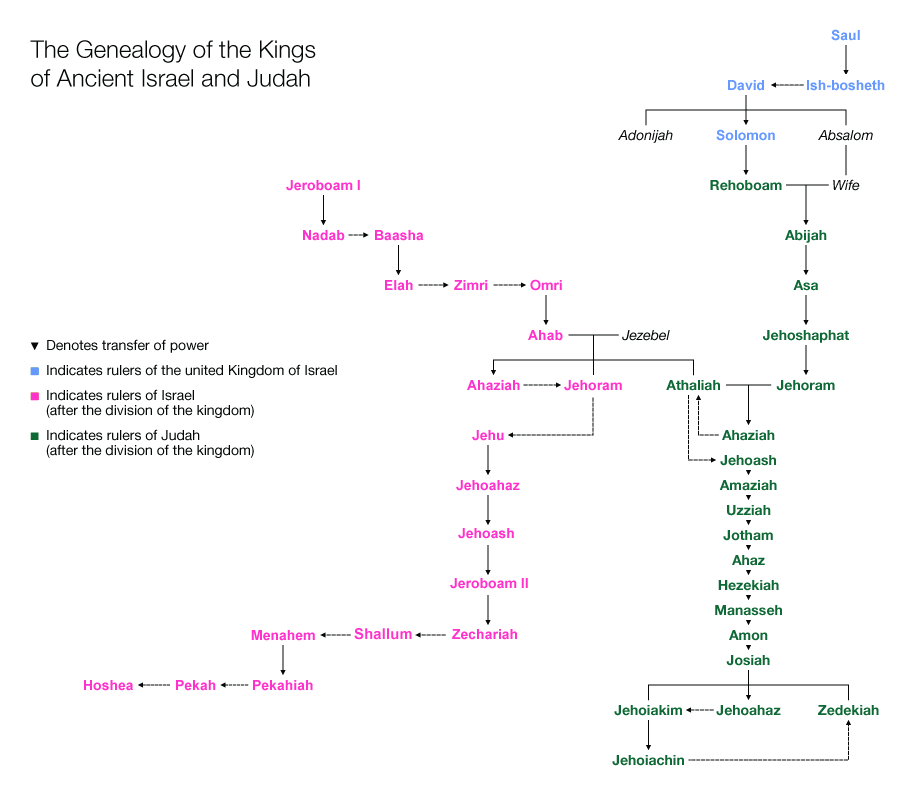
Research Notes: ↑ upΛ
A. Ancestor Roots Information: Israel
- A Mother's Love - Joys and Challenges
B. Antiquities of the Jews - Book VI - From the Death of Eli to the Death of Saul
Antiquities of the Jews - Book VII - From the Death of Saul to the Death of David
Antiquities of the Jews - Book VIII - From the Death of David to the Death of Ahab
C. BOOK [Stick] of JUDAH - Family of [King] David: BIBLE and BIBLICAL RESOURCES
- 1,000yo manuscripts written by ancient Silk Road family found in Afghanistan
- Ashkenazi Jews
- Bagrationi Dynasty: Origins > Claim of the Biblical Descent
- Bagrationi Dynasty
- Bagratuni Dynasty
- Cairo Genizah
- Category:Jewish Families
- Complete List of Jewish Last Names + Meanings: Surnames
- Ashkenazi Jewish Surnames - MyHeritage Wiki
- Bene Israel Surnames - MyHeritage Wiki
- Bulgarian Jewish Surnames - MyHeritage Wiki
- Czech Jewish Surnames - MyHeritage Wiki
- Hebrew Surnames - MyHeritage Wiki
- Hungarian Jewish Surnames - MyHeritage Wiki
- Jewish Surnames - MyHeritage Wiki
- JewishEncyclopedia.com - Surnames
- JewishGen - Global Home of Jewish Genealogy (search)
- Moroccan Jewish Surnames - MyHeritage Wiki
- Names (Personal) - JewishEncyclopedia.com
- Polish Jewish Surnames - MyHeritage Wiki
- Russian Jewish Surnames - MyHeritage Wiki
- Serbian Jewish Surnames - MyHeritage Wik
- Tribe of Levi
- Ukrainian Jewish Surnames - MyHeritage Wiki
- Yemenite Jewish Surnames - MyHeritage Wiki
- Davidic Dynasty: Davidic Genealogy Links
Dedicated to uniting the Jewish descendants of King David.
- Abravanel (Its members claim to trace their origin to the biblical King David.)
- Can We Prove Descent From King David?
All we need is good evidence and records that go back that far and give
convincing proof of our claim. So far, available records cannot do it.
Some individuals rely on tradition and faith to back their claim.
- Davidic Dynasty in Bible Prophecy
- Davidic Line: Davidic Line | Encyclopedia MDPI
- Exilarch
Leaders of the Diaspora, the community of Jews, following the 580s BC
deportation of the population of Judah into Babylonian captivity,
(after the destruction of the Kingdom of Judah). The princely post
was hereditary in a family that traced its descent from the Royal Davidic Line.
- Genealogy in the Torah: Torah Sources for Genealogy
The Midrash (Midrash Rabba, Parasha 24) explains this term [Sefer Toldot Adam
(Book of the history of man), Bereishit (Genesis) 5:1] to indicate that Adam,
the first man, was given a preview of all the generations that were destined
to descend from him. God revealed to Adam each generation with its scholars,
each generation and its wise men, each generation and its writers, each generation
and its leaders. Adam was the only one who saw the yikhus (or the lineage)
which descended from him, until the end of all generations. (Yalkut Shimoni)
The Midrash incorrectly asserts that the Messiah (who has already come; was born,
lived, and died on the cross, for the salvation of all mankind; namely, Jesus Christ),
will arrive only when all those generations that were predestined to live have
in fact been born. Literally taken, it would be a period of no physical conception.
Enoch, during his lifetime, testified (Moses 6): "For a book of remembrance we
have written among us, according to the pattern given by the finger of God;
and it is given in our own language." Also, (Moses 7): "And the Lord showed Enoch
all things, even unto the end of the world; and he saw the day of the righteous,
the hour of their redemption, and received a fulness of joy;"
Doctrine and Covenants 107 declares that three years previous to his death, "Adam
stood up in the midst of the congregation (made up of the residue of his posterity,
who were righteous); and, notwithstanding he was bowed down with age, being
full of the Holy Ghost, predicted whatsoever should befall his posterity
unto the latest generation. These things were all written in the book of Enoch,
and are to be testified of in due time." See: Midrash | Judaism | Britannica
and Talmud and Midrash | Definition, Books, Examples, & Facts | Britannica
- Genealogy of Jesus
- King David Dynasty: the Charlap Family Ascension
- Lurie Legacy: The House of Davidic Royal Descent
- Dead Sea Scrolls | Definition, Discovery, History, & Facts | Britannica
- Dead Sea Scrolls: Dead Sea Scrolls | PDF | Dead Sea Scrolls | Religious Texts
- Digital Dead Sea Scrolls
- Israel Antiquities Authority: The Dead Sea Scrolls
- "LDS Perspectives on the Dead Sea Scrolls" /
LDS Perspectives on the Dead Sea Scrolls by Donald W. Parry and Dana M. Pike
- The Dead Sea Scrolls and the New Testament | Religious Studies Center
- The Dead Sea Scrolls Reader, Second Edition, Revised and Expanded [Amazon]
- The Dead Sea Scrolls | The Israel Museum, Jerusalem
- The Dead Sea Scrolls—Window to the Modern Bible
- The Lost 500 Years: From Malachi to John the Baptist
- Ethiopian Historiography: Solomonic Dynasty
- Emperor of Ethiopia: Haile Selassie
- History of Ancient Israel and Judah
- The Lord Jesus Christ, Jews, The House of Joseph, Gentiles and Heathens
- History of the Jews and Judaism in the Land of Israel
- IAJGS - International Association of Jewish Genealogical Societies: Member Societies
- IAJGS Member Organization World Map - IAJGS
- Israel Genealogy Research Association
- Jew, Jewish: Groups Claiming Affiliation with Israelites (Hebrews)
- Jewish Diaspora: Communities (World Jewish Congress)
- Jewish Ethnic Divisions
- Jewish Family History: (Additional Countries Jewish Genealogy)
- Jewish Genealogy Research • FamilySearch
- Jewish Records in the FamilySearch Catalog • FamilySearch
- Jewish Languages
- Jewish Studies
- Judaism and Mormonism: Father Lehi | Religious Studies Center
- Book of Mormon Lessons and Charts - BYU Studies
- Charting the Book of Mormon: Visual Aids for Personal Study and Teaching
[Research Note: 40 - Nephite and Mesoamerican History, as presented, is not
secondary evidence supporting the ancient history within the Book of Mormon.
Reference: ZARAHEMLA and THE RIVER SIDON]
- Book of Mormon Genealogy Chart (pdf)
- Judaism by Country
- Kingdom of Israel (United Monarchy)
- Kingdom of Judah
- Kings of Judah
- List of Jewish States and Dynasties
- Lists of Jews
- Baal Shem Tov
- Judah Loew ben Bezalel
- List of European Jewish Nobility
- Lists of American Jews: Amazing Jewish Americans | AJC
- Maimonides: Maimonides (Moses ben Maimon)
- Menachem Mendel Schneerson
- Messiah in Judaism: Jewish Views on Jesus
- Outline of Judaism: Category:Historic Jewish Communities
- Oxyrhynchus Papyri: Old Testament
- Oxyrhynchus Papyri | Faculty of Classics: Digital Resources
- The Oxyrhynchus Papyri: The Oxyrhynchus Papyri
Largest cache of early Christian manuscripts discovered to date.
- People of Israel - Judah
- Portal:Judaism
- Scattering and Gathering of Israel | Religious Studies Center
God's Covenant with Abraham Remembered through the Ages.
- Chapter 24: The Scattering and the Gathering of Israel
- Schoyen Collection
Manuscripts from around the world (5,000 years of human culture & civilization).
- Sephardic Jews: Early History of the Jews in Spain
- List of Sephardic Jews
- Sephardic Jewish Surnames - MyHeritage Wiki
- Sephardim.com Namelist
- The Joseph Smith Papers: Search "Old Testament"": Old Testament
- Old Testament (Hebrew Bible)
- Old Testament Seminary Student Material
- Old Testament Stories
- The Book of Mormon: A Guide for the Old Testament
D. Ezekiel 37: 16-19 Moreover, thou son of man [Ezekiel], take thee one stick,
and write upon it, For Judah, and for the children of Israel his companions:
then take another stick, and write upon it, For Joseph, the stick of Ephraim,
and for all the house of Israel his companions: And join them one to another
into one stick; and they shall become one in thine hand. And when the children
of thy people shall speak unto thee, saying, Wilt thou not shew us what thou
meanest by these? Say unto them, Thus saith the Lord GOD; Behold, I will
take the stick of Joseph, which is in the hand of Ephraim, and the tribes of
Israel his fellows, and will put them with him, even with the stick of Judah,
and make them one stick, and they shall be one in mine hand. 1 Nephi 13: 37-42
And blessed are they who shall seek to bring forth my Zion at that day, for
they shall have the gift and the power of the Holy Ghost; and if they endure
unto the end they shall be lifted up at the last day, and shall be saved in the
everlasting kingdom of the Lamb; and whoso shall publish peace, yea, tidings
of great joy, how beautiful upon the mountains shall they be. And it came to
pass that I beheld the remnant of the seed of my brethren, and also the book
of the Lamb of God, which had proceeded forth from the mouth of the Jew,
that it came forth from the Gentiles unto the remnant of the seed of my brethren.
And after it had come forth unto them I beheld other books, which came forth
by the power of the Lamb, from the Gentiles unto them, unto the convincing
of the Gentiles and the remnant of the seed of my brethren, and also the Jews
who were scattered upon all the face of the earth, that the records of the prophets
and of the twelve apostles of the Lamb are true. And the angel spake unto me,
saying: These last records, which thou hast seen among the Gentiles, shall
establish the truth of the first, which are of the twelve apostles of the Lamb,
and shall make known the plain and precious things which have been taken
away from them; and shall make known to all kindreds, tongues, and people,
that the Lamb of God is the Son of the Eternal Father, and the Savior of the
world; and that all men must come unto him, or they cannot be saved. And
they must come according to the words which shall be established by the mouth
of the Lamb; and the words of the Lamb shall be made known in the records of
thy seed, as well as in the records of the twelve apostles of the Lamb; where-
fore they both shall be established in one; for there is one God and one
Shepherd over all the earth. And the time cometh that he shall manifest
himself unto all nations, both unto the Jews and also unto the Gentiles;
and after he has manifested himself unto the Jews and also unto the Gentiles,
then he shall manifest himself unto the Gentiles and also unto the Jews,
and the last shall be first, and the first shall be last.
E. The ancient Books of the Bible, compared with Mormon Archaeology,
invalidate the documentary hypothesis theories, traditionally known as:
J, E, P, and D; for the Torah and the Deuteronomy history, from Joshua
to Kings. Some modern historians incorrectly state that the Torah
was gradually recorded as the Hebrew Bible, between the 5th century
B.C. and the 2nd century B.C. Clearly, internal source evidence from
the Pearl of Great Price, the OT - NT and the Book of Mormon, suggest
primary source documents, or copies thereof, going back to the time of
Adam and (Eve - the Mother of all Living), were readily available to
Moses, who then wrote or copied them for himself and other Israelites.
The list of biblical figures identified in extra-biblical sources is compelling.
Additional validation of the Bible, as a surviving primary source document,
is made by the Joseph Smith, Jr. Translation of the Bible. Words added
and corrections made, restore the original formation and sense of ancient
scribes and prophets, including technical details from Genesis to Revelation.
Joseph Smith, Jr. said, [I believe the Bible as it read when it came from the pen
of the original writers. Ignorant translators, careless transcribers, or designing and
corrupt priests have committed many errors. As it read, Gen. 6:6, "It repented the
Lord that he had made man on the earth"; also, Num. 23:19, "God is not a man,
that he should lie; neither the Son of man, that he should repent"; which I do not
believe. But it ought to read, "It repented Noah that God made man." This I believe,
and then the other quotation stands fair. If any man will prove to me, by one passage
of Holy Writ, one item I believe to be false, I will renounce and disclaim it as far as I
promulgated it.] Teachings of the Prophet Joseph Smith, Jr., (book), page 327.
F. Witness Evidence: The Book of Mormon: A Guide for the Old Testament
The Book of Mormon As a Witness of the Old Testament
Ether 1 . . . twenty and four plates . . . called the Book of Ether
. . . (I, Moroni) suppose that the first part of this record, which speaks concerning
the creation of the world, and also of Adam, and an account from that time even
to the great tower (Tower of Babel), and whatsoever things transpired among the
children of men until that time, is had among the Jews-- Therefore I do not write
those things which transpired from the days of Adam until that time; but they are
had upon the plates; and whoso findeth them, the same will have power that he
may get the full account. But behold, I give not the full account, but a part of the
account I give, from the tower down until they were destroyed. . . .
Appendix 4: Testimony of Three Witnesses, Late June 1829, P. 589 . . . Historical
Introduction . . . Oliver Cowdery, David Whitmer, and Martin Harris testified . . .
Decades later, David Whitmer added, "We not only saw the plates of the B[ook]
of M[ormon] but also the Brass plates, the Plates of the Book of ether, the Plates
containing the Record of the wickedness of the people of the world, and many
other plates." The Joseph Smith Papers: Search for the "Brass Plates of Laban"
. . . and thus my father lehi did discover the genealogy of his fathers and Laban
also was a desendant of joseph (Of the land of egypt) wherefore he and his fathers
had kept the records . . . that these plate of brass Should go forth unto all nations
kindreds tongues and people Which ware of his seed wherefore he said that these
plate of brass should never perish neither should they be dimd Any more by time
The Plates of Brass: A Witness of Christ (The Joseph Smith Papers: Search for "Plates")
The Savior’s Use of the Old Testament "This day is this scripture fulfilled in your ears."
036: JEDIDIAH - SOLOMON (the son of DAVID)
- Joseph Smith Sr. Genealogical Website: King Solomon
Family of [King] Jedidiah - Solomon: Solomon
Israel — Google™ Arts & Culture / Jerusalem — Google™ Arts & Culture /
King Solomon in Medieval Art and Scripture Commentaries /
The Israel Museum, Jerusalem, Jerusalem, Israel — Google™ Arts & Culture
Marriages:
Women of Solomon: Bible | Jewish Women's Archive
1 Kings 11: 1-13 But king Solomon loved many strange women,
together with the daughter of Pharaoh, women of the Moabites,
Ammonites, Edomites, Zidonians, and Hittites; . . . Solomon clave
unto these in love. And he had seven hundred wives, princesses,
and three hundred concubines: and his wives turned away his heart.
For it came to pass, when Solomon was old, that his wives turned
away his heart after other gods: and his heart was not perfect with
the LORD his God, as was the heart of David his father. . . . And
likewise did he for all his strange wives, which burnt incense and
sacrificed unto their gods. Wherefore the LORD said unto Solomon,
Forasmuch as this is done of thee, and thou hast not kept my covenant
and my statutes, which I have commanded thee, I will surely rend
the kingdom from thee, and will give it to thy servant. King Solomon
married Naamah an Ammonitess, mother of [King] Rehoboam - Roboam.
Naamah . of the kingdom of Ammon (Biblical);
See: List of Rulers of Ammon currently known from the history
of the ancient Levant: Nahash of Ammon, the father of Hanun and Shobi.
Ammon (kingdom) - Livius
D&C 132: 38 David also received many wives and concubines, and also Solomon
and Moses my servants, as also many others of my servants, from the beginning
of Creation until this time; and in nothing did they sin save in those things which they
received not of me. [Research Note: This reference from God specifically implies that
Adam, who was at the beginning of Creation, received many wives and concubines,
which would have been given to Adam, by Eve; from some of their female posterity.
This would be consistent with Mary, the Mother of Jesus Christ; she also being a spirit
daughter of God, the Eternal Father; betrothed to God Ahman, by Angel Gabriel (Noah).
This would have directly involved the full consent of Heavenly Mother; as the only means
provided, whereby she could obtain a future return to an eternal association with all of her
righteous and glorified mortal children. Prophets have taught that our immortal, celestial,
heavenly parents work together in a united manner, for the total comprehensive salvation
of the human family; brought to fulfillment through the blood Atonement of Jesus Christ.]
[Research Note: Plural Marriage "was believed in and practiced by the ancients"; noted
Brigham Young: Beneficial Effects of Polygamy (Journal of Discourses). As LDS President,
Brigham Young also stated "that if you desire with all your hearts to obtain the blessings
which Abraham obtained, you will be polygamists at least in your faith, or you will come
short of enjoying the salvation and the glory which Abraham has obtained. This is as true
as that God lives. . . . The only men who become Gods, even the Sons of God, are those
who enter into polygamy. Others attain unto a glory and may even be permitted to come
into the presence of the Father and the Son (in the Celestial Earth Kingdom; single, or in
a monogamously Temple sealed marriage), but they cannot (fully) reign as kings in glory,
because they had blessings offered unto them (to have power to save their own posterity),
and they refused to accept them." The Power to Seal on Earth and in Heaven remained
actively upon the earth until the days of Elijah the Prophet, one of Messengers with Keys.
Therefore, according to President Brigham Young, Jesus Christ had to have been married
to more than one wife, before he was exalted. Thus, the New Testament does not contain
a complete record of the Saints family relationships. Furthermore, Biblical society clearly
included plural marriage, as it was "believed in and practiced by the ancients", (as three
years previous to the death of Adam, he called Seth, Enos, Cainan, Mahalaleel, Jared,
Enoch, and Methuselah; all just high priests, having the Holy Priesthood, after the Order
of the Son of God, with the residue of his, Adam's righteous posterity, into the green valley
of Adam-ondi-Ahman); which society continued on through Shem, or Melchizedek, the son
of Noah; to Abraham, Isaac, and Jacob, or Israel; down into the later Christian Gentile era.
This certainly indicates a tremendous disparity in surviving Biblical records, when actually
compared mathematically, with the high number of global inhabitants, in pre-flood times.
Section 138, Vision of the Redemption of the Dead (Doctrine and Covenants 138): "Among
the great and mighty ones who were assembled in this vast congregation of the righteous
were Father Adam, the Ancient of Days and father of all, And our glorious Mother Eve,
with many of her faithful daughters who had lived through the (past Old Testament) ages
and worshiped the true and living God." Adam, or Michael, as the Holy Patriarchal Head
of the Human Family, by Right, has been delegated to hold the keys of the resurrection
of the dead, from Jesus Christ, or Jehovah; having previously passed through that order,
and continuously assists in bringing to pass the crowning of his posterity with immortality,
and eternal lives, under the direction of Son Ahman, the Messiah, Lord of Lords, and King
of Kings. President Joseph F. Smith validates tremendous disparity in surviving Biblical
records,: "I saw the hosts of the dead, both small and great." -- "And there were gathered
together in one place an innumerable company of the spirits of the just who had been
faithful in the testimony of Jesus while they lived in mortality;" "They were assembled
awaiting the advent of the Son of God into the spirit world, to declare their redemption
from the bands of death." (Thus, this would have been an innumerable company of spirits
having lived in Old Testament times, as "Their sleeping dust was to be restored unto its
perfect frame . . .") "While this vast multitude waited and conversed, rejoicing in the hour
of their deliverance from the chains of death, the Son of God appeared, declaring liberty
to the captives who had been faithful," Also, this multitude did not include all the wicked.
Specific mention is made of seeing and critically identifying additional Old Testament
personalities: Abel, the first martyr; Seth, one of the mighty ones; Noah, of the flood era;
Shem, the great high priest (Melchizedek); Abraham, the father of the faithful; Isaac,
Jacob; Moses, the great law-giver of Israel; Isaiah, who spoke of the Messiah; Ezekiel;
Daniel; Elias, who appeared on the Mount of Transfiguration; and the prophet Malachi;
"All these and many more, even the prophets who dwelt among the Nephites and testified
of the coming of the Son of God, mingled in the vast assembly"; waiting for deliverance.
Furthermore, Jesus Christ mentions in Matthew 7: 19–23, when asked why Moses permitted
divorce; Jesus Christ declared: "Moses because of the hardness of your hearts suffered
you to put away your wives: but from the beginning it was not so. And I say unto you,
Whosoever shall put away his wife, except it be for fornication, and shall marry another,
committeth adultery: and whoso marrieth her which is put away doth commit adultery."
Isaiah 3 & 4 notes Zion and her daughters will be redeemed and cleansed in the coming
millennial day, by the restoration of polygamy: "And in that day, seven women shall
take hold of one man, saying: We will eat our own bread, and wear our own apparel;
only let us be called by thy name to take away our reproach"; re: 2 Nephi Chapter 14, as
mentioned in the Book of Mormon; indicating modern day Zion is yet filthy, beforehand.
Since there was no divorce in the beginning, under the ancient patriarchal priesthood,
the unity of family associations would have greatly expanded the number of the children
living upon the earth, down to the time of the period of the administration of prophet Elijah.
Therefore, it is priesthood unrighteous dominion, in the cancellation of Temple Sealings,
or civil divorces, and not genetic DNA, that promotes extreme mental cruelty within lives
of separated posterity; that is the origination of adultery, fornication; all perverted forms
of biological disorientation of the children; a diminished World Population Since Creation.]
See: List of Names for the Biblical Nameless and List of Women in the Bible
The Role of Women in the Bible - Jews for Jesus
The Social Status of Woman in the Old Testament
Women's Testimony and Talmudic Reasoning
The Children of 036: [King] Jedidiah - Solomon
036-000: DIRECT DESCENDANT (a son) 037: REHOBOAM - ROBOAM
036-001: DIRECT DESCENDANT (a dau) 037: BOOK - Basemath - Basmath; md. Ahimaaz.
036-002: DIRECT DESCENDANT (a son) 037: BOOK - Taphath; md. Ben-Abinadab.
036-003: Unidentified children of [King] Jedidiah - Solomon may be listed
in the Biblical scriptures: The Acts of Solomon, which are lost.
Conspicuously absent are the lack of mention of any sons or any
daughters of foreign wives, whose posterity might later claim
right to the Throne of JUDAH. Intense scribal priesthood hostility
against [King] Solomon's idolatrous marital relationships, appears
in the lack of recorded information concerning other posterity.
Family Information: Old Testament Student Manual Genesis-2 Samuel (pdf)
Old Testament Student Manuel 1 Kings-Malachi (pdf)
2 Samuel 12: 24-25 [King] David sent by the hand of Nathan
the prophet; and he called Solomon's name Jedidiah,
because of the LORD. God Save King Solomon.
geography (location): Israel Nature and Parks Authority
King Solomon was a resident of Jerusalem: City of David (archaeological site).
life: Biblical Hermeneutics Stack Exchange
Contradiction - Is the 480 years mentioned in 1 Kings 6 accurate?
And it came to pass in the four hundred and eightieth year after the children of Israel
were come out of the land of Egypt, in the fourth year of Solomon's reign over Israel, in
the month Zif, which is the second month, that he began to build the house of the LORD.
The Many Bibles of Joseph Smith:
Textual, Prophetic, and Scholarly Authority in Early-National Bible Culture.
* Historicity of the Bible
* Joseph Smith’s Biblical Antiquity | Religious Studies Center
* List of Burial Places of Abrahamic Figures (from Adam and Eve)
* List of Inscriptions in Biblical Archaeology: Biblical Archaeology
* Personages who appeared to Joseph Smith - FAIR
* The Visions of Joseph Smith: "The Visions of Joseph Smith" - YouTube™ (Alex Baugh)
* Universal Resurrection: (Resurrection) The Ultimate Triumph
* What Does It Mean to "Come Forth in the Morning of the First Resurrection"?
About: Absalom
About: Adonijah
About: Amnon
About: Chileab / Daniel
About: Concubinage
About: Jerimoth
About: Mephibosheth
About: Naamah (wife of Solomon)
About: Nathan (son of David)
About: Pharaoh's daughter (wife of Solomon)
About: Solomon
About: Tamar (daughter of David)
Absalom - Biblical Cyclopedia
Adonijah - Biblical Cyclopedia
Amnon - Biblical Cyclopedia
BibleGateway - Keyword Search: Absalom
BibleGateway - Keyword Search: Adonijah
BibleGateway - Keyword Search: Amnon
BibleGateway - Keyword Search: Basmath
BibleGateway - Keyword Search: Chileab
BibleGateway - Keyword Search: Concubine
BibleGateway - Keyword Search: Concubines
BibleGateway - Keyword Search: Eliada / Beeliada
BibleGateway - Keyword Search: Eliphalet
BibleGateway - Keyword Search: Elishama
BibleGateway - Keyword Search: Elishua
BibleGateway - Keyword Search: Ibhar
BibleGateway - Keyword Search: Ithream
BibleGateway - Keyword Search: Japhia
BibleGateway - Keyword Search: Jedidiah
BibleGateway - Keyword Search: Mephibosheth
BibleGateway - Keyword Search: Naamah
BibleGateway - Keyword Search: Nathan
BibleGateway - Keyword Search: Nepheg
BibleGateway - Keyword Search: Nogah
BibleGateway - Keyword Search: Pharaoh's Daughter
BibleGateway - Keyword Search: Preacher
BibleGateway - Keyword Search: Shammua
BibleGateway - Keyword Search: Shephatiah
BibleGateway - Keyword Search: Shobab
BibleGateway - Keyword Search: Solomon
BibleGateway - Keyword Search: Tamar
Chileab / Daniel - Biblical Cyclopedia
Eliada - Biblical Cyclopedia / Beeliada - Biblical Cyclopedia
Eliphelet - Biblical Cyclopedia
Elishama - Biblical Cyclopedia
Elishua - Biblical Cyclopedia
Genealogy - Biblical Cyclopedia
Genealogy of Jesus Christ - Biblical Cyclopedia
Ibhar - Biblical Cyclopedia
Infant child of Daivd
Ithreim - Biblical Cyclopedia
Japhia - Biblical Cyclopedia
Jedidiah - Solomon and proverbs of Solomon, the son of King David.
1 Kings 11: 41-43 And the rest of the acts of Solomon, and all that he did,
and his wisdom, are they not written in the book of the acts of Solomon?
This is just one example of books noted in the Bible that are now lost..
And the time that Solomon reigned in Jerusalem over all Israel was forty
years. And Solomon slept with his fathers, and was buried in the city of
David [Jerusalem] his father: and Rehoboam his son reigned in his stead.
2 Chronicles 9: 29 Now the rest of the acts of Solomon, first and last, are
they not written in the book of Nathan the prophet, and in the prophecy of
Ahijah the Shilonite, and in the visions of Iddo the seer against Jeroboam
the son of Nebat? [A "Seer" implies that Iddo had the Urim and Thummim.
Multiple validation of primary source documentation for genealogy records.]
Jedidiah - Solomon built the Temple of Solomon. The Tabernacle
in the Wilderness, preceded the construction of King Solomon's Temple.
First Temple sites, document Har Habayit - The Temple Mount. Current
data is available on Latter-day Saint Temples and Priesthood Ordinances.
Jerimoth - Biblical Cyclopedia
Mephibosheth - Biblical Cyclopedia
Nathan
Nathan
Nathan - Bible History
Nathan - Biblical Cyclopedia
Nathan - (One of) Nine Men in the Life of Bathsheba
Nepheg - Biblical Cyclopedia
Nogah - Biblical Cyclopedia
Shammua - Biblical Cyclopedia
Shephatiah - Biblical Cyclopedia
Shobab - Biblical Cyclopedia
Solomon
Solomon - Biblical Cyclopedia
Solomon, Seal of:
SOLOMON TEMPLE, Administration and Service of:
Solomon, Testament of:
Solomon’s Judgment: Bible | Jewish Women's Archive
Tamar - Biblical Cyclopedia
Woman Wisdom: Bible | Jewish Women's Archive
religion: Scripture Citation Index
The Priesthood was first given to Adam. He obtained the First Presidency and held
the Keys of it. He obtained it in the creation before the world was formed, and they
remained on the earth until the Old Testament times of Elijah the Prophet; the last
of those prophets to hold the Keys of the Sealing Power of the Melchizedek Priesthood.
All the ancient prophets of the Old Testament times had the Melchizedek Priesthood.
The Order of the Melchizedek Priesthood was formerly called the High Priesthood of
the Holy Order of God, or the Holy Priesthood, after the Order of the Son of God. It is
the Church of the Firstborn, or glorified Patriarchal Priesthood celestial heir members.
The sealed family is central to the Creator's plan for the eternal destiny of His children.
Old Testament Biblical Records include statements concerning High Priests presiding
in, or holding Priesthood Keys in the Melchizedek Priesthood, as well as Bishops, who
hold the mighty sacred keys over The Aaronic Priesthood: The Ministering of Angels.
Priesthood of Aaron restoration was performed by John the Baptist. The testimony of
Jesus Christ was: This is he, of whom it is written, behold, I send my messenger before
thy face, which shall prepare thy way before thee. For I say unto you, Among those
that are born of women there is not a greater prophet than John the Baptist: but he
that is least in the kingdom of God is greater than he. And all the people that heard
him, and the publicans, justified God, being baptized with the baptism of dear John.
Thus, we carefully listen to Andrea Bocelli - Angels We Have Heard On High - YouTube™.
Also: Listen to the Voice of Jesus Christ, your Lord, your God, and your Redeemer, whose
word is quick and powerful. And also John the son of Zacharias, which Zacharias he (Elias,
to whom I have committed the keys of bringing to pass the restoration of all things spoken
by the mouth of all the holy prophets since the world began, concerning the last days),
visited and gave promise that he should have a son, and his name should be John,
and he should be filled with the spirit of Elias; Which John I have have sent unto you,
my servants, Joseph Smith, Jun., and Oliver Cowdery, to ordain you unto the first priest-
hood, which you have received, that you might be called and ordained even as Aaron.
Open Access Digital Theological Library (OADTL) LibGuides at Digital Theological Library
Curates high-quality content in religious studies and related disciplines from publisher
websites, Institutional repositories, scholarly societies, archives, and stable public domain
collections. Curates content without regard for theological or confessional perspective.
Research Aids: Complete Bible Commentaries | Dissertations and Articles
Translation: Greek Lexica and Grammars | Hebrew Lexica and Grammars
What Truths Do 1 Nephi and 2 Nephi Teach Us about Jesus Christ?
[Research Note: RootsTech • FamilySearch was presented 29 Feb 2024 - 02 Mar 2024; it
did "provide meaningful connections through a deeper understanding of family history
and genealogy." Class Schedule Preview shows 27 DNA results. A Search of RootsTech
On-Demand Library reveals an added 289 results. The Science of Molecular Genealogy
suggests: "Molecular science can help genealogists uncover previously unknown family
relationships, verify or refute claims to ancestry, and shed light on questions that have
puzzled family historians for years." There are however, scientific limitations involved,
when considering Latter-day Saint, or Christian belief systems, based upon Bible text;
showing The Internal Consistency and Historical Reliability of the Biblical Genealogies.
Scott Ray Woodward (biologist)] extracted and typed DNA going back millions of years.
Faith in the Lord Jesus Christ and His EASTER resurrection, validated by LDS (D&C 138),
suggest serious reconsiderations on the actual value of DNA studies, extrapolated back
in temporal time. Foremost of all, What are resurrected bodies like?, declares they are
physical; and thus, no physical bodies upon the earth for molecular science to evaluate.
Moroni, who lived in the fifth century AD, additionally is a physically resurrected being.
So what is left of the ancient molecular past, to scientifically evaluate, are remains from
wicked societies, and social environments, destined for a future Telestial or Terrestrial
eternal existence. All these societies, except for Noah and his family relationships, had
disruptive global flood experiences, degrading and altering their molecular body purity
(as well as a stated corruption of all flesh, intermingled between animals and humans).
Additionally, all spirit is matter, but it is more refined and pure, such that it is infinitely
incapable of being measured by modern technological instruments; nor by DNA data.
God of course knows all of His spirit children, and knows from the beginnings of their
spiritual birth in heaven; thus He knows the past, present and future of the Universe,
knowing beforehand, the beginnings and ends of all the works of His own Creations.
In conclusion then, What Truths Do 1 Nephi and 2 Nephi Teach Us about Jesus Christ?
The Book of Mormon is the greatest primary witness on the face of the earth to validate
the authenticity of the Ancient Biblical Record, with Moroni as the greatest key witness.
The Prophet Moroni testifies emphatically that the Theory of Evolution is so completely
false, as noted in Line upon Line: Moroni 10:3–5. Behold, I would exhort you, that when
ye shall read these things, if it be wisdom in God that ye should read them, that ye would
remember how merciful the Lord hath been unto the children of men, from the creation
of Adam even down until the time that ye shall receive these things, and ponder it in your
hearts. . . . And by the power of the Holy Ghost ye may know the truth of all things. . . .
The key element of this witness testimony concerning the real mortal existence of Adam,
and the factual evidence of the creation of the earth, and all the subsequent related things
thereto, is clearly stated within The Book of Ether. Moroni specifically abridged the record
of the Jaredites. Therefore, from a professional genealogical research specialist standpoint,
he is an intimate, personally involved, eye-witness to this account of those twenty and four
plates which were found by the people of Limhi, which is called the Book of Ether. Moroni
mentions: "And as I suppose that the first part of this record, which speaks concerning the
creation of the world, and also of Adam, and an account from that time even to the great
tower, and whatsoever things transpired among the children of men until that time, is had
among the Jews-- Therefore I do not write those things which transpired from the days of
Adam until that time; but they are had upon the plates; and whoso findeth them, the same
will have power that he may get the full account" (as they are written in Adamic language).
Additionally Legal Records, the Brass Plates, held in the originating possession of Laban,
contained not only the Jewish scriptures, but also Lehi's own genealogy back to Joseph
in Egypt. From a dispassionate, professional genealogical research specialist standpoint,
this directly relates to the genealogical Truths taught in 1 Nephi and 2 Nephi, Moroni had
access to the Brass Plates of Laban and knew that those records came forth out of the City
of Jerusalem; and were handed down intact by the seed of originating Nephite father Lehi.
Nevertheless, the very false theory, or secular doctrine of Evolution is currently, and very
openly, and proudly; blatantly expounded upon, by open-minded "scientific" leadership,
from the sacred halls of learning, at Brigham Young University. Yet, Nephi, son of Lehi,
had a vision of great significance, recorded in 1 Nephi 13:20–42: Plain and Precious Truths.
In particular, from a genealogical research standpoint, 1 Nephi 13: 23, the Gentiles, or us,
today, had a book, which an angel from the Throne of God in Heaven declared, stating:
Behold it proceedeth out of the mouth of a Jew (collectively, the ancestry of the Jews).
"The book that thou beholdest is a record of the Jews, which contains the covenants
of the Lord, which he hath made unto the house of Israel (from Old Testament times);
and it also containeth many of the prophecies of the holy prophets; and it is a record
like unto the engravings which are upon the plates of brass, save there are not so many;
nevertheless, they contain the covenants of the Lord, which he hath made unto the house
of Israel; wherefore, they are of great worth unto the Gentiles." Organic Evolution is false.
See: Witnesses of the Gold Plates of the Book of Mormon]
time period:
A Walk Through Time - Ancient Calendars | NIST
Calendar - Roman, Ancient, Lunar | Britannica
Dating the United Monarchy to the 10th Century B.C.E. | ArmstrongInstitute.org
Gezer Calendar | Britannica
History of Calendars - Wikipedia
The History of Calendars and How They Evolved - Calendar
Understanding Historical Dates And Calendars For Genealogical Research
[Research Note: Calendars are part of record keeping. There is no real physical science
in existence without accurate record keeping, to determine what has transpired in past
events, or real experiments, to determine what is going on in the present, or knowing
what calculated future outcomes will be. True and perfect science is based upon written
testimony, and the testimony of Jesus Christ is the The Spirit of Prophecy: true science.
There are the massive amounts of witnesses verifying the origination of calendar record
keeping, before, and since the beginning of time. References are found in Astronomy /
Astronomy, where records of the fathers contain knowledge of creation: planets, stars.
See references: Book of Remembrance, Knowledge, Record, and Write, Wrote, Written;
for the Lord always commands all men to write all the words which he speaks to them.
Revelation, 27–28 December 1832, Broadsheet [D&C 88:1–126], Page 1 mentions two great
concepts: (1) All kingdoms have a law given; and there are many kingdoms; for there is no
space in the which there is no kingdom; & there is no kingdom in which there is no space,
either a greater or lesser kingdom. And unto every kingdom is given a law; and unto every
law there are certain bounds, also, and conditions. (2) . . . for intelligence cleaveth unto
intelligence . . . judgment goeth before the face of him who sitteth upon the throne,
and governeth and executeth all things; he comprehendeth all things, and all things
are before him, and all things are round about him; and he is above all things, and in
all things, and is through all things, and is round about all things: and all things are
by him, and of him; even God, for ever, and ever. From a viewpoint of heavenly physics
and astronomy: there is no vacuum in the Universe; forever having matter and energy
existing in an intertwined state of being. Furthermore, the Universe is forever in control,
magnifying the Glory of God, within all its elements; condensing disparate intelligences.]
=======================================================================
Alpha: Center for Jewish History (Avotaynu) | GENEALOGY - JewishEncyclopedia.com
Ancient and Modern Genealogies, with Temple (Church of Jesus Christ of LDS) Records;
. . . (as privately published by Thomas Milton Tinney, Sr., 1941- : Free Download.)
Bible Chronology / Timeline from Adam to Zedekiah – GatheredIn.One
Biblical and Quranic Narratives: The Qur'an and the Bible - Google™ Books
Biblical Literalist Chronology
Biblical Literature - Early Reign, Monarchy, Israel | Britannica
Biblical Literature - Kings, Successors, Israel | Britannica
Biblical Literature - Old Testament, Canon, Versions | Britannica
Catholic Encyclopedia: Biblical Chronology
Chronology - JewishEncyclopedia.com
Chronology of the Bible
Doctrine and Covenants, 1835, THEOLOGY LECTURES 1-7: Lectures Second on Faith
Biblical Chronology of the World: Tracing ancient records from Adam to Father Abraham.
"Neither can there be a doubt existing on the mind of any person, that Adam was the first
who did communicate the knowledge of the existence of a God, to his posterity; and that
the whole faith of the world, from that time down to the present (now to the 21st Century),
is in a certain degree, dependent on the knowledge first communicated to them by their
common progenitor; and it has been handed down to the day and generation in which
we live, as we shall show (by Biblical chronology) from the face of the sacred records."
Genealogies in the Bible: Complete Bible Genealogy
Genesis - Biblical Cyclopedia / Exodus - Biblical Cyclopedia: The Exodus
=======================================================================
[INSPIRED VERSION: Genesis | Exodus | Leviticus | Numbers | Deuteronomy | Joshua |
Judges | Ruth | First Samuel | Second Samuel | First Kings | Second Kings |
First Chronicles | Second Chronicles | Ezra | Nehemiah | Esther | Job | Psalms | Proverbs |
Ecclesiastes | Isaiah | Jeremiah | Lamentations | Ezekiel | Daniel | Hosea | Joel | Amos |
Obadiah | Jonah | Micah | Nahum | Habakkuk | Zephaniah | Haggai | Zechariah | Malachi | ]
=======================================================================
Joseph Smith Translating Genesis - BYU Studies
Ketef Hinnom Scrolls: Jerusalem in Time, Space, and the Imagination
Old Testament Times at a Glance: Prophet - Prophets and Prophecy
Pentateuch - Biblical Cyclopedia
Prophets of Christianity: Twelve Minor Prophets
Table of Prophets of Abrahamic Religions: Abrahamic Religions
The Genealogy of the Kings of Israel and Judah
Research Notes: ↑ upΛ
A. Proverbs [Book of Proverbs]. The Song of Solomon "is not inspired scripture."
B. As noted in Ancient and Medieval Jewish History, edited by
Leon A. Feldman, (1972), it cannot be denied that over the centuries,
Palestine exported not only its excellent fruits, wine, and grapes but also
grains. It is known that there were large imports of manufactured articles
and the importation of metals was a significant part of the economy. From
an economic standpoint, since Palestine paid for all these imports with the
excess of its agricultural production, maximum return on the dollar
[figuratively speaking], was also a key criteria in ancient times. The
population of Ancient Israel, circa 1000 B.C., has been approximated as
Judah (450,000), Israel (1,350,000) and all of ancient Israel (1,800,000),
with conquered peoples (3,000,000). The City of Jerusalem was estimated
as having a 15,000 to 20,000 total population.
C. "Patterns of Mobility among Ancient near Eastern Craftsmen", by Carlo Zaccagnini,
of the University of Bologna, Journal of Near Eastern Studies, Vol. 42, Number 4
(October 1983), notes the sending of specialized workers is well attested in
the framework of the diplomatic relations of kings of the Late Bronze Age.
The skilled workers were viewed as prestige goods, strictly bound to the
organization of the temple and palace economic structure and are a direct
consequence of the process of surplus accumulation. Usually, the juridical
status of artisans in metallurgy, etc., was of free, lifetime administrative status.
Construction on the Temple at Jerusalem was completed circa 991 B.C.
Phoenician lettering has been found on the bottom layer of stones, near the S.E.
corner of the Jerusalem Temple Mount [Holy Temple Revisited, (1993)].
D. The Jewish merchant class followed King Solomon's example and cemented
local protection of their Diaspora group, by entering into marriages and having
concubine contract agreements with local royalty and families in positions of
authority. King Solomon had at sea a navy of Tharshish/Tarshish with the navy
of King Hiram I of Tyre, the capital of ancient Phoenicia]: once in three years
came the navy of Tharshish, bringing gold, and silver, ivory and apes, and peacocks.
E. David W. Tandy mentions in Warriors Into Traders, The Power of the
Market in Early Greece, published 1997, that the tenth century [B.C.]
relationship between Hiram and Solomon shows Hiram sending supplies
of cedar and fir trees, gold and even laborers, and Solomon reciprocating
with thousands of measures of wheat each year and other gifts. This is
corroborated by an early Egyptian historical document showing also the
import of "forty ships of cedar logs", during the reign of Sneferu.
When the Temple was completed, Solomon gave Hiram, King of Tyre,
twenty "cities" in Galilee. Hiram, though displeased, reciprocated by
sending King Solomon six score talents of gold. Dynastic contacts of
Gentile Royalty with the priesthood royalty and military descendants of
Abraham, are noted in the national history of the Jews, back to the time
of Balaam. The concept of the God - Man Messiah: "there shall come
a Star out of Jacob, and a Sceptre shall rise out of Israel", was conveyed
through commercial enterprise to the various Gentile Nations, the source
from which the Greeks created their own fabulous legends: historic fiction
handed down within Greek Mythology. Herodotus re-dates the classical
Greek connections as historical, no earlier than four hundred years prior
to his lifetime, or circa 1000 to 900 B.C.:
"Whence the gods severally sprang, whether or no they had
all existed from eternity, what forms they bore- these are
questions of which the Greeks knew nothing until the other day,
so to speak. For Homer and Hesiod were the first to compose
Theogonies [Theogony], and give the gods their epithets, to allot
them their several offices and occupations, and describe their forms;
and they lived but four hundred years before my time, as I believe.
As for the poets who are thought by some to be earlier than these,
they are, in my judgment, decidedly later writers. In these matters
I have the authority of the priestesses of Dodona for the former
portion of my statements; what I have said of Homer and Hesiod
is my own opinion." Thus the New Testament warning, "Neither give
heed to fables and endless genealogies, which minister questions,
rather than godly edifying which is in faith: so do." Ephesus. Turkey
F. Keith Muckelroy, in Vol. 47, (Dec 1981), Proceedings of the Prehistoric Society,
noted the witness for past trade exhibited by wreck-sites is in many respects
superior to any other source; suggesting, in a very real sense they are
'trade frozen in time'. Importantly, "the evidence suggests a European-
wide network of bronze exchange which operated separately from local
arrangements for production and distribution."
The long relationship between England and France is validated in Vol. III, of
An Economic Survey of Ancient Rome, (1959), under the section concerning
Roman Britain mining and minerals, the subject Tin. It appears that west
Cornwall [England] was well populated and in close touch with Brittany
and Ireland, and after 1000 B.C., "they became much closer, and local finds
demonstrate frequent imports, . . . these include objects from Gaul, the
Pyrenees, Numidia, Greece, and Cyprus." Irish gold ornaments, obtained
by excavations at Gaza, on the Mediterranean Sea near the Sinai Peninsula,
have been dated to circa 800 B.C., as well as much earlier in time period.
Roderick O'Flaherty erroneously dates the Milesian invasion
of Ireland, circa 1000 B.C., or about the time of King Solomon.
According to M. Salomon Reinach, a well-known French anthropologist,
(see L'Anthropologie, Vol. X, 1899, page 397), there was in 1000 B.C.
an overland trade in tin between the British Islands and Thrace, or
Macedonia. Writing was known to many branches of the Celts. The
earliest archeological evidence are finds in present day Italy that date
to the 9th century B.C. The Sea of Thrace: "The Thracian Bronze Age
was similar to that of Mycenaean Greece, and the Thracians had
developed high forms of music and poetry, but their savage warfare
led the Greeks to consider them barbarians. Many Greek colonies—
e.g., Byzantium on the Hellespont and Tomi (modern Constana) on
the Black Sea—were founded in Thrace by c. 600 B.C. The Greeks
exploited Thracian gold and silver mines, and they recruited Thracians
for their infantry. Thrace was reduced to vassalage by Persia from
c. 512 B.C. to 479 B.C., and Persian customs were introduced."
G. Antiquities of the Jews - Book VII - From the Death of Saul to the Death of David
H. Antiquities of the Jews - Book VIII - From the Death of David to the Death of Ahab
I. Genealogy of Jesus
J. Project Ancient Tin - Durham University
K. Witness Evidence: The Book of Mormon: A Guide for the Old Testament
The Book of Mormon As a Witness of the Old Testament
Ether 1 . . . twenty and four plates . . . called the Book of Ether
. . . (I, Moroni) suppose that the first part of this record, which speaks concerning
the creation of the world, and also of Adam, and an account from that time even
to the great tower (Tower of Babel), and whatsoever things transpired among the
children of men until that time, is had among the Jews-- Therefore I do not write
those things which transpired from the days of Adam until that time; but they are
had upon the plates; and whoso findeth them, the same will have power that he
may get the full account. But behold, I give not the full account, but a part of the
account I give, from the tower down until they were destroyed. . . .
Appendix 4: Testimony of Three Witnesses, Late June 1829, P. 589 . . . Historical
Introduction . . . Oliver Cowdery, David Whitmer, and Martin Harris testified . . .
Decades later, David Whitmer added, "We not only saw the plates of the B[ook]
of M[ormon] but also the Brass plates, the Plates of the Book of ether, the Plates
containing the Record of the wickedness of the people of the world, and many
other plates." The Joseph Smith Papers: Search for the "Brass Plates of Laban"
. . . and thus my father lehi did discover the genealogy of his fathers and Laban
also was a desendant of joseph (Of the land of egypt) wherefore he and his fathers
had kept the records . . . that these plate of brass Should go forth unto all nations
kindreds tongues and people Which ware of his seed wherefore he said that these
plate of brass should never perish neither should they be dimd Any more by time
The Plates of Brass: A Witness of Christ (The Joseph Smith Papers: Search for "Plates")
The Savior’s Use of the Old Testament "This day is this scripture fulfilled in your ears."
037: REHOBOAM - ROBOAM (the son of JEDIDIAH - SOLOMON)
- Joseph Smith Sr. Genealogical Website: King Rehoboam
Family of [King] Rehoboam - Roboam: Rehoboam - Roboam
Marriages:
A. Rehoboam married Mahalath, who was the daughter of David's son Jerimoth
and of Abihail, the daughter of Jesse's son Eliab.
B. Fifteen other wives
C. Sixty concubines
D&C 132: 38 David also received many wives and concubines, and also Solomon
and Moses my servants, as also many others of my servants, from the beginning
of Creation until this time; and in nothing did they sin save in those things which they
received not of me. [Research Note: This reference from God specifically implies that
Adam, who was at the beginning of Creation, received many wives and concubines,
which would have been given to Adam, by Eve; from some of their female posterity.
This would be consistent with Mary, the Mother of Jesus Christ; she also being a spirit
daughter of God, the Eternal Father; betrothed to God Ahman, by Angel Gabriel (Noah).
This would have directly involved the full consent of Heavenly Mother; as the only means
provided, whereby she could obtain a future return to an eternal association with all of her
righteous and glorified mortal children. Prophets have taught that our immortal, celestial,
heavenly parents work together in a united manner, for the total comprehensive salvation
of the human family; brought to fulfillment through the blood Atonement of Jesus Christ.]
[Research Note: Plural Marriage "was believed in and practiced by the ancients"; noted
Brigham Young: Beneficial Effects of Polygamy (Journal of Discourses). As LDS President,
Brigham Young also stated "that if you desire with all your hearts to obtain the blessings
which Abraham obtained, you will be polygamists at least in your faith, or you will come
short of enjoying the salvation and the glory which Abraham has obtained. This is as true
as that God lives. . . . The only men who become Gods, even the Sons of God, are those
who enter into polygamy. Others attain unto a glory and may even be permitted to come
into the presence of the Father and the Son (in the Celestial Earth Kingdom; single, or in
a monogamously Temple sealed marriage), but they cannot (fully) reign as kings in glory,
because they had blessings offered unto them (to have power to save their own posterity),
and they refused to accept them." The Power to Seal on Earth and in Heaven remained
actively upon the earth until the days of Elijah the Prophet, one of Messengers with Keys.
Therefore, according to President Brigham Young, Jesus Christ had to have been married
to more than one wife, before he was exalted. Thus, the New Testament does not contain
a complete record of the Saints family relationships. Furthermore, Biblical society clearly
included plural marriage, as it was "believed in and practiced by the ancients", (as three
years previous to the death of Adam, he called Seth, Enos, Cainan, Mahalaleel, Jared,
Enoch, and Methuselah; all just high priests, having the Holy Priesthood, after the Order
of the Son of God, with the residue of his, Adam's righteous posterity, into the green valley
of Adam-ondi-Ahman); which society continued on through Shem, or Melchizedek, the son
of Noah; to Abraham, Isaac, and Jacob, or Israel; down into the later Christian Gentile era.
This certainly indicates a tremendous disparity in surviving Biblical records, when actually
compared mathematically, with the high number of global inhabitants, in pre-flood times.
Section 138, Vision of the Redemption of the Dead (Doctrine and Covenants 138): "Among
the great and mighty ones who were assembled in this vast congregation of the righteous
were Father Adam, the Ancient of Days and father of all, And our glorious Mother Eve,
with many of her faithful daughters who had lived through the (past Old Testament) ages
and worshiped the true and living God." Adam, or Michael, as the Holy Patriarchal Head
of the Human Family, by Right, has been delegated to hold the keys of the resurrection
of the dead, from Jesus Christ, or Jehovah; having previously passed through that order,
and continuously assists in bringing to pass the crowning of his posterity with immortality,
and eternal lives, under the direction of Son Ahman, the Messiah, Lord of Lords, and King
of Kings. President Joseph F. Smith validates tremendous disparity in surviving Biblical
records,: "I saw the hosts of the dead, both small and great." -- "And there were gathered
together in one place an innumerable company of the spirits of the just who had been
faithful in the testimony of Jesus while they lived in mortality;" "They were assembled
awaiting the advent of the Son of God into the spirit world, to declare their redemption
from the bands of death." (Thus, this would have been an innumerable company of spirits
having lived in Old Testament times, as "Their sleeping dust was to be restored unto its
perfect frame . . .") "While this vast multitude waited and conversed, rejoicing in the hour
of their deliverance from the chains of death, the Son of God appeared, declaring liberty
to the captives who had been faithful," Also, this multitude did not include all the wicked.
Specific mention is made of seeing and critically identifying additional Old Testament
personalities: Abel, the first martyr; Seth, one of the mighty ones; Noah, of the flood era;
Shem, the great high priest (Melchizedek); Abraham, the father of the faithful; Isaac,
Jacob; Moses, the great law-giver of Israel; Isaiah, who spoke of the Messiah; Ezekiel;
Daniel; Elias, who appeared on the Mount of Transfiguration; and the prophet Malachi;
"All these and many more, even the prophets who dwelt among the Nephites and testified
of the coming of the Son of God, mingled in the vast assembly"; waiting for deliverance.
Furthermore, Jesus Christ mentions in Matthew 7: 19–23, when asked why Moses permitted
divorce; Jesus Christ declared: "Moses because of the hardness of your hearts suffered
you to put away your wives: but from the beginning it was not so. And I say unto you,
Whosoever shall put away his wife, except it be for fornication, and shall marry another,
committeth adultery: and whoso marrieth her which is put away doth commit adultery."
Isaiah 3 & 4 notes Zion and her daughters will be redeemed and cleansed in the coming
millennial day, by the restoration of polygamy: "And in that day, seven women shall
take hold of one man, saying: We will eat our own bread, and wear our own apparel;
only let us be called by thy name to take away our reproach"; re: 2 Nephi Chapter 14, as
mentioned in the Book of Mormon; indicating modern day Zion is yet filthy, beforehand.
Since there was no divorce in the beginning, under the ancient patriarchal priesthood,
the unity of family associations would have greatly expanded the number of the children
living upon the earth, down to the time of the period of the administration of prophet Elijah.
Therefore, it is priesthood unrighteous dominion, in the cancellation of Temple Sealings,
or civil divorces, and not genetic DNA, that promotes extreme mental cruelty within lives
of separated posterity; that is the origination of adultery, fornication; all perverted forms
of biological disorientation of the children; a diminished World Population Since Creation.]
See: List of Names for the Biblical Nameless and List of Women in the Bible
The Role of Women in the Bible - Jews for Jesus
The Social Status of Woman in the Old Testament
Women's Testimony and Talmudic Reasoning
The Children of 037: [King] Rehoboam - Roboam
037-001: DIRECT DESCENDANT (a son) 038: BOOK - Jeush
037-002: DIRECT DESCENDANT (a son) 038: BOOK - Shamariah - Shemariah
037-003: DIRECT DESCENDANT (a son) 038: BOOK - Zaham
037-004: DIRECT DESCENDANT (a son) 038: ABIA - ABIJAH - ABIJAM
037-005: DIRECT DESCENDANT (a son) 038: BOOK - Attai
037-006: DIRECT DESCENDANT (a son) 038: BOOK - Ziza
037-007: DIRECT DESCENDANT (a son) 038: BOOK - Shelomith
037-008: Begat twenty one unidentified sons.
037-009: Begat sixty unidentified daughters.
Family Information: Old Testament Student Manual Genesis-2 Samuel (pdf)
Old Testament Student Manuel 1 Kings-Malachi (pdf)
geography (location):
Rehoboam - Roboam was a resident of Jerusalem: City of David (archaeological site).
life: Biblical Hermeneutics Stack Exchange
The Many Bibles of Joseph Smith:
Textual, Prophetic, and Scholarly Authority in Early-National Bible Culture.
* Historicity of the Bible
* Joseph Smith’s Biblical Antiquity | Religious Studies Center
* List of Burial Places of Abrahamic Figures (from Adam and Eve)
* List of Inscriptions in Biblical Archaeology: Biblical Archaeology
* Personages who appeared to Joseph Smith - FAIR
* The Visions of Joseph Smith: "The Visions of Joseph Smith" - YouTube™ (Alex Baugh)
* Universal Resurrection: (Resurrection) The Ultimate Triumph
* What Does It Mean to "Come Forth in the Morning of the First Resurrection"?
Abihail - Bible History
Abihail (International Standard Bible Encyclopedia)
About: Rehoboam
Basmath - Biblical Cyclopedia
BibleGateway - Keyword Search: Abihail
BibleGateway - Keyword Search: Basmath
BibleGateway - Keyword Search: Concubine
BibleGateway - Keyword Search: Concubines
BibleGateway - Keyword Search: Mahalath
BibleGateway - Keyword Search: Rehoboam
BibleGateway - Keyword Search: Roboam
BibleGateway - Keyword Search: Taphath
BibleGateway - Keyword Search: Uriel
Genealogy - Biblical Cyclopedia
Genealogy of Jesus Christ - Biblical Cyclopedia
Israel (and Palestine territories) - Livius
Judah, Kingdom of - Biblical Cyclopedia
MaäcAh - Biblical Cyclopedia
Michaiah - Bible History
Michaiah - Biblical Cyclopedia
Rehoboam
Rehoboam - Biblical Cyclopedia
Rehoboam - Roboam 1 Kings 14: 21 And Rehoboam the son of Solomon reigned in Judah.
Rehoboam was forty and one years old when he began to reign, and he reigned seventeen
years in Jerusalem, the city which the LORD did choose out of all the tribes of Israel, to put
his name there. And his mother's name was Naamah an Ammonitess. 1 Kings 14: 29 Now
the rest of the acts of Rehoboam, and all that he did, are they not written in the book of the
chronicles of the kings of Judah? 1 Kings 14: 31 And Rehoboam slept with his fathers,
and was buried with his fathers in the city of David. 2 Chronicles 12: 15 Now the acts
of Rehoboam, first and last, are they not written in the book of Shemaiah the prophet,
and of Iddo the seer concerning genealogies?
[Double validation of primary source documentation for genealogy records.]
Samaria - Livius The kingdom of Solomon was divided after his death in circa 931.
In the south, the house of David (King Rehoboam) continued to rule Jerusalem
and the kingdom of Judah, and in the north, the kingdom of Israel came into being.
Taphath - Biblical Cyclopedia
religion: Scripture Citation Index
The Priesthood was first given to Adam. He obtained the First Presidency and held
the Keys of it. He obtained it in the creation before the world was formed, and they
remained on the earth until the Old Testament times of Elijah the Prophet; the last
of those prophets to hold the Keys of the Sealing Power of the Melchizedek Priesthood.
All the ancient prophets of the Old Testament times had the Melchizedek Priesthood.
The Order of the Melchizedek Priesthood was formerly called the High Priesthood of
the Holy Order of God, or the Holy Priesthood, after the Order of the Son of God. It is
the Church of the Firstborn, or glorified Patriarchal Priesthood celestial heir members.
The sealed family is central to the Creator's plan for the eternal destiny of His children.
Old Testament Biblical Records include statements concerning High Priests presiding
in, or holding Priesthood Keys in the Melchizedek Priesthood, as well as Bishops, who
hold the mighty sacred keys over The Aaronic Priesthood: The Ministering of Angels.
Priesthood of Aaron restoration was performed by John the Baptist. The testimony of
Jesus Christ was: This is he, of whom it is written, behold, I send my messenger before
thy face, which shall prepare thy way before thee. For I say unto you, Among those
that are born of women there is not a greater prophet than John the Baptist: but he
that is least in the kingdom of God is greater than he. And all the people that heard
him, and the publicans, justified God, being baptized with the baptism of dear John.
Thus, we carefully listen to Andrea Bocelli - Angels We Have Heard On High - YouTube™.
Also: Listen to the Voice of Jesus Christ, your Lord, your God, and your Redeemer, whose
word is quick and powerful. And also John the son of Zacharias, which Zacharias he (Elias,
to whom I have committed the keys of bringing to pass the restoration of all things spoken
by the mouth of all the holy prophets since the world began, concerning the last days),
visited and gave promise that he should have a son, and his name should be John,
and he should be filled with the spirit of Elias; Which John I have have sent unto you,
my servants, Joseph Smith, Jun., and Oliver Cowdery, to ordain you unto the first priest-
hood, which you have received, that you might be called and ordained even as Aaron.
Open Access Digital Theological Library (OADTL) LibGuides at Digital Theological Library
Curates high-quality content in religious studies and related disciplines from publisher
websites, Institutional repositories, scholarly societies, archives, and stable public domain
collections. Curates content without regard for theological or confessional perspective.
Research Aids: Complete Bible Commentaries | Dissertations and Articles
Translation: Greek Lexica and Grammars | Hebrew Lexica and Grammars
What Truths Do 1 Nephi and 2 Nephi Teach Us about Jesus Christ?
[Research Note: RootsTech • FamilySearch was presented 29 Feb 2024 - 02 Mar 2024; it
did "provide meaningful connections through a deeper understanding of family history
and genealogy." Class Schedule Preview shows 27 DNA results. A Search of RootsTech
On-Demand Library reveals an added 289 results. The Science of Molecular Genealogy
suggests: "Molecular science can help genealogists uncover previously unknown family
relationships, verify or refute claims to ancestry, and shed light on questions that have
puzzled family historians for years." There are however, scientific limitations involved,
when considering Latter-day Saint, or Christian belief systems, based upon Bible text;
showing The Internal Consistency and Historical Reliability of the Biblical Genealogies.
Scott Ray Woodward (biologist)] extracted and typed DNA going back millions of years.
Faith in the Lord Jesus Christ and His EASTER resurrection, validated by LDS (D&C 138),
suggest serious reconsiderations on the actual value of DNA studies, extrapolated back
in temporal time. Foremost of all, What are resurrected bodies like?, declares they are
physical; and thus, no physical bodies upon the earth for molecular science to evaluate.
Moroni, who lived in the fifth century AD, additionally is a physically resurrected being.
So what is left of the ancient molecular past, to scientifically evaluate, are remains from
wicked societies, and social environments, destined for a future Telestial or Terrestrial
eternal existence. All these societies, except for Noah and his family relationships, had
disruptive global flood experiences, degrading and altering their molecular body purity
(as well as a stated corruption of all flesh, intermingled between animals and humans).
Additionally, all spirit is matter, but it is more refined and pure, such that it is infinitely
incapable of being measured by modern technological instruments; nor by DNA data.
God of course knows all of His spirit children, and knows from the beginnings of their
spiritual birth in heaven; thus He knows the past, present and future of the Universe,
knowing beforehand, the beginnings and ends of all the works of His own Creations.
In conclusion then, What Truths Do 1 Nephi and 2 Nephi Teach Us about Jesus Christ?
The Book of Mormon is the greatest primary witness on the face of the earth to validate
the authenticity of the Ancient Biblical Record, with Moroni as the greatest key witness.
The Prophet Moroni testifies emphatically that the Theory of Evolution is so completely
false, as noted in Line upon Line: Moroni 10:3–5. Behold, I would exhort you, that when
ye shall read these things, if it be wisdom in God that ye should read them, that ye would
remember how merciful the Lord hath been unto the children of men, from the creation
of Adam even down until the time that ye shall receive these things, and ponder it in your
hearts. . . . And by the power of the Holy Ghost ye may know the truth of all things. . . .
The key element of this witness testimony concerning the real mortal existence of Adam,
and the factual evidence of the creation of the earth, and all the subsequent related things
thereto, is clearly stated within The Book of Ether. Moroni specifically abridged the record
of the Jaredites. Therefore, from a professional genealogical research specialist standpoint,
he is an intimate, personally involved, eye-witness to this account of those twenty and four
plates which were found by the people of Limhi, which is called the Book of Ether. Moroni
mentions: "And as I suppose that the first part of this record, which speaks concerning the
creation of the world, and also of Adam, and an account from that time even to the great
tower, and whatsoever things transpired among the children of men until that time, is had
among the Jews-- Therefore I do not write those things which transpired from the days of
Adam until that time; but they are had upon the plates; and whoso findeth them, the same
will have power that he may get the full account" (as they are written in Adamic language).
Additionally Legal Records, the Brass Plates, held in the originating possession of Laban,
contained not only the Jewish scriptures, but also Lehi's own genealogy back to Joseph
in Egypt. From a dispassionate, professional genealogical research specialist standpoint,
this directly relates to the genealogical Truths taught in 1 Nephi and 2 Nephi, Moroni had
access to the Brass Plates of Laban and knew that those records came forth out of the City
of Jerusalem; and were handed down intact by the seed of originating Nephite father Lehi.
Nevertheless, the very false theory, or secular doctrine of Evolution is currently, and very
openly, and proudly; blatantly expounded upon, by open-minded "scientific" leadership,
from the sacred halls of learning, at Brigham Young University. Yet, Nephi, son of Lehi,
had a vision of great significance, recorded in 1 Nephi 13:20–42: Plain and Precious Truths.
In particular, from a genealogical research standpoint, 1 Nephi 13: 23, the Gentiles, or us,
today, had a book, which an angel from the Throne of God in Heaven declared, stating:
Behold it proceedeth out of the mouth of a Jew (collectively, the ancestry of the Jews).
"The book that thou beholdest is a record of the Jews, which contains the covenants
of the Lord, which he hath made unto the house of Israel (from Old Testament times);
and it also containeth many of the prophecies of the holy prophets; and it is a record
like unto the engravings which are upon the plates of brass, save there are not so many;
nevertheless, they contain the covenants of the Lord, which he hath made unto the house
of Israel; wherefore, they are of great worth unto the Gentiles." Organic Evolution is false.
See: Witnesses of the Gold Plates of the Book of Mormon]
time period:
A Walk Through Time - Ancient Calendars | NIST
Calendar - Roman, Ancient, Lunar | Britannica
Gezer Calendar | Britannica
History of Calendars - Wikipedia
The History of Calendars and How They Evolved - Calendar
Understanding Historical Dates And Calendars For Genealogical Research
[Research Note: Calendars are part of record keeping. There is no real physical science
in existence without accurate record keeping, to determine what has transpired in past
events, or real experiments, to determine what is going on in the present, or knowing
what calculated future outcomes will be. True and perfect science is based upon written
testimony, and the testimony of Jesus Christ is the The Spirit of Prophecy: true science.
There are the massive amounts of witnesses verifying the origination of calendar record
keeping, before, and since the beginning of time. References are found in Astronomy /
Astronomy, where records of the fathers contain knowledge of creation: planets, stars.
See references: Book of Remembrance, Knowledge, Record, and Write, Wrote, Written;
for the Lord always commands all men to write all the words which he speaks to them.
Revelation, 27–28 December 1832, Broadsheet [D&C 88:1–126], Page 1 mentions two great
concepts: (1) All kingdoms have a law given; and there are many kingdoms; for there is no
space in the which there is no kingdom; & there is no kingdom in which there is no space,
either a greater or lesser kingdom. And unto every kingdom is given a law; and unto every
law there are certain bounds, also, and conditions. (2) . . . for intelligence cleaveth unto
intelligence . . . judgment goeth before the face of him who sitteth upon the throne,
and governeth and executeth all things; he comprehendeth all things, and all things
are before him, and all things are round about him; and he is above all things, and in
all things, and is through all things, and is round about all things: and all things are
by him, and of him; even God, for ever, and ever. From a viewpoint of heavenly physics
and astronomy: there is no vacuum in the Universe; forever having matter and energy
existing in an intertwined state of being. Furthermore, the Universe is forever in control,
magnifying the Glory of God, within all its elements; condensing disparate intelligences.]
=======================================================================
Alpha: Center for Jewish History (Avotaynu) | GENEALOGY - JewishEncyclopedia.com
Ancient and Modern Genealogies, with Temple (Church of Jesus Christ of LDS) Records;
. . . (as privately published by Thomas Milton Tinney, Sr., 1941- : Free Download.)
Bible Chronology / Timeline from Adam to Zedekiah – GatheredIn.One
Biblical and Quranic Narratives: The Qur'an and the Bible - Google™ Books
Biblical Literalist Chronology
Biblical Literature - Early Reign, Monarchy, Israel | Britannica
Biblical Literature - Kings, Successors, Israel | Britannica
Biblical Literature - Old Testament, Canon, Versions | Britannica
Catholic Encyclopedia: Biblical Chronology
Chronology - JewishEncyclopedia.com
Chronology of the Bible
Doctrine and Covenants, 1835, THEOLOGY LECTURES 1-7: Lectures Second on Faith
Biblical Chronology of the World: Tracing ancient records from Adam to Father Abraham.
"Neither can there be a doubt existing on the mind of any person, that Adam was the first
who did communicate the knowledge of the existence of a God, to his posterity; and that
the whole faith of the world, from that time down to the present (now to the 21st Century),
is in a certain degree, dependent on the knowledge first communicated to them by their
common progenitor; and it has been handed down to the day and generation in which
we live, as we shall show (by Biblical chronology) from the face of the sacred records."
Genealogies in the Bible: Complete Bible Genealogy
=======================================================================
[INSPIRED VERSION: Genesis | Exodus | Leviticus | Numbers | Deuteronomy | Joshua |
Judges | Ruth | First Samuel | Second Samuel | First Kings | Second Kings |
First Chronicles | Second Chronicles | Ezra | Nehemiah | Esther | Job | Psalms | Proverbs |
Ecclesiastes | Isaiah | Jeremiah | Lamentations | Ezekiel | Daniel | Hosea | Joel | Amos |
Obadiah | Jonah | Micah | Nahum | Habakkuk | Zephaniah | Haggai | Zechariah | Malachi | ]
=======================================================================
Ketef Hinnom Scrolls: Jerusalem in Time, Space, and the Imagination
Old Testament Times at a Glance: Prophets and Prophecy
Prophets of Christianity: Twelve Minor Prophets
Table of Prophets of Abrahamic Religions: Abrahamic Religions
The Genealogy of the Kings of Israel and Judah
Research Notes: ↑ upΛ
A. Antiquities of the Jews - Book VIII - From the Death of David to the Death of Ahab
B. Genealogy of Jesus
C. Witness Evidence: The Book of Mormon: A Guide for the Old Testament
The Book of Mormon As a Witness of the Old Testament
Ether 1 . . . twenty and four plates . . . called the Book of Ether
. . . (I, Moroni) suppose that the first part of this record, which speaks concerning
the creation of the world, and also of Adam, and an account from that time even
to the great tower (Tower of Babel), and whatsoever things transpired among the
children of men until that time, is had among the Jews-- Therefore I do not write
those things which transpired from the days of Adam until that time; but they are
had upon the plates; and whoso findeth them, the same will have power that he
may get the full account. But behold, I give not the full account, but a part of the
account I give, from the tower down until they were destroyed. . . .
Appendix 4: Testimony of Three Witnesses, Late June 1829, P. 589 . . . Historical
Introduction . . . Oliver Cowdery, David Whitmer, and Martin Harris testified . . .
Decades later, David Whitmer added, "We not only saw the plates of the B[ook]
of M[ormon] but also the Brass plates, the Plates of the Book of ether, the Plates
containing the Record of the wickedness of the people of the world, and many
other plates." The Joseph Smith Papers: Search for the "Brass Plates of Laban"
. . . and thus my father lehi did discover the genealogy of his fathers and Laban
also was a desendant of joseph (Of the land of egypt) wherefore he and his fathers
had kept the records . . . that these plate of brass Should go forth unto all nations
kindreds tongues and people Which ware of his seed wherefore he said that these
plate of brass should never perish neither should they be dimd Any more by time
The Plates of Brass: A Witness of Christ (The Joseph Smith Papers: Search for "Plates")
The Savior’s Use of the Old Testament "This day is this scripture fulfilled in your ears."
038: ABIA - ABIJAH - ABIJAM (the son of REHOBOAM - ROBOAM)
- Joseph Smith Sr. Genealogical Website: King Abijah
Family of [King] Abia - Abijah - Abijam: Abia - Abijah - Abijam
Marriages:
2 Chronicles 13; 21 But Abijah waxed mighty, and married fourteen wives.
D&C 132: 38 David also received many wives and concubines, and also Solomon
and Moses my servants, as also many others of my servants, from the beginning
of Creation until this time; and in nothing did they sin save in those things which they
received not of me. [Research Note: This reference from God specifically implies that
Adam, who was at the beginning of Creation, received many wives and concubines,
which would have been given to Adam, by Eve; from some of their female posterity.
This would be consistent with Mary, the Mother of Jesus Christ; she also being a spirit
daughter of God, the Eternal Father; betrothed to God Ahman, by Angel Gabriel (Noah).
This would have directly involved the full consent of Heavenly Mother; as the only means
provided, whereby she could obtain a future return to an eternal association with all of her
righteous and glorified mortal children. Prophets have taught that our immortal, celestial,
heavenly parents work together in a united manner, for the total comprehensive salvation
of the human family; brought to fulfillment through the blood Atonement of Jesus Christ.]
[Research Note: Plural Marriage "was believed in and practiced by the ancients"; noted
Brigham Young: Beneficial Effects of Polygamy (Journal of Discourses). As LDS President,
Brigham Young also stated "that if you desire with all your hearts to obtain the blessings
which Abraham obtained, you will be polygamists at least in your faith, or you will come
short of enjoying the salvation and the glory which Abraham has obtained. This is as true
as that God lives. . . . The only men who become Gods, even the Sons of God, are those
who enter into polygamy. Others attain unto a glory and may even be permitted to come
into the presence of the Father and the Son (in the Celestial Earth Kingdom; single, or in
a monogamously Temple sealed marriage), but they cannot (fully) reign as kings in glory,
because they had blessings offered unto them (to have power to save their own posterity),
and they refused to accept them." The Power to Seal on Earth and in Heaven remained
actively upon the earth until the days of Elijah the Prophet, one of Messengers with Keys.
Therefore, according to President Brigham Young, Jesus Christ had to have been married
to more than one wife, before he was exalted. Thus, the New Testament does not contain
a complete record of the Saints family relationships. Furthermore, Biblical society clearly
included plural marriage, as it was "believed in and practiced by the ancients", (as three
years previous to the death of Adam, he called Seth, Enos, Cainan, Mahalaleel, Jared,
Enoch, and Methuselah; all just high priests, having the Holy Priesthood, after the Order
of the Son of God, with the residue of his, Adam's righteous posterity, into the green valley
of Adam-ondi-Ahman); which society continued on through Shem, or Melchizedek, the son
of Noah; to Abraham, Isaac, and Jacob, or Israel; down into the later Christian Gentile era.
This certainly indicates a tremendous disparity in surviving Biblical records, when actually
compared mathematically, with the high number of global inhabitants, in pre-flood times.
Section 138, Vision of the Redemption of the Dead (Doctrine and Covenants 138): "Among
the great and mighty ones who were assembled in this vast congregation of the righteous
were Father Adam, the Ancient of Days and father of all, And our glorious Mother Eve,
with many of her faithful daughters who had lived through the (past Old Testament) ages
and worshiped the true and living God." Adam, or Michael, as the Holy Patriarchal Head
of the Human Family, by Right, has been delegated to hold the keys of the resurrection
of the dead, from Jesus Christ, or Jehovah; having previously passed through that order,
and continuously assists in bringing to pass the crowning of his posterity with immortality,
and eternal lives, under the direction of Son Ahman, the Messiah, Lord of Lords, and King
of Kings. President Joseph F. Smith validates tremendous disparity in surviving Biblical
records,: "I saw the hosts of the dead, both small and great." -- "And there were gathered
together in one place an innumerable company of the spirits of the just who had been
faithful in the testimony of Jesus while they lived in mortality;" "They were assembled
awaiting the advent of the Son of God into the spirit world, to declare their redemption
from the bands of death." (Thus, this would have been an innumerable company of spirits
having lived in Old Testament times, as "Their sleeping dust was to be restored unto its
perfect frame . . .") "While this vast multitude waited and conversed, rejoicing in the hour
of their deliverance from the chains of death, the Son of God appeared, declaring liberty
to the captives who had been faithful," Also, this multitude did not include all the wicked.
Specific mention is made of seeing and critically identifying additional Old Testament
personalities: Abel, the first martyr; Seth, one of the mighty ones; Noah, of the flood era;
Shem, the great high priest (Melchizedek); Abraham, the father of the faithful; Isaac,
Jacob; Moses, the great law-giver of Israel; Isaiah, who spoke of the Messiah; Ezekiel;
Daniel; Elias, who appeared on the Mount of Transfiguration; and the prophet Malachi;
"All these and many more, even the prophets who dwelt among the Nephites and testified
of the coming of the Son of God, mingled in the vast assembly"; waiting for deliverance.
Furthermore, Jesus Christ mentions in Matthew 7: 19–23, when asked why Moses permitted
divorce; Jesus Christ declared: "Moses because of the hardness of your hearts suffered
you to put away your wives: but from the beginning it was not so. And I say unto you,
Whosoever shall put away his wife, except it be for fornication, and shall marry another,
committeth adultery: and whoso marrieth her which is put away doth commit adultery."
Isaiah 3 & 4 notes Zion and her daughters will be redeemed and cleansed in the coming
millennial day, by the restoration of polygamy: "And in that day, seven women shall
take hold of one man, saying: We will eat our own bread, and wear our own apparel;
only let us be called by thy name to take away our reproach"; re: 2 Nephi Chapter 14, as
mentioned in the Book of Mormon; indicating modern day Zion is yet filthy, beforehand.
Since there was no divorce in the beginning, under the ancient patriarchal priesthood,
the unity of family associations would have greatly expanded the number of the children
living upon the earth, down to the time of the period of the administration of prophet Elijah.
Therefore, it is priesthood unrighteous dominion, in the cancellation of Temple Sealings,
or civil divorces, and not genetic DNA, that promotes extreme mental cruelty within lives
of separated posterity; that is the origination of adultery, fornication; all perverted forms
of biological disorientation of the children; a diminished World Population Since Creation.]
See: List of Names for the Biblical Nameless and List of Women in the Bible
The Role of Women in the Bible - Jews for Jesus
The Social Status of Woman in the Old Testament
Women's Testimony and Talmudic Reasoning
The Children of 038: [King] Abia - Abijah - Abijam
038-001: DIRECT DESCENDANT (a son) 039: ASA
038-002: Unidentified twenty-one / twenty-two sons.
038-003: Unidentified sixteen daughters.
Family Information: Old Testament Student Manuel 1 Kings-Malachi (pdf)
In I Kings, xv. 2, his mother is said to have been Maachah, daughter
of Abishalom; this is confirmed by II Chron. xi. 20 in its account of the reign
of Rehoboam. But in II Chron. xiii. 2 she is called "Michaiah, the daughter
of Uriel of Gibeah"
geography (location):
Abia - Abijah - Abijam was a resident of Jerusalem: City of David (archaeological site).
life: Biblical Hermeneutics Stack Exchange
The Many Bibles of Joseph Smith:
Textual, Prophetic, and Scholarly Authority in Early-National Bible Culture.
* Historicity of the Bible
* Joseph Smith’s Biblical Antiquity | Religious Studies Center
* List of Burial Places of Abrahamic Figures (from Adam and Eve)
* List of Inscriptions in Biblical Archaeology: Biblical Archaeology
* Personages who appeared to Joseph Smith - FAIR
* The Visions of Joseph Smith: "The Visions of Joseph Smith" - YouTube™ (Alex Baugh)
* Universal Resurrection: (Resurrection) The Ultimate Triumph
* What Does It Mean to "Come Forth in the Morning of the First Resurrection"?
Abia - Biblical Cyclopedia
Abijah - Biblical Cyclopedia
Abijam - Biblical Cyclopedia
Abijah / Abiah / Abiyahu 1 Kings 15: 7-8 From the account in I Kings, xv. 1-8, where
he is called Abijam, it would appear that he was a wicked ruler, "who walked in all
the sins of his father," and that it was only for the sake of David, his ancestor, that
the royal line was continued in him. Now the rest of the acts of Abijam, and all that
he did, are they not written in the book of the chronicles of the kings of Judah? . . .
And Abijam slept with his fathers; and they buried him in the city of David: and Asa
his son reigned in his stead. 2 Chronicles 13: 22 And the rest of the acts of Abijah,
and his ways, and his sayings, are written in the story of the prophet Iddo.
[Double validation of primary source documentation for genealogy records.]
Abijam - Bible History
About: Abijah of Judah
About: Zaham
Attai - Biblical Cyclopedia
BibleGateway - Keyword Search: "Abia"
BibleGateway - Keyword Search: Abijah
BibleGateway - Keyword Search: Abijam
BibleGateway - Keyword Search: "Attai"
BibleGateway - Keyword Search: Jeush
BibleGateway - Keyword Search: Shamariah
BibleGateway - Keyword Search: Zaham
BibleGateway - Keyword Search: Ziza
Genealogy - Biblical Cyclopedia
Genealogy of Jesus Christ - Biblical Cyclopedia
Jeush - Biblical Cyclopedia
Shamariah - Biblical Cyclopedia / Shemariah - Biblical Cyclopedia
Shelomith - Biblical Cyclopedia
Zaham - Biblical Cyclopedia
Ziza - Biblical Cyclopedia
religion: Scripture Citation Index
The Priesthood was first given to Adam. He obtained the First Presidency and held
the Keys of it. He obtained it in the creation before the world was formed, and they
remained on the earth until the Old Testament times of Elijah the Prophet; the last
of those prophets to hold the Keys of the Sealing Power of the Melchizedek Priesthood.
All the ancient prophets of the Old Testament times had the Melchizedek Priesthood.
The Order of the Melchizedek Priesthood was formerly called the High Priesthood of
the Holy Order of God, or the Holy Priesthood, after the Order of the Son of God. It is
the Church of the Firstborn, or glorified Patriarchal Priesthood celestial heir members.
The sealed family is central to the Creator's plan for the eternal destiny of His children.
Old Testament Biblical Records include statements concerning High Priests presiding
in, or holding Priesthood Keys in the Melchizedek Priesthood, as well as Bishops, who
hold the mighty sacred keys over The Aaronic Priesthood: The Ministering of Angels.
Priesthood of Aaron restoration was performed by John the Baptist. The testimony of
Jesus Christ was: This is he, of whom it is written, behold, I send my messenger before
thy face, which shall prepare thy way before thee. For I say unto you, Among those
that are born of women there is not a greater prophet than John the Baptist: but he
that is least in the kingdom of God is greater than he. And all the people that heard
him, and the publicans, justified God, being baptized with the baptism of dear John.
Thus, we carefully listen to Andrea Bocelli - Angels We Have Heard On High - YouTube™.
Also: Listen to the Voice of Jesus Christ, your Lord, your God, and your Redeemer, whose
word is quick and powerful. And also John the son of Zacharias, which Zacharias he (Elias,
to whom I have committed the keys of bringing to pass the restoration of all things spoken
by the mouth of all the holy prophets since the world began, concerning the last days),
visited and gave promise that he should have a son, and his name should be John,
and he should be filled with the spirit of Elias; Which John I have have sent unto you,
my servants, Joseph Smith, Jun., and Oliver Cowdery, to ordain you unto the first priest-
hood, which you have received, that you might be called and ordained even as Aaron.
Open Access Digital Theological Library (OADTL) LibGuides at Digital Theological Library
Curates high-quality content in religious studies and related disciplines from publisher
websites, Institutional repositories, scholarly societies, archives, and stable public domain
collections. Curates content without regard for theological or confessional perspective.
Research Aids: Complete Bible Commentaries | Dissertations and Articles
Translation: Greek Lexica and Grammars | Hebrew Lexica and Grammars
What Truths Do 1 Nephi and 2 Nephi Teach Us about Jesus Christ?
[Research Note: RootsTech • FamilySearch was presented 29 Feb 2024 - 02 Mar 2024; it
did "provide meaningful connections through a deeper understanding of family history
and genealogy." Class Schedule Preview shows 27 DNA results. A Search of RootsTech
On-Demand Library reveals an added 289 results. The Science of Molecular Genealogy
suggests: "Molecular science can help genealogists uncover previously unknown family
relationships, verify or refute claims to ancestry, and shed light on questions that have
puzzled family historians for years." There are however, scientific limitations involved,
when considering Latter-day Saint, or Christian belief systems, based upon Bible text;
showing The Internal Consistency and Historical Reliability of the Biblical Genealogies.
Scott Ray Woodward (biologist)] extracted and typed DNA going back millions of years.
Faith in the Lord Jesus Christ and His EASTER resurrection, validated by LDS (D&C 138),
suggest serious reconsiderations on the actual value of DNA studies, extrapolated back
in temporal time. Foremost of all, What are resurrected bodies like?, declares they are
physical; and thus, no physical bodies upon the earth for molecular science to evaluate.
Moroni, who lived in the fifth century AD, additionally is a physically resurrected being.
So what is left of the ancient molecular past, to scientifically evaluate, are remains from
wicked societies, and social environments, destined for a future Telestial or Terrestrial
eternal existence. All these societies, except for Noah and his family relationships, had
disruptive global flood experiences, degrading and altering their molecular body purity
(as well as a stated corruption of all flesh, intermingled between animals and humans).
Additionally, all spirit is matter, but it is more refined and pure, such that it is infinitely
incapable of being measured by modern technological instruments; nor by DNA data.
God of course knows all of His spirit children, and knows from the beginnings of their
spiritual birth in heaven; thus He knows the past, present and future of the Universe,
knowing beforehand, the beginnings and ends of all the works of His own Creations.
In conclusion then, What Truths Do 1 Nephi and 2 Nephi Teach Us about Jesus Christ?
The Book of Mormon is the greatest primary witness on the face of the earth to validate
the authenticity of the Ancient Biblical Record, with Moroni as the greatest key witness.
The Prophet Moroni testifies emphatically that the Theory of Evolution is so completely
false, as noted in Line upon Line: Moroni 10:3–5. Behold, I would exhort you, that when
ye shall read these things, if it be wisdom in God that ye should read them, that ye would
remember how merciful the Lord hath been unto the children of men, from the creation
of Adam even down until the time that ye shall receive these things, and ponder it in your
hearts. . . . And by the power of the Holy Ghost ye may know the truth of all things. . . .
The key element of this witness testimony concerning the real mortal existence of Adam,
and the factual evidence of the creation of the earth, and all the subsequent related things
thereto, is clearly stated within The Book of Ether. Moroni specifically abridged the record
of the Jaredites. Therefore, from a professional genealogical research specialist standpoint,
he is an intimate, personally involved, eye-witness to this account of those twenty and four
plates which were found by the people of Limhi, which is called the Book of Ether. Moroni
mentions: "And as I suppose that the first part of this record, which speaks concerning the
creation of the world, and also of Adam, and an account from that time even to the great
tower, and whatsoever things transpired among the children of men until that time, is had
among the Jews-- Therefore I do not write those things which transpired from the days of
Adam until that time; but they are had upon the plates; and whoso findeth them, the same
will have power that he may get the full account" (as they are written in Adamic language).
Additionally Legal Records, the Brass Plates, held in the originating possession of Laban,
contained not only the Jewish scriptures, but also Lehi's own genealogy back to Joseph
in Egypt. From a dispassionate, professional genealogical research specialist standpoint,
this directly relates to the genealogical Truths taught in 1 Nephi and 2 Nephi, Moroni had
access to the Brass Plates of Laban and knew that those records came forth out of the City
of Jerusalem; and were handed down intact by the seed of originating Nephite father Lehi.
Nevertheless, the very false theory, or secular doctrine of Evolution is currently, and very
openly, and proudly; blatantly expounded upon, by open-minded "scientific" leadership,
from the sacred halls of learning, at Brigham Young University. Yet, Nephi, son of Lehi,
had a vision of great significance, recorded in 1 Nephi 13:20–42: Plain and Precious Truths.
In particular, from a genealogical research standpoint, 1 Nephi 13: 23, the Gentiles, or us,
today, had a book, which an angel from the Throne of God in Heaven declared, stating:
Behold it proceedeth out of the mouth of a Jew (collectively, the ancestry of the Jews).
"The book that thou beholdest is a record of the Jews, which contains the covenants
of the Lord, which he hath made unto the house of Israel (from Old Testament times);
and it also containeth many of the prophecies of the holy prophets; and it is a record
like unto the engravings which are upon the plates of brass, save there are not so many;
nevertheless, they contain the covenants of the Lord, which he hath made unto the house
of Israel; wherefore, they are of great worth unto the Gentiles." Organic Evolution is false.
See: Witnesses of the Gold Plates of the Book of Mormon]
time period:
A Walk Through Time - Ancient Calendars | NIST
Calendar - Roman, Ancient, Lunar | Britannica
Gezer Calendar | Britannica
History of Calendars - Wikipedia
The History of Calendars and How They Evolved - Calendar
Understanding Historical Dates And Calendars For Genealogical Research
[Research Note: Calendars are part of record keeping. There is no real physical science
in existence without accurate record keeping, to determine what has transpired in past
events, or real experiments, to determine what is going on in the present, or knowing
what calculated future outcomes will be. True and perfect science is based upon written
testimony, and the testimony of Jesus Christ is the The Spirit of Prophecy: true science.
There are the massive amounts of witnesses verifying the origination of calendar record
keeping, before, and since the beginning of time. References are found in Astronomy /
Astronomy, where records of the fathers contain knowledge of creation: planets, stars.
See references: Book of Remembrance, Knowledge, Record, and Write, Wrote, Written;
for the Lord always commands all men to write all the words which he speaks to them.
Revelation, 27–28 December 1832, Broadsheet [D&C 88:1–126], Page 1 mentions two great
concepts: (1) All kingdoms have a law given; and there are many kingdoms; for there is no
space in the which there is no kingdom; & there is no kingdom in which there is no space,
either a greater or lesser kingdom. And unto every kingdom is given a law; and unto every
law there are certain bounds, also, and conditions. (2) . . . for intelligence cleaveth unto
intelligence . . . judgment goeth before the face of him who sitteth upon the throne,
and governeth and executeth all things; he comprehendeth all things, and all things
are before him, and all things are round about him; and he is above all things, and in
all things, and is through all things, and is round about all things: and all things are
by him, and of him; even God, for ever, and ever. From a viewpoint of heavenly physics
and astronomy: there is no vacuum in the Universe; forever having matter and energy
existing in an intertwined state of being. Furthermore, the Universe is forever in control,
magnifying the Glory of God, within all its elements; condensing disparate intelligences.]
=======================================================================
Alpha: Center for Jewish History (Avotaynu) | GENEALOGY - JewishEncyclopedia.com
Ancient and Modern Genealogies, with Temple (Church of Jesus Christ of LDS) Records;
. . . (as privately published by Thomas Milton Tinney, Sr., 1941- : Free Download.)
Bible Chronology / Timeline from Adam to Zedekiah – GatheredIn.One
Biblical and Quranic Narratives: The Qur'an and the Bible - Google™ Books
Biblical Literalist Chronology
Biblical Literature - Early Reign, Monarchy, Israel | Britannica
Biblical Literature - Kings, Successors, Israel | Britannica
Biblical Literature - Old Testament, Canon, Versions | Britannica
Catholic Encyclopedia: Biblical Chronology
Chronology - JewishEncyclopedia.com
Chronology of the Bible
Doctrine and Covenants, 1835, THEOLOGY LECTURES 1-7: Lectures Second on Faith
Biblical Chronology of the World: Tracing ancient records from Adam to Father Abraham.
"Neither can there be a doubt existing on the mind of any person, that Adam was the first
who did communicate the knowledge of the existence of a God, to his posterity; and that
the whole faith of the world, from that time down to the present (now to the 21st Century),
is in a certain degree, dependent on the knowledge first communicated to them by their
common progenitor; and it has been handed down to the day and generation in which
we live, as we shall show (by Biblical chronology) from the face of the sacred records."
Genealogies in the Bible: Complete Bible Genealogy
=======================================================================
[INSPIRED VERSION: Genesis | Exodus | Leviticus | Numbers | Deuteronomy | Joshua |
Judges | Ruth | First Samuel | Second Samuel | First Kings | Second Kings |
First Chronicles | Second Chronicles | Ezra | Nehemiah | Esther | Job | Psalms | Proverbs |
Ecclesiastes | Isaiah | Jeremiah | Lamentations | Ezekiel | Daniel | Hosea | Joel | Amos |
Obadiah | Jonah | Micah | Nahum | Habakkuk | Zephaniah | Haggai | Zechariah | Malachi | ]
=======================================================================
Ketef Hinnom Scrolls: Jerusalem in Time, Space, and the Imagination
Old Testament Times at a Glance: Prophet - Prophets and Prophecy
Prophets of Christianity: Twelve Minor Prophets
Table of Prophets of Abrahamic Religions: Abrahamic Religions
The Genealogy of the Kings of Israel and Judah
Research Notes: ↑ upΛ
A. Antiquities of the Jews - Book VIII - From the Death of David to the Death of Ahab
B. Genealogy of Jesus
C. Witness Evidence: The Book of Mormon: A Guide for the Old Testament
The Book of Mormon As a Witness of the Old Testament
Ether 1 . . . twenty and four plates . . . called the Book of Ether
. . . (I, Moroni) suppose that the first part of this record, which speaks concerning
the creation of the world, and also of Adam, and an account from that time even
to the great tower (Tower of Babel), and whatsoever things transpired among the
children of men until that time, is had among the Jews-- Therefore I do not write
those things which transpired from the days of Adam until that time; but they are
had upon the plates; and whoso findeth them, the same will have power that he
may get the full account. But behold, I give not the full account, but a part of the
account I give, from the tower down until they were destroyed. . . .
Appendix 4: Testimony of Three Witnesses, Late June 1829, P. 589 . . . Historical
Introduction . . . Oliver Cowdery, David Whitmer, and Martin Harris testified . . .
Decades later, David Whitmer added, "We not only saw the plates of the B[ook]
of M[ormon] but also the Brass plates, the Plates of the Book of ether, the Plates
containing the Record of the wickedness of the people of the world, and many
other plates." The Joseph Smith Papers: Search for the "Brass Plates of Laban"
. . . and thus my father lehi did discover the genealogy of his fathers and Laban
also was a desendant of joseph (Of the land of egypt) wherefore he and his fathers
had kept the records . . . that these plate of brass Should go forth unto all nations
kindreds tongues and people Which ware of his seed wherefore he said that these
plate of brass should never perish neither should they be dimd Any more by time
The Plates of Brass: A Witness of Christ (The Joseph Smith Papers: Search for "Plates")
The Savior’s Use of the Old Testament "This day is this scripture fulfilled in your ears."
039: ASA (the son of ABIA - ABIJAH - ABIJAM)
- Joseph Smith Sr. Genealogical Website: King Asa
Family of [King] Asa: Asa
Marriage:
Azubah (mother of Jehoshaphat) and the daughter of Shilhi.
D&C 132: 38 David also received many wives and concubines, and also Solomon
and Moses my servants, as also many others of my servants, from the beginning
of Creation until this time; and in nothing did they sin save in those things which they
received not of me. [Research Note: This reference from God specifically implies that
Adam, who was at the beginning of Creation, received many wives and concubines,
which would have been given to Adam, by Eve; from some of their female posterity.
This would be consistent with Mary, the Mother of Jesus Christ; she also being a spirit
daughter of God, the Eternal Father; betrothed to God Ahman, by Angel Gabriel (Noah).
This would have directly involved the full consent of Heavenly Mother; as the only means
provided, whereby she could obtain a future return to an eternal association with all of her
righteous and glorified mortal children. Prophets have taught that our immortal, celestial,
heavenly parents work together in a united manner, for the total comprehensive salvation
of the human family; brought to fulfillment through the blood Atonement of Jesus Christ.]
[Research Note: Plural Marriage "was believed in and practiced by the ancients"; noted
Brigham Young: Beneficial Effects of Polygamy (Journal of Discourses). As LDS President,
Brigham Young also stated "that if you desire with all your hearts to obtain the blessings
which Abraham obtained, you will be polygamists at least in your faith, or you will come
short of enjoying the salvation and the glory which Abraham has obtained. This is as true
as that God lives. . . . The only men who become Gods, even the Sons of God, are those
who enter into polygamy. Others attain unto a glory and may even be permitted to come
into the presence of the Father and the Son (in the Celestial Earth Kingdom; single, or in
a monogamously Temple sealed marriage), but they cannot (fully) reign as kings in glory,
because they had blessings offered unto them (to have power to save their own posterity),
and they refused to accept them." The Power to Seal on Earth and in Heaven remained
actively upon the earth until the days of Elijah the Prophet, one of Messengers with Keys.
Therefore, according to President Brigham Young, Jesus Christ had to have been married
to more than one wife, before he was exalted. Thus, the New Testament does not contain
a complete record of the Saints family relationships. Furthermore, Biblical society clearly
included plural marriage, as it was "believed in and practiced by the ancients", (as three
years previous to the death of Adam, he called Seth, Enos, Cainan, Mahalaleel, Jared,
Enoch, and Methuselah; all just high priests, having the Holy Priesthood, after the Order
of the Son of God, with the residue of his, Adam's righteous posterity, into the green valley
of Adam-ondi-Ahman); which society continued on through Shem, or Melchizedek, the son
of Noah; to Abraham, Isaac, and Jacob, or Israel; down into the later Christian Gentile era.
This certainly indicates a tremendous disparity in surviving Biblical records, when actually
compared mathematically, with the high number of global inhabitants, in pre-flood times.
Section 138, Vision of the Redemption of the Dead (Doctrine and Covenants 138): "Among
the great and mighty ones who were assembled in this vast congregation of the righteous
were Father Adam, the Ancient of Days and father of all, And our glorious Mother Eve,
with many of her faithful daughters who had lived through the (past Old Testament) ages
and worshiped the true and living God." Adam, or Michael, as the Holy Patriarchal Head
of the Human Family, by Right, has been delegated to hold the keys of the resurrection
of the dead, from Jesus Christ, or Jehovah; having previously passed through that order,
and continuously assists in bringing to pass the crowning of his posterity with immortality,
and eternal lives, under the direction of Son Ahman, the Messiah, Lord of Lords, and King
of Kings. President Joseph F. Smith validates tremendous disparity in surviving Biblical
records,: "I saw the hosts of the dead, both small and great." -- "And there were gathered
together in one place an innumerable company of the spirits of the just who had been
faithful in the testimony of Jesus while they lived in mortality;" "They were assembled
awaiting the advent of the Son of God into the spirit world, to declare their redemption
from the bands of death." (Thus, this would have been an innumerable company of spirits
having lived in Old Testament times, as "Their sleeping dust was to be restored unto its
perfect frame . . .") "While this vast multitude waited and conversed, rejoicing in the hour
of their deliverance from the chains of death, the Son of God appeared, declaring liberty
to the captives who had been faithful," Also, this multitude did not include all the wicked.
Specific mention is made of seeing and critically identifying additional Old Testament
personalities: Abel, the first martyr; Seth, one of the mighty ones; Noah, of the flood era;
Shem, the great high priest (Melchizedek); Abraham, the father of the faithful; Isaac,
Jacob; Moses, the great law-giver of Israel; Isaiah, who spoke of the Messiah; Ezekiel;
Daniel; Elias, who appeared on the Mount of Transfiguration; and the prophet Malachi;
"All these and many more, even the prophets who dwelt among the Nephites and testified
of the coming of the Son of God, mingled in the vast assembly"; waiting for deliverance.
Furthermore, Jesus Christ mentions in Matthew 7: 19–23, when asked why Moses permitted
divorce; Jesus Christ declared: "Moses because of the hardness of your hearts suffered
you to put away your wives: but from the beginning it was not so. And I say unto you,
Whosoever shall put away his wife, except it be for fornication, and shall marry another,
committeth adultery: and whoso marrieth her which is put away doth commit adultery."
Isaiah 3 & 4 notes Zion and her daughters will be redeemed and cleansed in the coming
millennial day, by the restoration of polygamy: "And in that day, seven women shall
take hold of one man, saying: We will eat our own bread, and wear our own apparel;
only let us be called by thy name to take away our reproach"; re: 2 Nephi Chapter 14, as
mentioned in the Book of Mormon; indicating modern day Zion is yet filthy, beforehand.
Since there was no divorce in the beginning, under the ancient patriarchal priesthood,
the unity of family associations would have greatly expanded the number of the children
living upon the earth, down to the time of the period of the administration of prophet Elijah.
Therefore, it is priesthood unrighteous dominion, in the cancellation of Temple Sealings,
or civil divorces, and not genetic DNA, that promotes extreme mental cruelty within lives
of separated posterity; that is the origination of adultery, fornication; all perverted forms
of biological disorientation of the children; a diminished World Population Since Creation.]
See: List of Names for the Biblical Nameless and List of Women in the Bible
The Role of Women in the Bible - Jews for Jesus
The Social Status of Woman in the Old Testament
Women's Testimony and Talmudic Reasoning
The Children of 039: [King] Asa
039-001: DIRECT DESCENDANT (a son) 040: JEHOSHAPHAT - JOSAPHAT
Family Information: Old Testament Student Manuel 1 Kings-Malachi (pdf)
geography (location):
Asa was a resident of Jerusalem: City of David (archaeological site).
life: Biblical Hermeneutics Stack Exchange
The Many Bibles of Joseph Smith:
Textual, Prophetic, and Scholarly Authority in Early-National Bible Culture.
* Historicity of the Bible
* Joseph Smith’s Biblical Antiquity | Religious Studies Center
* List of Burial Places of Abrahamic Figures (from Adam and Eve)
* List of Inscriptions in Biblical Archaeology: Biblical Archaeology
* Personages who appeared to Joseph Smith - FAIR
* The Visions of Joseph Smith: "The Visions of Joseph Smith" - YouTube™ (Alex Baugh)
* Universal Resurrection: (Resurrection) The Ultimate Triumph
* What Does It Mean to "Come Forth in the Morning of the First Resurrection"?
About: Asa of Judah
About: Azubah (mother of Jehoshaphat) and wife of Asa.
Asa / Asa 2 Chronicles 16: 11-14 And, behold, the acts of Asa, first and last,
lo, they are written in the book of the kings of Judah and Israel. . . . And Asa
slept with his fathers, and died in the one and fortieth year of his reign.
And they buried him in his own sepulchres, which he had made for himself
in the city of David, and laid him in the bed which was filled with sweet
odours and divers kinds of spices prepared by the apothecaries' art:
and they made a very great burning for him. 1 Kings 15: 23
The rest of all the acts of Asa, and all his might, and all that he did,
and the cities which he built, are they not written in the book
of the chronicles of the kings of Judah? Nevertheless in the time
of his old age he was diseased in his feet.
[Double validation of primary source documentation for genealogy records.]
Asa - Biblical Cyclopedia
Asa was a religious reformer, putting down impure worship with an unsparing hand
(I Kings xv. 11-15). Azariah son of Oded and "Hanani" the Seer, both admonished Asa.
Azubah - Biblical Cyclopedia
BibleGateway - Keyword Search: "Asa"
BibleGateway - Keyword Search: Azubah
Genealogy - Biblical Cyclopedia
Genealogy of Jesus Christ - Biblical Cyclopedia
religion: Scripture Citation Index
The Priesthood was first given to Adam. He obtained the First Presidency and held
the Keys of it. He obtained it in the creation before the world was formed, and they
remained on the earth until the Old Testament times of Elijah the Prophet; the last
of those prophets to hold the Keys of the Sealing Power of the Melchizedek Priesthood.
All the ancient prophets of the Old Testament times had the Melchizedek Priesthood.
The Order of the Melchizedek Priesthood was formerly called the High Priesthood of
the Holy Order of God, or the Holy Priesthood, after the Order of the Son of God. It is
the Church of the Firstborn, or glorified Patriarchal Priesthood celestial heir members.
The sealed family is central to the Creator's plan for the eternal destiny of His children.
Old Testament Biblical Records include statements concerning High Priests presiding
in, or holding Priesthood Keys in the Melchizedek Priesthood, as well as Bishops, who
hold the mighty sacred keys over The Aaronic Priesthood: The Ministering of Angels.
Priesthood of Aaron restoration was performed by John the Baptist. The testimony of
Jesus Christ was: This is he, of whom it is written, behold, I send my messenger before
thy face, which shall prepare thy way before thee. For I say unto you, Among those
that are born of women there is not a greater prophet than John the Baptist: but he
that is least in the kingdom of God is greater than he. And all the people that heard
him, and the publicans, justified God, being baptized with the baptism of dear John.
Thus, we carefully listen to Andrea Bocelli - Angels We Have Heard On High - YouTube™.
Also: Listen to the Voice of Jesus Christ, your Lord, your God, and your Redeemer, whose
word is quick and powerful. And also John the son of Zacharias, which Zacharias he (Elias,
to whom I have committed the keys of bringing to pass the restoration of all things spoken
by the mouth of all the holy prophets since the world began, concerning the last days),
visited and gave promise that he should have a son, and his name should be John,
and he should be filled with the spirit of Elias; Which John I have have sent unto you,
my servants, Joseph Smith, Jun., and Oliver Cowdery, to ordain you unto the first priest-
hood, which you have received, that you might be called and ordained even as Aaron.
Open Access Digital Theological Library (OADTL) LibGuides at Digital Theological Library
Curates high-quality content in religious studies and related disciplines from publisher
websites, Institutional repositories, scholarly societies, archives, and stable public domain
collections. Curates content without regard for theological or confessional perspective.
Research Aids: Complete Bible Commentaries | Dissertations and Articles
Translation: Greek Lexica and Grammars | Hebrew Lexica and Grammars
What Truths Do 1 Nephi and 2 Nephi Teach Us about Jesus Christ?
[Research Note: RootsTech • FamilySearch was presented 29 Feb 2024 - 02 Mar 2024; it
did "provide meaningful connections through a deeper understanding of family history
and genealogy." Class Schedule Preview shows 27 DNA results. A Search of RootsTech
On-Demand Library reveals an added 289 results. The Science of Molecular Genealogy
suggests: "Molecular science can help genealogists uncover previously unknown family
relationships, verify or refute claims to ancestry, and shed light on questions that have
puzzled family historians for years." There are however, scientific limitations involved,
when considering Latter-day Saint, or Christian belief systems, based upon Bible text;
showing The Internal Consistency and Historical Reliability of the Biblical Genealogies.
Scott Ray Woodward (biologist)] extracted and typed DNA going back millions of years.
Faith in the Lord Jesus Christ and His EASTER resurrection, validated by LDS (D&C 138),
suggest serious reconsiderations on the actual value of DNA studies, extrapolated back
in temporal time. Foremost of all, What are resurrected bodies like?, declares they are
physical; and thus, no physical bodies upon the earth for molecular science to evaluate.
Moroni, who lived in the fifth century AD, additionally is a physically resurrected being.
So what is left of the ancient molecular past, to scientifically evaluate, are remains from
wicked societies, and social environments, destined for a future Telestial or Terrestrial
eternal existence. All these societies, except for Noah and his family relationships, had
disruptive global flood experiences, degrading and altering their molecular body purity
(as well as a stated corruption of all flesh, intermingled between animals and humans).
Additionally, all spirit is matter, but it is more refined and pure, such that it is infinitely
incapable of being measured by modern technological instruments; nor by DNA data.
God of course knows all of His spirit children, and knows from the beginnings of their
spiritual birth in heaven; thus He knows the past, present and future of the Universe,
knowing beforehand, the beginnings and ends of all the works of His own Creations.
In conclusion then, What Truths Do 1 Nephi and 2 Nephi Teach Us about Jesus Christ?
The Book of Mormon is the greatest primary witness on the face of the earth to validate
the authenticity of the Ancient Biblical Record, with Moroni as the greatest key witness.
The Prophet Moroni testifies emphatically that the Theory of Evolution is so completely
false, as noted in Line upon Line: Moroni 10:3–5. Behold, I would exhort you, that when
ye shall read these things, if it be wisdom in God that ye should read them, that ye would
remember how merciful the Lord hath been unto the children of men, from the creation
of Adam even down until the time that ye shall receive these things, and ponder it in your
hearts. . . . And by the power of the Holy Ghost ye may know the truth of all things. . . .
The key element of this witness testimony concerning the real mortal existence of Adam,
and the factual evidence of the creation of the earth, and all the subsequent related things
thereto, is clearly stated within The Book of Ether. Moroni specifically abridged the record
of the Jaredites. Therefore, from a professional genealogical research specialist standpoint,
he is an intimate, personally involved, eye-witness to this account of those twenty and four
plates which were found by the people of Limhi, which is called the Book of Ether. Moroni
mentions: "And as I suppose that the first part of this record, which speaks concerning the
creation of the world, and also of Adam, and an account from that time even to the great
tower, and whatsoever things transpired among the children of men until that time, is had
among the Jews-- Therefore I do not write those things which transpired from the days of
Adam until that time; but they are had upon the plates; and whoso findeth them, the same
will have power that he may get the full account" (as they are written in Adamic language).
Additionally Legal Records, the Brass Plates, held in the originating possession of Laban,
contained not only the Jewish scriptures, but also Lehi's own genealogy back to Joseph
in Egypt. From a dispassionate, professional genealogical research specialist standpoint,
this directly relates to the genealogical Truths taught in 1 Nephi and 2 Nephi, Moroni had
access to the Brass Plates of Laban and knew that those records came forth out of the City
of Jerusalem; and were handed down intact by the seed of originating Nephite father Lehi.
Nevertheless, the very false theory, or secular doctrine of Evolution is currently, and very
openly, and proudly; blatantly expounded upon, by open-minded "scientific" leadership,
from the sacred halls of learning, at Brigham Young University. Yet, Nephi, son of Lehi,
had a vision of great significance, recorded in 1 Nephi 13:20–42: Plain and Precious Truths.
In particular, from a genealogical research standpoint, 1 Nephi 13: 23, the Gentiles, or us,
today, had a book, which an angel from the Throne of God in Heaven declared, stating:
Behold it proceedeth out of the mouth of a Jew (collectively, the ancestry of the Jews).
"The book that thou beholdest is a record of the Jews, which contains the covenants
of the Lord, which he hath made unto the house of Israel (from Old Testament times);
and it also containeth many of the prophecies of the holy prophets; and it is a record
like unto the engravings which are upon the plates of brass, save there are not so many;
nevertheless, they contain the covenants of the Lord, which he hath made unto the house
of Israel; wherefore, they are of great worth unto the Gentiles." Organic Evolution is false.
See: Witnesses of the Gold Plates of the Book of Mormon]
time period:
A Walk Through Time - Ancient Calendars | NIST
Calendar - Roman, Ancient, Lunar | Britannica
Gezer Calendar | Britannica
History of Calendars - Wikipedia
The History of Calendars and How They Evolved - Calendar
Understanding Historical Dates And Calendars For Genealogical Research
[Research Note: Calendars are part of record keeping. There is no real physical science
in existence without accurate record keeping, to determine what has transpired in past
events, or real experiments, to determine what is going on in the present, or knowing
what calculated future outcomes will be. True and perfect science is based upon written
testimony, and the testimony of Jesus Christ is the The Spirit of Prophecy: true science.
There are the massive amounts of witnesses verifying the origination of calendar record
keeping, before, and since the beginning of time. References are found in Astronomy /
Astronomy, where records of the fathers contain knowledge of creation: planets, stars.
See references: Book of Remembrance, Knowledge, Record, and Write, Wrote, Written;
for the Lord always commands all men to write all the words which he speaks to them.
Revelation, 27–28 December 1832, Broadsheet [D&C 88:1–126], Page 1 mentions two great
concepts: (1) All kingdoms have a law given; and there are many kingdoms; for there is no
space in the which there is no kingdom; & there is no kingdom in which there is no space,
either a greater or lesser kingdom. And unto every kingdom is given a law; and unto every
law there are certain bounds, also, and conditions. (2) . . . for intelligence cleaveth unto
intelligence . . . judgment goeth before the face of him who sitteth upon the throne,
and governeth and executeth all things; he comprehendeth all things, and all things
are before him, and all things are round about him; and he is above all things, and in
all things, and is through all things, and is round about all things: and all things are
by him, and of him; even God, for ever, and ever. From a viewpoint of heavenly physics
and astronomy: there is no vacuum in the Universe; forever having matter and energy
existing in an intertwined state of being. Furthermore, the Universe is forever in control,
magnifying the Glory of God, within all its elements; condensing disparate intelligences.]
=======================================================================
Alpha: Center for Jewish History (Avotaynu) | GENEALOGY - JewishEncyclopedia.com
Ancient and Modern Genealogies, with Temple (Church of Jesus Christ of LDS) Records;
. . . (as privately published by Thomas Milton Tinney, Sr., 1941- : Free Download.)
Bible Chronology / Timeline from Adam to Zedekiah – GatheredIn.One
Biblical and Quranic Narratives: The Qur'an and the Bible - Google™ Books
Biblical Literalist Chronology
Biblical Literature - Early Reign, Monarchy, Israel | Britannica
Biblical Literature - Kings, Successors, Israel | Britannica
Biblical Literature - Old Testament, Canon, Versions | Britannica
Catholic Encyclopedia: Biblical Chronology
Chronology - JewishEncyclopedia.com
Chronology of the Bible
Doctrine and Covenants, 1835, THEOLOGY LECTURES 1-7: Lectures Second on Faith
Biblical Chronology of the World: Tracing ancient records from Adam to Father Abraham.
"Neither can there be a doubt existing on the mind of any person, that Adam was the first
who did communicate the knowledge of the existence of a God, to his posterity; and that
the whole faith of the world, from that time down to the present (now to the 21st Century),
is in a certain degree, dependent on the knowledge first communicated to them by their
common progenitor; and it has been handed down to the day and generation in which
we live, as we shall show (by Biblical chronology) from the face of the sacred records."
Genealogies in the Bible: Complete Bible Genealogy
=======================================================================
[INSPIRED VERSION: Genesis | Exodus | Leviticus | Numbers | Deuteronomy | Joshua |
Judges | Ruth | First Samuel | Second Samuel | First Kings | Second Kings |
First Chronicles | Second Chronicles | Ezra | Nehemiah | Esther | Job | Psalms | Proverbs |
Ecclesiastes | Isaiah | Jeremiah | Lamentations | Ezekiel | Daniel | Hosea | Joel | Amos |
Obadiah | Jonah | Micah | Nahum | Habakkuk | Zephaniah | Haggai | Zechariah | Malachi | ]
=======================================================================
Ketef Hinnom Scrolls: Jerusalem in Time, Space, and the Imagination
Old Testament Times at a Glance: Prophet - Prophets and Prophecy
Prophets of Christianity: Twelve Minor Prophets
Table of Prophets of Abrahamic Religions: Abrahamic Religions
The Genealogy of the Kings of Israel and Judah
Research Notes: ↑ upΛ
A. Antiquities of the Jews - Book VIII - From the Death of David to the Death of Ahab
B. Genealogy of Jesus
C. Witness Evidence: The Book of Mormon: A Guide for the Old Testament
The Book of Mormon As a Witness of the Old Testament
Ether 1 . . . twenty and four plates . . . called the Book of Ether
. . . (I, Moroni) suppose that the first part of this record, which speaks concerning
the creation of the world, and also of Adam, and an account from that time even
to the great tower (Tower of Babel), and whatsoever things transpired among the
children of men until that time, is had among the Jews-- Therefore I do not write
those things which transpired from the days of Adam until that time; but they are
had upon the plates; and whoso findeth them, the same will have power that he
may get the full account. But behold, I give not the full account, but a part of the
account I give, from the tower down until they were destroyed. . . .
Appendix 4: Testimony of Three Witnesses, Late June 1829, P. 589 . . . Historical
Introduction . . . Oliver Cowdery, David Whitmer, and Martin Harris testified . . .
Decades later, David Whitmer added, "We not only saw the plates of the B[ook]
of M[ormon] but also the Brass plates, the Plates of the Book of ether, the Plates
containing the Record of the wickedness of the people of the world, and many
other plates." The Joseph Smith Papers: Search for the "Brass Plates of Laban"
. . . and thus my father lehi did discover the genealogy of his fathers and Laban
also was a desendant of joseph (Of the land of egypt) wherefore he and his fathers
had kept the records . . . that these plate of brass Should go forth unto all nations
kindreds tongues and people Which ware of his seed wherefore he said that these
plate of brass should never perish neither should they be dimd Any more by time
The Plates of Brass: A Witness of Christ (The Joseph Smith Papers: Search for "Plates")
The Savior’s Use of the Old Testament "This day is this scripture fulfilled in your ears."
040: JEHOSHAPHAT - JOSAPHAT (the son of ASA)
- Joseph Smith Sr. Genealogical Website: King Jehosophat
Family of [King] Jehoshaphat - Josaphat: Jehoshaphat - Josaphat
Marriages:
D&C 132: 38 David also received many wives and concubines, and also Solomon
and Moses my servants, as also many others of my servants, from the beginning
of Creation until this time; and in nothing did they sin save in those things which they
received not of me. [Research Note: This reference from God specifically implies that
Adam, who was at the beginning of Creation, received many wives and concubines,
which would have been given to Adam, by Eve; from some of their female posterity.
This would be consistent with Mary, the Mother of Jesus Christ; she also being a spirit
daughter of God, the Eternal Father; betrothed to God Ahman, by Angel Gabriel (Noah).
This would have directly involved the full consent of Heavenly Mother; as the only means
provided, whereby she could obtain a future return to an eternal association with all of her
righteous and glorified mortal children. Prophets have taught that our immortal, celestial,
heavenly parents work together in a united manner, for the total comprehensive salvation
of the human family; brought to fulfillment through the blood Atonement of Jesus Christ.]
[Research Note: Plural Marriage "was believed in and practiced by the ancients"; noted
Brigham Young: Beneficial Effects of Polygamy (Journal of Discourses). As LDS President,
Brigham Young also stated "that if you desire with all your hearts to obtain the blessings
which Abraham obtained, you will be polygamists at least in your faith, or you will come
short of enjoying the salvation and the glory which Abraham has obtained. This is as true
as that God lives. . . . The only men who become Gods, even the Sons of God, are those
who enter into polygamy. Others attain unto a glory and may even be permitted to come
into the presence of the Father and the Son (in the Celestial Earth Kingdom; single, or in
a monogamously Temple sealed marriage), but they cannot (fully) reign as kings in glory,
because they had blessings offered unto them (to have power to save their own posterity),
and they refused to accept them." The Power to Seal on Earth and in Heaven remained
actively upon the earth until the days of Elijah the Prophet, one of Messengers with Keys.
Therefore, according to President Brigham Young, Jesus Christ had to have been married
to more than one wife, before he was exalted. Thus, the New Testament does not contain
a complete record of the Saints family relationships. Furthermore, Biblical society clearly
included plural marriage, as it was "believed in and practiced by the ancients", (as three
years previous to the death of Adam, he called Seth, Enos, Cainan, Mahalaleel, Jared,
Enoch, and Methuselah; all just high priests, having the Holy Priesthood, after the Order
of the Son of God, with the residue of his, Adam's righteous posterity, into the green valley
of Adam-ondi-Ahman); which society continued on through Shem, or Melchizedek, the son
of Noah; to Abraham, Isaac, and Jacob, or Israel; down into the later Christian Gentile era.
This certainly indicates a tremendous disparity in surviving Biblical records, when actually
compared mathematically, with the high number of global inhabitants, in pre-flood times.
Section 138, Vision of the Redemption of the Dead (Doctrine and Covenants 138): "Among
the great and mighty ones who were assembled in this vast congregation of the righteous
were Father Adam, the Ancient of Days and father of all, And our glorious Mother Eve,
with many of her faithful daughters who had lived through the (past Old Testament) ages
and worshiped the true and living God." Adam, or Michael, as the Holy Patriarchal Head
of the Human Family, by Right, has been delegated to hold the keys of the resurrection
of the dead, from Jesus Christ, or Jehovah; having previously passed through that order,
and continuously assists in bringing to pass the crowning of his posterity with immortality,
and eternal lives, under the direction of Son Ahman, the Messiah, Lord of Lords, and King
of Kings. President Joseph F. Smith validates tremendous disparity in surviving Biblical
records,: "I saw the hosts of the dead, both small and great." -- "And there were gathered
together in one place an innumerable company of the spirits of the just who had been
faithful in the testimony of Jesus while they lived in mortality;" "They were assembled
awaiting the advent of the Son of God into the spirit world, to declare their redemption
from the bands of death." (Thus, this would have been an innumerable company of spirits
having lived in Old Testament times, as "Their sleeping dust was to be restored unto its
perfect frame . . .") "While this vast multitude waited and conversed, rejoicing in the hour
of their deliverance from the chains of death, the Son of God appeared, declaring liberty
to the captives who had been faithful," Also, this multitude did not include all the wicked.
Specific mention is made of seeing and critically identifying additional Old Testament
personalities: Abel, the first martyr; Seth, one of the mighty ones; Noah, of the flood era;
Shem, the great high priest (Melchizedek); Abraham, the father of the faithful; Isaac,
Jacob; Moses, the great law-giver of Israel; Isaiah, who spoke of the Messiah; Ezekiel;
Daniel; Elias, who appeared on the Mount of Transfiguration; and the prophet Malachi;
"All these and many more, even the prophets who dwelt among the Nephites and testified
of the coming of the Son of God, mingled in the vast assembly"; waiting for deliverance.
Furthermore, Jesus Christ mentions in Matthew 7: 19–23, when asked why Moses permitted
divorce; Jesus Christ declared: "Moses because of the hardness of your hearts suffered
you to put away your wives: but from the beginning it was not so. And I say unto you,
Whosoever shall put away his wife, except it be for fornication, and shall marry another,
committeth adultery: and whoso marrieth her which is put away doth commit adultery."
Isaiah 3 & 4 notes Zion and her daughters will be redeemed and cleansed in the coming
millennial day, by the restoration of polygamy: "And in that day, seven women shall
take hold of one man, saying: We will eat our own bread, and wear our own apparel;
only let us be called by thy name to take away our reproach"; re: 2 Nephi Chapter 14, as
mentioned in the Book of Mormon; indicating modern day Zion is yet filthy, beforehand.
Since there was no divorce in the beginning, under the ancient patriarchal priesthood,
the unity of family associations would have greatly expanded the number of the children
living upon the earth, down to the time of the period of the administration of prophet Elijah.
Therefore, it is priesthood unrighteous dominion, in the cancellation of Temple Sealings,
or civil divorces, and not genetic DNA, that promotes extreme mental cruelty within lives
of separated posterity; that is the origination of adultery, fornication; all perverted forms
of biological disorientation of the children; a diminished World Population Since Creation.]
See: List of Names for the Biblical Nameless and List of Women in the Bible
The Role of Women in the Bible - Jews for Jesus
The Social Status of Woman in the Old Testament
Women's Testimony and Talmudic Reasoning
The Children of 040: [King] Jehoshaphat - Josaphat
040-001: DIRECT DESCENDANT (a son) 041: JEHORAM - JORAM
040-002: DIRECT DESCENDANT (a son) 041: BOOK - Azariah
040-003: DIRECT DESCENDANT (a son) 041: BOOK - Jehiel
040-004: DIRECT DESCENDANT (a son) 041: BOOK - Zechariah
040-005: DIRECT DESCENDANT (a son) 041: BOOK - Azariahu
040-006: DIRECT DESCENDANT (a son) 041: BOOK - Michael
040-007: DIRECT DESCENDANT (a son) 041: BOOK - Shephatiah
Family Information: Old Testament Student Manuel 1 Kings-Malachi (pdf)
geography (location):
Jehoshaphat - Josaphat was a resident of Jerusalem: City of David (archaeological site).
Named geographically: Valley of Josaphat.
life: Biblical Hermeneutics Stack Exchange
The Many Bibles of Joseph Smith:
Textual, Prophetic, and Scholarly Authority in Early-National Bible Culture.
* Historicity of the Bible
* Joseph Smith’s Biblical Antiquity | Religious Studies Center
* List of Burial Places of Abrahamic Figures (from Adam and Eve)
* List of Inscriptions in Biblical Archaeology: Biblical Archaeology
* Personages who appeared to Joseph Smith - FAIR
* The Visions of Joseph Smith: "The Visions of Joseph Smith" - YouTube™ (Alex Baugh)
* Universal Resurrection: (Resurrection) The Ultimate Triumph
* What Does It Mean to "Come Forth in the Morning of the First Resurrection"?
About: Jehoshaphat
BibleGateway - Keyword Search: Jehoshaphat
BibleGateway - Keyword Search: Josaphat
Genealogy - Biblical Cyclopedia
Genealogy of Jesus Christ - Biblical Cyclopedia
Jehoshaphat 1 Kings 22: 48 Jehoshaphat made ships of Tharshish to go to
Ophir for gold: but they went not; for the ships were broken at Ezion-geber.
2 Chronicles 17: 12 And Jehoshaphat waxed great exceedingly; and he built
in Judah castles, and cities of store. 1 Kings 22: 41-45 Now the rest of the acts
of Jehoshaphat, and his might that he shewed, and how he warred, are they not
written in the book of the chronicles of the kings of Judah? 2 Chronicles 20: 34
Now the rest of the acts of Jehoshaphat, first and last, behold, they are written
in the book of Jehu the son of Hanani, who is mentioned in the book of the
kings of Israel.
[Double validation of primary source documentation for genealogy records.]
Jehoshaphat - Biblical Cyclopedia
Jehoshaphat - Josaphat 2 Chronicles 19: 8 Moreover in Jerusalem
did Jehoshaphat set of the Levites, and of the priests, and of the chief
of the fathers of Israel, for the judgment of the LORD, and for controversies,
when they returned to Jerusalem.
religion: Scripture Citation Index
The Priesthood was first given to Adam. He obtained the First Presidency and held
the Keys of it. He obtained it in the creation before the world was formed, and they
remained on the earth until the Old Testament times of Elijah the Prophet; the last
of those prophets to hold the Keys of the Sealing Power of the Melchizedek Priesthood.
All the ancient prophets of the Old Testament times had the Melchizedek Priesthood.
The Order of the Melchizedek Priesthood was formerly called the High Priesthood of
the Holy Order of God, or the Holy Priesthood, after the Order of the Son of God. It is
the Church of the Firstborn, or glorified Patriarchal Priesthood celestial heir members.
The sealed family is central to the Creator's plan for the eternal destiny of His children.
Old Testament Biblical Records include statements concerning High Priests presiding
in, or holding Priesthood Keys in the Melchizedek Priesthood, as well as Bishops, who
hold the mighty sacred keys over The Aaronic Priesthood: The Ministering of Angels.
Priesthood of Aaron restoration was performed by John the Baptist. The testimony of
Jesus Christ was: This is he, of whom it is written, behold, I send my messenger before
thy face, which shall prepare thy way before thee. For I say unto you, Among those
that are born of women there is not a greater prophet than John the Baptist: but he
that is least in the kingdom of God is greater than he. And all the people that heard
him, and the publicans, justified God, being baptized with the baptism of dear John.
Thus, we carefully listen to Andrea Bocelli - Angels We Have Heard On High - YouTube™.
Also: Listen to the Voice of Jesus Christ, your Lord, your God, and your Redeemer, whose
word is quick and powerful. And also John the son of Zacharias, which Zacharias he (Elias,
to whom I have committed the keys of bringing to pass the restoration of all things spoken
by the mouth of all the holy prophets since the world began, concerning the last days),
visited and gave promise that he should have a son, and his name should be John,
and he should be filled with the spirit of Elias; Which John I have have sent unto you,
my servants, Joseph Smith, Jun., and Oliver Cowdery, to ordain you unto the first priest-
hood, which you have received, that you might be called and ordained even as Aaron.
Open Access Digital Theological Library (OADTL) LibGuides at Digital Theological Library
Curates high-quality content in religious studies and related disciplines from publisher
websites, Institutional repositories, scholarly societies, archives, and stable public domain
collections. Curates content without regard for theological or confessional perspective.
Research Aids: Complete Bible Commentaries | Dissertations and Articles
Translation: Greek Lexica and Grammars | Hebrew Lexica and Grammars
What Truths Do 1 Nephi and 2 Nephi Teach Us about Jesus Christ?
[Research Note: RootsTech • FamilySearch was presented 29 Feb 2024 - 02 Mar 2024; it
did "provide meaningful connections through a deeper understanding of family history
and genealogy." Class Schedule Preview shows 27 DNA results. A Search of RootsTech
On-Demand Library reveals an added 289 results. The Science of Molecular Genealogy
suggests: "Molecular science can help genealogists uncover previously unknown family
relationships, verify or refute claims to ancestry, and shed light on questions that have
puzzled family historians for years." There are however, scientific limitations involved,
when considering Latter-day Saint, or Christian belief systems, based upon Bible text;
showing The Internal Consistency and Historical Reliability of the Biblical Genealogies.
Scott Ray Woodward (biologist)] extracted and typed DNA going back millions of years.
Faith in the Lord Jesus Christ and His EASTER resurrection, validated by LDS (D&C 138),
suggest serious reconsiderations on the actual value of DNA studies, extrapolated back
in temporal time. Foremost of all, What are resurrected bodies like?, declares they are
physical; and thus, no physical bodies upon the earth for molecular science to evaluate.
Moroni, who lived in the fifth century AD, additionally is a physically resurrected being.
So what is left of the ancient molecular past, to scientifically evaluate, are remains from
wicked societies, and social environments, destined for a future Telestial or Terrestrial
eternal existence. All these societies, except for Noah and his family relationships, had
disruptive global flood experiences, degrading and altering their molecular body purity
(as well as a stated corruption of all flesh, intermingled between animals and humans).
Additionally, all spirit is matter, but it is more refined and pure, such that it is infinitely
incapable of being measured by modern technological instruments; nor by DNA data.
God of course knows all of His spirit children, and knows from the beginnings of their
spiritual birth in heaven; thus He knows the past, present and future of the Universe,
knowing beforehand, the beginnings and ends of all the works of His own Creations.
In conclusion then, What Truths Do 1 Nephi and 2 Nephi Teach Us about Jesus Christ?
The Book of Mormon is the greatest primary witness on the face of the earth to validate
the authenticity of the Ancient Biblical Record, with Moroni as the greatest key witness.
The Prophet Moroni testifies emphatically that the Theory of Evolution is so completely
false, as noted in Line upon Line: Moroni 10:3–5. Behold, I would exhort you, that when
ye shall read these things, if it be wisdom in God that ye should read them, that ye would
remember how merciful the Lord hath been unto the children of men, from the creation
of Adam even down until the time that ye shall receive these things, and ponder it in your
hearts. . . . And by the power of the Holy Ghost ye may know the truth of all things. . . .
The key element of this witness testimony concerning the real mortal existence of Adam,
and the factual evidence of the creation of the earth, and all the subsequent related things
thereto, is clearly stated within The Book of Ether. Moroni specifically abridged the record
of the Jaredites. Therefore, from a professional genealogical research specialist standpoint,
he is an intimate, personally involved, eye-witness to this account of those twenty and four
plates which were found by the people of Limhi, which is called the Book of Ether. Moroni
mentions: "And as I suppose that the first part of this record, which speaks concerning the
creation of the world, and also of Adam, and an account from that time even to the great
tower, and whatsoever things transpired among the children of men until that time, is had
among the Jews-- Therefore I do not write those things which transpired from the days of
Adam until that time; but they are had upon the plates; and whoso findeth them, the same
will have power that he may get the full account" (as they are written in Adamic language).
Additionally Legal Records, the Brass Plates, held in the originating possession of Laban,
contained not only the Jewish scriptures, but also Lehi's own genealogy back to Joseph
in Egypt. From a dispassionate, professional genealogical research specialist standpoint,
this directly relates to the genealogical Truths taught in 1 Nephi and 2 Nephi, Moroni had
access to the Brass Plates of Laban and knew that those records came forth out of the City
of Jerusalem; and were handed down intact by the seed of originating Nephite father Lehi.
Nevertheless, the very false theory, or secular doctrine of Evolution is currently, and very
openly, and proudly; blatantly expounded upon, by open-minded "scientific" leadership,
from the sacred halls of learning, at Brigham Young University. Yet, Nephi, son of Lehi,
had a vision of great significance, recorded in 1 Nephi 13:20–42: Plain and Precious Truths.
In particular, from a genealogical research standpoint, 1 Nephi 13: 23, the Gentiles, or us,
today, had a book, which an angel from the Throne of God in Heaven declared, stating:
Behold it proceedeth out of the mouth of a Jew (collectively, the ancestry of the Jews).
"The book that thou beholdest is a record of the Jews, which contains the covenants
of the Lord, which he hath made unto the house of Israel (from Old Testament times);
and it also containeth many of the prophecies of the holy prophets; and it is a record
like unto the engravings which are upon the plates of brass, save there are not so many;
nevertheless, they contain the covenants of the Lord, which he hath made unto the house
of Israel; wherefore, they are of great worth unto the Gentiles." Organic Evolution is false.
See: Witnesses of the Gold Plates of the Book of Mormon]
time period:
A Walk Through Time - Ancient Calendars | NIST
Calendar - Roman, Ancient, Lunar | Britannica
Gezer Calendar | Britannica
History of Calendars - Wikipedia
The History of Calendars and How They Evolved - Calendar
Understanding Historical Dates And Calendars For Genealogical Research
[Research Note: Calendars are part of record keeping. There is no real physical science
in existence without accurate record keeping, to determine what has transpired in past
events, or real experiments, to determine what is going on in the present, or knowing
what calculated future outcomes will be. True and perfect science is based upon written
testimony, and the testimony of Jesus Christ is the The Spirit of Prophecy: true science.
There are the massive amounts of witnesses verifying the origination of calendar record
keeping, before, and since the beginning of time. References are found in Astronomy /
Astronomy, where records of the fathers contain knowledge of creation: planets, stars.
See references: Book of Remembrance, Knowledge, Record, and Write, Wrote, Written;
for the Lord always commands all men to write all the words which he speaks to them.
Revelation, 27–28 December 1832, Broadsheet [D&C 88:1–126], Page 1 mentions two great
concepts: (1) All kingdoms have a law given; and there are many kingdoms; for there is no
space in the which there is no kingdom; & there is no kingdom in which there is no space,
either a greater or lesser kingdom. And unto every kingdom is given a law; and unto every
law there are certain bounds, also, and conditions. (2) . . . for intelligence cleaveth unto
intelligence . . . judgment goeth before the face of him who sitteth upon the throne,
and governeth and executeth all things; he comprehendeth all things, and all things
are before him, and all things are round about him; and he is above all things, and in
all things, and is through all things, and is round about all things: and all things are
by him, and of him; even God, for ever, and ever. From a viewpoint of heavenly physics
and astronomy: there is no vacuum in the Universe; forever having matter and energy
existing in an intertwined state of being. Furthermore, the Universe is forever in control,
magnifying the Glory of God, within all its elements; condensing disparate intelligences.]
=======================================================================
Alpha: Center for Jewish History (Avotaynu) | GENEALOGY - JewishEncyclopedia.com
Ancient and Modern Genealogies, with Temple (Church of Jesus Christ of LDS) Records;
. . . (as privately published by Thomas Milton Tinney, Sr., 1941- : Free Download.)
Bible Chronology / Timeline from Adam to Zedekiah – GatheredIn.One
Biblical and Quranic Narratives: The Qur'an and the Bible - Google™ Books
Biblical Literalist Chronology
Biblical Literature - Early Reign, Monarchy, Israel | Britannica
Biblical Literature - Kings, Successors, Israel | Britannica
Biblical Literature - Old Testament, Canon, Versions | Britannica
Catholic Encyclopedia: Biblical Chronology
Chronology - JewishEncyclopedia.com
Chronology of the Bible
Doctrine and Covenants, 1835, THEOLOGY LECTURES 1-7: Lectures Second on Faith
Biblical Chronology of the World: Tracing ancient records from Adam to Father Abraham.
"Neither can there be a doubt existing on the mind of any person, that Adam was the first
who did communicate the knowledge of the existence of a God, to his posterity; and that
the whole faith of the world, from that time down to the present (now to the 21st Century),
is in a certain degree, dependent on the knowledge first communicated to them by their
common progenitor; and it has been handed down to the day and generation in which
we live, as we shall show (by Biblical chronology) from the face of the sacred records."
Genealogies in the Bible: Complete Bible Genealogy
=======================================================================
[INSPIRED VERSION: Genesis | Exodus | Leviticus | Numbers | Deuteronomy | Joshua |
Judges | Ruth | First Samuel | Second Samuel | First Kings | Second Kings |
First Chronicles | Second Chronicles | Ezra | Nehemiah | Esther | Job | Psalms | Proverbs |
Ecclesiastes | Isaiah | Jeremiah | Lamentations | Ezekiel | Daniel | Hosea | Joel | Amos |
Obadiah | Jonah | Micah | Nahum | Habakkuk | Zephaniah | Haggai | Zechariah | Malachi | ]
=======================================================================
Jehoshaphat - Josaphat lived during the time of the prophets:
- Elijah: Elijah
In Ant. 8.13.2, the drought in Israel in the days of Elijah (1 Kings 17 and 18)
is equated, by Josephus, with a drought that Menander of Ephesus said
occurred in the days of Ethbaal (Ithobaal I, 878-847 BC), king of the Tyrians.
2 Kings 1:8 And they answered him, [He was] an hairy man, and girt with a girdle
of leather about his loins. And he said, it [is] Elijah the Tishbite. In Hebrews 11: 37-40,
mention is made by Paul that "God having provided some better thing for us, that they
without us should not be made perfect." This is a reference to the mission of Elijah,
concerning temple ordinance work; or, in other words, acknowledgement of the need
for Baptism for the Dead. Paul further states in 1 Corinthians 15:29 "Else what shall they
do which are baptized for the dead, if the dead rise not at all? why are they then baptized
for the dead?" Revelation 20: 12-15 And I saw the dead, small and great, stand before
God; and the books were opened: and another book was opened, which is the book
of life: and the dead were judged out of those things which were written in the books,
according to their works. Baptism for the dead is required of all mankind, to be placed
in the Book of Life: (celestial, terrestrial, and telestial kingdoms, of which the sun, moon,
and stars are typical). . . . And whosoever was not found written in the book of life
was cast into the lake of fire.
- Elisha: Elisha
- Jehu (prophet) / (Jehu son of Hanan), the son of Hanani
=======================================================================
Ketef Hinnom Scrolls: Jerusalem in Time, Space, and the Imagination
Old Testament Times at a Glance: Prophet - Prophets and Prophecy
Prophets of Christianity: Twelve Minor Prophets
Table of Prophets of Abrahamic Religions: Abrahamic Religions
The Genealogy of the Kings of Israel and Judah
Research Notes: ↑ upΛ
A. The Power of Elijah: Elijah - Elijah (Birth: Elijah's Chair - Godfather)
- Elijah and the Restoration of the Sealing Keys
- Elijah’s Mission, Message, and Milestones
Development in Family History and Temple Work | Religious Studies Center
- Elijah's Mission | Religious Studies Center
His keys, powers and blessings from the Old Testament to the Latter Days.
- "I Will Send You Elijah the Prophet" | Religious Studies Center
- Utah Genealogical and Historical Magazine, Vols. 10-12, pg. 11 - Google™ Books
B. Antiquities of the Jews - Book VIII - From the Death of David to the Death of Ahab
C. Antiquities of the Jews - Book IX
From the Death of Ahab to the Captivity of the Ten Tribes
D. Genealogy of Jesus
E. Witness Evidence: The Book of Mormon: A Guide for the Old Testament
The Book of Mormon As a Witness of the Old Testament
Ether 1 . . . twenty and four plates . . . called the Book of Ether
. . . (I, Moroni) suppose that the first part of this record, which speaks concerning
the creation of the world, and also of Adam, and an account from that time even
to the great tower (Tower of Babel), and whatsoever things transpired among the
children of men until that time, is had among the Jews-- Therefore I do not write
those things which transpired from the days of Adam until that time; but they are
had upon the plates; and whoso findeth them, the same will have power that he
may get the full account. But behold, I give not the full account, but a part of the
account I give, from the tower down until they were destroyed. . . .
Appendix 4: Testimony of Three Witnesses, Late June 1829, P. 589 . . . Historical
Introduction . . . Oliver Cowdery, David Whitmer, and Martin Harris testified . . .
Decades later, David Whitmer added, "We not only saw the plates of the B[ook]
of M[ormon] but also the Brass plates, the Plates of the Book of ether, the Plates
containing the Record of the wickedness of the people of the world, and many
other plates." The Joseph Smith Papers: Search for the "Brass Plates of Laban"
. . . and thus my father lehi did discover the genealogy of his fathers and Laban
also was a desendant of joseph (Of the land of egypt) wherefore he and his fathers
had kept the records . . . that these plate of brass Should go forth unto all nations
kindreds tongues and people Which ware of his seed wherefore he said that these
plate of brass should never perish neither should they be dimd Any more by time
The Plates of Brass: A Witness of Christ (The Joseph Smith Papers: Search for "Plates")
The Savior’s Use of the Old Testament "This day is this scripture fulfilled in your ears."
041: JEHORAM - JORAM (the son of JEHOSOPHAT - JOSAPHAT)
- Joseph Smith Sr. Genealogical Website: King Jehoram
Family of [King] Jehoram - Joram: Jehoram - Joram
Marriage:
Athaliah, was the daughter of (King) Ahab and [his wife Jezebel;
also discussed in the article: Jezebel: Bible | Jewish Women's Archive;
who was the daughter of Ethbaal / Ithoball I, King of Tyre (Phoenicia),
and the sister of Baal-Eser II, a King of Tyre, who was then succeeded
by his son Matgenus (Mattan I) (840-832 BC)], who was the father
of Pygmalion (also known as Pu'mayyaton), king of Tyre from 831
to 785 BC. Pygmalion had a sister named Dido, the wife of Acerbas / Sychaeus;
she the traditional founder and the first Queen of Carthage.
In Josephus's Against Apion, i.18. Josephus ends his quotation
of Menander with the sentence “Now, in the seventh year of his
[Pygmalion’s] reign, his sister fled away from him and built the
city of Carthage in Libya.” Pedigree: Ancient Milesius Ancestry
List of Kings of Tyre - Kings of the Sidonians (990 BC to 785 BC).
Athaliah should be listed as the grand-daughter of [King] Omri.
The Atlas of the Ancient World, by Margaret Oliphant, published
1992, page 30, relates that Phoenician ivory carvings decorated
the palace built by Omri, at his capital at Samaria. 2 Kings 9: 22
And it came to pass, when Joram saw Jehu, that he said, Is it peace,
Jehu? And he answered, What peace, so long as the whoredoms
of thy mother Jezebel and her witchcrafts are so many?
D&C 132: 38 David also received many wives and concubines, and also Solomon
and Moses my servants, as also many others of my servants, from the beginning
of Creation until this time; and in nothing did they sin save in those things which they
received not of me. [Research Note: This reference from God specifically implies that
Adam, who was at the beginning of Creation, received many wives and concubines,
which would have been given to Adam, by Eve; from some of their female posterity.
This would be consistent with Mary, the Mother of Jesus Christ; she also being a spirit
daughter of God, the Eternal Father; betrothed to God Ahman, by Angel Gabriel (Noah).
This would have directly involved the full consent of Heavenly Mother; as the only means
provided, whereby she could obtain a future return to an eternal association with all of her
righteous and glorified mortal children. Prophets have taught that our immortal, celestial,
heavenly parents work together in a united manner, for the total comprehensive salvation
of the human family; brought to fulfillment through the blood Atonement of Jesus Christ.]
[Research Note: Plural Marriage "was believed in and practiced by the ancients"; noted
Brigham Young: Beneficial Effects of Polygamy (Journal of Discourses). As LDS President,
Brigham Young also stated "that if you desire with all your hearts to obtain the blessings
which Abraham obtained, you will be polygamists at least in your faith, or you will come
short of enjoying the salvation and the glory which Abraham has obtained. This is as true
as that God lives. . . . The only men who become Gods, even the Sons of God, are those
who enter into polygamy. Others attain unto a glory and may even be permitted to come
into the presence of the Father and the Son (in the Celestial Earth Kingdom; single, or in
a monogamously Temple sealed marriage), but they cannot (fully) reign as kings in glory,
because they had blessings offered unto them (to have power to save their own posterity),
and they refused to accept them." The Power to Seal on Earth and in Heaven remained
actively upon the earth until the days of Elijah the Prophet, one of Messengers with Keys.
Therefore, according to President Brigham Young, Jesus Christ had to have been married
to more than one wife, before he was exalted. Thus, the New Testament does not contain
a complete record of the Saints family relationships. Furthermore, Biblical society clearly
included plural marriage, as it was "believed in and practiced by the ancients", (as three
years previous to the death of Adam, he called Seth, Enos, Cainan, Mahalaleel, Jared,
Enoch, and Methuselah; all just high priests, having the Holy Priesthood, after the Order
of the Son of God, with the residue of his, Adam's righteous posterity, into the green valley
of Adam-ondi-Ahman); which society continued on through Shem, or Melchizedek, the son
of Noah; to Abraham, Isaac, and Jacob, or Israel; down into the later Christian Gentile era.
This certainly indicates a tremendous disparity in surviving Biblical records, when actually
compared mathematically, with the high number of global inhabitants, in pre-flood times.
Section 138, Vision of the Redemption of the Dead (Doctrine and Covenants 138): "Among
the great and mighty ones who were assembled in this vast congregation of the righteous
were Father Adam, the Ancient of Days and father of all, And our glorious Mother Eve,
with many of her faithful daughters who had lived through the (past Old Testament) ages
and worshiped the true and living God." Adam, or Michael, as the Holy Patriarchal Head
of the Human Family, by Right, has been delegated to hold the keys of the resurrection
of the dead, from Jesus Christ, or Jehovah; having previously passed through that order,
and continuously assists in bringing to pass the crowning of his posterity with immortality,
and eternal lives, under the direction of Son Ahman, the Messiah, Lord of Lords, and King
of Kings. President Joseph F. Smith validates tremendous disparity in surviving Biblical
records,: "I saw the hosts of the dead, both small and great." -- "And there were gathered
together in one place an innumerable company of the spirits of the just who had been
faithful in the testimony of Jesus while they lived in mortality;" "They were assembled
awaiting the advent of the Son of God into the spirit world, to declare their redemption
from the bands of death." (Thus, this would have been an innumerable company of spirits
having lived in Old Testament times, as "Their sleeping dust was to be restored unto its
perfect frame . . .") "While this vast multitude waited and conversed, rejoicing in the hour
of their deliverance from the chains of death, the Son of God appeared, declaring liberty
to the captives who had been faithful," Also, this multitude did not include all the wicked.
Specific mention is made of seeing and critically identifying additional Old Testament
personalities: Abel, the first martyr; Seth, one of the mighty ones; Noah, of the flood era;
Shem, the great high priest (Melchizedek); Abraham, the father of the faithful; Isaac,
Jacob; Moses, the great law-giver of Israel; Isaiah, who spoke of the Messiah; Ezekiel;
Daniel; Elias, who appeared on the Mount of Transfiguration; and the prophet Malachi;
"All these and many more, even the prophets who dwelt among the Nephites and testified
of the coming of the Son of God, mingled in the vast assembly"; waiting for deliverance.
Furthermore, Jesus Christ mentions in Matthew 7: 19–23, when asked why Moses permitted
divorce; Jesus Christ declared: "Moses because of the hardness of your hearts suffered
you to put away your wives: but from the beginning it was not so. And I say unto you,
Whosoever shall put away his wife, except it be for fornication, and shall marry another,
committeth adultery: and whoso marrieth her which is put away doth commit adultery."
Isaiah 3 & 4 notes Zion and her daughters will be redeemed and cleansed in the coming
millennial day, by the restoration of polygamy: "And in that day, seven women shall
take hold of one man, saying: We will eat our own bread, and wear our own apparel;
only let us be called by thy name to take away our reproach"; re: 2 Nephi Chapter 14, as
mentioned in the Book of Mormon; indicating modern day Zion is yet filthy, beforehand.
Since there was no divorce in the beginning, under the ancient patriarchal priesthood,
the unity of family associations would have greatly expanded the number of the children
living upon the earth, down to the time of the period of the administration of prophet Elijah.
Therefore, it is priesthood unrighteous dominion, in the cancellation of Temple Sealings,
or civil divorces, and not genetic DNA, that promotes extreme mental cruelty within lives
of separated posterity; that is the origination of adultery, fornication; all perverted forms
of biological disorientation of the children; a diminished World Population Since Creation.]
See: List of Names for the Biblical Nameless and List of Women in the Bible
The Role of Women in the Bible - Jews for Jesus
The Social Status of Woman in the Old Testament
Women's Testimony and Talmudic Reasoning
The Children of 041: [King] Jehoram - Joram
041-001: Unidentified sons: 2 Chronicles 22: 1 And the inhabitants of
Jerusalem made Ahaziah his youngest son king in his
stead: for the band of men that came with the Arabians
to the camp had slain all the eldest.
041-002: DIRECT DESCENDANT (a dau) 042:
BOOK - Jehoshabeath or Jehosheba [married Jehoiada]
041-003: DIRECT DESCENDANT (a son) 042: AHAZIAH - AZARIAH - JEHOAHAZ
Family Information: Old Testament Student Manuel 1 Kings-Malachi (pdf)
geography (location):
Jehoram - Joram was a resident of Jerusalem: City of David (archaeological site).
life: Biblical Hermeneutics Stack Exchange
The Many Bibles of Joseph Smith:
Textual, Prophetic, and Scholarly Authority in Early-National Bible Culture.
* Historicity of the Bible
* Joseph Smith’s Biblical Antiquity | Religious Studies Center
* List of Burial Places of Abrahamic Figures (from Adam and Eve)
* List of Inscriptions in Biblical Archaeology: Biblical Archaeology
* Personages who appeared to Joseph Smith - FAIR
* The Visions of Joseph Smith: "The Visions of Joseph Smith" - YouTube™ (Alex Baugh)
* Universal Resurrection: (Resurrection) The Ultimate Triumph
* What Does It Mean to "Come Forth in the Morning of the First Resurrection"?
About: Athaliah
About: Jehoram of Judah
Athaliah
Athaliah: Bible | Jewish Women's Archive
Athaliah - Biblical Cyclopedia
Athaliah: Midrash and Aggadah | Jewish Women's Archive
Azariah - Biblical Cyclopedia / Azariahu (two sons of this name)
BibleGateway - Keyword Search: Azariah (2)
BibleGateway - Keyword Search: Jehiel
BibleGateway - Keyword Search: Jehoram
BibleGateway - Keyword Search: Joram
BibleGateway - Keyword Search: Michael
BibleGateway - Keyword Search: Shephatiah
BibleGateway - Keyword Search: Zechariah
Genealogy - Biblical Cyclopedia
Genealogy of Jesus Christ - Biblical Cyclopedia
Jehoram - Joram 2 Chronicles 21: 12 And there came a writing to him
from Elijah the prophet, saying, Thus saith the LORD God of David
thy father, Because thou hast not walked in the ways of Jehoshaphat
thy father, nor in the ways of Asa . . .
Jehoram King of Judah 2 Kings 8: 16-24 And the rest of the acts of Joram, and all
that he did, are they not written in the book of the chronicles of the kings of
Judah? And Joram slept with his fathers, and was buried with his fathers in
the city of David: and Ahaziah his son reigned in his stead.
[Validation of primary source documentation for genealogy records.]
Michael - Biblical Cyclopedia
Shephatiah - Biblical Cyclopedia
Zechariah - Biblical Cyclopedia
religion: Scripture Citation Index
The Priesthood was first given to Adam. He obtained the First Presidency and held
the Keys of it. He obtained it in the creation before the world was formed, and they
remained on the earth until the Old Testament times of Elijah the Prophet; the last
of those prophets to hold the Keys of the Sealing Power of the Melchizedek Priesthood.
All the ancient prophets of the Old Testament times had the Melchizedek Priesthood.
The Order of the Melchizedek Priesthood was formerly called the High Priesthood of
the Holy Order of God, or the Holy Priesthood, after the Order of the Son of God. It is
the Church of the Firstborn, or glorified Patriarchal Priesthood celestial heir members.
The sealed family is central to the Creator's plan for the eternal destiny of His children.
Old Testament Biblical Records include statements concerning High Priests presiding
in, or holding Priesthood Keys in the Melchizedek Priesthood, as well as Bishops, who
hold the mighty sacred keys over The Aaronic Priesthood: The Ministering of Angels.
Priesthood of Aaron restoration was performed by John the Baptist. The testimony of
Jesus Christ was: This is he, of whom it is written, behold, I send my messenger before
thy face, which shall prepare thy way before thee. For I say unto you, Among those
that are born of women there is not a greater prophet than John the Baptist: but he
that is least in the kingdom of God is greater than he. And all the people that heard
him, and the publicans, justified God, being baptized with the baptism of dear John.
Thus, we carefully listen to Andrea Bocelli - Angels We Have Heard On High - YouTube™.
Also: Listen to the Voice of Jesus Christ, your Lord, your God, and your Redeemer, whose
word is quick and powerful. And also John the son of Zacharias, which Zacharias he (Elias,
to whom I have committed the keys of bringing to pass the restoration of all things spoken
by the mouth of all the holy prophets since the world began, concerning the last days),
visited and gave promise that he should have a son, and his name should be John,
and he should be filled with the spirit of Elias; Which John I have have sent unto you,
my servants, Joseph Smith, Jun., and Oliver Cowdery, to ordain you unto the first priest-
hood, which you have received, that you might be called and ordained even as Aaron.
Open Access Digital Theological Library (OADTL) LibGuides at Digital Theological Library
Curates high-quality content in religious studies and related disciplines from publisher
websites, Institutional repositories, scholarly societies, archives, and stable public domain
collections. Curates content without regard for theological or confessional perspective.
Research Aids: Complete Bible Commentaries | Dissertations and Articles
Translation: Greek Lexica and Grammars | Hebrew Lexica and Grammars
What Truths Do 1 Nephi and 2 Nephi Teach Us about Jesus Christ?
[Research Note: RootsTech • FamilySearch was presented 29 Feb 2024 - 02 Mar 2024; it
did "provide meaningful connections through a deeper understanding of family history
and genealogy." Class Schedule Preview shows 27 DNA results. A Search of RootsTech
On-Demand Library reveals an added 289 results. The Science of Molecular Genealogy
suggests: "Molecular science can help genealogists uncover previously unknown family
relationships, verify or refute claims to ancestry, and shed light on questions that have
puzzled family historians for years." There are however, scientific limitations involved,
when considering Latter-day Saint, or Christian belief systems, based upon Bible text;
showing The Internal Consistency and Historical Reliability of the Biblical Genealogies.
Scott Ray Woodward (biologist)] extracted and typed DNA going back millions of years.
Faith in the Lord Jesus Christ and His EASTER resurrection, validated by LDS (D&C 138),
suggest serious reconsiderations on the actual value of DNA studies, extrapolated back
in temporal time. Foremost of all, What are resurrected bodies like?, declares they are
physical; and thus, no physical bodies upon the earth for molecular science to evaluate.
Moroni, who lived in the fifth century AD, additionally is a physically resurrected being.
So what is left of the ancient molecular past, to scientifically evaluate, are remains from
wicked societies, and social environments, destined for a future Telestial or Terrestrial
eternal existence. All these societies, except for Noah and his family relationships, had
disruptive global flood experiences, degrading and altering their molecular body purity
(as well as a stated corruption of all flesh, intermingled between animals and humans).
Additionally, all spirit is matter, but it is more refined and pure, such that it is infinitely
incapable of being measured by modern technological instruments; nor by DNA data.
God of course knows all of His spirit children, and knows from the beginnings of their
spiritual birth in heaven; thus He knows the past, present and future of the Universe,
knowing beforehand, the beginnings and ends of all the works of His own Creations.
In conclusion then, What Truths Do 1 Nephi and 2 Nephi Teach Us about Jesus Christ?
The Book of Mormon is the greatest primary witness on the face of the earth to validate
the authenticity of the Ancient Biblical Record, with Moroni as the greatest key witness.
The Prophet Moroni testifies emphatically that the Theory of Evolution is so completely
false, as noted in Line upon Line: Moroni 10:3–5. Behold, I would exhort you, that when
ye shall read these things, if it be wisdom in God that ye should read them, that ye would
remember how merciful the Lord hath been unto the children of men, from the creation
of Adam even down until the time that ye shall receive these things, and ponder it in your
hearts. . . . And by the power of the Holy Ghost ye may know the truth of all things. . . .
The key element of this witness testimony concerning the real mortal existence of Adam,
and the factual evidence of the creation of the earth, and all the subsequent related things
thereto, is clearly stated within The Book of Ether. Moroni specifically abridged the record
of the Jaredites. Therefore, from a professional genealogical research specialist standpoint,
he is an intimate, personally involved, eye-witness to this account of those twenty and four
plates which were found by the people of Limhi, which is called the Book of Ether. Moroni
mentions: "And as I suppose that the first part of this record, which speaks concerning the
creation of the world, and also of Adam, and an account from that time even to the great
tower, and whatsoever things transpired among the children of men until that time, is had
among the Jews-- Therefore I do not write those things which transpired from the days of
Adam until that time; but they are had upon the plates; and whoso findeth them, the same
will have power that he may get the full account" (as they are written in Adamic language).
Additionally Legal Records, the Brass Plates, held in the originating possession of Laban,
contained not only the Jewish scriptures, but also Lehi's own genealogy back to Joseph
in Egypt. From a dispassionate, professional genealogical research specialist standpoint,
this directly relates to the genealogical Truths taught in 1 Nephi and 2 Nephi, Moroni had
access to the Brass Plates of Laban and knew that those records came forth out of the City
of Jerusalem; and were handed down intact by the seed of originating Nephite father Lehi.
Nevertheless, the very false theory, or secular doctrine of Evolution is currently, and very
openly, and proudly; blatantly expounded upon, by open-minded "scientific" leadership,
from the sacred halls of learning, at Brigham Young University. Yet, Nephi, son of Lehi,
had a vision of great significance, recorded in 1 Nephi 13:20–42: Plain and Precious Truths.
In particular, from a genealogical research standpoint, 1 Nephi 13: 23, the Gentiles, or us,
today, had a book, which an angel from the Throne of God in Heaven declared, stating:
Behold it proceedeth out of the mouth of a Jew (collectively, the ancestry of the Jews).
"The book that thou beholdest is a record of the Jews, which contains the covenants
of the Lord, which he hath made unto the house of Israel (from Old Testament times);
and it also containeth many of the prophecies of the holy prophets; and it is a record
like unto the engravings which are upon the plates of brass, save there are not so many;
nevertheless, they contain the covenants of the Lord, which he hath made unto the house
of Israel; wherefore, they are of great worth unto the Gentiles." Organic Evolution is false.
See: Witnesses of the Gold Plates of the Book of Mormon]
time period:
A Walk Through Time - Ancient Calendars | NIST
Calendar - Roman, Ancient, Lunar | Britannica
Gezer Calendar | Britannica
History of Calendars - Wikipedia
The History of Calendars and How They Evolved - Calendar
Understanding Historical Dates And Calendars For Genealogical Research
[Research Note: Calendars are part of record keeping. There is no real physical science
in existence without accurate record keeping, to determine what has transpired in past
events, or real experiments, to determine what is going on in the present, or knowing
what calculated future outcomes will be. True and perfect science is based upon written
testimony, and the testimony of Jesus Christ is the The Spirit of Prophecy: true science.
There are the massive amounts of witnesses verifying the origination of calendar record
keeping, before, and since the beginning of time. References are found in Astronomy /
Astronomy, where records of the fathers contain knowledge of creation: planets, stars.
See references: Book of Remembrance, Knowledge, Record, and Write, Wrote, Written;
for the Lord always commands all men to write all the words which he speaks to them.
Revelation, 27–28 December 1832, Broadsheet [D&C 88:1–126], Page 1 mentions two great
concepts: (1) All kingdoms have a law given; and there are many kingdoms; for there is no
space in the which there is no kingdom; & there is no kingdom in which there is no space,
either a greater or lesser kingdom. And unto every kingdom is given a law; and unto every
law there are certain bounds, also, and conditions. (2) . . . for intelligence cleaveth unto
intelligence . . . judgment goeth before the face of him who sitteth upon the throne,
and governeth and executeth all things; he comprehendeth all things, and all things
are before him, and all things are round about him; and he is above all things, and in
all things, and is through all things, and is round about all things: and all things are
by him, and of him; even God, for ever, and ever. From a viewpoint of heavenly physics
and astronomy: there is no vacuum in the Universe; forever having matter and energy
existing in an intertwined state of being. Furthermore, the Universe is forever in control,
magnifying the Glory of God, within all its elements; condensing disparate intelligences.]
=======================================================================
Alpha: Center for Jewish History (Avotaynu) | GENEALOGY - JewishEncyclopedia.com
Ancient and Modern Genealogies, with Temple (Church of Jesus Christ of LDS) Records;
. . . (as privately published by Thomas Milton Tinney, Sr., 1941- : Free Download.)
Bible Chronology / Timeline from Adam to Zedekiah – GatheredIn.One
Biblical and Quranic Narratives: The Qur'an and the Bible - Google™ Books
Biblical Literalist Chronology
Biblical Literature - Early Reign, Monarchy, Israel | Britannica
Biblical Literature - Kings, Successors, Israel | Britannica
Biblical Literature - Old Testament, Canon, Versions | Britannica
Catholic Encyclopedia: Biblical Chronology
Chronology - JewishEncyclopedia.com
Chronology of the Bible
Doctrine and Covenants, 1835, THEOLOGY LECTURES 1-7: Lectures Second on Faith
Biblical Chronology of the World: Tracing ancient records from Adam to Father Abraham.
"Neither can there be a doubt existing on the mind of any person, that Adam was the first
who did communicate the knowledge of the existence of a God, to his posterity; and that
the whole faith of the world, from that time down to the present (now to the 21st Century),
is in a certain degree, dependent on the knowledge first communicated to them by their
common progenitor; and it has been handed down to the day and generation in which
we live, as we shall show (by Biblical chronology) from the face of the sacred records."
Genealogies in the Bible: Complete Bible Genealogy
=======================================================================
[INSPIRED VERSION: Genesis | Exodus | Leviticus | Numbers | Deuteronomy | Joshua |
Judges | Ruth | First Samuel | Second Samuel | First Kings | Second Kings |
First Chronicles | Second Chronicles | Ezra | Nehemiah | Esther | Job | Psalms | Proverbs |
Ecclesiastes | Isaiah | Jeremiah | Lamentations | Ezekiel | Daniel | Hosea | Joel | Amos |
Obadiah | Jonah | Micah | Nahum | Habakkuk | Zephaniah | Haggai | Zechariah | Malachi | ]
=======================================================================
Jehoram - Joram lived during the time of the prophets:
- Elijah: Elijah
In Ant. 8.13.2, the drought in Israel in the days of Elijah (1 Kings 17 and 18)
is equated, by Josephus, with a drought that Menander of Ephesus said
occurred in the days of Ethbaal (Ithobaal I, 878-847 BC), king of the Tyrians.
2 Kings 1:8 And they answered him, [He was] an hairy man, and girt with a girdle
of leather about his loins. And he said, it [is] Elijah the Tishbite. In Hebrews 11: 37-40,
mention is made by Paul that "God having provided some better thing for us, that they
without us should not be made perfect." This is a reference to the mission of Elijah,
concerning temple ordinance work; or, in other words, acknowledgement of the need
for Baptism for the Dead. Paul further states in 1 Corinthians 15:29 "Else what shall they
do which are baptized for the dead, if the dead rise not at all? why are they then baptized
for the dead?" Revelation 20: 12-15 And I saw the dead, small and great, stand before
God; and the books were opened: and another book was opened, which is the book
of life: and the dead were judged out of those things which were written in the books,
according to their works. Baptism for the dead is required of all mankind, to be placed
in the Book of Life: (celestial, terrestrial, and telestial kingdoms, of which the sun, moon,
and stars are typical). . . . And whosoever was not found written in the book of life
was cast into the lake of fire.
- Elisha: Elisha
=======================================================================
Ketef Hinnom Scrolls: Jerusalem in Time, Space, and the Imagination
Old Testament Times at a Glance: Prophet - Prophets and Prophecy
Prophets of Christianity: Twelve Minor Prophets
Table of Prophets of Abrahamic Religions: Abrahamic Religions
The Genealogy of the Kings of Israel and Judah
Research Notes: ↑ upΛ
A. The Power of Elijah: Elijah - Elijah (Birth: Elijah's Chair - Godfather)
- Elijah and the Restoration of the Sealing Keys
- Elijah’s Mission, Message, and Milestones
Development in Family History and Temple Work | Religious Studies Center
- Elijah's Mission | Religious Studies Center
His keys, powers and blessings from the Old Testament to the Latter Days.
- "I Will Send You Elijah the Prophet" | Religious Studies Center
- Utah Genealogical and Historical Magazine, Vols. 10-12, pg. 11 - Google™ Books
B. Antiquities of the Jews - Book VIII - From the Death of David to the Death of Ahab
C. Antiquities of the Jews - Book IX
From the Death of Ahab to the Captivity of the Ten Tribes
D. Genealogy of Jesus
E. Witness Evidence: The Book of Mormon: A Guide for the Old Testament
The Book of Mormon As a Witness of the Old Testament
Ether 1 . . . twenty and four plates . . . called the Book of Ether
. . . (I, Moroni) suppose that the first part of this record, which speaks concerning
the creation of the world, and also of Adam, and an account from that time even
to the great tower (Tower of Babel), and whatsoever things transpired among the
children of men until that time, is had among the Jews-- Therefore I do not write
those things which transpired from the days of Adam until that time; but they are
had upon the plates; and whoso findeth them, the same will have power that he
may get the full account. But behold, I give not the full account, but a part of the
account I give, from the tower down until they were destroyed. . . .
Appendix 4: Testimony of Three Witnesses, Late June 1829, P. 589 . . . Historical
Introduction . . . Oliver Cowdery, David Whitmer, and Martin Harris testified . . .
Decades later, David Whitmer added, "We not only saw the plates of the B[ook]
of M[ormon] but also the Brass plates, the Plates of the Book of ether, the Plates
containing the Record of the wickedness of the people of the world, and many
other plates." The Joseph Smith Papers: Search for the "Brass Plates of Laban"
. . . and thus my father lehi did discover the genealogy of his fathers and Laban
also was a desendant of joseph (Of the land of egypt) wherefore he and his fathers
had kept the records . . . that these plate of brass Should go forth unto all nations
kindreds tongues and people Which ware of his seed wherefore he said that these
plate of brass should never perish neither should they be dimd Any more by time
The Plates of Brass: A Witness of Christ (The Joseph Smith Papers: Search for "Plates")
The Savior’s Use of the Old Testament "This day is this scripture fulfilled in your ears."
042: AHAZIAH - AZARIAH - JEHOAHAZ (the son of JEHORAM - JORAM)
- Joseph Smith Sr. Genealogical Website: King Ahaziah
Family of [King] Ahaziah -Azariah - Jehoahaz: Ahaziah - Azariah - Jehoahaz
Marriages:
Zibiah of Beersheba
D&C 132: 38 David also received many wives and concubines, and also Solomon
and Moses my servants, as also many others of my servants, from the beginning
of Creation until this time; and in nothing did they sin save in those things which they
received not of me. [Research Note: This reference from God specifically implies that
Adam, who was at the beginning of Creation, received many wives and concubines,
which would have been given to Adam, by Eve; from some of their female posterity.
This would be consistent with Mary, the Mother of Jesus Christ; she also being a spirit
daughter of God, the Eternal Father; betrothed to God Ahman, by Angel Gabriel (Noah).
This would have directly involved the full consent of Heavenly Mother; as the only means
provided, whereby she could obtain a future return to an eternal association with all of her
righteous and glorified mortal children. Prophets have taught that our immortal, celestial,
heavenly parents work together in a united manner, for the total comprehensive salvation
of the human family; brought to fulfillment through the blood Atonement of Jesus Christ.]
[Research Note: Plural Marriage "was believed in and practiced by the ancients"; noted
Brigham Young: Beneficial Effects of Polygamy (Journal of Discourses). As LDS President,
Brigham Young also stated "that if you desire with all your hearts to obtain the blessings
which Abraham obtained, you will be polygamists at least in your faith, or you will come
short of enjoying the salvation and the glory which Abraham has obtained. This is as true
as that God lives. . . . The only men who become Gods, even the Sons of God, are those
who enter into polygamy. Others attain unto a glory and may even be permitted to come
into the presence of the Father and the Son (in the Celestial Earth Kingdom; single, or in
a monogamously Temple sealed marriage), but they cannot (fully) reign as kings in glory,
because they had blessings offered unto them (to have power to save their own posterity),
and they refused to accept them." The Power to Seal on Earth and in Heaven remained
actively upon the earth until the days of Elijah the Prophet, one of Messengers with Keys.
Therefore, according to President Brigham Young, Jesus Christ had to have been married
to more than one wife, before he was exalted. Thus, the New Testament does not contain
a complete record of the Saints family relationships. Furthermore, Biblical society clearly
included plural marriage, as it was "believed in and practiced by the ancients", (as three
years previous to the death of Adam, he called Seth, Enos, Cainan, Mahalaleel, Jared,
Enoch, and Methuselah; all just high priests, having the Holy Priesthood, after the Order
of the Son of God, with the residue of his, Adam's righteous posterity, into the green valley
of Adam-ondi-Ahman); which society continued on through Shem, or Melchizedek, the son
of Noah; to Abraham, Isaac, and Jacob, or Israel; down into the later Christian Gentile era.
This certainly indicates a tremendous disparity in surviving Biblical records, when actually
compared mathematically, with the high number of global inhabitants, in pre-flood times.
Section 138, Vision of the Redemption of the Dead (Doctrine and Covenants 138): "Among
the great and mighty ones who were assembled in this vast congregation of the righteous
were Father Adam, the Ancient of Days and father of all, And our glorious Mother Eve,
with many of her faithful daughters who had lived through the (past Old Testament) ages
and worshiped the true and living God." Adam, or Michael, as the Holy Patriarchal Head
of the Human Family, by Right, has been delegated to hold the keys of the resurrection
of the dead, from Jesus Christ, or Jehovah; having previously passed through that order,
and continuously assists in bringing to pass the crowning of his posterity with immortality,
and eternal lives, under the direction of Son Ahman, the Messiah, Lord of Lords, and King
of Kings. President Joseph F. Smith validates tremendous disparity in surviving Biblical
records,: "I saw the hosts of the dead, both small and great." -- "And there were gathered
together in one place an innumerable company of the spirits of the just who had been
faithful in the testimony of Jesus while they lived in mortality;" "They were assembled
awaiting the advent of the Son of God into the spirit world, to declare their redemption
from the bands of death." (Thus, this would have been an innumerable company of spirits
having lived in Old Testament times, as "Their sleeping dust was to be restored unto its
perfect frame . . .") "While this vast multitude waited and conversed, rejoicing in the hour
of their deliverance from the chains of death, the Son of God appeared, declaring liberty
to the captives who had been faithful," Also, this multitude did not include all the wicked.
Specific mention is made of seeing and critically identifying additional Old Testament
personalities: Abel, the first martyr; Seth, one of the mighty ones; Noah, of the flood era;
Shem, the great high priest (Melchizedek); Abraham, the father of the faithful; Isaac,
Jacob; Moses, the great law-giver of Israel; Isaiah, who spoke of the Messiah; Ezekiel;
Daniel; Elias, who appeared on the Mount of Transfiguration; and the prophet Malachi;
"All these and many more, even the prophets who dwelt among the Nephites and testified
of the coming of the Son of God, mingled in the vast assembly"; waiting for deliverance.
Furthermore, Jesus Christ mentions in Matthew 7: 19–23, when asked why Moses permitted
divorce; Jesus Christ declared: "Moses because of the hardness of your hearts suffered
you to put away your wives: but from the beginning it was not so. And I say unto you,
Whosoever shall put away his wife, except it be for fornication, and shall marry another,
committeth adultery: and whoso marrieth her which is put away doth commit adultery."
Isaiah 3 & 4 notes Zion and her daughters will be redeemed and cleansed in the coming
millennial day, by the restoration of polygamy: "And in that day, seven women shall
take hold of one man, saying: We will eat our own bread, and wear our own apparel;
only let us be called by thy name to take away our reproach"; re: 2 Nephi Chapter 14, as
mentioned in the Book of Mormon; indicating modern day Zion is yet filthy, beforehand.
Since there was no divorce in the beginning, under the ancient patriarchal priesthood,
the unity of family associations would have greatly expanded the number of the children
living upon the earth, down to the time of the period of the administration of prophet Elijah.
Therefore, it is priesthood unrighteous dominion, in the cancellation of Temple Sealings,
or civil divorces, and not genetic DNA, that promotes extreme mental cruelty within lives
of separated posterity; that is the origination of adultery, fornication; all perverted forms
of biological disorientation of the children; a diminished World Population Since Creation.]
See: List of Names for the Biblical Nameless and List of Women in the Bible
The Role of Women in the Bible - Jews for Jesus
The Social Status of Woman in the Old Testament
Women's Testimony and Talmudic Reasoning
The Children of 042: [King] Ahaziah - Azariah - Jehoahaz
042-001: DIRECT DESCENDANT (a son) 043: JEHOASH - JOASH
Family Information: Old Testament Student Manuel 1 Kings-Malachi (pdf)
geography (location):
Ahaziah - Azariah - Jehoahaz was a resident of Jerusalem: City of David (archaeological site);
wounded in Samaria, died at Megiddo and buried at Jerusalem.
life: Biblical Hermeneutics Stack Exchange
The Many Bibles of Joseph Smith:
Textual, Prophetic, and Scholarly Authority in Early-National Bible Culture.
* Historicity of the Bible
* Joseph Smith’s Biblical Antiquity | Religious Studies Center
* List of Burial Places of Abrahamic Figures (from Adam and Eve)
* List of Inscriptions in Biblical Archaeology: Biblical Archaeology
* Personages who appeared to Joseph Smith - FAIR
* The Visions of Joseph Smith: "The Visions of Joseph Smith" - YouTube™ (Alex Baugh)
* Universal Resurrection: (Resurrection) The Ultimate Triumph
* What Does It Mean to "Come Forth in the Morning of the First Resurrection"?
1911 Encyclopædia Britannica / Ahaziah
About: Ahaziah of Judah
About: Jehoiada
About: Jehosheba
About: Zibiah
Ahaziah - Azariah - Jehoahaz 2 Kings 8: 25-29 and 2 Kings 9: 16-29
Ahaziah, King of Judah
BibleGateway - Keyword Search: Ahaziah
BibleGateway - Keyword Search: Azariah
BibleGateway - Keyword Search: Jecholiah
BibleGateway - Keyword Search: Jehoahaz
BibleGateway - Keyword Search: Zibiah
Genealogy - Biblical Cyclopedia
Genealogy of Jesus Christ - Biblical Cyclopedia
Jecoliah - Biblical Cyclopedia
Jehoiada - Biblical Cyclopedia
Jehosheba - Biblical Cyclopedia
Jehosheba in the Bible | Nave's Concordance
Jehoshabeath - International Standard Bible Encyclopedia
Zibiah - Biblical Cyclopedia
religion: Scripture Citation Index
The Priesthood was first given to Adam. He obtained the First Presidency and held
the Keys of it. He obtained it in the creation before the world was formed, and they
remained on the earth until the Old Testament times of Elijah the Prophet; the last
of those prophets to hold the Keys of the Sealing Power of the Melchizedek Priesthood.
All the ancient prophets of the Old Testament times had the Melchizedek Priesthood.
The Order of the Melchizedek Priesthood was formerly called the High Priesthood of
the Holy Order of God, or the Holy Priesthood, after the Order of the Son of God. It is
the Church of the Firstborn, or glorified Patriarchal Priesthood celestial heir members.
The sealed family is central to the Creator's plan for the eternal destiny of His children.
Old Testament Biblical Records include statements concerning High Priests presiding
in, or holding Priesthood Keys in the Melchizedek Priesthood, as well as Bishops, who
hold the mighty sacred keys over The Aaronic Priesthood: The Ministering of Angels.
Priesthood of Aaron restoration was performed by John the Baptist. The testimony of
Jesus Christ was: This is he, of whom it is written, behold, I send my messenger before
thy face, which shall prepare thy way before thee. For I say unto you, Among those
that are born of women there is not a greater prophet than John the Baptist: but he
that is least in the kingdom of God is greater than he. And all the people that heard
him, and the publicans, justified God, being baptized with the baptism of dear John.
Thus, we carefully listen to Andrea Bocelli - Angels We Have Heard On High - YouTube™.
Also: Listen to the Voice of Jesus Christ, your Lord, your God, and your Redeemer, whose
word is quick and powerful. And also John the son of Zacharias, which Zacharias he (Elias,
to whom I have committed the keys of bringing to pass the restoration of all things spoken
by the mouth of all the holy prophets since the world began, concerning the last days),
visited and gave promise that he should have a son, and his name should be John,
and he should be filled with the spirit of Elias; Which John I have have sent unto you,
my servants, Joseph Smith, Jun., and Oliver Cowdery, to ordain you unto the first priest-
hood, which you have received, that you might be called and ordained even as Aaron.
Open Access Digital Theological Library (OADTL) LibGuides at Digital Theological Library
Curates high-quality content in religious studies and related disciplines from publisher
websites, Institutional repositories, scholarly societies, archives, and stable public domain
collections. Curates content without regard for theological or confessional perspective.
Research Aids: Complete Bible Commentaries | Dissertations and Articles
Translation: Greek Lexica and Grammars | Hebrew Lexica and Grammars
What Truths Do 1 Nephi and 2 Nephi Teach Us about Jesus Christ?
[Research Note: RootsTech • FamilySearch was presented 29 Feb 2024 - 02 Mar 2024; it
did "provide meaningful connections through a deeper understanding of family history
and genealogy." Class Schedule Preview shows 27 DNA results. A Search of RootsTech
On-Demand Library reveals an added 289 results. The Science of Molecular Genealogy
suggests: "Molecular science can help genealogists uncover previously unknown family
relationships, verify or refute claims to ancestry, and shed light on questions that have
puzzled family historians for years." There are however, scientific limitations involved,
when considering Latter-day Saint, or Christian belief systems, based upon Bible text;
showing The Internal Consistency and Historical Reliability of the Biblical Genealogies.
Scott Ray Woodward (biologist)] extracted and typed DNA going back millions of years.
Faith in the Lord Jesus Christ and His EASTER resurrection, validated by LDS (D&C 138),
suggest serious reconsiderations on the actual value of DNA studies, extrapolated back
in temporal time. Foremost of all, What are resurrected bodies like?, declares they are
physical; and thus, no physical bodies upon the earth for molecular science to evaluate.
Moroni, who lived in the fifth century AD, additionally is a physically resurrected being.
So what is left of the ancient molecular past, to scientifically evaluate, are remains from
wicked societies, and social environments, destined for a future Telestial or Terrestrial
eternal existence. All these societies, except for Noah and his family relationships, had
disruptive global flood experiences, degrading and altering their molecular body purity
(as well as a stated corruption of all flesh, intermingled between animals and humans).
Additionally, all spirit is matter, but it is more refined and pure, such that it is infinitely
incapable of being measured by modern technological instruments; nor by DNA data.
God of course knows all of His spirit children, and knows from the beginnings of their
spiritual birth in heaven; thus He knows the past, present and future of the Universe,
knowing beforehand, the beginnings and ends of all the works of His own Creations.
In conclusion then, What Truths Do 1 Nephi and 2 Nephi Teach Us about Jesus Christ?
The Book of Mormon is the greatest primary witness on the face of the earth to validate
the authenticity of the Ancient Biblical Record, with Moroni as the greatest key witness.
The Prophet Moroni testifies emphatically that the Theory of Evolution is so completely
false, as noted in Line upon Line: Moroni 10:3–5. Behold, I would exhort you, that when
ye shall read these things, if it be wisdom in God that ye should read them, that ye would
remember how merciful the Lord hath been unto the children of men, from the creation
of Adam even down until the time that ye shall receive these things, and ponder it in your
hearts. . . . And by the power of the Holy Ghost ye may know the truth of all things. . . .
The key element of this witness testimony concerning the real mortal existence of Adam,
and the factual evidence of the creation of the earth, and all the subsequent related things
thereto, is clearly stated within The Book of Ether. Moroni specifically abridged the record
of the Jaredites. Therefore, from a professional genealogical research specialist standpoint,
he is an intimate, personally involved, eye-witness to this account of those twenty and four
plates which were found by the people of Limhi, which is called the Book of Ether. Moroni
mentions: "And as I suppose that the first part of this record, which speaks concerning the
creation of the world, and also of Adam, and an account from that time even to the great
tower, and whatsoever things transpired among the children of men until that time, is had
among the Jews-- Therefore I do not write those things which transpired from the days of
Adam until that time; but they are had upon the plates; and whoso findeth them, the same
will have power that he may get the full account" (as they are written in Adamic language).
Additionally Legal Records, the Brass Plates, held in the originating possession of Laban,
contained not only the Jewish scriptures, but also Lehi's own genealogy back to Joseph
in Egypt. From a dispassionate, professional genealogical research specialist standpoint,
this directly relates to the genealogical Truths taught in 1 Nephi and 2 Nephi, Moroni had
access to the Brass Plates of Laban and knew that those records came forth out of the City
of Jerusalem; and were handed down intact by the seed of originating Nephite father Lehi.
Nevertheless, the very false theory, or secular doctrine of Evolution is currently, and very
openly, and proudly; blatantly expounded upon, by open-minded "scientific" leadership,
from the sacred halls of learning, at Brigham Young University. Yet, Nephi, son of Lehi,
had a vision of great significance, recorded in 1 Nephi 13:20–42: Plain and Precious Truths.
In particular, from a genealogical research standpoint, 1 Nephi 13: 23, the Gentiles, or us,
today, had a book, which an angel from the Throne of God in Heaven declared, stating:
Behold it proceedeth out of the mouth of a Jew (collectively, the ancestry of the Jews).
"The book that thou beholdest is a record of the Jews, which contains the covenants
of the Lord, which he hath made unto the house of Israel (from Old Testament times);
and it also containeth many of the prophecies of the holy prophets; and it is a record
like unto the engravings which are upon the plates of brass, save there are not so many;
nevertheless, they contain the covenants of the Lord, which he hath made unto the house
of Israel; wherefore, they are of great worth unto the Gentiles." Organic Evolution is false.
See: Witnesses of the Gold Plates of the Book of Mormon]
time period:
A Walk Through Time - Ancient Calendars | NIST
Calendar - Roman, Ancient, Lunar | Britannica
Gezer Calendar | Britannica
History of Calendars - Wikipedia
The History of Calendars and How They Evolved - Calendar
Understanding Historical Dates And Calendars For Genealogical Research
[Research Note: Calendars are part of record keeping. There is no real physical science
in existence without accurate record keeping, to determine what has transpired in past
events, or real experiments, to determine what is going on in the present, or knowing
what calculated future outcomes will be. True and perfect science is based upon written
testimony, and the testimony of Jesus Christ is the The Spirit of Prophecy: true science.
There are the massive amounts of witnesses verifying the origination of calendar record
keeping, before, and since the beginning of time. References are found in Astronomy /
Astronomy, where records of the fathers contain knowledge of creation: planets, stars.
See references: Book of Remembrance, Knowledge, Record, and Write, Wrote, Written;
for the Lord always commands all men to write all the words which he speaks to them.
Revelation, 27–28 December 1832, Broadsheet [D&C 88:1–126], Page 1 mentions two great
concepts: (1) All kingdoms have a law given; and there are many kingdoms; for there is no
space in the which there is no kingdom; & there is no kingdom in which there is no space,
either a greater or lesser kingdom. And unto every kingdom is given a law; and unto every
law there are certain bounds, also, and conditions. (2) . . . for intelligence cleaveth unto
intelligence . . . judgment goeth before the face of him who sitteth upon the throne,
and governeth and executeth all things; he comprehendeth all things, and all things
are before him, and all things are round about him; and he is above all things, and in
all things, and is through all things, and is round about all things: and all things are
by him, and of him; even God, for ever, and ever. From a viewpoint of heavenly physics
and astronomy: there is no vacuum in the Universe; forever having matter and energy
existing in an intertwined state of being. Furthermore, the Universe is forever in control,
magnifying the Glory of God, within all its elements; condensing disparate intelligences.]
=======================================================================
Alpha: Center for Jewish History (Avotaynu) | GENEALOGY - JewishEncyclopedia.com
Ancient and Modern Genealogies, with Temple (Church of Jesus Christ of LDS) Records;
. . . (as privately published by Thomas Milton Tinney, Sr., 1941- : Free Download.)
Bible Chronology / Timeline from Adam to Zedekiah – GatheredIn.One
Biblical and Quranic Narratives: The Qur'an and the Bible - Google™ Books
Biblical Literalist Chronology
Biblical Literature - Early Reign, Monarchy, Israel | Britannica
Biblical Literature - Kings, Successors, Israel | Britannica
Biblical Literature - Old Testament, Canon, Versions | Britannica
Catholic Encyclopedia: Biblical Chronology
Chronology - JewishEncyclopedia.com
Chronology of the Bible
Doctrine and Covenants, 1835, THEOLOGY LECTURES 1-7: Lectures Second on Faith
Biblical Chronology of the World: Tracing ancient records from Adam to Father Abraham.
"Neither can there be a doubt existing on the mind of any person, that Adam was the first
who did communicate the knowledge of the existence of a God, to his posterity; and that
the whole faith of the world, from that time down to the present (now to the 21st Century),
is in a certain degree, dependent on the knowledge first communicated to them by their
common progenitor; and it has been handed down to the day and generation in which
we live, as we shall show (by Biblical chronology) from the face of the sacred records."
Genealogies in the Bible: Complete Bible Genealogy
=======================================================================
[INSPIRED VERSION: Genesis | Exodus | Leviticus | Numbers | Deuteronomy | Joshua |
Judges | Ruth | First Samuel | Second Samuel | First Kings | Second Kings |
First Chronicles | Second Chronicles | Ezra | Nehemiah | Esther | Job | Psalms | Proverbs |
Ecclesiastes | Isaiah | Jeremiah | Lamentations | Ezekiel | Daniel | Hosea | Joel | Amos |
Obadiah | Jonah | Micah | Nahum | Habakkuk | Zephaniah | Haggai | Zechariah | Malachi | ]
=======================================================================
Ketef Hinnom Scrolls: Jerusalem in Time, Space, and the Imagination
Old Testament Times at a Glance: Prophet - Prophets and Prophecy
Prophets of Christianity: Twelve Minor Prophets
Table of Prophets of Abrahamic Religions: Abrahamic Religions
The Genealogy of the Kings of Israel and Judah
Research Notes: ↑ upΛ
A. The "Black Obelisk" of Shalmaneser III (reigned 859-824 B.C.),
mentions information about Jehu, King of Israel, concerning tribute,
circa 841 B.C. "The tribute of Jehu, son of Omri: I received from
him silver, gold, a golden bowl, a golden vase with pointed bottom,
golden tumblers, golden buckets, tin, a staff for a king [and] spears."
Jehu caused the death of Ahaziah. 2 Kings 9: 27 But when Ahaziah
the king of Judah saw this, he fled by the way of the garden house.
And Jehu followed after him, and said, Smite him also in the chariot.
And they did so at the going up to Gur, which is by Ibleam.
And he fled to Megiddo, and died there.
B. Antiquities of the Jews - Book IX
From the Death of Ahab to the Captivity of the Ten Tribes
C. Genealogy of Jesus [missing link in pedigree]
D. Witness Evidence: The Book of Mormon: A Guide for the Old Testament
The Book of Mormon As a Witness of the Old Testament
Ether 1 . . . twenty and four plates . . . called the Book of Ether
. . . (I, Moroni) suppose that the first part of this record, which speaks concerning
the creation of the world, and also of Adam, and an account from that time even
to the great tower (Tower of Babel), and whatsoever things transpired among the
children of men until that time, is had among the Jews-- Therefore I do not write
those things which transpired from the days of Adam until that time; but they are
had upon the plates; and whoso findeth them, the same will have power that he
may get the full account. But behold, I give not the full account, but a part of the
account I give, from the tower down until they were destroyed. . . .
Appendix 4: Testimony of Three Witnesses, Late June 1829, P. 589 . . . Historical
Introduction . . . Oliver Cowdery, David Whitmer, and Martin Harris testified . . .
Decades later, David Whitmer added, "We not only saw the plates of the B[ook]
of M[ormon] but also the Brass plates, the Plates of the Book of ether, the Plates
containing the Record of the wickedness of the people of the world, and many
other plates." The Joseph Smith Papers: Search for the "Brass Plates of Laban"
. . . and thus my father lehi did discover the genealogy of his fathers and Laban
also was a desendant of joseph (Of the land of egypt) wherefore he and his fathers
had kept the records . . . that these plate of brass Should go forth unto all nations
kindreds tongues and people Which ware of his seed wherefore he said that these
plate of brass should never perish neither should they be dimd Any more by time
The Plates of Brass: A Witness of Christ (The Joseph Smith Papers: Search for "Plates")
The Savior’s Use of the Old Testament "This day is this scripture fulfilled in your ears."
043: JEHOASH - JOASH (the son of AHAZIAH - AZARIAH - JEHOAHAZ)
- Joseph Smith Sr. Genealogical Website: King Joash
Family of [King] Jehoash - Joash: Jehoash - Joash
Marriage:
Jehoaddan of Jerusalem.
2 Chronicles 24: 2-3 And Joash did that which was right in the sight of the LORD
all the days of Jehoiada the priest. And Jehoiada took for him two wives;
and he begat sons and daughters. Unrecorded if Jehoaddan was one of these women.
D&C 132: 38 David also received many wives and concubines, and also Solomon
and Moses my servants, as also many others of my servants, from the beginning
of Creation until this time; and in nothing did they sin save in those things which they
received not of me. [Research Note: This reference from God specifically implies that
Adam, who was at the beginning of Creation, received many wives and concubines,
which would have been given to Adam, by Eve; from some of their female posterity.
This would be consistent with Mary, the Mother of Jesus Christ; she also being a spirit
daughter of God, the Eternal Father; betrothed to God Ahman, by Angel Gabriel (Noah).
This would have directly involved the full consent of Heavenly Mother; as the only means
provided, whereby she could obtain a future return to an eternal association with all of her
righteous and glorified mortal children. Prophets have taught that our immortal, celestial,
heavenly parents work together in a united manner, for the total comprehensive salvation
of the human family; brought to fulfillment through the blood Atonement of Jesus Christ.]
[Research Note: Plural Marriage "was believed in and practiced by the ancients"; noted
Brigham Young: Beneficial Effects of Polygamy (Journal of Discourses). As LDS President,
Brigham Young also stated "that if you desire with all your hearts to obtain the blessings
which Abraham obtained, you will be polygamists at least in your faith, or you will come
short of enjoying the salvation and the glory which Abraham has obtained. This is as true
as that God lives. . . . The only men who become Gods, even the Sons of God, are those
who enter into polygamy. Others attain unto a glory and may even be permitted to come
into the presence of the Father and the Son (in the Celestial Earth Kingdom; single, or in
a monogamously Temple sealed marriage), but they cannot (fully) reign as kings in glory,
because they had blessings offered unto them (to have power to save their own posterity),
and they refused to accept them." The Power to Seal on Earth and in Heaven remained
actively upon the earth until the days of Elijah the Prophet, one of Messengers with Keys.
Therefore, according to President Brigham Young, Jesus Christ had to have been married
to more than one wife, before he was exalted. Thus, the New Testament does not contain
a complete record of the Saints family relationships. Furthermore, Biblical society clearly
included plural marriage, as it was "believed in and practiced by the ancients", (as three
years previous to the death of Adam, he called Seth, Enos, Cainan, Mahalaleel, Jared,
Enoch, and Methuselah; all just high priests, having the Holy Priesthood, after the Order
of the Son of God, with the residue of his, Adam's righteous posterity, into the green valley
of Adam-ondi-Ahman); which society continued on through Shem, or Melchizedek, the son
of Noah; to Abraham, Isaac, and Jacob, or Israel; down into the later Christian Gentile era.
This certainly indicates a tremendous disparity in surviving Biblical records, when actually
compared mathematically, with the high number of global inhabitants, in pre-flood times.
Section 138, Vision of the Redemption of the Dead (Doctrine and Covenants 138): "Among
the great and mighty ones who were assembled in this vast congregation of the righteous
were Father Adam, the Ancient of Days and father of all, And our glorious Mother Eve,
with many of her faithful daughters who had lived through the (past Old Testament) ages
and worshiped the true and living God." Adam, or Michael, as the Holy Patriarchal Head
of the Human Family, by Right, has been delegated to hold the keys of the resurrection
of the dead, from Jesus Christ, or Jehovah; having previously passed through that order,
and continuously assists in bringing to pass the crowning of his posterity with immortality,
and eternal lives, under the direction of Son Ahman, the Messiah, Lord of Lords, and King
of Kings. President Joseph F. Smith validates tremendous disparity in surviving Biblical
records,: "I saw the hosts of the dead, both small and great." -- "And there were gathered
together in one place an innumerable company of the spirits of the just who had been
faithful in the testimony of Jesus while they lived in mortality;" "They were assembled
awaiting the advent of the Son of God into the spirit world, to declare their redemption
from the bands of death." (Thus, this would have been an innumerable company of spirits
having lived in Old Testament times, as "Their sleeping dust was to be restored unto its
perfect frame . . .") "While this vast multitude waited and conversed, rejoicing in the hour
of their deliverance from the chains of death, the Son of God appeared, declaring liberty
to the captives who had been faithful," Also, this multitude did not include all the wicked.
Specific mention is made of seeing and critically identifying additional Old Testament
personalities: Abel, the first martyr; Seth, one of the mighty ones; Noah, of the flood era;
Shem, the great high priest (Melchizedek); Abraham, the father of the faithful; Isaac,
Jacob; Moses, the great law-giver of Israel; Isaiah, who spoke of the Messiah; Ezekiel;
Daniel; Elias, who appeared on the Mount of Transfiguration; and the prophet Malachi;
"All these and many more, even the prophets who dwelt among the Nephites and testified
of the coming of the Son of God, mingled in the vast assembly"; waiting for deliverance.
Furthermore, Jesus Christ mentions in Matthew 7: 19–23, when asked why Moses permitted
divorce; Jesus Christ declared: "Moses because of the hardness of your hearts suffered
you to put away your wives: but from the beginning it was not so. And I say unto you,
Whosoever shall put away his wife, except it be for fornication, and shall marry another,
committeth adultery: and whoso marrieth her which is put away doth commit adultery."
Isaiah 3 & 4 notes Zion and her daughters will be redeemed and cleansed in the coming
millennial day, by the restoration of polygamy: "And in that day, seven women shall
take hold of one man, saying: We will eat our own bread, and wear our own apparel;
only let us be called by thy name to take away our reproach"; re: 2 Nephi Chapter 14, as
mentioned in the Book of Mormon; indicating modern day Zion is yet filthy, beforehand.
Since there was no divorce in the beginning, under the ancient patriarchal priesthood,
the unity of family associations would have greatly expanded the number of the children
living upon the earth, down to the time of the period of the administration of prophet Elijah.
Therefore, it is priesthood unrighteous dominion, in the cancellation of Temple Sealings,
or civil divorces, and not genetic DNA, that promotes extreme mental cruelty within lives
of separated posterity; that is the origination of adultery, fornication; all perverted forms
of biological disorientation of the children; a diminished World Population Since Creation.]
See: List of Names for the Biblical Nameless and List of Women in the Bible
The Role of Women in the Bible - Jews for Jesus
The Social Status of Woman in the Old Testament
Women's Testimony and Talmudic Reasoning
The Children of 043: [King] Jehoash - Joash
043-001: DIRECT DESCENDANT (a son) 044: AMAZIAH
043-002: 2 Chronicles 24: 27 Unidentified sons.
043-003: 2 Chronicles 24: 3 Unidentified daughters.
Family Information: Old Testament Student Manuel 1 Kings-Malachi (pdf)
geography (location):
Jehoash - Joash was a resident of Jerusalem: City of David (archaeological site).
What Sin Caused the Destruction of the First Temple? - TheTorah.com
life: Biblical Hermeneutics Stack Exchange
The Many Bibles of Joseph Smith:
Textual, Prophetic, and Scholarly Authority in Early-National Bible Culture.
* Historicity of the Bible
* Joseph Smith’s Biblical Antiquity | Religious Studies Center
* List of Burial Places of Abrahamic Figures (from Adam and Eve)
* List of Inscriptions in Biblical Archaeology: Biblical Archaeology
* Personages who appeared to Joseph Smith - FAIR
* The Visions of Joseph Smith: "The Visions of Joseph Smith" - YouTube™ (Alex Baugh)
* Universal Resurrection: (Resurrection) The Ultimate Triumph
* What Does It Mean to "Come Forth in the Morning of the First Resurrection"?
About: Jehoash of Judah
BibleGateway - Keyword Search: Jehoaddan
BibleGateway - Keyword Search: Jehoash
BibleGateway - Keyword Search: Joash
Genealogy - Biblical Cyclopedia
Genealogy of Jesus Christ - Biblical Cyclopedia
Jehoadah / Jehoad'dan - Biblical Cyclopedia
Jehoaddan in the Bible | Nave's Concordance
Jehoash - Joash
Joash 2 Chronicles 24 Joash was seven years old when he began to reign,
and he reigned forty years in Jerusalem. . . . Now concerning his sons, and
the greatness of the burdens laid upon him, and the repairing of the house
of God, behold, they are written in the story of the book of the kings.
2 Kings 12: 19 And the rest of the acts of Joash, and all that he did, are
they not written in the book of the chronicles of the kings of Judah?
[Double validation of primary source documentation for genealogy records.]
religion: Scripture Citation Index
The Priesthood was first given to Adam. He obtained the First Presidency and held
the Keys of it. He obtained it in the creation before the world was formed, and they
remained on the earth until the Old Testament times of Elijah the Prophet; the last
of those prophets to hold the Keys of the Sealing Power of the Melchizedek Priesthood.
All the ancient prophets of the Old Testament times had the Melchizedek Priesthood.
The Order of the Melchizedek Priesthood was formerly called the High Priesthood of
the Holy Order of God, or the Holy Priesthood, after the Order of the Son of God. It is
the Church of the Firstborn, or glorified Patriarchal Priesthood celestial heir members.
The sealed family is central to the Creator's plan for the eternal destiny of His children.
Old Testament Biblical Records include statements concerning High Priests presiding
in, or holding Priesthood Keys in the Melchizedek Priesthood, as well as Bishops, who
hold the mighty sacred keys over The Aaronic Priesthood: The Ministering of Angels.
Priesthood of Aaron restoration was performed by John the Baptist. The testimony of
Jesus Christ was: This is he, of whom it is written, behold, I send my messenger before
thy face, which shall prepare thy way before thee. For I say unto you, Among those
that are born of women there is not a greater prophet than John the Baptist: but he
that is least in the kingdom of God is greater than he. And all the people that heard
him, and the publicans, justified God, being baptized with the baptism of dear John.
Thus, we carefully listen to Andrea Bocelli - Angels We Have Heard On High - YouTube™.
Also: Listen to the Voice of Jesus Christ, your Lord, your God, and your Redeemer, whose
word is quick and powerful. And also John the son of Zacharias, which Zacharias he (Elias,
to whom I have committed the keys of bringing to pass the restoration of all things spoken
by the mouth of all the holy prophets since the world began, concerning the last days),
visited and gave promise that he should have a son, and his name should be John,
and he should be filled with the spirit of Elias; Which John I have have sent unto you,
my servants, Joseph Smith, Jun., and Oliver Cowdery, to ordain you unto the first priest-
hood, which you have received, that you might be called and ordained even as Aaron.
Open Access Digital Theological Library (OADTL) LibGuides at Digital Theological Library
Curates high-quality content in religious studies and related disciplines from publisher
websites, Institutional repositories, scholarly societies, archives, and stable public domain
collections. Curates content without regard for theological or confessional perspective.
Research Aids: Complete Bible Commentaries | Dissertations and Articles
Translation: Greek Lexica and Grammars | Hebrew Lexica and Grammars
What Truths Do 1 Nephi and 2 Nephi Teach Us about Jesus Christ?
[Research Note: RootsTech • FamilySearch was presented 29 Feb 2024 - 02 Mar 2024; it
did "provide meaningful connections through a deeper understanding of family history
and genealogy." Class Schedule Preview shows 27 DNA results. A Search of RootsTech
On-Demand Library reveals an added 289 results. The Science of Molecular Genealogy
suggests: "Molecular science can help genealogists uncover previously unknown family
relationships, verify or refute claims to ancestry, and shed light on questions that have
puzzled family historians for years." There are however, scientific limitations involved,
when considering Latter-day Saint, or Christian belief systems, based upon Bible text;
showing The Internal Consistency and Historical Reliability of the Biblical Genealogies.
Scott Ray Woodward (biologist)] extracted and typed DNA going back millions of years.
Faith in the Lord Jesus Christ and His EASTER resurrection, validated by LDS (D&C 138),
suggest serious reconsiderations on the actual value of DNA studies, extrapolated back
in temporal time. Foremost of all, What are resurrected bodies like?, declares they are
physical; and thus, no physical bodies upon the earth for molecular science to evaluate.
Moroni, who lived in the fifth century AD, additionally is a physically resurrected being.
So what is left of the ancient molecular past, to scientifically evaluate, are remains from
wicked societies, and social environments, destined for a future Telestial or Terrestrial
eternal existence. All these societies, except for Noah and his family relationships, had
disruptive global flood experiences, degrading and altering their molecular body purity
(as well as a stated corruption of all flesh, intermingled between animals and humans).
Additionally, all spirit is matter, but it is more refined and pure, such that it is infinitely
incapable of being measured by modern technological instruments; nor by DNA data.
God of course knows all of His spirit children, and knows from the beginnings of their
spiritual birth in heaven; thus He knows the past, present and future of the Universe,
knowing beforehand, the beginnings and ends of all the works of His own Creations.
In conclusion then, What Truths Do 1 Nephi and 2 Nephi Teach Us about Jesus Christ?
The Book of Mormon is the greatest primary witness on the face of the earth to validate
the authenticity of the Ancient Biblical Record, with Moroni as the greatest key witness.
The Prophet Moroni testifies emphatically that the Theory of Evolution is so completely
false, as noted in Line upon Line: Moroni 10:3–5. Behold, I would exhort you, that when
ye shall read these things, if it be wisdom in God that ye should read them, that ye would
remember how merciful the Lord hath been unto the children of men, from the creation
of Adam even down until the time that ye shall receive these things, and ponder it in your
hearts. . . . And by the power of the Holy Ghost ye may know the truth of all things. . . .
The key element of this witness testimony concerning the real mortal existence of Adam,
and the factual evidence of the creation of the earth, and all the subsequent related things
thereto, is clearly stated within The Book of Ether. Moroni specifically abridged the record
of the Jaredites. Therefore, from a professional genealogical research specialist standpoint,
he is an intimate, personally involved, eye-witness to this account of those twenty and four
plates which were found by the people of Limhi, which is called the Book of Ether. Moroni
mentions: "And as I suppose that the first part of this record, which speaks concerning the
creation of the world, and also of Adam, and an account from that time even to the great
tower, and whatsoever things transpired among the children of men until that time, is had
among the Jews-- Therefore I do not write those things which transpired from the days of
Adam until that time; but they are had upon the plates; and whoso findeth them, the same
will have power that he may get the full account" (as they are written in Adamic language).
Additionally Legal Records, the Brass Plates, held in the originating possession of Laban,
contained not only the Jewish scriptures, but also Lehi's own genealogy back to Joseph
in Egypt. From a dispassionate, professional genealogical research specialist standpoint,
this directly relates to the genealogical Truths taught in 1 Nephi and 2 Nephi, Moroni had
access to the Brass Plates of Laban and knew that those records came forth out of the City
of Jerusalem; and were handed down intact by the seed of originating Nephite father Lehi.
Nevertheless, the very false theory, or secular doctrine of Evolution is currently, and very
openly, and proudly; blatantly expounded upon, by open-minded "scientific" leadership,
from the sacred halls of learning, at Brigham Young University. Yet, Nephi, son of Lehi,
had a vision of great significance, recorded in 1 Nephi 13:20–42: Plain and Precious Truths.
In particular, from a genealogical research standpoint, 1 Nephi 13: 23, the Gentiles, or us,
today, had a book, which an angel from the Throne of God in Heaven declared, stating:
Behold it proceedeth out of the mouth of a Jew (collectively, the ancestry of the Jews).
"The book that thou beholdest is a record of the Jews, which contains the covenants
of the Lord, which he hath made unto the house of Israel (from Old Testament times);
and it also containeth many of the prophecies of the holy prophets; and it is a record
like unto the engravings which are upon the plates of brass, save there are not so many;
nevertheless, they contain the covenants of the Lord, which he hath made unto the house
of Israel; wherefore, they are of great worth unto the Gentiles." Organic Evolution is false.
See: Witnesses of the Gold Plates of the Book of Mormon]
time period:
A Walk Through Time - Ancient Calendars | NIST
Calendar - Roman, Ancient, Lunar | Britannica
Gezer Calendar | Britannica
History of Calendars - Wikipedia
The History of Calendars and How They Evolved - Calendar
Understanding Historical Dates And Calendars For Genealogical Research
[Research Note: Calendars are part of record keeping. There is no real physical science
in existence without accurate record keeping, to determine what has transpired in past
events, or real experiments, to determine what is going on in the present, or knowing
what calculated future outcomes will be. True and perfect science is based upon written
testimony, and the testimony of Jesus Christ is the The Spirit of Prophecy: true science.
There are the massive amounts of witnesses verifying the origination of calendar record
keeping, before, and since the beginning of time. References are found in Astronomy /
Astronomy, where records of the fathers contain knowledge of creation: planets, stars.
See references: Book of Remembrance, Knowledge, Record, and Write, Wrote, Written;
for the Lord always commands all men to write all the words which he speaks to them.
Revelation, 27–28 December 1832, Broadsheet [D&C 88:1–126], Page 1 mentions two great
concepts: (1) All kingdoms have a law given; and there are many kingdoms; for there is no
space in the which there is no kingdom; & there is no kingdom in which there is no space,
either a greater or lesser kingdom. And unto every kingdom is given a law; and unto every
law there are certain bounds, also, and conditions. (2) . . . for intelligence cleaveth unto
intelligence . . . judgment goeth before the face of him who sitteth upon the throne,
and governeth and executeth all things; he comprehendeth all things, and all things
are before him, and all things are round about him; and he is above all things, and in
all things, and is through all things, and is round about all things: and all things are
by him, and of him; even God, for ever, and ever. From a viewpoint of heavenly physics
and astronomy: there is no vacuum in the Universe; forever having matter and energy
existing in an intertwined state of being. Furthermore, the Universe is forever in control,
magnifying the Glory of God, within all its elements; condensing disparate intelligences.]
=======================================================================
Alpha: Center for Jewish History (Avotaynu) | GENEALOGY - JewishEncyclopedia.com
Ancient and Modern Genealogies, with Temple (Church of Jesus Christ of LDS) Records;
. . . (as privately published by Thomas Milton Tinney, Sr., 1941- : Free Download.)
Bible Chronology / Timeline from Adam to Zedekiah – GatheredIn.One
Biblical and Quranic Narratives: The Qur'an and the Bible - Google™ Books
Biblical Literalist Chronology
Biblical Literature - Early Reign, Monarchy, Israel | Britannica
Biblical Literature - Kings, Successors, Israel | Britannica
Biblical Literature - Old Testament, Canon, Versions | Britannica
Catholic Encyclopedia: Biblical Chronology
Chronology - JewishEncyclopedia.com
Chronology of the Bible
Doctrine and Covenants, 1835, THEOLOGY LECTURES 1-7: Lectures Second on Faith
Biblical Chronology of the World: Tracing ancient records from Adam to Father Abraham.
"Neither can there be a doubt existing on the mind of any person, that Adam was the first
who did communicate the knowledge of the existence of a God, to his posterity; and that
the whole faith of the world, from that time down to the present (now to the 21st Century),
is in a certain degree, dependent on the knowledge first communicated to them by their
common progenitor; and it has been handed down to the day and generation in which
we live, as we shall show (by Biblical chronology) from the face of the sacred records."
Genealogies in the Bible: Complete Bible Genealogy
=======================================================================
[INSPIRED VERSION: Genesis | Exodus | Leviticus | Numbers | Deuteronomy | Joshua |
Judges | Ruth | First Samuel | Second Samuel | First Kings | Second Kings |
First Chronicles | Second Chronicles | Ezra | Nehemiah | Esther | Job | Psalms | Proverbs |
Ecclesiastes | Isaiah | Jeremiah | Lamentations | Ezekiel | Daniel | Hosea | Joel | Amos |
Obadiah | Jonah | Micah | Nahum | Habakkuk | Zephaniah | Haggai | Zechariah | Malachi | ]
=======================================================================
Ketef Hinnom Scrolls: Jerusalem in Time, Space, and the Imagination
Old Testament Times at a Glance: Prophet - Prophets and Prophecy
Prophets of Christianity: Twelve Minor Prophets
Table of Prophets of Abrahamic Religions: Abrahamic Religions
The Genealogy of the Kings of Israel and Judah
Research Notes: ↑ upΛ
A. Antiquities of the Jews - Book IX
From the Death of Ahab to the Captivity of the Ten Tribes
B. Genealogy of Jesus [missing link in pedigree]
C Witness Evidence: The Book of Mormon: A Guide for the Old Testament
The Book of Mormon As a Witness of the Old Testament
Ether 1 . . . twenty and four plates . . . called the Book of Ether
. . . (I, Moroni) suppose that the first part of this record, which speaks concerning
the creation of the world, and also of Adam, and an account from that time even
to the great tower (Tower of Babel), and whatsoever things transpired among the
children of men until that time, is had among the Jews-- Therefore I do not write
those things which transpired from the days of Adam until that time; but they are
had upon the plates; and whoso findeth them, the same will have power that he
may get the full account. But behold, I give not the full account, but a part of the
account I give, from the tower down until they were destroyed. . . .
Appendix 4: Testimony of Three Witnesses, Late June 1829, P. 589 . . . Historical
Introduction . . . Oliver Cowdery, David Whitmer, and Martin Harris testified . . .
Decades later, David Whitmer added, "We not only saw the plates of the B[ook]
of M[ormon] but also the Brass plates, the Plates of the Book of ether, the Plates
containing the Record of the wickedness of the people of the world, and many
other plates." The Joseph Smith Papers: Search for the "Brass Plates of Laban"
. . . and thus my father lehi did discover the genealogy of his fathers and Laban
also was a desendant of joseph (Of the land of egypt) wherefore he and his fathers
had kept the records . . . that these plate of brass Should go forth unto all nations
kindreds tongues and people Which ware of his seed wherefore he said that these
plate of brass should never perish neither should they be dimd Any more by time
The Plates of Brass: A Witness of Christ (The Joseph Smith Papers: Search for "Plates")
The Savior’s Use of the Old Testament "This day is this scripture fulfilled in your ears."
044: AMAZIAH (the son of JEHOASH - JOASH)
- Joseph Smith Sr. Genealogical Website: King Amaziah
Family of [King] Amaziah: Amaziah
Marriage:
Jecholiah / Jecoliah, of Jerusalem
D&C 132: 38 David also received many wives and concubines, and also Solomon
and Moses my servants, as also many others of my servants, from the beginning
of Creation until this time; and in nothing did they sin save in those things which they
received not of me. [Research Note: This reference from God specifically implies that
Adam, who was at the beginning of Creation, received many wives and concubines,
which would have been given to Adam, by Eve; from some of their female posterity.
This would be consistent with Mary, the Mother of Jesus Christ; she also being a spirit
daughter of God, the Eternal Father; betrothed to God Ahman, by Angel Gabriel (Noah).
This would have directly involved the full consent of Heavenly Mother; as the only means
provided, whereby she could obtain a future return to an eternal association with all of her
righteous and glorified mortal children. Prophets have taught that our immortal, celestial,
heavenly parents work together in a united manner, for the total comprehensive salvation
of the human family; brought to fulfillment through the blood Atonement of Jesus Christ.]
[Research Note: Plural Marriage "was believed in and practiced by the ancients"; noted
Brigham Young: Beneficial Effects of Polygamy (Journal of Discourses). As LDS President,
Brigham Young also stated "that if you desire with all your hearts to obtain the blessings
which Abraham obtained, you will be polygamists at least in your faith, or you will come
short of enjoying the salvation and the glory which Abraham has obtained. This is as true
as that God lives. . . . The only men who become Gods, even the Sons of God, are those
who enter into polygamy. Others attain unto a glory and may even be permitted to come
into the presence of the Father and the Son (in the Celestial Earth Kingdom; single, or in
a monogamously Temple sealed marriage), but they cannot (fully) reign as kings in glory,
because they had blessings offered unto them (to have power to save their own posterity),
and they refused to accept them." The Power to Seal on Earth and in Heaven remained
actively upon the earth until the days of Elijah the Prophet, one of Messengers with Keys.
Therefore, according to President Brigham Young, Jesus Christ had to have been married
to more than one wife, before he was exalted. Thus, the New Testament does not contain
a complete record of the Saints family relationships. Furthermore, Biblical society clearly
included plural marriage, as it was "believed in and practiced by the ancients", (as three
years previous to the death of Adam, he called Seth, Enos, Cainan, Mahalaleel, Jared,
Enoch, and Methuselah; all just high priests, having the Holy Priesthood, after the Order
of the Son of God, with the residue of his, Adam's righteous posterity, into the green valley
of Adam-ondi-Ahman); which society continued on through Shem, or Melchizedek, the son
of Noah; to Abraham, Isaac, and Jacob, or Israel; down into the later Christian Gentile era.
This certainly indicates a tremendous disparity in surviving Biblical records, when actually
compared mathematically, with the high number of global inhabitants, in pre-flood times.
Section 138, Vision of the Redemption of the Dead (Doctrine and Covenants 138): "Among
the great and mighty ones who were assembled in this vast congregation of the righteous
were Father Adam, the Ancient of Days and father of all, And our glorious Mother Eve,
with many of her faithful daughters who had lived through the (past Old Testament) ages
and worshiped the true and living God." Adam, or Michael, as the Holy Patriarchal Head
of the Human Family, by Right, has been delegated to hold the keys of the resurrection
of the dead, from Jesus Christ, or Jehovah; having previously passed through that order,
and continuously assists in bringing to pass the crowning of his posterity with immortality,
and eternal lives, under the direction of Son Ahman, the Messiah, Lord of Lords, and King
of Kings. President Joseph F. Smith validates tremendous disparity in surviving Biblical
records,: "I saw the hosts of the dead, both small and great." -- "And there were gathered
together in one place an innumerable company of the spirits of the just who had been
faithful in the testimony of Jesus while they lived in mortality;" "They were assembled
awaiting the advent of the Son of God into the spirit world, to declare their redemption
from the bands of death." (Thus, this would have been an innumerable company of spirits
having lived in Old Testament times, as "Their sleeping dust was to be restored unto its
perfect frame . . .") "While this vast multitude waited and conversed, rejoicing in the hour
of their deliverance from the chains of death, the Son of God appeared, declaring liberty
to the captives who had been faithful," Also, this multitude did not include all the wicked.
Specific mention is made of seeing and critically identifying additional Old Testament
personalities: Abel, the first martyr; Seth, one of the mighty ones; Noah, of the flood era;
Shem, the great high priest (Melchizedek); Abraham, the father of the faithful; Isaac,
Jacob; Moses, the great law-giver of Israel; Isaiah, who spoke of the Messiah; Ezekiel;
Daniel; Elias, who appeared on the Mount of Transfiguration; and the prophet Malachi;
"All these and many more, even the prophets who dwelt among the Nephites and testified
of the coming of the Son of God, mingled in the vast assembly"; waiting for deliverance.
Furthermore, Jesus Christ mentions in Matthew 7: 19–23, when asked why Moses permitted
divorce; Jesus Christ declared: "Moses because of the hardness of your hearts suffered
you to put away your wives: but from the beginning it was not so. And I say unto you,
Whosoever shall put away his wife, except it be for fornication, and shall marry another,
committeth adultery: and whoso marrieth her which is put away doth commit adultery."
Isaiah 3 & 4 notes Zion and her daughters will be redeemed and cleansed in the coming
millennial day, by the restoration of polygamy: "And in that day, seven women shall
take hold of one man, saying: We will eat our own bread, and wear our own apparel;
only let us be called by thy name to take away our reproach"; re: 2 Nephi Chapter 14, as
mentioned in the Book of Mormon; indicating modern day Zion is yet filthy, beforehand.
Since there was no divorce in the beginning, under the ancient patriarchal priesthood,
the unity of family associations would have greatly expanded the number of the children
living upon the earth, down to the time of the period of the administration of prophet Elijah.
Therefore, it is priesthood unrighteous dominion, in the cancellation of Temple Sealings,
or civil divorces, and not genetic DNA, that promotes extreme mental cruelty within lives
of separated posterity; that is the origination of adultery, fornication; all perverted forms
of biological disorientation of the children; a diminished World Population Since Creation.]
See: List of Names for the Biblical Nameless and List of Women in the Bible
The Role of Women in the Bible - Jews for Jesus
The Social Status of Woman in the Old Testament
Women's Testimony and Talmudic Reasoning
The Children of 044: [King] Amaziah
044-001: DIRECT DESCENDANT (a son) 045: AZARIAH - OZIAS - UZZIAH
Family Information: Old Testament Student Manuel 1 Kings-Malachi (pdf)
geography (location):
Amaziah was a resident of Jerusalem: City of David (archaeological site).
life: Biblical Hermeneutics Stack Exchange
The Many Bibles of Joseph Smith:
Textual, Prophetic, and Scholarly Authority in Early-National Bible Culture.
* Historicity of the Bible
* Joseph Smith’s Biblical Antiquity | Religious Studies Center
* List of Burial Places of Abrahamic Figures (from Adam and Eve)
* List of Inscriptions in Biblical Archaeology: Biblical Archaeology
* Personages who appeared to Joseph Smith - FAIR
* The Visions of Joseph Smith: "The Visions of Joseph Smith" - YouTube™ (Alex Baugh)
* Universal Resurrection: (Resurrection) The Ultimate Triumph
* What Does It Mean to "Come Forth in the Morning of the First Resurrection"?
About: Amaziah of Judah
Amaziah 2 Kings 14: 18 And the rest of the acts of Amaziah, are they not
written in the book of the chronicles of the kings of Judah? 2 Chronicles 25: 26
Now the rest of the acts of Amaziah, first and last, behold, are they not
written in the book of the kings of Judah and Israel?
[Double validation of primary source documentation for genealogy records.]
Amaziah - Biblical Cyclopedia
Amaziah, King of Judah
BibleGateway - Keyword Search: Amaziah
BibleGateway - Keyword Search: Jecholiah
Genealogy - Biblical Cyclopedia
Genealogy of Jesus Christ - Biblical Cyclopedia
Jecoliah - Biblical Cyclopedia
religion: Scripture Citation Index
The Priesthood was first given to Adam. He obtained the First Presidency and held
the Keys of it. He obtained it in the creation before the world was formed, and they
remained on the earth until the Old Testament times of Elijah the Prophet; the last
of those prophets to hold the Keys of the Sealing Power of the Melchizedek Priesthood.
All the ancient prophets of the Old Testament times had the Melchizedek Priesthood.
The Order of the Melchizedek Priesthood was formerly called the High Priesthood of
the Holy Order of God, or the Holy Priesthood, after the Order of the Son of God. It is
the Church of the Firstborn, or glorified Patriarchal Priesthood celestial heir members.
The sealed family is central to the Creator's plan for the eternal destiny of His children.
Old Testament Biblical Records include statements concerning High Priests presiding
in, or holding Priesthood Keys in the Melchizedek Priesthood, as well as Bishops, who
hold the mighty sacred keys over The Aaronic Priesthood: The Ministering of Angels.
Priesthood of Aaron restoration was performed by John the Baptist. The testimony of
Jesus Christ was: This is he, of whom it is written, behold, I send my messenger before
thy face, which shall prepare thy way before thee. For I say unto you, Among those
that are born of women there is not a greater prophet than John the Baptist: but he
that is least in the kingdom of God is greater than he. And all the people that heard
him, and the publicans, justified God, being baptized with the baptism of dear John.
Thus, we carefully listen to Andrea Bocelli - Angels We Have Heard On High - YouTube™.
Also: Listen to the Voice of Jesus Christ, your Lord, your God, and your Redeemer, whose
word is quick and powerful. And also John the son of Zacharias, which Zacharias he (Elias,
to whom I have committed the keys of bringing to pass the restoration of all things spoken
by the mouth of all the holy prophets since the world began, concerning the last days),
visited and gave promise that he should have a son, and his name should be John,
and he should be filled with the spirit of Elias; Which John I have have sent unto you,
my servants, Joseph Smith, Jun., and Oliver Cowdery, to ordain you unto the first priest-
hood, which you have received, that you might be called and ordained even as Aaron.
Open Access Digital Theological Library (OADTL) LibGuides at Digital Theological Library
Curates high-quality content in religious studies and related disciplines from publisher
websites, Institutional repositories, scholarly societies, archives, and stable public domain
collections. Curates content without regard for theological or confessional perspective.
Research Aids: Complete Bible Commentaries | Dissertations and Articles
Translation: Greek Lexica and Grammars | Hebrew Lexica and Grammars
What Truths Do 1 Nephi and 2 Nephi Teach Us about Jesus Christ?
[Research Note: RootsTech • FamilySearch was presented 29 Feb 2024 - 02 Mar 2024; it
did "provide meaningful connections through a deeper understanding of family history
and genealogy." Class Schedule Preview shows 27 DNA results. A Search of RootsTech
On-Demand Library reveals an added 289 results. The Science of Molecular Genealogy
suggests: "Molecular science can help genealogists uncover previously unknown family
relationships, verify or refute claims to ancestry, and shed light on questions that have
puzzled family historians for years." There are however, scientific limitations involved,
when considering Latter-day Saint, or Christian belief systems, based upon Bible text;
showing The Internal Consistency and Historical Reliability of the Biblical Genealogies.
Scott Ray Woodward (biologist)] extracted and typed DNA going back millions of years.
Faith in the Lord Jesus Christ and His EASTER resurrection, validated by LDS (D&C 138),
suggest serious reconsiderations on the actual value of DNA studies, extrapolated back
in temporal time. Foremost of all, What are resurrected bodies like?, declares they are
physical; and thus, no physical bodies upon the earth for molecular science to evaluate.
Moroni, who lived in the fifth century AD, additionally is a physically resurrected being.
So what is left of the ancient molecular past, to scientifically evaluate, are remains from
wicked societies, and social environments, destined for a future Telestial or Terrestrial
eternal existence. All these societies, except for Noah and his family relationships, had
disruptive global flood experiences, degrading and altering their molecular body purity
(as well as a stated corruption of all flesh, intermingled between animals and humans).
Additionally, all spirit is matter, but it is more refined and pure, such that it is infinitely
incapable of being measured by modern technological instruments; nor by DNA data.
God of course knows all of His spirit children, and knows from the beginnings of their
spiritual birth in heaven; thus He knows the past, present and future of the Universe,
knowing beforehand, the beginnings and ends of all the works of His own Creations.
In conclusion then, What Truths Do 1 Nephi and 2 Nephi Teach Us about Jesus Christ?
The Book of Mormon is the greatest primary witness on the face of the earth to validate
the authenticity of the Ancient Biblical Record, with Moroni as the greatest key witness.
The Prophet Moroni testifies emphatically that the Theory of Evolution is so completely
false, as noted in Line upon Line: Moroni 10:3–5. Behold, I would exhort you, that when
ye shall read these things, if it be wisdom in God that ye should read them, that ye would
remember how merciful the Lord hath been unto the children of men, from the creation
of Adam even down until the time that ye shall receive these things, and ponder it in your
hearts. . . . And by the power of the Holy Ghost ye may know the truth of all things. . . .
The key element of this witness testimony concerning the real mortal existence of Adam,
and the factual evidence of the creation of the earth, and all the subsequent related things
thereto, is clearly stated within The Book of Ether. Moroni specifically abridged the record
of the Jaredites. Therefore, from a professional genealogical research specialist standpoint,
he is an intimate, personally involved, eye-witness to this account of those twenty and four
plates which were found by the people of Limhi, which is called the Book of Ether. Moroni
mentions: "And as I suppose that the first part of this record, which speaks concerning the
creation of the world, and also of Adam, and an account from that time even to the great
tower, and whatsoever things transpired among the children of men until that time, is had
among the Jews-- Therefore I do not write those things which transpired from the days of
Adam until that time; but they are had upon the plates; and whoso findeth them, the same
will have power that he may get the full account" (as they are written in Adamic language).
Additionally Legal Records, the Brass Plates, held in the originating possession of Laban,
contained not only the Jewish scriptures, but also Lehi's own genealogy back to Joseph
in Egypt. From a dispassionate, professional genealogical research specialist standpoint,
this directly relates to the genealogical Truths taught in 1 Nephi and 2 Nephi, Moroni had
access to the Brass Plates of Laban and knew that those records came forth out of the City
of Jerusalem; and were handed down intact by the seed of originating Nephite father Lehi.
Nevertheless, the very false theory, or secular doctrine of Evolution is currently, and very
openly, and proudly; blatantly expounded upon, by open-minded "scientific" leadership,
from the sacred halls of learning, at Brigham Young University. Yet, Nephi, son of Lehi,
had a vision of great significance, recorded in 1 Nephi 13:20–42: Plain and Precious Truths.
In particular, from a genealogical research standpoint, 1 Nephi 13: 23, the Gentiles, or us,
today, had a book, which an angel from the Throne of God in Heaven declared, stating:
Behold it proceedeth out of the mouth of a Jew (collectively, the ancestry of the Jews).
"The book that thou beholdest is a record of the Jews, which contains the covenants
of the Lord, which he hath made unto the house of Israel (from Old Testament times);
and it also containeth many of the prophecies of the holy prophets; and it is a record
like unto the engravings which are upon the plates of brass, save there are not so many;
nevertheless, they contain the covenants of the Lord, which he hath made unto the house
of Israel; wherefore, they are of great worth unto the Gentiles." Organic Evolution is false.
See: Witnesses of the Gold Plates of the Book of Mormon]
time period:
A Walk Through Time - Ancient Calendars | NIST
Calendar - Roman, Ancient, Lunar | Britannica
Gezer Calendar | Britannica
History of Calendars - Wikipedia
The History of Calendars and How They Evolved - Calendar
Understanding Historical Dates And Calendars For Genealogical Research
[Research Note: Calendars are part of record keeping. There is no real physical science
in existence without accurate record keeping, to determine what has transpired in past
events, or real experiments, to determine what is going on in the present, or knowing
what calculated future outcomes will be. True and perfect science is based upon written
testimony, and the testimony of Jesus Christ is the The Spirit of Prophecy: true science.
There are the massive amounts of witnesses verifying the origination of calendar record
keeping, before, and since the beginning of time. References are found in Astronomy /
Astronomy, where records of the fathers contain knowledge of creation: planets, stars.
See references: Book of Remembrance, Knowledge, Record, and Write, Wrote, Written;
for the Lord always commands all men to write all the words which he speaks to them.
Revelation, 27–28 December 1832, Broadsheet [D&C 88:1–126], Page 1 mentions two great
concepts: (1) All kingdoms have a law given; and there are many kingdoms; for there is no
space in the which there is no kingdom; & there is no kingdom in which there is no space,
either a greater or lesser kingdom. And unto every kingdom is given a law; and unto every
law there are certain bounds, also, and conditions. (2) . . . for intelligence cleaveth unto
intelligence . . . judgment goeth before the face of him who sitteth upon the throne,
and governeth and executeth all things; he comprehendeth all things, and all things
are before him, and all things are round about him; and he is above all things, and in
all things, and is through all things, and is round about all things: and all things are
by him, and of him; even God, for ever, and ever. From a viewpoint of heavenly physics
and astronomy: there is no vacuum in the Universe; forever having matter and energy
existing in an intertwined state of being. Furthermore, the Universe is forever in control,
magnifying the Glory of God, within all its elements; condensing disparate intelligences.]
=======================================================================
Alpha: Center for Jewish History (Avotaynu) | GENEALOGY - JewishEncyclopedia.com
Ancient and Modern Genealogies, with Temple (Church of Jesus Christ of LDS) Records;
. . . (as privately published by Thomas Milton Tinney, Sr., 1941- : Free Download.)
Bible Chronology / Timeline from Adam to Zedekiah – GatheredIn.One
Biblical and Quranic Narratives: The Qur'an and the Bible - Google™ Books
Biblical Literalist Chronology
Biblical Literature - Early Reign, Monarchy, Israel | Britannica
Biblical Literature - Kings, Successors, Israel | Britannica
Biblical Literature - Old Testament, Canon, Versions | Britannica
Catholic Encyclopedia: Biblical Chronology
Chronology - JewishEncyclopedia.com
Chronology of the Bible
Doctrine and Covenants, 1835, THEOLOGY LECTURES 1-7: Lectures Second on Faith
Biblical Chronology of the World: Tracing ancient records from Adam to Father Abraham.
"Neither can there be a doubt existing on the mind of any person, that Adam was the first
who did communicate the knowledge of the existence of a God, to his posterity; and that
the whole faith of the world, from that time down to the present (now to the 21st Century),
is in a certain degree, dependent on the knowledge first communicated to them by their
common progenitor; and it has been handed down to the day and generation in which
we live, as we shall show (by Biblical chronology) from the face of the sacred records."
Genealogies in the Bible: Complete Bible Genealogy
=======================================================================
[INSPIRED VERSION: Genesis | Exodus | Leviticus | Numbers | Deuteronomy | Joshua |
Judges | Ruth | First Samuel | Second Samuel | First Kings | Second Kings |
First Chronicles | Second Chronicles | Ezra | Nehemiah | Esther | Job | Psalms | Proverbs |
Ecclesiastes | Isaiah | Jeremiah | Lamentations | Ezekiel | Daniel | Hosea | Joel | Amos |
Obadiah | Jonah | Micah | Nahum | Habakkuk | Zephaniah | Haggai | Zechariah | Malachi | ]
=======================================================================
Ketef Hinnom Scrolls: Jerusalem in Time, Space, and the Imagination
Old Testament Times at a Glance: Prophet - Prophets and Prophecy
Prophets of Christianity: Twelve Minor Prophets
Table of Prophets of Abrahamic Religions: Abrahamic Religions
The Genealogy of the Kings of Israel and Judah
Research Notes: ↑ upΛ
A. Antiquities of the Jews - Book IX
From the Death of Ahab to the Captivity of the Ten Tribes
B. Genealogy of Jesus [missing link in pedigree]
C. Witness Evidence: The Book of Mormon: A Guide for the Old Testament
The Book of Mormon As a Witness of the Old Testament
Ether 1 . . . twenty and four plates . . . called the Book of Ether
. . . (I, Moroni) suppose that the first part of this record, which speaks concerning
the creation of the world, and also of Adam, and an account from that time even
to the great tower (Tower of Babel), and whatsoever things transpired among the
children of men until that time, is had among the Jews-- Therefore I do not write
those things which transpired from the days of Adam until that time; but they are
had upon the plates; and whoso findeth them, the same will have power that he
may get the full account. But behold, I give not the full account, but a part of the
account I give, from the tower down until they were destroyed. . . .
Appendix 4: Testimony of Three Witnesses, Late June 1829, P. 589 . . . Historical
Introduction . . . Oliver Cowdery, David Whitmer, and Martin Harris testified . . .
Decades later, David Whitmer added, "We not only saw the plates of the B[ook]
of M[ormon] but also the Brass plates, the Plates of the Book of ether, the Plates
containing the Record of the wickedness of the people of the world, and many
other plates." The Joseph Smith Papers: Search for the "Brass Plates of Laban"
. . . and thus my father lehi did discover the genealogy of his fathers and Laban
also was a desendant of joseph (Of the land of egypt) wherefore he and his fathers
had kept the records . . . that these plate of brass Should go forth unto all nations
kindreds tongues and people Which ware of his seed wherefore he said that these
plate of brass should never perish neither should they be dimd Any more by time
The Plates of Brass: A Witness of Christ (The Joseph Smith Papers: Search for "Plates")
The Savior’s Use of the Old Testament "This day is this scripture fulfilled in your ears."
045: AZARIAH - OZIAS - UZZIAH (the son of AMAZIAH)
- Joseph Smith Sr. Genealogical Website: King Uzziah
Family of [King] Azariah - Ozias - Uzziah: Azariah - Ozias - Uzziah
Marriage:
Jerusha / Jerushah, the daughter of Zadok
D&C 132: 38 David also received many wives and concubines, and also Solomon
and Moses my servants, as also many others of my servants, from the beginning
of Creation until this time; and in nothing did they sin save in those things which they
received not of me. [Research Note: This reference from God specifically implies that
Adam, who was at the beginning of Creation, received many wives and concubines,
which would have been given to Adam, by Eve; from some of their female posterity.
This would be consistent with Mary, the Mother of Jesus Christ; she also being a spirit
daughter of God, the Eternal Father; betrothed to God Ahman, by Angel Gabriel (Noah).
This would have directly involved the full consent of Heavenly Mother; as the only means
provided, whereby she could obtain a future return to an eternal association with all of her
righteous and glorified mortal children. Prophets have taught that our immortal, celestial,
heavenly parents work together in a united manner, for the total comprehensive salvation
of the human family; brought to fulfillment through the blood Atonement of Jesus Christ.]
[Research Note: Plural Marriage "was believed in and practiced by the ancients"; noted
Brigham Young: Beneficial Effects of Polygamy (Journal of Discourses). As LDS President,
Brigham Young also stated "that if you desire with all your hearts to obtain the blessings
which Abraham obtained, you will be polygamists at least in your faith, or you will come
short of enjoying the salvation and the glory which Abraham has obtained. This is as true
as that God lives. . . . The only men who become Gods, even the Sons of God, are those
who enter into polygamy. Others attain unto a glory and may even be permitted to come
into the presence of the Father and the Son (in the Celestial Earth Kingdom; single, or in
a monogamously Temple sealed marriage), but they cannot (fully) reign as kings in glory,
because they had blessings offered unto them (to have power to save their own posterity),
and they refused to accept them." The Power to Seal on Earth and in Heaven remained
actively upon the earth until the days of Elijah the Prophet, one of Messengers with Keys.
Therefore, according to President Brigham Young, Jesus Christ had to have been married
to more than one wife, before he was exalted. Thus, the New Testament does not contain
a complete record of the Saints family relationships. Furthermore, Biblical society clearly
included plural marriage, as it was "believed in and practiced by the ancients", (as three
years previous to the death of Adam, he called Seth, Enos, Cainan, Mahalaleel, Jared,
Enoch, and Methuselah; all just high priests, having the Holy Priesthood, after the Order
of the Son of God, with the residue of his, Adam's righteous posterity, into the green valley
of Adam-ondi-Ahman); which society continued on through Shem, or Melchizedek, the son
of Noah; to Abraham, Isaac, and Jacob, or Israel; down into the later Christian Gentile era.
This certainly indicates a tremendous disparity in surviving Biblical records, when actually
compared mathematically, with the high number of global inhabitants, in pre-flood times.
Section 138, Vision of the Redemption of the Dead (Doctrine and Covenants 138): "Among
the great and mighty ones who were assembled in this vast congregation of the righteous
were Father Adam, the Ancient of Days and father of all, And our glorious Mother Eve,
with many of her faithful daughters who had lived through the (past Old Testament) ages
and worshiped the true and living God." Adam, or Michael, as the Holy Patriarchal Head
of the Human Family, by Right, has been delegated to hold the keys of the resurrection
of the dead, from Jesus Christ, or Jehovah; having previously passed through that order,
and continuously assists in bringing to pass the crowning of his posterity with immortality,
and eternal lives, under the direction of Son Ahman, the Messiah, Lord of Lords, and King
of Kings. President Joseph F. Smith validates tremendous disparity in surviving Biblical
records,: "I saw the hosts of the dead, both small and great." -- "And there were gathered
together in one place an innumerable company of the spirits of the just who had been
faithful in the testimony of Jesus while they lived in mortality;" "They were assembled
awaiting the advent of the Son of God into the spirit world, to declare their redemption
from the bands of death." (Thus, this would have been an innumerable company of spirits
having lived in Old Testament times, as "Their sleeping dust was to be restored unto its
perfect frame . . .") "While this vast multitude waited and conversed, rejoicing in the hour
of their deliverance from the chains of death, the Son of God appeared, declaring liberty
to the captives who had been faithful," Also, this multitude did not include all the wicked.
Specific mention is made of seeing and critically identifying additional Old Testament
personalities: Abel, the first martyr; Seth, one of the mighty ones; Noah, of the flood era;
Shem, the great high priest (Melchizedek); Abraham, the father of the faithful; Isaac,
Jacob; Moses, the great law-giver of Israel; Isaiah, who spoke of the Messiah; Ezekiel;
Daniel; Elias, who appeared on the Mount of Transfiguration; and the prophet Malachi;
"All these and many more, even the prophets who dwelt among the Nephites and testified
of the coming of the Son of God, mingled in the vast assembly"; waiting for deliverance.
Furthermore, Jesus Christ mentions in Matthew 7: 19–23, when asked why Moses permitted
divorce; Jesus Christ declared: "Moses because of the hardness of your hearts suffered
you to put away your wives: but from the beginning it was not so. And I say unto you,
Whosoever shall put away his wife, except it be for fornication, and shall marry another,
committeth adultery: and whoso marrieth her which is put away doth commit adultery."
Isaiah 3 & 4 notes Zion and her daughters will be redeemed and cleansed in the coming
millennial day, by the restoration of polygamy: "And in that day, seven women shall
take hold of one man, saying: We will eat our own bread, and wear our own apparel;
only let us be called by thy name to take away our reproach"; re: 2 Nephi Chapter 14, as
mentioned in the Book of Mormon; indicating modern day Zion is yet filthy, beforehand.
Since there was no divorce in the beginning, under the ancient patriarchal priesthood,
the unity of family associations would have greatly expanded the number of the children
living upon the earth, down to the time of the period of the administration of prophet Elijah.
Therefore, it is priesthood unrighteous dominion, in the cancellation of Temple Sealings,
or civil divorces, and not genetic DNA, that promotes extreme mental cruelty within lives
of separated posterity; that is the origination of adultery, fornication; all perverted forms
of biological disorientation of the children; a diminished World Population Since Creation.]
See: List of Names for the Biblical Nameless and List of Women in the Bible
The Role of Women in the Bible - Jews for Jesus
The Social Status of Woman in the Old Testament
Women's Testimony and Talmudic Reasoning
The Children of 045: [King] Azariah - Ozias - Uzziah
045-001: DIRECT DESCENDANT (a son) 046: JOATHAM - JOTHAM
Family Information: Old Testament Student Manuel 1 Kings-Malachi (pdf)
geography (location):
Azariah - Ozias - Uzziah was a resident of Jerusalem: City of David (archaeological site).
Israel’s Earthquake, 8th Century B.C.E. TheTorah.com (time of King Uzziah; 8th Century BC)
life: Biblical Hermeneutics Stack Exchange
The Many Bibles of Joseph Smith:
Textual, Prophetic, and Scholarly Authority in Early-National Bible Culture.
* Historicity of the Bible
* Joseph Smith’s Biblical Antiquity | Religious Studies Center
* List of Burial Places of Abrahamic Figures (from Adam and Eve)
* List of Inscriptions in Biblical Archaeology: Biblical Archaeology
* Personages who appeared to Joseph Smith - FAIR
* The Visions of Joseph Smith: "The Visions of Joseph Smith" - YouTube™ (Alex Baugh)
* Universal Resurrection: (Resurrection) The Ultimate Triumph
* What Does It Mean to "Come Forth in the Morning of the First Resurrection"?
About: Uzziah
Azariah 2 Kings 15: 1 In the twenty and seventh year of Jeroboam
king of Israel began Azariah son of Amaziah king of Judah to reign.
2 Kings 15: 6 And the rest of the acts of Azariah, and all that he did,
are they not written in the book of the chronicles of the kings of Judah?
[Validation of primary source documentation for genealogy records.]
Azariah - Ozias - Uzziah
BibleGateway - Keyword Search: Azariah
BibleGateway - Keyword Search: Jerusha
BibleGateway - Keyword Search: Jerushah
BibleGateway - Keyword Search: Ozias
BibleGateway - Keyword Search: Uzziah
Genealogy - Biblical Cyclopedia
Genealogy of Jesus Christ - Biblical Cyclopedia
Jerusha
Jerusha - Biblical Cyclopedia
Uzziah | Reign of Uzziah, Judah, Temple Building | Britannica
religion: Scripture Citation Index
The Priesthood was first given to Adam. He obtained the First Presidency and held
the Keys of it. He obtained it in the creation before the world was formed, and they
remained on the earth until the Old Testament times of Elijah the Prophet; the last
of those prophets to hold the Keys of the Sealing Power of the Melchizedek Priesthood.
All the ancient prophets of the Old Testament times had the Melchizedek Priesthood.
The Order of the Melchizedek Priesthood was formerly called the High Priesthood of
the Holy Order of God, or the Holy Priesthood, after the Order of the Son of God. It is
the Church of the Firstborn, or glorified Patriarchal Priesthood celestial heir members.
The sealed family is central to the Creator's plan for the eternal destiny of His children.
Old Testament Biblical Records include statements concerning High Priests presiding
in, or holding Priesthood Keys in the Melchizedek Priesthood, as well as Bishops, who
hold the mighty sacred keys over The Aaronic Priesthood: The Ministering of Angels.
Priesthood of Aaron restoration was performed by John the Baptist. The testimony of
Jesus Christ was: This is he, of whom it is written, behold, I send my messenger before
thy face, which shall prepare thy way before thee. For I say unto you, Among those
that are born of women there is not a greater prophet than John the Baptist: but he
that is least in the kingdom of God is greater than he. And all the people that heard
him, and the publicans, justified God, being baptized with the baptism of dear John.
Thus, we carefully listen to Andrea Bocelli - Angels We Have Heard On High - YouTube™.
Also: Listen to the Voice of Jesus Christ, your Lord, your God, and your Redeemer, whose
word is quick and powerful. And also John the son of Zacharias, which Zacharias he (Elias,
to whom I have committed the keys of bringing to pass the restoration of all things spoken
by the mouth of all the holy prophets since the world began, concerning the last days),
visited and gave promise that he should have a son, and his name should be John,
and he should be filled with the spirit of Elias; Which John I have have sent unto you,
my servants, Joseph Smith, Jun., and Oliver Cowdery, to ordain you unto the first priest-
hood, which you have received, that you might be called and ordained even as Aaron.
Open Access Digital Theological Library (OADTL) LibGuides at Digital Theological Library
Curates high-quality content in religious studies and related disciplines from publisher
websites, Institutional repositories, scholarly societies, archives, and stable public domain
collections. Curates content without regard for theological or confessional perspective.
Research Aids: Complete Bible Commentaries | Dissertations and Articles
Translation: Greek Lexica and Grammars | Hebrew Lexica and Grammars
What Truths Do 1 Nephi and 2 Nephi Teach Us about Jesus Christ?
[Research Note: RootsTech • FamilySearch was presented 29 Feb 2024 - 02 Mar 2024; it
did "provide meaningful connections through a deeper understanding of family history
and genealogy." Class Schedule Preview shows 27 DNA results. A Search of RootsTech
On-Demand Library reveals an added 289 results. The Science of Molecular Genealogy
suggests: "Molecular science can help genealogists uncover previously unknown family
relationships, verify or refute claims to ancestry, and shed light on questions that have
puzzled family historians for years." There are however, scientific limitations involved,
when considering Latter-day Saint, or Christian belief systems, based upon Bible text;
showing The Internal Consistency and Historical Reliability of the Biblical Genealogies.
Scott Ray Woodward (biologist)] extracted and typed DNA going back millions of years.
Faith in the Lord Jesus Christ and His EASTER resurrection, validated by LDS (D&C 138),
suggest serious reconsiderations on the actual value of DNA studies, extrapolated back
in temporal time. Foremost of all, What are resurrected bodies like?, declares they are
physical; and thus, no physical bodies upon the earth for molecular science to evaluate.
Moroni, who lived in the fifth century AD, additionally is a physically resurrected being.
So what is left of the ancient molecular past, to scientifically evaluate, are remains from
wicked societies, and social environments, destined for a future Telestial or Terrestrial
eternal existence. All these societies, except for Noah and his family relationships, had
disruptive global flood experiences, degrading and altering their molecular body purity
(as well as a stated corruption of all flesh, intermingled between animals and humans).
Additionally, all spirit is matter, but it is more refined and pure, such that it is infinitely
incapable of being measured by modern technological instruments; nor by DNA data.
God of course knows all of His spirit children, and knows from the beginnings of their
spiritual birth in heaven; thus He knows the past, present and future of the Universe,
knowing beforehand, the beginnings and ends of all the works of His own Creations.
In conclusion then, What Truths Do 1 Nephi and 2 Nephi Teach Us about Jesus Christ?
The Book of Mormon is the greatest primary witness on the face of the earth to validate
the authenticity of the Ancient Biblical Record, with Moroni as the greatest key witness.
The Prophet Moroni testifies emphatically that the Theory of Evolution is so completely
false, as noted in Line upon Line: Moroni 10:3–5. Behold, I would exhort you, that when
ye shall read these things, if it be wisdom in God that ye should read them, that ye would
remember how merciful the Lord hath been unto the children of men, from the creation
of Adam even down until the time that ye shall receive these things, and ponder it in your
hearts. . . . And by the power of the Holy Ghost ye may know the truth of all things. . . .
The key element of this witness testimony concerning the real mortal existence of Adam,
and the factual evidence of the creation of the earth, and all the subsequent related things
thereto, is clearly stated within The Book of Ether. Moroni specifically abridged the record
of the Jaredites. Therefore, from a professional genealogical research specialist standpoint,
he is an intimate, personally involved, eye-witness to this account of those twenty and four
plates which were found by the people of Limhi, which is called the Book of Ether. Moroni
mentions: "And as I suppose that the first part of this record, which speaks concerning the
creation of the world, and also of Adam, and an account from that time even to the great
tower, and whatsoever things transpired among the children of men until that time, is had
among the Jews-- Therefore I do not write those things which transpired from the days of
Adam until that time; but they are had upon the plates; and whoso findeth them, the same
will have power that he may get the full account" (as they are written in Adamic language).
Additionally Legal Records, the Brass Plates, held in the originating possession of Laban,
contained not only the Jewish scriptures, but also Lehi's own genealogy back to Joseph
in Egypt. From a dispassionate, professional genealogical research specialist standpoint,
this directly relates to the genealogical Truths taught in 1 Nephi and 2 Nephi, Moroni had
access to the Brass Plates of Laban and knew that those records came forth out of the City
of Jerusalem; and were handed down intact by the seed of originating Nephite father Lehi.
Nevertheless, the very false theory, or secular doctrine of Evolution is currently, and very
openly, and proudly; blatantly expounded upon, by open-minded "scientific" leadership,
from the sacred halls of learning, at Brigham Young University. Yet, Nephi, son of Lehi,
had a vision of great significance, recorded in 1 Nephi 13:20–42: Plain and Precious Truths.
In particular, from a genealogical research standpoint, 1 Nephi 13: 23, the Gentiles, or us,
today, had a book, which an angel from the Throne of God in Heaven declared, stating:
Behold it proceedeth out of the mouth of a Jew (collectively, the ancestry of the Jews).
"The book that thou beholdest is a record of the Jews, which contains the covenants
of the Lord, which he hath made unto the house of Israel (from Old Testament times);
and it also containeth many of the prophecies of the holy prophets; and it is a record
like unto the engravings which are upon the plates of brass, save there are not so many;
nevertheless, they contain the covenants of the Lord, which he hath made unto the house
of Israel; wherefore, they are of great worth unto the Gentiles." Organic Evolution is false.
See: Witnesses of the Gold Plates of the Book of Mormon]
time period:
A Walk Through Time - Ancient Calendars | NIST
Calendar - Roman, Ancient, Lunar | Britannica
Gezer Calendar | Britannica
History of Calendars - Wikipedia
The History of Calendars and How They Evolved - Calendar
Understanding Historical Dates And Calendars For Genealogical Research
[Research Note: Calendars are part of record keeping. There is no real physical science
in existence without accurate record keeping, to determine what has transpired in past
events, or real experiments, to determine what is going on in the present, or knowing
what calculated future outcomes will be. True and perfect science is based upon written
testimony, and the testimony of Jesus Christ is the The Spirit of Prophecy: true science.
There are the massive amounts of witnesses verifying the origination of calendar record
keeping, before, and since the beginning of time. References are found in Astronomy /
Astronomy, where records of the fathers contain knowledge of creation: planets, stars.
See references: Book of Remembrance, Knowledge, Record, and Write, Wrote, Written;
for the Lord always commands all men to write all the words which he speaks to them.
Revelation, 27–28 December 1832, Broadsheet [D&C 88:1–126], Page 1 mentions two great
concepts: (1) All kingdoms have a law given; and there are many kingdoms; for there is no
space in the which there is no kingdom; & there is no kingdom in which there is no space,
either a greater or lesser kingdom. And unto every kingdom is given a law; and unto every
law there are certain bounds, also, and conditions. (2) . . . for intelligence cleaveth unto
intelligence . . . judgment goeth before the face of him who sitteth upon the throne,
and governeth and executeth all things; he comprehendeth all things, and all things
are before him, and all things are round about him; and he is above all things, and in
all things, and is through all things, and is round about all things: and all things are
by him, and of him; even God, for ever, and ever. From a viewpoint of heavenly physics
and astronomy: there is no vacuum in the Universe; forever having matter and energy
existing in an intertwined state of being. Furthermore, the Universe is forever in control,
magnifying the Glory of God, within all its elements; condensing disparate intelligences.]
=======================================================================
Alpha: Center for Jewish History (Avotaynu) | GENEALOGY - JewishEncyclopedia.com
Ancient and Modern Genealogies, with Temple (Church of Jesus Christ of LDS) Records;
. . . (as privately published by Thomas Milton Tinney, Sr., 1941- : Free Download.)
Azariah - Ozias - Uzziah lived during the time of the prophets:
- Amos: Amos
- Book of Amos: Book of Amos
- Hosea: Hosea
- Book of Hosea: Book of Hosea
- Isaiah: Isaiah (Isaiah)
- Book of Isaiah: Book of Isaiah
- Book of Mormon and the King James Bible
Validates that only one prophet Isaiah wrote all of the Book of Isaiah.
Bible Chronology / Timeline from Adam to Zedekiah – GatheredIn.One
Biblical and Quranic Narratives: The Qur'an and the Bible - Google™ Books
Biblical Literalist Chronology
Biblical Literature - Early Reign, Monarchy, Israel | Britannica
Biblical Literature - Kings, Successors, Israel | Britannica
Biblical Literature - Old Testament, Canon, Versions | Britannica
Catholic Encyclopedia: Biblical Chronology
Chronology - JewishEncyclopedia.com
Chronology of the Bible
Doctrine and Covenants, 1835, THEOLOGY LECTURES 1-7: Lectures Second on Faith
Biblical Chronology of the World: Tracing ancient records from Adam to Father Abraham.
"Neither can there be a doubt existing on the mind of any person, that Adam was the first
who did communicate the knowledge of the existence of a God, to his posterity; and that
the whole faith of the world, from that time down to the present (now to the 21st Century),
is in a certain degree, dependent on the knowledge first communicated to them by their
common progenitor; and it has been handed down to the day and generation in which
we live, as we shall show (by Biblical chronology) from the face of the sacred records."
Genealogies in the Bible: Complete Bible Genealogy
=======================================================================
[INSPIRED VERSION: Genesis | Exodus | Leviticus | Numbers | Deuteronomy | Joshua |
Judges | Ruth | First Samuel | Second Samuel | First Kings | Second Kings |
First Chronicles | Second Chronicles | Ezra | Nehemiah | Esther | Job | Psalms | Proverbs |
Ecclesiastes | Isaiah | Jeremiah | Lamentations | Ezekiel | Daniel | Hosea | Joel | Amos |
Obadiah | Jonah | Micah | Nahum | Habakkuk | Zephaniah | Haggai | Zechariah | Malachi | ]
=======================================================================
Ketef Hinnom Scrolls: Jerusalem in Time, Space, and the Imagination
Old Testament Times at a Glance: Prophet - Prophets and Prophecy
Prophets of Christianity: Twelve Minor Prophets
Table of Prophets of Abrahamic Religions: Abrahamic Religions
The Genealogy of the Kings of Israel and Judah
Research Notes: ↑ upΛ
A. Antiquities of the Jews - Book IX
From the Death of Ahab to the Captivity of the Ten Tribes
B. Genealogy of Jesus
C. Witness Evidence: The Book of Mormon: A Guide for the Old Testament
The Book of Mormon As a Witness of the Old Testament
Ether 1 . . . twenty and four plates . . . called the Book of Ether
. . . (I, Moroni) suppose that the first part of this record, which speaks concerning
the creation of the world, and also of Adam, and an account from that time even
to the great tower (Tower of Babel), and whatsoever things transpired among the
children of men until that time, is had among the Jews-- Therefore I do not write
those things which transpired from the days of Adam until that time; but they are
had upon the plates; and whoso findeth them, the same will have power that he
may get the full account. But behold, I give not the full account, but a part of the
account I give, from the tower down until they were destroyed. . . .
Appendix 4: Testimony of Three Witnesses, Late June 1829, P. 589 . . . Historical
Introduction . . . Oliver Cowdery, David Whitmer, and Martin Harris testified . . .
Decades later, David Whitmer added, "We not only saw the plates of the B[ook]
of M[ormon] but also the Brass plates, the Plates of the Book of ether, the Plates
containing the Record of the wickedness of the people of the world, and many
other plates." The Joseph Smith Papers: Search for the "Brass Plates of Laban"
. . . and thus my father lehi did discover the genealogy of his fathers and Laban
also was a desendant of joseph (Of the land of egypt) wherefore he and his fathers
had kept the records . . . that these plate of brass Should go forth unto all nations
kindreds tongues and people Which ware of his seed wherefore he said that these
plate of brass should never perish neither should they be dimd Any more by time
The Plates of Brass: A Witness of Christ (The Joseph Smith Papers: Search for "Plates")
The Savior’s Use of the Old Testament "This day is this scripture fulfilled in your ears."
046: JOATHAM - JOTHAM (the son of AZARIAH - OZIAS - UZZIAH)
- Joseph Smith Sr. Genealogical Website: King Joatham
Family of [King] Joatham - Jotham: Joatham - Jotham
Marriage:
D&C 132: 38 David also received many wives and concubines, and also Solomon
and Moses my servants, as also many others of my servants, from the beginning
of Creation until this time; and in nothing did they sin save in those things which they
received not of me. [Research Note: This reference from God specifically implies that
Adam, who was at the beginning of Creation, received many wives and concubines,
which would have been given to Adam, by Eve; from some of their female posterity.
This would be consistent with Mary, the Mother of Jesus Christ; she also being a spirit
daughter of God, the Eternal Father; betrothed to God Ahman, by Angel Gabriel (Noah).
This would have directly involved the full consent of Heavenly Mother; as the only means
provided, whereby she could obtain a future return to an eternal association with all of her
righteous and glorified mortal children. Prophets have taught that our immortal, celestial,
heavenly parents work together in a united manner, for the total comprehensive salvation
of the human family; brought to fulfillment through the blood Atonement of Jesus Christ.]
[Research Note: Plural Marriage "was believed in and practiced by the ancients"; noted
Brigham Young: Beneficial Effects of Polygamy (Journal of Discourses). As LDS President,
Brigham Young also stated "that if you desire with all your hearts to obtain the blessings
which Abraham obtained, you will be polygamists at least in your faith, or you will come
short of enjoying the salvation and the glory which Abraham has obtained. This is as true
as that God lives. . . . The only men who become Gods, even the Sons of God, are those
who enter into polygamy. Others attain unto a glory and may even be permitted to come
into the presence of the Father and the Son (in the Celestial Earth Kingdom; single, or in
a monogamously Temple sealed marriage), but they cannot (fully) reign as kings in glory,
because they had blessings offered unto them (to have power to save their own posterity),
and they refused to accept them." The Power to Seal on Earth and in Heaven remained
actively upon the earth until the days of Elijah the Prophet, one of Messengers with Keys.
Therefore, according to President Brigham Young, Jesus Christ had to have been married
to more than one wife, before he was exalted. Thus, the New Testament does not contain
a complete record of the Saints family relationships. Furthermore, Biblical society clearly
included plural marriage, as it was "believed in and practiced by the ancients", (as three
years previous to the death of Adam, he called Seth, Enos, Cainan, Mahalaleel, Jared,
Enoch, and Methuselah; all just high priests, having the Holy Priesthood, after the Order
of the Son of God, with the residue of his, Adam's righteous posterity, into the green valley
of Adam-ondi-Ahman); which society continued on through Shem, or Melchizedek, the son
of Noah; to Abraham, Isaac, and Jacob, or Israel; down into the later Christian Gentile era.
This certainly indicates a tremendous disparity in surviving Biblical records, when actually
compared mathematically, with the high number of global inhabitants, in pre-flood times.
Section 138, Vision of the Redemption of the Dead (Doctrine and Covenants 138): "Among
the great and mighty ones who were assembled in this vast congregation of the righteous
were Father Adam, the Ancient of Days and father of all, And our glorious Mother Eve,
with many of her faithful daughters who had lived through the (past Old Testament) ages
and worshiped the true and living God." Adam, or Michael, as the Holy Patriarchal Head
of the Human Family, by Right, has been delegated to hold the keys of the resurrection
of the dead, from Jesus Christ, or Jehovah; having previously passed through that order,
and continuously assists in bringing to pass the crowning of his posterity with immortality,
and eternal lives, under the direction of Son Ahman, the Messiah, Lord of Lords, and King
of Kings. President Joseph F. Smith validates tremendous disparity in surviving Biblical
records,: "I saw the hosts of the dead, both small and great." -- "And there were gathered
together in one place an innumerable company of the spirits of the just who had been
faithful in the testimony of Jesus while they lived in mortality;" "They were assembled
awaiting the advent of the Son of God into the spirit world, to declare their redemption
from the bands of death." (Thus, this would have been an innumerable company of spirits
having lived in Old Testament times, as "Their sleeping dust was to be restored unto its
perfect frame . . .") "While this vast multitude waited and conversed, rejoicing in the hour
of their deliverance from the chains of death, the Son of God appeared, declaring liberty
to the captives who had been faithful," Also, this multitude did not include all the wicked.
Specific mention is made of seeing and critically identifying additional Old Testament
personalities: Abel, the first martyr; Seth, one of the mighty ones; Noah, of the flood era;
Shem, the great high priest (Melchizedek); Abraham, the father of the faithful; Isaac,
Jacob; Moses, the great law-giver of Israel; Isaiah, who spoke of the Messiah; Ezekiel;
Daniel; Elias, who appeared on the Mount of Transfiguration; and the prophet Malachi;
"All these and many more, even the prophets who dwelt among the Nephites and testified
of the coming of the Son of God, mingled in the vast assembly"; waiting for deliverance.
Furthermore, Jesus Christ mentions in Matthew 7: 19–23, when asked why Moses permitted
divorce; Jesus Christ declared: "Moses because of the hardness of your hearts suffered
you to put away your wives: but from the beginning it was not so. And I say unto you,
Whosoever shall put away his wife, except it be for fornication, and shall marry another,
committeth adultery: and whoso marrieth her which is put away doth commit adultery."
Isaiah 3 & 4 notes Zion and her daughters will be redeemed and cleansed in the coming
millennial day, by the restoration of polygamy: "And in that day, seven women shall
take hold of one man, saying: We will eat our own bread, and wear our own apparel;
only let us be called by thy name to take away our reproach"; re: 2 Nephi Chapter 14, as
mentioned in the Book of Mormon; indicating modern day Zion is yet filthy, beforehand.
Since there was no divorce in the beginning, under the ancient patriarchal priesthood,
the unity of family associations would have greatly expanded the number of the children
living upon the earth, down to the time of the period of the administration of prophet Elijah.
Therefore, it is priesthood unrighteous dominion, in the cancellation of Temple Sealings,
or civil divorces, and not genetic DNA, that promotes extreme mental cruelty within lives
of separated posterity; that is the origination of adultery, fornication; all perverted forms
of biological disorientation of the children; a diminished World Population Since Creation.]
See: List of Names for the Biblical Nameless and List of Women in the Bible
The Role of Women in the Bible - Jews for Jesus
The Social Status of Woman in the Old Testament
Women's Testimony and Talmudic Reasoning
The Children of 046: [King] Joatham - Jotham
046-001: DIRECT DESCENDANT (a son) 047: ACHAZ - AHAZ
Family Information: Old Testament Student Manuel 1 Kings-Malachi (pdf)
geography (location):
Joatham - Jotham was a resident of Jerusalem: City of David (archaeological site).
life: Biblical Hermeneutics Stack Exchange
The Many Bibles of Joseph Smith:
Textual, Prophetic, and Scholarly Authority in Early-National Bible Culture.
* Historicity of the Bible
* Joseph Smith’s Biblical Antiquity | Religious Studies Center
* List of Burial Places of Abrahamic Figures (from Adam and Eve)
* List of Inscriptions in Biblical Archaeology: Biblical Archaeology
* Personages who appeared to Joseph Smith - FAIR
* The Visions of Joseph Smith: "The Visions of Joseph Smith" - YouTube™ (Alex Baugh)
* Universal Resurrection: (Resurrection) The Ultimate Triumph
* What Does It Mean to "Come Forth in the Morning of the First Resurrection"?
About: Jotham
BibleGateway - Keyword Search: Joatham
BibleGateway - Keyword Search: Jotham
Genealogy - Biblical Cyclopedia
Genealogy of Jesus Christ - Biblical Cyclopedia
Jotham
Jotham 2 Chronicles 27: 1-9 Jotham was twenty and five years old when
he began to reign, and he reigned sixteen years in Jerusalem. . . . Now
the rest of the acts of Jotham, and all his wars, and his ways, lo, they are
written in the book of the kings of Israel and Judah. . . . And Jotham slept
with his fathers, and they buried him in the city of David: . . . 2 Kings 15: 36
Now the rest of the acts of Jotham, and all that he did, are they not
written in the book of the chronicles of the kings of Judah?
[Double validation of primary source documentation for genealogy records.]
Jotham - Bible History
Jotham - Biblical Cyclopedia
religion: Scripture Citation Index
The Priesthood was first given to Adam. He obtained the First Presidency and held
the Keys of it. He obtained it in the creation before the world was formed, and they
remained on the earth until the Old Testament times of Elijah the Prophet; the last
of those prophets to hold the Keys of the Sealing Power of the Melchizedek Priesthood.
All the ancient prophets of the Old Testament times had the Melchizedek Priesthood.
The Order of the Melchizedek Priesthood was formerly called the High Priesthood of
the Holy Order of God, or the Holy Priesthood, after the Order of the Son of God. It is
the Church of the Firstborn, or glorified Patriarchal Priesthood celestial heir members.
The sealed family is central to the Creator's plan for the eternal destiny of His children.
Old Testament Biblical Records include statements concerning High Priests presiding
in, or holding Priesthood Keys in the Melchizedek Priesthood, as well as Bishops, who
hold the mighty sacred keys over The Aaronic Priesthood: The Ministering of Angels.
Priesthood of Aaron restoration was performed by John the Baptist. The testimony of
Jesus Christ was: This is he, of whom it is written, behold, I send my messenger before
thy face, which shall prepare thy way before thee. For I say unto you, Among those
that are born of women there is not a greater prophet than John the Baptist: but he
that is least in the kingdom of God is greater than he. And all the people that heard
him, and the publicans, justified God, being baptized with the baptism of dear John.
Thus, we carefully listen to Andrea Bocelli - Angels We Have Heard On High - YouTube™.
Also: Listen to the Voice of Jesus Christ, your Lord, your God, and your Redeemer, whose
word is quick and powerful. And also John the son of Zacharias, which Zacharias he (Elias,
to whom I have committed the keys of bringing to pass the restoration of all things spoken
by the mouth of all the holy prophets since the world began, concerning the last days),
visited and gave promise that he should have a son, and his name should be John,
and he should be filled with the spirit of Elias; Which John I have have sent unto you,
my servants, Joseph Smith, Jun., and Oliver Cowdery, to ordain you unto the first priest-
hood, which you have received, that you might be called and ordained even as Aaron.
Open Access Digital Theological Library (OADTL) LibGuides at Digital Theological Library
Curates high-quality content in religious studies and related disciplines from publisher
websites, Institutional repositories, scholarly societies, archives, and stable public domain
collections. Curates content without regard for theological or confessional perspective.
Research Aids: Complete Bible Commentaries | Dissertations and Articles
Translation: Greek Lexica and Grammars | Hebrew Lexica and Grammars
What Truths Do 1 Nephi and 2 Nephi Teach Us about Jesus Christ?
[Research Note: RootsTech • FamilySearch was presented 29 Feb 2024 - 02 Mar 2024; it
did "provide meaningful connections through a deeper understanding of family history
and genealogy." Class Schedule Preview shows 27 DNA results. A Search of RootsTech
On-Demand Library reveals an added 289 results. The Science of Molecular Genealogy
suggests: "Molecular science can help genealogists uncover previously unknown family
relationships, verify or refute claims to ancestry, and shed light on questions that have
puzzled family historians for years." There are however, scientific limitations involved,
when considering Latter-day Saint, or Christian belief systems, based upon Bible text;
showing The Internal Consistency and Historical Reliability of the Biblical Genealogies.
Scott Ray Woodward (biologist)] extracted and typed DNA going back millions of years.
Faith in the Lord Jesus Christ and His EASTER resurrection, validated by LDS (D&C 138),
suggest serious reconsiderations on the actual value of DNA studies, extrapolated back
in temporal time. Foremost of all, What are resurrected bodies like?, declares they are
physical; and thus, no physical bodies upon the earth for molecular science to evaluate.
Moroni, who lived in the fifth century AD, additionally is a physically resurrected being.
So what is left of the ancient molecular past, to scientifically evaluate, are remains from
wicked societies, and social environments, destined for a future Telestial or Terrestrial
eternal existence. All these societies, except for Noah and his family relationships, had
disruptive global flood experiences, degrading and altering their molecular body purity
(as well as a stated corruption of all flesh, intermingled between animals and humans).
Additionally, all spirit is matter, but it is more refined and pure, such that it is infinitely
incapable of being measured by modern technological instruments; nor by DNA data.
God of course knows all of His spirit children, and knows from the beginnings of their
spiritual birth in heaven; thus He knows the past, present and future of the Universe,
knowing beforehand, the beginnings and ends of all the works of His own Creations.
In conclusion then, What Truths Do 1 Nephi and 2 Nephi Teach Us about Jesus Christ?
The Book of Mormon is the greatest primary witness on the face of the earth to validate
the authenticity of the Ancient Biblical Record, with Moroni as the greatest key witness.
The Prophet Moroni testifies emphatically that the Theory of Evolution is so completely
false, as noted in Line upon Line: Moroni 10:3–5. Behold, I would exhort you, that when
ye shall read these things, if it be wisdom in God that ye should read them, that ye would
remember how merciful the Lord hath been unto the children of men, from the creation
of Adam even down until the time that ye shall receive these things, and ponder it in your
hearts. . . . And by the power of the Holy Ghost ye may know the truth of all things. . . .
The key element of this witness testimony concerning the real mortal existence of Adam,
and the factual evidence of the creation of the earth, and all the subsequent related things
thereto, is clearly stated within The Book of Ether. Moroni specifically abridged the record
of the Jaredites. Therefore, from a professional genealogical research specialist standpoint,
he is an intimate, personally involved, eye-witness to this account of those twenty and four
plates which were found by the people of Limhi, which is called the Book of Ether. Moroni
mentions: "And as I suppose that the first part of this record, which speaks concerning the
creation of the world, and also of Adam, and an account from that time even to the great
tower, and whatsoever things transpired among the children of men until that time, is had
among the Jews-- Therefore I do not write those things which transpired from the days of
Adam until that time; but they are had upon the plates; and whoso findeth them, the same
will have power that he may get the full account" (as they are written in Adamic language).
Additionally Legal Records, the Brass Plates, held in the originating possession of Laban,
contained not only the Jewish scriptures, but also Lehi's own genealogy back to Joseph
in Egypt. From a dispassionate, professional genealogical research specialist standpoint,
this directly relates to the genealogical Truths taught in 1 Nephi and 2 Nephi, Moroni had
access to the Brass Plates of Laban and knew that those records came forth out of the City
of Jerusalem; and were handed down intact by the seed of originating Nephite father Lehi.
Nevertheless, the very false theory, or secular doctrine of Evolution is currently, and very
openly, and proudly; blatantly expounded upon, by open-minded "scientific" leadership,
from the sacred halls of learning, at Brigham Young University. Yet, Nephi, son of Lehi,
had a vision of great significance, recorded in 1 Nephi 13:20–42: Plain and Precious Truths.
In particular, from a genealogical research standpoint, 1 Nephi 13: 23, the Gentiles, or us,
today, had a book, which an angel from the Throne of God in Heaven declared, stating:
Behold it proceedeth out of the mouth of a Jew (collectively, the ancestry of the Jews).
"The book that thou beholdest is a record of the Jews, which contains the covenants
of the Lord, which he hath made unto the house of Israel (from Old Testament times);
and it also containeth many of the prophecies of the holy prophets; and it is a record
like unto the engravings which are upon the plates of brass, save there are not so many;
nevertheless, they contain the covenants of the Lord, which he hath made unto the house
of Israel; wherefore, they are of great worth unto the Gentiles." Organic Evolution is false.
See: Witnesses of the Gold Plates of the Book of Mormon]
time period:
A Walk Through Time - Ancient Calendars | NIST
Calendar - Roman, Ancient, Lunar | Britannica
Gezer Calendar | Britannica
History of Calendars - Wikipedia
The History of Calendars and How They Evolved - Calendar
Understanding Historical Dates And Calendars For Genealogical Research
[Research Note: Calendars are part of record keeping. There is no real physical science
in existence without accurate record keeping, to determine what has transpired in past
events, or real experiments, to determine what is going on in the present, or knowing
what calculated future outcomes will be. True and perfect science is based upon written
testimony, and the testimony of Jesus Christ is the The Spirit of Prophecy: true science.
There are the massive amounts of witnesses verifying the origination of calendar record
keeping, before, and since the beginning of time. References are found in Astronomy /
Astronomy, where records of the fathers contain knowledge of creation: planets, stars.
See references: Book of Remembrance, Knowledge, Record, and Write, Wrote, Written;
for the Lord always commands all men to write all the words which he speaks to them.
Revelation, 27–28 December 1832, Broadsheet [D&C 88:1–126], Page 1 mentions two great
concepts: (1) All kingdoms have a law given; and there are many kingdoms; for there is no
space in the which there is no kingdom; & there is no kingdom in which there is no space,
either a greater or lesser kingdom. And unto every kingdom is given a law; and unto every
law there are certain bounds, also, and conditions. (2) . . . for intelligence cleaveth unto
intelligence . . . judgment goeth before the face of him who sitteth upon the throne,
and governeth and executeth all things; he comprehendeth all things, and all things
are before him, and all things are round about him; and he is above all things, and in
all things, and is through all things, and is round about all things: and all things are
by him, and of him; even God, for ever, and ever. From a viewpoint of heavenly physics
and astronomy: there is no vacuum in the Universe; forever having matter and energy
existing in an intertwined state of being. Furthermore, the Universe is forever in control,
magnifying the Glory of God, within all its elements; condensing disparate intelligences.]
=======================================================================
Alpha: Center for Jewish History (Avotaynu) | GENEALOGY - JewishEncyclopedia.com
Ancient and Modern Genealogies, with Temple (Church of Jesus Christ of LDS) Records;
. . . (as privately published by Thomas Milton Tinney, Sr., 1941- : Free Download.)
Bible Chronology / Timeline from Adam to Zedekiah – GatheredIn.One
Biblical and Quranic Narratives: The Qur'an and the Bible - Google™ Books
Biblical Literalist Chronology
Biblical Literature - Early Reign, Monarchy, Israel | Britannica
Biblical Literature - Kings, Successors, Israel | Britannica
Biblical Literature - Old Testament, Canon, Versions | Britannica
Catholic Encyclopedia: Biblical Chronology
Chronology - JewishEncyclopedia.com
Chronology of the Bible
Doctrine and Covenants, 1835, THEOLOGY LECTURES 1-7: Lectures Second on Faith
Biblical Chronology of the World: Tracing ancient records from Adam to Father Abraham.
"Neither can there be a doubt existing on the mind of any person, that Adam was the first
who did communicate the knowledge of the existence of a God, to his posterity; and that
the whole faith of the world, from that time down to the present (now to the 21st Century),
is in a certain degree, dependent on the knowledge first communicated to them by their
common progenitor; and it has been handed down to the day and generation in which
we live, as we shall show (by Biblical chronology) from the face of the sacred records."
Genealogies in the Bible: Complete Bible Genealogy
=======================================================================
[INSPIRED VERSION: Genesis | Exodus | Leviticus | Numbers | Deuteronomy | Joshua |
Judges | Ruth | First Samuel | Second Samuel | First Kings | Second Kings |
First Chronicles | Second Chronicles | Ezra | Nehemiah | Esther | Job | Psalms | Proverbs |
Ecclesiastes | Isaiah | Jeremiah | Lamentations | Ezekiel | Daniel | Hosea | Joel | Amos |
Obadiah | Jonah | Micah | Nahum | Habakkuk | Zephaniah | Haggai | Zechariah | Malachi | ]
=======================================================================
Joatham - Jotham lived during the time of the prophets:
- Hosea: Hosea
- Book of Hosea: Book of Hosea
- Isaiah: Isaiah (Isaiah)
- Book of Isaiah: Book of Isaiah
- Book of Mormon and the King James Bible
Validates that only one prophet Isaiah wrote all of the Book of Isaiah.
- Micah (prophet): Micah
- Book of Micah: Book of Micah
Bethlehem noted as the place of the anticipated Messiah’s birth.
=======================================================================
Ketef Hinnom Scrolls: Jerusalem in Time, Space, and the Imagination
Old Testament Times at a Glance: Prophet - Prophets and Prophecy
Prophets of Christianity: Twelve Minor Prophets
Table of Prophets of Abrahamic Religions: Abrahamic Religions
The Genealogy of the Kings of Israel and Judah
Research Notes: ↑ upΛ
A. Antiquities of the Jews - Book IX
From the Death of Ahab to the Captivity of the Ten Tribes
B. Genealogy of Jesus
C. Witness Evidence: The Book of Mormon: A Guide for the Old Testament
The Book of Mormon As a Witness of the Old Testament
Ether 1 . . . twenty and four plates . . . called the Book of Ether
. . . (I, Moroni) suppose that the first part of this record, which speaks concerning
the creation of the world, and also of Adam, and an account from that time even
to the great tower (Tower of Babel), and whatsoever things transpired among the
children of men until that time, is had among the Jews-- Therefore I do not write
those things which transpired from the days of Adam until that time; but they are
had upon the plates; and whoso findeth them, the same will have power that he
may get the full account. But behold, I give not the full account, but a part of the
account I give, from the tower down until they were destroyed. . . .
Appendix 4: Testimony of Three Witnesses, Late June 1829, P. 589 . . . Historical
Introduction . . . Oliver Cowdery, David Whitmer, and Martin Harris testified . . .
Decades later, David Whitmer added, "We not only saw the plates of the B[ook]
of M[ormon] but also the Brass plates, the Plates of the Book of ether, the Plates
containing the Record of the wickedness of the people of the world, and many
other plates." The Joseph Smith Papers: Search for the "Brass Plates of Laban"
. . . and thus my father lehi did discover the genealogy of his fathers and Laban
also was a desendant of joseph (Of the land of egypt) wherefore he and his fathers
had kept the records . . . that these plate of brass Should go forth unto all nations
kindreds tongues and people Which ware of his seed wherefore he said that these
plate of brass should never perish neither should they be dimd Any more by time
The Plates of Brass: A Witness of Christ (The Joseph Smith Papers: Search for "Plates")
The Savior’s Use of the Old Testament "This day is this scripture fulfilled in your ears."
047: ACHAZ - AHAZ (the son of JOATHAM - JOTHAM)
- Joseph Smith Sr. Genealogical Website: King Ahaz
Family of [King] Achaz - Ahaz: Achaz - Ahaz
Marriage:
Abi / Abijah, daughter of Zachariah / Zechariah
D&C 132: 38 David also received many wives and concubines, and also Solomon
and Moses my servants, as also many others of my servants, from the beginning
of Creation until this time; and in nothing did they sin save in those things which they
received not of me. [Research Note: This reference from God specifically implies that
Adam, who was at the beginning of Creation, received many wives and concubines,
which would have been given to Adam, by Eve; from some of their female posterity.
This would be consistent with Mary, the Mother of Jesus Christ; she also being a spirit
daughter of God, the Eternal Father; betrothed to God Ahman, by Angel Gabriel (Noah).
This would have directly involved the full consent of Heavenly Mother; as the only means
provided, whereby she could obtain a future return to an eternal association with all of her
righteous and glorified mortal children. Prophets have taught that our immortal, celestial,
heavenly parents work together in a united manner, for the total comprehensive salvation
of the human family; brought to fulfillment through the blood Atonement of Jesus Christ.]
[Research Note: Plural Marriage "was believed in and practiced by the ancients"; noted
Brigham Young: Beneficial Effects of Polygamy (Journal of Discourses). As LDS President,
Brigham Young also stated "that if you desire with all your hearts to obtain the blessings
which Abraham obtained, you will be polygamists at least in your faith, or you will come
short of enjoying the salvation and the glory which Abraham has obtained. This is as true
as that God lives. . . . The only men who become Gods, even the Sons of God, are those
who enter into polygamy. Others attain unto a glory and may even be permitted to come
into the presence of the Father and the Son (in the Celestial Earth Kingdom; single, or in
a monogamously Temple sealed marriage), but they cannot (fully) reign as kings in glory,
because they had blessings offered unto them (to have power to save their own posterity),
and they refused to accept them." The Power to Seal on Earth and in Heaven remained
actively upon the earth until the days of Elijah the Prophet, one of Messengers with Keys.
Therefore, according to President Brigham Young, Jesus Christ had to have been married
to more than one wife, before he was exalted. Thus, the New Testament does not contain
a complete record of the Saints family relationships. Furthermore, Biblical society clearly
included plural marriage, as it was "believed in and practiced by the ancients", (as three
years previous to the death of Adam, he called Seth, Enos, Cainan, Mahalaleel, Jared,
Enoch, and Methuselah; all just high priests, having the Holy Priesthood, after the Order
of the Son of God, with the residue of his, Adam's righteous posterity, into the green valley
of Adam-ondi-Ahman); which society continued on through Shem, or Melchizedek, the son
of Noah; to Abraham, Isaac, and Jacob, or Israel; down into the later Christian Gentile era.
This certainly indicates a tremendous disparity in surviving Biblical records, when actually
compared mathematically, with the high number of global inhabitants, in pre-flood times.
Section 138, Vision of the Redemption of the Dead (Doctrine and Covenants 138): "Among
the great and mighty ones who were assembled in this vast congregation of the righteous
were Father Adam, the Ancient of Days and father of all, And our glorious Mother Eve,
with many of her faithful daughters who had lived through the (past Old Testament) ages
and worshiped the true and living God." Adam, or Michael, as the Holy Patriarchal Head
of the Human Family, by Right, has been delegated to hold the keys of the resurrection
of the dead, from Jesus Christ, or Jehovah; having previously passed through that order,
and continuously assists in bringing to pass the crowning of his posterity with immortality,
and eternal lives, under the direction of Son Ahman, the Messiah, Lord of Lords, and King
of Kings. President Joseph F. Smith validates tremendous disparity in surviving Biblical
records,: "I saw the hosts of the dead, both small and great." -- "And there were gathered
together in one place an innumerable company of the spirits of the just who had been
faithful in the testimony of Jesus while they lived in mortality;" "They were assembled
awaiting the advent of the Son of God into the spirit world, to declare their redemption
from the bands of death." (Thus, this would have been an innumerable company of spirits
having lived in Old Testament times, as "Their sleeping dust was to be restored unto its
perfect frame . . .") "While this vast multitude waited and conversed, rejoicing in the hour
of their deliverance from the chains of death, the Son of God appeared, declaring liberty
to the captives who had been faithful," Also, this multitude did not include all the wicked.
Specific mention is made of seeing and critically identifying additional Old Testament
personalities: Abel, the first martyr; Seth, one of the mighty ones; Noah, of the flood era;
Shem, the great high priest (Melchizedek); Abraham, the father of the faithful; Isaac,
Jacob; Moses, the great law-giver of Israel; Isaiah, who spoke of the Messiah; Ezekiel;
Daniel; Elias, who appeared on the Mount of Transfiguration; and the prophet Malachi;
"All these and many more, even the prophets who dwelt among the Nephites and testified
of the coming of the Son of God, mingled in the vast assembly"; waiting for deliverance.
Furthermore, Jesus Christ mentions in Matthew 7: 19–23, when asked why Moses permitted
divorce; Jesus Christ declared: "Moses because of the hardness of your hearts suffered
you to put away your wives: but from the beginning it was not so. And I say unto you,
Whosoever shall put away his wife, except it be for fornication, and shall marry another,
committeth adultery: and whoso marrieth her which is put away doth commit adultery."
Isaiah 3 & 4 notes Zion and her daughters will be redeemed and cleansed in the coming
millennial day, by the restoration of polygamy: "And in that day, seven women shall
take hold of one man, saying: We will eat our own bread, and wear our own apparel;
only let us be called by thy name to take away our reproach"; re: 2 Nephi Chapter 14, as
mentioned in the Book of Mormon; indicating modern day Zion is yet filthy, beforehand.
Since there was no divorce in the beginning, under the ancient patriarchal priesthood,
the unity of family associations would have greatly expanded the number of the children
living upon the earth, down to the time of the period of the administration of prophet Elijah.
Therefore, it is priesthood unrighteous dominion, in the cancellation of Temple Sealings,
or civil divorces, and not genetic DNA, that promotes extreme mental cruelty within lives
of separated posterity; that is the origination of adultery, fornication; all perverted forms
of biological disorientation of the children; a diminished World Population Since Creation.]
See: List of Names for the Biblical Nameless and List of Women in the Bible
The Role of Women in the Bible - Jews for Jesus
The Social Status of Woman in the Old Testament
Women's Testimony and Talmudic Reasoning
The Children of 047: [King] Achaz - Ahaz
047-001: DIRECT DESCENDANT (a son) 048: EZEKIAS - HEZEKIAH
047-002: DIRECT DESCENDANT (a son) 048: BOOK - Maaseiah
2 Chronicles 28: 7 . . . slew Maaseiah, the king's son.
047-003: DIRECT DESCENDANT (chldn) 048: BOOK -
Unidentified children, murdered by their own father.
2 Chronicles 28: 1-3 Ahaz . . . burnt his children in the fire,
after the abominations of the heathen.
Family Information: Old Testament Student Manuel 1 Kings-Malachi (pdf)
geography (location):
Ahaz was a resident of Jerusalem: City of David (archaeological site).
life: Biblical Hermeneutics Stack Exchange
The Many Bibles of Joseph Smith:
Textual, Prophetic, and Scholarly Authority in Early-National Bible Culture.
* Historicity of the Bible
* Joseph Smith’s Biblical Antiquity | Religious Studies Center
* List of Burial Places of Abrahamic Figures (from Adam and Eve)
* List of Inscriptions in Biblical Archaeology: Biblical Archaeology
* Personages who appeared to Joseph Smith - FAIR
* The Visions of Joseph Smith: "The Visions of Joseph Smith" - YouTube™ (Alex Baugh)
* Universal Resurrection: (Resurrection) The Ultimate Triumph
* What Does It Mean to "Come Forth in the Morning of the First Resurrection"?
Abi - Biblical Cyclopedia
Abijah / 2 Chronicles 29
Abijah - Biblical Cyclopedia
About: Ahaz
Achaz - Ahaz
Ahaz
Ahaz 2 Chronicles 28 . . . Now the rest of his acts and of all his ways, first
and last, behold, they are written in the book of the kings of Judah and Israel.
And Ahaz slept with his fathers, and they buried him in . . . Jerusalem . . .
2 Kings 16: 19 Now the rest of the acts of Ahaz which he did, are they
not written in the book of the chronicles of the kings of Judah?
[Double validation of primary source documentation for genealogy records.]
Ahaz | Reign of Terror, Idolatry, Hezekiah | Britannica
BibleGateway - Keyword Search: "Abi"
BibleGateway - Keyword Search: Abijah
BibleGateway - Keyword Search: Achaz
BibleGateway - Keyword Search: "Ahaz"
Genealogy - Biblical Cyclopedia
Genealogy of Jesus Christ - Biblical Cyclopedia
religion: Scripture Citation Index
The Priesthood was first given to Adam. He obtained the First Presidency and held
the Keys of it. He obtained it in the creation before the world was formed, and they
remained on the earth until the Old Testament times of Elijah the Prophet; the last
of those prophets to hold the Keys of the Sealing Power of the Melchizedek Priesthood.
All the ancient prophets of the Old Testament times had the Melchizedek Priesthood.
The Order of the Melchizedek Priesthood was formerly called the High Priesthood of
the Holy Order of God, or the Holy Priesthood, after the Order of the Son of God. It is
the Church of the Firstborn, or glorified Patriarchal Priesthood celestial heir members.
The sealed family is central to the Creator's plan for the eternal destiny of His children.
Old Testament Biblical Records include statements concerning High Priests presiding
in, or holding Priesthood Keys in the Melchizedek Priesthood, as well as Bishops, who
hold the mighty sacred keys over The Aaronic Priesthood: The Ministering of Angels.
Priesthood of Aaron restoration was performed by John the Baptist. The testimony of
Jesus Christ was: This is he, of whom it is written, behold, I send my messenger before
thy face, which shall prepare thy way before thee. For I say unto you, Among those
that are born of women there is not a greater prophet than John the Baptist: but he
that is least in the kingdom of God is greater than he. And all the people that heard
him, and the publicans, justified God, being baptized with the baptism of dear John.
Thus, we carefully listen to Andrea Bocelli - Angels We Have Heard On High - YouTube™.
Also: Listen to the Voice of Jesus Christ, your Lord, your God, and your Redeemer, whose
word is quick and powerful. And also John the son of Zacharias, which Zacharias he (Elias,
to whom I have committed the keys of bringing to pass the restoration of all things spoken
by the mouth of all the holy prophets since the world began, concerning the last days),
visited and gave promise that he should have a son, and his name should be John,
and he should be filled with the spirit of Elias; Which John I have have sent unto you,
my servants, Joseph Smith, Jun., and Oliver Cowdery, to ordain you unto the first priest-
hood, which you have received, that you might be called and ordained even as Aaron.
Open Access Digital Theological Library (OADTL) LibGuides at Digital Theological Library
Curates high-quality content in religious studies and related disciplines from publisher
websites, Institutional repositories, scholarly societies, archives, and stable public domain
collections. Curates content without regard for theological or confessional perspective.
Research Aids: Complete Bible Commentaries | Dissertations and Articles
Translation: Greek Lexica and Grammars | Hebrew Lexica and Grammars
What Truths Do 1 Nephi and 2 Nephi Teach Us about Jesus Christ?
[Research Note: RootsTech • FamilySearch was presented 29 Feb 2024 - 02 Mar 2024; it
did "provide meaningful connections through a deeper understanding of family history
and genealogy." Class Schedule Preview shows 27 DNA results. A Search of RootsTech
On-Demand Library reveals an added 289 results. The Science of Molecular Genealogy
suggests: "Molecular science can help genealogists uncover previously unknown family
relationships, verify or refute claims to ancestry, and shed light on questions that have
puzzled family historians for years." There are however, scientific limitations involved,
when considering Latter-day Saint, or Christian belief systems, based upon Bible text;
showing The Internal Consistency and Historical Reliability of the Biblical Genealogies.
Scott Ray Woodward (biologist)] extracted and typed DNA going back millions of years.
Faith in the Lord Jesus Christ and His EASTER resurrection, validated by LDS (D&C 138),
suggest serious reconsiderations on the actual value of DNA studies, extrapolated back
in temporal time. Foremost of all, What are resurrected bodies like?, declares they are
physical; and thus, no physical bodies upon the earth for molecular science to evaluate.
Moroni, who lived in the fifth century AD, additionally is a physically resurrected being.
So what is left of the ancient molecular past, to scientifically evaluate, are remains from
wicked societies, and social environments, destined for a future Telestial or Terrestrial
eternal existence. All these societies, except for Noah and his family relationships, had
disruptive global flood experiences, degrading and altering their molecular body purity
(as well as a stated corruption of all flesh, intermingled between animals and humans).
Additionally, all spirit is matter, but it is more refined and pure, such that it is infinitely
incapable of being measured by modern technological instruments; nor by DNA data.
God of course knows all of His spirit children, and knows from the beginnings of their
spiritual birth in heaven; thus He knows the past, present and future of the Universe,
knowing beforehand, the beginnings and ends of all the works of His own Creations.
In conclusion then, What Truths Do 1 Nephi and 2 Nephi Teach Us about Jesus Christ?
The Book of Mormon is the greatest primary witness on the face of the earth to validate
the authenticity of the Ancient Biblical Record, with Moroni as the greatest key witness.
The Prophet Moroni testifies emphatically that the Theory of Evolution is so completely
false, as noted in Line upon Line: Moroni 10:3–5. Behold, I would exhort you, that when
ye shall read these things, if it be wisdom in God that ye should read them, that ye would
remember how merciful the Lord hath been unto the children of men, from the creation
of Adam even down until the time that ye shall receive these things, and ponder it in your
hearts. . . . And by the power of the Holy Ghost ye may know the truth of all things. . . .
The key element of this witness testimony concerning the real mortal existence of Adam,
and the factual evidence of the creation of the earth, and all the subsequent related things
thereto, is clearly stated within The Book of Ether. Moroni specifically abridged the record
of the Jaredites. Therefore, from a professional genealogical research specialist standpoint,
he is an intimate, personally involved, eye-witness to this account of those twenty and four
plates which were found by the people of Limhi, which is called the Book of Ether. Moroni
mentions: "And as I suppose that the first part of this record, which speaks concerning the
creation of the world, and also of Adam, and an account from that time even to the great
tower, and whatsoever things transpired among the children of men until that time, is had
among the Jews-- Therefore I do not write those things which transpired from the days of
Adam until that time; but they are had upon the plates; and whoso findeth them, the same
will have power that he may get the full account" (as they are written in Adamic language).
Additionally Legal Records, the Brass Plates, held in the originating possession of Laban,
contained not only the Jewish scriptures, but also Lehi's own genealogy back to Joseph
in Egypt. From a dispassionate, professional genealogical research specialist standpoint,
this directly relates to the genealogical Truths taught in 1 Nephi and 2 Nephi, Moroni had
access to the Brass Plates of Laban and knew that those records came forth out of the City
of Jerusalem; and were handed down intact by the seed of originating Nephite father Lehi.
Nevertheless, the very false theory, or secular doctrine of Evolution is currently, and very
openly, and proudly; blatantly expounded upon, by open-minded "scientific" leadership,
from the sacred halls of learning, at Brigham Young University. Yet, Nephi, son of Lehi,
had a vision of great significance, recorded in 1 Nephi 13:20–42: Plain and Precious Truths.
In particular, from a genealogical research standpoint, 1 Nephi 13: 23, the Gentiles, or us,
today, had a book, which an angel from the Throne of God in Heaven declared, stating:
Behold it proceedeth out of the mouth of a Jew (collectively, the ancestry of the Jews).
"The book that thou beholdest is a record of the Jews, which contains the covenants
of the Lord, which he hath made unto the house of Israel (from Old Testament times);
and it also containeth many of the prophecies of the holy prophets; and it is a record
like unto the engravings which are upon the plates of brass, save there are not so many;
nevertheless, they contain the covenants of the Lord, which he hath made unto the house
of Israel; wherefore, they are of great worth unto the Gentiles." Organic Evolution is false.
See: Witnesses of the Gold Plates of the Book of Mormon]
time period:
A Walk Through Time - Ancient Calendars | NIST
Calendar - Roman, Ancient, Lunar | Britannica
Gezer Calendar | Britannica
History of Calendars - Wikipedia
The History of Calendars and How They Evolved - Calendar
Understanding Historical Dates And Calendars For Genealogical Research
[Research Note: Calendars are part of record keeping. There is no real physical science
in existence without accurate record keeping, to determine what has transpired in past
events, or real experiments, to determine what is going on in the present, or knowing
what calculated future outcomes will be. True and perfect science is based upon written
testimony, and the testimony of Jesus Christ is the The Spirit of Prophecy: true science.
There are the massive amounts of witnesses verifying the origination of calendar record
keeping, before, and since the beginning of time. References are found in Astronomy /
Astronomy, where records of the fathers contain knowledge of creation: planets, stars.
See references: Book of Remembrance, Knowledge, Record, and Write, Wrote, Written;
for the Lord always commands all men to write all the words which he speaks to them.
Revelation, 27–28 December 1832, Broadsheet [D&C 88:1–126], Page 1 mentions two great
concepts: (1) All kingdoms have a law given; and there are many kingdoms; for there is no
space in the which there is no kingdom; & there is no kingdom in which there is no space,
either a greater or lesser kingdom. And unto every kingdom is given a law; and unto every
law there are certain bounds, also, and conditions. (2) . . . for intelligence cleaveth unto
intelligence . . . judgment goeth before the face of him who sitteth upon the throne,
and governeth and executeth all things; he comprehendeth all things, and all things
are before him, and all things are round about him; and he is above all things, and in
all things, and is through all things, and is round about all things: and all things are
by him, and of him; even God, for ever, and ever. From a viewpoint of heavenly physics
and astronomy: there is no vacuum in the Universe; forever having matter and energy
existing in an intertwined state of being. Furthermore, the Universe is forever in control,
magnifying the Glory of God, within all its elements; condensing disparate intelligences.]
=======================================================================
Alpha: Center for Jewish History (Avotaynu) | GENEALOGY - JewishEncyclopedia.com
Ancient and Modern Genealogies, with Temple (Church of Jesus Christ of LDS) Records;
. . . (as privately published by Thomas Milton Tinney, Sr., 1941- : Free Download.)
Bible Chronology / Timeline from Adam to Zedekiah – GatheredIn.One
Biblical and Quranic Narratives: The Qur'an and the Bible - Google™ Books
Biblical Literalist Chronology
Biblical Literature - Early Reign, Monarchy, Israel | Britannica
Biblical Literature - Kings, Successors, Israel | Britannica
Biblical Literature - Old Testament, Canon, Versions | Britannica
Catholic Encyclopedia: Biblical Chronology
Chronology - JewishEncyclopedia.com
Chronology of the Bible
Doctrine and Covenants, 1835, THEOLOGY LECTURES 1-7: Lectures Second on Faith
Biblical Chronology of the World: Tracing ancient records from Adam to Father Abraham.
"Neither can there be a doubt existing on the mind of any person, that Adam was the first
who did communicate the knowledge of the existence of a God, to his posterity; and that
the whole faith of the world, from that time down to the present (now to the 21st Century),
is in a certain degree, dependent on the knowledge first communicated to them by their
common progenitor; and it has been handed down to the day and generation in which
we live, as we shall show (by Biblical chronology) from the face of the sacred records."
Genealogies in the Bible: Complete Bible Genealogy
=======================================================================
[INSPIRED VERSION: Genesis | Exodus | Leviticus | Numbers | Deuteronomy | Joshua |
Judges | Ruth | First Samuel | Second Samuel | First Kings | Second Kings |
First Chronicles | Second Chronicles | Ezra | Nehemiah | Esther | Job | Psalms | Proverbs |
Ecclesiastes | Isaiah | Jeremiah | Lamentations | Ezekiel | Daniel | Hosea | Joel | Amos |
Obadiah | Jonah | Micah | Nahum | Habakkuk | Zephaniah | Haggai | Zechariah | Malachi | ]
=======================================================================
Ketef Hinnom Scrolls: Jerusalem in Time, Space, and the Imagination
King Achaz - Ahaz lived during the time of the prophets:
- Hosea: Hosea
- Book of Hosea: Book of Hosea
- Isaiah: Isaiah (Isaiah)
- Book of Isaiah: Book of Isaiah
- Book of Mormon and the King James Bible
Validates that only one prophet Isaiah wrote all of the Book of Isaiah.
- Micah (prophet): Micah
- Book of Micah: Book of Micah
Bethlehem noted as the place of the anticipated Messiah’s birth.
Old Testament Times at a Glance: Prophet - Prophets and Prophecy
Prophets of Christianity: Twelve Minor Prophets
Table of Prophets of Abrahamic Religions: Abrahamic Religions
The Genealogy of the Kings of Israel and Judah
Research Notes: ↑ upΛ
A. King Ahaz's Seal
- First Impression: What We Learn from King Ahaz’s Seal - The BAS Library
B. Antiquities of the Jews - Book IX
From the Death of Ahab to the Captivity of the Ten Tribes
C. Genealogy of Jesus
D. Witness Evidence: The Book of Mormon: A Guide for the Old Testament
The Book of Mormon As a Witness of the Old Testament
Ether 1 . . . twenty and four plates . . . called the Book of Ether
. . . (I, Moroni) suppose that the first part of this record, which speaks concerning
the creation of the world, and also of Adam, and an account from that time even
to the great tower (Tower of Babel), and whatsoever things transpired among the
children of men until that time, is had among the Jews-- Therefore I do not write
those things which transpired from the days of Adam until that time; but they are
had upon the plates; and whoso findeth them, the same will have power that he
may get the full account. But behold, I give not the full account, but a part of the
account I give, from the tower down until they were destroyed. . . .
Appendix 4: Testimony of Three Witnesses, Late June 1829, P. 589 . . . Historical
Introduction . . . Oliver Cowdery, David Whitmer, and Martin Harris testified . . .
Decades later, David Whitmer added, "We not only saw the plates of the B[ook]
of M[ormon] but also the Brass plates, the Plates of the Book of ether, the Plates
containing the Record of the wickedness of the people of the world, and many
other plates." The Joseph Smith Papers: Search for the "Brass Plates of Laban"
. . . and thus my father lehi did discover the genealogy of his fathers and Laban
also was a desendant of joseph (Of the land of egypt) wherefore he and his fathers
had kept the records . . . that these plate of brass Should go forth unto all nations
kindreds tongues and people Which ware of his seed wherefore he said that these
plate of brass should never perish neither should they be dimd Any more by time
The Plates of Brass: A Witness of Christ (The Joseph Smith Papers: Search for "Plates")
The Savior’s Use of the Old Testament "This day is this scripture fulfilled in your ears."
048: EZEKIAS - HEZEKIAH (the son of ACHAZ - AHAZ)
- Joseph Smith Sr. Genealogical Website: King Hezekiah
Family of [King] Ezekias - Hezekiah: Ezekias - Hezekiah
Ahaz and Hezekiah, Fresco by Cesare Nebbia
Marriage:
Hephzibah; daughter of Isaiah the Prophet / Isaiah The Prophet in Art /
[The Joseph Smith Papers: Search for" Isaiah the Prophet"]; he was the son of: Amoz.
Hephzibah [Rabbinic literature notes Isaiah was the maternal grandfather of Manasseh.]
D&C 132: 38 David also received many wives and concubines, and also Solomon
and Moses my servants, as also many others of my servants, from the beginning
of Creation until this time; and in nothing did they sin save in those things which they
received not of me. [Research Note: This reference from God specifically implies that
Adam, who was at the beginning of Creation, received many wives and concubines,
which would have been given to Adam, by Eve; from some of their female posterity.
This would be consistent with Mary, the Mother of Jesus Christ; she also being a spirit
daughter of God, the Eternal Father; betrothed to God Ahman, by Angel Gabriel (Noah).
This would have directly involved the full consent of Heavenly Mother; as the only means
provided, whereby she could obtain a future return to an eternal association with all of her
righteous and glorified mortal children. Prophets have taught that our immortal, celestial,
heavenly parents work together in a united manner, for the total comprehensive salvation
of the human family; brought to fulfillment through the blood Atonement of Jesus Christ.]
[Research Note: Plural Marriage "was believed in and practiced by the ancients"; noted
Brigham Young: Beneficial Effects of Polygamy (Journal of Discourses). As LDS President,
Brigham Young also stated "that if you desire with all your hearts to obtain the blessings
which Abraham obtained, you will be polygamists at least in your faith, or you will come
short of enjoying the salvation and the glory which Abraham has obtained. This is as true
as that God lives. . . . The only men who become Gods, even the Sons of God, are those
who enter into polygamy. Others attain unto a glory and may even be permitted to come
into the presence of the Father and the Son (in the Celestial Earth Kingdom; single, or in
a monogamously Temple sealed marriage), but they cannot (fully) reign as kings in glory,
because they had blessings offered unto them (to have power to save their own posterity),
and they refused to accept them." The Power to Seal on Earth and in Heaven remained
actively upon the earth until the days of Elijah the Prophet, one of Messengers with Keys.
Therefore, according to President Brigham Young, Jesus Christ had to have been married
to more than one wife, before he was exalted. Thus, the New Testament does not contain
a complete record of the Saints family relationships. Furthermore, Biblical society clearly
included plural marriage, as it was "believed in and practiced by the ancients", (as three
years previous to the death of Adam, he called Seth, Enos, Cainan, Mahalaleel, Jared,
Enoch, and Methuselah; all just high priests, having the Holy Priesthood, after the Order
of the Son of God, with the residue of his, Adam's righteous posterity, into the green valley
of Adam-ondi-Ahman); which society continued on through Shem, or Melchizedek, the son
of Noah; to Abraham, Isaac, and Jacob, or Israel; down into the later Christian Gentile era.
This certainly indicates a tremendous disparity in surviving Biblical records, when actually
compared mathematically, with the high number of global inhabitants, in pre-flood times.
Section 138, Vision of the Redemption of the Dead (Doctrine and Covenants 138): "Among
the great and mighty ones who were assembled in this vast congregation of the righteous
were Father Adam, the Ancient of Days and father of all, And our glorious Mother Eve,
with many of her faithful daughters who had lived through the (past Old Testament) ages
and worshiped the true and living God." Adam, or Michael, as the Holy Patriarchal Head
of the Human Family, by Right, has been delegated to hold the keys of the resurrection
of the dead, from Jesus Christ, or Jehovah; having previously passed through that order,
and continuously assists in bringing to pass the crowning of his posterity with immortality,
and eternal lives, under the direction of Son Ahman, the Messiah, Lord of Lords, and King
of Kings. President Joseph F. Smith validates tremendous disparity in surviving Biblical
records,: "I saw the hosts of the dead, both small and great." -- "And there were gathered
together in one place an innumerable company of the spirits of the just who had been
faithful in the testimony of Jesus while they lived in mortality;" "They were assembled
awaiting the advent of the Son of God into the spirit world, to declare their redemption
from the bands of death." (Thus, this would have been an innumerable company of spirits
having lived in Old Testament times, as "Their sleeping dust was to be restored unto its
perfect frame . . .") "While this vast multitude waited and conversed, rejoicing in the hour
of their deliverance from the chains of death, the Son of God appeared, declaring liberty
to the captives who had been faithful," Also, this multitude did not include all the wicked.
Specific mention is made of seeing and critically identifying additional Old Testament
personalities: Abel, the first martyr; Seth, one of the mighty ones; Noah, of the flood era;
Shem, the great high priest (Melchizedek); Abraham, the father of the faithful; Isaac,
Jacob; Moses, the great law-giver of Israel; Isaiah, who spoke of the Messiah; Ezekiel;
Daniel; Elias, who appeared on the Mount of Transfiguration; and the prophet Malachi;
"All these and many more, even the prophets who dwelt among the Nephites and testified
of the coming of the Son of God, mingled in the vast assembly"; waiting for deliverance.
Furthermore, Jesus Christ mentions in Matthew 7: 19–23, when asked why Moses permitted
divorce; Jesus Christ declared: "Moses because of the hardness of your hearts suffered
you to put away your wives: but from the beginning it was not so. And I say unto you,
Whosoever shall put away his wife, except it be for fornication, and shall marry another,
committeth adultery: and whoso marrieth her which is put away doth commit adultery."
Isaiah 3 & 4 notes Zion and her daughters will be redeemed and cleansed in the coming
millennial day, by the restoration of polygamy: "And in that day, seven women shall
take hold of one man, saying: We will eat our own bread, and wear our own apparel;
only let us be called by thy name to take away our reproach"; re: 2 Nephi Chapter 14, as
mentioned in the Book of Mormon; indicating modern day Zion is yet filthy, beforehand.
Since there was no divorce in the beginning, under the ancient patriarchal priesthood,
the unity of family associations would have greatly expanded the number of the children
living upon the earth, down to the time of the period of the administration of prophet Elijah.
Therefore, it is priesthood unrighteous dominion, in the cancellation of Temple Sealings,
or civil divorces, and not genetic DNA, that promotes extreme mental cruelty within lives
of separated posterity; that is the origination of adultery, fornication; all perverted forms
of biological disorientation of the children; a diminished World Population Since Creation.]
See: List of Names for the Biblical Nameless and List of Women in the Bible
The Role of Women in the Bible - Jews for Jesus
The Social Status of Woman in the Old Testament
Women's Testimony and Talmudic Reasoning
The Children of 048: [King] Ezekias - Hezekiah
048-001: DIRECT DESCENDANT (a son) 049: MANASSEH - MANASSES
Family Information: Old Testament Student Manuel 1 Kings-Malachi (pdf)
geography (location):
Hezekiah was a resident of Jerusalem: City of David (archaeological site).
- Archaeological Evidence: Siloam Tunnel (Hezekiah’s Tunnel)
life: Biblical Hermeneutics Stack Exchange
The Many Bibles of Joseph Smith:
Textual, Prophetic, and Scholarly Authority in Early-National Bible Culture.
* Historicity of the Bible
* Joseph Smith’s Biblical Antiquity | Religious Studies Center
* List of Burial Places of Abrahamic Figures (from Adam and Eve)
* List of Inscriptions in Biblical Archaeology: Biblical Archaeology
* Personages who appeared to Joseph Smith - FAIR
* The Visions of Joseph Smith: "The Visions of Joseph Smith" - YouTube™ (Alex Baugh)
* Universal Resurrection: (Resurrection) The Ultimate Triumph
* What Does It Mean to "Come Forth in the Morning of the First Resurrection"?
About: Hephzibah
About: Hezekiah
BibleGateway - Keyword Search: Ezekias
BibleGateway - Keyword Search: Hephzi-bah
BibleGateway - Keyword Search: Hezekiah
Genealogy - Biblical Cyclopedia
Genealogy of Jesus Christ - Biblical Cyclopedia
Hephzi-bah
Hephzibah - Biblical Cyclopedia
Hezekiah
Hezekiah 2 Kings 20: 20 And the rest of the acts of Hezekiah, and all his
might, and how he made a pool, and a conduit, and brought water into
the city, are they not written in the book of the chronicles of the kings of
Judah? 2 Chronicles 32: 32 Now the rest of the acts of Hezekiah, and his
goodness, behold, they are written in the vision of Isaiah the prophet,
the son of Amoz, and in the book of the kings of Judah and Israel.
[Double validation of primary source documentation for genealogy records.]
Hezekiah | King of Judah & Biblical Ruler | Britannica
Maaseiah - International Standard Bible Encyclopedia
religion: Scripture Citation Index
The Priesthood was first given to Adam. He obtained the First Presidency and held
the Keys of it. He obtained it in the creation before the world was formed, and they
remained on the earth until the Old Testament times of Elijah the Prophet; the last
of those prophets to hold the Keys of the Sealing Power of the Melchizedek Priesthood.
All the ancient prophets of the Old Testament times had the Melchizedek Priesthood.
The Order of the Melchizedek Priesthood was formerly called the High Priesthood of
the Holy Order of God, or the Holy Priesthood, after the Order of the Son of God. It is
the Church of the Firstborn, or glorified Patriarchal Priesthood celestial heir members.
The sealed family is central to the Creator's plan for the eternal destiny of His children.
Old Testament Biblical Records include statements concerning High Priests presiding
in, or holding Priesthood Keys in the Melchizedek Priesthood, as well as Bishops, who
hold the mighty sacred keys over The Aaronic Priesthood: The Ministering of Angels.
Priesthood of Aaron restoration was performed by John the Baptist. The testimony of
Jesus Christ was: This is he, of whom it is written, behold, I send my messenger before
thy face, which shall prepare thy way before thee. For I say unto you, Among those
that are born of women there is not a greater prophet than John the Baptist: but he
that is least in the kingdom of God is greater than he. And all the people that heard
him, and the publicans, justified God, being baptized with the baptism of dear John.
Thus, we carefully listen to Andrea Bocelli - Angels We Have Heard On High - YouTube™.
Also: Listen to the Voice of Jesus Christ, your Lord, your God, and your Redeemer, whose
word is quick and powerful. And also John the son of Zacharias, which Zacharias he (Elias,
to whom I have committed the keys of bringing to pass the restoration of all things spoken
by the mouth of all the holy prophets since the world began, concerning the last days),
visited and gave promise that he should have a son, and his name should be John,
and he should be filled with the spirit of Elias; Which John I have have sent unto you,
my servants, Joseph Smith, Jun., and Oliver Cowdery, to ordain you unto the first priest-
hood, which you have received, that you might be called and ordained even as Aaron.
Open Access Digital Theological Library (OADTL) LibGuides at Digital Theological Library
Curates high-quality content in religious studies and related disciplines from publisher
websites, Institutional repositories, scholarly societies, archives, and stable public domain
collections. Curates content without regard for theological or confessional perspective.
Research Aids: Complete Bible Commentaries | Dissertations and Articles
Translation: Greek Lexica and Grammars | Hebrew Lexica and Grammars
What Truths Do 1 Nephi and 2 Nephi Teach Us about Jesus Christ?
[Research Note: RootsTech • FamilySearch was presented 29 Feb 2024 - 02 Mar 2024; it
did "provide meaningful connections through a deeper understanding of family history
and genealogy." Class Schedule Preview shows 27 DNA results. A Search of RootsTech
On-Demand Library reveals an added 289 results. The Science of Molecular Genealogy
suggests: "Molecular science can help genealogists uncover previously unknown family
relationships, verify or refute claims to ancestry, and shed light on questions that have
puzzled family historians for years." There are however, scientific limitations involved,
when considering Latter-day Saint, or Christian belief systems, based upon Bible text;
showing The Internal Consistency and Historical Reliability of the Biblical Genealogies.
Scott Ray Woodward (biologist)] extracted and typed DNA going back millions of years.
Faith in the Lord Jesus Christ and His EASTER resurrection, validated by LDS (D&C 138),
suggest serious reconsiderations on the actual value of DNA studies, extrapolated back
in temporal time. Foremost of all, What are resurrected bodies like?, declares they are
physical; and thus, no physical bodies upon the earth for molecular science to evaluate.
Moroni, who lived in the fifth century AD, additionally is a physically resurrected being.
So what is left of the ancient molecular past, to scientifically evaluate, are remains from
wicked societies, and social environments, destined for a future Telestial or Terrestrial
eternal existence. All these societies, except for Noah and his family relationships, had
disruptive global flood experiences, degrading and altering their molecular body purity
(as well as a stated corruption of all flesh, intermingled between animals and humans).
Additionally, all spirit is matter, but it is more refined and pure, such that it is infinitely
incapable of being measured by modern technological instruments; nor by DNA data.
God of course knows all of His spirit children, and knows from the beginnings of their
spiritual birth in heaven; thus He knows the past, present and future of the Universe,
knowing beforehand, the beginnings and ends of all the works of His own Creations.
In conclusion then, What Truths Do 1 Nephi and 2 Nephi Teach Us about Jesus Christ?
The Book of Mormon is the greatest primary witness on the face of the earth to validate
the authenticity of the Ancient Biblical Record, with Moroni as the greatest key witness.
The Prophet Moroni testifies emphatically that the Theory of Evolution is so completely
false, as noted in Line upon Line: Moroni 10:3–5. Behold, I would exhort you, that when
ye shall read these things, if it be wisdom in God that ye should read them, that ye would
remember how merciful the Lord hath been unto the children of men, from the creation
of Adam even down until the time that ye shall receive these things, and ponder it in your
hearts. . . . And by the power of the Holy Ghost ye may know the truth of all things. . . .
The key element of this witness testimony concerning the real mortal existence of Adam,
and the factual evidence of the creation of the earth, and all the subsequent related things
thereto, is clearly stated within The Book of Ether. Moroni specifically abridged the record
of the Jaredites. Therefore, from a professional genealogical research specialist standpoint,
he is an intimate, personally involved, eye-witness to this account of those twenty and four
plates which were found by the people of Limhi, which is called the Book of Ether. Moroni
mentions: "And as I suppose that the first part of this record, which speaks concerning the
creation of the world, and also of Adam, and an account from that time even to the great
tower, and whatsoever things transpired among the children of men until that time, is had
among the Jews-- Therefore I do not write those things which transpired from the days of
Adam until that time; but they are had upon the plates; and whoso findeth them, the same
will have power that he may get the full account" (as they are written in Adamic language).
Additionally Legal Records, the Brass Plates, held in the originating possession of Laban,
contained not only the Jewish scriptures, but also Lehi's own genealogy back to Joseph
in Egypt. From a dispassionate, professional genealogical research specialist standpoint,
this directly relates to the genealogical Truths taught in 1 Nephi and 2 Nephi, Moroni had
access to the Brass Plates of Laban and knew that those records came forth out of the City
of Jerusalem; and were handed down intact by the seed of originating Nephite father Lehi.
Nevertheless, the very false theory, or secular doctrine of Evolution is currently, and very
openly, and proudly; blatantly expounded upon, by open-minded "scientific" leadership,
from the sacred halls of learning, at Brigham Young University. Yet, Nephi, son of Lehi,
had a vision of great significance, recorded in 1 Nephi 13:20–42: Plain and Precious Truths.
In particular, from a genealogical research standpoint, 1 Nephi 13: 23, the Gentiles, or us,
today, had a book, which an angel from the Throne of God in Heaven declared, stating:
Behold it proceedeth out of the mouth of a Jew (collectively, the ancestry of the Jews).
"The book that thou beholdest is a record of the Jews, which contains the covenants
of the Lord, which he hath made unto the house of Israel (from Old Testament times);
and it also containeth many of the prophecies of the holy prophets; and it is a record
like unto the engravings which are upon the plates of brass, save there are not so many;
nevertheless, they contain the covenants of the Lord, which he hath made unto the house
of Israel; wherefore, they are of great worth unto the Gentiles." Organic Evolution is false.
See: Witnesses of the Gold Plates of the Book of Mormon]
time period:
A Walk Through Time - Ancient Calendars | NIST
Calendar - Roman, Ancient, Lunar | Britannica
Gezer Calendar | Britannica
History of Calendars - Wikipedia
The History of Calendars and How They Evolved - Calendar
Understanding Historical Dates And Calendars For Genealogical Research
[Research Note: Calendars are part of record keeping. There is no real physical science
in existence without accurate record keeping, to determine what has transpired in past
events, or real experiments, to determine what is going on in the present, or knowing
what calculated future outcomes will be. True and perfect science is based upon written
testimony, and the testimony of Jesus Christ is the The Spirit of Prophecy: true science.
There are the massive amounts of witnesses verifying the origination of calendar record
keeping, before, and since the beginning of time. References are found in Astronomy /
Astronomy, where records of the fathers contain knowledge of creation: planets, stars.
See references: Book of Remembrance, Knowledge, Record, and Write, Wrote, Written;
for the Lord always commands all men to write all the words which he speaks to them.
Revelation, 27–28 December 1832, Broadsheet [D&C 88:1–126], Page 1 mentions two great
concepts: (1) All kingdoms have a law given; and there are many kingdoms; for there is no
space in the which there is no kingdom; & there is no kingdom in which there is no space,
either a greater or lesser kingdom. And unto every kingdom is given a law; and unto every
law there are certain bounds, also, and conditions. (2) . . . for intelligence cleaveth unto
intelligence . . . judgment goeth before the face of him who sitteth upon the throne,
and governeth and executeth all things; he comprehendeth all things, and all things
are before him, and all things are round about him; and he is above all things, and in
all things, and is through all things, and is round about all things: and all things are
by him, and of him; even God, for ever, and ever. From a viewpoint of heavenly physics
and astronomy: there is no vacuum in the Universe; forever having matter and energy
existing in an intertwined state of being. Furthermore, the Universe is forever in control,
magnifying the Glory of God, within all its elements; condensing disparate intelligences.]
=======================================================================
Alpha: Center for Jewish History (Avotaynu) | GENEALOGY - JewishEncyclopedia.com
Ancient and Modern Genealogies, with Temple (Church of Jesus Christ of LDS) Records;
. . . (as privately published by Thomas Milton Tinney, Sr., 1941- : Free Download.)
Bible Chronology / Timeline from Adam to Zedekiah – GatheredIn.One
Biblical and Quranic Narratives: The Qur'an and the Bible - Google™ Books
Biblical Literalist Chronology
Biblical Literature - Early Reign, Monarchy, Israel | Britannica
Biblical Literature - Kings, Successors, Israel | Britannica
Biblical Literature - Old Testament, Canon, Versions | Britannica
Catholic Encyclopedia: Biblical Chronology
Chronology - JewishEncyclopedia.com
Chronology of the Bible
Doctrine and Covenants, 1835, THEOLOGY LECTURES 1-7: Lectures Second on Faith
Biblical Chronology of the World: Tracing ancient records from Adam to Father Abraham.
"Neither can there be a doubt existing on the mind of any person, that Adam was the first
who did communicate the knowledge of the existence of a God, to his posterity; and that
the whole faith of the world, from that time down to the present (now to the 21st Century),
is in a certain degree, dependent on the knowledge first communicated to them by their
common progenitor; and it has been handed down to the day and generation in which
we live, as we shall show (by Biblical chronology) from the face of the sacred records."
Genealogies in the Bible: Complete Bible Genealogy
=======================================================================
Hezekiah (LMLK Seal) lived during the time of the prophets:
- Hosea: Hosea
- Book of Hosea: Book of Hosea
- Isaiah: Isaiah (Isaiah)
- Book of Isaiah: Book of Isaiah
- Book of Mormon and the King James Bible
Validates that only one prophet Isaiah wrote all of the Book of Isaiah.
- Micah (prophet): Micah
- Book of Micah: Book of Micah
Bethlehem noted as the place of the anticipated Messiah’s birth.
=======================================================================
[INSPIRED VERSION: Genesis | Exodus | Leviticus | Numbers | Deuteronomy | Joshua |
Judges | Ruth | First Samuel | Second Samuel | First Kings | Second Kings |
First Chronicles | Second Chronicles | Ezra | Nehemiah | Esther | Job | Psalms | Proverbs |
Ecclesiastes | Isaiah | Jeremiah | Lamentations | Ezekiel | Daniel | Hosea | Joel | Amos |
Obadiah | Jonah | Micah | Nahum | Habakkuk | Zephaniah | Haggai | Zechariah | Malachi | ]
=======================================================================
Ketef Hinnom Scrolls: Jerusalem in Time, Space, and the Imagination
Old Testament Times at a Glance: Prophet - Prophets and Prophecy
Prophets of Christianity: Twelve Minor Prophets
Table of Prophets of Abrahamic Religions: Abrahamic Religions
The Genealogy of the Kings of Israel and Judah
Research Notes: ↑ upΛ
A. Antiquities of the Jews - Book IX
From the Death of Ahab to the Captivity of the Ten Tribes
B. Antiquities of the Jews - Book X
From the Captivity of the Ten Tribes to the First Year of Cyrus
C. Genealogy of Jesus
D. Israel Antiquities Authority . . . in the Tel Lachish National Park: a gate-shrine
from the First Temple period . . . archaeologists perceive as compelling evidence
of King Hezekiah's efforts to abolish worship there, as described in the Bible.
"He removed the high places, smashed the sacred stones and cut down
the Asherah pole(s) . . . " (II Kings 18: 4).) [Dating to the First Temple Period B.C.:
First Temple Period Jerusalem: Unmatched Administrative Powerhouse]
E. Witness Evidence: The Book of Mormon: A Guide for the Old Testament
The Book of Mormon As a Witness of the Old Testament
Ether 1 . . . twenty and four plates . . . called the Book of Ether
. . . (I, Moroni) suppose that the first part of this record, which speaks concerning
the creation of the world, and also of Adam, and an account from that time even
to the great tower (Tower of Babel), and whatsoever things transpired among the
children of men until that time, is had among the Jews-- Therefore I do not write
those things which transpired from the days of Adam until that time; but they are
had upon the plates; and whoso findeth them, the same will have power that he
may get the full account. But behold, I give not the full account, but a part of the
account I give, from the tower down until they were destroyed. . . .
Appendix 4: Testimony of Three Witnesses, Late June 1829, P. 589 . . . Historical
Introduction . . . Oliver Cowdery, David Whitmer, and Martin Harris testified . . .
Decades later, David Whitmer added, "We not only saw the plates of the B[ook]
of M[ormon] but also the Brass plates, the Plates of the Book of ether, the Plates
containing the Record of the wickedness of the people of the world, and many
other plates." The Joseph Smith Papers: Search for the "Brass Plates of Laban"
. . . and thus my father lehi did discover the genealogy of his fathers and Laban
also was a desendant of joseph (Of the land of egypt) wherefore he and his fathers
had kept the records . . . that these plate of brass Should go forth unto all nations
kindreds tongues and people Which ware of his seed wherefore he said that these
plate of brass should never perish neither should they be dimd Any more by time
The Plates of Brass: A Witness of Christ (The Joseph Smith Papers: Search for "Plates")
The Savior’s Use of the Old Testament "This day is this scripture fulfilled in your ears."
049: MANASSEH - MANASSES (the son of EZEKIAS - HEZEKIAH)
- Joseph Smith Sr. Genealogical Website: King Manasseh
Family of [King] Manasseh - Manasses: Manasseh of Judah
Marriage:
Meshullemeth, daughter of Haruz of [Jotbah (Jotbathah) or, Yodfat / Yodfat (Jotapata)]
D&C 132: 38 David also received many wives and concubines, and also Solomon
and Moses my servants, as also many others of my servants, from the beginning
of Creation until this time; and in nothing did they sin save in those things which they
received not of me. [Research Note: This reference from God specifically implies that
Adam, who was at the beginning of Creation, received many wives and concubines,
which would have been given to Adam, by Eve; from some of their female posterity.
This would be consistent with Mary, the Mother of Jesus Christ; she also being a spirit
daughter of God, the Eternal Father; betrothed to God Ahman, by Angel Gabriel (Noah).
This would have directly involved the full consent of Heavenly Mother; as the only means
provided, whereby she could obtain a future return to an eternal association with all of her
righteous and glorified mortal children. Prophets have taught that our immortal, celestial,
heavenly parents work together in a united manner, for the total comprehensive salvation
of the human family; brought to fulfillment through the blood Atonement of Jesus Christ.]
[Research Note: Plural Marriage "was believed in and practiced by the ancients"; noted
Brigham Young: Beneficial Effects of Polygamy (Journal of Discourses). As LDS President,
Brigham Young also stated "that if you desire with all your hearts to obtain the blessings
which Abraham obtained, you will be polygamists at least in your faith, or you will come
short of enjoying the salvation and the glory which Abraham has obtained. This is as true
as that God lives. . . . The only men who become Gods, even the Sons of God, are those
who enter into polygamy. Others attain unto a glory and may even be permitted to come
into the presence of the Father and the Son (in the Celestial Earth Kingdom; single, or in
a monogamously Temple sealed marriage), but they cannot (fully) reign as kings in glory,
because they had blessings offered unto them (to have power to save their own posterity),
and they refused to accept them." The Power to Seal on Earth and in Heaven remained
actively upon the earth until the days of Elijah the Prophet, one of Messengers with Keys.
Therefore, according to President Brigham Young, Jesus Christ had to have been married
to more than one wife, before he was exalted. Thus, the New Testament does not contain
a complete record of the Saints family relationships. Furthermore, Biblical society clearly
included plural marriage, as it was "believed in and practiced by the ancients", (as three
years previous to the death of Adam, he called Seth, Enos, Cainan, Mahalaleel, Jared,
Enoch, and Methuselah; all just high priests, having the Holy Priesthood, after the Order
of the Son of God, with the residue of his, Adam's righteous posterity, into the green valley
of Adam-ondi-Ahman); which society continued on through Shem, or Melchizedek, the son
of Noah; to Abraham, Isaac, and Jacob, or Israel; down into the later Christian Gentile era.
This certainly indicates a tremendous disparity in surviving Biblical records, when actually
compared mathematically, with the high number of global inhabitants, in pre-flood times.
Section 138, Vision of the Redemption of the Dead (Doctrine and Covenants 138): "Among
the great and mighty ones who were assembled in this vast congregation of the righteous
were Father Adam, the Ancient of Days and father of all, And our glorious Mother Eve,
with many of her faithful daughters who had lived through the (past Old Testament) ages
and worshiped the true and living God." Adam, or Michael, as the Holy Patriarchal Head
of the Human Family, by Right, has been delegated to hold the keys of the resurrection
of the dead, from Jesus Christ, or Jehovah; having previously passed through that order,
and continuously assists in bringing to pass the crowning of his posterity with immortality,
and eternal lives, under the direction of Son Ahman, the Messiah, Lord of Lords, and King
of Kings. President Joseph F. Smith validates tremendous disparity in surviving Biblical
records,: "I saw the hosts of the dead, both small and great." -- "And there were gathered
together in one place an innumerable company of the spirits of the just who had been
faithful in the testimony of Jesus while they lived in mortality;" "They were assembled
awaiting the advent of the Son of God into the spirit world, to declare their redemption
from the bands of death." (Thus, this would have been an innumerable company of spirits
having lived in Old Testament times, as "Their sleeping dust was to be restored unto its
perfect frame . . .") "While this vast multitude waited and conversed, rejoicing in the hour
of their deliverance from the chains of death, the Son of God appeared, declaring liberty
to the captives who had been faithful," Also, this multitude did not include all the wicked.
Specific mention is made of seeing and critically identifying additional Old Testament
personalities: Abel, the first martyr; Seth, one of the mighty ones; Noah, of the flood era;
Shem, the great high priest (Melchizedek); Abraham, the father of the faithful; Isaac,
Jacob; Moses, the great law-giver of Israel; Isaiah, who spoke of the Messiah; Ezekiel;
Daniel; Elias, who appeared on the Mount of Transfiguration; and the prophet Malachi;
"All these and many more, even the prophets who dwelt among the Nephites and testified
of the coming of the Son of God, mingled in the vast assembly"; waiting for deliverance.
Furthermore, Jesus Christ mentions in Matthew 7: 19–23, when asked why Moses permitted
divorce; Jesus Christ declared: "Moses because of the hardness of your hearts suffered
you to put away your wives: but from the beginning it was not so. And I say unto you,
Whosoever shall put away his wife, except it be for fornication, and shall marry another,
committeth adultery: and whoso marrieth her which is put away doth commit adultery."
Isaiah 3 & 4 notes Zion and her daughters will be redeemed and cleansed in the coming
millennial day, by the restoration of polygamy: "And in that day, seven women shall
take hold of one man, saying: We will eat our own bread, and wear our own apparel;
only let us be called by thy name to take away our reproach"; re: 2 Nephi Chapter 14, as
mentioned in the Book of Mormon; indicating modern day Zion is yet filthy, beforehand.
Since there was no divorce in the beginning, under the ancient patriarchal priesthood,
the unity of family associations would have greatly expanded the number of the children
living upon the earth, down to the time of the period of the administration of prophet Elijah.
Therefore, it is priesthood unrighteous dominion, in the cancellation of Temple Sealings,
or civil divorces, and not genetic DNA, that promotes extreme mental cruelty within lives
of separated posterity; that is the origination of adultery, fornication; all perverted forms
of biological disorientation of the children; a diminished World Population Since Creation.]
See: List of Names for the Biblical Nameless and List of Women in the Bible
The Role of Women in the Bible - Jews for Jesus
The Social Status of Woman in the Old Testament
Women's Testimony and Talmudic Reasoning
The Children of 049: [King] Manasseh - Manasses
049-001: DIRECT DESCENDANT (a son) 050: AMON
Family Information: Old Testament Student Manuel 1 Kings-Malachi (pdf)
geography (location):
Manasseh - Manasses was a resident of Jerusalem: City of David (archaeological site).
life: Biblical Hermeneutics Stack Exchange
The Many Bibles of Joseph Smith:
Textual, Prophetic, and Scholarly Authority in Early-National Bible Culture.
* Historicity of the Bible
* Joseph Smith’s Biblical Antiquity | Religious Studies Center
* List of Burial Places of Abrahamic Figures (from Adam and Eve)
* List of Inscriptions in Biblical Archaeology: Biblical Archaeology
* Personages who appeared to Joseph Smith - FAIR
* The Visions of Joseph Smith: "The Visions of Joseph Smith" - YouTube™ (Alex Baugh)
* Universal Resurrection: (Resurrection) The Ultimate Triumph
* What Does It Mean to "Come Forth in the Morning of the First Resurrection"?
1911 Encyclopædia Britannica / Manasseh, King of Judah
About: Manasseh of Judah
BibleGateway - Keyword Search: Manasseh
BibleGateway - Keyword Search: Manasses
BibleGateway - Keyword Search: Meshullemeth
Genealogy - Biblical Cyclopedia
Genealogy of Jesus Christ - Biblical Cyclopedia
Manasseh
Manasseh - Manasses (2) King of Judah 2 Kings 21: 17 Now the rest
of the acts of Manasseh, and all that he did, and his sin that he sinned,
are they not written in the book of the chronicles of the kings of Judah?
2 Chronicles 33: 18 Now the rest of the acts of Manasseh, and his prayer
unto his God, and the words of the seers that spake to him in the name of the
LORD God of Israel, behold, they are written in the book of the kings of Israel.
[Double validation of primary source documentation for genealogy records.]
Meshullemeth - Biblical Cyclopedia
religion: Scripture Citation Index
The Priesthood was first given to Adam. He obtained the First Presidency and held
the Keys of it. He obtained it in the creation before the world was formed, and they
remained on the earth until the Old Testament times of Elijah the Prophet; the last
of those prophets to hold the Keys of the Sealing Power of the Melchizedek Priesthood.
All the ancient prophets of the Old Testament times had the Melchizedek Priesthood.
The Order of the Melchizedek Priesthood was formerly called the High Priesthood of
the Holy Order of God, or the Holy Priesthood, after the Order of the Son of God. It is
the Church of the Firstborn, or glorified Patriarchal Priesthood celestial heir members.
The sealed family is central to the Creator's plan for the eternal destiny of His children.
Old Testament Biblical Records include statements concerning High Priests presiding
in, or holding Priesthood Keys in the Melchizedek Priesthood, as well as Bishops, who
hold the mighty sacred keys over The Aaronic Priesthood: The Ministering of Angels.
Priesthood of Aaron restoration was performed by John the Baptist. The testimony of
Jesus Christ was: This is he, of whom it is written, behold, I send my messenger before
thy face, which shall prepare thy way before thee. For I say unto you, Among those
that are born of women there is not a greater prophet than John the Baptist: but he
that is least in the kingdom of God is greater than he. And all the people that heard
him, and the publicans, justified God, being baptized with the baptism of dear John.
Thus, we carefully listen to Andrea Bocelli - Angels We Have Heard On High - YouTube™.
Also: Listen to the Voice of Jesus Christ, your Lord, your God, and your Redeemer, whose
word is quick and powerful. And also John the son of Zacharias, which Zacharias he (Elias,
to whom I have committed the keys of bringing to pass the restoration of all things spoken
by the mouth of all the holy prophets since the world began, concerning the last days),
visited and gave promise that he should have a son, and his name should be John,
and he should be filled with the spirit of Elias; Which John I have have sent unto you,
my servants, Joseph Smith, Jun., and Oliver Cowdery, to ordain you unto the first priest-
hood, which you have received, that you might be called and ordained even as Aaron.
Open Access Digital Theological Library (OADTL) LibGuides at Digital Theological Library
Curates high-quality content in religious studies and related disciplines from publisher
websites, Institutional repositories, scholarly societies, archives, and stable public domain
collections. Curates content without regard for theological or confessional perspective.
Research Aids: Complete Bible Commentaries | Dissertations and Articles
Translation: Greek Lexica and Grammars | Hebrew Lexica and Grammars
What Truths Do 1 Nephi and 2 Nephi Teach Us about Jesus Christ?
[Research Note: RootsTech • FamilySearch was presented 29 Feb 2024 - 02 Mar 2024; it
did "provide meaningful connections through a deeper understanding of family history
and genealogy." Class Schedule Preview shows 27 DNA results. A Search of RootsTech
On-Demand Library reveals an added 289 results. The Science of Molecular Genealogy
suggests: "Molecular science can help genealogists uncover previously unknown family
relationships, verify or refute claims to ancestry, and shed light on questions that have
puzzled family historians for years." There are however, scientific limitations involved,
when considering Latter-day Saint, or Christian belief systems, based upon Bible text;
showing The Internal Consistency and Historical Reliability of the Biblical Genealogies.
Scott Ray Woodward (biologist)] extracted and typed DNA going back millions of years.
Faith in the Lord Jesus Christ and His EASTER resurrection, validated by LDS (D&C 138),
suggest serious reconsiderations on the actual value of DNA studies, extrapolated back
in temporal time. Foremost of all, What are resurrected bodies like?, declares they are
physical; and thus, no physical bodies upon the earth for molecular science to evaluate.
Moroni, who lived in the fifth century AD, additionally is a physically resurrected being.
So what is left of the ancient molecular past, to scientifically evaluate, are remains from
wicked societies, and social environments, destined for a future Telestial or Terrestrial
eternal existence. All these societies, except for Noah and his family relationships, had
disruptive global flood experiences, degrading and altering their molecular body purity
(as well as a stated corruption of all flesh, intermingled between animals and humans).
Additionally, all spirit is matter, but it is more refined and pure, such that it is infinitely
incapable of being measured by modern technological instruments; nor by DNA data.
God of course knows all of His spirit children, and knows from the beginnings of their
spiritual birth in heaven; thus He knows the past, present and future of the Universe,
knowing beforehand, the beginnings and ends of all the works of His own Creations.
In conclusion then, What Truths Do 1 Nephi and 2 Nephi Teach Us about Jesus Christ?
The Book of Mormon is the greatest primary witness on the face of the earth to validate
the authenticity of the Ancient Biblical Record, with Moroni as the greatest key witness.
The Prophet Moroni testifies emphatically that the Theory of Evolution is so completely
false, as noted in Line upon Line: Moroni 10:3–5. Behold, I would exhort you, that when
ye shall read these things, if it be wisdom in God that ye should read them, that ye would
remember how merciful the Lord hath been unto the children of men, from the creation
of Adam even down until the time that ye shall receive these things, and ponder it in your
hearts. . . . And by the power of the Holy Ghost ye may know the truth of all things. . . .
The key element of this witness testimony concerning the real mortal existence of Adam,
and the factual evidence of the creation of the earth, and all the subsequent related things
thereto, is clearly stated within The Book of Ether. Moroni specifically abridged the record
of the Jaredites. Therefore, from a professional genealogical research specialist standpoint,
he is an intimate, personally involved, eye-witness to this account of those twenty and four
plates which were found by the people of Limhi, which is called the Book of Ether. Moroni
mentions: "And as I suppose that the first part of this record, which speaks concerning the
creation of the world, and also of Adam, and an account from that time even to the great
tower, and whatsoever things transpired among the children of men until that time, is had
among the Jews-- Therefore I do not write those things which transpired from the days of
Adam until that time; but they are had upon the plates; and whoso findeth them, the same
will have power that he may get the full account" (as they are written in Adamic language).
Additionally Legal Records, the Brass Plates, held in the originating possession of Laban,
contained not only the Jewish scriptures, but also Lehi's own genealogy back to Joseph
in Egypt. From a dispassionate, professional genealogical research specialist standpoint,
this directly relates to the genealogical Truths taught in 1 Nephi and 2 Nephi, Moroni had
access to the Brass Plates of Laban and knew that those records came forth out of the City
of Jerusalem; and were handed down intact by the seed of originating Nephite father Lehi.
Nevertheless, the very false theory, or secular doctrine of Evolution is currently, and very
openly, and proudly; blatantly expounded upon, by open-minded "scientific" leadership,
from the sacred halls of learning, at Brigham Young University. Yet, Nephi, son of Lehi,
had a vision of great significance, recorded in 1 Nephi 13:20–42: Plain and Precious Truths.
In particular, from a genealogical research standpoint, 1 Nephi 13: 23, the Gentiles, or us,
today, had a book, which an angel from the Throne of God in Heaven declared, stating:
Behold it proceedeth out of the mouth of a Jew (collectively, the ancestry of the Jews).
"The book that thou beholdest is a record of the Jews, which contains the covenants
of the Lord, which he hath made unto the house of Israel (from Old Testament times);
and it also containeth many of the prophecies of the holy prophets; and it is a record
like unto the engravings which are upon the plates of brass, save there are not so many;
nevertheless, they contain the covenants of the Lord, which he hath made unto the house
of Israel; wherefore, they are of great worth unto the Gentiles." Organic Evolution is false.
See: Witnesses of the Gold Plates of the Book of Mormon]
time period:
A Walk Through Time - Ancient Calendars | NIST
Calendar - Roman, Ancient, Lunar | Britannica
Gezer Calendar | Britannica
History of Calendars - Wikipedia
The History of Calendars and How They Evolved - Calendar
Understanding Historical Dates And Calendars For Genealogical Research
[Research Note: Calendars are part of record keeping. There is no real physical science
in existence without accurate record keeping, to determine what has transpired in past
events, or real experiments, to determine what is going on in the present, or knowing
what calculated future outcomes will be. True and perfect science is based upon written
testimony, and the testimony of Jesus Christ is the The Spirit of Prophecy: true science.
There are the massive amounts of witnesses verifying the origination of calendar record
keeping, before, and since the beginning of time. References are found in Astronomy /
Astronomy, where records of the fathers contain knowledge of creation: planets, stars.
See references: Book of Remembrance, Knowledge, Record, and Write, Wrote, Written;
for the Lord always commands all men to write all the words which he speaks to them.
Revelation, 27–28 December 1832, Broadsheet [D&C 88:1–126], Page 1 mentions two great
concepts: (1) All kingdoms have a law given; and there are many kingdoms; for there is no
space in the which there is no kingdom; & there is no kingdom in which there is no space,
either a greater or lesser kingdom. And unto every kingdom is given a law; and unto every
law there are certain bounds, also, and conditions. (2) . . . for intelligence cleaveth unto
intelligence . . . judgment goeth before the face of him who sitteth upon the throne,
and governeth and executeth all things; he comprehendeth all things, and all things
are before him, and all things are round about him; and he is above all things, and in
all things, and is through all things, and is round about all things: and all things are
by him, and of him; even God, for ever, and ever. From a viewpoint of heavenly physics
and astronomy: there is no vacuum in the Universe; forever having matter and energy
existing in an intertwined state of being. Furthermore, the Universe is forever in control,
magnifying the Glory of God, within all its elements; condensing disparate intelligences.]
=======================================================================
Alpha: Center for Jewish History (Avotaynu) | GENEALOGY - JewishEncyclopedia.com
Ancient and Modern Genealogies, with Temple (Church of Jesus Christ of LDS) Records;
. . . (as privately published by Thomas Milton Tinney, Sr., 1941- : Free Download.)
Bible Chronology / Timeline from Adam to Zedekiah – GatheredIn.One
Biblical and Quranic Narratives: The Qur'an and the Bible - Google™ Books
Biblical Literalist Chronology
Biblical Literature - Early Reign, Monarchy, Israel | Britannica
Biblical Literature - Kings, Successors, Israel | Britannica
Biblical Literature - Old Testament, Canon, Versions | Britannica
Catholic Encyclopedia: Biblical Chronology
Chronology - JewishEncyclopedia.com
Chronology of the Bible
Doctrine and Covenants, 1835, THEOLOGY LECTURES 1-7: Lectures Second on Faith
Biblical Chronology of the World: Tracing ancient records from Adam to Father Abraham.
"Neither can there be a doubt existing on the mind of any person, that Adam was the first
who did communicate the knowledge of the existence of a God, to his posterity; and that
the whole faith of the world, from that time down to the present (now to the 21st Century),
is in a certain degree, dependent on the knowledge first communicated to them by their
common progenitor; and it has been handed down to the day and generation in which
we live, as we shall show (by Biblical chronology) from the face of the sacred records."
Genealogies in the Bible: Complete Bible Genealogy
=======================================================================
[INSPIRED VERSION: Genesis | Exodus | Leviticus | Numbers | Deuteronomy | Joshua |
Judges | Ruth | First Samuel | Second Samuel | First Kings | Second Kings |
First Chronicles | Second Chronicles | Ezra | Nehemiah | Esther | Job | Psalms | Proverbs |
Ecclesiastes | Isaiah | Jeremiah | Lamentations | Ezekiel | Daniel | Hosea | Joel | Amos |
Obadiah | Jonah | Micah | Nahum | Habakkuk | Zephaniah | Haggai | Zechariah | Malachi | ]
=======================================================================
Ketef Hinnom Scrolls: Jerusalem in Time, Space, and the Imagination
Manasseh - Manasses lived about the time of the prophet:
- Nahum: Nahum - Nahum - Nahum - Biblical Cyclopedia - Nahum, Book of
Old Testament Times at a Glance: Prophet - Prophets and Prophecy
Prophets of Christianity: Twelve Minor Prophets
Table of Prophets of Abrahamic Religions: Abrahamic Religions
The Genealogy of the Kings of Israel and Judah
Research Notes: ↑ upΛ
A. Antiquities of the Jews - Book X
From the Captivity of the Ten Tribes to the First Year of Cyrus
B. Genealogy of Jesus
C. Witness Evidence: The Book of Mormon: A Guide for the Old Testament
The Book of Mormon As a Witness of the Old Testament
Ether 1 . . . twenty and four plates . . . called the Book of Ether
. . . (I, Moroni) suppose that the first part of this record, which speaks concerning
the creation of the world, and also of Adam, and an account from that time even
to the great tower (Tower of Babel), and whatsoever things transpired among the
children of men until that time, is had among the Jews-- Therefore I do not write
those things which transpired from the days of Adam until that time; but they are
had upon the plates; and whoso findeth them, the same will have power that he
may get the full account. But behold, I give not the full account, but a part of the
account I give, from the tower down until they were destroyed. . . .
Appendix 4: Testimony of Three Witnesses, Late June 1829, P. 589 . . . Historical
Introduction . . . Oliver Cowdery, David Whitmer, and Martin Harris testified . . .
Decades later, David Whitmer added, "We not only saw the plates of the B[ook]
of M[ormon] but also the Brass plates, the Plates of the Book of ether, the Plates
containing the Record of the wickedness of the people of the world, and many
other plates." The Joseph Smith Papers: Search for the "Brass Plates of Laban"
. . . and thus my father lehi did discover the genealogy of his fathers and Laban
also was a desendant of joseph (Of the land of egypt) wherefore he and his fathers
had kept the records . . . that these plate of brass Should go forth unto all nations
kindreds tongues and people Which ware of his seed wherefore he said that these
plate of brass should never perish neither should they be dimd Any more by time
The Plates of Brass: A Witness of Christ (The Joseph Smith Papers: Search for "Plates")
The Savior’s Use of the Old Testament "This day is this scripture fulfilled in your ears."
050: AMON (the son of MANASSEH -MANASSES)
- Joseph Smith Sr. Genealogical Website: King Amon
Family of [King] Amon: Amon of Judah
Marriage:
Jedidah, the daughter of Adaiah of Bozkath.
D&C 132: 38 David also received many wives and concubines, and also Solomon
and Moses my servants, as also many others of my servants, from the beginning
of Creation until this time; and in nothing did they sin save in those things which they
received not of me. [Research Note: This reference from God specifically implies that
Adam, who was at the beginning of Creation, received many wives and concubines,
which would have been given to Adam, by Eve; from some of their female posterity.
This would be consistent with Mary, the Mother of Jesus Christ; she also being a spirit
daughter of God, the Eternal Father; betrothed to God Ahman, by Angel Gabriel (Noah).
This would have directly involved the full consent of Heavenly Mother; as the only means
provided, whereby she could obtain a future return to an eternal association with all of her
righteous and glorified mortal children. Prophets have taught that our immortal, celestial,
heavenly parents work together in a united manner, for the total comprehensive salvation
of the human family; brought to fulfillment through the blood Atonement of Jesus Christ.]
[Research Note: Plural Marriage "was believed in and practiced by the ancients"; noted
Brigham Young: Beneficial Effects of Polygamy (Journal of Discourses). As LDS President,
Brigham Young also stated "that if you desire with all your hearts to obtain the blessings
which Abraham obtained, you will be polygamists at least in your faith, or you will come
short of enjoying the salvation and the glory which Abraham has obtained. This is as true
as that God lives. . . . The only men who become Gods, even the Sons of God, are those
who enter into polygamy. Others attain unto a glory and may even be permitted to come
into the presence of the Father and the Son (in the Celestial Earth Kingdom; single, or in
a monogamously Temple sealed marriage), but they cannot (fully) reign as kings in glory,
because they had blessings offered unto them (to have power to save their own posterity),
and they refused to accept them." The Power to Seal on Earth and in Heaven remained
actively upon the earth until the days of Elijah the Prophet, one of Messengers with Keys.
Therefore, according to President Brigham Young, Jesus Christ had to have been married
to more than one wife, before he was exalted. Thus, the New Testament does not contain
a complete record of the Saints family relationships. Furthermore, Biblical society clearly
included plural marriage, as it was "believed in and practiced by the ancients", (as three
years previous to the death of Adam, he called Seth, Enos, Cainan, Mahalaleel, Jared,
Enoch, and Methuselah; all just high priests, having the Holy Priesthood, after the Order
of the Son of God, with the residue of his, Adam's righteous posterity, into the green valley
of Adam-ondi-Ahman); which society continued on through Shem, or Melchizedek, the son
of Noah; to Abraham, Isaac, and Jacob, or Israel; down into the later Christian Gentile era.
This certainly indicates a tremendous disparity in surviving Biblical records, when actually
compared mathematically, with the high number of global inhabitants, in pre-flood times.
Section 138, Vision of the Redemption of the Dead (Doctrine and Covenants 138): "Among
the great and mighty ones who were assembled in this vast congregation of the righteous
were Father Adam, the Ancient of Days and father of all, And our glorious Mother Eve,
with many of her faithful daughters who had lived through the (past Old Testament) ages
and worshiped the true and living God." Adam, or Michael, as the Holy Patriarchal Head
of the Human Family, by Right, has been delegated to hold the keys of the resurrection
of the dead, from Jesus Christ, or Jehovah; having previously passed through that order,
and continuously assists in bringing to pass the crowning of his posterity with immortality,
and eternal lives, under the direction of Son Ahman, the Messiah, Lord of Lords, and King
of Kings. President Joseph F. Smith validates tremendous disparity in surviving Biblical
records,: "I saw the hosts of the dead, both small and great." -- "And there were gathered
together in one place an innumerable company of the spirits of the just who had been
faithful in the testimony of Jesus while they lived in mortality;" "They were assembled
awaiting the advent of the Son of God into the spirit world, to declare their redemption
from the bands of death." (Thus, this would have been an innumerable company of spirits
having lived in Old Testament times, as "Their sleeping dust was to be restored unto its
perfect frame . . .") "While this vast multitude waited and conversed, rejoicing in the hour
of their deliverance from the chains of death, the Son of God appeared, declaring liberty
to the captives who had been faithful," Also, this multitude did not include all the wicked.
Specific mention is made of seeing and critically identifying additional Old Testament
personalities: Abel, the first martyr; Seth, one of the mighty ones; Noah, of the flood era;
Shem, the great high priest (Melchizedek); Abraham, the father of the faithful; Isaac,
Jacob; Moses, the great law-giver of Israel; Isaiah, who spoke of the Messiah; Ezekiel;
Daniel; Elias, who appeared on the Mount of Transfiguration; and the prophet Malachi;
"All these and many more, even the prophets who dwelt among the Nephites and testified
of the coming of the Son of God, mingled in the vast assembly"; waiting for deliverance.
Furthermore, Jesus Christ mentions in Matthew 7: 19–23, when asked why Moses permitted
divorce; Jesus Christ declared: "Moses because of the hardness of your hearts suffered
you to put away your wives: but from the beginning it was not so. And I say unto you,
Whosoever shall put away his wife, except it be for fornication, and shall marry another,
committeth adultery: and whoso marrieth her which is put away doth commit adultery."
Isaiah 3 & 4 notes Zion and her daughters will be redeemed and cleansed in the coming
millennial day, by the restoration of polygamy: "And in that day, seven women shall
take hold of one man, saying: We will eat our own bread, and wear our own apparel;
only let us be called by thy name to take away our reproach"; re: 2 Nephi Chapter 14, as
mentioned in the Book of Mormon; indicating modern day Zion is yet filthy, beforehand.
Since there was no divorce in the beginning, under the ancient patriarchal priesthood,
the unity of family associations would have greatly expanded the number of the children
living upon the earth, down to the time of the period of the administration of prophet Elijah.
Therefore, it is priesthood unrighteous dominion, in the cancellation of Temple Sealings,
or civil divorces, and not genetic DNA, that promotes extreme mental cruelty within lives
of separated posterity; that is the origination of adultery, fornication; all perverted forms
of biological disorientation of the children; a diminished World Population Since Creation.]
See: List of Names for the Biblical Nameless and List of Women in the Bible
The Role of Women in the Bible - Jews for Jesus
The Social Status of Woman in the Old Testament
Women's Testimony and Talmudic Reasoning
The Children of 050: [King] Amon
050-001: DIRECT DESCENDANT (a son) 051: JOSIAH - JOSIAS
Family Information: Old Testament Student Manuel 1 Kings-Malachi (pdf)
geography (location):
Amon was a resident of Jerusalem: City of David (archaeological site).
life: Biblical Hermeneutics Stack Exchange
The Many Bibles of Joseph Smith:
Textual, Prophetic, and Scholarly Authority in Early-National Bible Culture.
* Historicity of the Bible
* Joseph Smith’s Biblical Antiquity | Religious Studies Center
* List of Burial Places of Abrahamic Figures (from Adam and Eve)
* List of Inscriptions in Biblical Archaeology: Biblical Archaeology
* Personages who appeared to Joseph Smith - FAIR
* The Visions of Joseph Smith: "The Visions of Joseph Smith" - YouTube™ (Alex Baugh)
* Universal Resurrection: (Resurrection) The Ultimate Triumph
* What Does It Mean to "Come Forth in the Morning of the First Resurrection"?
About: Amon of Judah
About: Jedidah
Amon 2 Kings 21: 25 Now the rest of the acts of Amon which he did,
are they not written in the book of the chronicles of the kings of Judah?
[Validation of primary source documentation for genealogy records.]
Amon, King of Judah
BibleGateway - Keyword Search: "Amon"
BibleGateway - Keyword Search: Jedidah
Genealogy - Biblical Cyclopedia
Genealogy of Jesus Christ - Biblical Cyclopedia
Jedidah
Jedidah - Biblical Cyclopedia
The Assassination of King Amon of Judah (pdf)
religion: Scripture Citation Index
The Priesthood was first given to Adam. He obtained the First Presidency and held
the Keys of it. He obtained it in the creation before the world was formed, and they
remained on the earth until the Old Testament times of Elijah the Prophet; the last
of those prophets to hold the Keys of the Sealing Power of the Melchizedek Priesthood.
All the ancient prophets of the Old Testament times had the Melchizedek Priesthood.
The Order of the Melchizedek Priesthood was formerly called the High Priesthood of
the Holy Order of God, or the Holy Priesthood, after the Order of the Son of God. It is
the Church of the Firstborn, or glorified Patriarchal Priesthood celestial heir members.
The sealed family is central to the Creator's plan for the eternal destiny of His children.
Old Testament Biblical Records include statements concerning High Priests presiding
in, or holding Priesthood Keys in the Melchizedek Priesthood, as well as Bishops, who
hold the mighty sacred keys over The Aaronic Priesthood: The Ministering of Angels.
Priesthood of Aaron restoration was performed by John the Baptist. The testimony of
Jesus Christ was: This is he, of whom it is written, behold, I send my messenger before
thy face, which shall prepare thy way before thee. For I say unto you, Among those
that are born of women there is not a greater prophet than John the Baptist: but he
that is least in the kingdom of God is greater than he. And all the people that heard
him, and the publicans, justified God, being baptized with the baptism of dear John.
Thus, we carefully listen to Andrea Bocelli - Angels We Have Heard On High - YouTube™.
Also: Listen to the Voice of Jesus Christ, your Lord, your God, and your Redeemer, whose
word is quick and powerful. And also John the son of Zacharias, which Zacharias he (Elias,
to whom I have committed the keys of bringing to pass the restoration of all things spoken
by the mouth of all the holy prophets since the world began, concerning the last days),
visited and gave promise that he should have a son, and his name should be John,
and he should be filled with the spirit of Elias; Which John I have have sent unto you,
my servants, Joseph Smith, Jun., and Oliver Cowdery, to ordain you unto the first priest-
hood, which you have received, that you might be called and ordained even as Aaron.
Open Access Digital Theological Library (OADTL) LibGuides at Digital Theological Library
Curates high-quality content in religious studies and related disciplines from publisher
websites, Institutional repositories, scholarly societies, archives, and stable public domain
collections. Curates content without regard for theological or confessional perspective.
Research Aids: Complete Bible Commentaries | Dissertations and Articles
Translation: Greek Lexica and Grammars | Hebrew Lexica and Grammars
What Truths Do 1 Nephi and 2 Nephi Teach Us about Jesus Christ?
[Research Note: RootsTech • FamilySearch was presented 29 Feb 2024 - 02 Mar 2024; it
did "provide meaningful connections through a deeper understanding of family history
and genealogy." Class Schedule Preview shows 27 DNA results. A Search of RootsTech
On-Demand Library reveals an added 289 results. The Science of Molecular Genealogy
suggests: "Molecular science can help genealogists uncover previously unknown family
relationships, verify or refute claims to ancestry, and shed light on questions that have
puzzled family historians for years." There are however, scientific limitations involved,
when considering Latter-day Saint, or Christian belief systems, based upon Bible text;
showing The Internal Consistency and Historical Reliability of the Biblical Genealogies.
Scott Ray Woodward (biologist)] extracted and typed DNA going back millions of years.
Faith in the Lord Jesus Christ and His EASTER resurrection, validated by LDS (D&C 138),
suggest serious reconsiderations on the actual value of DNA studies, extrapolated back
in temporal time. Foremost of all, What are resurrected bodies like?, declares they are
physical; and thus, no physical bodies upon the earth for molecular science to evaluate.
Moroni, who lived in the fifth century AD, additionally is a physically resurrected being.
So what is left of the ancient molecular past, to scientifically evaluate, are remains from
wicked societies, and social environments, destined for a future Telestial or Terrestrial
eternal existence. All these societies, except for Noah and his family relationships, had
disruptive global flood experiences, degrading and altering their molecular body purity
(as well as a stated corruption of all flesh, intermingled between animals and humans).
Additionally, all spirit is matter, but it is more refined and pure, such that it is infinitely
incapable of being measured by modern technological instruments; nor by DNA data.
God of course knows all of His spirit children, and knows from the beginnings of their
spiritual birth in heaven; thus He knows the past, present and future of the Universe,
knowing beforehand, the beginnings and ends of all the works of His own Creations.
In conclusion then, What Truths Do 1 Nephi and 2 Nephi Teach Us about Jesus Christ?
The Book of Mormon is the greatest primary witness on the face of the earth to validate
the authenticity of the Ancient Biblical Record, with Moroni as the greatest key witness.
The Prophet Moroni testifies emphatically that the Theory of Evolution is so completely
false, as noted in Line upon Line: Moroni 10:3–5. Behold, I would exhort you, that when
ye shall read these things, if it be wisdom in God that ye should read them, that ye would
remember how merciful the Lord hath been unto the children of men, from the creation
of Adam even down until the time that ye shall receive these things, and ponder it in your
hearts. . . . And by the power of the Holy Ghost ye may know the truth of all things. . . .
The key element of this witness testimony concerning the real mortal existence of Adam,
and the factual evidence of the creation of the earth, and all the subsequent related things
thereto, is clearly stated within The Book of Ether. Moroni specifically abridged the record
of the Jaredites. Therefore, from a professional genealogical research specialist standpoint,
he is an intimate, personally involved, eye-witness to this account of those twenty and four
plates which were found by the people of Limhi, which is called the Book of Ether. Moroni
mentions: "And as I suppose that the first part of this record, which speaks concerning the
creation of the world, and also of Adam, and an account from that time even to the great
tower, and whatsoever things transpired among the children of men until that time, is had
among the Jews-- Therefore I do not write those things which transpired from the days of
Adam until that time; but they are had upon the plates; and whoso findeth them, the same
will have power that he may get the full account" (as they are written in Adamic language).
Additionally Legal Records, the Brass Plates, held in the originating possession of Laban,
contained not only the Jewish scriptures, but also Lehi's own genealogy back to Joseph
in Egypt. From a dispassionate, professional genealogical research specialist standpoint,
this directly relates to the genealogical Truths taught in 1 Nephi and 2 Nephi, Moroni had
access to the Brass Plates of Laban and knew that those records came forth out of the City
of Jerusalem; and were handed down intact by the seed of originating Nephite father Lehi.
Nevertheless, the very false theory, or secular doctrine of Evolution is currently, and very
openly, and proudly; blatantly expounded upon, by open-minded "scientific" leadership,
from the sacred halls of learning, at Brigham Young University. Yet, Nephi, son of Lehi,
had a vision of great significance, recorded in 1 Nephi 13:20–42: Plain and Precious Truths.
In particular, from a genealogical research standpoint, 1 Nephi 13: 23, the Gentiles, or us,
today, had a book, which an angel from the Throne of God in Heaven declared, stating:
Behold it proceedeth out of the mouth of a Jew (collectively, the ancestry of the Jews).
"The book that thou beholdest is a record of the Jews, which contains the covenants
of the Lord, which he hath made unto the house of Israel (from Old Testament times);
and it also containeth many of the prophecies of the holy prophets; and it is a record
like unto the engravings which are upon the plates of brass, save there are not so many;
nevertheless, they contain the covenants of the Lord, which he hath made unto the house
of Israel; wherefore, they are of great worth unto the Gentiles." Organic Evolution is false.
See: Witnesses of the Gold Plates of the Book of Mormon]
time period:
A Walk Through Time - Ancient Calendars | NIST
Calendar - Roman, Ancient, Lunar | Britannica
Gezer Calendar | Britannica
History of Calendars - Wikipedia
The History of Calendars and How They Evolved - Calendar
Understanding Historical Dates And Calendars For Genealogical Research
[Research Note: Calendars are part of record keeping. There is no real physical science
in existence without accurate record keeping, to determine what has transpired in past
events, or real experiments, to determine what is going on in the present, or knowing
what calculated future outcomes will be. True and perfect science is based upon written
testimony, and the testimony of Jesus Christ is the The Spirit of Prophecy: true science.
There are the massive amounts of witnesses verifying the origination of calendar record
keeping, before, and since the beginning of time. References are found in Astronomy /
Astronomy, where records of the fathers contain knowledge of creation: planets, stars.
See references: Book of Remembrance, Knowledge, Record, and Write, Wrote, Written;
for the Lord always commands all men to write all the words which he speaks to them.
Revelation, 27–28 December 1832, Broadsheet [D&C 88:1–126], Page 1 mentions two great
concepts: (1) All kingdoms have a law given; and there are many kingdoms; for there is no
space in the which there is no kingdom; & there is no kingdom in which there is no space,
either a greater or lesser kingdom. And unto every kingdom is given a law; and unto every
law there are certain bounds, also, and conditions. (2) . . . for intelligence cleaveth unto
intelligence . . . judgment goeth before the face of him who sitteth upon the throne,
and governeth and executeth all things; he comprehendeth all things, and all things
are before him, and all things are round about him; and he is above all things, and in
all things, and is through all things, and is round about all things: and all things are
by him, and of him; even God, for ever, and ever. From a viewpoint of heavenly physics
and astronomy: there is no vacuum in the Universe; forever having matter and energy
existing in an intertwined state of being. Furthermore, the Universe is forever in control,
magnifying the Glory of God, within all its elements; condensing disparate intelligences.]
=======================================================================
Alpha: Center for Jewish History (Avotaynu) | GENEALOGY - JewishEncyclopedia.com
Amon lived about the time of the prophet:
- Nahum: Nahum - Nahum - Nahum - Biblical Cyclopedia - Nahum, Book of
Ancient and Modern Genealogies, with Temple (Church of Jesus Christ of LDS) Records;
. . . (as privately published by Thomas Milton Tinney, Sr., 1941- : Free Download.)
Bible Chronology / Timeline from Adam to Zedekiah – GatheredIn.One
Biblical and Quranic Narratives: The Qur'an and the Bible - Google™ Books
Biblical Literalist Chronology
Biblical Literature - Early Reign, Monarchy, Israel | Britannica
Biblical Literature - Kings, Successors, Israel | Britannica
Biblical Literature - Old Testament, Canon, Versions | Britannica
Catholic Encyclopedia: Biblical Chronology
Chronology - JewishEncyclopedia.com
Chronology of the Bible
Doctrine and Covenants, 1835, THEOLOGY LECTURES 1-7: Lectures Second on Faith
Biblical Chronology of the World: Tracing ancient records from Adam to Father Abraham.
"Neither can there be a doubt existing on the mind of any person, that Adam was the first
who did communicate the knowledge of the existence of a God, to his posterity; and that
the whole faith of the world, from that time down to the present (now to the 21st Century),
is in a certain degree, dependent on the knowledge first communicated to them by their
common progenitor; and it has been handed down to the day and generation in which
we live, as we shall show (by Biblical chronology) from the face of the sacred records."
Genealogies in the Bible: Complete Bible Genealogy
=======================================================================
[INSPIRED VERSION: Genesis | Exodus | Leviticus | Numbers | Deuteronomy | Joshua |
Judges | Ruth | First Samuel | Second Samuel | First Kings | Second Kings |
First Chronicles | Second Chronicles | Ezra | Nehemiah | Esther | Job | Psalms | Proverbs |
Ecclesiastes | Isaiah | Jeremiah | Lamentations | Ezekiel | Daniel | Hosea | Joel | Amos |
Obadiah | Jonah | Micah | Nahum | Habakkuk | Zephaniah | Haggai | Zechariah | Malachi | ]
=======================================================================
Ketef Hinnom Scrolls: Jerusalem in Time, Space, and the Imagination
Old Testament Times at a Glance: Prophet - Prophets and Prophecy
Prophets of Christianity: Twelve Minor Prophets
Table of Prophets of Abrahamic Religions: Abrahamic Religions
The Genealogy of the Kings of Israel and Judah
Research Notes: ↑ upΛ
A. Antiquities of the Jews - Book X
From the Captivity of the Ten Tribes to the First Year of Cyrus
B. Genealogy of Jesus
C. Witness Evidence: The Book of Mormon: A Guide for the Old Testament
The Book of Mormon As a Witness of the Old Testament
Ether 1 . . . twenty and four plates . . . called the Book of Ether
. . . (I, Moroni) suppose that the first part of this record, which speaks concerning
the creation of the world, and also of Adam, and an account from that time even
to the great tower (Tower of Babel), and whatsoever things transpired among the
children of men until that time, is had among the Jews-- Therefore I do not write
those things which transpired from the days of Adam until that time; but they are
had upon the plates; and whoso findeth them, the same will have power that he
may get the full account. But behold, I give not the full account, but a part of the
account I give, from the tower down until they were destroyed. . . .
Appendix 4: Testimony of Three Witnesses, Late June 1829, P. 589 . . . Historical
Introduction . . . Oliver Cowdery, David Whitmer, and Martin Harris testified . . .
Decades later, David Whitmer added, "We not only saw the plates of the B[ook]
of M[ormon] but also the Brass plates, the Plates of the Book of ether, the Plates
containing the Record of the wickedness of the people of the world, and many
other plates." The Joseph Smith Papers: Search for the "Brass Plates of Laban"
. . . and thus my father lehi did discover the genealogy of his fathers and Laban
also was a desendant of joseph (Of the land of egypt) wherefore he and his fathers
had kept the records . . . that these plate of brass Should go forth unto all nations
kindreds tongues and people Which ware of his seed wherefore he said that these
plate of brass should never perish neither should they be dimd Any more by time
The Plates of Brass: A Witness of Christ (The Joseph Smith Papers: Search for "Plates")
The Savior’s Use of the Old Testament "This day is this scripture fulfilled in your ears."
051: JOSIAH - JOSIAS (the son of AMON)
- Joseph Smith Sr. Genealogical Website: King Josiah
Family of [King] Josiah - Josias: Josiah - Josias
Marriages:
Hamutal, the daughter of Jeremiah, of Libnah / Libnah /
[Archaeologists discover Biblical city of Libnah].
Zebudah, the daughter of Pedaiah.
D&C 132: 38 David also received many wives and concubines, and also Solomon
and Moses my servants, as also many others of my servants, from the beginning
of Creation until this time; and in nothing did they sin save in those things which they
received not of me. [Research Note: This reference from God specifically implies that
Adam, who was at the beginning of Creation, received many wives and concubines,
which would have been given to Adam, by Eve; from some of their female posterity.
This would be consistent with Mary, the Mother of Jesus Christ; she also being a spirit
daughter of God, the Eternal Father; betrothed to God Ahman, by Angel Gabriel (Noah).
This would have directly involved the full consent of Heavenly Mother; as the only means
provided, whereby she could obtain a future return to an eternal association with all of her
righteous and glorified mortal children. Prophets have taught that our immortal, celestial,
heavenly parents work together in a united manner, for the total comprehensive salvation
of the human family; brought to fulfillment through the blood Atonement of Jesus Christ.]
[Research Note: Plural Marriage "was believed in and practiced by the ancients"; noted
Brigham Young: Beneficial Effects of Polygamy (Journal of Discourses). As LDS President,
Brigham Young also stated "that if you desire with all your hearts to obtain the blessings
which Abraham obtained, you will be polygamists at least in your faith, or you will come
short of enjoying the salvation and the glory which Abraham has obtained. This is as true
as that God lives. . . . The only men who become Gods, even the Sons of God, are those
who enter into polygamy. Others attain unto a glory and may even be permitted to come
into the presence of the Father and the Son (in the Celestial Earth Kingdom; single, or in
a monogamously Temple sealed marriage), but they cannot (fully) reign as kings in glory,
because they had blessings offered unto them (to have power to save their own posterity),
and they refused to accept them." The Power to Seal on Earth and in Heaven remained
actively upon the earth until the days of Elijah the Prophet, one of Messengers with Keys.
Therefore, according to President Brigham Young, Jesus Christ had to have been married
to more than one wife, before he was exalted. Thus, the New Testament does not contain
a complete record of the Saints family relationships. Furthermore, Biblical society clearly
included plural marriage, as it was "believed in and practiced by the ancients", (as three
years previous to the death of Adam, he called Seth, Enos, Cainan, Mahalaleel, Jared,
Enoch, and Methuselah; all just high priests, having the Holy Priesthood, after the Order
of the Son of God, with the residue of his, Adam's righteous posterity, into the green valley
of Adam-ondi-Ahman); which society continued on through Shem, or Melchizedek, the son
of Noah; to Abraham, Isaac, and Jacob, or Israel; down into the later Christian Gentile era.
This certainly indicates a tremendous disparity in surviving Biblical records, when actually
compared mathematically, with the high number of global inhabitants, in pre-flood times.
Section 138, Vision of the Redemption of the Dead (Doctrine and Covenants 138): "Among
the great and mighty ones who were assembled in this vast congregation of the righteous
were Father Adam, the Ancient of Days and father of all, And our glorious Mother Eve,
with many of her faithful daughters who had lived through the (past Old Testament) ages
and worshiped the true and living God." Adam, or Michael, as the Holy Patriarchal Head
of the Human Family, by Right, has been delegated to hold the keys of the resurrection
of the dead, from Jesus Christ, or Jehovah; having previously passed through that order,
and continuously assists in bringing to pass the crowning of his posterity with immortality,
and eternal lives, under the direction of Son Ahman, the Messiah, Lord of Lords, and King
of Kings. President Joseph F. Smith validates tremendous disparity in surviving Biblical
records,: "I saw the hosts of the dead, both small and great." -- "And there were gathered
together in one place an innumerable company of the spirits of the just who had been
faithful in the testimony of Jesus while they lived in mortality;" "They were assembled
awaiting the advent of the Son of God into the spirit world, to declare their redemption
from the bands of death." (Thus, this would have been an innumerable company of spirits
having lived in Old Testament times, as "Their sleeping dust was to be restored unto its
perfect frame . . .") "While this vast multitude waited and conversed, rejoicing in the hour
of their deliverance from the chains of death, the Son of God appeared, declaring liberty
to the captives who had been faithful," Also, this multitude did not include all the wicked.
Specific mention is made of seeing and critically identifying additional Old Testament
personalities: Abel, the first martyr; Seth, one of the mighty ones; Noah, of the flood era;
Shem, the great high priest (Melchizedek); Abraham, the father of the faithful; Isaac,
Jacob; Moses, the great law-giver of Israel; Isaiah, who spoke of the Messiah; Ezekiel;
Daniel; Elias, who appeared on the Mount of Transfiguration; and the prophet Malachi;
"All these and many more, even the prophets who dwelt among the Nephites and testified
of the coming of the Son of God, mingled in the vast assembly"; waiting for deliverance.
Furthermore, Jesus Christ mentions in Matthew 7: 19–23, when asked why Moses permitted
divorce; Jesus Christ declared: "Moses because of the hardness of your hearts suffered
you to put away your wives: but from the beginning it was not so. And I say unto you,
Whosoever shall put away his wife, except it be for fornication, and shall marry another,
committeth adultery: and whoso marrieth her which is put away doth commit adultery."
Isaiah 3 & 4 notes Zion and her daughters will be redeemed and cleansed in the coming
millennial day, by the restoration of polygamy: "And in that day, seven women shall
take hold of one man, saying: We will eat our own bread, and wear our own apparel;
only let us be called by thy name to take away our reproach"; re: 2 Nephi Chapter 14, as
mentioned in the Book of Mormon; indicating modern day Zion is yet filthy, beforehand.
Since there was no divorce in the beginning, under the ancient patriarchal priesthood,
the unity of family associations would have greatly expanded the number of the children
living upon the earth, down to the time of the period of the administration of prophet Elijah.
Therefore, it is priesthood unrighteous dominion, in the cancellation of Temple Sealings,
or civil divorces, and not genetic DNA, that promotes extreme mental cruelty within lives
of separated posterity; that is the origination of adultery, fornication; all perverted forms
of biological disorientation of the children; a diminished World Population Since Creation.]
See: List of Names for the Biblical Nameless and List of Women in the Bible
The Role of Women in the Bible - Jews for Jesus
The Social Status of Woman in the Old Testament
Women's Testimony and Talmudic Reasoning
The Children of 051: [King] Josiah - Josias
051-001: DIRECT DESCENDANT (a son) 052: BOOK - Johanan (Yohanan);
1 Chronicles 3 / Hebrew - English Bible / Mechon-Mamre
051-002: DIRECT DESCENDANT (a son) 052: BOOK - Eliakim - Jehoiakim;
They had posterity. | Genealogy of Jesus | About: Genealogy of Jesus
- Jehoiachin's Rations Tablets mention Jeconiah ("Ia-'-ú-kinu");
five of his sons were recipients of food ration in Babylon.
King Jeconiah reigned three months and ten days; from 09 Dec 598
to 15/16 Mar 597 B. C.; About: Jeconiah; married Nehushta.
They had posterity.
- Shealtiel; About: Shealtiel [NOTE: Neri, if valid, is either the name
of a wife of Shealtiel, or another name used to identify Shealtiel;
Neri is connectively related at: 036: BOOK [Stick] of NATHAN,];
married _____ _____
They had posterity.
- Zerubbabel; About: Zerubbabel | Genealogy of Jesus |; married _____ _____
They had posterity.
- Genealogy of Jesus - according to Luke
DESCENDING: Rhesa - Joanan - Joda - Josech - Semein - Mattathias -
Mahath - Naggai - Hesli - Nahum - Amos - Mattathias - Joseph - Jannai -
Melchi - Levi - Matthat - Heli - Joseph
- Genealogy of Jesus - according to Matthew
DESCENDING: Abiud - Eliakim - Azor - Zadok - Achim - Eliud -
Eleazar - Matthan - Jacob - [Joseph and Mary]
============================================================
Eusebius on the discrepancies between the genealogies of Matthew & Luke
(PDF) Eusebius on the discrepancies between the genealogies
of Matthew and Luke | Domenic Marbaniang - Academia.edu
The Children of 036: Nathan
036-000: DIRECT DESCENDANT (a son) 037: MATTATHA (Mattatha)
Family Information: Old Testament Student Manual Genesis-2 Samuel (pdf)
Genealogy of Jesus
DESCENDING: Mattatha - Menna - Melea - Eliakim - Jonam -
Joseph - Judah - Simeon - Levi - Matthat - Jorim - Eliezer -
Joshua - Er - Elmadam - Cosam - Addi - Melchi - Neri - Shealtiel -
Zerubbabel; connectively related at: 051: Josiah
[From a genealogical research standpoint, the string of descent:
Joseph - Judah - Simeon - Levi - appears as an obvious false insert,
matching as it does, the sons of 024: Jacob - Israel.
The Biblical history of known animosity between the seed
of the political nation Israel and the seed of Judah, contradicts
the reliability of the use of the name Joseph within this revered
royal Jewish pedigree, during this time period.]
============================================================
[Research Note: Tremendous disparity between these two pedigrees,
19 versus 10 generations, suggests Matthew's account is a severely
compromised pedigree, noting the prior King list already is missing
four known rulers in the direct ancestral lineage. The variation in names
presented in the New Testament pedigree of Joseph, the civil husband
of Mary, the mortal mother of Jesus Christ, follows a traditional, historical
pattern in Jewish naming practices, especially in occupied countries.
It is commonly noted in Jewish genealogy sources that two or more names
were used by individual Jews to avoid persecution and prevent complete
identification by groups outside the family or the religious circle of friends.
In many instances, one or more given name(s) was/were used for secular,
or civil purposes and one for internal synagogue or religious use.
Without recourse to original documents in the era described, it is not
possible to verify the actual identity of persons, with differing names,
presented on the pedigree, in the same time period in the line of descent.
Royalty marriage practices over time show limited exclusive connections
to similar dynastic families. The presentation of the Royal Davidic pedigree
of Joseph, within the framework of the Jewish patriarchal society, suggests
the Davidic ancestry of Mary. Some consideration also should be given to
the variations in the pedigrees presented for Jesus Christ, as possible
differences created by one of the pedigrees following the biological
matriarchal lineage of Mary, the temporal mother of Jesus Christ;
and the other, being the patriarchal lineage of the civil husband,
Joseph, the step-father of Jesus Christ, the Messiah.]
051-003: DIRECT DESCENDANT (a son) 052: MATTANIAH - ZEDEKIAH
051-004: DIRECT DESCENDANT (a son) 052: BOOK - Jehoahaz - Shallum of Judah
Family Information: Old Testament Student Manuel 1 Kings-Malachi (pdf)
geography (location):
Josiah - Josias was a resident of Jerusalem: City of David (archaeological site).
life: Biblical Hermeneutics Stack Exchange
The Many Bibles of Joseph Smith:
Textual, Prophetic, and Scholarly Authority in Early-National Bible Culture.
* Historicity of the Bible
* Joseph Smith’s Biblical Antiquity | Religious Studies Center
* List of Burial Places of Abrahamic Figures (from Adam and Eve)
* List of Inscriptions in Biblical Archaeology: Biblical Archaeology
* Personages who appeared to Joseph Smith - FAIR
* The Visions of Joseph Smith: "The Visions of Joseph Smith" - YouTube™ (Alex Baugh)
* Universal Resurrection: (Resurrection) The Ultimate Triumph
* What Does It Mean to "Come Forth in the Morning of the First Resurrection"?
About: Josiah
BibleGateway - Keyword Search: Hamutal
BibleGateway - Keyword Search: Jedidah
BibleGateway - Keyword Search: Josiah
BibleGateway - Keyword Search: Josias
BibleGateway - Keyword Search: Zebudah
Genealogy - Biblical Cyclopedia
Genealogy of Jesus Christ - Biblical Cyclopedia
Hamutal: Bible | Jewish Women's Archive
Hamutal - Biblical Cyclopedia
Josiah 2 Kings 22: 1 Josiah was eight years old when he began to
reign, and he reigned thirty and one years in Jerusalem. 2 Kings 22: 8
And Hilkiah the high priest said unto Shaphan the scribe, I have found
the book of the law in the house of the LORD. And Hilkiah gave the
book to Shaphan, and he read it. 2 Kings 23: 28 Now the rest of the
acts of Josiah, and all that he did, are they not written in the book of
the chronicles of the kings of Judah? 2 Chronicles 35: 25-27 . . . And
his deeds, first and last, behold, they are written in the book of the kings
of Israel and Judah.
[Double validation of primary source documentation for genealogy records.]
Josiah 2 Kings 23: 25 And like unto him was there no king
before him, that turned to the LORD with all his heart, and with all
his soul, and with all his might, according to all the law of Moses;
neither after him arose there any like him.
Josiah | Reformation, Covenant & Prophets | Britannica
The History Leading Up to the Destruction of Judah - TheTorah.com
Zebudah - Biblical Cyclopedia
religion: Scripture Citation Index
The Priesthood was first given to Adam. He obtained the First Presidency and held
the Keys of it. He obtained it in the creation before the world was formed, and they
remained on the earth until the Old Testament times of Elijah the Prophet; the last
of those prophets to hold the Keys of the Sealing Power of the Melchizedek Priesthood.
All the ancient prophets of the Old Testament times had the Melchizedek Priesthood.
The Order of the Melchizedek Priesthood was formerly called the High Priesthood of
the Holy Order of God, or the Holy Priesthood, after the Order of the Son of God. It is
the Church of the Firstborn, or glorified Patriarchal Priesthood celestial heir members.
The sealed family is central to the Creator's plan for the eternal destiny of His children.
Old Testament Biblical Records include statements concerning High Priests presiding
in, or holding Priesthood Keys in the Melchizedek Priesthood, as well as Bishops, who
hold the mighty sacred keys over The Aaronic Priesthood: The Ministering of Angels.
Priesthood of Aaron restoration was performed by John the Baptist. The testimony of
Jesus Christ was: This is he, of whom it is written, behold, I send my messenger before
thy face, which shall prepare thy way before thee. For I say unto you, Among those
that are born of women there is not a greater prophet than John the Baptist: but he
that is least in the kingdom of God is greater than he. And all the people that heard
him, and the publicans, justified God, being baptized with the baptism of dear John.
Thus, we carefully listen to Andrea Bocelli - Angels We Have Heard On High - YouTube™.
Also: Listen to the Voice of Jesus Christ, your Lord, your God, and your Redeemer, whose
word is quick and powerful. And also John the son of Zacharias, which Zacharias he (Elias,
to whom I have committed the keys of bringing to pass the restoration of all things spoken
by the mouth of all the holy prophets since the world began, concerning the last days),
visited and gave promise that he should have a son, and his name should be John,
and he should be filled with the spirit of Elias; Which John I have have sent unto you,
my servants, Joseph Smith, Jun., and Oliver Cowdery, to ordain you unto the first priest-
hood, which you have received, that you might be called and ordained even as Aaron.
Open Access Digital Theological Library (OADTL) LibGuides at Digital Theological Library
Curates high-quality content in religious studies and related disciplines from publisher
websites, Institutional repositories, scholarly societies, archives, and stable public domain
collections. Curates content without regard for theological or confessional perspective.
Research Aids: Complete Bible Commentaries | Dissertations and Articles
Translation: Greek Lexica and Grammars | Hebrew Lexica and Grammars
What Truths Do 1 Nephi and 2 Nephi Teach Us about Jesus Christ?
[Research Note: RootsTech • FamilySearch was presented 29 Feb 2024 - 02 Mar 2024; it
did "provide meaningful connections through a deeper understanding of family history
and genealogy." Class Schedule Preview shows 27 DNA results. A Search of RootsTech
On-Demand Library reveals an added 289 results. The Science of Molecular Genealogy
suggests: "Molecular science can help genealogists uncover previously unknown family
relationships, verify or refute claims to ancestry, and shed light on questions that have
puzzled family historians for years." There are however, scientific limitations involved,
when considering Latter-day Saint, or Christian belief systems, based upon Bible text;
showing The Internal Consistency and Historical Reliability of the Biblical Genealogies.
Scott Ray Woodward (biologist)] extracted and typed DNA going back millions of years.
Faith in the Lord Jesus Christ and His EASTER resurrection, validated by LDS (D&C 138),
suggest serious reconsiderations on the actual value of DNA studies, extrapolated back
in temporal time. Foremost of all, What are resurrected bodies like?, declares they are
physical; and thus, no physical bodies upon the earth for molecular science to evaluate.
Moroni, who lived in the fifth century AD, additionally is a physically resurrected being.
So what is left of the ancient molecular past, to scientifically evaluate, are remains from
wicked societies, and social environments, destined for a future Telestial or Terrestrial
eternal existence. All these societies, except for Noah and his family relationships, had
disruptive global flood experiences, degrading and altering their molecular body purity
(as well as a stated corruption of all flesh, intermingled between animals and humans).
Additionally, all spirit is matter, but it is more refined and pure, such that it is infinitely
incapable of being measured by modern technological instruments; nor by DNA data.
God of course knows all of His spirit children, and knows from the beginnings of their
spiritual birth in heaven; thus He knows the past, present and future of the Universe,
knowing beforehand, the beginnings and ends of all the works of His own Creations.
In conclusion then, What Truths Do 1 Nephi and 2 Nephi Teach Us about Jesus Christ?
The Book of Mormon is the greatest primary witness on the face of the earth to validate
the authenticity of the Ancient Biblical Record, with Moroni as the greatest key witness.
The Prophet Moroni testifies emphatically that the Theory of Evolution is so completely
false, as noted in Line upon Line: Moroni 10:3–5. Behold, I would exhort you, that when
ye shall read these things, if it be wisdom in God that ye should read them, that ye would
remember how merciful the Lord hath been unto the children of men, from the creation
of Adam even down until the time that ye shall receive these things, and ponder it in your
hearts. . . . And by the power of the Holy Ghost ye may know the truth of all things. . . .
The key element of this witness testimony concerning the real mortal existence of Adam,
and the factual evidence of the creation of the earth, and all the subsequent related things
thereto, is clearly stated within The Book of Ether. Moroni specifically abridged the record
of the Jaredites. Therefore, from a professional genealogical research specialist standpoint,
he is an intimate, personally involved, eye-witness to this account of those twenty and four
plates which were found by the people of Limhi, which is called the Book of Ether. Moroni
mentions: "And as I suppose that the first part of this record, which speaks concerning the
creation of the world, and also of Adam, and an account from that time even to the great
tower, and whatsoever things transpired among the children of men until that time, is had
among the Jews-- Therefore I do not write those things which transpired from the days of
Adam until that time; but they are had upon the plates; and whoso findeth them, the same
will have power that he may get the full account" (as they are written in Adamic language).
Additionally Legal Records, the Brass Plates, held in the originating possession of Laban,
contained not only the Jewish scriptures, but also Lehi's own genealogy back to Joseph
in Egypt. From a dispassionate, professional genealogical research specialist standpoint,
this directly relates to the genealogical Truths taught in 1 Nephi and 2 Nephi, Moroni had
access to the Brass Plates of Laban and knew that those records came forth out of the City
of Jerusalem; and were handed down intact by the seed of originating Nephite father Lehi.
Nevertheless, the very false theory, or secular doctrine of Evolution is currently, and very
openly, and proudly; blatantly expounded upon, by open-minded "scientific" leadership,
from the sacred halls of learning, at Brigham Young University. Yet, Nephi, son of Lehi,
had a vision of great significance, recorded in 1 Nephi 13:20–42: Plain and Precious Truths.
In particular, from a genealogical research standpoint, 1 Nephi 13: 23, the Gentiles, or us,
today, had a book, which an angel from the Throne of God in Heaven declared, stating:
Behold it proceedeth out of the mouth of a Jew (collectively, the ancestry of the Jews).
"The book that thou beholdest is a record of the Jews, which contains the covenants
of the Lord, which he hath made unto the house of Israel (from Old Testament times);
and it also containeth many of the prophecies of the holy prophets; and it is a record
like unto the engravings which are upon the plates of brass, save there are not so many;
nevertheless, they contain the covenants of the Lord, which he hath made unto the house
of Israel; wherefore, they are of great worth unto the Gentiles." Organic Evolution is false.
See: Witnesses of the Gold Plates of the Book of Mormon]
time period:
A Walk Through Time - Ancient Calendars | NIST
Calendar - Roman, Ancient, Lunar | Britannica
Gezer Calendar | Britannica
History of Calendars - Wikipedia
The History of Calendars and How They Evolved - Calendar
Understanding Historical Dates And Calendars For Genealogical Research
[Research Note: Calendars are part of record keeping. There is no real physical science
in existence without accurate record keeping, to determine what has transpired in past
events, or real experiments, to determine what is going on in the present, or knowing
what calculated future outcomes will be. True and perfect science is based upon written
testimony, and the testimony of Jesus Christ is the The Spirit of Prophecy: true science.
There are the massive amounts of witnesses verifying the origination of calendar record
keeping, before, and since the beginning of time. References are found in Astronomy /
Astronomy, where records of the fathers contain knowledge of creation: planets, stars.
See references: Book of Remembrance, Knowledge, Record, and Write, Wrote, Written;
for the Lord always commands all men to write all the words which he speaks to them.
Revelation, 27–28 December 1832, Broadsheet [D&C 88:1–126], Page 1 mentions two great
concepts: (1) All kingdoms have a law given; and there are many kingdoms; for there is no
space in the which there is no kingdom; & there is no kingdom in which there is no space,
either a greater or lesser kingdom. And unto every kingdom is given a law; and unto every
law there are certain bounds, also, and conditions. (2) . . . for intelligence cleaveth unto
intelligence . . . judgment goeth before the face of him who sitteth upon the throne,
and governeth and executeth all things; he comprehendeth all things, and all things
are before him, and all things are round about him; and he is above all things, and in
all things, and is through all things, and is round about all things: and all things are
by him, and of him; even God, for ever, and ever. From a viewpoint of heavenly physics
and astronomy: there is no vacuum in the Universe; forever having matter and energy
existing in an intertwined state of being. Furthermore, the Universe is forever in control,
magnifying the Glory of God, within all its elements; condensing disparate intelligences.]
=======================================================================
Alpha: Center for Jewish History (Avotaynu) | GENEALOGY - JewishEncyclopedia.com
Ancient and Modern Genealogies, with Temple (Church of Jesus Christ of LDS) Records;
. . . (as privately published by Thomas Milton Tinney, Sr., 1941- : Free Download.)
Bible Chronology / Timeline from Adam to Zedekiah – GatheredIn.One
Biblical and Quranic Narratives: The Qur'an and the Bible - Google™ Books
Biblical Literalist Chronology
Biblical Literature - Early Reign, Monarchy, Israel | Britannica
Biblical Literature - Kings, Successors, Israel | Britannica
Biblical Literature - Old Testament, Canon, Versions | Britannica
Catholic Encyclopedia: Biblical Chronology
Chronology - JewishEncyclopedia.com
Chronology of the Bible
Considerable archaeological evidence exists, including a number of "scroll-style" stamps
which date to the reign of Josiah - Josias. Josiah's reign validates that Israel, at that time,
had in its actual possession, the legislation of the Book of Leviticus, that established the
Sabbatical and Jubilee cycles. Josiah - Josias lived during the time of the prophets:
- Huldah, the Prophet: Midrash and Aggadah | Jewish Women's Archive
- Jeremiah: Jeremiah - Jeremiah
- Baruch ben Neriah (Scribe of Jeremiah)
- Book of Baruch
- Letter of Jeremiah
- Book of Jeremiah
- Lamentations of Jeremiah
- Nahum: Nahum - Nahum - Nahum - Biblical Cyclopedia - Nahum, Book of
- Zephaniah: Zephaniah
- Book of Zephaniah
Doctrine and Covenants, 1835, THEOLOGY LECTURES 1-7: Lectures Second on Faith
Biblical Chronology of the World: Tracing ancient records from Adam to Father Abraham.
"Neither can there be a doubt existing on the mind of any person, that Adam was the first
who did communicate the knowledge of the existence of a God, to his posterity; and that
the whole faith of the world, from that time down to the present (now to the 21st Century),
is in a certain degree, dependent on the knowledge first communicated to them by their
common progenitor; and it has been handed down to the day and generation in which
we live, as we shall show (by Biblical chronology) from the face of the sacred records."
Genealogies in the Bible: Complete Bible Genealogy
=======================================================================
[INSPIRED VERSION: Genesis | Exodus | Leviticus | Numbers | Deuteronomy | Joshua |
Judges | Ruth | First Samuel | Second Samuel | First Kings | Second Kings |
First Chronicles | Second Chronicles | Ezra | Nehemiah | Esther | Job | Psalms | Proverbs |
Ecclesiastes | Isaiah | Jeremiah | Lamentations | Ezekiel | Daniel | Hosea | Joel | Amos |
Obadiah | Jonah | Micah | Nahum | Habakkuk | Zephaniah | Haggai | Zechariah | Malachi | ]
=======================================================================
Ketef Hinnom Scrolls: Jerusalem in Time, Space, and the Imagination
Old Testament Times at a Glance: Prophet - Prophets and Prophecy
Prophets of Christianity: Twelve Minor Prophets
Table of Prophets of Abrahamic Religions: Abrahamic Religions
The Genealogy of the Kings of Israel and Judah
Research Notes: ↑ upΛ
A. Mesopotamian Chronicles - Livius
- ABC 5 (Jerusalem Chronicle) - Livius
- Nebuchadnezzar II - Livius
B. Antiquities of the Jews - Book X
From the Captivity of the Ten Tribes to the First Year of Cyrus
C. Genealogy of Jesus
D. Witness Evidence: The Book of Mormon: A Guide for the Old Testament
The Book of Mormon As a Witness of the Old Testament
Ether 1 . . . twenty and four plates . . . called the Book of Ether
. . . (I, Moroni) suppose that the first part of this record, which speaks concerning
the creation of the world, and also of Adam, and an account from that time even
to the great tower (Tower of Babel), and whatsoever things transpired among the
children of men until that time, is had among the Jews-- Therefore I do not write
those things which transpired from the days of Adam until that time; but they are
had upon the plates; and whoso findeth them, the same will have power that he
may get the full account. But behold, I give not the full account, but a part of the
account I give, from the tower down until they were destroyed. . . .
Appendix 4: Testimony of Three Witnesses, Late June 1829, P. 589 . . . Historical
Introduction . . . Oliver Cowdery, David Whitmer, and Martin Harris testified . . .
Decades later, David Whitmer added, "We not only saw the plates of the B[ook]
of M[ormon] but also the Brass plates, the Plates of the Book of ether, the Plates
containing the Record of the wickedness of the people of the world, and many
other plates." The Joseph Smith Papers: Search for the "Brass Plates of Laban"
. . . and thus my father lehi did discover the genealogy of his fathers and Laban
also was a desendant of joseph (Of the land of egypt) wherefore he and his fathers
had kept the records . . . that these plate of brass Should go forth unto all nations
kindreds tongues and people Which ware of his seed wherefore he said that these
plate of brass should never perish neither should they be dimd Any more by time
The Plates of Brass: A Witness of Christ (The Joseph Smith Papers: Search for "Plates")
The Savior’s Use of the Old Testament "This day is this scripture fulfilled in your ears."
052: MATTANIAH - ZEDEKIAH (the son of JOSIAH - JOSIAS)
- Joseph Smith Sr. Genealogical Website: King Zedekiah
Family of [King] Mattaniah - Zedekiah: Zedekiah
Marriage:
D&C 132: 38 David also received many wives and concubines, and also Solomon
and Moses my servants, as also many others of my servants, from the beginning
of Creation until this time; and in nothing did they sin save in those things which they
received not of me. [Research Note: This reference from God specifically implies that
Adam, who was at the beginning of Creation, received many wives and concubines,
which would have been given to Adam, by Eve; from some of their female posterity.
This would be consistent with Mary, the Mother of Jesus Christ; she also being a spirit
daughter of God, the Eternal Father; betrothed to God Ahman, by Angel Gabriel (Noah).
This would have directly involved the full consent of Heavenly Mother; as the only means
provided, whereby she could obtain a future return to an eternal association with all of her
righteous and glorified mortal children. Prophets have taught that our immortal, celestial,
heavenly parents work together in a united manner, for the total comprehensive salvation
of the human family; brought to fulfillment through the blood Atonement of Jesus Christ.]
[Research Note: Plural Marriage "was believed in and practiced by the ancients"; noted
Brigham Young: Beneficial Effects of Polygamy (Journal of Discourses). As LDS President,
Brigham Young also stated "that if you desire with all your hearts to obtain the blessings
which Abraham obtained, you will be polygamists at least in your faith, or you will come
short of enjoying the salvation and the glory which Abraham has obtained. This is as true
as that God lives. . . . The only men who become Gods, even the Sons of God, are those
who enter into polygamy. Others attain unto a glory and may even be permitted to come
into the presence of the Father and the Son (in the Celestial Earth Kingdom; single, or in
a monogamously Temple sealed marriage), but they cannot (fully) reign as kings in glory,
because they had blessings offered unto them (to have power to save their own posterity),
and they refused to accept them." The Power to Seal on Earth and in Heaven remained
actively upon the earth until the days of Elijah the Prophet, one of Messengers with Keys.
Therefore, according to President Brigham Young, Jesus Christ had to have been married
to more than one wife, before he was exalted. Thus, the New Testament does not contain
a complete record of the Saints family relationships. Furthermore, Biblical society clearly
included plural marriage, as it was "believed in and practiced by the ancients", (as three
years previous to the death of Adam, he called Seth, Enos, Cainan, Mahalaleel, Jared,
Enoch, and Methuselah; all just high priests, having the Holy Priesthood, after the Order
of the Son of God, with the residue of his, Adam's righteous posterity, into the green valley
of Adam-ondi-Ahman); which society continued on through Shem, or Melchizedek, the son
of Noah; to Abraham, Isaac, and Jacob, or Israel; down into the later Christian Gentile era.
This certainly indicates a tremendous disparity in surviving Biblical records, when actually
compared mathematically, with the high number of global inhabitants, in pre-flood times.
Section 138, Vision of the Redemption of the Dead (Doctrine and Covenants 138): "Among
the great and mighty ones who were assembled in this vast congregation of the righteous
were Father Adam, the Ancient of Days and father of all, And our glorious Mother Eve,
with many of her faithful daughters who had lived through the (past Old Testament) ages
and worshiped the true and living God." Adam, or Michael, as the Holy Patriarchal Head
of the Human Family, by Right, has been delegated to hold the keys of the resurrection
of the dead, from Jesus Christ, or Jehovah; having previously passed through that order,
and continuously assists in bringing to pass the crowning of his posterity with immortality,
and eternal lives, under the direction of Son Ahman, the Messiah, Lord of Lords, and King
of Kings. President Joseph F. Smith validates tremendous disparity in surviving Biblical
records,: "I saw the hosts of the dead, both small and great." -- "And there were gathered
together in one place an innumerable company of the spirits of the just who had been
faithful in the testimony of Jesus while they lived in mortality;" "They were assembled
awaiting the advent of the Son of God into the spirit world, to declare their redemption
from the bands of death." (Thus, this would have been an innumerable company of spirits
having lived in Old Testament times, as "Their sleeping dust was to be restored unto its
perfect frame . . .") "While this vast multitude waited and conversed, rejoicing in the hour
of their deliverance from the chains of death, the Son of God appeared, declaring liberty
to the captives who had been faithful," Also, this multitude did not include all the wicked.
Specific mention is made of seeing and critically identifying additional Old Testament
personalities: Abel, the first martyr; Seth, one of the mighty ones; Noah, of the flood era;
Shem, the great high priest (Melchizedek); Abraham, the father of the faithful; Isaac,
Jacob; Moses, the great law-giver of Israel; Isaiah, who spoke of the Messiah; Ezekiel;
Daniel; Elias, who appeared on the Mount of Transfiguration; and the prophet Malachi;
"All these and many more, even the prophets who dwelt among the Nephites and testified
of the coming of the Son of God, mingled in the vast assembly"; waiting for deliverance.
Furthermore, Jesus Christ mentions in Matthew 7: 19–23, when asked why Moses permitted
divorce; Jesus Christ declared: "Moses because of the hardness of your hearts suffered
you to put away your wives: but from the beginning it was not so. And I say unto you,
Whosoever shall put away his wife, except it be for fornication, and shall marry another,
committeth adultery: and whoso marrieth her which is put away doth commit adultery."
Isaiah 3 & 4 notes Zion and her daughters will be redeemed and cleansed in the coming
millennial day, by the restoration of polygamy: "And in that day, seven women shall
take hold of one man, saying: We will eat our own bread, and wear our own apparel;
only let us be called by thy name to take away our reproach"; re: 2 Nephi Chapter 14, as
mentioned in the Book of Mormon; indicating modern day Zion is yet filthy, beforehand.
Since there was no divorce in the beginning, under the ancient patriarchal priesthood,
the unity of family associations would have greatly expanded the number of the children
living upon the earth, down to the time of the period of the administration of prophet Elijah.
Therefore, it is priesthood unrighteous dominion, in the cancellation of Temple Sealings,
or civil divorces, and not genetic DNA, that promotes extreme mental cruelty within lives
of separated posterity; that is the origination of adultery, fornication; all perverted forms
of biological disorientation of the children; a diminished World Population Since Creation.]
See: List of Names for the Biblical Nameless and List of Women in the Bible
Post-Biblical and Rabbinic Women | Jewish Women's Archive
The Role of Women in the Bible - Jews for Jesus
The Social Status of Woman in the Old Testament
Women's Testimony and Talmudic Reasoning
The Children of 052: [King] Mattaniah - Zedekiah
052-001: DIRECT DESCENDANT (sons-) 053: BOOK - All of [King] Zedekiah's sons slain,
except Mulek. 2 Kings 25: 7
052-002: DIRECT DESCENDANT (a son) 053: BOOK - Mulek (About: Mulek).
In the Book of Mormon, (another Testament of Jesus Christ),
Mulek arrived from Jerusalem, circa 600 B.C., with his later
posterity living within the Western Hemisphere. The City of Mulek
was located on the east borders by the seashore, or Gulf of Mexico,
in the Central American region.
052-003: DIRECT DESCENDANT (daus-) 053: DAUGHTERS [The Biblical TAMAR]
Jeremiah 43: 5-11 . . . . . . . . . . . . . . . . . . . . . . and the king’s daughters,
and every person that Nebuzar-adan the captain of the guard had left
with Gedaliah the son of Ahikam the son of Shaphan, and Jeremiah
the prophet, and Baruch the son of Neriah. So they came into
the land of Egypt: for they obeyed not the voice of the LORD: thus
came they even to Tahpanhes. Jeremiah 44: 14, 28 So that none
of the remnant of Judah, which are gone into the land of Egypt to
sojourn there, shall escape or remain, that they should return into
the land of Judah, to the which they have a desire to return to dwell
there: for none shall return but such as shall escape. Yet a small
number that escape the sword shall return out of the land of Egypt
into the land of Judah, and all the remnant of Judah, that are gone
into the land of Egypt to sojourn there, shall know whose words
shall stand, mine, or theirs. The small remnant of Judah in Egypt,
Ezekiel 6: 8 were scattered like Israel: Yet will I leave a remnant,
that ye may have some that shall escape the sword among the
nations, when ye shall be scattered through the countries.
Family Information: Old Testament Student Manuel 1 Kings-Malachi (pdf)
Zedekiah's only surviving son Mulek, escaped from Jerusalem and became the
founder of the City of Mulek, located on the eastern side of the Continental Divide
watershed, that runs from the Seward Peninsula in Alaska, down to the tip of
South America. It is crossed at the narrow neck of land by the Panama Canal.
The Hemispheric Geography Model of the Book of Mormon, assigns to the isthmus
of Panama, the designation of the "narrow neck of land". The "land northward"
is indicated as being North America and the "land southward" being South America.
Consider the underwater extension of the coastal plain, called the continental
shelf. Within the Book of Mormon record is testimony of catastrophic alterations
of land and sea locations, during the approximate three hour time period designated
as occurring during the death of Jesus Christ. The continental shelf is an underwater
extension of the coastal plain, which would have been involved in the burial of cities
in water; also, mountains and hills and other land deformities occurred, simultaneously.
Using the current extensions of the Central and South American continental shelf,

(as part of the depressed areas of surface land masses occurring at the death of Jesus;
those areas which swallowed up cities), would anciently position the narrow neck of
land, up a little farther north into Central America. Northern South America, Central
America, and the Gulf of Mexico coasts must have been more gentle in slope, land
surface and height, with apparent larger coastal plains that extended farther into
the Gulf of Mexico, at the coming of Mulek. Furthermore, at the coming of Christ
to the American Continent, the Book of Mormon testifies that chosen witnesses
lived to old age ("after we have lived unto the age of man": 72 years)
and the population as a whole was healed; thus, in top medical condition.
Evidence is given stating a continuation of a superior unified society that lasted
for hundreds of years, beginning with an initial surviving group of many thousands.
With such ideal conditions, including constant capacity to maintain ideal health
conditions [the Three Nephites], as well as the maximum coupling of all posterity
(low to zero infant mortality) and extended life cycles, the population growth
of this Christian Nation magnifies into mega millions of individuals, out
migrating far beyond local geographic Mesoamerica, and northwestern
South America, into all regions of South America, Central America,
and North America: the land of Zion. [This would include the full
exploration and commercial trafficking throughout all of North America;
which location had been populated earlier by the Jaredite nation,
and whose extensive cross continental ruins survived down to the time
of the later Book of Mormon migrations, thus being an effective means
of leaving a pattern of a former civilization, (that would have obviously
helped in the redirecting of restoration in formerly developed centers,
then abandoned, and to the full repossession of the land northward).
The Jaredites also "built a great city by the narrow neck of land, by the place
where the sea divides the land. And they did preserve the land southward
for a wilderness, to get game. And the whole face of the land northward
was covered with inhabitants. And they were exceedingly industrious,
and they did buy and sell and traffic one with another, that they might get gain." . . .]
Why Dowries? (pdf): In ancient Near Eastern civilizations, ancient Greece,
thirteenth-century Byzantium, medieval western Europe, Arab Islam,
Japan from the Edo period, among the Germanic tribes in the high
Middle Ages, and among the Jews daughters could not receive
bequests unless there were no surviving brothers in their natal
households (BS, Section 2). This exactly applies to the Milesians
taking of Ireland, within the time frame determined from the records
themselves, using no preconditioned biases, re: the daughters of the
King of Judah. According to early Irish law, "a daughter with brothers
would not normally receive a portion of the inheritance in land, she
would inherit movable property. However, should there be no sons,
some of the law tracts allow the daughter to inherit a limited portion.
However, unless her husband was a foreigner to the túath and had no
land of his own, the land would not descend to her sons, but instead
return to the other members of her agnatic kin group. However, there
was apparently pressure for a woman with land to marry a relative to
keep the land within the kin group." Social and commercial relations
between the peoples of the northwest of the Iberian Peninsula and
those of Brittany and the British Islands date back to very remote times.
Celtic Legacy in Galicia notes trade in tin between Ireland and Galicia
was already established.
Biblical Tamar = Heremon [Eochaidh I, King in Ireland, the Heremon -
[Érimón]]. [The Roll of the Kings: "Prince Erimon the youthful warrior,
his tomb was dug after a time of death in the silvery land of Ros Airget,
on Mag Cetne of charioteers."] Geographical connectedness found in:
{taw-mawr'} is from an unused root meaning to be erect; TWOT - 2523;
n m AV - palm tree 12; 12. In relation to Irish genealogies is Biblical
Tarah [Tarih] to geographical Teamhair (Tara), as well as to Nahor's
daughter Tipa with Tephi or Tea, as in Biblical Tiphsah or Thapsacus.
Thus, Biblical Tamar of Tahpanhes [Archæological News - "Castle of
the Jew's Daughter"], transformed into Irish records, is Tamar Tephi:
an erect stone over the grave of Tea; Temair is Tea Mur, "the Wall of Tea".
The Book of Invasions: Lebor Gabála Érenn. Irish commentary relates
to the historical evidence about the allies of Egyptian Pharaoh Necho II,
the Carians, described by Herodotos as being of Minoan descent. Carians
were highly trusted security, anciently protecting the child king Joash:
[In the seventh year of Athaliah's reign, Jehoiada the priest summoned
the commanders, the Carite mercenaries, and the guards to come to
the Temple of the Lord.] Psamtik I, had his daughter Nitocris I adopted;
he was the father of Necho II. Psamtik I established a garrison of foreign
mercenaries at Daphnae, mostly Carians and Ionian Greeks (Herodotus
ii. 154). These elite guards would later be able to protect the "Castle
of the Jew's Daughter"; i.e., the daughters of Zedekiah, who were also,
by Irish record sources, connected to, or "adopted" into Egyptian Royalty.
Necho II was father of Psamtik II; grandfather of Apries, who had a sister
Ankhnesneferibre, a political Adoption as the new God's Wife of Amun.
[Lebor gabála Érenn : The book of the taking of Ireland:
Macalister, Robert Alexander Stewart, 1870-1950 : Internet Archive]
The Irish Mil genealogies are military, ship census and family
data, connected by historical time period after the Battle of Carchemish,
circa 605 B.C., when Tyre was forced to submit to the rule of Babylonia.
The various curses placed against the sons of Mil so that they could
not find Ireland again, are similar to "the curses leveled against Tyre
should it abrogate its treaty obligations"; i.e., the early data on Ireland
contacts reveal treaty and trade relationships. Just as in the triad of
three Kings in Ireland, [Mac Cuill, Mac Cecht, and Mac Greine]: "May
Baal Shamaim, Baal Malagec and Baal Saphon raise an evil wind
against your ships to undo their moorings and tear out their mooring
pole, may a strong wave sink them in the sea and a violent tide [rise]
against you".
This curse, taken from Neo-Assyrian Treaties and Loyalty Oaths, c. 1988,
[as reviewed in Tyre "In the Heart of the Seas"] shows a cultural link
to Irish Texts, #394, "The druids of Ireland and the poets sang spells
behind them, so that they were carried far from Ireland, and were
in distress by reason of the sea."
Alyattes of Lydia, fourth king of the Mermnad dynasty. His reign lasted from
circa 600 to 560; his father before him also fought with the Milesians. Alyattes'
custom each year was to invade Milesian territory when the crops were ripe,
marching in to the music of pipes, harps, and treble and tenor oboes. On arrival
he never destroyed or burned the houses of the country, or pulled their doors off,
but left them unmolested. He would merely destroy the trees and [seize the] crops,
and then retire. The reason for this was the Milesian command of the sea, which
made it useless for his army to attempt a regular siege; and he refrained from
demolishing houses in order that the Milesians, having somewhere to live, might
continue to work the land and sow their seed, with the result that he himself would
have something to plunder each time he invaded the country. He employed this
strategy for eleven consecutive years, during which the Milesians suffered two
serious defeats, one in the neighborhood of the harbor district in their own country,
the other in the plain of the Meander.
geography (location):
Mattaniah - Zedekiah, resident of Jerusalem: City of David (archaeological site);
taken into Babylonian captivity (died blind in Babylon). The Babylonian epoch
dates formally from the accession of Nabopolassar in 626 B.C., but effectively,
as far as Judah was concerned, it ran from the Egyptian defeat at Carchemish
in 605 B.C. to the fall of Babylon in 539 B.C.
JUDEAN - IRISH CONNECTIONS: THE HISTORICAL FRAMEWORK
IR: The sons of Benjamin: . . . There was "an international conference
held at the University of Tel Aviv, Israel", May 29-31, 2001, on:
Judah and the Judeans in the Neo-Babylonian Period - Google™ Books.
The volume was copyrighted in 2003 by Eisenbrauns;
edited by Oded Lipschits and Joseph Blenkinsopp.
- Page 14 . . . Archaeological excavations support the continued existence
of a considerable Israelite material culture in the Negev beyond doubt,
particularly in the area of Benjamin, . . .
- Page 66 . . . but based on analysis of the biblical texts--that the Babylonians
did not devastate the northern part of the kingdom of Judah, that is, the
territorial area of Benjamin . . . The Babylonians spared the area of Benjamin.
This is why many Judeans fled to Benjamin, and perhaps to the province of
Samaria, including privileged families such as Gedaliah and Yaazaniah,
priests, and many vinedressers, as we learn from the wine production in
Gibeon and Mozah. . . .
- Page 67 . . . The situation in Benjamin (or Transjordan) could not be analogous
in any way to the situation in Judah proper . . .
- Page 71 . . . Judah proper was a land with no state or capital, . . . no significant
economic activities or trade (except in Benjamin) . . .
- Page 158 . . . Greek presence in the Cisjordan, via both trade and physical
presence, began during the second half of the seventh century B.C.E. Evidence
of trade is provided by imported Corinthian and east Greek pottery . . .
- Page 159 . . . Evidence for the continued presence of Greek trading ventures
in the western Levant during the sixth century is supplied by . . . The Babylonian
extermination of the Philistines ended Greek imports into Cisjordan proper via
Philistine contacts but appears to have left trade intact within the empire at
large, including Cisjordan, via the Egyptians and Phoenicians. {2}
- Page 310 . . . Archaeological evidence for the Neo-Babylonian period . . .
Excavations show most of the settlement in the area of the former tribal
territory of Benjamin, north of Jerusalem. . . .
- Page 333 . . . As long as the city [Jerusalem] had not recovered, there was no
economic basis for villages and farms in Jerusalem's immediate environs; the
villages and farms that were maintained were located in the Benjamin region,
north of the city, and in the Bethlehem district in the south.
- Page 346 . . . the region of Benjamin . . . according to the biblical accounts,
was the center of Judah in the period following the destruction of Jerusalem.
. . . had four important, central settlements that were not destroyed by the
Babylonians and, indeed, even flourished during the sixth century B.C.E.
- Page 347 . . . at the beginning of the sixth century B.C.E. . . . Mizpah . . .
had become a governmental and administrative center, noteworthy for its
storehouses and the number of relatively large residential buildings . . .
- Page 350 . . . The gradual impoverishment of the settlement in the region
of Benjamin took place at the end of the sixth and the beginning of the fifth
centuries B.C.E. . . .
- Page 351 . . . In the northern part of the Judean Hills, the settlement and
historical processes between the seventh and fifth centuries B.C.E., were
similar to those of the region of Benjamin.
- Page 364 . . . From Table 3. Estimate of Total Population of Judah at the
End of the Iron Age and in the Persian Period, by Regional Distribution,
for Benjamin, went from 28,750 at the end of the Iron Age to 12,500 in the
Persian period, a difference of 16,250 people. . . . There "is no evidence
of a deportation from either the region of Benjamin or the northern Judean
Hills", suggesting that major colonization did occur through economic trade
contacts, in this time period, for those elite groups, who were not interested
in becoming second class status citizens to the new centralized leadership
in the resettlement of Jerusalem.
- Page 365 . . . Parallel to this, with the shift of the political and religious hub to
Jerusalem, a rapid dwindling in population took place in the Benjaminite region.
Apparently, part of the region's inhabitants migrated out of the province . . .
[I again note: Jewish foreign contact [IN IRELAND], is found in the Hebrew
word "Ir", meaning "city" [Irish Texts Society Vol. XLIV - Ir] or "town" as
presented in the word structure of #428, wherein Ir s. Mil, . . . of his progeny
are Fergus s. Roig with his numerous COMMUNITIES, and Conall Cernach
with his numerous COMMUNITIES.]
- Page 438 . . . the Babylonians seem to have left the area of Benjamin relatively
undisturbed . . . it was to their advantage to spare this area, if only to exploit it
as a source of supplies during a siege of uncertain duration. . . .
- Page 483 . . . Mixed marriages between the long-established and culturally
influential Babylonian urbanites and foreigners were in one direction: the
Babylonians would marry alien wives, but they did not give their daughters
in marriage to non-Babylonians. We would expect Babylonians, who were
the influential group in their country, to marry accultured foreign wives, but
we would hardly expect urbanite Babylonians to give their own daughters
in marriage to foreign commoners. [IR to IRELAND suggests a similar pattern
of an acculturated Jewish marriage into the influential established Irish Royalty.]
Handbook of Greek Archaeology, Chapter II, pages 47 - 52, notes the Carians
had been the inventors of armour, and that they introduced handles to their
shields, which previously had been carried by means of leather thongs round
the neck and left shoulder. The Carians were a fighting race; we know them
as mercenaries in Egypt assisting Psarnrnetichos in the latter half of the 7th
century B.C. An Account of Egypt notes certain Ionians and Carians who had
sailed forth for plunder were compelled to come to shore in Egypt, and they
having landed and being clad in bronze armour, one of the Egyptians, not
having before seen men clad in bronze armour, came to the fen-land and
brought a report to Psammetichos that bronze men had come from the sea
and were plundering the plain. So he, perceiving that the saying of the
Oracle was coming to pass, dealt in a friendly manner with the Ionians
and Carians, and with large promises he persuaded them to take his part.
Then when he had persuaded them, with the help of those Egyptians who
favoured his cause and of these foreign mercenaries, he overthrew the kings.
Having thus got power over all Egypt, Psammetichos made for Hephaistos
that gateway of the temple at Memphis which is turned towards the South Wind;
and he built a court for Apis, in which Apis is kept when he appears, opposite
to the gateway of the temple, surrounded all with pillars and covered with
figures; and instead of columns there stand to support the roof of the court
colossal statues twelve cubits high. Now Apis is in the tongue of the Hellenes
Epaphos. To the Ionians and to the Carians who had helped him Psammetichos
granted portions of land to dwell in, opposite to one another with the river Nile
between, and these were called “Encampments”; these portions of land he
gave them, and he paid them besides all that he had promised: moreover
he placed with them Egyptian boys to have them taught the Hellenic tongue;
and from these, who learnt the language thoroughly, are descended the present
class of interpreters in Egypt. Now the Ionians and Carians occupied these
portions of land for a long time, and they are towards the sea a little below
the city of Bubastis, on that which is called the Pelusian mouth of the Nile.
These men king Amasis afterwards removed from thence and established
them at Memphis, making them into a guard for himself against the Egyptians:
and they being settled in Egypt, we who are Hellenes know by intercourse
with them the certainty of all that which happened in Egypt beginning from
king Psammetichos and afterwards; for these were the first men of foreign
tongue who settled in Egypt: and in the land from which they were removed
there still remained down to my time the sheds where their ships were
drawn up and the ruins of their houses. [Encamp gives the idea of an enclosure,
or protection, as within the canopy of marriage obligations; thus, they were given
land, not wives, which assures the said royalty link is biblical Hebrew ancestry,
not Egyptian; i.e., Scota, the daughter of Pharaoh, etc., are historical grants of
enclosed lands called “Encampments". They "came to the fen-land", as in
"Fenechas", the law of the Feni, or the freemen of Ireland.] [The name of
Scotland is later derived from the Latin Scoti, the term applied to Gaels. , The Fourth Book, Entitled Melpomene. From
Leipoxais sprang the Scythians of the race called Auchatae; from Arpoxais,
the middle brother, those known as the Catiari and Traspians; from Colaxais,
the youngest, the Royal Scythians, or Paralatae. All together they are named
Scoloti, (Skodiai, Scotti, Skoloti) after one of their kings: the Greeks, however,
call them Scythians.]
One important word in the Carian language is gela, translated king.
Ancient Languages of Asia Minor notes "The largest number of Carian
texts consist of tomb inscriptions and graffiti left by Carian mercenaries
in Egypt, dating from the seventh to the fifth centuries BC. " Indication of
Hebrew influence is found in right to left writings in Egypt and left to right
in Caria, proper. Hebrew Royalty [biblical] and Carians connected in both
ancient Israel and in Egypt. Local Turkish Caria: Geyre. Míl Espáine, his
given name was Golam or Galamh. The Tyrrhenian [Tirrén] Sea is part
of the Mediterranean Sea off the western coast of Italy. It is bounded by
Corsica and Sardinia (west), Tuscany, Lazio, Campania, and Calabria (east),
and Sicily (south). Gela (Sicily) founded around 688 BC by colonists from
Rhodes and Crete. Noting another important word in the Carian language
is banda, translated victory. eDIL - Electronic Dictionary of the Irish Language
translates Banda as womanly. Ireland itself was known in ancient times as
'the island of banda of the women' (Condren, 1989). Rivers were also identified
with Ireland's goddess culture. Stevens, L. and Maclaran, P.
‘Exploring the Celtic Narrative in Advertising:
Goddess Culture and the Lexicon of Perfumery',
Journal of Strategic Marketing | Taylor & Francis Online, February, 2007, pp. 29-39.
life: Biblical Hermeneutics Stack Exchange
The Many Bibles of Joseph Smith:
Textual, Prophetic, and Scholarly Authority in Early-National Bible Culture.
* Historicity of the Bible
* Joseph Smith’s Biblical Antiquity | Religious Studies Center
* List of Burial Places of Abrahamic Figures (from Adam and Eve)
* List of Inscriptions in Biblical Archaeology: Biblical Archaeology
* Personages who appeared to Joseph Smith - FAIR
* The Visions of Joseph Smith: "The Visions of Joseph Smith" - YouTube™ (Alex Baugh)
* Universal Resurrection: (Resurrection) The Ultimate Triumph
* What Does It Mean to "Come Forth in the Morning of the First Resurrection"?
About: Jehoiakim
About: Zedekiah
BibleGateway - Keyword Search: Eliakim
BibleGateway - Keyword Search: Mattaniah
BibleGateway - Keyword Search: Jehoahaz
BibleGateway - Keyword Search: Jehoiakim
BibleGateway - Keyword Search: Johanan
BibleGateway - Keyword Search: Shallum
BibleGateway - Keyword Search: Zedekiah
Eliakim - Biblical Cyclopedia
Genealogy - Biblical Cyclopedia
Genealogy of Jesus Christ - Biblical Cyclopedia
Jehoahaz - Biblical Cyclopedia
Jehoiakim - Biblical Cyclopedia
Johanan - Biblical Cyclopedia
Mattaniah - Biblical Cyclopedia
Mattaniah - Zedekiah 1 Chronicles 9: 1 So all Israel were reckoned by
genealogies; and, behold, they were written in the book of the kings of
Israel and Judah, who were carried away to Babylon for their transgression.
[Double validation of primary source documentation for genealogy records.]
Shallum - Biblical Cyclopedia
The History Leading Up to the Destruction of Judah - TheTorah.com
Zedekiah
Zedekiah | Babylonian Exile, Prophecy & Blindness | Britannica
Zedekiah - Bible History
Zedekiah - Biblical Cyclopedia
Zedekiah, son of Josiah : Family Tree
[It was the Hebrews that adopted the Egyptian religion: Jeremiah 44 - 46.
Then all the men which knew that their wives had burned incense unto
other gods, and all the women that stood by, a great multitude, even all
the people that dwelt in the land of Egypt, in Pathros, answered Jeremiah,
saying, As for the word that thou hast spoken unto us in the name of the Lord,
we will not hearken unto thee. But we will certainly do whatsoever thing
goeth forth out of our own mouth, to burn incense unto the queen of heaven,
and to pour out drink offerings unto her, as we have done, we, and our fathers,
our kings, and our princes, in the cities of Judah, and in the streets of Jerusalem:
for then had we plenty of victuals, and were well, and saw no evil. But since we
left off to burn incense to the queen of heaven, and to pour out drink offerings
unto her, we have wanted all things, and have been consumed by the sword
and by the famine. And when we burned incense to the queen of heaven,
and poured out drink offerings unto her, did we make her cakes to worship her,
and pour out drink offerings unto her, without our men? Tara was the center
of the high kings of Ireland, where elaborate rites occurred between future high
kings of Tara and the goddess Medb. Lia Fáil was thought to be magical: when
the rightful High King of Ireland put his feet on it, the stone was said to roar in joy.
The stone is also credited with the power to rejuvenate the king and also to endow
him with a long reign. This shows knowledge of drugs and Egyptian burial ideology
conveyed to Ireland. "There are many hints and suggestions in the fragments of
ancient Irish history that have come down to us of the former existence of a matriarchate
throughout the country; indeed it is evident that the early historians were much puzzled
by what seemed to them an anomaly, and laboured to invent explanations of some of
the relevant facts which they recorded. It is noteworthy that all the famous assembly-
places and palaces of Ireland -- such as Tara, Emain Macha, Tlachtga, Tailltiu, etc.
-- had traditions attaching to them ascribing their foundation or inauguration to women."
Ireland : Fletcher, George : Internet Archive
Note carefully that women were making offerings without "our men". In other
words, the Hebrews in Egypt, many who had lost their husbands in war, had
become core pagan, (as pagan as the records in Ireland show), declaring allegiance
as the "daughter of Pharaoh"; even though the Hebrew and Egyptian records validate
their physical ancestry was Hebrew. Egyptian links in Strabo on the Land of the Jews.
"O thou daughter dwelling in Egypt, furnish thyself to go into captivity: for Noph shall be
waste and desolate without an inhabitant. The daughter of Egypt shall be confounded;
she shall be delivered into the hand of the people of the north." This does not suggest
that Jeremiah went to Ireland, or was involved in any way with the pagan Hebrew
women, after they rejected his suggestions on how to conduct themselves; becoming
(adopted) pagan daughters of the queen of heaven. Thus Biblical Tamar of Tahpanhes
[Daphnae - "Castle of the Jew's Daughter"], transformed into Irish records, is Tamar Tephi:
an erect stone over the grave of Tea; Temair is Tea Mur, "the Wall of Tea".] Ezekiel 30: 18
. . . At Tehaphnehes also the day shall be darkened, when I shall break there the yokes
of Egypt: and the pomp of her strength shall cease in her: as for her, a cloud shall cover
her, and her daughters shall go into captivity. . . . And I will scatter the Egyptians among
the nations, and will disperse them through the countries. [Daughters: blood or allegiance.]
The Carians in Egypt were cut off from their homeland and the Hebrew women,
having become the "daughters of Egypt", were also cut off from their homeland.
The Carians, with connections via Carthage to the North Sea, were driven out of
North Africa; first into the Iberian region; from which, as mercenaries, they took
over Ireland from local kings who had broken key trade arrangements, by murder
and warfare.
[Carthaginian commerce was by sea throughout the Mediterranean and far into
the Atlantic and by land across the Sahara desert. According to Aristotle, the
Carthaginians and others had treaties of commerce to regulate their exports
and imports. The empire of Carthage depended heavily on its trade with
Tartessos and other cities of the Iberian peninsula, from which it obtained
vast quantities of silver, lead, and, even more importantly, tin ore, which
was essential to the manufacture of bronze objects by the civilizations of
antiquity. Its trade relations with the Iberians and the naval might that
enforced Carthage's monopoly on trade with tin-rich Britain and the
Canary Islands allowed it to be the sole significant broker of tin and
maker of bronze. Maintaining this monopoly was one of the major
sources of power and prosperity for Carthage, and a Carthaginian
merchant would rather crash his ship upon the rocky shores of Britain
than reveal to any rival how it could be safely approached.]
The Stone of Scone also commonly known as the Stone of Destiny or the Coronation
Stone is an oblong block of red sandstone, about 26 inches by 16 inches by 10.5 inches
in size and weighing approximately 336 pounds. The top bears chisel-marks.
At each end of the stone is an iron ring, apparently intended to make transport easier.
Research geologists mapping the ancient Egyptian stone quarries have identified
a seven-and-half-mile stretch of road covered with slabs of sandstone and limestone
and even some logs of petrified wood. The pavement, they concluded, facilitated
the movement of human-drawn sleds loaded with basalt stone from a nearby quarry
to a quay for shipment by barge across the lake and on the Nile to construction sites.
There is absolutely no evidence Jeremiah ever went to Ireland; nevertheless,
Jeremiah 45: 5 Baruch had a guarantee from God that his life would be protected.
Baruch was a "prize of war" in every place where he went because of his scribal
and reading capacities. The Jewish pattern in the Irish royalty reveals a connective
relationship, in the keeping of the number of ships, as well as names of "chieftains"
and "servitors", outside family pedigree. List of Inscriptions in Biblical Archaeology
The reasonable explanation for the Stone of Destiny relates [to Jeremiah
and his famous prophecy - to that day when he took "great stones in his hand,
and placed them with mortar in the brick-work which was at the entry of the
Pharoah's House in Tahpahnes.] [This 'brickwork, or pavement' at the entry
of Pharoah's House has always been a puzzle to translators; but as soon as
we began to uncover the plan of the palace, the exactness of the description
was manifest; for here, outside the buildings adjoining the central tower, I
found by repeated trenchings an area of continuous brickwork resting on sand,
and measuring about 100 feet by 60 feet, facing the entrance to the buildings
of the east corner. The roadway ran up a recess between the buildings,
and this platform, which has no traces of superstructures, was evidently
an open-air place for loading and unloading goods. . . ] Historical evidence
suggests that any stone taken to Ireland, was for loading and unloading
goods from ships; i.e., a shore anchor for ships to quickly tie onto, taken
to foreign beaches, for attacking from obscure points in enemy territory.
Jeremiah 43:9 - Verse-by-Verse Bible Commentary: Stelae of Nahr el-Kalb
religion: Scripture Citation Index
The Priesthood was first given to Adam. He obtained the First Presidency and held
the Keys of it. He obtained it in the creation before the world was formed, and they
remained on the earth until the Old Testament times of Elijah the Prophet; the last
of those prophets to hold the Keys of the Sealing Power of the Melchizedek Priesthood.
All the ancient prophets of the Old Testament times had the Melchizedek Priesthood.
The Order of the Melchizedek Priesthood was formerly called the High Priesthood of
the Holy Order of God, or the Holy Priesthood, after the Order of the Son of God. It is
the Church of the Firstborn, or glorified Patriarchal Priesthood celestial heir members.
The sealed family is central to the Creator's plan for the eternal destiny of His children.
Old Testament Biblical Records include statements concerning High Priests presiding
in, or holding Priesthood Keys in the Melchizedek Priesthood, as well as Bishops, who
hold the mighty sacred keys over The Aaronic Priesthood: The Ministering of Angels.
Priesthood of Aaron restoration was performed by John the Baptist. The testimony of
Jesus Christ was: This is he, of whom it is written, behold, I send my messenger before
thy face, which shall prepare thy way before thee. For I say unto you, Among those
that are born of women there is not a greater prophet than John the Baptist: but he
that is least in the kingdom of God is greater than he. And all the people that heard
him, and the publicans, justified God, being baptized with the baptism of dear John.
Thus, we carefully listen to Andrea Bocelli - Angels We Have Heard On High - YouTube™.
Also: Listen to the Voice of Jesus Christ, your Lord, your God, and your Redeemer, whose
word is quick and powerful. And also John the son of Zacharias, which Zacharias he (Elias,
to whom I have committed the keys of bringing to pass the restoration of all things spoken
by the mouth of all the holy prophets since the world began, concerning the last days),
visited and gave promise that he should have a son, and his name should be John,
and he should be filled with the spirit of Elias; Which John I have have sent unto you,
my servants, Joseph Smith, Jun., and Oliver Cowdery, to ordain you unto the first priest-
hood, which you have received, that you might be called and ordained even as Aaron.
Open Access Digital Theological Library (OADTL) LibGuides at Digital Theological Library
Curates high-quality content in religious studies and related disciplines from publisher
websites, Institutional repositories, scholarly societies, archives, and stable public domain
collections. Curates content without regard for theological or confessional perspective.
Research Aids: Complete Bible Commentaries | Dissertations and Articles
Translation: Greek Lexica and Grammars | Hebrew Lexica and Grammars
What Truths Do 1 Nephi and 2 Nephi Teach Us about Jesus Christ?
[Research Note: RootsTech • FamilySearch was presented 29 Feb 2024 - 02 Mar 2024; it
did "provide meaningful connections through a deeper understanding of family history
and genealogy." Class Schedule Preview shows 27 DNA results. A Search of RootsTech
On-Demand Library reveals an added 289 results. The Science of Molecular Genealogy
suggests: "Molecular science can help genealogists uncover previously unknown family
relationships, verify or refute claims to ancestry, and shed light on questions that have
puzzled family historians for years." There are however, scientific limitations involved,
when considering Latter-day Saint, or Christian belief systems, based upon Bible text;
showing The Internal Consistency and Historical Reliability of the Biblical Genealogies.
Scott Ray Woodward (biologist)] extracted and typed DNA going back millions of years.
Faith in the Lord Jesus Christ and His EASTER resurrection, validated by LDS (D&C 138),
suggest serious reconsiderations on the actual value of DNA studies, extrapolated back
in temporal time. Foremost of all, What are resurrected bodies like?, declares they are
physical; and thus, no physical bodies upon the earth for molecular science to evaluate.
Moroni, who lived in the fifth century AD, additionally is a physically resurrected being.
So what is left of the ancient molecular past, to scientifically evaluate, are remains from
wicked societies, and social environments, destined for a future Telestial or Terrestrial
eternal existence. All these societies, except for Noah and his family relationships, had
disruptive global flood experiences, degrading and altering their molecular body purity
(as well as a stated corruption of all flesh, intermingled between animals and humans).
Additionally, all spirit is matter, but it is more refined and pure, such that it is infinitely
incapable of being measured by modern technological instruments; nor by DNA data.
God of course knows all of His spirit children, and knows from the beginnings of their
spiritual birth in heaven; thus He knows the past, present and future of the Universe,
knowing beforehand, the beginnings and ends of all the works of His own Creations.
In conclusion then, What Truths Do 1 Nephi and 2 Nephi Teach Us about Jesus Christ?
The Book of Mormon is the greatest primary witness on the face of the earth to validate
the authenticity of the Ancient Biblical Record, with Moroni as the greatest key witness.
The Prophet Moroni testifies emphatically that the Theory of Evolution is so completely
false, as noted in Line upon Line: Moroni 10:3–5. Behold, I would exhort you, that when
ye shall read these things, if it be wisdom in God that ye should read them, that ye would
remember how merciful the Lord hath been unto the children of men, from the creation
of Adam even down until the time that ye shall receive these things, and ponder it in your
hearts. . . . And by the power of the Holy Ghost ye may know the truth of all things. . . .
The key element of this witness testimony concerning the real mortal existence of Adam,
and the factual evidence of the creation of the earth, and all the subsequent related things
thereto, is clearly stated within The Book of Ether. Moroni specifically abridged the record
of the Jaredites. Therefore, from a professional genealogical research specialist standpoint,
he is an intimate, personally involved, eye-witness to this account of those twenty and four
plates which were found by the people of Limhi, which is called the Book of Ether. Moroni
mentions: "And as I suppose that the first part of this record, which speaks concerning the
creation of the world, and also of Adam, and an account from that time even to the great
tower, and whatsoever things transpired among the children of men until that time, is had
among the Jews-- Therefore I do not write those things which transpired from the days of
Adam until that time; but they are had upon the plates; and whoso findeth them, the same
will have power that he may get the full account" (as they are written in Adamic language).
Additionally Legal Records, the Brass Plates, held in the originating possession of Laban,
contained not only the Jewish scriptures, but also Lehi's own genealogy back to Joseph
in Egypt. From a dispassionate, professional genealogical research specialist standpoint,
this directly relates to the genealogical Truths taught in 1 Nephi and 2 Nephi, Moroni had
access to the Brass Plates of Laban and knew that those records came forth out of the City
of Jerusalem; and were handed down intact by the seed of originating Nephite father Lehi.
Nevertheless, the very false theory, or secular doctrine of Evolution is currently, and very
openly, and proudly; blatantly expounded upon, by open-minded "scientific" leadership,
from the sacred halls of learning, at Brigham Young University. Yet, Nephi, son of Lehi,
had a vision of great significance, recorded in 1 Nephi 13:20–42: Plain and Precious Truths.
In particular, from a genealogical research standpoint, 1 Nephi 13: 23, the Gentiles, or us,
today, had a book, which an angel from the Throne of God in Heaven declared, stating:
Behold it proceedeth out of the mouth of a Jew (collectively, the ancestry of the Jews).
"The book that thou beholdest is a record of the Jews, which contains the covenants
of the Lord, which he hath made unto the house of Israel (from Old Testament times);
and it also containeth many of the prophecies of the holy prophets; and it is a record
like unto the engravings which are upon the plates of brass, save there are not so many;
nevertheless, they contain the covenants of the Lord, which he hath made unto the house
of Israel; wherefore, they are of great worth unto the Gentiles." Organic Evolution is false.
See: Witnesses of the Gold Plates of the Book of Mormon]
time period:
A Walk Through Time - Ancient Calendars | NIST
Calendar - Roman, Ancient, Lunar | Britannica
Gezer Calendar | Britannica
History of Calendars - Wikipedia
The History of Calendars and How They Evolved - Calendar
Understanding Historical Dates And Calendars For Genealogical Research
[Research Note: Calendars are part of record keeping. There is no real physical science
in existence without accurate record keeping, to determine what has transpired in past
events, or real experiments, to determine what is going on in the present, or knowing
what calculated future outcomes will be. True and perfect science is based upon written
testimony, and the testimony of Jesus Christ is the The Spirit of Prophecy: true science.
There are the massive amounts of witnesses verifying the origination of calendar record
keeping, before, and since the beginning of time. References are found in Astronomy /
Astronomy, where records of the fathers contain knowledge of creation: planets, stars.
See references: Book of Remembrance, Knowledge, Record, and Write, Wrote, Written;
for the Lord always commands all men to write all the words which he speaks to them.
Revelation, 27–28 December 1832, Broadsheet [D&C 88:1–126], Page 1 mentions two great
concepts: (1) All kingdoms have a law given; and there are many kingdoms; for there is no
space in the which there is no kingdom; & there is no kingdom in which there is no space,
either a greater or lesser kingdom. And unto every kingdom is given a law; and unto every
law there are certain bounds, also, and conditions. (2) . . . for intelligence cleaveth unto
intelligence . . . judgment goeth before the face of him who sitteth upon the throne,
and governeth and executeth all things; he comprehendeth all things, and all things
are before him, and all things are round about him; and he is above all things, and in
all things, and is through all things, and is round about all things: and all things are
by him, and of him; even God, for ever, and ever. From a viewpoint of heavenly physics
and astronomy: there is no vacuum in the Universe; forever having matter and energy
existing in an intertwined state of being. Furthermore, the Universe is forever in control,
magnifying the Glory of God, within all its elements; condensing disparate intelligences.]
=======================================================================
Alpha: Center for Jewish History (Avotaynu) | GENEALOGY - JewishEncyclopedia.com
Ancient and Modern Genealogies, with Temple (Church of Jesus Christ of LDS) Records;
. . . (as privately published by Thomas Milton Tinney, Sr., 1941- : Free Download.)
Bible Chronology / Timeline from Adam to Zedekiah – GatheredIn.One
Biblical and Quranic Narratives: The Qur'an and the Bible - Google™ Books
Biblical Literalist Chronology
Biblical Literature - Early Reign, Monarchy, Israel | Britannica
Biblical Literature - Kings, Successors, Israel | Britannica
Biblical Literature - Old Testament, Canon, Versions | Britannica
Catholic Encyclopedia: Biblical Chronology
Chronology - JewishEncyclopedia.com
Considerable archaeological evidence exists, including a number of "scroll-style" stamps
which date to the reign of Josiah - Josias. Josiah's reign validates that Israel, at that time,
had in its actual possession, the legislation of the Book of Leviticus, that established the
Sabbatical and Jubilee cycles. Josiah - Josias lived during the time of the prophets:
- Huldah, the Prophet: Midrash and Aggadah | Jewish Women's Archive
- Jeremiah: Jeremiah - Jeremiah
- Baruch ben Neriah (Scribe of Jeremiah)
- Book of Baruch
- Letter of Jeremiah
- Book of Jeremiah
- Lamentations of Jeremiah
- Nahum: Nahum - Nahum - Nahum - Biblical Cyclopedia - Nahum, Book of
- Zephaniah: Zephaniah
- Book of Zephaniah
Chronology of the Bible: The chronology of the Bible is an elaborate system
of lifespans, 'generations', and other means by which the Masoretic Hebrew
Bible (the text of the Bible most commonly in use today) measures the passage
of events from the creation to . . . (the year of the re-dedication of the Second
Temple). . . . The passage of time is measured initially by adding the ages of
the Patriarchs at the birth of their firstborn sons, later through express statements,
and later still by the synchronized reigns of the kings of Israel and Judah. Later,
The Great Order of the World, or Seder Olam Rabbah, detailed all the dates of
biblical events from creation to Alexander the Great's conquest of Persia. Thus,
Traditional Jewish Chronology has long preserved a record of dates and time
sequences of important historical events related to the Jewish nation. Josephus
painstakingly listed the complete panoply of Jewish high priests who served
during the Second Temple period and which, by comparison of his dates when
each man officiated as high priest, can be used as a time indicator to determine
the span of time in which the Second Temple had its existence. In Early Jewish
Writings, Flavius Josephus Against Apion. Book I, expounds upon the historical
accuracy and applications of official Ancient handed down record compilations.
Josephus Rejected the Rebellion Against Rome, Why Did He Celebrate Chanukah?
. . . "But now as to our forefathers, that they took no less care about writing such
records, (for I will not say they took greater care than the others I spoke of), and
that they committed that matter to their (Aaronic) high priests and to their prophets,
(Ancient Patriarchal High Priests), and that these records have been written all
along down to our own times with the utmost accuracy, nay, if it be not too bold
for me to say it, our history will be so written hereafter, - I shall endeavor briefly
to inform you. 7. For our forefathers did not only appoint the best of these (Aaronic)
priests, and those that attended upon the Divine worship, for that design from
the beginning, (or, from the time of Adam and Eve), but made provision that the
stock of the (Aaronic) priests should continue unmixed and pure; for he who is
partaker of the priesthood must propagate of a wife of the same nation, without
having any regard to money, or any other dignities, but he is to make a scrutiny,
and take his wife's genealogy from the ancient (Bible) tables, and procure many
witnesses to it. (7) Of this accuracy of the Jews before and in our Savior's time, in
carefully preserving their genealogies all along, particularly those of the priests,
see Josephus's Life, sect. 1. This accuracy seems to have ended at the destruction
of Jerusalem by Titus, or, however, at that by Adrian." [Further relevant information
is reviewed in: Joseph Smith Translation - Luke 11: 52 (JST Luke 11:53; at b and c)
Woe unto you, lawyers! for ye have taken away The Key of Knowledge, the fulness
of the scriptures; . . . (Indication by Jesus Christ that holy family records,
genealogies and related family data, were being destroyed by the lawyers.)
Sextus Julius Africanus wrote a history of the world (Chronografiai) and Kestoi
("Embroiderings"), the latter work includes a "Letter to Aristides" on the genealogies
of Christ, of which only fragments are preserved. "But since the Hebrew families
and those traceable to proselytes, such as Achior the Ammonite . . . , and Ruth the
Moabitess, and the mixed families which had come out of Egypt, had until then been
enrolled . . . in the archives . . . , Herod, because the family of the Israelites contributed
nothing to him, and because he was goaded by his own consciousness of his base birth,
burned the records . . . of their families, thinking to appear noble if no one else was able
by public documents . . . to trace his family to the patriarchs or proselytes, to the so--called
gers . . . of mixed descent." - Jude and the Relatives of Jesus in the Early Church (pdf),
by Richard Bauckham, page 358; from the Translation of Eusebius - footnote #135.
"The Lukan Genealogy of Jesus" further mentions: "We know that Herod was sensitive
about his Idumaean and therefore only half-Jewish origins, which many Jews regarded
as disqualifying him from legitimate rule over Israel . . . , that his court historian Nicolaus
of Damascus gave him a pure Jewish ancestry . . . presumably as part of an attempt
by Herod himself to conceal his origins, and that his fear of rivals to his throne led
to decimation of the leading Jewish aristocratic families . . ." - Titus 1: 14
Not giving heed to Jewish fables, and commandments of men, that turn from the truth.]
Continuing, "And this is our practice not only in Judea, but wheresoever any body of men
of our nation do live, and even there an exact catalogue of our priests' marriages is kept,
I mean at Egypt and at Babylon, or in any other place of the rest of the habitable earth,
whithersoever our priests are scattered, for they send to Jerusalem the ancient names of
their parents in writing, as well as those of their remoter ancestors, and signify who are
the witnesses also." [Research Note: Asenath: Bible | Jewish Women's Archive definitely
appears to be an absolute fictional novel. In Volume 02 Journal of Discourses, page 269,
Brigham Young notes: "The Book of Mormon came to Ephraim, for Joseph Smith was a
pure Ephraimite, and the Book of Mormon was revealed to him, and while he lived he
made it his business to search for those who believed the Gospel." Joseph Smith, Jr.,
as a direct descendant of the ancient Joseph in Egypt, and according to the patriarchal
law of the Holy Priesthood, after the Order of the Son of God; it would have been contrary
to family standards to marry out of the pure descendants of the House of Abraham. This
clearly suggests that when Pharaoh honored Joseph. by giving him as a wife, Asenath,
"the daughter of Potiphera, priest from the city of On"; she was a relative of Abraham.
Asenath: Midrash and Aggadah | Jewish Women's Archive addresses this conundrum.
Accordingly, Ephraim and Manasseh are worthy descendents, who continue Jacob's way.
See also: Israel in Egypt | The Evidence for the Authenticity of the Exodus Tradition]
"But if any war falls out, such as have fallen out a great many of them already, . . .
those priests that survive them compose new tables of genealogy out of the old records,
and examine the circumstances of the women that remain, for still they do not admit
of those that have been captives, as suspecting that they had conversation with some
foreigners. But what is the strongest argument of our exact management in this matter
is what I am now going to say, that we have the names of our (Aaronic) high priests
from father to son set down in our records for the interval of two thousand years, and
if any of these have been transgressors of these rules, they are prohibited to present
themselves at the altar, or to be partakers of any other of our purifications, and this
is justly, or rather necessarily done, because every one is not permitted of his own
accord to be a writer, nor is there any disagreement in what is written, they being
only prophets that have written the original and earliest accounts of things as they
learned them of God himself by inspiration, and others have written what happened
in their own times, and that in a very distinct manner also. . . . It is true, our history
hath been written since Artaxerxes very particularly, but hath not been esteemed
of the like authority with the former by our forefathers, because there hath not been
an exact succession of prophets since that time; and how firmly we have given credit
to these books of our own nation is evident by what we do, for during so many ages
as have already passed, no one has been so bold as either to add any thing to them,
to take any thing from them, or to make any change in them; but it is become natural
to all Jews immediately, and from their very birth, to esteem these books to contain
Divine doctrines, and to persist in them, and if occasion be willingly to die for them.
For it is no new thing for our captives, many of them in number, and frequently in time,
to be seen to endure racks and deaths of all kinds upon the theatres, that they may
not be obliged to say one word against our laws and the records that contain them,
whereas there are none at all among the Greeks who would undergo the least harm
on that account, no, nor in case all the writings that are among them were to be
destroyed, for they take them to be such discourses as are framed agreeably to the
inclinations of those that write them; and they have justly the same opinion of the
ancient writers, since they see some of the present generation bold enough to write
about such affairs, wherein they were not present, nor had concern enough to inform
themselves about them from those that knew them, examples of which may be had
in this late war of ours, where some persons have written histories, and published
them, without having been in the places concerned, or having been near them
when the actions were done; but these men put a few things together by hearsay,
and insolently abuse the world, and call these writings by the name of Histories. . . .
I shall begin with the writings of the Egyptians; not indeed of those that have written
in the Egyptian language, which it is impossible for me to do. But Manetho was a man
who by birth an Egyptian, yet had he made himself master of the Greek learning,
as is very evident, for he wrote the history of his own country in the Greek tongue,
by translating it, as he saith himself, out of their sacred records; he also finds great
fault with Herodotus for his ignorance and false relations of Egyptian affairs. Now
this Manetho, in the second book of his Egyptian History, writes concerning us (Jews)
in the following manner. I will set down his very words, as if I were to bring the very
man himself into a court for a witness. . . . This whole nation was styled HYCSOS,
that is, Shepherd-kings: for the first syllable HYC, according to the sacred dialect,
denotes a king, as is SOS a shepherd; . . . in another copy it is said that this word
does not denote Kings, but on the contrary, denotes Captive Shepherds, . . . they built
a city in that country which is now called Judea, and that large enough to contain
this great number of men, (their whole families and effects, not fewer in number than
two hundred and forty thousand), and called it Jerusalem. (9) Now Manetho, in another
book of his, says, "That this nation thus called Shepherds, were also called Captives,
in their sacred books." And this account of his is the truth, for feeding of sheep was
the employment of our forefathers in the most ancient ages (10) and as they led such
a wandering life in feeding sheep, they were called Shepherds. Nor was it without
reason that they were called Captives by the Egyptians, since one of our ancestors,
Joseph, told the king of Egypt that he was a captive, and afterward sent for his brethren
into Egypt by the king's permission. But as for these matters, I shall make a more exact
inquiry about them elsewhere. [Research Note: Abel, one of the sons of Adam and Eve,
is recorded as a keeper of sheep. The Contents of the Plates of Brass further validates
a copy of the Law, or the Five Books of Moses, was historically preserved by the Jews.
What Are the Five Books of Moses? - Chabad.org: the Torah, the foundation of Judaism.
The Book of Mormon mentions the history of the Jews, further confirming the words
of Flavius Josephus, including specifically the prophet Lehi genealogy, to circa 600 B. C.;
indicating from this primary source, that Lehi descended from Joseph's son Manasseh.
See also: The BOOK [Stick] of LEVI: List of High Priests of Israel (Aaronic Priesthood).
Tolidah, a concise summary of Samaritan history and the dynasty of kohanim.
Samaritan High Priest has List of Samaritan High Priests and [Moses Gaster's List /
Moses Gaster Manuscripts Collection at The University of Manchester Rylands Library /
Gaster Cataloguing Project: | UCL Special Collections / An Update of Moses Gaster’s
“Chain of Samaritan High Priests”: The Samaritans in Flavius Josephus - Google™ Books.
Thus, the Ussher Chronology is based correctly upon Annals of the Old Testament, as
deduced from the first origins of the world; preserved over time by the House of Israel.
Annales Veteris Testamenti, a prima mundi origine dedvcti: una cum rerum asiaticarum
et ægyptiacarum chronico, a temporis historici principio usque ad Maccabaicorum
initia producto | Library of Congress.]
Doctrine and Covenants, 1835, THEOLOGY LECTURES 1-7: Lectures Second on Faith
Biblical Chronology of the World: Tracing ancient records from Adam to Father Abraham.
"Neither can there be a doubt existing on the mind of any person, that Adam was the first
who did communicate the knowledge of the existence of a God, to his posterity; and that
the whole faith of the world, from that time down to the present (now to the 21st Century),
is in a certain degree, dependent on the knowledge first communicated to them by their
common progenitor; and it has been handed down to the day and generation in which
we live, as we shall show (by Biblical chronology) from the face of the sacred records."
Genealogies in the Bible: Complete Bible Genealogy
=======================================================================
[INSPIRED VERSION: Genesis | Exodus | Leviticus | Numbers | Deuteronomy | Joshua |
Judges | Ruth | First Samuel | Second Samuel | First Kings | Second Kings |
First Chronicles | Second Chronicles | Ezra | Nehemiah | Esther | Job | Psalms | Proverbs |
Ecclesiastes | Isaiah | Jeremiah | Lamentations | Ezekiel | Daniel | Hosea | Joel | Amos |
Obadiah | Jonah | Micah | Nahum | Habakkuk | Zephaniah | Haggai | Zechariah | Malachi | ]
=======================================================================
Ketef Hinnom Scrolls: Jerusalem in Time, Space, and the Imagination
Mattaniah - Zedekiah (#3) and Nebuchadnezzar II
Mattaniah - Zedekiah is found in the official
records of Babylonian King Nebuchadnezzar II.
Mattaniah - Zedekiah lived during the time of the prophets:
- Daniel: Daniel - Daniel
- Book of Daniel
There are various additions to the book of Daniel not included in the present canon,
some of which are found in the Apocrypha, that is, the Song of the Three Children,
(The Prayer of Azariah and Song of the Three Holy Children) [Additions to Daniel],
The History of Susanna | Biblical Story, Daniel, Babylon | Britannica,
and Bel and the Dragon | Apocryphal, Babylonian & Persian | Britannica.
- Cylinders of Nabonidus
- Ezekiel: Ezekiel
- Book of Ezekiel
- Jeremiah: Jeremiah - Jeremiah
- Baruch ben Neriah (Scribe of Jeremiah)
- Book of Baruch
- Letter of Jeremiah
- Book of Jeremiah
- Lamentations of Jeremiah
- Lehi (Book of Mormon prophet): Lehi
Hebrew prophet led his followers to promised land in Western Hemisphre (c. 600 B.C.)
- Book of Lehi: See references in Index to the Triple Combination: Lost 116 Pages
Old Testament Times at a Glance: Prophet - Prophets and Prophecy
Prophets of Christianity: Twelve Minor Prophets
Second Temple Reception of Women in Tanakh | Jewish Women's Archive
Table of Prophets of Abrahamic Religions: Abrahamic Religions
The Genealogy of the Kings of Israel and Judah
Research Notes: ↑ upΛ
A. Ancient and Modern Genealogies, with Temple (Church of Jesus Christ of LDS) Records;
. . . (as privately published by Thomas Milton Tinney, Sr., 1941- : Free Download.)
B. Kinship of Families to Adam, by Bennett: Kinship of Families
by Archibald F. Bennett, National Genealogy Hall of Fame Members
- Early LDS Genealogist Elected to Hall of Fame - Church News
- FamilySearch Catalog: Results for Albert F. Schmuhl
- FamilySearch Catalog: The Royal Line
- The Royal Line: A Short Commentary by the Compiler Albert F. Schmuhl
- FamilySearch Catalog: Through the Loins of Joseph: Of the Lineage of Ephraim
- The Book of Mormon as the Stick of Ephraim: Ishmael was of the tribe of Ephraim.
- The Improvement Era | 1964 November (No. 11) . Of the Lineage of Ephraim, p. 923.
[Research Note: Through the Loins of Joseph, the Pedigree, mentions Maimonides,
or Moses ben Maimon, A. D. 1135 - 1204, declaring Antenor, to the designation of:
"Chief Prince Of Ephraim". Genealogical Tables of the Sovereigns of the World,
identifies his 1. descending child as Marcomir. The name, Marcomir, also shows
on the pedigree as a son of Priamus, a P. in Gaul. Also, listed as 10. Marcomir.
Marcomir is noted four times, at least, in the Dukes of the East Franks. X Marcomir,
is furthermore listed as a lineage descendant. By a word comparison construction,
the Brother of Jared was identified as Mahonri Moriancumer, in the Book of Mormon.
This suggests that fragments of Adamic words were preserved within Sicambrian
Kings, the Kings of the West Franks, from whom the Kings of France are descended.]
C. BOOK of MORMON and the BIBLE:
- Book of Mormon and the King James Bible
Validation that only one prophet Isaiah wrote all of the Book of Isaiah.
- Timeline of Book of Mormon Chronology: Jerusalem and Environs
- Church of Jesus Christ of Latter-day Saints (The):
- Liahona Magazine - Current and Past Issues: Ensign and New Era Magazines
- Victor L. Ludlow, "Jewish Migrations,"; May 1972, pg. 18
- Hugh Nibley, "The Lachish Letters: Documents from Lehi’s Day"; Dec. 1981, pg. 48
- Keith Meservy, "Ezekiel’s Sticks and the Gathering of Israel"; Feb. 1987, pg. 4
- Garth A. Wilson, "The Mulekites,"; Mar. 1987, pg. 60
- "Recent Studies on the Book of Mormon,"; June 1989, pg. 50
- Journal of The Book of Mormon and Other Restoration Scripture
- Hebrew Origin of Some Book of Mormon Place Names
Stephen D. Ricks, and John A. Tvedtnes - Volume 6 - Issue 2
[Research Note: Zarahemla, or Zarah-emla; a key Book of Mormon Nephite capital.
The people of Zarahemla, led by the ruler Zarahemla, was a descendant of Mulek;
Mulek having been mentioned as a son of the biblical King Zedekiah, as recorded.
Printer’s Manuscript of the Book of Mormon, circa August 1829–circa January 1830,
Page 356; it shows word division, at | end of writing, as:
Zarahem | la (6); Za | rahemla (2); Zara | hemla (3); Zarah | emla (2); Zarahe | mla (1);
from a total of 153 Zarahemla entries.
Combined: Za / Zara / Zarah / Zarahe / Zarahem / and, Zarahemla, in complete form;
with endings: rahemla / hemla / emla / mla / and, la; with emla = I will be full; מלאת
-- to be full; to become full; to complete, to be over – Hebrew conjugation tables; it
suggests Zarahemla inhabitants were full of the descendants of the tribe of Zarah.]
- Lehi in the Samaria Papyri and on an Ostracon from the Shore of the Red Sea
Jeffrey R. Chadwick - Volume 19 - Issue 1
- List of Book of Mormon People
- Hebrew Names in the Book of Mormon (pdf)
- Lehi (Book of Mormon prophet): Lehi
Hebrew prophet led his followers to promised land in Western Hemisphre (c. 600 B.C.)
- Book of Lehi: See references in Index to the Triple Combination: Lost 116 Pages
- Lehi’s Family Tree
In the Book of Mormon, (another Testament of Jesus Christ), the
family of Lehi and his associates came from Jerusalem circa 600 B.C.,
taking a route near the seacoasts, down the area of the Red or Arabian
Sea. Anciently, there were spice routes running parallel to both sides
of the Red Sea, by which way merchants brought their products to Egypt
for use in the art of embalming their dead and for burning in ritual and
domestic contexts. [Oxford Journal of Archaeology, Vol. 13, No. 2,
July 1994, Incense, Camels and Collared Rim Jars: Desert Trade
Routes and Maritime Outlets in the Second Millennium, pages 121-148,
with the proposed incense trade routes shown in Figure 11, page 132.]
The prophet Lehi and his group, in particular his son Nephi [Nephi],
built boats and traveled across the Pacific Ocean.
Lehi belonged to an elite Jewish merchant class. He possessed gold,
silver, tents and other precious things, suggesting commercial knowledge
in the transportation of goods and services. Lehi was of the House of Joseph
in Egypt, as was Laban [Laban]. Laban had in his possession, the record
of the Jews and the genealogy of the forefathers written upon brass plates.
Laban was a mighty man [high military officer of the Jerusalem region],
who commanded fifty servants [soldiers] on a regular basis. He could be
called upon in time of emergency to lead tens of thousands in military
combat ("Laban and his fifty, yea, or even than his tens of thousands").
Laban associated with the elite leaders of Jerusalem, personally eating
and drinking with the Elders of the City.
The untimely demise of this chief military leader and record keeper was
discovered under suspicious circumstances: the finding of the family
property of Lehi in Laban's household possessions, as well as the complete
disappearance of two prominent Jerusalem families. An alert would have
gone out to every possible location, from the highest quarters of Jerusalem,
to recover the Jewish national heritage: The Brass Plates of Laban. The
Plates contained the five books of Moses in the original, giving an account
of the creation of the world, and also of Adam and Eve. There was also a
record of the Jews from the beginning to the commencement of the reign
of Zedekiah, King of Judah. Lehi could not go due west from Jerusalem,
as there were numerous Jewish colonists in the North African region, part
of Eretz Israel [The Babylonian Talmud, Vol. 8, Seder Nashim, Chapter I,
Gittin, pages 1, 26-27]. Lehi came from Jerusalem, taking a wilderness
escape route, near the Arabian seacoasts, down by the area of the Red Sea.
[Lehi went down by the Red Sea to the great Southern Ocean, and crossed
over to this land, and landed a little south of the Isthmus of Darien, and
improved the country according to the word of the Lord, as a branch of
the house of Israel. Teachings of the Prophet Joseph Smith, Jr., (book), p. 267]
D. Neal A. Maxwell Institute for Religious Scholarship [The Example - The Holy Word:
JST, Luke 2: 46 Jesus Christ, as a righteous young Man: And it came to pass, after
three days they found him in the temple, sitting in the midst of the (learned) doctors,
and they were hearing him, and asking him questions. The infinite mind Scholar.]
E. Reformed Egyptian (in the ancient Americas): Decades of the New World
Peter Martyr d'Anghiera (1456/7-1526), Medieval eyewitness, wrote
De Orbe Novo Decades, of which the Fourth Decade is addressed to
Pope Leo X; included in The Decipherment of Ancient Maya Writing:
The Decipherment of Ancient Maya Writing - Google™ Books,
c 2001. Peter Martyr d'Anghiera was of noble descent who, at court,
"served as a preceptor for noble children . . . [in] the Spanish monarchy
. . . and royal chronicler in 1520 . . ." In the province of Yucatan,
"A large number of this manner of books or notebooks were found by
the conquerors when they entered that province; and certain priests
that entered to preach the holy gospel when that province had just
been conquered burned all or most, . . ." [Clearly, many early Christian
missionaries destroyed Indian manuscripts in Yucatan and elsewhere.]
"We have said that these people have books, . . . they write upon are
some sheets of a certain thin inner tree bark . . .there is a hard cloth
that separates the outer layers, like nets with holes and narrow mesh,
and they besmear them with a strong pitch. . . . From little tablets of
fig wood are made the books that the administrators of the great houses
carry with them to the markets, and with a metal bodkin they jot down
what they buy, to erase it when they have transferred it to their account
books. . . ."
"The characters are very different from ours: . . . they greatly resemble
Egyptian forms. Between the lines are marked out figures of men and
animals, principally of kings and magnates, by which one can believe
that there are there written the deeds of each king's ancestors, as we
see done in our own time, that often in general histories and in fabulous
codices the printers insert figures of those who did what is being recounted,
to stimulate those who might want to buy them."
"Also, the upper tablets are agreeably arranged with wood; when these
books are closed, it appears that they are no different from ours. Also, it is
believed that they write in their books the laws, sacrifices, ceremonies, rites,
astronomical annotations, and certain computations, and manners and times
of planting."
Tomas Lopez Medel (1509-82), wrote ca. 1565 "And this manner of letters
and writing was not understood unless learned, and it was known only . . .
the priests and some caciques."
Similar to the Jews, "They [the priests] taught the sons of other priests,
and the second sons of the lords, who took them for this purpose from childhood,
if they noticed they had an inclination for this profession." Diego de Landa
"believed that Native American books were tainted by superstition, and he
readily tells how (written ca. 1566) they were burned."
F. Oxyrhynchus Papyri (Old Testament)
G. Sons and Descendants – A Social History of Kin Groups and Family Names
in the Early Neo-Babylonian Period, 747-626 B.C. | Brill
John P. Nielsen - Google™ Books: Formats and Editions: WorldCat.org
Comprehensive study of Babylonian family names from legal documents.
H. Mesopotamian Chronicles - Livius
- ABC 5 (Jerusalem Chronicle) - Livius
- Nebuchadnezzar II - Livius
I. Antiquities of the Jews - Book X
From the Captivity of the Ten Tribes to the First Year of Cyrus
J. Witness Evidence: The Book of Mormon: A Guide for the Old Testament
The Book of Mormon As a Witness of the Old Testament
Ether 1 . . . twenty and four plates . . . called the Book of Ether
. . . (I, Moroni) suppose that the first part of this record, which speaks concerning
the creation of the world, and also of Adam, and an account from that time even
to the great tower (Tower of Babel), and whatsoever things transpired among the
children of men until that time, is had among the Jews-- Therefore I do not write
those things which transpired from the days of Adam until that time; but they are
had upon the plates; and whoso findeth them, the same will have power that he
may get the full account. But behold, I give not the full account, but a part of the
account I give, from the tower down until they were destroyed. . . .
Appendix 4: Testimony of Three Witnesses, Late June 1829, P. 589 . . . Historical
Introduction . . . Oliver Cowdery, David Whitmer, and Martin Harris testified . . .
Decades later, David Whitmer added, "We not only saw the plates of the B[ook]
of M[ormon] but also the Brass plates, the Plates of the Book of ether, the Plates
containing the Record of the wickedness of the people of the world, and many
other plates." The Joseph Smith Papers: Search for the "Brass Plates of Laban"
. . . and thus my father lehi did discover the genealogy of his fathers and Laban
also was a desendant of joseph (Of the land of egypt) wherefore he and his fathers
had kept the records . . . that these plate of brass Should go forth unto all nations
kindreds tongues and people Which ware of his seed wherefore he said that these
plate of brass should never perish neither should they be dimd Any more by time
The Plates of Brass: A Witness of Christ (The Joseph Smith Papers: Search for "Plates")
The Savior’s Use of the Old Testament "This day is this scripture fulfilled in your ears."
053: DAUGHTERS [The Biblical TAMAR] (daughters of MATTANIAH - ZEDEKIAH)
- Joseph Smith Sr. Genealogical Website: JUDAH, Queen Tamar Tephi
Family of the Unidentified - Possible daughters
of [King] Mattaniah - Zedekiah [The Biblical Tamar]:
Jewish Biblical patterns within the Irish pedigrees are found
in the data concerning Tamar Tephi. Worship of the Jewish
One God concept turns into Celtic Idol Worship. Zedekiah,
last King of Judah (597-586 B.C.), means "my justice is Yahweh",
or "The Lord (is) righteousness". [Mattaniah]. Irish Tea, is listed
as the daughter of Lughaidh [LIGHT or RADIANCE], the son of
Ioth, son of Breoghan, a son of Bratha [judgment, gu bràth, for ever
(pron. gu bràch) "till Judgment", so Irish, Old Irish bráth, judgment,
Welsh brawd, Middle Breton breut, Gaulish bratu-, *brâtu-; *brâ,
*bera, judge, decide . . .] [Jeremiah 43: 6-7 Even men, and
women, and children, and the king’s daughters, and every person
that Nebuzar-adan the captain of the guard had left with Gedaliah
the son of Ahikam the son of Shaphan, and Jeremiah the prophet,
and Baruch the son of Neriah. So they came into the land of Egypt:
for they obeyed not the voice of the Lord: thus came they even
to Tahpanhes.] Chapter II (2): The Buried Cities of Ancient Egypt,
from Pharaohs, Fellahs and Explorers, by Amelia Edwards.
Pharaohs fellahs and explorers | Egyptology | Cambridge University Press
Cin of Drom Snechta: Historians say that there were exiles of Hebrew
women in Erinn at the coming of the sons of Milesius, who had been
driven by a sea tempest into the ocean by the Tirrén Sea. They were
in Erinn before the sons of Milesius. They said, however, to the sons
of Milesius [who, it would appear, pressed marriage on them], that
they preferred their own country, and that they would not abandon
it without receiving dowry for alliance with them. It is from this
circumstance that it is the men that purchase wives in Erinn for ever,
whilst it is the husbands that are purchased by the wives throughout
the world besides. Change of political power and out migration to other
areas occurs when Apries attempted to protect Libya from incursions by
Dorian Greek invaders. His efforts here backfired spectacularly as his
forces were mauled by the Greek invaders. When the defeated army
returned home, a civil war broke out between the indigenous Egyptian
army troops and foreign mercenaries in the Egyptian army.
Jews Intermarried Not Only in Judea but Also in Babylonia - TheTorah.com
Marriage in Early Ireland, by Donnchadh Ó Corráin
The representation in Old Irish law texts of the legal position of women
in early medieval Ireland as regards the ownership of property. (pdf)
Marriage: The Queen's Royal Descent from King David of Judah
"Judah's Sceptre and Joseph's Birthright" - Google™ Search (J. H. Allen)
* Judah's Sceptre and Joseph's Birthright - Google™ Books * (Scroll)
(page 228-229) . . . 1. About 585 B. C. . . . an important someone . . . came to
. . . the most northern province of Ireland, accompanied by a princess, the daughter
of an eastern king, and that in company with them was one Simon Brach / Breck /
Brack / Barech / Berach . . . This eastern princess was married to King Herremon
. . . He also changed the name of his capital city, Lothair--sometimes spelled--
Cothair Croffin--to that of Tara. . . . The name of this Eastern princess is given as
Tea-Tephi . . . (page 249) . . . Her names were interchangeably used as Tea, Taffe,
Taffes, Tephi, the Eastern Princess, the Daughter of Pharaoh, and Tea Tephi; either
of these serve to identify her as "The King's Daughter." In Egypt she was offered
protection, and from her the city of Taphanhes or Dahpne was named, . . . the site of
"The Palace of the Jew's Daughter," by the Arabs. The fact that she fled the country
is still preserved in her name, Tarah, meaning one banished or flight. . . .
that daughter of Zedekiah who succeeded him to the inheritance of David's throne . . .
(Appendix . . . page 371 -377) . . . Rev. Alexander Beaufort Grimaldi says: . . .
GENERATIONS. . . . The Queen's Royal Descent from King David the Psalmist,
by the Rev. Alexander Beaufort Grimaldi - Google™ Books
* Judah's Sceptre and Joseph's Birthright. (Internet Archive)
An analysis of the prophecies of scripture in regard to the royal family of Judah
and the many nations of Israel., by Rev. John Harden Allen | The Online Books Page
* Judah's Sceptre and Joseph's Birthright [Judah's Sceptre and Joseph's Birthright]
An analysis of the prophecies of Scripture in regard to the royal family of Judah
and the many nations of Israel (Select page numbers in the left column.)
* WorldCat®: Judah's Sceptre and Joseph's Birthright
An analysis of the prophecies of Scripture in regard to the royal family of Judah
and the many nations of Israel | WorldCat.org (Search Results Online)
"Tea, daughter of Lughaidh, son of Ith, whom Eremhon married
in Spain, to the repudiation of Odhbha, was the Tea who requested
of Eremhon a choice hill, as her dower, in whatever place she should
select it, that she might be interred therein, and that her mound and
her gravestone might be thereon raised, and where every prince ever
to be born of her race should dwell. The guarantees who undertook
to execute this for her were Amhergin Gluingeal and Emhear Finn.
The hill she selected was Druim Caein, i.e. Teamhair. It is from her
it was called, and in it was she interred."
This pattern of thought, in Middle Eastern historical tradition, is reflected
by Dido - Elissa (Queen of Carthage). Elissa asked the local inhabitants
for a small bit of land for a temporary refuge until she could continue
her journeying, only as much land as could be encompassed by an oxhide.
They agreed. Elissa cut the oxhide into fine strips so that she had enough
to encircle an entire nearby hill, which was therefore afterwards named
Byrsa "hide". Jewish marriage to outside royalty connections is reflected
in the Book of Esther, in the third year of Ahasuerus [Xerxes I], who ruled
from 486 to 465 B.C. Xerxes was the son of Darius the Great, a direct line
descendant of Teispes of Anshan; listed on the family tree as the great-
grandfather of Cyrus the Great. The Genealog of Mordecai, who was
the son of Jair, the son of Shimei, the son of Kish, a Benjamite, attests to
the fact that the Tribe of Benjamin had obtained influence over time,
within the courts of the Persian Empire; yet hiding their heritage identity.
The Targum Sheni gives Mordecai's genealogy in more detail, as follows:
"Mordechai, son of Ya'ir, son of Shim'i, son of Shmida, son of Baana,
son of Eila, son of Micah, son of Mephibosheth, son of Jonathan, son of Saul,
son of Kish [Matrites (family)], son of Aviel, son of Tzror, son of Bechorath,
son of Aphiah, son of Sh'charim, son of Uziah, son of Sheshak, son of
Michael, son of Elyael, son of Amihud, son of Shephatya, son of Psuel,
son of Pison, son of Malikh, son of Jerubaal, son of Yerucham, son of
Chananya, son of Zavdi, son of Elpo'al, son of Shimri, son of Zecharya,
son of Merimoth, son of Hushim, son of Sh'chora, son of 'Azza, son of
Gera, son of Benjamin, son of Jacob the firstborn, whose name is
called Israel." "And he brought up Hadassah, that is, Esther, his uncle's
daughter: for she had neither father nor mother, and the maid was fair
and beautiful; whom Mordecai, when her father and mother were dead,
took for his own daughter." [Antiquities of the Jews - Book XI]
The Children of 053: Daughters [The Biblical Tamar] of Mattaniah - Zedekiah:
053-001: DIRECT DESCENDANT (a son ) 054 IRIA[E]L FAID[H] - [Íriel Fáid]
- Joseph Smith Sr. Genealogical Website: IRELAND, King Irial Faidh Ireland
Tamar Tephi's son Iria[e]l Faid[h], is noted as "prophet"; his son:
E[i]thria[e]l[l] is a learned king who writes a history and clears seven
large woods and much advance made in the practice of agriculture.
He is killed. This shows a pattern between Hebrew religious non
veneration of groves and trees and replacement (killed) by Conmaol.
Foll[a][i]ch] - Follain, the direct line heir, is kept out of the Monarchy
by Conmaol. Tighernmas - Tigernmas, son of Foll[a][i]ch] - Follain,
restores ancient Irish pagan tradition, returning to idols and sun worship.
Family Information Continued

Family Information - Pedigree of Husband: (of the Biblical Tamar)
Though Solomon and his associates were religious in nature, they were not
identified as prophets. The journey to Ireland parallels Elissa, circa 800 B.C.
Ancient Milesius Ancestry notes that "Under the leadership of Lamhfionnxe
"Lamhfionn" the family removed from Scythia to a place in Libya near Carthage.
Scythians are known to have invaded Syria and Judea and sacked Nineveh and
Babylon. At the Museums: All that Glitters is Scythian. Objects include bronze
weapons and sculptures, silver and bone ornaments, Scythian and Greek ceramics,
massive stone sculptures, and, of course, gold. See warrior's equipment and horses.
After remaining in Lybia for eight (8) generations, they removed to Brigansa
in
was conducting the 13 year siege of Tyre starting from 585 B.C. Carthage became
independent of her mother city in political matters about this time. Historically,
Carthage stationed troops and some type of central administration in Sardinia
and Spain to control her domain. The cities, in return for surrendering these
privileges, obtained Carthaginian protection, which provided the fleet to
combat piracy and fought wars needed to protect these cities from external
threats. Milesians (Irish) migration, after eight generations, from the area
of Carthage, follows the colonist trading expansion pattern, established
by Carthage. Additionally, the Milesian invasion, within its proper context,
relates to Carians, associated with the Sythians, who spread south to ancient
Israel and east to Italy (Sicily), associated with Greece; from the area of modern
Turkey, down to Egypt; with ancient Hebrew - Egyptian connections, at Tahpanhes,
with the Royal daughters of the King of Judah, that are attested to within Irish
written historical records, kept before the 6th century, handed down and filtered.
LAMHFIONN, born circa 955 B.C.;
died near where Carthage was built. Philistos of Syracuse dates founding
of Carthage to c. 1215 B.C. This tradition makes the family native to the area,
prior to and coextensive with the coming of Queen Dido, ca. 814/813; 825 B.C.
Listed as father of:
Research Notes: ↑ upΛ
A. Ancient and Modern Genealogies, with Temple (Church of Jesus Christ of LDS) Records;
. . . (as privately published by Thomas Milton Tinney, Sr., 1941- : Free Download.)
B. Kinship of Families to Adam, by Bennett: Kinship of Families
by Archibald F. Bennett, National Genealogy Hall of Fame Members
- Early LDS Genealogist Elected to Hall of Fame - Church News
- FamilySearch Catalog: Results for Albert F. Schmuhl
- FamilySearch Catalog: The Royal Line
- The Royal Line: A Short Commentary by the Compiler Albert F. Schmuhl
- FamilySearch Catalog: Through the Loins of Joseph: Of the Lineage of Ephraim
- The Book of Mormon as the Stick of Ephraim: Ishmael was of the tribe of Ephraim.
- The Improvement Era | 1964 November (No. 11) . Of the Lineage of Ephraim, p. 923.
[Research Note: Through the Loins of Joseph, the Pedigree, mentions Maimonides,
or Moses ben Maimon, A. D. 1135 - 1204, declaring Antenor, to the designation of:
"Chief Prince Of Ephraim". Genealogical Tables of the Sovereigns of the World,
identifies his 1. descending child as Marcomir. The name, Marcomir, also shows
on the pedigree as a son of Priamus, a P. in Gaul. Also, listed as 10. Marcomir.
Marcomir is noted four times, at least, in the Dukes of the East Franks. X Marcomir,
is furthermore listed as a lineage descendant. By a word comparison construction,
the Brother of Jared was identified as Mahonri Moriancumer, in the Book of Mormon.
This suggests that fragments of Adamic words were preserved within Sicambrian
Kings, the Kings of the West Franks, from whom the Kings of France are descended.]
C. DOI: Documents of Ireland: CELT - The Roll of the Kings
- CODECS: Online Database and e-Resources for Celtic Studies: O'Rahilly (Thomas F.)
- Early Irish History and Mythology : Thomas Francis O'Rahilly [Review: on JSTOR]
- [Thomas Francis O'Rahilly developed model of Irish prehistory based on his analysis
of early Irish literature and language, especially the Lebor Gabála Érenn; suggesting
that the first of four waves of Celtic migrations, or invasions included Cruthin people.
T.F. O'Rahilly - Clans and Families of Ireland and Scotland - VI. The Cruithne noted as
the first Celtic racio-tribal group to come to the British Isles, appearing between about
800 and 500 B. C., and coming from the European continent; earlier assisted by Jewish
Merchant entrepreneurs, centered in Jerusalem, in the ancient nations: Judah / Israel;
dispossessed by regional warfare that led to removal of key royalty family connections
into ruling leadership of ancient Ireland; also, Atlantic Ocean crossings to America. In
Ireland proper, they were significantly matrilineal people, including escaping Egypt, in
and prior to the Prophet Jeremiah era; having merchant priestly lineage connections;
tracing royal lineage and inheritance through female lines; males eviscerated by war.
Common Brittonic languages connected Ireland with Cornwall Jewish Tin merchants.
D. 041 JEHORAM - JORAM (the son of JEHOSOPHAT - JOSAPHAT)
Athaliah, was the daughter of (King) Ahab and [his wife Jezebel, who
was the daughter of Ithobaal I, King of Tyre (reign 878 – 847 BC), and
the sister of Baal-Eser II, a King of Tyre, who was then succeeded
by his son Matgenus (Mattan I) (840-832 BC)], who was the father
of Pygmalion (also known as Pu'mayyaton), king of Tyre from 831 to 785 BC.
Pygmalion of Tyre had a sister named Dido, wife of Acerbas / Sychaeus;
she is noted as the traditional founder and the first Queen of Carthage.
In Josephus's Against Apion, i.18. Josephus ends his quotation of
Menander with the sentence “Now, in the seventh year of his
[Pygmalion’s] reign, his sister fled away from him and built the
city of Carthage in Libya.” According to these fragmentary records,
Hebrew influence was part of the pedigree connections, shown by:
"Heber Glunfionn, son of Lamhfionn, b. Getulia (Lybia); d. Getulia (Lybia).
His descendants were kings or chief rulers there for eight generations."
E. The Roll of the Kings mentions in The Kings After Érimón:
And his three sons took the kingship of Ireland, namely Muimne, Luigne, and Laigne;
and they divided Ireland into three parts. Muimne died of plague in Gruachu. Luigne
and Laigne fell in the battle of Árd Ladrann at the hands of the sons of Éber, Ér,
Orba, Ferón, Fergna, in the third year of their reign. Eber and Er (Ir) are defined
as part of the Hebrew language vocabulary. Ér, Orba, Ferón, Fergna, A season
had they in the kingship, till they fell at the hands of Íriel Fáid son of Érimón.
Heber GLUNFIONN, born circa 930 B.C.
[Coextensive with Ithobaal I, King of Tyre, born 915 BC. He made all of Phoenicia
its territory as far north as Beirut, including Sidon, and even a part of the island of
Cyprus. At the same time, Tyre also built new overseas colonies: Botrys
(now Batroun) near Byblos, and Auza in Ancient Libya. Ithobaal I, King of Tyre,
listed as a king of Sidon, during an earlier period of (B.C. 940-908), the father
of Jezebel, who was the wife of Ahab. Name affiliation suggests Hebrew family
connections at more than one point in the pedigrees; also noted Kings Solomon & David:
List of Kings of Tyre - Kings of the Sidonians (990-785 BC).]
Listed as father of:
Agnan FIONN, born circa 905 B.C.
Listed as father of:
Febric GLAS, born circa 870 B.C.
Listed as father of:
NENUALL, born circa 845 B.C.
Listed as father of:
NUADADH - NUADHAD, born circa 820 B.C.
[Carthage founded ca. 814/813 B.C.;
approximates "His posterity continued
there to the eighth generation; and
were kings or chief rulers there
for one hundred and fifty years"]
Listed as father of:
ALLADH, born circa 795 B.C.
Listed as father of:
ARCADH - AREADH, born circa 770 B.C.
Listed as father of:
DEAG[H], born circa 745 B.C.
Listed as father of:
BRATH, born circa 720 B.C.
Listed as father of:
BRIGUS - BREOGHAN, born circa 695 B.C.
Listed as father of:
BILE, born circa 670 B.C.
Listed as father of:
MILESIUS - GALAMH - [Míl Espáine], born circa 645 B.C. [Born with the name Golam or
Galam, Míl (born of the kings of the city of Miletus) remembers druid Caicer's prophecy
that he and his people would settle in Ireland. This corresponds to Psammetichos,
when he had sent to the Oracle of Leto in the city of Buto, where the Egyptians
have their most truthful Oracle, there was given to him the reply that vengeance
would come when men of bronze appeared from the sea. And he was strongly
disposed not to believe that bronze men would come to help him; but after no
long time had passed, certain Ionians and Carians who had sailed forth for plunder
were compelled to come to shore in Egypt, and they having landed and being clad
in bronze armour, one of the Egyptians, not having before seen men clad in bronze
armour, came to the fen-land and brought a report to Psammetichos (Psamtik I)
that bronze men had come from the sea and were plundering the plain. "Upon
his arrival in Egypt, Pharaoh Nectonibus, after learning of his great valor, wisdom
and conduct in arms, made him General of his forces against the king of Ethiopia.
At this time the Ethiopian’s were invading Egypt. Milesius once again was victorious,
(Carian: Banda or Victory). . ." Pharaoh Nectonibus appears as a corruption of Psamtik I
(also spelled Psammeticus or Psammetichus) with his known and given daughter Nitocris I
(alt. Nitiqret, Nitokris I) or Nito - metichus (Necto - nibus); (prenomen: Nebetneferumut)]
He was the father of: HEREMON [Érimón], born circa 620 B.C. = [The Biblical TAMAR]
"The fleet of the sone of Milidh came to Ireland . . ., to take it from
the Tuatha De Dananns; and they fought the battle of Sliabh Mis with
them on the third day after landing. In this battle fell Scota, the daughter
of Pharaoh, wife of Milidh; and the grave of Scota is to be seen between
Sliabh Mis and the sea." [Mummies Found in Outer Hebrides (Scotland)
"Analysis showed . . . bodies had been preserved using naturally occurring
acids and peat bogs." The Annals of the Four Masters provides added
written evidence of an ancient Egyptian practice. M3959.1
"The seventeenth year of Slanoll in the sovereignty; [Slanoll son of
Ollamh Fodla, son of Fiachaidh Fionscothach, son of Seadna, son
of Art, son of Airtre, son of Eibric, son of Eibhear, son of Ir, son of Milidh]
and he died, at the end of that time, at Teamhair Tara, and it is not known
what disease carried him off; he was found dead, but his colour did not
change. He was afterwards buried; and after his body had been forty
years in the grave, it was taken up by his son, i.e. Oilioll mac Slanuill,
and the body had remained without rotting or decomposing during this
period. This thing was a great wonder and surprise to the men of Ireland."]
Indication of conveyed knowledge, adjusted to local conditions, preservation
process and climate.
Cannibalism is related to the practice of headhunting and European Celts
nailed heads of personal enemies to walls, etc. The practice continued
approximately to the end of the Middle Ages in Ireland and the Scottish
marches. The head housed a person's soul. Local efforts were made to
preserve bodies by the process of bogs and tree products. Veneration
of trees is validated by Ogham; referred to as the "Celtic Tree Alphabet",
based on a High Medieval Bríatharogam tradition ascribing names of trees
to the individual letters. Trees provided bark for writing, other products
(resin) for body preservation, tools and human comforts. Sometimes, a
"biological body" genealogy appears to have been created, composed
of various family relatives. Bodies were preserved using naturally
occurring acids and peat bogs, not eaten; they did not devour them.
Search Results for Ogham - Oxford Reference
Cannibalism and the Irish, in ancient Ireland, appear as misunderstanding
of the burial customs; i.e. Strabo (63/64 BC – ca. AD 24) relates how
the inhabitants of Ireland are even more savage (agrioteroi) than those
of Britain 'since they are man-eaters (anthropophagoi) . . . and since they
count it an honourable thing when their fathers die, to devour (katesthiein)
them' (4.5.4). This does confirm the historical fact in Ireland of a male
dominated hereditary society: High King and sub kings; mummy being
used in display as a figure for hereditary authority descent, even as the
Egyptian Pharaoh was both religious and political leader, the bridge
between life and death. To eat, drink; figuratively, the word means
to enjoy or sometimes table fellowship. Thus, Celtic or Gaels table
convocations: "the body had remained without rotting or decomposing
during this period. This thing was a great wonder and surprise to the
men of Ireland." The Hebrew term (usually katesthiein in the LXX)
can denote consuming by the sword, fire, heat, hunger and sickness,
and divine wrath. In warning or laments, we also find "to destroy".
Britons and Iernians (Irish): Julius Caesar, Pytheas, and Strabo
on customs including eating human flesh (early first century CE).
Ethnic Relations and Migration in the Ancient World: The Websites
(of Philip A. Harland | Portal to my podcast, websites, blog, and publications,
providing an entryway into social and cultural life anong Greeks, Romans,
Judeans, Christians, and others in ancient Mediterranean. Ethnicity,
Diaspora, and relations among ethnic and minority groups is a focus.)
Jew | Search Results
One of the Bog Men used hair gel, made of vegetable plant oil mixed
with resin from pine trees found in Spain and southwest France. Prior
to this time, Egyptians imported timber and resin from the city of Byblos,
for building and mummification (cedar sawdust for mummification and
the resin, known as Cedria, for embalming.) London Medical Dictionary
notes cedria is the pitch, or resin, that distils from the cedar tree; and the
cedrelaeum is an oil obtained from the pitch or resin, and which swims
above it in boiling, and is collected with wool. Pedanius Dioscorides
remarks, that the best cedria is thick, pellucid, and of a nauseous smell;
when poured out it does not spread, but collects in drops, and preserves
dead bodies from putrefaction. Before the advent of anesthesia, medical
surgery was a terrifying prospect. Its victims could suffer indescribable
agony. Herodotus describes how the Scythians inhaled hemp vapours
to induce insensibility. Hemp was first cultivated and then burned like
incense in closed rooms. The effect was intoxication and then oblivion.
[4.75] The Scythians, as I said, take some of this hemp-seed, and, creeping
under the felt coverings, throw it upon the red-hot stones; immediately it
smokes, and gives out such a vapour as no Grecian vapour-bath can
exceed; the Scyths, delighted, shout for joy, . . .(Eight sons of Galamh
of the shouts, who was called Milidh of Spain). Their women make
a mixture of cypress, cedar, and frankincense wood, which they pound
into a paste upon a rough piece of stone, adding a little water to it.
With this substance, which is of a thick consistency, they plaster their
faces all over, and indeed their whole bodies. A sweet odour is thereby
imparted to them, and when they take off the plaster on the day following,
their skin is clean and glossy. See: List of bog bodies.
Family Information Continued: Family of the Unidentified - Possible Daughters
Record keeping in antiquity; in an era where the word was the law. "In the
beginning was the Word, and the Word was with God, and the Word was God"
is a statement right out of ancient history. This is why it was so tremendously
important for medieval church scribes to attach ancient pagan documents to
earlier biblical text. It was life or death. In the ancient country of Ireland,
medieval church scribes willfully injected fabrications into official pagan
documents, so that they would look distorted and unreliably corrupted,
even though connected to the biblical origins (gentile, not Semitic); when
compared to the more enlightened religious Christian philosophy, as it
was being expounded within the transmission process from a druid
dominated, to priestly directed high king, sub kings hierarchy.
geography (location):
Ora maritima, written in the fourth century A.D. by the Roman
Avienius incorporated information from the sixth century B.C.
sailing manual called the Massaliote Periplus. Sea journeys
were made by Tartessan and Carthaginian merchant venturers
from southern Iberia, northwards to Brittany, Albion [Britain]
and Ireland in order to trade with the natives. "From here it is
a two-day voyage to the Sacred Isle, for by this name the ancients
called the island. It lies rich in turf among the waves, thickly
populated by the Hierni. Nearby lies the island of the Albiones.
The Tartessians were accustomed to trade even to the edge of
the Oestrymnides. The Carthaginian colonists and people around
the Pillars of Hercules frequented these waters. Four months
scarcely is enough for the voyage, as Himilco the Carthaginian
proved by sailing there and back himself." Rufius Festus Avienus
claims he is revealing information recorded by Himilco in the annals
of the Carthaginians.
The Journal of Near Eastern Studies, Vol. XVI, (January-October 1957),
has the article: "The Problem of Ancient Oriental Shipping on the North Sea",
by Bertil Lundman. He states that on all the Frisian Islands [See: Frisian and Free,
Study of an ethnic minority of The Netherlands, by Cynthia Keppley Mahmood, 1989],
quite a number of people with huge curved noses and darker coloring are found.
There are also instances of a similar type found in the coastal areas of the British Isles.
These darker skin colored people, with slightly thick lips, have almost "Jewish" noses,
and convex "Iberian, nay Assyrian profiles". This is similar to the population of
Cornwall, England with Semitic traces of the Jewish-Armenoid type. Significantly,
as noted by Fig. 4- Ancient sea routes between Asia Minor and the North, include
connections to Cyprus, the Etruscans, southern Spain, northwest France, western
Ireland, south and west England, including both the passage through the English
Channel and that around the north of Scotland. "Mixed Armenoid types similar to
those found in western Europe exist in an area from southwestern Arabia" and
along the Persian Gulf, thence east and southwards along the western and south-
western coast of India. This continues on down to Ceylon and even a little way
along the southernmost part of the eastern coast, in Tinnevelly. [The name of an
ancient non-Aryan, Tamil Kingdom at the extreme southern tip of the Indian
peninsula, as mentioned in The Hindu World, Vol. 2, pages 180-181.]
A Comparison of Resinous Artifacts in the Ancient Near East
Ancient Commercial Transportation Routes Link Together
[TINNEY and Variations Surname Origins, Without Using
Defective and Unsubstantiated DNA Genetic Analysis.]
Kinship is the foundation of Ancient Brehon Laws of Ireland, that is similar
to Jewish land holding regulations that required a land grant to a servant
to be retained only until the servant's year of liberty; then it reverted back
to the family of the prince. Animals were critical to the survival of the clan,
in Ireland and ancient Israel. Brehon law has linguistic foundations going
back to 1000 B.C. The affinity between the Hebrew language and the Celtic:
being a comparison between Hebrew and the Gaelic language, or the Celtic
of Scotland : Internet Archive. inauthor:"Thomas Stratton" - Google™ Search.
"The laws were originally written in the Bearla Feini, the Fenian dialect
of Gaelic." Irish Kingship includes regulations going back in time to holders
of the office of Aaronic High Priest in ancient Israel, whose lineage is given
in the Book [Stick] of Levi. In the eyes of the law, an Irish King must be
beyond reproach (innraic), nor could he be guilty of theft, nor could he
have any physical blemish. In biblical and Temple times, when a Kohen
became physically infirm, he could no longer serve. During the period
of the Holy Temple, Kohanim were required to abstain from wine and all
strong drink while performing their priestly duties. Críth Gablach notes
how the king spends his week: Sunday is for drinking ale, Monday is for
judging, Tuesday is for playing fidchell, Wednesday is for watching hounds
hunt, Thursday is for sexual union, Friday is for racing horses, and Saturday
is for judging". An example from one commentator: ["Sencha MacColl Cluin
was not wont to pass judgment until he had pondered upon it in his breast
the night before." This probably refers to a judgment in a grave case involving
human life. Judges of the Hebrew nation in early times were accustomed
to fast the night and morning before passing a death sentence.]
Isaiah was a prophet in the 8th-century BC Kingdom of Judah. His prediction
concerning female mutilation is time period relevant. Isaiah 3:17 reads,
in regard to the daughters of Zion, "the Lord will uncover their pot." Strabo
notes the successors of Moses, from superstition arose cliterodectomy; this
debilitating practice formerly introduced within ancient Egyptian conquests.
Thus, compelling evidence from Egyptian practices, that Hebrew women fled
to Ireland under Carian influence, as a benefit to both groups, to escape from
local power conflicts. "Daphnae was supposed to have been built in the time
of the 26th dynasty in about 664 BC and existed until about 565 BC." In Ireland,
women had more respect than in continental Europe or the Middle Eastern area.
Ireland itself was known in ancient times as 'the island of Banda of the women'.
Research Notes: ↑ upΛ
A. Ancient and Modern Genealogies, with Temple (Church of Jesus Christ of LDS) Records;
. . . (as privately published by Thomas Milton Tinney, Sr., 1941- : Free Download.)
B. Kinship of Families to Adam, by Bennett: Kinship of Families
by Archibald F. Bennett, National Genealogy Hall of Fame Members
- Early LDS Genealogist Elected to Hall of Fame - Church News
- FamilySearch Catalog: Results for Albert F. Schmuhl
- FamilySearch Catalog: The Royal Line
- The Royal Line: A Short Commentary by the Compiler Albert F. Schmuhl
- FamilySearch Catalog: Through the Loins of Joseph: Of the Lineage of Ephraim
- The Book of Mormon as the Stick of Ephraim: Ishmael was of the tribe of Ephraim.
- The Improvement Era | 1964 November (No. 11) . Of the Lineage of Ephraim, p. 923.
[Research Note: Through the Loins of Joseph, the Pedigree, mentions Maimonides,
or Moses ben Maimon, A. D. 1135 - 1204, declaring Antenor, to the designation of:
"Chief Prince Of Ephraim". Genealogical Tables of the Sovereigns of the World,
identifies his 1. descending child as Marcomir. The name, Marcomir, also shows
on the pedigree as a son of Priamus, a P. in Gaul. Also, listed as 10. Marcomir.
Marcomir is noted four times, at least, in the Dukes of the East Franks. X Marcomir,
is furthermore listed as a lineage descendant. By a word comparison construction,
the Brother of Jared was identified as Mahonri Moriancumer, in the Book of Mormon.
This suggests that fragments of Adamic words were preserved within Sicambrian
Kings, the Kings of the West Franks, from whom the Kings of France are descended.]
C. DOI: Documents of Ireland: CELT - The Roll of the Kings
- CODECS: Online Database and e-Resources for Celtic Studies: O'Rahilly (Thomas F.)
- Early Irish History and Mythology : Thomas Francis O'Rahilly [Review: on JSTOR]
- [Thomas Francis O'Rahilly developed model of Irish prehistory based on his analysis
of early Irish literature and language, especially the Lebor Gabála Érenn; suggesting
that the first of four waves of Celtic migrations, or invasions included Cruthin people.
T.F. O'Rahilly - Clans and Families of Ireland and Scotland - VI. The Cruithne noted as
the first Celtic racio-tribal group to come to the British Isles, appearing between about
800 and 500 B. C., and coming from the European continent; earlier assisted by Jewish
Merchant entrepreneurs, centered in Jerusalem, in the ancient nations: Judah / Israel;
dispossessed by regional warfare that led to removal of key royalty family connections
into ruling leadership of ancient Ireland; also, Atlantic Ocean crossings to America. In
Ireland proper, they were significantly matrilineal people, including escaping Egypt, in
and prior to the Prophet Jeremiah era; having merchant priestly lineage connections;
tracing royal lineage and inheritance through female lines; males eviscerated by war.
Common Brittonic languages connected Ireland with Cornwall Jewish Tin merchants.
D. In Irish Mythology, The Sons of Mil are incorrectly placed within
the context of the Mythological Cycle, due to the reworking of Irish
genealogies to fit into the chronology of Greek and biblical ancestry.
Independent evaluation, using internal and historical evidence,
confirms them as part of the Historical Cycles of Ireland. Biblical
evaluation concurs, that Milesians (Irish) migrations, only become
credible as historical, within the time period of the prophet Jeremiah.
Carthage, according to Roman legend, was founded in 814 B.C., by
Phoenician colonists under the leadership of Elissa - Queen Dido,
as noted in the List of Kings of Tyre. Migration points were Cyprus
and perhaps Malta [Ovid, Fasti 3.567f]. Carthage, recorded by Greeks
as Byrsa, or "oxhide"; that established on land encompassed by strips of
an oxhide. History of Ireland, by Keating (1905) notes use of bull's hides
by druids, who spread out the hide of a sacrificed animal, the raw side up.
Full text of "The History of Ireland" - DOI: Text and Image
E. The Roll of the Kings, published in Vol. 44 of Irish Texts Society,
has various redactions. Queen Tea had sureties for the place of her
burial, before coming to Ireland. This suggests royal lineage and
that the marriage occurred PRIOR to the arrival in Ireland, re:
Poem no. LXXXVI, #485. Irish Texts Society | Litríocht: Publications
The records additionally show data connecting the expedition of the
Sons of Mil with the Cruithne who came from the land of Thracia, by
intermarriage. . . . DOI: Atlas of Family Names in Ireland
Section VIII-- The Sons of Mil, #396, suggests that Erimon deserted
a first wife Odba in Spain and took Tea in her stead. Section VIII--
The Sons of Mil, #424, notes Seng, daughter of Refloir as wife of Mil;
another apparent wife of Mil, NOT Erimon, is the said Scota, daughter
of Pharao. Ir is born in the Sea of Thrace. "Mil had six sons of Scota
and two sons of the Spanish woman" . . . The births of the children of
Mil suggest contacts with Scythia, Egypt, Thrace, the Marshes and Spain.
Ir is of Hebrew origins, appearing in 1 Chronicles 7: 6-12. The name
means "city" or "town". Verse 6: The sons of Benjamin: Bela, Becher,
and Jediael, three. The sons of Bela: Ezbon, Uzzi, Uzziel, Jerimoth and Iri,
five, heads of ancestral houses, mighty warriors; and their enrollment by
genealogies was twenty-two thousand thirty-four. . . . Verse 12: And
Shuppim and Huppim were the sons of Ir, Hushim the son of Aher.
"Verses 6-11 are taken from a military census document." . . .
Jewish foreign contact is found in the Hebrew word "Ir", meaning "city"
[Irish Texts Society, Vol. XLIV - Ir] or "town" as presented in the word
structure of #428, wherein Ir s. Mil, . . . of his progeny are Fergus s. Roig
with his numerous COMMUNITIES, and Conall Cernach with his numerous
COMMUNITIES. Locus | University College Cork - historical dictionary
of Gaelic placenames. DOI: Onomasticon Goedelicum
locorum et tribuum Hiberniae et Scotiae | An index, with
identifications, to the Gaelic names of places and tribes.
054: IRIAL FA[ID/LIT]H - IRIEL FAID - [Íriel Fáid] (Son of Érimón = 053 The Biblical Tamar).
- Joseph Smith Sr. Genealogical Website: IRELAND, King Irial Faidh Ireland
An educated King who could foretell things to come (prophesy);
also built palaces and cleared much of the country's ancient forests.
"At the end of this, the tenth year of the reign of Irial Faidh,
son of Eremon, he died at Magh Muaidhe." Emphasis on the sacred
is validation of Irish ancient economic man: "The important role for
the sacred in the making of contracts; the performance of magical
technology; the substitution of memory, recitation, and symbolic
gestures for general literacy; the emphasis on professional standards
and maintaining a good name (Then said Ith: Work just righteousness,
for good is the land wherein ye dwell; plenteous its fruit, its honey, its
wheat and its fish; moderate its heat and its cold.); the prominence of
women in entrepreneurial roles; and, more generally, the elevation
or extension of familial ties . . . as facilitators of economic growth
and well-being in a world of otherwise high transaction costs."
Commerce and Monetary Systems in the Ancient World - Google™ Books
Means of Transmission and Cultural Interaction : Proceedings of the Fifth
Annual Symposium of the Assyrian and Babylonian Intellectual Heritage
Project, Held in Innsbruck, Austria, October 3rd-8th 2002, by Kordula Schnegg.
time period:
[circa 575 - 570s BC] Listed as father of: 055
Research Notes: ↑ upΛ
A. Ancient and Modern Genealogies, with Temple (Church of Jesus Christ of LDS) Records;
as privately published by Thomas Milton Tinney, Sr., 1941- : Free Download.
B. Kinship of Families to Adam, by Bennett: Kinship of Families
by Archibald F. Bennett, National Genealogy Hall of Fame Members
- Early LDS Genealogist Elected to Hall of Fame - Church News
- FamilySearch Catalog: Results for Albert F. Schmuhl
- FamilySearch Catalog: The Royal Line
- The Royal Line: A Short Commentary by the Compiler Albert F. Schmuhl
- FamilySearch Catalog: Through the Loins of Joseph: Of the Lineage of Ephraim
- The Book of Mormon as the Stick of Ephraim: Ishmael was of the tribe of Ephraim.
- The Improvement Era | 1964 November (No. 11) . Of the Lineage of Ephraim, p. 923.
[Research Note: Through the Loins of Joseph, the Pedigree, mentions Maimonides,
or Moses ben Maimon, A. D. 1135 - 1204, declaring Antenor, to the designation of:
"Chief Prince Of Ephraim". Genealogical Tables of the Sovereigns of the World,
identifies his 1. descending child as Marcomir. The name, Marcomir, also shows
on the pedigree as a son of Priamus, a P. in Gaul. Also, listed as 10. Marcomir.
Marcomir is noted four times, at least, in the Dukes of the East Franks. X Marcomir,
is furthermore listed as a lineage descendant. By a word comparison construction,
the Brother of Jared was identified as Mahonri Moriancumer, in the Book of Mormon.
This suggests that fragments of Adamic words were preserved within Sicambrian
Kings, the Kings of the West Franks, from whom the Kings of France are descended.]
C. DOI: Documents of Ireland: CELT - The Roll of the Kings
- CODECS: Online Database and e-Resources for Celtic Studies: O'Rahilly (Thomas F.)
- Early Irish History and Mythology : Thomas Francis O'Rahilly [Review: on JSTOR]
- [Thomas Francis O'Rahilly developed model of Irish prehistory based on his analysis
of early Irish literature and language, especially the Lebor Gabála Érenn; suggesting
that the first of four waves of Celtic migrations, or invasions included Cruthin people.
T.F. O'Rahilly - Clans and Families of Ireland and Scotland - VI. The Cruithne noted as
the first Celtic racio-tribal group to come to the British Isles, appearing between about
800 and 500 B. C., and coming from the European continent; earlier assisted by Jewish
Merchant entrepreneurs, centered in Jerusalem, in the ancient nations: Judah / Israel;
dispossessed by regional warfare that led to removal of key royalty family connections
into ruling leadership of ancient Ireland; also, Atlantic Ocean crossings to America. In
Ireland proper, they were significantly matrilineal people, including escaping Egypt, in
and prior to the Prophet Jeremiah era; having merchant priestly lineage connections;
tracing royal lineage and inheritance through female lines; males eviscerated by war.
Common Brittonic languages connected Ireland with Cornwall Jewish Tin merchants.
055: E[I]THRIA[E]L[L] - ETHRIEL - [Ethriel] Listed as son of: 054
- Joseph Smith Sr. Genealogical Website: IRELAND, King Ethraill Ireland
Credited with personally writing the history of the Gaels (or Gadelians).
"The twentieth year of the reign of Eithrial, son of Irial Faidh, son of
Eremon, when he fell by Conmhael, son of Emer, in the battle of Raeire.
It was in the reign of this Eithrial that these plains were cleared: . . . "
He was the last of the chieftains who arrived in the invasion of the sons
of Míl to rule Ireland.
time period:
[circa 550 - 550s BC] Listed as father of: 056
Research Notes: ↑ upΛ
A. Ancient and Modern Genealogies, with Temple (Church of Jesus Christ of LDS) Records;
as privately published by Thomas Milton Tinney, Sr., 1941- : Free Download.
B. Kinship of Families to Adam, by Bennett: Kinship of Families
by Archibald F. Bennett, National Genealogy Hall of Fame Members
- Early LDS Genealogist Elected to Hall of Fame - Church News
- FamilySearch Catalog: Results for Albert F. Schmuhl
- FamilySearch Catalog: The Royal Line
- The Royal Line: A Short Commentary by the Compiler Albert F. Schmuhl
- FamilySearch Catalog: Through the Loins of Joseph: Of the Lineage of Ephraim
- The Book of Mormon as the Stick of Ephraim: Ishmael was of the tribe of Ephraim.
- The Improvement Era | 1964 November (No. 11) . Of the Lineage of Ephraim, p. 923.
[Research Note: Through the Loins of Joseph, the Pedigree, mentions Maimonides,
or Moses ben Maimon, A. D. 1135 - 1204, declaring Antenor, to the designation of:
"Chief Prince Of Ephraim". Genealogical Tables of the Sovereigns of the World,
identifies his 1. descending child as Marcomir. The name, Marcomir, also shows
on the pedigree as a son of Priamus, a P. in Gaul. Also, listed as 10. Marcomir.
Marcomir is noted four times, at least, in the Dukes of the East Franks. X Marcomir,
is furthermore listed as a lineage descendant. By a word comparison construction,
the Brother of Jared was identified as Mahonri Moriancumer, in the Book of Mormon.
This suggests that fragments of Adamic words were preserved within Sicambrian
Kings, the Kings of the West Franks, from whom the Kings of France are descended.]
C. DOI: Documents of Ireland: CELT - The Roll of the Kings
- CODECS: Online Database and e-Resources for Celtic Studies: O'Rahilly (Thomas F.)
- Early Irish History and Mythology : Thomas Francis O'Rahilly [Review: on JSTOR]
- [Thomas Francis O'Rahilly developed model of Irish prehistory based on his analysis
of early Irish literature and language, especially the Lebor Gabála Érenn; suggesting
that the first of four waves of Celtic migrations, or invasions included Cruthin people.
T.F. O'Rahilly - Clans and Families of Ireland and Scotland - VI. The Cruithne noted as
the first Celtic racio-tribal group to come to the British Isles, appearing between about
800 and 500 B. C., and coming from the European continent; earlier assisted by Jewish
Merchant entrepreneurs, centered in Jerusalem, in the ancient nations: Judah / Israel;
dispossessed by regional warfare that led to removal of key royalty family connections
into ruling leadership of ancient Ireland; also, Atlantic Ocean crossings to America. In
Ireland proper, they were significantly matrilineal people, including escaping Egypt, in
and prior to the Prophet Jeremiah era; having merchant priestly lineage connections;
tracing royal lineage and inheritance through female lines; males eviscerated by war.
Common Brittonic languages connected Ireland with Cornwall Jewish Tin merchants.
056: FOLL[A[I]CH - FOLLAIN - [Follach] Listed as son of: 055
- Joseph Smith Sr. Genealogical Website: IRELAND, King Follach Follain Ireland
Denied the Monarchy by Conmaol.
time period:
[circa 525 - 520s BC] Listed as father of: 057
Research Notes: ↑ upΛ
A. Ancient and Modern Genealogies, with Temple (Church of Jesus Christ of LDS) Records;
as privately published by Thomas Milton Tinney, Sr., 1941- : Free Download.
B. Kinship of Families to Adam, by Bennett: Kinship of Families
by Archibald F. Bennett, National Genealogy Hall of Fame Members
- Early LDS Genealogist Elected to Hall of Fame - Church News
- FamilySearch Catalog: Results for Albert F. Schmuhl
- FamilySearch Catalog: The Royal Line
- The Royal Line: A Short Commentary by the Compiler Albert F. Schmuhl
- FamilySearch Catalog: Through the Loins of Joseph: Of the Lineage of Ephraim
- The Book of Mormon as the Stick of Ephraim: Ishmael was of the tribe of Ephraim.
- The Improvement Era | 1964 November (No. 11) . Of the Lineage of Ephraim, p. 923.
[Research Note: Through the Loins of Joseph, the Pedigree, mentions Maimonides,
or Moses ben Maimon, A. D. 1135 - 1204, declaring Antenor, to the designation of:
"Chief Prince Of Ephraim". Genealogical Tables of the Sovereigns of the World,
identifies his 1. descending child as Marcomir. The name, Marcomir, also shows
on the pedigree as a son of Priamus, a P. in Gaul. Also, listed as 10. Marcomir.
Marcomir is noted four times, at least, in the Dukes of the East Franks. X Marcomir,
is furthermore listed as a lineage descendant. By a word comparison construction,
the Brother of Jared was identified as Mahonri Moriancumer, in the Book of Mormon.
This suggests that fragments of Adamic words were preserved within Sicambrian
Kings, the Kings of the West Franks, from whom the Kings of France are descended.]
C. DOI: Documents of Ireland: CELT - The Roll of the Kings
- CODECS: Online Database and e-Resources for Celtic Studies: O'Rahilly (Thomas F.)
- Early Irish History and Mythology : Thomas Francis O'Rahilly [Review: on JSTOR]
- [Thomas Francis O'Rahilly developed model of Irish prehistory based on his analysis
of early Irish literature and language, especially the Lebor Gabála Érenn; suggesting
that the first of four waves of Celtic migrations, or invasions included Cruthin people.
T.F. O'Rahilly - Clans and Families of Ireland and Scotland - VI. The Cruithne noted as
the first Celtic racio-tribal group to come to the British Isles, appearing between about
800 and 500 B. C., and coming from the European continent; earlier assisted by Jewish
Merchant entrepreneurs, centered in Jerusalem, in the ancient nations: Judah / Israel;
dispossessed by regional warfare that led to removal of key royalty family connections
into ruling leadership of ancient Ireland; also, Atlantic Ocean crossings to America. In
Ireland proper, they were significantly matrilineal people, including escaping Egypt, in
and prior to the Prophet Jeremiah era; having merchant priestly lineage connections;
tracing royal lineage and inheritance through female lines; males eviscerated by war.
Common Brittonic languages connected Ireland with Cornwall Jewish Tin merchants.
057: TIGHERNMAS - TIGERNMAS - [Tigernmas] Listed as son of: 056
- Joseph Smith Sr. Genealogical Website: IRELAND, King Tighearnmhas Ireland
Set up and worshipped idols and introduced rank distinction
by the wearing of colors. "It was by Tighearnmas also that
gold was first smelted in Ireland, in Foithre Airthir Liffe."
time period:
[circa 500 - 509–500 BC] Listed as father of: 058
Research Notes: ↑ upΛ
A. Ancient and Modern Genealogies, with Temple (Church of Jesus Christ of LDS) Records;
as privately published by Thomas Milton Tinney, Sr., 1941- : Free Download.
B. Kinship of Families to Adam, by Bennett: Kinship of Families
by Archibald F. Bennett, National Genealogy Hall of Fame Members
- Early LDS Genealogist Elected to Hall of Fame - Church News
- FamilySearch Catalog: Results for Albert F. Schmuhl
- FamilySearch Catalog: The Royal Line
- The Royal Line: A Short Commentary by the Compiler Albert F. Schmuhl
- FamilySearch Catalog: Through the Loins of Joseph: Of the Lineage of Ephraim
- The Book of Mormon as the Stick of Ephraim: Ishmael was of the tribe of Ephraim.
- The Improvement Era | 1964 November (No. 11) . Of the Lineage of Ephraim, p. 923.
[Research Note: Through the Loins of Joseph, the Pedigree, mentions Maimonides,
or Moses ben Maimon, A. D. 1135 - 1204, declaring Antenor, to the designation of:
"Chief Prince Of Ephraim". Genealogical Tables of the Sovereigns of the World,
identifies his 1. descending child as Marcomir. The name, Marcomir, also shows
on the pedigree as a son of Priamus, a P. in Gaul. Also, listed as 10. Marcomir.
Marcomir is noted four times, at least, in the Dukes of the East Franks. X Marcomir,
is furthermore listed as a lineage descendant. By a word comparison construction,
the Brother of Jared was identified as Mahonri Moriancumer, in the Book of Mormon.
This suggests that fragments of Adamic words were preserved within Sicambrian
Kings, the Kings of the West Franks, from whom the Kings of France are descended.]
C. DOI: Documents of Ireland: CELT - The Roll of the Kings
- CODECS: Online Database and e-Resources for Celtic Studies: O'Rahilly (Thomas F.)
- Early Irish History and Mythology : Thomas Francis O'Rahilly [Review: on JSTOR]
- [Thomas Francis O'Rahilly developed model of Irish prehistory based on his analysis
of early Irish literature and language, especially the Lebor Gabála Érenn; suggesting
that the first of four waves of Celtic migrations, or invasions included Cruthin people.
T.F. O'Rahilly - Clans and Families of Ireland and Scotland - VI. The Cruithne noted as
the first Celtic racio-tribal group to come to the British Isles, appearing between about
800 and 500 B. C., and coming from the European continent; earlier assisted by Jewish
Merchant entrepreneurs, centered in Jerusalem, in the ancient nations: Judah / Israel;
dispossessed by regional warfare that led to removal of key royalty family connections
into ruling leadership of ancient Ireland; also, Atlantic Ocean crossings to America. In
Ireland proper, they were significantly matrilineal people, including escaping Egypt, in
and prior to the Prophet Jeremiah era; having merchant priestly lineage connections;
tracing royal lineage and inheritance through female lines; males eviscerated by war.
Common Brittonic languages connected Ireland with Cornwall Jewish Tin merchants.
058: ENBOTH - EANBOTAH [Enboth] Listed as son of: 057
- Joseph Smith Sr. Genealogical Website: IRELAND, Eanbotha, Ganbrotha Ireland
Divided the Kingdom.
time period:
[circa 475 BC] Listed as father of: 059
Research Notes: ↑ upΛ
A. Ancient and Modern Genealogies, with Temple (Church of Jesus Christ of LDS) Records;
as privately published by Thomas Milton Tinney, Sr., 1941- : Free Download.
B. Kinship of Families to Adam, by Bennett: Kinship of Families
by Archibald F. Bennett, National Genealogy Hall of Fame Members
- Early LDS Genealogist Elected to Hall of Fame - Church News
- FamilySearch Catalog: Results for Albert F. Schmuhl
- FamilySearch Catalog: The Royal Line
- The Royal Line: A Short Commentary by the Compiler Albert F. Schmuhl
- FamilySearch Catalog: Through the Loins of Joseph: Of the Lineage of Ephraim
- The Book of Mormon as the Stick of Ephraim: Ishmael was of the tribe of Ephraim.
- The Improvement Era | 1964 November (No. 11) . Of the Lineage of Ephraim, p. 923.
[Research Note: Through the Loins of Joseph, the Pedigree, mentions Maimonides,
or Moses ben Maimon, A. D. 1135 - 1204, declaring Antenor, to the designation of:
"Chief Prince Of Ephraim". Genealogical Tables of the Sovereigns of the World,
identifies his 1. descending child as Marcomir. The name, Marcomir, also shows
on the pedigree as a son of Priamus, a P. in Gaul. Also, listed as 10. Marcomir.
Marcomir is noted four times, at least, in the Dukes of the East Franks. X Marcomir,
is furthermore listed as a lineage descendant. By a word comparison construction,
the Brother of Jared was identified as Mahonri Moriancumer, in the Book of Mormon.
This suggests that fragments of Adamic words were preserved within Sicambrian
Kings, the Kings of the West Franks, from whom the Kings of France are descended.]
C. DOI: Documents of Ireland: CELT - The Roll of the Kings
- CODECS: Online Database and e-Resources for Celtic Studies: O'Rahilly (Thomas F.)
- Early Irish History and Mythology : Thomas Francis O'Rahilly [Review: on JSTOR]
- [Thomas Francis O'Rahilly developed model of Irish prehistory based on his analysis
of early Irish literature and language, especially the Lebor Gabála Érenn; suggesting
that the first of four waves of Celtic migrations, or invasions included Cruthin people.
T.F. O'Rahilly - Clans and Families of Ireland and Scotland - VI. The Cruithne noted as
the first Celtic racio-tribal group to come to the British Isles, appearing between about
800 and 500 B. C., and coming from the European continent; earlier assisted by Jewish
Merchant entrepreneurs, centered in Jerusalem, in the ancient nations: Judah / Israel;
dispossessed by regional warfare that led to removal of key royalty family connections
into ruling leadership of ancient Ireland; also, Atlantic Ocean crossings to America. In
Ireland proper, they were significantly matrilineal people, including escaping Egypt, in
and prior to the Prophet Jeremiah era; having merchant priestly lineage connections;
tracing royal lineage and inheritance through female lines; males eviscerated by war.
Common Brittonic languages connected Ireland with Cornwall Jewish Tin merchants.
059: SMIRGOLL - SMIORGUIL - SMIRNGHALL [Smirgoll] Listed as son of: 058
- Joseph Smith Sr. Genealogical Website: IRELAND, Prince Smiorghall Ireland
Subjugated the Picts in Scotland.
time period:
[circa 450 BC] Listed as father of: 060
Research Notes: ↑ upΛ
A. Ancient and Modern Genealogies, with Temple (Church of Jesus Christ of LDS) Records;
as privately published by Thomas Milton Tinney, Sr., 1941- : Free Download.
B. Kinship of Families to Adam, by Bennett: Kinship of Families
by Archibald F. Bennett, National Genealogy Hall of Fame Members
- Early LDS Genealogist Elected to Hall of Fame - Church News
- FamilySearch Catalog: Results for Albert F. Schmuhl
- FamilySearch Catalog: The Royal Line
- The Royal Line: A Short Commentary by the Compiler Albert F. Schmuhl
- FamilySearch Catalog: Through the Loins of Joseph: Of the Lineage of Ephraim
- The Book of Mormon as the Stick of Ephraim: Ishmael was of the tribe of Ephraim.
- The Improvement Era | 1964 November (No. 11) . Of the Lineage of Ephraim, p. 923.
[Research Note: Through the Loins of Joseph, the Pedigree, mentions Maimonides,
or Moses ben Maimon, A. D. 1135 - 1204, declaring Antenor, to the designation of:
"Chief Prince Of Ephraim". Genealogical Tables of the Sovereigns of the World,
identifies his 1. descending child as Marcomir. The name, Marcomir, also shows
on the pedigree as a son of Priamus, a P. in Gaul. Also, listed as 10. Marcomir.
Marcomir is noted four times, at least, in the Dukes of the East Franks. X Marcomir,
is furthermore listed as a lineage descendant. By a word comparison construction,
the Brother of Jared was identified as Mahonri Moriancumer, in the Book of Mormon.
This suggests that fragments of Adamic words were preserved within Sicambrian
Kings, the Kings of the West Franks, from whom the Kings of France are descended.]
C. DOI: Documents of Ireland: CELT - The Roll of the Kings
- CODECS: Online Database and e-Resources for Celtic Studies: O'Rahilly (Thomas F.)
- Early Irish History and Mythology : Thomas Francis O'Rahilly [Review: on JSTOR]
- [Thomas Francis O'Rahilly developed model of Irish prehistory based on his analysis
of early Irish literature and language, especially the Lebor Gabála Érenn; suggesting
that the first of four waves of Celtic migrations, or invasions included Cruthin people.
T.F. O'Rahilly - Clans and Families of Ireland and Scotland - VI. The Cruithne noted as
the first Celtic racio-tribal group to come to the British Isles, appearing between about
800 and 500 B. C., and coming from the European continent; earlier assisted by Jewish
Merchant entrepreneurs, centered in Jerusalem, in the ancient nations: Judah / Israel;
dispossessed by regional warfare that led to removal of key royalty family connections
into ruling leadership of ancient Ireland; also, Atlantic Ocean crossings to America. In
Ireland proper, they were significantly matrilineal people, including escaping Egypt, in
and prior to the Prophet Jeremiah era; having merchant priestly lineage connections;
tracing royal lineage and inheritance through female lines; males eviscerated by war.
Common Brittonic languages connected Ireland with Cornwall Jewish Tin merchants.
060: FIACH[A][DH]U LABRAINNE [Fíachu Labrainne] Listed as son of: 059
- Joseph Smith Sr. Genealogical Website:
IRELAND, King Labhrainne Fiachaidh Ireland
"This was the twenty fourth year, the termination of the reign of
Fiacha Labhrainne; and he fell by Eochaidh Mumho, of Munster,
in the battle of Bealgadan."
time period:
[circa 425 BC] Listed as father of: 061
Research Notes: ↑ upΛ
A. Ancient and Modern Genealogies, with Temple (Church of Jesus Christ of LDS) Records;
as privately published by Thomas Milton Tinney, Sr., 1941- : Free Download.
B. Kinship of Families to Adam, by Bennett: Kinship of Families
by Archibald F. Bennett, National Genealogy Hall of Fame Members
- Early LDS Genealogist Elected to Hall of Fame - Church News
- FamilySearch Catalog: Results for Albert F. Schmuhl
- FamilySearch Catalog: The Royal Line
- The Royal Line: A Short Commentary by the Compiler Albert F. Schmuhl
- FamilySearch Catalog: Through the Loins of Joseph: Of the Lineage of Ephraim
- The Book of Mormon as the Stick of Ephraim: Ishmael was of the tribe of Ephraim.
- The Improvement Era | 1964 November (No. 11) . Of the Lineage of Ephraim, p. 923.
[Research Note: Through the Loins of Joseph, the Pedigree, mentions Maimonides,
or Moses ben Maimon, A. D. 1135 - 1204, declaring Antenor, to the designation of:
"Chief Prince Of Ephraim". Genealogical Tables of the Sovereigns of the World,
identifies his 1. descending child as Marcomir. The name, Marcomir, also shows
on the pedigree as a son of Priamus, a P. in Gaul. Also, listed as 10. Marcomir.
Marcomir is noted four times, at least, in the Dukes of the East Franks. X Marcomir,
is furthermore listed as a lineage descendant. By a word comparison construction,
the Brother of Jared was identified as Mahonri Moriancumer, in the Book of Mormon.
This suggests that fragments of Adamic words were preserved within Sicambrian
Kings, the Kings of the West Franks, from whom the Kings of France are descended.]
C. DOI: Documents of Ireland: CELT - The Roll of the Kings
- CODECS: Online Database and e-Resources for Celtic Studies: O'Rahilly (Thomas F.)
- Early Irish History and Mythology : Thomas Francis O'Rahilly [Review: on JSTOR]
- [Thomas Francis O'Rahilly developed model of Irish prehistory based on his analysis
of early Irish literature and language, especially the Lebor Gabála Érenn; suggesting
that the first of four waves of Celtic migrations, or invasions included Cruthin people.
T.F. O'Rahilly - Clans and Families of Ireland and Scotland - VI. The Cruithne noted as
the first Celtic racio-tribal group to come to the British Isles, appearing between about
800 and 500 B. C., and coming from the European continent; earlier assisted by Jewish
Merchant entrepreneurs, centered in Jerusalem, in the ancient nations: Judah / Israel;
dispossessed by regional warfare that led to removal of key royalty family connections
into ruling leadership of ancient Ireland; also, Atlantic Ocean crossings to America. In
Ireland proper, they were significantly matrilineal people, including escaping Egypt, in
and prior to the Prophet Jeremiah era; having merchant priestly lineage connections;
tracing royal lineage and inheritance through female lines; males eviscerated by war.
Common Brittonic languages connected Ireland with Cornwall Jewish Tin merchants.
061: ANGUS I - AO[E]NGUS OLMUCA[ID]CH - [Óengus Olmucaid] Listed as son of: 060
- Joseph Smith Sr. Genealogical Website:
IRELAND, King Aonghus Olmucaidh Ireland
"After Aengus Olmucadha had been eighteen years in the sovereignty
of Ireland, he fell in the battle of Carmann, by Enna Airgtheach. . . . the
battle of Ros Fraechan, in Muirisc, in which fell Fraechan, the prophet . . ."
time period:
[circa 400 BC] Listed as father of: 062
Research Notes: ↑ upΛ
A. Ancient and Modern Genealogies, with Temple (Church of Jesus Christ of LDS) Records;
as privately published by Thomas Milton Tinney, Sr., 1941- : Free Download.
B. Kinship of Families to Adam, by Bennett: Kinship of Families
by Archibald F. Bennett, National Genealogy Hall of Fame Members
- Early LDS Genealogist Elected to Hall of Fame - Church News
- FamilySearch Catalog: Results for Albert F. Schmuhl
- FamilySearch Catalog: The Royal Line
- The Royal Line: A Short Commentary by the Compiler Albert F. Schmuhl
- FamilySearch Catalog: Through the Loins of Joseph: Of the Lineage of Ephraim
- The Book of Mormon as the Stick of Ephraim: Ishmael was of the tribe of Ephraim.
- The Improvement Era | 1964 November (No. 11) . Of the Lineage of Ephraim, p. 923.
[Research Note: Through the Loins of Joseph, the Pedigree, mentions Maimonides,
or Moses ben Maimon, A. D. 1135 - 1204, declaring Antenor, to the designation of:
"Chief Prince Of Ephraim". Genealogical Tables of the Sovereigns of the World,
identifies his 1. descending child as Marcomir. The name, Marcomir, also shows
on the pedigree as a son of Priamus, a P. in Gaul. Also, listed as 10. Marcomir.
Marcomir is noted four times, at least, in the Dukes of the East Franks. X Marcomir,
is furthermore listed as a lineage descendant. By a word comparison construction,
the Brother of Jared was identified as Mahonri Moriancumer, in the Book of Mormon.
This suggests that fragments of Adamic words were preserved within Sicambrian
Kings, the Kings of the West Franks, from whom the Kings of France are descended.]
C. DOI: Documents of Ireland: CELT - The Roll of the Kings
- CODECS: Online Database and e-Resources for Celtic Studies: O'Rahilly (Thomas F.)
- Early Irish History and Mythology : Thomas Francis O'Rahilly [Review: on JSTOR]
- [Thomas Francis O'Rahilly developed model of Irish prehistory based on his analysis
of early Irish literature and language, especially the Lebor Gabála Érenn; suggesting
that the first of four waves of Celtic migrations, or invasions included Cruthin people.
T.F. O'Rahilly - Clans and Families of Ireland and Scotland - VI. The Cruithne noted as
the first Celtic racio-tribal group to come to the British Isles, appearing between about
800 and 500 B. C., and coming from the European continent; earlier assisted by Jewish
Merchant entrepreneurs, centered in Jerusalem, in the ancient nations: Judah / Israel;
dispossessed by regional warfare that led to removal of key royalty family connections
into ruling leadership of ancient Ireland; also, Atlantic Ocean crossings to America. In
Ireland proper, they were significantly matrilineal people, including escaping Egypt, in
and prior to the Prophet Jeremiah era; having merchant priestly lineage connections;
tracing royal lineage and inheritance through female lines; males eviscerated by war.
Common Brittonic languages connected Ireland with Cornwall Jewish Tin merchants.
D. Navan Fort (Emain Macha) area, was inhabited circa 600 to at least 250 BC.
Found in these layers was the skull of a Barbary macaque species, a monkey,
commonly referred to as the "Barbary Ape", originating in the Atlas Mountains,
which extend through Algeria, Morocco and Tunisia. King Solomon had at sea
a navy of Tharshish with the navy of King Hiram I of Tyre, the capital of ancient
Phoenicia: once in three years came the navy of Tharshish, bringing gold, and
silver, ivory and apes, and peacocks. Macha is noted as one of the daughters
of Partholón in a Lebor Gabála Érenn poem. Emain Macha, capital of the Ulaid
people (province of Ulster); traditionally founded by Macha (elevated to goddess)
circa 5th to 7th century BC. Annals of the Four Masters record Eamhain Mhacha
abandoned after being burned by the Three Collas in 331 AD, having stood for
six centuries, as long celebrated by the Irish bards; founding as circa 300 BC.
Writings concerning Tea, Dido and Macha reflect the same pattern of thought
in city founding; part of the Middle Eastern and Irish historical traditions.
[Lebor gabála Érenn : The book of the taking of Ireland:
Macalister, Robert Alexander Stewart, 1870-1950 : Internet Archive]
E. Belinus the Great, legendary king of the Britons, (British people),
noted by Geoffrey of Monmouth. He was the son of Dyfnwal Moelmud,
and brother of Brennius. Belinus and Brennius merged their armies
into one great one and invaded Gaul. After a year of warfare, the
joint army managed to submit all the Frankish kingdoms in Gaul to
their authority. Now with an even greater army, Belinus lead his
great army to the Italian Peninsula and threatened to invade Rome.
[In history, Rome was captured by an individual named Brennus,
following the Battle of the Allia on July 18, 390 BC.] When the brother
of Brennius died, (Belinus the Great), he was succeeded by his son
Gurguit Barbtruc. When Gurguit Barbtruc was returning from a military
voyage to Denmark, he came across a fleet of thirty ships of men and
women, called Basclenses (Irish), under the leadership of Partholoim.
Thus, Partholón, leader of the second group of people to settle Ireland,
appears synchronic to the era of Gurguit Barbtruc, which contradicts
and makes completely fictitious, all of the listed time frames: "2680 BC
according to the chronology of the Annals of the Four Masters, 2061 BC
according to Geoffrey Keating's chronology, and the time of Abraham
according to Irish synchronic historians."; as so presented according to
the works of one of the Historians in England during the Middle Ages.
062: MAOIN - MAIN- [Maen] Listed as son of: 061
- Joseph Smith Sr. Genealogical Website: IRELAND, Prince Maoin . . . Ireland
Ruled a civilized Kingdom, promoting arts and letters.
time period:
[circa 375 BC] Listed as father of: 063
Research Notes: ↑ upΛ
A. Ancient and Modern Genealogies, with Temple (Church of Jesus Christ of LDS) Records;
as privately published by Thomas Milton Tinney, Sr., 1941- : Free Download.
B. Kinship of Families to Adam, by Bennett: Kinship of Families
by Archibald F. Bennett, National Genealogy Hall of Fame Members
- Early LDS Genealogist Elected to Hall of Fame - Church News
- FamilySearch Catalog: Results for Albert F. Schmuhl
- FamilySearch Catalog: The Royal Line
- The Royal Line: A Short Commentary by the Compiler Albert F. Schmuhl
- FamilySearch Catalog: Through the Loins of Joseph: Of the Lineage of Ephraim
- The Book of Mormon as the Stick of Ephraim: Ishmael was of the tribe of Ephraim.
- The Improvement Era | 1964 November (No. 11) . Of the Lineage of Ephraim, p. 923.
[Research Note: Through the Loins of Joseph, the Pedigree, mentions Maimonides,
or Moses ben Maimon, A. D. 1135 - 1204, declaring Antenor, to the designation of:
"Chief Prince Of Ephraim". Genealogical Tables of the Sovereigns of the World,
identifies his 1. descending child as Marcomir. The name, Marcomir, also shows
on the pedigree as a son of Priamus, a P. in Gaul. Also, listed as 10. Marcomir.
Marcomir is noted four times, at least, in the Dukes of the East Franks. X Marcomir,
is furthermore listed as a lineage descendant. By a word comparison construction,
the Brother of Jared was identified as Mahonri Moriancumer, in the Book of Mormon.
This suggests that fragments of Adamic words were preserved within Sicambrian
Kings, the Kings of the West Franks, from whom the Kings of France are descended.]
C. DOI: Documents of Ireland: CELT - The Roll of the Kings
- CODECS: Online Database and e-Resources for Celtic Studies: O'Rahilly (Thomas F.)
- Early Irish History and Mythology : Thomas Francis O'Rahilly [Review: on JSTOR]
- [Thomas Francis O'Rahilly developed model of Irish prehistory based on his analysis
of early Irish literature and language, especially the Lebor Gabála Érenn; suggesting
that the first of four waves of Celtic migrations, or invasions included Cruthin people.
T.F. O'Rahilly - Clans and Families of Ireland and Scotland - VI. The Cruithne noted as
the first Celtic racio-tribal group to come to the British Isles, appearing between about
800 and 500 B. C., and coming from the European continent; earlier assisted by Jewish
Merchant entrepreneurs, centered in Jerusalem, in the ancient nations: Judah / Israel;
dispossessed by regional warfare that led to removal of key royalty family connections
into ruling leadership of ancient Ireland; also, Atlantic Ocean crossings to America. In
Ireland proper, they were significantly matrilineal people, including escaping Egypt, in
and prior to the Prophet Jeremiah era; having merchant priestly lineage connections;
tracing royal lineage and inheritance through female lines; males eviscerated by war.
Common Brittonic languages connected Ireland with Cornwall Jewish Tin merchants.
063: ROTH[E]ACHTA[CH] - RO[I]THEACHTAI[D]GH Listed as son of: 062
- Joseph Smith Sr. Genealogical Website: IRELAND, King Rothachtaigh Ireland
[Rothechtaid mac Main]
"After Roitheachtaigh had been twenty five years in the sovereignty of
Ireland, he fell by Sedna [Sétna Airt], son of Airtri [Artrí], at Cruachain."
[Rothechtaid s. Maen s. Óengus Olmucaid]
The Gauls, once more threatening Rome, are decisively
beaten by an army comprising Rome and its allies.
time period:
[circa 350 BC] Listed as father of: 063/064 (additional pedigree)
or, Listed as father of: 064
Research Notes: ↑ upΛ
A. Ancient and Modern Genealogies, with Temple (Church of Jesus Christ of LDS) Records;
as privately published by Thomas Milton Tinney, Sr., 1941- : Free Download.
B. Kinship of Families to Adam, by Bennett: Kinship of Families
by Archibald F. Bennett, National Genealogy Hall of Fame Members
- Early LDS Genealogist Elected to Hall of Fame - Church News
- FamilySearch Catalog: Results for Albert F. Schmuhl
- FamilySearch Catalog: The Royal Line
- The Royal Line: A Short Commentary by the Compiler Albert F. Schmuhl
- FamilySearch Catalog: Through the Loins of Joseph: Of the Lineage of Ephraim
- The Book of Mormon as the Stick of Ephraim: Ishmael was of the tribe of Ephraim.
- The Improvement Era | 1964 November (No. 11) . Of the Lineage of Ephraim, p. 923.
[Research Note: Through the Loins of Joseph, the Pedigree, mentions Maimonides,
or Moses ben Maimon, A. D. 1135 - 1204, declaring Antenor, to the designation of:
"Chief Prince Of Ephraim". Genealogical Tables of the Sovereigns of the World,
identifies his 1. descending child as Marcomir. The name, Marcomir, also shows
on the pedigree as a son of Priamus, a P. in Gaul. Also, listed as 10. Marcomir.
Marcomir is noted four times, at least, in the Dukes of the East Franks. X Marcomir,
is furthermore listed as a lineage descendant. By a word comparison construction,
the Brother of Jared was identified as Mahonri Moriancumer, in the Book of Mormon.
This suggests that fragments of Adamic words were preserved within Sicambrian
Kings, the Kings of the West Franks, from whom the Kings of France are descended.]
C. DOI: Documents of Ireland: CELT - The Roll of the Kings
- CODECS: Online Database and e-Resources for Celtic Studies: O'Rahilly (Thomas F.)
- Early Irish History and Mythology : Thomas Francis O'Rahilly [Review: on JSTOR]
- [Thomas Francis O'Rahilly developed model of Irish prehistory based on his analysis
of early Irish literature and language, especially the Lebor Gabála Érenn; suggesting
that the first of four waves of Celtic migrations, or invasions included Cruthin people.
T.F. O'Rahilly - Clans and Families of Ireland and Scotland - VI. The Cruithne noted as
the first Celtic racio-tribal group to come to the British Isles, appearing between about
800 and 500 B. C., and coming from the European continent; earlier assisted by Jewish
Merchant entrepreneurs, centered in Jerusalem, in the ancient nations: Judah / Israel;
dispossessed by regional warfare that led to removal of key royalty family connections
into ruling leadership of ancient Ireland; also, Atlantic Ocean crossings to America. In
Ireland proper, they were significantly matrilineal people, including escaping Egypt, in
and prior to the Prophet Jeremiah era; having merchant priestly lineage connections;
tracing royal lineage and inheritance through female lines; males eviscerated by war.
Common Brittonic languages connected Ireland with Cornwall Jewish Tin merchants.
063/64: [Sirna s. Dian s. Denol [or Damal].]
DEMAL [Demal] Listed as son of: 063
time period:
[circa ] Listed as father of: 064
Research Notes: ↑ upΛ
A. Ancient and Modern Genealogies, with Temple (Church of Jesus Christ of LDS) Records;
as privately published by Thomas Milton Tinney, Sr., 1941- : Free Download.
B. Kinship of Families to Adam, by Bennett: Kinship of Families
by Archibald F. Bennett, National Genealogy Hall of Fame Members
- Early LDS Genealogist Elected to Hall of Fame - Church News
- FamilySearch Catalog: Results for Albert F. Schmuhl
- FamilySearch Catalog: The Royal Line
- The Royal Line: A Short Commentary by the Compiler Albert F. Schmuhl
- FamilySearch Catalog: Through the Loins of Joseph: Of the Lineage of Ephraim
- The Book of Mormon as the Stick of Ephraim: Ishmael was of the tribe of Ephraim.
- The Improvement Era | 1964 November (No. 11) . Of the Lineage of Ephraim, p. 923.
[Research Note: Through the Loins of Joseph, the Pedigree, mentions Maimonides,
or Moses ben Maimon, A. D. 1135 - 1204, declaring Antenor, to the designation of:
"Chief Prince Of Ephraim". Genealogical Tables of the Sovereigns of the World,
identifies his 1. descending child as Marcomir. The name, Marcomir, also shows
on the pedigree as a son of Priamus, a P. in Gaul. Also, listed as 10. Marcomir.
Marcomir is noted four times, at least, in the Dukes of the East Franks. X Marcomir,
is furthermore listed as a lineage descendant. By a word comparison construction,
the Brother of Jared was identified as Mahonri Moriancumer, in the Book of Mormon.
This suggests that fragments of Adamic words were preserved within Sicambrian
Kings, the Kings of the West Franks, from whom the Kings of France are descended.]
C. DOI: Documents of Ireland: CELT - The Roll of the Kings
- CODECS: Online Database and e-Resources for Celtic Studies: O'Rahilly (Thomas F.)
- Early Irish History and Mythology : Thomas Francis O'Rahilly [Review: on JSTOR]
- [Thomas Francis O'Rahilly developed model of Irish prehistory based on his analysis
of early Irish literature and language, especially the Lebor Gabála Érenn; suggesting
that the first of four waves of Celtic migrations, or invasions included Cruthin people.
T.F. O'Rahilly - Clans and Families of Ireland and Scotland - VI. The Cruithne noted as
the first Celtic racio-tribal group to come to the British Isles, appearing between about
800 and 500 B. C., and coming from the European continent; earlier assisted by Jewish
Merchant entrepreneurs, centered in Jerusalem, in the ancient nations: Judah / Israel;
dispossessed by regional warfare that led to removal of key royalty family connections
into ruling leadership of ancient Ireland; also, Atlantic Ocean crossings to America. In
Ireland proper, they were significantly matrilineal people, including escaping Egypt, in
and prior to the Prophet Jeremiah era; having merchant priestly lineage connections;
tracing royal lineage and inheritance through female lines; males eviscerated by war.
Common Brittonic languages connected Ireland with Cornwall Jewish Tin merchants.
064: DEIN - DAN - DRIN - [Dian] Listed as son of: 063/064 (additional pedigree)
- Joseph Smith Sr. Genealogical Website: IRELAND, Prince Dein Ireland
or, Listed as son of: 063
Denied the Monarchy by Sétna Airt, whose son Fíacha Fínscothach
was the father of Ollom Fotla, who governed by enlightened principles,
instituting a national assembly that convened every three years. "Written"
family genealogies were examined, corrected and carefully preserved in
the national record center, at Tara. These records were used to maintain
male inheritance rights of property, by genealogy tables. Nobles wore gold
necklaces, a sign of great accumulated wealth, by merchant activities.
time period:
[circa ] Listed as father of: 065
Research Notes for Irish Kings and Pedigrees: ↑ upΛ
A. Ancient and Modern Genealogies, with Temple (Church of Jesus Christ of LDS) Records;
as privately published by Thomas Milton Tinney, Sr., 1941- : Free Download.
B. Kinship of Families to Adam, by Bennett: Kinship of Families
by Archibald F. Bennett, National Genealogy Hall of Fame Members
- Early LDS Genealogist Elected to Hall of Fame - Church News
- FamilySearch Catalog: Results for Albert F. Schmuhl
- FamilySearch Catalog: The Royal Line
- The Royal Line: A Short Commentary by the Compiler Albert F. Schmuhl
- FamilySearch Catalog: Through the Loins of Joseph: Of the Lineage of Ephraim
- The Book of Mormon as the Stick of Ephraim: Ishmael was of the tribe of Ephraim.
- The Improvement Era | 1964 November (No. 11) . Of the Lineage of Ephraim, p. 923.
[Research Note: Through the Loins of Joseph, the Pedigree, mentions Maimonides,
or Moses ben Maimon, A. D. 1135 - 1204, declaring Antenor, to the designation of:
"Chief Prince Of Ephraim". Genealogical Tables of the Sovereigns of the World,
identifies his 1. descending child as Marcomir. The name, Marcomir, also shows
on the pedigree as a son of Priamus, a P. in Gaul. Also, listed as 10. Marcomir.
Marcomir is noted four times, at least, in the Dukes of the East Franks. X Marcomir,
is furthermore listed as a lineage descendant. By a word comparison construction,
the Brother of Jared was identified as Mahonri Moriancumer, in the Book of Mormon.
This suggests that fragments of Adamic words were preserved within Sicambrian
Kings, the Kings of the West Franks, from whom the Kings of France are descended.]
C. DOI: Documents of Ireland: CELT - The Roll of the Kings
- CODECS: Online Database and e-Resources for Celtic Studies: O'Rahilly (Thomas F.)
- Early Irish History and Mythology : Thomas Francis O'Rahilly [Review: on JSTOR]
- [Thomas Francis O'Rahilly developed model of Irish prehistory based on his analysis
of early Irish literature and language, especially the Lebor Gabála Érenn; suggesting
that the first of four waves of Celtic migrations, or invasions included Cruthin people.
T.F. O'Rahilly - Clans and Families of Ireland and Scotland - VI. The Cruithne noted as
the first Celtic racio-tribal group to come to the British Isles, appearing between about
800 and 500 B. C., and coming from the European continent; earlier assisted by Jewish
Merchant entrepreneurs, centered in Jerusalem, in the ancient nations: Judah / Israel;
dispossessed by regional warfare that led to removal of key royalty family connections
into ruling leadership of ancient Ireland; also, Atlantic Ocean crossings to America. In
Ireland proper, they were significantly matrilineal people, including escaping Egypt, in
and prior to the Prophet Jeremiah era; having merchant priestly lineage connections;
tracing royal lineage and inheritance through female lines; males eviscerated by war.
Common Brittonic languages connected Ireland with Cornwall Jewish Tin merchants.
D. Irish Kings: Irish Pedigrees; or, The Origin and Stem of the Irish Nation : O'Hart, John
They have sets of applied chronologies, contradicted by internal record source
evidence, when placed within ancient history. Using only the internal evidence,
there is an additional apparent inclusion of numerous unidentifiable name inserts
into the recorded pedigrees, that fabricates a complex numerical pedigree listing,
inconsistent with the normal reproductive age estimates needed for producing offspring.
Also, the records give special emphasis to the great superiority of Ireland over Scotland.
Family genealogies, noted as carefully preserved in the national record center at Tara,
during the lifetime of DEIN - DAN - DRIN - DIAN, do not match with actual data records,
showing large 'islands' of pedigree from Ugaine Mor . . . down to Tuathal, that reflect
real people, or real relationships; suggesting strongly that the national Feis Teamhrach
(or "Parliament of Tara"), revising antiquities, genealogies, and chronicles,
did not occur until much later, during the time frame and reign of Ugaine Mor.
E. Belinus the Great, legendary king of the Britons, (British people),
noted by Geoffrey of Monmouth. He was the son of Dyfnwal Moelmud,
and brother of Brennius. Belinus and Brennius merged their armies
into one great one and invaded Gaul. After a year of warfare, the
joint army managed to submit all the Frankish kingdoms in Gaul to
their authority. Now with an even greater army, Belinus lead his
great army to the Italian Peninsula and threatened to invade Rome.
[In history, Rome was captured by an individual named Brennus,
following the Battle of the Allia on July 18, 390 BC.] When the brother
of Brennius died, (Belinus the Great), he was succeeded by his son
Gurguit Barbtruc. When Gurguit Barbtruc was returning from a military
voyage to Denmark, he came across a fleet of thirty ships of men and
women, called Basclenses (Irish), under the leadership of Partholoim.
Thus, Partholón, leader of the second group of people to settle Ireland,
appears synchronic to the era of Gurguit Barbtruc, which contradicts
and makes completely fictitious, all of the listed time frames: "2680 BC
according to the chronology of the Annals of the Four Masters, 2061 BC
according to Geoffrey Keating's chronology, and the time of Abraham
according to Irish synchronic historians."; as so presented according to
the works of one of the Historians in England during the Middle Ages.
065: SIRNA SAEGLACH [Sírna Sáeglach] Listed as son of: 064
- Joseph Smith Sr. Genealogical Website: IRELAND, King Siorna Saoghlach Ireland
"Sirna Saeghlach, son of Dian, after having been a century
and a half in the sovereignty of Ireland fell by Roitheachtaigh,
son of Roan, at Aillinn. . . . It was by him, moreover, was fought
the battle of Moin Troghaidhe, in Ciannachta, when Lughair, son
of Lughaidh, of the race of Emhear, had brought in a force of
Fomorians into Ireland, with their king, Ceasarn by name. . . .
[Now Sírna s. Dian s. Demal s. Rothechtaid s. Maen s. Óengus, he it
is who separated the princedom of Ulaid from Temair; and it was he
who avenged Rothechtaid s. Maen, his father's grandfather, upon them.]
time period:
[circa ] Listed as father of: 066
Research Notes: ↑ upΛ
A. Ancient and Modern Genealogies, with Temple (Church of Jesus Christ of LDS) Records;
as privately published by Thomas Milton Tinney, Sr., 1941- : Free Download.
B. Kinship of Families to Adam, by Bennett: Kinship of Families
by Archibald F. Bennett, National Genealogy Hall of Fame Members
- Early LDS Genealogist Elected to Hall of Fame - Church News
- FamilySearch Catalog: Results for Albert F. Schmuhl
- FamilySearch Catalog: The Royal Line
- The Royal Line: A Short Commentary by the Compiler Albert F. Schmuhl
- FamilySearch Catalog: Through the Loins of Joseph: Of the Lineage of Ephraim
- The Book of Mormon as the Stick of Ephraim: Ishmael was of the tribe of Ephraim.
- The Improvement Era | 1964 November (No. 11) . Of the Lineage of Ephraim, p. 923.
[Research Note: Through the Loins of Joseph, the Pedigree, mentions Maimonides,
or Moses ben Maimon, A. D. 1135 - 1204, declaring Antenor, to the designation of:
"Chief Prince Of Ephraim". Genealogical Tables of the Sovereigns of the World,
identifies his 1. descending child as Marcomir. The name, Marcomir, also shows
on the pedigree as a son of Priamus, a P. in Gaul. Also, listed as 10. Marcomir.
Marcomir is noted four times, at least, in the Dukes of the East Franks. X Marcomir,
is furthermore listed as a lineage descendant. By a word comparison construction,
the Brother of Jared was identified as Mahonri Moriancumer, in the Book of Mormon.
This suggests that fragments of Adamic words were preserved within Sicambrian
Kings, the Kings of the West Franks, from whom the Kings of France are descended.]
C. DOI: Documents of Ireland: CELT - The Roll of the Kings
- CODECS: Online Database and e-Resources for Celtic Studies: O'Rahilly (Thomas F.)
- Early Irish History and Mythology : Thomas Francis O'Rahilly [Review: on JSTOR]
- [Thomas Francis O'Rahilly developed model of Irish prehistory based on his analysis
of early Irish literature and language, especially the Lebor Gabála Érenn; suggesting
that the first of four waves of Celtic migrations, or invasions included Cruthin people.
T.F. O'Rahilly - Clans and Families of Ireland and Scotland - VI. The Cruithne noted as
the first Celtic racio-tribal group to come to the British Isles, appearing between about
800 and 500 B. C., and coming from the European continent; earlier assisted by Jewish
Merchant entrepreneurs, centered in Jerusalem, in the ancient nations: Judah / Israel;
dispossessed by regional warfare that led to removal of key royalty family connections
into ruling leadership of ancient Ireland; also, Atlantic Ocean crossings to America. In
Ireland proper, they were significantly matrilineal people, including escaping Egypt, in
and prior to the Prophet Jeremiah era; having merchant priestly lineage connections;
tracing royal lineage and inheritance through female lines; males eviscerated by war.
Common Brittonic languages connected Ireland with Cornwall Jewish Tin merchants.
D. Bodleian Library, MS Rawlinson B 502 The Genealogies from Rawlinson B 502,
lists the full genealogy of the Fomorians going right back to the Biblical Noah,
who was 10th from Adam and Eve; it which contradicts all their mythical affiliations.
Item: Bress m. Elathan m. Delbáeth m. Deirgthind m. Ochtaich m. Sithchind m. Molaich
m. Lárgluind m. Ciarraill m. Fóesaim m. Meircill m. Leccduib m. Iachtaich m. Libuirnn
m. Lathairn m. Soairtt m. Sibuirt m. Siuccat m. Stairnn m. Saltait m. Cair m. h-Iphit
m. Philist m. Fuith m Caim m. Noe m. Laméch &rl; lists 25 generations from King Noah.
Descending generations place Bress in the time frame of King Rehoboam; the first King
to reign over Judah after Solomon's death and Israel's separation from Judah; whose
Reign as King of Israel was circa 931 BC; and, his Reign as King of Judah: 931-913 BC.
Section 26, page 330. Also, Fomorians into Ireland, with their king, Ceasarn by name;
this additionally suggest a connective relationship with the ancient Roman Empire.
Hiberno-Roman relations occurred from the 1st century BC to the 5th century AD.
The genealogy, beginning with Bres, son of Elatha, contradicts the dating periods
in the List of High Kings of Ireland, noted as AFM 1897-1890 BC, or FFE 1477-1470 BC.
Annals of the Kingdom of Ireland: Part 11 of Annals of the Four Masters
The History of Ireland, by Geoffrey Keating Time periods from 931 BC to AD 500; etc.
E. Úgaine Mór Contemporary of Alexander the Great; sailed with a fleet
into the Mediterranean. Landed forces in Africa and invaded Sicily.
This suggests a confederation with Carthage. Proceeded to Gaul (France)
and married Caesair, daughter of the King of the Celts in Gaul. Now, this
information is one of the keys to the errors in time periods, inserted by some
too wise scribes; for if Ugaine the Great was contemporary with Alexander
the Great . . . this was the time period of about 350 B.C. And, the Punic Wars
were fought in the main between 250 B.C. and 150 B.C. It is apparent to the
feel of the author of this book, that some names have been added or inserted
into this pedigree [over 30%] to eliminate the Jewish connection of the record;
also, years extended (NUADADH - NUADHAD, born circa 820 B.C. matches with
Carthage founded circa 814/813 B.C.), to unusual post-flood life spans, to make
improper Biblical connections.
F. Belinus the Great, legendary king of the Britons, (British people),
noted by Geoffrey of Monmouth. He was the son of Dyfnwal Moelmud,
and brother of Brennius. Belinus and Brennius merged their armies
into one great one and invaded Gaul. After a year of warfare, the
joint army managed to submit all the Frankish kingdoms in Gaul to
their authority. Now with an even greater army, Belinus lead his
great army to the Italian Peninsula and threatened to invade Rome.
[In history, Rome was captured by an individual named Brennus,
following the Battle of the Allia on July 18, 390 BC.] When the brother
of Brennius died, (Belinus the Great), he was succeeded by his son
Gurguit Barbtruc. When Gurguit Barbtruc was returning from a military
voyage to Denmark, he came across a fleet of thirty ships of men and
women, called Basclenses (Irish), under the leadership of Partholoim.
Thus, Partholón, leader of the second group of people to settle Ireland,
appears synchronic to the era of Gurguit Barbtruc, which contradicts
and makes completely fictitious, all of the listed time frames: "2680 BC
according to the chronology of the Annals of the Four Masters, 2061 BC
according to Geoffrey Keating's chronology, and the time of Abraham
according to Irish synchronic historians."; as so presented according to
the works of one of the Historians in England during the Middle Ages.
066: OLIOLL AOLCHEOIN [OLIOLLA OLCHAOIN] [Ailill Olcháin] Listed as son of: 065
- Joseph Smith Sr. Genealogical Website: IRELAND, Prince Olchaoin Oilioll Ireland
time period:
[circa ] Listed as father of: 067
Research Notes: ↑ upΛ
A. Ancient and Modern Genealogies, with Temple (Church of Jesus Christ of LDS) Records;
as privately published by Thomas Milton Tinney, Sr., 1941- : Free Download.
B. Kinship of Families to Adam, by Bennett: Kinship of Families
by Archibald F. Bennett, National Genealogy Hall of Fame Members
- Early LDS Genealogist Elected to Hall of Fame - Church News
- FamilySearch Catalog: Results for Albert F. Schmuhl
- FamilySearch Catalog: The Royal Line
- The Royal Line: A Short Commentary by the Compiler Albert F. Schmuhl
- FamilySearch Catalog: Through the Loins of Joseph: Of the Lineage of Ephraim
- The Book of Mormon as the Stick of Ephraim: Ishmael was of the tribe of Ephraim.
- The Improvement Era | 1964 November (No. 11) . Of the Lineage of Ephraim, p. 923.
[Research Note: Through the Loins of Joseph, the Pedigree, mentions Maimonides,
or Moses ben Maimon, A. D. 1135 - 1204, declaring Antenor, to the designation of:
"Chief Prince Of Ephraim". Genealogical Tables of the Sovereigns of the World,
identifies his 1. descending child as Marcomir. The name, Marcomir, also shows
on the pedigree as a son of Priamus, a P. in Gaul. Also, listed as 10. Marcomir.
Marcomir is noted four times, at least, in the Dukes of the East Franks. X Marcomir,
is furthermore listed as a lineage descendant. By a word comparison construction,
the Brother of Jared was identified as Mahonri Moriancumer, in the Book of Mormon.
This suggests that fragments of Adamic words were preserved within Sicambrian
Kings, the Kings of the West Franks, from whom the Kings of France are descended.]
C. DOI: Documents of Ireland: CELT - The Roll of the Kings
- CODECS: Online Database and e-Resources for Celtic Studies: O'Rahilly (Thomas F.)
- Early Irish History and Mythology : Thomas Francis O'Rahilly [Review: on JSTOR]
- [Thomas Francis O'Rahilly developed model of Irish prehistory based on his analysis
of early Irish literature and language, especially the Lebor Gabála Érenn; suggesting
that the first of four waves of Celtic migrations, or invasions included Cruthin people.
T.F. O'Rahilly - Clans and Families of Ireland and Scotland - VI. The Cruithne noted as
the first Celtic racio-tribal group to come to the British Isles, appearing between about
800 and 500 B. C., and coming from the European continent; earlier assisted by Jewish
Merchant entrepreneurs, centered in Jerusalem, in the ancient nations: Judah / Israel;
dispossessed by regional warfare that led to removal of key royalty family connections
into ruling leadership of ancient Ireland; also, Atlantic Ocean crossings to America. In
Ireland proper, they were significantly matrilineal people, including escaping Egypt, in
and prior to the Prophet Jeremiah era; having merchant priestly lineage connections;
tracing royal lineage and inheritance through female lines; males eviscerated by war.
Common Brittonic languages connected Ireland with Cornwall Jewish Tin merchants.
067: GIALLCHADH [Gíallchad] Listed as son of: 066
- Joseph Smith Sr. Genealogical Website: IRELAND, King Gialchadh Ireland
"Giallchaidh, after having been nine years in the sovereignty of Ireland,
fell by Art Imleach, in Magh Muaidhe." [Giallchad s. Ailill Olcháin s. Sírna.]
[Gíallchad took the kingship for a space of nine years. He took a hostage from every
five men in Mumu; so he fell in Mag Muiaide at the hands of Art Imlech son of Elim.]
time period:
[circa ] Listed as father of: 068
Research Notes: ↑ upΛ
A. Ancient and Modern Genealogies, with Temple (Church of Jesus Christ of LDS) Records;
as privately published by Thomas Milton Tinney, Sr., 1941- : Free Download.
B. Kinship of Families to Adam, by Bennett: Kinship of Families
by Archibald F. Bennett, National Genealogy Hall of Fame Members
- Early LDS Genealogist Elected to Hall of Fame - Church News
- FamilySearch Catalog: Results for Albert F. Schmuhl
- FamilySearch Catalog: The Royal Line
- The Royal Line: A Short Commentary by the Compiler Albert F. Schmuhl
- FamilySearch Catalog: Through the Loins of Joseph: Of the Lineage of Ephraim
- The Book of Mormon as the Stick of Ephraim: Ishmael was of the tribe of Ephraim.
- The Improvement Era | 1964 November (No. 11) . Of the Lineage of Ephraim, p. 923.
[Research Note: Through the Loins of Joseph, the Pedigree, mentions Maimonides,
or Moses ben Maimon, A. D. 1135 - 1204, declaring Antenor, to the designation of:
"Chief Prince Of Ephraim". Genealogical Tables of the Sovereigns of the World,
identifies his 1. descending child as Marcomir. The name, Marcomir, also shows
on the pedigree as a son of Priamus, a P. in Gaul. Also, listed as 10. Marcomir.
Marcomir is noted four times, at least, in the Dukes of the East Franks. X Marcomir,
is furthermore listed as a lineage descendant. By a word comparison construction,
the Brother of Jared was identified as Mahonri Moriancumer, in the Book of Mormon.
This suggests that fragments of Adamic words were preserved within Sicambrian
Kings, the Kings of the West Franks, from whom the Kings of France are descended.]
C. DOI: Documents of Ireland: CELT - The Roll of the Kings
- CODECS: Online Database and e-Resources for Celtic Studies: O'Rahilly (Thomas F.)
- Early Irish History and Mythology : Thomas Francis O'Rahilly [Review: on JSTOR]
- [Thomas Francis O'Rahilly developed model of Irish prehistory based on his analysis
of early Irish literature and language, especially the Lebor Gabála Érenn; suggesting
that the first of four waves of Celtic migrations, or invasions included Cruthin people.
T.F. O'Rahilly - Clans and Families of Ireland and Scotland - VI. The Cruithne noted as
the first Celtic racio-tribal group to come to the British Isles, appearing between about
800 and 500 B. C., and coming from the European continent; earlier assisted by Jewish
Merchant entrepreneurs, centered in Jerusalem, in the ancient nations: Judah / Israel;
dispossessed by regional warfare that led to removal of key royalty family connections
into ruling leadership of ancient Ireland; also, Atlantic Ocean crossings to America. In
Ireland proper, they were significantly matrilineal people, including escaping Egypt, in
and prior to the Prophet Jeremiah era; having merchant priestly lineage connections;
tracing royal lineage and inheritance through female lines; males eviscerated by war.
Common Brittonic languages connected Ireland with Cornwall Jewish Tin merchants.
068: NUADU FI[O]NN FAIL [Nuadu Finn Fáil] Listed as son of: 067
- Joseph Smith Sr. Genealogical Website: IRELAND, King Nuadha Fionn Fail Ireland
"Nuadhat Finnfail, after having been forty years in the sovereignty of Ireland,
fell by Breas, son of Art Imleach." [Nuadu Finn Fail son of Gíallchad] [Nuadu Finn Fáil
was sixty [or forty] years in the kingship of Ireland. He fell at the hands of Bres Rí
son of Art Imlech.] External warfare and internal disease and plague.
time period:
[circa ] Listed as father of: 069 (additional pedigree) or, Listed as father of: 070
Research Notes: ↑ upΛ
A. Ancient and Modern Genealogies, with Temple (Church of Jesus Christ of LDS) Records;
as privately published by Thomas Milton Tinney, Sr., 1941- : Free Download.
B. Kinship of Families to Adam, by Bennett: Kinship of Families
by Archibald F. Bennett, National Genealogy Hall of Fame Members
- Early LDS Genealogist Elected to Hall of Fame - Church News
- FamilySearch Catalog: Results for Albert F. Schmuhl
- FamilySearch Catalog: The Royal Line
- The Royal Line: A Short Commentary by the Compiler Albert F. Schmuhl
- FamilySearch Catalog: Through the Loins of Joseph: Of the Lineage of Ephraim
- The Book of Mormon as the Stick of Ephraim: Ishmael was of the tribe of Ephraim.
- The Improvement Era | 1964 November (No. 11) . Of the Lineage of Ephraim, p. 923.
[Research Note: Through the Loins of Joseph, the Pedigree, mentions Maimonides,
or Moses ben Maimon, A. D. 1135 - 1204, declaring Antenor, to the designation of:
"Chief Prince Of Ephraim". Genealogical Tables of the Sovereigns of the World,
identifies his 1. descending child as Marcomir. The name, Marcomir, also shows
on the pedigree as a son of Priamus, a P. in Gaul. Also, listed as 10. Marcomir.
Marcomir is noted four times, at least, in the Dukes of the East Franks. X Marcomir,
is furthermore listed as a lineage descendant. By a word comparison construction,
the Brother of Jared was identified as Mahonri Moriancumer, in the Book of Mormon.
This suggests that fragments of Adamic words were preserved within Sicambrian
Kings, the Kings of the West Franks, from whom the Kings of France are descended.]
C. DOI: Documents of Ireland: CELT - The Roll of the Kings
- CODECS: Online Database and e-Resources for Celtic Studies: O'Rahilly (Thomas F.)
- Early Irish History and Mythology : Thomas Francis O'Rahilly [Review: on JSTOR]
- [Thomas Francis O'Rahilly developed model of Irish prehistory based on his analysis
of early Irish literature and language, especially the Lebor Gabála Érenn; suggesting
that the first of four waves of Celtic migrations, or invasions included Cruthin people.
T.F. O'Rahilly - Clans and Families of Ireland and Scotland - VI. The Cruithne noted as
the first Celtic racio-tribal group to come to the British Isles, appearing between about
800 and 500 B. C., and coming from the European continent; earlier assisted by Jewish
Merchant entrepreneurs, centered in Jerusalem, in the ancient nations: Judah / Israel;
dispossessed by regional warfare that led to removal of key royalty family connections
into ruling leadership of ancient Ireland; also, Atlantic Ocean crossings to America. In
Ireland proper, they were significantly matrilineal people, including escaping Egypt, in
and prior to the Prophet Jeremiah era; having merchant priestly lineage connections;
tracing royal lineage and inheritance through female lines; males eviscerated by war.
Common Brittonic languages connected Ireland with Cornwall Jewish Tin merchants.
069: AEDHAN GLAS - [Áedan Glas] Listed as son of: 068
- All Results for Aedan Glas of Ireland - Ancestry.com
- All results for Aedan Glas of Ireland - MyHeritage.com
- Joseph Smith Sr. Genealogical Website: IRELAND, King Aodhan Glas Ireland
- One Hundred Thirty-eight Generations From Adam
Being a pedigree traced from Adam to the present time.
[Aedhan Glas is listed in sections # 53 and # 54; on page 24];
- George Edward Congdon | Family Search: Internet Archive
time period:
[circa ] Listed as father of: 070
Research Notes: ↑ upΛ
A. Ancient and Modern Genealogies, with Temple (Church of Jesus Christ of LDS) Records;
as privately published by Thomas Milton Tinney, Sr., 1941- : Free Download.
B. Kinship of Families to Adam, by Bennett: Kinship of Families
by Archibald F. Bennett, National Genealogy Hall of Fame Members
- Early LDS Genealogist Elected to Hall of Fame - Church News
- FamilySearch Catalog: Results for Albert F. Schmuhl
- FamilySearch Catalog: The Royal Line
- The Royal Line: A Short Commentary by the Compiler Albert F. Schmuhl
- FamilySearch Catalog: Through the Loins of Joseph: Of the Lineage of Ephraim
- The Book of Mormon as the Stick of Ephraim: Ishmael was of the tribe of Ephraim.
- The Improvement Era | 1964 November (No. 11) . Of the Lineage of Ephraim, p. 923.
[Research Note: Through the Loins of Joseph, the Pedigree, mentions Maimonides,
or Moses ben Maimon, A. D. 1135 - 1204, declaring Antenor, to the designation of:
"Chief Prince Of Ephraim". Genealogical Tables of the Sovereigns of the World,
identifies his 1. descending child as Marcomir. The name, Marcomir, also shows
on the pedigree as a son of Priamus, a P. in Gaul. Also, listed as 10. Marcomir.
Marcomir is noted four times, at least, in the Dukes of the East Franks. X Marcomir,
is furthermore listed as a lineage descendant. By a word comparison construction,
the Brother of Jared was identified as Mahonri Moriancumer, in the Book of Mormon.
This suggests that fragments of Adamic words were preserved within Sicambrian
Kings, the Kings of the West Franks, from whom the Kings of France are descended.]
C. DOI: Documents of Ireland: CELT - The Roll of the Kings
- CODECS: Online Database and e-Resources for Celtic Studies: O'Rahilly (Thomas F.)
- Early Irish History and Mythology : Thomas Francis O'Rahilly [Review: on JSTOR]
- [Thomas Francis O'Rahilly developed model of Irish prehistory based on his analysis
of early Irish literature and language, especially the Lebor Gabála Érenn; suggesting
that the first of four waves of Celtic migrations, or invasions included Cruthin people.
T.F. O'Rahilly - Clans and Families of Ireland and Scotland - VI. The Cruithne noted as
the first Celtic racio-tribal group to come to the British Isles, appearing between about
800 and 500 B. C., and coming from the European continent; earlier assisted by Jewish
Merchant entrepreneurs, centered in Jerusalem, in the ancient nations: Judah / Israel;
dispossessed by regional warfare that led to removal of key royalty family connections
into ruling leadership of ancient Ireland; also, Atlantic Ocean crossings to America. In
Ireland proper, they were significantly matrilineal people, including escaping Egypt, in
and prior to the Prophet Jeremiah era; having merchant priestly lineage connections;
tracing royal lineage and inheritance through female lines; males eviscerated by war.
Common Brittonic languages connected Ireland with Cornwall Jewish Tin merchants.
070: SIOMON BRECC [Siomón Brecc] Listed as son of: 069 (additional pedigree)
or, Listed as son of: 068
- Joseph Smith Sr. Genealogical Website: IRELAND, King Simeon Breac Ireland
"Simon Breac, the son of Aedhan Glas, after having been six
full years in the sovereignty of Ireland, fell by Duach Finn."
[Siomón Brecc s. Aedán Glas s. Nuadu Finn, six years in the kingship
of Ireland, till he fell at the hands of Dui Finn s. Sétna Innarrad.]
time period:
[circa ] Listed as father of: 071
Research Notes: ↑ upΛ
A. Ancient and Modern Genealogies, with Temple (Church of Jesus Christ of LDS) Records;
as privately published by Thomas Milton Tinney, Sr., 1941- : Free Download.
B. Kinship of Families to Adam, by Bennett: Kinship of Families
by Archibald F. Bennett, National Genealogy Hall of Fame Members
- Early LDS Genealogist Elected to Hall of Fame - Church News
- FamilySearch Catalog: Results for Albert F. Schmuhl
- FamilySearch Catalog: The Royal Line
- The Royal Line: A Short Commentary by the Compiler Albert F. Schmuhl
- FamilySearch Catalog: Through the Loins of Joseph: Of the Lineage of Ephraim
- The Book of Mormon as the Stick of Ephraim: Ishmael was of the tribe of Ephraim.
- The Improvement Era | 1964 November (No. 11) . Of the Lineage of Ephraim, p. 923.
[Research Note: Through the Loins of Joseph, the Pedigree, mentions Maimonides,
or Moses ben Maimon, A. D. 1135 - 1204, declaring Antenor, to the designation of:
"Chief Prince Of Ephraim". Genealogical Tables of the Sovereigns of the World,
identifies his 1. descending child as Marcomir. The name, Marcomir, also shows
on the pedigree as a son of Priamus, a P. in Gaul. Also, listed as 10. Marcomir.
Marcomir is noted four times, at least, in the Dukes of the East Franks. X Marcomir,
is furthermore listed as a lineage descendant. By a word comparison construction,
the Brother of Jared was identified as Mahonri Moriancumer, in the Book of Mormon.
This suggests that fragments of Adamic words were preserved within Sicambrian
Kings, the Kings of the West Franks, from whom the Kings of France are descended.]
C. DOI: Documents of Ireland: CELT - The Roll of the Kings
- CODECS: Online Database and e-Resources for Celtic Studies: O'Rahilly (Thomas F.)
- Early Irish History and Mythology : Thomas Francis O'Rahilly [Review: on JSTOR]
- [Thomas Francis O'Rahilly developed model of Irish prehistory based on his analysis
of early Irish literature and language, especially the Lebor Gabála Érenn; suggesting
that the first of four waves of Celtic migrations, or invasions included Cruthin people.
T.F. O'Rahilly - Clans and Families of Ireland and Scotland - VI. The Cruithne noted as
the first Celtic racio-tribal group to come to the British Isles, appearing between about
800 and 500 B. C., and coming from the European continent; earlier assisted by Jewish
Merchant entrepreneurs, centered in Jerusalem, in the ancient nations: Judah / Israel;
dispossessed by regional warfare that led to removal of key royalty family connections
into ruling leadership of ancient Ireland; also, Atlantic Ocean crossings to America. In
Ireland proper, they were significantly matrilineal people, including escaping Egypt, in
and prior to the Prophet Jeremiah era; having merchant priestly lineage connections;
tracing royal lineage and inheritance through female lines; males eviscerated by war.
Common Brittonic languages connected Ireland with Cornwall Jewish Tin merchants.
071: MU[I]RE[A]D[H]ACH BOLG[R]ACH [Muiredach Bolgrach] Listed as son of: 070
- Joseph Smith Sr. Genealogical Website:
IRELAND, King Muireadhach Bolgrach Tireach , , , Ireland
[Muiredach Bolgrach s. Siomon ] [Muiredaeh a month and a year
had he in the kingship, till he fell at the hands of Énna Derg s. Dui.]
time period:
[circa ] Listed as father of: 072
Research Notes: ↑ upΛ
A. Ancient and Modern Genealogies, with Temple (Church of Jesus Christ of LDS) Records;
as privately published by Thomas Milton Tinney, Sr., 1941- : Free Download.
B. Kinship of Families to Adam, by Bennett: Kinship of Families
by Archibald F. Bennett, National Genealogy Hall of Fame Members
- Early LDS Genealogist Elected to Hall of Fame - Church News
- FamilySearch Catalog: Results for Albert F. Schmuhl
- FamilySearch Catalog: The Royal Line
- The Royal Line: A Short Commentary by the Compiler Albert F. Schmuhl
- FamilySearch Catalog: Through the Loins of Joseph: Of the Lineage of Ephraim
- The Book of Mormon as the Stick of Ephraim: Ishmael was of the tribe of Ephraim.
- The Improvement Era | 1964 November (No. 11) . Of the Lineage of Ephraim, p. 923.
[Research Note: Through the Loins of Joseph, the Pedigree, mentions Maimonides,
or Moses ben Maimon, A. D. 1135 - 1204, declaring Antenor, to the designation of:
"Chief Prince Of Ephraim". Genealogical Tables of the Sovereigns of the World,
identifies his 1. descending child as Marcomir. The name, Marcomir, also shows
on the pedigree as a son of Priamus, a P. in Gaul. Also, listed as 10. Marcomir.
Marcomir is noted four times, at least, in the Dukes of the East Franks. X Marcomir,
is furthermore listed as a lineage descendant. By a word comparison construction,
the Brother of Jared was identified as Mahonri Moriancumer, in the Book of Mormon.
This suggests that fragments of Adamic words were preserved within Sicambrian
Kings, the Kings of the West Franks, from whom the Kings of France are descended.]
C. DOI: Documents of Ireland: CELT - The Roll of the Kings
- CODECS: Online Database and e-Resources for Celtic Studies: O'Rahilly (Thomas F.)
- Early Irish History and Mythology : Thomas Francis O'Rahilly [Review: on JSTOR]
- [Thomas Francis O'Rahilly developed model of Irish prehistory based on his analysis
of early Irish literature and language, especially the Lebor Gabála Érenn; suggesting
that the first of four waves of Celtic migrations, or invasions included Cruthin people.
T.F. O'Rahilly - Clans and Families of Ireland and Scotland - VI. The Cruithne noted as
the first Celtic racio-tribal group to come to the British Isles, appearing between about
800 and 500 B. C., and coming from the European continent; earlier assisted by Jewish
Merchant entrepreneurs, centered in Jerusalem, in the ancient nations: Judah / Israel;
dispossessed by regional warfare that led to removal of key royalty family connections
into ruling leadership of ancient Ireland; also, Atlantic Ocean crossings to America. In
Ireland proper, they were significantly matrilineal people, including escaping Egypt, in
and prior to the Prophet Jeremiah era; having merchant priestly lineage connections;
tracing royal lineage and inheritance through female lines; males eviscerated by war.
Common Brittonic languages connected Ireland with Cornwall Jewish Tin merchants.
072: FI[A/O]CHA[GH] [T/B]OLGRACH [Fíachu Tolgrach] Listed as son of: 071
- Joseph Smith Sr. Genealogical Website:
IRELAND, King Fioachaidh Tolgrach Bolgrach Ireland
His brother's two sons became Irish Monarchs. Slain by Olioll Fionn.
time period:
[circa ] Listed as father of: 073
Research Notes: ↑ upΛ
A. Ancient and Modern Genealogies, with Temple (Church of Jesus Christ of LDS) Records;
as privately published by Thomas Milton Tinney, Sr., 1941- : Free Download.
B. Kinship of Families to Adam, by Bennett: Kinship of Families
by Archibald F. Bennett, National Genealogy Hall of Fame Members
- Early LDS Genealogist Elected to Hall of Fame - Church News
- FamilySearch Catalog: Results for Albert F. Schmuhl
- FamilySearch Catalog: The Royal Line
- The Royal Line: A Short Commentary by the Compiler Albert F. Schmuhl
- FamilySearch Catalog: Through the Loins of Joseph: Of the Lineage of Ephraim
- The Book of Mormon as the Stick of Ephraim: Ishmael was of the tribe of Ephraim.
- The Improvement Era | 1964 November (No. 11) . Of the Lineage of Ephraim, p. 923.
[Research Note: Through the Loins of Joseph, the Pedigree, mentions Maimonides,
or Moses ben Maimon, A. D. 1135 - 1204, declaring Antenor, to the designation of:
"Chief Prince Of Ephraim". Genealogical Tables of the Sovereigns of the World,
identifies his 1. descending child as Marcomir. The name, Marcomir, also shows
on the pedigree as a son of Priamus, a P. in Gaul. Also, listed as 10. Marcomir.
Marcomir is noted four times, at least, in the Dukes of the East Franks. X Marcomir,
is furthermore listed as a lineage descendant. By a word comparison construction,
the Brother of Jared was identified as Mahonri Moriancumer, in the Book of Mormon.
This suggests that fragments of Adamic words were preserved within Sicambrian
Kings, the Kings of the West Franks, from whom the Kings of France are descended.]
C. DOI: Documents of Ireland: CELT - The Roll of the Kings
- CODECS: Online Database and e-Resources for Celtic Studies: O'Rahilly (Thomas F.)
- Early Irish History and Mythology : Thomas Francis O'Rahilly [Review: on JSTOR]
- [Thomas Francis O'Rahilly developed model of Irish prehistory based on his analysis
of early Irish literature and language, especially the Lebor Gabála Érenn; suggesting
that the first of four waves of Celtic migrations, or invasions included Cruthin people.
T.F. O'Rahilly - Clans and Families of Ireland and Scotland - VI. The Cruithne noted as
the first Celtic racio-tribal group to come to the British Isles, appearing between about
800 and 500 B. C., and coming from the European continent; earlier assisted by Jewish
Merchant entrepreneurs, centered in Jerusalem, in the ancient nations: Judah / Israel;
dispossessed by regional warfare that led to removal of key royalty family connections
into ruling leadership of ancient Ireland; also, Atlantic Ocean crossings to America. In
Ireland proper, they were significantly matrilineal people, including escaping Egypt, in
and prior to the Prophet Jeremiah era; having merchant priestly lineage connections;
tracing royal lineage and inheritance through female lines; males eviscerated by war.
Common Brittonic languages connected Ireland with Cornwall Jewish Tin merchants.
073: DUACH LA[I]D[H]RACH [Dui Ladrach] Listed as son of: 072
- Joseph Smith Sr. Genealogical Website: IRELAND, Prince Duach Teambrach Ireland
Slain by son of Olioll Fionn.
time period:
Lebor Gabála Érenn synchronizes his reign with that of Artaxerxes III of Persia.
[Lebor gabála Érenn : The book of the taking of Ireland:
Macalister, Robert Alexander Stewart, 1870-1950 : Internet Archive]
[circa 358 to 338 B. C.] Listed as father of: 074
Research Notes: ↑ upΛ
A. Ancient and Modern Genealogies, with Temple (Church of Jesus Christ of LDS) Records;
as privately published by Thomas Milton Tinney, Sr., 1941- : Free Download.
B. Kinship of Families to Adam, by Bennett: Kinship of Families
by Archibald F. Bennett, National Genealogy Hall of Fame Members
- Early LDS Genealogist Elected to Hall of Fame - Church News
- FamilySearch Catalog: Results for Albert F. Schmuhl
- FamilySearch Catalog: The Royal Line
- The Royal Line: A Short Commentary by the Compiler Albert F. Schmuhl
- FamilySearch Catalog: Through the Loins of Joseph: Of the Lineage of Ephraim
- The Book of Mormon as the Stick of Ephraim: Ishmael was of the tribe of Ephraim.
- The Improvement Era | 1964 November (No. 11) . Of the Lineage of Ephraim, p. 923.
[Research Note: Through the Loins of Joseph, the Pedigree, mentions Maimonides,
or Moses ben Maimon, A. D. 1135 - 1204, declaring Antenor, to the designation of:
"Chief Prince Of Ephraim". Genealogical Tables of the Sovereigns of the World,
identifies his 1. descending child as Marcomir. The name, Marcomir, also shows
on the pedigree as a son of Priamus, a P. in Gaul. Also, listed as 10. Marcomir.
Marcomir is noted four times, at least, in the Dukes of the East Franks. X Marcomir,
is furthermore listed as a lineage descendant. By a word comparison construction,
the Brother of Jared was identified as Mahonri Moriancumer, in the Book of Mormon.
This suggests that fragments of Adamic words were preserved within Sicambrian
Kings, the Kings of the West Franks, from whom the Kings of France are descended.]
C. DOI: Documents of Ireland: CELT - The Roll of the Kings
- CODECS: Online Database and e-Resources for Celtic Studies: O'Rahilly (Thomas F.)
- Early Irish History and Mythology : Thomas Francis O'Rahilly [Review: on JSTOR]
- [Thomas Francis O'Rahilly developed model of Irish prehistory based on his analysis
of early Irish literature and language, especially the Lebor Gabála Érenn; suggesting
that the first of four waves of Celtic migrations, or invasions included Cruthin people.
T.F. O'Rahilly - Clans and Families of Ireland and Scotland - VI. The Cruithne noted as
the first Celtic racio-tribal group to come to the British Isles, appearing between about
800 and 500 B. C., and coming from the European continent; earlier assisted by Jewish
Merchant entrepreneurs, centered in Jerusalem, in the ancient nations: Judah / Israel;
dispossessed by regional warfare that led to removal of key royalty family connections
into ruling leadership of ancient Ireland; also, Atlantic Ocean crossings to America. In
Ireland proper, they were significantly matrilineal people, including escaping Egypt, in
and prior to the Prophet Jeremiah era; having merchant priestly lineage connections;
tracing royal lineage and inheritance through female lines; males eviscerated by war.
Common Brittonic languages connected Ireland with Cornwall Jewish Tin merchants.
D. Ogham Stones writing is found, dated to circa 500 B.C. on the European
continent, within the known ancient Irish trade and cultural (Gaels)
framework. Gallaecia (modern Galicia and North Region, Portugal), had
an early form of Ogham script. The ancient Irish culture is also manifest
in surviving stone ogham, with Latin comparisons, additionally showing
known ancient Irish culture having written contact with Roman traders.
All surviving evidence suggests that ancient Ireland had Ogham alphabet
skills, used in part for cross Atlantic trading relationships, dating back
to circa 500 B.C. "Evidence exists which shows that the Celtic trade
with the Mediterranean world was flourishing. Their religion was druidic,
centered in Brittany." "In the 5th century BC, the La Tène culture,
characterized by finely crafted jewelry, weapons and pottery, spread
from eastern Gaul and by the 5th-1st centuries, this influence had
spread from Hispania to the shores of the Black Sea." The University
of Cork has preserved a special collection of Ogham writings, part of
boundary marker and grave inscriptions, in Ireland, with identifiable
names in “genealogical” formations. They are similar in their form
and markings, to upright Ogham stones found on the European continent;
(Tally Sticks / Marks) in the nations of Spain and Portugal, the latter dating to 500 B.C.
Since Tinne (letter) is the Irish name of the eighth letter of the Ogham alphabet,
it appears that Ogham writing was prevalent in Ireland, at least to the first century B.C.;
with worldwide origins in Jewish international merchant trading accounting systems;
originating anciently with human fingers. How 10 Fingers Became 12 Hours | EarthDate
=====================================================================
Abacus: The Abacus: A Brief Introduction
Akkadian Language: Louvre Obélisque de Manishtusu détail rwk

- Sumero-Akkadian Cuneiform Syllabary - Akkadian Language

Babylonian Mathematics - MacTutor History of Mathematics: Babylonian Numerals
- A Remarkable Collection of Babylonian Mathematical Texts
Diasspora Jewish Merchants: The Cananites and the Jews
- Chinese Mathematics (Chinese arithmeticians used counting rods.)
- The First Diaspora: Persia
From the eighth century BC, when the Assyrian ruler Tiglath-Pileser III
deported 13,150 Israelites to Persia (according to the conqueror himself),
to modern times, Jews have been at the forefront of international trade.
The subsequent Babylonian exile added many thousands of Judahite
families to the Persian / Babylonian milieu. Persia became the pivotal
point from which trade between the eastern and the western worlds evolved.
The Jews were the common denominator between those worlds. . . .
The family name of the other banking house vital to the economy of the area,
Egibi, is an Akkadian transliteration of Jacob. . . . Bukhara is reputed by local
legend to be the Biblical Harbor to which the ten tribes of Israel were exiled.
(Bukharan Jews) and (Assyrian Captivity); began approximately in 732 BC. . . .
Jewish traders in India dealt in the India decimal system (with the critical use
of zero). They translated Indian mathematics into Arabic and introduced
the system to Islamic North Africa, . . . known as the "Arabic number system."
Note: Babylonian Chronicles record that Shalmaneser V conquered Samaria.
Egyptian Counting, circa Early July–circa November 1835, Page 1
History of Ancient Numeral Systems: Counting Rods
List of Numeral Systems
Mathematics - Ancient Sources, History, Culture | Britannica
MATHEMATICS - Encyclopedia of Judaism
- Ancient jugs hold the secret to practical mathematics in Biblical times | ScienceDaily
Search Results for Ogham - Oxford Reference
Strange Horizons - Ireland's Ancient Code By Marie Brennan
The 360 stones which show off the earliest writing in Ireland | Maynooth University
The Fascinating Origins of Ogham — Ogham Irish Designs
The Universal History of Computing : from the abacus to the quantum computer
The abacus was first mentioned in the second century BC, alongside 'calculation
with rods' (suan zi) in which small bamboo sticks are placed in successive squares
of a checkerboard. [suan zi : operator (math) See: Counting Rods / Tally Sticks / Marks.
=====================================================================
074: EOCHAIDH BU[ADHACH/IGLAIG] [Eochu Buadach] Listed as son of: 073
- Joseph Smith Sr. Genealogical Website:
IRELAND, Eochaid, Buadach Buidhaig Ireland
Denied the Monarchy by his father's slayer; internal conflict and resultant plagues.
time period:
[circa 330 BC] Listed as the father of: 075
Research Notes: ↑ upΛ
A. Ancient and Modern Genealogies, with Temple (Church of Jesus Christ of LDS) Records;
as privately published by Thomas Milton Tinney, Sr., 1941- : Free Download.
B. Kinship of Families to Adam, by Bennett: Kinship of Families
by Archibald F. Bennett, National Genealogy Hall of Fame Members
- Early LDS Genealogist Elected to Hall of Fame - Church News
- FamilySearch Catalog: Results for Albert F. Schmuhl
- FamilySearch Catalog: The Royal Line
- The Royal Line: A Short Commentary by the Compiler Albert F. Schmuhl
- FamilySearch Catalog: Through the Loins of Joseph: Of the Lineage of Ephraim
- The Book of Mormon as the Stick of Ephraim: Ishmael was of the tribe of Ephraim.
- The Improvement Era | 1964 November (No. 11) . Of the Lineage of Ephraim, p. 923.
[Research Note: Through the Loins of Joseph, the Pedigree, mentions Maimonides,
or Moses ben Maimon, A. D. 1135 - 1204, declaring Antenor, to the designation of:
"Chief Prince Of Ephraim". Genealogical Tables of the Sovereigns of the World,
identifies his 1. descending child as Marcomir. The name, Marcomir, also shows
on the pedigree as a son of Priamus, a P. in Gaul. Also, listed as 10. Marcomir.
Marcomir is noted four times, at least, in the Dukes of the East Franks. X Marcomir,
is furthermore listed as a lineage descendant. By a word comparison construction,
the Brother of Jared was identified as Mahonri Moriancumer, in the Book of Mormon.
This suggests that fragments of Adamic words were preserved within Sicambrian
Kings, the Kings of the West Franks, from whom the Kings of France are descended.]
C. DOI: Documents of Ireland: CELT - The Roll of the Kings
- CODECS: Online Database and e-Resources for Celtic Studies: O'Rahilly (Thomas F.)
- Early Irish History and Mythology : Thomas Francis O'Rahilly [Review: on JSTOR]
- [Thomas Francis O'Rahilly developed model of Irish prehistory based on his analysis
of early Irish literature and language, especially the Lebor Gabála Érenn; suggesting
that the first of four waves of Celtic migrations, or invasions included Cruthin people.
T.F. O'Rahilly - Clans and Families of Ireland and Scotland - VI. The Cruithne noted as
the first Celtic racio-tribal group to come to the British Isles, appearing between about
800 and 500 B. C., and coming from the European continent; earlier assisted by Jewish
Merchant entrepreneurs, centered in Jerusalem, in the ancient nations: Judah / Israel;
dispossessed by regional warfare that led to removal of key royalty family connections
into ruling leadership of ancient Ireland; also, Atlantic Ocean crossings to America. In
Ireland proper, they were significantly matrilineal people, including escaping Egypt, in
and prior to the Prophet Jeremiah era; having merchant priestly lineage connections;
tracing royal lineage and inheritance through female lines; males eviscerated by war.
Common Brittonic languages connected Ireland with Cornwall Jewish Tin merchants.
075: UGAINE MOR - UGOINE [Úgaine Mór]
(son of: 074 EOCHAIDH BU[ADHACH/IGLAIG] - [Eochu Buadach])
- Joseph Smith Sr. Genealogical Website: IRELAND, Prince Ughaine Mor Ireland
time period:
[circa ______] Listed as the father of: 076
Marriage:
Cessair Chrothach, daughter of an unidentified king, ruling over
the geographical territory which later was occupied by the Franks.
Caesair appears as a female name in early traditions of Ireland.
Family of Ugaine Mor:
A List of the Family of Ugoine Mor, and
the Territories apportioned among them]
1 Cobthach Cael Breg, i mBregaib
2 Cobthach Muirthemni i m-Muirthemne
3 Loegaire Lorc i Life
4 Fuilliu i Feib
5 Ailbe i m-Maig Ailbe
6 Roigne i m-Maig Roigne
7 Cingiu in Airgetros
8 Nár i m-Maig Náir
9 Narb i m-Maig Nairb
10 Faife i m-Maig Fhemen
11 Tairr i m-Maig Tharra
12 Triath i m-Maig Threithniu
13 Mál i Cliú Máil.
14 Sen i Clochair
15 Bard i Cluain Corco Óche
16 Fergus Cnai in Desib Tuascirt
17 Oce in Aidniu
18 Maen i m-Maenmaig
19 Sanb in Aíu
20 Eocho hi Seólu
21 Corand i Corund
22 Laeg i I-Line
23 Lathar i I-Latharnu
24 Marc i m-Mide
25 Muiresc i m-Maig Murisce
The Children of 075: Ugaine Mor
075-001: DIRECT DESCENDANT (a son) 076: CO[LE/B]THACH C[A/E][O/E]L B[H]RE[A]G[H]
Cobthach Cael Breg - [Cobthach Cóel Breg]
(ancestor to all of the Heremonians of Leath Cuinn;
namely: Meath, Ulster and Conacht)
1 Cobthach Cael Breg, i mBregaib [Cobthach Cóel-Breg over Bregia]
[Cobthach was fifty years in the kingship of Ireland and his brother's son
slew him, namely Labraid Lonn. As for Loiguire Lore himself,
it is he who took the kingship of Ireland after Ugoine Mór,
till Cobthach Cóel Breg slew him in treachery.]
075-002: DIRECT DESCENDANT (a son) 076: BOOK - Cobthach Muirthemni [_____]
2 Cobthach Muirthemni i m-Muirthemne [Cobthach of Muirthemne, rich in mead]
075-003: DIRECT DESCENDANT (a son) 076: BOOK - Loegaire Lorc [Loiguire Lorc]
L[A]EG[H]AIRE LORC [Lóegaire Lorc]
(ancestor to all of the Leinster Heremonians)
"Laeghaire Lorc, son of Ugaine, after having been
two years in the sovereignty of Ireland, was killed
by Cobhthach Cael Breagh, at Carman (Wexford)."
3 Loegaire Lorc i Life [Loiguire Lore in Life]
time period:
The Lebor Gabála Érenn synchronizes his reign
to that of Ptolemy II Philadelphus (281 - 246 BC).
[Lebor gabála Érenn : The book of the taking of Ireland:
Macalister, Robert Alexander Stewart, 1870-1950 : Internet Archive]
075-004: DIRECT DESCENDANT (a son) 076: BOOK - Fuilliu [Fuillne]
4 Fuilliu i Feib [Fuillne in Feb, no true summit]
075-005: DIRECT DESCENDANT (a dau) 076: BOOK - Ailbe [Aille, very white with colour]
5 Ailbe i m-Maig Ailbe [Historic attestation and validity of Ugaine Mor and his
dominions, by naming his daughter Aille. The Massaliote Periplus notes Albion;
"speaks of nesos 'Iernon kai 'Albionon: the islands of the Ierni and the Albiones.
Likewise, Pytheas of Massilia (ca. 320 BC) speaks of Albion and Ierne."]
075-006: DIRECT DESCENDANT (a son) 076: BOOK - Roigne [Fergen]
6 Roigne i m-Maig Roigne [[Fergen was born in Raigne] [Fergen, born in Raigne]
075-007: DIRECT DESCENDANT (a son) 076: BOOK - Cingiu [Cuan] [Cuan in Airget Ros]
7 Cingiu in Airgetros [Cuan received land in Airgetros.]
075-008: DIRECT DESCENDANT (a son) 076: BOOK - Nár [___]
8 Nár i m-Maig Náir [Nairne in Nár-plain, sparkling the place]
075-009: DIRECT DESCENDANT (a son) 076: BOOK - Narb
9 Narb i m-Maig Nairb [Narb in Magh Nairb, slain on this side]
075-010: DIRECT DESCENDANT (a dau) 076: BOOK - Faife [Aine]
10 Faife i m-Maig Fhemen
075-011: DIRECT DESCENDANT (a son) 076: BOOK - Tairr
11 Tairr i m-Maig Tharra [Tairr in Mag Tharra with jealousy]
075-012: DIRECT DESCENDANT (a son) 076: BOOK - Triath
12 Triath i m-Maig Threithniu [Triath in Treithirne]
075-013: DIRECT DESCENDANT (a son) 076: BOOK - Mál [Muiredach]
13 Mál i Cliú Máil. [Muiredach Mál in Cliu Máil]
075-014: DIRECT DESCENDANT (a son) 076: BOOK - Sen [Sin]
14 Sen i Clochair [Sin in Luachair--is mentioned clearly--]
075-015: DIRECT DESCENDANT (a son) 076: BOOK - Baird
15 Bard i Cluain Corco Óche [Bard in the harbours of Corcach]
075-016: DIRECT DESCENDANT (a son) 076: BOOK - Fergus Cnai
16 Fergus Cnai in Desib Tuascirt [Fergus Cnae in the south-land]
He had two daughters: Maer and Medan
075-017: DIRECT DESCENDANT (a son) 076: BOOK - Oce [Ord]
[Ord in Aidne of lofty brightness]
17 Oce in Aidniu [Ord (2) in Aidne of lofty brightness.]
075-018: DIRECT DESCENDANT (a son) 076: BOOK - Maen [Main]
18 Maen i m-Maenmaig [Moen in Moen-magh with abundance of strength]
075-019: DIRECT DESCENDANT (a son) 076: BOOK - Sanb
19 Sanb in Aíu [Sanb in glorious Magh Ai]
075-020: DIRECT DESCENDANT (a son) 076: BOOK - Eocho [Eochu]
20 Eocho hi Seólu [Eochu in Seól-mag of free rank]
075-021: DIRECT DESCENDANT (a son) 076: BOOK - Corand [_____]
21 Corand i Corund [Corunn, see: Corand]
075-022: DIRECT DESCENDANT (a son) 076: BOOK - Laeg
22 Laeg i I-Line [Laeg in Line, shining his colour, son of Ugoine son of Eochu]
075-023: DIRECT DESCENDANT (a son) 076: BOOK - Lathar [Letha]
[Letha aside over Latharna]
23 Lathar i I-Latharnu [Letha settled "aside over Latharna".]
[The people called the ""Britons of Letha"
were the people of Armorica or Brittany;
but the word Letha is translated ""Latium", or "Italy".]
075-024: DIRECT DESCENDANT (a son) 076: BOOK - Marc
24 Marc i m-Mide [Marc over Mide of the Sons of Míl]
075-025: DIRECT DESCENDANT (a dau) 076: BOOK - Muiresc [Muirlsc]
25 Muiresc i m-Maig Murisce [Muirisc from Mag Muirisce]
Family Information:
Online Index to the Lebor Gabála Érenn
Based on R.A.S. Macalister's translations and notes.
[Lebor gabála Érenn : The book of the taking of Ireland:
Macalister, Robert Alexander Stewart, 1870-1950 : Internet Archive]
- Book of the Taking of Ireland - Part VI, Index T-Z (pdf)
Daughters of - His 3 daughters were: Aine, Faife, Aille.
"Aine, Faife, white her countenance, Muirisc from Mag Muirsce,
Aille, very white with colour, were the three daughters of Ugoine."
"Muirisc from Mag Muirisce" may have been their share in the partition
of Ireland. (source: Macalister, LGE, Vol. 5, p. 267, 269, 271, 323, 469)
Sons of - His sons were: Bard, Cobthach Cóel Breg, Cuan, Eochu, Fergen,
Fergus Cnai, Fuillne, Laeg, Letha, Loiguire Lorc, Main, Mál, Marc, Muiredach,
Narb, Ord, Roigne, Sanb, Sin, Tairr, Triath. None of the progeny of Ugoine left
children, except Cobthach Cóel Breg and Loiguire Lorc, and two daughters
whom Fergus Cnai left, namely Maer and Medan. . . . (source: Macalister, LGE,
Vol. 5, p. 47, 69, 95, 103, 121, 267, 269, 271, 273, 275, 287, 289, 323, 475)
geography (location):
Ugaine Mor is identified historically by the creation of the divisions
in Ireland. Complexity of formation is involved in the "units within
units". "[T]here are indications that each was also a complete society
in itself, a replica of the entire series. Kingship belonged pre-eminently
to the central province, but every province had a king of its own." "[E]ach
province had its druids, warriors, farmers and serfs. Furthermore, the social
classes themselves were not homogeneous groups. Each had a structure
which seems to have reproduced that of the larger society. Just as there
were high-kings, provincial kings and tribal kings, so were the grades
within the learned class." Encyclopedia of the Celts: Ibar Mac Riangabra - Iweret
Úgaine Mór ("the great"), divided Ireland into twenty-five shares,
one for each of his children, which stood for three hundred years,
until the establishment of the provinces under Eochu Feidlech.
Compare with Kingdoms or tribes in Ireland are referred to in Ptolemy's
Geography, written in the 2nd century: (Maps) the isolation of Ireland in Geography.
He names the Iverni/Uterni, Vennicni, Rhobogdi, Erdini, Nagnatae, Uaithni, Gangani,
Vellabori, Darini, Ulaid [Voluntii], Eblani, Cauci, Menapii, Coriondi and Brigantes tribes
and kingdoms: List of Ancient Celtic Peoples and Tribes and List of Irish Kingdoms.
"A key aspect of the Celtic economy was its capacity to feed and clothe
itself and have enough purchasing power to acquire some of the more
luxurious things in life. They traded in food, metals, fine ceramics,
jewellery, olive oil. perfumes, wines etc. As well as more localised
trading, Ireland, West Scotland, Wales, Cornwall, Gaul and Brittany
were all linked by trade. Throughout Europe, the peoples of the
Mediterranean set up entire cities on the border of Celtic areas
to take advantage of their trade. The Phoenicians had a trading
post near Cádiz in Southern Spain and Greek entrepreneurs built
Marseille in the South of France."
Reference: The Invisible Hand of the Celts, by Daniel Blackshields,
Department of Economics, University College, Cork.
religion:
Jewish foreign contact is found in the Hebrew word "Ir", meaning "city"
[Irish Texts Society Vol. XVIV - Ir] or "town" as presented in the word
structure of #428, wherein Ir s. Mil, . . . of his progeny are Fergus s. Roig
with his numerous COMMUNITIES, and Conall Cernach with his numerous
COMMUNITIES. Ugaine Mor was to secular Ireland what Moses was
to the Hebrew Nation. "They collaborated in what became effectively
a national legal system, establishing Irish laws as the oldest surviving
law in Europe." His association with political land divisions in Ireland,
similar to that undertaken by the Celts in Europe, who organized
themselves into small regional groups, validates Ugaine Mor,
as historically plausible as Caesar, Napoleon, or other writers
of national codes.
time period:
Ugaine Mor, as King of Ireland and of the whole of the west of Europe,
had a confederacy relationship, as is particularly noted by his marriage
to "Caesair, daughter of the King of the Gauls, his brethren Celts." . . .
"Ugaine Mor, after he had been full forty years king of Ireland, and of
the whole of the west of Europe, as far as Muir Toirrian, was slain by
Badhbhchadh, at Tealach An Chosgair, in Magh Muireadha, in Bregia.
This Ugaine was he who exacted oaths, by all the elements visible
and invisible, from the men of Ireland in general, that they would never
contend for the sovereignty of Ireland with his children or his race."
The idea of a continued confederacy is suggested by "Cobhthach Cael
Breagh, son of Ugaine, after having been fifty years in the sovereignty
of Ireland, fell by Labhraidh Loingseach, i.e. Maen, son of Oilioll Aine,
with thirty kings about him, at Dinn Righ, on the brink of the Bearbha."
These statements appear valid within the time period of: "The Laginian
(Laigin) tribes from Armorica in northwestern France . . . said to have
arrived in Ireland around 300 B.C. - 200 B.C. and originally settled in
the area of southeast Ireland for which the province of Leinster takes
its name. They may have displaced earlier Fir Bolg (Erainn) tribes,
perhaps the Fir Domnann and Gáileóin. The Laigin were later said
to have spawned the Free Tribes of Leinster; the Uí Failge, Uí Bairrche
and Uí Enachglaiss. The Fir Domnann and the Gáileóin appear to later
establish themselves in Connacht forcing aside some of the [other?]
Firbolgs like the Gregraige. The Laigin may have also spread into
other parts of the country as the Dal Cairpre Arad of Munster, and
perhaps the Gaileanga and Luighne tribes of Connacht and Meath."
Ptolemy’s Map of Ireland: Summary — Steemit
The noted Provinces of Leinster, Munster and Connacht cover all of
the present day country of Ireland; reasonably maintaining connections
to Armorica in northwestern France and thus allowing for an intermarriage
with one said Caesair. Armorica is the ancient name for the northwestern
part of France, especially Brittany, the exact location of the ship building
Veneti (Gaul), the only tribe that historically validates a fleet for Ugaine.
Ugaine Mor in history, is found in the great expansion of the
La Tene culture, "late in northern and western Europe, confined
to the 2nd and 1st centuries B.C., but with a few 3rd-century finds
as well . . . related to the expansion of trade and the formation
of oppida . . . and development of social hierarchy . . . Some late
cross-Channel migrations are well documented in both
written sources and archaeologically . . ." The expansion of
Rome led to "the agglomeration of large groups of the
population in oppida, most importantly artisans and craft
specialists, in the late phase under the leadership of groups
of oligarchical nobles." See: Irish Mediaeval Chariots.
From the time of 3rd-century migrations, or, more accurately,
mobile Celtic armies, there were included "warrior groups even
from distant Celtic tribes in Gaul", with known Celtic mercenaries
fighting in "Hellenistic armies in Sicily, Greece, Egypt and Asia Minor"
as "recorded in classical sources."
Research Notes for Ugaine Mor: ↑ upΛ
A. Ancient and Modern Genealogies, with Temple (Church of Jesus Christ of LDS) Records;
as privately published by Thomas Milton Tinney, Sr., 1941- : Free Download.
B. Kinship of Families to Adam, by Bennett: Kinship of Families
by Archibald F. Bennett, National Genealogy Hall of Fame Members
- Early LDS Genealogist Elected to Hall of Fame - Church News
- FamilySearch Catalog: Results for Albert F. Schmuhl
- FamilySearch Catalog: The Royal Line
- The Royal Line: A Short Commentary by the Compiler Albert F. Schmuhl
- FamilySearch Catalog: Through the Loins of Joseph: Of the Lineage of Ephraim
- The Book of Mormon as the Stick of Ephraim: Ishmael was of the tribe of Ephraim.
- The Improvement Era | 1964 November (No. 11) . Of the Lineage of Ephraim, p. 923.
[Research Note: Through the Loins of Joseph, the Pedigree, mentions Maimonides,
or Moses ben Maimon, A. D. 1135 - 1204, declaring Antenor, to the designation of:
"Chief Prince Of Ephraim". Genealogical Tables of the Sovereigns of the World,
identifies his 1. descending child as Marcomir. The name, Marcomir, also shows
on the pedigree as a son of Priamus, a P. in Gaul. Also, listed as 10. Marcomir.
Marcomir is noted four times, at least, in the Dukes of the East Franks. X Marcomir,
is furthermore listed as a lineage descendant. By a word comparison construction,
the Brother of Jared was identified as Mahonri Moriancumer, in the Book of Mormon.
This suggests that fragments of Adamic words were preserved within Sicambrian
Kings, the Kings of the West Franks, from whom the Kings of France are descended.]
C. DOI: Documents of Ireland: CELT - The Roll of the Kings
- CODECS: Online Database and e-Resources for Celtic Studies: O'Rahilly (Thomas F.)
- Early Irish History and Mythology : Thomas Francis O'Rahilly [Review: on JSTOR]
- [Thomas Francis O'Rahilly developed model of Irish prehistory based on his analysis
of early Irish literature and language, especially the Lebor Gabála Érenn; suggesting
that the first of four waves of Celtic migrations, or invasions included Cruthin people.
T.F. O'Rahilly - Clans and Families of Ireland and Scotland - VI. The Cruithne noted as
the first Celtic racio-tribal group to come to the British Isles, appearing between about
800 and 500 B. C., and coming from the European continent; earlier assisted by Jewish
Merchant entrepreneurs, centered in Jerusalem, in the ancient nations: Judah / Israel;
dispossessed by regional warfare that led to removal of key royalty family connections
into ruling leadership of ancient Ireland; also, Atlantic Ocean crossings to America. In
Ireland proper, they were significantly matrilineal people, including escaping Egypt, in
and prior to the Prophet Jeremiah era; having merchant priestly lineage connections;
tracing royal lineage and inheritance through female lines; males eviscerated by war.
Common Brittonic languages connected Ireland with Cornwall Jewish Tin merchants.
D. Bodleian Library, MS Rawlinson B 502 The Genealogies from Rawlinson B 502,
lists the full genealogy of the Fomorians going right back to the Biblical Noah,
who was 10th from Adam and Eve; it which contradicts all their mythical affiliations.
Item: Bress m. Elathan m. Delbáeth m. Deirgthind m. Ochtaich m. Sithchind m. Molaich
m. Lárgluind m. Ciarraill m. Fóesaim m. Meircill m. Leccduib m. Iachtaich m. Libuirnn
m. Lathairn m. Soairtt m. Sibuirt m. Siuccat m. Stairnn m. Saltait m. Cair m. h-Iphit
m. Philist m. Fuith m Caim m. Noe m. Laméch &rl; lists 25 generations from King Noah.
Descending generations place Bress in the time frame of King Rehoboam; the first King
to reign over Judah after Solomon's death and Israel's separation from Judah; whose
Reign as King of Israel was circa 931 BC; and, his Reign as King of Judah: 931-913 BC.
Section 26, page 330. Also, Fomorians into Ireland, with their king, Ceasarn by name;
this additionally suggest a connective relationship with the ancient Roman Empire.
Hiberno-Roman relations occurred from the 1st century BC to the 5th century AD.
The genealogy, beginning with Bres, son of Elatha, contradicts the dating periods
in the List of High Kings of Ireland, noted as AFM 1897-1890 BC, or FFE 1477-1470 BC.
Annals of the Kingdom of Ireland: Part 11 of Annals of the Four Masters
The History of Ireland, by Geoffrey Keating Time periods from 931 BC to AD 500; etc.
E. Belinus the Great, legendary king of the Britons, (British people),
noted by Geoffrey of Monmouth. He was the son of Dyfnwal Moelmud,
and brother of Brennius. Belinus and Brennius merged their armies
into one great one and invaded Gaul. After a year of warfare, the
joint army managed to submit all the Frankish kingdoms in Gaul to
their authority. Now with an even greater army, Belinus lead his
great army to the Italian Peninsula and threatened to invade Rome.
[In history, Rome was captured by an individual named Brennus,
following the Battle of the Allia on July 18, 390 BC.] When the brother
of Brennius died, (Belinus the Great), he was succeeded by his son
Gurguit Barbtruc. When Gurguit Barbtruc was returning from a military
voyage to Denmark, he came across a fleet of thirty ships of men and
women, called Basclenses (Irish), under the leadership of Partholoim.
Thus, Partholón, leader of the second group of people to settle Ireland,
appears synchronic to the era of Gurguit Barbtruc, which contradicts
and makes completely fictitious, all of the listed time frames: "2680 BC
according to the chronology of the Annals of the Four Masters, 2061 BC
according to Geoffrey Keating's chronology, and the time of Abraham
according to Irish synchronic historians."; as so presented according to
the works of one of the Historians in England during the Middle Ages.
F. Úgaine Mór Contemporary of Alexander the Great; sailed with a fleet
into the Mediterranean. Landed forces in Africa and invaded Sicily.
This suggests a confederation with Carthage. Proceeded to Gaul (France)
and married Caesair, daughter of the King of the Celts in Gaul. Now, this
information is one of the keys to the errors in time periods, inserted by some
too wise scribes; for if Ugaine the Great was contemporary with Alexander
the Great . . . this was the time period of about 350 B.C. And, the Punic Wars
were fought in the main between 250 B.C. and 150 B.C. It is apparent to the
feel of the author of this book, that some names have been added or inserted
into this pedigree [over 30%] to eliminate the Jewish connection of the record;
also, years extended (NUADADH - NUADHAD, born circa 820 B.C. matches with
Carthage founded circa 814/813 B.C.), to unusual post-flood life spans, to make
improper Biblical connections.
Search Results for Ugaine - Oxford Reference
G. The Gallic Wars, by Julius Caesar, From Book VI, Chapter 14,
"The Druids . . . in almost all other matters, in their public and
private transactions, they use Greek characters." Book VI,
Chapter 24, "Accordingly, the Volcae Tectosages, seized on those
parts of Germany which are the most fruitful [and lie] around the
Hercynian Forest, (which, I perceive, was known by report to
Eratosthenes and some other Greeks, and which they call Orcynia),
and settled there." This information pinpoints the statements of
Caesar back to the period of circa 284 to 192 B.C.; that scholars of
Alexandria, in Egypt were in contact with the Gauls and did report
on their activities. [6.24] And there was formerly a time when the
Gauls excelled the Germans in prowess, and waged war on them
offensively, and, on account of the great number of their people
and the insufficiency of their land, sent colonies over the Rhine.
. . . Which nation to this time retains its position in those settlements,
and has a very high character for justice and military merit; now
also they continue in the same scarcity, indigence, hardihood,
as the Germans, and use the same food and dress; but their
proximity to the Province and knowledge of commodities from
countries beyond the sea supplies to the Gauls many things
tending to luxury as well as civilization." The European and
Middle Eastern heritage are thus historically proven as being
connected to ancient Celtic Ireland and the British Isles, going
back in time to Eratosthenes of Cyrene, or circa 192 B.C.
H. In the formation of knowledge concerning Medieval pedigrees tied to
Ancient Royal Irish pedigrees, an invaluable aid is found in the writings
of the late Dr. Daniel Murphy, Fellow of Trinity College, Dublin. His work:
A History of Irish Emigrant and Missionary Education, (copyrighted by the
estate of Daniel Murphy 2000), is now distributed by Four Courts Press.
"The author introduces the book by examining the Irish educational
heritage underlining its heterogeneous character as a result of its
assimilation of druidic, bardic and classical influences combined
with a monastic culture whose emphasis on scholarly learning . . ."
From page xviii:
"Celtic Christianity was essentially a synthesis of three major elements:
the Indo-European, druidic tradition of teaching and learning introduced
into Ireland by the Celtic peoples from the third century B.C.; the bardic
traditions of schooling that evolved from this, having absorbed much of
the classical European heritage in the process; and the Gallo-Egyptian
monastic culture, which was introduced to Ireland by Christian missionaries
from Europe, beginning with St Patrick in the fifth century AD."
Celtic education is evaluated from the writings of "Polyhistor, Posidonius,
Timagenes [of Alexandria], Diodorus Siculus, Strabo, Caesar and Livy "
. . . . "Documentary evidence exists from classical sources to confirm that
schools had been established amongst the Celtic peoples at the latest by
the second century B.C. . . ." "Celtic society . . . druids or scholars . . .
were in fact a scholarly order . . ." "Caesar describes the druids as priests,
judges and teachers . . . He speaks of colleges in Britain where the druids
received their training . . . 'these people have to memorise a great number
of verses . . .'" . . . "Inscriptions of Gaulish Celtic . . . dating from as early
as the third century B.C., have been identified . . ." "Together with the
famous Coligny Calendar (a sophisticated scheme of lunar calculations,
written in Gaulish Celtic in the first century B.C.) . . ."
"Dio Chrysostom (40-112 AD) . . . speaks of . . .'The Celts appointed
Druids . . . versed in . . . wisdom without whom the kings were not allowed
to adopt any plan or course so that in fact it was these who ruled and the
kings became subordinates and instruments of their judgements.'"
Of particular interest for genealogical evaluation, from page 6,
"The bardic schools had been founded long before Christianity was
introduced into Ireland and the two cultures -- the bardic and druidic --
co-existed for several centuries." . . . . . . "druidic teachers 'gathered
round them the young men of Gallic families and taught them all that
they knew or believed . . . A few of these scholars stayed with their
masters until they had reached the age of twenty years.'"
"It would appear, from the available evidence, that they certainly taught
natural philosophy, astronomy, astrology, law, medicine, history and
GENEALOGY, and music." [emphasis mine] "Several of the classical
writers . . . pay tribute to their expertise in astronomy . . . The Coligny
Calendar . . . is a sophisticated five-year synchronisation of lunation
within the solar year."
[Cross-Channel Seamanship and Navigation in the Late First Millennium BC],
by Sean McGrail, Oxford Journal of Archaeology, Vol. 2, No. 3,
November 1983, pages 299-338, mentions:
. . . "The Celtic world also had a working knowledge of astronomy, infor-
mation that was needed in direction-finding and in sea tidal prediction."]
Mention is additionally made that "The Brehon Law system of Ireland"
is a legacy of Celtic rather than Roman jurisprudence; that "the bardic
schools . . . were already well established by the time Christianity was
introduced into Ireland . . . essentially secular institutions that developed
alongside the monastic system in Ireland." That "brehons . . . in the early
mediaeval period" included "some women".
I. Chariotry and the Road Systems in the Celtic World
Ancient Ireland was involved in trade relationships, with artifacts
showing multiple extensive connections to literate Middle Eastern
societies [that required written contracts], back to circa 1000 B.C.
This would have required, at least a small group of literate individuals
within the social elite, to create and record these transactions:
to establish and maintain internal trade routes and road systems,
as well as preserve and record the genealogies of elite family
members that were involved in these exchange relationships.
076: CO[LE/B]THACH C[A/E][O/E]L B[H]RE[A]G[H] Listed as son of: 075
- Joseph Smith Sr. Genealogical Website:
IRELAND, King Cobthach Caolbreag Bhreagh Ireland [Cobthach Cóel Breg]
Monarch, who killed his brother Laeghaire to secure the throne. After a long reign,
slain by his nephew. [And further the same Cobthach slew his son (this Loeguire's),
namely Ailill Aine; and he exiled Labraid Lonn s. Ailill s. Loiguire Lore over sea, till
he made peace with him, at the end of thirty years and gave him the province of the
Gailian, namely Laigin. From that onward was there war between Leth Cuind and
Laigin. Then Cobthach Cóel Breg fell in Dinn Ríg, with thirty kings around him, on
Great Christmas night, at the hands of Labraid Loingsech, in vengeance for his father
and his grandfather. Three hundred and seven years from that night to the night
when Christ was born in Bethlehem of Juda.]
time period:
Lebor Gabála Érenn synchronizes his reign to that of Ptolemy II Philadelphus.
[Lebor gabála Érenn : The book of the taking of Ireland:
Macalister, Robert Alexander Stewart, 1870-1950 : Internet Archive]
[circa 281 to 246 BC] Listed as father of: 077
Research Notes: ↑ upΛ
A. Ancient and Modern Genealogies, with Temple (Church of Jesus Christ of LDS) Records;
as privately published by Thomas Milton Tinney, Sr., 1941- : Free Download.
B. Kinship of Families to Adam, by Bennett: Kinship of Families
by Archibald F. Bennett, National Genealogy Hall of Fame Members
- Early LDS Genealogist Elected to Hall of Fame - Church News
- FamilySearch Catalog: Results for Albert F. Schmuhl
- FamilySearch Catalog: The Royal Line
- The Royal Line: A Short Commentary by the Compiler Albert F. Schmuhl
- FamilySearch Catalog: Through the Loins of Joseph: Of the Lineage of Ephraim
- The Book of Mormon as the Stick of Ephraim: Ishmael was of the tribe of Ephraim.
- The Improvement Era | 1964 November (No. 11) . Of the Lineage of Ephraim, p. 923.
[Research Note: Through the Loins of Joseph, the Pedigree, mentions Maimonides,
or Moses ben Maimon, A. D. 1135 - 1204, declaring Antenor, to the designation of:
"Chief Prince Of Ephraim". Genealogical Tables of the Sovereigns of the World,
identifies his 1. descending child as Marcomir. The name, Marcomir, also shows
on the pedigree as a son of Priamus, a P. in Gaul. Also, listed as 10. Marcomir.
Marcomir is noted four times, at least, in the Dukes of the East Franks. X Marcomir,
is furthermore listed as a lineage descendant. By a word comparison construction,
the Brother of Jared was identified as Mahonri Moriancumer, in the Book of Mormon.
This suggests that fragments of Adamic words were preserved within Sicambrian
Kings, the Kings of the West Franks, from whom the Kings of France are descended.]
C. DOI: Documents of Ireland: CELT - The Roll of the Kings
- CODECS: Online Database and e-Resources for Celtic Studies: O'Rahilly (Thomas F.)
- Early Irish History and Mythology : Thomas Francis O'Rahilly [Review: on JSTOR]
- [Thomas Francis O'Rahilly developed model of Irish prehistory based on his analysis
of early Irish literature and language, especially the Lebor Gabála Érenn; suggesting
that the first of four waves of Celtic migrations, or invasions included Cruthin people.
T.F. O'Rahilly - Clans and Families of Ireland and Scotland - VI. The Cruithne noted as
the first Celtic racio-tribal group to come to the British Isles, appearing between about
800 and 500 B. C., and coming from the European continent; earlier assisted by Jewish
Merchant entrepreneurs, centered in Jerusalem, in the ancient nations: Judah / Israel;
dispossessed by regional warfare that led to removal of key royalty family connections
into ruling leadership of ancient Ireland; also, Atlantic Ocean crossings to America. In
Ireland proper, they were significantly matrilineal people, including escaping Egypt, in
and prior to the Prophet Jeremiah era; having merchant priestly lineage connections;
tracing royal lineage and inheritance through female lines; males eviscerated by war.
Common Brittonic languages connected Ireland with Cornwall Jewish Tin merchants.
077: MEIG [MEIL[A]GE MOLB[H]THACH] [Meilge Molbthach] Listed as son of: 076
- Joseph Smith Sr. Genealogical Website:
IRELAND, King Meilage Molbhthach Ireland
Monarch slain by Modhchorb of the line of Heber Fionn.
[Melge Molbthach, s. Cobthach] [Meilge took the kingship of Ireland. . . .
Melge fell at the hands of Mac Corb s. Mac Rechtada in Mumu.]
time period:
Lebor Gabála Érenn synchronizes his reign
with that of Ptolemy III Euergetes: History of the Ptolemaic Kingdom.
[Lebor gabála Érenn : The book of the taking of Ireland:
Macalister, Robert Alexander Stewart, 1870-1950 : Internet Archive]
[circa 246 to 222 BC] Listed as father of: 078
Research Notes: ↑ upΛ
A. Ancient and Modern Genealogies, with Temple (Church of Jesus Christ of LDS) Records;
as privately published by Thomas Milton Tinney, Sr., 1941- : Free Download.
B. Kinship of Families to Adam, by Bennett: Kinship of Families
by Archibald F. Bennett, National Genealogy Hall of Fame Members
- Early LDS Genealogist Elected to Hall of Fame - Church News
- FamilySearch Catalog: Results for Albert F. Schmuhl
- FamilySearch Catalog: The Royal Line
- The Royal Line: A Short Commentary by the Compiler Albert F. Schmuhl
- FamilySearch Catalog: Through the Loins of Joseph: Of the Lineage of Ephraim
- The Book of Mormon as the Stick of Ephraim: Ishmael was of the tribe of Ephraim.
- The Improvement Era | 1964 November (No. 11) . Of the Lineage of Ephraim, p. 923.
[Research Note: Through the Loins of Joseph, the Pedigree, mentions Maimonides,
or Moses ben Maimon, A. D. 1135 - 1204, declaring Antenor, to the designation of:
"Chief Prince Of Ephraim". Genealogical Tables of the Sovereigns of the World,
identifies his 1. descending child as Marcomir. The name, Marcomir, also shows
on the pedigree as a son of Priamus, a P. in Gaul. Also, listed as 10. Marcomir.
Marcomir is noted four times, at least, in the Dukes of the East Franks. X Marcomir,
is furthermore listed as a lineage descendant. By a word comparison construction,
the Brother of Jared was identified as Mahonri Moriancumer, in the Book of Mormon.
This suggests that fragments of Adamic words were preserved within Sicambrian
Kings, the Kings of the West Franks, from whom the Kings of France are descended.]
C. DOI: Documents of Ireland: CELT - The Roll of the Kings
- CODECS: Online Database and e-Resources for Celtic Studies: O'Rahilly (Thomas F.)
- Early Irish History and Mythology : Thomas Francis O'Rahilly [Review: on JSTOR]
- [Thomas Francis O'Rahilly developed model of Irish prehistory based on his analysis
of early Irish literature and language, especially the Lebor Gabála Érenn; suggesting
that the first of four waves of Celtic migrations, or invasions included Cruthin people.
T.F. O'Rahilly - Clans and Families of Ireland and Scotland - VI. The Cruithne noted as
the first Celtic racio-tribal group to come to the British Isles, appearing between about
800 and 500 B. C., and coming from the European continent; earlier assisted by Jewish
Merchant entrepreneurs, centered in Jerusalem, in the ancient nations: Judah / Israel;
dispossessed by regional warfare that led to removal of key royalty family connections
into ruling leadership of ancient Ireland; also, Atlantic Ocean crossings to America. In
Ireland proper, they were significantly matrilineal people, including escaping Egypt, in
and prior to the Prophet Jeremiah era; having merchant priestly lineage connections;
tracing royal lineage and inheritance through female lines; males eviscerated by war.
Common Brittonic languages connected Ireland with Cornwall Jewish Tin merchants.
078: [IA/JU]RAN GL[E]O[S]FATHACH - (IREREO/IARAINNGHLEO FATHACH)
[Irereo Fathach] Listed as son of: 077
Monarch slain by son of Modhchorb. He was wise and just and possessed of many
accomplishments. [Irereo s. Melge took the kingship for a space of seven years,
till he fell in Ulaid at the hands of Fer Corb s. Mug Corb.]
time period:
Lebor Gabála Érenn synchronizes his reign
with that of Ptolemy III Euergetes: History of the Ptolemaic Kingdom.
[Lebor gabála Érenn : The book of the taking of Ireland:
Macalister, Robert Alexander Stewart, 1870-1950 : Internet Archive]
[circa 246 to 222 BC] Listed as father of: 079
Research Notes: ↑ upΛ
A. Ancient and Modern Genealogies, with Temple (Church of Jesus Christ of LDS) Records;
as privately published by Thomas Milton Tinney, Sr., 1941- : Free Download.
B. Kinship of Families to Adam, by Bennett: Kinship of Families
by Archibald F. Bennett, National Genealogy Hall of Fame Members
- Early LDS Genealogist Elected to Hall of Fame - Church News
- FamilySearch Catalog: Results for Albert F. Schmuhl
- FamilySearch Catalog: The Royal Line
- The Royal Line: A Short Commentary by the Compiler Albert F. Schmuhl
- FamilySearch Catalog: Through the Loins of Joseph: Of the Lineage of Ephraim
- The Book of Mormon as the Stick of Ephraim: Ishmael was of the tribe of Ephraim.
- The Improvement Era | 1964 November (No. 11) . Of the Lineage of Ephraim, p. 923.
[Research Note: Through the Loins of Joseph, the Pedigree, mentions Maimonides,
or Moses ben Maimon, A. D. 1135 - 1204, declaring Antenor, to the designation of:
"Chief Prince Of Ephraim". Genealogical Tables of the Sovereigns of the World,
identifies his 1. descending child as Marcomir. The name, Marcomir, also shows
on the pedigree as a son of Priamus, a P. in Gaul. Also, listed as 10. Marcomir.
Marcomir is noted four times, at least, in the Dukes of the East Franks. X Marcomir,
is furthermore listed as a lineage descendant. By a word comparison construction,
the Brother of Jared was identified as Mahonri Moriancumer, in the Book of Mormon.
This suggests that fragments of Adamic words were preserved within Sicambrian
Kings, the Kings of the West Franks, from whom the Kings of France are descended.]
C. DOI: Documents of Ireland: CELT - The Roll of the Kings
- CODECS: Online Database and e-Resources for Celtic Studies: O'Rahilly (Thomas F.)
- Early Irish History and Mythology : Thomas Francis O'Rahilly [Review: on JSTOR]
- [Thomas Francis O'Rahilly developed model of Irish prehistory based on his analysis
of early Irish literature and language, especially the Lebor Gabála Érenn; suggesting
that the first of four waves of Celtic migrations, or invasions included Cruthin people.
T.F. O'Rahilly - Clans and Families of Ireland and Scotland - VI. The Cruithne noted as
the first Celtic racio-tribal group to come to the British Isles, appearing between about
800 and 500 B. C., and coming from the European continent; earlier assisted by Jewish
Merchant entrepreneurs, centered in Jerusalem, in the ancient nations: Judah / Israel;
dispossessed by regional warfare that led to removal of key royalty family connections
into ruling leadership of ancient Ireland; also, Atlantic Ocean crossings to America. In
Ireland proper, they were significantly matrilineal people, including escaping Egypt, in
and prior to the Prophet Jeremiah era; having merchant priestly lineage connections;
tracing royal lineage and inheritance through female lines; males eviscerated by war.
Common Brittonic languages connected Ireland with Cornwall Jewish Tin merchants.
079: CON[N]LA[US] CA[E/O]M[B/H] - (CRUAICH CEALGACH) Listed as son of: 078
[Connla Cáem]
Monarch who had a natural death. [Connla Caem s. Irereo.]
[Connla, four years till he died in Temair.]
time period:
Lebor Gabála Érenn synchronizes his reign
with that of Ptolemy IV Philopator: History of the Ptolemaic Kingdom.
[Lebor gabála Érenn : The book of the taking of Ireland:
Macalister, Robert Alexander Stewart, 1870-1950 : Internet Archive]
[circa 221 to 205 BC] Listed as father of: 080
Research Notes: ↑ upΛ
A. Ancient and Modern Genealogies, with Temple (Church of Jesus Christ of LDS) Records;
as privately published by Thomas Milton Tinney, Sr., 1941- : Free Download.
B. Kinship of Families to Adam, by Bennett: Kinship of Families
by Archibald F. Bennett, National Genealogy Hall of Fame Members
- Early LDS Genealogist Elected to Hall of Fame - Church News
- FamilySearch Catalog: Results for Albert F. Schmuhl
- FamilySearch Catalog: The Royal Line
- The Royal Line: A Short Commentary by the Compiler Albert F. Schmuhl
- FamilySearch Catalog: Through the Loins of Joseph: Of the Lineage of Ephraim
- The Book of Mormon as the Stick of Ephraim: Ishmael was of the tribe of Ephraim.
- The Improvement Era | 1964 November (No. 11) . Of the Lineage of Ephraim, p. 923.
[Research Note: Through the Loins of Joseph, the Pedigree, mentions Maimonides,
or Moses ben Maimon, A. D. 1135 - 1204, declaring Antenor, to the designation of:
"Chief Prince Of Ephraim". Genealogical Tables of the Sovereigns of the World,
identifies his 1. descending child as Marcomir. The name, Marcomir, also shows
on the pedigree as a son of Priamus, a P. in Gaul. Also, listed as 10. Marcomir.
Marcomir is noted four times, at least, in the Dukes of the East Franks. X Marcomir,
is furthermore listed as a lineage descendant. By a word comparison construction,
the Brother of Jared was identified as Mahonri Moriancumer, in the Book of Mormon.
This suggests that fragments of Adamic words were preserved within Sicambrian
Kings, the Kings of the West Franks, from whom the Kings of France are descended.]
C. DOI: Documents of Ireland: CELT - The Roll of the Kings
- CODECS: Online Database and e-Resources for Celtic Studies: O'Rahilly (Thomas F.)
- Early Irish History and Mythology : Thomas Francis O'Rahilly [Review: on JSTOR]
- [Thomas Francis O'Rahilly developed model of Irish prehistory based on his analysis
of early Irish literature and language, especially the Lebor Gabála Érenn; suggesting
that the first of four waves of Celtic migrations, or invasions included Cruthin people.
T.F. O'Rahilly - Clans and Families of Ireland and Scotland - VI. The Cruithne noted as
the first Celtic racio-tribal group to come to the British Isles, appearing between about
800 and 500 B. C., and coming from the European continent; earlier assisted by Jewish
Merchant entrepreneurs, centered in Jerusalem, in the ancient nations: Judah / Israel;
dispossessed by regional warfare that led to removal of key royalty family connections
into ruling leadership of ancient Ireland; also, Atlantic Ocean crossings to America. In
Ireland proper, they were significantly matrilineal people, including escaping Egypt, in
and prior to the Prophet Jeremiah era; having merchant priestly lineage connections;
tracing royal lineage and inheritance through female lines; males eviscerated by war.
Common Brittonic languages connected Ireland with Cornwall Jewish Tin merchants.
080: OLIOLL[A] CA[IS]SF[H]IACHLA[CH] - [Ailill Caisfiaclach] Listed as son of: 079
Monarch slain by his successor. [Ailill Casfiaclaeh s. Connla, twenty-five
years in the kingship of Ireland, till Amadir Flidais Foltchain slew him.]
time period:
Lebor Gabála Érenn synchronizes his reign
with that of Ptolemy V Epiphanes: History of the Ptolemaic Kingdom.
[Lebor gabála Érenn : The book of the taking of Ireland:
Macalister, Robert Alexander Stewart, 1870-1950 : Internet Archive]
[circa 204 to 181 BC] Listed as father of: 081
Research Notes: ↑ upΛ
A. Ancient and Modern Genealogies, with Temple (Church of Jesus Christ of LDS) Records;
as privately published by Thomas Milton Tinney, Sr., 1941- : Free Download.
B. Kinship of Families to Adam, by Bennett: Kinship of Families
by Archibald F. Bennett, National Genealogy Hall of Fame Members
- Early LDS Genealogist Elected to Hall of Fame - Church News
- FamilySearch Catalog: Results for Albert F. Schmuhl
- FamilySearch Catalog: The Royal Line
- The Royal Line: A Short Commentary by the Compiler Albert F. Schmuhl
- FamilySearch Catalog: Through the Loins of Joseph: Of the Lineage of Ephraim
- The Book of Mormon as the Stick of Ephraim: Ishmael was of the tribe of Ephraim.
- The Improvement Era | 1964 November (No. 11) . Of the Lineage of Ephraim, p. 923.
[Research Note: Through the Loins of Joseph, the Pedigree, mentions Maimonides,
or Moses ben Maimon, A. D. 1135 - 1204, declaring Antenor, to the designation of:
"Chief Prince Of Ephraim". Genealogical Tables of the Sovereigns of the World,
identifies his 1. descending child as Marcomir. The name, Marcomir, also shows
on the pedigree as a son of Priamus, a P. in Gaul. Also, listed as 10. Marcomir.
Marcomir is noted four times, at least, in the Dukes of the East Franks. X Marcomir,
is furthermore listed as a lineage descendant. By a word comparison construction,
the Brother of Jared was identified as Mahonri Moriancumer, in the Book of Mormon.
This suggests that fragments of Adamic words were preserved within Sicambrian
Kings, the Kings of the West Franks, from whom the Kings of France are descended.]
C. DOI: Documents of Ireland: CELT - The Roll of the Kings
- CODECS: Online Database and e-Resources for Celtic Studies: O'Rahilly (Thomas F.)
- Early Irish History and Mythology : Thomas Francis O'Rahilly [Review: on JSTOR]
- [Thomas Francis O'Rahilly developed model of Irish prehistory based on his analysis
of early Irish literature and language, especially the Lebor Gabála Érenn; suggesting
that the first of four waves of Celtic migrations, or invasions included Cruthin people.
T.F. O'Rahilly - Clans and Families of Ireland and Scotland - VI. The Cruithne noted as
the first Celtic racio-tribal group to come to the British Isles, appearing between about
800 and 500 B. C., and coming from the European continent; earlier assisted by Jewish
Merchant entrepreneurs, centered in Jerusalem, in the ancient nations: Judah / Israel;
dispossessed by regional warfare that led to removal of key royalty family connections
into ruling leadership of ancient Ireland; also, Atlantic Ocean crossings to America. In
Ireland proper, they were significantly matrilineal people, including escaping Egypt, in
and prior to the Prophet Jeremiah era; having merchant priestly lineage connections;
tracing royal lineage and inheritance through female lines; males eviscerated by war.
Common Brittonic languages connected Ireland with Cornwall Jewish Tin merchants.
081: EOCHAIDH [II] ALT- LEATHAN - [Eochaid Ailtlethan] Listed as son of: 080
Monarch slain by his successor. [Eochu Ailtlethan, eleven
[years] till he fell at the hands of Fergus Fortamail.]
time period:
Lebor Gabála Érenn synchronizes his reign
with that of Ptolemy V Epiphanes: History of the Ptolemaic Kingdom.
[Lebor gabála Érenn : The book of the taking of Ireland:
Macalister, Robert Alexander Stewart, 1870-1950 : Internet Archive]
[circa 204 to 181 BC] Listed as father of: 082
Research Notes: ↑ upΛ
A. Ancient and Modern Genealogies, with Temple (Church of Jesus Christ of LDS) Records;
as privately published by Thomas Milton Tinney, Sr., 1941- : Free Download.
B. Kinship of Families to Adam, by Bennett: Kinship of Families
by Archibald F. Bennett, National Genealogy Hall of Fame Members
- Early LDS Genealogist Elected to Hall of Fame - Church News
- FamilySearch Catalog: Results for Albert F. Schmuhl
- FamilySearch Catalog: The Royal Line
- The Royal Line: A Short Commentary by the Compiler Albert F. Schmuhl
- FamilySearch Catalog: Through the Loins of Joseph: Of the Lineage of Ephraim
- The Book of Mormon as the Stick of Ephraim: Ishmael was of the tribe of Ephraim.
- The Improvement Era | 1964 November (No. 11) . Of the Lineage of Ephraim, p. 923.
[Research Note: Through the Loins of Joseph, the Pedigree, mentions Maimonides,
or Moses ben Maimon, A. D. 1135 - 1204, declaring Antenor, to the designation of:
"Chief Prince Of Ephraim". Genealogical Tables of the Sovereigns of the World,
identifies his 1. descending child as Marcomir. The name, Marcomir, also shows
on the pedigree as a son of Priamus, a P. in Gaul. Also, listed as 10. Marcomir.
Marcomir is noted four times, at least, in the Dukes of the East Franks. X Marcomir,
is furthermore listed as a lineage descendant. By a word comparison construction,
the Brother of Jared was identified as Mahonri Moriancumer, in the Book of Mormon.
This suggests that fragments of Adamic words were preserved within Sicambrian
Kings, the Kings of the West Franks, from whom the Kings of France are descended.]
C. DOI: Documents of Ireland: CELT - The Roll of the Kings
- CODECS: Online Database and e-Resources for Celtic Studies: O'Rahilly (Thomas F.)
- Early Irish History and Mythology : Thomas Francis O'Rahilly [Review: on JSTOR]
- [Thomas Francis O'Rahilly developed model of Irish prehistory based on his analysis
of early Irish literature and language, especially the Lebor Gabála Érenn; suggesting
that the first of four waves of Celtic migrations, or invasions included Cruthin people.
T.F. O'Rahilly - Clans and Families of Ireland and Scotland - VI. The Cruithne noted as
the first Celtic racio-tribal group to come to the British Isles, appearing between about
800 and 500 B. C., and coming from the European continent; earlier assisted by Jewish
Merchant entrepreneurs, centered in Jerusalem, in the ancient nations: Judah / Israel;
dispossessed by regional warfare that led to removal of key royalty family connections
into ruling leadership of ancient Ireland; also, Atlantic Ocean crossings to America. In
Ireland proper, they were significantly matrilineal people, including escaping Egypt, in
and prior to the Prophet Jeremiah era; having merchant priestly lineage connections;
tracing royal lineage and inheritance through female lines; males eviscerated by war.
Common Brittonic languages connected Ireland with Cornwall Jewish Tin merchants.
082: AEN[EA/GU]S TUIRM[H]E[A]CH TE[A]MR[A/O]CH Listed as son of: 081
[Óengus Tuirmech Temrach]
"Aengus Tuirmheach Teamhrach, after having been sixty years in the monarchy
of Ireland, died at Teamhair. He was called Aenghus Tuirmheach because the
nobility of the race of Eireamhon are traced to him." The Lebor Gabála Érenn
interprets his epithet as meaning "the reckoner of Tara", saying that "by him was
'reckoning' first made in Ireland". [As for Óengus Tuirmech, at him there comes
the union of the descendants of Conn with Dál Ríata and Dál Fíatach. Énna Airgdech
s. Óengus Tuirmech, of him are the descendants of Conn. Fíacha Fer Mara, of him
are the Erainn, and the Albanaig, and Dál Fíatach. Óengus Tuirmech begat that
Fíacha upon his own daughter in drunkenness, and put him in a boat of one hide
upon the sea, out from Dún Aignech, with the trappings of a king's son--a purple
robe with a golden fringe. Fisher-folk found him in Tráig Brenainn amid his treasures,
and thence had he his name, Fíacha Fer-Mara: and his children took the kingship of
Ireland and of Alba, to wit, Eterscél Mór, grandson, of Iar, whom the Laigin slew in
Almain, and Conaire Mór s. Eterscél, and Conaire s. Mog Láma the marriage-kinsman
of Conn, father of the three Cairpres; Cairpre Musc, from whom are the Muscraige,
Cairpre Baschain from whom are Corco Baiscinn, Cairpre Rigfhota from whom is
Dál Riata. Óengus Tuirmech was sixty years in the kingship of Ireland, till he died
in Temair.] Boats of the World: 5.3.3 HIDE BOATS
time period:
Lebor Gabála Érenn synchronizes his reign
with that of Ptolemy VI Philometor: History of the Ptolemaic Kingdom.
[Lebor gabála Érenn : The book of the taking of Ireland:
Macalister, Robert Alexander Stewart, 1870-1950 : Internet Archive]
[circa 180 to 145 BC]
The Children of 082: Aengus Tuirmheach Teamhrach - [Óengus Tuirmech Temrach]:
082-001: DIRECT DESCENDANT (a son) 083: BOOK (insert) - ENNA AIGNE[A]CH
[Énna Aignech]
082-002: DIRECT DESCENDANT (a son) 083: FIACH[R]A FIRMARA [ "Fiacha Fer Mara" ];
(325) - Matheson Collection > Irische Texte - National Library of Scotland
Research Notes: ↑ upΛ
A. Ancient and Modern Genealogies, with Temple (Church of Jesus Christ of LDS) Records;
as privately published by Thomas Milton Tinney, Sr., 1941- : Free Download.
B. Kinship of Families to Adam, by Bennett: Kinship of Families
by Archibald F. Bennett, National Genealogy Hall of Fame Members
- Early LDS Genealogist Elected to Hall of Fame - Church News
- FamilySearch Catalog: Results for Albert F. Schmuhl
- FamilySearch Catalog: The Royal Line
- The Royal Line: A Short Commentary by the Compiler Albert F. Schmuhl
- FamilySearch Catalog: Through the Loins of Joseph: Of the Lineage of Ephraim
- The Book of Mormon as the Stick of Ephraim: Ishmael was of the tribe of Ephraim.
- The Improvement Era | 1964 November (No. 11) . Of the Lineage of Ephraim, p. 923.
[Research Note: Through the Loins of Joseph, the Pedigree, mentions Maimonides,
or Moses ben Maimon, A. D. 1135 - 1204, declaring Antenor, to the designation of:
"Chief Prince Of Ephraim". Genealogical Tables of the Sovereigns of the World,
identifies his 1. descending child as Marcomir. The name, Marcomir, also shows
on the pedigree as a son of Priamus, a P. in Gaul. Also, listed as 10. Marcomir.
Marcomir is noted four times, at least, in the Dukes of the East Franks. X Marcomir,
is furthermore listed as a lineage descendant. By a word comparison construction,
the Brother of Jared was identified as Mahonri Moriancumer, in the Book of Mormon.
This suggests that fragments of Adamic words were preserved within Sicambrian
Kings, the Kings of the West Franks, from whom the Kings of France are descended.]
Research Notes on Posterity of Énna Aignech:
C. 082-001: DIRECT DESCENDANT (a son) 083:
BOOK - ENNA AIGNE[A]CH- [Énna Aignech] Listed as son of: 082
Family of Enna Aigne[a]ch - [Eanda Aighnach]:
"Enna Aighne[a]ch, son of Aenghus Tuirmeach Teamhrach,
after having been twenty years in the sovereignty of Ireland,
was slain by Crimhthann Cosgrach, in the battle of Ard Crimhthainn."
time period:
Lebor Gabála Érenn synchronizes his reign
with that of Ptolemy VIII Physcon: History of the Ptolemaic Kingdom.
[Lebor gabála Érenn : The book of the taking of Ireland:
Macalister, Robert Alexander Stewart, 1870-1950 : Internet Archive]
[circa 145 to 116 BC] Listed as father of: 082-001-001
082-001-001: ASSAMAN EAMHNA - EASAMHUIN EAMHNA
Listed as son of: 082-001
Ancient Milesius Ancestry: Listed as #81, with Posterity to #114
Denied the throne by his father's slayer.
time period:
[circa 145 BC] Listed as father of: 082-001-001-001
082-001-001-001: ROIGH[E/A]N RUADH - ROIGHNEIM EAMHNA
Listed as son of: 082-001-001
Most of the country's cattle died of murrain in his time.
time period:
[circa 120 BC] Listed as father of: 082-001-001-001-001
082-001-001-001-001: FIONNLOGH - FINLIGHA
Listed as son of: 082-001-001-001
time period:
[circa 95 BC] Listed as father of: 082-001-001-001-001-001
082-001-001-001-001-001: FIONN - FINN
Listed as son of: 082-001-001-001-001
Family of Fionn - Finn - Finn:
time period:
[circa. 70 BC] Listed as father of: 082-001-001-001-001-001-001
Marriage:
Married Benia, daughter of Criomthan.
The Children of 082-001-001-001-001-001 Finn
082-001-001-001-001-001-001: DIRECT DESCENDANT (a son)
EOCHAID[H] FEIDL[E/IO]CH - EOCHU FEIDLECH
[Eochu Feidlech]
082-001-001-001-001-001-002: DIRECT DESCENDANT (a son)
BOOK - Eochu Airem - [Eochu Airem]
Chronology of Geoffrey Keating's
Foras Feasa ar Éirinn (Book I-II)
dates his reign to 82-70 B.C.
082-001-001-001-001-001-001: EOCHAID[H] FEIDL[E/IO]CH - EOCHU FEIDLECH
[Eochu Feidlech]
Listed as son of: 082-001-001-001-001-001
Family of Eochaidh Feidhlioch / Eochaid Feidlech - Oxford Reference
Monarch died at Tara. He divided the kingdom back to provinces.
LIST #72 This Monarch caused the division of the Kingdom by Ugaine Mór
into twenty-five parts, to cease; and ordered that the ancient Firvolgian
division into Provinces should be resumed, viz., Two Munsters, Leinster,
Conacht, and Ulster. He also divided the government of these Provinces
amongst his favourite courtiers: - Conacht he divided into three parts
between Fiodhach, Eochaidh Allat, and Tinne, son of Conragh, son of
Ruadhri Mór, No 62 on the "Line of Ir;" Ulster (Uladh) he gave to
Feargus, the son of Leighe; Leinster he gave to Ros, the son of Feargus
Fairge; and the two Munsters he gave to Tighernach Teadhbheamach
and Deagbadah. After this division of the Kingdom, Eochaidh proceeded
to erect a Royal Palace in Conacht; this he built on Tinne's government
in a place called Druin-na-n Druagh, now Craughan (from Craughan
Crodhearg, Maedhbh's mother, to whom she gave the palace), but
previously, Rath Eochaidh. About the same time he bestowed his
daughter the Princess Maedhbh on Tinne, whom he constituted King
of Conacht; Maedhbh being hereditary Queen of that Province. After
many years reign Tinne was slain by Maceacht (or Monaire) at Tara.
time period:
Lebor Gabála Érenn synchronizes his reign with the dictatorship of Julius Caesar.
[Lebor gabála Érenn : The book of the taking of Ireland:
Macalister, Robert Alexander Stewart, 1870-1950 : Internet Archive]
[circa. 48 to 44 BC] Listed as father of: 082-001-001-001-001-001-001-004
Marriages:
Clothfionn, daughter of Eochaidh Uchtleathan
Craughan Crodhearg, mother of Maedhbh
The Children of 082-001-001-001-001-001-001: Eochaidh Feidlioch
082-001-001-001-001-001-001-001: DIRECT DESCENDANT (a son) Breas
Bias Fineamhnas
082-001-001-001-001-001-001-002: DIRECT DESCENDANT (a son) Nar
082-001-001-001-001-001-001-003: DIRECT DESCENDANT (a son) Lothar
082-001-001-001-001-001-001-004: DIRECT DESCENDANT (a dau) MAEDHBH - MEDB
082-001-001-001-001-001-001-005: DIRECT DESCENDANT (a dau) Eithne
082-001-001-001-001-001-001-004: MAEDHBH - MEDB
Listed as daughter of: 082-001-001-001-001-001-001
Family of Maedhbh - Medb: Search Results for Medb - Oxford Reference
Marriages:
1. Conchobar mac Nessa of Ulster
2. TINNE - (List of Kings of Connacht), the son of Conragh (Conri) [Cinga (Cionga)],
who was the son of Ruadhri Mor [Rudraige (Ruadhraighe) Mor], who was
the son of Sithrich, who was the son of Dubh II, who was the son of Fomhar II,
who was the son of Feabhardhile, who was a son of Carbre - Cathair, who was
the son of Glas, who was the son of Indereach, who was the son of Srubh, who
was the son of Ros, who was the son of Dubh, who was the son of Fomhar, who
was the son of Argeadmar - Argethamar [Airgeatmhar], who was the son of
Siorlamh [Siorlamhach], who was the son of Fionn, who was the son of Bratha,
who was the son of Labhrahadh, who was the son of Cairbre, who was the son
of Eochaidh II [Ollaman Fotla], who was the son of Fiacha Fionn Scothach
[Fiachu Finscothach], who was the son of Sedna, who was the son of Artrach,
who was the son of Artra, who was the son of Hebric, who was the son of
Heber Donn, who was the son of Ir, who was the son of Milesius [Gallamh 'Milesius']
of Spain [Míl Espáine].) After many years reign, King Tinne was slain at Tara.
3. Eochaid Dála of the Fir Domnann
4. Several husbands/lovers
5. Ailill/Oil[l]ioll mac Mata/Mor
6. Fergus mac Róich, exiled former king of Ulster - lover.
The Children of 082-001-001-001-001-001-002-004: Maedhbh - Medb
D. DOI: Documents of Ireland: CELT - The Roll of the Kings
- CODECS: Online Database and e-Resources for Celtic Studies: O'Rahilly (Thomas F.)
- Early Irish History and Mythology : Thomas Francis O'Rahilly [Review: on JSTOR]
- [Thomas Francis O'Rahilly developed model of Irish prehistory based on his analysis
of early Irish literature and language, especially the Lebor Gabála Érenn; suggesting
that the first of four waves of Celtic migrations, or invasions included Cruthin people.
T.F. O'Rahilly - Clans and Families of Ireland and Scotland - VI. The Cruithne noted as
the first Celtic racio-tribal group to come to the British Isles, appearing between about
800 and 500 B. C., and coming from the European continent; earlier assisted by Jewish
Merchant entrepreneurs, centered in Jerusalem, in the ancient nations: Judah / Israel;
dispossessed by regional warfare that led to removal of key royalty family connections
into ruling leadership of ancient Ireland; also, Atlantic Ocean crossings to America. In
Ireland proper, they were significantly matrilineal people, including escaping Egypt, in
and prior to the Prophet Jeremiah era; having merchant priestly lineage connections;
tracing royal lineage and inheritance through female lines; males eviscerated by war.
Common Brittonic languages connected Ireland with Cornwall Jewish Tin merchants.
083: FIACH[R]A FIRMARA - [ "Fiacha Fer Mara" ] Listed as son of: 082
(the son of AEN[EA/GU]S TUIRM[H]E[A]CH TE[A]MR[A/O]CH); also know as:
[Óengus Tuirmech Temrach]
time period:
Lebor Gabála Érenn synchronizes the reign of his brother [Énna Aignech],
with that of Ptolemy VIII Physcon (145-116 BC): History of the Ptolemaic Kingdom.
[Lebor gabála Érenn : The book of the taking of Ireland:
Macalister, Robert Alexander Stewart, 1870-1950 : Internet Archive]
[circa 140 BC] Fiacha Fer Mara listed as father of: 083/084
Research Notes: ↑ upΛ
A. Ancient and Modern Genealogies, with Temple (Church of Jesus Christ of LDS) Records;
as privately published by Thomas Milton Tinney, Sr., 1941- : Free Download.
B. Kinship of Families to Adam, by Bennett: Kinship of Families
by Archibald F. Bennett, National Genealogy Hall of Fame Members
- Early LDS Genealogist Elected to Hall of Fame - Church News
- FamilySearch Catalog: Results for Albert F. Schmuhl
- FamilySearch Catalog: The Royal Line
- The Royal Line: A Short Commentary by the Compiler Albert F. Schmuhl
- FamilySearch Catalog: Through the Loins of Joseph: Of the Lineage of Ephraim
- The Book of Mormon as the Stick of Ephraim: Ishmael was of the tribe of Ephraim.
- The Improvement Era | 1964 November (No. 11) . Of the Lineage of Ephraim, p. 923.
[Research Note: Through the Loins of Joseph, the Pedigree, mentions Maimonides,
or Moses ben Maimon, A. D. 1135 - 1204, declaring Antenor, to the designation of:
"Chief Prince Of Ephraim". Genealogical Tables of the Sovereigns of the World,
identifies his 1. descending child as Marcomir. The name, Marcomir, also shows
on the pedigree as a son of Priamus, a P. in Gaul. Also, listed as 10. Marcomir.
Marcomir is noted four times, at least, in the Dukes of the East Franks. X Marcomir,
is furthermore listed as a lineage descendant. By a word comparison construction,
the Brother of Jared was identified as Mahonri Moriancumer, in the Book of Mormon.
This suggests that fragments of Adamic words were preserved within Sicambrian
Kings, the Kings of the West Franks, from whom the Kings of France are descended.]
C. DOI: Documents of Ireland: CELT - The Roll of the Kings
- CODECS: Online Database and e-Resources for Celtic Studies: O'Rahilly (Thomas F.)
- Early Irish History and Mythology : Thomas Francis O'Rahilly [Review: on JSTOR]
- [Thomas Francis O'Rahilly developed model of Irish prehistory based on his analysis
of early Irish literature and language, especially the Lebor Gabála Érenn; suggesting
that the first of four waves of Celtic migrations, or invasions included Cruthin people.
T.F. O'Rahilly - Clans and Families of Ireland and Scotland - VI. The Cruithne noted as
the first Celtic racio-tribal group to come to the British Isles, appearing between about
800 and 500 B. C., and coming from the European continent; earlier assisted by Jewish
Merchant entrepreneurs, centered in Jerusalem, in the ancient nations: Judah / Israel;
dispossessed by regional warfare that led to removal of key royalty family connections
into ruling leadership of ancient Ireland; also, Atlantic Ocean crossings to America. In
Ireland proper, they were significantly matrilineal people, including escaping Egypt, in
and prior to the Prophet Jeremiah era; having merchant priestly lineage connections;
tracing royal lineage and inheritance through female lines; males eviscerated by war.
Common Brittonic languages connected Ireland with Cornwall Jewish Tin merchants.
83/4: AILILL ERANN [son of FIACHU FER MARA: 083
[His sons were Eogan and Feradach.]
time period:
[circa ____] Listed as father of: 084/083
Research Notes: ↑ upΛ
A. Ancient and Modern Genealogies, with Temple (Church of Jesus Christ of LDS) Records;
as privately published by Thomas Milton Tinney, Sr., 1941- : Free Download.
B. Kinship of Families to Adam, by Bennett: Kinship of Families
by Archibald F. Bennett, National Genealogy Hall of Fame Members
- Early LDS Genealogist Elected to Hall of Fame - Church News
- FamilySearch Catalog: Results for Albert F. Schmuhl
- FamilySearch Catalog: The Royal Line
- The Royal Line: A Short Commentary by the Compiler Albert F. Schmuhl
- FamilySearch Catalog: Through the Loins of Joseph: Of the Lineage of Ephraim
- The Book of Mormon as the Stick of Ephraim: Ishmael was of the tribe of Ephraim.
- The Improvement Era | 1964 November (No. 11) . Of the Lineage of Ephraim, p. 923.
[Research Note: Through the Loins of Joseph, the Pedigree, mentions Maimonides,
or Moses ben Maimon, A. D. 1135 - 1204, declaring Antenor, to the designation of:
"Chief Prince Of Ephraim". Genealogical Tables of the Sovereigns of the World,
identifies his 1. descending child as Marcomir. The name, Marcomir, also shows
on the pedigree as a son of Priamus, a P. in Gaul. Also, listed as 10. Marcomir.
Marcomir is noted four times, at least, in the Dukes of the East Franks. X Marcomir,
is furthermore listed as a lineage descendant. By a word comparison construction,
the Brother of Jared was identified as Mahonri Moriancumer, in the Book of Mormon.
This suggests that fragments of Adamic words were preserved within Sicambrian
Kings, the Kings of the West Franks, from whom the Kings of France are descended.]
C. DOI: Documents of Ireland: CELT - The Roll of the Kings
- CODECS: Online Database and e-Resources for Celtic Studies: O'Rahilly (Thomas F.)
- Early Irish History and Mythology : Thomas Francis O'Rahilly [Review: on JSTOR]
- [Thomas Francis O'Rahilly developed model of Irish prehistory based on his analysis
of early Irish literature and language, especially the Lebor Gabála Érenn; suggesting
that the first of four waves of Celtic migrations, or invasions included Cruthin people.
T.F. O'Rahilly - Clans and Families of Ireland and Scotland - VI. The Cruithne noted as
the first Celtic racio-tribal group to come to the British Isles, appearing between about
800 and 500 B. C., and coming from the European continent; earlier assisted by Jewish
Merchant entrepreneurs, centered in Jerusalem, in the ancient nations: Judah / Israel;
dispossessed by regional warfare that led to removal of key royalty family connections
into ruling leadership of ancient Ireland; also, Atlantic Ocean crossings to America. In
Ireland proper, they were significantly matrilineal people, including escaping Egypt, in
and prior to the Prophet Jeremiah era; having merchant priestly lineage connections;
tracing royal lineage and inheritance through female lines; males eviscerated by war.
Common Brittonic languages connected Ireland with Cornwall Jewish Tin merchants.
84/3: FERADAIG [Feradaig - F[h]eradaig] - [Ferchar - Feradach] Listed as son of: 083/084
[Feradach son of Ailill Erann son of Fiachu Fer Mara;
time period:
[circa ____] Listed as father of: 084
Research Notes: ↑ upΛ
A. Ancient and Modern Genealogies, with Temple (Church of Jesus Christ of LDS) Records;
as privately published by Thomas Milton Tinney, Sr., 1941- : Free Download.
B. Kinship of Families to Adam, by Bennett: Kinship of Families
by Archibald F. Bennett, National Genealogy Hall of Fame Members
- Early LDS Genealogist Elected to Hall of Fame - Church News
- FamilySearch Catalog: Results for Albert F. Schmuhl
- FamilySearch Catalog: The Royal Line
- The Royal Line: A Short Commentary by the Compiler Albert F. Schmuhl
- FamilySearch Catalog: Through the Loins of Joseph: Of the Lineage of Ephraim
- The Book of Mormon as the Stick of Ephraim: Ishmael was of the tribe of Ephraim.
- The Improvement Era | 1964 November (No. 11) . Of the Lineage of Ephraim, p. 923.
[Research Note: Through the Loins of Joseph, the Pedigree, mentions Maimonides,
or Moses ben Maimon, A. D. 1135 - 1204, declaring Antenor, to the designation of:
"Chief Prince Of Ephraim". Genealogical Tables of the Sovereigns of the World,
identifies his 1. descending child as Marcomir. The name, Marcomir, also shows
on the pedigree as a son of Priamus, a P. in Gaul. Also, listed as 10. Marcomir.
Marcomir is noted four times, at least, in the Dukes of the East Franks. X Marcomir,
is furthermore listed as a lineage descendant. By a word comparison construction,
the Brother of Jared was identified as Mahonri Moriancumer, in the Book of Mormon.
This suggests that fragments of Adamic words were preserved within Sicambrian
Kings, the Kings of the West Franks, from whom the Kings of France are descended.]
C. DOI: Documents of Ireland: CELT - The Roll of the Kings
- CODECS: Online Database and e-Resources for Celtic Studies: O'Rahilly (Thomas F.)
- Early Irish History and Mythology : Thomas Francis O'Rahilly [Review: on JSTOR]
- [Thomas Francis O'Rahilly developed model of Irish prehistory based on his analysis
of early Irish literature and language, especially the Lebor Gabála Érenn; suggesting
that the first of four waves of Celtic migrations, or invasions included Cruthin people.
T.F. O'Rahilly - Clans and Families of Ireland and Scotland - VI. The Cruithne noted as
the first Celtic racio-tribal group to come to the British Isles, appearing between about
800 and 500 B. C., and coming from the European continent; earlier assisted by Jewish
Merchant entrepreneurs, centered in Jerusalem, in the ancient nations: Judah / Israel;
dispossessed by regional warfare that led to removal of key royalty family connections
into ruling leadership of ancient Ireland; also, Atlantic Ocean crossings to America. In
Ireland proper, they were significantly matrilineal people, including escaping Egypt, in
and prior to the Prophet Jeremiah era; having merchant priestly lineage connections;
tracing royal lineage and inheritance through female lines; males eviscerated by war.
Common Brittonic languages connected Ireland with Cornwall Jewish Tin merchants.
084: FERGUS I Listed as son of: 084/083
[Forgo, filii Feradaig]
[Forggo m. Feradaig]
[F[h]orgo mc F[h]eradaig]
[Fergus, son of Ferchar or Feradach, corresponding
to the Forggo mac Feredaig in the earlier genealogies]
[Forgo (2) was the son of Feradach son of Ailill Erann son of Fiachu Fer Mara;
his son was Maine Mor.
time period:
[circa 110 BC] Listed as father of: 085
Research Notes: ↑ upΛ
A. Ancient and Modern Genealogies, with Temple (Church of Jesus Christ of LDS) Records;
as privately published by Thomas Milton Tinney, Sr., 1941- : Free Download.
B. Kinship of Families to Adam, by Bennett: Kinship of Families
by Archibald F. Bennett, National Genealogy Hall of Fame Members
- Early LDS Genealogist Elected to Hall of Fame - Church News
- FamilySearch Catalog: Results for Albert F. Schmuhl
- FamilySearch Catalog: The Royal Line
- The Royal Line: A Short Commentary by the Compiler Albert F. Schmuhl
- FamilySearch Catalog: Through the Loins of Joseph: Of the Lineage of Ephraim
- The Book of Mormon as the Stick of Ephraim: Ishmael was of the tribe of Ephraim.
- The Improvement Era | 1964 November (No. 11) . Of the Lineage of Ephraim, p. 923.
[Research Note: Through the Loins of Joseph, the Pedigree, mentions Maimonides,
or Moses ben Maimon, A. D. 1135 - 1204, declaring Antenor, to the designation of:
"Chief Prince Of Ephraim". Genealogical Tables of the Sovereigns of the World,
identifies his 1. descending child as Marcomir. The name, Marcomir, also shows
on the pedigree as a son of Priamus, a P. in Gaul. Also, listed as 10. Marcomir.
Marcomir is noted four times, at least, in the Dukes of the East Franks. X Marcomir,
is furthermore listed as a lineage descendant. By a word comparison construction,
the Brother of Jared was identified as Mahonri Moriancumer, in the Book of Mormon.
This suggests that fragments of Adamic words were preserved within Sicambrian
Kings, the Kings of the West Franks, from whom the Kings of France are descended.]
C. DOI: Documents of Ireland: CELT - The Roll of the Kings
- CODECS: Online Database and e-Resources for Celtic Studies: O'Rahilly (Thomas F.)
- Early Irish History and Mythology : Thomas Francis O'Rahilly [Review: on JSTOR]
- [Thomas Francis O'Rahilly developed model of Irish prehistory based on his analysis
of early Irish literature and language, especially the Lebor Gabála Érenn; suggesting
that the first of four waves of Celtic migrations, or invasions included Cruthin people.
T.F. O'Rahilly - Clans and Families of Ireland and Scotland - VI. The Cruithne noted as
the first Celtic racio-tribal group to come to the British Isles, appearing between about
800 and 500 B. C., and coming from the European continent; earlier assisted by Jewish
Merchant entrepreneurs, centered in Jerusalem, in the ancient nations: Judah / Israel;
dispossessed by regional warfare that led to removal of key royalty family connections
into ruling leadership of ancient Ireland; also, Atlantic Ocean crossings to America. In
Ireland proper, they were significantly matrilineal people, including escaping Egypt, in
and prior to the Prophet Jeremiah era; having merchant priestly lineage connections;
tracing royal lineage and inheritance through female lines; males eviscerated by war.
Common Brittonic languages connected Ireland with Cornwall Jewish Tin merchants.
D. The contemporary historical records of the Irish people over time suggest
that "Celtic practice in Ireland generally followed continental European
precedents", as early as the third century B.C. The accounts of the
"various waves of Celtic invasions that occurred in pre-Christian Ireland",
including the extant genealogies, can be evaluated within the structure of
a society involved in an educational process that included:
(a) training the elite by extensive years of memorization of Celtic history;
(b) repetition of the oral traditions of history and genealogy; also,
(c) the accumulation of some written records.
E. Irish Literature "McNeill has shown in his study of Irish oghams,
that it was from the Romanized Britons that they first learned the
art of writing . . . . [This should be more narrowly applied to writings
of a commercial nature, between the various Celtic tribes, located in
Western Europe.] Whoever the early Irish may have been who first
discovered letters, whether from intercourse with Britain or with Gaul,
they did not apparently bring either the Latin or the Greek alphabet
back with them to Ireland, but they invented an entirely new one of
their own, founded with considerable skill upon the Latin; this was
used in very early times by the Irish Celts for inscriptions upon pillars
and gravestones." . . . [Evidence of an early Celtic written, not oral
tradition, for the creation and preservation of complex and lengthy
Irish Celtic pedigrees, is recorded in the writings of Diodorus of Sicily,
about 40 B.C., concerning the druids: "Accordingly, at the burial of
the dead, some cast letters, addressed to their departed relatives,
upon the funeral pile, under the belief that the dead will read them
in the next world." Book v. ch. 28 "The contemporary historical
records of the Irish people over time suggest that 'Celtic practice
in Ireland generally followed continental European precedents',
as early as the third century B.C." Later Roman trade relations
from western Wales, brought forth an admixture of Latin - Ogham
monumental records, that were not absorbed culturally into Ireland.
Ptolemy shows (Maps) the isolation of Ireland in Geography. Most
"of the towns on his map are inland. Sure enough, this corresponds
to reality: the coasts of Ireland are desolate, and the kingdoms
that shared the island thru the Middle Ages had inland capitals."]
"None of even the oldest Irish manuscripts preserved to us is anything
like as ancient as these lapidary inscriptions. The language of the
ogham stones is in fact centuries older than that of the very oldest
vellums, and agrees to a large extent to what has been found of the old
Gaulish linguistic monuments. Early Irish literature and the sagas
relating to the pre-Christian period of Irish history abound with
references to ogham writing, which was almost certainly of pagan origin,
and which continued to be employed up to the Christianization of the island.
It was eventually superseded by the Roman letters which were introduced
by the Church and must have been propagated with all the prestige of the
new religion behind them; but isolated ogham inscriptions exist on grave
stones erected as late as the year 600. When the script was introduced
into Ireland is uncertain, but it was probably about the second century."]
Ogham Stones writing is found, dated to circa 500 B.C. on the European
continent, within the known ancient Irish trade and cultural (Gaels)
framework. Gallaecia (modern Galicia and North Region, Portugal), had
an early form of Ogham script. The ancient Irish culture is also manifest
in surviving stone ogham, with Latin comparisons, additionally showing
known ancient Irish culture having written contact with Roman traders.
All surviving evidence suggests that ancient Ireland had Ogham alphabet
skills, used in part for cross Atlantic trading relationships, dating back
to circa 500 B.C. "Evidence exists which shows that the Celtic trade
with the Mediterranean world was flourishing. Their religion was druidic,
centered in Brittany." "In the 5th century BC, the La Tène culture,
characterized by finely crafted jewelry, weapons and pottery, spread
from eastern Gaul and by the 5th-1st centuries, this influence had
spread from Hispania to the shores of the Black Sea." The University
of Cork has preserved a special collection of Ogham writings, part of
boundary marker and grave inscriptions, in Ireland, with identifiable
names in “genealogical” formations. They are similar in their form
and markings, to upright Ogham stones found on the European continent;
(Tally Sticks / Marks) in the nations of Spain and Portugal, the latter dating to 500 B.C.
Since Tinne (letter) is the Irish name of the eighth letter of the Ogham alphabet,
it appears that Ogham writing was prevalent in Ireland, at least to the first century B.C.;
with worldwide origins in Jewish international merchant trading accounting systems;
originating anciently with human fingers. How 10 Fingers Became 12 Hours | EarthDate
=====================================================================
Abacus: The Abacus: A Brief Introduction
Akkadian Language: Louvre Obélisque de Manishtusu détail rwk
- Sumero-Akkadian Cuneiform Syllabary - Akkadian Language
Babylonian Mathematics - MacTutor History of Mathematics: Babylonian Numerals
- A Remarkable Collection of Babylonian Mathematical Texts
Diasspora Jewish Merchants: The Cananites and the Jews
- Chinese Mathematics (Chinese arithmeticians used counting rods.)
- The First Diaspora: Persia
From the eighth century BC, when the Assyrian ruler Tiglath-Pileser III
deported 13,150 Israelites to Persia (according to the conqueror himself),
to modern times, Jews have been at the forefront of international trade.
The subsequent Babylonian exile added many thousands of Judahite
families to the Persian / Babylonian milieu. Persia became the pivotal
point from which trade between the eastern and the western worlds evolved.
The Jews were the common denominator between those worlds. . . .
The family name of the other banking house vital to the economy of the area,
Egibi, is an Akkadian transliteration of Jacob. . . . Bukhara is reputed by local
legend to be the Biblical Harbor to which the ten tribes of Israel were exiled.
(Bukharan Jews) and (Assyrian Captivity); began approximately in 732 BC. . . .
Jewish traders in India dealt in the India decimal system (with the critical use
of zero). They translated Indian mathematics into Arabic and introduced
the system to Islamic North Africa, . . . known as the "Arabic number system."
Note: Babylonian Chronicles record that Shalmaneser V conquered Samaria.
Egyptian Counting, circa Early July–circa November 1835, Page 1
History of Ancient Numeral Systems: Counting Rods
List of Numeral Systems
Mathematics - Ancient Sources, History, Culture | Britannica
MATHEMATICS - Encyclopedia of Judaism
- Ancient jugs hold the secret to practical mathematics in Biblical times | ScienceDaily
Search Results for Ogham - Oxford Reference
Strange Horizons - Ireland's Ancient Code By Marie Brennan
The 360 stones which show off the earliest writing in Ireland | Maynooth University
The Fascinating Origins of Ogham — Ogham Irish Designs
The Universal History of Computing : from the abacus to the quantum computer
The abacus was first mentioned in the second century BC, alongside 'calculation
with rods' (suan zi) in which small bamboo sticks are placed in successive squares
of a checkerboard. [suan zi : operator (math) See: Counting Rods / Tally Sticks / Marks.
=====================================================================
085: MANIUS Listed as son of: 084
[Manine, filii Forgo, filii Feradaig]
[Maine m. Forggo m. Feradaig]
[Mane mc F[h]orgo mc F[h]eradaig]
time period:
[circa 80 BC] Listed as father of: 086
Research Notes: ↑ upΛ
A. Ancient and Modern Genealogies, with Temple (Church of Jesus Christ of LDS) Records;
as privately published by Thomas Milton Tinney, Sr., 1941- : Free Download.
B. Kinship of Families to Adam, by Bennett: Kinship of Families
by Archibald F. Bennett, National Genealogy Hall of Fame Members
- Early LDS Genealogist Elected to Hall of Fame - Church News
- FamilySearch Catalog: Results for Albert F. Schmuhl
- FamilySearch Catalog: The Royal Line
- The Royal Line: A Short Commentary by the Compiler Albert F. Schmuhl
- FamilySearch Catalog: Through the Loins of Joseph: Of the Lineage of Ephraim
- The Book of Mormon as the Stick of Ephraim: Ishmael was of the tribe of Ephraim.
- The Improvement Era | 1964 November (No. 11) . Of the Lineage of Ephraim, p. 923.
[Research Note: Through the Loins of Joseph, the Pedigree, mentions Maimonides,
or Moses ben Maimon, A. D. 1135 - 1204, declaring Antenor, to the designation of:
"Chief Prince Of Ephraim". Genealogical Tables of the Sovereigns of the World,
identifies his 1. descending child as Marcomir. The name, Marcomir, also shows
on the pedigree as a son of Priamus, a P. in Gaul. Also, listed as 10. Marcomir.
Marcomir is noted four times, at least, in the Dukes of the East Franks. X Marcomir,
is furthermore listed as a lineage descendant. By a word comparison construction,
the Brother of Jared was identified as Mahonri Moriancumer, in the Book of Mormon.
This suggests that fragments of Adamic words were preserved within Sicambrian
Kings, the Kings of the West Franks, from whom the Kings of France are descended.]
C. DOI: Documents of Ireland: CELT - The Roll of the Kings
- CODECS: Online Database and e-Resources for Celtic Studies: O'Rahilly (Thomas F.)
- Early Irish History and Mythology : Thomas Francis O'Rahilly [Review: on JSTOR]
- [Thomas Francis O'Rahilly developed model of Irish prehistory based on his analysis
of early Irish literature and language, especially the Lebor Gabála Érenn; suggesting
that the first of four waves of Celtic migrations, or invasions included Cruthin people.
T.F. O'Rahilly - Clans and Families of Ireland and Scotland - VI. The Cruithne noted as
the first Celtic racio-tribal group to come to the British Isles, appearing between about
800 and 500 B. C., and coming from the European continent; earlier assisted by Jewish
Merchant entrepreneurs, centered in Jerusalem, in the ancient nations: Judah / Israel;
dispossessed by regional warfare that led to removal of key royalty family connections
into ruling leadership of ancient Ireland; also, Atlantic Ocean crossings to America. In
Ireland proper, they were significantly matrilineal people, including escaping Egypt, in
and prior to the Prophet Jeremiah era; having merchant priestly lineage connections;
tracing royal lineage and inheritance through female lines; males eviscerated by war.
Common Brittonic languages connected Ireland with Cornwall Jewish Tin merchants.
D. Kuno Meyer, edited and translated The Celtic Doctrine of Re-birth,
by Alfred Nutt. Evidence of an early Celtic written, not oral tradition,
for the creation and preservation of complex and lengthy Irish Celtic
pedigrees, is recorded in the writings of Diodorus of Sicily, about 40 B.C.,
concerning the druids: "Accordingly, at the burial of the dead, some cast
letters, addressed to their departed relatives, upon the funeral pile,
under the belief that the dead will read them in the next world."
Reference: Diodorus Siculus Book v. ch. 28
086: DORNALDEL Listed as son of: 085
[Arandil, filii Manine, filii Forgo, filii Feradaig]
[Airnnil m. Maine m. Forggo m. Feradaig]
[Airndil mc Mane mc F[h]orgo mc F[h]eradaig]
[Ernal was the son of Maine Mor son of Forgo son of Feradach
son of Ailill Erann; his son was Rothriar.]
time period:
[circa 50 - 50s BC] Listed as father of: 087
Research Notes: ↑ upΛ
A. Ancient and Modern Genealogies, with Temple (Church of Jesus Christ of LDS) Records;
as privately published by Thomas Milton Tinney, Sr., 1941- : Free Download.
B. Kinship of Families to Adam, by Bennett: Kinship of Families
by Archibald F. Bennett, National Genealogy Hall of Fame Members
- Early LDS Genealogist Elected to Hall of Fame - Church News
- FamilySearch Catalog: Results for Albert F. Schmuhl
- FamilySearch Catalog: The Royal Line
- The Royal Line: A Short Commentary by the Compiler Albert F. Schmuhl
- FamilySearch Catalog: Through the Loins of Joseph: Of the Lineage of Ephraim
- The Book of Mormon as the Stick of Ephraim: Ishmael was of the tribe of Ephraim.
- The Improvement Era | 1964 November (No. 11) . Of the Lineage of Ephraim, p. 923.
[Research Note: Through the Loins of Joseph, the Pedigree, mentions Maimonides,
or Moses ben Maimon, A. D. 1135 - 1204, declaring Antenor, to the designation of:
"Chief Prince Of Ephraim". Genealogical Tables of the Sovereigns of the World,
identifies his 1. descending child as Marcomir. The name, Marcomir, also shows
on the pedigree as a son of Priamus, a P. in Gaul. Also, listed as 10. Marcomir.
Marcomir is noted four times, at least, in the Dukes of the East Franks. X Marcomir,
is furthermore listed as a lineage descendant. By a word comparison construction,
the Brother of Jared was identified as Mahonri Moriancumer, in the Book of Mormon.
This suggests that fragments of Adamic words were preserved within Sicambrian
Kings, the Kings of the West Franks, from whom the Kings of France are descended.]
C. DOI: Documents of Ireland: CELT - The Roll of the Kings
- CODECS: Online Database and e-Resources for Celtic Studies: O'Rahilly (Thomas F.)
- Early Irish History and Mythology : Thomas Francis O'Rahilly [Review: on JSTOR]
- [Thomas Francis O'Rahilly developed model of Irish prehistory based on his analysis
of early Irish literature and language, especially the Lebor Gabála Érenn; suggesting
that the first of four waves of Celtic migrations, or invasions included Cruthin people.
T.F. O'Rahilly - Clans and Families of Ireland and Scotland - VI. The Cruithne noted as
the first Celtic racio-tribal group to come to the British Isles, appearing between about
800 and 500 B. C., and coming from the European continent; earlier assisted by Jewish
Merchant entrepreneurs, centered in Jerusalem, in the ancient nations: Judah / Israel;
dispossessed by regional warfare that led to removal of key royalty family connections
into ruling leadership of ancient Ireland; also, Atlantic Ocean crossings to America. In
Ireland proper, they were significantly matrilineal people, including escaping Egypt, in
and prior to the Prophet Jeremiah era; having merchant priestly lineage connections;
tracing royal lineage and inheritance through female lines; males eviscerated by war.
Common Brittonic languages connected Ireland with Cornwall Jewish Tin merchants.
D. The Lebor Gabála Érenn synchronizes the reign of another Irish King;
[Lebor gabála Érenn : The book of the taking of Ireland:
Macalister, Robert Alexander Stewart, 1870-1950 : Internet Archive];
[Eochu Feidlech] with the dictatorship of Julius Caesar (48-44 BC).
His daughter, Queen Medb of Connacht, married TINNI mac Conn, a King of Connacht.
Since Tinne (letter) is the Irish name of the eighth letter of the Ogham alphabet,
it appears that Ogham writing was prevalent in Ireland, at least to the first century B.C.;
with worldwide origins in Jewish international merchant trading accounting systems;
originating anciently with human fingers. How 10 Fingers Became 12 Hours | EarthDate
=====================================================================
Abacus: The Abacus: A Brief Introduction
Akkadian Language: Louvre Obélisque de Manishtusu détail rwk
- Sumero-Akkadian Cuneiform Syllabary - Akkadian Language
Babylonian Mathematics - MacTutor History of Mathematics: Babylonian Numerals
- A Remarkable Collection of Babylonian Mathematical Texts
Diasspora Jewish Merchants: The Cananites and the Jews
- Chinese Mathematics (Chinese arithmeticians used counting rods.)
- The First Diaspora: Persia
From the eighth century BC, when the Assyrian ruler Tiglath-Pileser III
deported 13,150 Israelites to Persia (according to the conqueror himself),
to modern times, Jews have been at the forefront of international trade.
The subsequent Babylonian exile added many thousands of Judahite
families to the Persian / Babylonian milieu. Persia became the pivotal
point from which trade between the eastern and the western worlds evolved.
The Jews were the common denominator between those worlds. . . .
The family name of the other banking house vital to the economy of the area,
Egibi, is an Akkadian transliteration of Jacob. . . . Bukhara is reputed by local
legend to be the Biblical Harbor to which the ten tribes of Israel were exiled.
(Bukharan Jews) and (Assyrian Captivity); began approximately in 732 BC. . . .
Jewish traders in India dealt in the India decimal system (with the critical use
of zero). They translated Indian mathematics into Arabic and introduced
the system to Islamic North Africa, . . . known as the "Arabic number system."
Note: Babylonian Chronicles record that Shalmaneser V conquered Samaria.
Egyptian Counting, circa Early July–circa November 1835, Page 1
History of Ancient Numeral Systems: Counting Rods
List of Numeral Systems
Mathematics - Ancient Sources, History, Culture | Britannica
MATHEMATICS - Encyclopedia of Judaism
- Ancient jugs hold the secret to practical mathematics in Biblical times | ScienceDaily
Search Results for Ogham - Oxford Reference
Strange Horizons - Ireland's Ancient Code By Marie Brennan
The 360 stones which show off the earliest writing in Ireland | Maynooth University
The Fascinating Origins of Ogham — Ogham Irish Designs
The Universal History of Computing : from the abacus to the quantum computer
The abacus was first mentioned in the second century BC, alongside 'calculation
with rods' (suan zi) in which small bamboo sticks are placed in successive squares
of a checkerboard. [suan zi : operator (math) See: Counting Rods / Tally Sticks / Marks.
=====================================================================
E. Genesis Chapter 1, Verse 5: "And God called the light Day, and the darkness
he called Night. And the evening and the morning were the first day." Here
begins the idea and concept of calendar reckoning, with later Hebrew influence
noted in various Celtic calendars. Julius Caesar wrote circa 50 BC, that: "they
keep birthdays and the beginnings of months and years in such an order that
the day follows the night". Continental Celtic culture was connected in many
ways to the British Isles (Ireland), as all descend from the one god Dis; which
indeed, is the Celtic equivalent of Jewish monotheism, which attributes all
to a single God; the Halakha "the day goes after the night". In ancient Israel,
the Hebrew calendar was used by observant Jews for all of their daily activities.
Thus, the Rabbinical reckoning "hook", is the date given for the creation of Adam.
The First Six Books of Caesar's Commentaries on the Gallic War . . . Google™ Books
The First Six Books of Cæsar's Commentaries on the Gallic War, | Library of Congress
F. Professor Mark Hassall, in Conquesst and Context, notes that Strabo stated Britain
exported grain along with cattle, gold, silver and iron, hides, slaves and hunting dogs.
Prepared hides, or animal skins, have been used by ancient civilizations, as a method
for preserving the written word. Traffic in hides from Britain included the exchange of
gold, for which Ireland was famous. Thus, the standard writing surface for business
transactions, or community histories or genealogies [such as the "Dead Sea Scrolls"],
was available to Ireland's craftsmen, trading Celtic copper, iron or gold; at least back
to the time of Strabo. Irish writing skills were later, the standard during the Medieval
Ages, as indicated by the Book of Kells. "The pages of the Book of Kells are made
of vellum. It took more than 185 calfskins to provide the needed velum
and a community advanced enough to process these hides into vellum. . . .
The Inkwells were made of cow horns."
087: REUTHAR = [Íar mac Dedad] Listed as son of: 086
[Rothir, (filii Rom), filii Arandil, filii Manine, filii Forgo, filii Feradaig]
[Rothriir m. Airnnil m. Maine m. Forggo m. Feradaig]
[Rothrir mc Airndil mc Mane mc F[h]orgo mc F[h]eradaig]
[Rothriar was the son of Ernal son of Maine Mor son of Forgo;
his son was Triar.]
time period:
[circa 20 BC] Listed as father of: 088
Research Notes: ↑ upΛ
A. Ancient and Modern Genealogies, with Temple (Church of Jesus Christ of LDS) Records;
as privately published by Thomas Milton Tinney, Sr., 1941- : Free Download.
B. Kinship of Families to Adam, by Bennett: Kinship of Families
by Archibald F. Bennett, National Genealogy Hall of Fame Members
- Early LDS Genealogist Elected to Hall of Fame - Church News
- FamilySearch Catalog: Results for Albert F. Schmuhl
- FamilySearch Catalog: The Royal Line
- The Royal Line: A Short Commentary by the Compiler Albert F. Schmuhl
- FamilySearch Catalog: Through the Loins of Joseph: Of the Lineage of Ephraim
- The Book of Mormon as the Stick of Ephraim: Ishmael was of the tribe of Ephraim.
- The Improvement Era | 1964 November (No. 11) . Of the Lineage of Ephraim, p. 923.
[Research Note: Through the Loins of Joseph, the Pedigree, mentions Maimonides,
or Moses ben Maimon, A. D. 1135 - 1204, declaring Antenor, to the designation of:
"Chief Prince Of Ephraim". Genealogical Tables of the Sovereigns of the World,
identifies his 1. descending child as Marcomir. The name, Marcomir, also shows
on the pedigree as a son of Priamus, a P. in Gaul. Also, listed as 10. Marcomir.
Marcomir is noted four times, at least, in the Dukes of the East Franks. X Marcomir,
is furthermore listed as a lineage descendant. By a word comparison construction,
the Brother of Jared was identified as Mahonri Moriancumer, in the Book of Mormon.
This suggests that fragments of Adamic words were preserved within Sicambrian
Kings, the Kings of the West Franks, from whom the Kings of France are descended.]
C. DOI: Documents of Ireland: CELT - The Roll of the Kings
- CODECS: Online Database and e-Resources for Celtic Studies: O'Rahilly (Thomas F.)
- Early Irish History and Mythology : Thomas Francis O'Rahilly [Review: on JSTOR]
- [Thomas Francis O'Rahilly developed model of Irish prehistory based on his analysis
of early Irish literature and language, especially the Lebor Gabála Érenn; suggesting
that the first of four waves of Celtic migrations, or invasions included Cruthin people.
T.F. O'Rahilly - Clans and Families of Ireland and Scotland - VI. The Cruithne noted as
the first Celtic racio-tribal group to come to the British Isles, appearing between about
800 and 500 B. C., and coming from the European continent; earlier assisted by Jewish
Merchant entrepreneurs, centered in Jerusalem, in the ancient nations: Judah / Israel;
dispossessed by regional warfare that led to removal of key royalty family connections
into ruling leadership of ancient Ireland; also, Atlantic Ocean crossings to America. In
Ireland proper, they were significantly matrilineal people, including escaping Egypt, in
and prior to the Prophet Jeremiah era; having merchant priestly lineage connections;
tracing royal lineage and inheritance through female lines; males eviscerated by war.
Common Brittonic languages connected Ireland with Cornwall Jewish Tin merchants.
D. Celtic writing systems include a bronze tesera inscribed in Celtiberian
found at Contrebia (Spain) dated 1st century B.C. and a bronze tablet
found at Botaritta (Spain) also dated 1st century, among others. The
Gallic Wars, by Julius Caesar, Book I, Chapter 29, notes: "In the camp
of the Helvetii, lists were found, drawn up in Greek characters, and were
brought to Caesar, in which an estimate had been drawn up, name by name,
of the number which had gone forth from their country of those who were
able to bear arms; and likewise the boys, the old men, and the women,
separately. . . ." Authors, such as Pliny, Strabo, Aethicus and Plutarch,
commented on the manuscripts and libraries found in visits to Ireland
in the 1st and 2nd centuries. [Traffic in hides from Britain included the
exchange of gold, for which Ireland was famous.] In short, the Celtic
peoples were for the most part literate, including the Irish long before
the advent of Christian invasions. Review Ancient Celtic Women, and
Mnamon - Ancient Writing Systems in the Mediterranean
088: E[L]DERUS - [Eterscél Mór, Listed as son of: 087;
son of Íar (pedigree identity as: Rothir - Rothriir - Rothrir)]
(Íar mac Dedad - Dedu - Dega - Deda mac Sin)
[Etersceuil, (filii Eogamí, filii Elela, filii Iair, filii Dedaid,
filii Síu, filii Rosíu, filii Theír,) filii Rothir]
[Eterscéla (m. Éogain m. Ailella Áin m. h-Éir m. Dedad
m. Sin m. Roshin m. Triir) m. Rothriir]
[Eterscéoil (mc Éogain mc Ailella mc Iairm mc Dedad
mc S[h]in m Ros[h]in mc Thrir) mc Rothrir]
[Eterscél Mór maccu Iair, of the Erna of Mumu, five years,
till he fell at the hands of Nuadu Necht. This was the time
in which Christ was born, the Son of the Living God,
to ransom the human race. The Provincials thereafter,
Conchobor s. Fachtna, Coirpre Nia Fer, Tigernach Tétbannach
Cú Roí s. Daire, Ailill s. Mata.]
time period:
Lebor Gabála Érenn synchronizes his reign with that of:
the Roman emperor Augustus (27 BC - A.D. 14) and birth of Jesus Christ.
[Lebor gabála Érenn : The book of the taking of Ireland:
Macalister, Robert Alexander Stewart, 1870-1950 : Internet Archive]
[circa A.D. 10] Listed as father of: 089
Research Notes: ↑ upΛ
A. Ancient and Modern Genealogies, with Temple (Church of Jesus Christ of LDS) Records;
as privately published by Thomas Milton Tinney, Sr., 1941- : Free Download.
B. Kinship of Families to Adam, by Bennett: Kinship of Families
by Archibald F. Bennett, National Genealogy Hall of Fame Members
- Early LDS Genealogist Elected to Hall of Fame - Church News
- FamilySearch Catalog: Results for Albert F. Schmuhl
- FamilySearch Catalog: The Royal Line
- The Royal Line: A Short Commentary by the Compiler Albert F. Schmuhl
- FamilySearch Catalog: Through the Loins of Joseph: Of the Lineage of Ephraim
- The Book of Mormon as the Stick of Ephraim: Ishmael was of the tribe of Ephraim.
- The Improvement Era | 1964 November (No. 11) . Of the Lineage of Ephraim, p. 923.
[Research Note: Through the Loins of Joseph, the Pedigree, mentions Maimonides,
or Moses ben Maimon, A. D. 1135 - 1204, declaring Antenor, to the designation of:
"Chief Prince Of Ephraim". Genealogical Tables of the Sovereigns of the World,
identifies his 1. descending child as Marcomir. The name, Marcomir, also shows
on the pedigree as a son of Priamus, a P. in Gaul. Also, listed as 10. Marcomir.
Marcomir is noted four times, at least, in the Dukes of the East Franks. X Marcomir,
is furthermore listed as a lineage descendant. By a word comparison construction,
the Brother of Jared was identified as Mahonri Moriancumer, in the Book of Mormon.
This suggests that fragments of Adamic words were preserved within Sicambrian
Kings, the Kings of the West Franks, from whom the Kings of France are descended.]
C. DOI: Documents of Ireland: CELT - The Roll of the Kings
- CODECS: Online Database and e-Resources for Celtic Studies: O'Rahilly (Thomas F.)
- Early Irish History and Mythology : Thomas Francis O'Rahilly [Review: on JSTOR]
- [Thomas Francis O'Rahilly developed model of Irish prehistory based on his analysis
of early Irish literature and language, especially the Lebor Gabála Érenn; suggesting
that the first of four waves of Celtic migrations, or invasions included Cruthin people.
T.F. O'Rahilly - Clans and Families of Ireland and Scotland - VI. The Cruithne noted as
the first Celtic racio-tribal group to come to the British Isles, appearing between about
800 and 500 B. C., and coming from the European continent; earlier assisted by Jewish
Merchant entrepreneurs, centered in Jerusalem, in the ancient nations: Judah / Israel;
dispossessed by regional warfare that led to removal of key royalty family connections
into ruling leadership of ancient Ireland; also, Atlantic Ocean crossings to America. In
Ireland proper, they were significantly matrilineal people, including escaping Egypt, in
and prior to the Prophet Jeremiah era; having merchant priestly lineage connections;
tracing royal lineage and inheritance through female lines; males eviscerated by war.
Common Brittonic languages connected Ireland with Cornwall Jewish Tin merchants.
D. Mention is made of Pomponius Mela who wrote a treatise on geography,
done circa A.D. 43. Speaking about the Gauls and their druids, [and noting
also that one Julius Caesar wrote that the druids of the area of present day
France had doctrines supposed to be derived from Britain]; concerning
the Gaulish custom of burning the dead; also noted by Valerius Maximus,
who flourished in the reign of Tiberius (42 BC to AD 37): "Business accounts
and payments of debts were passed on to the next world . . ."
089: CONAIRE THE GREAT - [Conaire Mór] Listed as son of: 088
[Conarremoir, filii Etersceuil]
[Conaire Móir m. Eterscéla]
[C[h]onaire Móir mc Eterscéoil]
[Conaire Mor was the son of Eterscel son of . . . (variant pedigrees)
. . . His son was Cairpre and his progeny are the men of Alba and
Dal Riata.]
[Conaire Mór s. Eterscel, seventy years in the kingship of Ireland,
till he fell in Bruiden Dá Derga; . . . .]
time period:
[circa A.D. 40] Listed as father of: 090
Research Notes: ↑ upΛ
A. Ancient and Modern Genealogies, with Temple (Church of Jesus Christ of LDS) Records;
as privately published by Thomas Milton Tinney, Sr., 1941- : Free Download.
B. Kinship of Families to Adam, by Bennett: Kinship of Families
by Archibald F. Bennett, National Genealogy Hall of Fame Members
- Early LDS Genealogist Elected to Hall of Fame - Church News
- FamilySearch Catalog: Results for Albert F. Schmuhl
- FamilySearch Catalog: The Royal Line
- The Royal Line: A Short Commentary by the Compiler Albert F. Schmuhl
- FamilySearch Catalog: Through the Loins of Joseph: Of the Lineage of Ephraim
- The Book of Mormon as the Stick of Ephraim: Ishmael was of the tribe of Ephraim.
- The Improvement Era | 1964 November (No. 11) . Of the Lineage of Ephraim, p. 923.
[Research Note: Through the Loins of Joseph, the Pedigree, mentions Maimonides,
or Moses ben Maimon, A. D. 1135 - 1204, declaring Antenor, to the designation of:
"Chief Prince Of Ephraim". Genealogical Tables of the Sovereigns of the World,
identifies his 1. descending child as Marcomir. The name, Marcomir, also shows
on the pedigree as a son of Priamus, a P. in Gaul. Also, listed as 10. Marcomir.
Marcomir is noted four times, at least, in the Dukes of the East Franks. X Marcomir,
is furthermore listed as a lineage descendant. By a word comparison construction,
the Brother of Jared was identified as Mahonri Moriancumer, in the Book of Mormon.
This suggests that fragments of Adamic words were preserved within Sicambrian
Kings, the Kings of the West Franks, from whom the Kings of France are descended.]
C. DOI: Documents of Ireland: CELT - The Roll of the Kings
- CODECS: Online Database and e-Resources for Celtic Studies: O'Rahilly (Thomas F.)
- Early Irish History and Mythology : Thomas Francis O'Rahilly [Review: on JSTOR]
- [Thomas Francis O'Rahilly developed model of Irish prehistory based on his analysis
of early Irish literature and language, especially the Lebor Gabála Érenn; suggesting
that the first of four waves of Celtic migrations, or invasions included Cruthin people.
T.F. O'Rahilly - Clans and Families of Ireland and Scotland - VI. The Cruithne noted as
the first Celtic racio-tribal group to come to the British Isles, appearing between about
800 and 500 B. C., and coming from the European continent; earlier assisted by Jewish
Merchant entrepreneurs, centered in Jerusalem, in the ancient nations: Judah / Israel;
dispossessed by regional warfare that led to removal of key royalty family connections
into ruling leadership of ancient Ireland; also, Atlantic Ocean crossings to America. In
Ireland proper, they were significantly matrilineal people, including escaping Egypt, in
and prior to the Prophet Jeremiah era; having merchant priestly lineage connections;
tracing royal lineage and inheritance through female lines; males eviscerated by war.
Common Brittonic languages connected Ireland with Cornwall Jewish Tin merchants.
D. Agricola : Publius Cornelius Tacitus - Internet Archive: The Agricola of Tacitus
From section 13, "an invasion of Britain . . . Claudius was the first to renew
the attempt, and conveyed over into the island some legions and auxiliaries, . . .
Several tribes were subdued and kings made prisoners, and destiny learnt to
know its favourite."
E. Lectures on the Manuscript Materials of Ancient Irish History - Google™ Books
(first published 1861 - Dublin) by Eugene O'Curry, M.R.I.A.,
Burt Franklin: Bibliography and Reference Series #87.
Lecture XII. (delivered March 6, 1856), pages 251 - 260, notes: Historic Tales - Toghla,
or Destructions (of a Fort) . . . Conaire Mor banished his own foster-brothers, the four
sons of Donndesa, a great Leinster chief. These young men . . . put out, with a large
party of followers, upon the sea between Erinn and Britain . . . met, Ingel, a son of the
King of Britain . . . The composition of this tract must be referred to a period of very
remote antiquity, . . . it contains . . . the best and most copious illustrations . . . by
description of the various ranks and classes of the officers that composed the king's
household in ancient times, and of the arrangements of a regal feast-- both social
subjects of great historical interest.
090: CORBRED I Listed as son of: 089
[Admoir, filii Conarremoir]
[Cairpre m. Conaire Móir]
[C[h]orpri F[h]ind Móir mc C[h]onaire Móir]
[Cairpre (2) was the son of Conaire son of Eterscel. His son was Daire.]
time period:
[circa A.D. 70] Listed as father of: 091
Research Notes: ↑ upΛ
A. Ancient and Modern Genealogies, with Temple (Church of Jesus Christ of LDS) Records;
as privately published by Thomas Milton Tinney, Sr., 1941- : Free Download.
B. Kinship of Families to Adam, by Bennett: Kinship of Families
by Archibald F. Bennett, National Genealogy Hall of Fame Members
- Early LDS Genealogist Elected to Hall of Fame - Church News
- FamilySearch Catalog: Results for Albert F. Schmuhl
- FamilySearch Catalog: The Royal Line
- The Royal Line: A Short Commentary by the Compiler Albert F. Schmuhl
- FamilySearch Catalog: Through the Loins of Joseph: Of the Lineage of Ephraim
- The Book of Mormon as the Stick of Ephraim: Ishmael was of the tribe of Ephraim.
- The Improvement Era | 1964 November (No. 11) . Of the Lineage of Ephraim, p. 923.
[Research Note: Through the Loins of Joseph, the Pedigree, mentions Maimonides,
or Moses ben Maimon, A. D. 1135 - 1204, declaring Antenor, to the designation of:
"Chief Prince Of Ephraim". Genealogical Tables of the Sovereigns of the World,
identifies his 1. descending child as Marcomir. The name, Marcomir, also shows
on the pedigree as a son of Priamus, a P. in Gaul. Also, listed as 10. Marcomir.
Marcomir is noted four times, at least, in the Dukes of the East Franks. X Marcomir,
is furthermore listed as a lineage descendant. By a word comparison construction,
the Brother of Jared was identified as Mahonri Moriancumer, in the Book of Mormon.
This suggests that fragments of Adamic words were preserved within Sicambrian
Kings, the Kings of the West Franks, from whom the Kings of France are descended.]
C. DOI: Documents of Ireland: CELT - The Roll of the Kings
- CODECS: Online Database and e-Resources for Celtic Studies: O'Rahilly (Thomas F.)
- Early Irish History and Mythology : Thomas Francis O'Rahilly [Review: on JSTOR]
- [Thomas Francis O'Rahilly developed model of Irish prehistory based on his analysis
of early Irish literature and language, especially the Lebor Gabála Érenn; suggesting
that the first of four waves of Celtic migrations, or invasions included Cruthin people.
T.F. O'Rahilly - Clans and Families of Ireland and Scotland - VI. The Cruithne noted as
the first Celtic racio-tribal group to come to the British Isles, appearing between about
800 and 500 B. C., and coming from the European continent; earlier assisted by Jewish
Merchant entrepreneurs, centered in Jerusalem, in the ancient nations: Judah / Israel;
dispossessed by regional warfare that led to removal of key royalty family connections
into ruling leadership of ancient Ireland; also, Atlantic Ocean crossings to America. In
Ireland proper, they were significantly matrilineal people, including escaping Egypt, in
and prior to the Prophet Jeremiah era; having merchant priestly lineage connections;
tracing royal lineage and inheritance through female lines; males eviscerated by war.
Common Brittonic languages connected Ireland with Cornwall Jewish Tin merchants.
D. In the fifth year of the war, Agricola [24], himself in the leading ship,
crossed the Clota, and subdued in a series of victories tribes hitherto
unknown. In that part of Britain which looks toward Ireland, he posted
some troops, hoping for fresh conquests rather than fearing attack,
inasmuch as Ireland, being between Britain and Spain and conveniently
situated for the seas round Gaul, might have been the means of connecting
with great mutual benefit the most powerful parts of the empire. Its extent
is small when compared with Britain, but exceeds the islands of our seas.
In soil and climate, in the disposition, temper, and habits of its population,
it differs but little from Britain. We know most of its harbours and approaches,
and that through the intercourse of commerce. One of the petty kings of the
nation, driven out by internal faction, had been received by Agricola, who
detained him under the semblance of friendship till he could make use of him.
I have often heard him say that a single legion with a few auxiliaries could
conquer and occupy Ireland, and that it would have a salutary effect on Britain
for the Roman arms to be seen everywhere, and for freedom, so to speak,
to be banished from its sight. Here we have specific evidence that in the time
of Agricola there were petty kings within the nation of Ireland. Going back to
section 14 . . . "So was maintained the ancient and long-recognised practice
of the Roman people, which seeks to secure among the instruments of dominion
even kings themselves." Mention is made in section 11, concerning the early
inhabitants of Britain, that those "who are nearest to the Gauls are also like them,
either from the permanent influence of original descent, or, because in countries
which run out so far to meet each other, climate has produced similar physica
qualities. But a general survey inclines me to believe that the Gauls establishe
themselves in an island so near to them. Their religious belief may be traced i
the strongly-marked British superstition. The language differs but little . . . "
Publius Cornelius Tacitus: Agricola - 21, "Agricola gave private encouragement
and public aid to the building of temples, courts of justice and dwelling-houses,
praising the energetic, and reproving the indolent. Thus an honourable rivalry
took the place of compulsion. He likewise provided a liberal education for the
sons of the chiefs, and showed such a preference for the natural powers of the
Britons over the industry of the Gauls that they who lately disdained the tongue
of Rome now coveted its eloquence. Hence, too, a liking sprang up for our style
of dress, and the "toga" became fashionable. Step by step they were led to
things which dispose to vice, the lounge, the bath, the elegant banquet. All this
in their ignorance they called civilisation, when it was but a part of their servitude."
Liberal education for the sons of the chiefs in Britain led to the coveting of the
tongue of Rome, namely Latin; remembering, at the same time, that "One of
the petty kings of the nation [ of Ireland] driven out by internal faction, had
been received by Agricola, who detained him under the semblance of friendship
till he could make use of him." Part of the policy of friendship towards this petty
chief of Ireland would have included a liberal education of his sons, leading to the
coveting of the tongue of Rome: Latin. The history of the times and how records
were kept among the native inhabitants, is shown in Agricola 15, 17, 29, and 30-33.
091: CORBRED II - apparently as filii Eorbre, [Listed as son of: 090];
mentioned in one lineage:
[Dare Dornmoír, filii Eorbre, filii Admoir, filii Conarremoir]
[Dáire Dornmáir m. Cairpre m. Conaire Móir]
[Dáire Dorndmáir mc C[h]orpri F[h]ind Móir mc C[h]onaire Móir]
time period:
[circa A.D. 100] Listed as father of: 092
Research Notes: ↑ upΛ
A. Ancient and Modern Genealogies, with Temple (Church of Jesus Christ of LDS) Records;
as privately published by Thomas Milton Tinney, Sr., 1941- : Free Download.
B. Kinship of Families to Adam, by Bennett: Kinship of Families
by Archibald F. Bennett, National Genealogy Hall of Fame Members
- Early LDS Genealogist Elected to Hall of Fame - Church News
- FamilySearch Catalog: Results for Albert F. Schmuhl
- FamilySearch Catalog: The Royal Line
- The Royal Line: A Short Commentary by the Compiler Albert F. Schmuhl
- FamilySearch Catalog: Through the Loins of Joseph: Of the Lineage of Ephraim
- The Book of Mormon as the Stick of Ephraim: Ishmael was of the tribe of Ephraim.
- The Improvement Era | 1964 November (No. 11) . Of the Lineage of Ephraim, p. 923.
[Research Note: Through the Loins of Joseph, the Pedigree, mentions Maimonides,
or Moses ben Maimon, A. D. 1135 - 1204, declaring Antenor, to the designation of:
"Chief Prince Of Ephraim". Genealogical Tables of the Sovereigns of the World,
identifies his 1. descending child as Marcomir. The name, Marcomir, also shows
on the pedigree as a son of Priamus, a P. in Gaul. Also, listed as 10. Marcomir.
Marcomir is noted four times, at least, in the Dukes of the East Franks. X Marcomir,
is furthermore listed as a lineage descendant. By a word comparison construction,
the Brother of Jared was identified as Mahonri Moriancumer, in the Book of Mormon.
This suggests that fragments of Adamic words were preserved within Sicambrian
Kings, the Kings of the West Franks, from whom the Kings of France are descended.]
C. DOI: Documents of Ireland: CELT - The Roll of the Kings
- CODECS: Online Database and e-Resources for Celtic Studies: O'Rahilly (Thomas F.)
- Early Irish History and Mythology : Thomas Francis O'Rahilly [Review: on JSTOR]
- [Thomas Francis O'Rahilly developed model of Irish prehistory based on his analysis
of early Irish literature and language, especially the Lebor Gabála Érenn; suggesting
that the first of four waves of Celtic migrations, or invasions included Cruthin people.
T.F. O'Rahilly - Clans and Families of Ireland and Scotland - VI. The Cruithne noted as
the first Celtic racio-tribal group to come to the British Isles, appearing between about
800 and 500 B. C., and coming from the European continent; earlier assisted by Jewish
Merchant entrepreneurs, centered in Jerusalem, in the ancient nations: Judah / Israel;
dispossessed by regional warfare that led to removal of key royalty family connections
into ruling leadership of ancient Ireland; also, Atlantic Ocean crossings to America. In
Ireland proper, they were significantly matrilineal people, including escaping Egypt, in
and prior to the Prophet Jeremiah era; having merchant priestly lineage connections;
tracing royal lineage and inheritance through female lines; males eviscerated by war.
Common Brittonic languages connected Ireland with Cornwall Jewish Tin merchants.
D. Ireland and the Classical World - Google™ Books
To date, five genuine Roman hoards have been found across the country.] of
Ireland . . . . [The rest of the Roman archaeological assemblage found in Ireland
appears to focus on one sector of society, i.e. the elite.] . . . [What is most interesting
about the Roman artifacts found at the royal sites is that they outnumber native
artifacts quite heavily.] . . . [a Middle Bronze Age gold bar torc, which is inscribed
with the Roman letters SCBONS. . . . This object is perhaps the best evidence to
date proving that there were literate Romans in Ireland.] . . . [The rest of the
archaeological evidence presented in this chapter should have indicated by now
that an elite grouping existed in Ireland from the first to the fifth centuries A.D.,
who it would appear, were open to certain Roman influences.]
E. Kingdoms or tribes in Ireland are referred to in Ptolemy's Geography, written in
the 2nd century: (Maps) the isolation of Ireland in Geography. He names the
Iverni/Uterni,
Vennicni,
Rhobogdi,
Erdini,
Nagnatae,
Uaithni,
Gangani,
Vellabori,
Darini,
Ulaid [Voluntii],
Eblani,
Cauci,
Menapii,
Coriondi and
Brigantes tribes and kingdoms:
List of ancient Celtic peoples and tribes / List of Irish Kingdoms.
Compare with The Roll of the Kings: A List of the Family of Ugoine Mor,
and the Territories apportioned among them.
1 Cobthach Cael Breg, i mBregaib
2 Cobthach Muirthemni i m-Muirthemne
3 Loegaire Lorc i Life
4 Fuilliu i Feib
5 Ailbe i m-Maig Ailbe (a dau)
6 Roigne i m-Maig Roigne
7 Cingiu in Airgetros
8 Nár i m-Maig Náir
9 Narb i m-Maig Nairb
10 Faife i m-Maig Fhemen (a dau)
11 Tairr i m-Maig Tharra
12 Triath i m-Maig Threithniu
13 Mál i Cliú Máil.
14 Sen i Clochair
15 Bard i Cluain Corco Óche
16 Fergus Cnai in Desib Tuascirt
17 Oce in Aidniu
18 Maen i m-Maenmaig
19 Sanb in Aíu
20 Eocho hi Seólu
21 Corand i Corund
22 Laeg i I-Line
23 Lathar i I-Latharnu
24 Marc i m-Mide
25 Muiresc i m-Maig Murisce (a dau)
092: MODHA LAWHA - MOGH LAMHA - MOGHA LAINE Listed as son of: 091
[Mogalanda, (filii Luigdig, filii Ellatig, filii Corpre Crumpchímí,
filii Dare Dornmoír,) filii Eorbre]
[Lugdach (m. Cairpri Chrommchinn m. Dáire Dornmáir) m. missing name]
[Moga Láma (mc C[h]orpri C[h]rom C[h]ind mc Dáire Dorndmáir) mc missing name]
[Lugaid (1) . . . son of Cairpre . . . His son was Mog Lama the fierce hero.
Mog Lama the fierce hero . . . His son was Conaire Coem. . . .]
[circa A.D. 130] Listed as father of: 093
Research Notes: ↑ upΛ
A. Ancient and Modern Genealogies, with Temple (Church of Jesus Christ of LDS) Records;
as privately published by Thomas Milton Tinney, Sr., 1941- : Free Download.
B. Kinship of Families to Adam, by Bennett: Kinship of Families
by Archibald F. Bennett, National Genealogy Hall of Fame Members
- Early LDS Genealogist Elected to Hall of Fame - Church News
- FamilySearch Catalog: Results for Albert F. Schmuhl
- FamilySearch Catalog: The Royal Line
- The Royal Line: A Short Commentary by the Compiler Albert F. Schmuhl
- FamilySearch Catalog: Through the Loins of Joseph: Of the Lineage of Ephraim
- The Book of Mormon as the Stick of Ephraim: Ishmael was of the tribe of Ephraim.
- The Improvement Era | 1964 November (No. 11) . Of the Lineage of Ephraim, p. 923.
[Research Note: Through the Loins of Joseph, the Pedigree, mentions Maimonides,
or Moses ben Maimon, A. D. 1135 - 1204, declaring Antenor, to the designation of:
"Chief Prince Of Ephraim". Genealogical Tables of the Sovereigns of the World,
identifies his 1. descending child as Marcomir. The name, Marcomir, also shows
on the pedigree as a son of Priamus, a P. in Gaul. Also, listed as 10. Marcomir.
Marcomir is noted four times, at least, in the Dukes of the East Franks. X Marcomir,
is furthermore listed as a lineage descendant. By a word comparison construction,
the Brother of Jared was identified as Mahonri Moriancumer, in the Book of Mormon.
This suggests that fragments of Adamic words were preserved within Sicambrian
Kings, the Kings of the West Franks, from whom the Kings of France are descended.]
C. DOI: Documents of Ireland: CELT - The Roll of the Kings
- CODECS: Online Database and e-Resources for Celtic Studies: O'Rahilly (Thomas F.)
- Early Irish History and Mythology : Thomas Francis O'Rahilly [Review: on JSTOR]
- [Thomas Francis O'Rahilly developed model of Irish prehistory based on his analysis
of early Irish literature and language, especially the Lebor Gabála Érenn; suggesting
that the first of four waves of Celtic migrations, or invasions included Cruthin people.
T.F. O'Rahilly - Clans and Families of Ireland and Scotland - VI. The Cruithne noted as
the first Celtic racio-tribal group to come to the British Isles, appearing between about
800 and 500 B. C., and coming from the European continent; earlier assisted by Jewish
Merchant entrepreneurs, centered in Jerusalem, in the ancient nations: Judah / Israel;
dispossessed by regional warfare that led to removal of key royalty family connections
into ruling leadership of ancient Ireland; also, Atlantic Ocean crossings to America. In
Ireland proper, they were significantly matrilineal people, including escaping Egypt, in
and prior to the Prophet Jeremiah era; having merchant priestly lineage connections;
tracing royal lineage and inheritance through female lines; males eviscerated by war.
Common Brittonic languages connected Ireland with Cornwall Jewish Tin merchants.
D. Irish genealogies or names were capable of being preserved by each new
generation of poets from at least the second century A.D.," on 'tablet-staves',
as the manuscripts call them, the catchwords of many poems, sagas and
genealogies." Recent finds in the British Isles show that family information
was preserved on "tablet-staves", or "thin slivers of wood" as early as 100
A.D., in the British Isles, as noted by excavations at Vindolanda. Material
of the fifth century A.D. and before, indicates that it is indeed credible to
assert the transmission of an Irish annals written record, as suggested by
the internal commentary within the surviving records themselves. Also,
the CISP - Celtic Inscribed Stones Project: INDEX; on-line database, from:
Department of History, and the Institute of Archaeology, University College
London, has evidence of at least one pre-Christian scribe, in Ireland.
093: CONAIRE II - CONACRE MacMOGHA LAINE Listed as son of: 092
[Conore, filii Mogalanda]
[Conaire Cáem m. Lugdach]
[C[h]onaire Chóem mc Moga Láma]
time period:
[circa A.D. 170] CONAIRE II Listed as father of: 094
Conaire mac Mogh Lamha;
married Sarad, (daughter of Conn Ceadcathach [Conn of the Hundred Battles],
who was the son of Fedhlimidh Rachtmar [Fedlimid Rechtmar], who was the
son of [Túathal Techtmar], who was the son of [Fíachu Finnolach], who was the
son of [Feradach Finnfechtnach], who was the son of [Crimthann Nia Náir], who
was the son of [Lugaid Riab nDerg], who was the son of [Eochu Feidlech], who
was the son of [082-001-001-001-001-001: FIONN - FINN], who was the son of
[082-001-001-001-001: FIONNLOGH], who was the son of [082-001-001-001:
ROIGH[E/A]N RUADH], who was the son of [082-001-001: ASSAMAN EAMHNA],
who was the son of [082-001: DIRECT DESCENDANT (a son) 083: BOOK -
ENNA AIGNE[A]CH- [Énna Aignech]], who was the son of [082: AEN[EA/GU]S
TUIRM[H]E[A]CH TE[A]MR[A/O]CH - [Óengus Tuirmech Temrach]].
Research Notes: ↑ upΛ
A. Ancient and Modern Genealogies, with Temple (Church of Jesus Christ of LDS) Records;
as privately published by Thomas Milton Tinney, Sr., 1941- : Free Download.
B. Kinship of Families to Adam, by Bennett: Kinship of Families
by Archibald F. Bennett, National Genealogy Hall of Fame Members
- Early LDS Genealogist Elected to Hall of Fame - Church News
- FamilySearch Catalog: Results for Albert F. Schmuhl
- FamilySearch Catalog: The Royal Line
- The Royal Line: A Short Commentary by the Compiler Albert F. Schmuhl
- FamilySearch Catalog: Through the Loins of Joseph: Of the Lineage of Ephraim
- The Book of Mormon as the Stick of Ephraim: Ishmael was of the tribe of Ephraim.
- The Improvement Era | 1964 November (No. 11) . Of the Lineage of Ephraim, p. 923.
[Research Note: Through the Loins of Joseph, the Pedigree, mentions Maimonides,
or Moses ben Maimon, A. D. 1135 - 1204, declaring Antenor, to the designation of:
"Chief Prince Of Ephraim". Genealogical Tables of the Sovereigns of the World,
identifies his 1. descending child as Marcomir. The name, Marcomir, also shows
on the pedigree as a son of Priamus, a P. in Gaul. Also, listed as 10. Marcomir.
Marcomir is noted four times, at least, in the Dukes of the East Franks. X Marcomir,
is furthermore listed as a lineage descendant. By a word comparison construction,
the Brother of Jared was identified as Mahonri Moriancumer, in the Book of Mormon.
This suggests that fragments of Adamic words were preserved within Sicambrian
Kings, the Kings of the West Franks, from whom the Kings of France are descended.]
C. DOI: Documents of Ireland: CELT - The Roll of the Kings
- CODECS: Online Database and e-Resources for Celtic Studies: O'Rahilly (Thomas F.)
- Early Irish History and Mythology : Thomas Francis O'Rahilly [Review: on JSTOR]
- [Thomas Francis O'Rahilly developed model of Irish prehistory based on his analysis
of early Irish literature and language, especially the Lebor Gabála Érenn; suggesting
that the first of four waves of Celtic migrations, or invasions included Cruthin people.
T.F. O'Rahilly - Clans and Families of Ireland and Scotland - VI. The Cruithne noted as
the first Celtic racio-tribal group to come to the British Isles, appearing between about
800 and 500 B. C., and coming from the European continent; earlier assisted by Jewish
Merchant entrepreneurs, centered in Jerusalem, in the ancient nations: Judah / Israel;
dispossessed by regional warfare that led to removal of key royalty family connections
into ruling leadership of ancient Ireland; also, Atlantic Ocean crossings to America. In
Ireland proper, they were significantly matrilineal people, including escaping Egypt, in
and prior to the Prophet Jeremiah era; having merchant priestly lineage connections;
tracing royal lineage and inheritance through female lines; males eviscerated by war.
Common Brittonic languages connected Ireland with Cornwall Jewish Tin merchants.
D. Dio Chrysostom (40-112 AD) . . . speaks of . . .'The Celts appointed Druids
. . . versed in . . . wisdom without whom the kings were not allowed to
adopt any plan or course so that in fact it was these who ruled and the
kings became subordinates and instruments of their judgments.
094: CORBRED - CAIRBRE RIADA Listed as son of: 093
[Echdachriada, filii Conore, filii Mogalanda]
[Coirpri Rigfota m. Conaire Cáem m. Lugdach]
[C[h]orpri Rigfotai mc C[h]onaire Chóem mc Moga Láma]
time period:
[circa A.D. 200] Listed as father of: 095
Research Notes: ↑ upΛ
A. Ancient and Modern Genealogies, with Temple (Church of Jesus Christ of LDS) Records;
as privately published by Thomas Milton Tinney, Sr., 1941- : Free Download.
B. Kinship of Families to Adam, by Bennett: Kinship of Families
by Archibald F. Bennett, National Genealogy Hall of Fame Members
- Early LDS Genealogist Elected to Hall of Fame - Church News
- FamilySearch Catalog: Results for Albert F. Schmuhl
- FamilySearch Catalog: The Royal Line
- The Royal Line: A Short Commentary by the Compiler Albert F. Schmuhl
- FamilySearch Catalog: Through the Loins of Joseph: Of the Lineage of Ephraim
- The Book of Mormon as the Stick of Ephraim: Ishmael was of the tribe of Ephraim.
- The Improvement Era | 1964 November (No. 11) . Of the Lineage of Ephraim, p. 923.
[Research Note: Through the Loins of Joseph, the Pedigree, mentions Maimonides,
or Moses ben Maimon, A. D. 1135 - 1204, declaring Antenor, to the designation of:
"Chief Prince Of Ephraim". Genealogical Tables of the Sovereigns of the World,
identifies his 1. descending child as Marcomir. The name, Marcomir, also shows
on the pedigree as a son of Priamus, a P. in Gaul. Also, listed as 10. Marcomir.
Marcomir is noted four times, at least, in the Dukes of the East Franks. X Marcomir,
is furthermore listed as a lineage descendant. By a word comparison construction,
the Brother of Jared was identified as Mahonri Moriancumer, in the Book of Mormon.
This suggests that fragments of Adamic words were preserved within Sicambrian
Kings, the Kings of the West Franks, from whom the Kings of France are descended.]
C. DOI: Documents of Ireland: CELT - The Roll of the Kings
- CODECS: Online Database and e-Resources for Celtic Studies: O'Rahilly (Thomas F.)
- Early Irish History and Mythology : Thomas Francis O'Rahilly [Review: on JSTOR]
- [Thomas Francis O'Rahilly developed model of Irish prehistory based on his analysis
of early Irish literature and language, especially the Lebor Gabála Érenn; suggesting
that the first of four waves of Celtic migrations, or invasions included Cruthin people.
T.F. O'Rahilly - Clans and Families of Ireland and Scotland - VI. The Cruithne noted as
the first Celtic racio-tribal group to come to the British Isles, appearing between about
800 and 500 B. C., and coming from the European continent; earlier assisted by Jewish
Merchant entrepreneurs, centered in Jerusalem, in the ancient nations: Judah / Israel;
dispossessed by regional warfare that led to removal of key royalty family connections
into ruling leadership of ancient Ireland; also, Atlantic Ocean crossings to America. In
Ireland proper, they were significantly matrilineal people, including escaping Egypt, in
and prior to the Prophet Jeremiah era; having merchant priestly lineage connections;
tracing royal lineage and inheritance through female lines; males eviscerated by war.
Common Brittonic languages connected Ireland with Cornwall Jewish Tin merchants.
D. Record preservation is noted by The Voyage of Bran Son of Febal to the Land
of the Living; first edited, with translation, notes and glossary by Kuno Meyer;
commentary on p. 116:
"The great seventeenth century compilation, the Annals of the Four Masters,
gathers up all that seemed most valuable and most trust-worthy in the older Annals
to Michael O'Clery and his fellows." He further states, "In this, the oldest dated
form, we can discern signs of Biblical and classic influence. If the traditions belong,
in the main, to a period anterior to the contact of Ireland with Christian-classic culture,
they have, nevertheless, been modified and added to as a result of that contact."
A careful reading of the Irish pedigree constructs suggests that part of their formation
was to legitimize the regional clan inheritance rights, within the superstructure
of the one Ireland nationalistic goals. As such, they of necessity, derive from primary
source data, since a man without a pedigree was essentially an outlaw, with no legal
rights or family standing. NOTE: This concept is the same as applied in ancient Israel,
during the time of Nehemiah and Ezra. Some that returned to Jerusalem, " sought their
register among those that were reckoned by genealogy, but they were not found:
therefore were they, as polluted, put from the priesthood. And the Tirshatha said
unto them, that they should not eat of the most holy things, till there stood up a priest
with Urim and with Thummim." Ezra led about 5,000 Israelite exiles living in Babylon
to their home city of Jerusalem in 459 BC.
095: EOCHAID[H] Listed as son of : 094
time period:
[circa A.D. 230 - 230s] Listed as father of: 096
Research Notes: ↑ upΛ
A. Ancient and Modern Genealogies, with Temple (Church of Jesus Christ of LDS) Records;
as privately published by Thomas Milton Tinney, Sr., 1941- : Free Download.
B. Kinship of Families to Adam, by Bennett: Kinship of Families
by Archibald F. Bennett, National Genealogy Hall of Fame Members
- Early LDS Genealogist Elected to Hall of Fame - Church News
- FamilySearch Catalog: Results for Albert F. Schmuhl
- FamilySearch Catalog: The Royal Line
- The Royal Line: A Short Commentary by the Compiler Albert F. Schmuhl
- FamilySearch Catalog: Through the Loins of Joseph: Of the Lineage of Ephraim
- The Book of Mormon as the Stick of Ephraim: Ishmael was of the tribe of Ephraim.
- The Improvement Era | 1964 November (No. 11) . Of the Lineage of Ephraim, p. 923.
[Research Note: Through the Loins of Joseph, the Pedigree, mentions Maimonides,
or Moses ben Maimon, A. D. 1135 - 1204, declaring Antenor, to the designation of:
"Chief Prince Of Ephraim". Genealogical Tables of the Sovereigns of the World,
identifies his 1. descending child as Marcomir. The name, Marcomir, also shows
on the pedigree as a son of Priamus, a P. in Gaul. Also, listed as 10. Marcomir.
Marcomir is noted four times, at least, in the Dukes of the East Franks. X Marcomir,
is furthermore listed as a lineage descendant. By a word comparison construction,
the Brother of Jared was identified as Mahonri Moriancumer, in the Book of Mormon.
This suggests that fragments of Adamic words were preserved within Sicambrian
Kings, the Kings of the West Franks, from whom the Kings of France are descended.]
C. DOI: Documents of Ireland: CELT - The Roll of the Kings
- CODECS: Online Database and e-Resources for Celtic Studies: O'Rahilly (Thomas F.)
- Early Irish History and Mythology : Thomas Francis O'Rahilly [Review: on JSTOR]
- [Thomas Francis O'Rahilly developed model of Irish prehistory based on his analysis
of early Irish literature and language, especially the Lebor Gabála Érenn; suggesting
that the first of four waves of Celtic migrations, or invasions included Cruthin people.
T.F. O'Rahilly - Clans and Families of Ireland and Scotland - VI. The Cruithne noted as
the first Celtic racio-tribal group to come to the British Isles, appearing between about
800 and 500 B. C., and coming from the European continent; earlier assisted by Jewish
Merchant entrepreneurs, centered in Jerusalem, in the ancient nations: Judah / Israel;
dispossessed by regional warfare that led to removal of key royalty family connections
into ruling leadership of ancient Ireland; also, Atlantic Ocean crossings to America. In
Ireland proper, they were significantly matrilineal people, including escaping Egypt, in
and prior to the Prophet Jeremiah era; having merchant priestly lineage connections;
tracing royal lineage and inheritance through female lines; males eviscerated by war.
Common Brittonic languages connected Ireland with Cornwall Jewish Tin merchants.
D. Lecture X. [Delivered March 6, 1856] The Books of Genealogies and Pedigrees
The surviving pedigree fragments come from the central Monarchical Book,
or provincial and other territorial records, filtered by later Christian scribes:
"And not only had the Monarch his Ollamh for these important state purposes,
but every provincial king, and even every smaller territorial Chief, had his own
Ollamh, or Seanchaidhe [pron. "shanachy"= historian], for the provincial and
other territorial records; and in obedience to an ancient law (established long
before the introduction of Christianity in the fifth century), all the provincial
records, and those of the various clann chieftains, were returnable every third
year to a great convocation or feast at Tara, where they were solemnly
compared with each other, and with the great Book or Saltair of the monarch,
and purified and corrected where or whenever they required it. As a very
sufficient authority for the existence of this great Monarchical Book, in the third
century of the Christian era, I may refer you, among many others, to the poem
by Cinaeth [or Kenneth] O'Hartigan, on Tara, and on King Cormac Mac Airt,
of which I have spoken in a former lecture." . . . "It is curious that the sons
of Magog, the second son of Japheth, are not enumerated in this genealogy;
and yet it is to this remote ancestor that all the ancient colonists of Ireland
carry up their pedigrees, as recorded here long before Christianity and
Christian books found their way into the country. Nor are the Gaedhils
the only the only people said to have descended from Magog;
for I may remark, in passing, that the Bactrians, the Parthians,
and others, also claimed descent from him."
Bactria | Map, History, & Facts | Britannica
Parthia | Definition, Empire, Kings, & Wars | Britannica
096: ATHIRCO Listed as son of: 095
time period:
[circa A.D. 260 - 260s] Listed as father of: 097
Research Notes: ↑ upΛ
A. Ancient and Modern Genealogies, with Temple (Church of Jesus Christ of LDS) Records;
as privately published by Thomas Milton Tinney, Sr., 1941- : Free Download.
B. Kinship of Families to Adam, by Bennett: Kinship of Families
by Archibald F. Bennett, National Genealogy Hall of Fame Members
- Early LDS Genealogist Elected to Hall of Fame - Church News
- FamilySearch Catalog: Results for Albert F. Schmuhl
- FamilySearch Catalog: The Royal Line
- The Royal Line: A Short Commentary by the Compiler Albert F. Schmuhl
- FamilySearch Catalog: Through the Loins of Joseph: Of the Lineage of Ephraim
- The Book of Mormon as the Stick of Ephraim: Ishmael was of the tribe of Ephraim.
- The Improvement Era | 1964 November (No. 11) . Of the Lineage of Ephraim, p. 923.
[Research Note: Through the Loins of Joseph, the Pedigree, mentions Maimonides,
or Moses ben Maimon, A. D. 1135 - 1204, declaring Antenor, to the designation of:
"Chief Prince Of Ephraim". Genealogical Tables of the Sovereigns of the World,
identifies his 1. descending child as Marcomir. The name, Marcomir, also shows
on the pedigree as a son of Priamus, a P. in Gaul. Also, listed as 10. Marcomir.
Marcomir is noted four times, at least, in the Dukes of the East Franks. X Marcomir,
is furthermore listed as a lineage descendant. By a word comparison construction,
the Brother of Jared was identified as Mahonri Moriancumer, in the Book of Mormon.
This suggests that fragments of Adamic words were preserved within Sicambrian
Kings, the Kings of the West Franks, from whom the Kings of France are descended.]
C. DOI: Documents of Ireland: CELT - The Roll of the Kings
- CODECS: Online Database and e-Resources for Celtic Studies: O'Rahilly (Thomas F.)
- Early Irish History and Mythology : Thomas Francis O'Rahilly [Review: on JSTOR]
- [Thomas Francis O'Rahilly developed model of Irish prehistory based on his analysis
of early Irish literature and language, especially the Lebor Gabála Érenn; suggesting
that the first of four waves of Celtic migrations, or invasions included Cruthin people.
T.F. O'Rahilly - Clans and Families of Ireland and Scotland - VI. The Cruithne noted as
the first Celtic racio-tribal group to come to the British Isles, appearing between about
800 and 500 B. C., and coming from the European continent; earlier assisted by Jewish
Merchant entrepreneurs, centered in Jerusalem, in the ancient nations: Judah / Israel;
dispossessed by regional warfare that led to removal of key royalty family connections
into ruling leadership of ancient Ireland; also, Atlantic Ocean crossings to America. In
Ireland proper, they were significantly matrilineal people, including escaping Egypt, in
and prior to the Prophet Jeremiah era; having merchant priestly lineage connections;
tracing royal lineage and inheritance through female lines; males eviscerated by war.
Common Brittonic languages connected Ireland with Cornwall Jewish Tin merchants.
097: FINDOCHAR - FINDACHER Listed as son of: 096
time period:
[circa A.D. 290 - 290s] Listed as father of: 098
Research Notes: ↑ upΛ
A. Ancient and Modern Genealogies, with Temple (Church of Jesus Christ of LDS) Records;
as privately published by Thomas Milton Tinney, Sr., 1941- : Free Download.
B. Kinship of Families to Adam, by Bennett: Kinship of Families
by Archibald F. Bennett, National Genealogy Hall of Fame Members
- Early LDS Genealogist Elected to Hall of Fame - Church News
- FamilySearch Catalog: Results for Albert F. Schmuhl
- FamilySearch Catalog: The Royal Line
- The Royal Line: A Short Commentary by the Compiler Albert F. Schmuhl
- FamilySearch Catalog: Through the Loins of Joseph: Of the Lineage of Ephraim
- The Book of Mormon as the Stick of Ephraim: Ishmael was of the tribe of Ephraim.
- The Improvement Era | 1964 November (No. 11) . Of the Lineage of Ephraim, p. 923.
[Research Note: Through the Loins of Joseph, the Pedigree, mentions Maimonides,
or Moses ben Maimon, A. D. 1135 - 1204, declaring Antenor, to the designation of:
"Chief Prince Of Ephraim". Genealogical Tables of the Sovereigns of the World,
identifies his 1. descending child as Marcomir. The name, Marcomir, also shows
on the pedigree as a son of Priamus, a P. in Gaul. Also, listed as 10. Marcomir.
Marcomir is noted four times, at least, in the Dukes of the East Franks. X Marcomir,
is furthermore listed as a lineage descendant. By a word comparison construction,
the Brother of Jared was identified as Mahonri Moriancumer, in the Book of Mormon.
This suggests that fragments of Adamic words were preserved within Sicambrian
Kings, the Kings of the West Franks, from whom the Kings of France are descended.]
C. DOI: Documents of Ireland: CELT - The Roll of the Kings
- CODECS: Online Database and e-Resources for Celtic Studies: O'Rahilly (Thomas F.)
- Early Irish History and Mythology : Thomas Francis O'Rahilly [Review: on JSTOR]
- [Thomas Francis O'Rahilly developed model of Irish prehistory based on his analysis
of early Irish literature and language, especially the Lebor Gabála Érenn; suggesting
that the first of four waves of Celtic migrations, or invasions included Cruthin people.
T.F. O'Rahilly - Clans and Families of Ireland and Scotland - VI. The Cruithne noted as
the first Celtic racio-tribal group to come to the British Isles, appearing between about
800 and 500 B. C., and coming from the European continent; earlier assisted by Jewish
Merchant entrepreneurs, centered in Jerusalem, in the ancient nations: Judah / Israel;
dispossessed by regional warfare that led to removal of key royalty family connections
into ruling leadership of ancient Ireland; also, Atlantic Ocean crossings to America. In
Ireland proper, they were significantly matrilineal people, including escaping Egypt, in
and prior to the Prophet Jeremiah era; having merchant priestly lineage connections;
tracing royal lineage and inheritance through female lines; males eviscerated by war.
Common Brittonic languages connected Ireland with Cornwall Jewish Tin merchants.
098: THRINKLIND Listed as son of: 097
time period:
[circa A.D. 320 - 320s] Listed as father of: 099
Research Notes: ↑ upΛ
A. Ancient and Modern Genealogies, with Temple (Church of Jesus Christ of LDS) Records;
as privately published by Thomas Milton Tinney, Sr., 1941- : Free Download.
B. Kinship of Families to Adam, by Bennett: Kinship of Families
by Archibald F. Bennett, National Genealogy Hall of Fame Members
- Early LDS Genealogist Elected to Hall of Fame - Church News
- FamilySearch Catalog: Results for Albert F. Schmuhl
- FamilySearch Catalog: The Royal Line
- The Royal Line: A Short Commentary by the Compiler Albert F. Schmuhl
- FamilySearch Catalog: Through the Loins of Joseph: Of the Lineage of Ephraim
- The Book of Mormon as the Stick of Ephraim: Ishmael was of the tribe of Ephraim.
- The Improvement Era | 1964 November (No. 11) . Of the Lineage of Ephraim, p. 923.
[Research Note: Through the Loins of Joseph, the Pedigree, mentions Maimonides,
or Moses ben Maimon, A. D. 1135 - 1204, declaring Antenor, to the designation of:
"Chief Prince Of Ephraim". Genealogical Tables of the Sovereigns of the World,
identifies his 1. descending child as Marcomir. The name, Marcomir, also shows
on the pedigree as a son of Priamus, a P. in Gaul. Also, listed as 10. Marcomir.
Marcomir is noted four times, at least, in the Dukes of the East Franks. X Marcomir,
is furthermore listed as a lineage descendant. By a word comparison construction,
the Brother of Jared was identified as Mahonri Moriancumer, in the Book of Mormon.
This suggests that fragments of Adamic words were preserved within Sicambrian
Kings, the Kings of the West Franks, from whom the Kings of France are descended.]
C. DOI: Documents of Ireland: CELT - The Roll of the Kings
- CODECS: Online Database and e-Resources for Celtic Studies: O'Rahilly (Thomas F.)
- Early Irish History and Mythology : Thomas Francis O'Rahilly [Review: on JSTOR]
- [Thomas Francis O'Rahilly developed model of Irish prehistory based on his analysis
of early Irish literature and language, especially the Lebor Gabála Érenn; suggesting
that the first of four waves of Celtic migrations, or invasions included Cruthin people.
T.F. O'Rahilly - Clans and Families of Ireland and Scotland - VI. The Cruithne noted as
the first Celtic racio-tribal group to come to the British Isles, appearing between about
800 and 500 B. C., and coming from the European continent; earlier assisted by Jewish
Merchant entrepreneurs, centered in Jerusalem, in the ancient nations: Judah / Israel;
dispossessed by regional warfare that led to removal of key royalty family connections
into ruling leadership of ancient Ireland; also, Atlantic Ocean crossings to America. In
Ireland proper, they were significantly matrilineal people, including escaping Egypt, in
and prior to the Prophet Jeremiah era; having merchant priestly lineage connections;
tracing royal lineage and inheritance through female lines; males eviscerated by war.
Common Brittonic languages connected Ireland with Cornwall Jewish Tin merchants.
D. Old-Irish-L Archives: "The Irish Christian sources are fairly clear that
books existed in Ireland before the arrival of Christianity and that Christian
missionaries caused these 'pagan works' to be burnt. Supporting evidence
for the existence of books in Ireland before the arrival of Christianity comes
from a Christian writer of the third and fourth centuries A.D. - Aethicus Ister.
Aethicus wrote a Cosmography of the World (Cosmographia Aethici Istrii),
part of which was inserted by Orosius Paulus in his Latin 'History Against
the Pagans' composed in seven books about A.D. 417. It is stated that
Aethicus sailed from Iberia and 'he hastened to Ireland and remained here
some time examining their books'. Aethicus calls these books ideomochos,
implying that the literature was particular to Ireland and quite new and strange
to him. He speaks of the volumina of the Irish as a noteworthy feature of
the country. If Aethicus was examining libraries in Ireland in the third or
fourth centuries A.D., then clearly we have independent confirmation of
later Irish Christian writers' and numerous saga references to the existence
of such libraries." Saint Patrick is noted On the Life of St. Patrick,
with elimination of the books of the druids. The History and Origins of Druidism,
mentions Druidic Colleges, with specific responsibility for genealogies and
record keeping, going back to the time of the fleet of the sone of Milidh.
James Lewis Thomas Chalmers Spence (25 Nov 1874 - 03 Mar 1955):
Druids : Their Origins and History : Spence, Lewis, 1874-1955 : Internet Archive]
Pre-Christian Religion of Ancient Ireland – irishedition.com
099: FINCORMACH Listed as son of: 098
time period:
[circa A.D. 350 - 350s] Listed as father of: 100
Research Notes: ↑ upΛ
A. Ancient and Modern Genealogies, with Temple (Church of Jesus Christ of LDS) Records;
as privately published by Thomas Milton Tinney, Sr., 1941- : Free Download.
B. Kinship of Families to Adam, by Bennett: Kinship of Families
by Archibald F. Bennett, National Genealogy Hall of Fame Members
- Early LDS Genealogist Elected to Hall of Fame - Church News
- FamilySearch Catalog: Results for Albert F. Schmuhl
- FamilySearch Catalog: The Royal Line
- The Royal Line: A Short Commentary by the Compiler Albert F. Schmuhl
- FamilySearch Catalog: Through the Loins of Joseph: Of the Lineage of Ephraim
- The Book of Mormon as the Stick of Ephraim: Ishmael was of the tribe of Ephraim.
- The Improvement Era | 1964 November (No. 11) . Of the Lineage of Ephraim, p. 923.
[Research Note: Through the Loins of Joseph, the Pedigree, mentions Maimonides,
or Moses ben Maimon, A. D. 1135 - 1204, declaring Antenor, to the designation of:
"Chief Prince Of Ephraim". Genealogical Tables of the Sovereigns of the World,
identifies his 1. descending child as Marcomir. The name, Marcomir, also shows
on the pedigree as a son of Priamus, a P. in Gaul. Also, listed as 10. Marcomir.
Marcomir is noted four times, at least, in the Dukes of the East Franks. X Marcomir,
is furthermore listed as a lineage descendant. By a word comparison construction,
the Brother of Jared was identified as Mahonri Moriancumer, in the Book of Mormon.
This suggests that fragments of Adamic words were preserved within Sicambrian
Kings, the Kings of the West Franks, from whom the Kings of France are descended.]
C. DOI: Documents of Ireland: CELT - The Roll of the Kings
- CODECS: Online Database and e-Resources for Celtic Studies: O'Rahilly (Thomas F.)
- Early Irish History and Mythology : Thomas Francis O'Rahilly [Review: on JSTOR]
- [Thomas Francis O'Rahilly developed model of Irish prehistory based on his analysis
of early Irish literature and language, especially the Lebor Gabála Érenn; suggesting
that the first of four waves of Celtic migrations, or invasions included Cruthin people.
T.F. O'Rahilly - Clans and Families of Ireland and Scotland - VI. The Cruithne noted as
the first Celtic racio-tribal group to come to the British Isles, appearing between about
800 and 500 B. C., and coming from the European continent; earlier assisted by Jewish
Merchant entrepreneurs, centered in Jerusalem, in the ancient nations: Judah / Israel;
dispossessed by regional warfare that led to removal of key royalty family connections
into ruling leadership of ancient Ireland; also, Atlantic Ocean crossings to America. In
Ireland proper, they were significantly matrilineal people, including escaping Egypt, in
and prior to the Prophet Jeremiah era; having merchant priestly lineage connections;
tracing royal lineage and inheritance through female lines; males eviscerated by war.
Common Brittonic languages connected Ireland with Cornwall Jewish Tin merchants.
D. Ogham was the earliest form of writing in Irish in which the Latin alphabet is
adapted to a series of twenty 'letters' of straight lines and notches carved on
the edge of a piece of stone or wood, as so noted in the Dictionary of Celtic
Mythology, by James MacKillop, published 1998 by Oxford University Press.
Ogham inscriptions date primarily from the 4th to 8th centuries A.D. and are
found mainly on standing stones. Ogham inscriptions are scattered throughout
Ireland, Great Britain, the Isle of Man, with (5) five in Cornwall, about (30)
thirty in Scotland and more than (40) forty in Wales. South Wales was an area
of extensive settlement from southern Ireland. In Wales, ogham inscriptions
have both Irish and Brythonic-Latin adjacent inscriptions. Each ogham letter
was named for a different tree. "T". = The twentieth letter of the modern
English alphabet is represented by tinne [Ir., holly] in the ogham alphabet
of early Ireland. "T" appears as three straight lines: "lll" above the
foundation-line: _________ [druim]. Holly of the Old World often had
bright-red berries and glossy, evergreen leaves with spiny margins, used
traditionally for Christmas decoration.
Edward O'Reilly, An Irish-English Dictionary, republished A.D. 1864,
Dublin, Ireland, notes the 16th letter of the Irish alphabet is:
Tinne, a. meaning "wonderful, strange"; adv. meaning almost.
Tinne, s. meaning "a chain; the name of the letter 'T'." "T" is
the 16th letter of the Irish alphabet and ranked among the hard
consonants. Also, tin, s.f., a beginning, fire; [as in Cornish Tan:
fire; Cornish Tehan: a firebrand; to light; kindle]; a gross, corpulent,
fat [as in Cornish Tenn: rude; rustic]; also, tender [as in Cornish
Tyner: tender], soft [as in Cornish Tene: sucking (too young to be
weaned; Cornish Tena: to suck)]; thin [as in Cornish Tanau: thin,
slender, small, lean]. tine, s.f., fire, a link; [the link, the constant
attachment there is betwixt the tongue (which is the fire) of the
eloquent, and the ears of the audience.] tin or tion, v. to melt or
dissolve, O'B. tinn, adj., sick; inflection of teann, brave, etc.
Antiquities, Historical and Monumental, of the County of Cornwall,
published 1769, by William Borlase, LL.D., F.R.S., pages 103, 106;
also, "A Cornish-English Vocabulary". William Borlase collection at:
Internet Archive: Digital Library - Wayback Machine
Ogham Stones writing is found, dated to circa 500 B.C. on the European
continent, within the known ancient Irish trade and cultural (Gaels)
framework. Gallaecia (modern Galicia and North Region, Portugal), had
an early form of Ogham script. The ancient Irish culture is also manifest
in surviving stone ogham, with Latin comparisons, additionally showing
known ancient Irish culture having written contact with Roman traders.
All surviving evidence suggests that ancient Ireland had Ogham alphabet
skills, used in part for cross Atlantic trading relationships, dating back
to circa 500 B.C. "Evidence exists which shows that the Celtic trade
with the Mediterranean world was flourishing. Their religion was druidic,
centered in Brittany." "In the 5th century BC, the La Tène culture,
characterized by finely crafted jewelry, weapons and pottery, spread
from eastern Gaul and by the 5th-1st centuries, this influence had
spread from Hispania to the shores of the Black Sea." The University
of Cork has preserved a special collection of Ogham writings, part of
boundary marker and grave inscriptions, in Ireland, with identifiable
names in “genealogical” formations. They are similar in their form
and markings, to upright Ogham stones found on the European continent;
(Tally Sticks / Marks) in the nations of Spain and Portugal, the latter dating to 500 B.C.
Since Tinne (letter) is the Irish name of the eighth letter of the Ogham alphabet,
it appears that Ogham writing was prevalent in Ireland, at least to the first century B.C.;
with worldwide origins in Jewish international merchant trading accounting systems;
originating anciently with human fingers. How 10 Fingers Became 12 Hours | EarthDate
=====================================================================
Abacus: The Abacus: A Brief Introduction
Akkadian Language: Louvre Obélisque de Manishtusu détail rwk
- Sumero-Akkadian Cuneiform Syllabary - Akkadian Language
Babylonian Mathematics - MacTutor History of Mathematics: Babylonian Numerals
- A Remarkable Collection of Babylonian Mathematical Texts
Diasspora Jewish Merchants: The Cananites and the Jews
- Chinese Mathematics (Chinese arithmeticians used counting rods.)
- The First Diaspora: Persia
From the eighth century BC, when the Assyrian ruler Tiglath-Pileser III
deported 13,150 Israelites to Persia (according to the conqueror himself),
to modern times, Jews have been at the forefront of international trade.
The subsequent Babylonian exile added many thousands of Judahite
families to the Persian / Babylonian milieu. Persia became the pivotal
point from which trade between the eastern and the western worlds evolved.
The Jews were the common denominator between those worlds. . . .
The family name of the other banking house vital to the economy of the area,
Egibi, is an Akkadian transliteration of Jacob. . . . Bukhara is reputed by local
legend to be the Biblical Harbor to which the ten tribes of Israel were exiled.
(Bukharan Jews) and (Assyrian Captivity); began approximately in 732 BC. . . .
Jewish traders in India dealt in the India decimal system (with the critical use
of zero). They translated Indian mathematics into Arabic and introduced
the system to Islamic North Africa, . . . known as the "Arabic number system."
Note: Babylonian Chronicles record that Shalmaneser V conquered Samaria.
Egyptian Counting, circa Early July–circa November 1835, Page 1
History of Ancient Numeral Systems: Counting Rods
List of Numeral Systems
Mathematics - Ancient Sources, History, Culture | Britannica
MATHEMATICS - Encyclopedia of Judaism
- Ancient jugs hold the secret to practical mathematics in Biblical times | ScienceDaily
Search Results for Ogham - Oxford Reference
Strange Horizons - Ireland's Ancient Code By Marie Brennan
The 360 stones which show off the earliest writing in Ireland | Maynooth University
The Fascinating Origins of Ogham — Ogham Irish Designs
The Universal History of Computing : from the abacus to the quantum computer
The abacus was first mentioned in the second century BC, alongside 'calculation
with rods' (suan zi) in which small bamboo sticks are placed in successive squares
of a checkerboard. [suan zi : operator (math) See: Counting Rods / Tally Sticks / Marks.
=====================================================================
100: ROMAICH Listed as son of: 099
time period:
[circa A.D. 380 - 380s] Listed as father of: 101
Research Notes: ↑ upΛ
A. Ancient and Modern Genealogies, with Temple (Church of Jesus Christ of LDS) Records;
as privately published by Thomas Milton Tinney, Sr., 1941- : Free Download.
B. Kinship of Families to Adam, by Bennett: Kinship of Families
by Archibald F. Bennett, National Genealogy Hall of Fame Members
- Early LDS Genealogist Elected to Hall of Fame - Church News
- FamilySearch Catalog: Results for Albert F. Schmuhl
- FamilySearch Catalog: The Royal Line
- The Royal Line: A Short Commentary by the Compiler Albert F. Schmuhl
- FamilySearch Catalog: Through the Loins of Joseph: Of the Lineage of Ephraim
- The Book of Mormon as the Stick of Ephraim: Ishmael was of the tribe of Ephraim.
- The Improvement Era | 1964 November (No. 11) . Of the Lineage of Ephraim, p. 923.
[Research Note: Through the Loins of Joseph, the Pedigree, mentions Maimonides,
or Moses ben Maimon, A. D. 1135 - 1204, declaring Antenor, to the designation of:
"Chief Prince Of Ephraim". Genealogical Tables of the Sovereigns of the World,
identifies his 1. descending child as Marcomir. The name, Marcomir, also shows
on the pedigree as a son of Priamus, a P. in Gaul. Also, listed as 10. Marcomir.
Marcomir is noted four times, at least, in the Dukes of the East Franks. X Marcomir,
is furthermore listed as a lineage descendant. By a word comparison construction,
the Brother of Jared was identified as Mahonri Moriancumer, in the Book of Mormon.
This suggests that fragments of Adamic words were preserved within Sicambrian
Kings, the Kings of the West Franks, from whom the Kings of France are descended.]
C. DOI: Documents of Ireland: CELT - The Roll of the Kings
- CODECS: Online Database and e-Resources for Celtic Studies: O'Rahilly (Thomas F.)
- Early Irish History and Mythology : Thomas Francis O'Rahilly [Review: on JSTOR]
- [Thomas Francis O'Rahilly developed model of Irish prehistory based on his analysis
of early Irish literature and language, especially the Lebor Gabála Érenn; suggesting
that the first of four waves of Celtic migrations, or invasions included Cruthin people.
T.F. O'Rahilly - Clans and Families of Ireland and Scotland - VI. The Cruithne noted as
the first Celtic racio-tribal group to come to the British Isles, appearing between about
800 and 500 B. C., and coming from the European continent; earlier assisted by Jewish
Merchant entrepreneurs, centered in Jerusalem, in the ancient nations: Judah / Israel;
dispossessed by regional warfare that led to removal of key royalty family connections
into ruling leadership of ancient Ireland; also, Atlantic Ocean crossings to America. In
Ireland proper, they were significantly matrilineal people, including escaping Egypt, in
and prior to the Prophet Jeremiah era; having merchant priestly lineage connections;
tracing royal lineage and inheritance through female lines; males eviscerated by war.
Common Brittonic languages connected Ireland with Cornwall Jewish Tin merchants.
101: ANGUS Listed as son of: 100
time period:
[circa A.D. 410 - 410s] Listed as father of: 101A
Research Notes: ↑ upΛ
A. Ancient and Modern Genealogies, with Temple (Church of Jesus Christ of LDS) Records;
as privately published by Thomas Milton Tinney, Sr., 1941- : Free Download.
B. Kinship of Families to Adam, by Bennett: Kinship of Families
by Archibald F. Bennett, National Genealogy Hall of Fame Members
- Early LDS Genealogist Elected to Hall of Fame - Church News
- FamilySearch Catalog: Results for Albert F. Schmuhl
- FamilySearch Catalog: The Royal Line
- The Royal Line: A Short Commentary by the Compiler Albert F. Schmuhl
- FamilySearch Catalog: Through the Loins of Joseph: Of the Lineage of Ephraim
- The Book of Mormon as the Stick of Ephraim: Ishmael was of the tribe of Ephraim.
- The Improvement Era | 1964 November (No. 11) . Of the Lineage of Ephraim, p. 923.
[Research Note: Through the Loins of Joseph, the Pedigree, mentions Maimonides,
or Moses ben Maimon, A. D. 1135 - 1204, declaring Antenor, to the designation of:
"Chief Prince Of Ephraim". Genealogical Tables of the Sovereigns of the World,
identifies his 1. descending child as Marcomir. The name, Marcomir, also shows
on the pedigree as a son of Priamus, a P. in Gaul. Also, listed as 10. Marcomir.
Marcomir is noted four times, at least, in the Dukes of the East Franks. X Marcomir,
is furthermore listed as a lineage descendant. By a word comparison construction,
the Brother of Jared was identified as Mahonri Moriancumer, in the Book of Mormon.
This suggests that fragments of Adamic words were preserved within Sicambrian
Kings, the Kings of the West Franks, from whom the Kings of France are descended.]
C. DOI: Documents of Ireland: CELT - The Roll of the Kings
- CODECS: Online Database and e-Resources for Celtic Studies: O'Rahilly (Thomas F.)
- Early Irish History and Mythology : Thomas Francis O'Rahilly [Review: on JSTOR]
- [Thomas Francis O'Rahilly developed model of Irish prehistory based on his analysis
of early Irish literature and language, especially the Lebor Gabála Érenn; suggesting
that the first of four waves of Celtic migrations, or invasions included Cruthin people.
T.F. O'Rahilly - Clans and Families of Ireland and Scotland - VI. The Cruithne noted as
the first Celtic racio-tribal group to come to the British Isles, appearing between about
800 and 500 B. C., and coming from the European continent; earlier assisted by Jewish
Merchant entrepreneurs, centered in Jerusalem, in the ancient nations: Judah / Israel;
dispossessed by regional warfare that led to removal of key royalty family connections
into ruling leadership of ancient Ireland; also, Atlantic Ocean crossings to America. In
Ireland proper, they were significantly matrilineal people, including escaping Egypt, in
and prior to the Prophet Jeremiah era; having merchant priestly lineage connections;
tracing royal lineage and inheritance through female lines; males eviscerated by war.
Common Brittonic languages connected Ireland with Cornwall Jewish Tin merchants.
D. SCOTLAND KINGS
- 1467 manuscript
- Comparative Genealogy of the Uí Néill, Dál Riada, Uí Failbhe and Uí Séaghdha
101A: EOCHAID Listed as son of: 101
time period:
[circa A.D. - ____] Listed as father of: 101B (female), or
Listed as father of: 102 (male), or
Listed as father of: 102A (male).
Research Notes: ↑ upΛ
A. Ancient and Modern Genealogies, with Temple (Church of Jesus Christ of LDS) Records;
as privately published by Thomas Milton Tinney, Sr., 1941- : Free Download.
B. Kinship of Families to Adam, by Bennett: Kinship of Families
by Archibald F. Bennett, National Genealogy Hall of Fame Members
- Early LDS Genealogist Elected to Hall of Fame - Church News
- FamilySearch Catalog: Results for Albert F. Schmuhl
- FamilySearch Catalog: The Royal Line
- The Royal Line: A Short Commentary by the Compiler Albert F. Schmuhl
- FamilySearch Catalog: Through the Loins of Joseph: Of the Lineage of Ephraim
- The Book of Mormon as the Stick of Ephraim: Ishmael was of the tribe of Ephraim.
- The Improvement Era | 1964 November (No. 11) . Of the Lineage of Ephraim, p. 923.
[Research Note: Through the Loins of Joseph, the Pedigree, mentions Maimonides,
or Moses ben Maimon, A. D. 1135 - 1204, declaring Antenor, to the designation of:
"Chief Prince Of Ephraim". Genealogical Tables of the Sovereigns of the World,
identifies his 1. descending child as Marcomir. The name, Marcomir, also shows
on the pedigree as a son of Priamus, a P. in Gaul. Also, listed as 10. Marcomir.
Marcomir is noted four times, at least, in the Dukes of the East Franks. X Marcomir,
is furthermore listed as a lineage descendant. By a word comparison construction,
the Brother of Jared was identified as Mahonri Moriancumer, in the Book of Mormon.
This suggests that fragments of Adamic words were preserved within Sicambrian
Kings, the Kings of the West Franks, from whom the Kings of France are descended.]
C. DOI: Documents of Ireland: CELT - The Roll of the Kings
- CODECS: Online Database and e-Resources for Celtic Studies: O'Rahilly (Thomas F.)
- Early Irish History and Mythology : Thomas Francis O'Rahilly [Review: on JSTOR]
- [Thomas Francis O'Rahilly developed model of Irish prehistory based on his analysis
of early Irish literature and language, especially the Lebor Gabála Érenn; suggesting
that the first of four waves of Celtic migrations, or invasions included Cruthin people.
T.F. O'Rahilly - Clans and Families of Ireland and Scotland - VI. The Cruithne noted as
the first Celtic racio-tribal group to come to the British Isles, appearing between about
800 and 500 B. C., and coming from the European continent; earlier assisted by Jewish
Merchant entrepreneurs, centered in Jerusalem, in the ancient nations: Judah / Israel;
dispossessed by regional warfare that led to removal of key royalty family connections
into ruling leadership of ancient Ireland; also, Atlantic Ocean crossings to America. In
Ireland proper, they were significantly matrilineal people, including escaping Egypt, in
and prior to the Prophet Jeremiah era; having merchant priestly lineage connections;
tracing royal lineage and inheritance through female lines; males eviscerated by war.
Common Brittonic languages connected Ireland with Cornwall Jewish Tin merchants.
D. SCOTLAND KINGS
- 1467 manuscript
- Comparative Genealogy of the Uí Néill, Dál Riada, Uí Failbhe and Uí Séaghdha
101B: {* Princess ERCA - EARCA - EORCA Listed as daughter of: 101A
Identified by time frame and relationships to be the same as:
ERC [Erc of Dalriada] - 1467 manuscript
Identified by time frame and relationships to be the same as:
MORTOUGH - MURTAGH mac ERC
(Princess Erca married MUIREADH[B]ACH - MUIREDACH [Eochaid Mu[i]nrem[ui][a]r])
time period:
[circa A.D. - _____] Listed as mother of: 103
Marriage:
Princess Erca married MUIREADH[B]ACH - MUIREDACH [Eochaid Mu[i]nrem[ui][a]r],
(son of Eogb[h]an, [Eogan], who was the son of NIALL MAR NIALL:
[Niall of the Nine Hostages] - Niall of the Nine Hostages, who was the son of
[Eochaid Mugmedon], who was the son of [Muiredach Tirech], who was the
son of [Fíacha Sroiptine], who was the son of [Cairbre Lifechair], who was
the son of [Cormac mac Airt], who was the son of [Art mac Cuinn], who was
the son of [Conn of the Hundred Battles], who was the son of Fedhlimidh
Rachtmar [Fedlimid Rechtmar], who was the son of [Túathal Techtmar], who
was the son of [Fíachu Finnolach], who was the son of [Feradach Finnfechtnach],
who was the son of [Crimthann Nia Náir], who was the son of [Lugaid Riab nDerg],
who was the son of [Eochu Feidlech], who was the son of [082-001-001-001-001-001:
FIONN - FINN], who was the son of [082-001-001-001-001: FIONNLOGH], who was the
son of [082-001-001-001: ROIGH[E/A]N RUADH], who was the son of [082-001-001:
ASSAMAN EAMHNA], who was the son of [082-001:
DIRECT DESCENDANT (a son) 083: BOOK - ENNA AIGNE[A]CH- [Énna Aignech]],
who was the son of [082: AEN[EA/GU]S TUIRM[H]E[A]CH TE[A]MR[A/O]CH
[Óengus Tuirmech Temrach]].
Research Notes: ↑ upΛ
A. Ancient and Modern Genealogies, with Temple (Church of Jesus Christ of LDS) Records;
as privately published by Thomas Milton Tinney, Sr., 1941- : Free Download.
B. Kinship of Families to Adam, by Bennett: Kinship of Families
by Archibald F. Bennett, National Genealogy Hall of Fame Members
- Early LDS Genealogist Elected to Hall of Fame - Church News
- FamilySearch Catalog: Results for Albert F. Schmuhl
- FamilySearch Catalog: The Royal Line
- The Royal Line: A Short Commentary by the Compiler Albert F. Schmuhl
- FamilySearch Catalog: Through the Loins of Joseph: Of the Lineage of Ephraim
- The Book of Mormon as the Stick of Ephraim: Ishmael was of the tribe of Ephraim.
- The Improvement Era | 1964 November (No. 11) . Of the Lineage of Ephraim, p. 923.
[Research Note: Through the Loins of Joseph, the Pedigree, mentions Maimonides,
or Moses ben Maimon, A. D. 1135 - 1204, declaring Antenor, to the designation of:
"Chief Prince Of Ephraim". Genealogical Tables of the Sovereigns of the World,
identifies his 1. descending child as Marcomir. The name, Marcomir, also shows
on the pedigree as a son of Priamus, a P. in Gaul. Also, listed as 10. Marcomir.
Marcomir is noted four times, at least, in the Dukes of the East Franks. X Marcomir,
is furthermore listed as a lineage descendant. By a word comparison construction,
the Brother of Jared was identified as Mahonri Moriancumer, in the Book of Mormon.
This suggests that fragments of Adamic words were preserved within Sicambrian
Kings, the Kings of the West Franks, from whom the Kings of France are descended.]
C. DOI: Documents of Ireland: CELT - The Roll of the Kings
- CODECS: Online Database and e-Resources for Celtic Studies: O'Rahilly (Thomas F.)
- Early Irish History and Mythology : Thomas Francis O'Rahilly [Review: on JSTOR]
- [Thomas Francis O'Rahilly developed model of Irish prehistory based on his analysis
of early Irish literature and language, especially the Lebor Gabála Érenn; suggesting
that the first of four waves of Celtic migrations, or invasions included Cruthin people.
T.F. O'Rahilly - Clans and Families of Ireland and Scotland - VI. The Cruithne noted as
the first Celtic racio-tribal group to come to the British Isles, appearing between about
800 and 500 B. C., and coming from the European continent; earlier assisted by Jewish
Merchant entrepreneurs, centered in Jerusalem, in the ancient nations: Judah / Israel;
dispossessed by regional warfare that led to removal of key royalty family connections
into ruling leadership of ancient Ireland; also, Atlantic Ocean crossings to America. In
Ireland proper, they were significantly matrilineal people, including escaping Egypt, in
and prior to the Prophet Jeremiah era; having merchant priestly lineage connections;
tracing royal lineage and inheritance through female lines; males eviscerated by war.
Common Brittonic languages connected Ireland with Cornwall Jewish Tin merchants.
D. SCOTLAND KINGS
- 1467 manuscript
- Comparative Genealogy of the Uí Néill, Dál Riada, Uí Failbhe and Uí Séaghdha
102: MORTOUGH - MURTAGH mac ERC Lineage connected to: 101A
Identified by time frame and relationships to be the same as:
Princess ERCA - EARCA - EORCA
(Princess Erca married MUIREADH[B]ACH - MUIREDACH [Eochaid Mu[i]nrem[ui][a]r])
Identified by time frame and relationships to be the same as: ERC [Erc of Dalriada]
The Royal Line pedigree lists as father of 103: Fergus More MacErca
[circa A. D. 440 - 440s] Listed as father of: 103
102A: ERC [Erc of Dalriada] Lineage connected to: 101A
Identified by time frame and relationships to be the same as:
MORTOUGH - MURTAGH mac ERC
Identified by time frame and relationships to be the same as:
Princess ERCA - EARCA - EORCA
(Princess Erca married MUIREADH[B]ACH - MUIREDACH [Eochaid Mu[i]nrem[ui][a]r])
time period:
[circa A. D. 440 - 440s]
[Erc was king of Irish Dál Riata until A. D. 474] Listed as father of: 103
Research Notes: ↑ upΛ
A. Ancient and Modern Genealogies, with Temple (Church of Jesus Christ of LDS) Records;
as privately published by Thomas Milton Tinney, Sr., 1941- : Free Download.
B. Kinship of Families to Adam, by Bennett: Kinship of Families
by Archibald F. Bennett, National Genealogy Hall of Fame Members
- Early LDS Genealogist Elected to Hall of Fame - Church News
- FamilySearch Catalog: Results for Albert F. Schmuhl
- FamilySearch Catalog: The Royal Line
- The Royal Line: A Short Commentary by the Compiler Albert F. Schmuhl
- FamilySearch Catalog: Through the Loins of Joseph: Of the Lineage of Ephraim
- The Book of Mormon as the Stick of Ephraim: Ishmael was of the tribe of Ephraim.
- The Improvement Era | 1964 November (No. 11) . Of the Lineage of Ephraim, p. 923.
[Research Note: Through the Loins of Joseph, the Pedigree, mentions Maimonides,
or Moses ben Maimon, A. D. 1135 - 1204, declaring Antenor, to the designation of:
"Chief Prince Of Ephraim". Genealogical Tables of the Sovereigns of the World,
identifies his 1. descending child as Marcomir. The name, Marcomir, also shows
on the pedigree as a son of Priamus, a P. in Gaul. Also, listed as 10. Marcomir.
Marcomir is noted four times, at least, in the Dukes of the East Franks. X Marcomir,
is furthermore listed as a lineage descendant. By a word comparison construction,
the Brother of Jared was identified as Mahonri Moriancumer, in the Book of Mormon.
This suggests that fragments of Adamic words were preserved within Sicambrian
Kings, the Kings of the West Franks, from whom the Kings of France are descended.]
C. DOI: Documents of Ireland: CELT - The Roll of the Kings
- CODECS: Online Database and e-Resources for Celtic Studies: O'Rahilly (Thomas F.)
- Early Irish History and Mythology : Thomas Francis O'Rahilly [Review: on JSTOR]
- [Thomas Francis O'Rahilly developed model of Irish prehistory based on his analysis
of early Irish literature and language, especially the Lebor Gabála Érenn; suggesting
that the first of four waves of Celtic migrations, or invasions included Cruthin people.
T.F. O'Rahilly - Clans and Families of Ireland and Scotland - VI. The Cruithne noted as
the first Celtic racio-tribal group to come to the British Isles, appearing between about
800 and 500 B. C., and coming from the European continent; earlier assisted by Jewish
Merchant entrepreneurs, centered in Jerusalem, in the ancient nations: Judah / Israel;
dispossessed by regional warfare that led to removal of key royalty family connections
into ruling leadership of ancient Ireland; also, Atlantic Ocean crossings to America. In
Ireland proper, they were significantly matrilineal people, including escaping Egypt, in
and prior to the Prophet Jeremiah era; having merchant priestly lineage connections;
tracing royal lineage and inheritance through female lines; males eviscerated by war.
Common Brittonic languages connected Ireland with Cornwall Jewish Tin merchants.
D. SCOTLAND KINGS
- 1467 manuscript
- Comparative Genealogy of the Uí Néill, Dál Riada, Uí Failbhe and Uí Séaghdha
- Erc of Dalriada
- The Ancestors of Anselan - 4-In-1 | PDF | Genealogy | Ulster
Part of a general research project that seeks to compile an Irish
genealogy from all existing historical records, which includes the
construction of an Irish genealogy from King Milesius to AD 1600.*}
103: FERGUS (FERGUSA) MOR of DAL RIATA Identified as son of: 101B (female), or
[Fergus Mór] Identified as son of: 102 (male), or
Fergus of Dál Riata: Dál Riata Identified as son of: 102A (male)
List of Scottish Monarchs
National Library of Scotland - Search for Kings of Scotland: Kings & Queens
- Library Search | National Library of Scotland - Kings and Queens of Scotland
- Library Search | National Library of Scotland - Kings and Rulers (Worldwide)
Scottish Annals from English Chroniclers, A.D. 500 to 1286, by Alan Orr Anderson
Scottish History Timeline | Britroyals
life: Fergus, King of Dál Riata - Images and Links
time period:
[___________ - A.D. 501] Listed as father of: 104
Family Information:
geography (location):
Dál Riata: Gaelic overkingdom on the western seaboard of Scotland,
with some territory on the northern coasts of Ireland. In the late 6th
and early 7th century it encompassed roughly what is now Argyll and Bute
and Lochaber in Scotland and also County Antrim in Northern Ireland.
Research Notes: ↑ upΛ
A. Ancient and Modern Genealogies, with Temple (Church of Jesus Christ of LDS) Records;
as privately published by Thomas Milton Tinney, Sr., 1941- : Free Download.
B. Kinship of Families to Adam, by Bennett: Kinship of Families
by Archibald F. Bennett, National Genealogy Hall of Fame Members
- Early LDS Genealogist Elected to Hall of Fame - Church News
- FamilySearch Catalog: Results for Albert F. Schmuhl
- FamilySearch Catalog: The Royal Line
- The Royal Line: A Short Commentary by the Compiler Albert F. Schmuhl
- FamilySearch Catalog: Through the Loins of Joseph: Of the Lineage of Ephraim
- The Book of Mormon as the Stick of Ephraim: Ishmael was of the tribe of Ephraim.
- The Improvement Era | 1964 November (No. 11) . Of the Lineage of Ephraim, p. 923.
[Research Note: Through the Loins of Joseph, the Pedigree, mentions Maimonides,
or Moses ben Maimon, A. D. 1135 - 1204, declaring Antenor, to the designation of:
"Chief Prince Of Ephraim". Genealogical Tables of the Sovereigns of the World,
identifies his 1. descending child as Marcomir. The name, Marcomir, also shows
on the pedigree as a son of Priamus, a P. in Gaul. Also, listed as 10. Marcomir.
Marcomir is noted four times, at least, in the Dukes of the East Franks. X Marcomir,
is furthermore listed as a lineage descendant. By a word comparison construction,
the Brother of Jared was identified as Mahonri Moriancumer, in the Book of Mormon.
This suggests that fragments of Adamic words were preserved within Sicambrian
Kings, the Kings of the West Franks, from whom the Kings of France are descended.]
C. DOI: Documents of Ireland: CELT - The Roll of the Kings
- CODECS: Online Database and e-Resources for Celtic Studies: O'Rahilly (Thomas F.)
- Early Irish History and Mythology : Thomas Francis O'Rahilly [Review: on JSTOR]
- [Thomas Francis O'Rahilly developed model of Irish prehistory based on his analysis
of early Irish literature and language, especially the Lebor Gabála Érenn; suggesting
that the first of four waves of Celtic migrations, or invasions included Cruthin people.
T.F. O'Rahilly - Clans and Families of Ireland and Scotland - VI. The Cruithne noted as
the first Celtic racio-tribal group to come to the British Isles, appearing between about
800 and 500 B. C., and coming from the European continent; earlier assisted by Jewish
Merchant entrepreneurs, centered in Jerusalem, in the ancient nations: Judah / Israel;
dispossessed by regional warfare that led to removal of key royalty family connections
into ruling leadership of ancient Ireland; also, Atlantic Ocean crossings to America. In
Ireland proper, they were significantly matrilineal people, including escaping Egypt, in
and prior to the Prophet Jeremiah era; having merchant priestly lineage connections;
tracing royal lineage and inheritance through female lines; males eviscerated by war.
Common Brittonic languages connected Ireland with Cornwall Jewish Tin merchants.
D. Ó Corráin, Creating the Past: The Early Irish Genealogical Tradition
(Old Testament Genealogies): Early Irish Law also called Brehon Law
It does not appear that the current disproportionate genealogical
evaluations of Irish records and sources shows proper respect for
the value of the surviving records, (records not destroyed within
the medieval cultural genocide against pagans and Jews); nor the
"class of men called Brehons, who were learned in customary law
and helped to preserve throughout Ireland a remarkably uniform
but archaic social system." [Academic American Encyclopedia]
When "Saint Patrick introduced mainstream Latin Christianity
into the country in the 5th century AD, the system of bishops with
territorial dioceses, modeled on the Roman Empire's administrative
system, did not take secure root in Ireland at this time. While the
autonomous 'tuath' remained the basic unit of Gaelic secular society,
the Autonomous monastery became the basic unit of Celtic Christianity."
["Christ with me, Christ before me, Christ behind me, Christ within me,
Christ below me, Christ above me, Christ at my right, Christ at my left,
Christ in lying down, Christ in sitting, Christ in rising up, Christ in the heart
of every man who thinks of me, Christ in the mouth of every man
who speaks to me, Christ in every eye that sees me, Christ in every ear
that hears me." - Saint Patrick of Ireland.]
This is why secular, religious, Jewish and pagan records were grouped
together, (and most importantly, survived). Even after the Anglo-Norman
Conquest, there was not an "effective centralized monarchy such as Norman
feudalism had fostered in England." The English government, by the late
Middle Ages, only exercised authority in the Pale; i.e., Dublin and its
immediate hinterland. There were also the territories of the quasi-independent
fiefs of the great Anglo-Norman lords, as well as the "arc of territories along
the western coast of Ireland that retained Gaelic customs and remained
completely outside English rule."
Shlomo Simonsohn, Pontifical Institute of Mediaeval Studies, has an
eight (8) volume work: The Apostolic See and the Jews. "This collection
relates the history of papal Jewry policy in the Middle Ages from the days
of Gelasius I to those of Julius III." . . . (5) From Vol. 1, #255; 18 Nov 1286
"Mandate to John Peckham, archbishop of Canterbury, and his suffragans
to proceed against the Jews of England in the matters of the Talmud . . .
Copies were sent to John Romain, archbishop of York . . ." This was part
of a continuing process of confiscation, as, From Vol. 1, #163; 09 June 1239
"Mandate to the archbishops of France, England, Castile and Leon to
confiscate all the books of the Jews on Sabbath, 3 March 1240, when
the Jews are at their synagogues." . . .; From Vol. 1, #165; 20 June 1239,
"to compel the Jews in France, England, Aragon, Navarre, Castile and Leon,
and Portugal to show them their books, and to burn those which contain
objectionable material."
E. Loarn mac Eirc
LOARN: Llywelyn ap Iorwerth Ancestor Table: Generation 23
4587648. Loarn, ancestor of the Cenél Loairn branch of Dál Riata.
[SFA; GA; R.162e=LL.336b (Rw.1697, CGH.329)] [Note: Although
the later genealogies make Loarn a son of Erc, and brother of
Fergus, ancestor of the later kings of Scotland, there is no good
reason to believe that the supposed sibling relationship is historical,
as discussed in detail by Bannerman in SHD. Loarn is given in some
king lists as king of Dál Riata before Fergus (see, for example,
"The Poem A Eolcha Alban Uile", edited by Kenneth Jackson in
Celtica Vol. 3 (1956), 149-67), but it is unclear whether or not this is to be
regarded as historical fact, or as a late invention of the Cenél Loairn.
F. SCOTLAND KINGS: Fergus of Dál Riata
- 1467 manuscript
- Brehon laws | Ancient Irish Legal System & Customary Law | Britannica
- Comparative Genealogy of the Uí Néill, Dál Riada, Uí Failbhe and Uí Séaghdha
- Fergus, King of Dál Riata : Genealogics
- Fergus Mór
104: DOMANGA[I]RT RETI (Mac FERGUSA) - [Domangart Réti] He was son of: 103
List of Scottish Monarchs
National Library of Scotland - Search for Kings of Scotland: Kings & Queens
- Library Search | National Library of Scotland - Kings and Queens of Scotland
- Library Search | National Library of Scotland - Kings and Rulers (Worldwide)
Scottish Annals from English Chroniclers, A.D. 500 to 1286, by Alan Orr Anderson
Scottish History Timeline | Britroyals
life: Domangart mac Fergusa, King of Dál Riata - Images with Links
time period:
[___________ - ca. A.D. 506/507] He was father of: 105
The Children of 104: Domangart Réti
104-001: DIRECT DESCENDANT (a son) 105: BOOK - Comgall Mac Domangairt
104-002: DIRECT DESCENDANT (a son) 105: GABRA[I]N Mac DOMANGA[I]RT
Research Notes: ↑ upΛ
A. Ancient and Modern Genealogies, with Temple (Church of Jesus Christ of LDS) Records;
as privately published by Thomas Milton Tinney, Sr., 1941- : Free Download.
B. Kinship of Families to Adam, by Bennett: Kinship of Families
by Archibald F. Bennett, National Genealogy Hall of Fame Members
- Early LDS Genealogist Elected to Hall of Fame - Church News
- FamilySearch Catalog: Results for Albert F. Schmuhl
- FamilySearch Catalog: The Royal Line
- The Royal Line: A Short Commentary by the Compiler Albert F. Schmuhl
- FamilySearch Catalog: Through the Loins of Joseph: Of the Lineage of Ephraim
- The Book of Mormon as the Stick of Ephraim: Ishmael was of the tribe of Ephraim.
- The Improvement Era | 1964 November (No. 11) . Of the Lineage of Ephraim, p. 923.
[Research Note: Through the Loins of Joseph, the Pedigree, mentions Maimonides,
or Moses ben Maimon, A. D. 1135 - 1204, declaring Antenor, to the designation of:
"Chief Prince Of Ephraim". Genealogical Tables of the Sovereigns of the World,
identifies his 1. descending child as Marcomir. The name, Marcomir, also shows
on the pedigree as a son of Priamus, a P. in Gaul. Also, listed as 10. Marcomir.
Marcomir is noted four times, at least, in the Dukes of the East Franks. X Marcomir,
is furthermore listed as a lineage descendant. By a word comparison construction,
the Brother of Jared was identified as Mahonri Moriancumer, in the Book of Mormon.
This suggests that fragments of Adamic words were preserved within Sicambrian
Kings, the Kings of the West Franks, from whom the Kings of France are descended.]
C. DOI: Documents of Ireland: CELT - The Roll of the Kings
- CODECS: Online Database and e-Resources for Celtic Studies: O'Rahilly (Thomas F.)
- Early Irish History and Mythology : Thomas Francis O'Rahilly [Review: on JSTOR]
- [Thomas Francis O'Rahilly developed model of Irish prehistory based on his analysis
of early Irish literature and language, especially the Lebor Gabála Érenn; suggesting
that the first of four waves of Celtic migrations, or invasions included Cruthin people.
T.F. O'Rahilly - Clans and Families of Ireland and Scotland - VI. The Cruithne noted as
the first Celtic racio-tribal group to come to the British Isles, appearing between about
800 and 500 B. C., and coming from the European continent; earlier assisted by Jewish
Merchant entrepreneurs, centered in Jerusalem, in the ancient nations: Judah / Israel;
dispossessed by regional warfare that led to removal of key royalty family connections
into ruling leadership of ancient Ireland; also, Atlantic Ocean crossings to America. In
Ireland proper, they were significantly matrilineal people, including escaping Egypt, in
and prior to the Prophet Jeremiah era; having merchant priestly lineage connections;
tracing royal lineage and inheritance through female lines; males eviscerated by war.
Common Brittonic languages connected Ireland with Cornwall Jewish Tin merchants.
D. SCOTLAND KINGS: Domangart mac Fergusa
- 1467 manuscript
- Domangart mac Fergusa, King of Dál Riata : Genealogics
105: GABRA[I]N Mac DOMANGA[I]RT - Gabrán mac Domangairt He was son of: 104
List of Scottish Monarchs
National Library of Scotland - Search for Kings of Scotland: Kings & Queens
- Library Search | National Library of Scotland - Kings and Queens of Scotland
- Library Search | National Library of Scotland - Kings and Rulers (Worldwide)
Scottish Annals from English Chroniclers, A.D. 500 to 1286, by Alan Orr Anderson
Scottish History Timeline | Britroyals
life: Gabran mac Domangairt, King of Dál Riata - Images with Links
time period:
[___________ - ca. A.D. 559] He was father of: 106
Research Notes: ↑ upΛ
A. Ancient and Modern Genealogies, with Temple (Church of Jesus Christ of LDS) Records;
as privately published by Thomas Milton Tinney, Sr., 1941- : Free Download.
B. Kinship of Families to Adam, by Bennett: Kinship of Families
by Archibald F. Bennett, National Genealogy Hall of Fame Members
- Early LDS Genealogist Elected to Hall of Fame - Church News
- FamilySearch Catalog: Results for Albert F. Schmuhl
- FamilySearch Catalog: The Royal Line
- The Royal Line: A Short Commentary by the Compiler Albert F. Schmuhl
- FamilySearch Catalog: Through the Loins of Joseph: Of the Lineage of Ephraim
- The Book of Mormon as the Stick of Ephraim: Ishmael was of the tribe of Ephraim.
- The Improvement Era | 1964 November (No. 11) . Of the Lineage of Ephraim, p. 923.
[Research Note: Through the Loins of Joseph, the Pedigree, mentions Maimonides,
or Moses ben Maimon, A. D. 1135 - 1204, declaring Antenor, to the designation of:
"Chief Prince Of Ephraim". Genealogical Tables of the Sovereigns of the World,
identifies his 1. descending child as Marcomir. The name, Marcomir, also shows
on the pedigree as a son of Priamus, a P. in Gaul. Also, listed as 10. Marcomir.
Marcomir is noted four times, at least, in the Dukes of the East Franks. X Marcomir,
is furthermore listed as a lineage descendant. By a word comparison construction,
the Brother of Jared was identified as Mahonri Moriancumer, in the Book of Mormon.
This suggests that fragments of Adamic words were preserved within Sicambrian
Kings, the Kings of the West Franks, from whom the Kings of France are descended.]
C. DOI: Documents of Ireland: CELT - The Roll of the Kings
- CODECS: Online Database and e-Resources for Celtic Studies: O'Rahilly (Thomas F.)
- Early Irish History and Mythology : Thomas Francis O'Rahilly [Review: on JSTOR]
- [Thomas Francis O'Rahilly developed model of Irish prehistory based on his analysis
of early Irish literature and language, especially the Lebor Gabála Érenn; suggesting
that the first of four waves of Celtic migrations, or invasions included Cruthin people.
T.F. O'Rahilly - Clans and Families of Ireland and Scotland - VI. The Cruithne noted as
the first Celtic racio-tribal group to come to the British Isles, appearing between about
800 and 500 B. C., and coming from the European continent; earlier assisted by Jewish
Merchant entrepreneurs, centered in Jerusalem, in the ancient nations: Judah / Israel;
dispossessed by regional warfare that led to removal of key royalty family connections
into ruling leadership of ancient Ireland; also, Atlantic Ocean crossings to America. In
Ireland proper, they were significantly matrilineal people, including escaping Egypt, in
and prior to the Prophet Jeremiah era; having merchant priestly lineage connections;
tracing royal lineage and inheritance through female lines; males eviscerated by war.
Common Brittonic languages connected Ireland with Cornwall Jewish Tin merchants.
D. SCOTLAND KINGS: Gabrán mac Domangairt
- 1467 manuscript
- Gabran mac Domangairt, King of Dál Riata : Genealogics
106: AEDAN (AEDAIN) Mac GABRAIN - [Áedán mac Gabráin] He was son of: 105
List of Scottish Monarchs
National Library of Scotland - Search for Kings of Scotland: Kings & Queens
- Library Search | National Library of Scotland - Kings and Queens of Scotland
- Library Search | National Library of Scotland - Kings and Rulers (Worldwide)
Scottish Annals from English Chroniclers, A.D. 500 to 1286, by Alan Orr Anderson
Scottish History Timeline | Britroyals
life: Aedán mac Gabran, King of Dál Riata - Images with Links
time period:
[___________ - ca. A.D. 17 April 604 / 609] He was father of: 107
Research Notes: ↑ upΛ
A. Ancient and Modern Genealogies, with Temple (Church of Jesus Christ of LDS) Records;
as privately published by Thomas Milton Tinney, Sr., 1941- : Free Download.
B. Kinship of Families to Adam, by Bennett: Kinship of Families
by Archibald F. Bennett, National Genealogy Hall of Fame Members
- Early LDS Genealogist Elected to Hall of Fame - Church News
- FamilySearch Catalog: Results for Albert F. Schmuhl
- FamilySearch Catalog: The Royal Line
- The Royal Line: A Short Commentary by the Compiler Albert F. Schmuhl
- FamilySearch Catalog: Through the Loins of Joseph: Of the Lineage of Ephraim
- The Book of Mormon as the Stick of Ephraim: Ishmael was of the tribe of Ephraim.
- The Improvement Era | 1964 November (No. 11) . Of the Lineage of Ephraim, p. 923.
[Research Note: Through the Loins of Joseph, the Pedigree, mentions Maimonides,
or Moses ben Maimon, A. D. 1135 - 1204, declaring Antenor, to the designation of:
"Chief Prince Of Ephraim". Genealogical Tables of the Sovereigns of the World,
identifies his 1. descending child as Marcomir. The name, Marcomir, also shows
on the pedigree as a son of Priamus, a P. in Gaul. Also, listed as 10. Marcomir.
Marcomir is noted four times, at least, in the Dukes of the East Franks. X Marcomir,
is furthermore listed as a lineage descendant. By a word comparison construction,
the Brother of Jared was identified as Mahonri Moriancumer, in the Book of Mormon.
This suggests that fragments of Adamic words were preserved within Sicambrian
Kings, the Kings of the West Franks, from whom the Kings of France are descended.]
C. DOI: Documents of Ireland: CELT - The Roll of the Kings
- CODECS: Online Database and e-Resources for Celtic Studies: O'Rahilly (Thomas F.)
- Early Irish History and Mythology : Thomas Francis O'Rahilly [Review: on JSTOR]
- [Thomas Francis O'Rahilly developed model of Irish prehistory based on his analysis
of early Irish literature and language, especially the Lebor Gabála Érenn; suggesting
that the first of four waves of Celtic migrations, or invasions included Cruthin people.
T.F. O'Rahilly - Clans and Families of Ireland and Scotland - VI. The Cruithne noted as
the first Celtic racio-tribal group to come to the British Isles, appearing between about
800 and 500 B. C., and coming from the European continent; earlier assisted by Jewish
Merchant entrepreneurs, centered in Jerusalem, in the ancient nations: Judah / Israel;
dispossessed by regional warfare that led to removal of key royalty family connections
into ruling leadership of ancient Ireland; also, Atlantic Ocean crossings to America. In
Ireland proper, they were significantly matrilineal people, including escaping Egypt, in
and prior to the Prophet Jeremiah era; having merchant priestly lineage connections;
tracing royal lineage and inheritance through female lines; males eviscerated by war.
Common Brittonic languages connected Ireland with Cornwall Jewish Tin merchants.
D. SCOTLAND KINGS: Áedán mac Gabráin
- 1467 manuscript
- Aedán mac Gabran, King of Dál Riata : Genealogics
107: EOCHAID BUIDE Mac AEDAIN - [Eochaid Buide] He was son of: 106
List of Scottish Monarchs
National Library of Scotland - Search for Kings of Scotland: Kings & Queens
- Library Search | National Library of Scotland - Kings and Queens of Scotland
- Library Search | National Library of Scotland - Kings and Rulers (Worldwide)
Scottish Annals from English Chroniclers, A.D. 500 to 1286, by Alan Orr Anderson
Scottish History Timeline | Britroyals
life: Eocha Baide Mac Aedáin, King of Dál Riata - Images with Links
time period:
[___________ - ca. A.D. 629 / 632] He was father of: 108
Research Notes: ↑ upΛ
A. Ancient and Modern Genealogies, with Temple (Church of Jesus Christ of LDS) Records;
as privately published by Thomas Milton Tinney, Sr., 1941- : Free Download.
B. Kinship of Families to Adam, by Bennett: Kinship of Families
by Archibald F. Bennett, National Genealogy Hall of Fame Members
- Early LDS Genealogist Elected to Hall of Fame - Church News
- FamilySearch Catalog: Results for Albert F. Schmuhl
- FamilySearch Catalog: The Royal Line
- The Royal Line: A Short Commentary by the Compiler Albert F. Schmuhl
- FamilySearch Catalog: Through the Loins of Joseph: Of the Lineage of Ephraim
- The Book of Mormon as the Stick of Ephraim: Ishmael was of the tribe of Ephraim.
- The Improvement Era | 1964 November (No. 11) . Of the Lineage of Ephraim, p. 923.
[Research Note: Through the Loins of Joseph, the Pedigree, mentions Maimonides,
or Moses ben Maimon, A. D. 1135 - 1204, declaring Antenor, to the designation of:
"Chief Prince Of Ephraim". Genealogical Tables of the Sovereigns of the World,
identifies his 1. descending child as Marcomir. The name, Marcomir, also shows
on the pedigree as a son of Priamus, a P. in Gaul. Also, listed as 10. Marcomir.
Marcomir is noted four times, at least, in the Dukes of the East Franks. X Marcomir,
is furthermore listed as a lineage descendant. By a word comparison construction,
the Brother of Jared was identified as Mahonri Moriancumer, in the Book of Mormon.
This suggests that fragments of Adamic words were preserved within Sicambrian
Kings, the Kings of the West Franks, from whom the Kings of France are descended.]
C. DOI: Documents of Ireland: CELT - The Roll of the Kings
- CODECS: Online Database and e-Resources for Celtic Studies: O'Rahilly (Thomas F.)
- Early Irish History and Mythology : Thomas Francis O'Rahilly [Review: on JSTOR]
- [Thomas Francis O'Rahilly developed model of Irish prehistory based on his analysis
of early Irish literature and language, especially the Lebor Gabála Érenn; suggesting
that the first of four waves of Celtic migrations, or invasions included Cruthin people.
T.F. O'Rahilly - Clans and Families of Ireland and Scotland - VI. The Cruithne noted as
the first Celtic racio-tribal group to come to the British Isles, appearing between about
800 and 500 B. C., and coming from the European continent; earlier assisted by Jewish
Merchant entrepreneurs, centered in Jerusalem, in the ancient nations: Judah / Israel;
dispossessed by regional warfare that led to removal of key royalty family connections
into ruling leadership of ancient Ireland; also, Atlantic Ocean crossings to America. In
Ireland proper, they were significantly matrilineal people, including escaping Egypt, in
and prior to the Prophet Jeremiah era; having merchant priestly lineage connections;
tracing royal lineage and inheritance through female lines; males eviscerated by war.
Common Brittonic languages connected Ireland with Cornwall Jewish Tin merchants.
D. SCOTLAND KINGS: Eochaid Buide mac Áedáin
- 1467 manuscript
- Eocha Baide Mac Aedáin, King of Dál Riata : Genealogics
108: DOMNA[I]LL BRECC - [Domnall Brecc] He was son of: 107
List of Scottish Monarchs
National Library of Scotland - Search for Kings of Scotland: Kings & Queens
- Library Search | National Library of Scotland - Kings and Queens of Scotland
- Library Search | National Library of Scotland - Kings and Rulers (Worldwide)
Scottish Annals from English Chroniclers, A.D. 500 to 1286, by Alan Orr Anderson
Scottish History Timeline | Britroyals
life: Domnall Brecc, King of Dál Riata - Images with Links
time period:
[___________ - A.D. 642] He was father of: 109
The Children of 108: Domnall Brecc
108-001: DIRECT DESCENDANT (a son) 109: DOMANGA[I]RT Mac DOMNAILL
109-002: DIRECT DESCENDANT (a son) 109: BOOK - Cathasach, died ca. A.D. 650.
Research Notes: ↑ upΛ
A. Ancient and Modern Genealogies, with Temple (Church of Jesus Christ of LDS) Records;
as privately published by Thomas Milton Tinney, Sr., 1941- : Free Download.
B. Kinship of Families to Adam, by Bennett: Kinship of Families
by Archibald F. Bennett, National Genealogy Hall of Fame Members
- Early LDS Genealogist Elected to Hall of Fame - Church News
- FamilySearch Catalog: Results for Albert F. Schmuhl
- FamilySearch Catalog: The Royal Line
- The Royal Line: A Short Commentary by the Compiler Albert F. Schmuhl
- FamilySearch Catalog: Through the Loins of Joseph: Of the Lineage of Ephraim
- The Book of Mormon as the Stick of Ephraim: Ishmael was of the tribe of Ephraim.
- The Improvement Era | 1964 November (No. 11) . Of the Lineage of Ephraim, p. 923.
[Research Note: Through the Loins of Joseph, the Pedigree, mentions Maimonides,
or Moses ben Maimon, A. D. 1135 - 1204, declaring Antenor, to the designation of:
"Chief Prince Of Ephraim". Genealogical Tables of the Sovereigns of the World,
identifies his 1. descending child as Marcomir. The name, Marcomir, also shows
on the pedigree as a son of Priamus, a P. in Gaul. Also, listed as 10. Marcomir.
Marcomir is noted four times, at least, in the Dukes of the East Franks. X Marcomir,
is furthermore listed as a lineage descendant. By a word comparison construction,
the Brother of Jared was identified as Mahonri Moriancumer, in the Book of Mormon.
This suggests that fragments of Adamic words were preserved within Sicambrian
Kings, the Kings of the West Franks, from whom the Kings of France are descended.]
C. DOI: Documents of Ireland: CELT - The Roll of the Kings
- CODECS: Online Database and e-Resources for Celtic Studies: O'Rahilly (Thomas F.)
- Early Irish History and Mythology : Thomas Francis O'Rahilly [Review: on JSTOR]
- [Thomas Francis O'Rahilly developed model of Irish prehistory based on his analysis
of early Irish literature and language, especially the Lebor Gabála Érenn; suggesting
that the first of four waves of Celtic migrations, or invasions included Cruthin people.
T.F. O'Rahilly - Clans and Families of Ireland and Scotland - VI. The Cruithne noted as
the first Celtic racio-tribal group to come to the British Isles, appearing between about
800 and 500 B. C., and coming from the European continent; earlier assisted by Jewish
Merchant entrepreneurs, centered in Jerusalem, in the ancient nations: Judah / Israel;
dispossessed by regional warfare that led to removal of key royalty family connections
into ruling leadership of ancient Ireland; also, Atlantic Ocean crossings to America. In
Ireland proper, they were significantly matrilineal people, including escaping Egypt, in
and prior to the Prophet Jeremiah era; having merchant priestly lineage connections;
tracing royal lineage and inheritance through female lines; males eviscerated by war.
Common Brittonic languages connected Ireland with Cornwall Jewish Tin merchants.
D. SCOTLAND KINGS: Domnall Brecc
- 1467 manuscript
- Domnall Brecc, King of Dál Riata : Genealogics
109: DOMANGA[I]RT Mac DOMNAILL - [Domangart mac Domnaill] He was son of: 108
List of Scottish Monarchs
National Library of Scotland - Search for Kings of Scotland: Kings & Queens
- Library Search | National Library of Scotland - Kings and Queens of Scotland
- Library Search | National Library of Scotland - Kings and Rulers (Worldwide)
Scottish Annals from English Chroniclers, A.D. 500 to 1286, by Alan Orr Anderson
Scottish History Timeline | Britroyals
life: Domangart mac Domnaill, King of Dál Riata - Images and Links
time period:
[___________ - A.D. 673] He was father of: 110
Research Notes: ↑ upΛ
A. Ancient and Modern Genealogies, with Temple (Church of Jesus Christ of LDS) Records;
as privately published by Thomas Milton Tinney, Sr., 1941- : Free Download.
B. Kinship of Families to Adam, by Bennett: Kinship of Families
by Archibald F. Bennett, National Genealogy Hall of Fame Members
- Early LDS Genealogist Elected to Hall of Fame - Church News
- FamilySearch Catalog: Results for Albert F. Schmuhl
- FamilySearch Catalog: The Royal Line
- The Royal Line: A Short Commentary by the Compiler Albert F. Schmuhl
- FamilySearch Catalog: Through the Loins of Joseph: Of the Lineage of Ephraim
- The Book of Mormon as the Stick of Ephraim: Ishmael was of the tribe of Ephraim.
- The Improvement Era | 1964 November (No. 11) . Of the Lineage of Ephraim, p. 923.
[Research Note: Through the Loins of Joseph, the Pedigree, mentions Maimonides,
or Moses ben Maimon, A. D. 1135 - 1204, declaring Antenor, to the designation of:
"Chief Prince Of Ephraim". Genealogical Tables of the Sovereigns of the World,
identifies his 1. descending child as Marcomir. The name, Marcomir, also shows
on the pedigree as a son of Priamus, a P. in Gaul. Also, listed as 10. Marcomir.
Marcomir is noted four times, at least, in the Dukes of the East Franks. X Marcomir,
is furthermore listed as a lineage descendant. By a word comparison construction,
the Brother of Jared was identified as Mahonri Moriancumer, in the Book of Mormon.
This suggests that fragments of Adamic words were preserved within Sicambrian
Kings, the Kings of the West Franks, from whom the Kings of France are descended.]
C. DOI: Documents of Ireland: CELT - The Roll of the Kings
- CODECS: Online Database and e-Resources for Celtic Studies: O'Rahilly (Thomas F.)
- Early Irish History and Mythology : Thomas Francis O'Rahilly [Review: on JSTOR]
- [Thomas Francis O'Rahilly developed model of Irish prehistory based on his analysis
of early Irish literature and language, especially the Lebor Gabála Érenn; suggesting
that the first of four waves of Celtic migrations, or invasions included Cruthin people.
T.F. O'Rahilly - Clans and Families of Ireland and Scotland - VI. The Cruithne noted as
the first Celtic racio-tribal group to come to the British Isles, appearing between about
800 and 500 B. C., and coming from the European continent; earlier assisted by Jewish
Merchant entrepreneurs, centered in Jerusalem, in the ancient nations: Judah / Israel;
dispossessed by regional warfare that led to removal of key royalty family connections
into ruling leadership of ancient Ireland; also, Atlantic Ocean crossings to America. In
Ireland proper, they were significantly matrilineal people, including escaping Egypt, in
and prior to the Prophet Jeremiah era; having merchant priestly lineage connections;
tracing royal lineage and inheritance through female lines; males eviscerated by war.
Common Brittonic languages connected Ireland with Cornwall Jewish Tin merchants.
D. SCOTLAND KINGS: Domangart mac Domnaill
- 1467 manuscript
- Domangart mac Domnaill, King of Dál Riata : Genealogics
110: EOCHU - EOCHAID Mac DOMANGAIRT He was son of: 109
[Eochaid mac Domangairt]
List of Scottish Monarchs
National Library of Scotland - Search for Kings of Scotland: Kings & Queens
- Library Search | National Library of Scotland - Kings and Queens of Scotland
- Library Search | National Library of Scotland - Kings and Rulers (Worldwide)
Scottish Annals from English Chroniclers, A.D. 500 to 1286, by Alan Orr Anderson
Scottish History Timeline | Britroyals
life: Eochaid mac Domangairt - Images with Links
time period:
[___________ - ca. A.D. 697] He was father of: 111
Research Notes: ↑ upΛ
A. Ancient and Modern Genealogies, with Temple (Church of Jesus Christ of LDS) Records;
as privately published by Thomas Milton Tinney, Sr., 1941- : Free Download.
B. Kinship of Families to Adam, by Bennett: Kinship of Families
by Archibald F. Bennett, National Genealogy Hall of Fame Members
- Early LDS Genealogist Elected to Hall of Fame - Church News
- FamilySearch Catalog: Results for Albert F. Schmuhl
- FamilySearch Catalog: The Royal Line
- The Royal Line: A Short Commentary by the Compiler Albert F. Schmuhl
- FamilySearch Catalog: Through the Loins of Joseph: Of the Lineage of Ephraim
- The Book of Mormon as the Stick of Ephraim: Ishmael was of the tribe of Ephraim.
- The Improvement Era | 1964 November (No. 11) . Of the Lineage of Ephraim, p. 923.
[Research Note: Through the Loins of Joseph, the Pedigree, mentions Maimonides,
or Moses ben Maimon, A. D. 1135 - 1204, declaring Antenor, to the designation of:
"Chief Prince Of Ephraim". Genealogical Tables of the Sovereigns of the World,
identifies his 1. descending child as Marcomir. The name, Marcomir, also shows
on the pedigree as a son of Priamus, a P. in Gaul. Also, listed as 10. Marcomir.
Marcomir is noted four times, at least, in the Dukes of the East Franks. X Marcomir,
is furthermore listed as a lineage descendant. By a word comparison construction,
the Brother of Jared was identified as Mahonri Moriancumer, in the Book of Mormon.
This suggests that fragments of Adamic words were preserved within Sicambrian
Kings, the Kings of the West Franks, from whom the Kings of France are descended.]
C. DOI: Documents of Ireland: CELT - The Roll of the Kings
- CODECS: Online Database and e-Resources for Celtic Studies: O'Rahilly (Thomas F.)
- Early Irish History and Mythology : Thomas Francis O'Rahilly [Review: on JSTOR]
- [Thomas Francis O'Rahilly developed model of Irish prehistory based on his analysis
of early Irish literature and language, especially the Lebor Gabála Érenn; suggesting
that the first of four waves of Celtic migrations, or invasions included Cruthin people.
T.F. O'Rahilly - Clans and Families of Ireland and Scotland - VI. The Cruithne noted as
the first Celtic racio-tribal group to come to the British Isles, appearing between about
800 and 500 B. C., and coming from the European continent; earlier assisted by Jewish
Merchant entrepreneurs, centered in Jerusalem, in the ancient nations: Judah / Israel;
dispossessed by regional warfare that led to removal of key royalty family connections
into ruling leadership of ancient Ireland; also, Atlantic Ocean crossings to America. In
Ireland proper, they were significantly matrilineal people, including escaping Egypt, in
and prior to the Prophet Jeremiah era; having merchant priestly lineage connections;
tracing royal lineage and inheritance through female lines; males eviscerated by war.
Common Brittonic languages connected Ireland with Cornwall Jewish Tin merchants.
D. SCOTLAND KINGS: Eochu mac Domangairt
- 1467 manuscript
- Eochu ua Domnaill, King of Dál Riata : Genealogics
111: EOCHAID Mac ECH[D]ACH - [Eochaid mac Echdach] He was son of: 110
List of Scottish Monarchs
National Library of Scotland - Search for Kings of Scotland: Kings & Queens
- Library Search | National Library of Scotland - Kings and Queens of Scotland
- Library Search | National Library of Scotland - Kings and Rulers (Worldwide)
Scottish Annals from English Chroniclers, A.D. 500 to 1286, by Alan Orr Anderson
Scottish History Timeline | Britroyals
life: Eochaid mac Echach, King of Dál Riata - Images and Links
time period:
[___________ - A.D. 733] He was father of: 112
Research Notes: ↑ upΛ
A. Ancient and Modern Genealogies, with Temple (Church of Jesus Christ of LDS) Records;
as privately published by Thomas Milton Tinney, Sr., 1941- : Free Download.
B. Kinship of Families to Adam, by Bennett: Kinship of Families
by Archibald F. Bennett, National Genealogy Hall of Fame Members
- Early LDS Genealogist Elected to Hall of Fame - Church News
- FamilySearch Catalog: Results for Albert F. Schmuhl
- FamilySearch Catalog: The Royal Line
- The Royal Line: A Short Commentary by the Compiler Albert F. Schmuhl
- FamilySearch Catalog: Through the Loins of Joseph: Of the Lineage of Ephraim
- The Book of Mormon as the Stick of Ephraim: Ishmael was of the tribe of Ephraim.
- The Improvement Era | 1964 November (No. 11) . Of the Lineage of Ephraim, p. 923.
[Research Note: Through the Loins of Joseph, the Pedigree, mentions Maimonides,
or Moses ben Maimon, A. D. 1135 - 1204, declaring Antenor, to the designation of:
"Chief Prince Of Ephraim". Genealogical Tables of the Sovereigns of the World,
identifies his 1. descending child as Marcomir. The name, Marcomir, also shows
on the pedigree as a son of Priamus, a P. in Gaul. Also, listed as 10. Marcomir.
Marcomir is noted four times, at least, in the Dukes of the East Franks. X Marcomir,
is furthermore listed as a lineage descendant. By a word comparison construction,
the Brother of Jared was identified as Mahonri Moriancumer, in the Book of Mormon.
This suggests that fragments of Adamic words were preserved within Sicambrian
Kings, the Kings of the West Franks, from whom the Kings of France are descended.]
C. DOI: Documents of Ireland: CELT - The Roll of the Kings
- CODECS: Online Database and e-Resources for Celtic Studies: O'Rahilly (Thomas F.)
- Early Irish History and Mythology : Thomas Francis O'Rahilly [Review: on JSTOR]
- [Thomas Francis O'Rahilly developed model of Irish prehistory based on his analysis
of early Irish literature and language, especially the Lebor Gabála Érenn; suggesting
that the first of four waves of Celtic migrations, or invasions included Cruthin people.
T.F. O'Rahilly - Clans and Families of Ireland and Scotland - VI. The Cruithne noted as
the first Celtic racio-tribal group to come to the British Isles, appearing between about
800 and 500 B. C., and coming from the European continent; earlier assisted by Jewish
Merchant entrepreneurs, centered in Jerusalem, in the ancient nations: Judah / Israel;
dispossessed by regional warfare that led to removal of key royalty family connections
into ruling leadership of ancient Ireland; also, Atlantic Ocean crossings to America. In
Ireland proper, they were significantly matrilineal people, including escaping Egypt, in
and prior to the Prophet Jeremiah era; having merchant priestly lineage connections;
tracing royal lineage and inheritance through female lines; males eviscerated by war.
Common Brittonic languages connected Ireland with Cornwall Jewish Tin merchants.
D. SCOTLAND KINGS: Eochaid mac Echach
- 1467 manuscript
- Eochaid mac Echach, King of Dál Riata : Genealogics
112: AED[A] FIND - [Áed Find] He was son of: 111
List of Scottish Monarchs
National Library of Scotland - Search for Kings of Scotland: Kings & Queens
- Library Search | National Library of Scotland - Kings and Queens of Scotland
- Library Search | National Library of Scotland - Kings and Rulers (Worldwide)
Scottish Annals from English Chroniclers, A.D. 500 to 1286, by Alan Orr Anderson
Scottish History Timeline | Britroyals
life: Aed Find mac Echdach, King of Dál Riata - Images and Links
time period:
[___________ - A.D. 778] Listed as father of: 113
Research Notes: ↑ upΛ
A. Ancient and Modern Genealogies, with Temple (Church of Jesus Christ of LDS) Records;
as privately published by Thomas Milton Tinney, Sr., 1941- : Free Download.
B. Kinship of Families to Adam, by Bennett: Kinship of Families
by Archibald F. Bennett, National Genealogy Hall of Fame Members
- Early LDS Genealogist Elected to Hall of Fame - Church News
- FamilySearch Catalog: Results for Albert F. Schmuhl
- FamilySearch Catalog: The Royal Line
- The Royal Line: A Short Commentary by the Compiler Albert F. Schmuhl
- FamilySearch Catalog: Through the Loins of Joseph: Of the Lineage of Ephraim
- The Book of Mormon as the Stick of Ephraim: Ishmael was of the tribe of Ephraim.
- The Improvement Era | 1964 November (No. 11) . Of the Lineage of Ephraim, p. 923.
[Research Note: Through the Loins of Joseph, the Pedigree, mentions Maimonides,
or Moses ben Maimon, A. D. 1135 - 1204, declaring Antenor, to the designation of:
"Chief Prince Of Ephraim". Genealogical Tables of the Sovereigns of the World,
identifies his 1. descending child as Marcomir. The name, Marcomir, also shows
on the pedigree as a son of Priamus, a P. in Gaul. Also, listed as 10. Marcomir.
Marcomir is noted four times, at least, in the Dukes of the East Franks. X Marcomir,
is furthermore listed as a lineage descendant. By a word comparison construction,
the Brother of Jared was identified as Mahonri Moriancumer, in the Book of Mormon.
This suggests that fragments of Adamic words were preserved within Sicambrian
Kings, the Kings of the West Franks, from whom the Kings of France are descended.]
C. DOI: Documents of Ireland: CELT - The Roll of the Kings
- CODECS: Online Database and e-Resources for Celtic Studies: O'Rahilly (Thomas F.)
- Early Irish History and Mythology : Thomas Francis O'Rahilly [Review: on JSTOR]
- [Thomas Francis O'Rahilly developed model of Irish prehistory based on his analysis
of early Irish literature and language, especially the Lebor Gabála Érenn; suggesting
that the first of four waves of Celtic migrations, or invasions included Cruthin people.
T.F. O'Rahilly - Clans and Families of Ireland and Scotland - VI. The Cruithne noted as
the first Celtic racio-tribal group to come to the British Isles, appearing between about
800 and 500 B. C., and coming from the European continent; earlier assisted by Jewish
Merchant entrepreneurs, centered in Jerusalem, in the ancient nations: Judah / Israel;
dispossessed by regional warfare that led to removal of key royalty family connections
into ruling leadership of ancient Ireland; also, Atlantic Ocean crossings to America. In
Ireland proper, they were significantly matrilineal people, including escaping Egypt, in
and prior to the Prophet Jeremiah era; having merchant priestly lineage connections;
tracing royal lineage and inheritance through female lines; males eviscerated by war.
Common Brittonic languages connected Ireland with Cornwall Jewish Tin merchants.
D. SCOTLAND KINGS: Áed Find
- 1467 manuscript
- Aed Find mac Echdach, King of Dál Riata : Genealogics
113: EOCHAID - ECHDACH Mac AEDA (FIND)
[Eochaid mac Áeda Find] Listed as son of: 112
[Son of Áed Find (died 778) and successor to Áed's brother Fergus mac Echdach;
Eochaid may represent a misplacing of the reign of Eochaid mac Echdach.]
Family of Eochaid IV 'the Poisonous', King of Dairaida
List of Scottish Monarchs
National Library of Scotland - Search for Kings of Scotland: Kings & Queens
- Library Search | National Library of Scotland - Kings and Queens of Scotland
- Library Search | National Library of Scotland - Kings and Rulers (Worldwide)
Scottish Annals from English Chroniclers, A.D. 500 to 1286, by Alan Orr Anderson
Scottish History Timeline | Britroyals
life: Eochaid mac Áeda Find of Scotland - Images with Links
time period:
[___________ - ca. A.D. 781] Listed as father of: 114
Research Notes: ↑ upΛ
A. Ancient and Modern Genealogies, with Temple (Church of Jesus Christ of LDS) Records;
as privately published by Thomas Milton Tinney, Sr., 1941- : Free Download.
B. Kinship of Families to Adam, by Bennett: Kinship of Families
by Archibald F. Bennett, National Genealogy Hall of Fame Members
- Early LDS Genealogist Elected to Hall of Fame - Church News
- FamilySearch Catalog: Results for Albert F. Schmuhl
- FamilySearch Catalog: The Royal Line
- The Royal Line: A Short Commentary by the Compiler Albert F. Schmuhl
- FamilySearch Catalog: Through the Loins of Joseph: Of the Lineage of Ephraim
- The Book of Mormon as the Stick of Ephraim: Ishmael was of the tribe of Ephraim.
- The Improvement Era | 1964 November (No. 11) . Of the Lineage of Ephraim, p. 923.
[Research Note: Through the Loins of Joseph, the Pedigree, mentions Maimonides,
or Moses ben Maimon, A. D. 1135 - 1204, declaring Antenor, to the designation of:
"Chief Prince Of Ephraim". Genealogical Tables of the Sovereigns of the World,
identifies his 1. descending child as Marcomir. The name, Marcomir, also shows
on the pedigree as a son of Priamus, a P. in Gaul. Also, listed as 10. Marcomir.
Marcomir is noted four times, at least, in the Dukes of the East Franks. X Marcomir,
is furthermore listed as a lineage descendant. By a word comparison construction,
the Brother of Jared was identified as Mahonri Moriancumer, in the Book of Mormon.
This suggests that fragments of Adamic words were preserved within Sicambrian
Kings, the Kings of the West Franks, from whom the Kings of France are descended.]
C. DOI: Documents of Ireland: CELT - The Roll of the Kings
- CODECS: Online Database and e-Resources for Celtic Studies: O'Rahilly (Thomas F.)
- Early Irish History and Mythology : Thomas Francis O'Rahilly [Review: on JSTOR]
- [Thomas Francis O'Rahilly developed model of Irish prehistory based on his analysis
of early Irish literature and language, especially the Lebor Gabála Érenn; suggesting
that the first of four waves of Celtic migrations, or invasions included Cruthin people.
T.F. O'Rahilly - Clans and Families of Ireland and Scotland - VI. The Cruithne noted as
the first Celtic racio-tribal group to come to the British Isles, appearing between about
800 and 500 B. C., and coming from the European continent; earlier assisted by Jewish
Merchant entrepreneurs, centered in Jerusalem, in the ancient nations: Judah / Israel;
dispossessed by regional warfare that led to removal of key royalty family connections
into ruling leadership of ancient Ireland; also, Atlantic Ocean crossings to America. In
Ireland proper, they were significantly matrilineal people, including escaping Egypt, in
and prior to the Prophet Jeremiah era; having merchant priestly lineage connections;
tracing royal lineage and inheritance through female lines; males eviscerated by war.
Common Brittonic languages connected Ireland with Cornwall Jewish Tin merchants.
D. SCOTLAND KINGS: Eochaid mac Áeda
- 1467 manuscript
- Eochaid 'the Venomous', King of Scots of Argyll : Genealogics
114: A[I]LPIN Mac ECHDACH - [Alpín mac Echdach] Listed as son of: 113
Family of Ailpin mac Eochaid
List of Scottish Monarchs
National Library of Scotland - Search for Kings of Scotland: Kings & Queens
- Library Search | National Library of Scotland - Kings and Queens of Scotland
- Library Search | National Library of Scotland - Kings and Rulers (Worldwide)
Scottish Annals from English Chroniclers, A.D. 500 to 1286, by Alan Orr Anderson
Scottish History Timeline | Britroyals
life: Alpín mac Echdach of Scotland - Images with Links
time period:
[___________ - circa A.D. 834 / 840] He was father of: 115
Research Notes: ↑ upΛ
A. Ancient and Modern Genealogies, with Temple (Church of Jesus Christ of LDS) Records;
as privately published by Thomas Milton Tinney, Sr., 1941- : Free Download.
B. Kinship of Families to Adam, by Bennett: Kinship of Families
by Archibald F. Bennett, National Genealogy Hall of Fame Members
- Early LDS Genealogist Elected to Hall of Fame - Church News
- FamilySearch Catalog: Results for Albert F. Schmuhl
- FamilySearch Catalog: The Royal Line
- The Royal Line: A Short Commentary by the Compiler Albert F. Schmuhl
- FamilySearch Catalog: Through the Loins of Joseph: Of the Lineage of Ephraim
- The Book of Mormon as the Stick of Ephraim: Ishmael was of the tribe of Ephraim.
- The Improvement Era | 1964 November (No. 11) . Of the Lineage of Ephraim, p. 923.
[Research Note: Through the Loins of Joseph, the Pedigree, mentions Maimonides,
or Moses ben Maimon, A. D. 1135 - 1204, declaring Antenor, to the designation of:
"Chief Prince Of Ephraim". Genealogical Tables of the Sovereigns of the World,
identifies his 1. descending child as Marcomir. The name, Marcomir, also shows
on the pedigree as a son of Priamus, a P. in Gaul. Also, listed as 10. Marcomir.
Marcomir is noted four times, at least, in the Dukes of the East Franks. X Marcomir,
is furthermore listed as a lineage descendant. By a word comparison construction,
the Brother of Jared was identified as Mahonri Moriancumer, in the Book of Mormon.
This suggests that fragments of Adamic words were preserved within Sicambrian
Kings, the Kings of the West Franks, from whom the Kings of France are descended.]
C. DOI: Documents of Ireland: CELT - The Roll of the Kings
- CODECS: Online Database and e-Resources for Celtic Studies: O'Rahilly (Thomas F.)
- Early Irish History and Mythology : Thomas Francis O'Rahilly [Review: on JSTOR]
- [Thomas Francis O'Rahilly developed model of Irish prehistory based on his analysis
of early Irish literature and language, especially the Lebor Gabála Érenn; suggesting
that the first of four waves of Celtic migrations, or invasions included Cruthin people.
T.F. O'Rahilly - Clans and Families of Ireland and Scotland - VI. The Cruithne noted as
the first Celtic racio-tribal group to come to the British Isles, appearing between about
800 and 500 B. C., and coming from the European continent; earlier assisted by Jewish
Merchant entrepreneurs, centered in Jerusalem, in the ancient nations: Judah / Israel;
dispossessed by regional warfare that led to removal of key royalty family connections
into ruling leadership of ancient Ireland; also, Atlantic Ocean crossings to America. In
Ireland proper, they were significantly matrilineal people, including escaping Egypt, in
and prior to the Prophet Jeremiah era; having merchant priestly lineage connections;
tracing royal lineage and inheritance through female lines; males eviscerated by war.
Common Brittonic languages connected Ireland with Cornwall Jewish Tin merchants.
D. SCOTLAND KINGS: Alpin mac Echdach (831 - 834 / ca. 840)
- 1467 manuscript
- Alpin, King of Kintyre 834 : Genealogics
- Burke’s Peerage - Search The Official Website
- Search Results for Kings of Dalriada - Oxford Reference
115: KENNETH I - CINAED Mac A[I]LPIN - [Kenneth mac Alpin] He was son of: 114
Family of Kenneth I 'the Hardy', King of Alba
List of Scottish Monarchs
National Library of Scotland - Search for Kings of Scotland: Kings & Queens
- Library Search | National Library of Scotland - Kings and Queens of Scotland
- Library Search | National Library of Scotland - Kings and Rulers (Worldwide)
Scottish Annals from English Chroniclers, A.D. 500 to 1286, by Alan Orr Anderson
Scottish History Timeline | Britroyals
life: Cináed mac Ailpin, "Kenneth I" Macalpin: of Scotland - Images with Links
time period:
[810 - 13 February 858] He was father of: 116
Research Notes: ↑ upΛ
A. Ancient and Modern Genealogies, with Temple (Church of Jesus Christ of LDS) Records;
as privately published by Thomas Milton Tinney, Sr., 1941- : Free Download.
B. Kinship of Families to Adam, by Bennett: Kinship of Families
by Archibald F. Bennett, National Genealogy Hall of Fame Members
- Early LDS Genealogist Elected to Hall of Fame - Church News
- FamilySearch Catalog: Results for Albert F. Schmuhl
- FamilySearch Catalog: The Royal Line
- The Royal Line: A Short Commentary by the Compiler Albert F. Schmuhl
- FamilySearch Catalog: Through the Loins of Joseph: Of the Lineage of Ephraim
- The Book of Mormon as the Stick of Ephraim: Ishmael was of the tribe of Ephraim.
- The Improvement Era | 1964 November (No. 11) . Of the Lineage of Ephraim, p. 923.
[Research Note: Through the Loins of Joseph, the Pedigree, mentions Maimonides,
or Moses ben Maimon, A. D. 1135 - 1204, declaring Antenor, to the designation of:
"Chief Prince Of Ephraim". Genealogical Tables of the Sovereigns of the World,
identifies his 1. descending child as Marcomir. The name, Marcomir, also shows
on the pedigree as a son of Priamus, a P. in Gaul. Also, listed as 10. Marcomir.
Marcomir is noted four times, at least, in the Dukes of the East Franks. X Marcomir,
is furthermore listed as a lineage descendant. By a word comparison construction,
the Brother of Jared was identified as Mahonri Moriancumer, in the Book of Mormon.
This suggests that fragments of Adamic words were preserved within Sicambrian
Kings, the Kings of the West Franks, from whom the Kings of France are descended.]
C. DOI: Documents of Ireland: CELT - The Roll of the Kings
- CODECS: Online Database and e-Resources for Celtic Studies: O'Rahilly (Thomas F.)
- Early Irish History and Mythology : Thomas Francis O'Rahilly [Review: on JSTOR]
- [Thomas Francis O'Rahilly developed model of Irish prehistory based on his analysis
of early Irish literature and language, especially the Lebor Gabála Érenn; suggesting
that the first of four waves of Celtic migrations, or invasions included Cruthin people.
T.F. O'Rahilly - Clans and Families of Ireland and Scotland - VI. The Cruithne noted as
the first Celtic racio-tribal group to come to the British Isles, appearing between about
800 and 500 B. C., and coming from the European continent; earlier assisted by Jewish
Merchant entrepreneurs, centered in Jerusalem, in the ancient nations: Judah / Israel;
dispossessed by regional warfare that led to removal of key royalty family connections
into ruling leadership of ancient Ireland; also, Atlantic Ocean crossings to America. In
Ireland proper, they were significantly matrilineal people, including escaping Egypt, in
and prior to the Prophet Jeremiah era; having merchant priestly lineage connections;
tracing royal lineage and inheritance through female lines; males eviscerated by war.
Common Brittonic languages connected Ireland with Cornwall Jewish Tin merchants.
D. SCOTLAND KINGS: Cináed mac Ailpín (844 - 859)
- 1467 manuscript
- Burke’s Peerage - Search The Official Website
- Cináed mac Ailpin, Kenneth I Macalpin, King of Scots and Picts 844-859 : Genealogics
- Search Results for Kenneth I MacAlpin - Oxford Reference
116: CONSTANTINE I - CAUSANTIN Mac CINAEDA
[Causantín mac Cináeda] He was son of: 115
Family of Constantine I, King of Alba
List of Scottish Monarchs
National Library of Scotland - Search for Kings of Scotland: Kings & Queens
- Library Search | National Library of Scotland - Kings and Queens of Scotland
- Library Search | National Library of Scotland - Kings and Rulers (Worldwide)
Scottish Annals from English Chroniclers, A.D. 500 to 1286, by Alan Orr Anderson
Scottish History Timeline | Britroyals
life: Causantín mac Cináeda "Constantine I" of Scotland - Images with Links
time period:
[___________ - A.D. 877] He was father of: 117
Research Notes: ↑ upΛ
A. Ancient and Modern Genealogies, with Temple (Church of Jesus Christ of LDS) Records;
as privately published by Thomas Milton Tinney, Sr., 1941- : Free Download.
B. Kinship of Families to Adam, by Bennett: Kinship of Families
by Archibald F. Bennett, National Genealogy Hall of Fame Members
- Early LDS Genealogist Elected to Hall of Fame - Church News
- FamilySearch Catalog: Results for Albert F. Schmuhl
- FamilySearch Catalog: The Royal Line
- The Royal Line: A Short Commentary by the Compiler Albert F. Schmuhl
- FamilySearch Catalog: Through the Loins of Joseph: Of the Lineage of Ephraim
- The Book of Mormon as the Stick of Ephraim: Ishmael was of the tribe of Ephraim.
- The Improvement Era | 1964 November (No. 11) . Of the Lineage of Ephraim, p. 923.
[Research Note: Through the Loins of Joseph, the Pedigree, mentions Maimonides,
or Moses ben Maimon, A. D. 1135 - 1204, declaring Antenor, to the designation of:
"Chief Prince Of Ephraim". Genealogical Tables of the Sovereigns of the World,
identifies his 1. descending child as Marcomir. The name, Marcomir, also shows
on the pedigree as a son of Priamus, a P. in Gaul. Also, listed as 10. Marcomir.
Marcomir is noted four times, at least, in the Dukes of the East Franks. X Marcomir,
is furthermore listed as a lineage descendant. By a word comparison construction,
the Brother of Jared was identified as Mahonri Moriancumer, in the Book of Mormon.
This suggests that fragments of Adamic words were preserved within Sicambrian
Kings, the Kings of the West Franks, from whom the Kings of France are descended.]
C. DOI: Documents of Ireland: CELT - The Roll of the Kings
- CODECS: Online Database and e-Resources for Celtic Studies: O'Rahilly (Thomas F.)
- Early Irish History and Mythology : Thomas Francis O'Rahilly [Review: on JSTOR]
- [Thomas Francis O'Rahilly developed model of Irish prehistory based on his analysis
of early Irish literature and language, especially the Lebor Gabála Érenn; suggesting
that the first of four waves of Celtic migrations, or invasions included Cruthin people.
T.F. O'Rahilly - Clans and Families of Ireland and Scotland - VI. The Cruithne noted as
the first Celtic racio-tribal group to come to the British Isles, appearing between about
800 and 500 B. C., and coming from the European continent; earlier assisted by Jewish
Merchant entrepreneurs, centered in Jerusalem, in the ancient nations: Judah / Israel;
dispossessed by regional warfare that led to removal of key royalty family connections
into ruling leadership of ancient Ireland; also, Atlantic Ocean crossings to America. In
Ireland proper, they were significantly matrilineal people, including escaping Egypt, in
and prior to the Prophet Jeremiah era; having merchant priestly lineage connections;
tracing royal lineage and inheritance through female lines; males eviscerated by war.
Common Brittonic languages connected Ireland with Cornwall Jewish Tin merchants.
D. SCOTLAND KINGS: Causantín mac Cináeda (Constantine I)
- 1467 manuscript
- Burke’s Peerage - Search The Official Website
- Constantine I, King of Scots 863-877 : Genealogics
- Search Results for Constantine I I - Oxford Reference
117: DONALD II of SCOTLAND - [Donald II of Scotland] He was son of: 116
Family of Donald II, King of Alba
List of Scottish Monarchs
National Library of Scotland - Search for Kings of Scotland: Kings & Queens
- Library Search | National Library of Scotland - Kings and Queens of Scotland
- Library Search | National Library of Scotland - Kings and Rulers (Worldwide)
Scottish Annals from English Chroniclers, A.D. 500 to 1286, by Alan Orr Anderson
Scottish History Timeline | Britroyals
life: "Donald II" of Scotland - Images with Links
time period:
[___________ - A.D. 900] He was father of: 118
Research Notes: ↑ upΛ
A. Ancient and Modern Genealogies, with Temple (Church of Jesus Christ of LDS) Records;
as privately published by Thomas Milton Tinney, Sr., 1941- : Free Download.
B. Kinship of Families to Adam, by Bennett: Kinship of Families
by Archibald F. Bennett, National Genealogy Hall of Fame Members
- Early LDS Genealogist Elected to Hall of Fame - Church News
- FamilySearch Catalog: Results for Albert F. Schmuhl
- FamilySearch Catalog: The Royal Line
- The Royal Line: A Short Commentary by the Compiler Albert F. Schmuhl
- FamilySearch Catalog: Through the Loins of Joseph: Of the Lineage of Ephraim
- The Book of Mormon as the Stick of Ephraim: Ishmael was of the tribe of Ephraim.
- The Improvement Era | 1964 November (No. 11) . Of the Lineage of Ephraim, p. 923.
[Research Note: Through the Loins of Joseph, the Pedigree, mentions Maimonides,
or Moses ben Maimon, A. D. 1135 - 1204, declaring Antenor, to the designation of:
"Chief Prince Of Ephraim". Genealogical Tables of the Sovereigns of the World,
identifies his 1. descending child as Marcomir. The name, Marcomir, also shows
on the pedigree as a son of Priamus, a P. in Gaul. Also, listed as 10. Marcomir.
Marcomir is noted four times, at least, in the Dukes of the East Franks. X Marcomir,
is furthermore listed as a lineage descendant. By a word comparison construction,
the Brother of Jared was identified as Mahonri Moriancumer, in the Book of Mormon.
This suggests that fragments of Adamic words were preserved within Sicambrian
Kings, the Kings of the West Franks, from whom the Kings of France are descended.]
C. DOI: Documents of Ireland: CELT - The Roll of the Kings
- CODECS: Online Database and e-Resources for Celtic Studies: O'Rahilly (Thomas F.)
- Early Irish History and Mythology : Thomas Francis O'Rahilly [Review: on JSTOR]
- [Thomas Francis O'Rahilly developed model of Irish prehistory based on his analysis
of early Irish literature and language, especially the Lebor Gabála Érenn; suggesting
that the first of four waves of Celtic migrations, or invasions included Cruthin people.
T.F. O'Rahilly - Clans and Families of Ireland and Scotland - VI. The Cruithne noted as
the first Celtic racio-tribal group to come to the British Isles, appearing between about
800 and 500 B. C., and coming from the European continent; earlier assisted by Jewish
Merchant entrepreneurs, centered in Jerusalem, in the ancient nations: Judah / Israel;
dispossessed by regional warfare that led to removal of key royalty family connections
into ruling leadership of ancient Ireland; also, Atlantic Ocean crossings to America. In
Ireland proper, they were significantly matrilineal people, including escaping Egypt, in
and prior to the Prophet Jeremiah era; having merchant priestly lineage connections;
tracing royal lineage and inheritance through female lines; males eviscerated by war.
Common Brittonic languages connected Ireland with Cornwall Jewish Tin merchants.
D. SCOTLAND KINGS: Donald II of Scotland
- 1467 manuscript
- Burke’s Peerage - Search The Official Website
- Domnall mac Causantin, Donald II Dasachtach, King of Scots 889-900 : Genealogics
- Search Results for "Donald II" - Oxford Reference
118: MALCOLM I of SCOTLAND - [Malcolm I of Scotland] He was son of: 117
- Joseph Smith Sr. Genealogical Website: SCOTLAND, King Malcolm I
Family of Malcolm I, King of Alba
List of Scottish Monarchs
National Library of Scotland - Search for Kings of Scotland: Kings & Queens
- Library Search | National Library of Scotland - Kings and Queens of Scotland
- Library Search | National Library of Scotland - Kings and Rulers (Worldwide)
Scottish Annals from English Chroniclers, A.D. 500 to 1286, by Alan Orr Anderson
Scottish History Timeline | Britroyals
life: "Malcolm I" of Scotland - Images with Links
time period:
[___________ - A.D. 954] He was father of: 119
Research Notes: ↑ upΛ
A. Ancient and Modern Genealogies, with Temple (Church of Jesus Christ of LDS) Records;
as privately published by Thomas Milton Tinney, Sr., 1941- : Free Download.
B. Kinship of Families to Adam, by Bennett: Kinship of Families
by Archibald F. Bennett, National Genealogy Hall of Fame Members
- Early LDS Genealogist Elected to Hall of Fame - Church News
- FamilySearch Catalog: Results for Albert F. Schmuhl
- FamilySearch Catalog: The Royal Line
- The Royal Line: A Short Commentary by the Compiler Albert F. Schmuhl
- FamilySearch Catalog: Through the Loins of Joseph: Of the Lineage of Ephraim
- The Book of Mormon as the Stick of Ephraim: Ishmael was of the tribe of Ephraim.
- The Improvement Era | 1964 November (No. 11) . Of the Lineage of Ephraim, p. 923.
[Research Note: Through the Loins of Joseph, the Pedigree, mentions Maimonides,
or Moses ben Maimon, A. D. 1135 - 1204, declaring Antenor, to the designation of:
"Chief Prince Of Ephraim". Genealogical Tables of the Sovereigns of the World,
identifies his 1. descending child as Marcomir. The name, Marcomir, also shows
on the pedigree as a son of Priamus, a P. in Gaul. Also, listed as 10. Marcomir.
Marcomir is noted four times, at least, in the Dukes of the East Franks. X Marcomir,
is furthermore listed as a lineage descendant. By a word comparison construction,
the Brother of Jared was identified as Mahonri Moriancumer, in the Book of Mormon.
This suggests that fragments of Adamic words were preserved within Sicambrian
Kings, the Kings of the West Franks, from whom the Kings of France are descended.]
C. DOI: Documents of Ireland: CELT - The Roll of the Kings
- CODECS: Online Database and e-Resources for Celtic Studies: O'Rahilly (Thomas F.)
- Early Irish History and Mythology : Thomas Francis O'Rahilly [Review: on JSTOR]
- [Thomas Francis O'Rahilly developed model of Irish prehistory based on his analysis
of early Irish literature and language, especially the Lebor Gabála Érenn; suggesting
that the first of four waves of Celtic migrations, or invasions included Cruthin people.
T.F. O'Rahilly - Clans and Families of Ireland and Scotland - VI. The Cruithne noted as
the first Celtic racio-tribal group to come to the British Isles, appearing between about
800 and 500 B. C., and coming from the European continent; earlier assisted by Jewish
Merchant entrepreneurs, centered in Jerusalem, in the ancient nations: Judah / Israel;
dispossessed by regional warfare that led to removal of key royalty family connections
into ruling leadership of ancient Ireland; also, Atlantic Ocean crossings to America. In
Ireland proper, they were significantly matrilineal people, including escaping Egypt, in
and prior to the Prophet Jeremiah era; having merchant priestly lineage connections;
tracing royal lineage and inheritance through female lines; males eviscerated by war.
Common Brittonic languages connected Ireland with Cornwall Jewish Tin merchants.
D. SCOTLAND KINGS: Malcolm I of Scotland (942 - 954)
- 1467 manuscript
- Burke’s Peerage - Search The Official Website
- Máel Coluim mac Domnaill, Malcolm I, King of Scots 942-954 : Genealogics
- Search Results for "Malcolm I" - Oxford Reference
119: KENNETH II of SCOTLAND - [Kenneth II of Scotland] He was son of: 118
- Joseph Smith Sr. Genealogical Website: MALCOLM, King Kenneth II
Family of Kenneth II, King of Alba
List of Scottish Monarchs
National Library of Scotland - Search for Kings of Scotland: Kings & Queens
- Library Search | National Library of Scotland - Kings and Queens of Scotland
- Library Search | National Library of Scotland - Kings and Rulers (Worldwide)
Scottish Annals from English Chroniclers, A.D. 500 to 1286, by Alan Orr Anderson
Scottish History Timeline | Britroyals
life: "Kenneth II" of Scotland - Images with Links
time period:
[___________ - A.D. 995] He was father of: 120
Research Notes: ↑ upΛ
A. Ancient and Modern Genealogies, with Temple (Church of Jesus Christ of LDS) Records;
as privately published by Thomas Milton Tinney, Sr., 1941- : Free Download.
B. Kinship of Families to Adam, by Bennett: Kinship of Families
by Archibald F. Bennett, National Genealogy Hall of Fame Members
- Early LDS Genealogist Elected to Hall of Fame - Church News
- FamilySearch Catalog: Results for Albert F. Schmuhl
- FamilySearch Catalog: The Royal Line
- The Royal Line: A Short Commentary by the Compiler Albert F. Schmuhl
- FamilySearch Catalog: Through the Loins of Joseph: Of the Lineage of Ephraim
- The Book of Mormon as the Stick of Ephraim: Ishmael was of the tribe of Ephraim.
- The Improvement Era | 1964 November (No. 11) . Of the Lineage of Ephraim, p. 923.
[Research Note: Through the Loins of Joseph, the Pedigree, mentions Maimonides,
or Moses ben Maimon, A. D. 1135 - 1204, declaring Antenor, to the designation of:
"Chief Prince Of Ephraim". Genealogical Tables of the Sovereigns of the World,
identifies his 1. descending child as Marcomir. The name, Marcomir, also shows
on the pedigree as a son of Priamus, a P. in Gaul. Also, listed as 10. Marcomir.
Marcomir is noted four times, at least, in the Dukes of the East Franks. X Marcomir,
is furthermore listed as a lineage descendant. By a word comparison construction,
the Brother of Jared was identified as Mahonri Moriancumer, in the Book of Mormon.
This suggests that fragments of Adamic words were preserved within Sicambrian
Kings, the Kings of the West Franks, from whom the Kings of France are descended.]
C. DOI: Documents of Ireland: CELT - The Roll of the Kings
- CODECS: Online Database and e-Resources for Celtic Studies: O'Rahilly (Thomas F.)
- Early Irish History and Mythology : Thomas Francis O'Rahilly [Review: on JSTOR]
- [Thomas Francis O'Rahilly developed model of Irish prehistory based on his analysis
of early Irish literature and language, especially the Lebor Gabála Érenn; suggesting
that the first of four waves of Celtic migrations, or invasions included Cruthin people.
T.F. O'Rahilly - Clans and Families of Ireland and Scotland - VI. The Cruithne noted as
the first Celtic racio-tribal group to come to the British Isles, appearing between about
800 and 500 B. C., and coming from the European continent; earlier assisted by Jewish
Merchant entrepreneurs, centered in Jerusalem, in the ancient nations: Judah / Israel;
dispossessed by regional warfare that led to removal of key royalty family connections
into ruling leadership of ancient Ireland; also, Atlantic Ocean crossings to America. In
Ireland proper, they were significantly matrilineal people, including escaping Egypt, in
and prior to the Prophet Jeremiah era; having merchant priestly lineage connections;
tracing royal lineage and inheritance through female lines; males eviscerated by war.
Common Brittonic languages connected Ireland with Cornwall Jewish Tin merchants.
D. SCOTLAND KINGS: Kenneth II of Scotland
- 1467 manuscript
- Burke’s Peerage - Search The Official Website
- Cináed mac Mail Coluim, Kenneth II, King of Scots 971-995 : Genealogics
- Search Results for "Kenneth II" - Oxford Reference
120: MALCOLM II of SCOTLAND - [Malcolm II of Scotland] He was son of: 119
- Joseph Smith Sr. Genealogical Website: MACKENNETH, Malcolm II
Family of Malcolm II, King of Alba
List of Scottish Monarchs
National Library of Scotland - Search for Kings of Scotland: Kings & Queens
- Library Search | National Library of Scotland - Kings and Queens of Scotland
- Library Search | National Library of Scotland - Kings and Rulers (Worldwide)
Scottish Annals from English Chroniclers, A.D. 500 to 1286, by Alan Orr Anderson
Scottish History Timeline | Britroyals
Scottish Kings - Google™ Books [A Revised Chronology of Scottish History,
1005 - 1625, with Notices of the Principal Events, Tables of Regnal Years,
Pedigrees, Tables, Calendars, Etc., by Sir Archibald Hamilton Dunbar (7th bart.)
life: "Malcolm II" of Scotland - Images with Links
time period:
[___________ - 25 Nov 1034] He was father of: 121
Research Notes: ↑ upΛ
A. Ancient and Modern Genealogies, with Temple (Church of Jesus Christ of LDS) Records;
as privately published by Thomas Milton Tinney, Sr., 1941- : Free Download.
B. Kinship of Families to Adam, by Bennett: Kinship of Families
by Archibald F. Bennett, National Genealogy Hall of Fame Members
- Early LDS Genealogist Elected to Hall of Fame - Church News
- FamilySearch Catalog: Results for Albert F. Schmuhl
- FamilySearch Catalog: The Royal Line
- The Royal Line: A Short Commentary by the Compiler Albert F. Schmuhl
- FamilySearch Catalog: Through the Loins of Joseph: Of the Lineage of Ephraim
- The Book of Mormon as the Stick of Ephraim: Ishmael was of the tribe of Ephraim.
- The Improvement Era | 1964 November (No. 11) . Of the Lineage of Ephraim, p. 923.
[Research Note: Through the Loins of Joseph, the Pedigree, mentions Maimonides,
or Moses ben Maimon, A. D. 1135 - 1204, declaring Antenor, to the designation of:
"Chief Prince Of Ephraim". Genealogical Tables of the Sovereigns of the World,
identifies his 1. descending child as Marcomir. The name, Marcomir, also shows
on the pedigree as a son of Priamus, a P. in Gaul. Also, listed as 10. Marcomir.
Marcomir is noted four times, at least, in the Dukes of the East Franks. X Marcomir,
is furthermore listed as a lineage descendant. By a word comparison construction,
the Brother of Jared was identified as Mahonri Moriancumer, in the Book of Mormon.
This suggests that fragments of Adamic words were preserved within Sicambrian
Kings, the Kings of the West Franks, from whom the Kings of France are descended.]
C. DOI: Documents of Ireland: CELT - The Roll of the Kings
- CODECS: Online Database and e-Resources for Celtic Studies: O'Rahilly (Thomas F.)
- Early Irish History and Mythology : Thomas Francis O'Rahilly [Review: on JSTOR]
- [Thomas Francis O'Rahilly developed model of Irish prehistory based on his analysis
of early Irish literature and language, especially the Lebor Gabála Érenn; suggesting
that the first of four waves of Celtic migrations, or invasions included Cruthin people.
T.F. O'Rahilly - Clans and Families of Ireland and Scotland - VI. The Cruithne noted as
the first Celtic racio-tribal group to come to the British Isles, appearing between about
800 and 500 B. C., and coming from the European continent; earlier assisted by Jewish
Merchant entrepreneurs, centered in Jerusalem, in the ancient nations: Judah / Israel;
dispossessed by regional warfare that led to removal of key royalty family connections
into ruling leadership of ancient Ireland; also, Atlantic Ocean crossings to America. In
Ireland proper, they were significantly matrilineal people, including escaping Egypt, in
and prior to the Prophet Jeremiah era; having merchant priestly lineage connections;
tracing royal lineage and inheritance through female lines; males eviscerated by war.
Common Brittonic languages connected Ireland with Cornwall Jewish Tin merchants.
D. SCOTLAND KINGS: Malcolm II of Scotland
- 1467 manuscript
- Burke’s Peerage - Search The Official Website
- Máel Coluim mac Cináeda, Malcolm II, King of Scots 1005-1034 : Genealogics
- Search Results for "Malcolm II" - Oxford Reference
121: BETHOC of SCOTLAND - [Bethóc] She was daughter of: 120
- Joseph Smith Sr. Genealogical Website: SCOTLAND, Princess Bethoc Beatrice
Family of Bethoc of Alba
List of Scottish Monarchs
National Library of Scotland - Search for Kings of Scotland: Kings & Queens
- Library Search | National Library of Scotland - Kings and Queens of Scotland
- Library Search | National Library of Scotland - Kings and Rulers (Worldwide)
Scottish Annals from English Chroniclers, A.D. 500 to 1286, by Alan Orr Anderson
Scottish History Timeline | Britroyals
Scottish Kings - Google™ Books [A Revised Chronology of Scottish History,
1005 - 1625, with Notices of the Principal Events, Tables of Regnal Years,
Pedigrees, Tables, Calendars, Etc., by Sir Archibald Hamilton Dunbar (7th bart.)
life: Bethoc of Scotland - Images with Links
time period:
[circa A.D. 1000] She was mother of: 122
Research Notes: ↑ upΛ
A. Ancient and Modern Genealogies, with Temple (Church of Jesus Christ of LDS) Records;
as privately published by Thomas Milton Tinney, Sr., 1941- : Free Download.
B. Kinship of Families to Adam, by Bennett: Kinship of Families
by Archibald F. Bennett, National Genealogy Hall of Fame Members
- Early LDS Genealogist Elected to Hall of Fame - Church News
- FamilySearch Catalog: Results for Albert F. Schmuhl
- FamilySearch Catalog: The Royal Line
- The Royal Line: A Short Commentary by the Compiler Albert F. Schmuhl
- FamilySearch Catalog: Through the Loins of Joseph: Of the Lineage of Ephraim
- The Book of Mormon as the Stick of Ephraim: Ishmael was of the tribe of Ephraim.
- The Improvement Era | 1964 November (No. 11) . Of the Lineage of Ephraim, p. 923.
[Research Note: Through the Loins of Joseph, the Pedigree, mentions Maimonides,
or Moses ben Maimon, A. D. 1135 - 1204, declaring Antenor, to the designation of:
"Chief Prince Of Ephraim". Genealogical Tables of the Sovereigns of the World,
identifies his 1. descending child as Marcomir. The name, Marcomir, also shows
on the pedigree as a son of Priamus, a P. in Gaul. Also, listed as 10. Marcomir.
Marcomir is noted four times, at least, in the Dukes of the East Franks. X Marcomir,
is furthermore listed as a lineage descendant. By a word comparison construction,
the Brother of Jared was identified as Mahonri Moriancumer, in the Book of Mormon.
This suggests that fragments of Adamic words were preserved within Sicambrian
Kings, the Kings of the West Franks, from whom the Kings of France are descended.]
C. DOI: Documents of Ireland: CELT - The Roll of the Kings
- CODECS: Online Database and e-Resources for Celtic Studies: O'Rahilly (Thomas F.)
- Early Irish History and Mythology : Thomas Francis O'Rahilly [Review: on JSTOR]
- [Thomas Francis O'Rahilly developed model of Irish prehistory based on his analysis
of early Irish literature and language, especially the Lebor Gabála Érenn; suggesting
that the first of four waves of Celtic migrations, or invasions included Cruthin people.
T.F. O'Rahilly - Clans and Families of Ireland and Scotland - VI. The Cruithne noted as
the first Celtic racio-tribal group to come to the British Isles, appearing between about
800 and 500 B. C., and coming from the European continent; earlier assisted by Jewish
Merchant entrepreneurs, centered in Jerusalem, in the ancient nations: Judah / Israel;
dispossessed by regional warfare that led to removal of key royalty family connections
into ruling leadership of ancient Ireland; also, Atlantic Ocean crossings to America. In
Ireland proper, they were significantly matrilineal people, including escaping Egypt, in
and prior to the Prophet Jeremiah era; having merchant priestly lineage connections;
tracing royal lineage and inheritance through female lines; males eviscerated by war.
Common Brittonic languages connected Ireland with Cornwall Jewish Tin merchants.
D. SCOTLAND KINGS: (Queens) Bethoc of Scotland
- 1467 manuscript
- Bethóc ingen Mail Coluim meic Cináeda: Genealogics
- Burke's Peerage - Article Library (archived)
- Burke’s Peerage - Search The Official Website
- Crínán of Dunkeld: Crinán, Mormaer of Athole : Genealogics
- Scottish Heraldry
- Scotland's Historic Heraldry - Boydell and Brewer
- Scotland's Historic Heraldry - Bruce A. McAndrew - Google™ Books
Links heraldry to major events in Scottish history
and to the families that took part in them.
- Search Results for Bethoc - Oxford Reference
122: DUNCAN I of SCOTLAND - [Duncan I of Scotland] He was son of: 121
- Joseph Smith Sr. Genealogical Website: SCOTLAND, King Duncan I
Family of Duncan I 'the Gracious' King of Alba
List of Scottish Monarchs
National Library of Scotland - Search for Kings of Scotland: Kings & Queens
- Library Search | National Library of Scotland - Kings and Queens of Scotland
- Library Search | National Library of Scotland - Kings and Rulers (Worldwide)
Scottish Annals from English Chroniclers, A.D. 500 to 1286, by Alan Orr Anderson
Scottish History Timeline | Britroyals
Scottish Kings - Google™ Books [A Revised Chronology of Scottish History,
1005 - 1625, with Notices of the Principal Events, Tables of Regnal Years,
Pedigrees, Tables, Calendars, Etc., by Sir Archibald Hamilton Dunbar (7th bart.)
life: "Duncan I" of Scotland - Images with Links
time period:
[___________ - 14 Aug 1040] He was father of: 123
Research Notes: ↑ upΛ
A. Ancient and Modern Genealogies, with Temple (Church of Jesus Christ of LDS) Records;
as privately published by Thomas Milton Tinney, Sr., 1941- : Free Download.
B. Kinship of Families to Adam, by Bennett: Kinship of Families
by Archibald F. Bennett, National Genealogy Hall of Fame Members
- Early LDS Genealogist Elected to Hall of Fame - Church News
- FamilySearch Catalog: Results for Albert F. Schmuhl
- FamilySearch Catalog: The Royal Line
- The Royal Line: A Short Commentary by the Compiler Albert F. Schmuhl
- FamilySearch Catalog: Through the Loins of Joseph: Of the Lineage of Ephraim
- The Book of Mormon as the Stick of Ephraim: Ishmael was of the tribe of Ephraim.
- The Improvement Era | 1964 November (No. 11) . Of the Lineage of Ephraim, p. 923.
[Research Note: Through the Loins of Joseph, the Pedigree, mentions Maimonides,
or Moses ben Maimon, A. D. 1135 - 1204, declaring Antenor, to the designation of:
"Chief Prince Of Ephraim". Genealogical Tables of the Sovereigns of the World,
identifies his 1. descending child as Marcomir. The name, Marcomir, also shows
on the pedigree as a son of Priamus, a P. in Gaul. Also, listed as 10. Marcomir.
Marcomir is noted four times, at least, in the Dukes of the East Franks. X Marcomir,
is furthermore listed as a lineage descendant. By a word comparison construction,
the Brother of Jared was identified as Mahonri Moriancumer, in the Book of Mormon.
This suggests that fragments of Adamic words were preserved within Sicambrian
Kings, the Kings of the West Franks, from whom the Kings of France are descended.]
C. DOI: Documents of Ireland: CELT - The Roll of the Kings
- CODECS: Online Database and e-Resources for Celtic Studies: O'Rahilly (Thomas F.)
- Early Irish History and Mythology : Thomas Francis O'Rahilly [Review: on JSTOR]
- [Thomas Francis O'Rahilly developed model of Irish prehistory based on his analysis
of early Irish literature and language, especially the Lebor Gabála Érenn; suggesting
that the first of four waves of Celtic migrations, or invasions included Cruthin people.
T.F. O'Rahilly - Clans and Families of Ireland and Scotland - VI. The Cruithne noted as
the first Celtic racio-tribal group to come to the British Isles, appearing between about
800 and 500 B. C., and coming from the European continent; earlier assisted by Jewish
Merchant entrepreneurs, centered in Jerusalem, in the ancient nations: Judah / Israel;
dispossessed by regional warfare that led to removal of key royalty family connections
into ruling leadership of ancient Ireland; also, Atlantic Ocean crossings to America. In
Ireland proper, they were significantly matrilineal people, including escaping Egypt, in
and prior to the Prophet Jeremiah era; having merchant priestly lineage connections;
tracing royal lineage and inheritance through female lines; males eviscerated by war.
Common Brittonic languages connected Ireland with Cornwall Jewish Tin merchants.
D. SCOTLAND KINGS: Duncan I of Scotland (1034 - 1040)
- Burke’s Peerage - Search The Official Website
- Donnchad mac Crináin, Duncan I 'the Gracious', King of Scots 1034-1040 : Genealogics
- Duncan I (1001-1040) - Find a Grave Memorial
- Duncan I of Scotland (1001-1040) - Familypedia
- King Duncan of Scotland
- Search Results for "Duncan I" - Oxford Reference
- Suthen (of Northumbria): Genealogics
123: MALCOLM III "CANMORE" of SCOTLAND He was son of: 122
- Joseph Smith Sr. Genealogical Website: SCOTLAND, King Malcom III
Family of Malcolm III 'Caennmor', King of Scotland
[Malcolm III of Scotland] married (2) [Saint Margaret of Scotland],
who was the daughter of [Edward the Exile],
who was the son of [Edmund Ironside],
who was the son of [Æthelred the Unready],
who was the son of [Edgar the Peaceful]:
List of Monarchs of Wessex and FAMILY TREE.
Malcolm (Mael Coluim) (Ceann Mór) was the eldest son of Duncan I,
king of Scots (d. 1040), and his wife, perhaps a cousin of Siward,
earl of Northumbria (d. 1055). After his father was killed by Macbeth in 1040,
Mael Coluim was in exile at the court of Edward the Confessor, king of England.
He was given a small estate in Northamptonshire. After defeating Macbeth in
July 1054, he took possession of Scotland south of the Tay and on 15 August 1057,
he killed Macbeth at Lumphanan (ABD) and later killed Macbeth's stepson,
Lulach (d. 1058), near Rhynie in Strathbogie. Around 1060 he married his first
wife, Ingibjord (d. c. 1067), probable daughter of Thorfinn, earl of Orkney,
son of Sigurd, with whom he had three sons, Duncan II (d. 1094), Donald
and Malcolm. His second wife was Margaret (d. 1093), daughter of
Edward Ætheling (d. 1057), sister of Edgar Ætheling, and great-niece
of Edward the Confessor, whom he married in either 1069 or 1070.
Malcolm and Margaret had the following children: Edward (d. 1093),
Edmund, Edgar (d. 1107), Alexander I (d. 1124) and David I (d. 1153),
and two daughters, one of whom, Matilda (Maud or Edith), married
Henry I of England. Mael Coluim III was killed on 13 November 1093
near Alnwick by Archil Morel of Bamburgh, along with his son, Edward,
who was also killed. Malcolm was buried at Tynemouth Priory. He was
succeeded for a time by his brother, Donald III, though his eldest son
from his first marriage, Duncan, later seized the throne. Duncan, however,
was driven out by Donald & Edmund, son of Malcolm III, & was killed in 1094.
List of Scottish Monarchs
National Library of Scotland - Search for Kings of Scotland: Kings & Queens
- Library Search | National Library of Scotland - Kings and Queens of Scotland
- Library Search | National Library of Scotland - Kings and Rulers (Worldwide)
Scottish Annals from English Chroniclers, A.D. 500 to 1286, by Alan Orr Anderson
Scottish History Timeline | Britroyals
Scottish Kings - Google™ Books [A Revised Chronology of Scottish History,
1005 - 1625, with Notices of the Principal Events, Tables of Regnal Years,
Pedigrees, Tables, Calendars, Etc., by Sir Archibald Hamilton Dunbar (7th bart.)
geography (location):
King Malcolm III Canmore: Biography on Undiscovered Scotland
life: Malcolm III "Canmore" of Scotland - Images with Links
time period:
[___________ - 13 Nov 1093] He was father of: 124
Research Notes: ↑ upΛ
A. Ancient and Modern Genealogies, with Temple (Church of Jesus Christ of LDS) Records;
as privately published by Thomas Milton Tinney, Sr., 1941- : Free Download.
B. Kinship of Families to Adam, by Bennett: Kinship of Families
by Archibald F. Bennett, National Genealogy Hall of Fame Members
- Early LDS Genealogist Elected to Hall of Fame - Church News
- FamilySearch Catalog: Results for Albert F. Schmuhl
- FamilySearch Catalog: The Royal Line
- The Royal Line: A Short Commentary by the Compiler Albert F. Schmuhl
- FamilySearch Catalog: Through the Loins of Joseph: Of the Lineage of Ephraim
- The Book of Mormon as the Stick of Ephraim: Ishmael was of the tribe of Ephraim.
- The Improvement Era | 1964 November (No. 11) . Of the Lineage of Ephraim, p. 923.
[Research Note: Through the Loins of Joseph, the Pedigree, mentions Maimonides,
or Moses ben Maimon, A. D. 1135 - 1204, declaring Antenor, to the designation of:
"Chief Prince Of Ephraim". Genealogical Tables of the Sovereigns of the World,
identifies his 1. descending child as Marcomir. The name, Marcomir, also shows
on the pedigree as a son of Priamus, a P. in Gaul. Also, listed as 10. Marcomir.
Marcomir is noted four times, at least, in the Dukes of the East Franks. X Marcomir,
is furthermore listed as a lineage descendant. By a word comparison construction,
the Brother of Jared was identified as Mahonri Moriancumer, in the Book of Mormon.
This suggests that fragments of Adamic words were preserved within Sicambrian
Kings, the Kings of the West Franks, from whom the Kings of France are descended.]
C. DOI: Documents of Ireland: CELT - The Roll of the Kings
- CODECS: Online Database and e-Resources for Celtic Studies: O'Rahilly (Thomas F.)
- Early Irish History and Mythology : Thomas Francis O'Rahilly [Review: on JSTOR]
- [Thomas Francis O'Rahilly developed model of Irish prehistory based on his analysis
of early Irish literature and language, especially the Lebor Gabála Érenn; suggesting
that the first of four waves of Celtic migrations, or invasions included Cruthin people.
T.F. O'Rahilly - Clans and Families of Ireland and Scotland - VI. The Cruithne noted as
the first Celtic racio-tribal group to come to the British Isles, appearing between about
800 and 500 B. C., and coming from the European continent; earlier assisted by Jewish
Merchant entrepreneurs, centered in Jerusalem, in the ancient nations: Judah / Israel;
dispossessed by regional warfare that led to removal of key royalty family connections
into ruling leadership of ancient Ireland; also, Atlantic Ocean crossings to America. In
Ireland proper, they were significantly matrilineal people, including escaping Egypt, in
and prior to the Prophet Jeremiah era; having merchant priestly lineage connections;
tracing royal lineage and inheritance through female lines; males eviscerated by war.
Common Brittonic languages connected Ireland with Cornwall Jewish Tin merchants.
D. SCOTLAND KINGS: Malcolm III of Scotland (1058 - 1093)
- Burke’s Peerage - Search The Official Website
- King Malcolm III - Canmore of Scotland - [WorldCat.org] Search Results
- Máel Coluim mac Donnchada, Malcolm III Canmore, King of Scots 1058-1093
- Malcolm III (1031-1093) - Find a Grave Memorial
- Malcolm III of Scotland (c1031-1093) - Familypedia
- People of Medieval Scotland: 1093–1314
- People of Medieval Scotland, 1093-1314 | WorldCat.org
Database of all known people of Scotland between 1093 and 1314
mentioned in over 8600 contemporary documents.
- Search Results for "Malcolm III" - Oxford Reference
- Saint Margaret 'the Exile'
- St. Margaret of Wessex: Genealogics
124: EDITH - MATILDA of SCOTLAND - [Matilda of Scotland] She was daughter of: 123
- Joseph Smith Sr. Genealogical Website:
SCOTLAND, Queen Mathilda Princess of Scotland
Family of Editha of Scotland / Matilda 'the Empress' of England.
Matilda (also known as Edith or Maud) was the daughter of King Mael Coluim III
of Scotland and his wife, Margaret (both d.1093). She was born in 1080 as Edith
and was the goddaughter of Robert Curthose (d.1134), son of William I of England.
She was educated by her maternal aunt, Christina, a nun. In November 1100,
she married King Henry I of England (d.1135) and was crowned queen of England
at Westminster by Archbishop Anselm of Canterbury. With Henry, she had
a daughter, Matilda (1102-67), who married Emperor Heinrich V and was later
Empress of England, and a son, William (1103-20). Matilda died on 1 May 1118
at Westminster and was buried in the abbey.
List of Scottish Monarchs
National Library of Scotland - Search for Kings of Scotland: Kings & Queens
- Library Search | National Library of Scotland - Kings and Queens of Scotland
- Library Search | National Library of Scotland - Kings and Rulers (Worldwide)
Scottish Annals from English Chroniclers, A.D. 500 to 1286, by Alan Orr Anderson
Scottish History Timeline | Britroyals
Scottish Kings - Google™ Books [A Revised Chronology of Scottish History,
1005 - 1625, with Notices of the Principal Events, Tables of Regnal Years,
Pedigrees, Tables, Calendars, Etc., by Sir Archibald Hamilton Dunbar (7th bart.)
life: (SCOTLAND KINGS) Edith - Maud - Matilda of Scotland - Images with Links
time period:
[circa 1079 - 01 May 1118] She was mother of: 125
Research Notes: QUEEN and HUSBAND ↑ upΛ
A. Ancient and Modern Genealogies, with Temple (Church of Jesus Christ of LDS) Records;
as privately published by Thomas Milton Tinney, Sr., 1941- : Free Download.
B. Kinship of Families to Adam, by Bennett: Kinship of Families
by Archibald F. Bennett, National Genealogy Hall of Fame Members
- Early LDS Genealogist Elected to Hall of Fame - Church News
- FamilySearch Catalog: Results for Albert F. Schmuhl
- FamilySearch Catalog: The Royal Line
- The Royal Line: A Short Commentary by the Compiler Albert F. Schmuhl
- FamilySearch Catalog: Through the Loins of Joseph: Of the Lineage of Ephraim
- The Book of Mormon as the Stick of Ephraim: Ishmael was of the tribe of Ephraim.
- The Improvement Era | 1964 November (No. 11) . Of the Lineage of Ephraim, p. 923.
[Research Note: Through the Loins of Joseph, the Pedigree, mentions Maimonides,
or Moses ben Maimon, A. D. 1135 - 1204, declaring Antenor, to the designation of:
"Chief Prince Of Ephraim". Genealogical Tables of the Sovereigns of the World,
identifies his 1. descending child as Marcomir. The name, Marcomir, also shows
on the pedigree as a son of Priamus, a P. in Gaul. Also, listed as 10. Marcomir.
Marcomir is noted four times, at least, in the Dukes of the East Franks. X Marcomir,
is furthermore listed as a lineage descendant. By a word comparison construction,
the Brother of Jared was identified as Mahonri Moriancumer, in the Book of Mormon.
This suggests that fragments of Adamic words were preserved within Sicambrian
Kings, the Kings of the West Franks, from whom the Kings of France are descended.]
C. DOI: Documents of Ireland: CELT - The Roll of the Kings
- CODECS: Online Database and e-Resources for Celtic Studies: O'Rahilly (Thomas F.)
- Early Irish History and Mythology : Thomas Francis O'Rahilly [Review: on JSTOR]
- [Thomas Francis O'Rahilly developed model of Irish prehistory based on his analysis
of early Irish literature and language, especially the Lebor Gabála Érenn; suggesting
that the first of four waves of Celtic migrations, or invasions included Cruthin people.
T.F. O'Rahilly - Clans and Families of Ireland and Scotland - VI. The Cruithne noted as
the first Celtic racio-tribal group to come to the British Isles, appearing between about
800 and 500 B. C., and coming from the European continent; earlier assisted by Jewish
Merchant entrepreneurs, centered in Jerusalem, in the ancient nations: Judah / Israel;
dispossessed by regional warfare that led to removal of key royalty family connections
into ruling leadership of ancient Ireland; also, Atlantic Ocean crossings to America. In
Ireland proper, they were significantly matrilineal people, including escaping Egypt, in
and prior to the Prophet Jeremiah era; having merchant priestly lineage connections;
tracing royal lineage and inheritance through female lines; males eviscerated by war.
Common Brittonic languages connected Ireland with Cornwall Jewish Tin merchants.
D. ENGLAND Kings 1066-1837: Eadgyth / Matilda of Scotland and Henry I of England
- Biography of Matilda of Scotland, Wife of Henry I
- Burke’s Peerage - Search The Official Website
- Eadgyth (1079 - 01 June 1118)
- Henry I, King of England 1100-1135 : Genealogics
- King "Henry I" of England book - Google™ Search
- King "Henry I" of England - [WorldCat.org] Search Results
- Matilda Dunkeld (1079-1118) - Find a Grave Memorial
- Matilda (Edith) of Scotland: Genealogics
- Matilda of Scotland (c1080-1118) - Familypedia;
married [Henry I of England]: son of [William the Conqueror]:
who was the son of [Robert I, Duke of Normandy]: FAMILY TREE.

- People of Medieval Scotland: 1093–1314
- Queen Edith - Matilda of Scotland book - Google™ Search
- Queen Matilda of Scotland - [WorldCat.org] Search Results
- Search Results for "Henry I" Matilda - Oxford Reference
125: MATILDA - MAUDE of ENGLAND - [Empress Matilda] She was daughter of: 124
- Joseph Smith Sr. Genealogical Website: BEAUCLERC, Empress Mathilda
Family of Matilda 'the Empress' of England
Empress Matilda ( 1102 - 10 Sep 1167);
married [Geoffrey Plantagenet, Count of Anjou];
Geoffrey V Plantagenet, Comte d'Anjou et Maine,
who was the son of [Fulk V d'Anjou, 9th Comte d'Anjou],
who was the son of [Fulk IV, Count of Anjou],
who was the son of [Geoffrey II, Count of Gâtinais (sometimes known as Aubri)],
and [Ermengarde of Anjou, Duchess of Burgundy],
who was the daughter of [Fulk III, Count of Anjou],
who was a son of [Geoffrey I, Count of Anjou: Geoffrey I, Count of Anjou] and
[Adele of Meaux 934 - 982)], who was the daughter of [Robert of Vermandois],
who was the son of [Herbert II, Count of Vermandois],
who was the son of [Herbert I, Count of Vermandois],
who was the son of [Pepin, Count of Vermandois],
who was the son of [Bernard of Italy], who was the son of [Pepin of Italy],
who was the son of [Charlemagne], who was the son of [Pepin the Short],
who was the son of [Charles Martel], who was the son of [Pepin of Herstal],
who was the son of [Ansegisel, who married Begga],
who was the daughter of [Pepin of Landen].
life: Matilda “Empress Maud” of England - Images with Links
time period:
[circa 07 Feb 1102 – 10 Sep 1167] She was mother of: 126
Research Notes: EMPRESS and HUSBAND ↑ upΛ
A. Ancient and Modern Genealogies, with Temple (Church of Jesus Christ of LDS) Records;
privately published by Thomas Milton Tinney, Sr., 1941- : Free Download.
- The Royal Family of the Prophet Joseph Smith, Junior:
First President of the Church of Jesus Christ of Latter-day Saints - Google™ Books
- The Royal Family of the Prophet Joseph Smith, Junior (pdf)
Supplement to Ancient and Modern Genealogies with Temple
(The Church of Jesus Christ of Latter-day Saints) Records, published in 1973.
[Research Note: On page 206, Empress Matilda / Maude, from Endowment House
Sealing Record, enclosed, was sealed to the Prophet Joseph Smith, Junior,
on 26 July 1870. Furthermore, on page 139, Royalty, among many others;
mentions: Sainte Helene, from the Endowment House Sealing Records;
was sealed to the Prophet Joseph Smith, Junior, on 15 Jan 1872. Helena.
mother of Constantine I; she, a.k,a. Flavia Julia Helena; of Constantinople.
Fragmented Pedigrees of the Tribe of Ephraim
B. Kinship of Families to Adam, by Bennett: Kinship of Families
by Archibald F. Bennett, National Genealogy Hall of Fame Members
- Early LDS Genealogist Elected to Hall of Fame - Church News
- FamilySearch Catalog: Results for Albert F. Schmuhl
- FamilySearch Catalog: The Royal Line
- The Royal Line: A Short Commentary by the Compiler Albert F. Schmuhl
- FamilySearch Catalog: Through the Loins of Joseph: Of the Lineage of Ephraim
- The Book of Mormon as the Stick of Ephraim: Ishmael was of the tribe of Ephraim.
- The Improvement Era | 1964 November (No. 11) . Of the Lineage of Ephraim, p. 923.
[Research Note: Through the Loins of Joseph, the Pedigree, mentions Maimonides,
or Moses ben Maimon, A. D. 1135 - 1204, declaring Antenor, to the designation of:
"Chief Prince Of Ephraim". Genealogical Tables of the Sovereigns of the World,
identifies his 1. descending child as Marcomir. The name, Marcomir, also shows
on the pedigree as a son of Priamus, a P. in Gaul. Also, listed as 10. Marcomir.
Marcomir is noted four times, at least, in the Dukes of the East Franks. X Marcomir,
is furthermore listed as a lineage descendant. By a word comparison construction,
the Brother of Jared was identified as Mahonri Moriancumer, in the Book of Mormon.
This suggests that fragments of Adamic words were preserved within Sicambrian
Kings, the Kings of the West Franks, from whom the Kings of France are descended.]
C. ENGLAND Kings 1066-1837: Matilda of England and Geoffrey V "Plantagenet"
- Burke’s Peerage - Search The Official Website
- Empress Matilda, Contender for the English Throne
- Geoffrey V, Comte d'Anjou et Maine 1129-1151, Duke of Normandy 1144-1150
- Geoffrey Plantagenet IV (sic) (1113-1151) - Find a Grave Memorial
- Geoffrey Plantagenet, Count of Anjou - Google™ Search
- Geoffrey Plantagenet, Count of Anjou - [WorldCat.org] Search Results
- Matilda “Empress Maud” of England (1102-1167) - Find a Grave Memorial
- Matilda of Normandy (1102-1167) - Familypedia
- Matilda of Normandy: Genealogics
- Queen "Matilda - Maud" of England book - Google™ Search
- Queen Matilda - Maud of England - [WorldCat.org] Search Results
- Search Results for "Empress Matilda" - Oxford Reference
- Search Results for "Geoffrey ‘Plantagenet" - Oxford Reference
126: HENRY II of ENGLAND - [Henry II of England]; He was son of: 125;
- Joseph Smith Sr. Genealogical Website: PLANTAGENET, King Henry II
Family of Henry II 'Curtmantle' d'Anjou, King of England;
married on 18 May 1152, at Poitiers, [Eleanor of Aquitaine],
who was the daughter of [William X, Duke of Aquitaine]'
who was the son of [William IX, Duke of Aquitaine],
who was the son of [William VIII] Duke of Aquitaine,
who was the son of [William V, Duke of Aquitaine],
who was the son of [William IV, Duke of Aquitaine],
who was the son of [William III, Duke of Aquitaine],
who was the son of [Ebalus, Duke of Aquitaine]:
Duke of Aquitaine - Family Tree Included.
life: King "Henry II" of England - Images with Links
time period:
[05 Mar 1133 – 06 July 1189] He was father of: 127
Research Notes: ↑ upΛ
A. Ancient and Modern Genealogies, with Temple (Church of Jesus Christ of LDS) Records;
as privately published by Thomas Milton Tinney, Sr., 1941- : Free Download.
B. Kinship of Families to Adam, by Bennett: Kinship of Families
by Archibald F. Bennett, National Genealogy Hall of Fame Members
- Early LDS Genealogist Elected to Hall of Fame - Church News
- FamilySearch Catalog: Results for Albert F. Schmuhl
- FamilySearch Catalog: The Royal Line
- The Royal Line: A Short Commentary by the Compiler Albert F. Schmuhl
- FamilySearch Catalog: Through the Loins of Joseph: Of the Lineage of Ephraim
- The Book of Mormon as the Stick of Ephraim: Ishmael was of the tribe of Ephraim.
- The Improvement Era | 1964 November (No. 11) . Of the Lineage of Ephraim, p. 923.
[Research Note: Through the Loins of Joseph, the Pedigree, mentions Maimonides,
or Moses ben Maimon, A. D. 1135 - 1204, declaring Antenor, to the designation of:
"Chief Prince Of Ephraim". Genealogical Tables of the Sovereigns of the World,
identifies his 1. descending child as Marcomir. The name, Marcomir, also shows
on the pedigree as a son of Priamus, a P. in Gaul. Also, listed as 10. Marcomir.
Marcomir is noted four times, at least, in the Dukes of the East Franks. X Marcomir,
is furthermore listed as a lineage descendant. By a word comparison construction,
the Brother of Jared was identified as Mahonri Moriancumer, in the Book of Mormon.
This suggests that fragments of Adamic words were preserved within Sicambrian
Kings, the Kings of the West Franks, from whom the Kings of France are descended.]
C. ENGLAND Kings 1066-1837: Henry II, King of England
- Burke’s Peerage - Search The Official Website
- Eleanor de Aquitaine (1122-1204) - Find a Grave Memorial
- Eleanor de Poitou, Duchesse d'Aquitaine : Genealogics
- Eleanor of Aquitaine: Powerful Ruler in Medieval Europe
- "Eleanor of Aquitaine" - [WorldCat.org] Search Results
- Eleanor of Aquitaine's Descendants Through King John
- Henry II (1133-1189) - Find a Grave Memorial
- Henry II Ancestor Table: Provisional Pages: Alphabetical Index of Ancestor Pages
The Henry Project: The Ancestors of King Henry II of England.
- Henry II, King of England 1154-1189 : Genealogics
- Henry II of England (1133-1189) - Familypedia
- King "Henry II" of England book - Google™ Search
- King "Henry II" of England - [WorldCat.org] Search Results
- Medieval Lands (Prosopography): FULL INDEX
Narrative biographical genealogies of the major ruling families
of over 140 territories in Europe. See: Medieval & Renaissance.
- Search Results for "Eleanor of Aquitaine" - Oxford Reference
- Search Results for "Henry II" - Oxford Reference
127: JOHN (LACKLAND) of ENGLAND - [John, King of England]; He was son of: 126;
- Joseph Smith Sr. Genealogical Website: LACKLAND, King John b. 24 Dec 1166,
Beaumont Palace, Oxford, Oxfordshire, England d. 19 Oct 1216 Newark Castle,
Newark-On-Trent, Nottinghamshire, England.
Family of John I 'Lackland', King of England;
married (2) 24 Aug 1200, [Isabella of Angoulême]: Isabella of Angoulême.
life; King "John Lackland" of England - Images with Links
time period
[24 Dec 1166 – 19 Oct 1216] He was father of: 128
Research Notes: ↑ upΛ
A. Ancient and Modern Genealogies, with Temple (Church of Jesus Christ of LDS) Records;
as privately published by Thomas Milton Tinney, Sr., 1941- : Free Download.
B. Kinship of Families to Adam, by Bennett: Kinship of Families
by Archibald F. Bennett, National Genealogy Hall of Fame Members
- Early LDS Genealogist Elected to Hall of Fame - Church News
- FamilySearch Catalog: Results for Albert F. Schmuhl
- FamilySearch Catalog: The Royal Line
- The Royal Line: A Short Commentary by the Compiler Albert F. Schmuhl
- FamilySearch Catalog: Through the Loins of Joseph: Of the Lineage of Ephraim
- The Book of Mormon as the Stick of Ephraim: Ishmael was of the tribe of Ephraim.
- The Improvement Era | 1964 November (No. 11) . Of the Lineage of Ephraim, p. 923.
[Research Note: Through the Loins of Joseph, the Pedigree, mentions Maimonides,
or Moses ben Maimon, A. D. 1135 - 1204, declaring Antenor, to the designation of:
"Chief Prince Of Ephraim". Genealogical Tables of the Sovereigns of the World,
identifies his 1. descending child as Marcomir. The name, Marcomir, also shows
on the pedigree as a son of Priamus, a P. in Gaul. Also, listed as 10. Marcomir.
Marcomir is noted four times, at least, in the Dukes of the East Franks. X Marcomir,
is furthermore listed as a lineage descendant. By a word comparison construction,
the Brother of Jared was identified as Mahonri Moriancumer, in the Book of Mormon.
This suggests that fragments of Adamic words were preserved within Sicambrian
Kings, the Kings of the West Franks, from whom the Kings of France are descended.]
C. ENGLAND Kings 1066-1837
- Burke’s Peerage - Search The Official Website
- Descendants of King John "Lackland" of England (1167-1216)
- Isabella d'Angoulême: Genealogics
- Isabella of Angouleme: Queen to England's King John
- John I (1166-1216) - Find a Grave Memorial
- John, King of England 1199-1216 : Genealogics
- John of England (1167-1216) - Familypedia
- King "John Lackland" of England book - Google™ Search
- King "John Lackland" of England - [WorldCat.org] Search Results
- Search Results for Isabella, daughter of Aymer, count of Angoulême
- Search Results for Isabella , dau. of Aymer, count of Angoulême - Oxford Reference
- Search Results for John Lackland - Oxford Reference
128: HENRY III of ENGLAND - [Henry III of England]; He was son of: 127;
- Joseph Smith Sr. Genealogical Website: ENGLAND, King Henry III
Family of Henry III, King of England;
married 14 Jan 1236, Canterbury Cathedral, Canterbury, Kent,
[Eleanor of Provence], who was the daughter of
[Beatrice of Savoy: House of Savoy and [Ramon Berenguer V, Count of Provence],
who was the son of [Alfonso II, Count of Provence],
who was the son of [Alfonso II] of Aragon,
who was the son of [Ramon Berenguer IV, Count of Barcelona],
who was the son of [Ramon Berenguer III, Count of Barcelona],
who was the son of [Ramon Berenguer II, Count of Barcelona],
who was the son of [Ramon Berenguer I] Count of Barcelona,
who was the son of [Berenguer Ramon I, Count of Barcelona],
who was the son of [Ramon Borrell, Count of Barcelona],
who was the son of [Borrell II] Count of Barcelona,
who was the son of [Sunyer, Count of Barcelona],
who was the son of [Wilfred the Hairy],
who was of Goths: Visigoths lineage from the region of Carcassonne.
life: Henry III, King of England - Images with Links
time period:
[01 Oct 1207 – 16 Nov 1272] He was father of: 129
Research Notes: ↑ upΛ
A. Ancient and Modern Genealogies, with Temple (Church of Jesus Christ of LDS) Records;
as privately published by Thomas Milton Tinney, Sr., 1941- : Free Download.
B. Kinship of Families to Adam, by Bennett: Kinship of Families
by Archibald F. Bennett, National Genealogy Hall of Fame Members
- Early LDS Genealogist Elected to Hall of Fame - Church News
- FamilySearch Catalog: Results for Albert F. Schmuhl
- FamilySearch Catalog: The Royal Line
- The Royal Line: A Short Commentary by the Compiler Albert F. Schmuhl
- FamilySearch Catalog: Through the Loins of Joseph: Of the Lineage of Ephraim
- The Book of Mormon as the Stick of Ephraim: Ishmael was of the tribe of Ephraim.
- The Improvement Era | 1964 November (No. 11) . Of the Lineage of Ephraim, p. 923.
[Research Note: Through the Loins of Joseph, the Pedigree, mentions Maimonides,
or Moses ben Maimon, A. D. 1135 - 1204, declaring Antenor, to the designation of:
"Chief Prince Of Ephraim". Genealogical Tables of the Sovereigns of the World,
identifies his 1. descending child as Marcomir. The name, Marcomir, also shows
on the pedigree as a son of Priamus, a P. in Gaul. Also, listed as 10. Marcomir.
Marcomir is noted four times, at least, in the Dukes of the East Franks. X Marcomir,
is furthermore listed as a lineage descendant. By a word comparison construction,
the Brother of Jared was identified as Mahonri Moriancumer, in the Book of Mormon.
This suggests that fragments of Adamic words were preserved within Sicambrian
Kings, the Kings of the West Franks, from whom the Kings of France are descended.]
C. ENGLAND Kings 1066-1837
- Burke’s Peerage - Search The Official Website
- Eleanor de Provence: Genealogics
- Fine Rolls Henry III
- Henry III (1207-1272) - Find a Grave Memorial
- Henry III, King of England 1216-1272 : Genealogics
- Henry III of England (1207-1272) - Familypedia
- King Henry III - A Descendant of King John "Lackland" of England (1167-1216)
- King "Henry III" of England book - Google™ Search
- King "Henry III" of England - [WorldCat.org] Search Results
- Search Results - Calendar of Patent Rolls - The University of Iowa Libraries
- Search Results for "Henry III" - Oxford Reference
129: EDWARD I (LONGSHANKS) of ENGLAND - [Edward I of England]; He was son of: 128
- Joseph Smith Sr. Genealogical Website: LONGSHANKS, King Edward
Family of Edward I 'Longshanks', King of England
Marriage:
01 Nov 1254, Abbey of Santa María la Real de Las Huelgas, Eleanor of Castile.
Family Information:
geography (location):
life: "Edward I" Longshanks King of England - Images with Links
religion:
time period:
[17 / 18 June 1239 – 07 July 1307] He was father of: 130
Research Notes: ↑ upΛ
A. Ancient and Modern Genealogies, with Temple (Church of Jesus Christ of LDS) Records;
as privately published by Thomas Milton Tinney, Sr., 1941- : Free Download.
B. Kinship of Families to Adam, by Bennett: Kinship of Families
by Archibald F. Bennett, National Genealogy Hall of Fame Members
- Early LDS Genealogist Elected to Hall of Fame - Church News
- FamilySearch Catalog: Results for Albert F. Schmuhl
- FamilySearch Catalog: The Royal Line
- The Royal Line: A Short Commentary by the Compiler Albert F. Schmuhl
- FamilySearch Catalog: Through the Loins of Joseph: Of the Lineage of Ephraim
- The Book of Mormon as the Stick of Ephraim: Ishmael was of the tribe of Ephraim.
- The Improvement Era | 1964 November (No. 11) . Of the Lineage of Ephraim, p. 923.
[Research Note: Through the Loins of Joseph, the Pedigree, mentions Maimonides,
or Moses ben Maimon, A. D. 1135 - 1204, declaring Antenor, to the designation of:
"Chief Prince Of Ephraim". Genealogical Tables of the Sovereigns of the World,
identifies his 1. descending child as Marcomir. The name, Marcomir, also shows
on the pedigree as a son of Priamus, a P. in Gaul. Also, listed as 10. Marcomir.
Marcomir is noted four times, at least, in the Dukes of the East Franks. X Marcomir,
is furthermore listed as a lineage descendant. By a word comparison construction,
the Brother of Jared was identified as Mahonri Moriancumer, in the Book of Mormon.
This suggests that fragments of Adamic words were preserved within Sicambrian
Kings, the Kings of the West Franks, from whom the Kings of France are descended.]
C. ENGLAND Kings 1066-1837
- Burke’s Peerage - Search The Official Website
- Edward I (1239-1307) - Find a Grave Memorial
- Edward I 'Longshanks', King of England 1272-1307 : Genealogics
- Edward I of England (1239-1307) - Familypedia
- Eleanor of Castile, Comtesse de Ponthieu : Genealogics
- King Edward I: A Descendant of King John "Lackland" of England (1167-1216)
- King Edward I of England
- King "Edward I" of England book - Google™ Search: Edward I - Google™ Books
- King "Edward I" of England - [WorldCat.org] Search Results
- Search Results - Calendar of Patent Rolls - The University of Iowa Libraries
- Search Results for "Edward I" Longshanks - Oxford Reference
- Search Results for "Eleanor of Castile" - Oxford Reference
130: ELIZABETH PLANTAGENET - [Elizabeth of Rhuddlan] (the daughter of EDWARD I)
- Joseph Smith Sr. Genealogical Website: PLANTAGENET, Princess Elizabeth
Family of Elizabeth of England - Plantagenet - of Rhuddlan;
Elizabeth Plantagenet married (1) 08 Jan 1297,
Ipswich, John I, Count of Holland, (son of Floris V).
Elizabeth Plantagenet married (2 )14 Nov 1302,
Westminster Abbey, Humphrey de Bohun.
The Children of 130: Lady Elizabeth Plantagenet - of Rhuddlan and Humphrey de Bohun
130-001: DIRECT DESCENDANT (a son) 131: BOOK -
Hugh de Bohun, born circa 1303
130-002: DIRECT DESCENDANT (a dau) 131: BOOK -
Eleanor de Bohun, Countess of Ormonde,
born 17 Oct 1304, died 07 Oct 1363;
married (1) James Butler, 1st Earl of Ormond.
They had posterity.
married (2) Thomas Dagworth, 1st Baron Dagworth.
They had posterity.
130-003: DIRECT DESCENDANT (a son) 131: BOOK -
Humphrey de Bohun.
born circa 1305, infant buried in Westminster Abbey.
130-004: DIRECT DESCENDANT (a dau) 131: BOOK -
Mary or Margaret de Bohun,
born circa 1305, infant buried in Westminster Abbey.
130-005: DIRECT DESCENDANT (a son) 131: BOOK -
John de Bohun, 5th Earl of Hereford,
born 23 Nov 1306, died 20 Jan 1336
130-006: DIRECT DESCENDANT (a son) 131: BOOK -
Humphrey de Bohun, 6th Earl of Hereford,
born 06 Dec 1309, died 15 Oct 1361
130-007: DIRECT DESCENDANT (a dau) 131: BOOK -
Agnes (or) Aeneas de Bohun,
born 1309, died 1343; married Robert de Ferrers, 3rd Baron Ferrers of Chartley,
born 25 Mar 1309, died 28 Aug 1350.
They had posterity.
130-008: DIRECT DESCENDANT (a dau) 131: MARGARET DE BOHUN
130-009: DIRECT DESCENDANT (a son) 131: BOOK -
William de Bohun, 1st Earl of Northampton,
born circa 1312 (twin), died 1360; married Elizabeth de Badlesmere,
(Elizabeth de Bohun, Countess of Northampton,
daughter of Bartholomew de Badlesmere,
1st Baron Badlesmere and Margaret de Clare, Baroness Badlesmere).
They had posterity.
130-010: DIRECT DESCENDANT (a son) 131: BOOK -
Edward de Bohun,
born circa 1312 (twin), died 1334, while attempting to rescue
a drowning man-at-arms from a Scottish river; married Margaret,
daughter of William Ros, 2nd Baron Ros;
son of William Ros, 1st Baron Ros and Maud de Vaux.
They had no posterity.
130-011: DIRECT DESCENDANT (a son) 131: BOOK -
Eneas de Bohun,
born circa 1314, died after 1322, when mentioned in his father's will.
130-012: DIRECT DESCENDANT (a dau) 131: BOOK -
Isabel de Bohun,
born 1316, died 05 May 1316, buried with her mother in Waltham Abbey, Essex.
Family Information:
geography (location):
life:
religion:
time period:
Elizabeth Plantagenet - of Rhuddlan lived:
[07 August 1282 – 05 May 1316]
Research Notes: ↑ upΛ
A. Ancient and Modern Genealogies, with Temple (Church of Jesus Christ of LDS) Records;
as privately published by Thomas Milton Tinney, Sr., 1941- : Free Download
B. Kinship of Families to Adam, by Bennett: Kinship of Families
by Archibald F. Bennett, National Genealogy Hall of Fame Members
- Early LDS Genealogist Elected to Hall of Fame - Church News
- FamilySearch Catalog: Results for Albert F. Schmuhl
- FamilySearch Catalog: The Royal Line
- The Royal Line: A Short Commentary by the Compiler Albert F. Schmuhl
- FamilySearch Catalog: Through the Loins of Joseph: Of the Lineage of Ephraim
- The Book of Mormon as the Stick of Ephraim: Ishmael was of the tribe of Ephraim.
- The Improvement Era | 1964 November (No. 11) . Of the Lineage of Ephraim, p. 923.
[Research Note: Through the Loins of Joseph, the Pedigree, mentions Maimonides,
or Moses ben Maimon, A. D. 1135 - 1204, declaring Antenor, to the designation of:
"Chief Prince Of Ephraim". Genealogical Tables of the Sovereigns of the World,
identifies his 1. descending child as Marcomir. The name, Marcomir, also shows
on the pedigree as a son of Priamus, a P. in Gaul. Also, listed as 10. Marcomir.
Marcomir is noted four times, at least, in the Dukes of the East Franks. X Marcomir,
is furthermore listed as a lineage descendant. By a word comparison construction,
the Brother of Jared was identified as Mahonri Moriancumer, in the Book of Mormon.
This suggests that fragments of Adamic words were preserved within Sicambrian
Kings, the Kings of the West Franks, from whom the Kings of France are descended.]
C. Humphrey de Bohun (1276 - 16 Mar 1322) and Elizabeth (Aug 1282 - May 1316)
- Burke’s Peerage - Search The Official Website
- Earls of Hereford 1200 - 1373 (BOHUN)
- Elizabeth of England: Genealogics
- Elizabeth of Rhuddlan (1282-1316) - Familypedia
- Elizabeth of Rhuddlan - A Descendant of King John "Lackland" of England (1167-1216)
- Elizabeth Plantagenet (1282-1316) - Find a Grave Memorial
- Humphrey de Bohun, 4th Earl of Hereford and Essex : Genealogics
- Search Results for Humphry de Bohun, 4th earl of Hereford - Oxford Reference
131: MARGARET DE BOHUN - [Margaret de Bohun, Countess of Devon]
- Joseph Smith Sr. Genealogical Website: BOHUN, Countess Margaret de
Family of Margaret de Bohun (daughter of ELIZABETH PLANTAGENET)
Margaret de Bohun, aged fourteen, on 11 Aug 1325, (Marriage and Issue);
married Hugh de Courtenay, 2nd / 10th Earl of Devon (12 July 1303 - 2 May 1377).
She had been betrothed to him since 27 Sep 1314.
time period:
(03 Apr 1311 - 16 Dec 1391)
The Children of 131: Margaret de Bohun and Hugh de Courtenay, 10th Earl of Devon
131-001: DIRECT DESCENDANT (a son) 132: BOOK -
Sir Hugh Courtenay KG, born 22 Mar 1327, Tiverton Castle, Devon,
died Sep 1348 / 1349; married Aug 1341 Elizabeth de Vere,
daughter of John de Vere, 7th Earl of Oxford
They had posterity. (Marriage and children)
- Hugh Courtenay (died 1374)
131-002: DIRECT DESCENDANT (a dau) 132: MARGARET DE COURTENAY
131-003: DIRECT DESCENDANT (a son) 132: BOOK -
Sir Edward Courtenay of Goodrington,
born 1329 / 1331, Haccombe, Devon, died: 20 September 1372;
married Emmeline Dawney,
(daughter of Sir John Dawney of Mudford Terry).
They had posterity.
131-004: DIRECT DESCENDANT (a son) 132: BOOK -
Sir Thomas Courtenay,
born circa 1329 / 1331, died before 1374; married _____ _____.
They had posterity.
131-005: DIRECT DESCENDANT (a dau) 132: BOOK -
Elizabeth Courtenay,
born circa 1333, died 07 Aug 1395;
married (1): John de Vere, born 1335, died 1350
married (2) 1359, Sir Andrew Luttrell of Chilton, [Thorverton], Devon.
They had posterity.
131-006: DIRECT DESCENDANT (a dau) 132: BOOK -
Catherine / Katherine Courtenay,
born circa 1335, died 31 Dec 1399;
married (1): William Mohun
married (2) Sir Thomas de Engaine, 2nd Lord Engaine
married (3) Lord William Harrington
131-007: DIRECT DESCENDANT (a dau) 132: BOOK -
Joan Courtenay, born circa 1337;
married Sir John de Cheverston
131-008: DIRECT DESCENDANT (a dau) 132: BOOK -
Matilda Courtenay, born circa 1339; died s.p.
131-009: DIRECT DESCENDANT (a son) 132: BOOK -
Sir Philip Courtenay (died 1406) of Powderham Castle,
born circa 1340, died 29 July 1406; married Ann Wake,
(daughter of Sir Thomas Wake by Alice Pateshull).
They had posterity: Marriage and Children
131-010: DIRECT DESCENDANT (a son) 132: BOOK -
William Courtenay, the Archbishop of Canterbury, born circa 1342,
St. Martin's, Exeter, died 31 July 1396, Maidstone, Kent; unmarried.
131-011: DIRECT DESCENDANT (a dau) 132: BOOK -
Eleanor Courtenay, born circa 1344
131-012: DIRECT DESCENDANT (a son) 132: BOOK -
John Courtenay, born circa 1346, d. s.p.
131-013: DIRECT DESCENDANT (a dau) 132: BOOK -
Gui[e]nora Courtenay, born circa 1348
131-014: DIRECT DESCENDANT (a son) 132: BOOK -
Sir Peter Courtenay (KG), of Hardington Mandeville, born circa 1346 / 1349,
in Somerset, died 02 Feb 1405; married Margaret Clyvedon,
(daughter of John de Clyvedon by Elizabeth).
131-015: DIRECT DESCENDANT (a dau) 132: BOOK -
Anne Courtenay, born circa 1351, died unmarried.
131-016: DIRECT DESCENDANT (a dau) 132: BOOK -
Isabel / Isabell Courtenay, born circa 1353
131-017: DIRECT DESCENDANT (a son) 132: BOOK -
Sir Humphrey Courtenay, born circa 1355; died s.p..
131-018: DIRECT DESCENDANT (a dau) 132: BOOK -
Lady Philippa / Phillipa Courtenay, born circa 1357
Family Information:
geography (location):
life:
religion:
time period:
Margaret de Bohun lived:
[03 April 1311 – 16 December 1391]
Research Notes: ↑ upΛ
A. Ancient and Modern Genealogies, with Temple (Church of Jesus Christ of LDS) Records;
as privately published by Thomas Milton Tinney, Sr., 1941- : Free Download.
B. Kinship of Families to Adam, by Bennett: Kinship of Families
by Archibald F. Bennett, National Genealogy Hall of Fame Members
- Early LDS Genealogist Elected to Hall of Fame - Church News
- FamilySearch Catalog: Results for Albert F. Schmuhl
- FamilySearch Catalog: The Royal Line
- The Royal Line: A Short Commentary by the Compiler Albert F. Schmuhl
- FamilySearch Catalog: Through the Loins of Joseph: Of the Lineage of Ephraim
- The Book of Mormon as the Stick of Ephraim: Ishmael was of the tribe of Ephraim.
- The Improvement Era | 1964 November (No. 11) . Of the Lineage of Ephraim, p. 923.
[Research Note: Through the Loins of Joseph, the Pedigree, mentions Maimonides,
or Moses ben Maimon, A. D. 1135 - 1204, declaring Antenor, to the designation of:
"Chief Prince Of Ephraim". Genealogical Tables of the Sovereigns of the World,
identifies his 1. descending child as Marcomir. The name, Marcomir, also shows
on the pedigree as a son of Priamus, a P. in Gaul. Also, listed as 10. Marcomir.
Marcomir is noted four times, at least, in the Dukes of the East Franks. X Marcomir,
is furthermore listed as a lineage descendant. By a word comparison construction,
the Brother of Jared was identified as Mahonri Moriancumer, in the Book of Mormon.
This suggests that fragments of Adamic words were preserved within Sicambrian
Kings, the Kings of the West Franks, from whom the Kings of France are descended.]
C. Hugh de Courtenay (12 July 1303 - 02 May 1377) & Margaret de Bohun ( __ - 16 Dec 1391)
- Burke’s Peerage - Search The Official Website
- Hugh de Courtenay (1303-1377) - Find a Grave Memorial
- Hugh de Courtenay, 2nd Earl of Devon : Genealogics
- Margaret de Bohun (1311-1391) - Familypedia
- Margaret de Bohun: A Descendant of King John "Lackland" of England (1167-1216)
- Margaret de Bohun Courtenay (1311-1391) - Find a Grave Memorial
- Margaret de Bohun: Genealogics
- Royal Ancestry: A Study in Colonial and Medieval Families, (2013), vol. 2, p. 326
- Amazon.com: Royal Ancestry: A Study in Colonial & Medieval Families
Vols. 1, 2, 3, 4, and 5: - Douglas Richardson, Kimball G. Everingham: Editor
- FamilySearch Catalog: Royal ancestry : a study in colonial and medieval families
- Royal ancestry : a study in colonial and medieval families | WorldCat.org
- Search Results for "Hugh de Courtenay" - Oxford Reference
- UK Genealogy Archives: The Visitations of Cornwall, 1530, 1573, & 1620
- The Visitations of Cornwall, 1530, 1573, & 1620 - viewing page 105
- The Visitations of Cornwall, 1530, 1573, & 1620 - viewing page 106
- The Visitations of Cornwall, 1530, 1573, & 1620 - viewing page 107
- The Visitations of Cornwall, 1530, 1573, & 1620 - viewing page 108
- The Visitations of Cornwall, 1530, 1573, & 1620 - viewing page 109
- The Visitations of Cornwall, 1530, 1573, & 1620 - viewing page 110
- The Visitations of Cornwall, 1530, 1573, & 1620 - viewing page 111
- The Visitations of Cornwall, 1530, 1573, & 1620 - viewing page 112
- The Visitations of Cornwall, 1530, 1573, & 1620 - viewing page 113
- The Visitations of Cornwall, 1530, 1573, & 1620 - viewing page 114
- The Visitations of Cornwall, 1530, 1573, & 1620 - viewing page 115
- The Visitations of Cornwall, 1530, 1573, & 1620 - viewing page 116
- The Visitations of Cornwall, 1530, 1573, & 1620 - viewing page 117
- The Visitations of Cornwall, 1530, 1573, & 1620 - viewing page 118
132: MARGARET DE COURTENAY (the daughter of MARGARET DE BOHUN)
Family of Lady Margaret de Courtenay; married: John Cobham, 3rd Baron Cobham,
who was eldest son of John de Cobham, 2nd Baron Cobham (of Kent),
by Joan Beauchamp, of Stoke-sub-Hamdon, his first wife. He married about 1332-3,
Margaret, eldest daughter of Hugh Courtenay, second Earl of Devon, ob. 1377, by his
wife Margaret, ob. 1392, daughter of Humphrey de Bohun, Earl of Hereford and Essex,
by his wife the Princess Elizabeth, seventh daughter of King Edward I ; and who were
then residing at Colcombe, in Colyton, Devon. At their marriage the Earl appears to
have settled sundry lands on them, and on the 8th April, 1355, John de Cobham gave
a certain sum of money to his father-in-law, the Earl at Colcombe, for the maintenance
of his wife there.
The Children of 132: Lady Margaret de Courtenay & John de Cobham, 3rd Baron Cobham
132-001: DIRECT DESCENDANT (a dau) 133: JOAN DE COBHAM
Family Information:
geography (location): Cobham, Kent
life:
Dame Margaret de Cobham, (daughter of Hugh de Courtenay, 2nd/10th Earl of Devon)
and mother of Joan de la Pole (pdf); married Sir John de Cobham, 3rd baron Cobham;
died 10 Jan 1407/8 and COBHAM PEDIGREE (pdf)
religion:
time period:
Margaret de Courtenay lived:
[_______1328 - 02 August 1385]
Research Notes: ↑ upΛ
A. Ancient and Modern Genealogies, with Temple (Church of Jesus Christ of LDS) Records;
as privately published by Thomas Milton Tinney, Sr., 1941- : Free Download.
B. Kinship of Families to Adam, by Bennett: Kinship of Families
by Archibald F. Bennett, National Genealogy Hall of Fame Members
- Early LDS Genealogist Elected to Hall of Fame - Church News
- FamilySearch Catalog: Results for Albert F. Schmuhl
- FamilySearch Catalog: The Royal Line
- The Royal Line: A Short Commentary by the Compiler Albert F. Schmuhl
- FamilySearch Catalog: Through the Loins of Joseph: Of the Lineage of Ephraim
- The Book of Mormon as the Stick of Ephraim: Ishmael was of the tribe of Ephraim.
- The Improvement Era | 1964 November (No. 11) . Of the Lineage of Ephraim, p. 923.
[Research Note: Through the Loins of Joseph, the Pedigree, mentions Maimonides,
or Moses ben Maimon, A. D. 1135 - 1204, declaring Antenor, to the designation of:
"Chief Prince Of Ephraim". Genealogical Tables of the Sovereigns of the World,
identifies his 1. descending child as Marcomir. The name, Marcomir, also shows
on the pedigree as a son of Priamus, a P. in Gaul. Also, listed as 10. Marcomir.
Marcomir is noted four times, at least, in the Dukes of the East Franks. X Marcomir,
is furthermore listed as a lineage descendant. By a word comparison construction,
the Brother of Jared was identified as Mahonri Moriancumer, in the Book of Mormon.
This suggests that fragments of Adamic words were preserved within Sicambrian
Kings, the Kings of the West Franks, from whom the Kings of France are descended.]
C. EARLS of DEVON 1335-1556 (COURTENAY)
- Baron Cobham: John Cobham, 3rd Lord Cobham (of Kent)
- Burke’s Peerage - Search The Official Website
- Cobham Hall
- Complete Peerage: Volume 3: Cobham of Kent
Some proposed corrections and additions.
- Earl of Devon: House of Courtenay
- John de Cobham, of Cobham, 3rd Baron Cobham : Genealogics
- Lady Margaret de Courtenay Cobham (unknown-1395) - Find a Grave Memorial
- Lady Margaret Courtenay: Genealogics
- Margaret Courtenay: A Descendant of King John "Lackland" of England (1167-1216)
133: JOAN DE COBHAM (the daughter of MARGARET DE COURTENAY)
Family of Joan Cobham.
Joan de Cobham was married to John de la Pole in 1362, and both
were dead before 1389; thus predeceasing her father who died in 1407-8, and
leaving one daughter Joan, who at her grandfather's death became Lady of Cobham.
The Children of 133: Joan Cobham and Sir John de la Pole
133-001: DIRECT DESCENDANT (a dau) 134: JOAN DE LA POLE
Family Information:
geography (location):
life:
religion:
time period:
Joan de Cobham lived:
[___________ - circa 1388]
Research Notes: ↑ upΛ
A. Ancient and Modern Genealogies, with Temple (Church of Jesus Christ of LDS) Records;
as privately published by Thomas Milton Tinney, Sr., 1941- : Free Download.
B. Kinship of Families to Adam, by Bennett: Kinship of Families
by Archibald F. Bennett, National Genealogy Hall of Fame Members
- Early LDS Genealogist Elected to Hall of Fame - Church News
- FamilySearch Catalog: Results for Albert F. Schmuhl
- FamilySearch Catalog: The Royal Line
- The Royal Line: A Short Commentary by the Compiler Albert F. Schmuhl
- FamilySearch Catalog: Through the Loins of Joseph: Of the Lineage of Ephraim
- The Book of Mormon as the Stick of Ephraim: Ishmael was of the tribe of Ephraim.
- The Improvement Era | 1964 November (No. 11) . Of the Lineage of Ephraim, p. 923.
[Research Note: Through the Loins of Joseph, the Pedigree, mentions Maimonides,
or Moses ben Maimon, A. D. 1135 - 1204, declaring Antenor, to the designation of:
"Chief Prince Of Ephraim". Genealogical Tables of the Sovereigns of the World,
identifies his 1. descending child as Marcomir. The name, Marcomir, also shows
on the pedigree as a son of Priamus, a P. in Gaul. Also, listed as 10. Marcomir.
Marcomir is noted four times, at least, in the Dukes of the East Franks. X Marcomir,
is furthermore listed as a lineage descendant. By a word comparison construction,
the Brother of Jared was identified as Mahonri Moriancumer, in the Book of Mormon.
This suggests that fragments of Adamic words were preserved within Sicambrian
Kings, the Kings of the West Franks, from whom the Kings of France are descended.]
C. Archaeologia Cantiana : Kent Archaeological Society - Internet Archive
The Lords of Cobham, Their Monuments, and the Church,
by Mr. J. G. Waller, pages 49 - 112; [online numbers n176 - n248.]
- Brass Rubbing: John and Joan de la Pole - Spurlock Museum, U of I
- Burke’s Peerage - Search The Official Website
- Earls of Suffolk 1385-1492 (POLE)
- H-Net Reviews: Death, Art, and Memory in Medieval England - Google™ Books
The Cobham Family and Their Monuments 1300 - 1500 - Google™ Books.
Discussion of the Cobham family down to the seventeenth century. Chapter
Five evaluates the brasses at Cobham itself, with careful attention to each brass,
discussing each one in great detail, including the size of the tombs, the inscriptions,
and the representations of the occupants.
- Joan Cobham: Genealogics
- Joan de Cobham: A Descendant of King John "Lackland" of England (1167-1216)
- Pole (Family) Encyclopaedia Britannica - 1911 Edition; Volume 21, pages 972-976
- The Encyclopaedia Britannica. v. 21. - Full View | HathiTrust Digital Library
- Sir John de La Pole, of Chrishall: Genealogics
134: JOAN DE LA POLE - Baroness Cobham (the daughter of JOAN DE COBHAM)
Family of Joan de la Pole, Baroness Cobham (of Kent)
Joan de la Pole became Lady of Cobham at her grandfather's death,
on 10th January, 1407-8 ; at the date of which event she had been widow to two
husbands, and was married to a third. Doubtless as a great heiress in prospective,
as also of the barony of Cobham, her hand was eagerly sought for, and she was
of youthful age when married to her first husband, Sir Robert Hemendale, and
after his death in 1391, she was successively wedded to Sir Reginald Braybroke,
Sir Nicholas Hawberk, Sir John Oldcastle, and Sir John Harpenden. As shewn
on her brass she appears to have had ten children by her several husbands, six
sons and four daughters, but a portion of them, six only, have been assigned to
their fathers. A son, William, to Sir Robert Hemendale ; two sons, Reginald and
Robert, and a daughter, Joan, to Sir Reginald Braybroke; a son, John, assigned
to Sir Nicholas Hawberk ; and a daughter, Joan, to Sir John Oldcastle, mentioned:
Foxe's Book of Martyrs: Sir John Oldcastle, Knight. Lord Cobham - Google™ Books.
The second husband of Joan de la Pole, Lady of Cobham, was Sir Reginald Braybro[o]ke
the second son of Sir Gerard Braybroke, knt., third of that name, ob. 1403, by his first wife,
Margaret, daughter and heiress of John de Lungevile, and widow of Sir Peter Saltmershe.
Sir Reginald died 20th September, 1405, at Middleburg, on the Scheldt, in Flanders. Effigy:
Reginald, son of Sir Gerard Braybrooke, 2nd husband of Dame Joan, lady of Cobham (pdf).
He appears to have had three children by his wife, the Lady Joan: Reginald and Robert,
sons, who predeceased him, and a daughter, Johanna, who, of all her mother's five unions
and ten children, was finally the only surviving child, and who married Sir Thomas Brook.
Conclusion: Lineage and Commemoration (pdf) - Cooling, Kent
_________________________________________________
The Children of 134: Joan de la Pole and (1) husband: Sir Robert Hemenhale / Hemendale,
who died in 1391.
134-001: DIRECT DESCENDANT (a son) 135: BOOK - William Hemenhale / Hemendale,
died in infancy.
134-002: DIRECT DESCENDANT (a son) 135: BOOK - Robert Hemenhale / Hemendale,
died in infancy.
_________________________________________________
The Children of 134: Joan de La Pole, suo jure Baroness Cobham (of Kent) and (2) husband:
BRAYBROOKE, Sir Reynold (c.1356-1405), of Cooling Castle
and Cobham, Kent and Castle Ashby and Chadstone, Northants.
| History of Parliament Online; He is also listed additionally as:
Sir Reginald Braybroke - DIRECT LINE, who died in 1405; also,
Sir Reginald Braybrooke (unknown-1405) - Find a Grave Memorial
134-003: DIRECT DESCENDANT (a son) 135: BOOK - Reginald Braybrooke,
died young.
134-004: DIRECT DESCENDANT (a son) 135: BOOK - Robert Braybrooke,
died young.
134-005: DIRECT DESCENDANT (a dau) 135: JOAN BRAYBROOKE - Baroness Cobham
_________________________________________________
The Children of 134: Joan de la Pole & (3) husband: Sir Nicholas Hawberk (uberk), d. 1407
134-006: DIRECT DESCENDANT (a son) 135: BOOK - John Hawberk, died as an infant.
_________________________________________________
The Children of 134: Joan de la Pole & (4) husband: Sir John Oldcastell / Oldcastle,
1st and last Lord Oldcastell; died 14 Dec 1417
134-007: DIRECT DESCENDANT (a dau) 135: BOOK - Joan Oldcastell; she died young.
_________________________________________________
The Children of 134: Joan de la Pole and (5) husband: Sir John Harpeden; died 1458
_________________________________________________
The Children of 134: Joan de la Pole and one of the above husbands, which one unknown.
134-008: DIRECT DESCENDANT (a son) 135: _____ _____
134-009: DIRECT DESCENDANT (a dau) 135: _____ _____
134-010: DIRECT DESCENDANT (a dau) 135: _____ _____
Family Information:
geography (location): Cooling, Kent
life: The Pictorial Guide to Cobham - Google™ Books
religion:
time period:
Joan de la Pole lived:
[___________ - 13 January 1433 / 1434]
Research Notes: ↑ upΛ
A. Ancient and Modern Genealogies, with Temple (Church of Jesus Christ of LDS) Records;
as privately published by Thomas Milton Tinney, Sr., 1941- : Free Download.
B. Kinship of Families to Adam, by Bennett: Kinship of Families
by Archibald F. Bennett, National Genealogy Hall of Fame Members
- Early LDS Genealogist Elected to Hall of Fame - Church News
- FamilySearch Catalog: Results for Albert F. Schmuhl
- FamilySearch Catalog: The Royal Line
- The Royal Line: A Short Commentary by the Compiler Albert F. Schmuhl
- FamilySearch Catalog: Through the Loins of Joseph: Of the Lineage of Ephraim
- The Book of Mormon as the Stick of Ephraim: Ishmael was of the tribe of Ephraim.
- The Improvement Era | 1964 November (No. 11) . Of the Lineage of Ephraim, p. 923.
[Research Note: Through the Loins of Joseph, the Pedigree, mentions Maimonides,
or Moses ben Maimon, A. D. 1135 - 1204, declaring Antenor, to the designation of:
"Chief Prince Of Ephraim". Genealogical Tables of the Sovereigns of the World,
identifies his 1. descending child as Marcomir. The name, Marcomir, also shows
on the pedigree as a son of Priamus, a P. in Gaul. Also, listed as 10. Marcomir.
Marcomir is noted four times, at least, in the Dukes of the East Franks. X Marcomir,
is furthermore listed as a lineage descendant. By a word comparison construction,
the Brother of Jared was identified as Mahonri Moriancumer, in the Book of Mormon.
This suggests that fragments of Adamic words were preserved within Sicambrian
Kings, the Kings of the West Franks, from whom the Kings of France are descended.]
C. Brass Rubbing: John and Joan de la Pole - Spurlock Museum, U of I
- Burke’s Peerage - Search The Official Website
- Feminae: Details Page: Daughters of Joan, Lady of Cobham
Joan, Lady of Cobham, formerly wife of Sir Reginald Braybrook, Knight
- Joan Cobham de la Pole (unknown-1393) - Find a Grave Memorial
- Joan de Cobham: A Descendant of King John "Lackland" of England (1167-1216)
- Joan de La Pole, suo jure Baroness Cobham : Genealogics
- Lady Joan de la Pole Harpenden (1360-1434) - Find a Grave Memorial
- Sir Reginald Braybrooke, of Cooling Castle: Genealogics
- Sir Reginald Braybrooke (unknown-1405) - Find a Grave Memorial
135: JOAN BRAYBROOKE (the daughter of JOAN DE LA POLE - Baroness Cobham)
Family of Joan Braybroke, Baroness Cobham (of Kent) and BROOKE, Thomas (c.1391-1439),
of Holditch, Dorset and Weycroft, Devon. | History of Parliament Online; who was the son of
BROOKE, Sir Thomas (c.1355-1418), of Holditch in Thorncombe, Dorset
and Weycroft in Axminster, Devon. | History of Parliament Online. He. was the husband of:
Joan Brooke, daughter of Simon Hanham: JOAN BROOKE'S LANDS | The National Archives.
On February 20th, 11 Henry IV (1409-10), a contract was entered into
between Sir Thomas Brook of the one part, and Sir John Oldcastle,
and the Lady Joan, his wife, on the other (he was her fourth husband),
that his son Thomas should marry Joan the daughter of the latter,
before the Feast of Pentecost, next ensuing, if God should grant them life--
The Children of 135: Joan Braybrooke, 5th Baroness Cobham and Sir Thomas Brooke
135-001: DIRECT DESCENDANT (a son) 136: BOOK -
Edward Brooke [Broke de Cobham], 6th Baron Cobham
died 06 Jun 1464; married Elizabeth Tuchet, daughter of James T[o]uchet /
James Tuchet, 5th Baron Audley (of Heleigh) and Eleanor de Holand.
They had posterity.
- Sir John Brooke, 7th Lord Cobham (of Kent);
7th Baron Cobham [died 1512] [Baron Cobham]
- Elizabeth Brooke; married Robert Tanfield, of Gayton
- Mary Brooke; married about 1470, Nicholas Assheton
135-002: DIRECT DESCENDANT (a son) 136: BOOK - Reginald Brooke /
Reginald Brooke, of Aspall, Suffolk; married Anne Everton.
They had posterity.
- Elizabeth Brooke; married Francis Peyton
135-003: DIRECT DESCENDANT (a dau) 136: BOOK -
Margaret Brook (1), died without issue
135-004: DIRECT DESCENDANT (a son) 136: BOOK -
Thomas Brook (4), died without issue
135-005: DIRECT DESCENDANT (a son) 136: BOOK -
John Brook (5), died without issue
135-006: DIRECT DESCENDANT (a dau) 136: BOOK -
Christian Brook (2), died without issue
135-007: DIRECT DESCENDANT (a son) 136: BOOK -
Robert Brook (6), died without issue
135-008: DIRECT DESCENDANT (a son) 136: BOOK -
Peter Brook (7), died without issue
135-009: DIRECT DESCENDANT (a dau) 136: BOOK -
Joan (or) query Isabel Brook (3); married John Currant
135-010: DIRECT DESCENDANT (a dau) 136: BOOK -
Elizabeth Brook (4);
married John St. Maure.
They had posterity.
- Joan St. Maure;
married John Blewitt, of Holcombe-Rogus.
They had posterity.
- Nicholas Blewitt, ob. 22nd August, 1523.
135-011: DIRECT DESCENDANT (a son) 136: HUGH BROOK[E]
135-012: DIRECT DESCENDANT (a son) 136: BOOK -
Christopher Brook (8), died without issue
135-013: DIRECT DESCENDANT (a son) 136: BOOK -
Henry Brook (9), died without issue
135-014: DIRECT DESCENDANT (a son) 136: BOOK -
Morgan Brook (10), died without issue
Family Information:
Joan proved a prolific mother, bringing him ten sons and four daughters.
Of the sons (1) Edward, eldest son and heir was summoned to Parliament
as a Baron by writs from 13th January, 1444-5 (23 Henry VI), to 28th February,
1462-3 (2 Edw. IV), as "Edward Broke de Cobham, Chivalier" He was a strong
adherent of the House of York, and as previously related, had his mansion at
Olditch sacked by the Lancastrian Earl of Ormond; was present at the first
battle of St. Alban's, 23rd May, 1455; took part in the solemn procession to
St. Paul's, London; and commanded the left wing of the Yorkshire men at
the battle of Northampton, 10th July, 1460. He married Elizabeth, daughter
of James Touchet, Lord Audley, and died in 1464. (2) Reginald, was of Aspall,
in Suffolk, with descent still in existence. (3) Hugh : he married Petronel ....
and his descendants settled in Somerset. John, his son, Sergeant-at-law
to Henry VIII, married a daughter of Mericke, of Bristol, and had three sons:
Thomas, married Joan Speke, and had issue; Hugh, of Long Ashton; Arthur,
whose son Edward, was of Barrow-Gurney, and he had issue Hugh, who
married Dorothy Preston, of Glastonbury; Thomas, also of Glastonbury Abbey
(1623), who married Rebecca, daughter and co-heir of John Wyke, of Ninehead;
and Sir Davy or David Brook, Lord Chief Baron of the Exchequer, Knighted
1 Mary (1553), who married Catherine, sister of John Bridges, Lord Chandois--
this descent is given in the Somerset Visitation for 1623. (4) Thomas; (5) John;
(6) Robert; (7) Peter; (8) Christopher; (9) Henry; (10) Morgan; all died without issue.
Of the daughters: (1) Margaret; (2) Christian, died without issue; (3) Joan, or query
Isabel, married John Currant; (4) Elizabeth, John St. Maure, whose daughter Joan
married John Blewitt, of Holcombe-Rogus, whose son Nicholas, ob. 22nd August, 1523.
Proceedings : Somersetshire Archæological and Natural History Society : Internet Archive
geography (location):
life:
religion:
time period:
Joan Braybrooke - Baroness Cobham lived:
[___________ - 25 November 1442]
Research Notes: ↑ upΛ
A. Ancient and Modern Genealogies, with Temple (Church of Jesus Christ of LDS) Records;
as privately published by Thomas Milton Tinney, Sr., 1941- : Free Download.
B. Kinship of Families to Adam, by Bennett: Kinship of Families
by Archibald F. Bennett, National Genealogy Hall of Fame Members
- Early LDS Genealogist Elected to Hall of Fame - Church News
- FamilySearch Catalog: Results for Albert F. Schmuhl
- FamilySearch Catalog: The Royal Line
- The Royal Line: A Short Commentary by the Compiler Albert F. Schmuhl
- FamilySearch Catalog: Through the Loins of Joseph: Of the Lineage of Ephraim
- The Book of Mormon as the Stick of Ephraim: Ishmael was of the tribe of Ephraim.
- The Improvement Era | 1964 November (No. 11) . Of the Lineage of Ephraim, p. 923.
[Research Note: Through the Loins of Joseph, the Pedigree, mentions Maimonides,
or Moses ben Maimon, A. D. 1135 - 1204, declaring Antenor, to the designation of:
"Chief Prince Of Ephraim". Genealogical Tables of the Sovereigns of the World,
identifies his 1. descending child as Marcomir. The name, Marcomir, also shows
on the pedigree as a son of Priamus, a P. in Gaul. Also, listed as 10. Marcomir.
Marcomir is noted four times, at least, in the Dukes of the East Franks. X Marcomir,
is furthermore listed as a lineage descendant. By a word comparison construction,
the Brother of Jared was identified as Mahonri Moriancumer, in the Book of Mormon.
This suggests that fragments of Adamic words were preserved within Sicambrian
Kings, the Kings of the West Franks, from whom the Kings of France are descended.]
C. Joan Braybrooke: A Descendants of King John "Lackland" of England (1167-1216)
- BROOK
I. William de Broc, or de Brook, lord of the manor of Brook,
died 15 Henry III (1231), leaving a son Henry.
II. Henry de Brook. He married Nicholea, daughter of Bryan de Goritz.
They left a son Henry.
III. Henry de Brook married Elizabeth . . . and deceased 18 Edw. II (1324),
leaving a son John.
IV. John de Brook died 22 Edw. Ill (1348). He married Joan,
daughter of Sir John Bradstone, Knt. John de Brook left a son Thomas.
V. Thomas de Brook. He married Constance, the daughter of . . . Markensfeld,
died 41 Edw. Ill (1368), leaving a son Thomas.
VI. Thomas de Brook. Sir Thomas Brooke married Johanna, second daughter
and coheiress of Simon Hanap, or Hanham, of Gloucestershire and widow
of Robert Chedder, Mayor of that city in 1360-1, who died 1382-4;
and by whom she had four sons. By her second husband,
Sir Thomas Brook, she appears to have had two sons,
Thomas and Michael. The death of Sir Thomas Brook,
according to the inscription on the brass is placed as occurring
on the 23rd January, 1419, 5 Henry IV; but the year is probably an error,
as the probate of his will was granted 5th February, 1417-8.
Lady Johanna Brook survived her second husband just twenty years,
and died on 10th April, 1437, and they were both buried at the east end
of the north aisle of Thorncombe old church, where two fine brass
effigies were placed to their memory on a stone in the pavement,
with a ledger inscription and four shields.
VII. Thomas Brook, the eldest son, born about 1391, he being twenty- six
years of age at the death of his father, 23rd January, 1417-8, married
Joan Braybroke, the daughter, only surviving child, and sole heiress
of Joan de la Pole, Lady of Cobham, in Kent, by her second husband
Sir Reginald Braybroke. Her death would have occurred on the
13th January, 1433-4. Her only surviving child, Joan,
by Sir Reginald Braybroke, it was who became Lady of Cobham,
and married Sir Thomas Brook, the younger, of Olditch and Weycroft.
- Burke’s Peerage - Search The Official Website
- Joan Braybrooke, 5th Baroness Cobham : Genealogics
- Medieval source material on the internet: Heralds' Visitations and the College of Arms
- Sir Thomas Brooke, 'jure uxoris' Lord Cobham : Genealogics
- Somerset Archaeological and Natural History Society:
- Proceedings of the Somersetshire Archaeological and Natural History Society
Google™ Books: Vol. 44, [PART II. -- PAPERS, ETC.] pages 001 - 078:
Part I - Brook, of Somerset and Devon; Barons of Cobham, in Kent,
by W. H. Hamilton Rogers, F.S.A.
- Proceedings of the Somersetshire Archaeological and Natural History Society
Google™ Books: Vol. 45, [PART II. -- PAPERS, ETC.] pages 001 - 024:
Part II - Brook, of Somerset and Devon; Barons of Cobham, in Kent,
by W. H. Hamilton Rogers, F.S.A.
- Proceedings of the Somersetshire Archaeological and Natural History Society
Google™ Books: Vol. 46, [PART II. -- PAPERS, ETC.] pages 109 - 117:
Part III - Brook, of Somerset and Devon; Barons of Cobham, in Kent,
by W. H. Hamilton Rogers, F.S.A.
- Transactions - Bristol and Gloucestershire Archaeological Society
Google™ Books: Vol. 3, pages 211 - 231: On the Manorial History of Clifton,
by Alfred S. Ellis; (Pedigree illustrating the Descent of the Manor Clifton, page 230)
136: HUGH BROOK[E] (the son of JOAN BRAYBROOKE - Baroness Cobham)
Family of Hugh Brooke
Marriage:
The Children of 136: Hugh Brook(e) and Petronel _____
136-001: DIRECT DESCENDANT (a son) 136 / 137: THOMAS BROOK[E]
Family Information:
geography (location):
life:
religion:
time period:
Hugh Brook(e) lived:
[___________ - 1429]
Research Notes: ↑ upΛ
A. Ancient and Modern Genealogies, with Temple (Church of Jesus Christ of LDS) Records;
as privately published by Thomas Milton Tinney, Sr., 1941- : Free Download.
B. Kinship of Families to Adam, by Bennett: Kinship of Families
by Archibald F. Bennett, National Genealogy Hall of Fame Members
- Early LDS Genealogist Elected to Hall of Fame - Church News
- FamilySearch Catalog: Results for Albert F. Schmuhl
- FamilySearch Catalog: The Royal Line
- The Royal Line: A Short Commentary by the Compiler Albert F. Schmuhl
- FamilySearch Catalog: Through the Loins of Joseph: Of the Lineage of Ephraim
- The Book of Mormon as the Stick of Ephraim: Ishmael was of the tribe of Ephraim.
- The Improvement Era | 1964 November (No. 11) . Of the Lineage of Ephraim, p. 923.
[Research Note: Through the Loins of Joseph, the Pedigree, mentions Maimonides,
or Moses ben Maimon, A. D. 1135 - 1204, declaring Antenor, to the designation of:
"Chief Prince Of Ephraim". Genealogical Tables of the Sovereigns of the World,
identifies his 1. descending child as Marcomir. The name, Marcomir, also shows
on the pedigree as a son of Priamus, a P. in Gaul. Also, listed as 10. Marcomir.
Marcomir is noted four times, at least, in the Dukes of the East Franks. X Marcomir,
is furthermore listed as a lineage descendant. By a word comparison construction,
the Brother of Jared was identified as Mahonri Moriancumer, in the Book of Mormon.
This suggests that fragments of Adamic words were preserved within Sicambrian
Kings, the Kings of the West Franks, from whom the Kings of France are descended.]
C. Descent of Brook proceeding from a younger son of the main
stem of this family, appears to have been first located at Bristol,
and subsequently at Long-Ashton, Barrow-Gurney, and Glastonbury,
in Somerset. Its founder was Hugh Brook, third son of Sir Thomas Brook,
of Olditch and Weycroft in Devon, by his wife Joan de la Pole - Braybrooke,
Lady of Cobham, where he had settled on his marriage with the heiress of
that name and place, and where he died in 1429. Hugh Brook, who according
to the Visitation, Somerset, 1623, married Petronel ________, of whom no further
particulars are recorded. He appears to have left a son Thomas. . . .; 2nd son John.
- Burke’s Peerage - Search The Official Website
- Hugh Brooke: Genealogics
- Petrolnell: Genealogics
- Somerset Archaeological & Natural History Society:
Proceedings of the Somersetshire Archaeological and Natural History Society
Google™ Books: Vol. 46, [PART II. -- PAPERS, ETC.] pages 109 - 117:
Part III - Brook, of Somerset and Devon; Barons of Cobham, in Kent,
by W. H. Hamilton Rogers, F.S.A.
- The Visitation of the County of Somerset in the Year 1623 - Google™ Books (Brooke)

136/7: THOMAS BROOK[E] (the son of HUGH BROOK[E])
Family of Thomas (Brooks) Brooke / Brook(e):
Marriage:
The Children of 136/7: Thomas Brook(e)
136/7-001: DIRECT DESCENDANT (a son) 136 / 137 BOOK - William, ob s.p.;
[listed as apparently the eldest son; noting a William Brooke
marred Agnes, daughter of John Wynter and Alicia his wife,
daughter and heir of William Tirrey, and she married secondly
Dr. Thomas Wilson, Secretary to Queen Elizabeth. SP 12-280
Biographical Sketch: Sir Thomas Wilson (1524-1581):
WILSON, Thomas (1523-81), of Washingborough, Lincs.
and Edmonton, Mdx. | History of Parliament Online]
136/7-002: DIRECT DESCENDANT (a son) 137: JOHN BROOK[E]
Family Information:
geography (location):
life:
religion:
time period:
Thomas Brook(e) lived:
[___________ -___________]
Research Notes: ↑ upΛ
A. Ancient and Modern Genealogies, with Temple (Church of Jesus Christ of LDS) Records;
as privately published by Thomas Milton Tinney, Sr., 1941- : Free Download.
B. Burke’s Peerage - Search The Official Website
C. Somerset Archaeological & Natural History Society:
- Proceedings of the Somersetshire Archaeological and Natural History Society
Google™ Books: Vol. 46, [PART II. -- PAPERS, ETC.] pages 109 - 117:
Part III - Brook, of Somerset and Devon; Barons of Cobham, in Kent,
by W. H. Hamilton Rogers, F.S.A.
137: JOHN BROOK[E] (the son of THOMAS BROOK[E])
Family of John Brooke / Brook(e):
Marriage:
John Brook marred before 31 Aug 1470, Joan Amerike (ap Merike);
[Bristol Archives - Joan Brooke widow of John Brooke, serjeant at law -1524];
daughter of Richard Amerike, a merchant of Bristol. Her Inquest,
after her death, taken at Chipping Sodbury, 11 Dec 1539; she died
penultimate day of Sep 1538.
The Children of 137: John Brook(e) and Joan Amerike (ap Merike)
137-001: DIRECT DESCENDANT (a son) 138: BOOK - Thomas Brook(e),
eldest son and heir, born [25 Sep 1526 Inquest - aged 36] 1490;
died 09 Dec 1537; married Joan, (daughter and co-heir of Sir John Speke,
of White Lackington, Somerset).
They had posterity.
- Hugh Brook, born [Inquisitions 20 Mar 1538 - aged 22 years and upwards],
buried Long Ashton, 23 Feb 1586[8]; married _____,
daughter and heir of _____ Morice.
They had posterity.
- Elizabeth Brook; married Giles Walwyn, Esq., of Herefordshire.
- Frances Brook; married William Clarke, of Minchin Barrow.
They had posterity.
- Christopher Clarke, son and heir.
- Susan Brook; married Hugh Halswell, Esq.
They had posterity.
- Thomas Halswell, son and heir.
- Alice Brook; married Thomas Vatchell, of Cannington, Esq.
They had posterity.
- Margaret Vatchell
- Alice Vatchell
- Miss _____ Vatchell
- Miss _____ Vatchell
137-002: DIRECT DESCENDANT (a son) 138: BOOK - Arthur Brook(e);
married _____ _____.
They had posterity.
- Arthur Brooke
- Edward Brooke, of Barrow Gurney co. Som.;
married Florence, d. of Brandbrige.
They had posterity.
- Arthur Brooke, ob. s. p.
- Thomas Brooke, of Glastonbury Abbey (2) 1623;
married Rebecca, d. and coh. of John Wike of Ninehead.
They had posterity.
- Arthur Wike, aet. 9, 1623.
- Elizabeth Wike, aet. 5.
- Mary Wike, aet. 3.
- Edward Brooke, ob. s. p.
- Hugh Brooke, died before 1636; married Dorothy,
(daughter of Edward Preston of Glastonbury).
They had posterity.
- Jane Brooke, aet. 13; married John Gaylard of Lovington, Somerset, yeoman.
- Joan Brooke, aet. 12; married Matthew Sheppard, of Calne, Wilts., vintner.
- Edward Brooke, aet. 10, died young, aged about 23; unmarried 1636-7.
- Silvanus Brooke
- Thomas Brooke
- Dorothy Brooke; apparently married Edward Davis[Davies]
- Miss _____ Brooke; married William Court (alias) Paris
137-003: DIRECT DESCENDANT (a son) 138: BOOK - [Sir David or Davy] Brook(e), Knight;
David Broke died s.p.; married Katherine, "sister" of John Bridges;
they being the children of Sir Giles Bruges (or) Bridges.
BROKE, David (by 1491-1559 / 1560), of Bristol and Horton, Glos. and London.
| History of Parliament Online
137-004: DIRECT DESCENDANT (a dau) 138: LUCIA BROOK
137-005: DIRECT DESCENDANT (a dau) 138: BOOK - Joan Brook(e)
Family Information: John Brook; [Sgt at Law to H8] and Joan (Johanna) Amerike
geography (location):
life: Proceedings . . . - Google™ Books
John Brooke and his wife Joan Amerike
"Here lies the body of the venerable man John Brook,
formerly a Serjeant at Law of the most illustrious
prince of happy memory King Henry the eighth,
and a Justice of Assize of the same King in the
western parts of England, and Chief Steward of
that honourable House and Monastery of the
Blessed Mary at Glastonbury in the County of
Somerset; which said John died the 25th day of
the month of December, 1522 -- and next to him
rests Johanna his wife, only daughter and heiress of
Richard Amerike, on whose souls may God have mercy, -- Amen."
religion:
time period:
John Brook(e) lived:
[___________ - 25 Dec 1522]
Research Notes: ↑ upΛ
A. Ancient and Modern Genealogies, with Temple (Church of Jesus Christ of LDS) Records;
as privately published by Thomas Milton Tinney, Sr., 1941- : Free Download.
B. Burke’s Peerage - Search The Official Website
C. John Brook marred before 31 Aug 1470, Joan Amerike (ap Merike),
daughter of Richard Amerike, a merchant of Bristol.
[Images of John Brook, and Johanna Amerike, His Wife,
Redcliffe Church, Bristol, note:
"Here lies the body of the venerable man John Brook,
formerly a Serjeant at Law of the most illustrious
prince of happy memory King Henry the eighth,
and a Justice of Assize of the same King in the
western parts of England, and Chief Steward of
that honourable House and Monastery of the
Blessed Mary at Glastonbury in the County of
Somerset; which said John died the 25th day of
the month of December, 1522 -- and next to him
rests Johanna his wife, only daughter and heiress of
Richard Amerike, on whose souls may God have mercy, -- Amen."]
D. John Brook, second son of [Thomas] Hugh Brook, was a person of considerable
position, Serjeant-at-Law to Henry VIII, and Justice of Assize to that King
for the western parts of England. He also held the office of Chief Steward
to the Monastery of Glastonbury. He married Johanna _____, only daughter
and heiress of Richard Amerike, of Ashton-Phillips (or Lower Court),
in Long-Ashton, a manor of which he purchased " one moiety in 1491
from Thomas Withyford, and the other half from Humphrey Seymour
in 1503, thus being proprietor of the whole. This property John Brook
probably possessed jure uxoris, and resided on it; he was married in 1494.
They left three sons, Thomas, eldest and heir,—Arthur, and David,
and one daughter Lucia, who married Nicholas Tooze, (Toose) son
and heir of John Tooze of Taunton, and his wife Johanna,
daughter of John Combes. (Coombs). Google™ Search:
Proceedings of the Somersetshire Archaeological and Natural History Society
E. BBC - Bristol - Bristol Features - [inauthor:"Rodney Broome" - Google™ Search]
Was America named after Bristol Custom's Office Richard Amerike?
'Amerike' as the continent was known in the 1500s, was not inspired by Italian
explorer Amerigo Vespucci, as previously thought. Instead . . . the country
was named after Richard Amerike - the sponsor of John Cabot's voyage
to the New World. Amerike was a wealthy Welsh landowner and merchant
trader who lived with his family in Long Ashton. In 1486 he was made King's
Customs' Officer and was encouraged by Henry VII to send his ships on voyages
of discovery. Broome's book: Amerike, The Briton Who Gave America its Name,
suggests that America was named by John Cabot in 1496 - years before Vespucci's
voyage. According to Broome, the Bristol-based explorer was assisted by Amerike
as part of his job as King's Customs' Officer and named the country after him out
of gratitude. Peter Macdonald, writing on the BBC History website, says Amerike
donated more money than anyone else to funding the construction of Cabot's ship,
the Matthew. Also, he adds, as no wood was readily available nearly, oaks
from Amerike's family estate in Wales were cut down and transported to Bristol
to make his ship. In his book, Broome goes on to reveal his discovery of papers
in the archives at Westminster Abbey which suggest Vespucci and Columbus
secretly used Cabot's maps on their voyage to find a trade route. "As their fame
grew and Cabot's declined, the misconception grew, that it was they who had
named the new land," said Rodney Broome. Amerike - Google™ Books
- Amerike : the Briton who gave America its name in SearchWorks catalog
- Naming of the Americas: Richard Amerike / Richard ap Meryk[ (c. 1440-1503),
was a British merchant, royal customs officer and later sheriff of Bristol. . . .
Amerike's coat of arms is coincidentally also reminiscent of the current, modern
Flag of the United States (Stars and Stripes) The Stars and Stripes Forever March.
- How a wealthy Welshman is thought to have inspired America's name and flag
138: LUCIA BROOK (the daughter of JOHN BROOK)
Family of Lucia (Brooke) Towse (abt.1500-) | WikiTree FREE Family Tree
Marriage:
The Visitation of the County of Somerset in the Year 1623 - Google™ Books: (Toose)
uxor prima.=Alexander Toose.=Relicta Johannis Combes.=Combes
| _____________|
| |
Johannes Toose de Taunton.=Johanna filia Johannis Combes. v
[John Towse d. 1502] | [=2. Sir Th. Grenville.]
Nich. Toose=Lucia f. Johannis Brooke de Bristoll
f. et h. servientis ad legem
[Lucia Brook, who married Nicholas Tooze, (Toose) son and heir of John Tooze
of Taunton, and his wife Johanna, daughter of John Combes. (Coombs)]
The Children of 138: Lucia Brook and Nicholas Toose - Towse
138-001: DIRECT DESCENDANT (a son) 139: JOHN TOOSE - TOWSE
138-002: DIRECT DESCENDANT (a dau) 139: BOOK - Johanna Toose;
married Mr. _____ Reinon - Roynon.
Family Information:
geography (location):
life:
religion:
time period:
Lucia Brook lived:
[___________ -___________]
Research Notes: ↑ upΛ
A. Ancient and Modern Genealogies, with Temple (Church of Jesus Christ of LDS) Records;
as privately published by Thomas Milton Tinney, Sr., 1941- : Free Download.
B. Burke’s Peerage - Search The Official Website
C. Johannes Toose de Taunton, son of Alexander Toose and uxor prima;
married Johanna, (filia Johannis Combes).
They had posterity.
- DIRECT DESCENDANT (a son) NICH. TOOSE f. et h.;
married Lucia f. Johannis Brooke de Bristoll, servientis ad legem
- Alexander Toose (2)
- John Toose (3)
- Robertus Toose (4)
- Alicia Toose;
married Rog. Hill de Taunton.
- Isabella Toose;
married Walt. Trelawny de com. Cornub.
- Johanna Toose (3)
- Anastasia Toose (4)
- Elizabeth Toose (5)
- Margeria Toose (6)
- Johanna (sic) Toose (7)
139: JOHN TOOSE - TOWSE (the son of LUCIA BROOK)
Family of John Toose / Towse (abt.1515-1582) | WikiTree FREE Family Tree
Marriage:
The Visitation of the County of Somerset in the Year 1623 - Google™ Books
John Toose of Swell in com. Som.=Agneta f. Tho. Newton ar.
The Children of 139: John Toose - Towse and Agnes [Agneta] Newton
139-001: DIRECT DESCENDANT (a dau) 140: BOOK - Johanna Toose;
married Geo. Watkins.
139-002: DIRECT DESCENDANT (a dau) 140: JULIAN TOOSE - TOWSE
139-003: DIRECT DESCENDANT (a dau) 140: BOOK - Maria Toose;
married Rob. Betscomb de Vers? in com. Dorset gent.
139-004: DIRECT DESCENDANT (a dau) 140: BOOK - Elizab. Toose;
married Geo. Taylor.
139-005: DIRECT DESCENDANT (a son) 140: BOOK - Thomas Toose de Stokeland
in com. Som.; married Francis, f. of Tho. Hall de Ipswich in com. Suff.
They had posterity.
- Edward Toose, f. et h.;
married Elinor f. Barthol. Greene de Milton Clevedon in com. Som.
They had posterity.
- Maria Toose, f. and h.
- Alexander Toose;
married Katherine f. Petri Whalley, civis et London.
They had posterity.
- Petrus Toose, f. et h., aet 30, 1623.
- Willelmus Toose, aet. 29
- Edward Toose, aet. 26
- Gertrude Toose
139-006: DIRECT DESCENDANT (a son) 140: BOOK - Willelmus Toose (02)
139-007: DIRECT DESCENDANT (a son) 140: BOOK - Alexander Toose (03);
married Agneta f. Ley de Buckland
139-008: DIRECT DESCENDANT (a son) 140: BOOK - Egidius Toose (04)
139-009: DIRECT DESCENDANT (a son) 140: BOOK - Guy Toose (05)
139-010: DIRECT DESCENDANT (a son) 140: BOOK - John Toose (06)
139-011: DIRECT DESCENDANT (a son) 140: BOOK - John (sic) Toose (07)
139-012: DIRECT DESCENDANT (a son) 140: BOOK - Leonard Toose (08)
139-013: DIRECT DESCENDANT (a son) 140: BOOK - Stephen Toose (09)
139-014: DIRECT DESCENDANT (a son) 140: BOOK - Hugh Toose (10)
139-015: DIRECT DESCENDANT (a son) 140: BOOK - Tristram Toose; (11)
139-016: DIRECT DESCENDANT (a son) 140: BOOK - Francis Toose (12)
Family Information:
geography (location):
life:
religion:
time period:
John Toose - Towse lived:
[___________ -___________]
Research Notes: ↑ upΛ
A. Ancient and Modern Genealogies, with Temple (Church of Jesus Christ of LDS) Records;
as privately published by Thomas Milton Tinney, Sr., 1941- : Free Download.
B. Burke’s Peerage - Search The Official Website
C. Record: Tristram Towse married Jane Goulde 23 Mar 1600 Muchelney
Record: Tristram Toose married Maria Bower, daughter of Adrian Bower
[w.p. 22 Feb 1629/30]
They had posterity: Ann Toose, Mary Toose and John Toose.
D. Abstracts of Somersetshire Wills Etc - Google™ Books:
page 73; to Tristram Towse, husband of Jane Towse, late Gould, relict of the decd.
page 112; Ane Hopkins, of Tintinhull, Somerset, widow. . . . My sons Edward & William.
My brother Tristram Towse, Overseer.
pages 119-120;
John Towse - Agnes Toose -Elisabeth Towse - Tristram Towse -
Mary Towse - Tristram Towse - Margaret Towse
page 146; INDEX, for Towse, or Toose; including page 117, for John
140: JULIAN TOOSE - TOWSE (the daughter of JOHN TOOSE - TOWSE)
Family of Julian / Julianaa (Toose / Towse) Pine / Pyne (-1628)
| WikiTree FREE Family Tree
Marriage:
The Visitation of the County of Somerset in the Year 1623 - Google™ Books
Julian.=Joh. Pine. [John Pine of Curry Mallet.]
The Children of 140: Julian Toose / Towse and John Pine / Pyne
140-001: DIRECT DESCENDANT (a dau) 141: BOOK - Dorothy Pyne;
married [And.] Andrew Sparke [Speake]
140-002: DIRECT DESCENDANT (a dau) 141: BOOK - Mary [Marie] Pyne;
married Albian Knapton.
They had posterity.
- Margaret Knapton;
married (1) Bernard [Barnard] Langford
[- goddar of John Pyne: Margaret Langford]
married (2) George Frie.
140-003: DIRECT DESCENDANT (a son) 141: BOOK - Thomas Pyne (1);
married Amye [Amy Hanham] / Hannam; daughter of Thomas Hannam.
They had posterity.
- PYNE, John (1600-1678), of Curry Malet, Som. and the Middle Temple, London
| History of Parliament Online born [1667 - age 60] circa 1607;
- A Genealogical and Heraldic Dictionary of the Landed Gentry
of Great Britain & Ireland; Volume 2 Publisher: Harrison, 1863
[family of Pyne, p. 1242] - Google™ Books.
- A Visitation of the Seats and Arms of the Noblemen and Gentlemen
of Great Britain & Ireland; Volume 2 Publisher: Hurst and Blackett, 1855
[family of Pyne, p. 57] - Google™ Books.
- Parishes: Pitney | British History Online: Pyne
- Puritan Gentry Besieged 1650-1700 - Trevor Cliffe - Google™ Books, p. 54
John Pyne had a surprisingly eventful private life. . . .
John Pyne married (1), by 26 Oct 1629, Eleanor Hanham (died 1662)], daughter
and heir of Sir John Hanham of Deans Court, Wimborne Minster, Dorset.
They had posterity.
- John Pyne, born (1696 - age 63) 1633, eldest son, died unmarried at Pitney.
- Arthur Pyne, lost at Aleppo.
- Charles Pyne; married 1680, Frances, (daughter of Robert Hussey).
They had posterity.
- One other son and two daughters.
John Pyne of Curry Mallett, со. Somerset, esq., widower, about 60;
married (2) 1668, Amy, (daughter of {John, or} Thomas White),
{of same, about 50-- }, of Fiddleford, Sturminster Newton, Dorset;
at Curry Mallett, Nettlecombe, or Swell, said county. 30 Dec. 1667. V.
- London Marriage Licences, 1521-1869, page 1104 - Google™ Books
140-004: DIRECT DESCENDANT (a son) 141: BOOK - Hugh Pyne (2);
[PYNE, Hugh (c.1570-1628), of Lincoln's Inn, London
and Cathanger, Fivehead, Som. | History of Parliament Online];
[Family and Education: b. c.1570, 2nd s. of John Pyne (d. c.1609)
of L. Inn and Curry Mallet, Som., and Julian, da. of John Towse
of Swell, Som. educ. L. Inn 1588, called 1596. m. 4 July 1597,
Mabel (d.1618), da. of Henry Staverton of Durley, Hants, 1s. 1da.
d. 21 Nov. 1628.];
[Dangerous Talk: Scandalous, Seditious, and Treasonable Speech
in Pre-Modern England - Google™ Books];
will date 01 Oct 1624, will proved 28 Nov 1628;
married at Cumnor, Berkshire, England, Mabel Staverton.
They had posterity.
- PYNE, Arthur (1600-1639), of Tarrant Monkton, Dorset and Lincoln's Inn, London;
later of Cathanger, Fivehead, Som. | History of Parliament Online. Arthur Pyne;
married Grace Barley, daughter and heir of Thomas Barley of Elsenham, Essex;
Arthur died childless and intestate in 1639, whereupon his lands descended to
his sister Christabel, the wife of Edmund Wyndham, though administration of his
goods was granted on 20 July to his widow Grace; she remarried: Lady Philipps.
- Christabella Pyne, born Monckton, Dorset, England, was wet nurse to Charles II:
married [Col. Edmund Wyndham (The Diary of Samuel Pepys)].
They had posterity.
- Charles Wyndham, chr: 02 Apr 1638, 4th but 2nd surv. s.;
married 19 June 1665, Jane da. and h. of James Younge, gent.
[parish of Muchelney . . . Sir Charles Wyndham (d. 1706), of Cranbury (Hants),
son of Sir Edmund and Christabel, left the parsonage to his wife [Jane]. (fn.145)
She died in 1720 and her heirs sold the property, including some land recently
added to the holding, in 1725 to John Collins of Ilminster (d. 1741). (fn. 146)]
- The House of Commons, 1690-1715; Volume 4 - Google™ Books
- The Life and Times of George Villiers, Duke of Buckingham, pages. 103-106;
and appendix. There was a certain Mr. Nicholas Towse, however,
living in BIshopsgate Without, London, to whom the aged knight
[George Villiers] appeared in the spirit, during the year 1627,
making choice of that individual as the depositary of secrets beyond
the grave, because he had known him whilst he was a boy at school
in Leicestershire, near Brookesby. . . . more especially the troubles
of Prynne, who was Towse's father-in-law . . . Mr. Towse and his wife
being at Windsor Castle, where Towse had an office, they were sitting
in company, when he started up, exclaiming, "The Duke of Buckingham
is slain!" At the very moment that these words were uttered the blow
had been given. Towse dying soon after, also foretold his own death. . . .
This narrative, thought worthy of insertion by Clarendon, and therefore
not to be completely disregarded in any biography of Buckingham,
is taken, however, from a letter penned at Boulogne, by one
Edmund Wyndham, in 1672, twenty years after the event.* . . .
* The letter from Edmund Wyndham, of Kattisford, county Somerset,
was addressed to Dr. Robert Plot, who wished to have the story
correctly stated, in order to correct the false representations
of William Lilly. . . . Sir - - According to your desire and my promise,
I have written downe what I remember (divers things being slipt out
of my memory) of the relation made me by Mr. Nicholas Towse,
concerning the apparition which visited him about 1627. I and my wife,
upon occasion being in London, lay at my brother's, Pym's, house,
without Bishopsgate, which was next house unto Mr. Nicholas Towse's,
who was his kinsman and familiar acquaintance - - in consideration
of whose society and friendship he took a house in that place;
the said Towse being a very fine musician and very good company - -
for aught I ever saw or heard, a virtuous, religious,
and well-disposed gentleman.
140-005: DIRECT DESCENDANT (a dau) 141: BOOK - Margaret Pyne:
married Robert Jones
140-006: DIRECT DESCENDANT (a dau) 141: BOOK - Frances Pyne;
married Thomas Marshall.
They had posterity.
- John Marshall
140-007: DIRECT DESCENDANT (a son) 141: BOOK - John Pyne (3);
married [Jone, d. Leigh.] and Amy _____.
They had posterity.
- Thomas Pyne.
140-008: DIRECT DESCENDANT (a dau) 141: BOOK - Ann[e] Pyne;
married Thomas Harvey [Tho. Haruye of Tarrant Launston].
The Visitation of the County of Dorset: . . . Year 1623 - Google™ Books
They had posterity.
- John Harvey [Joh. Haruy eldest sonne liuinge 1623 aetat. 27.]:
[My son, John Harvye in will of John Pyne.];
married Joane [?] da. of Jam. Rase of Shepton Beauchamp in com. Som's.
- Will'm Haruy 2 sonne aetet. 21, 1623
- Julian Haruy 1 da.
- Ann[e] Harvey [Haruy] 2 da.
- Mabell Haruy 3 da. vx. Joh. Stradlinge of Bridgwater.
- Magdalyn Haruy 4 dau.
140-009: DIRECT DESCENDANT (a son) 141: GEORGE PYNE (4)
140-010: DIRECT DESCENDANT (a dau) 141: BOOK - Elizabeth Pyne;
married William Langford.
Family Information:
geography (location):
life:
Abstracts of Somersetshire Wills, Etc.: Pyne Entries, pages 71-74 - Google™ Books
A. 67. JULIAN PYNE [(2) She was daughter of John Towse, of Swell, by Agnes Newton.]
Will dated Jan. 30, 1624, proved June 30, 1628. [54 Barrington.] My sons, Hugh, George
& John Pyne. My daughter Ann, wife of Thomas Harvey, gent. My daughter Mary, wife
of Albian Knapton, gent. My daughter Elizabeth, wife of William Langford, gent. My
daughter Dorothy, wife of Andrew Sparke, gent. My daughter Margaret, wife of
Robert Jones, gent. John, son of my son Thomas Pyne, decd. Arthur, son of my son Hugh.
Thomas, son of my son John. William, son of my son George. John, son of my daughter
Ann Harvey. My grandchild Ann Harvey. Amy, wife of my son John. Julian, Mabley, &
Magdalene Harvey. My decd daughter Frances, wife of Thomas Marshall, decd.
Margaret Frie, wife of George Frie, daughter of my daughter Marie Knapton, &
Bernard Langford, her late husband. My brother Tristram Towse. Valentine, Humphrey,
& Susan, children of my son George Pyne. My son Thomas Pyne, Exor. . . .
Curry Mallet church Somerset | John Pyne 1609 barrister and wife Julian Towse | Flickr
religion:
Abstracts of Somersetshire Wills Etc - Google™ Books, Pages 3 - 4. [Curry Mallet]
A. 66. B. 86. JOHN PYNE, of Cory Mallett, Somerset, Esqr. Will dated June 1, 1607,
proved by Julyan & John Pyne, Feb. 6, 1609. [19 Wing- field.] To be burd in my
Ile in Cory Mallett Church. To my wife, Julyan, lands purchased for her dowry in
Cory Mallett, Fivehead, Stowey, Newport, & Beer Croscombe, of John Buller, esq.,
& George Buller, his brother. My son Thomas Pyne. My son Hugh Pyne. Arthur, son
of Hugh Pyne. Amye, wife of Thomas Pyne, lands settled on her in Merriett, by
Indenture with Sir John Popham, Kn', Feb. 6, 37 Eliz. Hugh Pyne now dwelleth
in a house at Tarrant Monckton, Dorset. William, son of my son George Pyne.
Lands in Glaston & Baltonsborough. My son John Pyne, Manor of Penkridge,
Dorset. My goddar, Margaret Langford, daughter of my son in law, Barnerd Langford,
Gent., £100. My daughters, Ann Harvey, Mary Knapton, Frances Marshall,
Elizabeth Langford, Margaret Jones. My son, John Harvye. My servant &
kinswoman Margaret Newton. To the Masters of the Bench of Lincolns Inn,
£10 towards the building of a New Chapel. Residue to my son, John Pyne,
Exor. Lands in Merryett to my daughter in law, Amy Pyne, widow.
My parsonage of Muchelney.
Curry Mallet church Somerset | John Pyne 1609 barrister and wife Julian Towse | Flickr
Parishes: Muchelney | British History Online
By 1607 John Pyne of Curry Mallet was lay rector; he left the parsonage to his wife
Juliana who presented to the benefice in 1619. (fn. 142) Her second son Hugh, of
Cathanger (d. 1628), devised the rectory to his son Arthur. (fn. 143) Christabel,
Arthur's sister, wife of Sir Edmund Wyndham, succeeded on her brother's death
in 1639. (fn. 144) From: 'Parishes: Muchelney', A History of the County of Somerset:
Volume 3 (1974), pp. 38-49.
time period:
Julian Toose - Towse lived:
[___________ - 30 June 1628]
Research Notes: ↑ upΛ
A. Ancient and Modern Genealogies, with Temple (Church of Jesus Christ of LDS) Records;
as privately published by Thomas Milton Tinney, Sr., 1941- : Free Download.
B. Burke’s Peerage - Search The Official Website
C. The Visitations of the County of Somerset, in the Years 1531 and 1573
Together with additional pedigrees, chiefly from the visitation of 1591;
Pyne - pages 66 & 67 - Of Cathanger in Fivehead; Towse - page 81
Richard Pyne.=Alice, h. of R. Percye of Shaftsbury, by Margaret, d. & h.
| of Robert Bathe, 22 R. II.
Wm.
|
Wm. Pyne.=Ann, coh Wm. Ruder. [Ann daughter of Wm., the son of John,
of Dittesham, Devon. | the son of Thos., the son of Thos. Ruder=
| Isabel, heir to John Shilston. who was
A. the son of Wm. Shilston]
|
John of Meriet, Som. 1573=Julian, d. Joh. Towse of Swell,
| by Agnes Newton
CHILDREN:
- Dor.=And. Speake.
- Mary.=Barnard Langford.
- 1. Thos.=Amy, d. Hanham. [daughter in law, Amy Pyne, widow] [Thomas Pyne,
of Merriott, Somerset, decd. Admon. May 19, 1610, to the relict, Amy Pyne.]
- Marg.=Rob. Jones.
- Frances.=John Marshall. [died before Jun 1628]
- 2. PYNE, Hugh (c.1570-1628), of Lincoln's Inn, London and Cathanger, Fivehead, Som.
| History of Parliament Online; =Mabel, d. H. Staverton, by Cath, d. of Reg. Williams;
They had posterity.
[St. Martin's: Hugh Pyne and (May)bella his wife
buried in the yeares of our Lord God 1618 and 1628]
- 3. John.=Jone, d. Leigh.
- 4. George of Curry Malet.=1. Mary, d. Farrant.; =2. Agnes, d. Kate.
D. Rare Books Special Collections : Princeton University Library:
Manuscripts Division | Princeton University Library Special Collections
- Moses Taylor Pyne Papers, 1686-1939 (mostly 1861-1913) - Finding Aids:
[Genealogical Materials, 1686-1920 - Finding Aids]; he was the son of:
Percy Rivington Pyne I [Percy Rivington Pyne Sr. (1820-1895) - Find a Grave Memorial]
Percy Rivington Pyne + Albertina Shelton Taylor - Our Family Tree
Collection contains the typescript of "Memorials of the Family of Pyne,
Vol. 1, 1917-1919"; Memorials of the Family of Pyne, Vol. 2, undated;
with copies of the work and genealogical research notes by Ernest Cheston,
researcher for Pyne; the typescript of "A Journey in France in 1815" by
Francis John Pyne; two translations by Pyne, "A Chronicle of the King En Pere
(Pedro III of Aragon) and of His Ancestors" by Bernat Desclot
and "Genealogy and Descent of the House of Pinos"
by Don Bernardo Galceran de Pinos IV.
Also included are ten diaries between the years 1832 and 1939;
deeds and wills of 17th-century England; and an album
with genealogical charts of the Pynes of England and Ireland. Etc.
- Descendants of Galcerán de Pinós in Spain, France, England and America
Google™ Books (Moses Taylor Pyne; 1915) - The English House:
The Pynes of Upton Pyne and East Down
- Pyne Origins: "The only Pyne family, so far as known, which does not bear
the ancient arms of the French house, is that of the Pynes of Somerset,
who settled at Curry Mallet in the 16th century and whose arms are
"Azure, a fesse between three escallops, or." In 1573 a new crest
was granted to this branch by royal authority, viz:
"An antelope’s head or, horned and maned sable."
The connection of this branch with the Pynes of Devon
has never been satisfactorily traced, and its earliest
know ancestor was living in the latter part of the 15th century; but there
can be little doubt that he was a descendant of the Pynes of Upton Pyne."
E Abstracts of Somersetshire Wills Etc - Google™ Books: page 143; INDEX, for Pyne
Pyne, Agnes, 5; Alice, 120; Amy, 122; Charles, 122; Hugh, 5, 119; John 5, 9, 119, 122;
Julian, 119; Lewis, 5; Manwell, 5; Margaret, 9; Mary, 5; Richard, 120; Susanna, 122.
141: GEORGE PYNE (the son of JULIAN TOOSE - TOWSE)
Family of George Pyne:
Marriage:
The Visitations of the County of Somerset, in the Years 1531 and 1573,
Together with additional pedigrees, chiefly from the visitation of 1591;
Pyne - pages 66 & 67 - Of Cathanger in Fivehead
|
- 4. George of Curry Malet.=1. Mary, d. Farrant. [no issue shown];
[FamilySearch Catalog: Boyd's Marriage Index, Devonshire
Vol. 5, page 68: Geo Pyne or Pine=1601 Mary Farrante,
at Ottery St. Mary] Our Parish Registers, p. 8: record of
a marriage on 8th June, 1601,
between George Pyne and Mary Farrante.
=2. Agnes, d. Kate.
The Children of 141: George Pyne - working paper [marriages / chr: evaluations].
141-001: DIRECT DESCENDANT (a son) 142: BOOK - William Pyne
of Baltonsborough, Som., aet. 70, 1668;
married Honor, d. Geo. Legg of Membury, Devon.
They had posterity.
- Arthur Pyne, aet. 33, 1672
- Geo. Pyne
- Wm. Pyne, aet. 30
141-002: DIRECT DESCENDANT (a son) 142: BOOK - Valentine Pyne,
died unmarried, 30 Apr 1677, aged 74 years.
- Dictionary of National Biography, 1885-1900 / Pyne, Valentine
- Maritime Memorials: Captain Valentine Pyne 1603 - 1677
Born 1603, Curry Mallett, Somerset, England; younger son of a younger son.
At the age of 20 he served under his father George Pyne; in 1643 his elder
brother William Pyne was an ensign; had cousin John Pyne, who in 1642,
seized Taunton. Substantial estate to brother William Pyne, with legacies
to his nephew Valentine Pyne, who followed in his footsteps as a sea captain,
and to his cousin Grace 'to be cast away upon the first idle fellow that makes
suit unto her'.
- Precinct of St. Mary Spital: The Old Artillery Ground | British History Online
The will of Captain Valentine Pyne, (P.C.C. 52 Hale.) Master Gunner of England,
living in the Old Artillery Ground, made in 1670, shows that the Master
Gunner's dwelling-house was then in fact occupied by him. (fn. e) The
position is shown on the plan of 1680/1 (and is further confirmed by a
later deed) to have been on the north side of the future Fort Street where
it turned towards the north-east. (ref. 50) From: 'The precinct of St. Mary Spital:
The Old Artillery Ground', Survey of London: volume 27: Spitalfields and Mile
End New Town (1957), pp. 24-38.
- Pyne, Valentine (1603–1677), Naval Officer and Soldier
| Oxford Dictionary of National Biography
- Abstracts of Somersetshire Wills, Etc: . . . - Google™ Books [PYNE: pages 71-73]
Will Proved 03 May 1677 (82 Hale)] My cousin Arthur Pyne of Baltensborough.
Many Pynes named.
141-003: DIRECT DESCENDANT (a son) 142: HUMPHREY PYNE
141-004: DIRECT DESCENDANT (a son) 142: BOOK - Rich. Pyne;
married Eliz., coh. Jos. Gallant of Staff. [Note: Boyd's Marriage Index for London,
Richard Pyne=1654 Elizabeth Gallant, at St Peter, Paul's Wharf]
141-005: DIRECT DESCENDANT (a dau) 142: BOOK - Ann Pyne;
married Thos. Harvy.
Family Information:
geography (location):
life:
religion:
time period:
George Pyne lived:
[1572 - ___________]
Research Notes: ↑ upΛ
A. Ancient and Modern Genealogies, with Temple (Church of Jesus Christ of LDS) Records;
as privately published by Thomas Milton Tinney, Sr., 1941- : Free Download.
B. Burke’s Peerage - Search The Official Website
C. Ottery St Mary: : Ottery St Mary Church – Otter Vale Mission Community
- Willm. Pyne, chr: 06 Jan 1603, Ottery Saint Mary, Devon, England,
son of George Pyne
- Julian Pyne, chr: 29 Jan 1605, Ottery Saint Mary, Devon, England,
daughter of George Pyne
- Susan Pine, chr: 16 Dec1610, Ottery Saint Mary, Devon, England,
daughter of George Pine
- Marie Pyne, chr: 17 Mar 1622, Ottery Saint Mary, Devon, England.
daughter of George Pyne
- George Pyne, chr: 01 Aug 1624, Ottery Saint Mary, Devon, England,
son of George Pyne
- Bennet Pyne, chr: 30 Sep 1627, Ottery Saint Mary, Devon, England,
son of George Pyne
- Johane Pyne, chr: 30 NOV 1630 Ottery Saint Mary, Devon, England,
daughter of George Pyne
D. Notes & Queries for Somerset and Dorset (Search for Pine / Pyne) - Google™ Books
Mentioned additionally, on pages 83-84, beginning with item # 57.
PYNE FAMILY, Co. SOMERSET - The following notes on this family
may be interesting and useful. . . . Google™ Books: INDEX
E. Transactions of the Exeter Diocesan Architectural Society - Google™ Books
F. Search for "Valentine Pyne" | British History Online
- Papers dated from July to December 1634, Relating to Appointments in the Navy | BHO
. . . To enter appointment of Valentine Pyne. ibid. p. Nov 4. Whitehall.
Purser of the new ship at . . .
- Papers, Dated from January 1634-5 to June 1635, Relating to Appointments in the Navy
. . . p. April 4. Whitehall. Purser in the Leopard in place of Valentine Pyne
who has surrendered the same. Lords of the Admiralty to . . .
- Charles I - volume 402: November 15-30, 1638 | British History Online
. . . I will keep your money sent by Valen[tine] Pyne as safe as my own. . . .
Thomas Smith to Sir John Pennington. Honest Vall. [Valentine Pyne ?] so soon
as he came to town favoured me with a visit, . . .
- House of Lords Journal Volume 5: 22 August 1642 | British History Online
. . . of small Shipping, we may be frustrated of our Hope." Valentine Pyne,
Servant to Sir John Pennington, wrote a Letter to . . .
- Volume 179: January 1658 | British History Online
. . . Sec. Nicholas, Bruges. Sir Windham writes to my servant, Valentine Pyne,
conjuring him to come with all possible speed to the . . . represent to him
that it would be a great obligation in Pyyne could stay with me
till there be come great business in . . .
- Charles II - volume 121: May 10-22, 1665 | British History Online
. . . poor man, begs it may be remedied on the request of Capt. Pyne (Adm. Paper.]
Encloses, 88. i Capt. Valentine Pyne to Edw. Hyde. Edw. Banks is to be entered as . . .
- Charles II - volume 139: December 13-23, 1665 | British History Online
. . . King to the Ordnance Comrs. Desires them to admit Capt. Valentine Pyne
to the office of Master Gunner of England; James Weymys . . .
- Charles II: July 1668 | British History Online
. . . the Ordinance Commissioners to continue the salary of Capt. Valentine Pyne,
master gunner of England, at 171,1., not withstanding a . . . the Ordinance
Commissioners to to allow 711, yearly to Capt. Valentine Pyne, master gunner,
for his faithful service . . .
- The precinct of St. Mary Spital: The Old Artillery Ground | British History Online
. . . do try all their great guns. 47 The will of Captain Valentine Pyne
48 Master Gunner of England, living in the Old . . .
- List of illustrations | British History Online / An Inventory of the Historical Monuments
in London, Volume 5, East London, (London, 1930)
. . . Do. Monument (7) to Capt. Valentine Pyne, 1677 17 Do.
- Plate 17: Funeral monuments . . . (8) TOWER OF LONDON.
St. Peter ad Vincula. (7) to Capt. Valentine Pyne, 1677, . . .
- Stepney | British History Online
. . . angels, two small dogs at feet; on N. wall, (7) to Capt. Valentine Pyne,
Master Gunner of England, 1677, black marble and . . .
142: HUMPHREY PYNE (the son of GEORGE PYNE)
Family of Humphrey Pyne:
Marriage:
The Visitations of the County of Somerset, in the Years 1531 and 1573,
Together with additional pedigrees, chiefly from the visitation of 1591;
Pyne - pages 66-67 - Of Cathanger in Fivehead
- 3. Hum.= [Marrabell (or) Mirobell _____, according to some chr: records.]
|
CHILDREN:
- Valentine.
- Nath.*
- Benj.*
- Hugh.*
(*) Names appear both in Visitations and Ottery St. Mary Parish Church Records.
The Children of 142: Humphrey Pyne - working paper [chr: evaluations].
142-001: DIRECT DESCENDANT (a son) 143: VALENTINE PYNE
142-002: DIRECT DESCENDANT (a son) 143: BOOK - Nath. Pyne
142-003: DIRECT DESCENDANT (a son) 143: BOOK - Benj. Pyne
142-004: DIRECT DESCENDANT (a son) 143: BOOK - Hugh Pyne
Family Information:
geography (location):
life:
religion:
time period:
Humphrey Pyne lived:
[___________ -___________]
Research Notes: ↑ upΛ
A. Ancient and Modern Genealogies, with Temple (Church of Jesus Christ of LDS) Records;
as privately published by Thomas Milton Tinney, Sr., 1941- : Free Download.
B. National Archives: Official Archive of the UK Government.
- How to find us - The National Archives / Somerset Archives and Local studies
- Contents: PYNE, etc. letters, notes, etc. DD\CM/71 1819-1925 - 1 bdle
- Four letters to Wm. Pyne, esq., of Lyme Regis,
relating to legacy under Will of Rev. Anthony Pyne, 1819.
- Ms. pedigree of Pyne, with many pencil additions,
compiled by Arthur Pitt Busch, 1900.
- Ms. notes on Pyne of Curry Mallet from 16th to 19th cen.
- Transcript of the monumental inscription of Valentine Pyne (d. 1677)
in St. Peter's Chapel, Tower of London.
['Extracted by E. Cheston Feby. 1908'].
- Transcript of the Petition of John Pyne
(excepted out of the Act of Oblivion), n.d.
- Letter from Jno. Cash, Wincanton, to Mr. Combe,
mentioning pedigree of the Pyne family, 1925.
[Found together in envelope addressed to R.T. Combe, esq.].
- Contents: PYNE FAMILY DD\CM/72 19 cent
- Arms and pedigree of the family of Pyne of Curry Mallet and West Charlton,
prepared by J. Bernard Burke, Ulster King of Arms [apptd. 1853]. [1 parchmt].
- Draft pedigree of Pyne, extracted from Harleian Mss. No. 1445, vol. 211, 212,
[watermarked 1828]. [Large paper].
- Contents: PYNE FAMILY DD\CM/73 c1855
- Notebook, inscribed 'Date of Ordinations &c and Family Dates &c
and othe Memoranda - W. Pyne'
- Contents: PYNE FAMILY etc. DD\CM/74 19 cent
- Miscellaneous notes, letters, draft pedigrees, etc., relating to the family of Pyne,
and related families of Pollexfen, Witherell, Michell, etc., collected 19th cent.
- Contents: PYNE FAMILY DD\CM/75 c1881
- Note of marriages of Wm. Pyne to Miss Allen, 1787, and Miss Combe, 1811.
- Pedigree of Pynes of Curry Mallet from John Pyne, died 1609,
to the children of the Rev. Wm. Pyne (1800-81).
[Found in envelope addressed to Miss J.M. Pyne, Castle Cary].
Deeds, etc., concerning Pyne, Uttermare and Michel family properties.
- Contents: PYNE FAMILY wills, etc. DD\CM/83 1715-1839 6 docts
- Contents: PYNE family grant of arms DD\CM/162 [1573]
- Copy made in mid. 19th cent. of the Grant of arms to John Pyne of Meriet, gent.,
1573, in the possession of Capt.John Pyne, eld. s. of the late Rev. Anthony P.
- Contents: PYNE family notes DD\CM/163 1892
- 'Some Notes of Col. John Pyne etc. of Curry Mallet from Cal. of State Papers etc.,'
made by J.C. Pyne, 1892.
- Contents: Pyne family of Charlton Mackrell and Pitney GB/NNAF/F81431
- 16th cent-19th cent: misc Somerset estate and Pyne family papers,
incl Pyne of Curry Mallet papers - DD/CM/C/134/44-84 passim.
PAPERS OF THE COMBE FAMILY OF EARNSHILL, CURRY RIVEL | National Archives
Lists extensive data on various members of the Pyne family.
- Contents: Pyne family of Curry Mallet GB/NNAF/F89039
- 16th cent-19th cent: misc Curry Mallet estate and Pyne family papers.
DD/CM/C/134/44-84 passim
PAPERS OF THE COMBE FAMILY OF EARNSHILL, CURRY RIVEL | National Archives
Lists extensive data on various members of the Pyne family.
C. Ottery St Mary: Ottery St Mary church – Otter Vale Mission Community
- Humphry Pine, chr: 02 Feb 1642, Ottery Saint Mary, Devon, England,
son of Humphry Pine
- Mary Pyne, chr: 07 Mar 1644, Ottery Saint Mary, Devon, England,
daughter of Humphry Pyne
- Grace Pyne, chr: 14 Sep 1648, Ottery Saint Mary, Devon, England,
daughter of
- Nathaniell Pyne*, chr: 07 Nov 1650, Ottery Saint Mary, Devon, England,
son of Humphry Pyne and Marrabell _____
- Beniamine Pyne*, born: 08 Apr 1654;
chr: 27 Apr 1654, Ottery Saint Mary, Devon, England,
son of Humphrey Pyne and Marrabell _____
- Hugh Pyne*, born: 27 July 1657;
chr: 13 Aug 1657, Ottery Saint Mary, Devon, England,
son of Humphry Pyne and Mirobell _____
(*) Names appear both in Visitations and Ottery St. Mary Parish Church Records.
143: VALENTINE PYNE (the son of HUMPHREY PYNE)
Family of Valentine Pyne:
Marriage:
Marriage Allegations from the Archbishop of Canterbury Faculty Office for Great Britain,
1632-1851; and a Calendar of Marriage Licenses for the Allegations, 1632-1955; V. 12-14
Sep 1688 - Jun 1695; FHL BRITISH Film 355,448.
- Marriage Allegations dated 25 June 1689:
"On which day psonally appeared Valentine Pyne of ye parish of St. Leonard Foster,
London, aged about 40 years and a batchelor, and alledged that he intendeth to mary
with Anne Hide of Bednall Greene [Bethnal Greene] in ye County of Midd. widd and that
he knoweth of noe lawfull lett or impediment by reason of any previous contract,
consanguinity, affinity, or otherwise to hinder the said intended marriage of ye truth
hereof be made under oath & prayed licence to be married in ye parish church of
St. Martins Outwich, London; Signed: Valent: Pyne."
The Children of 143: Valentine Pyne - working paper [further documentation needed].
143-001: DIRECT DESCENDANT (a dau) 144: Miss [RACHEL] PYNE
143-002: DIRECT DESCENDANT (a dau) 144: BOOK - Mary Pyne,
born 1689 (1691 - age 2 years), at London, England,
daughter of Valentine Pyne and Ann(e) Hide
[this was the widd: Widow Anne Hide].
Family Information:
geography (location):
Select and Remarkable Epitaphs on Illustrious and Other Persons, . . . - Google™ Books
[Select and Remarkable Epitaphs on Illustrious and Other Persons,
in Several Parts of Europe, with Translations of such as are in Latin
and Foreign Languages, and Compendious Accounts of the Deceased,
Their Lives and Works], page 184, Christ Church London:
Captain Valentine Pyne, born at St. Mary Antrey [Ottery St. Mary] in Devon,
in the Year 1691 [date of his death], went to India, where he spent the best
Part of his Life in Trade with the Natives; by whom, particularly the King
of Bantam, he was highly respected and beloved for his Integrity, Modesty,
and other good Qualities. Being forced to return, by the Unkindness of some
of his country men, he arrived in England in the Year 1688; and after three
Years Stay, besides other Compensations, he was by the East India Company
made Commander of one of their best Ships, the new Berkeley Castle. His Ship
being ready to sail, he fell sick, and died on Feb. 11, 1691, lamented by all that
knew him, aged 43 Years, leaving issue by his Wife Ann, only one Daughter,
Mary, aged two Years. . . .
[Research Note: Banten Sultanate "was a Bantenese Islamic trading kingdom
founded in the 16th century and centered in Banten (town), a port city on the
northwest coast of Java, the contemporary English name of both was Bantam."
The above statement: "Being forced to return, by the Unkindness of some of his
country men, he arrived in England in the Year 1688"; is historically related to:
Abu an-Nasr of Banten, (son of his father Ageng Tirtayasa), who was also Sultan
of Banten from 1682-1687; when he was succeeded by Abdul Fadhl. (1687-1690).
life:
John Strype's Survey of London Online
Captain Valentine Pyne, born in Devon, spent most of his Life in India:
Highly respected by the King of Bantam and beloved for his Integrity; died 1691.
The English, who started to sail to the East Indies from around 1600, established
a permanent trading post in Bantam in 1603. King = Sultan Ageng Tirtayasa of Banten.
Bantam (Indonesian: Banten), located in Banten Province near the western end of Java.
Bantam was at that time one of the East India Company's principal factories.
[Stepney: Churches | British History Online]
Wills of Somersetshire, England, old FHL #92375, 54 Fane,
"In the name of God Amen, I Valentine Pyne of Bethnall Green [Bethnal Green]
in the parish of Stebonheathats Stepney [Stepney History: Stebenhede, and in later
documents Stebenhythe and Stebonheath.] in the county of Middle= Mariner now
outwards bound upon a voyage to East India in and with the good shipp the New
Berkley Castle whereof I the said Valentine Pyne am commander doe make and
ordaine this my last Will & testament in writing in manner and form following that
is to say first I comend my soul into the hands of almighty God my body after this
life ende I committ unto the earth or seas in hopes of any joyfull Resurrection at the
last day and as for my worldly estate whatsoever and wheresoever after payment
and satisfaction of all such debts as at the time of my decease shall be from me due
and owing to any person or persons whatsoever I give bequeath and dispose thereof
as followeth that is to say-Impzid: I give and bequeath unto my very loving wife
Anne Pyne [marriage allegation 25 June 1689 to the widd: Widow Anne Hide of
Bednall Greene] in case she shall happen to survive me all and singular my goods
chattells--merchandizes adventures ready money plate rings housholdstuff and all
other my personall estate and substance whatsoever and wheresoever my just debts
and funeralls (if any such there be) and the charge of proveing this my Will being first
thereout paid and deducted And in case the said Anne my wife shall happen to survive
me Then I doe hereby make ordaine & constitute & appoint her full and sole Executrix
of this my last Will and Testament But in case my said wife shall happen to dye before
me then and in such case and not otherwise I give and bequeath unto my son-in-law
Jonathan Hide the sum of five hundred pounds of lawful money of England to be paid
unto him by my Executrix hereafter named within six months next after my decease
and in case of my said wifes death before me then also I give and bequeath unto my
cozen William Fitcher of Pertham in the County of Surrey-Gent. five pounds of like
money and also in case of my said wife's death before me and not otherwise all the
rest and residue of all such estate and substance whatsoever or wheresoever as shall
be then in any wise belonging unto me my debts and funeralls and the charge of
proving this my Will being first thereout paid and deducted I wholly give and bequeath
the same and every part thereof unto my daughter Mary Pyne whom in case of the death
of my wife dying as aforesaid I do hereby make and ordain full and sole Executrix of
this my last Will and Testament and doe hereby constitute and appoint my said cozen
William Fitcher . . . aid . . . said daughter in the getting in recovery and management
of my said Estate . . . in case my said son-in-law Jonathan Hide or my said daughter
Mary Pyne shall happen to dye . . . into my said son-in-law or daughter . . . seale this
13 Jan 1691 A D . . . Valent Pyne in presence of . . . Nathaniel Smith, Thomas Ange,
Phillip Parsons. (&c . . . Probation) . . ."
Calendar of Treasury Books, Vol. 9: Entry Book: August 1691, 11-20 | British History Online
Out Letters (Customs) XII, pp. 328-9. . . . (a) Order of the Queen in Council, dated
Whitehall, July 30 last, granting permission to the following ships to sail to the
East Indies, . . . Berkeley Castle, Capt. Valentine Pyne, 650 tons, 150 men
religion:
time period:
Valentine Pyne lived:
[1647 / 1648 (1691 - age 43) - 11 Feb 1691]
Research Notes: ↑ upΛ
A. Ancient and Modern Genealogies, with Temple (Church of Jesus Christ of LDS) Records;
as privately published by Thomas Milton Tinney, Sr., 1941- : Free Download.
B. London Marriage Licences, 1521-1869
Hide, Jonathan, jun., of Stepney, co. Middlesex, mariner, bachelor, about 26,
[born circa 1652] and Mrs. Anne Smith, of London Bridge, spinster, about 17,
[born circa 1661] with consent of her father, Mr. Nathaniel Smith, of same,
citizen and merchant taylor, of Enfield, Middlesex. 2 Aug. 1678. V.
C. English Adventurers and Emigrants, 1661-1733 - Ancestry.com: Jonathan Hide
of Virginia, but born at Limehouse [Tower Division], Middlesex, merchant aged 22
[born circa 1682]. He took passage from Virginia in the Amarilla and witnessed the
action. [The Queen v. Captain Chevalier Mapeon & John Fitch. 18 Sep to 2 Jan 1704/5.
(Virginia fleet returning to England under convoy,
which in July 1704 espied five sails. . .)
D. Will of Valentine Pyne of Bethnall Green [Bethnal Green], seale this 13 Jan 1691:
"I give and bequeath unto my son-in-law Jonathan Hide". Anne _____, wife of the
said Valentine Pyne, was widow of her deceased husband, _____ Hide. as of date:
25 June 1689. Valentine Pyne gave and bequeathed conditionally unto his
son-in-law Jonathan Hide, "the sum of five hundred pounds of lawful money
of England to be paid unto him by my Executrix hereafter named within six
months next after my decease".
The Executrix hereafter named, was his daughter Mary Pyne, who was only
two years old at the time. Thus, Valentine Pyne constituted and appointed his
said cozen William Fitcher . . . aid . . . said daughter in the getting in recovery
and management of my said Estate.
[Abstracts of Somersetshire Wills Etc - Google™ Books; Copied from the Manuscript
Collections of the Late Rev. Frederick Brown, Page 85]
- [Working Note: Anne Smith, of London Bridge, born circa 1661, may have first
married Jonathan Hide, jun., of Stepney, co. Middlesex, as noted in London
marriage licence, dated 02 Aug 1678; then, married as the widow Anne Hide
to Valentine Pyne, as noted in marriage allegation, dated 25 June 1689;
in presence of . . . Nathaniel Smith.
There was a Jonathan Hide, born at Limehouse, Middlesex, England,
merchant, born circa 1682; which is between 1678 and 1689, involved
in American sea trade. He is of reasonable age to have been married
to a Rachel _____; possible son in law by marriage to Valentine Pyne;
if Rachel is in fact, not a daughter born out of wedlock; also, if in fact,
Rachel is indeed the mother of known connection: 145: JOHN HYDE.]
E. Search for "Valentine Pyne" | British History Online
- Entry Book: August 1691, 11-20 | British History Online
. . . Berkeley Castle, Capt. Valentine Pyne, 650 tons, 150 men ; . . .
144: Miss [RACHEL] PYNE (the daughter of VALENTINE PYNE - working paper [validation])
Family of Miss [Rachel] Pyne: Rachael Pyne Hyde (1672–Deceased) • FamilySearch
Traditional Children List: John Hyde was my great-grandfather; he had two
brothers, Thomas & Humphrie Hyde. They served their time in the English Army
and then went off in the East India Trade. Took their sister Mary with them.
They never married and died about 1784 AD. Mary depositing 60,000 £bs in the
English Bank. At the close of the War (American Revolutionary), our Jersey friends
demanded the money; England said no-you were traitors and can't have it.
Marriage:
The Children of 144: Miss [Rachel] Pyne and Jonathan Hyde - working paper [validation]
John Hyde (1705–1775) • FamilySearch (unverified and contradicted)
[KEPHART records / Calvin Ira Kephart: Genealogical Research Files;
The Compendium of American Genealogy; Lineage Records; Dr. Calvin Ira Kephart,
past president of the National Genealogical Society, notes in Vol. 7, page 258, (1942)
6- "Ann Elizabeth [Runyan] (b June 21, 1706) m 1734, John Hyde (Oct 7, 1705-Apr. 16, 1795);
[Hyde Fm :: Survey of English Place-Names: Parishes: Denchworth | British History Online;
HYDE, William (c.1517-67), of S. Denchworth, nr. Wantage, Berks. | His. of Parliament O.;
John Hyde - The Compendium of American Genealogy, Vol. VII - Ancestry.com];
from Bisley, Gloucestershire, Eng. [England], of eminent Hyde family
of Berkshire, to Hunterdon Co., N. J. prob. with mother Rachel ca. 1715".
Page: Notes and Queries - Series 7 - Volume 5.djvu/10 - Wikisource.
RBH (Royal County of Berkshire History): History of Denchworth, Berkshire (Oxfordshire)
RBH (Royal County of Berkshire History): Hyde Family of North & Mid-Berkshire;
. . . They married into most of the great families of Berkshire. The family appears
in the Heralds' Visitations of Berkshire for 1566, 1623, and 1665/6. There are twenty-eight
wills and seventeen administrations listed for Hyde in the records of the Archdeaconry
of Berkshire between 1508 and 1710. There are sixty-four Berkshire wills listed
in the records of the Prerogative Court of Canterbury. They have several memorials . . .
[Social Mobility, Marriage and Kinship (includes [Den]chworth / #10 a HYDE Family Chart)
among some Gentry and Yeoman Families of Wantage Hundred, c. 1522-c. 1670;
World of Hyde: Fin De la Hyde b. Abt 975 (Descendancy for Fin De la Hyde - Denchworth>
Sir John De la Hyde b. 1000 Denchworth, Berkshire, England: World of Hyde> ETC.;
WorldCat® - au="Kephart, Calvin" - Search Results: Hyde Family of Denchworth].
144-001: DIRECT DESCENDANT (a son) 145: BOOK - Thomas Hyde
- Thomas Hyde, from [family tradition]
144-002: DIRECT DESCENDANT (a son) 145: BOOK - Humphrie Hyde
- Humphrie - Humphrey Hyde, from [family tradition]
and [John Hyde Association Report]
144-003: DIRECT DESCENDANT (a dau) 145: BOOK - Mary Hyde
- Mary Hyde, from [family tradition]
and [John Hyde Association Report]
144-004: DIRECT DESCENDANT (a son) 145: JOHN HYDE
XXX William Hyde, from [John Hyde Association Report]
XXX Joshua Hyde, from [John Hyde Association Report; also, on p. 33, under
Hyde, of Hyde End. The End of the Hydes of Hyde End. This is a junior branch
of the Hydes of South Denchworth . . . pedigree is very extended, and includes
a John, Joshua, Elizabeth and Mary. Thos. A. Logan, Delegate representative,
John Hyde Association of of Hamilton County, Ohio. Cincinnati, Oct. 16, 1880;
plainly states on the preceding page 32, that: "In working them out, however,
other pedigrees of Hydes were incidentally traced to their roots, and I give a
synopsis of several of these, not as bearing in your line at all, but as a matter
of interest which those who have the time and curiosity may elaborate if they
will."]; [There were four brothers, William, John, Joshua and Humphrey Hyde,
who left England a century ago, and settled in the East Indies. 'One of
them returned and took his sister Mary back with him. After a few years,
the brothers, after accumulating a fortune, died within a short time of each
other. Mary Hyde deposited the estate, which consisted of about £ 60,000
in East India bonds in the Bank of England. She died intestate and no heirs
appearing the money has ever since remained there." . . . "you were compelled
to adopt the above theory, as it came from an apparently authentic source. . . .]
Family Information:
geography (location):
life:
religion:
time period:
Miss [Rachel] Pyne lived:
[___________ -___________]
Research Notes: ↑ upΛ
A. Ancient and Modern Genealogies, with Temple (Church of Jesus Christ of LDS) Records;
as privately published by Thomas Milton Tinney, Sr., 1941- : Free Download.
B. The original estate of the Hyde family, from which they took their name, was a hide
of land in the manor of Circourt generally called 'La Hyde de Southcote'. (fn. 73)
To this they seem to have added by purchasing land in the north of the parish,
so that the manor of HYDE was said in (A.D.) 1397 to be at North Denchworth. (fn. 74)
They probably held their lands of the manors of Circourt and South Denchworth
till they themselves acquired those manors; afterwards they are generally said
to hold all their lands of the Abbot of Abingdon. (fn. 75) The Hyde family claimed
in the 17th Century (Verifying Hyde family primary source entries: Denchworth Missal;
also, on a tombstone in Denchworth Churchyard it is stated that another family,
the Wyblyns, were in the parish for five hundred years.) to have been established
here since the days of Canute, (additionally, The Victoria County History claims
other charters were undoubtedly forgeries, suggesting boundary gerrymandering)
but the first Hyde who is known to have held land in South Denchworth is Warin,
who lived in the middle of the 13th century.(fn. 76) He had two son, Peter and John,
of whom the former released to his brother and his heirs all right in his father's
lands at 'La Hyde.' (fn. 77) Evidently this is the John de la Hyde who is described
as a freeman within the manor of Circourt in 1305. (fn. 78) He held 1 hide for
a seventh part of a knight's fee of Walter de L'Orti and Maud (fn. 79) His son William
(fn. 80) succeeded him and recovered in 1327 a messuage and 4 virgates in Circourt
against Robert de Mountford, (fn. 81) who also held of the De L'Ortis. (fn. 82) William's
successor was known as William Heygarston de la Hyde. (fn. 83) He had a wife Parnel
and the two purchased about 1346 from Mary Yve and William Pavy land . . .
John Hyde William's son and successor, conveyed the 'manor of Hyde' to feoffees
in 1399. (fn. 86) It was reconveyed to his son John and Graciana his wife in 1420.
(fn.87) The younger John died in 1447, (fn. 88) and was succeeded by a son of
the same name on whose heirs the manor was settled in the next year, (fn. 89)
with remainder to his bastard brother Baldwin Hyde. John had a son John (fn. 90)
who was succeeded in 1487 by his son Oliver. (fn. 91) Oliver died in 1516, leaving
a son William, who succeeded him. (fn. 92) William's son and grandson,
who followed, bore the same name as himself. (fn. 93) The latter was succeeded
in 1598 by his son George, (fn. 94) who sold the manor to the Cokaynes in 1617.
(fn. 95) A source in the History is Hyde Deeds quoted by Clarke. . . .;
Parishes - Denchworth | British History Online; Victoria County History;
A History of the County of Berkshire: Volume 4 (1924), pp. 280-284;
The Hyde of Longworth, is found in
The Landed Gentry, going back to:
John de la Hyde (an estate in South Denchworth
conferred upon his ancestor, according to tradition,
by King Canute / Cnut the Great), died 13 July A.D. 1135,
and was survived by his son:
Ralph, (died 09 Sep A.D. 1156), leaving a son and heir:
1. John, called De Cella, [John of Wallingford]
from the Abbey's cell at Wallingford, Abbot of St. Albans 1195-1214;
[Camden Miscellany Vol XXI Camden Third Series Volume XC;
Containing: The Chronicle Attributed to John of Wallingford;
abbot of St Albans Abbey from 1195 to his death in 1214. He was
previously prior of Holy Trinity Priory at Wallingford, a cell of St Albans.
He studied in Paris, and was considered a great grammarian, poet and physicist.
His document "flod at London brigge" predicted the high water mark of the Thames,
and is credited as the first of its type. His 'Chronica Joannis Wallingford' covers
evens from 449 to 1036, including the St Brice's Day massacre of the Danes in 1002.]
2. Gilbert, who left issue,
1. John
2. Roger, his heir, of whom presently.
3. William
4. Fulk
Irish Pedigrees; or, The Origin and Stem of the Irish Nation, Volume 2, Page 199
. . . in connection chiefly with Bedfordshire, and is derived apparently from
the " Manerium de La Hyde juxta Luton," in that county. In the Municipal Archives
of Dublin is preserved a vellum folio volume, The Roll of Dublin Citizens, in which
occurs the following entry: “A.D. 1226,. . . and . . . the name of Rogerus de La Hide.
In 1220, William Marshal, 2nd Earl of Pembroke, in a letter to Hubert de Burgh,
Justiciary, mentions lands held “ Quodam milite nostro Domino Rogero de Hyda.”
In 1228, the King granted letters of protection for “ Roger de Hida, gone to Ireland
on the service of William Marshall, (2nd) Earl of Pembroke.” In 1243, John de la Hyde
held the Manor of Ballymadun; his wife was a daughter of Walerand de Weleslé.
In 1288, the King granted a licence to the Nuns of St. Mary’s, of Hoges, near Dublin,
to elect an Abbess in the place of Isolda de la Hide, deceased. In 1335, Walter,
Hugh and Nicholas de la Hide were among the Marchers of the vicinity of Drogheda,
summoned to attend John D’Arcy, Justiciary, with men and horses into Scotland.. . .
In 1414, Henry V. granted to Sir Walter de la Hide the annual sum of Forty Marks, . . .
Sir Roger de la Hyde (son of Gilbert, above), who
(commissioned in A.D. 1217 to enroll his relatives
and friends under the banner of the Earl Regent) in
A.D. 1234 is found holding the manor of La Hyde
(part of the Royal Honour of Wallingford).
He left issue, two sons:
1. Richard (Sir), of whom presently.
2. Roger (Sir)
[Research Note: Composite records indicate, that by 1227 Roger de la Hyde held
land in Stoke. (fn. 129) He was probably the same as the Sir Roger de la Hyde
who held there and who also had land in Goring in the early 1250's. (fn. 130) In
1279 Sir Richard de la Hyde, Sir Roger's son, had an estate of more than 4 virgates
in Stoke, (fn. 131) as well as land in Burcot and Adwell. (fn. 132) He was a prominent
local knight, and was still alive in 1305. (fn. 133) The De la Hydes were an important
Berkshire family, but it has not been possible to trace this branch. (fn. 134)
Isabella de la Hyde may have been holding the estate in 1366, and at some time
in the 15th century it belonged to John Hyde. (fn. 135) His grandson Thomas held
it until 1503, (fn. 136) and it then came into the possession of Sir Bartholomew Rede
(d. 1505), goldsmith and lord mayor of London. (fn. 137)]
Parishes - South Stoke | A History of the County of Oxford: Volume 7 (pp. 93-112)
Sir Richard de la Hyde (son of Sir Roger de la Hyde),
died 11 Jan 1278, left by his wife Phillipa, three sons:
1. Warren, who left two sons:
1. JOHN, HIS HEIR, OF WHOM PRESENTLY.
2. Peter
2. Richard (Sir).
3. Robert
John, (son of Warren, above); living A.D. 1302, left two sons:
Michael, and William de la Hyde, Lord also of the Manor of
Longworth-cum-Charney (adjoining La Hyde), living A.D. 1316,
whose son and heir was:
William Heygarston de la Hyde, died ca. A.D. 1361, who by his
wife, Petronilla, had, with other issue:
John "atte Hyde de Southdenchworth", living A.D. 1350,
[Parochial Topography of the Hundred of Wanting:];
"jam defunctus" A.D. 1407, having had issue:
John atte Hyde, of South Denchworth, who died 13 May 1416,
leaving a son:
John Hyde, heir of La Hyde, born ca. A.D. 1399;
died 14 July 1448; by his lst wife Graciana (living A.D. 1420),
he left a son:
John Hyde, of South Denchworth, Berkshire, England,
living A.D. 1447-8; married Alice or Agnes, daughter
of John Lidiard, of Glympton. She died 29 May 1478.
He died 19 Sep 1487, having had, with other issue:
Oliver Hyde, of South Denchworth, born A.D. 1461;
died 04 Oct 1516; married Agnes, (died 05 May 1523),
daughter and heir of Thomas Lovingcott, of Lovedays
and of Elmington, Oxfordshire, England . . .
Denchworth: Four Visitations of Berkshire - Google™ Books
Effigies twenty-five inches, Oliver Hyde, 1516,
From: Monumental Brasses of Berkshire
(14th to 17th Century), by Henry T. Morley, page 98.
The Denchworth Missal. [containing genealogical data of the Hyde family]
The Berks, Bucks & Oxon Archæological Journal, Vol. 7, No. 2, New Series.
[July, 1901. pages 59 - 62. by Henry Barry Hyde, born 31 May 1854;
son of Henry Barry Hyde, who married 24 Feb 1852, Mary Anne Bird;
grandson of Henry Barry Hyde, who married 16 Jul 1816, Amelia Cole;
great grandson of Arthur Hyde, born 1752, who married 1776, Mary Jones;
2nd great grandson of Robert Boyle Hyde, born 1726, who married Catherine Walsh;
3rd great grandson of Anthony Hyde, who married (2) Dorothy Dora Harrison;
4th great grandson of Robert Hyde, who married _____ Arriball;
5th great grandson of Anthony Hyde and _____ _____;
6th great grandson of (Sir) Arthur Hyde (Knt.) and Helen Power;
7th great grandson of Arthur Hyde Esq. 2nd son and Elizabeth Pats;
8th great grandson of William Hyde Esq, and Alice Essex
[See Below: Berry's Pedigrees; Coats of Arms in Berkshire Churches (pdf), p. 135 - ]
Amongst the advantages enjoyed by those who take an interest in tracing out
their pedigree are the kindness and courtesy it developes in friends and others
who become aware of the object of the search. A friend, knowing my hobby,
informed me that he had seen in the City an ancient Missal, in which were
recorded many particulars respecting persons of the name of Hyde. . . .
I had the pleasure of calling upon the Rev. John C. Jackson, . . . who most
courteously allowed me the inspect the MS. I wanted to see. It far exceeded
my most sanguine expectations. It was the Great Antiphoner of Salisbury
and Norwich, being the entire Breviary, with all the musical notes, the Kalender
being in the middle. It consists of 359 large folio leaves, and is written on vellum,
apparently about the beginning of the fifteenth century. . . . service book used in
Denchworth Church, Berkshire, and had been in use in the reign of Henry VIII.,
because the word "Papa" was erased, in compliance with his orders, and also
the name of St. Thomas of Canterbury, whom the king considered to have been
a traitor. . . . Written upon the blank spaces in the Kalendar were the dates
of the birth and death of many members of the Hyde family, who lived for centuries
at Denchworth, and built the church. These are the most numerous. There are,
however, several other names mentioned, and in addition is a memorandum, . . . ,
which seems of earlier date than 1135, when the death of John Hyde, Esqr.,
is recorded in the last year of Henry I. Written in a blank space in January,
evidently by a regular scribe, is:-- . . . "Mem. quod etiam tenentes hujus ville de
Denchworth tenentur tenere anniversarium cujusdam Johannis Bernardi proxima
dominica Post Festum Epiphanias pro quo tenendo predicti tenentes habebunt
unam vaccam ex ordinatione predicti Joh. Bernard et predicti tenentur solido
le belman id. ibidem qui pro tempore fidit annatim et cuicumque vicario ibidem
qui pro tempore fidit dicenti placebo et dirige iid. ac clerico ibidem pulsanti le
Knylle annatim id. ac offerandum dominica die predicta ad altam missam ibidem
pro anima dicti Johannis ac aliorum benefactorum Suorum iiid. Pro hac materia
quaere si vis in le Courte Rowll de tenura de Denceworth Secunda linea
post conquestum."
The book being a large folio, and a page given for each month, frequent blank
spaces occur between the days, some of the lines being only partly filled. In these
spaces were entered the births and deaths which the church desired to remember
on their particular days. The Kalendar, being in the centre of the book, could be
easily turned to by the priest when performing the service. The entries are made
sometimes between the lines, rendering it difficult to determine whether they
belonged to day the nth or 12th; in such cases the day of the month is given
in the entry. They come according to the days in the month; in the following list
I give them chronologically :--
13 July. "Obitis Johannis Hyde Armiger,
ultimo Henrici primi Anno MiH(mo )C(mo) Trigis(mo) V(t0)."
Sept. 9. "Obitus Rodulphi Hyde Armigeri An(0) D'n Millis(0) C0 L0 vi(o) a(0) Reg.
Reg. Henrici 2(ndl) 3(o)."
Jan. 11. " Obitus Richardi Hyde Militis Mill(mo) cc(mo) Septisag(mo) viiiTM Anno
Regni Regis Edwardi i(mo) Septimo."
May 13. "Obitus Johannis Hyde anno domini Mill(o) cccxvi(o) et anno Regis
Henrici Quarto post Conquest Quarto."
July 2i. "Obitus Johannis Hyde Armiger anno domini Mill(m0) ccc0 xlvii0
anno regni Regis Henrici Sexti post conquestum Angliae vicessimo sexto
litera dominicalis F."
May 29. "Obitus Agnetis Hyde anno dom' M, cccclxviii(0) anno regis Edwardi
quarti post conquestum Angliae xviii."
Sept. 18. "Obitus Johnnis Hyde Armiger A(0) Do((l) Millimo cccclxxxvii" et
anno regni Regis Henrici Sept(l) post conquestum Angliae 3"0 Litera Domin.
G."
October 4. "Obitus Oliveri Hide Armiger. A(0) D'ni Mil'imo v(mo) xv(t0) et an(0)
Regni Regis Henrici Octavi Septimo Vid' quarto die Octobris Litera Domin"(8)
G."
April 2. "Will(mna) Hyde Alius et Heres Wyll(llll) Hyde Suam Accipit
peregrinationem in hunc mund(um) anno nostre salutis M yoento[xvjjj et anno]
R[e]g[nj] Regis Octavi 3(mo) videlicet 2(nd) die mensis Aprilis."
Feb. 29. "Obitus Bartholomia Yate mercatoris Ville Stapule Calisie an(0) Dni.
M ccccc vicessimo viz. ultimo die mensis Februarii Cujuis Animae propicietur
Deus. Amen litera dominicalis D. Cujus Animae propinetur Deus. Amen."
May 5. "Obitus Agnetis Hyde anno domini M0 cccccxxiii et anno regis
Henrici Octavi XV(0) Videlicit quinto die mensis Maii tunc litera Dominicalis
D. Cujus Animae propinetur Deus. Amen."
The last entry with a date is:--
May 3. "Obitus Willmi Hyde Anno D'ni M(Bm0) ccccclvii anno regni Mariae
tercio Videlicit tercio die mensis Maii tunc litera dominicalis D."
There are several births registered of Hyde children; aud also, but without date
other than that of the month:--
24 Jan. "Obitus Wilhelmi Wyblyn et Marion Uxoris Suae et Solutum pro
dirige et Missa."
26 Jan. "Johannis Wyblyn et Willi Marcer et dirige et Missa." On a
tombstone in Denchworth Churchyard it is stated that the Wyblyns were
in the parish for five hundred years.
IS Oct "Will" Yong obitus. A man of that name witnessed one of the Hyde
deeds mentioned in Clarke's 'Hundred of Wanting,' p. 98, A.D. 1398.
"12 Maij. Obitus Rogeri Merlow xii Mayi anno Regis Edwardi quarti post
Conquestum 2(d0) [1462]."
He witnessed a deed at p. 99 of Clarke's 'Hundred of Wanting, ' A.D. 1448.
The church registers commence with 1538, between which date and 1557
no entry has been made in the service book. Probably the book was brought
into use again in Queen Mary's reign, and was not used afterwards. It seems
as if when this new book was purchased the entries up to 1446 were copied
into it from the old book, and that the subsequent records were written as they
occurred. Bartholomew Yate, merchant of the Staple of the town of Calis, was
probably father or uncle of the Rev. Peter Yate, M.A., the vicar, who was instituted
on May 16, 1514, and resigned, his successor being instituted on January 2, 1521.
I presume that this service book would still be legal evidence of the facts it records.
It is not often that men can see the actual entries recording the death of ancestors up
to twenty, and probably twenty-five generations, as in all likelihood John Hyde (1135)
and Rodolph Hyde (1156) were ancestors of Sir Richard Hyde, whose descendant I am.
The book is now in the possession of Miss Hyde, Denchwoth, South Park Road, Oxford.
If any of your readers can give me information respecting John Bernard, John Hyde
(1135), and Rodolph Hyde (1156), I shall be greatly obliged.
Parishes - Denchworth | British History Online
[John had a son John, (fn. 90) who was succeeded in 1487
by his son Oliver. (fn. 91) Oliver died in 1516, leaving a son
William, who succeeded him. (fn. 92) William's son and
grandson, who followed, bore the same name as himself. (fn. 93)
The latter was succeeded in 1598 by his son George, (fn. 94) who
sold the manor to the Cokaynes in 1617. (fn. 95)
"The Registers of Denchworth, Co. Berks. 1540-1812"
Search for Hide and Hyde; other surname connections.
Variations from this point forth, are found in Berry's Pedigrees,
[William Berry, 1774-1851 (Registering Clerk in the College of Arms)];
County Genealogies, Pedigrees of Berkshire Families; pages 22, 26, 106-108;
PAGE 22: Thomas Eyston of East Hendred aforesaid 1513. =
Elizabeth (Hyde) daur of Robert Hyde of East Hendred.
PAGE 26: John Eyston . . . ob: 1703 .S.P. =
Honor (Hyde) daur of Thomas Hyde Esqr: of Pangbourne.
PAGES 106 -108: [HYDE. Arms. Gules two Chevrons. Argent.] (descending lineage)
Roger de la Hyde of Hanney (Circa 1220.) Parishes - Hanney
[The tenant of the manor about 1240 was Roger de la Hyde, who was holding it
for a knight's fee. (fn. 89) He seems to have held it in right of his wife Mabel,
for a release of 6 hides was made by Matthew de Columbars to Roger, Mabel
and the heirs of Mabel in 1240. (fn. 90) In 1288 Philiberts was in the possession
of Edmund de la Hyde, (fn. 91) but in his case also it seems to have been his wife
who was in fact the tenant. (fn. 92) Edmund had a release of the estate from
Walter de la Rivere in that year (fn. 93); four years later he and Amice his wife
conveyed it to Hugh de St. Philibert. (fn. 94)]
Sir Richard de la Hyde (Knight temp: Edward I.)
John de la Hyde of Hyde and Southcote temp: Edw: II.
William Heygarston de la Hyde temp: Edw: III. = Petronella (living 42 Edw: III.)
He had posterity. | + [Stephen]
John att Hyde of Hyde, Southcote & South Denchworth temp: Rich: II.
John Hyde Esquire of South Denchworth died 1447. / 16576. John de la Hyde
John Hyde Esquire of South Denchworth / 8288. John Hyde =
Alice (Lydiard) daur of John Lydiard Esqr: of Oxfordshire
John Hyde Esquire of South Denchworth. / 4144. John Hyde
He had posterity. | and [Thomas Hyde 2d: son.]
Oliver Hyde Esquire / Oliver Hyde (1461 - 1516) / 2072. Oliver Hyde
of South Denchworth died 1516. / Berkshire, Denchworth | Flickr - Photo Sharing =
Anne (Lovingott) / Agnes (Lovingcote) Hyde (1465 - 1523)
daur & heir of Thomas Lovingott Esqr: of Loveday's in Elmington in Co: Oxon.
They had posterity. (O.A.)
- [(Lady) Elizabeth (Hyde) Unton ( - 1536); married (Sir) Thomas Unton ( - 1533)]
They had posterity.
- Thomas Unton ( - 1542)
- (Lady) Edith (Unton) Russell ( - 1562); married (Sir) John Russell ( - 1536)
- Thomas Unton ( - 1542)
- William Hyde / William Hyde (1490 - 1557) / William Hyde / 1036. William Hyde Esqr:
[HYDE, William (by 1496-1557), of South Denchworth, Berks. | History of Parliament];
[Berkshire, Denchworth - Heale my soul O Lorde for I have sinned against thee];
of South Denchworth ob: 1557 = Margery (Cater) / Margery (Cater) Hyde (1494 - 1562)
daur of John Cater Esqr: of Letcombe. she died 1562.
[Cater, Margery, d. and h. of Joh, of Letcombe Regis, Berks, wife of William Hyde
of South Denchworth exemplified 20 April 1559, by Hervey. Add. MS. 16,940,
fo 23, MSS. Ashur 858, fo 209-10, and 840, fo 412-13 copy of grant, Bodleian Lib.;
Geneal., ii., 355; Grants II., 528; Harl. MS. 1116, fo. 48; Le Neve's MS. 474;
William Hyde of South Denchworth Pedigree]
They had posterity.
- William Hyde / William Hyde (1518 - 1567) / William Hyde Esquire
[Berkshire, Denchworth - lawfully begotten | Flickr - Photo Sharing];
of South Denchworth [died 22 Jul 1567] ob: 1567 =
Alice (Essex) / Alice (Essex) Hyde ( - 1584)
daur of Sir Thomas Essex ~ Knt: of Lamborne. / (Sir) Thomas Essex ( - 1558)
and (Lady) Margaret (Sandys) Essex;
Berkshire History: Lambourn Church Essex Monument
They had posterity.
- Anne (Hyde) Wife of John Mores
son & heir of James Mores of Little Faringdon.
- William Hyde / William Hyde (1545 - 1598) Esquire of South Denchworth
ob: 1598. = Katherine (Gill) / Katherine (Gyll) Hyde - Lovelace (1549 - 1642);
daur of George Gill Esqr: of Wydyall Co. Herts. / George Gyll (1510 - 1568)
and Gertrude (Perient) Gyll ( - 1550); Berkshire, Hurley | Flickr - Photo Sharing
They had posterity.
- [Hyde, George (c.1570-1623), of South Denchworth and Kingston Lisle, Berks.];
Sir George Hyde / (Sir) George Hyde (1570 - 1623) K. B. 1603 sold Denchworth
1617. died 1623 [buried 09 Apr 1623; Spersholt]. = Katherine (Ferrers)
daur of Sir. Humphrey Ferrers of Tamworth Castle;
[Papers of the Ferrers Family of Tamworth Castle Folger MS];
[Sparsholt | A History of the County of Berkshire: Volume 4 (pp. 311-319)]
. . . On the east wall of the south transept is an early 17th-century tablet
with Ionic side pilasters to Sir George Hyde of Kingston Lisle and Katherine
his wife, daughter of Sir Humphrey Ferrers. The two shields bear the arms
of Hyde and Hyde quartering Ferrers of Tamworth.]
They had posterity.
- Humphrey Hyde Esqr: of Kingston Lisle died 1673. / Humphrey Hyde ( - 1673);
[born, probably at Denchworth, 19 May 1595. Buried, register Holy Cross Church,
Sparsholt, 3 Dec 1673. (Sparsholt registers, Berkshire Record Office., pp. 170.)] =
Anne (Hyde) eldest daur of Sir Lawrence Hyde of the Close Salisbury;
[Humphrey married 11 Apr 1621, Salisbury Cathedral, Wiltshire, England,
Anne Hyde, daughter of Sir Lawrence Hyde, Knt. of the Close,
Salisbury and of Heale, Woodford Parish, Co. Wilts.,
by his wife Barbara, daughter of John Baptist Castillion of Benham Valence
and of Wood Speen, Speen Parish, Co. Berks;
granddaughter of Lawrence Hyde of West Hatch, Tisbury Paris, Co. Wilts,
by his second wife, the widow Anne (Sybill) Colthurst.]
They had posterity.
[Baptismal registers Index of Salisbury Cathedral; Wiltshire Baptisms;
Children of Humphrie / Humphry Hide / Hyde, (Esq. - with or without) -
Barbara Hide b. 1623, Katharine Hyde b. 1624, Margarett Hyde b. 1625,
Humphrie Hyde b. 1626 (married to Gertrude Fettiplace),
Willm Hyde b. 1629, and Lawrence Hide b. 1630]; other possible children.
- Humphrey Hyde Esqr. of Kingston Lisle. died 1696 = [Oxford Historical Society]
Gertrude (Fetyplace) 3d: daur of John Fetyplace Esqr: of Fernham.
[Chapelry of Kingston Lisle.-- In 1692 Humphrey Hyde, by will, gave £50 for
the poor. An annuity of £2, charged upon the manor by deed of 03 Feb 1859,
is distributed at Christmas among the poor, in respect of this charity . . .];
[For three generations Kingston Lisle followed the descent of the Hyde
manors in South Denchworth (fn. 126) (q.v.). Sir George Hyde, who died
in 1623, was succeeded by his son Humphrey, (fn. 127) whose son Humphrey
(fn. 128) was in possession in 1674. (fn. 129) He died in 1696, having settled
the manor on his son John. (fn. 130) John died in 1703 and was succeeded
by his brother Frederick, (fn. 131) whose son John (fn. 132) held the manor
in 1716. (fn. 133) His widow Jane, with John Hyde, who was presumably
his heir, sold it in 1749 to Abraham Atkins. (fn. 134)];
Parishes - Sparsholt | A History of the County of Berkshire: Vol. 4 (pp. 311-319)
They had posterity.
- Elizabeth (Hyde) born 1666; [Elizabeth, daughter of Humphry Hyde, Esq. and
Gertrude, chr: 01 Nov 1666; Spersholt]; [One Mr. Hughes, of St. John's Coll.,
Camb., married one of his Daughters, viz. Eliz. This Mr. Hughes was a
Gentleman like Man & had a fine base Voice. He was a Non-Juror; but
marrying her without the Mother's Consent (for the Father was dead), he was
dismiss'd, & no more notice taken of him in that Family. 'Tis thought that his
Skill in Musick, & the agreeableness of his Person (for he was handsome &
good natur'd) gain"d her Affections.]
- Humphrey (Hyde) born 1668. [Humphry, son of Humphry Hyde, Esq.
and Gertrude, chr: 01 Nov 1666; Spersholt]
[chr: 21 Nov 1668, Kingston Lisle, Berkshire, England] died 1683.
- Mary (Hyde) born 1670. [chr: 17 May 1670, Kingston Lisle, Berkshire, England];
[Mary, daughter of the same, chr: 17 May 1670; Spersholt]
- [John (Hyde), son of the same, chr: chr: 02 May 1671; Spersholt]; died 1703;
[Gent. Com. of Merton Col., married a Lib (Sophia Lib),
of Hardwick in Oxfordshire, & died sine prole.]
- Gertrude (Hyde) born 1672. [chr: 11 Apr 1672, Kingston Lisle, Berkshire,
England]; [Gertrude, daughter of the same, chr: 11 Apr 1672; Spersholt]
- Frederick Hyde Esqr: of Kingston Lisle. died 1713; [Frederick, son of the same,
chr: 05 Jan 1675; Spersholt; Research Note: chr: order, 3rd son]; [The 2d Son,
Frederick, married a mean Gentlewoman (viz. a common Millener, as the Father
us'd to say), of the Exchange in London, by whom he had Issue John Hyde, Esq.,
who married the honble Mrs. Jane Calvert, sister to the Present Ld Baltimore.]
He had posterity.
- John Hyde Esquire of Kingston Lisle. (1695-1746) Living 1720;
[04 May 1720, Marriage Articles of John Hyde, Esq. & the Hon. Jane Calvert];
married 19 Jun 1720, London, Middlesex, England,
Jane (Calvert) Hyde (1703 - 1778), born 19 Nov 1703; died 15 Jul 1778;
daughter of Benedict Leonard Calvert (1679 - 1715), Lord Baltimore;
[Benedict Calvert, 4th Baron Baltimore]
and (Lady) Charlotte (Lee) Calvert - Crowe (1678 - 1721)
They had posterity.
- [Baptismal and legal records reveal that John and Jane Hyde
were the parents of at least twelve children -- John, Frederick,
Charlotte, Anne, Diana, an unnamed son, Mary, Jane,
Cecilia Barbara, George, Philip, and Catherine];
[The Autobiography and Correspondence]; [Catherine / Katherine Hyde,
the daughter of John and Jane (Calvert) Hyde, married Rev. Thomas Willis
of Bletchley and has reasonably well-documented descent.
Her sister Jane Hyde married Walter Joyce; three daughters --
Anne, Jane, and Catherine -- were mentioned in their grandmother
Hon. Jane (Calvert) Hyde's will, Anne being under 21 and unmarried . . . ]
- William (Hyde) died an infant 1681.
[William, son of the same, chr: 09 May 1681; Spersholt]
- Francis Hyde, a Factor in Guinea for the Royal Company 1664.
- George (Hyde) 2d son living 1664.
- John Hyde 3d son married Elizabeth (Ferrers)
2d dar: of Sir Humph: Ferrers of Tamworth Castle.
- Dorothy (Hyde) Wife of Henry Nevill of Bathwick Co: Som.
- David Hyde born 1608. [chr: 03 Jul 1608, Denchworth, Berkshire, England];
4th: son married Cecilia (Fitzwilliam)
daur of . . . Fitzwilliam of Co: Hereford.
- Ferrers (Hyde), born 1609. [chr: 23 Nov 1609, Spersholt]
- Sir Robert Hyde Knt of Charlton Pensioner to King James. /
Robert Hyde (MP for Abingdon), born (1638 - age 60, born 1578);
married Joan Brice; daughter of Stephen Brice of Witney, Oxfordshire, England
- Elizabeth (Hyde) / (Lady) Elizabeth (Hyde) Bridges
Wife of Thos: Bruges. / (Sir) Thomas Bridges ( - 1621);
son of Henry Bridges ( - 1587) and Anne (Hungerford) Bridges
They had posterity.
- Edward Bridges ( - 1639); married Philippa (Speke) Bridges (1594 - 1628)
They had posterity.
- Jane (Hyde) Wife of Sir John Fitzwilliam of London.
- Katherine (Hyde) Wife to Willm: first Lord Fitzwilliam so created 1620.
[Catherine Hyde married William FitzWilliam, 1st Baron FitzWilliam]
They had posterity.
- William FitzWilliam, 2nd Baron FitzWilliam; married 1638, Jane Perry;
daughter of Hugh Perry and Catherine Fenn
They had posterity.
- William succeeded to the title and was later created 1st Earl Fitzwilliam,
born 29 Apr 1643; died 28 Dec 1719; married 10 May 1669, Anne Cremor
- Jane FitzWilliam married 24 Feb 1675/76, Sir Christopher Wren,
born 20 Oct 1632, East Knoyle, Wiltshire, England;
died 26 Feb 1722/23, London, Middlesex, England
- (Sir) Arthur Hyde (2nd son) [born 04 Dec 1548]
of Carganedo / Carrigoneda Co: Cork in Ireland.
- Edward (Hyde) 3 son.
- Thomas (Hyde) 4th: son.
- Frances. (Hyde)
- Margaret. (Hyde)
- Margery. (Hyde)
- Mary (Hyde) &
- Catherine. (Hyde)
- Oliver (Hyde) 2d: S.P. [born 09 Feb 1520; died 03 Feb 1565] / Oliver Hyde ( - 1566);
married Thomasine (Bradfield) Hyde ( - 1569) / [A Who's Who of Tudor Women (B-Bl)
Thomasin Bardfield (Bardfeld/Bradfield) (d. January 13, 1568/9) was the daughter
of Thomas Bardfield of Shenfield, Essex. After the death of the last male heir
of her uncle, John Bardfield (d.1497) in about 1514, she and her sister Margaret
inherited his estate, including Margaretting, Essex. By then Thomasin was
married to William Daniell of London. After his death, she married John Kekewich
of Catchfrench (or Hatchfrench), Cornwall (d. October 31, 1541). They lived primarily
in Essex but also had a town house in the parish of St. Mary le Strand, London,
by 1539. They had three children, George (1530-1582) and two daughters
who were both of marriageable age c.1542 when Thomasin took a third husband,
Oliver Hyde of Banbury Court, Abingdon, Berkshire (c.1518-February 9, 1566),
a man considerably her junior. One of her daughters then married Hyde's
younger brother, John Hyde. Thomasin brought a fortune to her third marriage,
which Hyde used to buy the manor of Maiden Erlegh near Sonning, Berkshire
in 1545 and the manor of Fulbrook near Burford, Oxfordshire in 1548. His entry
in the History of Parliament describes Thomasin as "a woman of strong character,
well able to defend her property in and out of the law courts." With her third
husband, Thomasin is commemorated on a memorial tablet in St. Helen's
parish church in Abingdon.]
- [Christian Hyde; married 10 Aug 1545 (1544; Denchworth- Pimock), William Pinnock]
- Thomas (Hyde) 3. [died Dec 1595; married Elizabeth Barker]
- John Hyde 4th: son. [died 29 Jun 1558; married 06 Aug 1548, Mary Kidwick];
[Research Note: A Who's Who of Tudor Women (B-Bl), shows Mary Kidwick,
as the daughter of Thomasin Barfield, apparently by her second marriage
to John Kekewich of Catchfrench, Cornwall, England. Records duplication seen
in the posterity given to John Hyde 4th: son, with Hugh Hyde of Letcombe 5 son]
They had posterity.
- Humphrey Hyde Esqr: of Abingdon.
- Anne. (Hyde); [duplication in Hyde, of Hyde End]
- Cicely. (Hyde); [duplication in Hyde, of Hyde End]
- Francis Hyde of Pangborne Co: Berks. = (1) Alice (Phillpot);
sister to Sir George Phillpot 1st: Wife; [duplication in Hyde, of Hyde End,
with order of marriages in reverse, having Alice as 2nd wife]
They had posterity.
- Richard Hyde of Pangborne = Mary (Smith)
daur of William Smith of Whitchurch Co: Oxon.
They had posterity.
- Francis (Hyde)
- Richard (Hyde)
- William (Hyde)
- John (Hyde)
Francis Hyde = (2) Anne (Tempest) daur of Robert Tempest
of the Bishoprick of Durham 2d: Wife.
They had posterity.
- Anthony Hyde of Woodhouse Co: Hants 1649. = Mary (James)
daur of Sir Henry James of Smarden Co: Kent.
They had posterity.
- James (Hyde) at: 15. 1649.
- Frances (Hyde) at: 27. 1657.
- Mary (Hyde) 2.
- Anne (Hyde) 3.
- Catherine (Hyde) 4.
- Elizabeth (Hyde) 5.
- Elizabeth (Hyde) Wife ~ of John Odingsells Esqr: of Long Itchington Co: Warwick.
- [Catherine Hyde; married John Ernley]
- Anne (Hyde) Wife of George Woodcocks of Shinfield Co: Berks Esqr:
[married 06 Aug 1548, George Woodstock]
- Margaret (Hyde) Wife of Thomas More of Sherfield in Co: Hants. Esqr:
[married 01 Feb 1550, Thomas Moore]; (Denchworth - 01 Feb 1550 to Mary Hyde)
- Hugh Hyde / 518. Hugh Hyde of Letcombe 5 son; living 30 Nov 1594;
then a widower; [Hyde, of Hyde End] = Bridget (Dantesey / Dauncye / Dauntesey)
daur of John Dantesey of East Lavington Co: Wilts Esquire. [and Katherine,
his wife, one of the two daughters and co-heirs
of Edward Twynho, of the manor of Hyde]
They had posterity.
- 259. Cecilia Hyde married 258. William Wilmot;
he died Dec 1618, aged 76; died and buried at Wantage, Berkshrie, England
They had posterity.
- Cecilia Wilmot, crh: 06 Nov 1589, Wantage, Berkshire, England;
married 15 Apr 1611, Wantage, Berkshire, England,
128. Thomas Garrard; buried 25 Jul 1656,
Lambourn Church, Lambourn, Berkshire, England;
son of Thomas Garrard and Anne Tutt
They had posterity.
- Martha Wilmot, chr: 09 Jan 1590 / 1591, Wantage, Berkshire, England;
married Thomas Tempest
- Hugh Wilmot
- Frances Wilmot, chr: 01 Oct 1596, Wantage, Berkshire, England;
married William Daniel
- Bridget Wilmot, chr: 10 Feb 1598 1599, Wantage, Berkshire, England;
married Thomas Morris
- (Sir) George Wilmot, chr: 11 Jan 1601 / 1602, Wantage, Berkshire, England;
married Margaret Aldworth
- Anne Hyde
- Francis Hyde, Esq.; chr: 1522, Letcombe Regis, Berkshire, England;
of Whitchurch and Pangborne; living in 1621; died before 21 Jan 1634;
married (1) Anne Tempest [Research Note: Records duplication shown
under John Hyde 4th: son, wherein Francis Hyde = (2) Anne (Tempest)
daur of Robert Tempest of the Bishoprick of Durham 2d: Wife.]
They had posterity.
- John Hyde, dead in 1620; unmarried
- Richard Hyde, Esq., of Pangborne, heir to his father; living in 1655;
(marriage settlement 03 Dec 1618) with Mary Smith; (will dated 15 Jun 1680;
will proved by her son George Hyde 01 Jun 1682);
daughter of William Smith and _____ _____; [Research Note:
Records duplication shown under John Hyde 4th: son, wherein Richard Hyde
of Pangborne = Mary (Smith) daur of William Smith of Whitchurch Co: Oxon.]
They had posterity.
- Francis Hyde, his successor; of Pangborne; will dated 18 Jul 1686;
administration granted to his widow 3rd November, 1688.
(marriage settlement 30 Jun 1654),
with Anne Carew (sister of Anthony Carew, Esq.)
They had posterity.
- Francis Hyde, Esq. his heir; of Purley Hall, Berkshire, England;
will dated 23 Oct 1695; died 13 Jan 1712;
(administration granted on 15 May 1713, to his son and heir);
(marriage settlement 13 Jan 1687) with Jane Fuller; died 13 Aug 1704;
daughter of Jervoise Fuller (of Reading) and _____ _____
They had posterity.
- Francis Hyde, of Purley Hall and of Farringdon, Berkshire, England;
pages 86 - 89]; born 1691; died 28 Apr 1745, aged 54; (will dated 18 Aug 1726;
proved by his brother John Hyde 25 Aug 1746, and again,
in 1750, by Mary, widow of the said brother John Hyde);
(marriage settlement 14 Nov 1715 (1) Elizabeth _____; [Here lyeth the body
of Elizabeth Hyde, the wife of Francis Hyde, Esq. of this place, who departed
this life the __ day of May, in the year of our Lord 1713, aged __ years;
The Berkshire Archaeological Journal - Baulking Church, Berkshire;
Research Note: Confusion as to dates; printed record says Francis Hyde
died 28 Apr 1745, age 34, which is contradicted by age 54, above; also,
her death in 1713 would precede her marriage settlement 14 Nov 1715;
nevertheless, this slab on the floor of Baulking Church relates to the family.];
(widow of Thomas Widdowes of St. Gile's in the Field, Middlesex, England)
They had no issue.
- John Hyde, of Marlborough, Wiltshire, England; born 1695; died 1750,
aged 55; [Here lyeth the body of John Hyde, of Marlborough in the county
of Wilts Esq., who departed this life Sept. 25th, in the year of our Lord 1750,
aged 55 years;]; married Mary Cruse (sister of Francis Cruse, Esq.);
died Feb 1782; [Mary Hyde, widow of John Hyde, Esq., ob. Feb. 5, 1782,
aged 70, Requiescat in Pace;]
They had posterity.
- John Hyde, born 1747; his heir; of Marlborough, and afterwards of Hyde End,
in the parish of Brimpton, Berkshire, England; died Sep 1819, aged 72;
married Charlotte Jelfe; died in 1816; daughter of Captain _____ Jelfe, R.N.
They had posterity.
- Amelia Hyde, born 1782; died 1796, aged fourteen; [Amelia Hyde, daughter
of John and Charlotte Hyde, died 13th Septr., 1796, aged 12 years,
Requiescat in Pace.]
- John Hyde, lieutenant in the army; died unmarried at Bengal
- Charles Hyde, Esq., heir to his father; of Hyde End, born Sep 1793 (sic);
[birth year must be prior to 1787, as oldest male heir]; died 15 Jan 1862
- Frederick Hyde, born 1787; {twin}, of Sevenoaks, Kent, England;
lieutenant 4th regiment; [Hyde Lineage descending to Frederick Hyde];
married Jun 1822, Anna / Hannah Hawkins;
buried Sevenoaks, Kent, England;
daughter of James Hawkins of Baughurst, Hampshire, England
They had posterity.
- Arabella Hyde, born 09 May 1822; married 18 Sep 1849,
Islington, Middlesex, England, Charles Henry Scott Anzolato;
They had posterity. [The Anzolato Family.]
- Carlo / Charles Enrico Scott Anzolato (1850 - 1900);
married Adelaide Pironti di Francesco dei Duchi di Campagna
They had posterity.
- [four daughters: (daughter Carlotta Anzolato married Luigi Romagnoli;
had two sons and one daughter: Carlo Romagnoli, born 27 May 1905,
Naples, Campania, Italy, lieutenant colonel pilot; died 04 Sep 1941;
awarded gold medal for military valour; brother Giovanni, sister Lina);
daughters Ernestina, Ersilia and Elvira]
- Arabella Anzolato;
married Giacomo Carlo Pironti di Francesco dei Duchi di Campagna
- Federico / Frederick Anzolato Blake (1853 - 1886);
married Filomena d’Onofrio
They had posterity.
- [one son and four daughters: (Cecilia Arabella Anzolato
married Tommaso Altieri and has had one son and two daughters:
Federico, Olimpia and Rosina Anna), (Adelina Edvige Anzolato
married Giovanni Battista Massarotti and had one son and one
daughter: Raffaele and Anna), (Maria Giuseppa Anzolato
married Antonio Bassi), (Francesco Anzolato died in childhood)
and (Arabella Isabella Anzolato died in childhood)]
- Giorgio / George Emilio Scott Anzolato (1856 - 1947);
married Cristina d’Onofrio
They had posterity.
- [six sons and three daughters: Carlo Gennaro,
(Francesco Salvatore Anzolato married Olimpia Altieri and had
one son and three daughters: Giorgio, Cristina, Beatrice and Cecilia),
(Anna Filomena Anzolato married Amerigo Antonell),
(Federico Liberato Anzolato married Dora Bassi),
(Luigi Maria Liberato Anzolato died in childhood),
(Alfonso Maria Anzolato died in childhood),
(Maria Concetta Anzolato married Domenico Sepede and had three
daughters: Rita, Cristina and Anna),
(Luigi Achille Anzolato died in childhood) and Arabella Concetta]
- (Captain) John Francis Hyde ( - 1903), born 05 Dec 1824 / 1826;
died 23 Sep 1903; married (1) 01 Jan 1849, St. Mary's Church, Marylebone,
London, Middlesex, England, Eliza / Elizabeth Meeson, born 1819;
died 11 Nov 1868 / 1869
daughter of Edward Meeson, Esq. and _____ Collins
[The First Family of Captain John Francis Hyde]
They had posterity.
- Frank Hyde, born 08 Oct 1849; died 31 Aug 1937; married (1) 16 Nov 1876,
Constance Mary Louise Fellgate; died 28 Sep 1877;
Frank Hyde married (2) 01 Nov 1881, St. Luke's, Kensington,
London, Middlesex, England, Florence Ellen Louise Rowley; died 1890;
daughter of (Captain) John Angerstein Rowley
and Georgiana Augusta Catania
They had posterity. [Frank Hyde's family and in-laws;]
- Florence Mina Georgie Lella Hyde (1882 - 1962);
married (Doctor) Sylvester Bradley
They had posterity.
- Pamela Bradley
- Betty Bradley
- Francis Angerstein Clarendon Rowley Hyde, born 1884,
Kensington, London, Middlesex, England; died 1965 / 1967
Durban, KwaZulu,South Africa; married twice; (1) an Irish woman
- Frederick-de la Hyde, born 03 Dec 1850; married _____ _____;
- Clarence-Charles Hyde, born 29 Mar 1852; died 03 Dec 1892
- Alfred-Benjamin Hyde, born 17 May 1854
- George Cecil Hyde, born 26 Dec 1855
- Leonard Hyde, born 28 Dec 1857
John Francis Hyde married (2) 1870, Lillie / Liza Anne Kitchen, born 1848;
died 06 Mar 1881 / 1882;
[The Second Family of Captain John Francis Hyde]
They had posterity.
- Lily Hyde, born 26 Apr 1871; married M. James Mollison
They had posterity.
- Ouchy Mollison
- Maud Hyde, born 24 Sep 1872; died 07 May 1957;
married Bob / Robert Henderson-Bland; died 1940
- Muriel Hyde, born 17 Jul 1876; married 1906,
Hampstead, London, Middlesex, England, Rutland Stephen Ely
John Francis Hyde married (3) 27 Nov 1882, Marrianne Poppy Armitage /
Marianne Hyde ( - 1944); born 1857; died 11 Nov 1944;
[The Third Family of Captain John Francis Hyde]
They had posterity.
- Gwendoline Poppy Hyde, born 26 Jun 1884, Theobalds Park;
[Poppy Gwendoline E. A. Hyde, born 1884,
Lewisham, London, Middlexsex, England];
married (Captain) Francis Robert Gurney Bailey
They had posterity.
- Rachel Bailey
- (LTC) Jack / John Bassano / Brasano Hyde ( - 1928), born 04 Jan 1887 /
Engineer Lieut Commander John Bossano Hyde ( - 1918) {twin};
Lewisham, London, Middlesex, England; died 25 Oct 1918 / 1928
- Howard Victor Hyde, born 04 Jan 1887 {twin}; died 06 Dec 1945,
drowned at Aden; interred in Suez; married Muriel Hounson
They had posterity.
- John Hyde
- Anne Hyde
- Violet Adean / Adeane Hyde, born 21 Jan 1891,
Lewisham, London, Middlesex, England; died 1964
- Graham Hill / Hilary Hyde, born 13 Apr 1894;
Clifton Grove, Slough, Buckinghamshire, England; died 1989;
married 08 Aug 1935, Melbourne,Victoria, Australia, Joan Hudleston,
born 18 Jan 1907, Esher, Surrey, England; died 1992;
daughter of Francis Josiah Hudleston (born 15 Oct 1869;
chr: 30 Nov 1869, Madras, Madras, India) and Evelyn Margaret Fox
They had posterity.
- Robert David Hyde {twin}, born 07 Jun 1937
- Audrey Monica Hyde {twin}; born 07 Jun 1937; married _____ Paterson
- Julia Dionis Hyde, born 25 Feb 1938
- Caroline Augusta Hyde, chr: 24 Jan 1827, Sevenoaks, Kent, England
- Louisa Georgina Hyde, born 21 May 1828; chr: 20 Aug 1828,
Sevenoaks, Kent, England; died as spinster in old age
- Mary Elizabeth Hyde, born 25 Jun 1830; chr: 15 Oct 1830,
Sevenoaks, Kent, England; died as spinster in old age
- Joshua Hyde, born 1787; {twin}; of Dorchester, Dorset, England;
Attorney at Law; d.s.p.
- Elizabeth Hyde
- Mary Hyde
- Charlotte Hyde
- James Hyde, captain in the engineer corps in the East India
company's service at Fort William, Calcutta; died there unmarried
- Honora Hyde
- Arabella Hyde
- Jane Hyde; married John-Vincent Gandolfi, an Italian merchant.
- Maria Hyde
- Margaret Hyde
- Anne Hyde
- Anthony Hyde, living 11th February, 1621.
[Pedigree error; contradicts marriage settlement of parents dated 30 Jun 1654]
- Margaret Hyde
- William Hyde, living in 1686
- James Hyde, living in 1686
- George Hyde, proved in his mother's will in 1682; living in 1686
- Charles Hyde, living in 1680
- Richard Hyde; married _____ _____
They had posterity.
- Mary Hyde, living at Antwerp, Antwerp, Belgium, in 1686
- Constance Hyde, living at Liege, Liege, Belgium, in 1686
- Jane Hyde; living in 1682 and 1686; married _____ Grimsditch
- Anthony Hyde, living 10 Oct 1619.
- Thomas Hyde
- Bridget Hyde; (mentioned in their grandmother's will)
- Joan Hyde; (mentioned in their grandmother's will)
Francis Hyde married (2) Alice Philpott; living in 1620
[Research Note: Records duplication shown under John Hyde 4th: son,
wherein Francis Hyde of Pangborne Co: Berks. = (1) Alice (Phillpot);
sister to Sir George Phillpot 1st: Wife;]
- John Hyde
- Peter (Hyde) 6. [born 09 Apr 1535]
- Cicely (Hyde) Wife of William Daniel / Daniell of St.. Margart. Co. Wilts Esqr:
Visitation of Wiltshire 1565; page 23 - (pdf) . . . William Daniell of St. Margret's
in the parish of Prescott juxta Marleborough, co. Wilts.;
eldest son and heir to George Daniell; (George being
the son and heir to Pyers Daniell and Margery Savage);
-- thirdly, the said William mar. Cescelly, da. of William Hyde,
late of Denchworth, co. Berks, and by her hath issue, --
They had posterity.
- John (Daniell), deceased
- George (Daniell), now living.
- [Margery Hyde; died 28 Sep 1562]
- Jane (Hyde) [married 29 Jul 1566]
Wife of Arthur Bidlecomb of Wolford Co. Warwick
- Anthony (Hyde) 7.
- Mary (Hyde) Wife of John Erneley of Bishops Cannings Co: Wilts.;
[Erneley, John (bef.1522-72), of Bishops Cannings, Wilts.];
[Research Note: Archive Record: Archibald F. Bennett, Family Representative,
states Mary Hyde married 15 Jul 1570, Francis Glinton, contrary to Pedigree.]
- Margaret (Hyde) Wife of . . . Langston Esqr: of Co: Bucks.
- Alice (Hyde) Wife of John Yate Esqr: of Lyford Co: Berks. [Download]
They had posterity.
- [a son Thomas, of Lyford and twelve daughters]
- Anne (Hyde) Wife of Thomas Lyons Esqr: of Enborne Co: Berks.
- Thomas Hyde of Culham Co. Oxon ~ 2d son [born 21 Aug 1495] =
Elizabeth (Wikkes) daur of Henry Wikkes of Abingdon Co: Berks.
They had posterity.
- Thomas Hyde of Long Wittenham Gent
marrd: Alice (Stampe) daur of John Stampe of Cholsey.
They had posterity.
- [Sibilla Hyde]
- William. (Hyde)
- Gilbert. (Hyde)
- Oliver. (Hyde)
- John Hyde 3 son. [In 1546 the 'manor, of Wootton and Boreshill' was granted
to John Hyde of Sutton Courtney. (fn. 95) He purchased the messuage called
Blagrove in Wootton from George Clifford, (fn. 96) who had had a grant of it
in 1545, (fn. 97) and his family was resident there for several generations.
John was succeeded in 1554–5 by his son Richard, (fn. 98) a minor, who was
afterwards knighted. (fn. 99) Richard's grandson and heir George succeeded
him in 1615. (fn. 100)]
Parishes - Cumnor | A History of the County of Berkshire: Volume 4 (pp. 398-405)
He had posterity.
- Richard Hyde / of Blagrove, [born 1546] mard: (_____ Tipping)
the daur of . . . Tipping. & from this branch of the family descended __;
[Painted on the North Wall of the Chancel is this Inscription.
Here lyeth the Body of Sir Richard Hyde, Knight, late of Blagrave, in the
County of Berks, antiently descended from the Worthy Family of the Hydes
of Denchworth; which Manor still continuing in the same Lyne and Name,
even unto this Day, was bestowed upon the first Advancer thereof, for his
Vertue and Valour, by Canutus, the first Danish King, who by Conquest
obteyned this Kingdom in the Yeare of our Lord, . . . This worthy Knight,
a Branch of that Stock, deceased the xxivth Day of Aprill, in the Yeare
of our Lord God, MDCXV. (24 Apr 1615) and in the Yeare of his age 69.;
The Antiquity of Berkshire: With a Large Appendix . . . Elias Ashmole; page 70]
They had posterity.
- Dorothy Hyde [Here lyeth the Body of Mrs. Dorothy Hyde, Virgin, Daughter
of Sir Richard Hyde, Knight. She was buried the ivth of May, Anno Domini,
MDCLVIII. (04 May 1658) Between Two Bones laid cross Ways; and a Death's
Head, are these Words. Imago Mortis. (The image of Death); page 73]
- George Hyde of Blagrave near Abingdon buried at Sutton before his Wife.
see Guillim's Heraldry: Edition 1724. = Elizabeth (Keit) daur of John Keit
of Eberton Co: Gloucester ~ survived her Husband & died at Oxford
2d: August 1677 bur: with her Husbd: [On a fair Black Marble, laid upon
a Monument raised against the said Wall, is this Inscription. Neare this
Place lyeth the Body of George Hyde, Esqr; he dyed September the first,
Anno Domini, MDCLXI. (01 Sep 1661) This Tombe was erected by Elizabeth,
his sorrowful Widdow. The Antiquity of Berkshire; pages 70 and 71.];
[Research Note: John Hyde Association Report, p, 31. Mr. (H. F.) Knowles
also represents the Hydes of Annapolis, Nova Scotia. They do not claim,
(Report of the Committee to Investigate the Hyde Estate: July 1st, 1878
- descendants of . . . Thomas Hyde, of Annapolis Royal, . . . died {ca} I700;
Thomas Hyde, the heir, came from England to America 1716, . . . buried . . .;
Hyde, Humphrey of Sundrich, Kent, Esquire; died 1718. London Gazette . . .
Case 16:-- This was an enquiry made in the year 1799 by Order of the High
Court of Chancery for the Annuitants in the will of Humphrey Hyde, formerly
of Sundrich in the County of Kent, deceased, who died in the year 1718,
or the Representatives of such of them as are dead) as was supposed
by your Association, to be entitled to the alleged Hyde fund. They claim
The Keates fund, according to their belief, is almost equal to the Hyde fund.
The mother of Keates married a Hyde, the descendants of course are Hydes,
and because of the similarity of name, and with a view to economy, they
united with the New York Association in the investigation. . . .]; [George had
sons Michael, George, John and Richard. (fn. 101) In 1653 Michael Hyde
was associated with George Hyde in an agreement concerning the manor
(fn. 102) Michael, who was apparently in full possession in 1661, died without
issue in 1663 and was succeeded by George. (fn. 103) In 1667 George,
Richard and William Hyde levied a fine with regard to the manor of Wootton.
(fn. 104) George died without issue in 1675 and in 1680 the manor was the subject
of a dispute between John and Richard. The result is uncertain, but Richard
ultimately succeeded. (fn. 105) He was dead before 1708, when his widow Ann,
then the wife of Gilbert Talbott, and his son Michael were holding the manor.
(fn. 106) Four years later Ann was dead, and Michael sold Wootton and Boreshill
to Gregory Geering of Denchworth, (fn. 107)]];
Parishes - Cumnor | A History of the County of Berkshire: Volume 4 (pp. 398-405)
They had posterity.
- Michael Hyde; died without issue in 1663
- George Hyde; died without issue in 1675
- Richard Hyde Heir to the Estate at Blagrave; died before 1708 =
Mary (Hyde) daur of Humphry Hyde of Wyke near to Abingdon.
Richard Hyde Heir to the Estate at Blagrave = Ann _____; had son Michael
[Research Note: Composite records indicate Mary Hyde was unmarried;
that Richard Hyde married Anne Hyde, daughter of Humphrey Hyde.]
[The Life and Times of Anthony Wood: Antiquary, of Oxford, 1632-1695;
notes that the widdow of Humphrey Hyde of Wick by Abendon in Berks,
died at her house in S. Giles parish, Th. 6 July 1665; and was buried
in Radley Church by her husband. There issue were those:---
- Christiana (Hyde), unmarried, concubine to Sir Thomas Spencer of Yarnton
in whose house she now liveth, 1677. (She died at Yarnton . . . Aug. 1682,
and left her estate to Sir Thomas Spencer for the use of her children by him.)
- (2) Anne (Hyde), married her kinsman Richard Hyde of Blagrave by Abendon,
sadler to the duke of York.
- (3) Margaret (Hyde), bred up in a nunnery beyond the seas and is yet unmarried.
- (4) Mary (Hyde), unmarried.
- (5) Humphrey (Hyde) borne after his father's death. He died at Blagrave,
Th., 11 Jan 1676 / 1677, aet. 24, and was buried (I suppose) by his father
and mother. {S. Helen's church at Abendon} But as for his estate
(worth 700li per per annum), he left it upon some distast, (sic)
not to his sisters, but to one . . . Seymoure, nothing of kin to him.--
His father Humphrey Hyde died at Wick, T., 21 Sept. 1652. He married one
of the 2 daughters and co-heirs of Braibroke {Brabrook} of Southstoke in Oxon.];
[Humphrey Hyde had acquired part of Marlston Manor (2 miles N of Bucklebury)
through his marriage to Margaret Braybrooke. She inherited it from her father
Richard, . . . The estate was sequestrated and, as was usually the case,
two-thirds of its income was seized by Parliament. In 1652, Humphrey Hyde . . .
successfully petitioned for the return of Marlston Manor, . . . However, he died
shortly afterwards and the property was again sequestrated, because his widow
refused to take the oath. Reference: Thames Valley Papists (pdf)]
- Hastings Hyde. living 1677.
- Margaret (Hyde) {Margaret & Elizabeth both living unmarried 1677.}
- Elizabeth (Hyde) {Margaret & Elizabeth both living unmarried 1677.}
- Mary (Hyde) Wife of . . . Bowreman of the Isle of Wight
sometime of Christ Church Oxford. Living 1677.
- John Hyde Living 1677. [chr: 03 Aug 1634, St. Mary, Whitechapel,
London, Middlesex, England; died 25 Jan 1696 / 1697] = Mary (West)
[Maud / Magdalen West, chr: 07 Jan 1637 / 1638] daur of James West.
[Research Note: Visitation of England and Wales - Volume 6, Part 1,
shows John Hyde of London; living 29 Aug 1684. = (01 Aug 1661) Maud West,
(a sister of Robert West); the daughter of James West and Bridget Bentley
They had posterity.
- John Hyde, born 06 Feb 1664 / 1665, Banbury, Oxfordshire, England: died 1731;
married Elizabeth Keysen; born 1665
They had posterity.
- John Hyde
- Thomas Hyde. living in 1677.
- Humphrey Hyde of Banbury a Merchant ~ beyond sea Living 1677.
- William Hyde. living 1677.
- Francis Hyde living 1677.
[Compare family posterity of George Hyde, with "There were four brothers,
William, John, Joshua and Humphrey Hyde, who left England a century ago,
and settled in the East Indies. 'One of them returned and took his sister Mary
back with him. After a few years, the brothers, after accumulating a fortune,
died within a short time of each other. Mary Hyde deposited the estate,
which consisted of about £ 60,000 in East India bonds in the Bank of England.
She died intestate and no heirs appearing the money has ever since
remained there." . . . "you were compelled to adopt the above theory,
as it came from an apparently authentic source. . . ."; Index to Heirs at Law
next of kin, Owners of Unclaimed Money, Missing Friends and Legatees
and Creditors or their representatives in Chancery Suits who have been
advertised for during the last 150 years, . . .4th ed., there is a numerical
reference to seventeen advertisements for persons of the name of Hyde.
. . . 69,359. Hyde, Francis. of London in 1750. Interested with other families
in £60,000. Advertised in 1863. . . .; from John Hyde Association Report, p. 13;
Furthermore, on page 34, "Among the parish records of Kent are the following
memoranda: (Printed report of Hon. Thos. A. Logan provides no added data.)
"A. D. 1697. Baptized son of John Hyde and Annie, his wife, August 26."
(John Hide was church warden at this time)." [It will be seen by the American
records, also, that the family name was often spelled Hide in the early times.]
"A.D. 1744. Burried Anna Hyde, August 29."
"Margory Hyde was wife to William, of South Denchworth."
"A. D. 1571, April 2. There was a Royal Grant of Arms to John & Edward Hyde"]
C. Old Family Group Sheets Can be Found on FamilySearch [some sheets missing]
D. The Compendium of American Genealogy; Lineage Records; Dr. Calvin Ira Kephart,
past president of the National Genealogical Society, notes in Vol. 7, page 258, (1942)
6- "Ann Elizabeth [Runyan] (b June 21, 1706) m 1734, John Hyde (Oct 7 1705 -
Apr. 16, 1795), from Bisley, Gloucestershire, Eng. [England], of eminent Hyde family
of Berkshire, to Hunterdon Co., N. J. prob. with mother Rachel ca. 1715". Note:
Near Bitton and from Bisley are about thirty (30) miles apart, in Gloucestershire.
The Abridged Compendium of American Genealogy; . . . Vol. 7. Limited View |
HathiTrust Digital Library; Showing 53 results for Hyde; #268 (p. 258); 5 matching terms
John Hyde - The Compendium of American Genealogy, Vol. VII - Ancestry.com
E. The John Hyde Association: Report of Hon Thos. A. Logan, p. 31, notes:
[Kidderminster was visited, and also the villages of Shotwood, Horsley,
Standish, Stonehouse in Gloucestershire, and Randwick. The parish records
in all these were examined, and disclosed long lists of the Hyde family,
which undoubtedly could be connected continuously by proper classification.]
F. Hyde Families: Newsletter of the Hyde Genealogy Association (pdf)
Volume1, Number 1, September 2013; includes cursory information on
Hyde Estate Settlements of the nineteenth century, by Dr. Daniel C. Hyde.
. . . Governor Arny's claim to the large Hyde Estate was through his mother
Elizabeth whose maiden name was Hyde. He claimed that his great-great
uncles Thomas, John, and Humphries Hyde made fortunes as East India Merchants.
John Hyde, heir in question, came to America in 1732 as a cloth-dresser by trade
and worked in Long Island. . . .
G. Hyde Genealogy Association
An on-line community for Hyde genealogy researchers
to exchange and preserve genealogical information.
H. San Francisco Call, Volume 77, Number 14, 14 Dec 1894 — THE HYDE ESTATE
Once More It Comes to the Public Notice.
How a Sum of Money Was Deposited in the Bank of England and How It Grew.
The revival of the story that the heirs of the Hyde estate of England who reside
in this country are about to finally receive their share, after years of waiting
and expensive litigation, is received with pleasure in Hunterdon County.
While there are several heirs, whose title is unquestionably good, in other parts
of the State, there are families in this county whose claim renders them sure of
enormous fortunes if the money is divided. Ex-Judge (Judge Advocate) Holcombe
of Lambertville is one of the heirs, and ex-Judge John L. Jones of Flemington
is another. The late Clarkson C. Dunham (1831 - 1891), who was cashier
of the Flemington National Bank, belonged to the same branch
[Dunham Genealogy: English and American Branches of the Dunham Family:
761. IX. Clarkson Christian Dunham, born 24 Mar 1831; (1870 Census);
died 27 Nov 1891; married Jane E. Jones; son of George W. Dunham and Phebe Vail;
page 283 - 284: #761 Clarkson C., b. March 24, 1831; married 18 Sep 1854,
Raritan Township, Hunterdon, New Jersey, Jane E. Jones; (all born in New Jersey)
b. Oct. 11, 1853; d. April 1, 1886; he d. Nov. 27, 1891. Issue:
795. I. -- Willard C., b. Sept. 17, l855; m. April 17, 1881, Mary B. Stover;
b. Jan. 1, 1860, receiving teller of the Hanover National Bank; d. Oct. 23, 1891.
796. II -- Louise Elvira, b. March 4, 1856; m. Authony (sic) Kilgore.
797. III -- Frank V., b. Feb. 1, 1864.
798. IV -- Alvin Mott, born 16 Sep 1857 (sic) / (1870 Census - age 8/12 on 14 Jun);
born 1869, Flemington, Hunterdon, New Jersey; died 08 Oct 1907,
Spokane, Spokane, Washington; married 12 Jun 1894,
Missoula, Missoula, Montana, Etta Morton / Murton, born 1871,
Colfax, Whitman, Washington; daughter of M. H. Murton and Mary Abbott Kilgore.
796 Louisa E. (Dunham), b. March 4, 1857 (sic); m. May 16, 1877, Anthony Kilgore;
b. July 13. 1856. Issue: 799. I. -- Jennie D. Kilgore, b. Feb. 12, 1878]; severe loss
and collateral damage occurred when authoritatively based expectations failed:
[New Jersey Equity Reports - New Jersey. Court of Chancery] / [Atlantic Reporter]
of the family [married Jane Elvira (Jones) Dunham (1833 - 1886)], and as his
children, Willard C. Dunham (1855 - 1897), receiving teller of the Hannover
National Bank, and Mrs. Anthony Kilgore, (Louise Elvira) wife of the editor of
The Hunterdon County Democrat . . ., will participate in the alleged fabulous
windfall. Among those in other parts of the State who can read their title
clear to the estate may be mentioned Dr. R. A. Shepard, a prominent dentist
and Democrat in Sussex County [Research Note: Dennis Cochran married,
May 7, 1831, Lydia, daughter of Benjamin W. and Margaret Hunt, who bore
him the following children: . . . (daughter) Sarah C. (Cochran) was the wife
(Robert Alexander Sheppard married 20 Oct 1858, Sarah Chambers Cochran)
of Dr. R. A. Sheppard, of Newton, and died April 22, 1868, leaving a daughter
Minnie L. . . . History of Sussex and Warren Counties, New Jersey; (Image -
Robert Alexander Sheppard’s grandfather, Henry Sheppard, was a resident
of Hunterdon Co., N. J., whose ancestors were among the early settlers of that
part of the State. This fact is established by the family having in its possession
a deed for land given during the reign of George III., and the property has
remained as a homestead in the family since. His father, Jacob, born
near Ringos, Hunterdon County., about 1794, married, Feb. 22,1811,
Elizabeth Henderson, who was born Nov. 30,1796, and survives in 1880,
residing on the old homestead near Flemington. She was a daughter of
Joseph Henderson, a ship carpenter, who came from Ireland, and lived
and died in Philadelphia. Her mother was Hopy Henry. Jacob Sheppard
died on the homestead, Dec. 3, 1856. He lived a quiet life as a farmer,
and was esteemed for his honesty and fair dealing. He was unostentatious
in his ways, frank in his manners, and sociable and manly.) On 10 Jul 1872,
Robert A. Sheppard married at Newton, Sussex, New Jersey, Mary Cochran;
In 1879, ownership passed from Dennis Cochran to his son, Lewis Cochran,
and to his son-in-law, Robert A. Sheppard. In 1880, Lewis Cochran sold his
half-interest to Robert Sheppard. Dennis Cochran died February 20, 1880,
aged 80 years. Despite marrying at the age of thirty-one, he had fathered
eleven children, eight of whom were living at the time of his death. . . .
Newton, NJ - The Cochran House; (Dr) Robert Alexander Sheppard (1827 - 1895),
born 02 Apr 1827, Hunterdon County, New Jersey; died 19 Jan 1895,
Newton, Sussex, New Jersey; (On his mother's side he was a lineal descendant
of Patrick Henry, of Revolutionary renown {This statement was alleged in notice
of decease of Dr. Sheppard; undocumented}); Dr. Sheppard . . . married three times.
On 08 Oct 1851 he married Elizabeth A; daughter of John R. Holcombe (1850 Census)
and Lucretia Holcombe, of Flemington, N.J. (The Runkle Family, page 97, #93:
John R. Holcombe, born 14 Aug 1811; died 22 Jan 1855; married Lucretia Holcombe,
(daughter of Josiah Holcombe; granddaughter of Jacob Holcombe = Rachel Hyde)
born 22 Dec 1810; died 20 Mar 1855; Mr. Holcombe was a merchant in the early
part of his life at Flemington, and later at Titusville, N.J., at which latter place
he is buried. He had six children . . . #405 ii Elizabeth A. . . . page 150 . . .
Elizabeth A. Holcombe, born 25 Jul 1831 . . . ); She died at Newton, 12 Aug 1855,
leaving two children, Richard H. & Lizzie A.]; Mrs. Armstrong of Jersey City Heights;
Mrs. Livermore of Bergen, and Colonel William H. Morton, manager of Miner's
Theater In Newark. The Hunterdon County heirs a number of years ago joined
others having similar claims in New Jersey and employed the late ex-Governor
Joseph Dorsett Bedle (pdf) to look after their rights. From data collected
by Mr. Bedle and the heirs the following story of the Hyde estate is obtained:
During the latter part of the last century two brothers, John and William Hyde,
came to this country from England. They were compelled to leave their native
land on account of their espousal of liberal principles. They were believers
in the doctrines enunciated in Paine's "Rights of Man" which were very
unpopular with the English aristocracy. A few years after they came to
America their father died, leaving an exceedingly valuable estate. By
the then existing English statutes no heirs could inherit real estate unless
they occupied the land, and could not enjoy personal property unless they
resided in the realm. The law barred the Hyde brothers from the inheritance
of their father's wealth. No active measures seem to have been taken and
the bonds and securities of the estate were deposited in the Bank of England
to await disposition by the Court of Chancery. It is not known what was done
with the real estate. At the beginning of the century John Hyde died. He lived
in New Jersey and married a lady living at Kingston, a village near Princeton.
William resided in the West. John's children seem to have taken an interest
in the property which belonged to their father, and planned to recover it.
A sum of money was raised, and the case was put in the hands of an English
barrister. The English Court of Chancery was petitioned to allow the American
heirs to receive the personal property, although such a decree would require
reconstruction of the statute on that point. The court refused to grant the petition,
but they and their counsel did not relinquish their efforts. That a large sum of money
was contributed for the purpose, and vigorous steps taken, is evident from the fact
that Asa Jones (1792 - 1874), at that time one of the most prominent citizens of
Hunterdon County, and a son-in-law of John Hyde, gave nearly $10,000 during
his lifetime toward defraying the expenses in the case.
[Notes: Hunterdon Republican Newspaper (pdf);
1833: Asa Jones: He was County collector & Postmaster in Flemington
Now is the oldest living Ex-Sheriff in Hunterdon (Independent reprint 13 Jun 1872);
Death in Flemington, 27 Jan 1874, Asa Jones, aged about 83 years (born 1791) . . .
was landlord . . . was Sheriff some years ago and was Postmaster; Katy McIntyre . . .
Her daughter Susan married Asa Jones, at one time Sheriff of Hunterdon;
Death 27 Nov 1891 - in Flemington, Clarkson C. Dunham aged 60 years (born 1831),
worked in the mercantile business with John L. Jones; his wife, Mrs. Jane E. Dunham,
who was a daughter of the late Asa Jones, died 01 Apr 1886. Research Note:
From a biological standpoint, it appears incorrect to state that the said Asa Jones,
was a son-in-law of John Hyde, since newspaper accounts indicate his birth year
was approximately in 1791; indicating a pedigree connection down one generation,
or more. From a study of the cemetery records of Asa Jones, it can be determined
that claims on the John Hyde estate were made by his children by both of his wives,
Elizabeth (_____) Jones ( - 1830) and (Susannah (McIntire) Jones (1806 - 1891). Thus,
the heir connection would of necessity be through the direct ancestry of Asa Jones.
Asa Jones (1792 - 1874); son of James Jones ( - 1823) and his wife,
Jerusha (Lambert) Jones ( - 1823). {James Jones (1754-1823), was the husband
of Jerusha Lambert, the daughter of Gershom Lambert and Sarah Merriam.
Jerusha was the sister of John Lambert, so she would be an aunt to
Amy Lambert Hoppock. James Jones, like the Farleys, lived on the west side
of Headquarters. It appears that Jerusha Jones died young, and that Jones
married second, Hannah Rouser, daughter of Rev. Gideon Rouser. But since
James Jones did not leave a will, it is hard to say. Perhaps Hannah was
the first wife, rather than Jerusha. Neither Hannah nor Jerusha were buried
with James Jones, who is interred in the Moore family burying ground.
Asa Jones named one of his children by his first wife, John Lambert Jones;
Asa Jones named one of his children by his second wife, Jarusha Ann Jones.
Jerusha (Lambert) Jones was the name of the mother of Asa Jones; also,
Jerusha Lambert was the sister of John Lambert; showing a close family affinity.
A John Lambert Glossary | Goodspeed Histories}. Also, additional descendants;
Research Note: John Lambert Jones (1822 - 1904), listed as son of Asa Jones
and his first wife Elizabeth (_____) Jones ( - 1830); he is identified as the brother
of Catharine S. (Jones) Williamson (1819 - 1889). Her husband is identified as
William H. Williamson (1818 - 1882) Death in Flemington. Date: 14 Aug 1882.
Name: Williamson, William H., in the 64th year of his age. funeral was held
at the Flemington Baptist Church. He leaves a wife, Williamson, Catherine, Mrs.
Suicide: Date: Sunday, 13 Aug 1882. Williamson, William H., the well-known
conductor of the Flemington Railroad, shot himself in the chest with an old Colt,
Navy revolver, which had a large ball. After spending the day in his usual routine,
he went to his room after 5 o'clock, and did the deed. His brother-in-law, Jones,
John L., who was visiting, heard the shot and ran up stairs and found him sitting
on the bed. He told Mr. Jones, that he wished to die because his eye sight was
failing and he did not want to give up his job as a conductor, which he had held
about 28 years, ever since the railroad was opened. He made out his will
and died about 12 hours later, on 14 Aug 1882. John Lambert Jones married
Catharine (Stover) Jones (1824 - 1909), daughter of Henry S. Stover and his wife
Barbara, daughter of Isaac Stout - Tinicum Township, Bucks County, Pennsylvania]
In 1829, the amount deposited in the Bank of England had accumulated until it
reached the sum of £32,000,000. William died a few years later at his Home
in the West, but his heirs were apparently indifferent to the fortune on the other
side of the Atlantic. Mr. Jones and some of the Holcombes of this county continued
their contributions however, until some time between 1850 and 1860, when
they seem to have deemed the case hopeless, and abandoned the contest.
The papers were before the English court, however, and were doing good work.
With the proverbial slowness of the Chancery Court nothing more was heard
of the matter until about 1879, when the court reversed the old decree, and decided
that foreign heirs might inherit personal property in Great Britain. The news soon
reached this country, and awakened the Hyde heirs from their lethargy. The first
to move on that occasion were the heirs of William Hyde, who were before so listless.
Under the leadership of ex-Governor Army of New Mexico they traced their lineage
and put their claims into proper shape. Great haste was required, as the court
decreed that unless claims were presented in a few months the property would revert
to the Crown. John's heirs were already in good shape, and put in whatever
additional documents were required. Then the court settled back into its former
apathy and took its time in arranging for a division of the property. Only now is it
reported that everything is ready for a final accounting. During the past fifteen years
the case for the heirs has been looked after by an association of the heirs known
as the Hyde associates, with an office in New York. The amount to be distributed
is said to be S360,000,000. The heirs of each of the brothers will receive $180,000,000.
There are seven families of heirs on John's side. The Jones and Holcombes,
of this county, are the principal of these. According to the calculations the heirs
are making, each family will receive about $26,000,000. Although there are numerous
children in each branch, each child is sure to be made wealthy, if everything
turns out as expected.--Frenchtown (N. J.) special to St. Louis Globe-Democrat.
San Francisco Call 14 December 1894 — California Digital Newspaper Collection
I. HYDE (John; others) Merchant and Related Activities: A.D. 1000 to 1850; A Sample List.
[Research Note: Discovery | The National Archives; current search result for "Hyde"
shows over 27,500 entries in National Archives and other United Kingdom Archives;
current search result for "Hide" reveals additionally, almost another 6,000 entries;
Enter Surname Search at: The Original Record - Ancestors Search; 1000 - 1999]
- Examples by Date:
[1219 - 1220] William Marshal, Earl of Pembroke, to Hubert de Burgh, justiciar;
William Marshal, earl of Pembroke, to Hubert de Burgh, justiciar: a certain woman,
who held of Pembroke's knight, Roger de Hyde, died, and Roger took her fee
into his hand, upon which the servants of Faukes de Breaute came and took one
of his men and his carts and corn, and keeps them without replevin. He begs that
the justiciar will have the trespass redressed and he shall undertake that Roger
shall stand to his right in the king's court on his own return to England.
[28 Oct 1239] Conveyance by Geoffrey Son of John de Thedmerse,
to William de Englefeld, for ten years, of all his part of 'la blete more,'
adjoining 'la wyde more.' Witnesses :- Roger de la Hide,
Peter de Molesford, and others (named) : [ Berks.]
[1289] Debtor: Richard de la Hyde, Knight, of Berks.
[1289 - 1307] Petitioners: Walter de la Ryvere (River). Name(s): Ryvere (River), Walter
Addresses: King. Nature of Request: Walter de la Ryvere complains that
Edmund de la Hide, his nephew, came to him saying that he could marry
a wealthy lady if he had some land, and by his entreaties persuaded him
to enfeoff him with all his land of Hanney: but in such a form that, after
peaceful seisin, it would return to Walter. An indenture was made between them.
But when Walter demanded his lands back, Edmund refused to give them to him,
telling him to complain to the King - who at that time was in Gascony. There was
also an agreement between them that Edmund would acquit him of 50 marks with
a merchant of London, with whom Walter had a bond due on a certain day; but
when the day came Edmund did not pay, but told the merchant to arrest Walter
according to the terms of the new statute merchant, so that Walter remained in
prison at Oxford between Michaelmas and Christmas, and Edmund has taken all
his goods, movable and immovable. He is ready to aver this by the whole country
of Berkshire; and requests a remedy. . . . Hanney, Berkshire; Gascony, [France];
London; Oxford, [Oxfordshire]. . . . From the hand and the mention of the King
being in Gascony, this petition would seem to date from the reign of Edward I,
after his return from Gascony in 1289.
[1291] Debtor: Richard de la Hyde, Knight, of Berks. and of Oxon . . .
[03 Sep 1310] Debtor: William de la Hyde, of Longworth [Ganfield Hundred] Berks.
[08 May 1311] Debtor: William de la Hyde, of Longworth [Ganfield Hundred] Berks.
[1313 - 1333] Petitioners: Stephen Hyde Son and Heir of ... Hyde. . . .
Addresses: King and council. Nature of request: Hyde requests that the king order
John St Philbert to deliver to him his inheritance of two churches and land in
Sulham Hyde. Nature of endorsement: Let it be pursued according to the common
law. Places mentioned: Sulham Hyde (Nunhide), (Berkshire). People mentioned:
_____ Hyde, father of the petitioner; John de Seint Philbert (St Philbert),
Hugh de Seint Philbert (St Philbert), father of John [St Philbert].
[c. 1324] Robert de Craunford and John de la Hyde, Son of John de la Hyde,
his tenant. 10 March 17 Edw II
[08 Jul 1326 - 24 Jan 1328] Particulars of the Account of Adam de la Hyde
[c. 1327] Petitioners: Margery de la Hyde, Widow of John de la Hyde
Margery, widow of John de la Hyde, states that her husband sold certain lands
in Ebury called La Hyde to John de Benstede, which are now in the king's hand
through his death. She requests her dower from these lands, as she has been
delayed in receiving it for two years by John de Benstede.(Benstead) . . .
Places mentioned: Eye (Ebury, [Middlesex]; La Hyde (Hyde Park), Middlesex.
[25 Jan 1344 - 24 Jan 1345] Walter de la Hide or de la Hyde: Ireland, Dublin, Meath
[28 Mar 1356] Debtor: Robert Lock, of Berks . . . and 2s. to the chief lord of the fee,
and Matilda atte Hyde 6½ qrs of wheat worth 36s. at 4s. 6d.
a qr; 6½ qrs of barley worth 19s. 6d. at 3s. a qr.
[18 Aug 1360] Debtor: Richard de la Hyde, Knight, of Oxon.
[10 Jan 1376] Debtor: John de la Hyde of Oxon. & Debtor: Richard de la Hyde, of Oxon
Creditor: Henry le Busker of Malines [alien merchant in London], now deceased.
Amount: £12. Before whom: John Breton, Mayor of London; John de Bakewell, Clerk.
When taken: 02/03/1293 First term: 17/05/1293 Last term. 17/05/1293. Writ to: Sheriff
of Oxon. Sent by: John Warde, Mayor of London; Helmyng Leget, Clerk.
Endorsement: Berk'. Coram Justic' de Banco. In quindena Mich.
Note: Executor of Henry: Reginald, his son. / Note: Executors of Henry:
Edmund de Malyns, and Joan, his wife. [This debt is being pursued 76 years later]
[29 Sep 1379] Grant of an Acre of Meadow in Fobney Allotted Yearly . . .
Witnesses: . . . John atte Hyde and others . . .
[1386 - 1558] Whyte v Hyde: Plaintiffs: Leonard Whyte of Pendennis, yeoman.
Defendants: Oliver Hyde of Abingdon, co. Berks, esquire, and Thomasyn his wife,
late the wife of John Kykwyche, esquire. Subject: Lease of a messuage and land
at Catchfrench and Trevreng in St Germans. Cornwall
[08 Nov 1391] Richard Craunford, Lord of South Newington . . .
all the rents and services of Robert atte Hyde of Southnewentone . . .
[1392] Quitclaim of Dower Right in a Tenement called Crotynghous, Reading
. . . to Robert atte Hyde of Reading, tanner . . .
[22 Jun 1398 - 21 Jun 1399] William Hyde and William Cresewyk, Citizens of London
[1402] Grant of a Messuage in Old Street, Reading, at Seven Bridges . . .
Grant by William Wylton' of Reading and his wife Joan to John atte Hyde
and his wife Margaret, of Tilehurst, of a messuage in Old Street, Reading,
next to the tenement of the chamberlains of Reading Abbey at Seven Bridges
[06 Oct 1403] Notification of Quitclaim of Interest . . . John atte Hyde to
William Danvers & Joan his wife. Manor of Winterbourne Danvers & other lands
one held of the feoffment of William. Seal. Endorsement (mid. 16th c.) C. Berk.
[1403/4 (5 Hen IV. 20 Hen VI. 7 Hen VIII. 8, 19, 27 Hen VIII.) 1535] County: [Berks]
Description of Courts: (Dates 8, 19, 27 Hen VIII, refer to the Courts of William Hyde).
Places: Denchworth (alias South Denchesworth); Elvenden
[1407 - 1929] Cokayne (Ruston) Collection: Deeds for estates in Rushton, Southwark
and Combe Nevill (Surrey), Broad Street., London, Nethercote, Swepstone,
Elmesthorpe and Earl Shilton (Leicestershire), South Denchworth, Circott and Hyde
(Berkshire) and Hanging Grimston (Yorkshire).
[29 Oct 1410] Grant of a Messuage and Close in Old Street, Reading, . . .
Grant by John atte Hyde of Reading . . .
[10 Feb 1411] Grant of Reversion of Property in Reading . . .
Grant by Robert atte Hyde of Reading, tanner, . . . of the reversion
of all Robert atte Hyde's lands and tenements in Reading
[1426 - 1432] Warbelton v Wareyn. . . Defendants . . . John Hyde . . .
[1432 - 1443] Warbulton v Somerton . . . Plaintiffs: . . . Thomas Chalkeley,
and John Hyde, her co-executors. . . . Subject: Manors of Buckland (Bokelond)
and King's Brimpton (Kyngesbrympton). Berkshire, Somerset
[1433/4] Chorlton (Berks.); Grant . . . To John Golafre Esq., Thomas Brouns clerk,
John Hyde, William Boteler and Roger Merlawe Of his lands in Cherlton co. Berks.,
and 4½ acres land in Wantyng [Bounds given].
[01 Sep 1435 - 31 Aug 1437] John Hyde (15mm)
[07 Nov 1435 - 23 Nov 1436] Escheator: John Hyde, Escheatry: Oxon, Berks
[01 Sep 1442 - 31 Aug 1443] John Hyde, William Botiller, Robert Borlee, clerk,
and William Neweman to grant the manors of Baudewynscourt and Wykes
in Charlton, and messuages and land in Fyfield, Grove, Wantage,
and West Hanney to the master of the house of St. John the Baptist, Fyfield,
John Hyde retaining the manors of Denchworth and Southcote, William Botiller
messuages and land in Abingdon, Robert Borlee messuages and land in Cumnor,
and William Neweman messuages and land in Stanford [-in-the-Vale]. Berks.
[01 Sep 1445 - 31 Aug 1446] William Covele, Kinsman and right heir of John Golafre,
. . . Release of his right in the reversion of two-thirds of the manors of Fyfield,
Garford, Frilford, and Eaton, with the advowson of Fyfield, and lands etc.,
in Wodewereslond and Pyle in the parish of Tubney, Tubney, Kingston [Bagpuize],
and Appleton, co. Berks, and Mere, co. Oxford, late of John Hyde, esquire, . . .
[01 Sep 1446 - 31 Aug 1447] John Hyde, Esquire, and others to William [ de la Pole ],
. . . and in Tubney, Kingston, and Appleton, co. Berks, and More, co. Oxford, . . .
[02 May 1454] Debtor: John Hide of South Denchworth {Southedenchesworth}
in Berks., gentleman. Creditor: Cecilia Herberfield, Roger Folkes,
and Robert atte Wood of Oxford [Oxon]. Amount: 200m. Before whom:
Thomas Bailey, Mayor of Oxford; John Lidyard, Clerk. When taken: 07/06/1441
First term: 29/09/1441 Last term: 29/09/1441 Writ to: Sheriff of Berks Sent by:
Richard Sprager, Mayor of Oxford; John Lidyard, Clerk.
Endorsement: Berk' Coram Justic' d'ni Regis.
[04 Mar 1466 - 03 Mar 1468] William Hyde (3mm)
[05 Nov 1466 - 05 Nov 1467] Escheator: William Hyde, Escheatry: Oxon, Berks
[04 Mar 1467 - 03 Mar 1468] Ulnage: Particulars of account of William Hyde,
approver, in cos. Oxon and Berks.
[04 Mar 1475 - 03 Mar 1476] John Scotte, Richard Darell, . . . John Hyde . . .
[1480 - 1483] Haselden v Hyde . . . . . . Defendants: John Hyde, of Deynchesworth,
feoffee to uses. Subject: Messuage and land in Argaston, late of John at Style,
or of Margaret, daughter of William Pounde, wife of complainant. Berkshire
[22 Aug 1490 - 21 Aug 1491] John Hyde: Berkshire . . . Inquisitions Post Mortem
[1492 - 1547] Thomas Hyde v Robert Belson:
a messuage and lands called 'Hancocks' in Cholsey, Berkshire.
[22 Aug 1494 - 21 Aug 1495] Will of Thomas Barefote of Sunnyng . . .
Ralph Hethcotte, John Hyde, the elder, clerks . . . : Berks.
[1501 - 1600] Richard [?] v. Richard Hide, John Lorkin, William Coldrell,
Richard Arnold, William Cobbe and Richard Randall:
replication with depositions of John Bishopp of Brightwell, Berkshire
and Simon Beterton of Dorchester, Dorset
[07 May 1501] Will of John Hyde of Sonning, Berkshire
[1504 - 1515] Ingram v Hyde . . . Defendants: Nicholas Hyde. Subject:
Detention of deeds relating to a messuage and land in Wargrave. Berkshire
[1504 - 1515] Starky v Yate . . . Plaintiffs: Peter Starky and Alice, his wife,
great-niece and heir of William Whitewey. Defendants: Edmund, son of
Richard Yate, last surviving feoffee to uses, Margaret Hyde, late the wife
both of the said William and of Robert Hyde. Subject: Lands in Abingdon,
Wantage, Ginge, EastHendred, and elsewhere. (Annexed is an answer of
John Davyd, son of Alice, daughter of John Whiteway). Berkshire.
[29 Jun 1504] Will of Robert Hide of Esthenrith, Berkshire
[22 Apr 1515 - 21 Apr 1516] Hyde, Oliver: Berks
[1516] Grant of Property . . . Nicholas Hyde . . . / also mentioned in:
Grant - 1518 / Lease - 1520
[1518 - 1529] Yate v Starky . . . Defendants: Peter Starky of London, draper,
and Margaret Hyde, formerly the wife of William Whitway of Hendred.
Subject: Detention of deeds relating to messuages in Abingdon, Ginge
and Wantage, bought of John Davy, son of Alice, niece of the said William.
[1528] Receipt for 8s Due to the Churchwardens of Reading St Giles . . .
have received from Harry Hide on behalf on John Pokrige, late deceased, . . .
[03 Jul 1528] Will of Nicolas Hyde of Reading, Berkshire
[1529 - 1532] Norys v Hyde . . . Plaintiffs: John Norys of Yattendon, esquire.
Defendants: William Hyde, gentleman, Subject: Disturbance of complainant's
nominee Henry Elys as chantry-priest of St John's, Fyfield, after due admission
and institution, removal of chantry goods, and maintenance of William Vale
and one Radley in possession of the chantry house. Attachment. Berkshire
[1529 - 1532] Tate v Hyde . . . Plaintiffs: Richard Tate of London, gentleman.
Defendants: William Hyde. Subject: Action of debt on a bond to indemnify
defendant against all persons for the keeping and occupying of the farm of
Woolley in Chaddleworth (Walleyth) which farm `stoode in varyance betwene
yor seyd orator and Rychard Eden, clerke.' Injunction and subpoena. Berkshire.
[1532 - 1538] Cook v Hyde . . . Plaintiffs: Richard Cook.
Defendants: John Hyde. Subject: Goods of Nicholas Justice of Newbury,
deceased, whose executors were Crystyan his wife, contracted in marriage
to defendant, and since deceased, and plaintiff. Berkshire
[1533 - 1538] Hyde v Feteplas / Hyde v Feteplas: Plaintiffs: William Hyde, described
as of Denchworth. Defendants: Alexander Feteplas. Subject: Detention of deeds
relating to the manor of Childrey (Chelrey Mautravers), and other lands. Berkshire
/ Fetyplace v Turbervyle . . . Plaintiffs: Alexander Fetyplace. Defendants:
James Turbervyle (Trobylfeld), parson of Lytchett Matravers, co. Dorset,
and William Hyde, gentleman. Subject: Promise to the said Hyde of a lease
of the manor of Matravers in Childrey, whereof he
has already admitted plaintiff as tenant. Berkshire
[1533 - 1538] Hide v Hide . . . Plaintiffs: William, son and heir of Nicholas Hide,
and Margaret, his wife. Defendants: Richard Hide, yeoman.
Subject: Messuage in Reading bequeathed by the said Nicholas
to George, his younger son, deceased. Berkshire
[1533 -1538] Hyde v [Unknown]. Plaintiffs: Richard Hyde. Defendants: [unknown]
Subject: Petition to examine witnesses as to a bequest
of land in Reading by George Hyde. Berkshire
[1538 - 1670] Hyde v Hide
[22 Apr 1538 - 21 Apr 1539] Hyde, Henry: Berks
[22 Apr 1544 - 15 Feb 1547] Alder v Hide . . . Plaintiffs: William Alder of Balking,
son of Richard Alder, deceased. Defendants: William Hide, gentleman.
Subject: Tenement in defendant's manor of Kingston Lisle. Berkshire
[22 Apr 1544 - 15 Feb 1547] Whyte v Hyde; (see before under date: 1386 - 1558)
[22 Apr 1545 - 21 Apr 1546] Indenture Witnessing . . . John Mawlte, Esquire,
by indenture dated 28th April, 37 Henry VIII., demised to Oliver Hyde of Abingdon,
his farm place in Uffington with lands called 'Oldelands', 'Hoggen', 'Dane',
'Ewendowne', 'Wetherdowne', 'Sheephowse closes', 'Drovewey', 'Conynger',
'Somerleez', 'Moredowne', 'Morowleez', 'Home close', and 'Westeham',
and arable ground in Uffington for twenty years from the Annunciation then
last past, as amply as John Andelett and Katherine his wife held them by a lease
from the late abbot and convent of Abingdon, paying 20l.: the said Mawlte
for 166l.13s.4d. paid to him by William Cator of Uffington, as a fine, has demised
the premises with the arable ground lying near a cross called 'Blakes Crosse'
and a close called 'Brychecombe close' alias 'Sheppehouse close', to the said
Cator, for forty years from the Annunciation, A.D.1565, paying 20l. yearly.
Other covenants specified: Berks.
[1553 - 1603] Pleading with Mention of William Hide of Kingston-Lisle, Berkshire;
[25 Jul 1554 - 05 Jul 1555] Hyde, John: Berks
[1556 - 1558] Heryngton v Hyde . . . Defendants: William Hyde, esquire, and
Richard Holmes. Subject: Lands in Wantage, Letcombe, and Steventon. Berkshire
[1556 - 1558] Hyde v Butler . . . Plaintiffs: Oliver Hyde, gentleman, administrator
of the goods of Robert A(t)wood, deceased. Defendants: Richard and John Butler.
Subject: Messuage and land in Radley of the demise
of the abbot and convent of Abingdon. Berkshire
[20 May 1557] Will of Wylliam Hyde of Denchworth, Berkshire
[25 Jul 1557 - 05 Jul 1558] Hyde, William: Berks
[1558 - 1579] Button v Okeham / Button v St George's Chapel, Windsor . . .
Plaintiffs: William Button and another, executors of Thomas Hide.
Defendants: Dean and Canons of St George's Chapel, Windsor.
Subject: Sandleford Priory Newbury, Berkshire.
[1558 - 1579] Harris v Hyde . . . Plaintiffs: Alice Harris widow. Defendants:
Margery Hyde and Thomas Hyde. Subject: property in Letcombe Regis, Berkshire.
Subject: parcel of the manor of Fulbrook Westall Hill, Oxfordshire.
[1558 - 1579] Holowey v Hyde . . . Defendants: Thomas Hyde and another.
Subject: debt, Berkshire.
[1558 - 1579] Hyde v Phetyplace: Plaintiffs: Oliver Hyde.
Defendants: Alexander Phetyplace.
[1558 - 1579] Kekewiche v Hyde . . . Plaintiffs: George Kekewiche. Defendants:
Humphrey Hyde. Subject: property in Culham, Oxfordshire, & Abingdon, Berkshire.
[17 Nov 1558 - 24 Mar 1603] Aldworth v Wirdham . . . Defendants:
William Wirdham gent, John Withens DD the vicar of Wantage, Richard Radish
and Hugh Hide gent. Subject: tithes etc of Wantage and West Lockinge, Berkshire.
[17 Nov 1558 - 24 Mar 1603] Alley v Hide . . . Plaintiffs: Matthew Alley
Defendants: Edward Hyde and Anne Hyde his wife.
Subject: Mortgage of three messuages in New Windsor, Berkshire,
which the plaintiff demised to James Tawke gent, of London.
[17 Nov 1558 - 24 Mar 1603] Hyde v Helyar . . . Plaintiffs: John Hyde. Defendants:
Thomas Helyar, Agnes Hyde and William Marten. Subject: To be relieved against
suretiship. Bill states that plaintiff became bound as surety for money borrowed
by his brother Roger Hyde, for the assurance of which money the said Roger Hyde
was to mortgage his houses and lands in Newbury, Berkshire.
[17 Nov 1558 - 24 Mar 1603] Hyde v Whisteler . . . Plaintiffs: George Hyde esq,
son and heir apparent of William Hyde esq. Defendants: John Whisteler. Subject:
To complete an agreement for a purchase. The manor of Elvingdon, and the farm
of Elvingden in Goring, and lands in the parishes, towns, and hamlets of Goring,
Elvingdon [Elvendon], Great Hampton [Gatehampton], Stoke Abbots [Abbots Wood],
and Whitechurch [Whitchurch], in Oxfordshire, and in Stretely [Streatley], Tylehurst
[Tilehurst], and Burghfeilde [Burghfield] in Berkshire, which it had been agreed
should be sold and conveyed to defendant by plaintiff and his said father.
[17 Nov 1558 - 24 Mar 1603] Keble v Adderton . . . Defendants: Christopher Adderton,
John Morris, Arthur Hyde. Subject: To protect plaintiff's title under an assignment
of lease. A messuage and land in Little Faringdon, Berkshire . . .
[17 Nov 1558 - 24 Mar 1603] Plaintiff: Hide, William. Defendant: William Darrell.
Place or Subject: Breach of trust under a power of attorney.
County: Berks. Answer damaged; replication missing at transfer
[17 Nov 1558 - 24 Mar 1603] Wirdnam v Hungerford . . . Plaintiffs: William Wirdnam.
Defendants: Walter Hungerford esq, William Hide, John Halliwell and Stephen Auger.
Subject: To be relieved against a bond. Entered into by the plaintiff respecting
the Manor of Wantage, Berkshire which he held as farmer
from the Queen during the minority of the Earl of Bath.
[01 Jan 1560/1] Bargain & Sale of 2 Parts of the Manor of Wathe & Nettlecombe, I.W.
. . . Description: (1) Thomas Hyde, gent., of Hurste, Berks
(2) Dame Anne Worsley, widow Consid: £343 8s. 4d. /
Recognizance that Thomas Hyde, gent., of Hurste, Berks., will abide by agreement
[05 Feb 1562] Will of Thomas Hyde or Hide, Gentleman of Hurst, Berkshire
[04 May 1566] Will of Oliver Hide or Hyde, Gentleman of Habendon, Berkshire
[17 Nov 1567 - 16 No 1568] Hyde, William: Berks
[25 Jun 1568] Will of William Hyde of Kingstone Lisle, Berkshire
[17 Nov 1569 - 16 Nov 1570] Grantor: (1) William Cater, of Uffington, gentleman.
Grantee: (2) William Hide, of Kingston Listle (Kyngston Lesley) [in Sparsholt],
esquire; (3) William Dorrell, of Littlecote (Littelcotte) [in Ramsbury], Wilts, esquire.
Place or Subject: Uffington. County: Berks
[20 Jun 1572] Settlement by Ralph Henslowe Esq. of West Boarhunt
upon the marriage of Thomas Henslowe, his son, and Katherine, daughter
of William Hyde of Denchworth (Berks.), Esq., dec'd. and Alice Hyde, his widow
[1573] Hyde, John, of Brimpton, Berks
[09 Feb 1574] Writ Ordering William Darrell to Allow William Hyde Possession
of Uffington (Berks.) which is in dispute between them.
[22 Oct 1575] Same to the Same: the Process to the Sheriff of Hertfordshire
makes no mention of the dwelling places of William Hyde and John Button;
Hyde is probably William of Berkshire, whose father is also William
[23 Apr 1580] Will of Peter Hyde, Gentleman of Letcomb Regis, Berkshire
[03 Feb 1581] Will of John Hyde, Gentleman of Brimpton, Berkshire
[05 Sep 1583] Confession of Jonas Compton, late of Henly Park, co. Berks,
formerly servant to Francis Browne, as to breaking
and entering Thomas Hide's house at Puttolle; 5 Sept. 1583.
[1586] Wirdnam v Richards Plaintiffs: Edward Wirdnam. Defendants:
Margaret Richards widow. Subject: Claim as assignee of a lease.
The parsonage of Uffington, Berkshire, the tithes of corn and hay in Uffington
and certain glebe and other lands which were demised by John Skutt
to Oliver Hide, the lease lease whereof is vested in the plaintiff.
[17 Nov 1587 - 16 Nov 1588] John Withens, D.D., Vicar of the Parish Church
of Wanting, Hugh Hyde, farmer, of the parsonage of Wanting. . . .
[17 Nov 1588 - 16 Nov 1590] Hugh Hide (3mm)
[1595] Certificate of Residence Showing Richard Hyde to be Liable for Taxation
[1595] Certificate of Residence Showing Thomas Hide to be Liable for Taxation
[17 Nov 1596 - 16 Nov 1597] Denman v Hyde / Hyde v Denman . . . Subject:
Judgment annulling recognizance on account of minority of Hyde County:
Berks, London / County: London, Berks, Gloucs
[1597] Certificate of Residence Showing Richard Hyde to be Liable for Taxation
in Berks, and not in the hundred of Ashendon, Buckinghamshire,
the previous area of tax liability.
[17 Nov 1598 - 16 Nov 1599] County: [Berks]. Description of Courts: Courts.
Courts of Richard Hide, gent. Places: Wootton cum Boreshill.
[17 Nov 1598 - 16 Nov 1599] Hyde, William: Berks
[17 Nov 1598 - 16 Nov 1600] Humphrey Hyde (1 m)
[1599] Certificate of Residence Showing George Hyde to be Liable for Taxation
in Berks, and not in the hundred of Kintbury Eagle, etc., Berkshire,
the previous area of tax liability.
[1599] Certificate of Residence Showing Richard Hide to be Liable for Taxation
[1600] Lovelace v Hide. . . . Plaintiffs: Sir Richard Lovelace kt
and Lady Katherine Lovelace his wife. Defendants: George Hide and others.
Subject: parcel of the manor of Kingston Lisle, Berkshire.
[31 May 1600] Weblin v Hyde: Plaintiffs: Richard Weblin of South Denchworth,
Berkshire, William Weblyn his son, Richard Tubb, husbandman and Ellen Elton,
widow of William Elton deceased. Defendants: George Hyde esq, lord of the manor
of Lovedays in South Denchworth and Hide in North Denchworth, Berkshire,
and Thomas Stratton, his steward. Subject of decree: Refusal to admit plaintiffs
to their copyholds: customs of the manor.
[04 Apr 1601] Will of Hugh Hide of Letcomb Regis, Berkshire
[26 Oct 1601] Will of Thomas Hide of East Hampstead, Berkshire
[1602] Certificate of Residence Showing Richard Hide to be Liable for Taxation
[1602] Certificate of Residence Showing Richard Hyde to be Liable for Taxation
in Berks, and not in the hundred of Ashendon, Buckinghamshire,
the previous area of tax liability.
[1602] Certificate of Residence Showing William Hide to be Liable for Taxation
[1602] Certificate of Residence Showing William Hide to be Liable for Taxation
[1602] Petition to Baron Clerke by Thomas Hyde
of Shenfield, Co. Berkshire, Subsidy Collector...
[1603] Bond by William Fitzwilliam to George Hide, of South Dench ...,
and Thomas Gill, of London, gent. in £600 for the payment of £400 in which
Katharine Hyde of Rudge, Berkshire, widow, is bound to Katherine Hide her
daughter "in the penalty of £800.... to which the said William has become entitled.
[1603] Certificate of Residence Showing Richard Hyde to be Liable for Taxation
in Berks, and not in the half-hundred of Ashendon, Buckinghamshire,
the previous area of tax liability.
[1603] Certificate of Residence Showing Thomas Hide to be Liable for Taxation
[1603] Certificate of Residence Showing William Hide to be Liable for Taxation
in Berks, and not in the hundreds of Elstub and Everleigh, Amesbury,
and Branch and Dole, Wiltshire, the previous area of tax liability.
[1603 - 1625] Barker v Harrison. Plaintiffs: Henry Barker, John Whistler,
William Hide, Humphrey Hide and Thomas Street. Defendants: Sir Richard Harrison
(lord of the manor of Hurst and Whistley). Subject: agreement respecting custom etc
of the manor of Hurst and Whistley, Berkshire.
[1603 - 1625] Cockayne v Organ. Plaintiffs: Sir William Cokayne.
Defendants: Christian Organ, widow, John Ferryman and others (tenants of the manor
of Kingston Lisle). Subject: manor of Kingston Lisle and lands in Kingston Lisle,
Fawler and Baulking, Berkshire, the estate of Sir George Hide.
[1603 - 1625] Fitzwilliam v Grevill. Plaintiffs: William Fitzwilliam
(son and heir apparent of Sir William Fitzwilliam and Katherine Fitzwilliam,
his wife, one of the daughters of William Hide). Defendants: Sir Edward Grevill
and Thomas Gill. Subject: manors of Kingston Lisle, Battlekinge alias Bawlkinge,
and Favelor alias Fawler, Berkshire, late of William Hide.
[1603 - 1625] Fitzwilliam v Lovelace. Plaintiffs: William Fitzwilliam,
and Katherine Fitzwilliam his wife. Defendants: Sir Richard Lovelace,
and Dame Katherine Lovelace his wife. Subject: manors of Kingston Lisle
and Battelkinge alias Bawlkinge, Berkshire and Favelor alias Fawler, Berkshire,
late of William Hide.
[1603 - 1625] Hyde v Belcher: Plaintiffs: Sir George Hyde. Defendants:
Richard Belcher and William Belcher. Subject: messuage and land,
parcel of the manor of Denchworth, Berkshire.
[1603 - 1625] Hyde v Chambers. Plaintiffs: Edward Hyde. Defendants:
Richard Chambers. Subject: messuages and land in Strenfield, Berkshire.
[1603 - 1625] Hyde v Cockayne / Hyde v Cokayne: Plaintiffs: Humphry [Hyde], son
& heir of Sir George Hyde. Defendants: Sir William Cockayne & Thomas Henchman.
Subject: manors of Kingston Lisle, and Denchworth, Berkshire.
[1603 - 1625] Hyde v Elizabeth. Plaintiffs: John Hyde and Richard Hyde
(executors of Sir Richard Hyde). Defendants: Dame Elizabeth Hyde, widow.
Subject: Blagrove house and manor of Wotton, Berkshire.
[1603 - 1625] Hyde v Hyde. Plaintiffs: John Hyde. Defendants: Elizabeth Hyde, widow.
Subject: copyholds held of the manor of Wotton, Berkshire.
[1603 - 1625] Hide v Stonor. Plaintiffs: Edward Hide. Defendants: Sir Francis Stonor,
Subject: messuage and land in East Hendred, Berkshire.
[1603 - 1625] Reade v Lyon. Plaintiffs: Thomas Reade. Defendants: John Lyon and
Richard Hyde. Subject: tithes of Barton Grange in the parish of St Helens, Berkshire.
[18 or 28 Feb 1603] Bond by William Fitzwilliam to George Hide, of South Dench ...,
and Thomas Gill, of London, gent. in £600 for the payment of £400 in which
Katharine Hyde of Rudge, Berkshire, widow, is bound to Katherine Hide her
daughter "in the penalty of £800.... to which the said William has become entitled.
[1604] Certificate of Residence Showing Richard Hyde to be Liable for Taxation
in Berks, and not in the hundred of Ashendon, Buckinghamshire,
the previous area of tax liability.
[03 Mar 1604] Indenture Lease (1) Sir George Hyde of Southe Denchworth, Berks
& Dame Katherine, his wife (2) Edward Clarke of Ardington, Berks, Esq. for £500 of 3
pasture & meadow grounds (names given) & all tithes due out of them For 21 yrs @ £5.
[1606] Certificate of Residence Showing Sir Richard Hyde to be Liable for Taxation
in Berks, and not in the hundred of Ashendon, Buckinghamshire,
the previous area of tax liability.
[Dec 1606] Hyde v Saverye; Plaintiffs: Sir George Hyde kt, son of William Hyde esq,
deceased. Defendants: Edward Saverye, Thomas Saverye, William Wiblyn,
Edward Gerry, and others. Subject: Forcible entry and depasturing land
held of the manor of South Denchworth. Berkshire.
[1607] Certificate of Residence Showing Sir Richard Hyde to be Liable for Taxation
[03 Jun 1608] Will of Humphrey Hide of Northcourt, Berkshire
[1609] Certificate of Residence Showing Sir Richard Hyde to be Liable for Taxation
in Berks, and not in the hundred of Ashendon, Buckinghamshire,
the previous area of tax liability.
[1610] Certificate of Residence Showing Richard Hyde to be Liable for Taxation
in Berks, and not in the hundred of [Cookham, etc.], Berkshire,
the previous area of tax liability.
[06 Jun 1610] Marriage Settlement and Counterpart of William Fitzwilliam, esq.
son and heir of Sir William Fitzwilliam, of Milton, and Katharine,
sister of Sir George Hide of Kingston Lisle, Berkshire, Knt.
[17 Jul 1610] Will of Thomas Hyde, Gentleman of Long Wittenham, Berkshire
[1611] Certificate of Residence Showing Sir Richard Hyde to be Liable for Taxation
in Berks, and not in the hundred of Ashendon, Buckinghamshire,
the previous area of tax liability.
[1611] Certificate of Residence Showing Robert Hyde to be Liable for Taxation
in Berks, and not in Oxfordshire, the previous area of tax liability.
[18 May 1612] Mortgage in Fee (1) Sir George Hyde of Southdenchworth Berks. Kt.
To (2) William Cokaine, cit. & Alderman of London William Cokaine, the younger,
cit. & skinner of London. Mathew Craddock, servant of W.C. the elder.
(3) Thomas Henchman of Ishame William Morse, cit. & skinner of London
For Of capital messuage of Kingston Lisly, Berks, & 100 acres land, 42 acres close,
close the Hale; 40 acres close. The Gt. Spinny; 11 acres - Reymolds leas;
and some 400 acres more (-field names given) in Kingston Lisley, Bawlkin or Fawler.
(1) Covenants to levy a fine & reconvey. For £7600. /
Ind: Conveyance (1) Sir George HYDE of Southdenchworth, Berks.
[05 Dec 1612] Ind. Defeasance (1) William Cokayne, Alderman of London
(2) Sir George Hyde of Southdenchworth, Berks, Kt. For £2400
To (1) or to William Cokayne, the Younger, or Mathew Cradocke (1)'s servant
who were parties to the Statute Staple recognisance of 5 Dec. 1612. E.
[24 Mar 1614 - 23 Mar 1615] Hyde, Humphrey: Berks / Hyde, Humphrey: Berks
[01 Jun 1614] Writing: Quit Claim (1) Sir George Hyde of Southdenchworth, Berks.
To (2) William Cokaine, Alderman of London for £1400 Of Capital messuage
on manor house of Kingstone Lisly, Berks, mortgaged for £7200 on 18 May 1612,
of which default of payment was made Endorsed: Enrolled in Chancery.
[02 Jun 1614] Ind: Mortgage in Fee. (1) William Cokaine, cit. & Alderman of London
. . . To (2) Sir George Hyde of Southdenchworth, Berks, Kt. Of Capital messuage
& manor house of Kingston Lisley, Berks. and all appts.
sold by Ind. of 18 May 1612 For £8800 Pt. E.
[July 1614] Fell v Bury. Plaintiffs: Hugh Fell, Citizen and Barber-Surgeon of London.
Defendants: Thomas Bury esq of Culham, Thomas Hide gent of Blagrave, Berkshire,
Richard Hide his brother, Thomas Cox his servant, and others.
Subject: Rescue at Oxford Oxfordshire. Barnes category: assault; unlawful assembly;
rescue; contempt. Another action was also brought before a local court
[1615] Royal Licence . . . To Robert Hyde, knight and Johanna his wife, to alienate
to Edmund Dunch esquire and Walter Bayrell esquire for 66s. 8d. : manor of Week
and Baldwyns with appurtenances and 6 messuages, 5 cottages, 1 dovecot,
12 gardens, 7 orchards and 190a. land, 27a. meadow, 110a. pasture, 6a. wood,
20a. furze and heath, 8s.8½d. rent, free warren and common of pasture for all cattle,
with appurtenances in Wantinge (sic - Wantage), Charlton and Grove, Berkshire . . .
[19 Feb 1615 (1616)] Indenture Agreement (1) William Cokayne,
citizen & Alderman of London (2) Sir George Hyde of Kingston Lysley, Berks. K.B.
For £2009-10-0. (2) to (1) (1) will cancel Statute Staple recognisance of £4000. Pt. E.
[May 1616] Attorney General v Aburne. Plaintiffs: Sir Francis Bacon, Attorney General,
at the relation of Bevis Thelwall esq. Defendants: John Aburne and John Hyde.
Subject: John Aburne's disparaging marriage with Luce Holmes, sole daughter
and heir of Miles Holmes of High Holborn, London, grocer, a minor in the world
of Sara Perin, late the wife of Richard Perin, and now of Bevis Thelwall
of Easthampstead, Berkshire; and his champerties to obtain lands of the said
Sara Perin in Barwise, in the parish of Appleby, Hoffe, Drybeck (Dryberke)
and Colby, Westmorland, and messuages in Fetter Lane, London.
London, Westmorland. Barnes category: abduction; maintenance; perjury.
Another action was also brought before the Court of Chancery
[24 Mar 1615 - 23 Mar 1616] Hyde, Richard, Knight: Berks /
Hyde, Richard, Knight: Berks
[22 Jun 1615] Will of Sir Richard Hide of Lambourne, Berkshire
[24 Mar 1617 - 23 Mar 1618] William Wollascott v. John Hyde: Mills in Brimpton,
and the watercourse belonging. Right of "suit and grist."
Common of pasture in Brimpton. Touching former suits.: Berks
[24 Mar 1617 - 23 Mar 1618] William Wollascott v. John Hyde
Parish and manor of Brimpton, both sometime in the possession
of Sir Fras. Englefield, Knt., and now let in fee-farm to plaintiff.
Custom of "suit and grist" to the mills, and alleged injury caused
by erection of defendant's mills. Common of pasture.: Berks
[03 Jul 1617] Ind: Agreement to Convey (1) Sir William Cokayne,
Alderman of London, Kt. Mathew Cradocke, cit. & skinner of London
With (2) Sir George Hyde of Kingston Lisly, Berks, Kt. Of all lands & tenements
in Kingston Lisley, Bawken Fawler in parishes of K.L. & Uffington,
which were conveyed (2) to (1), before 1 May 1617 & were not mentioned
to be reconveyed to: Sir John Ferrers, of Tamworth Castle, Warwicks,
bro.-in-law of (2) for the use of (2), & Dame Katherine his wife, sister of Sir J.F.
[05 Jul 1617] Ind: Release (1) Sir George Hide of Kingston Lysley, Berks.
Peter Vanloor, the elder of London, esq. To (2) Sir William Cokayne,
citizen & Alderman of London Mathew Cradocke, cit. & skinner of London
for sum unspecified Of Manor & farm of Southcott, als Circott, Berks, with appts.
with the land called the Great Meadow, Leasowes, Wood Close, Great ground,
middle ground & lower ground, all in parish fields of Southcott, als Circott, Berks.
P.V., with consent of Sir G.H. to (2) For ever
[17 Jul 1617] Ind: Defeasance (1) Sir William Cokaine, Kt & Alderman
(2) Sir George Hyde of Kingston Lisly, Berks. Kt. of £2200-0-0. (2) to (1).
On a Statute Staple recognisance 17 July 1617, (2) to (1) in £4000. Sig (2). Pt. E.
[1618] Will of Nicholas Hide of Hurst, Yeoman [Probate with Certificate]
[02 Feb 1618] Parties: Sir William Cokayne, kt. and Alderman of London
. . .Sir George Hyde of Kingston Lisle co. Berks,
[24 Mar 1618 - 23 Mar 1621] Berkshire: Brimpton. Proceedings (with plans)
in a suit relating to the mills and a diversion of the river Emborne (Alborne)
(Wollascott v. Hyde). / Two Maps Showing Area of River Emborne
[22 Apr 1618] Indenture Conveyance (1) Sir William Cokaine, Knight
and Alderman of London Mathew Craddock Citizen & Skinner of London
To (2) James Whittock, of Fawley Court Bucks Esq. Thomas Henchman
of Rushton gent. For money unspecified Of Capital messuage & 120 acres
& 14 acres in Kingston Lisby, Bucks; Manors of Denchurch, als Dengeworth, Berks;
Southdenchworth, Southcott als. Circott, & Hyde, Berks. 'Parsonage Church
& advowson of Southdenchworth. Manor of Elmesthorpe, Leics. & tythes
of Standrop, in the diocese of Durham To (2) for ever Note of enrollment
in Chancery 24 Ap. 1618 & on dorse.
[1620 - 1621] Certificate of Residence Showing William Hide to be Liable for Taxation
in Berks, and not in the hundreds of [Amesbury and Chalke, etc.], [Wiltshire],
the previous area of tax liability.
[13 Mar 1620] Indenture Agreement to Convey (1) Sir William Cokeyne Kt,
Lord Mayor of City of London (2) Sir George Hyde of Kingston Tisley, Berks.
Sir Robert Hyde of Charlton, Berks. K'S. For £450-0-0. (2) to (1) Of Woodclose
n Clircote, in Denchworth, Berks. (1) to (2) for (2) to lease to John Mathew,
the rent of £30 p.a. to be paid to (1).
[26 Feb 1621] Ind. Articles of Agreement to Convey (1) Sir William Cokayne
of London Kt. (2) Sir Robert Hyde of Charleton, Berks, on behalf
of Sir George Hyde KB of Kingston Lisle, Berks For a Common Recovery
of manors of Southdenchworth, Circott and Hyde in favour of (1) & various other
things (1) Agrees to convey to (2) Lady Crofts in Balkyn, Berks & 102 acres which
(1) lately had of Sir Geo Hyde, to the use of Sir Geo Hyde. Pt. E.
[26 Feb 1621] Indented Articles of Agreement (1) Sir William Cokayne, Knight
(2) Sir Robert Hide of Charleton Berks. Edmund Fettiplace of Lettcombe Regis,
Berks, esq. John Sanders of Middle Temple, esq. (1) Will return to
(2) mortgage bond on Kingston Lisle, Berks for £4000, if (2) pays to (1) £2470-16 Pt. E.
[04 May 1621] Indenture Conveyance (1) Sir Robert Hyde of Charlton, Berks.
To (2) Sir William Cokayne, Alderman of London For £100-0.-0. Of 1 messuage
tenement in Denchworth, Berks, with 41½ acres of arable land, 21/3 acres meadow
& another 2 acres meadow & common of pasture, in occupation of Thomas Elton,
all in Denchworth, which Sir George Hyde leased for 60 yrs to John Grove of Balkinge,
als Batlekinge, Berks. yeoman, 20 May 1617, & which J.G. assigned to Sir R.H.
23 Ap. (1619) (1) to (2) for remainder of 60 yrs. if Thomas Elton should so long live.
[15 May 1621] Indenture Assignment. (1) Sir William Cokaine, Kt. Alderman of London
To (2) Sir Robert Hyde of Charleton, Berks. Kt. Edmonde Fettiplace
of Pettcombe Regis, Berks. Esq. John Saunders of the Middle Temple, London, Esq.
For £1720-16-0. in instalments Of manor, masnion house. : £40 p.a. rents and 939
acres in Kingston Lisley which were assigned to (1) as security on £4000-0-0. bond
of Statute Staple, by Sir George Hyde.
[31 May 1622] Ind. Bargain & Sale. (1) William Cokaine, Alderman of London
. . . Mathew Cradocke servants of W.C. Jacob Price servants of W.C. Sir George Hide
of Kingston Lisly, Berks. (2) John Packer of city of Westminster, esq. For £800
(2) to W.C. 20/- (2) to rest of (1) Of 100 acres meadow in Baulkin Uffington and
Kingston Lisly with all the lands of (1) in Oldfield & lands of Sir G.H. leased to him
for 7 years To (2) for ever. Sig of (2). Pt. E.
[Feb 1623] Hyde v Booth . . . Plaintiffs: Benjamin Hyde of London, painter-stainer,
and John Sparrowe esq. Defendants: Samuel Booth, Margery Booth his wife,
Samuel Carter, Joan Carter his wife, William Townsend, and others. Subject:
Forcible entry in the Sanctuary at Westminster, assault on Thomas Playell, bailiff,
and rescue of Thomas Hyde of Earley, Berkshire, from arrest for debt.
[24 Mar 1623 - 23 Mar 1624] Hyde, George, Knight: Berks
[1624] Certificate of Residence Showing Sir Robert Hyde to be Liable for Taxation
in Berks, and and not in the hundred of [Becontree], [Essex],
the previous area of tax liability.
[1625 - 1714] Hide v Gearing. Note: 1672 - 1677; Plaintiffs: Francis Hide, Robert Savery,
William Kemble, Richard Ayres, John Hull and Mary Stamp widow. Defendants:
Samuel Gearing, Joane Gearing his wife, Francis Pearce the elder, Francis Pearce
the younger, Burges Diper, Thomas Pearce the elder and Thomas Pearce the younger.
Subject: property in Great Coxwell, Berkshire.
[27 Mar 1625 - 26 Mar 1626] Hyde, William: Berks / Hyde, William: Berks
[1626] Certificate of Residence Showing John Hyde to be Liable for Taxation in Berks
[01 Jun 1626] Ind. Lease (1) Sir William Cokaine, Kt & Alderman to (2) Robert Hyde
of Middle Temple, gent. Of 20 A close = Lady Crofts, part of manor of Kingston Lisle,
in Baulkin, in parish of Uffington, Berks For 40 yrs if Dame Katherine,
wife of Sir George Hyde Kt decd, shall so long live For £30 - p.a.
[24 Feb 1627] Ind. Agreement (1) Sir William Cokayne of London, Knight.
(2) Sir Robert Hyde of Charleton, Berks, Kt. Edmund Fettiplace of Letcombe Regis,
Berks. Esq. John Saunders of Middle Temple, London, esq. (2) To pay to one £400.
& then (1) will convey to (2) 102½ acres dispersed in the fields of Uffington, Berks.
[1628] Certificate of Residence Showing Thomas Hyde to be Liable for Taxation
[1628] Certificate of Residence Showing Oliver Hyde . . . Liable for Taxation in Berks
& not in the half-hundred of Alderbury, etc., Wiltshire . . . previous area of tax liability.
[1628] Hyde, Richard: The Manor of Clapcott alias Clabcott.
[27 Mar 1628 - 26 Mar 1629] Hyde, Richard: Berks
[21 May 1628] Will of Richard Hyde or Hide of Wick, Berkshire
[February 1629] Final Concord (1) Sir Hatton Farmor Kt. querc. . . .
. . . and the manor of Denchworth als South Denchworth als Lovedayes Manor
in Denchworth, Southcott, als Ceycott, & Hyde, with appts: = 4 messuages, 6 cottages,
100 A. land, 40 A. meadow, 200 A. pasture, 20 A. wood, 60 A, heath & 5/- rents
in Denchworth & Uffington & Rectory of South Denchworth & all tithes in above places,
& advowson of South Denchworth, in Berkshire
[1629] Certificate of Residence Showing Oliver Hyde to be Liable for Taxation
in Berks, and not in the hundred of [?Amesbury, etc.], [?Wiltshire],
the previous area of tax liability.
[27 Mar 1630 - 26 Mar 1631] Hyde, Francis: Berks
[01 Jul 1630] Writing: Authority to Perform Covenants (1) Lady Mary Cokayne of London
. . . (1) Lady Mary Cokayne of London, widow & executive of Sir Wm. Cokayne, decd.
. . . To perform agreements, as her trustees, which she made with Charles Cokayne,
her son, re lease & rents in Swepston, Newton & Nethercote, Leics; & Denchworth,
Circott & Hyde, Berks; Elmesthorpe Leics; & Barton Seagrave
(saving 56 A. in BS. called Southfield Tillage)
[05 Jul 1630] Ind: Assignment of Lands for Dower (1) Henry Ear; of Dover . . .
and Manors of Denchworth als Dengeworth, Lovedayes, Southdenchworth,
Southcott als Circott. & Hide, Berks. The Mansion house in Denchworth;
Rectory or parsonage of Southdenchworth & the Advowson of the Vicarage of SDW.
and Lady Croft Close in Baulking, als Bawking, als Battlekin, in Uffington, Berks.
[13 Oct 1631] Quitclaim from Richard Hyde of Ipsden, Oxfordshire, Esquire,
to John Yateman of Milton, Berkshire, gentleman, and William Yateman, his father,
of the remainder of an indenture of lease, dated 1 October 1626, of a capital messuage
or farm called Sutton Farm, with all the demesne lands, in Sutton Courtenay,
Sutton Wick and Wickfield, Berkshire, for the term of 11 years, for annual rent
of £174 19s in the first year and £234 10s in the following ten years.
[27 Mar 1634 - 26 Mar 1635] Hyde, Thomas: Berks
[16 Jun 1635] Will of Thomas Hyde or Hide, Gentleman of Shinfield, Berkshire
[1638] Hide v. Hudson: Berks
[1640] Certificate of Residence Showing George Hyde to be Liable for Taxation
in Berks, and not in the hundred of [Bullingdon, etc.], [Oxfordshire],
the previous area of tax liability.
[29 May 1640] Will of John Hide of Coleshill, Berkshire
[1641] Certificate of Residence Showing George Hyde to be Liable for Taxation
[1641] Certificate of Residence Showing George Hide to be Liable for Taxation
in Berks, and not in [Oxfordshire], the previous area of tax liability.
[1641] Certificate of Residence Showing Lady Katherine Hyde to be Liable for Taxation
[1641] Certificate of Residence Showing Lady Katherine Hyde to be Liable for Taxation
in Berks, and not in the half-hundred of Faringdon, etc., Berkshire,
the previous area of tax liability.
[1641] Certificate of Residence Showing Richard Hyde to be Liable for Taxation
in Berks, and not in the hundred of Bampton, Oxfordshire,
the previous area of tax liability.
[1641] Certificate of Residence Showing Richard Hyde to be Liable for Taxation
in Berks, and not in the ward of Castle Baynard (one certificate is endorsed
'for Castle Baynard'), [?London], the previous area of tax liability.
[1642] Certificate of Residence Showing Katherine Hide Widow to be Liable
for taxation in Berks, and not in the hundred of [Shrivenham, etc.], [Berkshire],
the previous area of tax liability.
[1642 - 1660] Cole v Hide. Plaintiffs: Thomas Cole and Anne Cole his wife.
Defendants: Edward Hide. Subject: property in Shinfield, Berkshire.
[1642 - 1660] Preston v Joyner. Plaintiffs: Joan Preston widow.
Defendants: [William Joyner alias William Hide and another].
Subject: property in Long Wittenham, Berkshire.
[1647 - 1650] Volume 15 - Commonwealth Records. Parliamentary Surveys.
[26 Oct 1647] Will of Anne Hide, Widow of Shinfield, Berkshire
[12 Dec 1650] Will of Oliver Hide, Yeoman of Wokingham, Berkshire
[1651] William Hide v Richaard Bigg: Hurst and Sonning, Berks and Wilts /
William Hide v Richard Bigg: Manor of Hurst and Sonning, Berks and Wilts. Answer
[1652] Hide and Cantrell v. Cantrell: Berkshire
[12 Feb 1652] Will of Edward Hide, Yeoman of Beedon, Berkshire
[06 Jul 1652] Will of Katherine Hide, Widow of Kingston Lisle, Berkshire
[08 Oct 1652] Will of Humphry Hyde of Norcott, Berkshire
[1653] Caryll &; Garrand v. Hyde: Berks
[1653] Gillmore v. Button and Hide: Berkshire
[1655] Hyde v Smyth. Plaintiffs: Richard Hyde.
Defendants: Bartholomew Smyth and others.
[1656] Copy of Court Roll of Court Baron of Richard Harrison Esq . . .
Surrender of 9 acres of arable land in the commonfield of Twiford called Sladefield,
with the end of the meadow belonging to it, 6 acres & 3 roods of arable land in
Horsepittfield ½ acre in Pound field adjoining William Crockfords land on the lower
end of the Claypitt ½ acre of meadow in New Moor by Humphrey Hide Gent
to William Crockford Rent 4s pa Fine 7s 6d Heriott 4s 1st copy Original bundle A
[19 May 1656] Will of Edward Hide, Gentleman of East Hendred, Berkshire
[1657] Hide v Gilmore. Plaintiffs: Richard Hide.
Defendants: Edward Gilmore and Others. Subject: property in Brimpton, Berkshire.
/ Hide v Gilmore. Plaintiffs: Richard Hide. . . . Defendants: Edward Gilmore,
Agatha Gilmore, Robert Gilmore, Robert Newman and Edmund Pike.
Subject: property in Brempton (unidentified), Berkshire.
/ Hide v Gilmore. Plaintiffs: Richard Hide. Defendants: Edward Gilmore,
Edmund Pyke and others. Subject: property in Brimpton, Berkshire.
[1658] Copy of Court Roll of Court Baron of Richard Harrison . . . Description:
Surrender of 5 acres & 3r of arable land in Poundfield 2a.1r of meadow
in New Moor by Humphrey Hyde to Thomas Crockford of Twiford
[1658] Hyde, John: Two Houses and Lands in Upton and Padsworth. Note: C. /
Hide, John: Fieldhouse Farm and lands in Upton and Padsworth.
[1658] Lee v Hide. . . . Plaintiffs: Robert Lee and Sarah Lee.
Defendants: William Hide, Robert Gossen and Richard Rives.
Subject: personal estate of the deceased William Symondson, of Binfield, Berkshire.
[1659] Hide v Gillmore. Plaintiffs: Richard Hide . Defendants: Edward Gillmore.
Subject: property in Ramsbury, Berwick St James, and Swindon, Wiltshire,
and in Woolhampton, and Midgham, Berkshire.
[09 Jan 1659] Indenture of Sale of Various Lands in Overstreet and Southington
Parish of Stapleford. . . . to William Hide of St.Clement's (?)
"in Westminster" (i.e. Clement's Inn ?).
[1660] Busfeild v Purefoy: . . . Subject: property in Battleking, Berkshire.
personal estate of the deceased Anne Hyde widow, Berkshire.
[13 Jun 1660 - 23 Jun 1660] Main Papers . . . 21 June 1660 -- Petition
of Thomas Hyde, Doctor of Laws, and James Hyde, Doctor of Physic,
brothers of Sir Henry Hyde, deceased. Annexed: 1 Warrant
of Sir Thomas Bendish commanding all of the English nation residing
in Constantinople, Galata, and the places adjacent, not to countenance,
abet, or assist Sir Henry Hyde in any way, nor to accompany him either
to the Grand Signor, Vizier, or any public minister. 15 May 1650.
[1660] Letter Concerning Dispute Over Right to Preach in Hagbourne Church
. . . Richard Bristow, the incumbent, complained that his chosen deputy
was prevented from preaching by Henry Armstrong and Robert Hide,
"anabaptist Churchwardens", who "would have one Drye to have preached
there who formerly spoke against ye King, being a Souldier in ye Parliament Army,
& a Shopkeeper formerly in London ... they will not buy any Com[m]on prayer bookes
... Hoggs lyeth rooting in ye Churchyard ..."
[14 Jun 1660] Assignment
[1661] Hide v. Hide, Hunt, Browne: Hants, Berks
[1661] Hyde v. Smyth: Berkshire
[1663] Certificate of Residence Showing Francis Hyde to be Liable for Taxation
[1663] Ping v Hyde . . . Plaintiffs: Thomas Ping, William Busfield, Anne Busfield
his wife, Richard Cleeve, John Gardiner and Nicholas Mayho and others.
Defendants: Michael Hyde. Subject: property in Wootton, and Boars Hill, Berkshire.
[1663] Ring v Hyde. Plaintiffs: Thomas Ring and Others. Defendants: Michael Hyde.
Subject: property in Wootton and Boarshill, Berkshire.
[1664] Hyde v Hyde. Plaintiffs: Richard Hyde, William Hyde, William Nicholles,
& Anne Barber. Defendants: John Hyde, John West, James West and Thomas Castle.
Subject: property in Blagrave, Wootton, and Bereshill (unidentified), Berkshire.
[1664] Hide v. Smith: Berks / Hide v. Smith: Berks
[1664] Hide, Nicholls, Hide v. Hide, West, Castle, Huntington: Berks
[1665] Hyde v Hyde. Plaintiffs: George Hyde, and Elizabeth Hyde his wife. Defendants:
Elizabeth Hyde widow. Subject: property in Wootton and Blagrave, Berkshire.
[1666] Hyde v Littleton. Plaintiffs: George Hyde. Defendants: Sir Charles Littleton,
knight, [unknown] Doyley, and others. Subject: money matters, Berkshire.
[1668 - 1860] MIiscellaneous: Wills and Inventories with Specification
of Joseph Booth (1860) for Wollen Fabrics. Includes . . . copy will of
Joseph Hide of Lewisham, Kent and citizen and clothworker of London, 1701
[20 Apr 1668] Hide, Leonard, of East Hendred, Berks., gent
[10 Feb 1669] Will of Fitzizweed Hide, Widow of Reading, Berkshire
[24 Nov 1669] Will of John Hide of Sonning, Berkshire
[1670] Sayer v Hide. . . . Plaintiffs: John Sayer. Defendants:
George Hide and John Hide. Subject: manors of Wooton and Boar's Hill,
property in Sutton Courtney, Culham, etc, Berkshire and Oxfordshire.
[15 Feb 1671] Will of David Hyde or Hide of Sonning, Berkshire
[1674] Marriage Settlement: Francis Perkins of Ufton, Berks and Catherine (his wife);
James Hyde of Ufton, Berks and Frances (his wife), Augustine Belson
of Dorking, Surrey, William Roper of London, John Smith of Crabett, Sussex,
Richard Perkins of Beenham, Berks; Edward Belson of Worcester and John Hyde
of Pangbourne, Berks; Richard Langhorne of the Inner Temple, London,
John Belson of London, John Woolf of St Giles, Middlesex. The manors
of Ufton Robert, Ufton Nervet, Poole and Padworth, Berks
[11 Feb 1674] Will of Humfrey Hyde of Kingston Lisle, Berkshire
[14 Dec 1674] Will of Robert Hyde, Mercer of Newbury, Berkshire
[1675] Hildesley v Yateman . . . Plaintiffs: Francis Hildesley and another.
Defendants: John Yateman, Humphrey Hyde, esq and others.
Subject: personal estate of Humphrey Hide, deceased, Berkshire
[1675 - 1680] Papers in Matrimonial Suit . . . from Papers of Dr. William Trumbull,
Admiralty and ecclesiastical lawyer Description: Emmerton v. Hide
(the wife being a daughter of Sir Robt. Viner, Lord Mayor of London);
[Sir Robert Vyner, 1st Baronet; Having been appointed the king's goldsmith in 1661,
Sir Robert was one of those who lent large sums of money for the expenses
of the state and the extravagances of the court; over £400,000 was owing to him
when the national exchequer suspended payment in the move called the Great
Stop of the Exchequer 1672, and he was reduced to the necessity of compounding
with his creditors. He obtained from the state an annuity of £25,000; the goldsmith
bankers were heavily hit, and some of the most prominent, including
Edward Blackwell and Robert Viner, went bankrupt. Danby, the Lord High Treasurer,
promised them compensation, but this was never forthcoming, leading to a lawsuit,
The Goldsmith Bankers case, {Goldsmith-Banking (pdf)} of almost unheard-of length.
Eventually the Court of Exchequer Chamber gave judgment in favour of the bankers,
but in 1696 Lord Somers, the Lord Chancellor, reversed the judgment on technical
grounds which left a general feeling that an injustice had been done. [Research Note:
The National Archives reference, shows additional daughter who married a Mr. Hide;
yet, in the Dictionary of National Biography, "Domestic trouble followed on the wreck
of his fortune. In June 1688 occurred the death of his only child, Charles, at the age of
twenty-two, who had just been called to the bar from the Inner Temple. This seems
to have broken his heart. He died suddenly at Windsor Castle on 2 Sept. 1688, and he
was buried on Sunday night, 16 Sept., in St. Mary Woolnoth's Church, Lombard Street,
in his vault in the south chapel. He married, on 14 June 1665, Mary, daughter
of John Whitchurch of Walton, Berkshire, and relict of Sir Thomas Hyde of Albury,
Hertfordshire, to whom she was married on 11 June 1660. She died on 9 March 1674,
and was buried in St. Mary Woolnoth. By his will, dated 20 Aug. 1688, and proved on
4 Oct. by Thomas Viner, nephew of the deceased, he ordered the sale of his estates,
and payment to his creditors from the proceeds of thirty per cent. upon the principal,
the balance of principal and interest remaining due to them to be charged upon
the grant of excise made to him by Charles II. After legacies to the royal hospitals
of London, he left the remainder of his estate to his nephews and nieces. The efforts
of Thomas Viner, Sir Robert's nephew and executor, to settle with the creditors
proved unsuccessful; but finally in the 10th and 11th years of William III's reign
‘An Act of Parliament for the relief of the Creditors of Sir Robert Vyner, Knight
and Baronet, deceased,’ was passed." No mention is made of a daughter Vyner,
married, re: Emmerton v. Hide (the wife being a daughter of Sir Robt. Viner,
Lord Mayor of London). No mention is made of Hide issue estate distribution.]
[28 May 1675 (1674)] Hyde, Robert, of Newbury, Berks, Mercer
[1676] Hyde v Yateman. Plaintiffs: Humphrey Hyde. Defendants: John Yateman
and others. Subject: manors of Kennington and Norcott, Berkshire.
[13 Mar 1676] Will of Elizabeth Hyde of Marden Earley, Berkshire
[10 May 1676] Captain Jonathan Hide of the President . . . East India Company
[26 Sep 1677] Will of Elizabeth Hyde of Blagrove, Berkshire
[1678 - 1681] Kingston Lisle . . . Description: Lease (counterpart) for 99 years
and three lives, from Humphrey Hyde to Thomas Hayward, of a cottage,
orchard and close of land (in the manor of Kingston Lisle).
(Memorandum of surrender and new lease, endorsed, 1681;
with bond for performance of covenants, 1678).
[1680] Hyde v Hyde. Plaintiffs: John Hyde. Defendants: Richard Hyde.
Subject: property in Wootton, Berkshire.
[1680] Lord Holles v Dean of Hereford. . . . Plaintiffs: Francis Holles Lord Holles
of Ifield and Robert Cage. Defendants: Dean and Chapter of Hereford Cathedral,
Samuel Starkey, John Ellis, Thomas Gunter and William Hide.
Subject: rectory of Shinfield, Berkshire.
[16 Jan 1680] Captain Samuel Chamblet
for Captains Horsman, Talbot, Ledger and Hide . . . East India Company
[1682] Jennings and Hyde v. Slade Buckland, Willmott and Sayer: Berks
[30 Jan 1683 - 29 Jan 1684] Robert Hyde v. Ralph Shirley and his wife Katherine:
Real and personal estates of John Hyde, late citizen and fishmonger of London,
and of Robert Hyde, brother of John, late of Newberry (Berks), mercer. Touching
the carrying on of such business of mercer in Newberry by the defendants,
Katherine (plaintiff's sister) and her husband, with the assistance of plaintiff's
sister Frances; and an award under arbitration between plaintiff
(son of Robert, mercer) and defendants, &c., &c.: Berks; London.
[01 Jun 1682] Will of Mary Hyde, Widow of Bangbourne, Berkshire
[26 Oct 1683] Will of Thomas Hide, Carpenter of Thatcham, Berkshire
[1684] Hyde v. Talbot and Stidolph: Berkshire
[1685] Probate Lawsuit Talbott and Slydolph v Hide,
concerning the deceased Richard Hide esq of Blagrove, Berkshire. Allegation
[1685 - 1688] Hide v Hide. Plaintiffs: Sarah Hide, widow, and Thomas Hide. . . .
Defendants: Katherine Hide, widow. Subject: property in Thatcham, Berkshire.
[23 Nov 1685] Sentence of Richard Hide of Blagrave, Berkshire
[24 Nov 1685] Will of Richard Hyde of Blagrove, Berkshire
[1686] Hyde, George, of Thatcham, Berks, Carpenter (includes account)
[1686] Berkshire (now Oxfordshire) Manors of Wootton and Boar's Hill in Wootton,
Boar's Hill, Blagrave and Cumnor (Hyde family)
[1686 - 1881] (Hyde, Walker and Hawkins families)
[1688 - 1782] Polhampton Manor: . . . Includes will of Mary Hide of Sherfield
on Loddon, widow, 15 Jan. 1744 . . . (xiii) Mary Hyde of Reading, widow . . .
[03 Nov 1688] Will of Francis Hide or Hyde of Pangbourne, Berkshire
[27 Jan 1690] Will of William Hide, Gentleman of Shinfield, Berkshire
[15 Jun 1691] Will of Francis Hyde of Cumner, Berkshire
[1692] Hyde v Rose. Plaintiffs: Gabriel Hyde, and Alice Hyde his Wife.
Defendants: William Rose. Subject: property in Woolstone, Berkshire.
[Research Note: In the parish Register of Spersholt, an entry of the Hydes
of Kingston Lisle - Gabriel, son of Gabriel and Jane Hyde, chr: 03 Dec 1651]
[1692] Parochial Topography of the Hundred of Wanting,..., page 170 . . .
Humphry Hyde, Esq. by his will dated 1692, gave to the hamlets of Kingston Lisle
and Fawler, £69. 7s. 6d. for the use of the poor, now in India annuities,
producing £2. interest.
[1693 - 1758] Abstract of Title: . . . to Michael Hyde & wife to Ann Hyde, . . .
[23 Jun 1694] Will of Nathaniel Hide of Reading, Berkshire
[1698] Hyde v Hyde. Plaintiffs: Elizabeth Hyde, and Mary Hyde. Defendants:
Gertrude Hyde widow, [unknown] Nevill, and others. Subject: manor of
Kingston Lisle, and property in Fawler, Balking and Sparsholt, Berkshire.
[1699] Hyde v Hyde Plaintiffs: Elizabeth Hyde, and Sarah Hyde. Defendants:
Sarah Hyde, widow. Subject: personal estate of the deceased Thomas Hyde, Berkshire
[09 Jan 1699] Hyde's Estate Bill (Petition): Petition of Gertrude Hyde, widow and relict
of Humphrey Hyde, late of Kingston Lisle, in the county of Berks, deceased.
[13 Feb 1699] William Stoughton, Stephen Morris, John Jones, M.D., and his wife Mary,
Peter Magich (an infant). v. Richard Hide, Richard Phelps, Thos. Hollyer, Willm. Piggott,
Thos. Flower, "and others.": Rectory or parsonage and parish
of Shinfield in the county of Berks. Tithes.: Berks
[13 May 1699 - 04 Jun 1728] Abstract of Title: Mrs Anne Hyde
dau of Michael & Barbara Hyde. Messuage at Popes End & 2 pieces of land adjoining,
Butts Mead Close & 27 Sellions; messuage in Well Green. Manor of Ruislip
[Nov 1699] Instructions to Captains Thomas Sax of the Wentworth
and Samuel Hide of the Dorrill, bound for China
[29 Apr 1700] Will of James Hide, Gentleman of Reading, Berkshire
[1701] Meadow Called the String. . . . Description: [Lease, John Fuller, yeoman,
of Milton, to Edward Hide, husbandman, of Sutton Courtenay.]
[12 Feb 1701] Will of Elizabeth Hyde, Widow of Reading, Berkshire
[17 Apr 1701] Hyde's Estate Act: Amended Draft of an Act for vesting the estate
of Humphry Hyde, deceased, in trustees, for raising portions for his younger children.
Annexed: a) 12 April -- Petition of Elizabeth Hyde and Mary Hyde, two of the daughters
of Humphry Hyde, late of Kingston Lisley, in the county of Berks, deceased,
and of John Hyde, his eldest son and heir. b) 8 May -- Paper of amendments
made in the Select Committee this day. Com. Book.
[24 May 1704] Will of Richard Hyde, Gentleman of Mortimer, Berkshire
[1706] Private Act, 6 Anne, c. 33: An Act for vesting a Mansion House, and Lands
thereunto adjoining, in the County of Middlesex, the Estate of William Hyde,
Merchant, in Trustees, to be forthwith sold for the better Maintenance
and present Provision for his Children.
[1707] Mountagu v Hinchingbrooke, Hyde, Pyle, Ashe and Popham: Berkshire
[1708] Sellwood v Blackman: . . . estate of the deceased Daniel Hyde, Berkshire.
[1708] Townsend v Hyde. Plaintiffs: Anne Townsend Widow. Defendants:
Frederick Hyde and others. Subject: property in Kingston Lisle, Berkshire. /
Townsend v Hyde. Plaintiffs: Anne Townsend widow. Defendants: Frederick Hyde, . . .
[c1708 - c1718] Bundle No 49: Exemplifications of King's Bench proceedings,
. . . John Bell v Michael Hyde of Blagrave, Berks
[08 Mar 1710 - 07 Mar 1711] Samuel White, Clerk v. Mary Keate, Widow, Henry Hide.:
[08 Mar 1710 - 07 Mar 1712] Samuel White, clerk v. Mary Keate, widow, Henry Hyde.:
Vicarage and parish of Hagborne, in the county of Berks, and grounds in said parish
called "Hagborne Park" & "Church Mead," late of John Keate (defendant's husband),
&c. Tithes.: Berks
[26 Jul 1710] Will of John Hyde, Fellow of Brasenose and Rector of Didcot, Berkshire
[15 May 1713] Will of Francis Hyde of Purley, Berkshire
[30 Nov 1715] Orders and Instructions to Humphrey Hide, Captain Thomas Gilbert
and William Jordan, Supercargoes of the British Merchant, bound for [Mocha] Yemen
[1717 - 1746] Enrolment Book Containing the Names and Estates of Papists Registered
under the Act of 1 George I, St. 2, c. 55 (1715), Easter 1717- Michaelmas 1746:
. . . p.14. Mary Hyde of Hyde End, Brimpton, Berks, widow:- ; a). Inhurst Farm,
with appurts in Inhurst, Baughurst and Kingsclere. ; b). Apshanger Farm, Kingsclere,
in possession of Francis Hawkins. ; c). Tucker's Hill Farm, Kingsclere in possession
of Francis Hyde, son of Mary Hyde. ; d). Messuage called Ashford Hill in Kingsclere
in possession of Richard Beare. ; e). Copyhold tenement called Howells in Baughurst
in possession of Rebecca Howell. p.15. John Hyde of Hyde End, Brimpton, Berks,
gent:- ; a). 54 acres of coppice land in Inhurst. ; b). Tenement in Baughurst,
occupied by John Taplys. ; c). Tenement called Hulcops Piddle in Inhurst,
occupied by Peter Cork. ; d). Tenement called Heath House in Inhurst,
occupied by John Golding. ; e). Land called Holt Heath in Kingsclere. ;
f). Land called Pitt Heath in Kingsclere. ; g). 3 acres of coppice in Kingsclere. ;
h). Messuage called Martins, in Tadle
[17 Sep 1717] Assignment and Covenant for Production of Deeds
Description: Parties: 1a. Richard Hide of Wallingford, esq.,
eldest son of Mary Hide widow of Richard Hide, esq., decd.
b. Mary, wife of 1a., formerly Mary Sewer, spinster
2. John Wallis of Whitchurch, esq., sole executor of John Wallis esq., his decd. father
3. Richard Heade late of Langley, nor of Marlestone, Berks., esq.
4. William Hucks of St. Giles in the fields, Middx., esq'
5. Robie Sherwin of Lincoln's Inn, Middx gent.
6. John Hucks gent., now clerk to 4.
7. John Spencer of St. Giles in the fields, Middx., gent.
Subject of Transaction: Recites deed to lead uses of a fine
(see recitals in cat Vor/ XXIII/i/1) Recites cat.Vor/ XXIII/i/1.
A page has been cut away here. In consid. of £1407-5s paid to 2. by 4.,
and £21-10s. paid to 1b. by 4. amounting altogether to the sum of £2010-10s,
and 5s. paid by 5. to 2.,2. at the appointment of 1a. and the nomination
of 4. assigns premises as cat. Vor/ XXIII/i/1 for residue of term of 1000 years
upon trust for 4. and his heirs. For the aforesaid considerations,
and in consideration of 5s. paid by 6. to 2.,2. at the appointment
of 1a. and nomination of 4. assigns the premises (except as excepted)
for residue of term of 2000 years to 6. on trust for 4.
For the considerations as aforesaid, and for 5s. paid to 3. by 7.,2.
at the appointment of 2. and 1a. assigns to 7. upon trust for 4.: 64a.
arable in Clapcott Field, Wallingford and close of pasture called Pelmore
containing 4a.; 120 sheep commons in Wallingford
for the residue of the term of 500 years.
Recites that 1. has lately conveyed to Henry Fludyer and his heirs
the reversion expectant upon the death of Mary hide, mother of 1a.
in the premises which were excepted as above. Now, 4. covenants
with Henry Fludyer to produce the deeds to the premises
as and when requested to do so
Consideration: £5-5s Places: Wallingford, Swyncombe
Signatures: Richrd. Hide Mary Hide Jno. Wallis Rich. Head
Endorsements: (a) Witness to Sealing:
Rich. Blackall, Cornelius Norton, Christopher Crook
(c) Other endorsements: Receipt of £1307-5s. by 2.,
Receipt of £581-15s by 1a., Receipt of £21-10s by 1b.
[14 Nov 1717] Assignment . . . Parties: 1 John Wallis of Whitchurch esq.,
sole executor of the will of John Wallis, late of Soundesse, Nettlebed esq.,
his late father decd. 2a.Richard Hide of Wallingford, Berks., esq. b.Mary, wife of 2a.
3. Alexander Willmott of Lollingdon, parish of Sholsey, Berks gent.
Subject of Transaction: Recites cat. Vor/XXIII/i/1
Recites assignment of mortgage dated 10 July 1712 whereby amongst other things,
the woodlands called Pryors Woods were assigned to John Wallis decd. for residue
of term of 2000 years with proviso for redemption, if 2.should pay him £1335-15s
in trust to attend the uses in deed of 2 June 1711. Recites that the money
was not paid. Recites that 2. have lately sold to William Hucks esq. and his heirs,
all the premises in the first recited deed except the said Pryors Woods
Now, in consideration of £1300 and interest which has been paid to 1. and of 5s.
paid to 1. by 3.,1. at the request of 2. assigns and surrenders to 3.: all the recited
woodlands called Pryors Woods for the resideed of the term of 2000 years,
upon trust to attend the several uses declared in the recited assignment
of 2 June 1711 Consideration: £5-5s Places: Swyncombe
Signatures: Jno.Wallis Richrd.Hide Mary Hide Endorsements:
(a) Witness to Sealing: Rich.Blackall, Cornelius Norton, Christopher Crook
[1719] Probate Lawsuit Watson v Hyde, concerning the deceased Elizabeth Hyde
otherwise Elizabeth Watson of Eversholt, Berkshire. Allegation
[26 Aug 1720] Lease for a Year . . . Parties:
1a. Richard Hide of Wallingford, Berks., esq., son and heir of Richard Hide
late of Silchester, Hants., esq., decd. by Mary his late wife
b. Mary, wife of 1a.
2. Elizabeth Cressell of Wallingford, widow
3. Thomas Hide of Hackney, Middx., esq.
Subject of Transaction: In consideration of 5s. paid to 1a. and 2., 1. and 2.
lease to 3. for a yr.: woodlands called Pryors Woods, containing 50a.,
in the parishes of Bix, Nettlebed, Swyncombe, and Ewelme (now in Swyncombe)
once part of the late priory of Wallingford, and all other premise of 1a. in the same
parishes. Consideration: 5s. and peppercorm Places: Swyncombe, Bix, Ewelme,
Nettlebed Signatures: Richard Hide Mary Hide Eliz. Cresell
Endorsements: (a) Witness to Sealing: Wm. Hide, Tho. Barney, Humphr. Brent
[27 Aug 1720] Assignment on Trust to Attend the Inheritance . . . Parties:
1a. Richard Hide of Wallingford, Berks., esq., son and heir of Richard Hide,
late of Sichester, Hants., esq., decd., by Mary his decd. wife
b. Mary, wife of 1a.
2. Alexander Willmott of Lollingdon, parish of Cholsey, Berks., gent.
3. Thomas Hide of Hackney, Middx., esq.
4. William Hide of London, draper
Subject of Transaction: Recites cat. Vor/XXIII/i/1 Recites assignment of 10 July 1712
(see recitals in cat. Vor/XXIII/i/2) Recites cat.Vor/XXIII/i/2 Now, in consideration
of 5s. paid to 2. by 4., 2. at the request of ., and at the appointment of 3. assigns to 4.
on trust for 3. to attend the inheritance: premises as cat. Vor/XXIII/i/5 for the residue
of 2000 years. Consideration 5s. Places: Bix, Nettlebed, Swyncombe, Ewelme
Signatures: Richard Hide Mary Hide Alex Willmot Tho. Hide Wm. Hide
Endorsements: (a) Witness to Sealing: Tho. Barney, Humphr. Brent, Josia. Bacon
[22 Oct 1720] Will of Francis Hide or Hyde, Linen Draper of Abingdon, Berkshire
[1722] Gascoigne alias Nightingale v Hyde . . . Defendants: John Hyde junior . . .
London Assurance Company . . .
[1722] Snelling v Hyde . . . Plaintiffs: John Snelling, artificer in brassworks
of Bisham, Berkshire. Defendants: Aaron Racne, Francis Hyde, Robert Baker,
Robert Ramshire, Richard Chauncey, Thomas Gilbert, John Greenhill & Selfe Norris.
[17 Mar 1722] Will of James Hyde, Gentleman of Hungerford, Berkshire
[1723] Hyde v Hyde . . . Plaintiffs: John Hyde, esq of Kingston Lisle, Berkshire.
Defendants: Francis Hyde, esq.
[06 Jun 1723] Will of Richard Hide of Wallingford, Berkshire
[1724] Lay v Wicks. . . . Plaintiffs: Robert Lay, Yeoman of Drayton, Berkshire, . . .
Defendants: . . . John Hide . . .
[1724] London Assurance v Hyde . . . Defendants: John Hyde and others.
[1724] London Assurance v Colebrook . . . Defendants: John Hyde junior . . .
[23 Oct 1724] Will of Jane Hide, Widow of Abingdon, Berkshire
[04 Nov 1726] Will of John Hyde, Mariner of London
[1727] Nightingale v Chamberlayne . . . Defendants: . . .
John Hyde junior . . . John Hyde senior . . . Samuel Hyde . . .
[1729] Hyde v Hyde. Document type: Depositions. Plaintiffs: John Hyde, esq.
Defendants: Francis Hyde, esq. Depositions taken at Wantage, Berkshire.
[1729] Nightingale v Eyre . . . Defendants: Henry Samuel Eyre and Mary Eyre
his wife (late Mary Houblon, widow and executrix of Samuel Houblon,
merchant deceased of London), John Hyde senior, John Hyde junior,
Samuel Hyde, Francis Sitwell and George Sitwell.
[1730] Nightingale v Hyde . . . Plaintiffs: Joseph Gascoigne Nightingale, esq.
Defendants: John Hyde senior, John Hyde junior, Samuel Hyde,
Francis Sitwell and George Sitwell
[1734] Hyde v Calvert . . . Plaintiffs: Frederick Hyde,
Charlotte Hyde, Ann Hyde, Diana Hyde, Mary Hyde and Jane Hyde
(younger children of John Hyde, esq of Kinston Lisle, Berkshire
and Jane Hyde his wife, who was sister of Hon Benedict Calvert, deceased
late of Surrey and afterwards of Maryland, America) infants (by their said father).
Defendants: Hon Cecilius Calvert, esq and Edmund Jennings.
[1734] Hyde, Katharine . . . Of Faringdon, Widow Extent: 1 Will, inventory
[1735 - 1793] Messuage Called Moors and 2a. . . . Description:
[With copies of the Wills of Edward Hide, gent., proved 1735
and of Chambers Hide Badger Hide, gent., dated 1781,
and papers on executorship of the will of John Webster, 1792-1793
[27 Oct 1735] Will of Edward Hide, Gentleman of Shinfield, Berkshire
[1736] Hide v Hide. . . . Plaintiffs: John Hide (son and heir of Edward Hide, gent) both
of Shinfield, Berkshire. Defendants: Chambers Hide alias Chambers Hide Badger,
infant (by Hannah Chambers Badger his mother), Phillip Woolidge gent,
Daniel Townsend, Elizabeth Townsend his wife, Anna Maria Hide,
Samuel Roberts and Martha Roberts his wife and Hannah Chambers.
[1736] Hyde v Keck. . . . Plaintiffs: John Hyde, esq of Hyde End, Berkshire
(executor of Susanna Keck, widow of Nicholas Keck, gent deceased of
Middle Temple, London, and administrator of said Nicholas Keck, of goods
unadministered by said Susanna Keck). Defendants: Richard Hatton, esq
and Giles James, gent (executors of Anthony Keck, gent deceased late of
St George Bloomsbury Middlesex), Bazil Palmer and Elizabeth Palmer his wife.
[30 Dec 1738] Declaration of trust (1) George Willoughby of Bishopstone, esq.,
(2) Margaret Hall of Great Shefford, Berks., widow, and John Hyde of Hyde End,
Brimpton, Berks., gent., her nephew. Tenement and close of meadow in the
Ballyward, St. Peter and St. Paul, Marlborough, on left of Blind Lane.
The consideration money paid by (1) for premises is declared to be the money of (2),
for whom (1) holds in trust; to use of (2) and heirs.
[24 Jan 1739] Captain Charles Boddam, John Misenor and Lascoe Hide
. . . East India Company
[12 May 1741] Will of Walter Hide, Coachman of New Windsor, Berkshire
[1742] Lyford v Flower . . . Plaintiffs: Richard Lyford, leather cutter of St Ann
Westminster, Middlesex, Samuel Meredith, linen draper of the Strand, Middlesex,
Mary Hyde, widow of Woolonton, Hampshire, Thomas Lyford, yeoman of Bradford,
Berkshire and Sarah Lyford his wife (said Mary Hyde and Sarah Lyford are joint
executrixs & residuary legatees of Bridget Fowler, widow deceased late of Bradfield).
Defendants: Elizabeth Fowler, widow.
[25 Aug 1746] Will of Francis Hyde, Gentleman of Farringdon, Berkshire
[1747] Hyde v Hyde . . . Plaintiffs: Jane Hyde, (widow of John Hyde, esq deceased
late of Kingston Lisle, Berkshire. Defendants: Daniel Holworthy alias Daniel Allworthy
and John Hyde, esq, the son.
[1749] Cruse v Hyde . . . Plaintiffs: Francis Cruse, gent of Shefford, Berkshire.
Defendants: John Hyde, esq, Edward Lucas, John Lucas, Timothy Lucas & Ann Martin.
[28 Jul 1749 - 09 Dec 1749] 'Francis Hyde: Francis Hyse. 1739.
Cash Book' of Ufton Court, Ufton, Berks
[15 Aug 1749] Will of John Hide, Victualler of Reading, Berkshire
[14 Jan 1752] Will of Elizabeth Hyde, Spinster of Reading, Berkshire
[02 Mar 1753] Pledge provide Collateras Security & to make a Bond Parties:
1. Anne Hyde of Ruislip to. 2. Robert Forster of old Bracknell, Easthampstead Berks
(formerly of the customs there London) Seals (1) Messuage all Popes End and 2 small
pieces of land adjoining; Butts mead close and 27 selions of land in Common fields
as security for a mortgage & deor of £450. / Bond
[14 Feb 1755] Will of Francis Hyde of Hyde, Berkshire
[Jul 1756] John Hyde Bachelor of St Mary Aldermary, London. Probate Inventory,
or declaration, of the estate of the same, deceased
[26 Jun 1759] Will of Katherine Hyde, Spinster of Hyde End, Berkshire
[18 Oct 1774] Sale Catalogue, Conditions of Sale and Inventory . . .
Hyde, Davis and Gascoigne Families . . .
Grimsbury, Cane End, Kirtlington, Adderbury, Letcumbassett (Berks), . . .
[27 Mar 1775] Letter from Mrs Hyde in India
[1776 - 1778] Schedule of Estates of Charles, Earl of Shrewsbury, Barnewell Curson
and John Hyde [detailed, also includes letters of attorney].
[1777] Deed relating to property in Uffington, Kingston Lisle and Lambourn (Berks.)
and Marlborough, settlement in the marriage of John Hyde with Charlotte Jelfe. /
[28 Aug 1777] Copy Marriage Settlement (1) John Hyde of Marlborough, esq.,
[06 Jul 1779] Will of Richard Hyde, Gentleman of Brimpton, Berkshire
[16/17 Mar 1781] Copy Marriage Settlement of William Tomkins the Younger . . .
the moiety of a capital messuage and land in Standlake and Brittenton or Brichendon
[Brighthampton] in that parish, Oxon., late of the Hyde family.
[23 Feb 1789] Insured: John Hyde, Marlborough, Wiltshire, esq
Other property or occupiers: Balkin, Uffington, Berkshire (Henry Reed, farmer);
Wheatcomb, Fawley, Berkshire (Jno. Mattingley, farmer);
Isbury, Lambourn, Berkshire (Anthy. Spicer, farmer)
[11 Dec 1790] Will of William Hyde, Captain in the 20th Regiment of Sepoys
and now at Jumna River and in the Service of the Honorable East India Company
of East Indies; [Yamuna / Jamuna - tributary river of the Ganges, in northern India.];
[RESEARCH NOTE: Entry does confirm the John Hyde Association report, concerning
four brothers, William, John, Joshua and Humphrey Hyde, who left from England
a century ago, and settled in the East Indies; with the Traditional Children List, item:
John Hyde was my great-grandfather; he had two brothers, Thomas & Humphrie Hyde.
They served their time in the English Army and then went off in the East India Trade.
Took their sister Mary with them. They never married and died about 1784 AD. ||||
The Hyde family had direct connections to India investments, found by will, for the
year 1692, in the Parochial Topography of the Hundred of Wanting,..., page 170;
Humphry Hyde, Esq. by his will dated 1692, gave to the hamlets of Kingston Lisle
and Fawler, £69. 7s. 6d. for the use of the poor, now in India annuities, producing
£2. interest. Large sums of money are found within the records, going back to:
[1675 - 1680] Papers in Matrimonial Suit . . . from Papers of Dr. William Trumbull,
Admiralty and ecclesiastical lawyer Description: Emmerton v. Hide (the wife being
a daughter of Sir Robt. Viner, Lord Mayor of London); . . . At the 1672 closing of the
exchequer, it possessed advances from bankers, including Sir Robt. Viner, that
amounted to £1,4000,000; yet, even though The National Archives reference, shows
an additional Viner / Vyner daughter, who married a Mr. Hide; there is no public
record that she existed, or any estate distribution to any of her Hide issue, if any.]
The Leisure Hour, Volume 31, 1882: Charity, Ancient and Modern; pages 216- 218
More than three centuries ago -- on December 1st, 1570 -- when Queen Elizabeth|
had been on the throne only two years, a Citizen and Merchant Taylor of London
was thoughtfully making his will. . . . Robert Donkyn . . . left in trust to his guild,
the Merchant Taylors' Company, for the purpose of providing annually . . . for
twelve poor men . . . for twelve poor women . . . The residue of the rents was
to be gathered into a stock . . . Thirty-four years later, just before Elizabeth's
splendid reign was coming to its sad close, another Citizen and Merchant Taylor,
John Hyde, by name bequeathed certain lands and tenements, situated in the
Minorities and Fleet Street, to his company, the income from which was to be
expended in certain charities, and the residue laid out in freeing debtors
from the Comptor and Ludgate Prisons, who lay there for debts not exceeding
five pounds. Prisons and prisoners have disappeared, but the land and
tenements remain, and bring in a yearly income such as John Hyde
could never have dreamed of. Nothing more is known of these men,
Robert Donkyn and John Hyde, except their names and their last wills,
one made at the beginning, the other at the close of Elizabeth's reign.
. . . what was to be done with the accumulated funds entrusted to them
by these ancient and almost unknown benefactors. . . .
the Merchant Taylor's Company appointed a committee . . . to admit
of receiving fifty patients at a time. From six to seven hundred poor men
pass yearly through its hospital doors, . . . a beautiful small church . . .
Robert Donkyn and John Hyde cast their little rafts on the increasing flood
of poverty in their days, seeking to save a few of their troubled fellow-mortals.
Memorials of the Guild of Merchant Taylors of the Fraternity of St. John the Baptist;
page 296, Memorials of the Associated Charities. [XLVIII. John Hyde's Will (1604).
John Hyde, by Will, dated 8th September, 1604, gave to the master and wardens
of the Merchant Tailors Company certain lands and tenements lying in the precinct
called the Minorities, in London, and in Fleet-street, London, to hold to them and
their successors for ever, upon the trusts following, viz.: -- . . . and is now,
with other prison funds, held in suspense till a scheme for distribution
is approved by the Court of Chancery. (1) See Mem. CXIII.
A Register of the Scholars Admitted Into Merchant Taylor's School, Vol. 1, page 63
1609-10 John Hyde, s. of Richard, of Southwark, co. Surrey, porter.
Archaeologia Cantiana - Kent Archaeological Society
The Family of Hyde, of Bore Place and Sundridge [Sundridge Churchyard]
History of Bore Place and its Owners (pdf)
John Bradford, a planter and a factor (agent) for John Hyde,
merchant in London, had come to Maryland by 1701
Scarth Family Case Study: Jonathan Scarth the Elder (1668-1743)
‘Petition of John Hyde and other ship owners that the following ships
should not be detained in Maryland …,’ 19 January 1708, PC 1/3140/1,
Maryland, Colonies; North America, PC 1 Records of the Privy Council
and Privy Council Office: Miscellaneous Unbound Papers;
Records of the Privy Council; PC 1 Records of the Privy Council
and other records collected by the Privy Council Office 1481–2002, TNA.
Miscellaneous Records on the MOORE Family of Prince George County, MD
transactions with John Hyde of Poplar, County of Middlesex, merchant, . . .
from 1707 to 1711
Early Colonial Settlers of Southern Maryland and Virginia's Northern Neck Counties
transactions with John Hyde of Poplar in the County of Middlesex in Great Britain,
merchant . . . from 1721 to 1730
Elinor Hatton Brooke Darnall (1642 - 1725)
Her son Clement's debt of £460 due to John Hyde & Co.,
merchants of London, was to be paid before dividing the estate.
Letter from Robert Carter
to Captain John Hyde and Company, July 28 and August 22, 1727
The London Magazine, Or, Gentleman's Monthly Intelligencer
John Hyde, late of Mugwell-street, London, Warehouseman and Chapman.
Colonial Mansions of Maryland and Delaware
John Hyde, deceased, the father of a certain Samuel Hyde,
late of London, Merchant, deceased
[A Survey of the Cities of London and Westminster, Borough of Southwark,
and Parts Adjacent. Chapter VII., page 413, Mr. John Hyde, Jun. under the List
. . . London Assurance Company . . . Directors . . . elected the 5th of July 1732.];
[The Political State of Great Britain, Volume 56, page 50; dated 06 Jul 1738;
John Hyde, Esq.; elected as Deputy-governor of the London Assurance Company];
[Indexes: London Magazine, or Gentleman's Monthly Intelligencer, v. 1-4;
London Magazine, and Monthly Chronologer, v. 5-15; and London Magazine,
or Gentleman's Monthly Intelligencer, v. 16-27; from Vol. 17, page 93,
dated Feb 1748, Title: Promotions, Bankrupts, &c., is: John Hyde, Esq;
an eminent Merchant, and Governor of the London Assurance Company,
established in 1720.]; [Laurence Sulivan, Guardian of the East India Company,
had a close friendship with John Hyde, the eminent Merchant and Governor,
(whom he introduced to the First Minister, the Earl of Bute, in 1762)]; in 1765,
[East India Patronage and the British State: The Scottish Elite and Politics,
p. 160; The appointment came mainly through the interest of Sir Laurence Dundas,
. . ., but also through John Hyde, Director of the London Assurance Company,
and an East India Company Proprietor, who also had great pull with the shippers.];
[growth of the London insurance market is associated with the marked expansion
of English foreign trade during the second half of the seventeenth century;
and forms part of that remarkable period of financial activity culminating
in the South Sea Bubble, (South Sea Company) which gave rise to the
Bank of England (pdf), the Funded Debt and an embryonic Stock Exchange.]
References to the underlying financial background are - Paying for Privilege:
The Political Economy of Bank of England Charters, 1694-1843 (pdf); also,
Securitization of Sovereign Debt: Corporations as a Sovereign Debt
Restructuring Mechanism in Britain, 1694 to 1750 (pdf)
British History Online: Joshua Johnson's Letterbook 1771-1774
Thomas Hyde, tanner and merchant, of Annapolis, Maryland
18th C. Jamaica Maitlands
1783, March 26. Indenture between John Hyde of St. Geo., Han. Sq., Esq.,
only son and heir and residuary legatee of John Hyde, late of Cornhill, Merchant
. . .
1783, March 26. Indenture between John Hyde of St. Geo., Han. Sq., Esq.,
only son and heir and residuary legatee of John H., late of Cornhill, Merchant,
[The Weald - Here lies interred the body of John Hyde, late of Cornhill, London,
merchant who died the 30th July 1776 aged 52 years.] and George Healy
of the one part, and Ebenezer Maitland of London, Merchant,
of the other, Lease for a year of the Constant Spring plantation
by Hyde to Maitland. (Coleman’s Deeds.) Hyde Connection:
Merchants and Bankers From 1700 to 1750 || Merchant Networks - Index Page
1710+: James Russell 1710 or so, the greatest Maryland merchants in London
are Captain John Hyde, plus his sons, John and Herbert Hyde.
See Jacob M. Price, 'One Family's Empire: The Russell-Lee-Clerk Connection
in Maryland, Britain and India, 1707-1857'., Maryland Historical Magazine, . . .
Later in this site were entries of Hydes going bankrupt in about 1745.
The Gentleman's Magazine, and Historical Chronicle;
1773, page 416; John Hyde, Esq; of Lincoln's Inn,
one of the Puisne Judges of the court of Bengal
The Universal Magazine of Knowledge and Pleasure
An Inscription on the Monument to the Memory
of the late Honourable John Hyde, at Calcutta . . .
Mr. Hyde was descended from the same family with that
illustrious statesman, Edward Hyde, Earl of Clarendon, . . .
died . . . aged 59, on the 8th of July 1796
The Hon'ble John Hyde. One of the Puisne Judges
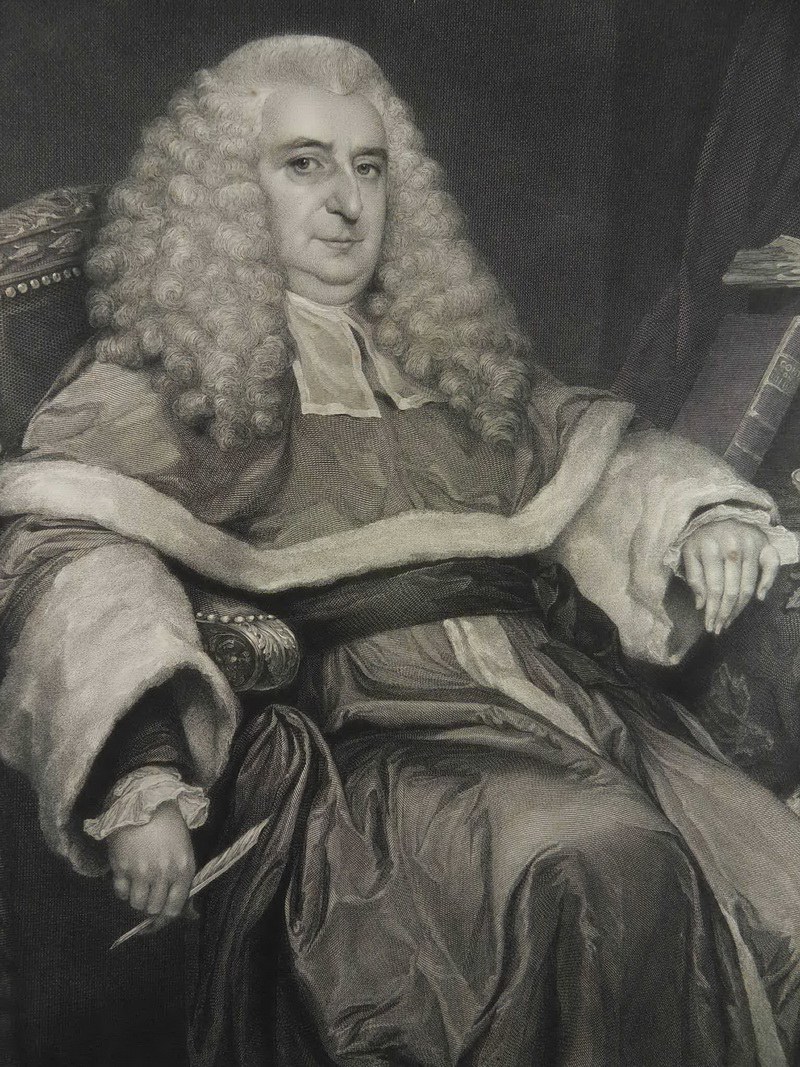
of the Supreme Court at Calcutta, in Bengal,
a copper engraving by William Sharpe
after Robert Home (London: Arthur Stone, 1814)
145: JOHN HYDE (the son of Miss [RACHEL] PYNE: working paper [KEPHART records].
John Hyde (1705–1775) • FamilySearch (unverified and contradicted)
146: ORRIMINAH HYDE (the daughter of JOHN HYDE)
Family of Orriminah Hyde:
Marriage:
Orriminah Hyde married 15 June 1780, in New Jersey, Jacob R. Compton
The Children of 146: Orriminah Hyde and Jacob Richard Compton
146-001: DIRECT DESCENDANT (a dau) 147: BOOK -
Sarah J. (Compton) Hankins (1781-1858),
born 04 Feb 1781, Hunterdon County, New Jersey;
died 08 Oct 1858, Mt. Healthy, Hamilton, Ohio;
married 10 Feb 1800, Mt. Healthy, Hamilton, Ohio,
William Hankins (1776-1853), born 21 Apr 1776, Hopewell, Hunterdon,
New Jersey; (Hankings - 1850 Census - age 73, born 1777, in New Jersey);
[Research Note: Birthplace Nj (for New Jersey) in original document;
not New York, as incorrectly transcribed.]; died 18 Sep 1853;
son of Richard Hankins (1749-1823)
and Rachel / Rachael (Letz / Letts) Hankins (1752-1818)
[Richard Hankins, who built the first log cabin in College Hill, formerly
(Pleasant Hill), came here through his Revolutionary War land warrant;
Richard Hankins died 29 Aug 1823 (1749-1824 marker - Gard Cemetery)]
They had posterity.
- Richard Hankins (1801-1853), born 09 Apr 1801;
(Hankings - 1850 Census - age 49, born 1801, in Ohio); died 06 Oct 1853
- Jacob Compton Hankins (1805-1827); b. 23 Feb 1805, Hamilton County, Ohio;
died 26 May 1827, Hamilton County, Ohio
- Polly Hankins (1808-1809), born 11 Aug 1808, Hamilton County, Ohio;
died 01 Aug 1809, Hamilton County, Ohio
- Nancy (Hankins) Tumey (1811-1890); (1880 Census - age 69, b. 1811, in Ohio);
died 1890; married Abraham Tumey (1808-1880), born 1808;
(1870 Census - in Kentucky); (1880 Census - in Ohio); died 1880;
[Research Note: Both born in New Jersey; recorded in later family data.]
They had posterity.
- Rebecca Tumey (1828-1830), born 24 Sep 1828;
(of Colerain Township, Hamilton, Ohio); died 06 Dec 1830
- Sarah Jane Tumey (1830-1833), born 24 May 1830;
(of Colerain Township, Hamilton, Ohio); died 04 Apr 1833, in Ohio
- Martha Ann (Tumey) Barnes (1833-1905), born Oct 1833, in Ohio;
(1850 Census - in Ohio); died 1905; married 06 Nov 1853,
Hamilton County, Ohio, EL Nathan / Nathan Barnes / Barns (1832-1895),
born 1832; (1880 Census - in Ohio); died 1895
They had posterity. (mother of 11 children; 7 died by 1900 Census)
- Sarah Elizabeth (Barnes) Purdy (1855-1916), born 07 Nov 1855,
Colerain Township, Hamilton County, Ohio; (1880 Census);
died 11 Mar 1916, Cincinnati, Hamilton, Ohio;
married Elbridge H Purdy (1862-1949), born 14 Jan 1862,
St. Louis, Independent City, Missouri; died 1949;
son of Horatio Purdy and Susan M. Wade
They had posterity.
- Arthur Faraday Purdy, b. 13 Mar 1884 / 1885, Cincinnati, Hamilton, Ohio;
married (_), by 12 Sep 1918, Mary A. _____;
Arthur Faraday Purdy married (_) 03 Sep 1938, in Indiana,
Margaret M. (Weix) Card, born 15 Jul 1891, Rock Elm, Pierce, Wisconsin;
daughter of Joe / Joseph Weix and Mary Beberger
- _____ Barnes; (child born and died between 1853 and 1900 Census)
- Hulda Barnes (1858-1924), born 03 Mar 1858, Hamilton County, Ohio;
(1880 Census); died 01 Feb 1924, Cincinnati, Hamilton, Ohio; (single)
- George M. Barnes (1860-1944), born 10 Jun 1860 / 19 Jun 1863,
Barnesburg, Hamilton, Ohio; died 06 Apr 1944, Cincinnati, Hamilton, Ohio;
married 05 Jul 1887, Hamilton County, Ohio,
Julia E. (Markland) Barnes (1857-1916), born 1857;
(1900 Census, age 40, born __ Feb 1860, in Ohio); died 11 Jun 1916,
Hamilton County, Ohio; [will dated 05 Aug 1914; will probated 17 Jun 1916,
Hamilton County, Ohio; Julia E. Barnes, of College Hill, Hamilton, Ohio]
They had posterity. (mother of 3 children; 3 children died by 1900 Census)
- _____ Barnes; (child born and died between 1887 and 1900)
- _____ Barnes; (child born and died between 1887 and 1900)
- _____ Barnes; (child born and died between 1887 and 1900)
- _____ Barnes; (child born and died between 1853 and 1900 Census)
- Michael Barns; (1880 Census - age 15, born 1865, in Ohio)
- _____ Barnes; (child born and died between 1853 and 1900 Census)
- Irene Barns; (1880 Census - age 9, born 1871, in Ohio)
- Nancy (Barnes) Simons (1873-1930), born 03 Mar 1873,
Barnesburg, Hamilton, Ohio; (1880 Census - in Ohio); died 19 Feb 1930,
Cincinnati, Hamilton, Ohio; married George Simons (1873-1903),
born __ Dec 1873, New Richmond, Clermont, Ohio; died 1903,
College Hill, Hamilton, Ohio; son of Montgomery / Mont Simons (1848-1907)
and (married 10 Aug 1873) Alice (Squires) Simons (1856-1933)
They had posterity.
- Georgia S. (Simons) Griley (1896-1960), born 25 Jan 1896,
Cincinnati, Hamilton, Ohio; died 28 Feb 1960, Cincinnati, Hamilton, Ohio;
married 23 Apr 1919, Hamilton County, Ohio,
Edgar Harold Griley, Sr. (1898-1939), born 08 Jan 1898,
Cincinnati, Hamilton, Ohio; died 10 Jul 1939, Westwood, Hamilton, Ohio;
son of Frank Leo Griley (1864-1952) (born Zanesville, Ohio)
and Jennie S. (Sechrist) Griley (1862-1955) (born Zanesville, Ohio)
They had posterity.
- Edgar Harold Griley, Jr. (1925-1983), born 23 Apr 1925,
Cincinnati, Hamilton, Ohio; d. 02 Nov 1983, Cincinnati, Hamilton, Ohio;
married after 1943, Evelyn Mae (Winters) Griley (1917-1988),
born 26 Nov 1917, Cincinnati, Hamilton, Ohio; died 10 Oct 1988,
Cincinnati, Hamilton, Ohio; daughter of George H Winters (1871-1941)
and (married 21 Nov 1905) Edith Mae (Getzendanner) Winters (1878-1944)
- Ruth Eda / G. (Griley) Myers (1926-2016), born 26 Jul 1926,
Cincinnati, Hamilton, Ohio; (1930 Census); died 01 Aug 2016,
Cincinnati, Hamilton, Ohio; married Malcolm Comer Myers (1923-2012),
born 10 / 11 Jun 1923, Holton, Otter Creek Township, Ripley, Indiana;
died 30 Jun 2012, Cincinnati, Hamilton, Ohio;
son of Joseph Wilbur Myers (1888-1969)
and Amelia Bertha (Comers) Myers (1891-1980)
They had posterity.
- Jan / Janice Kay Myers, b. 22 Aug 1949, in Ohio; married 27 Dec 1970,
Hamilton County, Ohio, Ron / Ronald Marvin Zimmerman,
born 16 Jul 1948, in Indiana;
son of Harold Andrew Zimmerman (1915-2007) (Obituary)
and (married 1935) Deborah L. (Stahl) Zimmerman (1921-1998)
They had posterity.
- Beth / Elizabeth R. Zimmerman, born 23 Aug 1972, in Indiana;
married 03 Jul 1993, Indianapolis, Marion, Indiana,
Jack Alan Simpson, born 30 Nov 1968, in Idaho;
son of James W. Simpson (born Idaho)
and Esther M. _____ (born Oklahoma)
- Jennifer L (Zimmerman) Derksen, born 19 Sep 1974, in Indiana;
married 06 Jul 2002, Indianapolis, Marion, Indiana,
Daniel Mark Derksen, born 16 Feb 1976, in Ecuador;
son of Stanley John Derksen (born Nebraska)
and Irene Marie Drown (born Ecuador)
- Joselyn Marie (Zimmerman) Thiemann, born 25 May 1978,
Indianapolis, Marion, Indiana; married 10 Jul 2004,
Indianapolis, Marion, Indiana, Jason Michael Thiemann,
born 13 Dec 1980, in Indiana; (of Brazil, Clay, Indiana);
[Thiemann, Jason & Joselyn - Mission Aviation Fellowship (MAF)];
son of Mark Schuler Thiemann (b. 25 Sep 1954, Terre Haute, Indiana)
and (married 21 Sep 1979) Gayla Marie Garrison
(b. 31 May 1959, Brazil, Indiana) [President of Gajama Corporation]
They had posterity.
- [Emma Thiemann, Sebastian Thiemann, Avery Thiemann]
- David Wayne Myers, born 25 Feb 1954, Cincinnati, Hamilton, Ohio;
married 11 Sep 1976, Hamilton County, Ohio, Linda Lou Brock,
born 17 Sep 1956, Cincinnati, Hamilton, Ohio;
daughter of Albert Vincent Brock (14 Dec 1927-22 Mar 2003)
and Betty Lou (Turner) Brock (1928-1967)
They had posterity.
- Kristen Marie Myers, born 25 Mar 1979; married 01 Jul 2000,
Hamilton County, Ohio, Christopher R. Johnson, born 29 Sep 1977
- Justin David Myers, born 04 Mar 1981, Cincinnati, Hamilton, Ohio;
married 09 Jul 2005, Columbus, Bartholomew, Indiana,
Cassandra Faye Burton, born 20 Nov 1980,
Columbus, Bartholomew, Indiana; daughter of David Glen Burton
(b. Columbus, Indiana) & Shelli Dawn Misner (b. Columbus, Indiana)
- Gary M. Myers, born 03 Jun 1960, Cincinnati, Hamilton, Ohio;
married Anna Kary _____, born 25 Oct 1959
They had posterity.
- Bret M. Myers, born 09 Sep 1983
- Catlin Myers, born 08 Nov 1986
- Cody D. Myers, born 20 Aug 1988
[Grandchildren: Beth, Jennifer, Joselyn,
Kristen, Justin, Bret, Catlin and Cody]
- Montgomery / Monte Simons, born 16 Jun 1898,
College Hill / Cincinati, Hamilton, Ohio; married 10 Sep 1924,
Hamilton County, Ohio, Corinne Miller, born 20 Jul 1903,
Cincinnati, Hamilton, Ohio; daughter of Conrad W. Miller
and Cornelia Barrs (17 Mar 1866-04 May 1939)
- Ella (Simons / Simmons) Wood (1902-1925), born 06 Dec 1902,
Cincinnati, Hamilton, Ohio; d. 16 Oct 1925, Covington, Kenton, Kentucky;
married 13 Feb 1923, in Indiana, Lawrence E. Wood
- Ella Barnes (1875-1938), born 1875;
(1880 Census - age 5, born 1875, in Ohio); died 1938
- Lillie / Lillian B. Barns / Barnes; (1880 Census - age 3, born 1877, in Ohio);
died 27 Jan 1973; (of Cincinnati, Ohio); married Raymond Anderson;
(1920 Census - age 35, born 1885, in Ohio); died by 1930 Census.
They had posterity.
- Martha Emily (Anderson) Hill (1912-1999), born 11 Apr 1912,
Cincinnati, Hamilton, Ohio; (1920 Census); (1930 Census);
died 12 Jan 1999, Clermont County, Ohio;
married Harry William Hill (1911-1986), born 19 Dec 1911;
(1940 Census - in Ohio); died 04 Oct 1986, Cincinnati, Hamilton, Ohio;
son of _____ Hill and _____ Kempf
They had posterity.
- Joyce E. Hill, born 17 Feb 1939;
(1940 Census - age 1, b. 1939, of Cincinnati, Hamilton, Ohio);
married (1) _____ Reis;
Joyce E. (Hill) Reis married (2) 19 Aug 1978, Hamilton County, Ohio,
Russell Harold Tarvin (1939-2005), born 31 May 1939,
Cincinnati, Hamilton, Ohio; died 12 Jun 2005, in Ohio; (Obituary);
son of Walter Haarel Tarvin (1914-1993)
and (married 22 Jun 1935) Charlene Mabel (Herbert) Tarvin (1918-1974)
- Virginia I. Anderson, born 17 Jun 1915; (1920 Census - in Ohio);
(1930 Census); married _____ Fisher
[The Compendium of American Genealogy, Vol. VI, pgs. 513-514.]
- _____ Tumey; {born 1835-1841}; married _____ _____
They had posterity.
- Alforetta / Alfretta / Alpharetta (Tumey) Scull / Schull - Jones (1855-1901);
died 1901; gr. 2; (1870 Census - age 15, b. 1855, in Ohio; attending school);
(Alforetta Scull - 1880 Census - age 23, born 1857, in Ohio; single;
listed as g Daughter of Abraham and Nancy Tumey);
married _____ Scull between and 1870 and 1880 Census records);
Alfreta (Tumey) Schull; (1900 Census - age 45, born May 1855, in Ohio);
married (2) 1882, Albert Clifton Jones (1853-____); gr. 1;
(1900 Census - age 46, born Aug 1853, in Ohio)
They had posterity. (mother of 3 children; 2 living in 1900 Census)
- Harry Clifton Jones (1883-1965), born 15 Jul 1883,
Barnesburg, Hamilton, Ohio; died 1965; gr. 5; married 14 Feb 1907,
Hamilton County, Ohio, Mae Mary (Sharp) Jones (1887-1957),
born __ Feb 1887, in Kentucky; died 1957; gr. 6;
daughter of Wallace M. Sharp (15 Nov 1856-31 Mar 1936)
and Lulu / Lucinda Miles / Myles
They had posterity.
- Martha Mae (Jones) Krois (1907-1974), born 09 Dec 1907;
(1910 Census - in Ohio); died 22 Nov 1974, Cincinnati, Hamilton, Ohio;
married Martin Lawrence Krois (1908-1980), born 15 Sep 1908,
St. Paul, Ramsey, Minnesota / (1940 Census - in Ohio); died 05 Feb 1980,
Cincinnati, Hamilton, Ohio
They had posterity.
- Evelyn M. (Krois) Crowley - Dietz (1930-____), born 03 / 05 Nov 1930;
(1940 Census - in Ohio); married (1) Joseph Phil Crowley, Jr. (1927-1979),
born 24 Jun 1927 / 1928, in Ohio; died 20 Dec 1979,
Cincinnati, Hamilton, Ohio; son of Joseph Patrick Crowley (1897-1954)
& (married 17 Dec 1927) Mary Margaret (Gleason) Crowley (1902-1961)
They had posterity.
- Karen Suzanne Crowley, born 23 Aug 1950; married 08 Jun 1973,
Hamilton County, Ohio, Pete / Peter Michael Klosterman (1950-2016),
born 05 Oct 1950, Dayton, Montgomery, Ohio; died 16 Jul 2016,
Troy, Miami, Ohio; (Obituary);
son of Vincent Walter Klosterman (1911-1952)
and Angela Ida Lucinua (Nartker) Klosterman (1914-1997)
They had posterity.
- Molly Marie Klosterman, born 04 Aug 1977; married 14 Aug 1999,
Stark County, Ohio, Darren A. Ware, born 19 Nov 1972
They had posterity. [Darren '97 and Molly (Klosterman) '99 Ware]
- [sons: Brody Ware and Tanner Ware]
- Peter M. Klosterman, Jr. (1979-1979), born 1979, in Ohio;
died 16 Jan 1979, Cincinnati, Hamilton, Ohio
- Margo Anna Klosterman, born 28 Oct 1980
- (Dr) Joseph Patrick Crowley, born 29 Dec 1951, in Ohio;
married 20 Dec 1974, Hamilton County, Ohio, Pauletta J. Heil,
born 24 Apr 1953; daughter of (Pvt) Paul John Heil (1917-1976)
and Mary Catherine (Vail) Heil (1918-1986)
They had posterity. (3 children)
- Constance / Connie Lynn (Crowley) Newman (1955-2018),
born 28 Jul 1955, Cincinnati, Hamilton, Ohio;
died 02 Feb 2018, Cincinnati, Hamilton, Ohio; (Obituary);
married 23 Nov 1985, Hamilton County, Ohio,
Steve / Steven J. Newman, Sr., born 02 Jul 1954
They had posterity.
- Elizabeth Newman; married Jonathan McBride
- Steve Newman, Jr.
- Martha M. Crowley, born 01 Sep 1959, Cincinnati, Hamilton, Ohio;
married (1) _____ Kramer;
Martha M. (Crowley) _____ married (2) 13 Feb 1988,
Hamilton County, Ohio, (and later dissolution, 16 Sep 1994,
Hamilton County, Ohio), Thomas E. Schneider, born 1959
They had posterity. (2 minor children)
- Martin Krois Crowley, born 06 Sep 1960, in Ohio; married 26 May 1985,
Hamilton County, Ohio, Kathy / Katherine / Katheryn Mary Betsch,
born 29 Sep 1960, Cincinnati, Hamilton, Ohio;
daughter of Dick / Herb / Richard John Betsch (1937-2017) (Obituary)
and (married 1961) Gloria Ann / Anntoinette DiToro / Detoro
They had posterity.
- Emily Katherine Crowley, born 03 Mar 1987, in Ohio
- Kyle Martin Crowley, born 08 Jan 1991, in Ohio
- Elliott James Crowley, born 11 Feb 1994, in Ohio
- Phil / Philip Crowley; married Jennifer _____
Evelyn M. (Krois) Crowley married (2) 15 Jan 1982,
Hamilton County, Ohio, Joe / Joseph C. Dietz, born 1928
- Marilyn Angela Krois, born 29 Jan 1939; (1940 Census - in Ohio);
died 18 Dec 2013, at home, in Ohio; (Obituary);
married Charles Pat / Patrick Crowley,
born 11 Oct 1933, in Ohio; died 11 May 2012, in Ohio; (Obituary);
son of Joseph Patrick Crowley (1897-1954)
& (married 17 Dec 1927) Mary Margaret (Gleason) Crowley (1902-1961)
They had posterity.
- James Crowley
- Rebecca Crowley
- Patrick Crowley
- Kelly Patrick Crowley, born 26 Aug 1977, in Ohio; married Amy _____
[grandchildren: Hannah, Sydney, Nicole, Justin, Ashley,
Joshua, Brittany, Zachary and Sean.]
- Albert C Jones (1909-1955); (1910 Census - age 9/12, born 1909, in Ohio);
died 15 Jun 1955; married Angela Annamarie (Otten) Jones (1911-2006),
born 29 / 30 Sep 1911, Cincinnati, Hamilton, Ohio; (1940 Census);
died 18 Dec 2006, Cincinnati, Hamilton, Ohio; (Obituary);
daughter of Herman John Otten (15 Nov 1877-05 May 1962) & (married
27 May 1908) Magdalena Maria Fussner (15 Mar 1882-03 Dec 1986)
They had posterity.
- Eileen Mary (Jones) Wolfer, born 12 Mar 1941, in Ohio;
married Don / Donald Frank / Francis Wolfer, born 30 Mar 1941,
in Ohio; son of Herbert William Wolfer (1901-1966) (Obituary) and
(md. 27 Nov 1924) Cornelia F (Sandman) Wolfer (1904-1993) (Obituary)
They had posterity.
- Timothy John Wolfer, born 06 Mar 1963, Cincinnati, Hamilton, Ohio;
married 25 May 1985, Hamilton County, Ohio,
Teresa Marie Meyer, born 09 Jul 1964, in Ohio;
daughter of Robert John Meyer and Catherine Ethel _____
They had posterity.
- Craig Matthew Wolfer, born 28 Jun 1992,
Henderson County, North Carolina
- Erika Marie Wolfer, born 23 Feb 1994, in Ohio
- Kurt Anthony Wolfer, born 01 Jul 1996, in Ohio
- Jenny / Jennifer Ann (Wolfer) Weibel, born 30 Apr 1964,
Cincinnati, Hamilton, Ohio; married 03 Jun 1989,
Hamilton County, Ohio, Paul Leonard Weibel, born 17 Apr 1964,
in Ohio; son of Leonard Anthony Weibel (1935-2020)
and Carol Agnes Rimpler (born Ohio)
- Scott Michael Wolfer, born 07 May 1965, in Ohio;
married 08 May 1993, Hamilton County, Ohio,
Margaret Ann Wilke, born 20 Dec 1964, in Kentucky
They had posterity.
- Lauren Elizabeth Wolfer, born 04 Apr 1994, in Ohio
- Daniel Scott Wolfer, born 08 Sep 1995, in Ohio
- Sara Eileen Wolfer, born 28 Jun 1997, in Ohio
- John Francis Wolfer, born 23 Jun 1972, in Ohio
- Angie / Angela Ann (Wolfer) McMahon, born 13 Oct 1975, in Ohio;
married Casey Paul McMahon, born 14 Apr 1976
- Mary Susan Wolfer, born 01 Apr 1979, in Ohio;
married 18 Jun 2005, Hamilton County, Ohio,
Gregory Robert Emerson, born 10 Mar 1978
- Richard Lawrence Jones, born 1943, in Ohio; [re] married 19 Jun 1970,
Hamilton County, Ohio, Marie Avita Statt, born 11 Jul 1946, in Ohio;
[Photo]; daughter of Charles Joseph Statt (28 Oct 1916-30 Mar 1979)
and (married 03 Feb 1945) Avita Viola Brinkmoeller; (Obituary)
They had posterity.
- Carol Jones, born 1969 / 1970
- Daniel Lawrence Jones, born 22 Sep 1973, in Ohio
- Suzanne / Susan Marie Jones, born 21 Sep 1975, in Ohio
- David Clifton Jones, born 28 Jun 1977, in Ohio
- Ann / Anne Magdalene Jones, born 22 May 1980, in Ohio
- Lois Ann Mary (Jones) Mulloy, born 25 Apr 1945, in Ohio;
married Harry / Henry Francis Mulloy, born in Ohio
They had posterity.
- Christy / Christina Marie (Mulloy) Groh, born 27 May 1969, in Ohio
- Mike / Michael Patrick Mulloy, born 10 Jun 1972, in Ohio
- Cyndi / Cynthia Marie (Mulloy) Mrla, born 09 Jun 1975, in Ohio;
married Mike Mrla
- Larry Jones; married Linda _____
- Dennis Jones; married Terry _____
- Robert Jones; married Jennifer _____
- Harry Jones (1911-1912), born 1911; died 1912; gr. 7;
buried sequentially to Harry C. Jones gr. 5 and Mae Jones gr. 6;
Bevis, Hamilton County, Ohio; Bevis Cedar Grove Cemetery;
parents of Elmer Jones, following; and Albert Jones, previous; brothers.
- Elmer Frank Jones (1915-1995), born 03 Jan 1915,
Cincinnati, Hamilton, Ohio; (1920 Census); died 26 Dec 1995,
Cincinnati, Hamilton, Ohio; married 18 Feb 1939, in Indiana,
Bernice Rachel Angela Siekbert, b. 27 Dec 1917 / 1918;
(1920 Census - in Ohio); daughter of Henry Siekbert
(10 Jun 1872 / 1873-22 Mar 1948)
and (married 23 Apr 1902) Sophia Seidenspinner
They had posterity.
- Alan Jones; (1940 Census - age 10/12, born 1939, in Ohio)
- Walter Leroy Jones, born 26 Jun 1917, Cincinnati, Hamilton, Ohio;
(1920 Census); died 01 Apr 1990
- Wilbur Mason Jones (1926-1988), born 05 Mar 1926,
Cincinnati, Hamilton, Ohio; died 04 Feb 1988, Cincinnati, Hamilton, Ohio
- _____ Jones; (child, born and died between 1882 and 1900 Census)
- Emma Jones; (1900 Census - age 12, born Nov 1887, in Ohio);
married _____ Johnson
- Walter Tumey; (1870 Census - age 9, born 1861, in Ohio; attending school);
(1880 Census - age 19, born 1861, in Ohio; single, works in Farm;
listed as g son of Abraham and Nancy Tumey)
- Andrew Tumey; (1870 Census - age 3, born 1867, in Ohio);
(1880 Census - age 13, born 1867, in Ohio; single, attended school,
within the Census year; listed as g son of Abraham and Nancy Tumey)
- Amanda Tumey / Turney; (1850 Census - age 8, born 1842, in Ohio);
(1880 Census - age 39, born 1841, in Ohio);
married 20 Apr 1871, Hamilton County, Ohio, William A. Craig (1811-1875),
born 02 May 1811; (1850 Census - born N.J.); (1860 Census - in New Jersey);
died 06 Sep 1875, aged 64, Colerain Township, Hamilton, Ohio;
[Hamilton County, Ohio, Wills: Craig, William A.; Date Filed: 10 Sep 1875;
Residence: Colerain Township; Box 33; Case No. 19522; Executor: No Data
They had posterity.
- Eva J. Craig, born 25 Jan 1872; (1880 Census - age 08, born 1872, in Ohio);
died 28 Feb 1918, Cincinnati, Hamilton, Ohio;
married 28 Jun 1893, Hamilton County, Ohio, Eddie / Edwin J. Foote, Jr.,
born 12 May 1872; (1900 Census - in Connecticut);
son of Edwin Foote (born 1837, in Connecticut)
and Sarah J. Barber (born 1850, in Rhode Island)
They had posterity.
- Chester Edwin Foote (1895-1947), born 28 May 1895,
Cincinnati, Hamilton, Ohio; died 05 Sep 1947, Cincinnati, Hamilton, Ohio;
married (1) 08 Jan 1917, Hamilton County, Ohio, Erma Reddingius,
born 16 Dec 1898 / 1901, St. Louis, Independent City, Missouri;
(1920 Census); daughter of Herman Reddingius (born Holland {Dutch}
and May / Mamie / Mary E. Jones (born Florida)
They had posterity.
- Dorothy Juanita Foote, born 05 Feb 1918, Cincinnati, Hamilton, Ohio;
(1920 Census - age 1 & 10/12, born 1918, in Ohio); died 24 Feb 1979,
Palm Beach County, Florida; married (1), (and later divorced),
_____ McCormick
They had posterity.
- D. Howard McCormick; (1940 Census - age 3, born 1937, in Ohio)
Dorothy Juanita (Foote) McCormick married (2) Harry Day
Chester Edwin Foote married (_) Jewel / Sevenita Dietz;
(1930 Census - age 29, born 1901, in Kentucky);
daughter of Fredrick A. Dietz and (married 31 Oct 1888) Sarah Wakelyn
- Mabel / Mable (Foote) Hatke (1898-1918), born 26 Oct 1898,
Norfolk, Independent City, Virginia /
(1900 Census - age 7/12, b. Oct 1899, in New York); died 22 Nov 1918,
Hamilton County, Ohio; married 29 Nov 1917, Hamilton County, Ohio,
Clarence Joseph Hatke (1893-1951), born 11 Aug 1893,
Cincinnati, Hamilton, Ohio; died 08 Apr 1951, Dayton, Montgomery, Ohio;
son of Henry Hatke (1861-1920)
and Anna Mary (Stigler / Stegler) Hatke (1858-1918)
They had posterity.
- Jean Elizabeth Hatke (1918-1918),
born 05 Nov 1918, Cincinnati, Hamilton, Ohio;
died 28 Dec 1918, Covington, Kenton, Kentucky
- Virgie Foote, born 02 Apr 1900 / 1901, Little Falls, Herkimer, New York;
[Research Note: Does not appear in 1900 Census taken 15 Jun 1900];
(1930 Census - age 29, born 1901, in New York); died 08 Feb 1968,
Cincinnati, Hamilton, Ohio; married 17 Apr 1918,
Cincinnati, Hamilton, Ohio, Harry Andrew Frank, born 26 Mar 1896,
Cincinnati, Hamilton, Ohio; died 13 Mar 1977, Madeira, Hamilton, Ohio;
son of William H. Frank (17 Aug 1865-11 Nov 1950)
and (married 26 Sep 1894) K Carolina / Carrie Schroth
They had posterity.
- Rosalie Carolina / Caroline H. Frank, born 02 Nov 1920,
Hamilton County, Ohio; (1930 Census - age 9, born 1921, in Ohio);
died 29 Jan 2012, in Ohio; (Obituary);
married James F. Grace (1916-1964), born 11 Aug 1916,
Norwood, Hamilton, Ohio; (1920 Census): died 17 Mar 1964,
Norwood, Hamilton, Ohio; son of John Joseph Grace, Sr. (1868-1951)
and Laura Erskine (Willson) Grace (1871-1965) [in SAR Lineage of:
Thomas E Willson - Obed Willson - Amion Willson=Betsy Moor -
Goffe Moor - {(Revolutionary War Capt. & Major) John Moor}]
They had posterity.
- Nancy Ann Grace, born 06 Jan 1944, in Ohio;
married Richard Dennis Haley, born 29 Dec 1940,
Kenton County, Kentucky; son of Otis Bentley Haley (1907-1997)
and (married 06 Apr 1929 - Ethel on Certificate; Esther in License)
Esther Anna (Boone) Haley (13 Apr 1909- 03 Apr 1991)
They had posterity.
- Christopher Bentley Haley, born 15 Mar 1968, in Ohio;
married Lisa _____
- Laurie Anne Haley, born 26 Jan 1970, in Ohio;
married (1) 08 Apr 1995, Hamilton County, Ohio,
(and later divorced, 17 Aug 2001, Clermont County, Ohio),
Jose Francisco Orihuela, born 01 Aug 1947, in the USA
They had posterity. (1 minor child)
- Nicholas Manuel Orihuela, born 10 Dec 1996, in Ohio
Laurie Anne (Haley) Orihuela married (_) Bob Haley
- Polly Hunter (Grace) Smith - Molony, born 27 Oct 1945, in Ohio;
married (1) David Wayne Smith, born in Ohio
They had posterity.
- David James Smith, born 18 Aug 1967, in Ohio; married Kara _____
- Paul Andrew Smith, born 25 Dec 1968, in Ohio
Polly Hunter (Grace) Smith married (2) 15 Feb 1992,
Hamilton County, Ohio, William A. Molony, born 23 Jul 1940
- Frances Laura Grace, born in Ohio; married Jerome Alan Wilson,
born in Ohio; (of Cincinnati, Ohio)
They had posterity.
- (Dr) Mark Alan Wilson, born 21 Aug 1973, in Ohio; [engagement
notice dated 19 Aug 2008]; married Katie / Kathryn Anne Cook
[Mr. and Mrs. James L. Cook, of Needham, announce the engagement
of their daughter, Kathryn Anne, to Dr. Mark Alan Wilson,
son of Mr. and Mrs. Jerome A. Wilson of Cincinnati, Ohio.]
- Greg Thomas Wilson, born 02 Nov 1976, in Ohio; married Emily _____
- Emily Grace Wilson, born 06 Jun 1980, in Ohio; married 19 Nov 2005,
Franklin County, Ohio, Matt / Matthew Joseph McMullen,
born 03 Jan 1977
- Evelyn M (Frank) Meyer - Redinbo (1922-2010), born 13 Nov 1922;
(1930 Census - in Ohio); died 22 Aug 2010, in Ohio;
married (1), (and later divorced), Russell William Meyer (1916-1968),
born 23 Nov 1916, Cincinnati, Hamilton, Ohio; died 23 Apr 1968,
Cincinnati, Hamilton, Ohio; son of John Henry Meyer (1887-1946)
(01 May 1887 / 1888- 01 Apr 1946) and (married 18 May 1912)
Nellie Florence (McKis(s)ick / McCissic) Meyer - Geisler (1891-1966)
(21 Mar 1891-20 Nov 1966)
They had posterity.
- Bev / Beverly Kay Meyer, born 26 Sep 1947, in Ohio;
married David William Deininger, born 31 Aug 1942,
Washington, District of Columbia; (of Cincinnati, Ohio)
They had posterity.
- Kristina Marie Deininger, born 13 Jun 1972, in Ohio
- Phillip David Deininger, born 19 Feb 1976, in Ohio
- Russell William Meyer, born 04 Oct 1952, in Ohio; (of Cincinnati, Ohio);
married (1) 24 Sep 1982, Hamilton County, Ohio, (and later divorced,
22 Dec 1992, Hamilton County, Ohio),
Robbie Rochelle (Copenhaver) _____ - Henderson,
born 03 Nov 1958, in Ohio; daughter of Franklin Roy Copenhaver
(17 Mar 1935-31 Oct 2004) (Obituary)
They had posterity. (1 minor child)
- Ryan Christopher Meyer, born 22 Jan 1986, in Ohio
- Anthony Gene Burger (sic), born 22 Oct 1992,
Cincinnati, Hamilton, Ohio; died 30 Oct 1992,
Cincinnati, Hamilton, Ohio [Research Note: Birth record shows father
as Russell William Meyer; death record states father is: "Burger";
Interment Record: Name of father: Robert Jay Burger.]
Russell William Meyer married (2) 29 Jul 2000, Hamilton County, Ohio,
Nancy J. Rhoades, born 12 May 1957; previously married
- Polly Ann Meyer, born 26 Jan 1957, in Ohio; married 15 Jul 1978,
Miami County, Ohio, (and later divorced, 21 Jul 1992,
Montgomery County, Ohio), Michael Charles O'Meara / Omeara,
born 12 Feb 1956, in Ohio; (of Troy, Ohio);
son of William Frank O'Meara, Jr. (1929-2012)
and Lila Marie (Northrop) O'Meara (1928-2000)
They had posterity. (4 minor children)
- Michael Charles Omeara, Jr., born 03 May 1983, in Ohio
- Lisa Marie Omeara, born 08 Dec 1987, in Ohio
- Kathleen Ann Marie Omeara, born 15 Mar 1990, in Ohio
- Brian Charles Omeara, born 29 Feb 1992, in Ohio
Evelyn M. (Frank) Meyer married (2) 05 Aug 1972, Hamilton County, Ohio,
Harold Edward / Edgar Redinbo (1918-2001), born 03 Mar 1918,
Piqua, Miami, Ohio; died 13 Oct 2001, Upper Valley Medical Center,
Troy, Miami, Ohio; son of Ernest Redinbo (1890-1918)
and (married 15 Sep 1909, Miami County, Ohio)
Mary C. (Stephan) Redinbo (1888-1918) (01 Aug 1888-02 Nov 1918)
- Margaret M. / A / T (Frank) Boone (1924-2004), born 27 Dec 1924,
Hamilton County, Ohio; (1930 Census); died 06 Aug 2004, in Ohio;
(Obituary); married 1945, Clay Boone (1920-1989), born 22 Mar 1920,
Bourbon County, Kentucky; d. 16 Dec 1989, Cincinnati, Hamilton, Ohio;
son of Elsber Boone (1885-1965)
and Mertie / Myrtle A (Mulligan) Boone (1885-1950)
They had posterity.
- Beatrice M. Boone; married _____ Becker
- Daniel Clay Boone (1948-2007), born 06 Jan 1948, in Ohio;
died 16 May 2007, in Ohio;
married 07 Feb 1970, Hamilton County, Ohio,
Janie Bernadett Nerlinger, born 1952, in Ohio
They had posterity.
- Bridgett Ann Boone, born 17 Jun 1971, in Ohio;
married _____ Phelps
- Rodney Daniel Boone, born 1974, in Ohio; married 21 Jun 1997,
Pulaski County, Kentucky, Kim / Kimberly Ann Klein,
born 30 Nov 1966, in Ohio; daughter of Tyler Edward Klein
(born Ohio) and Joyce Lynn Lapthorn (born Ohio)
They had posterity.
- Megan Nichole Boone, born 16 Mar 1998, in Ohio
[grandchildren: Bridgett Phelps, Rodney Boone, Marlene Chaffin,
Michele Baird, Scott, Curt, Todd, Shawn Becker]
- Jean E. Frank, born 18 Jan 1927; (1930 Census - in Ohio);
died 25 Mar 2001; married _____ Wagers
- Harry Earl Frank, Jr. (1930-1985), born 22 Mar 1930;
(1930 Census - age 1/12, born Mar 1930, in Ohio); died 27 Jul 1985
- Richard H. Tumey (1843-1910), born 24 Apr 1843, in Ohio;
(1850 Census - age 7, born 1843, in Ohio); (1880 Census); died 07 Mar 1910,
Colerain Township, Hamilton, Ohio; married 1866,
Mary Seal (Barnes) Tumey (1845-1923), born 11 Dec 1845,
Colerain Township, Hamilton, Ohio; (1880 Census);
(1900 Census - age 54, born Dec 1845, in Ohio);
died 28 Nov 1923, Colerain Township, Hamilton, Ohio;
daughter of Abraham Barnes (born Ohio) and Ann Seal
They had posterity. (mother of 10 children; 5 living in 1900 Census)
- _____ Tumey; (1900 Census - one of 10 children; 5 died by 1900)
- Forrest Abram Tumey (1870-1908), born 1870, Barnesburg, Hamilton, Ohio;
(Abram F. Tumey; 1880 Census - age 11, born 1869, in Ohio);
(1900 Census - age 31, born __ Mar 1869, in Ohio); died 1908;
married 10 May 1892, Hamilton County, Ohio,
Cora Maud (Wyckoff) Tumey - Stalcup (1874-1956), born __ Nov 1874,
in Ohio; died 09 Jan 1956, Harrison, Hamilton, Ohio;
daughter of George A. Wyckoff (1844-1920)
and (married 1870) Rebecca S (Cleaver) Wyckoff (1848-1906)
They had posterity.
- Vilas St. Clair Tumey (1894-1971), born 26 Feb 1894,
Barnesburg, Hamilton, Ohio; died 21 Apr 1971,
Fort Mitchell, Kenton, Kentucky,
married Grace Ellen (Evererd) Tumey (1889-1965), born 19 Sep 1889,
in Pennsylvania; died 08 Sep 1965, Covington, Kenton, Kentucky;
daughter of Pierce Frank Evererd
and Genevieve (Dent) Evererd - Ferguson - Fugate (1869-1948)
They had posterity.
- Ruth Evererd (Tumey) Pebworth (1918-1989), born 22 May 1918,
Cincinnati, Hamilton, Ohio; died 20 May 1989, Kenton County, Kentucky;
married Jake / Melvin Charles Pebworth (1926-2018), born 05 Apr 1926,
Covington, Kenton, Kentucky; died 15 Aug 2018,
Edgewood, Kenton, Kentucky; son of William Charles Henry Pebworth
(22 Oct 1897-14 Sep 1964) and (married 27 Oct 1925)
Mildred Luise Catherine Wessling (30 Jul 1906-14 Nov 1988)
- George Milton Tumey (1896-1978), b. 09 Mar 1896, Bevis, Hamilton, Ohio;
died 10 Feb 1978, Cincinnati, Hamilton, Ohio; married 1918,
Bessie E. (Garrett) Tumey (1898-1995), born 18 Sep 1898,
Cincinnati, Hamilton, Ohio; d. 16 Feb 1995, Mt. Healthy, Hamilton, Ohio;
daughter of Frank Garrett (1877-1905)
and Louisa (Mueller) Garrett - Cromwell (1878-1955)
They had posterity.
- Jean Mae (Tumey) Weiss (1926-2016), born 13 Jan 1926,
Cincinnati, Hamilton, Ohio; (1940 Census); died 18 Mar 2016,
Cincinnati, Hamilton, Ohio; (Obituary); married 13 Jun 1946,
Clifford Paul Weiss (1924-2015), born 01 Feb 1924,
Cincinnati, Hamilton, Ohio; died 16 May 2015,
Cincinnati, Hamilton, Ohio; (Obituary)
They had posterity.
- Gary Paul Weiss, born 01 Apr 1951, in Ohio; married 26 Aug 1972,
Hamilton County, Ohio, Kathy / Kathleen Ann (Horgan) Weiss,
born 12 Feb 1953, in Ohio; daughter of Paul Patrick Horgan (1919-1999)
and Ruth L. (Hemsath) Horgan - Beitz (1922-2014) (Obituary)
They had posterity.
- Jason Paul Weiss, born 03 Feb 1976, Cincinnati, Hamilton, Ohio;
Marriage Certificate: 18 Sep 1999, Ohio Township, Clermont, Ohio,
Emily Marie Anderson, born 1974, Mariemont, Hamilton, Ohio;
daughter of Paul Martin Anderson (1944-)
and (married 01 Jun 1968) Georgia Ann (Volz) Anderson (1948-2016)
- Bradley James Weiss, born 14 Dec 1977, in Ohio
- Christopher Logan Weiss, born 02 Sep 1981, in Ohio;
married 26 Aug 2006, Vanessa Suzanne Minger, born 22 Nov 1982,
in Ohio; daughter of John Conrad Minger (born Indiana)
and (married 04 Jun 1978) Vicki /
Victoria Ann Crutcher (born 06 Jun 1951, in Ohio)
- Jim / James Milton Weiss, born 08 Jan 1953, in Ohio;
married (1) _____ _____;
Jim / James Milton Weiss married (2) 10 Jan 1981,
Hamilton County, Ohio, Sherri Ann (Anderson) Weiss,
born 1958, in Ohio
- Jamie Ann Weiss, born 05 Feb 1985, in Ohio;
(of West Harrison, Indiana); married, 27 Dec 2008,
Lake County, Indiana, Adam R. Tigue / Tique, born 22 Oct 1984
(of Dyer, Lake, Indiana)
- Nicole Emily Tumey Weiss, born 22 Aug 1989, in Ohio;
married Kyle Pierson
- Hazel Ethelyn (Tumey) Culbertson - Stone (1901-1968), born 11 Apr 1901,
Bevis, Hamilton, Ohio; died 14 Nov 1968, St. Petersburg, Pinellas, Florida;
married (1) 1919, Harold Culbertson (1899-1971), born 08 Nov 1899,
Oxford, Scott, Kentucky; died 21 Jun 1971, Cincinnati, Hamilton, Ohio;
son of Carl Stanton Culbertson (1875-1930)
and Mary Elizabeth (Sharon) Culbertson (1876-1956)
Hazel Ethelyn (Tumey) associated with Ralph Adair
They had posterity.
- James Rodney Adair (1921-1976), born 12 Aug 1921,
Cincinnati, Hamilton, Ohio; died 27 Jun 1976,
married (1) 17 Jul 1960, Livingston, Park, Montana,
Betty Lou / Louella (Folmar) Adair (1935-2019), born 01 Sep 1935,
Troy, Pike, Alabama; died 20 Jan 2019, Luverne, Crenshaw, Alabama;
(Obituary: Wife, Parent, Grandparent, Genealogist, [Betty Adair],
and 2 books Author: My Davison Family);
daughter of Riley Marshall Folmar (1911-1980)
and Ella Floyce (Carter) Folmar (1908-1980)
They had posterity.
- Riley M. Adair, born 05 Jul 1961, Los Angeles County, California;
married Traci Todd Adair, born 03 Sep 1965; (of Birmingham, Alabama);
daughter of Alton Columbus Todd (1931-2014)
and Violet (Brown) Todd (1932-____) (born 21 Dec 1932, in Alabama)
They had posterity.
- Dalton Marshall Adair, born 17 Aug 1995;
[Vestavia Scouts earn Eagle rank - VestaviaVoice.com]
- Chase Riley Adair, born 27 Jul 1999
- Rachael E. (Adair) Railey, born 23 Oct 1967;
married Chuck / Charles Wiley Railey, born 07 Jul 1963; (of Goshen)
They had posterity.
- Sarah Virginia Railey
- Cada Jefferson Railey; [Goshen Elementary School Honor Roll]
Hazel Ethelyn (Tumey) Culbertson married (_) Allen J Stone (1892-1957),
born 09 Jan 1892, in Ohio; died 13 Dec 1957, Cincinnati, Hamilton, Ohio;
son of Lewis Stone (1859-1919)
and (married 1889) Anna (Heid) Stone (1867-1952)
- Aramenta / Arametta / Menta (Tumey) Wrassman (1871-1930),
born 09 Oct 1870, in Ohio; died 25 Feb 1930, Indianapolis, Marion, Indiana;
married 1893, John Fred Wrassman (1870-1925), born 1870;
(1910 Census - age 38, born 1872, in Ohio);
died 18 Jan 1925; son of Fred Wrassmann (____-1871)
and Mary (Diehneier) Wrassmann (1838-1914)
They had posterity.
- George Richard Wrassman (1894-1929), born 03 Mar 1894,
Marion County, Indiana; died 11 Jun 1929, Cincinnati, Hamilton, Ohio;
married 24 Dec 1915, Butler County, Ohio,
Anna Louise (Hahn) Wrassman (1895-1932), born 26 Apr 1895,
West Harrison, Dearborn, Indiana; died 19 Mar 1932,
Cincinnati, Hamilton, Ohio; daughter of Elias Hahn (1861-1920) and
(married 07 Mar 1882) Catharine / Katie Marie (Troster) Hahn (1864-1900)
They had posterity.
- George R. Wrassman, born 15 May 1916, Indianapolis, Marion, Indiana;
died 04 Jul 1918, Hamilton, Butler, Ohio
- Owen Bush Wrassman (1919-1972),
born 07 Sep 1919, Indianapolis, Marion, Indiana;
died 03 Sep 1972, Cincinnati, Hamilton, Ohio;
married Dorothy Caroline (Herbst) Wrassman (1918-2014),
born 07 Jun 1918, in Oho; died 02 Aug 2014, Cincinnati, Hamilton, Ohio;
(Obituary); daughter of Joseph Peter Herbst (1893-1956)
and (married 23 Aug 1916) Lucy (Ryder) Herbst (1896-1944)
They had posterity.
- Pam / Pamela Ann (Wrassman) Sumner, born 12 Mar 1949, in Ohio;
married 11 Nov 1972, Hamilton County, Ohio,
Minten Andrew Sumner (1947-2008),
born 03 May 1947, Norfolk, Independent City, Virginia;
died 26 Jul 2008, Cincinnati, Hamilton, Ohio; (Obituary);
son of Andrew Jackson Sumner, Jr. (24 Jul 1926-10 Feb 1998)
and Geneathe Nell (Christman) Sumner (1924-2000)
They had posterity. (of Cincinnati, Ohio)
- Tim / Timothy Minten Sumner, born 13 Apr 1975, in Ohio
- Sarah Ann (Sumner) Renner, born 08 Jun 1978, in Ohio;
married Daniel Renner
- Emily Janine Sumner, born 04 May 1981, in Ohio
- Virginia Mary Wrassman, born 03 Aug 1950, in Ohio;
married 10 Aug 1973, Hamilton County, Ohio,
Kenneth Leonard Ruehl, born 19 Jun 1948, in Ohio
They had posterity.
- Kurt Andrew Ruehl, born 08 Nov 1976, in Ohio;
married 15 Sep 2007, Switzerland County, Indiana,
Megan Leigh (Gilkeson) Ruehl, born 07 Nov 1982, in Ohio;
daughter of _____ Gilkeson and Diana Ellen (Gilkeson),
b. 12 Sep 1960, Cincinnati, Hamilton, Ohio; d. 14 Nov 2017 (Obituary)
They had posterity.
- Kalli Ruehl
- Angie / Angela Nicole (Ruehl) Keller, born {twin} 16 Aug 1978,
in Ohio; married 24 Jun 2000, Hamilton County, Ohio,
Kevin Douglas Keller, born 12 Jan 1978, in Ohio;
son of Stanley Robert Keller, Jr. (born Ohio)
and (married 14 Dec 1974) Paula Ann Crofford (born Kentucky)
- Ann Catherine Ruehl, born {twin] 16 Aug 1978, in Ohio;
married 06 Apr 2002, Hamilton County, Ohio,
Raymond John Blazer, III, born 19 Apr 1975, in Ohio;
son of Raymond John Blazer, Jr. (born Ohio)
and (married 09 Dec 1972) Diane Mary Oberjohann (born Ohio)
- Patricia / Patti / Tricia Lynn Wrassman, born 30 Aug 1952, in Ohio;
married 07 Sep 1974, Hamilton County, Ohio,
Michael Richard Vetter, born 11 Sep 1952, Cincinnati, Hamilton, Ohio;
died 20 Mar 2015, Cincinnati, Hamilton, Ohio; (Obituary);
son of Edwin Joseph Vetter (1925-2011) (Obituary)
and (married 28 Feb 1950) Patricia Annette (Morgan) Vetter (1930-2007)
They had posterity.
- Geoffrey Owen Vetter, born 31 Mar 1976, in Ohio
- Anthony Michael Vetter, born 10 Mar 1979, in Ohio;
married (_) 14 Aug 2004, Hamilton County, Ohio,
Rebecca Ann Huber, born 20 Jun 1981, in Ohio;
daughter of Michael Patrick Huber (born Ohio)
and (married 28 Apr 1973) Jill Katherine Korte (born Ohio);
Anthony Michael Vetter married (_) Lindsey _____
- Daniel Joseph Vetter, born 29 Dec 1981, in Ohio;
married Meranda _____
[grandchildren: Demetri, Ivy, Olivia, Rebecca, Mason and Madeline]
- Owen Joseph Wrassman, born 08 Mar 1955; married 12 Nov 1982,
Hamilton County, Ohio, Jan / Janice K. / C. Tillar, born 11 May 1957,
in Ohio; daughter of John S. Tillar (1917-2003) (Obituary)
and Edna M. (Meier) Tillar (1922-2016)
- Margie Ann (Wrassman) Bressler (1927-2001), born 21 Sep 1927,
Cincinnati, Hamilton, Ohio; died 25 May 2001, Blue Ash, Hamilton, Ohio;
married 30 Nov 1953, Hamilton County, Ohio,
Leo / Lew Paul Bressler (1925-2001), born 14 Oct 1925,
Cincinnati, Hamilton, Ohio; died 11 Oct 2001; Blue Ash, Hamilton, Ohio;
(Obituary); son of George M Bressler (1878-1940)
and Ruth F. (McCabe) Bressler (1892-1967)
They had posterity.
- Stephanie Alexandria (Bressler) Ratcliffe, born 26 Apr 1955,
Campbell County, Kentucky; married 11 Jun 1977,
Hamilton County, Ohio, Michael Edward Ratcliffe,
born 06 Jan 1954, in Rhode Island
They had posterity.
- [Tim, Molly, Katie, Amanda, Annie (Obituary), Donald, Jay, Dolly,
Bob, Dawanna, Sylvia, Tara, Danny and Zack Ratcliff (Obituary)]
- Mark O. Bressler, born 15 Apr 1957, Campbell County, Kentucky;
married 11 Oct 1980, Hamilton County, Ohio, (and later divorced,
13 Dec 2002, Hamilton County, Ohio),
Mary Anne (Wimberg) Bressler, born 27 Aug 1960;
daughter of Bill / William J. Wimberg (Obituary)
and Margaret M. Dulle (born 05 Feb 1933, in Ohio)
They had posterity. (3 minor children)
- Jerri Bressler
- Brad / Bradley C. Bressler, born 12 Jan 1983
- Kelly Anne (Bressler) Carucci, born 01 Aug 1985;
married _____ Carucci
- Andrew R. Bressler, born 19 May 1987
- Byron L. Bressler, born 11 Oct 1958, Campbell County, Kentucky
[grandchildren: Tim, Molly, Katie, Amanda, Annie, Donald, Jay,
Dolly, Bob, Dawanna, Sylvia, Tara, Danny and Zack Ratcliff;
and, Jerri, Brad, Kelly and Andrew Bressler];
[great-grandchild: Samantha Rae]
- Mary Elizabeth (Wrassman) Connaughton - Marshall (1885-1950),
born 13 May 1895, Indianapolis, Marion, Indiana; (1900 Census);
died 13 Dec 1950, Indianapolis, Marion, Indiana; married (1) 31 Mar 1913,
Indianapolis, Marion, Indiana, Thomas Edward Connaughton (1891-1948);
(1920 Census); son of John Patrick Connaughton (1853-1930)
and Catherine (Hoar) Connaughton (1850-1912)
They had posterity.
- John / Johnny Joseph Connaughton (1913-1945), born 29 Jun 1913,
Indianapolis, Marion, Indiana; (1920 Census); died 09 Nov 1945,
Palermo, Città Metropolitana di Palermo, Sicilia, Italy
Mary Elizabeth (Wrassman) Connaughton married (2),
Charles Alfred Marshall (1891-1934), born 17 / 19 Apr 1891,
Hendricks County, Indiana; (1930 Census - age 39, born 1891, in Indiana);
son of Alfred James Marshall (1868-1932) and (married 09 Feb 1888)
Aletha Elma / Lena (McCollum) Marshall (1870-1941)
- _____ Wrassman; (one child died before 1900 Census)
- Katherine / Catherine Nellie Wrassman, born 18 Jun 1900,
Indianapolis, Marion, Indiana; (1910 Census); married (1) 13 Dec 1918,
Marion County, Indiana, Fred Eugene Tutt, born 29 Nov 1896,
Crawfordsville, Montgomery, Indiana; died 06 Feb 1971,
Hidalgo County, Texas; son of Harley Clayton Tutt (1878-1928)
and (married 11 Jun 1896)
Lola May (Wasson) Tutt (1878-1900) / Lola Wasson (____-1900)
They had posterity.
- Forrest Clayton Tutt; aka: Lindsay (1920-1978), born 09 Aug 1920,
Indianapolis, Marion, Indiana; (1930 Census);
died 08 May 1978, Lawrence, Marion, Indiana;
married, (and later divorced), Barbara E. _____, born 28 Mar 1927,
Anderson, Madison, Indiana
They had posterity.
- Carol Ann Tutt, born 20 Jul 1948, in Indiana;
married (1) 17 Feb 1968, Carmel, Hamilton, Indiana,
(and later divorced; and remarried), Gordon Anthony Griffard,
born 20 Nov 1948, in Indiana
They had posterity.
- James Anthony Griffard, born 21 Aug 1968, in Indiana;
married 24 Jun 1995, Alexandria, Madison, Indiana,
Julie Renee (Noggle) Griffard - Brown, born 24 Jul 1973,
in Indiana; daughter of Jon Richard Noggle (1943-2018)
and (married 26 Jun 1966) Abby Del (Porter) Noggle - Ramsey
They had posterity.
- [Kelsi Griffard and Haley Griffard]
- Gregory C. Grifford, born 01 Dec 1970, in Indiana;
married 28 Aug 1993, Noblesville, Hamilton, Indiana,
Laura Kate Wigent, born 02 Jul 1968, in Ohio;
daughter of Philip Wigent (born Adrian, Michigan)
and Lou / Lowell Verna Dillon (born 06 Jun 1938, in Dayton, Ohio)
Carol Ann (Tutt) Griffard remarried (2) 09 Sep 1977,
Pendleton, Madison, Indiana, Gordon Anthony Griffard,
born 20 Nov 1948, in Indiana
- Linda Sue Tutt, born 1949 / 1950, in Indiana; married (1) 27 Jan 1968,
Chesterfield, Madison, Indiana, (and later divorced, Jun 1991),
Charles Allen Clevenger, born 10 Apr 1949, Waller, Columbia, Ohio;
son of Charles Joe Clevenger (1927-1978) (born Soldier, Kentucky)
and Nela / Nella M. Wilson (born Haldeman, Kentucky)
They had posterity.
- Lori Lynn Clevenger, born 13 Feb 1975, Anderson, Madison, Indiana;
married (1) 27 Sep 1997, Pendleton, Madison, Indiana,
(and later divorced Jan 2000), Troy Michael McKinley,
born 11 Oct 1972, in Indiana;
son of Donald Robert McKinley (born 1945, in Indiana)
and (married 22 Oct 1966) Tamara Ann Files (born 1945, in Indiana);
Lori Lynn (Clevenger) McKinley married (2) 11 May 2002,
Mooresville, Morgan, Indiana, James Byron Shugars, born 1980,
in Indiana; son of Roger Howell (sic) (born Indiana)
and Karen Rugion (born Indiana)
Linda Sue (Tutt) Clevenger married (2) 12 Aug 1995,
Markleville, Madison, Indiana, James L. Anderson, born 1947,
in Indiana; son of John Anderson (born Tennessee)
and Irene _____ (born Indiana)
- Debbie / Deborah June Tutt, born 19 Apr 1953, in Indiana;
married 30 Aug 1970, Indianapolis, Marion, Indiana,
Roy Steven Brammer, born 11 Feb 1951, in Indiana; (of Indianapolis);
son of Roy Glynn Brammer (1927-2007) (Obituary)
and (married 27 Aug 1946) Helen L. (Hallett) Brammer (1927-2007)
They had posterity.
- Stephanie Ann Brammer, born 21 Sep 1972, in Michigan;
married 22 Apr 1995, Markleville, Madison, Indiana, Brian S. Rawlins,
born 25 Apr 1969, in Indiana; son of Mike / Michael Lee Rawlins
(born 01 Oct 1946, in Indiana) and (married 05 Sep 1965)
Parnie Lee Baker (born 03 Jun 1946, in Indiana)
They had posterity. [Hardwood Hockey - Dubois County Herald]
- Aaron Rawlins, born 1998
- Austin Rawlins, born 2001
- Steven Andrew Brammer, born 15 Jun 1974, in Michigan;
married 05 Dec 1998, New Palestine, Hancock, Indiana,
Jennifer Marie Neargardner, born 12 Jul 1973, in Indiana;
daughter of John Alexander Neargardner (born Pennsylvania)
and (married 02 Sep 1972) Elizabeth JoAnne Waggoner (b. Indiana)
- Stacey Ann Brammer, born 26 Mar 1976; married 09 Aug 2008,
Marion County, Indiana, Brandon A. Smith, born 18 Jul 1979
Katherine / Catherine Nellie (Wrassman) Tutt married (2) _____ Gillihan;
Katherine / Catherine Nellie (Wrassman) Gillihan married (3) 27 Sep 1928,
in Indiana, (and later divorced), Thomas James Lindsay (1901-1939),
born 15 Jul 1901, Columbus, Franklin, Ohio; died 21 May 1939,
Indianapolis, Marion, Indiana; son of James Herbert Lindsay (1877-1929)
and (02 Apr 1899) Blanche Edna (Chatfield) Lindsay (1881-1940)
They had posterity.
- Jimmie / James Herbert Lindsay (1929-2013), born 22 Jan 1929,
Indianapolis, Marion, Indiana; (1930 Census); (1940 Census);
died 06 Jul 2013; married 23 Nov 2011, Marion County, Indiana,
Bernadene B. Cox, born 11 Oct 1937
- Jean / Gene Elvin Lindsay (1934-2012), born 17 Nov 1934,
Indianapolis, Marion, Indiana; (1940 Census); died 19 Feb 2012,
Indianapolis, Marion, Indiana; married 21 Nov 1962,
Indianapolis, Marion, Indiana, Violet Marguerite (Holderman) O'Dell,
born 14 Sep 1935, Indianapolis, Marion, Indiana;
daughter of George William Holderman (1882 / 1883-1956)
and Hazel Rosetta (Christenberry) [May] - Holderman (1900-1935)
(17 Mar 1900-29 Nov 1935)
- William O. Tumey (1875-1949), born 1875;
(1880 Census - age 6, born 1874, in Ohio);
(1900 Census - age 26, born Mar 1874, in Ohio); died 27 Feb 1949, in Ohio;
married 20 Apr 1897, Hamilton County, Ohio,
Anna / Tillie Barbara (Boertlein / Bortlein) Tumey (1877-1936);
(1900 Census - age 22, born Nov 1877, in Ohio); died 1936
They had posterity.
- Ella Mae Tumey, born 09 Sep 1897; Cincinnati, Hamilton, Ohio;
(1900 Census), died 29 Dec 1978, Cincinnati, Hamilton, Ohio;
married 05 Oct 1917, Hamilton County, Ohio,
Charles Lawrence Smith, Sr., b. 27 Jan 1897, Cincinnati, Hamilton, Ohio;
died 17 Mar 1961, Cincinnati, Hamilton, Ohio;
son of Charles / Charley Smith (died by 1900) and (married 25 Mar 1896)
Marie Louisa / Louise (Fay / Fey) Smith - Krouse (1877-1922)
(born 30 May 1877 / 1878)
They had posterity.
- Edith / Edythe Louise (Smith) Stevie (1918-1998), born 01 Sep 1918,
Cincinnati, Hamilton, Ohio; (1920 Census - age 1 & 4/12, b. 1918, in Ohio);
died 12 Jun 1998, Cincinnati, Hamilton, Ohio;
married William Charles Stevie (1913-1983), born 23 Jul 1913,
Cincinnati, Hamilton, Ohio; d, 17 Jan 1983, Cincinnati, Hamilton, Ohio;
son of Harry Alexander Stevie (27 Jan 1873-27 Nov 1938)
and Francis / Fannie (Willett / Willetts) Stevie (1879 / 1880-17 Apr1942)
They had posterity.
- Terrance Charles Stevie (1939-1939), born 10 Jun 1939;
died 21 Jun 1939, Cincinnati, Hamilton, Ohio
- William R. Stevie, born 16 Jan 1941; married 17 Nov 1973,
Hamilton County, Ohio, Linda J. (_____) Maurer, born 17 Jan 1943
- Sharon Edythe (Stevie) Leek, born 17 Oct 1942;
married Owen Ray Leek, born 01 Nov 1941, Lincoln County, Kentucky;
son of William Harrison Leek (1907-1982)
and Mildred (McKinney) Leek (1916-2003)
They had posterity.
- Terrence Ray Leek, born 26 Mar 1963, in Ohio
- Dennis Steven Leek, born 02 May 1969, in Ohio;
married 12 Oct 1996, Hamilton County, Ohio,
Teri / Theresa Anne Zeller, born 08 Aug 1972, in Ohio;
daughter of James Edwin Zeller (12 Aug 1940-05 May 1996)
and Barbara Anne Whitaker (born Ohio)
- Scott Michael Leek, born 16 Jun 1971, in Ohio
- Charles Lawrence Smith, Jr. (1921-2010), born 26 Feb 1920,
Cincinnati, Hamilton, Ohio; (1940 Census); died 05 Dec 2010,
Cincinnati, Hamilton, Ohio; [Research Note: 05 Apr 1921-02 Dec 2010,
does not match Social Security; nor, Spring Grove Interment Record.];
married Thelma Mary (Berling) Smith (1923-1999), born 15 Apr 1923,
Cincinnati, Hamilton, Ohio; died 01 Jun 1999, Cincinnati, Hamilton, Ohio;
daughter of George Herman Berling (1891-1956)
and (married 1917) Henrietta C (Bedinghaus) Berling (1891-1969)
They had posterity.
- Charles Lawrence / Larry Smith, III; married Bonnie _____
- Art / Arthur Smith; married Barb _____
- Charlene L. Smith, born 04 Aug 1944; married 1961,
Charlie / Charles David DeZarn (1942-2011), born 22 Feb 1942,
Cincinnati, Hamilton, Ohio; died 21 Dec 2011,
Cincinnati, Hamilton, Ohio; son of Louis Howard Dezarn (1893-1952)
and (married 1919) Agnes Loretta (Seal) Dezarn (1904-1981)
They had posterity.
- Charlie / Charles David DeZarn, Jr. (II), born 25 Oct 1961,
Cincinnati, Hamilton, Ohio; married 29 Aug 1987,
Hamilton County, Ohio Mary Ellen Siemer, born 28 Apr 1965, in Ohio;
daughter of Ray / Raymond Henry Siemer (1929-2018)
and (married 1955) Marilyn Joan Macke (born 03 Jan 1933-)
They had posterity.
- Michelle Lauren DeZarn, born 28 Dec 1988, in Ohio
- Andrew Michael DeZarn, born 05 May 1991, in Ohio
- Hannah Marie DeZarn, born 30 Dec 1994, in Ohio
- Sam / Samuel David DeZarn, born 18 May 1997, in Ohio
- Cindy / Cynthia Louise DeZarn, born 11 Jan 1963,
Cincinnati, Hamilton, Ohio; married 17 Jun 1983,
Hamilton County, Ohio, Dave / David William Yauch, born 07 Nov 1961,
Cincinnati, Hamilton, Ohio; son of Bill / William David Yauch
(04 Oct 1943-06 Feb 2017) (Obituary)
and (married 24 Aug 1961) Jane E. Gill
They had posterity.
- Justine Sara Yauch, born 10 Jan 1987, in Ohio; married Ben Johnson
- Caitlin Emily Yauch, born 27 Apr 1989, in Ohio
- Ben / Benjamin David Yauch, born 12 Feb 1995, in Ohio
- Debbie / Deborah Marie DeZarn,
born 04 Sep 1964, Cincinnati, Hamilton, Ohio
- Mike / Michael James DeZarn, born 13 May 1966, in Ohio
- Jaime Elizabeth DeZarn, born 22 Sep 1977
[Grandchildren: Michelle, Andy, Hannah, Sam and Lily DeZarn.]
- Greg / Gregory Allan Smith, Sr., born 13 Nov 1947,
Cincinnati, Hamilton, Ohio; (of West Harrison, Indiana);
died 15 Mar 2016, Cincinnati, Hamilton, Ohio; (Obituary);
married (1) 1967, (and later divorced, 05 Mar 1969,
Hamilton County, Ohio), Barbara _____, born 1950
They had posterity. (1 minor child)
- Greg Smith, II; married Amber _____
They had posterity.
- [Maria, Makayla & Gregory Smith III]
Greg / Gregory Allan Smith, Sr. married (2) 1969,
(and later divorced, 22 May 1970, Hamilton County, Ohio),
Barbara A. _____;
Greg / Gregory Allan Smith, Sr. married (3) 21 Mar 1982,
Osgood, Ripley, Indiana, Barbara Ann (Westheider)
Gerwe - Smith (2) - Bartles, born 02 Aug 1949, in Ohio;
daughter of Thomas Patton Westheider (1927-2014)
and Anna Marie (Richmond) Westheider (1933-1997)
They had posterity.
- Gregory Allan Smith, born 11 Jun 1982, in Ohio
- Kathy / Kathleen Ann (Smith) Wandstrat, born 28 Dec 1959, in Ohio;
married 31 Oct 1980, Hamilton County, Ohio,
David Raymond Wandstrat, born 30 Aug / Sep 1960,
Cincinnati, Hamilton, Ohio; son of Raymond J. / Riverman Wandstrat
[born 25 Jun 1934, Cincinnati, Hamilton, Ohio; died 21 Sep 2016,
Dillsboro, Dearborn, Indiana; (Obituary)]
and (married 1955) Mary Evelyn Elsaesser (born 03 May 1934)
They had posterity.
- Michelle Marie Wandstrat, born 25 Oct 1981, in Ohio
- David Michael Wandstrat, born 22 Nov 1982, in Ohio;
married 24 May 2003, Hamilton County, Ohio,
(and later divorced, 25 Jan 2005, Hamilton County, Ohio),
Robin Nichole Kraemer, born 20 Feb 1982, in Ohio;
daughter of Timothy Joseph Kraemer (born Ohio)
and (married 17 Jul 1981) Gayle Ann Ulrich (born Ohio)
They had posterity. (1 minor child)
David Michael Wandstrat married (2) 24 Nov 2007,
Franklin County, Indiana, Valerie Jean Wolber, born 14 Apr 1983,
in Ohio; daughter of James Leroy Wolber (born Indiana)
and (married 27 Nov 1971) Brenda Joan Westerfeld (born Indiana)
- Stephen Gregory Wandstrat, born 13 Nov 1987,
Cincinnati, Hamilton, Ohio; married 31 Dec 2011,
Milford, Clermont, Ohio, Sarah Nichole Phillips, born 1989,
Cincinnati, Hamilton, Ohio; daughter of Leonard Carlos Phillips
and (married 16 Jun 1979) Mary Beth Van Dem Brink / Dembrink
- Kenneth Charles Wandstrat, born 19 Jul 1990, in Ohio
- Ethel A. Tumey, born 14 Sep 1900; (1910 Census - in Ohio);
(1930 Census - age 28); died 11 Feb 1989, Cincinnati, Hamilton, Ohio;
married (1) William Andrew / Albert Englert (1898-1981), born 19 Sep 1898,
Cincinnati, Hamilton, Ohio; died 03 Jul 1981, Cincinnati, Hamilton, Ohio;
son of Martin Englert (1856-1914) and Mary (Wagner) Englert (1864-1938)
They had posterity.
- Marion / Mary Ruth Englert, born 15 May 1919; (1920 Census - in Ohio);
(1930 Census - age 11, born 1919, in Ohio);
died 01 Jul 2009, in Ohio; (Obituary)
Ethel A. (Tumey) Englert married (2) 24 Dec 1921, Hamilton County, Ohio,
William Strack, born 1898, Cincinnati, Hamilton, Ohio;
son of Leonard Strack (1860-1935) and
Mary / Marie / Maria Anna (Berger / Burger / Borges) Strack (1867-1941);
Ethel A. (Tumey) Englert - Strack married (3),
Taylor Lee / Leroy / LeRoy Pavey (1895-1969), born 11 Mar 1893 / 1895,
Sabina, Clinton, Ohio / Fayette County, Ohio; (1930 Census);
died 06 May 1969, Cincinnati, Hamilton, Ohio;
son of Thomas L. Pavey (1872-1914)
and (married 03 Aug 1894) Cora Alice (Driskill) Pavey (1872-1957)
They had posterity.
- Willnetta Mickey Pavey, born 08 Aug 1928;
(1930 Census - age 1 & 7/12, born 1928, in Ohio); died 10 Jan 2010;
married 31 Jan 1950, Hamilton County, Ohio,
Raymond John O'Brien, born 30 May 1921, Cincinnati, Hamilton, Ohio;
died 03 Dec 1995, Hamilton County, Ohio;
son of Eugene O'Brien (05 Sep 1881-) and (married 09 Jun 1909)
Ella Schoenberg (died by 1930 Census)
- Delbert Leroy / Pee Wee Pavey, Sr. (1930-2004), born 03 Aug 1930,
Cincinnati, Hamilton, Ohio; (1940 Census); died 31 Jan 2004,
Cincinnati, Hamilton, Ohio; (Obituary); married Dorothy Gaffney,
(1940 Census - age 6, born 1934, in Pennsylvania),
born McKees Rocks, Allegheny, Pennsylvania;
(of Stowe Township, Allegheny, Pennsylvania);
daughter of Riley Gaffney (1903-1964)
and Dovie (Ison) Gaffney (1908-1970)
They had posterity.
- Delbert Leroy Pavey, Jr. (1954-1986), born 11 Mar 1954,
Cincinnati, Hamilton, Ohio; died 13 Sep 1986,
Boone County, Kentucky; (Obituary - nephew of Joan Wheeler);
married 23 Aug 1975, Hamilton County, Ohio,
Sue / Susan Mary Meyer, born 01 Mar 1957, in Ohio;
daughter of Jim / James Charles Meyer (1931-1994) and (married 1955)
Evelyn Catherine (Knapp) Meyer (1933-2012) (Obituary / Obituary)
They had posterity.
- David Christopher Pavey (1976-1998),
born 13 Mar 1976, Cincinnati, Hamilton, Ohio;
died 14 May 1998, Cincinnati, Hamilton, Ohio; (Obituary)
- Randy Thomas Pavey, born 29 Jan 1978, in Ohio
- Kim / Kimberly Marie Pavey, born 29 Dec 1955, in Ohio;
married 01 Aug 1975, Campbell County, Kentucky,
Rusty / Russell Alan Parnell, b. 15 Oct 1951, Kenton County, Kentucky;
son of Ralph Jon Parnell, Sr. (12 Mar 1910-08 Aug 2004)
and Katherine Minnie (Huebner) Parnell (03 Feb 1918-16 May 2012)
They had posterity.
- Taylor Riley Parnell, born 11 Jun 1981, in Ohio
- Nicholas Russell Parnell, born 14 Jul 1984, in Ohio
- Tracy Lee Pavey, born 11 Jul 1966, in Ohio; married (1) 05 Oct 1991,
Hamilton County, Ohio, (and later divorced, 21 May 1993,
Hamilton County, Ohio), Daniel F. Panaro,
born 25 Apr 1960, Cincinnati, Hamilton, Ohio;
son of Frank P. Panaro & Virginia Ann (Holscher) Panaro (1936-2010);
Tracy Lee (Pavey) Panaro married (2) Ray Parnell
[grandchildren: Taylor Parnell, Nicholas Parnell,
Hunter Parnell and Haley Parnell]
- Esther M (Tumey) Ramsay (1905-1978), born 03 Mar 1905;
(1910 Census - in Ohio); died 01 Jan 1978;
married Howard R Ramsay (1901-1977), born 20 Oct 1901;
(1940 Census - in Ohio); died 26 Jan 1977, Cincinnati, Hamilton, Ohio;
son of John Summers Ramsay (1859-1937)
and (married 04 Apr 1888) Anna / Annie (Koars) Ramsay (1869-1925)
They had posterity.
- Bonnie Lou Ramsay, born 11 May 1938, Cincinnati, Hamilton, Ohio;
(1940 Census); died 21 Jun 2004, Cincinnati, Hamilton, Ohio; (Obituary);
married, (and later divorced), _____ Powell
They had posterity.
- Jill A. Powell, born 06 Aug 1963, Cincinnati, Hamilton, Ohio;
married 16 Nov 2002, Hamilton County, Ohio,
Thomas Michael / Mike Kiley, born 25 Apr 1953,
Springfield, Hampden, Massachusetts
- Barbara Ann Ramsay, born 24 Mar 1940;
(1940 Census - age 0/12, born 1940, in Ohio)
- Edna F. Tumey, born 24 Jul 1907, Cincinnati, Hamilton, Ohio;
(1910 Census); died 08 Apr 1936, Cincinnati, Hamilton, Ohio;
married 20 Apr 1929, Covington, Kenton, Kentucky,
Harry Aloysious / G Kohlsdorf (1905 / 1907-1980), born 27 Oct 1905,
Cincinnati, Hamilton, Ohio; died 07 Oct 1980, Cincinnati, Hamilton, Ohio;
son of Adam Joseph / A. Kohlsdorf (27 Jul 1883-07 Sep1960)
and (married 03 May 1905)
Lena / Magdalena A (Schmidt / Smith) Kohlsdorf (1886-1966)
- Elwood Tumey; (1920 Census - age 6, born 1904, in Ohio)
- _____ Tumey; (1900 Census - one of 10 children; 5 died by 1900)
- Albert Tumey (1878-1879), born 1878;
(of Bevis, Hamilton, Ohio); died 13 Jul 1879
- _____ Tumey; (1900 Census - one of 10 children; 5 died by 1900)
- Naomi B. Tumey (1883-1906), born 1883;
(1900 Census - age 16, born Dec 1883, in Ohio); died 1906
- _____ Tumey; (1900 Census - one of 10 children; 5 died by 1900)
- Martin Elwood Tumey (1887-1959), born 04 Nov 1887,
Barnesburg, Hamilton, Ohio; (1900 Census); died 11 Mar 1959,
North College Hill, Hamilton, Ohio; married 26 Nov 1913,
Hamilton County, Ohio, Mabel C. (Aston) Tumey (1889-1987),
born 21 Mar 1889, in Ohio; died 02 Feb 1987, Hamilton County, Ohio;
daughter of Thomas Owen Aston (1852-1946) (b. Ohio) (and married 1879)
Charlotte / Lottie (Underwood) Aston (1858-1939) (born Ohio)
They had posterity.
- William Martin Tumey (1917-2003), born 07 Aug 1917, Mt. Healthy /
Cincinnati, Hamilton, Ohio; died 18 Jan 2003,
North College Hill, Hamilton, Ohio; married 1945,
Edna Hattie (Baldock) Tumey (1920-2005), born 28 Jul 1920,
Cincinnati, Hamilton, Ohio; died 04 Jan 2005, Cincinnati, Hamilton, Ohio;
daughter of Melvin G Baldock (1891-1966)
and (married 18 Apr 1917) Edna B. (Hoeche) Baldock (1898-1990)
They had posterity.
- Barry William Tumey, Sr., born 21 Aug 1947, in Ohio;
married 20 Mar 1976, Hamilton County, Ohio,
Mary Elizabeth Beresford, born 13 Mar 1949, in Ohio;
daughter of Myles Elmer Beresford, Jr. (28 Dec 1918-20 Aug 1994)
and Mary Ann Wiebold (28 Feb 1923-28 Nov 2009)
They had posterity.
- Barry William Tumey, Jr., born 21 Aug 1980, in Ohio
- Theresa Nichole Tumey, born 27 Mar 1987, in Ohio
- Sharon Lynn Tumey, born 12 Feb 1950, in Ohio; married 11 Mar 1972,
Hamilton County, Ohio, Donald Michael Borger, born 09 May 1948,
in Ohio; son of Henry J Borger (1922-1989)
and Margaret Joan (Maifeld) Borger (1928-1994)
They had posterity.
- Donald Michael Borger, II, born 31 Jan 1977, in Ohio;
married 15 Sep 2001, Hamilton County, Ohio, Amanda Renee Hauser,
born 08 Jan 1980, in Ohio; daughter of Richard Louis Hauser (b. Ohio)
and (married 27 Mar 1968) Joan Estelle Veid (born Ohio)
- Christopher Shane Borger, born 06 Nov 1986, in Ohio
- Donna J. Tumey, born 1955; married (1) 03 Sep 1977,
Hamilton County, Ohio, (and later divorced, 09 Oct 1980,
Hamilton County, Ohio), Mark A. Weddendorf, born 1955;
Donna J. (Tumey) Weddendorf married (2) 09 Oct 1982,
Hamilton County, Ohio, Richard A. Long, born 1956
- Leora Ruth (Tumey) Meyer (1920-2001), born 20 Mar 1920,
Cincinnati, Hamilton, Ohio; (1930 Census); died 05 Dec 2001,
Mount Healthy, Hamilton, Ohio; (Obituary);
married Clarence George Meyer (1917-1993), born 21 Nov 1917,
Cincinnati, Hamilton, Ohio; died 17 Aug 1993, Cincinnati, Hamilton, Ohio;
son of Charles George Meyer (1886-1948)
and (married 21 Apr 1909) Florence E (Kropfeld) Meyer (1891-1977)
They had posterity.
- Terry Clarence Meyer, born 19 Mar 1943, Cincinnati, Hamilton, Ohio;
died 21 Aug 1996, Lawrenceburg, Dearborn, Indiana; (Obituary);
married (1), (and later divorced), _____ _____;
Terry Clarence Meyer married (2),
(and later divorced, 11 Jul 1990), _____ _____;
[Posterity of Terry Clarence Meyer: Donald,
Michelle, K. Steven, Debbie, Michael, Erin, Cory]
Terry Clarence Meyer married (3) 15 Jan 1991, Nashville, Brown, Indiana,
Arlene Gale (Smith) Dean, born 10 Mar 1963, Gallipolis, Gallia, Ohio;
daughter of Glaston Clark Smith (1930-2014) (born Tennessee)
and Hazel (Sandlin)Smith (1936-2017) (born Kentucky)
They had posterity.
- Martin Kyle Meyer, born 20 Aug 1991, in Ohio
- Gary L. Meyer, born 31 Oct 1947, Cincinnati, Hamilton, Ohio;
died 31 Jan 2012, Cincinnati, Hamilton, Ohio; married (1) _____ _____;
Gary L. Meyer married (2) 21 Dec 1974, Hamilton County, Ohio,
Marsha Viox, born 1955
They had posterity.
- Ashley Meyer; married _____ Wyatt
- Ray Owen Tumey, born 11 Jul 1923, Mt. Healthy /
Cincinnati, Hamilton, Ohio; (1930 Census); died 14 Mar 2003,
North College Hill, Hamilton, Ohio; married _____ _____
- Martin Van Buren Tumey (1845-1920), born 24 / 27 Jul 1845,
Colerain Township, Hamilton, Ohio; (Tomey - 1850 Census); (1900 Census);
died 08 Dec 1920, Colerain Township, Hamilton, Ohio; married 21 Sep 1869,
Hamilton County, Ohio, Elizabeth (Krass) Tumey (1852-1925),
born 02 Feb 1852, Colerain Township, Hamilton, Ohio; died 27 Dec 1925,
Colerain Township, Hamilton, Ohio; daughter of Michael Krass (1826-1915)
and Eva (Peters) Krass (1824-1890)
They had posterity. (1900 Census - mother of 6 children; 6 living)
- Caroline / Lina (Tumey) Braun (1870-1958), born 1870,
Hamilton County, Ohio; died 16 Nov 1958,
Hamilton, Butler, Ohio; (Obituary); married John M. Braun (1862-1955),
born 29 Nov 1862, White Oak, Hamilton, Ohio; died 01 Sep 1955,
Mount Healthy, Hamilton, Ohio; (Obituary);
son of Michael Braun (1814-1889)
and Anna Maria (Bittner) Braun (1824-1887)
They had posterity. (mother of 4 children; 1 deceased by AD 1942)
- Martin William Braun (1890-1973), born 13 Aug 1890,
Peach Grove / Colerain Township, Hamilton, Ohio; died 17 Aug 1973,
St. Peters, St. Charles, Missouri; married (1) 20 Oct 1909,
Hamilton County, Ohio, Anna Mary (Hasselwander) Braun (1892-1934),
born 26 Jun 1892, Colerain Township, Hamilton, Ohio;
died 24 Mar 1934, Cincinnati, Hamilton, Ohio;
daughter of Michael Hasselwander (1867-1930)
and Agnes (Wuest) Hasselwander (1869-1946)
They had posterity.
- Edwin Martin Braun (1909-1997), born 01 Dec 1909,
Cincinnati, Hamilton, Ohio; died 29 Nov 1997, DeLand, Volusia, Florida;
married Margaret M (Graf) Braun (1910-1981), born 17 Dec 1910,
Cincinnati, Hamilton, Ohio; died 08 Dec 1981, Volusia County, Florida;
(Obituary); daughter of Herbert Henry Graf (29 Sep 1886-17 Jan 1961)
and (married 29 Jun 1910) Bertha Mary Maloney
They had posterity.
- Barbara Ann Braun, born 06 Jun 1937, Princeton, Gibson, Indiana;
married _____ Cook; (of Kempton Park, South Africa)
- Joseph J. Braun (1911-2008) / Joseph John Braun (1911-2008),
born 16 May 1911, Cincinnati, Hamilton, Ohio;
died 26 Jun 2008, Cincinnati, Hamilton, Ohio; (Obituary);
married (1) Clara B. (Ruther) Braun (1914-1967), born 25 Jun 1914,
in Ohio; died 15 Sep 1967, Cincinnati, Hamilton, Ohio; (Obituary);
daughter of John Herman / Harry Ruther (1879-1966)
and Anna T (Robbe) Ruther (1879-1938)
They had posterity.
- Dennis Braun; (1940 Census - age 1, born 1939, in Ohio);
married Linda _____
- Douglas Joseph Braun, born 23 Feb 1944, Cincinnati, Hamilton, Ohio;
died 09 Jul 2002, Cincinnati, Hamilton, Ohio; (Obituary); married 1965,
[marriage license notice 01 Sep 1965]; (and later divorced, 04 Dec 1970,
Hamilton County, Ohio), Peggy Jane (Gallagher) Braun - Hohmeister,
b. 01 Apr 1944, in Ohio; daughter of Thomas A. Gallagher (1922-1987)
and Mary Jane (Russell) Gallagher (1920-2007)
They had posterity. (2 minor children)
- Chad Warren Braun, born 20 Feb 1967, in Ohio; married 21 Sep 1991,
Hamilton County, Ohio, (and later divorced, 28 Feb 2007,
Butler County, Ohio), Tracy Pamela Hunter, born 03 Mar 1963, in Ohio
They had posterity. (4 minor children)
- Benjamin Warren Braun, born 01 Dec 1993, in Ohio
- Alexander Michael Braun, born 28 Aug 1995, in Ohio
- Joshua David Braun, born 27 Sep 1997, in Ohio
- _____ Braun
- Timothy Douglas Braun, born 19 Oct 1969, in Ohio;
married 19 Jun 1993, Montgomery County, Ohio,
Lori A. Banks, born 15 Sep 1968
[Research Note: Douglas Joseph Braun listed with additional daughter;
his spouse, her mother is not identified.]
- Stephanie Braun; married Brad McCloud
- Russell Lee Braun, born 27 Jan 1946, Cincinnati, Hamilton, Ohio;
died 14 / 15 Jun 1984, Ft. Worth, Tarrant, Texas; married 27 Jan 1970,
Hamilton County, Ohio, Carol L. Stuerenberg, born 1941;
previously married
- Constance / Connie Braun, born 20 Sep 1948, in Ohio
[grandchildren: Keith Braun; died by 2008; Vicki Braun; Chad Braun]
Joseph John Braun married (2) Jean Tibbs
- Doretta Rose (Braun) Tipton (1913-2002), born 17 Apr 1913,
Cincinnati, Hamilton, Ohio; died 30 May 2002, Maumee, Lucas, Ohio;
married Lester / Ulysses Jackson Tipton (1910-1995), born 10 Oct 1910,
in Kentucky; died 04 May 1995, Wauseon, Fulton, Ohio;
son of Isaac Tipton and Emma Crowe
They had posterity.
- Wanda Ann (Tipton) Vogt - McMahon (1938-2010), born 08 Jun 1938,
Cincinnati, Hamilton, Ohio; died 24 Sep 2010,
Parlin, Middlesex, New Jersey; (Obituary);
married (1) Wilmer Lewis Vogt, Jr., born 27 Sep 1934,
Stroudsburg, Monroe, Pennsylvania; died 08 Sep 2016,
Morristown, New Jersey; son of Wilmer Lewis Vogt, Sr (1903-1992)
and (married 29 Dec 1932, Lackawanna County, Pennsylvania)
Madge / Margaret Gertrude (Bonner) Vogt (1901-1989)
They had posterity.
- Deborah Vogt; married _____ _____
They had posterity.
- [her daughter, Nadia; (of Menlo Park, California)]
- Mark C. Vogt; married Anita _____; (of Marietta, Georgia)
- Todd J. Vogt, born 11 Jun 1963; married 23 Aug 1992,
Nutley Township, Essex, New Jersey, Flora Susan Russomagno,
born 08 Nov 1964; (of Wayne, New Jersey)
Wanda Ann (Tipton) Vogt married (_) __ Nov 1983,
Union Township, Union, New Jersey,
John Vincent McMahon (1928-2004), born 18 Nov 1928,
Bronx, Bronx, New York; died 13 Mar 2004,
Parlin, Middlesex, New Jersey
- (MD) Warren Sheldon Tipton, born 26 Feb 1945, in Ohio;
(of Toledo, Ohio); married Patricia Ann Vanderhorst,
born 05 Sep 1947, in Ohio;
They had posterity.
- Sarah Lynn Tipton, born 15 Aug 1969, in Ohio;
married 26 Jun 1993, Lucas County, Ohio, Brian Kent Jorris,
born 02 Jan 1964, Toledo, Lucas, Ohio; (of O'Fallon, Missouri);
son of Robert Carl Jorris (born Ohio)
and (married 04 Apr 1949) Louise Belle Breitner (born Michigan)
- Rebecca Suzanne Tipton, born 07 Sep 1971, in Ohio;
married 16 Jun 1995, Lucas County, Ohio, Peter J. Gorman
- Mike / Michael Andrew Tipton, born 18 Jun 1979, in Ohio
- Lulu / Lauren Elizabeth Tipton, born 09 Jun 1983, in Ohio
- Sheldon George Braun (1915-2001), born 17 Mar 1915, St. Bernard /
Camp Washington, Cincinnati, Hamilton, Ohio; died 02 Apr 2001,
Palm Beach, Palm Beach, Florida;
married Rita Mary (Insprucker) Braun (1917-2005), born 01 Jul 1917,
Mt. Healthy, Hamilton, Ohio; d. 09 Apr 2005, Cincinnati, Hamilton, Ohio;
daughter of Charles Clem Insprucker (1885-1978)
and (married 19 Apr 1910) Elizabeth A. (O'Rourke) Insprucker (1886-1966)
They had posterity.
- Sheldon Charles Braun, Jr., born 04 May 1940, in Ohio;
(of Cincinnati, Ohio) married Norma Jeanne Wethington,
born 14 Jun 1940, Covington, Kenton, Kentucky; daughter of Jake /
Joseph Preston Wethington (1911-1970) (02 Aug 1911-01 Jun 1970)
and Irene Ann (Nordmann) Wethington (1912-2008) (Obituary)
They had posterity.
- Brian Sheldon Braun (1959-2017), born 16 Jun 1959,
Cincinnati, Hamilton, Ohio; died 01 Oct 2017;
married 29 Aug 1981, Hamilton County, Ohio, (and later divorced,
28 Jan 2002, Hamilton County, Ohio), Colleen Ann Froehle,
born 03 Sep 1961, in Ohio
They had posterity. (3 minor children)
- Brian Sheldon Braun, II, born 25 Mar 1984, in Ohio;
married Christie _____
- Matthew Bernard Braun, born 10 Jul 1985, in Ohio
- Kimberly Ann Braun, born 21 Jun 1990, in Ohio
[grandchildren: Lily, Nathan and Kaydence]
- Cheryl Jeanne / Missy Braun, born 15 Nov 1960,
Cincinnati, Hamilton, Ohio; married 10 Apr 1987,
Hamilton County, Ohio, Joe / Joseph Strauder Hendricks, Sr.,
born 04 Feb 1942, in Ohio; died 27 Dec 2013,
Cincinnati, Hamilton, Ohio; (Obituary)
They had posterity.
- Shawna Marie Hendricks, born 24 Jan 1981, in Ohio; (sic);
[Research Note: Father had dissolution from 1st wife, 12 Feb 1981];
married 18 Jun 2005, Hamilton County, Ohio,
Clifford C. Reifel, III, born 31 Oct 1975
- Ashley Sam / Samantha Hendricks, born 23 Aug 1988, in Ohio
- Savannah Nicole Hendricks, born 18 Dec 1990, in Ohio
- Zack / Zachary Joseph Hendricks, born 03 Mar 1993, in Ohio
- Shelby Jeanne Hendricks, born 20 Dec 1995, in Ohio
- Michael Braun; married Jenny _____
- Michelle Mariann Braun, born 14 Jul 1963,
Cincinnati, Hamilton, Ohio; married 27 Jul 1985,
Hamilton County, Ohio, David Thoms Klenk, born 1959, in Ohio
They had posterity.
- Jillian Sarah Klenk, born 08 Jan 1982, in Ohio
- Lynndsey Michelle Klenk, born 07 Jan 1989, in Ohio
- David Thomas Klenk, Jr., born 13 Feb 1991, in Ohio
- Thomas Sheldon Klenk, born 23 Mar 1993, in Ohio
- Tarah Jill Lynn Klenk, born 13 Dec 1997, in Ohio
- Craig Alexander Braun, born 29 Nov 1964, Cincinnati, Hamilton, Ohio;
married 24 Sep 1988, Hamilton County, Ohio,
Christy / Christi / Christine Lee Gatterdam, born 25 Jan 1966, in Ohio;
daughter of Larry/Lawrence Lee Gatterdam (06 Apr 1939-28 Mar 2011)
and Edith Louise Lundrigan (born 31 May 1939, in Ohio-14 Feb 1990)
They had posterity.
- Craig Alexander Braun, II, born 09 Jan 1990, in Ohio
- Benjamin Joseph Braun, born 24 Jan 1991, in Ohio
- Jacob Andrew Braun, born 28 Sep 1993, in Ohio
- Lauren Elizabeth Braun, born 19 Jan 1998, in Ohio
- Sheldon Charles / Charly Braun, III, born 18 Dec 1967, in Ohio;
married 21 Jun 1997, Butler County, Ohio, Karyn Marie Slominski,
born 12 Apr 1971, in Ohio; daughter of James John Slominski
(born Illinois) and Barbara Ahn (sic) Lendrum (born California)
They had posterity.
- Dakota Sheldon Braun, born 09 May 1995 (sic), in Ohio
- Betty / Elizabeth Ann Braun, born 27 Oct 1941, in Ohio;
married (1) Robert Thomas Brockman (1937-1976), born 24 Jul 1937,
Covington, Kenton, Kentucky; died 30 May 1976, Hamilton County, Ohio;
son of George Henry Brockman (01 Jun 1899-10 Mar 1952)
and Louise Frances Meyer (16 Aug 1899-07 Nov 1979)
They had posterity.
- Lori Ann Brockman, born 28 May 1963, Cincinnati, Hamilton, Ohio;
married _____ Arm
- Keith Edward Brockman, born 15 Sep 1965, in Ohio;
married (_) 09 May 1987, Hamilton County, Ohio, Terri Lee Schaerer,
born 19 May 1965, in Ohio; daughter of Gerald Lee Schaerer
(born Ohio) and Frances Marie Wolke (born Ohio)
They had posterity.
- Amanda Lee Brockman, born 23 Jan 1989, in Ohio
- Katlyn Nicole Brockman, born 07 Feb 1992, in Ohio
- Jessica Christine Brockman, born 27 May 1996, in Ohio
Betty / Elizabeth Ann (Braun) Brockman
married (2) 31 Dec 1983, Hamilton County, Ohio,
Bill / William John Kearns (1919-1989), born 25 Jan 1918 / 1919,
Cincinnati, Hamilton, Ohio; died 04 Jun 1989, Hamilton County, Ohio;
son of John Patrick Kearns (1892-1943)
and (married 02 Feb 1916) Anna Irene (Lempker) Kearns (1899-1956)
- Susanne Mary Braun, born 12 Feb 1949, in Ohio; married 12 Oct 1968,
Cincinnati, Hamilton, Ohio, Gary Ralph Siegert, born 30 Jan 1947,
in Ohio; son of Ralph Phillip Siegert (17 Mar 1920-14 Aug 1995)
and Mary E. Hoerst (27 Aug 1920-15 Jan 2012) (Obituary)
They had posterity.
- Heather Alexandra Siegert, born 28 Oct 1972, in Ohio;
married 07 Sep 1996, Hamilton County, Ohio,
Alfred James Gabriel, Jr., born 18 Apr 1970, in Ohio;
son of Alfred James Gabriel (born 02 May 1936, in Ohio)
and Jeannine Carolyn (Rose) Combs - Gabriel (1934-2010)
- Eric Braun Siegert, born 03 Mar 1976, in Ohio;
married (1) 1999, (and later divorced, 18 May 2004,
Butler County, Ohio), Sonya Dee _____, born 09 Feb 1974
Eric Braun Siegert married (2) 09 Sep 2006, Butler County, Ohio,
Susan L. Green, born 1982
- Aimee Susanne Siegert, born 24 May 1978, in Ohio;
married 19 May 2001, Hamilton County, Ohio,
Dennis C. Cook, born 08 Oct 1972
- Mary Rita Braun, born 07 Mar 1951, in Ohio; married 11 Jul 1981,
Hamilton County, Ohio, Bill / William Raymond Ritter (1930-2011),
born 18 Jun 1930, in Ohio; (of Cincinnati, Ohio); died 22 Mar 2011,
Colerain Township, Hamilton, Ohio; (Obituary)
They had posterity.
- Trevor William Ritter, born 05 Mar 1983, in Ohio;
married Christine _____
- William Sheldon Ritter, born 15 Apr 1985, in Ohio;
married 23 Jun 2012, Dearborn County, Indiana,
Kim / Kimberly Ann Washam, born 01 Apr 1984
[grandchild: Abigail Grace Ritter]
- Scott M. Braun, born 1957, in Ohio; married 10 Aug 1984,
Jill A. Baker, born 1956, in Ohio; (of Cincinnati, Ohio);
daughter of Bearcat / Taylor Allen Baker (24 Sep 1927-)
& (married 31 Aug 1950) Patricia Lee Nagel (06 Aug 1928-19 Oct 2017)
They had posterity.
- Christian Scott Braun, born 25 Aug 1998, in Ohio
- Anna May / Mae Braun, born 15 Nov 1916 / 1917,
Cincinnati, Hamilton, Ohio; died 18 Nov 2010,
Fort Thomas, Campbell, Kentucky; (Obituary)
- Urban Edward Braun (1918-2003), born 04 Aug 1918,
Cincinnati, Hamilton, Ohio; died 12 Jun 2003,
Boynton Beach, Palm Beach, Florida; (Obituary);
married Pearl Marie (Glardon) Braun (1921-1995), born 30 Jul 1921,
Reading, Cincinnati, Hamilton, Ohio; died 20 Nov 1995,
Hendersonville, Henderson, North Carolina;
daughter of Jacob Thomas Glardon (1898-1974)
and (married 08 Jan 1921) Valis (Guenther) Glardon (1899-1981)
They had posterity.
- Barry Lee Braun (1946-2014), born 20 Jan 1946,
Cincinnati, Hamilton, Ohio; (of Boynton Beach); died 13 Feb 2014;
(Obituary); married (1) 01 Aug 1969, Las Vegas, Clark, Nevada,
(and later dissolution / divorce, 06 Nov 1978,
Gallatin County, Montana), Kathy Marie Hampton,
born 14 Sep 1948, Bozeman, Gallatin, Montana;
daughter of Mark Andrew Hampton, Jr. (born Belgrade, Montana)
and Susan Jane Horrom (born Denver, Colorado)
They had posterity. (3 children born of this marriage)
- Terry / Terri Lyn Braun, born 26 Jun 1970; (of Boynton Beach)
- Traci Sue Braun, born 12 Apr 1975, Bozeman, Gallatin, Montana;
married Patrick Caroll Martin, born 08 Jun 1970, Titus County, Texas;
son of Larry Caroll Martin and Patsy Ginger Ryan
They had posterity.
- Brittany Nicole Martin, born 18 Jul 1997, Titus County, Texas
- Brian Lee Braun (1977-1998), born 20 Feb 1977,
Flagstaff, Coconino, Arizona; died 19 Dec 1998,
Billings, Yellowstone, Montana; motor vehicle accident
Barry Lee Braun remarried (2) 11 / 21 Jul 1979,
Palm Beach County, Florida, (and later re-divorced, 17 May 1982,
Gallatin County, Montana), Kathy Marie (Hampton) Braun,
born 14 Sep 1948, Bozeman, Gallatin, Montana;
daughter of Mark Andrew Hampton, Jr. (born Belgrade, Montana)
and (married 12 Jun 1946) Susan Jane Horrom (born Denver, Colorado)
Barry Lee Braun married (3) 07 Jul 1984, Palm Beach County, Florida,
Michelle Helene (Chardain) Archer, born 25 Mar 1945;
daughter of _____ Chardain
and Andree M. _____ (1923-15 Dec 2013) (Obituary)
- Karen Sue Braun, born 31 Jan 1948, in Ohio; married 09 Jun 1973,
Palm Beach County, Florida, Joseph Ernest / Ernie Guenette, II,
born 24 Nov 1940 / 24 Nov 1940; (of Long Beach; of Cary, North Carolina)
- Cindy / Cynthia Lu Braun, born __ Apr 1953; (of Boynton Beach, Florida)
- Debbie Ann Braun, born 1955;
married _____ Owen; (of Atwood, Tennessee; of Tacoma, Washington)
- Kim / Kimberly Kimberli Marie Braun, born 22 May 1957, in Ohio;
married (1) 20 Oct 1973, Palm Beach County, Florida,
Richard Lyle Perry;
Kim / Kimberly Kimberli Marie (Braun) Perry,
(of Hendersonville, North Carolina), married (2), 22 Sep 1995,
Transylvania County, North Carolina, Gary Lynn Banther,
born 15 Mar 1952, Brevard, Transylvania, North Carolina;
son of Curtis Carl Banther (1932-2019)
and Virginia Lola (Owen) Banther - Gravely (1934-2004)
- Mark Urban Braun, born 11 Jul 1959, Cincinnati, Hamilton, Ohio;
(of Boynton Beach, Florida); married 05 Oct 1996,
Palm Beach County, Florida, Alyssa Marie Woltjer, born 27 Sep 1974
- Marc / Marcellus Louis Braun (1920-1998), born 02 Jul 1920,
Mt. Healthy, Hamilton, Ohio; died 10 Nov 1998,
Cincinnati, Hamilton, Ohio; (Obituary / Obituary); married 1948,
Rita Rose (Hartmann) Braun (1926-2006), born 29 Dec 1926,
Saint Bernard, Hamilton, Ohio; died 16 Aug 2006,
Cincinnati, Hamilton, Ohio; (Obituary);
daughter of Frank / Francis Hartmann, Sr. (1888-1960)
and (married 12 Feb 1918) Mathilda M (Bessler) Hartmann (1890-1956)
They had posterity.
- Phyllis Ann Braun, born 08 Nov 1949,
Norfolk, Independent City, Virginia;
(of Yellow Springs, Ohio / Taos, New Mexico)
married Daniel Michael Bruns, born in Indiana
They had posterity.
- Chad Michael Bruns, born 28 Jun 1971, in Ohio
- Matt Christopher Bruns, born 28 May 1974, in Ohio;
married Amy _____
- Judy / Judith Ann (Braun) Snell (1951-2013), born 27 May 1951,
Norfolk, Independent City, Virginia; died 18 Apr 2013;
married 27 Nov 1982, Hamilton County, Ohio, Gregory Carl Snell,
born 1954, in Kentucky; (of Cincinnati, Ohio)
They had posterity.
- Jeremy Michael Snell, born 14 Dec 1984, in Ohio;
partner Brittany _____
[grandchildren: Brenna and Jaxson]
- Mary Rita Braun (1956-1956), born 11 Aug 1956,
Tulare County, California; died 11 Aug 1956, Tulare County, California
- Marlene A. Braun, born 03 Jul 1958; (of Fairbanks, Alaska);
died 02 May 2005 (of Santa Margarita) (Obituary)
- Marc L. Braun, born 17 Nov 1959; married 03 Sep 1983,
Montgomery County, Ohio, Jane Marie Hausfeld,
born 21 Dec 1960, Dayton, Montgomery, Ohio; (of Naperville, Illinois)
[grandchildren: Kevin Braun and Katie Braun];
[great-grandchild: Ava Downing Bruns]
- Marie Pauline (Braun) Cook (1922-2009), born 20 Aug 1922,
Cincinnati, Hamilton, Ohio; died 23 Jun 2009,
St. Peters, St. Charles, Missouri; (Obituary / Obituary);
married Raymond Wilbur Cook (1918-2004), born 14 Jan 1918,
Cincinnati, Hamilton, Ohio; died 22 Feb 2004,
St. Peters, St. Charles, Missouri; son of Herman Henry Cook (1887-1944)
and (married 03 Nov 1911) Anna M (Holstermann) Cook (1886-1965)
They had posterity.
- Ron Cook; married Joan _____
- Don Cook; married Margaret _____
- Gregory Cook; married Linda _____
- Steven Cook; married Naomi _____
- Christopher Cook; married Tammy _____
- Kenneth Cook; married Renee _____
- Irma Clara (Braun) Gentrup (1923-2013), born 31 Oct 1923,
Cincinnati, Hamilton, Ohio; died 03 Feb 2013,
Fort Thomas, Campbell, Kentucky; (Obituary / Obituary);
married Billy / William Lee Gentrup (1920-2008), born 03 Feb 1920,
Dayton, Montgomery, Ohio; died 28 Sep 2008,
Fort Thomas, Campbell, Kentucky;
son of William Frederick Gentrup (20 Feb 1887-20 Oct 1951)
and (married 22 Jun 1910) Grace R. Johnston (23 Jun 1890-06 Dec 1956)
They had posterity.
- Michael Lee Gentrup, Sr. born 08 Dec 1948 / 08 Dec 1948,
Kenton County, Kentucky; married Toni / Antoniette Lestingi,
born 24 Nov 1949; (of Southlake, Texas; of Columbus, Mississippi);
daughter of Frank Lestingi (1898-1971)
and (married 1933) Margaret (Spizzica) Lestingi (1912-2003)
- Cathy / Catherine Ann Gentrup, born 26 Feb 1950,
Kenton County, Kentucky; married Harry J. Cline,
born 17 Feb 1950, Kenton County, Kentucky; (of Hebron, Kentucky);
son of Harry Cline, Jr. (1918-1993) (30 Mar 1918-31 Dec 1993)
and Nellie M (McGill) Cline (1922-2009) (29 Jun 1922-01 Nov 2009)
- William Frederick Gentrup, born 19 Aug 1953,
Kenton County, Kentucky; (of Tempe, Arizona)
- Gary M. Gentrup, born 15 Oct 1955, Kenton County, Kentucky;
married 17 Nov 1979, Campbell County, Kentucky, Colette Lawson,
born 04 Aug 1962, Campbell County, Kentucky; (of Bellevue, Kentucky);
daughter of Arnold Eugene Lawson (17 Apr 1928-30 Jan 1988)
and Robalee (Brandenburg) Lawson (1929-2018) (Obituary)
- Audrey B. Braun, born 24 Feb 1925, Cincinnati, Hamilton, Ohio;
died 07 Sep 1925, Cincinnati, Hamilton, Ohio
- Vera Emma (Braun) Burbrink (1926-2001), born 11 May 1926,
Peach Grove / Cincinnati, Hamilton, Ohio; died 06 Sep 2001,
Blue Ash, Hamilton, Ohio; (Obituary);
married 1946 / 7, Donald Fred / Frederick Burbrink (1924-1997),
born 27 Nov 1924, Cincinnati, Hamilton, Ohio; died 27 Apr 1997,
Cincinnati, Hamilton, Ohio; (Obituary);
son of Edward Michael Burbrink (27 Sep 1889-__ Aug 1971)
and Nell / Nellie Carter (born 1900, in Ohio)
They had posterity.
- Nancy Claire Burbrink, born 24 Oct 1951, in Ohio; married 18 Mar 1972,
Hamilton County, Ohio, Terry Edward Todd, born 04 May 1950, in Ohio;
son of Edward Herman Todd (1917-2006) (Obituary)
and Ruth Marie (Webber / Weber) Todd (1916 / 1918-2006)
They had posterity.
- Kelley Marie Todd, born 02 Jan 1977, Cincinnati, Hamilton, Ohio;
married 12 Sep 1998, Ohio Township, Clermont County, Ohio,
Bob / Robert Lee Stephens, III, born 07 Jan 1974,
Mariemont, Hamilton, Ohio; son of Robert Lee Stephens, Jr.
(born Ohio) and Linda Sue Wilhelm (born Ohio)
- Matthew Andrew Todd, born 31 Jul 1979, in Ohio
- Katie Elizabeth Todd, born 14 Nov 1980, in Ohio; married 10 Sep 2005,
Hamilton County, Ohio, Scott Albert Mueller, born 25 Nov 1978,
in Ohio; son of Albert Robert Mueller (1949-2006) (born Ohio)
and (married 17 Feb 1978) Donna Jean Bohnert (born Nebraska)
- Donald F. Burbrink, II, born 18 Nov 1953, in Ohio; married 11 Aug 1978,
Hamilton County, Ohio, (and later divorced, 2001,
Jefferson County, Kentucky), Jan / Janet M. (Griffin) Burbrink - Lashley,
born 30 Mar 1955, Kenton County, Kentucky;
daughter of _____ Griffin and Mary Dwyer
They had posterity.
- Donald Frederick Bubrink, III,
born 23 Apr 1979, Jefferson County, Kentucky
- Sally Jo Burbrink, born 02 Jun 1955, in Ohio; married 05 Mar 1983,
Hamilton County, Ohio, Emmett Earl Dooley, Jr., born 01 Jul 1953,
in Ohio; son of Emmett Earl Dooley, Sr. (1926-2003) (Obituary)
and Ollie Jane (Underwood) Dooley (1932-1991)
They had posterity.
- Michael Paul Dooley, born 21 Nov 1985, in Ohio
- Jim / James Paul Burbrink, b. 25 Jul 1960, Cincinnati, Hamilton, Ohio;
married 11 Oct 1986, Hamilton County, Ohio,
Vicki / Victoria Carol Ammann, born 22 Mar 1967, in Ohio;
daughter of Bill / William Ronald Ammann (Obituary)
and (married 1966) Jean Frances Landwehr (b. 18 Sep 1943, in Ohio)
They had posterity.
- Brooke Elizabeth Burbrink, born 17/ 09 Sep 1984, in Ohio;
married Jeff / Jeffrey James Erndteman, born 17 Jul 1982
- Chelsea Nicole Burbrink, born 22 Aug 1988, in Ohio;
fiancé (2016), Jerrod Blust
- Lisa Ann Burbrink, born 13 May 1963, Cincinnati, Hamilton, Ohio;
married (1) 21 Oct 1995, Hamilton County, Ohio,
(and later dissolution, 22 Apr 1998, Hamilton County, Ohio),
Mike / Michael P. Burgess, born 25 Aug 1969;
Lisa Ann (Burbrink) Burgess remarried (2) 04 Dec 1998,
Hamilton County, Ohio, Mike / Michael P. Burgess, born 25 Aug 1969
[grandchildren: Kelley (Bob) Stephens, Donald F. III,
Matthew, Katie, Jamie, Brooke, Michael and Chelsea];
[great-grandchildren: Peyton Stephens]
- Rita Catherine (Braun) Weyer (1927-2011), born 09 Nov 1927,
Cincinnati, Hamilton, Ohio; died 15 Jun 2011, Mason, Warren, Ohio;
(Obituary); married 30 Jun 1953, Hamilton County, Ohio,
Herbert Henry Weyer (1928-2002), born 06 Jun 1928,
Alexandria, Campbell, Kentucky; died 09 Apr 2002,
Montgomery, Hamilton, Ohio; (Obituary);
son of John Stanley Weyer (1892-1958) (22 Jul 1892-27 Apr 1958)
and Margaret Reinert (02 Mar 1893-06 Sep 1980)
They had posterity.
- Patricia A. Weyer, born 21 Mar 1954, in Ohio;
married 04 May 1979, Hamilton County, Ohio,
Larry / Lawrence Joseph Bischoff, born 14 Apr 1945, in Ohio
They had posterity.
- Benjamin Michael Bischoff, born 13 Jan 1983, in Ohio
- Paula Ann Weyer, born 15 Oct 1956; married 04 Jun 1983,
Frederick C. Wood, born 1956;
Paula Ann (Weyer) Wood married (_) Ken / Kenneth George Parsons,
born 29 Sep 1956, Kenton County, Kentucky; (of West Chester, Ohio);
son of George A Parsons (13 Dec 1920-2018) (Obituary) (Photo)
and Geneva M. (Sehlhorst) Parsons (1923-2015)
- Pam / Pamela Ann Weyer, b. 29 May 1959, Cincinnati, Hamilton, Ohio;
married 22 May 1982, Hamilton County, Ohio,
Frank / Francis Michael Gottschall,
born 18 May 1959, Cincinnati, Hamilton, Ohio
They had posterity.
- Emily Susanna Gottschall, born 02 Aug 1983, in Ohio;
married Stephen Huff
- Andrew Christopher Gottschall, born 24 Feb 1985, in Ohio;
married Katie _____
- Holly Elizabeth Gottschall, born 14 Jun 1991, in Ohio
- Michael Anthony Weyer, born 08 Oct 1960, Cincinnati, Hamilton, Ohio;
married 04 Oct 1986, Hamilton County, Ohio,
Anne Patricia Lammert, born 08 Jun 1961, Cincinnati, Hamilton, Ohio;
daughter of William Herman Lammert (born 25 Jun 1933, in Ohio)
and Mary Ellen (Dineen) Lammert (1934-2006)
They had posterity.
- Katie / Kathleen Anne Weyer, born 28 Aug 1989, in Ohio
- Sarah Dineen Weyer, born 20 Sep 1991, in Ohio
- Peggy Ann Weyer, born 14 Jan 1966, in Ohio; married (1) 08 Apr 1989,
Hamilton County, Ohio, Tim Turner, born 1967
Peggy Ann (Weyer) Turner married (_) Deron Braun
[grandchildren: Ben Bischoff, Emily (Stephen) Huff,
Andrew (Katie) Gottschall, Katie & Sarah Weyer, Holly Gottschall.
Also, Jennifer (Martin) Vilaboy, Tatum, Olivia & Reese Vilaboy,
Joe (Jen) Bischoff, Evie & Riley Bischoff, Kyle & Shannon Parsons.]
- Leo Michael Braun (1929-2006), born 02 Jan 1929,
Cincinnati, Hamilton, Ohio; died 09 Feb 2006, Cincinnati, Hamilton, Ohio;
(Obituary); married 31 Aug 1953, Hamilton County, Ohio,
Helen Louise (Storch) Braun (1933-2019), born 24 Oct 1933,
in Ohio; died 31 May 2019; (Obituary);
daughter of Raymond Julius Storch (1905-1960) & (married 22 Jun 1927)
Estelle Louise Moorman (04 Oct 1906-20 Mar 1982) (Obituary)
They had posterity.
- Terry Braun; married Jeanette _____
- Sandy / Sandra Braun
- Laura Lee Braun, born 22 Jun 1958, in Ohio; married (1) 29 Sep 1979,
Hamilton County, Ohio, (and later dissolution, 14 Apr 1994,
Hamilton County, Ohio), James H. Fightmaster, born 14 Aug 1956,
in Ohio; son of James Howard Fightmaster (1921-1985)
and Martha J. Fightmaster (1928-2006)
They had posterity. (1 minor child)
- Leah Christine Fightmaster, born 30 Jun 1989, in Ohio
Laura Lee (Braun) Fightmaster married (2) 09 May 1997,
Hamilton County, Ohio, Rob / Robert Paul Wohlfrom,
born 17 Dec 1971, in Ohio; son of Robert Francis Wohlfrom (1931-2003)
(born Ohio) (Obituary) and Dorothy Mae Engel (b. 20 Jul 1932, in Ohio)
- Larry / Lawrence Lee Braun (1961-2016), born 28 Sep 1961,
Cincinnati, Hamilton, Ohio; died 22 Nov 2016,
Cincinnati, Hamilton, Ohio; (Obituary); married 30 Apr 1982,
Hamilton County, Ohio, (married for 11 years), Michele Lisa Schneider,
born 17 Dec 1962, in Ohio
They had posterity.
- Ryan Lawrence Braun, born 12 Feb 1986, in Ohio;
married Melissa Lynn Reddington, born 14 Oct 1986, in Ohio;
daughter of Martin Joseph Reddington (born Ohio)
and Mary Catherine Rodersheimer (born Ohio)
Larry / Lawrence Lee Braun married (2) 04 Aug 2000,
Hamilton County, Ohio, Nikki / Nyetta Renee (Glacken) Sulken,
born 17 Mar 1966, in Ohio; daughter of Gary Tyrone Glacken
(born Ohio) and Dorothy Lee Gabbard (born Ohio)
- Tom / Thomas Leo Braun, born 11 Dec 1963,
Cincinnati, Hamilton, Ohio; married Ann _____
- Steve / Steven Leo Braun, born 05 Oct 1967, in Ohio;
married 29 Jul 2000, Hamilton County, Ohio,
Sheila Ann Humbert, born 01 May 1969, in Ohio;
daughter of Thomas Anthony Humbert (1928-2008)
(born Ohio) and (married 30 Jun 1953)
Marilyn Rita (Schroot) Humbert (1931-2019) (born Ohio)
They had posterity.
- [Clay, Brooke Benjamin, Christopher, Olivia Braun]
- Ken / Kenneth Leo Braun, born 12 Apr 1969, in Ohio;
married Rose _____
[grandchildren: Ryan (Melissa), Leah, Krista, Kylie and Miranda,
Christopher and Olivia];
[great-grandchildren: Aiden and soon to be baby girl]
- Donald Arthur Braun, born 04 May 1930, in Ohio;
marriage license notice: 05 Sep 1956, with Rosemond Luella Morgan,
born 10 Dec 1930; died 06 Jun 2014, Macomb County, Michigan;
daughter of Howard David Morgan (1904-2002)
and (married 31 Jul 1927) Gladys Luella (Hodges) Morgan (1911-2004)
They had posterity.
- Melody A. Braun, born 21 Aug 1958; married _____ Hall
- Margaret Braun (1931-1931), born 16 Sep 1931, Colerain Township,
Hamilton, Ohio; died 16 Sep 1931, Colerain Township, Hamilton, Ohio
- Janet Ethel (Braun) Bosse (1932-1984), born 16 Nov 1932,
Cincinnati, Hamilton, Ohio; died 16 Oct 1984, Cincinnati, Hamilton, Ohio;
(Obituary); married 31 Aug 1952, Hamilton County, Ohio,
Norbert Bernard Bosse (1931-2001), born 18 Mar 1931,
Northside, Cincinnati, Hamilton, Ohio; died 19 / 20 Mar 2001,
Blue Ash, Hamilton, Ohio; (Obituary); son of Joseph H. Bosse (1904-1981)
and (married 1928) Florence Adelina (Heile) Bosse (1905-1960)
They had posterity.
- Doris H. Bosse, born 19 May 1953; married (1) _____ _____;
Doris H. (Bosse) _____ married (2) 13 Nov 1985, Hamilton County, Ohio,
Jack / John V. Herzog, born 10 Sep 1941, Cincinnati, Hamilton, Ohio;
died 07 Mar 2012, Torrance, Los Angeles, California;
son of Vincent Henry Herzog (28 Nov 1909-05 Jan 1992)
and Marie Elizabeth Hartman (07 Oct 1915-05 Aug 1993)
- Audrey A. Bosse, born 18 Dec 1954, in Ohio; married 24 Mar 1979,
Hamilton County, Ohio, John H. Morton, born 17 Jul 1951;
(of Omaha, Douglas, Nebraska)
- Carl Norbert Bosse, born 28 Nov 1955, in Ohio;
married 12 Aug 1978, Hamilton County, Ohio, (and later dissolution,
07 Jul 1995, Hamilton County, Ohio), Regina (Shea) Bosse (1956-1999),
born 15 Aug 1956, Cincinnati, Hamilton, Ohio;
died 12 Sep 1999, Cincinnati, Hamilton, Ohio;
daughter of James Michael Shea (1911-1992)
and Catherine (Dorff) Shea (1922-2007)
They had posterity. (1 minor child)
- Douglas Shea Bosse, born 20 Mar 1984, in Ohio
- Vince / Vincent Joseph Bosse, born 14 Dec 1958, in Ohio;
married 07 Jul 1984, Hamilton County, Ohio, Sharon Ann Kroth,
born 12 Jul 1959, Campbell County, Kentucky;
daughter of Joseph Charles Kroth, Jr. (12 Oct 1934-24 Jul 2002)
(Obituary) and (married 1957) Betty Jean (Beard) Kroth (1937-2016)
They had posterity.
- Amanda Michelle Bosse, born 05 Oct 1987
- Jennifer Lynn Bosse, born 12 Jun 1990, in Ohio
- Tom / Thomas Edward Bosse, born 21 Aug 1961,
Cincinnati, Hamilton, Ohio; married Joyce M. Ellis,
born 14 Jun 1959, Ohio County, Kentucky;
daughter of Shorty / James Kenneth Ellis (1915-1996)
and Marie (Himes) Ellis (1929-2017) (Obituary)
They had posterity.
- Allison Brette Bosse, born 27 Nov 1991, Barren County, Kentucky;
married 22 Jul 2017, Zack / James Zachary Smith, born 17 Mar 1992,
Barren County, Kentucky; son of Jimmy / James Carroll Smith
(born 18 Oct 1966) & (married 21 Nov 1986, Barren County, Kentucky),
Pam / Pamela Michelle Bragg (born 21 Aug 1966)
- Trevor Thomas Bosse, born 06 May 1993, Barren County, Kentucky
- Trent Thomas Bosse, b. {twin} 06 Sep 1997, Barren County, Kentucky
- Trey Thomas Bosse, b. {twin} 06 Sep 1997, Barren County, Kentucky
- Bob / Robert Lawrence Bosse, born 07 Apr 1963,
Cincinnati, Hamilton, Ohio; married 29 Aug 1992,
Hamilton County, Ohio, Vivian Lee Emmett,
born 02 Feb 1962, Campbell County, Kentucky;
daughter of LeRoy Vincent Emmett (1935-2006) (born Kentucky)
and Marilyn Marie (Tepe) Emmett (1937-2012) (born Ohio)
They had posterity.
- Eric Vincent Bosse, born 15 Feb 1993, in Ohio
- Rachel Marie Bosse, born 24 May 1995, in Ohio
- Nicholas Martin Bosse, born 31 Mar 1998, in Ohio
[grandchildren: Philip, Douglas and Elizabeth]
- Carol Elizabeth Braun, born 25 Feb 1934, in Ohio; married 30 Jun 1953,
Hamilton County, Ohio, Larry / Lawrence Rhinehart Kist, Jr. (1930-2000)
/ Larry / Lawrence Reinhardt Kist, Jr., born 11 Dec 1930,
Cincinnati, Hamilton, Ohio; died 21 Feb 2000, Oxford, Butler, Ohio;
son of Lawrence Reinhardt Kist (1903-1961)
and (married 01 Jun 1927) Ellen A (Maringer) Kist (1903-1983)
They had posterity.
- James Martin Kist, born 06 Nov / Dec 1953, in Ohio;
married 23 Jan 1982, Butler County, Ohio, Cindy / Cynthia Ann Smith,
born 07 Apr 1956, in Ohio; previously married
They had posterity.
- Timothy James Kist, born 10 Dec 1982, in Ohio
- Daniel Travis Kist, born 16 Feb 1985, in Ohio
- Kelly Ann Kist, born 01 Apr 1987, in Ohio
- Diana Mary Kist; born 06 Nov 1954, in Ohio;
associated with Glenn R. Brewer (born USA)
They had posterity.
- Nicholas Joseph Kist, born 01 Jul 1991, in Ohio
- David Lawrence Kist, born 29 Dec 1955; (of Crossville, Tennessee)
- Patrick Lawrence Kist, born 14 Jul 1958, in Ohio; (of Piqua, Ohio)
married 20 Oct 1984, Darke County, Ohio,
Karen Jean Parks, born 07 May 1961, Dayton, Montgomery, Ohio;
(of Piqua, Ohio); daughter of Wayne Keith Parks (1928-1989)
and (married 08 May 1954) Martha Belle (Neff) Parks (1930-2006)
They had posterity.
- Brandon Christopher Kist, born 25 Mar 1987, in Ohio;
(of Mansfield, Ohio)
- Jennifer Kaitlen Kist, born 28 Jun 1989, in Ohio;
(of Charleston, South Carolina)
- Gail Ellen Kist, born 03 Jan 1961, in Ohio; married (1) _____ _____;
Christ College of Nursing and Health Sciences hires Gail Kist-Kline;
Gail Ellen (Kist) _____ / Gail Kist-Kline, Ph.D.,
married (2) 20 Jun 1987, Butler County, Ohio,
(Dr.) Keith Kile Kline – CASA For Clermont Kids,
born 22 Aug 1962, Dayton, Montgomery, Ohio; (of Oxford, Ohio)
They had posterity.
- Allyson Elizabeth Kline / Kist Kline, born 13 May 1990, in Ohio;
married John Joseph Cassidy, born __ Jan 1985; (of Columbus, Ohio)
They had posterity.
- Tommy Cassidy
- Queinton / Quinten Thomas Kline / Kist Kline,
born 19 Mar 1992, in Ohio; (of Chicago, Illinois)
- Kenneth Lawrence Kist, born 21 May 1964, Cincinnati, Hamilton, Ohio;
married 20 May 1995, Miami County, Ohio, Melissa Ann Shelly,
born 03 Sep 1968, Clark County, Kentucky;
daughter of _____ Shelly and Betty L. Muncy
They had posterity.
- Taylor Makenzie Kist, born 28 May 1998, in Ohio
- Kevin Lawrence Kist, born 31 Aug 1966, in Ohio
Martin William Braun married (2)
Ann C (Zimmerman) Cooper - Braun (1903-1987), born 21 Jun 1903,
in Ohio; died 21 Jan 1987, Hamilton County, Ohio;
daughter of Fred Zimmerman (1866-1954)
and Ann / Anna Catherine (Boehner) Zimmerman (1873-1953)
- Alfred Edmund Braun (1892-1964), born 25 Oct 1892, Beech Grove /
Cincinnati, Hamilton, Ohio; (1900 Census); (of Wooster, Ohio);
died 17 May 1964, Charlottesville, Independent City, Virginia;
married (1) 13 May 1916, Hamilton County, Ohio, Celestine Osburg,
born 08 Oct 1894, Newport, Campbell, Kentucky;
daughter of Joseph Osburg and Mary Layton
They had posterity.
- William Kenneth Braun (1917-1995), born 03 Aug 1917,
Cincinnati, Hamilton, Ohio; died 22 Nov 1995,
Cincinnati, Hamilton, Ohio;
married Wanda Eva (Money) Braun (1921-1999),
born 11 Feb 1921, Salem R.R., Washington, Indiana;
died 18 Jan 1999, Cincinnati, Hamilton, Ohio;
daughter of Roland Herbert Money (04 Jan 1897-14 Dec 1981)
and (married 24 May 1919) Marga / Margy Grace Nicholson
(born 31 Mar 1897, Salem, Indiana-died 17 Feb 1988, Cincinnati, Ohio)
Alfred Edmund Braun married (2) 28 Aug 1940,
Falmouth, Pendleton, Kentucky, (and later divorced, 26 Aug 1953,
Albemarle County, Virginia), Marie Ferrier (Murphy) Braun,
born 1910, Detroit, Wayne, Michigan; daughter of Samuel Murphy
and Emma Jane Colter
Alfred Edmund Braun remarried (3) 29 May 1962,
Albemarle County, Virginia, Marie Ferrier (Murphy) Braun,
born 1910, Detroit, Wayne, Michigan; daughter of Samuel Murphy
and Emma Jane Colter
- Doretta Braun; (1900 Census - child born after 1890; died by 1900;
of Colerain Township, Southwestern precinct, Hamilton, Ohio)
- Edward George Braun, Sr. (1897-1957), born 08 Apr 1897,
Peach Grove, Hamilton, Ohio; (1900 Census); died 15 Sep 1957,
North College Hill, Hamilton, Ohio; (Obituary); married 10 May 1917,
Hamilton County, Ohio, Norma T (Schallick) Braun (1896-1978),
born 24 May 1896; (1900 Census - born in Ohio);
died 12 / 14 Jun 1978, Cincinnati, Hamilton, Ohio;
daughter of Gus / August Schallick / Shallick / Shallix (1858-1937)
(29 Mar 1858 / __ Apr 1860-28 Oct 1937) and (married 1882)
Flora (Zimmerman) Schallick (1855-1916) (__ Nov 1855-08 Nov 1916)
They had posterity.
- Beatrice Margaret / Mary (Braun) Burbrink (1918-1992),
born 21 Mar 1918, Peach Grove, Hamilton, Ohio;
died 02 Dec 1992, Cincinnati, Hamilton, Ohio;
married Raymond Bernard Burbrink (1912-2002),
born 07 Dec 1912, Cincinnati, Hamilton, Ohio; died 22 Apr 2002,
Cincinnati, Hamilton, Ohio; (Obituary);
son of Edward Michael Burbrink, Sr. (27 Sep 1889-__ Aug 1971)
and (married 17 Feb 1912) Clara E (Dirr) Burbrink (1893-1938) (Obituary)
They had posterity.
- (Pvt) Gerald B. Burbrink, born 08 Jan 1936, Hamilton County, Ohio;
(1940 Census); engagement - 03 Feb 1957, Lois Meyer;
daughter of Milton Meyer (of Mt. Healthy, Ohio)
- Tim / Timothy Nelson Burbrink, born {twin} 30 Jun 1938, Mt. Healthy /
Bevis, Hamilton, Ohio; d. 23 Jan 1989, Fremont, Alameda, California;
married 15 Apr 1961, Spokane County, Washington, Marilyn A. Nisley,
born 18 Dec 1939; (1940 Census - age 4/12, born 1939, in Washington);
(of 2927 E. Cleveland, Spokane, Spokane, Washington);
daughter of Clarence Asley Nisley (1912-1968)
and (married 20 Jan 1936) Marjorie Jean (Stitz) Nisley (1909-1992)
They had posterity.
- Peggy / Margaret Anne Burbrink, born 17 Apr 1962;
married Ronald Allen Espell, born 12 Sep 1960 /
12 Sep 1960, Contra Costa County, California;
son of Donald Owen Espell (1926-2007)
(Obituary) and (married 30 Dec 1950) Marian A. Buck
- Kathryn Carol Burbrink, born 30 Jul 1963; married (1) 07 Sep 1985,
Alameda County, California, (and later divorced, 31 May 1995,
Elko County, Nevada), Mark Joseph Salopek, born 16 Aug 1961,
Santa Clara County, California; son of Edward M Salopek (1925-2009)
/ Edward M Salopek (1925-2009)
and (married 07 Map 1955) Dorothy F. Sullivan;
Kathryn Carol (Burbrink) Salopek married (2) 28 Oct 1995,
Eureka, Eureka, Nevada, Ronald D. Damele, Jr.
- Shari M. Burbrink, born 23 Jan 1965; Raymond, Shari / Overview;
married Robert A. Raymond, born 02 Mar 1965
They had posterity.
- Beth / Elizabeth Megan Raymond,
born 25 Oct 1990, Alameda County, California
- Eryn Nicole Raymond, b. 15 May 1993, Alameda County, California
- Thomas Raymond Burbrink (1938-1994), born {twin} 30 Jun 1938,
Mt. Healthy / Bevis, Hamilton, Ohio; died 13 Sep 1994,
Halstead, Harvey, Kansas; (Obituary); (Photo);
married Betty / Elizabeth J. (Biermann) Burbrink, born 29 Sep 1943;
daughter of Herman Ludwig Biermann (1903-1968)
and Clara Mary (Behrman / Behrmann) Biermann (1914-1981)
They had posterity.
- Bonnie R. (Burbrink) Wendling, born 16 Sep 1965;
[Bonnie and Pat Wendling, of Halstead, Kansas];
married Pat / Patrick Lynn Wendling, born 31 Jul 1962;
(of Halstead, Kansas); son of Thomas Albert Wendling (1929-2012)
and (married 29 Dec 1948) Norma Penner (born __ May 1930)
- Kenny / Kenneth A. Burbrink, born 28 Apr 1967; (of Halstead, Kansas);
married Amber D. Koehn, born 31 Jul 1976;
daughter of Donnie / Donald Ray Koehn (1934-2016)
and (married 1957) Peggy A. (Olney) Koehn (1939-2019)
- Karen Rae Burbrink, born 27 Apr 1972, Hampton County, Virginia;
married Michael Edward Cooper, born 01 Jul 1966; (of Overland Park)
- Jerry Burbrink
- Teresa Rae Burbrink, b. 10 Feb 1958, in Ohio; married (1) 17 Apr 1977,
Hamilton County, Ohio, (and later dissolution, 04 May 1984,
Butler County, Ohio), Edward Michael Detzel, born 16 Mar 1955;
Teresa Rae (Burbrink) Detzel married (2) 14 Feb 1987,
Ross, Butler, Ohio, Michael J. Gagnon, born 08 Feb 1939,
Oxford, Benton, Indiana; died 18 Jul 2015; (of Cincinnati, Ohio);
son of John Oswald Gagnon (1908-1982) and (married 18 Sep 1933)
Kathleen Lucille (Couch) Gagnon (1909-1995)
- David L. Burbrink, born 16 Oct 1960, Cincinnati, Hamilton, Ohio;
married 28 Dec 1985, Hamilton County, Ohio,
Robin L. Armstrong, born 27 Oct 1959;
daughter of William Evers Armstrong
and (married 03 Jul 1958) Patricia J (Dutko) Armstrong (1938-2013)
- Clement J Braun (1919-1987), born 23 Jun 1919;
(1930 Census - in Ohio); died 24 Jun 1987; (Obituary);
married Gladys (Henzi) Braun - Campbell (1922-2011),
born 03 Mar 1922, Hamilton County, Ohio; died 15 Jun 2011; (Obituary);
daughter of Louis L Henzi / Henze
and (married 04 May 1918) Helen Emma Kessler (Interment)
They had posterity.
- Jack / John Edward Braun, born {twin} 16 Aug 1942,
Cincinnati, Hamilton, Ohio; married (1) 1972, (and later dissolution,
03 Mar 1976, Hamilton County, Ohio), Rosalie Allyson Skaggs,
born 30 Sep 1951, in Ohio; (of Greendale, Indiana)
They had posterity.
- Daniel Wayne Scott Braun, Sr. born 10 Nov 1970, in Ohio;
married 16 Sep 1995, Hamilton County, Ohio,
Sang Hee Kim, born 01 Sep 1967 / 1977, in the USA
They had posterity.
- Sean Taylor Braun, born 05 Jun 1998, in Ohio
- Christopher John Braun, born 04 Aug 1972, in Ohio;
married 02 Jan 1999, Lawrenceburg, Dearborn, Indiana,
Sue Ann (Hefner) Juday, born 1971, Kokomo, Howard, Indiana;
daughter of Lawrence Hefner (born California)
and Young _____ (born Korea)
Jack / John Edward Braun married (2) 03 Dec 1977,
Hamilton County, Ohio, Barbara Jean Huddleston,
born 23 Aug 1954, in Ohio; (of Ft. Myers, Florida);
daughter of Loren Bud Huddleston (1921-2015)
& (married 14 Feb 1948) Norma Jean (Souders) Huddleston (1927-2008)
- Jim / James Louis Braun (1942-1986), born {twin} 16 Aug 1942,
Cincinnati, Hamilton, Ohio; died 22 Sep 1986,
Cincinnati, Hamilton, Ohio; (Obituary); married (1) 1963,
(and later dissolution, 24 Jan 1985, Hamilton County, Ohio,
Mary Irene (Gallagher) Braun (1941-2017), born 15 Sep 1941,
Cincinnati, Hamilton, Ohio; died 30 Sep 2017,
Cincinnati, Hamilton, Ohio; (Obituary);
daughter of Thomas A. Gallagher (1922-1987)
and Mary Jane (Russell) Gallagher (1920-2007)
They had posterity.
- Kathryn Ann Braun, born 02 May 1963, Cincinnati, Hamilton, Ohio;
married 21 Jul 1984, Hamilton County, Ohio,
Gregory Martin Oehler, born 26 Sep 1961,
Campbell County, Kentucky; son of _____ Oehler
and Janice M Witte (born 16 Jun 1937, in Ohio)
They had posterity.
- Stephen Daniel Oehler, born 18 Jan 1988, Dallas County, Texas;
married 19 May 2012, Brazos County, Texas, Christa Marie Feeney
born 23 Nov 1987, Harris County, Texas;
daughter of James Joseph Feeney (born 17 Aug 1952)
and (married 15 Oct 1983) Theresa Marie (Balko) Neder
- Matthew Aaron Oehler, born 10 Dec 1990, Dallas County, Texas;
married Kate / Kaitlin Ann Wells, born 24 May 1991,
Dallas County, Texas; daughter of Malcolm Roderick Wells, Jr.
(born 18 Jul 1956) and (married 06 Apr 1985) Debra Grace Wilder
[grandchild: Aaron Oehler]
- Michelle Marie (Braun) Gabriel, born 13 Apr 1964,
Cincinnati, Hamilton, Ohio; married 10 Aug 1985,
Hamilton County, Ohio, Alan Paul Gabriel,
born 09 Feb 1964, in Colorado
They had posterity.
- Shaun Michael Gabriel, born 13 Mar 1988, in Ohio;
married Alyson _____
- Ashley Marie Gabriel, born 18 Nov 1991, in Ohio;
engaged to Nate Bramel
- Mike /Michael James Braun, born 17 Jan 1966, in Ohio;
married 31 Aug 1991, Hamilton County, Ohio,
Jenny / Jennifer Ann (Dammarell) Braun, born 29 May 1965, in Ohio;
daughter of Michael John Dammarell (1933-1999)
and Phyllis Ann Shifflet (12 Jun 1936-)
They had posterity.
- [Lillie Braun and Alex Braun]
- Jenny / Jennifer Lynn (Braun) Gardner - Denney, born 28 Oct 1971,
in Ohio; married (1) William Douglas Gardner, born in Ohio
They had posterity.
- Joshua Michael Gardner, born 22 Aug 1996, in Ohio
Jenny / Jennifer Lynn (Braun) Gardner married (2) Mark Case Denney,
born 12 Aug 1971, in Ohio; son of Dexter Allen Denney (born Ohio)
and (married 30 May 1964) Ann Elizabeth Case (born Ohio)
They had posterity.
- [Adam Denney and Emily Denney]
[Beloved mother of Kathryn (Greg) Oehler, Michelle (Alan) Gabriel,
Michael (Jennifer) Braun and Jennifer (Mark) Denney.];
[Loving grandmother of Stephen (Christa) and Mathew (Kate) Oehler;
Shaun (Alyson) and Ashley Gabriel; Lillie and Alex Braun;
Joshua Gardner, Adam and Emily Denney];
[and great grandmother of Aaron Oehler.]
Jim / James Louis Braun married (2) Pauletta M. (Boland) Ackermann,
born 27 Sep 1942, in Ohio; d. 15 Mar 2006, Cincinnati, Hamilton, Ohio;
daughter of John Paul Boland, Sr. (1902-1987)
and Mildred F. (Van De Ryt) Boland (1914-2010)
- Peggy Lou Braun, born 04 Nov 1943, in Ohio;
married (1) Jack / John Edward Kemme, Jr. born 10 Mar 1938,
Cincinnati, Hamilton, Ohio; died 07 Nov 2017; (Obituary);
son of John Bernard Kemme (1897-1951) (born Ohio)
and (married 05 Jul 1923) Marie Barbara (Metze) Kemme (1898-1990)
They had posterity.
- Lee Ann Marie Kemme, born 11 Dec 1967, in Ohio;
married 25 Apr 1992, Hamilton County, Ohio,
Douglas Paul Dole, born 03 Feb 1967, in Ohio;
son of Jim / James George Dole (born 26 Feb 1933, in Ohio)
and (married 18 Apr 1959)
Gerry / Geraldine Ann (Rolfas) Dole (1937-2009) (born Ohio)
They had posterity.
- Max / Maximilian Patrick Dole, born 28 Mar 1996, in Ohio
- Nate / Nathan Douglas Dole, born 19 Nov 1997, in Ohio
- Shelby Dole
- Jill Kathleen Kemme, born 22 Apr 1969, in Ohio
- Susan Lynn Kemme, born 04 Nov 1970, in Ohio
- John Andrew Kemme, born 11 Dec 1973, in Ohio;
married 04 Mar 1999, Warren County, Ohio,
Kathy/ Kathryn Rhea (Kimberlin) Petersman, born 03 Aug 1971,
in Ohio; daughter of _____ _____ and Eva Marie Kimberlin (b. Ohio)
- Tim / Timothy Joseph Kemme, born 14 May 1979, in Ohio
[grandchildren: Andrew, Adam, Austin, Laini and Ally Kemme]
Peggy Lou (Braun) married (2) 06 Dec 1996, Franklin County, Virginia,
Gregory Lee Ferguson
- Patty / Patricia Ann Braun, born 19 Feb 1950, in Ohio;
married (1) 08 Apr 1972, Hamilton County, Ohio, (and later dissolution,
03 Sep 1985, Hamilton County, Ohio), David Edgar Kesselring,
born 07 Oct 1946, in Ohio
They had posterity. (2 minor children)
- Patricia Ann Keselring, born 05 May 1973, in Ohio
- Catherine Mary Kesselring, born 02 Dec 1974, in Ohio
- Patty / Patricia Ann (Braun) Kesselring,
married (2) 25 Oct 1985, Butler County, Ohio,
Gary Stephen Smith, born 12 Apr 1953;
Patty / Patricia Ann (Braun) Kesselring - Smith,
married (3) Eugene J. Belliveau
- Jerry / Jerome C. Braun, born 31 Jul 1953, in Ohio;
married 01 Oct 1977, Hamilton County, Ohio,
(and later dissolution, 17 Sep 1981, Hamilton County, Ohio),
Tina M. (Cianciolo) Braun - Wuerfel - Koczeniak, born 19 Arp 1957,
in Ohio; daughter of (Dr) Hank / Frank W. Cianciolo (Obituary)
and (married 1956) Dee / Odelia Amberger
They had posterity. (1 minor child)
- Jerry / Jerome C. Braun, Jr., born 08 May 1978
- Edward Lawrence / Laurence Braun, Jr., born 08 Apr 1921,
Mt. Healthy, Hamilton, Ohio; (1930 Census); died 20 Nov 1999,
Springdale, Hamilton, Ohio; (Obituary); married (1), [by 14 Feb 1942;
listed as spouse of Edw L. Braun in 1951 Cincinnati City Directory],
Ida May (Stirneman / Stirnemann) Braun - Hirling - Jones,
born 19 May 1921, Cheviot, Cincinnati, Hamilton, Ohio;
died __ May 1994; daughter of Samuel F. Stirnemann / Sternaman
and Evamarie Mary Emmert / Emmertt
They had posterity.
- Beverly M. Braun, born 13 Aug 1942, in Ohio;
(of Cape Girardeau, Missouri) married Bernard J. Dirnberger,
born 21 Jan 1945; (of Cape Girardeau, Missouri)
They had posterity.
- Quinn Gibran Dirnberger, born 11 Aug 1971
- Simon Chardin Dirnberger, born 23 Mar 1973;
[Wedding: Wise - Dirnberger, 03 Nov 2006, Fairmont Banff Springs,
Banff National Forrest, Alberta, Canada, Lisa Wise /
Melissa Pauline Wise, born 22 Jul 1961;
daughter of Paul Edward Wise (1927-2011) and (married 03 Jul 1952)
Pat / Patsy Sue Parr; (of Sikeston, Missouri)
- Nathan Gandhi Dirnberger, born 05 Mar 1975,
Fayette County, Kentucky
- Edward Daniel Braun (1943-1992), born 05 Dec 1943,
Cincinnati, Hamilton, Ohio; died 18 Sep 1992,
Cincinnati, Hamilton, Ohio; (Obituary);
married (1) Pamela Jean (Astler) Braun - Fisher,
born 09 Aug 1947, in Ohio; died 31 Aug 2007, in Ohio; (Obituary);
daughter of Walter Edward Astler (01 Jan 1913-28 Sep 1980)
and Reva Emogene (Childers) Astler (1914-1982)
They had posterity.
- Kelly Ann Braun, born 15 Sep 1968, in Ohio; married 03 Nov 1990,
Hamilton County, Ohio, Tony / Anthony Wayne Blair,
born 19 Aug 1965, in Indiana
They had posterity.
- Erika Jean Blair, born 12 Sep 1991, in Ohio
- Erin Michele Blair, born 17 Dec 1993, in Ohio
- Edward Michael Braun, born 05 Nov 1970, in Ohio;
married (1) Barbara Jean McFarland, born 13 Dec 1974, in Ohio;
daughter of Thomas Allen McFarland (born 1952, in Indiana)
and Freda Dawson (born 18 Jun 1953, in Ohio- 28 Dec 2010)
They had posterity.
- Ashley Paige Braun, born 05 Apr 1993, in Ohio
Edward Michael Braun married (2) 01 Dec 2000, Warren County, Ohio,
Kim / Kimberly A. Kemplin, born 17 Jun 1958
Edward Daniel Braun married (2),
Joan / Joni (Steinmetz) Grubenhoff - Braun - Laney, born 22 Nov 1955;
daughter of Edward George / Dick Steinmetz (1916-1998)
and (married 30 Jun 1950) Martha M (Nickum) Steinmetz (1921-2011)
They had posterity.
- Matthew D. Braun, born 26 Apr 1983
- Mike / Michael Lawrence Braun, born 30 Dec 1946, in Ohio;
(of Sparks, Nevada); married 13 Sep 1998, Reno, Washoe, Nevada,
Lorraine Marie Grega, born 04 Dec 1954
- Joyce Arrow Smith
Edward Lawrence / Laurence Braun, Jr. married (2) Anna B. Evans,
born 17 Feb 1924, Lewis County, Kentucky; died 28 Feb 2010;
daughter of Thomas C. Evans (1894-1958)
and (married 1916) Vicie May (Kegley) Evans (1896-1931)
- (Rev) Norbert Louis Braun (1923-1999), born 08 Mar 1923;
(1930 Census - age 7, born 1923, in Ohio);
died 14 Mar 1999; (Obituary) / (Obituary)
- (Pvt) Frederick William Braun (1937-1999), born 28 Jun 1937,
Cincinnati, Hamilton, Ohio; (1940 Census);
(of Ft. Bragg, North Carolina; of Dearborn, Indiana);
died 09 Aug 1999, Cincinnati, Hamilton, Ohio;
married Patricia Ann (Russell) Braun (1939-____),
born 01 / 10 Nov 1939; (1940 Census - age 4/12, born 1940, in Ohio);
daughter of David Harrison Russell (1914-2008)
and Pauline Hazel (Eadler) Russell (1918-2003)
They had posterity.
- Michelle Marie Braun, born 04 Nov 1963, Cincinnati, Hamilton, Ohio;
married 05 Oct 1991, Guilford, Dearborn, Indiana, Randal Lee Kolb,
born 23 Dec 1957, in Indiana; son of Edward Peter Baudendistel / Kolb
(born 27 Oct 1929, Brookville, Franklin, Indiana)
and (married 25 Apr 1953) Virginia Clara Smith
(born 23 Apr 1936, New Trenton, Franklin, Indiana)
- Cheryl J. Braun, born 1969, in Ohio; married 16 Apr 1994,
Guilford, Dearborn, Indiana, Christopher J. McCann, born 1960,
in Indiana; son of Thomas J. McCann (born Dover, Indiana)
and Marcella A. Wilgenbusch (born New Alsace, Indiana)
- George Louis Braun (1899-1967), born 11 Oct 1899, Peach Grove /
Colerain Township, Hamilton, Ohio; died 02 Aug 1967,
Cincinnati, Hamilton, Ohio;
married Marie Catherine (Buchert) Braun (1900-1974),
born 13 Oct 1900, Loveland, Hamilton, Ohio; died 12 Feb 1974,
Cheviot, Hamilton, Ohio; (Obituary);
daughter of Anthony Buchert (1867-1949)
and Louisa (Reinhart) Buchert (1871-1943)
They had posterity.
- Thelma M. Braun, born 10 Sep 1922, Hamilton County, Ohio;
(1940 Census); died 31 May 2016, Green Township, Hamilton, Ohio;
(Obituary); married Elmer Charles / Chuck Braun (1922-2000),
born 16 Mar 1922, Cincinnati, Hamilton, Ohio; died 10 Sep 2000,
Cincinnati, Hamilton, Ohio; (Obituary);
son of Elmer J. Braun (1895-1977)
and Elizabeth (Moorman) Braun (10 Mar 1892-07 Jan 1975)
They had posterity.
- Mark Steven Braun, born 09 Mar 1950, in Massachusetts;
married 14 Oct 1978, Kenton County, Kentucky,
Judy / Judith Ann Jones, born 15 Jan 1953, Kenton County, Kentucky;
daughter of (Cpl) James Richard Jones (1924-1991)
and Helen Mae (Hammons) Jones - Troxel (1925-1975)
They had posterity.
- Jeffrey Michael Braun, born 21 May 1984, in Ohio
- Linda Jean Braun, born 11 Aug 1951, in Ohio; married 13 Sep 2003,
Hamilton County, Ohio, Dennis Ike Rothacker, born 05 Nov 1952,
in Ohio; son of Fred Gottfried Rothacker, Jr. (1916-1983)
and Estelle Vera (Wehman) Rothacker (1916-2005)
- Randal / Randy Kenneth Braun, born August 14, 1953,
Cincinnati, Hamilton, Ohio; American accountant;
married (1) 07 Aug 1976, Montgomery County, Ohio,
(and later dissolution, 26 Sep 1991, Hamilton County, Ohio),
Marysue (Moorman) Braun - Lindle, born 16 Oct 1954, in Ohio;
daughter of Ed / Edward William Moorman (1919-2011)
and (married 1946) Ginny / Virginia (Burgett) Moorman (1923-1997)
They had posterity. (3 minor children.)
- Kathryn Leigh Braun, born 19 Apr 1982, in Ohio;
married Chris Macke
- Kelly Marie Braun, born 21 May 1984, in Ohio; married Chris Stover
- Amy Rebecca Braun, born 11 Apr 1987, in Ohio;
married Jason Maldonado
Randal / Randy Kenneth Braun married (_) Beverly Ann (Story) Gerdsen,
born 26 May 1962, Cincinnati, Hamilton, Ohio
[grandchildren: Jeffrey Braun; Kathryn (Chris) Macke,
Kelly (Chris) Stover, Amy (Jason) Maldonado, Ben and Adam Gerdsen];
[great-grandchildren: Addison, Emma and Wyatt]
- David Alfred Braun, born 07 Jun 1927, Cincinnati, Hamilton, Ohio;
1940 Census); died 26 Oct 2017; married 1949,
(and later divorced, 27 Oct 1978, Hamilton County, Ohio);
(and later remarried, 03 Dec 1987, Kenton County, Kentucky),
Dolores J. _____, born 19 Feb 1931
They had posterity.
- Deborah A. Braun, born 1950; married (1) 1970,
(and later dissolution, 12 Apr 1978, Hamilton County, Ohio),
Greg / Gregory Louis Hanfbauer, born 02 Mar 1948;
son of Clyde H Hanfbauer (1921-1995)
and Dot / Dorathea (Brinkman) Hanfbauer (1924-2010)
They had posterity. (1 minor child)
- Amy Jo Hanfbauer, born 27 Nov 1969, in Ohio
Deborah Ann (Braun) Hanfbauer married (2) 25 Nov 1978,
Hamilton County, Ohio, Edwin Joseph Faessler, born 27 Nov 1944,
Cincinnati, Hamilton, Ohio; son of Edwin Charles Faessler (1916-1974)
and (married 1941) Rosemarie (Schlie) Faessler (1916-1971)
- Christine Braun; married _____ Hurst
- Edward Tumey (1872-1949), born 29 Mar 1872, Colerain Township,
Hamilton, Ohio; died 15 Feb 1949, Colerain Township, Hamilton, Ohio;
married Magdalen / Lena (Schell) Tumey (1875-1966), born 08 Mar 1875,
Blue Rock, Hamilton, Ohio; died 02 Jul 1966, Covington, Kenton, Kentucky
They had posterity.
- Gertrude Clara (Tumey) Wiesman (1894-1971), born 23 May 1894,
Colerain Township, Hamilton, Ohio; died 06 Apr 1971,
Cincinnati, Hamilton, Ohio; married Joseph Edward Wiesman (1889-1978),
born 27 Aug 1889, Hamilton County, Ohio;
died 27 Nov 1978, Cincinnati, Hamilton, Ohio;
son of Frank / Francis Xavier Wiesman (1859-1949)
and Frances Mary (Heinrich) Wiesman (1859-1929)
They had posterity.
- Sir Mae Helen (Wiesman) Lawson (1914-1974), born 06 Oct 1914,
White Oak, Hamilton, Ohio; d. 18 Mar 1974, Cincinnati, Hamilton, Ohio;
married George Washington Lawson (1913-1999),
born 22 Feb 1913 / 1914, Crescentville, Hamilton, Ohio; d. 12 Sep 1999,
Milan, Ripley, Indiana; son of Orville Edward Lawson (1862-1928)
and (married 20 Jan 1907) Rosa Rebecca (Bishop) Lawson (1884-1967)
They had posterity.
- Lynne Gertrude Lawson, born 17 Feb 1950, in Ohio;
married (1) _____ Koch
Lynne Gertrude (Lawson) Koch married (2) 18 Aug 1978, in Maine,
Michael George Frank, born 18 Jan 1958, in Ohio;
(of Lawrenceburg, Indiana)
They had posterity.
- Stephanie Ryan Frank, born 17 Jul 1980, in Ohio
- Lindsay Elizabeth Frank, born 03 Aug 1983, in Ohio
- Michael Cody Frank, born 28 Feb 1986, in Ohio; married 10 Jun 2011,
Hamilton, Butler, Ohio, Becky / Rebecca Suzanne Holland,
born 17 Mar 1981, in Ohio; daughter of Ken / Kenneth Allen Holland
(born Ohio) and (married 08 Feb 1975)
Rosemary Ann Norris Holland (1954-2017) (Obituary)
They had posterity.
- [grandchildren: Cali Frank, Nora Frank]
- Bernette Esther (Wiesman) Hansman (1921-2013), born 29 Apr 1921,
White Oak, Hamilton, Ohio; died 25 Aug 2013; married _____ Hansman
[loving mother to Gary Dudlee Hansman,
the loving mother-in-law of JoAnn (Stephenson) Hansman,
devoted grandmother of Jessica Lee (John) Stamates,
Gavin Joseph and Casey Patrick Hansman,
dear great-grandmother of Alexis Lee and Reed Stamates]
- Elder E. Wiesman (1923-2020), born 03 Nov 1923;
died 17 Feb 2020; (Obituary);
married Betty / Elizabeth Angela (Kubisch) Wiesman (1922-1996),
born 17 Mar 1922, Cincinnati, Hamilton, Ohio; died 30 Mar 1996,
Cincinnati, Hamilton, Ohio; daughter of Joseph Kubisch (1882-1945)
and Anna M (Bruser) Klostermann - Kubisch (1881-1974)
They had posterity.
- Tom / Thomas Joseph Wiesman, born 22 Jun 1949, in Ohio;
married Cathy / Mary Catherine Vickers,
born 27 Jan 1950, Kenton County, Kentucky;
daughter of Francis / Frank James / Pete Vickers (1917-2008)
and Virginia M. Mersch (b. 05 Oct 1919, Campbell County, Kentucky)
They had posterity.
- Christopher Thomas Wiesman, born 31 Mar 1973, in Ohio;
married, (and later divorced) _____ _____;
They had posterity. [two wonderful boys]
[Maria Beatty and Chris Wiesman's Wedding Website];
married 15 Sep 2018, Haubner Field, Cincinnati, Hamilton, Ohio,
Maria Renee (Beatty) Wiesman, born 26 Mar 1984, in Ohio;
daughter of _____ Beatty and Karen (_____) Beatty
- Karen Elizabeth Wiesman, born 11 Mar 1974, in Ohio
- Andy / Andrew Thomas Wiesman, born 11 Oct 1976, in Ohio;
married 10 Jun 2000, Hamilton County, Ohio, Beckii /
Rebecca Jean (Surber) Wiesman, born 10 Apr 1974, in Ohio;
daughter of Michael Raymond Surber (born Ohio)
and (married 07 Oct 1972) Donna Jean Grosheim (born Ohio)
- Michael Thomas Wiesman, born 07 Apr 1984, in Ohio:
married 13 Jun 2009, Laura Allison Huser, born 22 Aug 1986, in Ohio;
daughter of Louis Theodore Huser, Jr. (born Ohio)
and (married 18 Sep 1982) Mary Susan Dorger (born Ohio)
- Lisa Marie Wiesman, born 11 Sep 1988, in Ohio;
married Randy / Randall Scott Lorenz, born 30 Mar 1987, in Ohio;
son of Mike / Michael Anthony Lorenz (born Ohio)
and (married 23 Aug 1986) Lisa Gayle Smiddy (born Ohio)
- Jenny / Jennifer Ann Wiesman, born 23 Jul 1951, in Ohio;
married 10 May 1975, Hamilton County, Ohio,
Tom / Thomas Denton Acra (1950-2009), born 06 Dec 1950, in Ohio;
died 22 Aug 2009, in Ohio; son of Johnnie Louis Acra /
John Lewis Acra (1921-1986) and Ernestene Stamper (born 30 Jan 1925,
Brooksburg, Jefferson, Indiana-died 27 Apr 2007, in Ohio)
They had posterity.
- Tracey Ann Acra, born 24 Jul 1976, in Ohio;
died 30 Jul 1976, Cincinnati, Hamilton, Ohio
- Holly Marie (Acra) Beyersdoerfer - Danford,
born 14 Feb 1978, in Ohio; married 09 Oct 1999, Hamilton County, Ohio,
Chuck / Charles Gilbert Beyersdoerfer, Jr., born 21 Jun 1980, in Ohio;
son of Chuck / Charles Gilbert Beyersdoerfer Sr.
(born Ohio) and (married 06 Dec 1974)
Barbara Jean (Redmond) Beyersdoerfer (born Ohio)
They had posterity.
- Ryan Thomas Beyersdoerfer, born 20 Jul 1998 / 24 Jul 1998, in Ohio
Holly Marie (Acra) Beyersdoerfer married (_) Will / William R. Danford
- Tina M. (Wiesman) Johnson, born 09 Nov 1956;
married 06 Nov 1993, Jeff / Jeffrey S. Johnson, born 18 May 1967
They had posterity.
- Cari Marie Johnson, born {twin} 31 Jan 1995,
Campbell County, Kentucky; (of Mason, Ohio);
to be married 19 Sep 2020, Clarksville, Clinton, Ohio, Andrew Doster
- Cory Scott Johnson, born {twin} 31 Jan 1995,
Campbell County, Kentucky; (of Dublin, Ohio);
married Rebecca Scantland
- Esther Elizabeth (Tumey) Wang (1900-1995), born 13 Aug 1900,
Cincinnati, Hamilton, Ohio; died 13 Jun 1995, Cheviot, Hamilton, Ohio;
marriage license dated 15 Oct 1918, Hamilton County, Ohio,
William H. Wang (1896-1967), born 18 Jan 1896, Hamilton County, Ohio;
died 22 Sep 1967, Cincinnati, Hamilton, Ohio;
son of John Wang (1852-1921)
and Mary Nancy Jane (Dean) Wang (1856-1923)
They had posterity.
- Adelaide Marie (Wang) Meyer - Ferrell (1919-2011), born 18 Dec 1919,
Cincinnati, Hamilton, Ohio; (1920 Census); died 16 Jun 2011,
Cincinnati, Hamilton, Ohio; (Obituary);
married (1) Milton Theodore Meyer (1916-1984),
born 17 Mar 1916, Cincinnati, Hamilton, Ohio; died 13 Jul 1984,
Akron, Summit, Ohio; son of Anthony Leo Meyer (1887-1970)
and Mary E. (Hoerst) Meyer (1889-1983);
Adelaide Marie (Wang) Meyer married (2) 30 Sep 1994,
Hamilton County, Ohio, (and later dissolution, 09 Dec 1998,
Hamilton County, Ohio), Charles Franklin Ferrell (1923-2006),
born 11 Mar 1923, Irvine, Estill, Kentucky; died 10 Nov 2006;
son of John Ferrell (1879-1957)
and (married 20 Jun 1916) Mary Russell (Jasper) Ferrell (1894-1936)
- Elverna H. Wang, born 13 Nov 1923; (1930 Census - in Ohio);
died 15 Apr 2018, Cincinnati, Hamilton, Ohio; (Obituary);
married Bob / Robert H Cantzler (1920-2005), born 14 Feb 1920, in Ohio;
died 24 Aug 2005, Cincinnati, Hamilton, Ohio;
(Obituary); son of Edwin J. Cantzler (30 Jul 1897-26 Jan 1976)
and (married 14 Jul 1919) Elsie S. Hilsinger (01 Jul 1894-17 Apr 1983)
They had posterity.
- Linda Sue Cantzler, born 24 Feb 1947, in Ohio;
married (1) Edward Lee Davis, born in Kentucky;
They had posterity.
- Ami Beth Davis, born 04 Apr 1972, in Ohio;
Linda Sue (Cantzler) Davis married (2) 04 Aug 1978,
Hamilton County, Ohio, Bill / William Hallis Phillips; born 24 Dec 1941,
in Tennessee; died 20 Mar 2007, in Ohio;
(of Auglaize County, Ohio); (Obituary)
[grandchildren: Lisa (Paul) Russell and Ami Davis (Kelly Mullen)];
[great grandchildren: Kyle, Danielle, Jacob, Joshua and Lucy]
[also; great grandchildren: Nicholas, Katie, Cody,
Kyle, Danielle, Jacob, Joshua and Lucy]
- Catherine / Katie (Tumey) Mock (1874-1961), born 1874;
(1880 Census - in Ohio); died 15 Nov 1961,
Hamilton, Butler, Ohio; married 12 Nov 1895, Hamilton County, Ohio,
Henry Mock (1865-1952), born 22 Nov 1865, Colerain Township,
Hamilton, Ohio; died 23 Jul 1952, Colerain Township, Hamilton, Ohio;
son of Nicholas Mock (born 1824, in Prussia) and Mary Fiedler
- George Michael Tumey (1878-1957), born 06 Jul 1878, Barnesburg,
Colerain Township, Hamilton, Ohio; died 18 Jul 1957,
Covington, Kenton, Kentucky; married 06 May 1903,
Hamilton County, Ohio, Emma M. / Anna (Wert) Tumey (1884-1962),
born 1884, Barnesburg, Colerain Township, Hamilton, Ohio;
died 28 Jun 1962, Cincinnati, Hamilton, Ohio; daughter of Frank Wert
and Barbara Westerman
They had posterity.
- Martha Carolina Tumey (1904-1922), born 01 Mar 1904,
Colerain Township, Hamilton, Ohio; (1920 Census);
died 22 Feb 1922, Colerain Township, Hamilton, Ohio
- Ethel Elizabeth (Tumey) Abrams (1907-1994), born 03 Sep 1907,
Peach Grove, Hamilton, Ohio; (1920 Census); (1930 Census);
died 02 Nov 1994, Oxford, Butler, Ohio;
married Joseph Park Clarence Abrams / Abraham (1897-1973),
born 02 / 13 Jun 1897, Morgan, Butler, Ohio; (1910 Census);
died 05 Sep 1973, Hamilton, Butler, Ohio;
son of Weller C. Abraham (1857-1942) (sic)
& (married 10 Dec 1895) Harriet / Hattie B. (Pierson) Abraham (1871-1925)
- Richard Edward Tumey, born 21 Sep 1912, Cincinnati, Hamilton, Ohio;
(1920 Census); died 04 Jan 1996, Saginaw, Saginaw, Michigan;
married 18 May 1935, Dorothy C. Brankamp, born 09 Sep 1911,
Cincinnati, Hamilton, Ohio; died 18 Jan 1999,
Saginaw, Saginaw, Michigan; (Turney {sic} - Obituary);
daughter of Harry Bernard Brankamp (1885-1957)
and (married 21 Feb 1905) Louisa / Louise (Ries) Brankamp (1884-1949)
They had posterity.
- Kenneth Richard Tumey, born 15 / 18 Dec 1942, in Ohio;
married Bonnie Lou Voss, born 31 Oct 1944, in Ohio;
(of Freeland, Michigan); daughter of Harold J. Voss (1914-1994)
and Freda Marie (Salter) Voss (1912-1998)
They had posterity.
- Dale Richard Tumey, born 29 Jan 1966, in Ohio;
(of Traverse City, Michigan); married 1988,
Grand Traverse County, Michigan, Kimberly Ann King,
born 21 Jun 1966, Harris County, Texas;
daughter of Thad Alan King (04 Nov 1938-07 Mar 2018)
and Dorothy Elaine (Burton) King (1941-1988)
- Kevin Irvin Tumey, born 26 Nov 1949, Cincinnati, Hamilton, Ohio;
(of Denver, Colorado); married 26 Jul 1980, King County, Washington,
Peggy / Margaret Louise (Fischer) Dell - Tumey - Kent, born 24 Nov 1947,
Cincinnati, Hamilton, Ohio; died 04 Nov 2013;
daughter of Henry David Thomas Fischer (03 Feb 1923-09 Jun 2014)
and Margaret Louise (Keagy) Fischer - Lueders (04 Jul 1916-22 Jan 2002)
They had posterity. (of Bothell, King, Washington)
- Alex Park Tumey, born 10 Mar 1985, in Korea
- Gilbert J. Tumey, born 07 Dec 1950;
married Shari L. _____, born 01 Jun 1956; (of Seattle, Washington)
- Mollie C. (Tumey) Graff (1883-1954), born __ Nov 1883,
Barnesburg, Hamilton, Ohio; died 13 Nov 1954;
married 25 Nov 1903, Hamilton County, Ohio,
John Graff (1879-1957), born 1879, Barnesburg, Hamilton, Ohio;
died 15 Feb 1957; son of Henry Graff (1853-1943)
and (married 17 Feb 1879) Eva (Roesner) Graff (1861-1918)
They had posterity.
- Clarence Martin Graff (1905-1987), born 13 May 1905,
Cincinnati, Hamilton, Ohio; died 30 Jun 1987,
Cincinnati, Hamilton, Ohio;
married Stella Mary (Dourson) Graff (1906-1988), born 1906;
died 18 Feb 1988; daughter of Frank Dourson (1880-1950)
and Caroline M. (Huy) Dourson (1880-1918)
They had posterity.
- Gary Alphonse Graff, born 01 Dec 1939, in Ohio; (of Cleves, Ohio);
(1940 Census - age 3/12, born 1940, Cheviot, Hamilton, Ohio);
married Diane Rose Bachman, born 20 / 21 Jun 1943, in Ohio;
daughter of Frank Charles Bachman, Jr. (01 Sep 1908-24 Apr 1998)
and (marriage banns 30 Sep 1931, St. Aloysius)
Seville Marie Bauer (30 Jan 1910-02 Jun 1991)
They had posterity.
- Dave / David John Graff, born 22 Feb 1965, in Ohio;
married Carole / Carolyn Rosemarie (Henry) Erdman - Graff,
born 23 Oct 1964
They had posterity.
- Austin Arthur Graff, born 29 Apr 1990, in Ohio
- Josh / Joshua Trenton Graff, born 12 May 1993, in Ohio
- Hannah Nicole (Graff) Fugate, born 17 Oct 1996, in Ohio;
married 21 Oct 2018, Josh Fugate
- Cheryl Ann (Graff) Wood - Helmers, born 22 Dec 1965, in Ohio;
married (1) 30 Dec 1989, Campbell County, Kentucky,
(and later dissolution, 28 Feb 2002, Hamilton County, Ohio),
Mark C. Wood, born 13 Jul 1966
They had posterity. (2 minor children)
Cheryl Ann (Graff) Wood married (2) 04 Apr 2003,
Hamilton County, Ohio, Michael L. Halmers,
born 09 Nov 1962, Cincinnati, Hamilton, Ohio
- Debra Ann (Graff) Valvano, born 03 Nov 1967, in Ohio;
married 15 Sep 1990, Hamilton County, Ohio,
Dean Martin Valvano, born 21 Jan 1968, in Ohio;
son of Ronald Michael Valvano (1936-2005) (Obituary)
and Carole Anne (Cole) Valvano - Arend (born Ohio)
- Dorothy Catherine (Graff) Schomaker (1906-1965), born 17 Jul 1906,
in Ohio; died 22 May 1965, Los Angeles County, California;
married Joseph Frank Schomaker (1902-1956), born 18 Mar 1902,
Oldenburg, Lower Saxony, Germany; died 05 Jul 1956;
son of Herman Henry Schomaker (1851-1921)
and Mary / Maria (Hackstedt) Schomaker - Glaisen (1877-1948)
They had posterity.
- Cleta Marie (Schomaker) Herrmann (1926-2016), born 23 Sep 1926,
Colerain Township, Hamilton, Ohio; died 26 Jun 2016,
Hamilton, Butler, Ohio; married 05 May 1945,
Arthur August Herrmann (1921-2011), born 17 Apr 1921,
Cincinnati, Hamilton, Ohio; died 19 Dec 2011; (Obituary);
son of August Henry Herrmann (1892-1971) and (married 01 Jun 1918)
Katherine / Katharina Helena (Biemuller) Herrmann (1897-1987)
They had posterity.
- Alan Arthur Herrmann, born 09 Oct 1948, Hamilton, Butler, Ohio;
married 09 Sep 1972, Butler County, Ohio, Suzanne Jean Knecht,
born 07 Jan 1946, Hamilton, Butler, Ohio; (of Oxford, Ohio);
daughter of Clifford P. Knecht (1910-2001)
and (married 12 Jan 1937) Irma A. (Seufert) Knecht (1904-2005)
They had posterity.
- Joe / Joseph Alan Herrmann, born 27 Jul 1973, in Ohio;
married 24 May 1997, Butler County, Ohio Nancy Jean Neanover,
born 24 Jan 1977, in Ohio;
daughter of David Andrew / Butch Neanover, Jr. (1943-2011)
(born Ohio) & (married 07 Jun 1967) Leslie Ann Vollmer (born Ohio)
- Lori Ann Herrmann, born 25 Feb 1975, in Ohio; married 17 Oct 1998,
Butler County, Ohio, Wally / Walter C. Minges,
born 21 Sep 1973; "grandson" of Walter John Minges (1928-2011)
(Obituary) and (married 30 Nov 1949)
Janet (Zimmerman) Minges (1928-2005)
- Jason Dean Herrmann, born 01 Oct 1976, in Ohio;
married 20 Jun 1998, Butler County, Ohio,
Julie / Julia Ann Engel, born 23 Feb 1974, in Ohio;
daughter of Norbert Nicholas Engel (born Ohio)
and (married 1959) Joyce Ann Heidenreich (born Ohio)
- Becky Lynn Herrmann, born 11 Oct 1981; married 19 Nov 2005,
St. Peter, Franklin, Indiana, Tom / Thomas Robert Kremer,
born 29 Oct 1981, in Ohio;
son of David Robert Kremer (born Batesville, Indiana)
and (married 25 Aug 1979, Fort Wayne, Indiana)
Margaret Ann Snyder (born Fort Wayne, Indiana)
- Kelly Marie Herrmann, born 20 Mar 1984, in Ohio;
married Andy / Andrew L. Donathan, born 31 Jul 1984, in Ohio;
son of Ralph L. Donathan, Jr. (born 04 Jul 1959, Cincinnati, Ohio)
and (married 04 Sep 1981) Lea A. Taylor
- Sharon Marie (Herrmann) Morrissey, born 05 Apr 1951, in Ohio;
married 28 Feb 1970, Butler County, Ohio,
Pat / Patrick Lee Morrissey, born 11 Sep 1950, in Ohio;
(of Okeana, Ohio; of Hamilton, Ohio);
son of George Clifford / Cliff Morrissey (1914-1976)
and Marjorie Edith (Lohr) Morrissey (1922-1990)
They had posterity.
- Amy / Amelia Jo Morrissey, born 17 Aug 1970, in Ohio;
married 20 Jun 1992, Butler County, Ohio,
Tom / Thomas Andrew Riedel, born 29 May 1968, in Ohio;
son of Donald Anthony Riedel (1928-____) (born Ohio)
[Veterans speak at Hamilton High School | WKRC;
Dated 12 Nov 2018: Don Riedel will be 90 in a few weeks.
He fought in Korea at the Battle of Chosin Reservoir.]
and (married 1954) Lois Ann (Clair) Riedel (1932-2013) (Obituary)
- Emily Marie (Morrissey) LaValle, born 26 Aug 1974, in Ohio;
married 26 Jul 1997, Hamilton County, Ohio,
Jason Anthony LaValle / La Valle / Lavalle, born 06 Jun 1971,
in Ohio; son of Joseph Anthony Lavalle (born Pennsylvania)
and Diana Lynn Day (born Ohio)
- Daniel Patrick Morrissey, born 14 Oct 1979, in Ohio;
married 04 Aug 2001, Butler County, Ohio,
Diane Marie Sohmer, born 19 Oct 1979, in Ohio;
daughter of William Henry Sohmer (born Ohio)
and (married 31 May 1976) Karen Sue Bosse (born Ohio)
- Gail Marie (Herrmann) Lierer, born 17 Aug 1958, in Ohio;
married 22 Oct 1977, Butler County, Ohio, David Carl Lierer, Sr.,
born 05 Sep 1952, in Ohio; son of Joseph G Lierer, Jr. (1928-2015)
and (married 24 Nov 1949) Vera Rose Litschgi (21 Nov 1930-)
They had posterity.
- David Carl Lierer, Jr., born 28 Apr 1980, in Ohio; (of Oxford, Ohio);
married Heather Lyn (Yeo) Lierer, born 02 May 1982;
daughter of Randy / Randall Ross Yeo (born __ Nov 1953)
and (married 23 Mar 1982) Nila Caroline (_____) Yeo (born __ Apr 1957)
- Michael Joseph Lierer, born 02 Nov 1982, in Ohio;
married Jennifer Lynne (Quade) Lierer, born 13 Jan 1985, in Ohio;
daughter of Thomas Terrence Quade (born Ohio)
and Lynne Annette Huy (born Ohio)
- Christa Marie Lierer, born 01 Dec 1989, in Ohio;
married 2011, Bryan Jeffrey Crosier, born 17 Nov 1985, in Ohio;
son of Mark Randall Crosier (born 22 Feb 1953, in Indiana)
& (married 24 Jul 1976) Theresa Ann Gasper (b. 19 Jan 1953, in Ohio)
[11 grandchildren: Joe (Nancy) Herrmann, Lori (Wally) Minges,
Jason (Julie) Herrmann, Becky (Tom) Kremer, Kelly (Andy) Donathan,
Amelia (Tom) Riedel, Emily LaValle, Daniel (Diane) Morrissey,
David (Heather) Lierer, Michael (Jennifer) Lierer, Christa (Bryan) Crosier]
- Joe / Joseph John Schomaker (1928-2006), born 14 Mar 1928,
Cincinnati, Hamilton, Ohio; died 22 Dec 2006,
Cincinnati, Hamilton, Ohio; (Obituary) married 28 Apr 1951,
Hamilton County, Ohio, Dorothy Margaret Burwinkel (Photo),
born 28 Apr 1930, in Ohio;
daughter of Edward Henry Burwinkel (1901-1990)
and (married 1927) Cattie / Catherine F (Wiesman) Burwinkel (1904-1989)
They had posterity.
- Joseph Edward Schomaker, III, born 29 Mar 1953, in Ohio; (of Okeana);
married (1) 06 Oct 1973, Hamilton County, Ohio,
Marian Martha (Hoops) Schomaker - Wilcox, born 05 Aug 1951, in Ohio;
daughter of Claude Anderson Hoops (1913-1980)
and Mary Elizabeth (Hackworth) Hoops (1914-1992)
They had posterity.
- (Dr) Deanna Dorothy (Schomaker) Caminiti, born 13 Oct 1975, in Ohio;
married 04 May 2002, Hamilton County, Ohio,
Kevin Joseph Caminiti, born 22 Oct 1973, in Ohio;
son of Rodney Joseph Caminiti (born Ohio) [son of Mildred Caminiti]
and (married 14 Aug 1970) Peggy / Margaret Ann Walsh (born Ohio)
They had posterity.
- [Dean Caminiti and Alex Caminiti]
- Joseph Thomas Schomaker, IV, born 25 Jun 1978, in Ohio
Joseph E. Schomaker, III married (2) 14 Feb 1993,
Hamilton County, Ohio, (and later divorced, 25 Jan 1999,
Hamilton County, Ohio), Theresa L. (Calihan) O"Queen - Morgan,
born 02 Dec 1959
- Gerald / Jerry Schomaker (1957-1975); born 26 Jan 1957,
Cincinnati, Hamilton, Ohio; d. 30 Nov 1975, Cincinnati, Hamilton, Ohio
- Thomas Donald Schomaker, born 05 Jul 1961,
Cincinnati, Hamilton, Ohio; (of Ross); married 22 Oct 1982,
Butler County, Ohio, Melissa Kay (Evans) Schomaker,
born 29 Oct 1963, Hamilton, Butler, Ohio;
daughter of Kenneth Earl Evans (born Kentucky)
and (married 02 Nov 1960) Brenda Joyce (Helton) Evans (born Ohio)
They had posterity.
- Kara Ann Schomaker, born 12 Feb 1983, in Ohio
- Ryan T. Schomaker, born __ Feb 1985
- TJ / Thomas Jared Schomaker, born 17 May 1991, in Ohio
[grandchildren: Dr. Deanna Caminiti, Joseph Schomaker IV,
Kara, Ryan, and T. J. Schomaker];
[great grandchildren: Ethan Schomaker and Dean and Alex Caminiti]
- Betty / Elizabeth Marie Schomaker, born 21 Aug 1930,
Cincinnati, Hamilton, Ohio; (1940 Census - in Ohio); died 30 Sep 2017,
Blue Ash, Hamilton, Ohio; (Obituary); married 28 Feb 1951,
Hamilton County, Ohio, (Pfc) Glen Jacob Rieman (1929-2004),
born 06 May 1929, North College Hill, Hamilton, Ohio; died 16 Jun 2004,
Cincinnati, Hamilton, Ohio; (Obituary);
son of Jacob A Rieman (1905-1976)
and Florence Marie (Eckstein) Rieman (1907-2000)
They had posterity.
- Karen Marie (Rieman) Hasselbeck, born 20 Apr 1954, in Ohio;
[The Cincinnati Enquirer, Sunday, Dec 8, 1974; p 165; Glen J. Rieman
announce the engagement of their daughter Karen Marie,
to Gerald Lee Hasselbeck, son of Mr. and Mrs. Jack J. Hasselbeck];
married Jerry / Gerald Lee Hasselbeck, born 29 Dec 1949, in Ohio;
son of Jack J. Hasselbeck and _____ _____
They had posterity.
- Holly Marie Hasselbeck, born 07 Feb 1977, in Ohio;
married 16 Oct 2004, Hamilton County, Ohio,
David Howard Foster, born 31 Oct 1962, Cincinnati, Hamilton, Ohio
They had posterity.
- [David Foster and Emily Foster]
- Heather Marie (Hasselbeck) Grimm, born 22 Nov 1979, in Ohio;
married 23 Jun 2006, Hamilton County, Ohio,
Douglas Todd Grimm, born 07 Dec 1978, Kenton County, Kentucky;
son of _____ Grimm and Linda Lee Coyle (born 1947)
They had posterity.
- [Carson Grimm and Baron Grimm]
- Brad Jacob Hasselbeck, born 23 Jul 1982, in Ohio; (of Cincinnati);
married Mandy (Hayes) Hasselbeck; daughter of Michael J. Hayes,
[born 24 Oct 1945, Middletown, Butler & Warren, Ohio;
died 04 May 2010, Hamilton, Butler, Ohio; (Obituary)]
They had posterity. (one daughter)
- Kevin Jacob Rieman, born 27 Oct 1957, in Ohio; married 31 Aug 1979,
Hamilton County, Ohio, Kelly Ann Daunt,
born 21 Oct 1960, Cincinnati, Hamilton, Ohio
They had posterity.
- Kim / Kimberly Ann Rieman, born 26 Dec 1979, in Ohio;
married Ben / Joseph Benjamin Joest, born 19 Dec 1978,
Jefferson County, Kentucky; son of Thomas A. Joest
and (married 04 Jun 1977) Peggy Ann Groeble (born 12 Mar 1958)
They had posterity.
- [Emma Joest and Katie Joest]
- Kara Ann (Rieman) Gootee / Kara (Rieman) Gootee, born 1983,
in Ohio; married Ryan Scott Gootee, born 1978
They had posterity.
- Tyler Gootee
- Kraig Jacob Rieman, born 14 Feb 1987, in Ohio;
married Lauren _____
- Kathy Marie (Rieman) Watterson, born 31 May 1967, in Ohio;
married 28 Apr 1990, Hamilton County, Ohio,
Jeff / Norman Jeffrey Watterson, born 05 Sep 1965, in Ohio;
son of William Harvey Watterson (born Ohio)
and Bobbie Ruth Sullivan (born Ohio)
They had posterity.
- Kaitlin Elizabeth Watterson, born 27 Jun 1991, in Ohio
- Abbey Noelle Watterson, born 26 May 1996, in Ohio
- Sydney Watterson
- Carley Watterson
- Jake Watterson
[great-grandchild: Owen Wilson]
- Elva Elizabeth Schomaker, born 16 Feb 1935, Hamilton County, Ohio;
(1940 Census); married 11 Oct 1952, Hamilton County, Ohio,
Roland James Brunner (1931-2017), born 20 Mar 1931,
Morgan Township, Butler, Ohio; died 18 Apr 2017,
Colerain Township, Hamilton, Ohio; (Obituary);
son of Luther Bryan Brunner (1896-1969)
and Etta (Brown) Brunner (1900-1973)
They had posterity.
- Jo Marie Brunner, born 25 Nov 1956, in Ohio; married 07 Jul 1984,
Hamilton County, Ohio, Joseph Kevin Murphy, born 1947, in Ohio
They had posterity.
- Michael Edward Murphy, born 15 Jun 1988, in Ohio
- Ellen Marie Murphy, born 21 May 1992, in Ohio;
married Brian Douglas Armacost, Jr., born 10 Dec 1990
- Randy James Brunner, born 31 Jul 1959, Cincinnati, Hamilton, Ohio;
married 18 Sep 1982, Mahoning County, Ohio, (and later divorced,
25 Jan 1988, St. Louis County, Minnesota), Meg /
Margaret J. (Vandersall) Brunner - Sworsky,
born 30 Aug 1959, Youngstown, Mahoning, Ohio;
daughter of Hal / Harold Wesley Vandersall (1923-1997)
and (married 21 Jun 1947) Joan S (Soderberg) Vandersall (1925-2012)
They had posterity.
- [Emily Rose Brunner and Randy Jay Brunner]
Randy James Brunner married (_) Kim _____
- Jill Ann Brunner, born 28 Apr 1961, Cincinnati, Hamilton, Ohio;
married (1) 06 Aug 1994, Butler County, Ohio,
Scott Charles McGaughey, born 23 Aug 1946,
Richmond, Contra Costa, California; died 14 Nov 2006,
Kenwood, Hamilton, Ohio;
son of _____ McGaughey and _____ Gansert;
Jill Ann (Brunner) McGaughey married (2) Jim / James M. Cappa,
born 28 Jun 1963, in Ohio; son of Victor Michael Cappa (1930-2001)
(b. Ohio) & (married 09 Dec 1953) Pauline Amelia Esposito (born Ohio)
[6 grandchildren: Wesley (Kim) Abney, Meghan Abney, Michael Murphy,
Ellen (Brian) Armacost, Emily Rose Brunner, and Jay Brunner]
- Dona Schomaker; (1940 Census - age 11/12, born 1939, in Ohio)
- Arthur George Graff (1908-1982), born 05 May 1908,
Hamilton County, Ohio; died 20 Jul 1982, Cincinnati, Hamilton, Ohio;
married Estelle Margaret (Insprucker) Graff (1915-1990),
born 10 May 1915, Oakley, Hamilton, Ohio; died 22 Nov 1990;
daughter of Edward Oliver Insprucker (1888-1948)
and (married 31 Jan 1911) Catherine / Katherine Amelia Fedeler
They had posterity.
- Robert C. Graff; (1940 Census - age 2, born 1938, in Ohio)
- Alphonse J / Butch Graff (1911-1972), born 25 Jan 1911, in Ohio;
died 02 Nov 1972, Cincinnati, Hamilton, Ohio; (Obituary);
married Betty / Elizabeth Marie (Dourson) Graff (1911-2007),
born 09 Jul 1911, in Ohio; died 08 Dec 2007, in Ohio; (Obituary);
daughter of Frank Dourson (1880-1950) and (married 17 May 1905)
Carrie / Caroline M. (Huy) Dourson (1880-1918)
They had posterity.
- Darylll / Daryl Clarence Graff, born 08 Oct 1942, in Ohio;
married Monica Jo Mylott, born 17 Sep 1942, in Ohio;
daughter of Thomas Jerome Mylott (1908-1966) [b. 04 Mar 1908;
Thomas Jerome Mylott, Decatur, Adams, Indiana - birth cert.]
and Agnes Marguerite (Robarge) Mylott (1910-1999)
They had posterity.
- Mary Elizabeth Graff, born 02 Jul 1967, in Ohio;
married (1) 02 May 1992, Hamilton County, Ohio,
(and later divorced, 15 Jul 2005, Hamilton County, Ohio),
William Joseph Feldman, born 20 Jun 1968, in Ohio;
son of Carl John Feldman (1937-2003)
and Carole Ida (Reeves) Feldman (1936-1994)
They had posterity. (3 minor children)
- Katy Elizabeth Feldman, born 10 Aug 1993, in Ohio
- Steven William Feldman, born 01 Aug 1996, in Ohio
- _____ Feldman
Mary Elizabeth (Graff) Feldman married (2) 02 Dec 2006,
Hamilton County, Ohio, Dan / Daniel Robert Schwettmann,
born 29 Jan 1967, in Ohio; son of Dale William Schwettmann
(born Ohio) and Julie Ann Hartlaub (born Ohio)
- Daryll / Daryl Thomas Graff, born {twin} 09 Jan 1970, in Ohio;
married 05 Jun 1993, Hamilton County, Ohio,
Colleen Marie Tolle, born 14 May 1971, in Ohio;
daughter of Jack Frank Tolle (born Ohio); (Obituary)
and Nola Louise Caudill (born 05 Nov 1942, in Kentucky)
They had posterity.
- Jacob Thomas Graff, born 20 Dec 1997, in Ohio
- John Charles Graff, born {twin} 09 Jan 1970, in Ohio;
married Alisa Antoinette Vanderyt, born 23 Apr 1971
[great grandchildren: Katy, Kristin, Steven, Megan, Jacob,
Ireland, Josie, Joey, Lucy, Kristy, Sammy and Danny]
- Celestine M. Graff (1914-1949), born 11 Aug 1914,
Colerain Township, Hamilton, Ohio; died 02 Nov 1949
- Joseph Edward Graff (1915-1972), b. 09 Oct 1915, Hamilton County, Ohio;
died 11 Dec 1972, Cincinnati, Hamilton, Ohio; (Obituary);
married Helen Henderson, born 04 Jul 1915; died __ Feb 1974
- Luella E (Graff) Schiering (1920-2013), born 14 Apr 1920;
(1930 Census - in Ohio); died 16 Jan 2013, in California;
married 13 Jan 1945, Howard William Schiering (1920-1987),
born 02 Jun 1920, Colerain Township, Hamilton, Ohio;
(of Encinitas, California); died 07 Dec 1987, San Diego County, California;
(Obituary) son of Robert William Schiering (1884-1962)
and (married 08 Oct 1914) Amelia M (Roberts) Schiering (1881-1981)
They had posterity.
- Dale J. Schiering, born 29 Jul 1947, in Ohio;
married Chris / Christine / Christi A. Hornung, born 07 Jul 1951, in Ohio;
daughter of Waldo Emerson / Butch Hornung;
(28 Mar 1925-12 Dec 2019) (Obituary)
and (married 21 May 1949) Mary Ann (Hogan) Hornung (1927-2012)
They had posterity.
- Emily Marie Schiering, born 13 Jul 1986,
San Bernardino County, California;
married (1) Casey Scott Finfrock, born 13 Jun 1984,
Riverside County, California; (of Portland, Oregon);
son of _____ Finfrock and _____ Johnson
Emily Marie (Schiering) Finfrock,
married (2) Jason Henry Craig, born 24 Apr 1984,
San Bernardino, California; son of _____ Craig and _____ Hardy
- Julie Ann Schiering, born 16 Sep 1989, San Bernardino, California
- Fay A. Schiering, born 28 Nov 1953; married 25 Aug 1973,
Hamilton County, Ohio, Kenneth M. Schwallie,
born 12 Jun 1952, in Ohio; son of Louis Francis Schwallie (1928-1994)
& (married 31 Oct 1950) Margaret Mary (Dusini) Schwallie (1930-2017)
- Leora Lillian (Graff) Brausch (1926-2018), born 22 Aug 1926, in Ohio;
died 30 Apr 2018; (Obituary); married 30 Nov 1953, Hamilton County, Ohio,
Bill / William Albert Brausch (1920-2005), born 22 Aug 1920,
Cincinnati, Hamilton, Ohio; died 09 Jun 2005, Cincinnati, Hamilton, Ohio;
(Obituary); son of Martin Brausch (1877-1941) and (married 11 Nov 1903)
Catherine Elizabeth (Messmer) Brausch (1883-1984)
They had posterity.
- Nicholas Brausch (1954-1954), born 28 May 1954; died 29 May 1954;
buried St. James Cemetery, White Oak, Hamilton, Ohio
- Mike / Michael Alphonse Brausch, born 13 Jul 1955, in Ohio;
(of Mason, Ohio); married 28 Aug 1993, Hamilton County, Ohio,
Alma Mary Kessel, born 23 Sep 1952, in Ohio; previously married
They had posterity.
- Carrie / Carolyn Ashley Brausch, born 02 Dec 1994
- Sue / Susan C. Brausch, born 08 Apr 1957, in Ohio; married 05 Nov 1983,
Hamilton County, Ohio, Dan / Daniel R. Szumski, born 19 May 1958;
(of Clermont County, Ohio; of Marsellies, Illinois)
- Jerry / Jerome Clarence Brausch, born 26 May 1958, in Ohio;
(of Cincinnati, Ohio); married 13 Aug 1983, Hamilton County, Ohio,
Joann Louise Burwinkel, born 09 Jan 1960, Cincinnati, Hamilton, Ohio;
daughter of John Frank Burwinkel (born 10 May 1935, in Ohio)
and Norma Jean Roberts (born 19 Dec 1936, Hamilton County, Ohio)
They had posterity.
- Matthew Phillip Brausch, born 10 Jan 1986, in Ohio
- Christopher Louis Brausch, born 20 Jun 1990, in Ohio
- Nicholas Jeremy Brausch, born 31 Dec 1993, in Ohio
- Steve / Steven James Brausch, born 30 Sep 1959,
Cincinnati, Hamilton, Ohio; married 26 May 1979,
Hamilton County, Ohio, Jill Marie Howard, born 21 Jan 1959, in Ohio;
daughter of Adlai W Howard (1917-1981)
and Mathilda W / Tootie (Kubisch) Howard (1922-2002) (Obituary)
They had posterity.
- Craig William Brausch, born 12 Apr 1981, in Ohio
- Stacey Lynn Brausch, born 09 Nov 1983, in Ohio;
married 12 Dec 2003, Hamilton County, Ohio,
Brian Christopher Feldman, born 29 Nov 1979, in Ohio;
son of Raymond Francis Feldman (born Ohio)
and (married 05 Jun 1978) Judy Christine (Cahall) Phelps (born Ohio)
- Rick / Richard Erwin Brausch, born 04 Dec 1961, Cincinnati, Hamilton, Ohio;
married Joanne Elizabeth (Prouty) Brittin - Brausch,
born 09 Feb 1960 / 09 Feb 1960, Los Angeles County, California;
daughter of Fred C. Prouty (10 Jun 1920-28 Jun 2001)
and (married 27 Jun 1945) Elizabeth Louise Roberts
(20 Oct 1925-26 Feb 1975)
- Sandy / Sandra Lee Brausch, born 17 Feb 1964,
Cincinnati, Hamilton, Ohio; married 21 May 1988,
Hamilton County, Ohio, Tony / Anthony Edward Stagge,
born 26 Sep 1961, in Ohio; son of Nicholas J Stagge, Sr. (1923-1998)
and Rita C. Becker (04 Aug 1927-)
They had posterity.
- Nicole Kaitlyn Stagge, born 24 Sep 1992, in Ohio
- Tyler Jacob Stagge, born 15 Jun 1998, in Ohio
- Marty / Martin William Brausch, born 29 Nov 1966, in Ohio;
(of Florence, Kentucky); married Jennifer Ellen (Howard) Holt - Schmidt
- Rob / Robert Paul Brausch, born 07 Aug 1968, in Ohio;
married (1) 17 Apr 1993, Hamilton County, Ohio, (and later dissolution,
12 Jan 1999, Hamilton County, Ohio), Angela R. Rakis,
born 31 May 1969; (of Dallas, Dallas, Texas);
daughter of James Rakis / Koutsourakis (1937-2016)
and Wanda Joyce / Jody Tibbetts (13 Aug 1940-)
Rob / Robert Paul Brausch married (2) 25 Feb 2001,
Hamilton County, Ohio, Julie A. (Borod) Brausch, born 1969
- Bertha (Tumey) Ries (1888-1955), born __ Dec 1888,
Barnesburg, Hamilton, Ohio; (1900 Census); died 19 Sep 1955;
married 22 Jan 1908, Hamilton County, Ohio,
Edmund / Edwin Michael Ries, Jr. (1881-1963), born 08 Jul 1881,
Barnesburg / Colerain Township, Hamilton, Ohio; died 19 Apr 1963,
Hamilton County, Ohio; son of Edmund Ries, Sr. (1857-1919)
and (marriage application date: 26 Apr 1881)
Eva (Fink / Finke} Ries (1861-1936) (born Ohio)
They had posterity.
- Alberta Emma (Ries) Sunderhaus (1912-2007), born 09 Jan 1912, in Ohio;
died 22 Feb 2007, Auglaize County, Ohio;
married Frank Joseph Sunderhaus (1911-1970), born 22 Jun 1911,
Hamilton County, Ohio; died 03 Apr 1970, Hamilton County, Ohio;
They had posterity.
- Darlene Bertha Sunderhaus, born 03 Mar 1935, Hamilton County, Ohio;
married Richard Allan Meister, born 26 Aug 1934, Hamilton County, Ohio;
son of John George Meister, Jr. (1903-1991) and (married 29 Aug 1925)
Lillian Helen (Aston) Meister (1908-1990) (Obituary)
They had posterity.
- Mark Allan Meister, born 07 Apr 1960, in Ohio; married 22 Jun 1985,
Hamilton County, Ohio, Carolyn Ann Trapp, born 20 Jun 1961, in Ohio;
daughter of John Herman Trapp (22 Jun 1924-05 Sep 2001)
and Geraldine Azalie Cyr (23 May 1929-28 Jul 1994)
They had posterity.
- Kristen Ann Meister, born 30 May 1988, in Ohio;
[Josh ’09 and Kristen Meister Franklin ‘10 – GC Alumni];
[This is two. Kristen Ann Josh Franklin];
married 31 Aug 2013, Lexington, Fayette, Kentucky,
Josh / Joshua Zachery Keith Franklin, born 13 May 1987,
Fayette County, Kentucky; son of _____ Franklin
and Rose Diane Hager (1968-12 Jan 2007) (Obituary)
They had posterity.
- McKenzie Rose Franklin, born 06 Jul 2017
- Lauren Michelle (Meister) Seger, born 31 Dec 1990, in Ohio;
married 10 Sep 2016, Garrett J. Seger
- Nicholas John Meister, born 16 Apr 1993, in Ohio
- David Allan Meister, born 23 Feb 1962, Cincinnati, Hamilton, Ohio;
[David Meister - Fashion Designer Encyclopedia]
- Gregory Allan Meister, born 19 Oct 1965, in Ohio; (of Okeana, Ohio);
married Elaine Marie Suszcynsky, born 23 Feb 1967, in Ohio;
daughter of John Raymond Suszcynsky (06 Sep 1931-02 Sep 2000)
and Dolores J Kraynak (born 03 Apr 1932, in Ohio)
They had posterity.
- Taylor James Meister, born 19 Jul 1997, Hamilton County, Ohio
- Zachary Martin Meister, born 25 Feb 2002, The Christ Hospital,
Cincinnati, Hamilton, Ohio; [The Cincinnati Enquirer,
Cincinnati, Ohio; Thursday, March 14, 2002, page 27]
- Frank Edward Sunderhaus (1943-____), born 03 Aug 1943;
- Rebecca Tumey; (Tomey - 1850 Census - age 4/12, born 1850, in Ohio
- George W. Tumey (____-1868), born 13 Aug 1862; (born after 1860 Census);
(of Colerain Township, Hamilton, Ohio); died 04 Oct 1868, in Ohio
- Orrimina / Orriminah / Mine / Miner Compton Hankins /
Orominah (Hankins) Craig (1814-1870), born 05 Feb 1814,
Colerain Township, Hamilton, Ohio; (1860 Census - in Ohio);
died 10 Jan 1870, Colerain Township, Hamilton, Ohio;
married 28 Dec 1831, Hamilton County, Ohio,
William A. Craig (1811-1875), born 02 May 1811; (1850 Census - born N. J.);
(1860 Census - in New Jersey) / Pennsylvania; died 06 Sep 1875, aged 64,
Colerain Township, Hamilton, Ohio; [Hamilton County, Ohio, Wills:
Craig, William A.; Date Filed: 10 Sep 1875; Residence: Colerain Township;
Box 33; Case No. 19522; Executor: No Information; Beneficiaries:
Elizabeth Battzell, Aaron Craig, Sarah Craig Scull, John H. Craig,
William H. Craig, Charlotte Craig Pickett, Ura B. Craig Goshorn,
James K. Craig, Richard A. Craig, George W. Craig, Nancy Craig Johnson,
Albert Craig, Mary Alice Craig, Everett Craig]
They had posterity.
- Aaron Craig (1832-1911), born 06 / 16 Oct 1832, Hamilton County, Ohio;
(1860 Census); (1870 Census); (1880 Census); (1900 Census); (1910 Census);
died 31 Jan 1911 / 31 Dec 1912, Colerain Township, Hamilton, Ohio;
married 1852, Mary Francis (Scull) Craig (1834-1908), born __ Oct 1834,
Hamilton County, Ohio; died 26 Oct 1908, in Ohio;
daughter of Eli Scull (1798-1882)
and Eliza / Elizabeth (Hammel) Scull (1805-1869)
They had posterity.
- Riley J. Craig (1854-1939); (1900 Census - age 46, born Jun 1854, in Ohio);
(of Colerain Township, Hamilton, Ohio; died 1939, in Ohio;
married Ida (Wright) Craig (1863-1893), born 1863, in Ohio;
died 02 Nov 1893, Hamilton County, Ohio;
daughter of Isaac R. Wright and Matilda Mann
They had posterity.
- Grace Eva (Craig) Snow (1881-1946), born 02 Sep 1881,
Blue Rock, Muskingum, Ohio / Hamilton County, Ohio;
Eva Grace Craig; (1900 Census); died 12 Jan 1946,
Butler County, Ohio; married 14 Mar 1906, Hamilton County, Ohio,
Herbert Snow (1877-1942), born 20 May 1877, Boone County, Kentucky;
died 12 Jun 1942, Hamilton, Butler, Ohio;
son of John L. Snow (1857-1935) and (married 1879)
Nervia / Minerva Frances (Donovan) Snow (1855-1923)
They had posterity.
- Harry Earl Snow (1907-1980),
born 29 Jan 1907, New Baltimore, Hamilton, Ohio;
died 23 Sep 1980, Kenton County, Kentucky; associated with
Grace / Gracie Beatrice (Rodgers) Warren - Snow (1907-1992)
born 22 Nov 1907 / 1908, Keefer, Grant, Kentucky;
died 28 Oct 1992, Covington, Kenton, Kentucky;
daughter of James Rodgers (born 1878) (of Ludlow, Kenton, Kentucky)
and (married 04 Feb 1904) Nannie J. Oder (born 1879, in Kentucky)
They had posterity.
- Gary Richard Snow (1948-2000), born 10 Aug 1948,
Covington, Kenton, Kentucky; died 13 May 2000,
Charlestown, Clark, Indiana; married (1) _____ _____:
Gary Richard Snow married (2),
(and later divorced Jul 1975), _____ _____;
Gary Richard Snow married (3) 02 Sep 1978, Kenton County, Kentucky,
Suzanne R. (Good) Enda, born 27 Aug 1952, Kenton County, Kentucky;
daughter of _____ Good and June Gregory;
Gary Richard Snow married (4) 27 Nov 1993,
Jeffersonville, Clark, Indiana, Barbara J. Moore,
born 1946, in Indiana; daughter of _____ Moore
and Bertha Mildred (Graebe) Moore - Copple - Beard (1922-2000)
[married and divorced 9 times; Beard was her 10th husband]
[children of Gary Richard Snow: Tony Snow and Kristie Price]
- Beryl Vera (Snow) Ritchie - Roever (1908-1995), born 24 Oct 1908,
New Baltimore, Hamilton, Ohio; died 03 Feb 1995,
Hamilton County, Ohio; married (1) 02 Oct 1929,
Butler County, Ohio, George Thomas Ritchie, born 15 Aug 1907 / 1909,
Enid, Garfield, Oklahoma; died 08 Mar 1941); son of George H. Ritchie
and (married 05 Feb 1907) Sarah Elizabeth Long
They had posterity.
- Robert Lee Ritchie, born 16 Aug 1931; died 16 Aug 1931
- Lois Ann Ritchie, born 24 Apr 1933, Hamilton, Butler, Ohio;
(1940 Census); died 14 Mar 2014, at home; (Obituary);
married 04 Oct 1952, Hamilton County, Ohio, Harrel E. Lail (1925-2017),
born 20 Aug 1925, Conover, Catawba, North Carolina;
died 05 Feb 2017, Hamilton County, Ohio; (Obituary);
son of Clarence Lail (1898-1961) and (married 27 Dec 1918)
Bertha E. (Hefner) Lail (1898-1975)
They had posterity.
- Linda Sue (Lail) Stapleton, born 30 Jul 1954, in Ohio;
married 24 Jun 1972, Hamilton County, Ohio,
Rick / Ricky Wayne Stapleton, born 11 Nov 1952, in Ohio
They had posterity.
- Daphne Lynne (Stapleton) Walter, born 19 Feb 1975, in Ohio;
married 13 Nov 1999, Hamilton County, Ohio,
Thomas Frank Walter, Jr., born 18 Aug 1974; (of Cleves, Ohio)
- Rikki Lynne (Stapleton) Skeen - Faulkner, born 01 Jun 1983, in Ohio;
married (1) 08 Aug 2008, Dearborn County, Indiana,
Tatem Jacob Skeen, born 05 Oct 1977, in Ohio;
son of Thomas Lee Skeen (born Indiana)
and (married 20 Dec 1946) Rita Faye Colegate (born Ohio)
They had posterity.
- [Lilly Skeen, Tanner Skeen, and Brayden Skeen]
Rikki Lynne (Stapleton) Skeen married (2) 29 Sep 2017,
Matt Faulkner
- Travis Cody Stapleton, born 18 Mar 1987, in Ohio
- Diane Marie Lail, born 08 Sep 1958, in Ohio; married 23 Sep 1978,
Hamilton County, Ohio, Jim / James Raymond Richards,
born 07 Aug 1958, in Ohio
They had posterity.
- Joshua Richards
- Andrea Richards
- Morgan Rachel Richards, born 20 Jun 1996, in Ohio
- Betty Jean (Lail) Nagele, born 08 Sep 1962, Hamilton, Butler, Ohio;
married 29 Jan 1983, Hamilton County, Ohio,
Jim / James Anthony Nagele, b. 19 Jun 1960, Hamilton, Butler, Ohio
They had posterity.
- Matt / Matthew James Nagele, born 14 Nov 1988, in Ohio
- Ashley Lauren Nagele, born 27 Sep 1989; died 27 Sep 1989
- Brandon Michael Nagele, born 22 Nov 1993, in Ohio
- Erica Nagele
- Carol Ann (Lail) Stalf - Cleveland - Rolfes, born 16 Dec 1971, in Ohio;
married (1) 04 Oct 1991, Hamilton County, Ohio,
(and later divorced, 13 May 1996, Hamilton County, Ohio),
Leo Michael Stalf, born 25 Jul 1970, in Ohio; son of Leo Joseph Stalf
(born Ohio) and Patricia Earhart (born Ohio)
They had posterity. (1 minor child)
- Cara Michelle (Stalf) Hornberger, born 16 Dec 1990, in Ohio;
married Derek Hornberger
Carol Ann (Lail) Stalf married (2) Jimmie Leon Cleveland, Jr.,
born 26 Apr 1968, in Ohio;
son of Jimmie Leon Cleveland, Sr. (1943-2008)
and (married 28 Feb 1965) Janet Lee Montgomery (born Ohio)
They had posterity.
- Austin James Cleveland, born 01 Mar 1998, in Ohio
Carol Ann (Lail) Stalf - Cleveland married (3),
Craig Neal Rolfes, born in Ohio
[great grandchildren: Lilly, Tanner & Brayden Skeen,
Hunter Weiss, Lilly Nagel & Trey Richards; Wyatt Stapleton]
- Vera Jean (Ritchie) Evans (1935-2010), born 03 Aug 1935,
Butler County, Ohio; (1940 Census - in Ohio); died 04 Jan 2010,
Harrison, Hamilton, Ohio; (Obituary / Obituary); married 22 Oct 1955,
Henry Donald Evans (1934-2009), born 25 May 1934,
London, Laurel, Kentucky; died 23 Dec 2009,
Harrison, Hamilton, Ohio; (Obituary);
son of Emory Layton Evans (1907-1936)
and Eula L. (Sherman) Evans - Pugh (24 Mar 1908-14 Apr 1996)
They had posterity.
- Julie Ann Evans, born 04 Jan 1960, in Ohio; married 04 Apr 1981,
Hamilton County, Ohio, John Henry Enneking, III, born 15 Feb 1958,
in Ohio; son of John Enneking, Jr. (born 23 Jul 1937, in Ohio)
and Mary Helen Lakeberg (30 Nov 1938-04 Jan 2010) (Obituary)
They had posterity.
- John Henry Enneking, IV, born 15 Jul 1984, in Ohio
- Jason Donald Enneking, born 02 Jul 1986, in Ohio
- Ashley Susan Enneking, born 27 Jan 1988, in Ohio
- Donna Marie Evans, born 19 Jun 1971, in Ohio;
married 14 Mar 1992, Hamilton County, Ohio,
Joseph Todd Smith, born 1971
They had posterity.
- [Alexis Smith and Hannah Smith]
- Robert Ritchie; died in infancy
Beryl Vera (Snow) Ritchie married (2) John Henry Roever (1907-1965),
born 26 Sep 1907, Cleves, Hamilton, Ohio;
died 01 Dec 1965, Hamilton, Butler, Ohio;
son of Adolph H. Roever (1871-1948) and (married 18 Dec 1895)
Rachel W. (Schutz / Schuetz) Roever (1875-1945)
- Florence May (Snow) Noes (1911-1981), born 30 May 1911,
Hamilton County, Ohio; died 04 May 1981, Wilmington, Clinton, Ohio;
married 21 Aug 1929, Newport, Campbell, Kentucky,
Orville Benjamin Noes (1904-1953), born 07 Sep 1904,
Crosby Township, Hamilton, Ohio; died 16 Oct 1953,
Bloomington, Clinton, Ohio; (Obituary);
son of James Martin Noes (1876-1939)
and (married 22 Jun 1898) Myrtle Vada (Clark) Noes (1878-1968)
They had posterity.
- Robert E. Noes (1930-1930), stillborn 18 Feb 1930, in Ohio;
died 18 Feb 1930, Butler County, Ohio; buried Venice Cemetery
- Audrey Jean (Noes) Darlington - Call (1931-1998), born 04 Sep 1931,
Venice, Butler, Ohio; died 01 Feb 1998, Bloomington, Clinton, Ohio;
married (1) Robert Wilson Darlington (1928-1982), born 31 May 1928,
[birth certificate: Brookville Township, Franklin County, Indiana];
(of Aurora, Indiana); died 09 Dec 1982, Kyle, Dearborn, Indiana;
son of Archie / Archibald Clinton Darlington (1896-1963)
and (married 1922) Virginia May (Staggs) Darlington (1903-1987)
They had posterity;
- Charlotte Ann (Darlington) Pohle, b. 11 Nov 1949; (chr: 18 Apr 1965),
in Indiana; married 19 Dec 1970, Montgomery County, Ohio,
(and later divorced, 14 Jun 1977, Montgomery County, Ohio),
William Michael Pohle, born 08 Oct 1946, in Ohio; died 23 Dec 2009,
in Ohio; son of William Warren Pohle (1923-2000)
and (married 15 Sep 1945) Helen Ann Goetz (18 Jul 1923-02 Jan 1999)
They had posterity. (2 minor children)
- Katie Christine Pohle, born 31 Dec 1972, in Ohio;
married 22 Jul 1996, Montgomery County, Ohio, (and later divorced,
13 Jan ____, Montgomery County, Ohio), Kenneth Joseph Nugent,
born 21 Jul 1964, Dayton, Montgomery, Ohio; died 17 Jan 2018,
in Ohio; son of James Robert Nugent (29 Nov 1935-21 Aug 2000)
and Linda Kay (Hensley) Nugent - King (25 Aug 1947-13 Jan 2002)
They had posterity. (1 minor child)
- Rebecca Ann Pohle, born 15 Aug 1975, in Ohio;
married 04 Apr 2001, Montgomery County, Ohio, David Lee Fugate,
born 19 Oct 1967, in Ohio; son of _____ _____
and Barbara Sue Fugate (born Jackson County, Kentucky)
They had posterity.
- Barbara Sue Fugate, born 12 Jan 1995 (sic), in Ohio
- Brian Clay Darlington, born 12 Oct 1955, in Indiana;
married 17 Aug 1990, Montgomery County, Ohio,
Ronda Kaye (Payne) Pearson, born 12 Sep 1965, in Ohio;
daughter of Ronald Keith Payne (1935-2001)
and Margaret Elizabeth (Gabbard) Payne (1935-2001) (born Kentucky)
They had posterity.
- Brian Clay Darlington, Jr., born 29 May 1991, in Ohio
- Diana Lee Darlington. born 26 Aug 1957; (of West Carrollton, Ohio)
Audrey Jean (Noes) Darlington married (2), by Nov 1962 / 1962,
(and later divorced, 20 May 1980, Montgomery County, Ohio),
Roy Ardell Call (1928-1995), born 22 Jan 1928,
Grand Rapids, Kent, Michigan; died 17 Apr 1995,
Holland, Ottawa, Michigan; son of Amon Burton Call (1895-1971)
and (married 25 Dec 1917) Dora Rosia / Rose (Snyder) Call - Todd
(11 Sep 1896, Sand Lake, Kent, Michigan-died 29 Apr 1976)
- James Melvin / Bud Noes (1933-2001), born 02 May 1933,
Butler County, Ohio; died 03 May 2001, Bloomington, Clinton, Ohio;
married Shirley Alise Storer, born 11 Mar 1936, Clinton County, Ohio;
daughter of Earl Leland Storer (1904-1986)
and Ruby F. (Sellman) Storer (1907-1979)
They had posterity.
- Debbie Jo (Noes) Evereman - Thompson (1956-2020), born 04 Apr 1956,
Xenia, Greene, Ohio; died 16 Apr 2020, Dayton, Montgomery, Ohio;
married (1) 11 Apr 1975, Clinton, Knox, Ohio, Douglas Allen Everman,
born 11 Jan 1956, in Ohio; son of James E. Everman (1912-1989) and
(married 25 Oct 1933) Juanita (Chain) Everman (1913-2015) (Obituary)
They had posterity.
- Michelle Lynn (Everman) Penrod - Vanzant - Odel, born 23 Mar 1976,
in Ohio; married (1) 20 Aug 1997, Fayette County, Ohio,
(and later divorced, 14 Jan 1999, Fayette County, Ohio),
Jason E. Penrod, born 1975
They had posterity.
- Rhiannon Jo Everman / Vanzant, born 25 Mar 1999;
(of Washington Court House, Ohio)
Michelle Lynn (Everman) Penrod married (2) 24 Sep 2007,
Clinton County, Ohio, Justin Thomas Vanzant, born 09 Jan 1982,
in Ohio; son of Robert Lloyd Vanzant (born Ohio) and Jimmie /
James Charlotte O'Mara / Omara (born 02 Jan 1953, in Kentucky)
Michelle Lynn (Everman) Penrod - Vanzant,
married (3) 12 Apr 2017, Michael Odel
Debbie Jo (Noes) Everman married (2) 04 Jul 2016, David Thompson
- Tammie / Tammy Lynn Noes, born 17 Nov 1959,
Washington Court House, Fayette, Ohio;
married (_) _____ Smith;
married (_) Merril Jessop, born 27 Dec 1935 / or, Alma Jessop
[Manish Gurung, content writer for Married Celeb, alleged that
the American Businesswoman, Tammy Jessop, was born as:
"Tammy Lauritzen Barlow in Herriman, Utah, United States, . . ."
However, the (Obituary) of Debbie J. Thompson states that:
she had "two sisters, Tina (Don) Teynor of Jamestown,
Tammy (Jerry) Sloan of Utah" . . . This relationship was verified
by (Guestbook) entry from Diana of W. Carrollton; namely:
To Aunt Shirley, Mickie, Tammy Tina and Family, Debbie left us
with so many good memories, she will be missed. So sorry for your
loss Love Diana. Additionally, the US Public Records, 17 Nov 1959,
birth date for Tammy L. Noes, for Sabina, Clinton, Ohio, matches
exactly, Ohio Department of Health Birth Index for: Tammy Noes,
born 17 Nov 1959, Washington Court House, Fayette, Ohio;
as well as the US Public Records for Tammy Lynn Jessop; alias:
Tammy Lynn Smith; also: Tammy L Smith Jessop,
of Herriman, Utah, Riverton, Utah, and Sandy Utah.
Tammy Lynn Smith, born 17 Nov 1959, 5583 W 13680 S,
Riverton, Utah, is listed in US Phone and Address Directory,
with same address, as Tammy Jessop; having spouse listed as:
Alma Jessop; he being contradicted as Merril Jessop,
by Manish Gurung. Alma Jessop, however, is cross connected
with Rhett Steele Jessop, via Facebook® communication.]
They had posterity.
- Rhett Steele Jessop, born __ Jul 1996
Tammie / Tammy Lynn (Noes) Smith - Jessop;
aka: Tammy Lauritzen Barlow, as noted by Manish Gurung,
[Wife of Jazz coach gives peek into private life | KSL.com];
married (_) 12 Sep 2006, Salt Lake County, Utah,
Jerry Sloan / Gerald Eugene Sloan, born 28 Mar 1942,
McLeansboro, Hamilton, Illinois; (of Utah); died Friday, 22 May 2020;
[Jerry Sloan, the Utah Jazz’s Hall of Fame coach
and beloved Beehive State icon, dies at 78 - The Salt Lake Tribune];
son of Charles Ralph Sloan (1893-1946)
and Janie / Jane (Rogers) Sloan (1899-1983)
Reference: [Geneva Sloan Nipper – McLeansboro | WFIW]
- Tina Rae Noes, born 24 Sep 1962, Xenia, Greene, Ohio;
married (1) 24 Oct 1981, Clinton County, Ohio, (and later dissolution,
28 Jul 1983, Clinton County, Ohio), Lanny Ross Blakeman, Jr.,
born 13 Jul 1963, Wilmington, Clinton, Ohio;
son of Lanny Ross Blakeman, Sr. (born Maryland)
and Wilma Jean Cundiff (born Ohio)
They had posterity.
- Carrie May Blakeman, born 24 Mar 1982, in Ohio;
married 31 Aug 2002, Madison County, Ohio,
Cody Bryant Whitaker, born 04 Jan 1976, in Ohio;
(of Jeffersonville, Ohio) son of Carl Dean Whitaker (1943-2013)
(Obituary) and (married 26 Aug 1966) Cary Sue Bock (born Kansas)
Tina Rae (Noes) Blakeman married (2) 19 Nov 1983,
Clinton County, Ohio, Don / Donald Anthony Teynor,
born 07 Mar 1958, in Oklahoma; (of Jamestown, Ohio);
son of Barry Gilbert /Chick Teynor (1927-1970) and
(married 02 Oct 1954) Edna M (Hargis) Teynor - Walters (1937-2014)
They had posterity.
- Bethany Marie Teynor, born 04 Oct 1984, in Ohio;
married _____ Bowers
- Herbert Dale Noes, born 21 Dec 1934; (1940 Census - in Ohio);
(of Bloomington, Ohio; of Sabina, Ohio); married 12 Dec 1953,
Sara Jane (Daughtrey) Noes, born 24 Apr 1937, in Ohio;
daughter of Marvin Daughtrey (1903-1981) and (married 30 Mar 1921)
Ethel Mae / May (Hoover) Daughtrey (1900-1998)
They had posterity.
- Chris Dean Noes / Chris Dean Noes (1956-2016),
born 05 Nov 1956, Washington Court House, Fayette, Ohio;
died 23 May 2016, Wilmington, Clinton, Ohio;
married (1) 15 Feb 1975, Fayette County, Ohio,
Natalie Ann (Flowers) Noes - Sims - Robinson - Cundy,
born 06 Jul 1955
They had posterity.
- Cher / Cherista Jeanann Noes, born 20 Jan 1976, in Ohio;
married 15 Jul 1995, Fayette County, Ohio,
Steven Frederick Schmitz, born 28 Jan 1971, in Ohio;
(of Washington Court House, Ohio); son of Michael Lee Schmitz
(born Ohio) and Sandra Kay Pierson (born Ohio)
They had posterity.
- Olivia _____; married _____ Bennett
- Beronica Lynn Schmitz, born 13 Mar 1997, in Ohio
- Elizabeth Ann Louise Schmitz, born 12 Feb 1998,
Wilmington, Clinton, Ohio; died 03 Nov 2019,
Sabina, Clinton, Ohio (Obituary / Obituary)
- Cheronda Schmitz; married _____ Bellar
Chris Dean Noes married (2) 07 Feb 1986, Fayette County, Ohio,
Rita Jo (Ellenberger) Noes (1964-1993),
born 07 Jun 1964, Greenfield, Highland, Ohio;
died 26 Jun 1993, Dayton, Montgomery, Ohio;
daughter of Albert Jenkins Ellenberger (1932-2006)
and (married 25 Feb 1950, in Indiana)
Joan / Joanne / Jo Anne (Hilderbrand) Ellenbarger (1935-1991)
Chris Dean Noes married (3) 1999,
Carla E (Pack) Noes, born 10 Feb 1964; (of Gulfport, Mississippi)
- Herb / Herbert Noes; (of Florida)
- Christine Denise Noes; married _____ Studebaker;
(of Bellbrook, Ohio)
- John Andrew / Johnnie Noes (1963-2008), born 17 Dec 1963,
Washington Court House, Fayette, Ohio; died 29 Apr 2008,
Wilmington, Clinton, Ohio; married 20 Oct 1990, Clinton County, Ohio,
Lisa Ann (Curry) Abling, born 19 Nov 1965, in Ohio;
daughter of Samuel Dean Curry (15 Nov 1946-11 Aug 2011)
and (married 10 Apr 1965) Patsy / Patricia Ann Mercer (born Ohio)
They had posterity.
- Jaclyn Paige Noes, born 12 Jun 1991, in Ohio
- Donna May (Noes) Bryant - Brown (1938-2005), born 30 May 1938,
Millville, Butler, Ohio; died 29 Jul 2005, Wilmington, Clinton, Ohio;
married (1), by Jul 1958, (and later divorced, 26 Jun 1963,
Greene County, Ohio), Patrick T. Bryant;
Donna May (Noes) Bryant married (2) 14 Sep 1964, Clinton County, Ohio,
Paul William Brown (1928-1983), born 14 Dec 1928,
Kenton County Kentucky; died __ Mar 1983, in Florida;
son of Frank Brown and Helen Numery
They had posterity.
- James Richard Brown (1964-2006), born 06 Oct 1964,
Washington Court House, Fayette, Ohio; died 03 Aug 2006,
Albuquerque, Bernalillo, New Mexico' married 11 Oct 2002,
Clinton County, Ohio, Tamtha / Tamatha Lynn (Stein) Bond,
born 02 Apr 1966, in Ohio; daughter of Andrew Ben Stein (born Ohio)
and Betty Lynn Smith (born Kentucky)
They had posterity.
- Heather Louise Brown; (of Florida)
- Orville Benjamin / Butch Noes, born in Ohio;
(of Cedarville, Ohio); married 21 Jun 1969,
Jamestown, Greene, Ohio, Rosita Kay Marshall, born 21 Mar 1948,
in Ohio; daughter of John Lee Marshall (1926-2017)
(of South Charleston) and (married 1948)
Ramona Imogene (DeMent) Marshall (1928-2015) (Obituary)
They had posterity.
- Brent Benjamin Noes, born 05 Sep 1974, in Ohio;
married Jessica Myria Gayheart, born 25 May 1980,
Harris County, Texas; daughter of Dan / Danny Eugene Gayheart
and (married 25 Oct 1979) Cheryl Ann Brooks
They had posterity.
- Jillian Noes
- Alisha Renee Noes, born 13 Oct 1976, in Ohio;
married 08 May 2004, Clark County, Nevada, Jeffrey Michael Ford
They had posterity.
- [Rylee Ford and Drew Ford]
- Herbert / Herb Snow, Jr. (1913-1983), born 13 Sep 1913,
New Baltimore, Hamilton, Ohio; d. 06 Jan 1983, Hamilton, Butler, Ohio;
married (1) Mary / Rosalie Mona (Hartsough) Snow - Christian (1918-1968),
born 1918, in Ohio; died 25 Nov 1968, Vinton County, Ohio;
(of Okeana, Ohio); daughter of Samuel Henry Hartsough (1888-1956)
and (married 05 Mar 1910) Rosetta F (Starner) Hartsough (1890-1978)
They had posterity.
- Betty Jean Snow (1935-1964), born 02 Jul 1935, Butler County, Ohio;
(1940 Census); died 17 Oct 1964, Vinton County, Ohio
- Barbara Ann Snow, born 02 Aug 1936, Hamden, Vinton, Ohio;
(1940 Census); died 03 Apr 2013, at home; (of Columbus, Ohio)
Herbert / Herb Snow, Jr. married (2)
Margie / Marjorie L. (Barnes) Snow (1919-2016);
born 16 Aug 1919, Rockcastle County, Kentucky; died 02 Apr 2016;
daughter of Alfred Walker Barnes (1877-1962) and (married 10 Jan 1901)
Emma (Sowder) Barnes (1880-1969) (Obituary)
- Frank / Francis Aaron Snow (1916-1959),
born 13 Jan 1916, New Baltimore, Hamilton, Ohio;
died 21 Aug 1959, Cincinnati, Hamilton, Ohio;
married (1), (and later divorced, 1941), _____ _____;
Frank / Francis Aaron / Arron Snow married (2) 12 May 1951,
[Research Note: In his second marriage, Francis Aaron Snow
incorrectly alleged born 13 Jan 1923, Richmond, Madison, Kentucky;
(incorrect); son of Herbert Snow, born Kentucky, deceased;
his mother was Grace Craig, born . . . Texas, (incorrect); deceased;
he further mentions this was not his first marriage;
that he was married once previously; that yes, marriage was dissolved,
by divorce, in (written over 1931) with 1941; no children.],
Jay County, Indiana, Lois Juanita (Skeens) Snow - Young,
born 13 Aug 1933, Dante, Russell & Dickenson, Virginia;
(of Winchester, Indiana); daughter of Robert Horton Skeens (1890-1978)
and Maggie / Margaret (Dangus) Skeens (1892-1963)
They had posterity. [hard times; The Cincinnati Enquirer; 15 Dec 1958]
- Bob / Bobby / Robert Lewis Snow, born 1951; married (1),
(and later divorced), _____ _____;
Bob / Robert Lewis Snow married (2) 13 Jun 1976,
Centerville, Wayne, Indiana, Leona Jean Duggan, born 07 Oct 1952;
(of Bellville, Texas); daughter of Wilson Duggan and _____ _____
- Lois Franc Snow, born {twin} 29 Nov 1952,
Winchester, Randolph, Indiana; married 01 Jul 1973,
Winchester, Randolph, Indiana, Ricky Albert Bragg,
born 1956, in Indiana
They had posterity.
- Michael Shane Bragg, born 18 Jul 1974, in Indiana;
married 19 Jul 1991, Winchester, Randolph, Indiana,
Deborah Lynn Pursley, born 31 May 1972, in Michigan
- Frank Aaron Snow, Jr., born {twin} 29 Nov 1952,
Winchester, Randolph, Indiana; died 26 Jun 2017,
Greenville, Darke, Ohio; married 09 Nov 1974,
Winchester, Randolph, Indiana, Bobbie / Roberta A. (Brown) Taylor,
born 18 Oct 1954, Richmond, Wayne, Indiana
- Herbert Snow, born 1954; (of Virginia)
- Ray / Roy Snow, born 1955; (of Corpus Christi, Texas)
- Terry Lee Snow, born 01 Jul 1956, in Ohio; (of Winchester);
married (1), (and later divorced), _____ _____;
Terry Lee Snow married (2),
(and later divorced, __ Sep 1995), _____ _____;
Terry Lee Snow married (3) 25 Jul 1998, Dublin, Wayne, Indiana,
Keshia D. Wilson, born 07 Sep 1976, in Indiana;
daughter of Darrell E. Wilson, Sr. (born Indiana)
(of Cambridge City, Indiana) and (married 18 Oct 1975)
Adine Marie Young (born 11 Jul 1957, in Ohio)
- Thomas Snow (1957-2012), b. 22 Sep 1957, Cincinnati, Hamilton, Ohio;
died 20 Jul 2012, Muncie, Delaware, Indiana; married 07 Nov 1981,
Winchester, Randolph, Indiana, Rae Jean (Henisa) Sanderson - Wilson,
born 1959, in Indiana; daughter of William H. Henisa
and Mabel A. Shrout (25 May 1927-23 Jan 1999)
They had posterity.
- Rene J. Snow, born __ Oct 1980; (of Redkey, Jay, Indiana)
- Tiffany Dawn Snow, born __ Nov 1982, in Indiana;
married (1) 27 Jun 2001, Parker City, Randolph, Indiana,
(& later divorced, 2003), Steve / Steven Wayne Patterson (1982-2005),
born 22 Sep 1982, Richmond, Wayne, Indiana; died 02 Feb 2005,
Portland, Jay, Indiana; son of Charlie / Charles Patterson
(born Indianapolis, Marion, Indiana)
and Eileen Loraine (Ellis) Patterson - Hensley
(05 Mar 1963-08 Feb 2015) (Obituary)
They had posterity.
- Autumn Leigh Patterson (2002-2005), born 31 Jul 2002,
Winchester, Randolph, Indiana; died 18 Sep 2005,
Ball Memorial Hospital, Muncie, Delaware, Indiana
- Lillian / Lilly Snow / Patterson
Tiffany Dawn (Snow) Patterson married (_),
Chris Jones; (of Parker City)
- William Lee Snow, born __ Jun 1988; (of Muncie, Indiana);
married 18 Jul 2009, Delaware County, Indiana,
Ronda Lynn Gray, born __ Nov 1988;
daughter of Ronald Dean Gray (born 01 Jan 1952, in Indiana)
and Sarah Elizabeth (Clevenger) Micel - Gray
(09 Aug 1951-07 Jul 1996)
[granddaughters: Lillian Snow of Parker City,
Abigail Jones of Parker City, Dru Snow of Muncie,
Brigid Snow of Muncie and Maggie Snow of Muncie]
- John Charles Freemont Snow (1919-1986), born 03 Jan 1919,
Dunlap, Hamilton, Ohio; died 11 Jan 1986,
Hot Springs, Fall River, South Dakota'
- John C. F. Craig (1857-1930), born 30 Jan 1857,
Colerain Township, Hamilton, Ohio; (1860 Census); (1900 Census);
(1910 Census); died 14 Oct 1930, Colerain Township, Hamilton, Ohio;
married 11 Mar 1880, Sara Jane (Wood) Craig (1859-1933),
born 03 Dec 1859, Colerain Township, Hamilton, Ohio; died 12 May 1933,
Colerain Township, Hamilton, Ohio; daughter of (Dr) James Wood
and Sarah White [a.k.a. Vincent]
- Aaron James Craig (1881-1932), born 21 Mar 1881,
Colerain Township, Hamilton, Ohio; (1920 Census);
died 12 Jun 1932, Hamilton, Butler, Ohio; married 14 Dec 1916,
Butler County, Ohio, Rose M. (Downie) Craig (1889-1977);
daughter of James J Downie (1863-1951)
and (married 03 Jun 1885) Mary P (Hauenstein) Downie (1865-1907)
- Carrie Bell / Belle (Craig) Gausmann (1882-1966), born 29 Oct 1882,
Sater, Hamilton, Ohio; (1910 Census); died 05 Apr 1966,
Hamilton, Butler, Ohio; married 24 Jun 1914, Hamilton County, Ohio,
George William Gausmann (1884-1963), born 22 Jul 1884,
Bevis, Hamilton, Ohio; (of Colerain Township); died 25 May 1963,
Hamilton, Butler, Ohio; son of William Gausmann (1851-1933)
and (married 1880) Doretha / Doretta (Alfink) Gausmann (1862-1926)
They had posterity.
- John William Gausmann (1915-1987), born 07 Oct 1915,
Dunlap, Hamilton, Ohio; (of Venice, Ohio);
died 18 Jun 1987, Hamilton, Butler, Ohio;
married Mary Margaret (Sayers) Fuhrman - Gausmann (1919-1998),
born 17 Mar / May 1919, Oxford, Butler, Ohio; died 04 Apr 1998;
daughter of Harvey Hamilton Sayers (1869-1946) and
(married 30 Nov 1893) Orpha Gertrude (Whiteman) Sayers (1876-1926)
They had posterity.
- Bonnie Jean (Gausmann) Keith (1940-1992), born 07 Jan 1940,
Hamilton, Butler, Ohio; died 06 Aug 1992, Ross, Butler, Ohio;
married 16 Jun 1956, Rufus Horace Keith,
born 09 Oct 1934, Warren County, Kentucky;
son of Robert Haynes Keith, Sr. (1907-1988)
and (married 25 Feb 1925) Hazel Elizabeth (Creek) Keith (1900-1975)
They had posterity.
- Joseph Martin Keith, born 09 May 1963, Hamilton, Butler, Ohio;
married (1) 04 Mar 1991, Butler County, Ohio,
Emily K. Johnson, born 1970;
Joseph Martin Keith married (2) 03 Jan 1997, Butler County, Ohio,
(and later divorced, Butler County, Ohio; with 4 minor children),
Jennifer L. Crockett, born 15 Aug 1963; previously married twice
- Michael Eugene Keith, born 28 Jun 1964, in Ohio;
married 02 Apr 1993, Butler County, Ohio,
Jacqueline Michelle (Tipton) Keith - Whitehill,
born 01 Sep 1972, in Ohio; daughter of Herschel Jay Tipton
(born Ohio) and (married 1969) Naomi Lee (Barrett) Tipton - Fry
(born 21 Aug 1947, in Ohio)
They had posterity.
- Justin Michael Keith, born 04 Nov 1992, in Ohio
- Veda Bell / Veeda Belle (Gausmann) Wood - Ott (1917-1978),
born 23 Oct 1917; (1920 Census - in Ohio);
died 06 Jun 1978, Fairfield, Butler, Ohio;
married (1) James R Wood (1911-1957), born 1911; died 31 Jan 1957;
(resident at: 3300 Compton Road); [3300 Compton Road,
Cincinnati, Hamilton, Ohio, is a single family home that contains
837 sq ft and was built in 1939. It contains 1 bathroom.];
Veda Bell / Veeda Belle (Gausmann) Wood married (2), 21 Jun 1958,
Herbert H Ott (1910-1976), born 13 Aug 1910, Hamilton, Butler, Ohio;
(of Mount Healthy, Hamilton, Ohio); (also, listed later as resident at:
3300 Compton Road); [3300 Compton Road, Cincinnati, Hamilton, Ohio,
is a single family home that contains 837 sq ft and was built in 1939.
It contains 1 bathroom.]; died 12 Dec 1976, Hamilton, Butler, Ohio;
[Obituary; Journal News; Hamilton & Fairfield, Ohio;
Monday, December 13, 1976, page 14; with photograph.];
son of August Frederick William Ott (1877-1936)
and (married 29 Aug 1903) Pauline S (Leyrer) Ott (1877-1948)
- Ella Mae (Gausmann) Johnson (1921-1995), born 20 Jun 1921,
Mt. Healthy, Hamilton, Ohio; died 27 Jul 1995, Hamilton, Butler, Ohio;
married 26 May 1941, St. Paul, Ramsey, Minnesota,
Leo Johnson (1918-2011), born 09 Oct 1918, Estill County, Kentucky;
(of Venice, Ohio); died 18 Jul 2011, Cincinnati, Hamilton, Ohio;
son of Alvah Johnson (1896-1979)
and (married 1916) Lula (Reed) Johnson (1900-1966)
They had posterity.
- Carol Ann Johnson (Clarence / Bob Payne)
- (Dr) John C. F. Craig (1884-1966), born 12 Feb 1884;
Crosby Township, Hamilton, Ohio; died 08 Oct 1966;
[John C. F. Craig, D. D. S. - dental surgeon, of Venice; born in
Crosby Township, Hamilton County, Ohio, 12 Feb 1884, a son
of John C. F. and Sarah Jane (Wood) Craig. The former was
born near New Baltimore, Ohio, a son of Aaron Craig, the latter's
wife having been Mary Francis Scull. Sarah Jane (Wood)
Craig was a daughter of James and Sarah (Vincent) Wood, who
came from England. After their marriage the parents of Doctor
Craig lived for a time at Cliptown, Ohio, then went to New Baltimore,
and eventually settled in Colerain township, Hamilton County,
where they still reside on their valuable farm near Bowling Green.
Their children were as follows : Aaron J. ; Dr. John C. F., of
this notice ; Carrie Belle, the wife of George Gausmann; and
Edith, a school teacher. . . . During the period of the war, he was
a member of the Dental Reserve Corps, and contributed a great deal
of professional service free of charge in preparing enlisted men for
proper service. He was also a generous supporter of all war activities,
and showed himself a thoroughly loyal and public-spirited citizen.
Doctor Craig was united in marriage October 5, 1915, at Hamilton, Ohio,
to Hazel, the estimable daughter of Charles and Ora (Hughes) Emrick,
of Colerain Township, Hamilton County, well known and highly
respected agricultural people of that community. Like her husband,
Mrs. Craig has entered actively into the life of Venice,
and also like him has a wide circle of friends here.
Memoirs of the Miami Valley; Biographical, pages 142 - 143];
married 05 Oct 1915, Hamilton, Butler, Ohio,
Hazel Lillian (Emrick) Craig (1890-1987), born 07 Nov 1890,
Ross Township, Butler, Ohio; died 28 Nov 1987, Fairfield, Butler, Ohio;
daughter of Charles Alexander Emrick (1862-1938)
and (married 05 Oct 1887) Ora (Hughes) Emrick (1869-1920)
They had posterity.
- Ora Jane (Craig) Blair - Tipton (1920-2013), born 06 Apr 1920,
Ross, Butler, Ohio; (1940 Census); died 01 Jul 2013,
Hamilton, Butler, Ohio; married (1) __ Oct 1946,
James Albert Blair (1916-1986), b. 03 Apr 1916, Nevada, Wyandot, Ohio;
(of Bucyrus, Ohio); died 25 Aug 1986, Hamilton, Butler, Ohio;
son of Robert Compton Blair (1890-1953) and (married 01 Jan 1914)
Jeanette / Jannette A. (Williams) Blair (1892-1965)
They had posterity.
- Kathleen Ann Blair, born 03 Jun 1949; married 13 Jun 1970,
Butler County, Ohio, Roger Perry Stow, born 14 Aug 1945;
(of East Lansing, Michigan; of Beaumont, California);
son of Robert Perry Stow and (married 07 Oct 1944)
Virginia Lee Bates (17 Jun 1920-12 Apr 1998)
They had posterity.
- Stacy L. Stow, born 28 May 1971, Lansing, Ingham, Michigan;
died 19 Feb 1992, Lansing, Ingham, Michigan
- Tammy / Tamara Lynn Stow, born 12 Oct 1972;
married Darren Edward Wilson, born 01 Aug 1970;
(of Grosse Pointe, Michigan; of Cincinnati, Ohio);
They had posterity.
- [Ashley Wilson and Collin Wilson]
Ora Jane (Craig) Blair married (2) 1993, Carl D. Tipton (1913-1997),
born 28 Jul 1913, in Tennessee; (of Hamilton, Ohio); died 01 Jan 1997,
Hamilton, Butler, Ohio; son of James Daniel Tipton (1878-1958) and
(married 08 Dec 1904) Argie / Angie Belle (Glascow) Tipton (1884-1971)
- Edith Ethel (Craig) Muskopf (1890-1941), born 02 Mar 1890,
Colerain Township, Hamilton, Ohio; (1910 Census); school teacher;
d. 20 Feb 1941, Colerain Township, Hamilton, Ohio; married 18 Sep 1923,
Hamilton County, Ohio, George E. Muskopf (1871-1941), born 13 Sep 1871,
Butler County, Ohio; died 31 Oct 1941; son of George Muskopf (1846-1919)
and (married 02 Dec 1869) Mary Elizabeth (Wehr) Muskopf (1844-1928);
[A History and Biographical Cyclopaedia of Butler County, Ohio]
- William Aaron Craig (1859-1938), born 30 Jan 1859, Hamilton County, Ohio;
(1890 - age 31, born 1859); (1910 Census - in Ohio); died 17 May 1938,
Colerain Township, Hamilton, Ohio; married 30 Aug 1885,
Hamilton County, Ohio, Laura Anne (Seals) Craig (1864-1897),
born 22 Oct 1864, Hamilton County, Ohio; died 03 Jul 1897;
daughter of Alva / Alvery Seals (born 1822, in Tennessee)
and (married 03 Apr 1851) Mary Jane Bunker (born 1833, in Ohio)
They had posterity.
- Mary A. (Craig) Grimm (1886-1907), born 23 Sep 1886, Butler County, Ohio;
died 1907; married 18 Apr 1906, Butler County, Ohio,
Charles Joseph Grimm (1883-1949), born 19 Apr 1883,
Lewis County, West Virginia; died 02 Jun 1949,
Leechburg, Armstrong, Pennsylvania;
son of Bill / William Winfield Grimm (1855-1934) and Sarah E. Davis
- Cora M. (Craig) Morris - Ellis (1888-1959), born 18 Nov 1888, in Ohio;
died 25 Oct 1959, Richmond, Wayne, Indiana; married (1) 04 Oct 1906,
Butler County, Ohio, Evan James W. Morris (1881-1927), born 06 Jun 1881
/ 06 Jun 1882, in Ohio; died 04 Apr 1927, Butler County, Ohio;
son of Albert Morris (1858-1932)
and (married 24 Dec 1878) Anna E. (DeArmond) Morris (1858-1908)
They had posterity.
- Edna Iona Morris (1908-1941), born 26 Jan 1908, Butler County, Ohio;
died 01 Aug 1941, Richmond, Wayne, Indiana
- Myron James Morris (1910-1972), born 06 Aug 1910,
Shandon, Butler, Ohio; d. 31 Dec 1972, Los Angeles County, California
married Marcella Ann (Streit) Morris (1913-1982), born 06 Oct 1913,
in Ohio; died 08 Jun 1982, Dearborn, Wayne, Michigan
They had posterity.
- Geraldine Elizabeth Morris (1936-1936), born 15 Sep 1936,
Hamilton, Butler, Ohio; died 02 Nov 1936, Hamilton, Butler, Ohio
- Elda Laura (Morris) Tipton (2) - Brickles (1920-1987), born 08 May 1920,
Shandon, Butler, Ohio; died 07 Jul 1987, Henry County, Indiana;
married (1) 12 Mar 1938, in Indiana, William Silas Tipton (1914-2001),
born 22 Nov 1914, Richmond, Madison, Kentucky; died 14 Mar 2001,
Richmond, Wayne, Indiana; son of Lucas Shearer Tipton
(03 Nov 1885-01 Jan 1969) & Rebecca Marie (Barnes) Tipton (1889-1926)
They had posterity.
- Melvin James Tipton (1939-2017), born 12 Oct 1939,
Richmond, Wayne, Indiana; died 05 Oct 2017,
Anderson, Madison, Indiana; married (1) 18 Dec 1959,
Lola May (Cave) Tipton (1941-2006), born 09 Apr 1941,
Lilbourn, New Madrid, Missouri; died 14 Jul 2006,
Anderson, Madison, Indiana;
daughter of Sebastian Calvin Cave (1894-1971)
and Roberta K. (Hudson) Cave (1905-1984)
They had posterity.
- Jon / Jonathan James Tipton, born 09 Jul 1961, in Indiana;
(of Knightstown, Indiana); married 19 Jul 1996,
Huntington, Huntington, Indiana, Ruth Ann (Craig) Martin,
b. 25 Feb 1956, in Indiana; daughter of Homer Dale Craig (1922-2008)
(born Indiana) and (married 14 Apr 1946)
Mildred Irene Stetzel (born 04 Aug 1926, Huntington, Indiana)
- Bonnie Tipton; (of Anderson, Indiana)
- Deborah Lynne Tipton, b. 15 Aug 1965, Anderson, Madison, Indiana;
married (1), (and later divorced), _____ Sarvis;
Deborah Lynne (Tipton) _____ married (2) 02 May 1992,
Darke County, Ohio, (and later divorced, Feb 1993), Carl R. Smith;
Deborah Lynne (Tipton) Sarvis - Smith married (3) 14 Sep 1996,
Selma, Delaware, Indiana, Jeffery D. Boyle,
born 1961, Muncie, Delaware, Indiana;
son of Ilif Dean Boyle (1942-1996)
and Jill Ann Risk (born Muncie, Indiana);
Deborah Lynne (Tipton) Sarvis - Smith - Boyle married (_) _____ Bush
[grandchildren: Nathan Rasmussen,
Tony / Anthony Wayne (Amanda) Rasmussen,
Heather N. Hoffman, Jeff Sarvis, Brad Tipton, Jonathan Tipton]
Melvin James Tipton married (_) 09 Nov 2008, Sandra Glawe
Elda Laura (Morris) Tipton remarried (2) 11 Mar 1946, in Indiana,
(and later divorced), William Silas Tipton (1914-2001),
born 22 Nov 1914, Richmond, Madison, Kentucky; died 14 Mar 2001,
Richmond, Wayne, Indiana; son of Lucas Shearer Tipton
(03 Nov 1885-01 Jan 1969) & Rebecca Marie (Barnes) Tipton (1889-1926)
They had posterity.
- Matthew William John Tipton, born 28 Nov 1949,
Richmond, Madison, Indiana; (of Knightstown, Henry, Indiana);
married (1) 07 Feb 1976, Pendleton, Madison, Indiana,
[& later divorced, 04 Jan 1990; yet, Kimara remarried (2) 04 May 1980],
Kimara Jo (Wilhite) Tipton - Circharo - Miquel - Stout,
born 20 Jul 1956, in Indiana; daughter of Gary Lee Wilhite (1936-1959)
(02 Jun 1936-08 Mar 1959) and Phyllis Bennett (born Indiana)
Matthew William John Tipton married (2) 24 May 1990,
New Castle, Henry, Indiana,
Mary / Mariella / Mariellen (Helms) Gann - McGaughey, b. 23 Feb 1952,
New Castle, Henry, Indiana; daughter of Tracy Edward Helms
and Jutta Fay (Reeves) Helms - Sparks - McDonald (1931-2017)
- Marcy Rebecca Tipton [signed as Becky Terry], born 21 / 22 Nov 1956,
Anderson, Madison, Indiana; died 30 Aug 2006,
Knightstown, Henry, Indiana; (Obituary);
married (1) 30 Dec 1978, [as Terry], Knightstown, Henry, Indiana,
(and later divorced, 26 Oct 2004), Harold Loyd Gulley (1951-2005),
born 25 Jun 1951, Harris, Lewis, Kentucky; died 05 Jun 2005,
Knightstown, Henry, Indiana; son of John Lovell Gulley (1929-1976)
and Evelyn (Eulett) Gulley (1931-2016)
They had posterity.
- John Michael Gulley; (of Raysville, Henry, Indiana)
- Jeremy Gulley; (of Raysville, Henry, Indiana)
Marcy Rebecca (Tipton) Gulley married (2) 30 Sep 2005,
New Castle, Henry, Indiana, Fred / Frederick Charles Altman Altman,
born 1959 / 1960, in Idaho; (of Knightstown, Henry, Indiana);
son of Louis H Altman (1928-1963) (born Minnesota) and
(married 17 Aug 1950) Lila May Bernier (b. Leavensworth, Washington)
Elda Laura (Morris) Tipton - Tipton married (3); husband died;
Elda Laura (Morris) Tipton - Tipton married (4) 15 Sep 1981,
Knightstown, Henry, Indiana, Franzo Brickles (1911-1997),
born 10 Feb 1911, Olive Hill, Carter, Kentucky; died 29 Apr 1997,
Knightown, Henry, Indiana; son of Joseph Brickles (1883-1945)
and Eliza (Logan) Brickles (1890-1924)
- Calvin William Morris (1923-2012), born 18 Aug 1923,
Shandon, Butler, Ohio; died 27 Oct 2012, Ocala, Marion, Florida;
married 17 May 1943, in Indiana, Geneva Barnes,
born 12 May 1924 / 1925, Irvine, Estill, Kentucky;
daughter of Joe Barnes (1905-1988)
and Delina (Harris) Barnes (1906-1977)
Cora (Craig) Morris married (2) Ner Ballinger Ellis (1876-1935),
born 10 Jul 1876, in Ohio; died 04 Jul 1935, Richmond, Wayne, Indiana;
son of Matthew W. Ellis and Matilda J. Clark
- William Joseph Craig (1890-1948), born 10 Oct 1890,
New Baltimore, Hamilton, Ohio; (William Craig, Jr. - 1910 Census);
(1920 Census); (1940 Census Image); died 23 Nov 1948,
Mt. Healthy, Hamilton, Ohio; married 28 Dec 1912, Hamilton County, Ohio,
Ida Augusta (Willsey) Craig (1888-1953), born 14 Jun 1888,
Cincinnati, Hamilton, Ohio; died 23 Jul 1953, Kokomo, Howard, Indiana;
[Obituary: The Kokomo Tribune, Kokomo, Indiana, Friday, July 24, 1953,
page 31]; daughter of William C. Willsey (1866-1948)
and (married 22 Feb 1887) Rosa / Rose (Heilman) Willsey (1866-1926)
They had posterity.
- Rosella Laura (Craig) Herrmann (1913-1993), born 05 Oct 1913,
Cincinnati, Hamilton County, Ohio; died 22 May 1993,
Cincinnati, Hamilton, Ohio; married Ralph Jacob Herrmann (1912-1997),
born 24 Apr 1912, Colerain Township, Hamilton, Ohio; (1940 Census);
died 05 Jun 1997, Cincinnati, Hamilton, Ohio;
son of Jacob William Herrmann (1885-1944)
and (married 20 Apr 1910) Lydia M (Rinckel) Herrmann (1887-1974)
They had posterity.
- Harvey Jacob Herrmann, born 06 Nov 1938; (1940 Census - in Ohio);
married 03 Aug 1963, White Oak Christian Church,
Cincinnati, Hamilton, Ohio, Janice Rae Cook, born Ohio;
daughter of Paul H. Cook, II (12 Aug 1903-__ Jun1975)
(of Port Clinton, Ohio) and Mrs. Robert E. Niceswanger (of Huron, Ohio);
[The Cincinnati Enquirer, Cincinnati, Ohio, Sunday, June 16, 1963, p 55]
They had posterity.
- Douglas Jacob Herrmann, born 02 May 1965, in Ohio;
married 29 Jul 1989, Brownsburg, Hendricks, Indiana,
Karen Denise Hinshaw, born 26 Oct 1965, in Florida;
(of West Palm Beach, Palm Beach, Florida);
daughter of David Michael / Mick Hinshaw (1936-2005)
and (married 12 Aug 1962, Hobart, Lake, Indiana),
Carole Jeanne Hughes (born 17 Jul 1940, in Indiana)
- Rebecca Ruth Herrmann, born 22 Aug 1968, in Ohio;
married 07 Sep 1991, Warren County, Ohio,
Mark Raymond Goodrich, born 11 Mar 1968
- Doretha Craig, born 02 Mar 1915, Colerain Township, Hamilton, Ohio;
died 11 Mar 1915, Colerain Township, Hamilton, Ohio
- Esther Mae (Craig) Johnson - Erickson (1916-2008), born 23 Apr 1916,
Mt. Healthy, Hamilton, Ohio; (1920 Census); died 17 Oct 2008,
North Woods Village, Kokomo, Howard, Indiana; (Obituary);
married (1) Richard William Johnson, Sr. (1914-1976), born 14 May 1914;
(1940 Census - in Ohio); died 22 Oct 1976, Kokomo, Howard, Indiana;
son of Simm / Sim Johnson and (married 02 Jul 1913)
Carrie / Caroline D (Gausemann) Johnson - Diefenbacher (1891-1973)
They had posterity.
- Dick / Richard William Johnson, Jr., born 17 Mar 1935,
Hamilton County, Ohio; (1940 Census); (of Kokomo, Indiana);
died 25 Jan 2016, Winter Haven, Polk, Florida; (Obituary);
married (1) 30 Mar 1957, Greentown, Howard, Indiana,
(and later divorced, 28 Apr 1983),
Janice Ruth (Orsburn) Johnson (1937-1995), born 08 Mar 1937,
Taylor, Howard, Indiana; died 02 Apr 1995, Kokomo, Howard, Indiana;
daughter of Francis Eldon Orsburn (1915-1998)
& (married 25 Dec 1935) Rosemary (Etherington) Orsburn (1917-2016)
They had posterity.
- Stephen Craig Johnson, born 29 Apr 1958,
Norfolk, Independent City, Virginia; married 04 Jun 1983,
Kokomo, Howard, Indiana, (and later divorced, 2004),
Kimberly Ann (Baldwin) Johnson - Young, born __ Jul 1960,
in Indiana; (of Noblesville); daughter of Alan Lee Baldwin (1937-2015)
and (married 30 Oct 1958) Cis / Cecelia E. K. Hinkle (born California)
- Diane K. Johnson, born 18 Jul 1962; married 07 Aug 1983,
Kokomo, Howard, Indiana, Kent Scott Bickel, born 23 Apr 1962,
Columbus, Franklin, Ohio; (of Walton, Indiana)
They had posterity.
- [Kent Bickel and Kasey Bickel (of Walton, Indiana)]
- David Allen Johnson, born 12 May 1967, in Indiana;
married 25 Sep 1992, New Albany, Floyd, Indiana,
Rose Emma (Herrera) Goodman, born 01 Sep 1967;
(of Jeffersonville, Indiana); daughter of Margarito Herrera (b. Texas)
and Juana _____ (born Mexico)
[great grandchild: Magic S. Johnson]
Richard William Johnson, Jr. married (2) 30 Jun 1985,
Kokomo, Howard, Indiana, Peggy / Margaret J. / B. (Hill) Wickliff,
born 1935, in Indiana; daughter of Ralph Wendell Hill (1906-1999)
and (married 18 Jun 1927) Mary Louella (Sharpe) Hill (1905-1982)
- Glenn Roy Johnson, born 08 Sep 1936, Mt. Healthy, Hamilton, Ohio;
(1940 Census); died 04 May 2005, Ft. Wayne, Allen, Indiana; (Obituary);
married 24 Jul 1954, Kokomo, Howard, Indiana,
Connie / Constance Sue (Cox) Johnson (1936-2015), born 31 Jan 1936,
Kokomo, Howard, Indiana; died 09 Nov 2015, in Indiana; (of Warsaw);
daughter of John Maylon Cox (1909-1976)
and Naomi Juanita (Taylor) Cox (1909-2006)
They had posterity.
- Kari Lynn Johnson, born 09 Sep 1955; married 12 Apr 1975,
Kokomo, Howard, Indiana, Rudy Jeff Hilleshiem,
born 19 Jul 1951, Winona County, Minnesota;
son of Julius Clark Hilleshiem (1925-1997) and (married 01 Jan 1948)
Ruby Stella (Elliott) Hilleshiem (1928-2009) (Obituary)
They had posterity. (of Grand Rapids, Michigan)
- Emily Hope Hilleshiem, born 06 Oct 1981; Engagement Published:
20 Apr 2002; married Joe / Joseph Martin Bradfield, b. 17 Oct 1980
- Andrew Jaron Hilleshiem, born 17 Nov 1984; (of Dubai)
- Abigail Joy Hilleshiem, born 12 Jul 1986
- Aaron Joel Hilleshiem, born 22 Oct 1992
[great-granddaughter: Audrey Jo of Grand Rapids, Michigan]
- Chris / Christopher Lee Johnson, born __ May 1960;
married (1), (and later divorced, Dec 1986) _____ _____:
Chris / Christopher Lee Johnson married (2) 07 Oct 1989,
Kokomo, Howard, Indiana, (and later divorced 07 Jan 1992),
Dawn Marie Burris, born 1966, in Indiana;
daughter of Ronald R. Burris (born Illinois)
and Treva M Smith (born Illinois);
Chris / Christopher Lee Johnson married (3),
(and later divorced 13 Mar 2003), _____ _____;
Chris / Christopher Lee Johnson married (4) 31 Dec 2004,
Bunker Hill, Miami, Indiana, Christina Kay (Hess) Robinson,
born 1965, Minot, Ward, North Dakota; daughter of George A. Hess
(b. Pine Village, Indiana) and Ellen C. White (b. Lafayette, Indiana);
Chris / Christopher Lee Johnson married (_) Dee Dee _____; (of Peru)
[grandchildren: Christopher Taylor Johnson,
Nicholas, Nolan & Nathan Robinson, all of Kokomo, Howard, Indiana];
- Ruth C. Johnson; (of Kokomo, Indiana; of Loveland, Colorado)
- Marian / Marion Johnson; (of Loveland, Colorado)
married _____ Montgomery; (of Deming, New Mexico)
Esther Mae (Craig) Johnson married (2) 30 Mar 1981,
Polk County, Florida, Russell Arnold Erickson, born 11 Feb 1907,
DeKalb, DeKalb, Illinois; died 09 Feb 2003, Lakeland, Polk, Florida;
(Obituary); son of Carl August Erickson (1870-1914)
and (married 06 Feb 1897) Elsa Marie (Winstrom) Erickson (1875-1946)
- Alice Ruth (Craig) Moeller (1919-2009), born 07 Jun 1919;
(1920 Census - age 7/12, born 1919, in Ohio); (1940 Census);
died 16 Nov 2009, Cincinnati, Hamilton, Ohio;
(Moeller, Alice and Edward Obituary);
married Edward F Moeller (1918-2009), born 08 Jul 1918, in Ohio;
died 07 Nov 2009;, in Ohio; (of Cincinnati, Ohio);
son of William Fred Moeller (09 / 12 Nov 1890-__ May 1978)
and (married 04 Aug 1917) Minnie H. Fricke (08 May 1894-__ Jan 1981)
They had posterity.
- Ted / Theodore W. Moeller, born 26 Jan 1943; married 1966 / 1967,
Cuyahoga County, Ohio, Renee A. Broglio, born 27 Jun 1943,
in Ohio; (of North Barrington, Illinois);
daughter of (Dr) Renato B Broglio (1907-1993)
and Elizabeth Mary (Rocchiccioli) Broglio (1916-2008) (Obituary)
They had posterity.
- Nicole (Moeller) Kitchen, born 13 Aug 1968; married 1994,
Chris / Christopher William Kitchen, born 27 Jan 1968
They had posterity.
- [Madison Kitchen (born 1996) and Benjamin Kitchen]
- Chad William Moeller, born 10 Nov 1971; married 25 May 1996,
Hennepin County, Minnesota, Jodie Lynn (Berg) Moeller,
born 22 Dec 1971, Hennepin County, Minnesota;
daughter of David Fredrick Berg
and (married 10 May 1968) Suzanne Marie Burglund
(born 27 Dec 1948, Hennepin County, Minnesota)
They had posterity. (of Itasca, Illinois; of Arlington Heights, Illinois)
- [Jack Moeller and Alex Moeller]
- Nancy Ann Moeller, born 26 Apr 1949, in Ohio;
married Jim / James Gordon Martin, born 16 Jul 1949, in Ohio;
(of Liberty Township, Ohio): son of Lawrence Frederick Martin
(25 Jul 1923-16 Dec 1982)
and Betty Jean Gordon (23 Dec 1923-13 Feb 2018) (Obituary)
They had posterity.
- Lindsay Marie (Martin) Ford, born 17 Oct 1985, in Ohio;
[Permission to Eat]; married 17 Oct 2015, Jeffrey Michael Ford,
(of Brevard, North Carolina)
They had posterity. (a daughter)
- Mary Pearl (Craig) Brownlee - Baker (1921-1981), born 06 Feb 1921,
Mt. Healthy, Hamilton, Ohio; (1940 Census); died 12 Jun 1981,
Washington, Washington, Pennsylvania; married (1) 11 Apr 1945,
Paris, Paris, France, John Harold Brownlee (1920-1964),
born 29 Sep 1920, Washington, Washington, Pennsylvania;
died 22 Jan 1964, Pittsburgh, Allegheny, Pennsylvania;
son of Harold Eugene Brownlee (29 Sep 1900-__ Jul 1972)
& (married 24 Jun 1920) Ruby Theresa (Dittman) Brownlee (1901-1928)
They had posterity.
- William Craig Brownlee, born 08 Jul 1947,
Washington County, Pennsylvania; died 26 Jan 2018,
Fremont, Alameda, California; married 18 Apr 1970,
Tonawanda, Erie, New York, Cathy / Catherine Mary Winder,
born 17 Jan 1949, Buffalo, Erie, New York;
(of St. Mary, Georgia, in 1999; of San Jose, California, in 2009);
died 01 Jan 2019, Fremont, Alameda, California;
daughter of Willard Frank Winder (1925-1999) (Obituary)
& (married 14 Jun 1947) Gloria June (Leiter) Winder (1924-2009)
They had posterity.
- Jamie Brownlee, born 30 Nov 1970, San Diego County, California;
died 26 Dec 1970, San Diego County, California
- Daniel L. Brownlee, born 18 Jul 1972, San Diego County, California
- Brenda Jewell Brownlee
- Karen Ann Brownlee, born 18 May 1980,
Virginia Beach, Independent City, Virginia; died 07 Jul 1980,
Virginia Beach, Independent City, Virginia
- Jack / John Charles Brownlee (1950-2003), born 26 Sep 1950,
Washington, Washington, Pennsylvania; died 04 Jul 2003,
Glendale, Marshall, West Virginia;
married Dorothy A. _____, born 1951
Mary Pearl (Craig) Brownlee married (2),
Harold Lee Baker, Sr. (1914-1984), born 19 Oct 1914,
Wheeling, Ohio, West Virginia; died __ Sep 1984,
Washington, District of Columbia; son of Harry Albert Baker (1887-1947)
and (married 20 Feb 1913) Iona Myrtle (King) Baker (1894-1919)
- Bill / William H. Craig, born 16 Sep 1924, Hamilton County, Ohio;
(1940 Census - age 15, born 1925, in Ohio);
(of Orange, Texas); died by 2013
- Ida Jane (Craig) Dehner - Fletcher (1929-2013), born 02 Feb 1929,
Cincinnati, Hamilton, Ohio; (1940 Census); died Friday, 13 Sep 2013,
Cincinnati, Hamilton, Ohio; Residence: Fairfield; (Obituary - Photo):
[Ida Jane walked this earth with love, faith, compassion and a zest
for life. She always had a song in her heart and on her lips.];
married (1) 01 Jun 1949, Newport, Campbell, Kentucky,
Lester Herman Dehner, born 01 Nov 1927, Cincinnati, Hamilton, Ohio;
died 09 May 2004, Cincinnati, Hamilton, Ohio; (Obituary);
son of Lester J Dehner (1901-1979) (Obituary)
and Anna May / Mae (Quatman) Dehner (1903-1999) (Obituary)
They had posterity.
- Michael Dehner; (of Nashville, Tennessee)
- Ruth Ann (Dehner) Wallbrech, born 08 Jun 1951, in Ohio;
(of Fairfield, Ohio); married Larry Edward Wallbrech, born 16 Apr 1948,
in Ohio; son of Edward Charles Wallbrech (14 Nov 1909-30 Dec 1979)
and Margaret Frieda Luebbert (30 Jun 1916-19 Dec 2002) (Obituary)
They had posterity.
- Ian Michael Wallbrech, born 21 Jan 1975, in Ohio;
married 14 Mar 1998, Clermont County, Ohio,
Beverly Renee (Parrish) Wallbrech, born 18 Jun 1976, in Ohio;
daughter of Milton Edward Parrish (born 10 Nov 1944, in Texas)
and Mary Carolyn Muecke (born 26 Sep 1948, in Georgia)
- Ann / Anne / Annie Elizabeth (Wallbrech) Wink, born 16 May 1978,
in Ohio; married 30 Sep 2017, Jeremy Scott Wink, born 15 Oct 1975,
Daviess County, Kentucky; son of _____ _____ and Carol J. Wink
- Chris / Christopher Colin Wallbrech, born 02 Aug 1990, in Ohio;
married 16 Apr 2016, Taylor (Pallas) Wallbrech;
daughter of Chris / Christopher Lee Pallas (born 17 Aug 1970)
and Tracy Ann (Donovan) Pallas - Jones (born 28 Mar 1971)
- Ann / Anna Marie Dehner, b. 20 Aug 1952, Cincinnati, Hamilton, Ohio;
died 11 Sep 2010, Worcester, Worcester, Massachusetts; (Obituary);
married 1970, Dave / David Alan Brigham, born 11 Apr 1948,
Philadelphia, Philadelphia, Pennsylvania; died 29 May 2013,
West Brookfield, Worcester, Massachusetts; (Obituary);
son of John Brigham and Marjorie Mahan (of Boylston)
(Obituary - 1917- 23 Jun 2015)
They had posterity
- Michael Brigham; married (_) Heather _____; (of St. Lucia - 2010)
Michael Brigham married (_)
Yasmin Carolina (La Niña de Dios) Brigham; (of St. Lucia - 2013)
- Rachael (Brigham) Smith; married _____ Smith; (of Eliot, York, Maine);
(of South Berwick, Maine)
- Addie M. (Brigham) Ducharme, born 04 Jul 1977; married 02 Aug 1998,
Chad M. Ducharme, born 21 Aug 1976; (of Ware);
son of _____ Ducharme and _____ _____
They had posterity.
- Matilda Ducharme
- Nathan Brigham; married Amie _____; (of West Brookfield;
of West Boylston)
- Effie Brigham; (of West Brookfield)
[fifteen grandchildren: Mason, Malachi, Miles, Matilda, Aurora, Maddie,
Lily, Trevor, Isaac, Evan, Iris, Mackensie, Olivia, Alexis and Jonathan];
[one great-grandson: Brady]
- Peggy / Margaret A. (Dehner) Currie, born 04 Apr 1954, in Ohio;
married Mark Currie
- Bruce John Dehner, born 21 Apr 1956, in Ohio; married (1) 08 Apr 1978,
Butler County, Ohio, (and later divorced, 03 May 1979,
Butler County, Ohio), Theresa A. Combs, born 1960;
Bruce John Dehner married (2) 21 Nov 1979, Butler County, Ohio,
(and later dissolution, 29 May 1986, Butler County, Ohio),
Cathy D. Hodge, born 1955; previously married;
Bruce John Dehner married (3) 19 Jun 1986, Butler County, Ohio,
(and later divorced 13 Oct 2000, Butler County, Ohio),
Janis Lee (Seckel) Huff (2), born 03 Oct 1957, in Ohio
They had posterity. (2 minor children)
- Jonathan Bruce Dehner, born 23 Sep 1986, in Ohio
- Christina May Dehner, born 01 Nov 1988, in Ohio
Bruce John Dehner remarried (4) 30 Jun 2004, Butler County, Ohio,
Janis Lee (Seckel) Huff (2) - Dehner, born 03 Oct 1957, in Ohio
- Jane Theresa Dehner, b. 29 Jun 1957, in Ohio; married (1) 29 Oct 1976,
Hamilton County, Ohio, (and later divorced, 04 Nov 1981,
Hamilton County, Ohio), Thomas Joseph Smyth,
born 22 May 1956, in Ohio
They had posterity. (2 minor children)
- Heather Ann Smyth, born 02 Mar 1977, in Ohio
- Eric Joseph Smyth, born 02 Sep 1981, in Ohio;
married (1) Angel / Angela Renee Simonson / Simonsen,
born 29 Nov 1980, in Ohio; died 14 Jul 2014, in Ohio;
daughter of Richard Lawrence Simonson
(born Ohio) and Gloria Darlene Wells (born Ohio)
They had posterity.
- Eric Smyth Jr.
Eric Joseph Smyth married (_) 23 Jul 2016,
Stephanie (Bramkamp) Smyth, born __ Dec 1986
Jane Theresa (Dehner) Smyth married (2) 30 Jun 1996,
Hamilton County, Ohio, Mark Douglas Staubitz, born 30 Jun 1969,
in Ohio; son of David Harry Staubitz (born Ohio) (Obituary)
and (married 10 Aug 1962) Gertrude Marie (Drier) Trudy (born Ohio)
- Leo / Leonard John Dehner, born 02 Aug 1958, in Ohio;
married 06 Apr 1979, Hamilton County, Ohio, Nancy Ann Bruns,
born 11 Sep 1959, Cincinnati, Hamilton, Ohio; (of Fairfield, Ohio)
They had posterity.
- Craig Leo Dehner, born 22 Sep 1985, in Ohio
- Bryan Keith Dehner, born 31 Oct 1987, in Ohio
- Gina Marie Dehner, born 10 Dec 1988, in Ohio
- Nancy Elizabeth Dehner, born 26 Oct 1959, Cincinnati, Hamilton, Ohio;
married (1) Richard Albert Padhaisky / Pedeski, born Maine / Ohio
They had posterity.
- Janelle M. / Dawn (Padhaisky / Pedeski; aka: Dornbusch) Blozy,
born 03 Jul 1981, in Ohio; married 13 Apr 2002,
Madison, Jefferson, Indiana, James Joseph Blozy, Jr.,
born 01 Feb 1981; (of Florence, Indiana);
son of Jim / James Joseph Blozy (1948-2014) (Obituary)
and Dora Jean Brown (18 Nov 1955-27 Nov 2013) (Obituary)
They had posterity.
- Savannah Blozy
- _____ Blozy
- Lilly Blozy
- Bella / Isabella Jane Blozy
Nancy Elizabeth (Dehner) Padhaisky / Pedeski, married (2) 02 Jun 1990,
Hamilton County, Ohio, Brad / Bradley Blaise Dornbusch, Sr.,
born 20 Jan 1961, Cincinnati, Hamilton, Ohio;
son of Ferdinand Nicholas Dornbusch (1916-1997)
and Virginia Mae (Hill) Dornbusch (1923-1994)
They had posterity.
- Brad / Bradley Blaise Dornbusch Jr., born 12 Sep 1992, in Ohio
- Hannah (Dornbusch) Shelton, born 22 Apr 1994; married 17 Aug 2013,
Vevay, Switzerland, Indiana, Benjamin Jacob Shelton,
born 25 Apr 1992, in Ohio; (of Vevay, Indiana);
son of Kenneth Eugene Shelton (born 09 May 1956, in Indiana)
and (married 16 Nov 1991) Wanda Jean (Taulbee) Jackson -
Shelton - Holin (born 07 Apr 1970, in Indiana)
They had posterity.
- Mark Gerald Dehner, born 17 Oct 1960, Cincinnati, Hamilton, Ohio;
married 22 Jun 1985, Hamilton County, Ohio,
(and later divorced, 29 Oct 1991, Clermont County, Ohio),
Jeanine Marie (Bode) Dehner - Scheidler, born 01 Jun 1964, in Ohio;
daughter of George John Bode (1921-1992)
and Ellen May (Thornton) Bode (1923-2017)
They had posterity. (1 minor child)
- Jacob Gerard Dehner, born 10 Jan 1987, in Ohio
- Matthew William Dehner, born 21 Sep 1961; married (1) 16 Oct 1982,
Hamilton County, Ohio, (and later divorced, 04 Oct 1983,
Hamilton County, Ohio), Theresa Lynn (Giesman) Dehner - Dodd - Obrien,
born 29 Sep 1963, Cincinnati, Hamilton, Ohio;
daughter of Ronald Edward Giesman (born Ohio)
and Alice Clare (Willwerth) Giesman - Moon (born Ohio)
Matthew William Dehner married (_) 19 Apr 1998,
New Hanover County, North Carolina, Cindy Ann Blake,
born 28 Mar 1963, in Ohio; daughter of Dennis Ray Blake (1942-1985)
(b. Ohio) and Margaret Frances (O'Brien) Blake (1944-1990) (b. Ohio)
- John Sebastian Dehner, born 04 Jul 1963, Cincinnati, Hamilton, Ohio;
married 24 Jan 2004, Butler County, Ohio, Angela B. Rouse,
born 01 Nov 1973; daughter of Glenn Allan Rouse (1943-1982)
and (married 17 Jun 1967) Patricia (Engel) Rouse (1945-2009)
Ida Jane (Craig) Dehner married (2) 08 May 1982, Butler County, Ohio,
Elmer W. Fletcher (1912-1985), b. 05 Nov 1912, Hamilton County, Ohio;
died 01 Aug 1985, Fairfield, Butler, Ohio; son of Joseph J. Fletcher
and Margaret L. Kinner
- Olive Beatrice Craig (1903-1904), born 1903; died 1904;
[age 1 yr. "grand-daughter" Wm & L Craig]; [Research Note: No male son
identified in the records that was born early enough to father this child.]
- Eliza / Lydia Ominor Craig (1861-1947), born 04 Feb 1861, in Ohio;
died 05 Apr 1947, in Ohio; unmarried
- Mary Alice / Allice (Craig) Schradin (1864-1915), born 27 Aug 1864,
New Baltimore, Hamilton, Ohio; (1880 Census); died 06 Jan 1915,
Morgan Township, Butler, Ohio; married 11 Apr 1886,
Hamilton County, Ohio, John Schradin (1861-1921), born __ Aug 1861,
New Baltimore, Hamilton, Ohio; (1900 Census);
(John Schradin, Jr. - 1910 Census); (1920 Census); died 12 Feb 1921;
(of Butler County, Ohio); son of _____ Schradin and _____ _____
They had posterity.
- John Victor Schradin (1886-1960), born 16 Nov 1886,
New Baltimore, Hamilton, Ohio; (1900 Census); (1920 Census);
(1930 Census); died 04 Mar 1960, Butler County, Ohio;
(Obituary: Hamilton Journal and Daily News;
[John V. Schradin, 73, Cincinnati-Brookville Rd., Venice, . . . d. Saturday
at 1:45 a.m. at home. . . . born in New Baltimore, Ohio, Nov. 16, 1886,
a son of John & Alice Craig Schradin, members of a prominent family of
that area. He received his education in the public schools of that vicinity.
On Feb. 7, 1912, he married Olive Elmes in Venice and shortly after that
the couple moved to Shandon where Mr. Schradin engaged in farming.
To the union was born one son. Mr. Schradin was a personable man,
easy in his manner and enjoyed a wide circle of friends in the rural areas.
. . . He was preceded in death by his parents. He leaves the widow,
Mrs. Olive Schradin; the son, Jack Schradin, Venice; two brothers,
one sister, four grandchildren, other relatives and many friends. . . .
Saturday March 05 1960, p. 20]; married 07 Feb 1912, Butler County, Ohio,
Olive C (Elmes) Schradin (1892-1980), born 25 May 1892 {twin},
Ross, Butler, Ohio; daughter of John Elmes (1864-1931)
and Emma Amelia (Hughes) Elmes (1862-1907);
[Request: Hello, I am looking for the family of Emma Hughes,
born 1862 in Ohio. I only have her mother's name as Mary.
I do not know her father's name. Emma married John Elmes in abt. 1889.
John and Emma's children were: Frank (1890), Olive & Carrie (twins 1892),
Mary (1894), Thomas (1896), and Rachel (1898). Thank you, Tricia]
They had posterity.
- (male) _____ Schradin, born 13 Jul 1914, in Ohio
died 13 Jul 1914, Colerain Township, Hamilton, Ohio
- Jack / John Harold Schradin (1927-2006), born 22 Mar 1927, in Ohio;
(1930 Census); (1940 Census); died 12 Mar 2006, Hamilton, Butler, Ohio;
(Obituary / Obituary); married 17 Jun 1949,
Virginia / Ginny Lee (Lewis) Schradin (1928-2017), born 19 Jul 1928,
Cincinnati, Hamilton, Ohio; died 18 Sep 2017, Ross, Butler, Ohio;
(Obituary); daughter of Virgil A. Lewis
and Oleva (Kuhlman) Lewis - Colegate
They had posterity.
- John Albert / Sam Schradin, born 25 Jul 1950, in Ohio;
(of Ross, Butler, Ohio); married 08 Aug 1970, Butler County, Ohio,
Nancy Rae Bray, born 13 Feb 1951, in Ohio;
daughter of Raymond Bartell Bray (1926-2008)
and (married 18 Dec 1948) Virginia / Ginny Osborne
(born 03 Sep 1927, in Ohio)
They had posterity.
- Brandi Lee (Schradin) Emenaker, born 14 Dec 1971;
married 10 Jun 1994, Butler County, Ohio,
Nick / Nicholas Edward Emenaker, born 30 Apr 1969, in Ohio;
son of Ed / Edward Louis Emenaker (1940-2016) (Obituary)
and (married 1965) Betty Louise Miller (born 08 Feb 1943, in Ohio)
They had posterity.
- Jacob Emenaker; buried 06 Apr 1997,
Venice Cemetery, Ross, Butler, Ohio
- Lauren / Lauryn Emenaker
- Taylor Emenaker
[The Courier - February 2016; First Baptist Church, Hamilton, Ohio]
- Aaron Jon Schradin, born 24 May 1975, in Ohio; married 18 Aug 2001,
Erin Kay (Lantz) Schradin, born 14 Feb 1980; (of Holland, Michigan);
daughter of _____ Lantz & (married 23 Sep 1978) Karen (_____) Lantz
They had posterity.
- Karter Schradin and Cael Schradin (mentioned between 2006-2017)
- Melinda Bea Schradin, born 19 Jul 1952; married 16 Jan 1971,
Shandon, Butler, Ohio, Raymond Joseph Wurzelbacher,
born 05 Feb 1948, in Ohio; [The Cincinnati Enquirer, Cincinnati, Ohio;
Tuesday, October 31, 1995, page 77; Raymond J. Wurzelbacher, 47,
2993 Acer Court, platting at Future Finishes, Inc. Graduated from OMI
Technical College. Family: wife, Melinda; daughter, Margo, son,
Jonathan. Main issue in the race: The condition and capacity
of township roads are of vital concern. It makes sense to pursue
some improvements to our roads, but the Butler County Regional
Highway is not needed. . . .];
son of John Martin Wurzelbacher (1911-1993)
and (married 1936) Margaret M (Benzinger) Wurzelbacher (1914-1973)
They had posterity.
- Jonathan Ray Wurzelbacher, born 20 Jul 1971, in Ohio;
married (1) 23 Dec 1991, Butler County, Ohio, Clea Nicole Beatty,
born 07 Jan 1975, in Ohio; daughter of Rocky Beatty (born Kentucky)
and Hester Grubb (born Kentucky)
They had posterity.
- Alexandra Wurzelbacher
- Spencer Tye Wurzelbacher, born 07 Jan 1992, in Ohio
Jonathan Ray Wurzelbacher married (2),
Christy / Christina Paulette Jackson, born 06 Nov 1968,
in Ohio; daughter of James Ellis Jackson (born Kentucky)
and (married 20 Apr 1968)
Joyce Ann (Covington) Jackson - Steffen (1949-2006)
(born 07 Jan 1949, Covington, Kenton, Kentucky)
They had posterity.
- Jonathan Andrew Wurzelbacher, born 22 Nov 1996, in Ohio
- Christian Wurzelbacher
- Margo Renee Wurzelbacher, born 02 Jun 1974, in Ohio;
married (1) 18 Nov 1994, Butler County, Ohio, Lorenze Robert Jacobs;
aka: Schelter, born 03 Mar 1970, in Ohio;
son of Ralph Edward Schelter (born Ohio) and Christine Jacobs
They had posterity.
- Hannah Rae Jacobs, born 01 Jun 1995, in Ohio
Margo Renee (Wurzelbacher) Jacobs married (2) 02 May 1998,
Miami-Dade County, Florida, Steven Clark Knebel, born 12 Aug 1966,
in Ohio; son of John Elmer Knebel (born Ohio)
and Sharon Lois Lathren (born Ohio)
They had posterity.
- [Saylor Knebel and Steven Knebel]
- Stephanie Lynn Schradin, born 13 Sep 1955 / 15 Sep 1955, in Ohio;
married 04 May 1985, Hamilton County, Ohio, (and later dissolution,
07 Dec 1998, Hamilton County, Ohio), Franklin David Wood, III,
born 20 Dec 1951 / 20 Dec 1951, Pulaski County, Kentucky;
son of Franklin David Wood, II (13 Jan 1913-22 Feb 1991)
and Nancy E. Tadlock (16 Apr 1922-14 Feb 2012) (Obituary)
They had posterity. (1 minor child) (of New Burlington, Hamilton, Ohio)
- Frankie/ Franklin David Wood, IV, born 02 May 1991,
Christ Hospital, Cincinnati, Hamilton, Ohio [The Cincinnati Enquirer,
Cincinnati, Ohio; Tuesday, May 14, 1991, page 63]
- Betsy Jo (Schradin) Turner - McConnell (1960-2013), born 27 Feb 1960,
Cincinnati, Hamilton, Ohio; died 28 May 2013, Hamilton, Butler, Ohio;
married (_) Jake / Michael Eugene Turner, born in Ohio
They had posterity.
- Bryce Michael Turner, born 31 May 1990, in Ohio
Betsy Jo (Schradin) Turner married (_) 25 Mar 1978,
Butler County, Ohio, Mike / Michael Ray McConnell / O'Connell,
born 13 Jul 1960, Cincinnati, Hamilton, Ohio; died 23 Feb 1985,
Hamilton, Butler, Ohio; son of Lester Thomas McConnell (1918-2013)
(Obituary) and (married 08 Nov 1937)
Josephine (Hamblin) McConnell (1921-1986) (27 Mar 1921-11 Jan 1986)
They had posterity.
- Micah Russ McConnell (1978-2003), born 10 Oct 1978,
Cincinnati, Hamilton, Ohio; died 26 Jul 2003, Ross, Butler, Ohio;
(Obituary); married _____ _____
They had posterity.
- Mariah Renee McConnell
- Bessie B. Schradin (1887-1912), born 02 Nov 1887, in Ohio;
died 04 Apr 1912, Morgan, Butler, Ohio; single
- Lula B. Schradin, born 14 Aug 1889, in Ohio;
died 14 Jun 1916, Morgan Township, Butler, Ohio; single
- Aaron / Aron Jacob Schradin (1893-1980)), born 01 Aug 1893,
Ross, Butler, Ohio; (1900 Census); (1920 Census); (1930 Census);
died 27 May 1980, Hamilton, Butler, Ohio; married 28 Apr 1919,
Covington, Campbell, Kentucky, Elizabeth M. Whipple /
Elizabeth W (Whipple) Schradin (1888-1973),
born 02 Oct 1888, Ottawa, Franklin, Kansas /
Osage County, Kansas; (1920 Census);
died 16 Mar 1973, Hamilton, Butler, Ohio;
daughter of Isaac Lutes Whipple / Isaac Lutes Whipple (1846-1932)
and Inda / Indiana Lucy (Davis) Whipple (1850-1922)
[Research Note: Marriage record of Elizabeth M. Whipple, lists parents as:
T. C. Whipple and India L. Whipple; also, on this same date, in Kentucky,
Helen Whipple, married 28 Apr 1919, Nelson J. Hawk; she lists her parents
as T. C. Whipple & India L. Whipple; as well as her place of birth in 1894,
as Ottawa, Franklin, Kansas; apparently therefore, the sister of Elizabeth.
Yet, a few years earlier, in the (1900 Census); it shows that both the said
Elizabeth M. Whipple, born Oct 1888, in Kansas, and Helen G. Whipple,
born Feb 1894, in Kansas, as children in family group for I. L. Whipple
and his wife Indiana L.]
They had posterity.
- Kenneth Robert Schradin, born 18 Feb 1921, in Ohio;
died 21 Feb 1921, Morgan Township, Butler, Ohio
- Dori / Doris Margery (Schradin) Kauffman (1922-2016), born 03 Oct 1922,
Butler County, Ohio; (1930 Census); died 01 Aug 2016,
Baltimore, Baltimore, Maryland; (Obituary); married 12 Mar 1948,
Marion County, Indiana, (Dr) Harvey Richard / Dick Kauffman (1924-2004),
born 29 Aug 1924, Eastport, Antrim, Michigan; died 16 Jul 2004,
Baltimore, Baltimore, Maryland; son of Harvey E Kauffman (1888-1960)
and Caroline (Weaver) Kauffman (1890-1962)
They had posterity. (of Baltimore; of Dundalk, Maryland)
- (daughter) _____ Kauffman
- Jerry Kauffman; married Monica _____
- Steven Kauffman
- James Lloyd Kauffman, born 02 Jul 1953, in Maryland;
(of Oxon Hill, Prince Georges, Maryland; of Laurel, Maryland);
married (1) 28 Oct 1978, Elkton, Rockingham, Virginia,
Kathy Elaine Shifflett, born 13 Feb 1954, in Maryland; (of Baltimore);
daughter of Edward Thomas Shifflett (1920-2001)
and Gertrude Josephine (Kwiatkowski) Shifflett (16 Nov 1924-1963);
James Lloyd Kauffman married (_) Caroline _____
[five grandchildren: Christy Kauffman, Stacy Kauffman,
Michelle Kauffman, Brandon Kauffman and Aaron Kauffman];
[six great-grandchildren: Kira Kauffman, Jordan Kauffman,
Madison Kauffman, Brayden Kauffman,
Michael Kauffman and Blair Kauffman]
- Eliza / Lida / Lydia O. Schradin (1895-1917), born 23 Mar / May 1895,
in Ohio; died 26 May 1917, Morgan Township, Butler, Ohio; single
- Alice / Allice M (Schradin) Luy - Courts (1897-1968), born 04 Nov 1897,
Shandon, Butler, Ohio; (1900 Census); died 16 Dec 1968,
Silverton, Hamilton, Ohio; married (1) 14 Oct 1925,
Hamilton County, Ohio, (and later divorced, by 26 Aug 1929),
Andrew Luy (1896-1956), born 29 Mar 1896, Cincinnati, Hamilton, Ohio;
died 14 Mar 1956, Hamilton County, Ohio; son of Andrew Luy (1873-1906)
and Rosa / Rose (Fisher) Luy - Longenberger (1875-1934);
Alice / Allice M. (Schradin) Luy married (2) Herman L. Courts (1902-1984),
born 21 Mar 1902, Cincinnati, Hamilton, Ohio; (1930 Census);
died 01 Mar 1984, Montgomery, Hamilton, Ohio;
They had posterity.
- Mary Frances Courts, born 24 Feb 1930; (1930 Census - in Ohio)
- Gordon Lee Courts, born 06 Oct 1932; (1940 Census - in Ohio);
died 15 Sep 2013, in Ohio; (Obituary); married over 50 years,
Myrtle Lucille (Hagar) Pottschmidt - Court,
born 29 Oct 1933, El Paso, Wood, Illinois; died 03 Oct 2004,
Montgomery, Hamilton, Ohio; (Obituary);
daughter of William L. Hagar (1895-1967)
and Lily Myrtle (Smitson) Hagar (1896-1949)
They had posterity.
- Joseph Wade Courts, born 16 Jul 1962, in Ohio;
married (_) 1983, (and later dissolution, 25 May 1994,
Butler County, Ohio), Denise Ann McDowell, born 16 Jan 1964, in Ohio
They had posterity. (2 minor children)
- Stacey Marie Courts, born 22 Oct 1984, in Ohio;
married 16 Nov 2005, Butler County, Ohio, Jonathan Ray Angel,
born 26 Jan 1980, in Ohio; son of Alton Rabon Angel (born Ohio)
and (married 1972) Deanna Kay Pierce (born 27 Aug 1953, in Ohio)
- Laura Ann Courts, born 01 Jun 1989, in Ohio
Joseph Wade Courts married (_),
Monica Ann (O'Connell) Poston, born 25 Jan 1967, in Ohio;
daughter of John R. O'Connell (born Ohio)
and Marie M. Miller (born Ohio)
[grandchild: Dana Conmaster Courts]
- David Scott Courts, born 20 Oct 1966, Middletown, Butler, Ohio;
died 14 Feb 1997, Cincinnati, Hamilton, Ohio
- Anna James (sic); (1940 Census - age 4, born 1936, in Ohio);
[Listed as daughter to Herman Courtz, in 1940 Census record;
nevertheless, not confirmed in any reviewed record sources.]
- Pauline P. (Schradin) Taylor (1900-1972), born 21 Nov 1900,
Morgan Township, Butler, Ohio; (1910 Census); died 27 Jun 1972,
Warren County, Ohio; married 23 Jul 1919, Hamilton County, Ohio,
Lowell Granville Taylor (1889-1981), born 08 Sep 1889,
Milford, Hamilton, Ohio; died 10 Jan 1981, Butler County, Ohio;
son of Colon Spence Taylor (1856-1937) and (married 11 Dec 1881)
Nancy / Nannie Marilla (Brown) Taylor (1856-1928)
They had posterity.
- Robert Gail Taylor (1925-2010), born 24 Jan 1925,
Cincinnati, Hamilton, Ohio; (1940 Census); died 18 Jan 2010,
Greenville, Darke, Ohio; (Obituary); married 1948,
Mary Helen (Reising) Taylor (1928-2002), born 01 Oct 1928,
Lockland, Hamilton, Ohio; died 12 Sep 2002, Darke County, Ohio;
daughter of Leo T Reising (1903-1961)
and Alma K / C (Herrmann) Reising (1908-1983)
They had posterity.
- Paula Mari Taylor, born 26 Sep 1949, in Ohio; married 29 Aug 1970,
Warren County, Ohio, Wayne Thomas Huntington,
born 15 Feb 1949, in New York; (of New Madison, Ohio);
son of Clark Lawson Huntington (1920-2011)
and (married 24 Jun 1945) Evelyn V. (Beyers) Huntington (1921-2012)
They had posterity.
- Shawn Thomas Huntington, born 27 Sep 1975, in Ohio;
married 10 Jun 2000, Cuyahoga County, Ohio, Deetra Louise Godsey;
alias: Heather M. Windham; born 31 Mar 1976; (of London, Ohio)
- Erin Mary Huntington, born 22 Nov 1977, in Ohio; (of Greenville, Ohio);
married 30 Aug 2003, Darke County, Ohio, Nathan Dane Miley,
born 26 Feb 1973, in Ohio; son of Danny Lee Miley (Obituary)
and Ronda Ann Warrick (born 10 Aug 1942, in Ohio)
They had posterity.
- [daughters: Nevan Miley, Nola Miley, & Nalayna Miley];
show participating in: [Darke County Center for the Arts]
- Justin Taylor Huntington, b. 10 Jan 1985, in Ohio; (of Columbus, Ohio)
[two great grandchildren: Shea Huntington and Will Huntington]
- Fremont Schradin (1902-1979), born [15 Aug 1901 - marriage certificate],
Shannon / Shandon, Butler, Ohio; (1920 Census); died 20 Jun 1979,
Cincinnati, Hamilton, Ohio; married 17 May 1930, Hamilton County, Ohio,
Gladys Fay (Butts) Schradin (1910-1945), born 03 / 22 May 1909,
Georgetown, Brown, Ohio; died 06 Mar 1945, Norwood, Hamilton, Ohio;
daughter of Lucian Bowman Butts (1882-1941) and (married 25 Oct 1906)
Ethel Blanche (Shafer / Schaefer) Butts (1883-1943)
They had posterity.
- Dale Fremont Schradin (1931-2008), born 28 Aug 1931,
Norwood, Hamilton, Ohio; died 28 Dec 2008,
Boynton Beach, Palm Beach, Florida; (Obituary):
married 20 Jan 1951, Hamilton County, Ohio,
Joyce Lee McCudden, born 17 Dec 1930, St. Louis County, Missouri;
daughter of James Henry McCudden (1898-1949)
and (married 20 Jun 1925) Irene (Charls) McCudden (1901-1968)
They had posterity.
- Rick / Ricky Dale Schradin, born 07 Jul 1952, in Ohio;
died 21 Sep 2007, Cincinnati, Hamilton, Ohio; married 28 Nov 1970,
Butler County, Ohio, Kathy / Catherine Joyce Reynolds,
born 03 Jul 1954, in Indiana;
daughter of Lytle Earnest Reynolds (1925-1999)
& (married 02 Jul 1945) Beulah / Kate (Swiney) Reynolds (1929-2019)
They had posterity.
- David Richard Schradin, born 17 Jul 1971, in Ohio
- Jeff / Jeffery Scott Schradin, born 28 Oct 1954, in Ohio;
(of Mainville, Warren, Ohio); married (1) 02 Sep 1977,
Warren County, Ohio, (and later divorced, 14 May 1980,
Warren County, Ohio), Ginger G. Winchester, born 1954;
previously married;
Jeff / Jeffery Scott Schradin married (2) 14 May 1983,
Warren County, Ohio, (and later dissolution, 14 Jan 1986,
Warren County, Ohio), Cynthia Lauren (Howell) Schradin - Apro,
born 10 Apr 1957, in New Jersey
They had posterity. (1 minor child)
- Abigayle Kathryn Schradin, born 10 Mar 1985, in Ohio
Jeff / Jeffery Scott Schradin married (3) 03 Oct 1990,
Warren County, Ohio, Billie Faye (Wilder) Dotson - Schradin,
born 10 Mar 1961, in Ohio
They had posterity.
- Tyler Dale Scott Schradin, born 31 Aug 1992, in Ohio
- Mark Allen Schradin, born 03 Apr 1957; (of Boynton Beach, Florida;
of Morrow, Ohio); married 03 Feb 1978, Warren County, Ohio,
Kathy / Kathleen G. (Stephens) Schradin, born 28 May 1957;
daughter of Jack Ronald Stephens (1932-2011)
and (married 31 Jan 1953) Bonnie Sue (Bastin) Stephens (1932-2019)
They had posterity.
- Stephen Scott Schradin, born 10 Sep 1986
- Adam Michael Schradin, born 15 Mar 1991
- Mike / Michael L. Schradin, born 29 Dec 1958, in Ohio;
(of Loveland, Ohio)
- Paul Anthony Schradin, born {twin} 05 Feb 1960,
Cincinnati, Hamilton, Ohio; married 18 May 1985,
Clermont County, Ohio, Julie Marie Heim,
born 14 Jun 1963, Cincinnati, Hamilton, Ohio;
daughter of Louis William Heim (born Ohio)
and Carol Louise Wehunt (born Tennessee)
They had posterity.
- Josh / Joshua Paul Schradin, born 13 Apr 1987, in Ohio;
married Jessica Lyn (Schwender) Schradin, born 15 Aug 1986,
in Ohio; daughter of William Louis Schwender (born Ohio)
and Donan Jean Blackburn (born Ohio)
- Heather Elizabeth Schradin, born 03 Aug 1988, in Ohio
- Zachary Taylor Schradin, born 02 Mar 1996, in Ohio
- Pete / Peter A. Schradin, born {twin} 05 Feb 1960,
Cincinnati, Hamilton, Ohio; married 26 Mar 1979, Clinton, Knox, Ohio,
Jeanne Marie (Roak) Schradin - Brooks (1960-2005),
born 28 Dec 1960, San Diego County, California; died 01 Mar 2005;
(Obituary); daughter of Robert G. Roak
and (married 12 Dec 1958) Claudette Irene (Kaysen) Roak - Golden
- Lisa / Elizabeth Ann Schradin, born 16 Aug 1961,
Cincinnati, Hamilton, Ohio; (of West Palm Beach, Florida);
married 15 Apr 1992, Hamilton County, Ohio,
Michael Peter Krach, Jr. (1946-1997). born 25 Sep 1946,
Dayton, Montgomery, Ohio; died 05 Nov 1997, Butler County, Ohio;
son of Michael Peter Krach, Sr. (1916-1985) (Obituary)
and Betty / Elizabeth J. (Weaver) Krach (1919-2013) (Obituary);
(Obituary); [Research Note: Michael Peter Krach, Sr. and Jr.,
both married other wives, who were the mothers of other posterity.]
They had posterity.
- Amanda Marlene Schradin Krach, born 05 Oct 1992, in Ohio
- Matt / Matthew John Schradin, born 23 May 1966, in Ohio;
married 25 May 1990, Warren County, Ohio,
(and later divorced, 31 Jul 1992, Warren County, Ohio),
Cheryl Lynn (Barnett) Schradin, born 18 Sep 1967,
Madison County, Kentucky;
daughter of Orville / Arville Barnett (born 27 Feb 1941, in Kentucky)
and (married 1961) Beverly Sharon (Clark) Barnett (1943-2017)
They had posterity. (1 minor child)
- Elizabeth Leeann Schradin, born 01 Feb 1990, in Ohio;
married 16 Oct 2016, William Alexander Melzer,
born 02 Jun 1990, in Ohio; son of William Matthew Melzer
(b. Indiana) & (married 24 Jun 1989) Tonya Lynn (Liddil) Melzer - Frick
(born 08 Jul 1968, in Ohio;
daughter of Ralph William Liddil (1925-2000)
- Larry Eugene Schradin, born 09 Sep 1937, in Ohio; died 25 Dec 2012,
in Ohio; (of Sycamore Township); (Obituary); married 10 Sep 1960,
Cincinnati, Hamilton, Ohio, Carol Ann Brabender,
born 29 May 1941, in Ohio;
daughter of Rollie / Roland Anthony Brabender (1917-2000) (Obituary)
and Adelaide Clementine (Oenbrink) Brabender (1915-1993) (Obituary)
They had posterity.
- Steve / Stephen Lawrence Schradin, born 08 Aug 1966, in Ohio;
married 04 Dec 1993 (sic), Hamilton County, Ohio,
Cyndee / Cynthia Carol Farmer, born 24 May 1968, in Ohio;
daughter of Pryse Farmer (21 Mar 1945-01 Feb 2020) (Obituary)
and (married 1966) Betty Jean Vanderpool (born Kentucky)
They had posterity.
- Elizabeth Carol Schradin, born 20 May 1993,
in Ohio: (of Villa Hills, Kentucky)
- Stephen Michael Schradin, born 04 Feb 1998, in Ohio; (of Cincinnati)
- Bobby / Bob / Robert Lee Schradin, born 29 Jan 1945, in Ohio;
married Betty / Elizabeth Diane (Mason) Schradin, born 23 Mar 1948,
in Ohio; daughter of Lowell A Mason (1914-2011) [Lowell Mason]
(Obituary) and Viollecia Rose (Jones) Mason (1918-2008)
They had posterity.
- Tracy Renee (Schradin) Cochran - Voyt, born 09 Aug 1974,
Cincinnati, Hamilton, Ohio; married (1), (and later divorced,
02 Jan 2002, Clermont County, Ohio),
Craig A. Cochran, born 1974
They had posterity. (5 minor children)
Tracy Renee (Schradin) Cochran married (2) 23 Jun 2007,
Cincinnati, Hamilton, Ohio, Thomas Michael Voyt, II,
born 17 Aug 1966, Wyandotte, Wayne, Michigan;
son of Thomas Michael Voyt and Joyce Ellen Carter
- Gladys Schradin (1905-1925), born 11 Jul 1905, Shandon, Butler, Ohio;
died 19 Nov 1925, Cincinnati, Hamilton, Ohio; single
- Sarah Jane (Craig) Scull (1834-1910); (1850 Census - age 13, born 1837);
(1900 Census - age 67, born Sep 1833, in Ohio); died 22 Mar 1910,
Crosby Township, Hamilton, Ohio; married 04 Mar 1852,
Hamilton County, Ohio; [I do hereby give my consent to the marriage
contemplated above of my daughter Sarah Jane Craig with Joseph Scull.
Signed, W. A. Craig], Joseph Scull (1829-1902); [Note: Sarah J. Scull,
listed as "widowed" in 1900; nevertheless, grave stone states died in 1902]
(1880 Census - Merchant - age 48, born 1832, in Ohio)
They had posterity.
- _____ Scull; died before 1900 Census
- John H. Craig (1836-1893); (1850 Census - age 14, born 1836, in Ohio);
(1880 Census); died 02 Jun 1893, in Ohio;
married 28 Oct 1858, Hamilton County, Ohio,
Fanna / Fannie / Fanny M (Barcum / Barcus / Barkus) Craig (1840-1903);
(1850 Census); (1900 Census - age 60, born Mar 1840, in Ohio);
daughter of Richard Barcus (born 1819, in Ohio)
and Julia _____ (born 1820, in Ohio)
They had posterity. (1900 Census - mother of 5 children; 4 living)
- Harriet / Hattie B. (Craig) Brown (1859-1934), born 22 May 1859, in Ohio;
(1880 Census - age 20, born 1860, in Ohio); [Research Note: "Hattie",
is a diminutive of the female given name Harriet.]; died 15 Dec 1934,
Birmingham, Jefferson, Alabama; married 27 Apr 1881,
Hamilton County, Ohio, Mahlon Brown (1856-1940), born 18 Sep 1856,
in Ohio; died 31 Oct 1940, Birmingham, Jefferson, Alabama;
son of Ephriam T. Brown (born Ohio)
and (married 27 Sep 1855) Kate / Katherine / Catherine L. Devine
They had posterity.
- Edna C. (Brown) Taylor (1887-1962), born 07 Jul 1887; (1900 Census);
[Research Note: Edna C. Brown - age 13, born Jul 1887, in Ohio, is listed,
with a "Stepdaughter" relationship to head of household, Mahlon Brown;
mother listed as having 1 child; 1 living child, in 1900 Census. However,
original marriage record shows parents were married in 1881.];
(1920 Census - age 32, born 1888, in Ohio); died 11 Jun 1962,
Birmingham, Jefferson, Alabama; married 03 Jul 1912,
Birmingham, Jefferson, Alabama, Floyd Frank Taylor (1880-1964),
born 16 Apr 1880, Algona, Kossuth, Iowa; (1920 Census);
died 02 Nov 1964; son of Frank / Francis M. Taylor (1840-1915)
(b. New York) & Mary Elizabeth (_____) Taylor (1842-1910) (b. Ohio)
- John H Craig (1862-1936), born 16 Jan 1862, Colerain, Hamilton, Ohio;
died 18 Feb 1936, Cincinnati, Hamilton, Ohio; (single)
- Richard B Craig (1865-1952), born 26 Dec 1865; (1920 Census - in Ohio);
died 30 Jul 1952, in Ohio; married 1884, Anna M (_____) Craig (1870-1953),
born 1870; (1920 Census - age 49, born 1871, in Ohio); died 1953
They had posterity.
- _____ Craig; (child born and died by 1910 Census)
- Ben / Benjamin P Craig (1867-1933), born 31 Jul 1868,
Colerain Township, Hamilton, Ohio; died 06 Jun 1933,
Cincinnati, Hamilton, Ohio; married Sarah (Eiselstein) Craig (1858-1924),
born 12 Nov 1858, Pomroy, Meigs, Ohio; (1870 Census); died 07 Jan 1924,
Cincinnati, Hamilton, Ohio; daughter of John Eiselstein (1835-1917); d. as:
(John Eiselstein, Jr. - 08 Jul 1917) and Barbara (Ihle) Eiselstein (1836-1899)
- Charlotta / Charlotte (Craig) Pickett (1835-1912) /
Charlott / Charlotte / Sharlot Craig, born [19 Mar 1835 - Death Certificate;
Research Note: age 74 years 11 months 25 days, actually equals 18 Feb 1837];
(1850 Census - age 12, born 1838); (1860 Census - age 23, born 1837, in Ohio);
died 15 Mar 1912, Ripley Township, Montgomery, Indiana;
listed with (1) marriage application, 14 Nov 1855, Hamilton County, Ohio,
(marriage return not completed; destroyed), Samuel Pickett (1829-1863),
born 27 Sep 1829, Hamilton County, Ohio; died 26 Apr 1863,
Alamo, Montgomery, Indiana; son of John Pickett (1804-1895)
(born New Jersey) and Susan / Susannah (Bell) Pickett (1811-1890) (b. Ohio)
[Research Note: Charlott living with parents in 1860 Census; also, she was
using her surname of Craig; in Colerain Township, Hamilton, Ohio.]
They had posterity.
- William M Pickett (1856-1940), born 16 Apr 1856; (1860 Census - in Ohio);
died 12 Jul 1940, R#3, Montgomery County, Indiana; married 15 Jul 1879,
Clarissa / Claricy Anne (Ammerman) Pickett (1857-1930),
b. 13 Jun 1857, in Indiana; d. 13 Nov 1930, Ripley, Montgomery, Indiana;
daughter of Elbert / Albert Ammerman (1814-1861)
and (married 16 Jan 1836) Olive (Balser / Bolser) Amerman (1816-1898)
They had posterity.
- Iva (Pickett) Gilkey (1880-1964), born 1880, in Indiana; died 1964,
Alamo, Montgomery, Indiana; married 1903,
Audley Derwood Gilkey (1879-1963), born 17 Jan 1879, in Indiana;
died 1963; son of Zachary Taylor Gilkey (1848-1919)
and (married 1874) Laura I (Sparks) Gilkey (1857-1930)
They had posterity.
- Raymond Theodore Gilkey (1907-1952), born 16 Dec 1907,
Ripley, Pulaski, Indiana; died 1952, Alamo, Montgomery, Indiana;
married 1928, Mae (Fields) Gilkey (1907-1984), born 10 Jan 1907,
Christian County, Kentucky; died 07 Oct 1984,
Jefferson County, Kentucky;
daughter of Barney Fletcher Fields (1886-1966)
and Minnie (Gamble) Fields (1888-1960)
They had posterity.
- Wilma Jean (Gilkey) Wayne - Leota (1931-1988), born 22 Mar 1931,
Hopkinsville, Christian, Kentucky; died 14 Jan 1988,
Madison, Jefferson, Indiana; married (1) 16 Dec 1950, in Indiana,
James Harold / Bucky Wayne, Sr. (1928-2010), born 25 Nov 1928,
Lebanon, Marion, Kentucky; died 01 Oct 2010,
Louisville, Jefferson, Kentucky; son of Wiard Wayne (1897-1974)
and (married 14 Mar 1923) Pearl Lee (Mullins) Wayne (1894-1932)
They had posterity.
- James Harold / Bucky Wayne, Jr. (1952-2016), born 10 Jun 1952,
Boston, Suffolk, Massachusetts; died 10 Feb 2016,
Louisville, Jefferson, Kentucky; married (1) 13 Apr 1973,
Meade County, Kentucky, (and later divorced, 11 Apr 1983,
Brandenburg, Meade, Kentucky), Geraldine E. McCune, born 1955;
daughter of Clarence Edward McCune (29 Jul 1916-20 May 1969)
and Misako Osato (Aoyagi) McCune - Secuskie (1920-2011)
They had posterity. (of Brandenburg, Meade, Kentucky)
- Robin Le Ann / Leann Wayne, born 13 Aug 1973,
Hardin County, Kentucky; married James Scott Lusk,
born 25 Sep 1973, Hardin County, Kentucky; son of _____ Lusk
and Mary J. Whelan
- Amanda Lynn Wayne, born 15 Sep 1977; married 21 Oct 1998,
Meade County, Kentucky, William Jason Powers,
born 17 Mar 1972, Fayette County, Kentucky; (of Ekron, Kentucky);
son of Cletus Franklin / Frank Powers (1946-2016)
and (married 1965) Joyce Dean (Dowell) Powers (1948-2014)
James Harold / Bucky Wayne, Jr. married (2) 06 Jun 1984,
Meade County, Kentucky, (and later divorced, 2002,
Meade County, Kentucky), Mandy Sue (Mcfalda) Redman - Bluff,
born 29 Mar 1958, San Francisco County, California;
daughter of _____ Mcfalda and _____ Vass
They had posterity.
- James Harold / Tres Wayne, III,
born 17 Nov 1985, Hardin County, Kentucky
- David Anthony Wayne, born 19 Feb 1987, Hardin County, Kentucky
- Steven Jay Wayne, born 04 Jun 1954, Jefferson County, Kentucky
- Kenny / Kenneth Allen Wayne, born 09 Jun 1956,
Hardin County, Kentucky; married (1) 23 May 1975,
Meade County, Kentucky,
(and later divorced, 04 Oct 1984, Meade County, Kentucky),
Cheryl D. Johnston, born 27 Sep 1954, Meade County, Kentucky;
daughter of Roy Lee / Barney Johnston (1924-2002)
and Wilma Jean (Hardin) Johnston (1928-2001);
Kenny / Kenneth Allen Wayne married (2) 07 Nov 1985,
Meade County, Kentucky, Lois Jane (Troutman) Wright,
born 01 Oct 1950, Jefferson County, Kentucky;
daughter of Robert Franklin Troutman (1919-1987)
and (married 11 Oct 1947)
Mamie Louise / Granny (Burtz) Troutman (1929-2012)
- Ronald Gene Wayne (1959-1976), born 11 Apr 1959
Hardin County, Kentucky; died 02 May 1976,
Louisville, Jefferson, Kentucky
Wilma Jean (Gilkey) Wayne married (2) 20 Oct 1979,
Meade County, Kentucky, Sonny S. Leota, born __ Jul 1942
- Gilbert Henry Pickett (1895-1948), born 17 Jun 1895, near Alamo,
Montgomery County, Indiana; died 24 Apr 1948, Culver Union Hospital,
Crawforsdville, Montgomery, Indiana; married 05 Jan 1918,
Helen Marie (Stonebraker) Pickett (1899-1965), born 14 Apr 1899,
Alamo, Montgomery, Indiana; died 13 May 1965,
Crawfordsville, Montgomery, Indiana;
daughter of James E Stonebraker (1861-1940) and (married 12 Jan 1882)
Kathryn Cornelia / Nelia E. (Tucker) Stonebraker (1859-1943)
They had posterity.
- Mary Evelyn (Pickett) Strain - Kinder (1919-1996), born 19 Nov 1919,
Waveland, Montgomery, Indiana; died 06 Dec 1996;
married (1) 11 Mar 1940, Montgomery County, Indiana,
(and later divorced), Paul Eugene Strain (1918-1966),
born 22 Jul 1918, Crawfordsville, Montgomery, Indiana; (1940 Census;
age 23); died 06 Aug 1966, Crawfordsville, Montgomery, Indiana;
son of Paul Revelve Strain (1898-1966) and (married 28 Mar 1918;
as Viola Coldwell) Viola (Caldwell) Strain - Fagan (1901-1978)
They had posterity.
- Greg/ Gregory Alan Strain (1945-2019), born 10 Jul 1945,
Logansport, Cass, Indiana; died 06 Apr 2019;
(of Social Circle, Walton, Georgia); (Obituary);
married 24 Sep 1966, First Methodist Church,
Crawfordsville, Montgomery, Indiana, Pamela Jean / Jane Linn,
born 14 Apr 1946, Indianapolis, Marion, Indiana;
daughter of Rex Earl Linn (1918-1994) and (married 29 Sep 1940)
Marguerite Louise (Grimes) Linn (1917-2010)
They had posterity.
- Jeff / Jeffrey Thomas Strain, born 10 / 13 Jul 1970,
Montgomery County, Indiana; (of Newtown, Connecticut);
married Patricia Engracia Fabunan, born 1970;
- Angie / Angela Linn (Strain) Atkinson - Casey, born 20 / 24 Dec 1973,
Montgomery County, Indiana; married (1) _____ Atkinson;
(of Suwanee, Georgia); married (_) 27 Mar 2016, Toby Casey;
(of Social Circle, Walton, Georgia)
[grandchildren Colby Atkinson and Alexis Atkinson,
Ashton Casey, Shelbie Casey and Taz Casey and Haley McKibben]
Mary Evelyn (Pickett) Strain married (2) 26 Jun 1966 (date signed),
Crawfordsville, Montgomery, Indiana, Carl Kinder (1911-2000),
born 26 Jun 1911, Williams, Lawrence, Indiana; died 18 Jan 2000,
Winter Haven, Polk, Florida; son of William Ollie Kinder (1880-1975)
and (married 18 May 1901) Iva Mae (Hall) Kinder (1883-1970)
- William Leroy / Bus Pickett (1921-1984), born 06 Mar 1921,
Alamo / Ripley, Montgomery, Indiana; died 05 Feb 1984;
(last residence, Cedar City, Iron, Utah);
married Jane Louise (Schaller) Pickett (1927-2009),
born 26 Aug 1927, Attica, Fountain, Indiana;
died 21 Jan 2009, Crawfordsville, Montgomery, Indiana;
daughter of Louis William Schaller (1900-1978) and (married 1920)
Dode / Dora Elizabeth (Harris) Schaller - Mills (1901-1975)
[Research Note: Dode - Surname was Harris, on U.S. Social Security
application for her son Robert, and on her daughter's birth record;
Fink, listed as Surname at time of her daughter's death;
Stonebraker, on her (2) marriage record to Mills.]
They had posterity.
- Michael William Pickett (1952-2011), born 24 Sep 1952,
Crawfordsville, Montgomery, Indiana; died 02 Nov 2011,
Lafayette, Tippecanoe, Indiana; fiancée Dottie Hockersmith
- Wandalene (Pickett) Petry (1926-2019), born {twin} 17 May 1926,
Alamo, Montgomery, Indiana; died 29 Jan 2019,
Crawfordsville, Montgomery, Indiana; married 13 May 1944,
Waynetown, Montgomery, Indiana,
Fred / Frederick George Petry, Jr. (1926-1999),
born 29 Apr 1926, Terre Haute, Vigo, Indiana;
died 24 Oct 1999, Greencastle, Putnam, Indiana;
son of Fred / Frederick Chalmers Petry (1905-1965)
& (married 11 Apr 1925) Jessie Murrell (Switzer) Petry (1904-1953)
They had posterity.
- Diana Kay Petry, born Crawfordsville, Montgomery, Indiana;
married 10 Jan 1967, Montgomery County, Indiana,
Nathan David Hester, born 11 Oct 1947,
Crawfordsville, Montgomery, Indiana;
son of Donald Kermit Hester (1907-2005) and (married 08 Jun 1932)
Mary Kathryn / Katherine (Ray) Hester (1914-1990)
They had posterity. (of rural Crawfordsville, Indiana)
- Heather Marie Hester, born 01 Sep 1971, in Indiana;
married (1) 24 Jul 1993, New Market, Montgomery, Indiana,
(and later divorced, 01 Nov 2001), Craig Howard Ness, born 1962,
in Indiana; son of Howard Ness (born St. Joseph County, Indiana)
and Anna Jean Reeves (born Topeka, Shawnee, Kansas);
Heather Marie (Hester) Ness married (2) 06 Nov 2004,
Lebanon, Boone, Indiana, Christopher Michael Delano, born 27 Sep 1973,
in Indiana; son of Michael Earl Delano (1951-1997) (born Indiana)
and (married 22 Jun 1969) Sylvia Marie Bushong (born Indiana)
- Micah Nathan Hester, born 1981, in Indiana; married 30 Jul 2005,
Crawfordsville, Montgomery, Indiana, Stephanie Lea Winningham,
born 1979, in Indiana; daughter of Stephen Lee Winningham
(born Indiana) and (marriage recorded 07 Nov 1977)
Connie Sue (Dodds) Ramsten (born Indiana)
- Janice Sue Petry, born 07 Aug 1951, in Indiana; married 17 Oct 1970,
New Market, Montgomery, Indiana, Douglas Paul Hamilton,
born 17 Jul 1951, in Indiana; (of Vincennes, Indiana);
son of Wilfred Stanley Hamilton (1929-1996)
and (married 24 Apr 1949) Deloris Ruth Robertson (born 28 Jan 1929)
They had posterity.
- Adrian Scott Hamilton, born 09 May 1971, in Indiana;
married (1) 20 Dec 1998, Indianapolis, Marion, Indiana,
(and later divorced, 14 Dec 1999), Amanda K. Conlin, born 1977,
in Indiana; daughter of Johnnie Lee Conlin (born Indiana)
and (married 07 Jun 1969) Elise Susan Baker (born Indiana);
Adrian Scott Hamilton married (2) 25 Aug 2000,
Indianapolis, Marion, Indiana, Lorre Ann Sizemore, born 1978,
in Indiana; daughter of David L. Sizemore (born Kentucky)
and Janet K. Albertson (born Indiana)
- Richard Lee Petry, born 19 Mar 1954; (of Waveland, Indiana);
married 19 Aug 1972, R.R. 2, Crawfordsville, Montgomery, Indiana,
Sandra Kay Fitzwater, born 1955
- Ilene (Pickett) Elliott (1926-2012), born {twin} 17 May 1926,
Alamo, Montgomery, Indiana; died 16 Nov 2012,
Waynetown, Montgomery, Indiana; married 09 Apr 1945,
Waynetown, Montgomery, Indiana, Joe Walter Elliott (1925-2001),
born 07 Mar 1925, Yountsville, Montgomery, Indiana; died 04 Nov 2001,
Tampa, Hillsborough, Florida; son of Roscoe William Elliott (1897-1979)
and (married 30 Mar 1918) Fern Linda / Lucinda (Fink) Elliott (1894-1989)
They had posterity.
- (SGM) Larry Dwayne Elliott, born 13 Feb 1949, in Indiana;
married 12 Oct 1968, Crawfordsville, Montgomery, Indiana,
Karen Sue Miller, born 14 Dec 1948, in Michigan;
daughter of Donald Curtis Miller (1924-1999)
and Dot / Dorothy J. (Walker) Miller (1923-2009)
They had posterity.
- Bryon M. Elliott
- Cyndie / Cynthia Leigh (Elliott) Baird, born 16 Jan 1973, in Indiana;
married 16 May 1998, Manchester, Bennington, Vermont,
Peter John Baird, born 07 Dec 1970, Rutland, Rutland, Vermont;
(of Charlotte, North Carolina); son of Richard Norris Baird (Obituary)
and (married 01 Jan 1959) Marion Elsie (McIntyre) Mylott - Baird
They had posterity.
- Myah Rose Baird / Myah Rose Baird,
born 27 Mar 2001, Rutland, Rutland, Vermont
- Alan Dwain Elliott Baird, b. 31 Jan 2003, Rutland, Rutland, Vermont
- Charlotte Marie Elliott, born 13 Jun 1951,
Crawfordsville, Montgomery, Indiana; died 26 Aug 2014,
Ann Arbor, Washtenaw, Michigan; (Obituary); married 06 Jun 1970,
Waynetown, Montgomery, Indiana, Bernard Joseph Fekete,
born 02 Apr 1948, South Bend, St. Joseph, Indiana; (of Petosky;
of Ann Arbor, Michigan); son of Joseph Andrew Fekete (1911-1999)
(Obituary) and (married 22 Dec 1945, in Paris, Paris, France)
Marcelle Alice (Bigogne) Fekete (1924-2013) (Obituary)
They had posterity.
- Aaron J. Fekete, born 21 May 1972; married Kristin _____;
(of San Diego, California; of Cardiff By The Sea, California)
- Marie A. (Fekete) Merritt, born 21 Jul 1976;
married Paul Daniel Merritt,
born __ Nov 1979; (of Silver Spring, Maryland)
[grandchildren: Jackson and Lilian]
- Sandie / Sandra Kay (Elliott) Worland - Watkins (1953-2010),
born 14 Jun 1953, Crawfordsville, Montgomery, Indiana;
died 23 Feb 2010, Indianapolis, Marion, Indiana;
married (1) 18 Dec 1976, Indianapolis, Marion, Indiana,
(and later divorced, __ Dec 1984), William Clarence Worland,
born 05 Oct 1949, in Indiana; son of Ralph D. Worland (1925-2007)
& (married 21 Jun 1947) Agnes Rita (Healy) Worland (1925-2010) (Obit.);
Sandie / Sandra Kay (Elliott) Worland married (2) 13 Sep 1988,
Indianapolis, Marion, Indiana, Caesar Earl Watkins, born 10 Jun 1946,
in Illinois; son of Willie Watkins (born Rollins Falls, Mississippi)
and Ora Dee (Beasley) Nuckolls (born Gunnison, Bolivar, Mississippi)
They had posterity.
- Lance E. Watkins, born 23 May 1989
- Joesar L. Watkins; married 11 Oct 2014, Floyd County, Indiana,
Carmen N. Ernest, born 07 Jan 1990
- John A Pickett (1858-1924), born 08 Sep 1858, Hamilton County, Ohio;
(1860 Census); died 28 Dec 1924, Alamo, Montgomery, Indiana;
married 22 Feb 1909, Montgomery County, Indiana,
Georgianna / Georgia A. (Barker) Pickett (1883-1956), born 29 Sep 1883,
Crawfordsville, Montgomery, Indiana; died 03 Jul 1956;
daughter of _____ Barker
They had posterity.
- William Pickett, born alive {twin} 26 May 1909, Waynetown
Ripley Township, Montgomery, Indiana; died before 26 May 1910
- Lonnie Pickett, born alive {twin} 26 May 1909, Ripley Township,
Montgomery, Indiana; died 27 May 1910 (lived 1 day),
Ripley Township, Montgomery, Indiana
- Albert Leslie Pickett (1910-1974), born 26 May 1910,
Ripley Township, Montgomery, Indiana; died 30 May 1974,
Crawfordsville, Montgomery, Indiana; married 1932,
Julia Gertrude (Nelson) Pickett (1915-1993), born 06 Apr 1915,
Canute, Washita, Oklahoma; died 09 Jul 1993,
Indianapolis, Marion, Indiana; daughter of David Joel Nelson (1891-1933)
and Rosa Marie (Gunter) Nelson (1893-1980)
They had posterity.
- George Duane Pickett, Sr. (1932-1994), born 22 Dec 1932,
Alamo, Montgomery, Indiana; died 21 Oct 1994,
Lafayette, Tippecanoe, Indiana; married (1) 1952,
Johanna Iva (Herrmann) Pickett - Mosley (1934-2019),
born 03 Jul 1934, Wayne, Wayne, Michigan; died 07 Jul 2019,
Lafayette, Tippecanoe, Indiana;
daughter of William Arvid Herrmann (1896-1979)
and (married (1) 02 Apr 1934 / and remarried (2) 09 Sep 1938)
Iva Grace (Perkins) Lorens - Herrmann (1901-1990)
They had posterity.
- Butch / William Albert Pickett, born 23 Feb 1953, in Indiana;
married 15 Apr 1972, Oxford, Benton, Indiana,
Trudy Lovonda Kolosowsky, born 09 Sep 1953, in Michigan;
(of Bentonville, Arkansas)
- Jackie / Jacqueline Sue (Pickett) Maxson (1954-2018), born 11 Oct 1954,
Lafayette, Tippecanoe, Indiana; died 25 Oct 2018,
Boswell, Benton, Indiana; (of Ambia, Indiana); (Obituary);
married 08 Jan 1972, Oxford, Benton, Indiana,
David Michael / Mike Maxson, Sr. (1949-1999),
born 02 Oct 1949; died 28 May 1999;
son of Alvin Arthur / Jack Maxson (1923-1983) and
(married 17 May 1946) Leota Mae (Reid) Maxson - Reynolds (1927-2013)
They had posterity.
- David Maxson
- Matthew W. Maxson, born 1975; married Wendy _____
- Ben / Benjamin Maxson; married 26 Jul 2017, Heather _____
- Tim Maxson; married Lisa _____
- Corey Maxson; married Erin Nicole _____
[9 grandchildren: Schuy, Brooke, Mika, Race Parker,
Caleb, Kennedy, Sawyer, Jayse & Tyler]
- Terry W. Pickett; married (_) Sarah _____; (of Independence, Indiana)
- Richard A. Pickett; married Pam _____; (of Boswell, Indiana)
- Linda Jo Pickett married Walt Jarvis
- George D. Pickett, Jr.; married Joyce _____;
(of Lafayette, Indiana; of Oxford, Indiana)
- Mary Beth Pickett, born __ Aug 1961 / 01 Sep 1962, in Indiana;
married (1) 16 Oct 1982, Fowler, Benton, Indiana, (and later divorced,
27 Apr 1990), Dennis James / Sam Couts, born 15 Apr 1957, in Ohio;
son of Don / Donald D / Owen Couts (1922-2003)
and Charlene Florence (Johnson) Couts (1918-1974);
Mary Beth (Pickett) Couts married (2) 10 Nov 1990,
Fowler, Benton, Indiana, Thomas J. Brown, b. 14 Jul 1961, in Indiana;
son of James Arthur Brown (1927-1991) and (married 1957)
Joan Margaret (Remsburg) Armstrong - Trueblood - Brown (1930-1992);
[Niece: Shawna; had 21st birthday]
Mary Beth (Pickett) Couts - Brown married (3) Ralph Matson;
(of Fowler, Indiana)
- Theresa Marie (Pickett) Wang, born 01 Sep 1962,
Crawfordsville, Montgomery, Indiana; married 10 May 1985,
Oxford, Benton, Indiana, James Marshall Wang,
born 08 Aug 1962, Lafayette, Tippecanoe, Indiana
They had posterity.
- [Jeremy Wang, Justin Wang, Katie Wang]
- Michael Joseph Pickett, born 16 Mar 1964, in Indiana;
(of Fowler, Indiana); married (1), (and later divorced, Jan 1988),
_____ _____;
Michael Joseph Pickett married (2) 26 Aug 1989,
Fowler, Benton, Indiana, Angela D. (Winebrenner) Mize;
born 1968, in Indiana; daughter of Allen Winebrenner
(born South Bend, St. Joseph, Indiana)
and Darlene Shoemaker (born Lafayette, Tippecanoe, Indiana)
George Duane Pickett, Sr. (1932-1994) married (2) 20 Oct 1971,
Lafayette, Tippecanoe, Indiana,
Marjorie Fern (Gooding) White - Pickett (1935-1989),
born 16 Mar 1935, Latham, Logan, Illinois;
died 25 May 1989, Lafayette, Tippecanoe, Indiana;
daughter of Kenneth Vernon Gooding (1906-1985)
and Fern Irene (Letterly) Gooding (1913-1993)
- Don / Donald Wayne Pickett (1934-2009), born 25 Jun 1934,
Crawfordsville, Montgomery, Indiana; died 26 May 2009,
Crawfordsville, Montgomery, Indiana; married, (and later divorced,
after 46 years), Shirley (Witt) Pickett - Walton (1937-2014),
born 17 Mar 1937, Crawfordsville, Montgomery, Indiana;
died 20 Oct 2014, Crawfordsville, Montgomery, Indiana;
daughter of Carl John Witt, Sr. (1899-1975)
and Opal Frances (Shuman) Witt (1900-1955)
They had posterity.
- Larry Wayne Pickett, born 15 Nov 1953, in Indiana;
married 29 Dec 1973, Crawfordsville, Montgomery, Indiana,
Brenda Jo (Moore) Pickett, born 01 Sep 1955, in Indiana
They had posterity.
- Eric Wayne Pickett, b. 15 Nov 1974, in Indiana; married 03 Jul 2001,
Crawfordsville, Montgomery, Indiana, Amanda Leann Walls,
born 07 Apr 1978, in Indiana; daughter of Donald Walls (b. Indiana)
and (married 08 Sep 1973) Retta Ann (Pitman) Estelle (born Indiana)
- Kathy / Kathryn Sus Anne (Pickett) Vance, born 1954, in Indiana;
married 30 Dec 1972, Montgomery County, Indiana,
John Gavin Vance, born 17 Dec 1952, San Diego County, California;
son of _____ Vance and _____ Fleming; (of Granville, Illinois)
- Connie Jean (Pickett) Baldwin (1955-1988), born 30 Nov 1955,
Crawfordsville, Montgomery, Indiana; died 14 Dec 1988,
Crawfordsville, Montgomery, Indiana; married 19 Feb 1977,
Crawfordsville, Montgomery, Indiana, Steven Allan Baldwin,
born in Indiana
They had posterity.
- Dawn Baldwin
- Jason Allen Baldwin, born __ Jun 1979
- Jennifer Rene Baldwin, born 14 Feb 1981, in Indiana;
married 25 Sep 2004, Lafayette, Tippecanoe, Indiana,
Daniel Matthew Ledman, born 01 Aug 1980, in Indiana;
son of Francis Lee Ledman (born 1954, in Indiana)
and (married 18 Feb 1977) Sara Lynn Rieckle (born 1955, in Indiana)
- Jerry / Gerald Allen Pickett, born __ Aug 1958,
Crawfordsville, Montgomery, Indiana; marriage recorded: 23 Aug 1977,
Crawfordsville, Montgomery, Indiana, Jolene Rae Hocking,
born 01 Sep 1959, Crawfordsville, Montgomery, Indiana;
daughter of Raymond Junior / Jake Hocking (1930-2011)
and (married 27 Apr 1957) Joyce Lorraine (Olson) Hocking (1935-2013)
They had posterity.
- Chrystal Gail Pickett-Eltz, born __ Jan 1978, in Indiana;
married (_) 17 Oct 1998, Waveland, Montgomery, Indiana,
Jason A. Cox, born 23 Feb 1976, in Indiana;
son of James Andrew Cox, Jr. (1941-2014)
and (married 03 Jun 1966) Betty Lou Skillman (b. Rushville, Indiana)
- Josh / Joshua Allen Pickett, born 24 Sep 1981,
Montgomery County, Indiana; married 26 Apr 2003,
Crawfordsville, Montgomery, Indiana, Amy Gail (Leslie) Pickett,
born 1981, in Indiana; daughter of James Allen Leslie (1949-2003)
and (married 27 Jan 1968) Frankie L. Petrey
(born 22 Dec 1947, in Kentucky)
- Donald / Donnie Pickett; married Kat / Katherine Wong;
(of 623 Constance Road, Venice, Florida 34293)
- Dan / Danny / Daniel Pickett; married Lori Ann Cornell;
(of Crawfordsville, Montgomery, Indiana);
daughter of Glenn Anthony Cornell, Jr. (of Frankfort, Indiana);
[Research Note: Stepdaughter of: Pansy (Ellis) Webb - Cornell.]
- Dennis Pickett; married 03 Feb 2001, Renee (Flickinger) Pickett;
(of Crawfordsville, Montgomery, Indiana)
- David Scott Pickett, born 28 Aug 1968, Montgomery County, Indiana;
married (1) 27 Oct 1986, Crawfordsville, Montgomery, Indiana,
(and later divorced, 08 Sep 1989), Andrea Leigh Leslie,
born 15 Sep 1968, Tippecanoe County, Indiana;
daughter of James Allen Leslie (1949-2003)
and (married 27 Jan 1968) Frankie L. Petrey
(born 22 Dec 1947, in Kentucky);
David Scott Pickett remarried (2) 22 Apr 1990,
Crawfordsville, Montgomery, Indiana, Andrea Leigh (Leslie) Pickett,
born 15 Sep 1968, Tippecanoe County, Indiana;
daughter of James Allen Leslie (1949-2003)
and (married 27 Jan 1968) Frankie L. Petrey
(born 22 Dec 1947, in Kentucky)
Posterity.
- Kaedynn Pickett
David Scott Pickett married (3) 09 Feb 2008,
Montgomery County, Indiana, Erin L. (Rice) Pickett; (of Crawfordsville)
- Anna Marie (Pickett) Eutsler - Neff (1936-2020) Anna Marie Pickett,
born 29 Jun 1936, Crawfordsville, Montgomery, Indiana;
died 04 May 2020, Crawfordsville, Montgomery, Indiana; (Obituary);
married (1), (and later divorced), Rishel Martin Eutsler, b. 15 May 1928,
Lafayette, Tippecanoe, Indiana; (1930 Census); died 03 Dec 1988,
Indianapolis, Marion, Indiana; son of Vernon Lee Eutsler (1891-1953)
and Alta Rayne (Foster) Eutsler (1893-1952)
They had posterity.
- Dale Martin Eutsler, born 06 Feb 1954, in Indiana; married 28 Apr 2001,
Darlington, Montgomery, Indiana,
Rita Carroll (Graham) Kinkead - Eutsler (1950-2017), born 20 Jan 1950,
Crawfordsville, Montgomery, Indiana; died 24 Aug 2017,
Crawfordsville, Montgomery, Indiana;
daughter of Christian Silas Graham (1926-2019)
and Naomi Ruth (Lester) Graham (1928-2018)
- Carol Ann (Eutsler) Priebe, born 03 Sep 1955, in Indiana;
married 24 Sep 1976, Crawfordsville, Montgomery, Indiana,
(and later divorced), Kevin Donald Priebe, born 1955, in Indiana
Anna Marie (Pickett) Eutsler married (2) 30 Sep 1978,
Crawfordsville, Montgomery, Indiana,
Doug / Fred Wilbur Neff (1926-2007), born 11 Mar 1926,
Jamestown, Boone, Indiana; died 02 Oct 2007,
Indianapolis, Marion, Indiana; (Obituary);
son of Bert / Albert Neff (1890-1944)
and (married 24 Mar 1917) Sarah Maude (Stamper) Neff (1898-1974)
- David Leslie Pickett, born 01 Sep 1938,
Crawfordsville, Montgomery, Indiana; died 07 Nov 2018,
Kennewick, Benton, Washington; (Obituary);
married 16 Sep 1961, Orange County, California,
Julie Ann Valenzuela, born 21 Oct 1939, Los Angeles County, California;
daughter of Arthur Francis Valenzuela (03 Nov 1904-05 May 1969)
and (married 23 Apr 1929) Dorris Enid Watson; (07 Dec 1905-14 Apr 1983);
David Leslie Pickett was friend and companion to Mary Chesterson
Charlott / Charlotte / Sharlot (Craig) Pickett married brother (2) 17 Jan 1864,
Hamilton County, Ohio, John Pickett (1834-1907), born 29 Jul 1834, in Ohio;
(1870 Census - age 33, b. 1837, in Ohio; residence: Crawfordsville, Indiana);
(John Pickett, Jr., in 1880 Census.); died 03 Jul 1907,
Alamo, Montgomery, Indiana; son of John Pickett (1804-1895)
(born New Jersey) and Susan / Susannah (Bell) Pickett (1811-1890) (b. Ohio)
[Research Note: Charlott living with parents in 1860 Census; also, she was
using her surname of Craig; in Colerain Township, Hamilton, Ohio.]
They had posterity.
- Rosie / Rosa Etta / Rosetta (Picket / Pickett) Rush (1869-1930);
[born 09 Dec 1869, N. E. of Wallace, Fountain, Indiana];
(1870 Census - age 6/12, born __ Nov 1869, Indiana);
(1900 Census - age 24, born Dec 1870, in Indiana); died 29 Jul 1930,
Montgomery County, Indiana; married 04 Sep 1887,
Montgomery County, Indiana, Nelson Rush (1862-1939), born 08 Jul 1862;
(1900 Census - age 37, born Jul 1862, in Indiana); died 28 Dec 1939,
Alamo, Montgomery, Indiana; son of Andrew K Rush (1834-1894)
and (married 22 May 1862, Montgomery County, Indiana)
Susana / Susannah Scott (1880 Census - age 41, b. 1839, in Indiana)
They had posterity.
- Myrtle Estella (Rush) Stanford (1894-1972), born 31 Jul 1894,
[Research Note: Marriage record shows both born Alamo, Indiana.],
Fountain County, Indiana; (1900 Census); died 18 Nov 1972,
Crawfordsville, Montgomery, Indiana; married 18 Dec 1915,
Crawfordsville, Montgomery, Indiana, Findley Earl Stanford (1892-1957),
born 09 Sep 1892, Alamo, Montgomery, Indiana;
died 05 Jun 1957, Montgomery County, Indiana;
son of David G. Stanford (1839-1916) and (married 19 Jan 1871)
Mary (Rountree) Stanford (1844-1926)
- Leslie Doyne Rush (1908-1981), born 04 Dec 1908, a mile east of Alamo,
Montgomery County, Indiana; (1910 Census - age 1, born 1909, in Indiana);
died 06 Jul 1981, Alamo, Montgomery, Indiana; married 11 Jul 1937,
Helen Marie (Elmore) Rush (1910-2005), born 09 Mar 1910,
(one mile south of) Alamo, Montgomery, Indiana; died 09 Apr 2005,
Crawfordsville, Montgomery, Indiana;
daughter of Roscoe Matthias Elmore (1882-1958)
and Lillian Myrtle (Lattimore) Elmore (1884-1972)
They had posterity.
- Dean Clifton Rush, born 07 Nov 1938, R. F. D. 3,
Crawfordsville, Montgomery, Indiana; (of Alamo, Indiana);
married 19 Aug 1967, Marshall, Parke, Indiana,
Edith Jane (Duncan) Rush, born 01 Sep 1944, in Indiana;
daughter of Dawson Glenn Duncan (1900-1955)
and (married 11 Sep 1932) [wife birth certificate date: 09 Oct 1911]
Dorothy Jeanette (McCammon) Duncan - Jones (1911-2007)
They had posterity. (of Waynetown, Indiana)
- Julie Deanna (Rush) Delp, born 10 Aug 1968, in Indiana;
married 22 May 1993, Lafayette, Tippecanoe, Indiana,
James Robert Delp, born 04 Nov 1967, in Indiana;
son of Donald Jack Delp (1922-2005)
and (married 26 Apr 1949) Geraldine Mae (Weston) Delp (1929-2007)
- Kathleen Marie Rush, born 28 Jul 1971, in Indiana; married 04 Oct 1997,
Bloomington, Monroe, Indiana, (and later divorced, 19 Oct 2002),
James Reid Kirkman (1969-2015), born 26 Apr 1969,
Bedford, Lawrence, Indiana; died 10 Jul 2015,
Indianapolis, Marion, Indiana; son of Vernie Daniel Kirkman
(born Bedford, Indiana) and (married 01 Jun 1968)
Marsha Carol Spires (born 14 Dec 1949)
- Roscoe Nelson Rush, born 27 Jul 1940, Alamo, Montgomery, Indiana;
(of Glenview, Illinois); [Crawfordsville Journal Review 14 Jul 1962, p. 3;
marriage published, married to], Jacqueline Katherine Cipriani,
born 13 Nov 1940, Chicago Heights, Cook, Illinois;
daughter of Corradetti Santi Cipriani (b. 06 Aug 1914, Chicago Heights),
[Crete Star (Newspaper) - February 27, 2000, Crete, Illinois A-14 . . .
Interment will be in Assumption Cemetery, Glenwood],
and married Elsa M. Tozzi (born 01 Jun 1914, Ladd, Illinois) (Obituary)
- William H. Craig; (1850 Census - age 10, born 1840, in Ohio); (1860 Census)
- Eunice / Eura / Ura / Ury Belle (Craig) Goshorn (1843-1921), born 18 Nov 1843;
(female - 1860 Census - age 17, born 1843, in Ohio); died 10 Oct 1921,
Bainbridge, Putnam, Indiana; married about 1865, in Ohio,
Christopher Walker Goshorn (1836-1910), born 30 Oct 1836,
Crosby Township, Hamilton, Ohio; died 28 Jul 1910,
Bloomingdale, Parke, Indiana; son of Jacob Goshorn (1798-1866)
and Margaret Jane (Weeks) Goshorn (____-____)
They had posterity.
- Jake / Jacob M. Goshorn (1866-1940), born 19 Feb 1866,
Hamilton County, Ohio; died 22 Jul 1940, Mecca, Parke, Indiana;
married 12 Feb 1893, Parke County, Indiana,
Carrie (Hodgson) Goshorn (1872-1968), born 01 Jan 1872,
in Pennsylvania; (of Schuylkill County, Pennsylvania);
died 15 Nov 1968, Mecca, Parke, Indiana;
daughter of George Hodgson (1830-1893) (born England)
and Phoebe / Pheby Ann (McElrath) Hodgson (1840-1905)
They had posterity.
- George Hodgson Goshorn (1894-1958), born 15 Jul 1894,
Parke County, Indiana; died 13 Apr 1958, Mecca, Parke, Indiana;
married 09 Sep 1917, Parke County, Indiana,
Edith (Sylvester) Goshorn (1896-1939), born 26 Mar 1896,
Parke County, Indiana; died 01 Mar 1939, Terre Haute, Vigo, Indiana;
daughter of Samuel Sylvester (1852-1928)
and Catherine (Darragh) Sylvester (1862-1927)
They had posterity.
- Rebecca Caroline (Goshorn) Fisher (1920-1994), born 03 Apr 1920,
Mecca, Parke, Indiana; died 03 Jun 1994, Clinton, Vermillion, Indiana;
married 12 Apr 1941, William Wesley Fisher (1918-1993), b. 14 Jun 1918,
Mecca, Parke, Indiana; died 17 Oct 1993, Indianapolis, Marion, Indiana;
son of Claude Elmer Fisher (09 Jan 1883-)
and (married 30 Nov 1915) Essie Goldie Baldwin
- Mary Catherine (Goshorn) Fowler - Hodge (1924-1988), born 11 Aug 1924,
Mecca, Parke, Indiana; died 26 Nov 1988, Clinton, Vermillion, Indiana;
married Allen Russell Fowler (1922-1957), born 16 Aug 1922, in Illinois;
died 20 Jun 1957, Rockville, Parke, Indiana; son of John Thomas Fowler
(of Paris, Illinois) (07 Jul 1891-__ Apr 1967) and (married 1914)
Florence Todd (18 Apr 1896-12 Nov 1985) (Obituary - Herald and Review,
Decatur, Illinois, Thursday, November 14, 1985, page 13)
They had posterity.
- Carolyn Sue Fowler, born 1945, Vermillion County, Indiana;
married (1), (and later divorced), _____ _____;
Carolyn Sue Fowler married (2) 08 Jul 1967, Rockville, Parke, Indiana,
Kenneth LeRoy Cohen (1934-____), born 19 Mar 1934,
Mecca, Parke, Indiana; son of Hezzie Arthur Cohen, Sr. (1908-1986)
and (married 21 Jul 1933) Thelma (Frazier) Cohen (1911-1973)
They had posterity.
- Libby DaneAnn Fowler (sic), born 24 May 1968,
Clinton, Vermillion, Indiana; married 28 Oct 1989,
Terre Haute, Vigo, Indiana, (and later divorced, Oct 1995)
David Brian Rafter, born __ Nov 1964, Terre Haute, Vigo, Indiana;
son of Robert William Rafter (born Peoria, Illinois)
& (married 01 Jun 1963) Connie Kay Archer (b. Terre Haute, Indiana);
Liby / Libby DaneAnn (Fowler) Rafter married (2) 12 Sep 2000,
Rockville, Parke, Indiana, Nicholas Moses Corey (sic), Jr. (1955-2016),
born 01 Oct 1955, Terre Haute, Vigo, Indiana; died 12 Aug 2016,
Terre Haute, Vigo, Indiana; (Obituary);
son of James Hoyt Crowell (1923-1991) (born 07 Jun 1923,
Quincy, Gadsden, Florida; died 04 Aug 1991,
Terre Haute, Vigo, Indiana) & (married 08 Jun 1942; later divorced)
[Anna N. (Corey) Crowell (1918-1997) (born 28 Aug 1918,
Terre Haute, Vigo, Indiana; died 05 Mar 1997,
Terre Haute, Vigo, Indiana); daughter of Nicholas M Corey (1882-1973)]
and Sarah N (Haddad) Corey (1884-1962)]
- Claudia Joy Fowler, born 12 Sep 1946, in Indiana; married 22 Oct 1966,
Rockville, Parke, Indiana, Jack Howard Haughee,
born 19 Sep 1943, Parke County, Indiana;
son of Ray Haughee (1912-1994) and (married 16 Feb 1937)
Esther Pauline (Plank) Haughee (1919-2013)
They had posterity.
- Marty Lee Haughee, born 1967, in Indiana;
married (1) 03 Aug 1988, Chrisney, Spencer, Indiana,
(and later divorced, 23 Oct 1992), Lisa Fay Motteler, born 07 May 1970,
in Indiana; daughter of James Nolan Motteler
(born Vanderburgh County, Indiana) and Sharon C. Dixon
(born Vanderburgh County, Indiana);
Marty Lee Haughee married (2) 07 Oct 1995, Tell City, Perry, Indiana,
(and later divorced, Dec 1999), Angela Kaye (Howland) Riley,
born 22 Sep 1965, in Indiana; daughter of Walter Howland, Jr.
(born 19 Jan 1943, Chrisney, Spencer, Indiana)
and Janice Mae Goffinet (born 1943, Tell City, Perry, Indiana);
Marty Lee Haughee married (3) 31 May 2003,
Corydon, Harrison, Indiana, Dana Michelle (Denton) Kessinger,
born 16 Aug 1972, McCracken County, Kentucky;
daughter of Jim / Jimmy G. Denton (born Barlow, Kentucky)
and Norma Jean Bristoe (born Cairo, Illinois)
- Pamela Joy Fowler, born 1948, in Indiana; married 29 Jun 1963,
Terre Haute, Vigo, Indiana, Thomas Clay Collom (1946-____),
born 19 May 1946, in Indiana
They had posterity.
- Cathy L. Collom, born 1967, in Indiana; married (1),
(and later divorced, Aug 1989), _____ Rigsby;
Cathy L. (Collom) Rigsby married (2) 19 Apr 1991,
Newport, Vermillion, Indiana, (and later divorced, 22 Mar 2000),
Andy / Andrew Alan Gill, born 1963, in Indiana;
son of James Merle Gill (1927-1970) (born Indiana)
and Crystal Mae (Blair) Gill - McGraw (1940-2004);
Cathy L. (Collom) Rigsby - Gill married (3) 01 Sep 2001,
Clinton, Vermillion, Indiana, Christopher S. Roskovensky,
born 16 Dec 1972, in Indiana; son of James Michael Roskovensky
(b. Indiana) & (married 23 Nov 1963) Judith Anne Mize (b. Indiana)
- Nancy Kay Fowler, born __ Nov 1949, Clinton, Vermillion, Indiana;
married 31 Aug 1968, Mecca, Parke, Indiana, Ronald Lee Lientz,
born 01 Oct 1944, Clinton, Vermillion, Indiana;
son of Lester Forrest Lientz (1903-1978)
and Elsie Ellen (Doan) Lientz (1911-1989)
They had posterity.
- Carrie Lea Lientz, b. 01 Sep 1968, in Indiana; married (1) 02 Jul 1988,
Montezuma, Parke, Indiana, (and later divorced, 24 Jul 2002),
Gary Michael Secuskie, born 13 May 1969, Jefferson County, Kentucky;
(of Mecca, Indiana); son of Tophel / Buddy Secuskie, Jr. (1942-2011) &
(married 04 May 1963) Brenda Joy (Woodruff) Secuskie (1946-2001);
Carrie Lea (Lientz) Secuskie married (2) 27 Sep 2003,
Rockville, Parke, Indiana, Michael Allen Frazier (1950-2011),
born 25 Apr 1950, Terre Haute, Vigo, Indiana; died 14 Jan 2011,
Clinton, Vermillion, Indiana; son of Everett Wilbur Frazier (1925-1974)
and (married 29 Nov 1946) Mary Jean (Johnson) Frazier (1925-2001)
- Lee Ann (Lientz) Pharr, born 14 Jun 1969, in Indiana;
married 16 Apr 2001, Rockville, Parke, Indiana, Troy H. Pharr,
born 15 Sep 1969, in Indiana;
son of Jerry R. Pharr (1940-2012) (born Kentucky)
and Victoria Ann (Myers) Pharr (1939-2000)
- William Edward Goshorn (1867-1940), born 06 Sep 1867,
(near) Cincinnati, Hamilton, Ohio; died 19 Mar 1940, Mecca, Parke, Indiana;
married 14 Aug 1892, Annapolis, Parke, Indiana,
Elma / Alma (Van Allen) Goshorn (1866-1936), born 14 Dec 1866,
Vermillion County, Indiana; died 29 Nov 1936, Bainbridge, Putnam, Indiana;
daughter of Roger / Robert Bechham Van Allen (1843-1919)
and married (21 Oct 1864) Susannah (Bates) Van Allen (1842-by 1919)
They had posterity.
- Infant Goshorn (1894-1894), born 1894; died 24 Jul 1894,
buried Rockville, Parke, Indiana; (child of Edward);
[Research Note: 1900 Census confirms mother of 1 child; deceased.]
- Edna Carol (Goshorn) Hodgson (1870-1958), born 1870;
(Gosshorn - 1880 Census - age 9, born 1871, in Ohio);
(1900 Census - age 28, born Oct 1871, in Ohio); died 04 Jul 1958,
Tiffin, Seneca, Ohio; married 22 Nov 1888, in Indiana,
Joseph H. Hodgson (1868-1949), born 01 Apr 1868,
Ashland, Schuylkill, Pennsylvania; died 13 Aug 1949,
Findlay, Hancock, Ohio; son of George Hodgson (1830-1893)
(born England) and Phoebe / Pheby Ann (McElrath) Hodgson (1840-1905)
They had posterity.
- George Roland Hodgson (1889-1971), born 15 Sep 1889,
Wauponsee, Grundy, Illinois; (1900 Census); died 08 Jul 1971,
Goshen, Elkhart, Indiana; married 03 Sep 1909,
Delaware County, Indiana, Lydia / Libby E. (Duncan) Hodgson (1890-1969),
born 21 Jan 1890, Selma, Delaware, Indiana;
died 06 Nov 1969, Goshen, Elkhart, Indiana;
daughter of William Sherman Dunkin (1865-1909)
and (married 27 Mar 1886) Mary Louisa (Mott) Dunkin (1867-1941)
They had posterity.
- Vera Geneva (Hodgson) O'Haver (1910-1993), born 16 Jul 1910,
Findlay, Hancock, Ohio; died 12 Dec 1993, Goshen, Elkhart, Indiana;
married 18 May 1932, Goshen, Elkhart, Indiana, (and later divorced),
Emmitt Eugene O'Haver (1905-1979), born 01 Dec 1905,
Syracuse, Kosciusko, Indiana; died 06 Jul 1979,
Elkhart, Elkhart, Indiana; son of Carl Robert O'Haver, Sr. (1881-1969)
and Mabel Pearl (Bunger) O'Haver (1885-1973)
They had posterity.
- Daniel Phillip O'Haver, b. 19 Dec 1935, Syracuse, Kosciusko, Indiana;
married (1), (and later divorced), _____ _____;
Daniel Phillip O'Haver married (2), (and later divorced), _____ _____;
Daniel Phillip O'Haver married (3) 05 May 1968,
Syracuse, Kosciusko, Indiana, (and later divorced),
Myra Mae (Reed) Gregory - Flynn - O'Haver - Newton (1941-1989)
born 09 Feb 1941, Syracuse, Kosciusko, Indiana; died 18 Oct 1989,
Warsaw, Kosciusko, Indiana; daughter of Stanley / Floyd Reed
and Vivian Jayne / Genevieve (Tom) Reed - Angel (1920-1986)
- Marlene Annette (O'Haver) Slabaugh (1938-1998), born 03 Sep 1938,
Syracuse, Kosciusko, Indiana; died 09 Apr 1998,
Bloomington, Monroe, Indiana;
married Eugene Johnson Slabaugh (1932-1970), born 10 Feb 1932,
Nappanee, Elkhart, Indiana; died 31 Mar 1970,
Bloomington, Monroe, Indiana;
son of (Dr) Lotus Mast Slabaugh (1901-1948) (Obituary)
and (married 1926) Florence J. / L. (Johnson) Slabaugh (1903-1978)
They had posterity.
- Michael Eugene Slabaugh, born 05 Oct 1957, in Indiana;
died 04 Sep 1975, Unionville, Monroe, Indiana;
married 31 May 1975, Bloomington, Monroe, Indiana,
Christine Ellen Sarchet, born 1957, in Ohio
- Jackie / Jacqueline A. Slabaugh, born __ ___ 1960, in Indiana,
married (1) 18 Jun 1977, Ellettsville, Monroe, Indiana,
Richard Allan Warthan, born __ Sep 1958, in Indiana;
Jackie / Jacqueline A. (Slabaugh) Warthan married (2) ,
(and later divorced, Oct 1988), _____ Lutes;
Jackie / Jacqueline A. (Slabaugh) Warthan - Lutes,
married (3) 30 Oct 1989, Bloomington, Monroe, Indiana,
(and later divorced, Oct 1989), Mark Raymond Dolph, b. 06 Nov 1957,
in Indiana; son of Donald R. Dolph (born Crawfordsville, Indiana)
and Carolyn Jane Armantrout (Obituary);
Jackie / Jacqueline A. (Slabaugh) Warthan - Lutes - Dolph,
married (4) 20 Feb 1991, Muncie, Delaware, Indiana,
(and later divorced 1994) Jack / Jackie L. Rucker, Jr., born 1969,
in Indiana; son of Jack / Jackie Lynn Rucker, Sr. (1948-2009)
(b. Indiana) & (married 10 Dec 1966) Patricia Ann Harley (b. Michigan);
Jackie / Jacqueline A. (Slabaugh) Warthan - Lutes - Dolph - Rucker,
married (5) 08 Dec 1991, Spencer, Owen, Indiana,
Gerald Maurice Van Horn, Jr., born 1961, in Indiana;
son of Gerald Maurcie Van Horn (born Green County, Indiana)
and Diana Alice Reed (born Indiana)
- Antoinette Slabaugh, born 28 Feb 1962
- Louise L. / E. Hodgson, born {twin} 30 Aug 1893, Coxville, Parke, Indiana;
married (1) 20 May 1911, Hancock County, Ohio, (and later divorced),
William Floyd Bray (1891-1971), born 13 Jan 1890 / 1891, Grover Hill,
Washington Twp., Paulding, Ohio; died 21 Jul 1971, Toledo, Lucas, Ohio;
son of William Oscar Bray (1861-1923)
and (married 14 Mar 1886) Mary Atlantis (Pease) Bray (1864-1946);
Louise L. / E. (Hodgson) Bray married (2) 11 Jan 1913,
Hancock County, Ohio, (and later divorced),
Milton Charles Lossing (1891-1935), born 02 Apr 1890 / 1891,
Bowling Green, Wood, Ohio; died 12 May 1935, Clay Center, Ottawa, Ohio;
son of Edward Charles Lossing (1864-1899)
and (married 23 Jun 1890) Alice C. (Trichler) Lossing - Wilcox / Willcox
(born __ Oct 1871, Riga, Lenawee, Michigan) [DAR Lineage];
Mary / Louise L. / E. (Hodgson) Bray - Lossing married (3) 29 Aug 1922,
Wauseon, Fulton, Ohio, John R. Miller, Jr. (1868-1936),
born 11 Nov 1868 / 1876, Toledo, Lucas, Ohio; died 31 Jul 1936,
Findlay, Hancock, Ohio; son of John R Miller, Sr. (1838-1905)
and Maria / Mary (Keisler / Koester) Miller (1850-1912)
- Lois Inez / Irene (Hodgson) Hook - Miller - Bryant - Henry (1893-1957),
born {twin} 30 Aug 1893, Coxville, Parke, Indiana; (1900 Census);
died 07 Sep 1957, Hamler, Henry, Indiana;
married (1), by Oct 1938, (and later divorced), _____ Hook;
Lois Inez (Hodgson) Hook married (2), by Nov 1938,
and later divorced), _____ Miller;
Lois Inez (Hodgson) Hook - Miller married (3) 20 Aug 1942,
Defiance County, Ohio, Charles J. Bryant, born 03 Feb 1874,
LaGrange, LaGrange, Indiana;
son of Samuel Bryant and Amanda William;
Lois Inez (Hodgson) Hook - Miller - Bryant married (4) 12 Aug 1946,
Henry County, Ohio, Frank Benjamin Henry (1895-1958), born 15 Mar 1895,
Hamler, Henry, Ohio; died 04 Jun 1958;
son of (Pvt) William Alexander Henry (1844-1923)
and (married 1875) Mary Ann / Anna (Barron / Barnes) Henry (1858-1932)
- Phoebe Helene (Hodgson) Hocker (1896-1976), born 26 Oct 1896,
Judson, Howard, Indiana; (1900 Census); died __ Oct 1976;
married 07 Apr 1917, Hancock County, Ohio,
Clarence Jonas Hocker (1894-1958), born 16 Jul 1894,
Kalida, Putnam, Ohio; (1930 Census); died 07 Jun 1958,
Tiffin, Seneca, Ohio; son of John H Hocker (1866-1944)
and (married 09 Jul 1893) Lydia May (Reiter) Hocker (1869-1927)
They had posterity.
- Dick / Richard Alden Hocker, Sr. (1919-1970), born 24 Feb 1919,
Findley, Hancock, Ohio; died 07 Feb 1970, Goshen, Elkhart, Indiana;
married (1) 19 Feb 1942, (and later divorced),
Rosie / Rose Ellen (Inbody) Hocker (1925-1962); born 06 Jun 1925,
Hancock County, Ohio; died 09 Apr 1962, Mansfield, Richland, Ohio;
daughter of Louis Henry Inbody (1889-1926)
and Grace Blanche (Powell) Inbody (1891-1935)
They had posterity.
- Juliann Hocker, born 13 Jul 1943, Mansfield, Richland, Ohio;
died 25 Dec 2017, Ardmore, Giles & Lincoln, Tennessee;
married (1) 21 Dec 1963, Goshen, Elkhart, Indiana,
(and later divorced, 23 Feb 1977, Duval County, Florida),
Jerry K. Smith, born 1942, in Indiana; (of Syracuse, Indiana)
They had posterity.
- Jerry Michael Smith; married Penny _____
- David Brian Smith; married Kelli _____
Juliann (Hocker) Smith married (2) Harvey White
- Rick / Richard Alden Hocker, Jr. (1945-2011), born 23 Mar 1945
Tiffin, Seneca, Ohio; died 12 Dec 2011, Sarasota, Sarasota, Florida;
(Obituary); married 1965, Barbara Ann (Vitovitch) Hocker,
born 21 Jun 1946, in Pennsylvania; (of Fort Wayne, Indiana)
They had posterity.
- Wendy Sue Hocker, born 08 Apr 1966, Columbus, Franklin, Ohio;
married 02 Dec 1990, Angola, Steuben, Indiana, Mark A. Stafford,
born 1965, Bryan, Williams, Ohio;
son of James Carlos Stafford (born Indiana)
and (married 1961) Janice Sue Canaday (born West Virginia)
They had posterity.
- Macey Stafford
- Madeline Stafford
- Mark Stafford, II
- Robert James Hocker, born 11 Feb 1968; married 11 Dec 1992,
Campbell County, Kentucky. (and later dissolution, 07 Jul 2004,
Steuben County, Indiana), Jennifer L. Griggs, born 26 Jul 1968,
Ashley, De Kalb, Indiana; daughter of Robert Joseph Griggs
and (married 01 Feb 1964) Karen S. Fish (04 Nov 1946)
They had posterity.
- Richard Hocker, born 14 Apr 1994, Angola, De Kalb, Indiana
- Aubrey J. Hocker, born 19 Feb 1996, Angola, De Kalb, Indiana
- Joshua Hocker, 11 May 1999, Angola, De Kalb, Indiana
- Maguerite Rose Hocker, b. 03 July 2001, Angola, De Kalb, Indiana
- Vicki Sue / Susan Hocker, born 28 Jun 1947, in Ohio;
married (1), (and later divorced, 1982),
Lester Harold Kincaid (1939-2016), born 13 Dec 1939,
Decota, Kanawha, West Virgina; died 08 May 2016,
Goshen, Elkhart, Indiana; (Obituary);
son of James Froud Kincaid (1914 / 1917-1997)
and Edith Marie Crockett (born West Virginia)
They had posterity.
- (Pastor) Jason Eric Kincaid, born 06 May 1972, in Indiana;
(of the First Assembly of God Church, Goshen, Indiana);
married 25 Jun 1994, Goshen, Elkhart, Indiana,
Kim / Kimbery Jane Willems, born 25 Jun 1974,
Boulder, Boulder, Colorado; daughter of Kenneth Dee Willems
(born Ohio) and Elizabeth Ann Maupin (born Illinois)
Vicki Sue / Susan (Hocker) Kincaid married (2) 23 Sep 1989,
Goshen, Elkhart, Indiana, Henry Douglas Horne, born 05 Apr 1945,
Paynesville, McDowell, West Virginia; died 20 Sep 2003,
Elkhart, Elkhart, Indiana; son of Johnnie / Johnny Flemions Horn(e)
(born 29 Sep 1912, in West Virginia; died 24 Sep 1989) and (married
21 Jul 1932) Floy (Wagner) Horn (1915-2009) (born West Virginia)
- Sandy / Sandra Kay Hocker, born __ Jan 1949, in Ohio;
married (1) _____ _____:
Sandy / Sandra Kay (Hocker) _____ married (2),
(and later divorced, 02 Sep 1994), Pat Hinshaw; (of Syracuse);
Sandy / Sandra Kay (Hocker) _____ - Hinshaw married (3) 04 Nov 1995,
Goshen, Elkhart, Indiana, Darrell LaVon Yoder, born 15 Apr 1951, in
Indiana; son of Freeman A Yoder (1920-1993) & (married 13 Dec 1947)
Ruby Maxine (Eash) Yoder (1925-1995) (born Indiana)
- Jeffrey Lynn Hocker, born 21 Sep 1953, in Ohio; (of Goshen, Indiana);
married 15 Feb 1974, Fort Wayne, Allen, Indiana,
Arvilla Louise Gibson, born 13 Nov 1955, in Indiana;
(of Ocklawaha, Florida)
Dick / Richard Alden Hocker, Sr. married (2),
(and later divorced), Barbara _____;
Dick / Richard Alden Hocker, Sr. married (3), 10 Aug 1963,
Syracuse, Kosciusko, Indiana, (and later divorced),
Carolyn Virginia Sunday, born 1932, in Indiana; previously married
Dick / Richard Alden Hocker, Sr. married (4) 16 Feb 1966,
Goshen, Elkhart, Indiana, Dorothy L. Knowles, born 1928, in Indiana;
previously married once; first husband died.
- Patricia / Pratricia Jane (Hocker) Brown - Phalen (1928-1963),
born 14 Aug 1928; (1930 Census - age 1 & 8/12 months, b. 1928, in Ohio);
died 12 Jun 1963, Albion, Noble, Indiana;
married (1) 09 Jan 1950, Hancock County, Ohio, Nelson M. Brown,
born 18 May 1920, Hancock County, Ohio;
(1930 Census - age 10, born 1920, in Ohio);
son of Fred Yates Brown (1894-1972)
and (married 1919) Zina / Zena L. (Askam) Brown (1898-1980)
They had posterity.
- Michael Joseph Brown, born 06 Apr 1951, Erie, Erie, Pennsylvania;
died 28 Sep 2011, North Webster, Kosciusko, Indiana; (Obituary);
associated with Michele Ann Pillow, born California
They had posterity.
- Travis Lee Pillow, born 1986, Elkhart County, Indiana;
married 19 Dec 2005, Elkhart, Elkhart, Indiana, Ashley Renee' Smith,
born 1987, Goshen, Elkhart, Indiana;
daughter of William Theodore Smith (born Indiana)
and Karen Diane Weaver (born Indiana)
- Natalie Brown; married _____ Penn
Michael Joseph Brown married (_) 11 Jul 2010,
Kosciusko County, Indiana, Darla Kay (Emmons) Gawthrop,
born 27 Aug 1950, in Indiana; (of North Webster, Indiana)
- Patricia Jane Brown, born 1955, in Ohio; married (1) 22 Sep 1970,
Milford, Kosciusko, Indiana, (and later divorced),
Joseph Eugene Lew, born 1947, in Wisconsin;
Patricia Jane (Brown) Lew married (2), 19 Apr 1974,
Syracuse, Kosciusko, Indiana, (and later divorced, 09 Oct 1990),
Richard Allen / Allan Gay, born 28 Feb 1952, in Indiana;
Patricia Jane (Brown) Lew - Gay married (3) 28 Jun 1999,
Warsaw, Kosciusko, Indiana, Johnny Keith Duncan, born 1956,
in Michigan; son of John W Duncan (born Missouri)
and Kitti / Kitty Clara (Joiner) Duncan - Fields (born Michigan)
- Janet Brown; married _____ Michael; (of Midland, Michigan)
Pratricia / Patricia Jane (Hocker) Brown married (2) _____ Phalen
- _____ Hodgson; (1900 Census - child born and died by 1900 Census)
- Blanch P. Goshorn; (Gosshorn - 1880 Census - age 5, b. 1875, in Indiana);
married 19 Feb 1904, Terre Haute, Vigo, Indiana,
George Washington Meyers, born 06 Apr 1871, Chicago, Cook, Illinois;
(1910 Census); died 24 Dec 1939, Oak Park, Cook, Illinois;
son of Philip L. Meyers (born Germany)
and Mary Weimer (born New York, New York)
They had posterity.
- George Christopher Meyers, born 02 Nov 1904, Mecca, Parke, Indiana;
(1910 Census)
- Regina J. Meyers; (1920 Census - age 6, born 1914, in Illinois);
- George W. Craig; (1850 Census - age 06, born 1844, in Ohio);
(1860 Census - age 14, born 1846, in Ohio)
- James K. P. Craig; (1850 Census - age 3, born 1847, in Ohio);
(1860 Census - age 15, born 1845, in Ohio)
- Richard Henry Craig (1850-1915), born Colerain Township, Hamilton, Ohio;
(1850 Census - age 7/12, b. 1850); (1860 Census - age 11, born 1849, in Ohio);
(1870 Census); died 25 Apr 1915, Hamilton County, Ohio;
married Henrietta (Graf / Graff) Craig (1848-1909),
born 1848 / Dec 1851, Colerain Township, Hamilton, Ohio; died 23 Mar 1909,
Colerain Township, Hamilton, Ohio; her parents born Germany
They had posterity. (1900 Census; mother of 12 children; 9 living)
- Mary Frances Craig, born 21 Jul 1869, Colerain Township, Hamilton, Ohio;
(1870 Census - age 8/12, born 1869, in Ohio); died 07 Apr 1943,
Cincinnati, Hamilton, Ohio; married 21 Sep 1887, Hamilton County, Ohio,
Edward Wuest
- William Craig; (1880 Census - age 9, born 1871, in Ohio)
- John Craig (1873-1948), born 17 May 1873, Colerain Twp., Hamilton, Ohio;
(1880 Census - age 7, born 1873, in Ohio)' died 28 Aug 1948;
married Catherine _____
- _____ Craig; (a child born and died before the 1900 Census)
- Eva (Craig) Westerman - Fowley (1877-1953), born 29 Jan 1877,
Cincinnati, Hamilton, Ohio; (1880 Census - age 3, born 1877, in Ohio);
died 30 Oct 1953, Syracuse, Onondaga, New York;
married (1) _____ Westerman; deceased by 1903;
They had posterity.
- Elanor / Eleanor K. Westerman; aka: Fowley, born 09 Mar 1897;
(1910 Census - age 12, born 1898, in Ohio); died __ Apr 1985;
married 06 Jun 1917, Syracuse, Onondaga, New York,
John Lazarus Sellin, born 17 Dec 1894, Syracuse, Onondaga, New York;
died __ May 1970; son of Frank Sellin (1860-1937)
and Anna (Klabinski) Sellin (1873-1962)
They had posterity.
- Eleanor F. / Pat Sellin, b. 16 Jun 1920, Syracuse, Onondaga, New York;
(1925 New York State Census - age 4, born 1921);
died 19 Jul 1925, Onondaga County, New York
- Marie Florence (Sellin) Quinn (1925-2019), born 16 Mar 1925,
Onondaga County, New York; (1925 New York State Census -
age 80 days; 01 Jun 1925); died 29 Jul 2019,
East Syracuse, Onondaga, New York; (Obituary);
married 01 Jun 1946, Syracuse, Onondaga, New York,
Jim / James Frederick Quinn, Jr. (1919-2006),
born 27 Apr 1919, Syracuse, Onondaga, New York;
died 12 Jan 2006; (Obituary);
son of James Frederick Quinn, Sr. (10 Feb 1892-07 Jan 1964)
and (married 10 Sep 1917) Irene Marie Grenier (07 Jun 1894-)
They had posterity.
- James R. Quinn, born 01 Mar 1948;
married Cindy _____, born ; (of Salcha, Alaska)
- Jeanne M. Quinn, born 29 Apr 1952;
married Gary / Garhard / Gerhard Waclena, born 25 Sep 1939;
(of Syracuse, New York)
They had posterity.
- Tricia Waclena
- John Thomas Quinn (1956-1996), born 30 Jul 1956,
Syracuse, Onondaga, New York; died 02 Dec 1996
- Judith Quinn-Bliss, born 1961; married Bill / William Bliss;
(of Wayne, New Jersey; of Seneca, South Carolina)
[grandchildren: Erica Willard - Young (of Canton, Georgia)
and James Quinn];
[two great grandchildren: Alyssa Willard and Reese Young]
- John Richard Sellin, born 16 Dec 1927, Syracuse, Onondaga, New York;
(1930 Census - age 2 & 3/12, b. 1928, in New York); died __ Sep 1980;
married 15 Apr 1950, Syracuse, Onondaga, New York, Mary F. Misita,
born 25 Oct 1928, Syracuse, Onondaga, New York;
died 14 Jul 2011, Morristown, Morris, New Jersey; (Obituary);
daughter of Dominick Misita (1894-1952)
and (married 12 Dec 1927) Tommasina T. (Spensieri) Misita (1905-2001)
They had posterity. (of Plainfield, New Jersey)
- Mark F. Sellin, born 15 Jan 1955;
married Karen _____; (of Morris Township, Morris, New Jersey)
- Denise Ann Sellin, born 28 Nov 1957; (of Morristown, New Jersey)
- Eric J. Sellin, born 15 Oct 1961; (of Mendham, Morris, New Jersey)
Eva (Craig) Westerman married (2) 04 Mar 1903, Hamilton County, Ohio,
Michael C. Fowley (1856-1948), born 15 Dec 1856 / 1863,
Syracuse, Onondaga, New York; (a shoemaker); died 07 Oct 1948,
Syracuse, Onondaga, New York; son of Michael Fowley and Mary O'Dowd
They had posterity.
- Chester / Charles Michael Fowley (1905-1993), born 04 Sep 1905,
Syracuse, Onondaga, New York; died 04 Sep 1993,
Syracuse, Onondaga, New York; marriage license: 05 Jan 1929,
Onondaga County, New York, Virginia Elizabeth (Pratt) Fowley (1908-1947),
born 29 Aug 1908, Fulton, Oswego, New York; died 25 Aug 1947,
Syracuse, Onondaga, New York;
daughter of Denny Milton Pratt (1878-1967)
and (married 23 Sep 1903) Cora E (Filsinger) Pratt (1880-1956)
- Florence M. (Fowley) Carlisle (1907-1978), born 31 Jan 1907;
(1920 Census - age 12, born 1908, in New York); died 23 Jul 1978,
Syracuse, Onondaga, New York; (Obituary; Syracuse Post Standard,
Tuesday, July 25, 1978, page 7); married 14 Jul 1925,
Syracuse, Onondaga, New York, Harry Walter Carlisle (1902-1974),
born 15 Mar 1902, Syracuse, Onondaga, New York;
(1910 Census - age 8, Inmate, House of Providence,
Orphan Asylum, Syracuse, Onondaga, New York); died 16 Oct 1974;
(Obituary; The Post-Standard; Syracuse, New York; Thursday,
October 17, 1974, page 10); son of Charles Munroe Carlisle, Sr.
(b. 03 Apr 1868, in Wisconsin; d. 04 Jul 1941, Bath Rensselaer, New York)
and Magge / Margaret S. Kramer / Kremer (born __ Dec 1867, in New York)
They had posterity.
- William Michael Carlisle (1937-2016), born 15 Jun 1937,
Syracuse, Onondaga, New York; (1940 Census); died 10 Oct 2016;
married 05 May 1967, Brewerton, Onondaga, New York,
(& later divorced, 19 Aug 1976, Roanoke, Independent City, Virginia),
Melinda C / Kathleen Brewster, born 29 Jun 1945, in Ohio
They had posterity. (two children under 18) / (two sons)
- Doris Leona (Fowley) Nelson - Miner (1909-1981), born 02 Oct 1909,
Syracuse, Onondaga, New York; (1920 Census);
marriage license (1) 14 Jan 1933, Onondaga County, New York,
Clarence Leslie Nelson, born 24 Jul 1905,
Westland Township, Guernsey, Ohio;
son of Harry E. Nelson (born Ohio) and Lorena L. Galliher (born Ohio)
They had posterity.
- Clarence Roland Nelson; aka: Miner (1933-1989), born 18 Dec 1933,
Syracuse, Onondaga, New York; [Research Note: chr: 10 Jun 1934;
listed as son of Clarence L. Nelson]; (1940 Census); died 15 / 21 Apr 1989,
Los Angeles County, California
Doris Leona (Fowley) Nelson married (2) 27 Nov 1936,
Syracuse, Onondaga, New York, Arthur Grey Miner (1911-1979),
born 20 Mar 1911, Oswego, Oswego, New York; died 01 Mar 1979,
San Diego County, California; son of Alfred Sayer Miner (01 Mar 1885-)
and Lillian Sheldon (26 Dec 1887-)
They had posterity.
- Arthur Robert Miner, born 24 Jul 1937, Syracuse, Onondaga, New York;
(1940 Census); died 08 Sep 2010, Coarsegold, Madera, California;
married (1) 13 Feb 1959, Los Angeles County, California
(and later divorced, 17 Oct 1983, Los Angeles County, California),
Kathleen P. Moore, born 30 May 1942
They had posterity.
- Art / Arthur J. Miner, born 19 Oct 1960, Los Angeles County, California
- Diana P. Miner, born 14 May 1963, Los Angeles County, California;
married _____ Elliott
Arthur Robert Miner married (2) 22 Jul 1985, Monterey County, California,
Glenda Sue (Hutchison) Dyer, born 23 Jan 1939, Dallas County, Texas;
daughter of William Glen Hutchison and Mildred Monroe
- Gary Gray Miner, born 30 Sep 1938, Syracuse, Onondaga, New York;
(1940 Census), died 04 Sep 2005; (of Clovis, Fresno, California)
- Mabel Eva (Fowley) Gerni (1913-1968), born 04 Mar 1912 / 1913,
Syracuse, Onondaga, New York; (1920 Census); died 23 Dec 1968,
Syracuse, Onondaga, New York; married 10 Jun 1933,
Syracuse, Onondaga, New York, Frederick Wilcox Gerni (1908-1957),
born 08 Mar 1908, Syracuse, Onondaga, New York; died 20 Feb 1957,
Syracuse, Onondaga, New York; son of Louis N. Gerni (1868-1931)
and Marietta / Nettie A. (Wilcox) Gerni (1879-1949)
They had posterity.
- Frederick Louis Gerni (1935-2007), born 27 Jan 1935,
Syracuse, Onondaga, New York; died 23 Apr 2007;
married 01 Sep 1956, Syracuse, Onondaga, New York,
Diana Leia / Leah (Ives) Gerni (1935-1994),
born 14 Oct 1935, Philadelphia, Philadelphia, Pennsylvania;
died 02 Sep 1994; daughter of Harvey Ives
and Evelyn G. (Shewing) Ives (25 Mar 1911-__ Sep 1970)
They had posterity.
- [Kenneth Gerni; James Gerni; Scott Gerni; Michael Gerni]
- Susan M. Gerni, born 15 Jan 1937, Syracuse, Onondaga, New York);
(1940 Census - age 3, born 1937, in New York)
- Richard Craig (1879-1947), born 22 Feb 1879, Mt. Healthy, Hamilton, Ohio;
(1880 Census - age 1, born 1879, in Ohio);
(1900 Census - age 21, born Feb 1879, in Ohio); (of rural Oxford, Ohio)
died 23 Dec 1947, Reily Township, Butler, Ohio;
married 22 Oct 1902, Hamilton County, Ohio, Ida (Fox) Craig (1880-1968),
born 1880, Barnesburg, Hamilton, Ohio; died 23 Dec 1968,
Reily Township, Butler, Ohio; daughter of Henry Fox (1856-1942)
and Louisa (Westerman) Fox (1861-1924)
They had posterity.
- Stanley O. Craig (1903-1985) Stanley O. Craig, born 24 Aug 1903,
Cincinnati, Hamilton, Ohio; (1910 Census); died 10 Dec 1985,
Oxford, Butler, Ohio; married 06 Aug 1927, Hamilton County, Ohio,
Viola Marie (Rinckel) Craig (1902-1997), born 16 Aug 1902,
Barnesburg, Hamilton, Ohio; died 06 Apr 1997,
Cincinnati / North College Hill, Hamilton, Ohio;
daughter of Jacob T Rinckel (1860-1953)
and (married 23 Apr 1885) Philipbena / Bena (Distler) Rinckel (1864-1940)
- Mildred Marie (Craig) Ruoff (1905-1997), born 21 Aug 1905,
Cincinnati, Hamilton, Ohio; (1910 Census); died 08 Dec 1997; (Obituary);
(of Colerain Township, Hamilton, Ohio; married 27 Oct 1928,
Hamilton County, Ohio, Jacob Lincoln Ruoff (1905-1985), born 12 Feb 1905,
Peach Grove, Cincinnati, Hamilton, Ohio; died 18 Feb 1985,
Cincinnati, Hamilton, Ohio; son of Fred / Frederick L. Ruoff, Sr. (1858-1940)
and (married 10 Mar 1886) Elizabeth / Lizzie (Kresz) Ruoff (1865-1927)
They had posterity.
- Jacob Milton Ruoff, Jr., born 27 Jul 1929, Mt. Healthy, Hamilton, Ohio;
died 17 Nov 2006, Wagoner County, Oklahoma; married 16 Dec 1953,
Tulsa, Tulsa, Oklahoma, Elizabeth Vermadene (Philippe) Gambill,
born 14 Jan 1932, Henryetta, Okmulgee, Oklahoma; died 03 Jan 2005,
Tulsa County, Oklahoma; daughter of George Albert Philippe (1897-1964)
& (married 09 Sep 1916) Alta Mae (Moore) Philippe (1896-1982)
They had posterity.
- Greg / Gregory Albert Ruoff, born 06 Jul 1960, Tulsa County, Oklahoma
- Shirley Etta (Ruoff) Summers (1934-1988), born 24 Jun 1934,
Mount Healthy / Barnesburg, Hamilton, Ohio; died 26 Jan 1988;
married 16 Aug 1952, Hamilton County, Ohio,
(SMSGT-USAF) Harold D'Arcy Summers, Jr. (1931-2016),
born 12 Aug 1931, Cincinnati, Hamilton, Ohio; died 04 May 2016,
Aurora, Arapahoe & Adams & Douglas, Colorado;
son of Harold D'Arcy Summers, Sr. (1899-1963) (Obituary)
and (married 24 Jun 1925)
Caroline Evelyn (Pickard) Summers (1902-1991)
They had posterity.
- Cindy Ann Summers, born 26 Jan 1956, Wichita County, Texas
- Mildred M. Ruoff; (1940 Census - age 5, born 1935, in Ohio);
[Research Note: Listed as same age 5, with sister Shirley Etta Ruoff]
- Joyce Viola Ruoff; (1940 Census - age 1, born 1939, in Ohio);
married Paul Michael Brill, born Ohio
They had posterity.
- Kimberly Ann Brill, born 04 Dec 1965, in Ohio
- _____ Craig; (a child born and moved before the 1900 Census)
- _____ Craig; (a child born and died before the 1900 Census)
- Henrietta / Etta (Craig) Howell (1886-1908), born 18 Feb 1886,
Cincinnati, Hamilton, Ohio; (1900 Census - age 14, born Feb 1886, in Ohio);
died 28 Jun 1908; married 12 Mar 1907, Orleans Parish, Louisiana,
Benjamin Franklin Howell, Jr. / Sr. (1882-1956), born 03 Jun 1882,
Macon, Noxubee, Mississippi; died 24 Jul 1956,
New Orleans, Orleans, Louisiana;
son of Benjamin Franklin Howell (1846-1911) (born Marion, Alabama)
and Martha Caroline (Simmons) Howell (1847-1909) (born Macon Georgia)
They had posterity.
- Craig Howell, born 29 Jun 1908, New Orleans, Orleans, Louisiana;
died 14 Apr 1988, Dayton, Montgomery, Ohio;
married _____ _____; (of Springfield, Clark, Ohio)
- _____ Craig; (a child born and died before the 1900 Census)
- Ella Lee Nora (Craig) Alfing (1890-1919), {twin}, born 17 Sep 1890,
Colerain Township, Hamilton, Ohio;
(1900 Census - age 9, born Sep 1890, in Ohio); died 12 Oct 1919,
Cincinnati, Hamilton, Ohio; married Edward August Alfing (1884-1974),
born 03 Oct 1884, Cincinnati, Hamilton, Ohio; died 13 Jan 1974
They had posterity.
- Edward August Alfing, Jr. (1913 / 1914-2002), born 24 Dec 1913 / 1914,
Cincinnati, Hamilton, Ohio; died 26 Apr 2002, Hamilton County, Ohio;
(Obituary); married 24 Apr 1937, St. Boniface Church,
Hamilton County, Ohio, Lucille Beatrice (Geiger) Alfing (1917-2015),
born 22 Jun 1917, in Ohio; died 11 Dec 2015, in Ohio; (Obituary);
daughter of Charles Henry Geiger (1882-1941)
and (married 25 Nov 1903) Marie (Schwierjohann) Geiger (1883-1956)
They had posterity.
- Pat / Patricia Marie Alfing, born in Ohio;
married (DVM) William Gerdes Klein, born Cincinnati, Hamilton, Ohio;
(of Loveland, Ohio); died 17 Jan 2019;
(Obituary); son of William Clarence Klein (1910-2001)
and ElVera / Vera Louise (Gerdes) Klein (1912-2004)
They had posterity.
- (Dr.) Susan P. Klein, born 12 Feb 1968, in Ohio
- David William Klein, born 18 Jun 1969, in Ohio; married (_) Sara _____
[grandchildren: Trevor Klein and Nathan Klein]
- Barbara Alane Alfing; married David Jay Bracken; (of Geneva, Illinois)
They had posterity.
- David Jay Bracken, born 28 Jul 1966, in Ohio;
married 11 Nov 1989, Beth (Cali) Bracken
- Jeff / Jeffrey Michael Bracken, born 22 Mar 1968, in Ohio;
married Jodie _____
- Scott Gregory Bracken, born 04 Mar 1972, in Ohio;
married Brenda _____
- Edward A. Alfing, III; (of Winston-Salem, North Carolina)
married Janice _____
[grandchildren: Lisa (Scott) Rudolph; Patricia (Michael) Robinson;
Edward Alfing, IV; and Joshua Alfing]
- Elsie Craig; {twin}, born 17 Sep 1890, Colerain Township, Hamilton, Ohio;
(1900 Census - age 9, born Sep 1890, in Ohio)
- Nancy Craig; (1860 Census - age 07, born 1853, in Ohio);
married _____ Johnson
- Albert Randolph Craig (1856-1915), born 02 Apr 1856,
Colerain Township, Hamilton, Ohio; (1860 Census); (1900 Census);
(1910 Census); died 01 May 1915, Cincinnati, Hamilton, Ohio;
married Eva C. (Smith) Craig (1856-1925), born 19 Mar 1856,
Loveland, Hamilton, Ohio; (1860 Census); (1900 Census); (1910 Census);
died 22 Feb 1925, Mt. Healthy, Hamilton, Ohio;
daughter of William B. Smith and (married 25 Nov 1852) Lydia A. Horner
They had posterity.
- Leslie Albert Craig (1878-1936), born 25 Mar 1878, Mt. Airy, Hamilton, Ohio;
(1900 Census); (1910 Census); (1920 Census); (1930 Census);
died 23 May 1936, Cincinnati, Hamilton, Ohio;
married Clara Belle (Forbes) Craig (1886-1964), born __ Apr 1886, in Ohio;
(1900 Census); (1910 Census); died 17 Apr 1964, Cincinnati, Hamilton, Ohio;
daughter of Andrew Thomas Forbes (1862-1947) (Obituary)
and Phillipina Priessmann (Obituary)
They had posterity.
- Clarabelle / Clara Belle (Craig) LaRue (1909-1962), born 1909;
(1910 Census - age 8/12, born 1909, in Ohio); died 29 Dec 1962,
Cincinnati, Hamilton, Ohio; married John Marcellus LaRue (1907-2002),
born 12 Apr 1907, Anderson, Madison, Indiana; died 13 Mar 2002,
Hamilton County, Ohio; son of Abram Jonathan LaRue (1852-1909)
and Emma Elvina (Venable) LaRue (1869-1952)
They had posterity.
- Shirley Sue (LaRue) Ramage (1934-2013). born 08 Oct 1934,
Cincinnati, Hamilton, Ohio; died 14 Nov 2013,
Bloomington, Monroe, Indiana; (Obituary); married 16 Jun 1956,
Ted / Edwin Stephen Ramage: In Memoriam, born 19 Jul 1929,
Vancouver, British Columbia, Canada; (Edwin S. Ramage /
Edwin Stephen Ramage); died 25 Oct 2014; (Obituary);
son of Edwin Havelock Ramage (15 Feb 1894-29 Apr 1982)
and (married 26 Dec 1927) Mary Isabel Cardinal / Cardinell
They had posterity.
- Bruce Edwin Ramage, born 27 Sep 1958, in Ohio;
married (1) 06 Jun 1985, Harris County, Texas,
(and later divorced, 21 Dec 1992, Fort Bend County, Texas),
Donna L. Bevan, born 22 Sep 1947;
Bruce Edwin Ramage married (2) 30 Oct 1997, (and later divorced,
06 May 2010, Travis County, Texas,
Andrea Irene (Schwab) Ramage, born 11 Jul 1971
They had posterity. (3 children)
- Vicky / Victoria Sue Ramage, born 1961, Cincinnati, Hamilton, Ohio;
married (1) 24 Jan 1981, Bloomington, Monroe, Indiana,
(and later divorced, 5 May 1986),
Kevin Blaine Collier, born 02 Jan 1959, in Indiana
They had posterity.
- Kristin B. Collier, born 1984, in Indiana; married 16 Feb 2002,
Martinsville, Morgan, Indiana, Daniel Allan Thacker (1980-2012),
born 16 Dec 1980, Martinsville, Morgan, Indiana; died 24 Dec 2012,
Martinsville, Morgan, Indiana; son of Richard Lee Thacker
(b. Indiana) & (married 14 Sep 1974) Pamela Ann Allen (b. Indiana)
Vicky / Victoria Sue (Ramage) Collier married (2) 28 May 1988,
Bloomington, Monroe, Indiana, Terry Dale Chrenko,
born 11 Oct 1956, in Indiana
- Virginia A. Craig; (1920 Census - age 08, born 1912, in Ohio)
- Leslie Albert Craig, Jr. (1914-1967), born 05 Sep 1914,
Cincinnati, Hamilton, Ohio; (1920 Census); died 17 Sep 1967,
Los Angeles County, California; married 01 Jun 1948,
Detroit, Wayne, Michigan, Joan E. A. Regan, born 1922,
Victoria State, Australia; daughter of William John Regan
and (married 1915) Rose / Rosie Smith
- Clarence Leroy Craig (1880-1943), born 30 Jun 1880,
Hamilton County, Ohio; (1900 Census); died 04 Jul 1943,
Hamilton, Butler, Ohio; married 23 Dec 1906, Hamilton County, Ohio,
Othalia / Othelia Beryl (Weigel) Craig (1888-1968), b. 21 Jan 1888, in Ohio;
died __ Jul 1968; daughter of Christ / Christopher Weigel (1855-1913)
and (married 25 Nov 1884) Kate / Katie / Katherine / Catherine L. Grabel
They had posterity.
- Courtney Clarence Craig (1908-1970), born 11 Feb 1908,
Cincinnati, Hamilton, Ohio; died 08 Nov 1970, Cincinnati, Hamilton, Ohio;
married (1), (and later divorced, by 05 Sep 1953),
Garnet / Garnett V. (Ogg) Craig - Potts, born 23 Jun 1912;
(Abma - crossed out; 1940 Census - age 27, born 1913, in Ohio);
daughter of Albert Clinton Ogg (1870-1948)
and (married 30 Mar 1894) Bessie Mae (McDermott) Ogg (1877-1960)
They had posterity.
- Carol V. Craig, born 28 Jul 1934, Cincinnati, Hamilton, Ohio;
(1940 Census - age 4, born 1936, in Ohio); married 09 Apr 1955,
in Indiana, Robert Leslie McLean (1932-2011), born 13 Jul 1932,
Brooklyn, Kings, New York; died 09 Sep 2011, Comal County, Texas;
son of Homer Leslie McLean (1905-1964) (03 Mar 1905-04 Sep 1964)
and (married 02 Mar 1931) Mildred E. Foley
They had posterity. (Epitaph: beloved father and friend)
Courtney Clarence Craig married (2) 1956, (and later divorced,
08 May 1967, Hamilton County, Ohio),
Lillian Pauline (Hashman / Hashmann)
Phillips - Divine - Sampson (1918-2000), born 08 Jun 1918,
Hocking Valley, Hocking, Ohio; d. 13 Oct 2000, Loveland, Hamilton, Ohio;
daughter of John William Hashman (1876-1948)
and Lena May (Cox) Harris - Kearney - Hashman
They had posterity. (1 minor child)
Courtney Clarence Craig remarried (3) 06 Nov 1970,
Hamilton County, Ohio, Lillian Pauline (Hashman / Hashmann)
Phillips - Divine - Sampson - Craig (1918-2000), born 08 Jun 1918,
Hocking Valley, Hocking, Ohio; d. 13 Oct 2000, Loveland, Hamilton, Ohio;
daughter of John William Hashman (1876-1948) (30 Sep 1877-)
and Lena May (Cox) Harris - Kearney - Hashman
- Charles Everett Craig, born 24 Oct 1882,
Colerain Township, Hamilton, Ohio; (1900 Census); (1910 Census);
(1920 Census ); (1930 Census); (1940 Census);
died 16 Jan 1949, Cincinnati, Hamilton, Ohio; married (1) 02 Dec 1906,
Hamilton County, Ohio, Elnora / Nora Hay, born __ Apr 1883, in Ohio;
daughter of William Oliver Hay (1850-1930)
and Clara Augusta (Sears) Hay (1854-1939)
They had posterity.
- Helen Evelyn (Craig) Joyce (1907-1997), born 23 May 1907,
Cincinnati, Hamilton, Ohio; (1910 Census); died 09 May 1997,
Parma, Cuyahoga, Ohio; married 10 Sep 1927, Hamilton County, Ohio,
Richard Eugene Joyce (1906-2002), born 18 Jul 1906, Ross, Butler, Ohio;
died 28 Feb 2002, Strongsville, Cuyahoga, Ohio;
son of Alfred Reece Joyce (1853-1946)
and (married 01 Jul 1890) Marie C. (Hollander) Joyce (1867-1950)
They had posterity.
- Richard Everett Joyce, Jr. (1928-2001), born 09 Nov 1928,
Cincinnati, Hamilton, Ohio; died 01 Feb 2001; (of Plant City, Florida);
married 16 Jan 1951, Cuyahoga County, Ohio,
Margaret K (Shaffer) Joyce (1931-2008), born 10 Oct 1931, in Ohio;
died 04 Jan 2008; (of Valrico, Hillsborough, Florida);
daughter of Ralph Shaffer and (married 03 Sep 1930) Helen Robertson
They had posterity.
- Jacque Ann Joyce, born 28 Dec 1951, in Ohio; married 14 Sep 1974,
Cuyahoga County, Ohio, (and later dissolution, 12 Aug 1993,
Cuyahoga County, Ohio), Fabian Louis Ferreri,
born 15 Nov 1951, in Italy; [1976 naturalization: Cleveland, Ohio]
They had posterity. (2 minor children)
- Julia Ann Ferreri, born 16 Jan 1980, in Ohio
- Christopher James Ferreri, born 07 Sep 1984, in Ohio
- Jerree Lynn Joyce, born 26 Nov 1955; married (_) 20 Dec 1980,
Hillsborough County, Florida, (and later divorced, 14 Aug 1997,
Forsyth County, North Carolina),
William Joseph Wilburn, born 10 Jun 1952;
Jerree Lynn Joyce married (_) _____ Coan
- Allen E Joyce (1931-2012), born 11 Jan 1931, Cincinnati, Hamilton, Ohio;
(1940 Census - age 9, born 1931, in Ohio); died 19 Jul 2012,
Mentor, Lake, Ohio; married (1) 1957, Cuyahoga County, Ohio,
(and later divorced, 04 Apr 1968, Cuyahoga County, Ohio),
Audrey Jean (Warswick) Joyce - Zeiger (1935-2012), born 22 Apr 1935,
in Ohio; died 28 Jun 2012, Brook Park, Cuyahoga, Ohio; (Obituary)
- Michele Audrey Joyce, born 1957, in Ohio; married 20 Aug 1977,
Cuyahoga County, Ohio, Steve / Steven Andrew Brewer, Jr.,
born 1956, in Pennsylvania; son of Sievci C. Brewer
and Helen L. (Check) Brewer (1918-1964)
They had posterity.
- MacKenzie Craig Brewer, born 16 Oct 1993, in Ohio
- Andrea H, Joyce, born 19 Sep 1961;
married Ray / Raymond J. Tolson, Jr. born 04 May 1954
- Cynthia Ann Joyce, born 1963, in Ohio; married 22 Oct 1988,
Cuyahoga County, Ohio, Jim / James Vernon Cardinal,
born 1962, in Ohio
They had posterity.
- Alyssa Audrey Cardinal, born 17 Jan 1991, in Ohio
- Dolly / Darlene Marie Joyce, born 17 Oct 1964; married 22 May 1993,
Cuyahoga County, Ohio, Rob / Robert James Schaefer, b. 28 Mar 1964
Allen E. Joyce married (2) 26 Dec 1970, Cuyahoga County, Ohio,
Joan Elizabeth (Craig) Thoren - Joyce (1930-1993), born 19 Aug 1930,
Cleveland, Cuyahoga, Ohio; died 29 May 1993, Willoughby, Lake, Ohio;
daughter of Paul Arthur Craig (1894-1954)
and Ada Esther (Pyle) Craig (1889-1949);
Allen E. Joyce married (3) 09 Sep 1995, Lake County, Ohio,
Charmai / Charma Jean (Bobbitt) Andreas, born 26 Oct 1934,
Xenia, Greene, Ohio; daughter of Howard Eugene Bobbitt (1912-1997)
and (married 01 Jun 1933) Marie Little (Burton) Bobbitt (1914-1994);
[Allen E. Joyce grandfather of Nate and Ken, Justin, Gerred,
Alexandrea, Alyssa, Brandon, Austin, Emily, Erica and Robby]
- Amiee Craig; (1910 Census - age 3/12, born 1910, in Ohio)
- Blanche Craig, born 05 Feb 1910, Hamilton County, Ohio;
(1920 Census - age 09, born 1911, in Ohio); died 15 May 1997,
Springfield, Clark, Ohio; married Elmer Erwin Ellerhorst,
born 28 Nov 1911, Chicago, Cook, Illinois; (1940 Census);
died __ Sep 1986; (of Cincinnati, Ohio);
son of Cornelius Ellerhorst (1883-1917)
and (married 27 Jul 1904) Margaret Leuschke
They had posterity.
- Lois Margaret Ellerhorst; (1940 Census - age 02, born 1938, in Ohio);
died 28 Sep 1984; (of Springfield Township); (Obituary;
The Cincinnati Enquirer, Cincinnati, Ohio; Sunday,
September 30, 1984, page 44); married Gary Paul Keller, born in Ohio
They had posterity.
- Douglas Paul Keller, born 21 Jun 1963, Cincinnati, Hamilton, Ohio
- Elaine Ellerhorst, born 05 Aug 1938; (1940 Census - in Ohio);
married (Dr.) Donald James McSurdy, Jr., born 10 Aug 1930;
(of Springfield, Clark, Ohio; of Green Valley, Pima, Arizona)
Charles Everett Craig married (2) Minnie Craig (1896-19__);
Minnie Leu Craig; [noted on the death and burial record
of Charles Everett Craig, who was widowed in 1940 Census];
born 1896; (of R.R. #11, Mt. Healthy, Hamilton, Ohio); died after 1949
- Myrtle E. (Craig) Barnes (1885-1949), born 12 Jul 1885,
Barnesburg, Hamilton, Ohio; (1900 Census); died 06 Oct 1949, in Ohio;
married 02 Jun 1915, Hamilton County, Ohio,
Hugh Milton Barnes (1868-1946), born 17 Feb 1868,
White Oak, Hamilton, Ohio; (1920 Census); (1930 Census);
died 23 Apr 1946, in Ohio; son of Martin Barnes, Sr. and Margaret Bell
They had posterity.
- Evelyn M. (Barnes) Assmann / Asman (1916-2012), born 16 Mar 1916;
(1920 Census - in Ohio); d. 15 Jan 2012, Delhi Township, Hamilton, Ohio;
(Obituary); married Paul Riesner Assmann, born 29 Dec 1916,
Cincinnati, Hamilton, Ohio; died 04 Aug 2009, in Ohio; (Obituary);
son of Ernst / Ernest Julius Otta Assmann (08 Oct 1881-19 Mar 1965)
and (married 10 Sep 1913, Cincinnati, Hamilton, Ohio)
Ida Cunigunde (Riesner) Assmann (20 Jul 1881-16 Dec 1955)
They had posterity.
- Jerry Asman (sic)
- Jeff / Jeffrey Barnes Asman (sic), born 10 Feb 1948, in Ohio;
married 13 Jun 1970, Hamilton County, Ohio,
Kathy / Kathleen Jean Bartz, born 20 Aug 1948, in Ohio
They had posterity.
- Troy Elliot Asman, born 29 Dec 1970, in Ohio; married 17 May 1997,
Hamilton County, Ohio, Holly L. Bailey, born 1975
- Julie Ann Asman, born 16 Jun 1973, in Ohio; married Zip Brock
- Sara Jean Asman (1976-2005), born 17 Sep 1976,
Cincinnati, Hamilton, Ohio; died 25 Jan 2005,
Cincinnati, Hamilton, Ohio; she had posterity:
- [loving mother of Kailey Rose]
- Adam Jeffrey Asman, born 15 Dec 1978, in Ohio;
married 22 Jul 2006, Hamilton County, Ohio,
Chrisha / Christi / Christina Marie Tuttle, born 28 Sep 1981, in Ohio;
daughter of Jim / James Robert Tuttle (born 13 Feb 1955, in Ohio)
and Linda Marie Kaine (born 02 Sep 1955, in Ohio)
They had posterity.
- Peyton McKenna Asman (2007-2007) (female); born 19 Jul 2007,
in Ohio; died 13 Nov 2007, in Ohio; (of Auglaize County, Ohio)
[grandchildren: Troy (Holly), Julie (Zip Brock), Adam (Chrisha)
and the late Sara Asman];
[great grandchildren: Jordan, Reagan, Noah, Kailey, Brayden Asman,
Wyatt and Chace Brock, and Parker and the late Peyton Asman]
- Nellie C. Barnes, born 04 Aug 1918, Cincinnati, Hamilton, Ohio;
died 18 Apr 1927, Cincinnati, Hamilton, Ohio; age 8
- Joyce M. Barnes; (1930 Census - age 01, born 1929, in Ohio);
married 31 Mar 1951, Hamilton County, Ohio, Nolan Edward Scott,
born 13 Dec 1927, Greenfield, Ross, Ohio; (of Woodland Hills, California);
son of Cary Nolan Scott (1898-1987) (of Frankfort, Ross, Ohio)
and (married 07 Nov 1925) Leah Penelope (Pinto) Scott (1896-1971)
They had posterity.
- [David Scott and Jimmy Scott]
- Cora E. (Craig) Keeling (1889-1949), born 29 Dec 1889,
Barnesburg, Hamilton, Ohio; (1900 Census); died 04 Nov 1949
Mt. Healthy, Hamilton, Ohio; married 06 Sep 1911, Hamilton County, Ohio,
Virgil Barnes Keeling (1889-1983), born 31 Jul 1889, Shandon, Butler, Ohio;
(1930 Census); (1940 Census); died 11 Apr 1983,
Rockford, Winnebago, Illinois; (Obituary);
son of James Garrison Keeling (1859-1935)
and Alfareta / Etta (Barnes) Keeling (1863-1930)
They had posterity.
- (Dr.) Virgil Craig Keeling, Jr., b. 28 Feb 1917, Mt. Healthy, Hamilton, Ohio;
(1940 Census); died 30 Apr 1999, Rockford, Winnebago, Illinois; (Obituary);
married 24 Nov 1945, Barbara Wedge, born 15 Mar 1918
Bemidji, Beltrami, Minnesota; died 12 Feb 2008,
Rockford, Winnebago, Illinois; (Obituary);
[David McMahon and Barbara Keeling Collection, 1910-2013];
daughter of Arthur Guiteau Wedge (1871-1965)
and (married 17 Jun 1901) Margaret (Ford) Wedge (1876-1945)
They had posterity.
- Michael Keeling; married Mary _____; (of Breckenridge, Colorado)
- James Keeling; married Pamela _____; (of Rockford, Illinois)
- Katherine Keeling, born 20 Mar 1951; married Samuel Anthony Frazer,
born 04 Jul 1953, San Francisco County, California;
(of Redondo Beach, California); son of Archie Lee Frazer (1923-2017)
and Louise Mathis
- Timothy Keeling; married Grace _____; (of Breckenridge, Colorado)
- Thomas Keeling; married Jennifer _____; (of Mendham, New Jersey)
[18 grandchildren: Shelley (Jon Cooper), Mak (Katie), Carrie (Andy Miller),
Lizze, Sara, Brent, Nic, Matthew, Charles,
Jimmy, Tommy, Peter, Lexy, Bobby and Kyle.]
- Nellie Pearl (Craig) Spitzfaden (1893-1955), born 02 Apr 1893,
Barnesburg, Hamilton, Ohio; (1900 Census); died 1955;
married 24 Nov 1915, Hamilton County, Ohio,
Max William Spitzfaden (1890-1981), born 07 Feb 1890,
New Burlington, Hamilton, Ohio; (1940 Census); died 21 Nov 1981;
son of Peter Spitzfaden (1846-1942)
and Caroline (Gramm) Spitzfaden (1850-1941)
They had posterity.
- Maxine Eva Spitzfaden, born 24 Oct 1922; (1940 Census - in Ohio);
died 11 May 2018; (of Greenhills); (Obituary / Obituary);
married 31 Jul 1950, Cuyahoga County, Ohio,
Lucius Z Hall, Jr. (1924-2011), born 08 Jul 1924,
Hartsville, Darlington, South Carolina; died 17 Dec 2011,
Cincinnati, Hamilton, Ohio; son of Lucious / Lucius Z. Hall (1899-1937)
[Research Note: Born 10 Jun 1893; as Lucious Hozier Hall]
and Modena / Modenia (Russell) Hall (1899-1980)
They had posterity. (of Apalachin, New York)
- Craig Hall
- Kent Russell Hall, born 01 Mar 1957; died in 2013;
married Debra _____
- Amy N. (Hall) Kobza, born 18 Mar 1959, Cincinnati, Hamilton, Ohio;
married 07 Apr 1984, Hamilton County, Ohio, (and later divorced),
Jeffrey S. Kobza, born 06 Dec 1956;
son of Robert Lawrence Kobza (1922-1995)
and (married __ Aug 1949) Marie Anne (Mrzaz / Mraz) Kobza (1930-2004)
They had posterity.
- Kevin J. Kobza, born 30 Mar 1990;
married Bryna J. _____, born 01 May 1989
- Brian C. Kobza, born 11 Aug 1993; married _____ _____
[great-grandchildren: Emery Kobza and Jake Kobza]
- Craig Nelson Spitzfaden, Sr. (1928-2016), born 21 Jun 1928;
(1940 Census - in Ohio); died 26 Mar 2016, in Ohio; (Obituary);
married (_) 31 Oct 1952, Hamilton County, Ohio,
Doris M. (Malone) Spitzfaden - Nunn, born 1928, in Ohio;
daughter of John Francis Malone (10 Dec 1903-15 Oct 1996)
and Rose / Rosemary Pleiter (18 May 1904-08 Aug 1977);
Craig Nelson Sptzfaden, Sr. married (_),
Betty May (Schermer) Spitzfaden (1930-2013), born 18 Apr 1930,
in Ohio; died 01 Sep 2013;
daughter of William Schermer, Jr. (1910-1984)
and Betty E. Schermer (1915-2014) (Obituary)
Posterity. [Research Note: Biological parentage uncertain.]
- Vicki Liegh Stout, born 05 Jun 1949, in Ohio;
died 19 Nov 2012, in Ohio; married (1) 05 Mar 1970,
Hamilton County, Ohio, (and later divorced, 13 Dec 1984,
Lee County, Florida), Charles Michael Williams, born 1949, in Indiana
They had posterity.
- Stacie Michelle Williams, born 25 Mar 1972, in Ohio; (of Cincinnati)
Vicki Liegh (Stout) Williams married (_) 1985,
Robert / Bob / Bobby D. Church (1951-2012)
born 17 Sep 1951, Hamilton, Butler, Ohio; died 28 Dec 2012, in Ohio;
son of Donald Church and Ruth Bingham
- Marsha (_____) Terry; married (_) Clint / Clinton Terry
- Terry Scott
- Kim; married Mark Lippert
- Craig Nelson Spitzfaden, Jr., born 09 Oct 1964, in Ohio;
married 18 May 1991, Hamilton County, Ohio,
Julia Elizabeth McNulty, born 13 Jul 1964, in Missouri;
daughter of Andrew W McNulty, Jr. (1932-2014)
and (married 24 Aug 1957) Sondra Jean (Ellerbrock) McNulty (1937-1998)
They had posterity.
- Sydney Elizabeth Spitzfaden, born 28 Sep 1996, in Ohio
- Shelby Spitzfaden
[grandchildren: Sean, Stacie, Chad, Ellen,
Payten, Alex, Niki, Sydney and Shelby];
[great-grand-children: Sean Williams, Stacie Williams, Chad Williams,
Ellen Terry, Alex Lippert, Sydney Spitzfaden, Shelby Spitzfaden,
Payten Stout and Niki Lippert]
- Mary Alice Craig; (1860 Census - age 01, born 1859, in Ohio)
- Everett Craig; (1870 Census, age 8, born 1862, in Ohio)
- John Letts Hankins (1818-1899), born 30 Dec 1818,
Colerain Township, Hamilton, Ohio; (John Hankings - 1850 Census);
(1880 Census); died 09 Jan 1899, Crawfordsville, Montgomery, Indiana;
married (1) 14 Feb 1838, Hamilton County, Ohio,
Caroline (Laboyteaux) Hankins (1819-1847),
born 09 Jun 1819; (of Hamilton County, Ohio); died 14 May 1847;
daughter of John Joseph Laboyteaux (1794-1867)
and (married 06 Aug 1815 / 1816 / 1817, Mt. Healthy, Hamilton, Ohio)
Betsy / Elizabeth Hubbard (Monfort) Laboyteaux (1797-1882)
They had posterity.
- Lucinda / Lucynda / Lycynda (Hankins) Smith (1839-1916), born 02 Mar 1839,
near Cincinnati, Hamilton County, Ohio; (Hankings - 1850 Census);
died 06 Jan 1916, Crawfordsville, Montgomery, Indiana; married 26 Oct 1856,
Hamilton County, Ohio, Mirich / Mirick S. Smith (1837-1904),
born 20 Jan 1837, near Cincinnati, Hamilton, Ohio;
(1850 Census); (1900 Census); died 09 Aug 1904,
Crawfordsville, Montgomery, Indiana; son of Daniel John Smith
and (married 08 Nov 1832) Eunice / Unice Hoel
They had posterity.
- Alaric M. Smith (1859-1943), born 09 Nov 1859, Alquina, Fayette, Indiana;
owner / publisher of the Crawfordsville Journal,
later the Crawfordsville Journal and Review;
[History of Montgomery County, Indiana (Indianapolis: AW Bowen, 1913);
page 1221]; died 06 Mar 1943, Crawfordsville, Montgomery, Indiana;
married 27 Dec 1882, Montgomery County, Indiana,
Prairie / Prarie (Smith) Smith (1859-1921),
born 07 Feb 1859, in (West) Virginia; died 09 Jan 1921,
Crawfordsville, Montgomery, Indiana;
daughter of Joseph Smith (born 1821, in Pennsylvania)
and Elizabeth C. Thorne (born 1829, in Pennsylvania)
They had posterity.
- Vera Pearl (Smith) Youngman (1885-1919), born 20 Sep 1885,
Montgomery County, Indiana; (1900 Census); died 02 Jan 1919,
Crawfordsville, Montgomery, Indiana; married 31 Oct 1905,
Crawfordsville, Montgomery, Indiana,
(LTC) Robert Perl Youngman (1879-1918), born 05 Feb 1879,
De Graff, Logan, Ohio; died 29 Jan 1918,
Crawfordsville, Montgomery, Indiana;
son of William M. Youngman and Etta Hawlings
They had posterity.
- [not named; premature birth]; female Youngman;
not born alive, on 22 Dec 1908, Crawfordsville, Montgomery, Indiana
- Ethel Abbie (Smith) McCulloch - Morrison - Harris (1888-1966),
born 05 Jul 1888 / 1889, Crawfordsville, Montgomery, Indiana;
died 09 Dec 1966, St. Petersburg, Pinellas, Florida; (Obituary);
married (1) 20 Aug 1913, Montgomery County, Indiana,
Thad Spindle McCulloch (1890-1918), born 22 Jan 1890,
Charlestown, Clark, Indiana; died 07 Dec 1918, (Obituary),
Mt. Vernon, Posey, Indiana; son of John Franklin McCulloch (1858-1923)
and (married 21 Oct 1886) Edna Maud (Boyer) McCulloch (1865-1945)
They had posterity.
- (Dr) Thad Spindle McCulloch, Jr. / Sr., born 18 Jun 1914,
Charlestown, Clark, Indiana; died 25 Jan 1981,
Salem, Independent City, Virginia; married (_) 11 Jun 1938,
Crawfordsville, Montgomery, Indiana, Genevieve June Pollom,
born 16 May 1916, Center Point, Clay, Indiana;
(of Beverly Hills, California); died 08 Nov 1996,
Riverside County, California; daughter of Cecil Jerome Pollom
(03 Jul 1891-05 Sep 1939) and (married 29 Apr 1913)
Nellie Marie (Riggs) Pollom - Pearson (1890-1985);
(Dr) Thad Spindle McCulloch, Jr. / Sr. married (_),
Sophia Priscilla Edgett, born 16 Oct 1921,
Baltimore, Independent City, Maryland;
died 30 May 1980, Salem, Independent City, Virginia;
daughter of Eugene Albert Edgett (28 Sep 1897-__ Jan 1967)
and Priscilla Ruff (Streett) Edgett (1900-1978)
They had posterity.
- Thad Spindle McCulloch, born 23 Jun 1950, in Virginia;
married 26 Dec 1975, Salem, Independent City, Virginia,
Debbie / Deborah Leigh (Gentry) Cloaninger, born 07 Dec 1950,
in Virginia; daughter of Francis Marion / Jim Gentry (1928-1996)
and (married 14 Jun 1947, Rockbridge County, Virginia)
Betty Jacqueline (Goodwin) Gentry - Evans (1928-2010)
[grandchildren: Carl McCulloch and Ann McCulloch, of Salem, Virginia]
- Robert Smith McCulloch (1916-1918), born {twin} 24 Dec 1916,
Crawfordsville, Montgomery, Indiana; died 20 Apr 1918,
Mt. Vernon, Posey, Indiana
- Charles Richard McCulloch (1916-1984), born {twin} 24 Dec 1916,
Crawfordsville, Montgomery, Indiana; died 04 Oct 1984,
Pinellas County, Florida; married 14 Jun 1952, Marion County, Indiana,
(and later divorced __ Apr 1964, Pinellas County, Florida),
Lois I. (Brown) McCulloch (1926-1991), born 26 Nov 1924,
Crawfordsville, Montgomery, Indiana; died 11 Jul 1991,
Pinellas County, Florida;
daughter of John / Jack William Brown (1876-1956)
and Jennie Lela (Fouts) Brown (1887-1982)
Ethel Abbie (Smith) McCulloch married (2) by the 1930 Census,
George E. Morrison, born 1874, in Iowa;
Ethel Abbie (Smith) McCulloch - Morrison,
married (3) 24 Oct 1946, LeRoy Harris; born 01 Feb 1888,
Russellville, Putnam, Indiana; died 19 Dec 1951,
Crawfordsville, Montgomery, Indiana;
son of Leslie C. Harris (1851-1923) and (married 10 Mar 1874)
Louisa / Elizabeth Frances / Fannie (Brown) Harris (1854-1920)
- (Lieut.) Charles Vivian Smith (1890-1926), born 20 Jan 1890,
Crawfordsville, Montgomery, Indiana; died 29 Dec 1926,
Crawfordsville, Montgomery, Indiana;
married Eliss Eugenia (Varady / Varadi) Smith - Booe (1896-1952),
born 10 Sep 1896 / 1898, Budapest, Budapest, Hungary;
died 11 May 1952, Crawfordsville, Montgomery, Indiana
They had posterity.
- Bob / Robert Alaric Smith (1922-2017), born 09 Oct 1922,
Crawfordsville, Montgomery, Indiana;
[Battle of the Bulge soldier honored]; died 07 Nov 2017,
Indianapolis, Marion, Indiana; (Obituary); married 1947,
Lafayette, Tippecanoe, Indiana, Betty Lou (Bruick) Smith (1925-2005),
born 10 Aug 1925, Springfield, Sangamon, Illinois; died 18 Dec 2005,
Crawfordsville, Montgomery, Indiana;
daughter of Albert Martin Bruick (1891-1936) and (married 22 Sep 1919)
Bess / Bessie / Bell Florence (Holsinger) Bruick (1893-1973)
They had posterity.
- Marilee Smith, born 23 Feb 1948, in Indiana; married 30 Jan 1971,
Crawfordsville, Montgomery, Indiana, Robert G. Updike,
born 1948, in Texas; (of Indianapolis);
[Journal Review, Crawfordsville, Indiana, Sunday, December 18, 2005]]
They had posterity.
- Edward Updike
- William Updike
[one great granddaughter: Meagan Phillips];
[two great grandsons: William Updike and Lucas Updike]
- _____ Smith; died by 1900 Census
- William Hankins, born 12 Apr 1841;
(Hankings - 1850 Census - age 09, born 1841, in Ohio);
(1860 Census; age 18, born 1842, in Kentucky)
- John L. Hankins (1843-1844), born 08 Sep 1843; died 29 Jun 1844, in Ohio
- Delilah / Delia (Hankins) Garrett (1847-1889), born 11 Jul 1846 / 1847,
Colerain Township, Hamilton, Ohio;
(Hankings - 1850 Census - age 04, born 1846, in Ohio); died 24 May 1889,
Alquina, Fayette, Indiana; married 03 Oct 1866, Fayette County, Indiana,
William Alfred / Alford Garrett (1841-1923), born 06 Feb 1841,
Alquina, Fayette, Indiana; died 29 Jan 1923, Alquina, Fayette, Indiana;
son of Madison Garrett (1818-02 May 1908)
and (married 30 Sep 1838) Araminta D (Woodberry) Garrett (1812-1891)
They had posterity.
- Charles P. Garrett, born 07 Sep 1868, Connersville, Fayette, Indiana;
(1870 Census - age 3); died 22 Apr 1942, Connersville, Fayette, Indiana;
married (1) 19 Oct 1892, in Indiana, (and later divorced),
Becca / Rebecca Jane Hamilton, born 19 Oct 1870,
Connersville, Fayette, Indiana; d. 06 May 1960, Franklin, Johnson, Indiana;
daughter of Charles Henry Hamilton and Rachel Strong;
Charles P. Garrett married (2) 06 May 1911, in Indiana,
(and later divorced), Blanche G. Sanders;
Charles P. Garrett remarried (3) 13 Jun 1912, Marion County, Indiana,
Becca / Rebecca Jane Hamilton, born 19 Oct 1870,
Connersville, Fayette, Indiana; d. 06 May 1960, Franklin, Johnson, Indiana;
daughter of Charles Henry Hamilton and Rachel Strong
- Myrtle May (Garrett) Eastman - Hart (1868-1946), born 22 Oct 1868,
Fayette County, Indiana: (1870 Census - age 1);
died 27 Aug 1946, Connersville, Fayette, Indiana;
married (1) Joseph Matthew Warren Eastman (1861-1902),
born 1861; died 1902; son of (Corp) Matthew Warren Eastman (1840-1864)
and (married 06 Nov 1859) Sarah J. Stearns
They had posterity.
- Elmer H Eastman (1892-1938), born 06 Aug 1892,
College Corner, Preble, Ohio; died 27 Apr 1938,
Madison, Jefferson, Indiana; single; unmarried
- Julia Mae / May (Eastman) Cupp (1897-2001), born 29 Nov 1897 / 1898,
Alquina, Fayette, Indiana; died 12 Oct 2001,
Evansville, Vanderburgh, Indiana; married 11 Jun 1918, in Indiana,
Earl Owen Cupp (1892-1957), born 23 Sep 1892,
Connersville, Fayette, Indiana; died 03 Dec 1957,
Connersville, Fayette, Indiana; son of James Webb Cupp (1863-1935)
and (married 08 Jun 1891) Alice F. (Darby) Small - Cupp (1866-1945)
They had posterity.
- Lenore M. Cupp (1919-2004), born 22 Dec 1919; died 10 Aug 2004
- Earl Bill / Willie / William Cupp, born 28 Sep 1927,
Connersville, Fayette, Indiana; (1940 Census);
(of Richmond; of Michigan City, Indiana); married (1) 10 / 11 Jun 1950,
Spring Grove, Wayne, Indiana, (and later divorced),
Lois Jean (McPherson) Cupp - McMahan,
born 11 Jun 1931, Richmond, Wayne, Indiana;
daughter of Howard Charles McPherson (1906-1946) and
(married 28 Jun 1930) Ruth Capatola (McMahan) McPherson (1907-2004)
They had posterity.
- Scott William Cupp, born 03 Oct 1952; (of Demotte, Indiana); married (1),
and later divorced), _____ _____;
Scott William Cupp married (2) _____ _____;
(and later divorced Mar 1986), _____ _____;
Scott William Cupp married (3) 30 Jun 1989,
Crown Point, Lake, Indiana, (and later divorced, 10 Dec 2002)),
Mary Margaret (Mihalich) _____ - _____, born 09 Oct 1949, in Indiana;
daughter of George Mihalich (born Indiana)
and Margaret Nevett (born England)
- James Cupp; (of Michigan City, Indiana)
- Robert Cupp; (of Fort Wayne, Indiana)
- Gary Cupp, born 31 Jul 1960; (of Richmond, Indiana)
Earl Bill / Willie / William Cupp married (2) 15 May 1965,
Richmond, Wayne, Indiana, Kay Jane Lovin,
born 01 May 1934, Spring Grove, Wayne, Indiana;
daughter of Edward Grant Lovin (30 Nov 1906-1982)
and (married 03 Jul 1931) Viola Jennie (Brock) Lovin (1911-1997)
- Wilma Jean / Jeanna (Cupp) Craddock (1932-2009), born 25 Jul 1932,
Connersville, Fayette, Indiana; died 14 Mar 2009,
Campton, Wolfe, Kentucky; married Jerry Ray Craddock (1934-1993),
born 10 Mar 1934; died 29 Aug 1993;
[one son: Brad Craddock; (of North Vernon, Indiana);
one daughter: Michelle Jessup; (of Campton, Kentucky)]
Myrtle May (Garrett) Eastman married (_) 25 Jan 1919, in Indiana,
Andrew J. Hart, born 04 Jul 1851, in Kisston (sic), Kentucky;
son of Thomas J. Hart and (married 21 Apr 1850) Harriet Bell Springer
- Ella Maude Garrett (1870-1889); (1880 Census - age 10, b. 1870, in Indiana);
died 18 Mar 1889; (of Lyonsville, Fayette, Indiana)
- Daisy Mabel (Garrett) Jewell (1871-1966), born 19 Nov 1871,
Alquina, Fayette, Indiana; died 15 May 1966, Pueblo, Pueblo, Colorado;
married 1894, John Hezikiah / Hazard Jewell (1845-1929), born 12 Oct 1845,
Jacksonville, Indiana, Pennsylvania; died 12 Jan 1929,
Alquina, Fayette, Indiana; son of _____ _____ and _____ _____
They had posterity.
- Gail Faye (Jewell) McMahan (1904-1992), born 09 Jan 1904,
Alquina, Fayette, Indiana; died 03 Feb 1992, Pueblo, Pueblo, Colorado;
married 1924, Charles Nathan / Scotty McMahan (1901-1996),
born 08 Aug 1901, Liberty, Union, Indiana; died 19 Dec 1996,
Orrtanna, Adams, Pennsylvania;
son of Joseph Nathan McMahan (1876-1922)
and Zatha / Zathenia Blanche (Shultz) McMahan (1879-1920)
- Edward D Garrett (1875-1892); (1880 Census - age 5, born 1875, in Indiana);
died 1892; (of Lyonsville, Fayette, Indiana)
- George Albert Garrett (1876-1942), born 29 Dec 1876,
Alquina, Fayette, Indiana; (1880 Census); died 16 Jan 1942,
Fresno, Fresno, California; married 25 May 1898, Union County, Indiana,
Anna Rebecca (Pigman) Garrett (1871-1960), born 16 Oct 1871;
(1900 Census - age 28, born __ Oct 1871, in Indiana; died 14 Jan 1960,
Franklin, Johnson, Indiana; daughter of Eli Pigman (1825-1881)
and Rebecca (Wilson) Pigman (1830-1914)
- Hattie Rosanna (Garrett) Brown (1879-1980), born 26 Feb 1879,
Fayette County, Indiana; died 09 May 1980, Alameda County, California;
married 08 May 1909, Fayette County, Indiana,
Thomas Alfred Brown (1876-1958), born 11 Dec 1876,
Lyons Station, Fayette, Indiana; died 18 Dec 1958;
son of Joseph Brown and (married 14 Jan 1875) Mary A. Scholl
- Carrie Alpha (Garrett) Retherford (1882-1970), born 27 Feb 1882,
Alquina, Fayette, Indian; died 11 Nov 1970,
Connersville, Fayette, Indiana; married 15 May 1909, in Indiana,
Henry Frank / Frank Henry Retherford (1881-1948), born 23 Apr 1881,
Connersville, Fayette, Indiana; died 06 Jul 1948,
Connersville, Fayette, Indiana; son of Denton Retherford (1843-1916)
and (married 03 Sep 1876) Nancy (Strong) Retherford (1848-1907)
They had posterity.
- Lois E. Retherford; (1910 Census - age 2/12, born 1910, in Indiana);
died before 1915, when only one child living at birth of 2nd daughter.
- Wilma Louise (Retherford) Gronning (1915-1971), born 06 Apr 1915
Jennings Township, Fayette, Indiana; died 07 Sep 1971,
Indianapolis, Marion, Indiana; married 14 May 1941, in Indiana,
Walter Martin Gronning (1917-2014), born 21 Feb 1917,
Hayward, Sawyer, Wisconsin; died 15 Feb 2014,
Connersville, Fayette, Indiana; s, of Fredrick Olson Gronning (1887-1981)
and Andrea (Wikander) Gronning (1885-1961)
They had posterity.
- Nancy Louise Gronning, born 09 Nov 1942; married 06 Sep 1980,
Indianapolis, Marion, Indiana, David H. Kreider, born 1941
in Ohio; (of Bernalillo, New Mexico)
- Richard / Dick J. Gronning, born 28 Jun 1945,
Connersville, Fayette, Indiana; married Jeanie Schlichte,
born __ Oct 1945, Connersville, Fayette, Indiana;
daughter of Norman C Schlichte (1904-1985)
and (married 03 Jul 1933) Rita E (Geier) Schlichte (1911-1996)
They had posterity.
- Michelle Lynn Gronning, born 1970, in Indiana; married 14 Aug 1993,
Connersville, Fayette, Indiana, Jason Cody Winegardner,
born 18 Mar 1970, in Indiana; (of Peru, Indiana);
son of Craig Cody Winegardner (born Wabash, Indiana)
and (married 18 Dec 1966) Carolyn Joyce Mattern (born Washington)
They had posterity.
- [daughters: Olivia Winegardner, Madison Winegardner,
and Laci Winegardner; son: Caleb Winegardner]
- Chad R. Gronning, born 1972, in Indiana; married 07 Sep 1996,
Connersville, Fayette, Indiana, Jennifer J. Blakley, born 17 Apr 1970,
in Indiana; daughter of Omer Keith Blakley (1939-2019)
and Patsy Jane Hobbs (born 06 Dec 1940, Connersville, Indiana)
They had posterity.
- [daughters: Brooke Gronning and Cierra Gronning]
John Letts Hankins married (2) 29 Aug 1847, Hamilton County, Ohio,
Orpha H. / J. (Hancock) Hankins (1828-1902), born 11 Oct 1828, in Kentucky;
(1847 - age 19, born 1828); (1850 Census - age 24, born 1826, in Ohio);
[they left Ohio and came to Montgomery County, Indiana, in 1873];
died 30 Jan 1902, Crawfordsville, Montgomery, Indiana;
daughter of Joseph Hancock (b. Kentucky) and (married 30 Mar 1811,
Garrard County, Kentucky) Lea / Lear Moore (b. Kentucky)
They had posterity.
- Angeline / Evaline (Hankins) Wert (1848-1923), born 03 Jul 1848,
Hamilton County, Ohio; (Evaline Hankings - 1850 Census); died 22 Dec 1923,
Crawfordsville, Montgomery, Indiana; married 1867 / 21 Oct 1875,
Asher Wert (1844-1917), born 10 Mar 1844,
Montgomery County, Indiana; died 20 Jan 1917,
Crawfordsville, Montgomery, Indiana;
[History of Montgomery County, Indiana; page 939];
son of Richard Wert and Amanda Compton
They had posterity.
- Rose Lee (Wert) Line (1868-1951), born 1868; died 1951;
married John B. Line (1871-1952), born 1871; died 1952;
son of John Line (1831-1919)
and Sarah Galbraith (Edwards) Line (1834-1912)
- Pearl Oral Wert; died in infancy
- Sarah Jane Hankins, born 26 Aug 1851; (1880 Census - in Ohio)
- Caroline Hankins, born 01 Oct 1855, in Ohio
- Albert Lee Hankins (1856-1940), born 18 Mar 1856; (1880 Census - in Ohio);
died 10 Sep 1940, Crawfordsville, Montgomery, Indiana;
married (1), 03 Jun 1880, Montgomery County, Indiana,
Ida May (Swank) Hankins (1861-1924), born 23 Sep 1861,
in Illinois; died 16 Feb 1924, New Market, Montgomery, Indiana
They had posterity. (1910 Census; mother of 2 children; 2 living)
- Odes Lee Hankins (1883-1918), born 22 Sep 1883,
Montgomery County, Indiana; (1900 Census); died 14 Oct 1918,
Crawfordsville, Montgomery, Indiana;
married 07 May 1905, Montgomery County, Indiana,
Cora Jane (VanScoyoc) Hankins (1880-1930), born 12 Dec 1880, in Indiana;
died 26 Jul 1930, Crawfordsville, Montgomery, Indiana; (Obituary);
daughter of Stephen Mandeville VanScoyoc (1839-1912)
and (married 19 Aug 1860) Jane (Brenton) Vanscoyoc (1838-1915)
They had posterity.
- Morris Lyle Hankins (1906-1957), born 14 Jul 1906,
Crawfordsville, Montgomery, Indiana; died 05 Mar 1957,
Fort Wayne, Allen, Indiana; (Obituary);
married Virginia K (Crawford) Hankins - Spangler (1911-1991),
born 05 Apr 1910 / 1911, Waynesboro, Independent City, Virginia;
died 31 Jan 1991; daughter of George A. Crawford and Bessie V. Madison
They had posterity.
- Bobbie / Robert L. Hankins; (1940 Census - age 4, born 1936, in Michigan);
(of Logansport, Indiana; of Indianapolis, Indiana)
- Judy Lynn (Hankins) Rowlison (1946-1968), born 08 Aug 1946,
Indianapolis, Marion, Indiana; died 17 Nov 1968,
Indianapolis, Marion, Indiana; (Obituary); married Dennis G. Rowlison
They had posterity.
- Debra Rowlison
- Charles B. Hankins; (1900 Census - age 7, born __ Dec 1892, in Indiana)
Albert Lee Hankins married (2), 06 Jan 1927,
Nancy Elizabeth (Burgess) Caplinger - Hankins (1859-1929),
born 13 Dec 1859, in Indiana; died 07 Mar 1929,
New Market, Montgomery, Indiana;
daughter of John Marion Burgess (1825-1909)
and (married 27 Sep 1852) Mary J. (Davis) Burgess (1827-1908);
Albert Lee Hankins married (3), 14 Oct 1935, Montgomery County, Indiana,
Saloma / Josie / Jose (Hedge) Miller - Hankins - Switzer (1872-1954),
born 16 Aug 1872, North Salem, Hendricks, Indiana; died 20 Feb 1954,
Crawfordsville, Montgomery, Indiana; daughter of John V. Hedge
and Martha J. _____ (1880 Census - age 42, born 1838, in Virginia)
- Theodore Hankins (1858-1923), born 08 Mar 1858;
(1880 Census - in Ohio); died 1923
- Alexander Hankins, born 08 Jan 1860; (1880 Census - in Ohio)
- Victoria (Hankins) Beam (1864-1895), born 02 Oct 1864;
(1880 Census - in Ohio); died 31 Aug 1895, Montgomery County, Indiana;
married 1884, Cyrus Ellsworth Beam (1856-1945), born 08 Jun 1856,
Montgomery County, Indiana; died 18 Dec 1945,
Crawfordsville, Montgomery, Indiana; son of Jacob Beam (1814-1893)
and (married 23 May 1840) Margaret (Thompson) Beam (1817-1891)
They had posterity.
- Walter Beam (1885-1958), born 31 Mar 1885, Fountain County, Indiana;
(1900 Census); d. 1958; married Vernie Lee (McCormick) Beam (1885-1937),
b. Montgomery County, Indiana; (1930 Census - age 44, b. 1886, in Indiana)
They had posterity. (9 children; 2 dead by 1921)
- Darrel Alton Beam, born 19 Sep 1904, Wayne Town, Montgomery, Indiana;
(1920 Census); died 05 Aug 2001; married in Indiana, Eva Gladys Stewart
- Glesoner Beam; (1920 Census - age 14, born
- Paul Beam; (1920 Census - age 12, born
- Mary Beam; (1920 Census - age 10, born
- Orpha Beam; (1920 Census - age 8, born
- _____ Beam; (one child born and died by 1921)
- _____ Beam; (one child born and died by 1921)
- Ralph Faye Beam (1919-2016), born 28 Apr 1919, Morton, Putnam, Indiana;
(1920 Census); died 18 May 2016, Lebanon, Boone, Indiana;
married 20 Sep 1941, Greencastle, Putnam, Indiana,
Katherine LaVaughn (Scobee) Beam (1920-2007), born 15 Mar 1920,
Greencastle, Putnam, Indiana; d. 05 Aug 2007, Lizton, Hendricks, Indiana;
daughter of Lesley Earl Scobee (1890-1973) and (married 24 Dec 1913)
Altha / Alta Veree (Hathaway) Scobee (1893-1984)
They had posterity.
- Walter Beam, born 1943; married Janet _____; (of Jamestown, Indiana)
- Donald Beam; married Estelle _____; (of Ladoga, Indiana)
- Richard Beam; married Ginger _____; (of Jamestown, Indiana)
- Dorothy Imogine Beam, born 11 Jun 1921, Putnam County, Indiana
- Mabel Pearl (Beam) Busenbark (1886-1983), born 22 Sep 1887,
Montgomery County, Indiana; (1900 Census); died 1983;
married 04 May 1909, in Indiana,
Newton Wallace Busenbark (1887-1946), born 15 Dec 1887,
New Market, Montgomery, Indiana; died 21 Jan 1946,
West Branch, Ogemaw, Michigan;
son of William Wallace Busenbark (1860-1940)
and (married 25 May 1882) Alice F. (Fullenwider) Busenbark (1859-1930)
They had posterity.
- Jeanne Busenbark, b. 18 Jan 1923, Crawfordsville, Montgomery, Indiana;
(1940 Census); died 20 Dec 2012, Clayton, St. Louis County, Missouri;
(Obituary); married (1) 20 Jun 1945, John Marion Alvey, Jr. (1923-1964),
born 05 Oct 1923, Syracuse, Onondaga, New York; died 09 Aug 1964,
Cashiers, Jackson, North Carolina;
son of John Marion Alvey, Sr. (1891-1964)
and (married 1919) Laura Louise (Davis) Alvey (1893-1993)
They had posterity.
- Thomas M. Alvey, born 1947, St. Louis, Independent City, Missouri;
(of Boulder, Colorado); married Susan _____
Jeanne (Busenbark) Alvey married (2) 1965, Seth A. Robins; died 1999
- Howard C. Beam, born 15 Nov 1889; (1900 Census - in Indiana);
died __ Apr 1983; married 24 Feb 1909, Montgomery County, Indiana,
Sophia M. Smith
- Eva May / Tula (Beam) Quillin (1891-1982), born 10 Jul 1891,
Fountain County, Indiana; died 24 Nov 1982, Pearce, Cochise, Arizona;
married 1910, James Thomas Quillin (1890-1956), born 27 Apr 1890,
Waynetown, Montgomery, Indiana; died 08 Feb 1956, (of Crawfordsville),
Montgomery County, Indiana, son of Thomas Alva Quillin (1864-1935)
and (married __ Jan 1884) Minerva / Minnie (Miller) Quillin (1866-1944)
- Ruth Hellen Beam (1895-1895), born 11 Mar 1895; died 03 Sep 1895
- Jacob Compton Hankins (____-1827), born __ ___ ____, Hamilton County, Ohio;
died 26 May 1827, Hamilton County, Ohio
146-002: DIRECT DESCENDANT (a son) 147: BOOK - Richard J. Compton (____-1858),
born 29 Mar 1782, Hunterdon County, New Jersey;
died 09 / 29 Jan 1858, Deerfield Twp. Warren County, Ohio;
married (1) 13 Dec 1804, Hamilton, Butler, Ohio,
Mary (Hyde; aka: Lyons / Lines) Compton (1783-1850),
born 12 Oct 1783, in New Jersey; died 14 Oct 1850
They had posterity.
- _____ Compton; married Mr. Boliby
- Jacob Line Compton (1808 - 1877); born 27 Oct 1808, Warren County, Ohio;
(Ale Compton - 1850 Census; Note: Transcription error for "J.L." in document);
(1860 Census); died 03 Apr 1877, Brazil, Clay, Indiana;
married 02 Apr 1833, Warren County, Ohio,
Elizabeth (Hathhorn / Hathorn / Hawthorn) Compton (1818 - 1897),
born 27 Feb 1818, in Ohio; died 28 Dec 1897, Brazil, Clay, Indiana
They had posterity.
- Elizabeth Jane Compton, born 12 Oct 1834; (1850 Census - in Ohio);
died 24 Apr 1895; married George W. Slaughter
- Mary Ann Compton, born 26 Jan 1836; (1850 Census - in Ohio);
died 22 Mar 1899; married Oliver Snow, born 01 May 1834, in Indiana;
died 16 May 1900, Clay County, Indiana
They had posterity.
- James B. Snow, born 13 Nov 1857; died 31 May 1897
- Francis Marion Snow (1859 - 1933), born 11 Nov 1859, Clay County, Indiana;
died 15 Feb 1933, Clay County, Indiana
- William Henry Snow, born 02 Dec 1862, Clay County, Indiana;
died 05 Nov 1933, Brazil, Clay, Indiana
- Albert Ross Snow (1865 - 1926), born 09 Sep 1865;
died 17 Aug 1926, Clay County, Indiana;
married Clara (_____) Snow (1872 - 1936)
- Jacob E. Snow, born 22 Aug 1868
- Charles M. Snow, born 21 Feb 1870, Clay County, Indiana
- Margaret Compton (1839 - 1841);
died 13 Nov 1841, aged 2 years 3 months 30 days
- Richard M. Compton (1842 - 1926), born 07 Dec 1842, Warren County, Ohio;
(1900 Census); died 11 Apr 1925 / 18 Mar 1926, Brazil, Clay, Indiana;
married 07 Jan 1864, Sarah Ellen (Wheeler) Compton (1843 - 1875)
They had posterity.
- Jacob Benjamin Compton, born 29 May 1871
- (Dr.) Silas Melvin Compton (1877 - 1946), born 1877, in Indiana;
died 05 Mar 1946; married 1904, Estherville, Emmet, Iowa,
Mary Estelle (Benton) Compton (1883 - 1970)
They had posterity.
- Carl B. Compton; (of Denton, Texas)
- Caroline Compton; (1860 Census - age 10, born 1850, in Indiana)
- George Washington Compton
- John B. Compton
- Ellen Compton
- Terrick T. Compton; (1860 Census - age 01, born 1859, in Indiana)
- _____ Compton; married Mr. _____ Smith
They had posterity.
- William H. Smith; (1850 Census - age 15, born 1835)
- _____ Compton; married Mr. _____ Van Dike
- Terrick L. Compton; married 08 Mar 1836,
Warren County, Ohio, Mary Ann Barshier
- Benjamin L. Compton
- John C. Compton ( - 1845); born 1818; died 06 Feb 1845,
aged 26 years 7 months and 9 days;
[Remember me as you pass by,
As you are now, so once was I;
As I am now, so you must be.
Therefore, prepare to follow me.]
- _____ Compton; married Mr. _____ Bolander
- Elizabeth Malinda Orriminah (Compton) Roberts ( - 1849), born 18 Feb 1823;
died 18 Mar 1849, aged 26 years & 1 months: married 19 Oct 1845,
Warren County, Ohio, Joseph M. Roberts.
They had posterity.
- Benjamin Roberts; (1850 Census - age 04, born 1846)
- Richard Roberts; (1850 Census - age 02, born 1848)
- Rebecca Compton; married Robert Creque
- Sarah Compton; married _____ Sisearenjen
- Matilda Compton; married _____ Minor
Richard J. Compton married (2) 07 July 1853, Warren County, Ohio,
Elizabeth Ann Death
146-003: DIRECT DESCENDANT (a son) 147: BOOK - John Hyde Compton,
born 19 Oct 1783, Hunterdon County, New Jersey;
died __ Oct 1794; [of scarlet fever, in Mason County, Kentucky]
146-004: DIRECT DESCENDANT (a son) 147: BOOK - Nathan Compton,
born 01 / 11 Mar 1785, Hopewell, Hunterdon, New Jersey;
[Dated: 05 Aug 1820, Hamilton County Ohio - Jacob R Compton deed to
Nathan Compton . . . indenture . . . 05 Aug 1820 Between Jacob R Compton
of the County of Hamilton and State of Ohio . . . and Nathan Compton
of the same place . . . for . . . the sum of $1400 lawful money . . . paid by
the said Nathan Compton the receipt Whereof is hereby acknowledged
. . . convey and confirm unto the said Nathan Compton his heirs and assigns
forever . . . tract or parcel of land . . . bounded as follows. Beginning at the
South west corner of William Hankins Land . . . corner of Benajah Stouts land
thence . . . to the North east corner of James Sewards land . . . to . . . corner
of William Hankins Land, . . . Jacob R Compton seal Sealed and delivered
in the presence of Isaac Sparks, Abram Compton . . Isaac Sparks, JP seal];
died 19 Jul 1857, Clay County, Indiana; married (1) 05 Mar 1808 Jane Hankins,
born 23 July 1787, in New Jersey; died 28 Jul 1834;
daughter of Richard Hankins died 1823 / (1749 - 1824) and Rach(a)el Letts / Letz;
[Private in General Marion's regiment the entire period of the war. Children:
William, Sarah, Rachel, Elizabeth and Jane. Jane married Nathaniel Compton
(son of Jacob a Revolutionary War soldier of Hopewell, NJ), Jane was born 1787]
They had posterity.
- Mary / Polly Hankins Compton, born 19 Dec 1808, Hamilton County, Ohio,
died 18 June 1895; married 25 Oct 1832, William A. Wellshear, born 21 July 1805,
died 09 Nov 1877. (Copy of Family Bible Record)
They had posterity.
- John Wesley Wellshear, born 01 Oct 1833; married 22 Feb 1865, Mary K. Carter
- Mary Jane Wellshear, born 06 Dec 1835; died 01 Oct 1873;
married 04 Jan 1859, Henry G. Kennett
- Ira Stout Compton, born 19 July 1810, Hamilton County, Ohio, died 07 May 1884,
Montgomery County, Indiana; buried Bunker Hill Cemetery
[Ira Stout Compton | Once a Hoosier…Always a Hoosier];
married (1) 21 Jan 1836, Martha Campbell;
died 1840, Montgomery County, Indiana
They had posterity.
- Hannah Compton; (1836- )
- Jane Compton; (1838- )
Ira Stout Compton married (2) 08 Feb 1849, Montgomery County, Indiana,
Judith Vaughn, born 26 Jul 1821, Alamo, Montgomery, Indiana;
died 18 Oct 1893, Montgomery County, Indiana;
daughter of James Vaughn and Nancy Jones
They had posterity.
- Hampton Compton; (1870 Census - age 19, born 1851),
[Ripley Twp., Montgomery County, Indiana]
- Newton Compton; (1870 Census - age 17, born 1853)
- Leah Compton, born 1854; (1870 Census - age 15, born 1855)
- Martha Compton, born 1861; (1870 Census - age 10, born 1860); died 1930;
married James Wilson Lee
- Amanda (Compton) Wert ( - 1865), born 26 May 1812, Hamilton County, Ohio,
died 13 Jan / Jun 1865; married Oct 1835, Richard Derrick Wert ( - 1890),
born 26 Aug 1814; (1860 Census - in New Jersey); died 01 Mar / May 1890
They had posterity.
- Eliza J. (Wert) Willis (1836 - 1898), born 29 Jul 1836, Hamilton County, Ohio;
died 19 Mar 1898, Waynetown, Montgomery, Indiana;
married to Stephen D. Willis
- William Wert; (1860 Census - age 18, born 1842, in Indiana)
- Joseph VanDoren Wert (1844 - 1921); [Joseph Van Doren Wert]
(1860 Census - age 16, born 1844, in Indiana); [Wert/Bowman Bible];
[Fine, Susan C and Joseph VanDoren Wert married 4 Jan 1873 (Bk 7 p 114)]
- Asher Wert; (1860 Census - age 16, born 1844, in Indiana)
- John Wert; (1860 Census - age 13, born 1847, in Indiana)
- Polly (Wert) Myers ( - 1928), born 26 Nov 1848, Montgomery County, Indiana;
(1860 Census - age 10, born 1850, in Indiana);
died 27 Feb 1928, Danville, Vermilion, Illinois; married Eli Myers;
[Wert, Polly and Eli L. Myers married 7 August 1873 (Mont Co Bk 8 p 70)]
They had posterity.
- Edith Gay (Myers) Snapp (1879 - 1967);
married Robert Allen Snapp (1877 - 1939)
- Sarah Wert; (1860 Census - age 08, born 1852, in Indiana)
- George Wert; (1860 Census - age 06, born 1854, in Indiana)
- Emma C. Wert; (1860 Census - age 04, born 1856, in Indiana);
died 16 Feb 1941, Chicago, Cook, Illinois; married John Oscar Thomas
They had posterity.
- Susan Wert; (1860 Census - age --, born 1860, in Indiana)
- John Hyde / K. Compton (1814 - 1903), born 26 Sep 1814, Hamilton County, Ohio,
(1880 Census); died 25 May 1903, Montgomery County, Indiana;
married (1) 27 Aug 1835, Hannah Runyan
married (2) 18 July 1841, Elizabeth McKinsey
married (3) 02 Mar 1862, Sarah Jane Hatt;
(1880 Census - age 49, born 1831, in Ohio)
They had posterity.
- Elisabeth / Lizzie Compton; (1870 Census - age 06, born 1864);
(1880 Census - in Indiana); [Ripley Twp., Montgomery County, Indiana]
- Viola Compton; (1870 Census - age 04, born 1866); (1880 Census - in Indiana);
Compton Family Photos: [Edited: All these pictures were labeled by cousin
Viola Compton in her album. This lady was something else. She was born
in 1860's & LOVED genealogy! She left a wonderful amount of literature
& pictures too. She was the daughter of John H. Compton & his last wife
Sarah Jane Compton. Viola never married, inherited her fathers estate
in Alamo & attended college in Chicago, became a missionary in the
Appalachian Mountains of Tennessee where she founded a school,
orphanage & church. She was born before her time! She traveled
extensively on the railroads & visited sites to complete her family
history. I loved her. Sandra]; died unmarried
- Mary Jane Compton (1869 - 1912), born 07 Nov 1869;
1870 Census - age 6/12, born 1869); (1880 Census - in Indiana);
died 23 Feb 1912; buried Alamo Cemetery
- Israel Brown Compton (1817 - 1909), born 06 Feb 1817, Hamilton County, Ohio;
(1860 Census); died 12 Dec 1909; married 17 Mar 1839, Vigo County, Indiana,
Sarah Ann (Turner) Compton (1824 - 1897), born 26 Oct 1824;
(1860 Census - age 37, born 1823, in Ohio); died 16 Jan 1897
They had posterity.
- Elisha Compton; (1860 Census - age 18, born 1842, in Indiana)
- Arthur Compton; (1860 Census - age 16, born 1844, in Indiana)
- Sarah J. Compton; (1860 Census - age 14, born 1846, in Indiana)
- Mary A. Compton; (1860 Census - age 12, born 1848, in Indiana)
- Franklin P. Compton; (1860 Census - age 08, born 1852, in Indiana)
- Alice Compton; (1860 Census - age 03, born 1857, in Iowa)
- James Finley Compton, born 17 Oct 1819, Hamilton County, Ohio;
(1850 Census); married (1) 06 Sep 1844, Azuba / Zeuba Critton;
(1850 Census - age 27, born 1823, in Ohio)
They had posterity.
- William J. Compton; (1850 Census - age 07, born 1843, in Indiana),
[Union Twp., Montgomery County, Indiana]
- Nancy J. Compton; (1850 Census - age 02, born 1848, in Indiana)
- Nathan Compton; (1850 Census - age 6/12, born 1850, in Indiana)
James Finley Compton married (2) 08 Feb 1857, Hannah Jonas
James Finley Compton married (3) 07 Dec 1865, Elizabeth Berwick
- William Hankins / Hawkins Compton, born 21 Dec 1821, Hamilton County, Ohio;
(1860 Census); died 1916; married (1) 15 / 16 June 1844, Emily Seward / Stewart
They had posterity.
- Rhoda / Roda / Rody Jane Compton, born 1848;
(1860 Census - age 12, born 1848, in Indiana); died 1922;
married 28 Oct 1874, Bowling Green, Clay, Indiana, Joseph Allen Watts
William Hankins / Hawkins Compton, married (2) 22 Jan 1852,
Vigo County, Indiana, Maria Derby / Durby;
(1860 Census - age 38, born 1822, in New York)
- Jacob R. Compton, born 22 Apr 1824, Hamilton County, Ohio, died 22 Feb 1849
- Isaiah Hall Compton, born 15 Dec 1826, Hamilton County, Ohio,
married 02 June 1849, Catharine McKinsey
- Isaac Martin Compton, born 30 Mar 1832, Hamilton County, Ohio; (1880 Census);
[Indiana's Representative Men in 1881, p 64; Hon. Isaac M. Compton (Senator)];
died 07 July 1886; married (1) 03 Nov 1853,
Mary / Mollie A. Elkin / Elkins Compton (1833 - 1879), born 29 Jul 1833,
in Kentucky; died 24 May 1879, Clay County, Indiana;
daughter of Benjamin F. Elkins
They had posterity.
- Elizabeth / Lizzie M. (Compton) Smead (1856 - 1916), born __ Apr 1856,
Clay County, Indiana; (1880 Census - age 24, born 1856);
married 1880, John B Smead; (1880 Census - age 32, born 1848, in Michigan);
(1900 Census - age 58, born Aug 1842, in Indiana)
They had posterity. (1900 Census - mother of 6 children; 4 living)
- Nellie Smead; (1900 Census - age 18, born Aug 1882, in Indiana)
- Harry C. Smead; (1900 Census - age 15, born Mar 1885, in Indiana)
- Charles Smead; (1900 Census - age 14, born Nov 1886, in Indiana)
- John W. Smead; (1900 Census - age 06, born Mar 1894, in Indiana)
- Pearl Smead; (1900 Census - age 3, born Mar 1897, in Indiana)
- Charles / Charlie W. Compton, born (1880 - age14, born 1866, in Indiana)
Isaac Martin Compton married (2) 06 Sep 1883, Mary E. Winn
Nathan Compton married (2) 23 Feb 1836, Nancy S. Hatt, born 02 Feb 1810,
in Ohio; [1850 Census - part I - document; 1850 Census - part II document];
(1880 Census - age 72, born 1808, in Ohio; widowed); died 30 Nov 1884,
Dick Johnson Township, Clay, Indiana;
daughter of John Hatt and Mary Polly Stout
They had posterity.
- Squire Compton, born 16 Jan 1836 / 18 Jan 1837,
Butler County, Ohio: (1860 Census); (1870 Census); (1880 Census);
died 27 Oct 1892; married 16 Jan 1859, Lucy Baldwin;
(1870 Census - age 32, born 1838, in Indiana); died 08 Feb 1923:
daughter of P. P. Baldwin, a native of Kentucky
[Counties of Clay and Owen, Indiana]
They had posterity.
- Manly / Manner / Manuel Compton, born __ Nov 1859, in Indiana;
died 17 Nov 1930
- Jane / Jennie Compton; (1870 Census - age 09, born 1861, in Indiana);
(Jane Wiggle - 1880 Census - age 18, born 1862, in Indiana);
married 07 Feb 1878, Wm. Wagel / Weagle
- George W. Compton (1866 - 1929), born 17 May 1866, Vigo County, Indiana;
(1870 Census - age 05, born 1865, in Indiana); (1900 Census); (1910 Census);
died 29 May 1929, Terre Haute, Vigo, Indiana;
married Fannie / Francis Emma (Rukes) Compton (1878 - 1967);
daughter of Perry H. Rukes (1849 - 1879)
and Emily / Emma Melissa (Stults) Rukes - Holler (1857 - 1920)
They had posterity.
- Lucy Compton ( - 1916); (1900 Census - age 05, born Sep 1895, in Indiana)
- Perry P. Compton; (1900 Census - age 03, born May 1897, in Indiana)
- Mary E. Compton; (1900 Census - age 01, born Jul 1899, in Indiana)
- Raymond Compton; (1910 Census - age 07, born 1903, in Indiana)
- Harrold L. Compton; (1910 Census - age 04, born 1906, in Indiana)
- Jesse S. Compton; (1910 Census - age 01, born 1909, in Indiana)
- Willard Compton; (1880 Census - age 08, born 1872, in Indiana);
died 27 Oct 1924
- Aaron S. Compton; (1880 Census - age 03, born 1877, in Indiana);
died 04 Sep 1932
- Smith Compton (1840 - 1925), born 05 Apr 1840, Brazil, Clay, Indiana;
(1880 Census); died 06 Jan 1925; married 10 Feb 1861, Clay County, Indiana,
Mary / Polly (Snow) Compton (1840 - 1924), born 12 Jul 1844; died 19 Feb 1920
They had posterity.
- Sarah Jane (Compton) Adams (1862 - 1949), born 26 Sep 1862,
Clay County, Indiana; died 04 Dec 1949; married 31 Dec 1882,
Vigo County, Indiana, James H. Adams (1860 - 1935)
- Martha M. (Compton) Hane (1864 - 1885), born 16 Mar 1864,
Clay County, Indiana; died 16 Dec 1885 / 1887, (in Bible);
married 14 Mar 1880, Francis Marion Hane (1859 - 1895)
- Eli Martin Compton, born 23 Dec 1866, Clay County, Indiana;
died 26 Jan 1957; married (1) 06 Mar 1887, Cornelia Adams;
Eli Martin Compton married (2) Hetti Clerwater
- Minda / Mindy Ellen Compton, born 26 Apr 1869, Vigo County, Indiana;
died 28 Feb 1945; married 09 Feb 1888, John L. Cox
- Roseann / Roseanna Compton, born 26 Jul 1872, Vigo County, Indiana;
died 01 May 1916; married 12 Jul 1887, Filmore Adams
- John Denice / Dennis Compton (1875 - 1956), born 11 Jan 1875,
Vigo County, Indiana; (1900 Census); (1940 Census); died 03 Feb 1956;
married (1) 20 Oct 1895, Vigo County, Indiana,
Mareb / Merab Sarelli / Sally M. (Adams) Compton (1873 - 1932);
daughter of Elias Adams and Sarah Husband
They had posterity.
- Mary H. Compton; (1900 Census - age 04, born Sep 1896, in Indiana)
- Sarah Ethel Compton (1898 - 1899), born 05 Feb 1898; died 04 Oct 1899
John Denice / Dennis Compton married (2) Laura E. Compton (1883 - 1936),
born 06 Nov 1883; died 27 Jan 1936; [Research Note: There is listed, at a
later date: (Lora Compton - 1940 Census - age 49, born 1891, in Indiana)]
- Harvey Melvin Compton, born 24 Jan 1879, Vigo County, Indiana;
died 20 Oct 1957; married 13 May 1900, Sarah Allen;
daughter of George Washington Allen and Lucretia _____
They had posterity.
- George Luther Compton, born 12 Jun 1903, Vigo County, Indiana
- Mary Lucretia Compton (1905 - 1905), born 17 Nov 1905, Vigo County, Indiana;
died 10 Aug 1905 / 1907, Vigo County, Indiana
- Verna Compton, born 09 Sep 1908, Vigo County, Indiana
- Arthur Ballenger Compton, born 23 Aug 1911, Vigo County, Indiana
- Estaline Compton, born 07 Nov 1913, Vigo County, Indiana;
died 07 Nov 1913, Nevins Township, Vigo County, Indiana;
- Janie Rosella Compton, born 13 Apr 1920, Vigo County, Indiana
- (Sgt) Abraham / Abram Compton (1843 - 1897), born 14 Apr 1843,
(1880 Census in Indiana); died 20 / 30 Sep 1897;
married 27 Sep 1868, Clay County, Indiana,
Mary E. (Kibbe / Kibble) Compton (1843 - 1923);
(1880 Census - age 36, born 1844, in Indiana); died 1923
They had posterity.
- Charles Compton; (1880 Census - age 10, born 1870, in Indiana)
- Marrey / Nancy Compton; (1880 Census - age 08, born 1872, in Indiana)
- Daniel Robert Compton, born 09 Jan 1875, Vigo County, Indiana / Iowa;
married (1) 23 Feb 1896, Vigo County, Indiana, Viola O. Adams,
[age 18, born 1878]; daughter of Miles P. Adams and Mary E. Brigant
Daniel Robert Compton married (2) 25 Mar 1916, Vigo County, Indiana,
Carrie Haase, born 10 Mar 1889, Terre Haute, Vigo, Indiana;
daughter of Jim R. Pitts and Liddie Bridgewater
Daniel Robert Compton married (3) [apparently, re-]married 23 Jan 1948,
Vigo County, Indiana, Carrie E. Compton,
born 10 Mar 1889, Terre Haute, Vigo, Indiana;
daughter of Zemri Pitts and Lila Bridgewater
Daniel Robert Compton married (4) 26 Nov 1952, Vigo County, Indiana,
Inez May Lee, born 15 Oct 1886, Bainbridge, [Geauga or Ross County], Ohio;
daughter of Joseph Shoemaker and Sarah Ann Allison
- Hubert / Hurburt Compton; (1880 Census - age 01, born 1879, in Indiana)
- Masanda Compton,
- Ella Compton
- Christopher Columbus Compton (1847 - 1908), 25 July 1847,
Clay County, Indiana; (1880 Census); died 20 Dec 1908,
Afton, Ottawa County, Oklahoma; married 16 May 1869,
Vigo County, Indiana, Barbara Ellen (Tarvin) Compton (1853 - 1933);
(1880 Census - age 27, born 1853, in Indiana);
daughter of George Washington Tarvin
and Amelia Jane (Bowles) Tarvin (1827 - 1900)
They had posterity.
- Harvey Melvin Compton, born 16 May 1870, Vigo County, Indiana
- twin infant son Compton, born and died 10 Mar 1872; in Missouri
- Ida Syrelda (Compton) Ghan (1872 - 1908), born 10 Mar 1872,
Springfield, Greene, Missouri; died 22 Jul 1908, Wheaton, Barry, Missouri;
married John Lorenza E. Ghan (1871 - 1918)
They had posterity.
- Earl Ghan (1892 - 1940); married Eula Esther (Gibson) Ghan (1898 - 1988)
They had posterity.
- Quannah Byron Ghan (1916 - 1975
- Nina May Ghan (1918 - 1967)
- Zonara Compton, a daughter born 27 Oct 1873, died 02 Sep 1874
- Emery Irvin Compton, born 02 Sep 1875, died 16 Sep 1875
- Orin Elmer Compton (1876 - 1966), born 19 Nov 1876, Barry County, Missouri;
(1880 Census); died 05 Oct 1966, Neodesha, Wilson, Kansas;
married 05 Jan 1902, Nancy Aldwilda (Ray) Compton (1878 - 1957),
born 23 Oct 1878, Cassville, Barry, Missouri; died 19 Jul 1957,
Wilson County, Kansas; daughter of Samuel Franklin Ray
and Malvina / Melvina Bukes; married 04 Jul 1872
They had posterity.
- Inez Gertrude Compton, born 31 Aug 1903, in Missouri; died 22 Oct 1967,
married 1930, Clayton Clifford Howard, born 1899
- Lester Ray Compton, born 15 Nov 1905, in Missouri; died 28 Feb 1981;
married _____ _____
They had posterity.
- Edward Ray Compton, born 23 Dec 1929; died 23 Dec 1929
- Leonard Ross Compton, born 22 Apr 1879;
(1880 Census - in Missouri); died 1969
- infant son Compton, born and died 11 Aug 1881
- Eva May Compton, born 05 Feb 1883, died 24 Feb 1976;
married Frank Matthewson
- Warren Lafayette Compton, born 04 May 1885, died 29 May 1955
- Nellie Grace Compton, born 03 Dec 1887, Barry County, Missouri;
died 04 Dec 1985, St. Joseph, Buchanan, Missouri;
married (1) 14 Aug 1905, Wyandotte, Ottawa, Oklahoma,
Samuel Lawson Thompson, born 17 Feb 1878, in Missouri;
died 30 Sep 1917, Union, Franklin, Missouri;
son of Joseph Thompson and Malinda Hunter
They had posterity.
- Ople Wayne Thompson, born 15 Jan 1906, Oklahoma;
married 24 Jun 1935, Miller County, Missouri; Melba Mae Crenshaw,
born 19 Aug 1915, Windsor, Henry, Missouri;
daughter of John Clarence Crenshaw and Anna Belle Wethington
Nellie Grace Compton married (2) Joseph Eveling Smelser
- Oscar Bowles Compton, born twin 20 July 1891, died Feb 1961;
married Emma Elliott
- Orville Dodge Compton, born twin 20 July 1891, died 22 May 1955
- Arthur Bennett Compton, born 13 June 1894, died 23 Nov 1952
- Spencer Scott Compton (1850 - 1930), born 18 Apr 1850, Vigo County, Indiana;
(1880 Census); died 03 Apr / May 1930, Vigo County, Indiana; married
26 Apr 1872, Mary Magdaline / Polly (Hane) Compton (1850 - 1936),
born 10 Jun 1850 / 1851, Vigo County, Indiana; died 16 May 1936,
Vigo County, Indiana;
daughter of George Washington Hane and Mary Ann Hoffman
They had posterity.
- Cora Edna (Compton) Brady (1873 - 1929), born 22 Jan 1873,
Vigo County, Indiana; died 22 Dec 1929; married 25 Oct 1893,
Terre Haute, Vigo, Indiana, Joel Nelson Brady / Joel N. Brady (1862 - 1925),
born May 1862, in Indiana; (1900 Census); (1910 Census); (1920 Census);
son of Jas Brady and Sarah A. Williams
They had posterity.
- Leon Brady (1894 - 1961), born 20 Jul 1894, Vigo County, Indiana;
(1930 Census); died 1961; married (1) 12 Nov 1918, Vigo County, Indiana,
Ruth Iona (Lawson) Brady (1897 - 1938), born 12 Nov 1897;
daughter of John William Lawson (1859 - 1923)
and Elva Ellen (Holt) Lawson (1874 - 1949)
They had posterity.
- Evelyn C. Brady; (1930 Census - age 09, born 1921, in Indiana)
Leon Brady married (2) 20 Apr 1941, Vigo County, Indiana, Beulah Sanders,
born 10 Oct 1895, Martin County, Indiana;
daughter of George Kinder and Sarah Elizabeth Baker
- Mary Frances Brady; (1920 Census - age 17, born 1903, in Indiana);
married Ernest Fuson
- Elizabeth Dorothy Brady, born 10 Jan 1908, Riley, Vigo, Indiana;
(1920 Census); married 12 Feb 1925, Vigo County, Indiana,
Chester O. Hines, born 21 Aug 1907, Clay City, Clay, Indiana; (1930 Census);
son of William Hines and Rella White
They had posterity.
- Robert O. Hines; (1930 Census - age 04, born 1926, in Indiana)
- Earnest Dale Hines; (1930 Census - age 02, born 1928, in Indiana)
- James W. Hines; (1930 Census - age 10/12, born 1929, in Indiana)
- Goldie Mae (Brady) Sparks (1912 - ), born 13 Apr 1912, Vigo County, Indiana;
married 12 Oct 1947, Vigo County, Indiana,
Elmer Frederick Sparks (1902 - 1968), born 14 May 1902,
Terre Haute, Vigo, Indiana; died 10 Jul 1968, Terre Haute, Vigo, Indiana;
son of Hiram Calvin Sparks and Emma Austin
- Maggie / Margaret May (Compton) Wells (1875 - 1961),
born 28 Nov 1875, Vigo County, Indiana; died 21 Apr 1961,
Phoenix, Maricopa, Arizona; married 27 Jan 1895, Vigo County, Indiana,
Taylor Wells (1875 - 1943), born Jan 1875, Vigo County, Indiana;
died Nov 1943, Vigo County, Indiana;
son of Jacob F. Wells and Sarah Ann Fagg
They had posterity.
- Corine / Corrine (Wells) Baum (1895 - 1985), born 25 Oct 1895,
Vigo County, Indiana; died 18 Jul 1985, Terre Haute, Vigo, Indiana;
married 04 Apr 1915, Clay County, Indiana, John Carl Baum (1888 - 1953),
born 27 Jul 1888, Brazil, Clay, Indiana; died 06 Oct 1953,
Terre Haute, Vigo, Indiana; son of Lewis Baum and Mary Pilger
They had posterity.
- Joy (Baum) Trhlik (1916 - 1976), born 28 Mar 1916, Brazil, Clay, Indiana;
died 16 Sep 1976, Evansville, Vanderburgh, Indiana;
married Fred L Trhlik (1909 - 1982), born 02 Mar 1909; died 07 Aug 1982
- Mary Josephine (Baum) Taylor - Romine (1919 - 2000), born 15 May 1919,
Clay County, Indiana; died 02 Jul 2000, Terre Haute, Vigo, Indiana
married 07 Jan 1936, Brazil, Clay, Indiana (1) William Jas Taylor,
born 13 Jul 1915, Parke County, Indiana; son of Bert Taylor and Mary Davis
They had posterity.
- Elsie Delores Taylor, born 02 Jun 1936, Clay County, Indiana;
(1940 Census - age 03, born 1937, in Indiana);
married 26 Jun 1952, Terre Haute, Vigo, Indiana, William Clarence Meek,
born 25 Nov 1927, Beecher, Will, Illinois;
son of Pliney Blaine Meek and Rosa Gertrude Mulvaney
- Larry Taylor; (1940 Census - age 02), born 1938, in Indiana)
- Gary Taylor; (1940 Census - age 01, born 1939, in Indiana)
- Carl Richard Baum, Sr (1920 - 2005), born 26 Sep 1918 / 1920,
Brazil, Clay, Indiana; died 19 Feb 2005, Terre Haute, Vigo, Indiana;
married 26 May 1940, Vigo County, Indiana, Alene Gideon,
born 19 Feb 1922, Clinton, Vermillion, Indiana;
daughter of Dave Gideon and Belle Williamson
They had posterity.
- Mark Allan Baum; died before 2005
- [three sons, Carl Baum Jr. and his wife Lucy of Honolulu,
Von L. Baum and his wife Nancy of Auburn,
and Robert R. Baum of Indianapolis;
two daughters, Carol J. Baker and her husband Lawrence of Brazil,
and Joyce Wallace and her husband Bruce of Terre Haute]
- Imogene / Joan (Baum) Whetsel (1931 - 1983), born 26 Feb 1931,
Brazil, Clay, Indiana; died 15 Apr 1983, Danville, Hendricks, Indiana;
married 24 Jun 1950, Vigo County, Indiana,
Dale Helmer Whetsel (1925 - 1998), born 25 Jan 1925,
Terre Haute, Vigo, Indiana; died 06 Feb 1998, Danville, Hendricks, Indiana;
son of John Whetsel and Mary Meeks
- Gladys (Wells) Beddow (1897 - 1944), born 20 Jul 1897, Vigo County, Indiana;
died 20 Dec 1944; married 15 Nov 1917, Vigo County, Indiana,
Fred Beddow (1889 - 1944), born 03 Nov 1890, Riley Township, Vigo, Indiana;
(1940 Census); died 1944, in Indiana;
son of Chester Ellsworth Beddow (1860 - 1931)
and Mary (Cowan / Cowans) Beddow (1868 - 1932)
They had posterity.
- James Albert Beddow, born 07 May 1920,
Honey Creek Township, Vigo, Indiana; married 24 Jul 1947,
Vigo County, Indiana, Anna Starrett, born 23 Mar 1917,
Paris, Edgar, Illinois; daughter of James Foster and Anna Peebles
- John Beddow; (1940 Census - age 18, born 1922, in Indiana)
- Gene Beddow; (1940 Census - age 12, born 1928, in Indiana)
- Helen Beddow; (1940 Census - age 09, born 1931, in Indiana)
- Lawrence Wells (1899 - 1980), born 16 Nov 1899, Vigo County, Indiana;
died 08 Jan 1980, Orange County, Florida
- Paul Wells (1901 - 1976), born 07 Sep 1901, Vigo County, Indiana;
(1940 Census); died 09 Jun 1976, Vermillion County, Indiana;
married 29 Dec 1928, Boulder, Boulder, Colorado, Floy Rector;
(1940 Census - age 41, born 1899, in Indiana)
- Ruth (Wells) Carter - Askins (1911 - 2007), born 07 Jun 1911; (of Phoenix)
died 10 Jan 2007; Tribune Star: Obituary: Jan 16, 2007 -
Ruth Wells Carter Askins, 95, of San Mateo, Calif., and formerly
of Terre Haute passed away Wednesday, Jan. 10, 2007, in San Mateo.
She worked as a nurse in Arizona for 32 years and retired to California
where she lived for 30 years. . . .
146-005: DIRECT DESCENDANT (a son) 147: BOOK - Jacob [R] Compton [Jr.],
born 11 Dec 1786, Hunterdon County, New Jersey; died __ Oct 1794;
[of scarlet fever, in Mason County, Kentucky]
146-006: DIRECT DESCENDANT (a dau) 147: BOOK - Elizabeth Compton,
born 26 Sep 1788, Hunterdon County, New Jersey; died __ Oct 1794;
[of scarlet fever, in Mason County, Kentucky]
146-007: DIRECT DESCENDANT (a dau) 147: BOOK -
Rachael (Compton) Hoel (1790-1866),
born 05 Sep 1790, Hunterdon County, New Jersey; died 12 Jun 1866,
Mt. Healthy, Hamilton, Ohio; married 09 Sep 1810, Hamilton County, Ohio,
James T Hoel / Hole (1790-1864); (1864 - aged 74y; born 1790, New Jersey);
died 18 Sep 1864, Nevada City, Nevada, California;
son of Walter Hoel and Phoebe Tucker
[Research Note: Walter Hold / Hole married 29 Jun 1784, Phebe Tucker,
at Westfield Presbyterian Church, Westfield, Union, New Jersey];
[Dated: Dec 1822, Hamilton County, Ohio - Deed to James Hoel –
Dec 1821 - Orrimiah Compton Administratrix of all and singular the goods
and chattels rights and credits of Jacob R Compton late of said County,
deceased . . . that the said Jacob R Compton did in his life time to wit
in the last of August AD 1821 agree to and with a certain James Hoel
of Colerain township in the County aforesaid, for the sale of a house
and lot of land . . . containing 2 acres more or less, . . .convey unto the
said James Hoel his heirs and assigns forever. All the aforesaid tract . . .
And all the right interest and estate the said Jacob R Compton . . .
In witness whereof I . . . Orrimiah Compton . . . set my hand and seal . . .
12 Feb 1822 . . . Orrimiah Compton, Administratrix of Jacob r Compton
They had posterity.
- Eunice / Unice Hoel, born 26 Oct 1811, Mt. Healthy, Hamilton, Ohio;
(1850 Census); died 19 Dec 1890, Crawfordsville, Montgomery, Ohio;
married 08 Nov 1832, Daniel John Smith, born Cincinnati, Hamilton, Ohio
They had posterity.
- Blasset / Harriett Smith, born 14 Mar 1835; (1850 Census - in Ohio);
died 12 Sep 1851, Marion, Grant, Indiana
- Mirich / Mirick S. Smith (1837-1904), born 20 Jan 1837,
near Cincinnati, Hamilton, Ohio; 1850 Census); (1900 Census);
died 09 Aug 1904, Crawfordsville, Montgomery, Indiana;
married 26 Oct 1856, Hamilton County, Ohio,
Lucinda / Lucynda / Lycynda (Hankins) Smith (1839-1916), born 02 Mar 1839,
near Cincinnati, Hamilton County, Ohio; (Hankings - 1850 Census);
(1900 Census - age 61, born Mar 1839, in Ohio); died 06 Jan 1916,
Crawfordsville, Montgomery, Indiana;
daughter of John Letts Hankins (1818-1899) [born 30 Dec 1818]
and (married 14 Feb 1838) Caroline (Laboyteaux) Hankins (1819-1847)
They had posterity.
- Alaric M. Smith (1859-1943), born 09 Nov 1859, Alquina, Fayette, Indiana;
owner / publisher of the Crawfordsville Journal,
later the Crawfordsville Journal and Review;
[History of Montgomery County, Indiana (Indianapolis: AW Bowen, 1913);
page 1221]; died 06 Mar 1943, Crawfordsville, Montgomery, Indiana;
married 27 Dec 1882, Montgomery County, Indiana,
Prairie / Prarie (Smith) Smith (1859-1921),
born 07 Feb 1859, in (West) Virginia; died 09 Jan 1921,
Crawfordsville, Montgomery, Indiana;
daughter of Joseph Smith (born 1821, in Pennsylvania)
and Elizabeth C. Thorne (born 1829, in Pennsylvania)
They had posterity.
- Vera Pearl (Smith) Youngman (1885-1919), born 20 Sep 1885,
Montgomery County, Indiana; (1900 Census); died 02 Jan 1919,
Crawfordsville, Montgomery, Indiana; married 31 Oct 1905,
Crawfordsville, Montgomery, Indiana,
(LTC) Robert Perl Youngman (1879-1918), born 05 Feb 1879,
De Graff, Logan, Ohio; died 29 Jan 1918,
Crawfordsville, Montgomery, Indiana;
son of William Youngman and Etta Hawlings
They had posterity.
- [not named; premature birth]; female Youngman;
not born alive, on 22 Dec 1908, Crawfordsville, Montgomery, Indiana
- Ethel Abbie (Smith) McCulloch - Morrison - Harris (1888-1966),
born 05 Jul 1888 / 1889, Crawfordsville, Montgomery, Indiana;
died 09 Dec 1966, St. Petersburg, Pinellas, Florida; (Obituary);
married (1) 20 Aug 1913, Montgomery County, Indiana,
Thad Spindle McCulloch (1890-1918), born 22 Jan 1890,
Charlestown, Clark, Indiana; died 1918
They had posterity.
- (Dr) Thad Spindle McCulloch, Jr. / Sr., born 18 Jun 1914,
Charlestown, Clark, Indiana; died 25 Jan 1981,
Salem, Independent City, Virginia; married (_) 11 Jun 1938,
Crawfordsville, Montgomery, Indiana, Genevieve June Pollom,
born 16 May 1916, Center Point, Clay, Indiana;
(of Beverly Hills, California); died 08 Nov 1996,
Riverside County, California; daughter of Cecil Jerome Pollom
(03 Jul 1891-05 Sep 1939) and (married 29 Apr 1913)
Nellie Marie (Riggs) Pollom - Pearson (1890-1985);
(Dr) Thad Spindle McCulloch, Jr. / Sr. married (_),
Sophia Priscilla Edgett, born 16 Oct 1921,
Baltimore, Independent City, Maryland;
died 30 May 1980, Salem, Independent City, Virginia;
daughter of Eugene Albert Edgett (28 Sep 1897-__ Jan 1967)
and Priscilla Ruff (Streett) Edgett (1900-1978)
They had posterity.
- Thad Spindle McCulloch, born 23 Jun 1950, in Virginia;
married 26 Dec 1975, Salem, Independent City, Virginia,
Debbie / Deborah Leigh (Gentry) Cloaninger, born 07 Dec 1950,
in Virginia; daughter of Francis Marion / Jim Gentry (1928-1996)
and (married 14 Jun 1947, Rockbridge County, Virginia)
Betty Jacqueline (Goodwin) Gentry - Evans (1928-2010)
They had posterity.
- Ashley McCulloch; married Brian Zimmerman; (of Sarasota, Florida)
They had posterity.
- Camper D. Zimmerman; (of Sarasota, Florida)
- Robert Smith McCulloch (1916-1918), born {twin} 24 Dec 1916,
Crawfordsville, Montgomery, Indiana; died 20 Apr 1918,
Mt. Vernon, Posey, Indiana
- Charles Richard McCulloch (1916-1984), born {twin} 24 Dec 1916,
Crawfordsville, Montgomery, Indiana; died 04 Oct 1984,
Pinellas County, Florida; married 14 Jun 1952, Marion County, Indiana,
(and later divorced __ Apr 1964, Pinellas County, Florida),
Lois I. (Brown) McCulloch (1926-1991), born 26 Nov 1924,
Crawfordsville, Montgomery, Indiana; died 11 Jul 1991,
Pinellas County, Florida;
daughter of John / Jack William Brown (1876-1956)
and Jennie Lela (Fouts) Brown (1887-1982)
Ethel Abbie (Smith) McCulloch married (2) by the 1930 Census,
George E. Morrison, born 1874, in Iowa;
Ethel Abbie (Smith) McCulloch - Morrison,
married (3) 24 Oct 1946, LeRoy Harris; born 01 Feb 1888,
Russellville, Putnam, Indiana; died 19 Dec 1951,
Crawfordsville, Montgomery, Indiana;
son of Leslie C. Harris (1851-1923) and (married 10 Mar 1874)
Louisa / Elizabeth Frances / Fannie (Brown) Harris (1854-1920)
- (Lieut) Charles Vivian Smith (1890-1926), born 20 Jan 1890,
Crawfordsville, Montgomery, Indiana; died 29 Dec 1926,
Crawfordsville, Montgomery, Indiana;
married Eliss Eugenia (Varady / Varadi) Smith - Booe (1896-1952),
born 10 Sep 1896 / 1898, Budapest, Budapest, Hungary;
died 11 May 1952, Crawfordsville, Montgomery, Indiana
They had posterity.
- Bob / Robert Alaric Smith (1922-2017), born 09 Oct 1922,
Crawfordsville, Montgomery, Indiana;
[Battle of the Bulge soldier honored]; died 07 Nov 2017,
Indianapolis, Marion, Indiana; (Obituary); married 1947,
Lafayette, Tippecanoe, Indiana, Betty Lou (Bruick) Smith (1925-2005),
born 10 Aug 1925, Springfield, Sangamon, Illinois; died 18 Dec 2005,
Crawfordsville, Montgomery, Indiana;
daughter of Albert Martin Bruick (1891-1936) and (married 22 Sep 1919)
Bess / Bessie / Bell Florence (Holsinger) Bruick (1893-1973)
They had posterity.
- Marilee Smith, born 23 Feb 1948, in Indiana; married 30 Jan 1971,
Crawfordsville, Montgomery, Indiana, Robert G. Updike,
born 1948, in Texas; (of Indianapolis);
[Journal Review, Crawfordsville, Indiana, Sunday, December 18, 2005]]
They had posterity.
- Edward Updike
- William Updike
[one great granddaughter: Meagan Phillips];
[two great grandsons: William Updike and Lucas Updike]
- _____ Smith; died by 1900 Census
- Daniel L. Smith; (1850 Census - age 09, born 1841, in Ohio)
- Michel Smith; (1850 Census - age 07, born 1843, in Ohio)
- Sarah I. (Smith) Roll (1844 - 1927), born 12 Dec 1844,
Cincinnati, Hamilton, Ohio; (1850 Census - age 05, born 1845, in Ohio);
died 06 Jun 1927, Hamilton, Butler, Ohio; married Reuben Roll (1841 - 1915),
born 24 May 1841, Cincinnati, Hamilton, Ohio; died 15 May 1915,
Hamilton, Butler, Ohio; son of M. Roll and J. _____
- Mary Ellen Smith, born 05 May 1847, Mt. Healthy, Hamilton, Ohio;
(1850 Census); (1900 Census); died 15 Jul 1913; married 25 Oct 1866,
Horace V. Cochran, born 12 Dec 1835, Cincinnati, Hamilton, Ohio;
(1880 Census); died 03 May 1884, Union, Montgomery, Indiana;
son of James Cochran and Sarah Norris
They had posterity.
- Nellie Cochran, born 19 Feb 1868; died 23 Feb 1868
- Olive / Ollive L. / S. Cochran, born 23 Jan 1869, in Ohio; died 12 Dec 1895;
married 24 Nov 1891, Butler County, Ohio, W. Sherman Hendrickson,
born 26 Nov 1865, Norristown, Shelby, Indiana;
son of Moses Hendrickson and Rebecca Bourne
They had posterity.
- Ruby Hendrickson, born 08 Oct 1892, Hamilton, Butler, Ohio;
died 15 Oct 1961; married (1) 17 Jun 1914, Butler County, Ohio,
John B. Corliss, born 04 Sep 1889, Oxford, Butler, Ohio;
died 10 Feb 1939, Hamilton, Butler, Ohio;
son of Michael Francis Corless (sic) and Laura Ellen Woodruff
Ruby Hendrickson married (2) 16 Nov 1940, Marion Edwin Wright,
born 02 Nov 1883, Grants Lick, Campbell, Kentucky; died 07 Apr 1958,
Hamilton, Butler, Ohio; son of Joseph M. Wright and Sallie S. Carney
- Horace Sherman Hendrickson, born 17 Nov 1894; died 22 Jan 1895;
One less at home! The charmed circle broken--a dear face,
Missed day by day from its usual place, But cleansed, saved, perfected
by grace, One more in heaven! One less on earth! Its pain, its sorrow,
and its toil to share, One less the pilgrim's daily cross to bear, One more
the crown of the blest to wear At home in heaven! [baby horace]
- Ethelbert Z. / E Z Cochran (1871 - 1940), born 10 Sep 1871,
Hamilton, Butler, Ohio; (1900 Census); (1910 Census); (1920 Census);
died 12 Apr 1940, Hamilton, Butler, Ohio; married (1) 28 Jul 1892,
Hamilton, Butler, Ohio, Luverna Ann / Anna M. (Linn) Cochran (1871 - 1910),
born 29 Mar 1871, in Ohio; died 06 Jul 1910, Hamilton, Butler, Ohio;
daughter of John Linn and Maria Mehan
They had posterity.
- John Linn Cochran (1893 - 1966), born 23 Sep 1893;
(1900 Census - age 07, born Sep 1893, in Ohio); died 10 Apr 1966
- Bert / Ethelbert M. / W. Cochran (1895 - 1972), born 17 Jan 1895,
Hamilton, Butler, Ohio; (1900 Census - age 05, born Jan 1895, in Ohio);
died 20 May 1972, Dayton, Montgomery, Ohio
- Mary Retta / Rita Paxton (1896 - 1965), born 15 Nov 1896,
Hamilton, Butler, Ohio; (1910 Census); died 1965; married 10 Sep 1918,
Butler County, Ohio, George Frederick Paxton (1898 - 1976),
born 08 Mar 1898; (1900 Census - age 02, born Mar 1898, in Ohio);
(1920 Census); (1930 Census); (1940 Census); died 08 Jul 1976,
Hamilton, Butler, Ohio; son of Jesse N. Paxton (1865 - 1940)
and Anna (_____) Paxton (1867 - 1945)
They had posterity.
- Dorothy Paxton (1920 - 1920), born 06 Aug 1920, Hamilton, Butler, Ohio;
died 06 Aug 1920, Hamilton, Butler, Ohio
- Robert J Paxton (1921 - 2006), born 16 Sep 1921; (1940 Census - in Ohio);
died 05 May 2006; married 27 Apr 1946,
Eileen (Connor) Paxton (1919 - 2007), born 08 Feb 1919;
Amherst, Hampshire, Massachusetts; died 15 Apr 2007;
daughter of Daniel Joseph Connor and Mary Walker
They had posterity.
- [Eileen leaves two children, Robert J. Caverly Paxton Jr.
and his wife Carol of Wakefield, Massachusetts
and Maureen Elise Schwab of Cincinnati; three grandchildren,
Michael (Beth) Schwab of Oxford, Anthony Schwab of Columbus,
and Kathleen Schwab of Cleveland; four great-grandchildren,
A. J., Michael Jr., Layne, and Emma; . . .]
- George F. Paxton, Jr (1923 - 1997), born 01 Apr 1923;
(1930 Census - in Ohio); died 06 Sep 1997, Hamilton, Butler, Ohio;
married with posterity.
- Margery Ann Paxton; (1930 Census - age 05, born 1925, in Ohio)
- Agnes / Annis Anita / Ann / Anna (Cochran) Imfeld (1898 - 1960),
born 24 Jul 1898, Hamilton, Butler, Ohio; (1900 Census); died 09 Jul 1960,
at home, Hamilton, Butler, Ohio; married 24 Jul 1919, Butler County, Ohio,
Clement Ferdinand Imfeld (1898 - 1978), born 18 Feb 1898;
(1900 Census - in Ohio); (1930 Census); (1940 Census); died 05 Dec 1978,
Hamilton, Butler, Ohio; son of Ferdinand Imfeld (1875 - 1920)
and Estella / Stella (Dames) Imfeld (1877 - 1917)
They had posterity.
- Agnes Ann Imfeld; (1930 Census - age 09, born 1921, in Ohio)
- Loretta / Lozetta Imfeld; (1930 Census - age 08, born 1922, in Ohio)
- Clement F. / Immi Imfeld, Jr. (1923 - 1989), born 20 Mar 1923,
Hamilton, Butler, Ohio; (1930 Census); died 23 Sep 1989,
Fairfield, Butler, Ohio
- Rita Celesta (Imfeld) Doellman (1924 - 2010), born 07 Aug 1924;
(1930 Census - in Ohio); died 04 Jul 2010, Fairfield, Butler, Ohio;
married Norbert M. Doellman, born 1924
- Beatrice Imfeld; (1930 Census - age 04 & _/12, born 1926, in Ohio)
- Ferdinand Jude Imfeld (1927 - 1995), born 25 Feb 1927,
Hamilton, Butler, Ohio; (1930 Census); died 18 Sep 1995,
Hamilton, Butler, Ohio; married Pauline F. (_____) Imfeld (1927 - 1996)
- Ethelbert Imfeld; (1930 Census - age 01 & 3/12, born 1929, in Ohio)
- Hugh Daniel Imfeld, born 02 Mar 1930; (1930 Census - in Ohio);
died 06 Jun 2012, Florence, Boone, Kentucky
- Eileen Imfeld; (1940 Census - age 07, born 1933, in Ohio)
- Pierre Augustin Imfeld, born 26 Dec 1933, Hamilton, Butler, Ohio;
died 09 May 1934, Hamilton, Butler, Ohio
- James Imfeld; (1940 Census - age 03, born 1937, in Ohio)
- Margaret / Marguerite Cochran, 30 May 1901, Hamilton, Butler, Ohio;
(1910 Census - age 08, born 1902, in Ohio)
- Anna Cochran, born 09 May 1903, Hamilton, Butler, Ohio;
(1910 Census - age 06, born 1904, in Ohio);
died 02 Jan 1995, Hamilton, Butler, Ohio
- Horace L. Cochran (1906 - 1992), born 05 Apr 1906, Hamilton, Butler, Ohio;
(1910 Census - age 04, born 1906, in Ohio); died 01 Feb 1992,
Kettering, Montgomery, Ohio
Ethelbert Zachariah Cochran married (2) 18 Aug 1928, Butler County, Ohio,
Luverna (Yager) Snively, born 07 Mar 1873, Seven Mile, Butler, Ohio;
daughter of John A. Yager and Mary E. Cornthwaite
- Horace Fenton Cochran, born 25 Aug 1876, in Indiana;
died 25 Mar 1901, Hamilton, Butler, Ohio
- Iona V. (Cochran) Nogle (1880 - 1950), born 01 Oct 1880,
Crawfordsville, Montgomery, Indiana; died 11 Sep 1950,
Hamilton, Butler, Ohio; married 16 Nov 1898, Hamilton, Butler, Ohio,
Frederick Augustus Nogle (1874 - 1920), born 23 Aug 1874,
Knightstown, Henry, Indiana; died 09 Mar 1920, Butler County, Ohio;
son of William H. Nogle and Mary Ann Siebert
They had posterity.
- Ellen Thelma Nogle, born 11 Jun 1899, Butler County, Ohio;
died 23 Aug 1990, Hamilton, Butler, Ohio; married 29 May 1917,
Butler County, Ohio, Albert William Miller, born 20 Nov 1895,
Butler County, Ohio; (1920 Census); (1930 Census); (1940 Census);
died 10 Nov 1967; son of Samuel L. Miller and Emma Hoffman
They had posterity.
- Albert A. Miller, Jr.; (1920 Census - age 2/12, born 1919, in Ohio);
married Betty Elizabeth Drake, born 07 Feb 1921, Hamilton, Butler, Ohio;
died 10 Aug 2000, Butler County, Ohio
They had posterity.
- Neal William Miller, born 17 Apr 1927; (1930 Census - in Ohio);
died 25 Jun 1934, Hamilton, Butler, Ohio
- Ronald Gene Miller, born 13 Dec 1933, Hamilton, Butler, Ohio;
died 27 Nov 1998, Hamilton, Butler, Ohio; married 12 Apr 1958
They had posterity.
- Fay / Faye Ellen Miller; (1940 Census - age - 04, born 1936, in Ohio);
married 19 Nov 1978, Myrl D. Muddell (1926 - 2010),
born 23 Aug 1926; died 28 Aug 2010
- Murial / Muriel Iona (Nogle) Asplan (1902 - 1992), born 05 May 1902,
Butler County, Ohio; died 31 May 1992, Hamilton, Butler, Ohio;
married 10 Feb 1926, Hamilton, Butler, Ohio,
Francis / Frank Joseph Asplan (1892 - 1965), born 01 Aug 1892,
Alexandria, Campbell, Kentucky; died 28 Feb 1965, Hamilton, Butler, Ohio;
son of Henry Matthias Asplan (1846 - 1913)
and Crecynthia (Lutz) Asplan (1854 - 1907)
They had posterity.
- Thuriel F. Nogle; born 15 May 1902, Hamilton, Butler, Ohio;
died 07 Jan 1969, Hamilton, Butler, Ohio; married 18 May 1927,
Butler County, Ohio, Elda Louise Killian, born 01 Dec 1906,
Hamilton, Butler, Ohio; daughter of Julius A Killian (1872 - 1942)
and Minnie M. (Brill) Killian (1873 - 1945)
They had posterity.
- August Fenton Nogle (1909 - 1992), born 10 Jun 1909, in Ohio;
died 06 Sep 1992, Hamilton, Butler, Ohio; married 10 Oct 1931,
Ruby Viola (Pierson) Nogle (1915 - ), born 07 May 1915;
died Mar 2013, in North Carolina;
daughter of Clarence Pierson and Elva Lorena George
They had posterity.
- Joyce Ruby Nogle, born 21 Sep 1935, Hamilton, Butler, Ohio;
died 29 May 1999, Juneau, Juneau, Alaska; married (2) with children
- Timothy Fenton Nogle, born 24 Feb 1940, Hamilton, Butler, Ohio;
died 15 Jun 2011, Lebanon, Warren, Ohio; married (2) with children
- Iona Ruth (Nogle) Imhoff (1915 - 2000), born 11 Feb 1915, in Ohio;
died 26 Aug 2000, Hamilton, Butler, Ohio; married 22 Oct 1938,
Newport, Campbell, Kentucky, Clark Harrison Imhoff (1916 - 2001),
born 11 Jul 1916, Oxford, Butler, Ohio;
died 14 Jul 2001, Hamilton, Butler, Ohio;
son of Stanley Deleplane Imhoff and Sarah Jane Clark
They had posterity.
- Mirick Smith Cochran (1883 - 1951), born 25 Apr 1883,
Crawfordsville, Montgomery, Indiana; died 29 Aug 1951,
Hamilton, Butler, Ohio; married 23 Sep 1903, Butler County, Ohio,
Anna A. (Van Lieu / VanLieu / Vanlew) Cochran (1882 - 1947),
born 26 Mar 1882, Butler County, Ohio; died 01 Jul 1947,
Butler County, Ohio; daughter of Samuel M. VanLieu (1857 - 1930)
and Sarah Elizabeth / Lizzie (Geiger) VanLieu (1858 - 1947)
They had posterity.
- Iona Sarah Cochran, born 14 Jul 1904, Hamilton, Butler, Ohio:
died 26 Jul 1999, Butler County, Ohio; married 22 Sep 1924,
Butler County, Ohio, Marion Ertly Roszell, born 27 Feb 1903,
Richland, _____, Indiana; (1940 Census); died 08 Jan 1984,
Butler County, Ohio; son of Marion Francis Roszell and Alta Hawkins
They had posterity.
- Dale Roszell; (1940 Census - age 12, born 1928, in Ohio)
- Maxine Roszell; (1940 Census - age 11, born 1929, in Ohio)
- Olive Ellen (Cochran) Yauger (1906 - 1983), born 02 Mar 1906;
died 07 Jan 1983, Butler County, Ohio; married 24 Sep 1934,
Alfred W. Yauger (1908 - 1999), born 17 Feb 1908,
Hamilton, Butler, Ohio; died 28 May 1999, Cincinnati, Hamilton, Ohio;
son of George Yauger (1874 - 1966) and Addie (Burns) Yauger (1875 - 1951)
- Paul Smith, born 1847, in Ohio
- Elizabeth (Hoel) Schenck - Lee (1811 - 1889), born 04 Jun 1812,
[Research Note: Year of birth as 1812, from The Hyde Family Association;
birth in 1811, biologically contradicted, for mother to have children so close.];
Hamilton County, Ohio; died 08 Mar 1889, Franklin County, Indiana;
married (1) 15 Apr 1830, John Schenck; died before 1844
They had posterity.
- Elizabeth Ann Schenck, born 26 Mar 1831; died 29 Nov 1914;
married _____ Davis
- Aaron H. Schenck
- Daniel Smith Schenck (1834 - 1902), born 11 May 1834,
Mt. Healthy, Hamilton, Ohio; (1870 Census); (1880 Census); (1900 Census);
died Jun 1902, Edgar County, Illinois; married (1) 15 Nov 1855,
Edgar County, Illinois, Louisa (Coughanour) Schenck (1837 - 1876), born 1837,
in Pennsylvania; died Sep 1876, Edgar County, Illinois;
daughter of Henry W. Coughanowr (1814 - 1891)
and Joanna Good (Powell) Coughanowr (1816 - 1887)
They had posterity.
- Ada Schenck (1857 - 1857)
- Edgar Dole Schenck (1858 - 1859)
- Charles Evitt Schenck (1859 - 1943); (1880 Census); married 18 Jan 1882,
Edgar County, Illinois, Katherine (Van Kannon) Schenck (1861 - 1925)
They had posterity.
- Infant Schenck
- Daniel Smith Schenck (1885 - 1950)
- Ruth Schenck (1887 - 1979)
- Emma Gertrude (Schenck) Wilson (1861 - 1934), born Jan 1861;
(1880 Census - age 18, born 1862, in Illinois); died 1934; married 30 Jul 1891,
Paris, Edgar, Illinois, Maxwell Blackburn Wilson (1858 - 1958),
born 16 Dec 1858, Paris, Edgar, Illinois; (photo-1881);
[University of Illinois Directory]; died 1958;
son of William Oliver Wilson and Cassandra Blackburn
They had posterity.
- Dudley Blackburn Wilson (1897 - 1917), born 26 Apr 1897; died 1917
- Elizabeth May (Schenck) Beckett (1868 - 1948);
(1880 Census); (1900 Census - age 32, born Dec 1868, in Illinois);
married 1896, James P. Beckett;
(1900 Census - age 41, born Dec 1859, in Ohio)
- Josie C. Schenck; (1880 Census);
(1900 Census - age 28, born Nov 1872, in Illinois)
- Bessie Schenck; (1880 Census - age 04, born 1876, in Illinois)
- Bertha L. Schenck; (1880 Census);
(1900 Census - age 24, born Mar 1876, in Illinois)
Daniel Smith Schenck married (2) 27 Jul 1880, Edgar County, Illinois,
Sarah Louisa (Brown) Schenck (1856 - 1948);
(1900 Census - age 44, born Sep 1856, in Illinois)
They had posterity.
- Eloise B. Schenck; (1900 Census - age 16, born Jun 1884, in Illinois)
Elizabeth Hoel married (2) 24 Jan 1844, Hamilton County, Ohio,
Wesley Lee (1813 - 1899), born 02 Nov 1813, Atlantic City, Atlantic, New Jersey;
(1850 Census); (1860 Census); (1870 Census); (1880 Census);
died 04 Nov 1899, Laurel Township, Franklin, Indiana
They had posterity.
- William H. Lee (1845 - 1935); (1850 Census - age 05, born 1845, in Ohio);
(1880 Census); married 02 Oct 1864, Fayette County, Indiana,
Elizabeth (Dill) Lee (1840 - 1913), born 1840;
(1880 Census - age 39, born 1841, in Indiana); died 1913, in Illinois;
daughter of Richard Washington Dill and Mary S. Scott
They had posterity.
- Elijah W. Lee, born 11 Oct 1865; (1880 Census - in Indiana); (1900 Census);
(1910 Census); (1910 Census); married (1) __ ___ ____, _____ _____;
Elijah W. Lee married (2) 29 Sep 1891, Edgar County, Illinois, Amelia Hyden;
(1900 Census - age 36, born Feb 1864, in Illinois); died 1922;
daughter of John L. Hyden and Maranda Little
They had posterity. (1900 Census - mother of 3 children; 2 children living)
- Clara May Lee; (1900 Census - age 05, born Sep 1895, in Illinois)
- _____ Lee; deceased by 1900 Census
- Gorden / Gordon Lee; (1900 Census - age 01, born Mar 1899, in Indiana)
- Frank E. Lee; (1910 Census - age 07, born 1903, in Indiana)
- Edith Lee; (1910 Census - age 02, born 1908, in Indiana)
Elijah W. Lee married (3) 24 Jun 1928, Vigo County, Indiana,
Nettie F. Schafer, born 22 Nov 1872, in Indiana;
daughter of Wm Neighbors and Narcissus Fullum
- John F. Lee; (1880 Census - age 13, born 1867, in Indiana)
- Charles Jefferson Lee (1868 - 1953), born 09 Oct 1868;
(1880 Census - in Indiana); died 03 Dec 1953, in Indiana; married Oct 1891,
Edgar County, Illinois, Meliassa Ella Benard, born 20 Mar 1872;
died 30 Dec 1939
They had posterity.
- Cervera (Lee) Bosstick - Hays (1900 - 1965), born 07 Mar 1900, in Illinois;
died 28 Jun 1965; married (1) John Weir Bosstick (1898 - 1925),
born 28 Jul 1898, Paris, Edgar, Illinois; died 26 Aug 1925,
Paris, Edgar, Illinois; son of Perry Greely / Ted Bosstick (1872 - 1939)
and Mary Mayme (Maxwell) Bosstick (1875 - 1908)
Cervera Lee married (2) Olin Wilson Hays (1893 - 1961)
- Richard W. Lee; (1880 Census - age 09, born 1871, in Indiana)
- William S. Lee (1871 - 1896), born 1871, in Fayette County, Indiana;
(1880 Census - age 07, born 1873, in Indiana); died 1896, in Illinois;
married 03 Jul 1892, Grandview, Edgar, Illinois,
Louisa C (Anderson) Lee (1878 - 1896), born 1878; died 1896, in Illinois
They had posterity.
- Lula Mae Lee (1894 - 1896), born 1894; died 1896, in Illinois
- James P. Lee; (1880 Census - age 06, born 1874, in Indiana)
- Scot J. Lee; (1880 Census - age 05, born 1875, in Indiana)
- Lovina E. Lee; (1880 Census - age 03, born 1877, in Indiana)
- Daniel S. Lee; (1880 Census - age 01, born 1879, in Indiana)
- David Ferman Lee (1880 - 1937), born 17 Jan 1880, in Indiana;
died 11 Apr 1937, Scotland, Edgar, Illinois;
married Sallie Ferrell (Moore) Lee (1887 - 1945), born 1887;
died 03 Nov 1945, Paris, Edgar, Illinois;
daughter of George Moore and Josephine Killon
They had posterity.
- Daniel William Lee (1917 - 1917), born Feb 1917, Edgar County, Illinois;
died 01 Mar 1917, aged 3 days, Brocton, Edgar, Illinois
- Josephus Lee; (1850 Census - age 03, born 1847, in Ohio)
- Emiline / Eveline L. (Lee) Buckler (1849 - 1933);
(1850 Census - age 01, born 1849, in Ohio); died 1933; married 18 Nov 1871,
Franklin County, Indiana, John W. Buckler (1849 - 1927), born 1849,
Laurel, Franklin, Indiana; (1860 Census - age 09, born 1851); (1870 Census);
(Buckley - 1880 Census); (1900 Census); died Jun 1927;
son of Joel Jackson Buckler and Elizabeth Eckerson
They had posterity. (1900 Census - mother of 7 children; 6 living)
- Richard F. Buckler, born 26 Aug 1872, in Indiana; (1920 Census);
married (1) 23 Aug 1903, Fayette County, Indiana,
Ota / Ottie (Dearmond) Simms; (1920 Census - age 37, born 1883, in Indiana);
died by 1920.
They had posterity.
- Earl H. Buckler (1904 - 1969), born 14 Apr 1904, Fayette County, Indiana;
died 27 Jul 1969, Lawrenceburg, Dearborn, Indiana; married (1);
divorced 1938; Earl H. Buckler married (2) 30 Jun 1945,
Franklin County, Indiana, Harriet Furnish, born 31 Mar 1922,
Campbell County, Kentucky; daughter of Irvin Furnish and Jane Richter
- Orville Buckler: (1920 Census - age 12, born 1908, in Indiana)
- Loyed Buckler; (1920 Census - age 09, born 1911, in Indiana)
- Meyrel Buckler; (1920 Census - age 04 & 5/12, born 1915, in Indiana)
Richard F. Buckler married (2) 27 Sep 1920, Hamilton County, Ohio,
Lillian (Steinruck) Lindsey, born 26 May 1883, in Kentucky;
daughter of John Steinruck and Lena Ellinann
- Anna E. Buckler; (Buckley - 1880 Census - age 06, born 1874, in Indiana);
died 01 Mar 1898, Fayette County, Indiana
- Thomas Gifford Buckler (1877 - 1958), born 26 Nov 1877,
Laurel Township, Franklin, Indiana; (1930 Census); (1940 Census);
died 29 Nov 1958; married 21 Nov 1906, Franklin County, Indiana,
Dorothy M. (Ertel) Buckler (1889 - 1976), born 21 May 1888, in Indiana;
daughter of August Ertel and Josephina Stengel
They had posterity.
- Martha J. Buckler, born 26 Oct 1907, Brookville, Franklin, Indiana;
died 20 May 2004, in Indiana; married 04 Jun 1936,
Franklin County, Indiana, Raymond J. Dierkhesing, born 1912,
Brookville, Franklin, Indiana;
son of Ben Dierkhesing and Ida Steinhauser
- Robert Buckler, born 18 Apr 1909, Franklin County, Indiana;
died Aug 1961, in Florida
- Francis J. Buckler (1911 - 2004), born 15 Mar 1911,
Brookville, Franklin, Indiana; died 20 May 2004, Oxford, Butler, Ohio;
married 06 Nov 1935, Franklin County, Indiana,
Marie F. (Ziegler) Buckler (1913 - 2004), born 06 Sep 1913,
Clarksburg, Decatur, Indiana; died 24 Mar 2004;
daughter of August / Gus Ziegler and Mary Bischof / Bishop
- Laurence P. / Squeaky Buckler (1914 - 1977), born 22 Feb 1914,
Franklin County, Indiana; died 28 Nov 1977, Oxford, Butler, Ohio;
married Hazel E. (_____) Buckler (1916 - 1990)
- Jerome H. Buckler, born 19 Feb 1916, Franklin County, Indiana;
died Feb 1996, Fayette County, Indiana
- Paul A. Buckler; (1930 Census - age 04, born 1926, in Indiana)
- Arnold A. Buckler (1927 - 1948), born 10 Aug 1927, in Indiana;
died 13 Dec 1948
- Edwin J. Buckler (1930 - 2000), born 29 Apr 1930, Franklin County, Indiana;
died 01 Sep 2000; married 27 Aug 1949, Franklin County, Indiana,
Anna Mildred (Sparks) Buckler (1931 - 1988),
born 22 Mar 1931, Franklin County, Indiana; died 27 May 1988;
daughter of Cloyd Sparks and Mabel Hillard
- Thomas Buckler; (1940 Census - age 08, born 1932, in Indiana)
- Ora Oriola (Buckler) Sherwood (1879 - 1964),
born 25 Nov 1878, Franklin County, Indiana;
(Buckley - 1880 Census - age __, born Nov 1879, in Indiana);
married (1) _____ Gift; divorced Jun 1923
They had posterity.
- [Survivors include the widow, Ora Sherwood; . . . ;
one step-daughter, Mrs. Gladys Hortman of Troutwood, Ohio;
one step-son, Wilbur Gift of Dayton, Ohio . . .]
Ora Oriola Buckler married (2) 12 Sep 1925, Franklin County, Indiana,
Omer C. Sherwood (1878 - 1953), born 30 Aug 1877, Franklin County, Indiana;
died 1953, Milton, Wayne, Indiana; son of John Sherwood and Amanda Gary
They had posterity.
- [Survivors include the widow, Ora Sherwood; one daughter,
Mrs. Dorcas Newhouse of Connersville; one son, Lorin Sherwood
of Connersville; . . . ]
- Ida Buckler; (1900 Census - age 14, born Jun 1886, in Indiana)
- Oliver Buckler, born 20 Jul 1888, Franklin County, Indiana;
married 28 Sep 1910, Franklin County, Indiana, Grace Poe, born 01 Jun 1894,
in Kentucky; daughter of William B. Poe and Martha Rice
- Oriola Alice A. Buckler, born 21 Feb 1891, Laurel Township, Franklin, Indiana;
(1900 Census - age 11, born Apr 1889, in Indiana):
married 04 Feb 1913 / 04 Feb 1913, Brookville, Franklin, Indiana,
John H. Wagner, born 03 Jun 1885, Laurel Township, Franklin, Indiana;
son of Mat Wagner and Anna Mcdonald
- Jonas Lee; (1860 Census - age 08, born 1852, in Ohio);
(James H. Lee - 1870 Census - age 18, born 1852, in Ohio)
- Ann Louise Lee; (1860 Census - age 06, born 1854, in Ohio)
- Wesley E. Lee; (1860 Census - age 04, born 1856, in Indiana); (1880 Census)
- George Washington Hoel (1813 - 1883), born 1813, Hamilton County, Ohio;
(1860 Census - Attachments); died 29 Aug 1883, Henry County, Indiana;
married 06 Dec 1834, Hamilton County, Ohio,
Catharine (Hopper) Hoel (1817 - 1875), born 1817; (1860 Census - in New Jersey);
died 1875
They had posterity.
- Malissa D. (Hoel) Cooper (1835 - 1913), born 1835, in Ohio;
died 24 Apr 1913, Greenfield, Hancock, Indiana;
married 1857, (Dr.) Berry Willis Cooper (1827 - 1868), born 20 Jul 1827,
Boone County, Kentucky; (1860 Census); (Berry Willis Cooper, M.D.);
died 10 Feb 1868, Greenfield, Hancock, Indiana;
son of Elijah S. Cooper and Berilla / Berrilla Noel
They had posterity.
- Daniel Brainard Cooper (1858 - 1918), born Jan 1858,
Greenfield, Hancock, Indiana; (1880 Census); (1910 Census);
died 15 Mar 1918, Greenfield, Hancock, Indiana; married Flora Bell Marsh;
(1880 Census - age 19, born 1861, in Indiana); (1920 Census);
daughter of (Hon.) Montgomery Marsh and _____ _____
They had posterity.
- Paul M. Cooper, born 01 Jun 1881, Greenfield, Hancock, Indiana;
married (1) Floss _____; (1910 Census - age 21, born 1889, in Indiana)
They had posterity.
- Mary E. Cooper; (1910 Census - age 1 3/12, born 1909, in Indiana)
Paul M. Cooper (as Marsh Paul Cooper) married (2) 12 Mar 1931,
Bartholomew County, Indiana, Nona Beryl Duling,
born 06 May 1890, Spencer County, Indiana; (1940 Census);
daughter of Henry E. Duling and Margaret Joanna Denney
- Donald B. Cooper (1890 - 1892), born 21 Mar 1890; died 25 Mar 1892
- George Hoel Cooper (1861 - 1925) / George H. Cooper born 10 Aug 1860,
Greenfield, Hancock, Indiana; (1900 Census); (1910 Census);
died 28 Mar 1925; married 21 Nov 1888, Lotta / Lottie Mary Bottsford;
(1900 Census - age 33, born May 1867, in Indiana);
daughter of Sheldon E. Bottsford and Lorinda Wright
They had posterity.
- Lois Fairchild Cooper; (1900 Census - age 11, born Sep 1889, in Indiana);
married 11 Aug 1910, Hancock County, Indiana, Irwin W. Cotton;
(Irwin W. - 1900 Census DOC - age 13, born Sep 1887, in Indiana);
(1930 Census); son of Fassett Allen Cotton (1862 - 1942)
[Biographical Dictionary of American Educators - Fassett Allen Cotton]
and Florence N (Wright) Cotton (1863 - 1900);
They had posterity.
- Wright Cooper Cotton; (1930 Census - age 17, born 1913, in Indiana)
- Allen G. Cotton; (1930 Census - age 14, born 1916, in Indiana)
- Helen L. Cotton; (1930 Census - age 08, born 1922, in Indiana)
- Gertrude M. Cooper; (1900 Census - age 09, born Jun 1891, in Indiana)
- Berry Willis Cooper (1893 - 1972),born 10 Dec 1893,
Greenfield, Hancock, Indiana); [Transcription error; 1893 on gravestone];
(1900 Census - age 07, born Dec 1893, in Indiana); (1940 Census);
died Aug 1972; married 27 Apr 1918, Indianapolis, Marion, Indiana,
Lillian Lois (Patton / Potter) Cooper (1898 - 1980), born 1898 / 1900,
Indianapolis, Marion, Indiana; died 1980;
daughter of Joseph L. Patton / Potter and Bessie Fordney
[Research Note: Copied marriage record, not original, states surname
as Patton; nevertheless, 1930 Census shows, as a grandson,
Berry W. Cooper, in the family of Joseph L. and Bessie _____ Potter.
in Florida. Interestingly enough, Berry Cooper, Jr., also appears in
the 1930 Census, also aged 09, back in Indiana, with his parents.
Original marriage record needs to be evaluated.]
They had posterity.
- Berry W. Cooper, Jr. (1920 - 2007), born 20 Sep 1920,
Anderson, Madison, Indiana; (1940 Census); died 18 Dec 2007,
South Bend, St. Joseph, Indiana; married 25 Jun 1949,
Kokomo, Howard, Indiana, Marcia (Tudor) Cooper (1926 - 1996),
born 26 Oct 1926, Kokomo, Howard, Indiana; died 16 Feb 1996,
St. Petersburg, Pinellas, Florida;
(Obituary - The Kokomo Tribune, 20 Feb 1996; Kokomo, Indiana);
daughter of Ross Benjamin Tudor (1902 - 1975)
and Ruth (Switzer) Tudor (1902 - 1992)
They had posterity. ((birth order not indicated)
- Berry Willis Cooper, III (1954 - 1966), born 14 May 1954,
Kokomo, Howard, Indiana, died 11 Aug 1966, Kokomo, Howard, Indiana;
he had completed the sixth grade at Lafayette Park this spring as safety
patrol captain; he was a member of the First Presbyterian Church,
a member of the YMCA, and a member of Boy Scout Troop 341.
- Scott T. Cooper; (of Indianapolis)
- Thomas R. Cooper; married Alice _____; (of Granger)
(Midlothian, Chesterfield, Virginia)
- Marcia Claire Cooper (1925 - 1926), born 1925; died 1926
- Janice / Janyce Cooper; (1940 Census - age 09, born 1931, in Indiana);
married _____ Riedel; (of Scottsdale, Arizona)
- Sheldon Bottsford Cooper (1896 - 1956), born 25 Nov 1896,
Greenfield, Hancock, Indiana; (1910 Census); (1940 Census) died 1956;
married 03 Aug 1917, Hancock County, Indiana,
Ruth M. (Hilt) Cooper (1894 - 1984), born 27 Oct 1894;
(1900 Census); died Apr 1984;
daughter of Charles A. Hilt and Almeda / Meda Walsh;
[married 07 Mar 1888, Shelby County, Indiana]
They had posterity.
- Philip S. Cooper; (1940 Census - age 20, born 1920, in Indiana)
- Charlotte R. Cooper; (1940 Census - age 18, born 1922, in Indiana)
- Warren G. Cooper, born 10 Jan 1902, Greenfield, Hancock, Indiana;
(1910 Census); (1940 Census); married 05 Jul 1925, Vigo County, Indiana,
Fairie Phillips, born 08 May 1900, in Indiana;
daughter of Wm. Phillips and Rebecca Powers
They had posterity.
- Douglas Cooper; (1940 Census - age 01, born 1939, in Michigan)
- William S. Cooper (1867 - 1923), born Nov 1866 / 1867,
Greenfield, Hancock, Indiana; (1900 Census); (1910 Census); (1920 Census);
died 1923; married 10 Apr 1889, Hancock County, Indiana,
Minnie M. (Black) Cooper (1864 - 1903), born 1864 / Jan 1866,
Hancock County, Indiana; died 21 Nov 1903;
daughter of Jerome Black and Rebecca Welling; (of Greenfield)
They had posterity. (1900 Census - mother of 5 children; 4 living)
- _____ Cooper; child died before 1900 Census
- Catherine Jane Cooper, born 05 Mar 1893, Hancock County, Indiana;
married 27 Jul 1915, Hancock County, Indiana, Hancock County, Indiana,
Harry F. Eagan / Eagen, born 28 Nov 1887, in Indiana; (1930 Census);
died 16 Aug 1933, Bexar County, Texas;
son of John F. Eagan and Elnora C. Horner
They had posterity.
- Eloise Virginia Eagan, born 27 Nov 1917,
Muskogee, Muskogee, Oklahoma
- Frances Catherine Eagan; (1930 Census - age 08, born 1922, in Oklahoma)
- Herritt Cooper; (1900 Census - age 04, born Mar 1896, in Indiana);
(Eloise Cooper - 1910 Census - age 14, born 1896, in Indiana);
(Eloise Cooper - 1920 Census - age 24, born 1896, in Indiana)
- Virginia Cooper; (1900 Census - age 03, born Aug 1897, in Indiana);
married 09 Jun 1920, Hancock County, Indiana, Eugene Lathe;
son of Ferdinand Temple Lathe and Agnes O. Lebeyteaux
- (Jerome Cooper - 1900 Census - age 02, born Aug 1898, in Indiana)
Jerome Black Cooper (1899 - 1928), born 28 Jul 1899; died 1928;
- Rachel Ann Hoel
- Martin VanBuren Hoel (1839 - 1908), born 24 Nov 1839, Hamilton County, Ohio;
(1870 Census); (1880 Census); died 06 Nov 1908,
Emporia, Madison, Indiana; married (1) about 1861,
Sarah Ellen (Richwine) Hoel (1841 - 1883), born 03 Sep 1841,
Henry County, Indiana; died 06 Aug 1883, in Indiana;
daughter of Samuel Richwine (1850 Census) and _____ _____
They had posterity.
- Elmer E. Hoel (1862 - 1927), born 06 Aug 1862, Madison County, Indiana;
(1900 Census); died 1927, Madison County, Indiana; married 16 Feb 1890,
Henry County, Indiana, Matilda Lydia / Lydie E. Bowers;
(1900 Census - age 35. born Mar 1865, in Indiana);
daughter of Philip Bowers and Susy Sheets
They had posterity.
- Thamer Hoel; (1900 Census - age 08, born Sep 1892, in Indiana);
(1920 Census); married Mabel _____;
(1920 Census - age 25, born 1895, in Indiana)
They had posterity.
- Hazel B. Hoel; (1920 Census - age 0/12, born 1919 or 1920, in Indiana)
- Chrystal / Crystal Hoel, born 03 Feb 1897, Madison County, Indiana;
married 24 Nov 1917, Anderson, Madison, Indiana, Alonzo Lee Barkdull,
born 24 Mar 1892, Henry County, Indiana;
son of John Andy Barkdull and Love Vernie Little
- Magy / Marcella D. Hoel; (1880 Census - age 14, born 1866, in Indiana)
- William Hoel; (1880 Census - age 10, born 1870, in Indiana
- Samuel Hoel
- Thomas Clinton Hoel (1873 - 1936); born 31 May 1873,
Markleville, Madison, Indiana; (1900 Census); (1920 Census);
died 25 Feb 1936, Oaks, Delaware, Oklahoma;
married in Madison County, Indiana,
Maria Alwilda (Wintz) Hoel (1872 - 1948),
born 16 Mar 1872, Charleston, Kanawha, West Virginia;
died 28 Apr 1948, Tulsa, Tulsa, Oklahoma;
daughter of William Stoops Wintz (1833 - 1916)
and Sarah Ann (Tully) Wintz (1837 - 1896)
They had posterity.
- James Arthur Hoel (1898 - 1963), born 06 Jun 1898,
in Indiana; died 08 Nov 1963
- Lawrence Martin Hoel (1900 - 1963),
born 10 Feb 1900, Madison County, Indiana;
died 19 Feb 1963, Logan County, Oklahoma;
married 07 Nov 1925, Duncan, Stephens, Oklahoma,
LouElla Elizabeth (McInroe) Hoel (1903 - 1985), born 05 Jun 1903,
Hood County, Texas; died 23 Mar 1985, Oklahoma County, Oklahoma
They had posterity.
- Herman Wayne Hoel (1927 - 1980),
born 19 Jun 1927, Duncan, Stephens, Oklahoma;
died 24 Aug 1980, Logan County, Oklahoma; married 07 Nov 1947,
Logan County, Oklahoma, Eleanor May Landis
- Lee Roy Hoel
- Carrol Dean Hoel
- George William Hoel (1902 - 1963), born 23 Mar 1902,
Charleston, Kanawha, West Virginia; died 18 Dec 1963,
Miller, Lawrence, Missouri; married Tina Belle (Bloom) Hoel (1901 - 1995)
- Walter Earnest Hoel; (1920 Census - age 14, born 1906, in Indiana)
- Hazel Hoel; 1920 Census - age 09, born 1911, in Oklahoma)
Martin VanBuren Hoel married (2) 24 Jan 1887, Mrs. Sophronia Tucker
Martin VanBuren Hoel married (3) 22 Aug 1906,
Mrs. Mary Catherine Miller Ricks
- Andrew Jackson Hoel (1843 - ); born 1843; died 1870
- Garret Hoel; (1860 Census - age 15, born 1845, in Indiana);
died 1871; married Eunice S. Mauzey
- Norman D. / L. Hoel, born 22 Sep 1847;
(1860 Census - age 12, born 1848, in Indiana); died 21 Jul 1866
- Mary E. Hoel, born 25 Nov 1848;
(1860 Census - age 10, born 1850, in Indiana); died 1912
- Jane H. (Hoel) Bufkin (1852 - 1900), born 16 Mar 1852, Rush County, Indiana;
(1860 Census - age 08, born 1852, in Indiana); died 01 Dec 1900,
Chicago, Cook, Illinois; married Samuel Bufkin (1851 - 1918)
born 16 May 1851; died 25 Dec 1918
They had posterity.
- Catharine / Katharine P. Bufkin, born 1872, Anderson, Madison, Indiana;
married 20 Dec 1893, Des Moines, Polk, Iowa, John B. Newman, age 36.
born 1857, Lexington, Fayette, Kentucky;
son of John M. Newman and Sarah Fitchpatrick
- Charles E Hoel (1855 - 1856)
- George W. Hoel; (1860 Census - age 02, born 1858, in Indiana)
- Daniel Hoel, born 1815, Hamilton County, Ohio
- James W. Hoel ( - 1818), born 19 Jul 1818, Hamilton County, Ohio;
died 29 July 1818, Hamilton County, Ohio
146-008: DIRECT DESCENDANT (a dau) 147: BOOK - Eunice Compton,
born 12 May 1792, Hunterdon County, New Jersey; died __ Oct 1794;
[of scarlet fever, in Mason County, Kentucky]
146-009: DIRECT DESCENDANT (a dau) 147: ANNA COMPTON
146-010: DIRECT DESCENDANT (a son) 147: BOOK - Abraham Compton (1796 - 1882),
born 28 Feb 1796, Maysville, Mason, Kentucky; (1850 Census);
(1860 Census); died 12 Sep 1882, in Ohio; married 1816,
Abigail (Phillips) Compton (1797 - 1887), born 27 Nov 1797; died 31 Dec 1887
[Abraham Compton, who was born in 1796, in the State of Kentucky,
came with his parents to Hamilton county, with whom he remained
till the year 1812, when, a lad of eighteen, he enlisted in the army.
Unhurt, he returned to his home, crowned with all the honor our
gallant sons justly received. He was married at the age of twenty,
to Abigail Philips, by whom he had thirteen children - five sons
and eight daughters. Oliver died from disease in the war of 1861;
Freeman, Alfred, John A. (killed in the Mexican war), Spencer
(now deceased - 1881), Catharine, Emma (also deceased), Sarah,
Elvira and Hetty (both deceased), Hannah, and one dying in infancy
unnamed. Mr. Compton is a gentleman remarkable for his memory.
His business has been that of a farmer and carpenter, which he has
industriously pursued for almost three-quarters of a century. He and his wife
are and have been active members of the Baptist church for many years.]
They had posterity.
- Catherine Compton; married Henry Hendenbrook
- [Corp] Oliver P. Compton (1819 - 1862), born 26 Sep 1819;
(1850 Census - in Ohio); died 20 Apr 1862, Keokuk, Lee, Iowa;
buried Keokuk National Cemetery; married Rachel M. (Hill) Compton;
(1850 Census - age 28, born 1822, in Ohio)
They had posterity.
- Wesley Compton; (1850 Census - age 09, born 1841, in Ohio)
- Andrew Jackson Compton; (1850 Census - age 07, born 1843, in Ohio)
- Ann E. Compton; (1850 Census - age 06, born 1844, in Ohio)
- Albert H. Compton; (1850 Census - age 04, born 1846, in Ohio)
- Lewis Cass Compton (1848 - 1860), born 06 Mar 1848;
(Lewis Cass Compton - 1850 Census - age 02, born 1848, in Ohio);
died 03 Jan 1860
- Orminah Compton; married Lester Kennedy
- Sarah Compton, (1860 - age 36, born 1824, in Ohio); married James Johnson
- Hester Compton (1826 - 1828), born 21 Jan 1826, in Ohio;
died 16 July 1828, in Ohio
- Elvira / Alvira B. Compton (1828 - 1853), born 03 Feb 1828, in Ohio;
(1850 Census - age 21, born 1829, in Ohio); died 16 Oct 1853, in Ohio
- Freeman Compton (1831 - 1911), born 21 May 1831 Hamilton County, Ohio;
(1850 Census - age 19, born 1831, in Ohio); (1860 Census);
died 11 May 1911, Hamilton, Butler, Ohio; buried Greenwood Cemetery;
married (1) 29 Sep 1853, Hamilton County, Ohio,
Keziah Josephine (Smith) Compton (1833 - 1886);
(1860 Census - age 26, born 1834), Cincinnati, Hamilton, Ohio
They had posterity.
- George A. Compton; (1860 Census - age 02, born 1858); Keokuck, Lee, Iowa;
died 03 Jul 1927, Fairfield, Butler, Ohio; married _____ _____
- Ida J. Compton; (1860 Census - age 00, born 1860, in Ohio)
- Charles L. Compton (1861 - 1911), born 05 Nov 1861, in Ohio; (1900 Census);
(1910 Census); died 25 Oct 1911, Cook County, Illinois;
married (1900 - 16 years; 1884) Eda / Ida C. (_____) Compton (1861 - 1943);
(1900 Census - age 39, born Oct 1861, in Ohio)
They had posterity.
- Florence Compton; (1900 Census - age 15, born Mar 1885, in Ohio)
- Freeman Compton (1891 - 1892)
- Irablla / Isabella Compton (1893 - 1986);
(1900 Census - born Jun 1893, in Illinois)
Freeman Compton married (2) Feb 1889,
Etta / Marietta (Lashhorn) Compton (1847 - 1924), born 24 Jan 1847,
Hamilton County, Ohio; died 18 Dec 1924, Hamilton, Butler, Ohio;
daughter of Joseph Lashhorn and Hannah / Anna Jane Stonebreaker;
(1900 Census); (1910 Census)
- Alfred Compton (1833 - 1915), born 13 / 16 Jun / Jul 1833,
Pleasant Run, Hamilton, Ohio; (1860 Census); (1870 Census); (1900 Census);
died 18 Feb 1915, Hamilton, Butler, Ohio; married 30 Mar 1854, in Iowa,
Nancy Jane (Luckey) Compton (1835 - 1922);
(1900 Census - age 67, born Feb 1833, in Ohio); died 1922
[A History and Biographical Cyclopaedia of Butler County, Ohio p. 373]
They had posterity. (They are the parents of seven children/ mother of 8.)
- Lester C. / Kennedy Compton (1856 - 1924), born 26 Jul 1856, in Iowa;
(1860 Census); (1870 Census - age 13);
(1900 Census - age 35, born Feb 1865, in Iowa);
died 22 Mar 1924, Hamilton, Butler, Ohio
- Thomas L. Compton; (1860 Census - age 01, born 1859, in Iowa)
- _____ Compton
- _____ Compton
- John Avery Compton; (1870 Census - age 05, born 1865, in Ohio)
- Frank Compton (1871 - 1899), born Jun 1871; died 03 Apr 1899
- Francis M. Compton; died 1889
- William S. Compton; died 1898
- John C. A. Compton (1836 - 1864), born 12 Feb 1836;
(1850 Census - age 15, born 1835, in Ohio); (1860 Census); died 14 May 1864,
at: The Battle of Resaca: Summary & Facts, Gordon, Georgia
- Spencer P. Compton,, (1850 Census - age 11, born 1839, in Ohio); (1860 Census);
(Spencer Combton - 1870 Census); (Spencer Comdon - 1880 Census); parents);
married 05 Jan 1869, Hamilton County, Ohio, Ella / Nellie / Ruth Ellen Immel;
(1870 Census - age 25, born 1845, in Ohio); (1880 Census)
died 27 Nov 1926, San Jose, Santa Clara, California
They had posterity.
- Mina / Minnie Compton, (1870 Census - age 7/12, born Nov 1869, in Ohio);
(1880 Census)
- William / Willie Compton (1872 - 1898), born 13 Jun 1872;
(1880 Census - in Ohio): died 19 Jan 1898
- Jennie / Jinnie Compton; (1880 Census - age 05, born 1875, in Ohio)
- Alfred / Allie Compton; (1880 Census; female, age 02, born 1878, in Ohio)
- Hannah / Anna Jane (Compton) Bunting (1842 - 1918), born 21 May 1842,
Hamilton County, Ohio; (1850 Census - age 08, born 1842, in Ohio);
(1860 Census); died 06 Aug 1918, Indianapolis, Marion, Indiana;
married Josiah Bunting (1833 - 1897), born 1833,
Wheeling, Ohio County, West Virginia; (1880 Census); died 28 Feb 1897,
Hamilton, Butler, Ohio; son of William S. Bunting and _____ _____
They had posterity.
- Charles A. Bunting (____ - 1902), born Nov 1869;
(1880 Census - age 12, born 1868, in Ohio); (1900 Census); died 21 Nov 1902;
married Isadora / Isadore / Ustore (Higgins) Bunting (1868 - 1930),
born 01 Jan 1868, Mount Orab, Brown, Ohio; (1910 Census);
died 05 Feb 1930, Hamilton, Butler, Ohio;
daughter of John Higgins and Martha Evans
They had posterity. (1910 Census - mother of 4 children; 1 living)
- Anna Bunting (1894 - 1894), born 20 Jan 1894; died 24 Jan 1894
- Norma Bunting, born 11 Oct 1898, Hamilton, Butler, Ohio;
(1900 Census - age 02, born Oct 1898, in Ohio)
- Infant Son Bunting (1900 - 1900), born 12 Sep 1900; died 13 Sep 1900
- Bernice Bunting (1902 - 1902), born __ Aug 1902; died 28 Sep 1902
- Norman Bunting (____ - 1897); (1880 Census - age 09, born 1871, in Ohio):
died 02 May 1897
- Simeon Huston Bunting (1873 - 1923), born 20 Feb 1873, in Ohio; (1880 Census);
died 1923, Indianapolis, Marion, Indiana; buried 15 Sep 1923;
married (_), _____ _____; (divorced);
They had posterity.
- Harley B. Bunting (1900 - 1972), born 11 Sep 1900; died __ Nov 1972;
married Monda (_____) Bunting (1900 - 1982),
born 13 Mar 1900; died Mar 1982
married 04 Nov 1918, Marion County, Indiana, Goldie Troutman,
born 11 Jun 1897, Martin County, Indiana;
daughter of John Trontman (sic) and Susan Cutsinger
- Freeman Compton Bunting, born 28 Nov 1877,
Fairfield Township, Butler, Ohio; (1880 Census); died 06 Aug 1953, in Ohio;
married 20 Apr 1899, Butler County, Ohio, Sue Belle Tucker, born 1880,
Hamilton, Butler, Ohio; daughter of John Tucker and Mary Shelhouse
- Orminah K. Bunting, born 1880, Hamilton County, Ohio; (1880 Census);
married 28 Jul 1903, Butler County, Ohio, Bert E. Myers, born 1878,
Hamilton County, Ohio; son of Charles E. Myers and Bessie Vincent
- Gracie Bunting (____ - 1886); died 16 Jun 1886
- James Compton, (1860 Census - age 13, born 1847, in Ohio)
- William Compton, (1860 Census - age 09, born 1851, in Ohio)
- Abigail Compton, (1860 Census - age 04, born 1856, in Ohio)
146-011: DIRECT DESCENDANT (a dau) 147: BOOK -
Elizabeth (Compton) Hatt (1798 - 1853);
born 24 Jan 1798, Mt. Healthy, Hamilton, Ohio; died 29 Sep 1853,
Fountain County, Indiana; married Joseph Vandoran Hutt [Hatt];
[Cincinnatians in the War of 1812 -
Hatt, Joseph VanDoran (1795-1861); spouse: Eliza Compton.];
son of John Hatt and Mary Stout
They had posterity. See under John Hatt and Mary Stout
146-012: DIRECT DESCENDANT (a dau) 147: BOOK -
Orriminah (Compton) Seward (1800 - 1836), born 07 Mar 1800,
Hamilton County, Ohio; died 21 Feb 1836, Hamilton County, Ohio;
married 21 Nov 1816, Mt. Pleasant, Hamilton, Ohio, James Seward,
born 25 Dec 1796, [Hamilton County, Ohio / Northwest Territory];
(1850 Census); died 1870, in Indiana;
son of Samuel Seward, Jr. and Elsey / Elsie Gentry / Jentry
They had posterity.
- Mary Seward, born 04 Feb 1818; died 15 Jan 1856; married _____ Stoughton
- Mahala (Seward) VanDyke, born 30 Mar 1820; died 02 Sep 1848;
married 31 Dec 1837, Rush County, Indiana, John Vandyke (1818 - 1881)
born 27 Jan 1818; (1850 Census - in Kentucky); (1860 Census);
died 25 May 1881
They had posterity.
- Eliza Vandyke (1838 - 1855), born 24 Jul 1838, Rush County, Indiana;
died 06 Jun 1855, Hancock County, Indiana
- Ammer / Omener / Orminer Vandyke, born 1843;
(male - 1850 Census - age 06, born 1844, in Indiana)
- Ar_t S. Vandyke; (male - 1850 Census - age 03, born 1847, in Indiana);
(Arod S. Vandyke - 1860 Census - age 14, born 1846, in Indiana)
- Martha Seward, born 09 Feb 1822
- Eliza / Elizabeth Compton (Seward) Titus (1824 - 1871), born 22 Apr 1824,
Aurora, Portage, Ohio; married 12 June, 1842, Mt. Pleasant, Hamilton, Ohio,
Samuel Titus (1816 - 1886), born 02 Jan 1816, New Jersey;
(1850 Census - age 34, born 1816, in New Jersey);
(1860 Census); (1870 Census); died 09 Jun 1886
They had posterity.
- Charles Titus, born about 1843, in Ohio; [Note: apparently died in infancy]
- Mary Jane Titus; (1850 Census - age 05, born 1845, in Ohio)
- Charity (Titus) Ham (1846 - 1922), born 10 Aug 1846;
(1850 Census - age 03, born 1847, in Indiana); died 11 Oct 1922,
Markleville, Madison, Indiana; married 24 Jul 1863, Madison County, Indiana,
Benjamin Franklin Ham (1843 - 1925), born 31 Aug 1843,
Madison County, Indiana; (1880 Census); (1900 Census); died 25 Aug 1925,
Markleville, Madison, Indiana; son of Vernon S. Ham (1805 - 1890)
and Virginia Ann (Sampson) Ham (1813 - 1895)
They had posterity.
- Ida Bell (Ham) Jackson (1865 - 1957), born 29 Aug 1865,
Madison County, Indiana; (1880 Census); died 21 Mar 1957,
Pendleton, Madison, Indiana; married 24 Feb 1884,
Anderson, Madison, Indiana, Jess / Jesse B. Jackson (1859 - 1926),
born Oct 1859, in Indiana; (1910 Census - age 49, born 1861, in Indiana);
died 26 Aug 1926, in Indiana
They had posterity.
- Leota Clara McCallister (1884 - 1966), born 23 Nov 1884; died 1966;
married 17 Sep 1902, Anderson, Madison, Indiana,
Austin W. McCallister (1881 - 1952), born 24 Mar 1881,
(1920 Census - in Illinois); died 23 Nov 1952, Pendleton, Madison, Indiana;
son of Albert McKee McCallister and Emma _____ (1900 Census)
They had posterity.
- Bert J. McCallister (1903 - 1994), born 1903;
(1920 Census - age 16, born 1904, in Indiana);
(1940 Census); (near Pendleton); died 1994;
married Martha T. (Stevens) McCallilster (1909 - 1989), born 1909;
(1940 Census - age 30, born 1910, in Kentucky); died 1989
They had posterity.
- Janett / Jaynette McCallister;
(1940 Census - age 10, born 1930, in Indiana)
- Steven F. McCallister; (1940 Census - age 04, born 1936, in Indiana)
- Martha M. McCallister; (1920 Census - age 11, born 1909, in Indiana);
married Paul E. Shaw; (1940 Census - age 25, born 1915, in Indiana);
son of John A. L. Shaw and Luella L. _____
They had posterity.
- Charles Garland Shaw; (1940 Census - age 02, born 1938, in Indiana)
Martha M. McCallister married (_) _____ Dever; (of Elwood)
- John J. McCallister (1915 - 1955), born 1915;
(1920 Census = age 04, born 1916, in Indiana); (1940 Census); died 1955;
(near Pendleton); married Laura K. (DeLawter) McCallister (1915 - 2003)
born 1915; (1940 Census - age 24, born 1916, in Indiana); died 2003
They had posterity.
- Austin M. McCallister; (1940 Census - age 03, born 1937, in Indiana)
- Oren Jackson (1886 - 1965), born 06 May 1886, Hancock County, Indiana;
(1930 Census); died Nov 1965; married 15 Sep 1909,
Hancock County, Indiana, Olga M. (Davis) Jackson (1891 - 1979),
born 1891; (1930 Census - age 38, born 1892, in Indiana) died 1979;
daughter of John A. Davis and Minnie M. Russell
They had posterity.
- Virginia Jackson; (1930 Census - age 11, born 1919, in Indiana);
married Wilbur Hasler
They had posterity.
- Don R. Hasler
- Jack B. Jackson; (1930 Census - age 8/12, born 1929, in Indiana)
- Mary Louise Jackson ( - 1915), born 25 Dec 1915, in Indiana;
died 25 Dec 1915
- Oscar Earl Jackson, born 23 Dec 1887; died 20 Apr 1895, in Indiana
- Charity May Jackson, born 25 Sep 1890, Hancock County, Indiana;
(1910 Census - age 19, born 1891, in Indiana); died 1986,
Madison County, Indiana; married 24 Nov 1908, Hancock County, Indiana,
Ardra / Audrey J. Roberts (sic); (1920 Census - age 32, born 1888, in Indiana);
son of George Scott and Martha H. Kemper
They had posterity.
- Herschel Eugene Roberts; (1910 Census - age 5/12, born 1909, in Indiana);
(1920 Census); (1940 Census); married Mamie Low;
(1940 Census - age 26, born 1914, in Kentucky)
They had posterity.
- Phyllis K. Roberts; (1940 Census - age 4/12, born 1940, in Indiana)
- Ida Valora Roberts; (1920 Census - age 07, born 1913, in Indiana);
married Frank Richman; (1940 Census - age 32, born 1908, in Indiana)
They had posterity.
- Idamae Richman; (1940 Census - age 04, born 1937, in Indiana)
- Bobby / Robert J. Richman; (1940 Census - age 01, born 1939, in Indiana)
- Wilson Roberts; (1920 Census - age 02, born 1918, in Indiana)
- William Roberts; (1920 Census - age 02, born 1918, in Indiana)
- Oma / Orma Hazel Jackson, born 21 Aug 1892, in Indiana; died 28 Sep 1898
- Charles Fred / Frederick Jackson (1899 - 1920), born 27 Dec 1899,
in Indiana; (1910 Census); (1920 Census);
United States World War I Draft Registration Cards, 1917-1918;
died 23 Oct 1920, Madison County, Indiana; married Mabel / Mable Hendry;
(1920 Census - age 19, born 1901, in Indiana)
- Clem / Clement Hoover Jackson (1903 - 1985), born 17 Apr 1903;
(1940 Census - in Indiana); died May 1985;
married 21 Jan 1928, Dorothy (Brandon) Jackson (1909 - 1985),
born 17 Dec 1909; (1940 Census - in Indiana); died 1985
They had posterity.
- Larry C. Jackson; (1940 Census - age 07, born 1933, in Indiana)
- Linda Lou Jackson; (1940 Census - age 03, born 1937, in Indiana)
- Mary Louise Jackson, born 1915; died 1915
- Thaddeus Ham (1867 - 1868), born 1867, Madison County, Indiana;
died 17 Feb 1868, Madison County, Indiana
- James Milton Ham, born 10 Oct 1868, Madison County, Indiana;
(1880 Census); died 1901, Clinton County, Indiana; married 1889,
Clinton County, Indiana, Molly / Mary Arbogast
They had posterity.
- Elizabeth Bessie Ham, born 1890, Clinton County, Indiana
- Oscar Elwood Ham, born 27 Sep 1872, Madison County, Indiana;
(1880 Census); died Noblesville, Hamilton, Indiana;
married in Indiana, Laura Edith Black, born 1874
They had posterity.
- Jesse Earl Ham, born 18 Jul 1893, Clinton County, Indiana
- Dana / Dona Estel (Ham) Biddle (1895 - 1983), born 03 Nov 1895, in Indiana;
died 12 Jun 1983, in Indiana; married Jesse Samuel Biddle (1896 - 1972),
born 21 Jun 1896, Madison County, Indiana; died 14 Aug 1972,
Madison County, Indiana; son of Charles Wesley Biddle (1862 - 1939)
and Nellie May (Gray) Biddle (1867 - 1946)
They had posterity.
- Charity Elizabeth Ham, born 27 Aug 1898,
- Laura J. Ham, born 1873, Madison County, Indiana; (1880 Census)
married in Clinton County, Indiana, Robert Stewart
They had posterity.
- Valentine Stewart
- William George Ham (1874 - 1944), born 13 Apr 1874,
Markleville, Madison, Indiana; (1880 Census);
(1910 Census); died 1944, Madison County, Indiana;
married 12 Dec 1896, Markleville, Madison, Indiana,
Gertrude B. (Huston) Ham (1876 - 1972); (1910 Census - in Indiana); died 1972
They had posterity.
- Terril Wayne Ham (1898 - 1950), born 14 Jun 1898;
(1910 Census - in Indiana); died 1950
- Gladys Vivian Ham; (1910 Census - age 08, born 1902, in Indiana);
married William Hobart Noland (1896 - ), born 13 Mar 1896,
Hancock County, Indiana; (1940 Census);
son of James Edward Noland and Mary Ella Collier
They had posterity.
- Billie/Billy / William Noland; (1940 Census - age 04, born 1936, in Indiana)
- Centennial Carey Ham (1876 - 1969), born 15 Apr 1876,
Madison County, Indiana; (1880 Census); (1920 Census); died 26 May 1969,
Madison County, Indiana; married 13 Aug 1898, Hancock County, Indiana,
Pearl Maude (Jones) Ham (1879 - 1957), born 1879; died 1957
They had posterity.
- Mildred June Ham, born 15 Jan 1902, Anderson, Madison, Indiana;
died 09 Jan 1982, Madison County, Indiana; married 04 Sep 1925,
Kenneth Scott Ham, born 30 Mar 1902, Hancock County, Indiana;
(1940 Census); died 29 May 1958, Muncie, Delaware, Indiana
They had posterity.
- Winifred Ham; (1940 Census - age 13, born 1927, in Florida);
married William Lewis Pittman
- Guinevere Ham; (1940 Census - age 12, born 1928, in Indiana)
- Priscilla Ham; (1940 Census - age 04, born 1936, in Illinois)
- Maggie / Margaret Leota (Ham) Mauzy (1876 - 1941), born 30 Jun 1878,
Madison County, Indiana; (1880 Census); died 03 Jun 1941, age 62;
[Research Note: Transcription error from the 1878 grave marker date];
married 01 Jul 1897, Madison County, Indiana,
George Alston Mauzy (1876 - 1943), born 02 Jul 1876;
(1900 Census - in Indiana); died 1943;
son of Cornelius Gooding Mauzy (1821 - 1906) (1880 Census)
and Ferby / Pheriba (Lacy) Mauzy (1838 - 1893)
They had posterity.
- Ina Marie Mauzy; (1900 Census - age 02, born Jan 1898, in Indiana);
married Loran / Loren S. Slaughter;
(1930 Census - age 33, born 1897, in Indiana)
They were providing for an orphan girl.
- Wanda Mcpartland; (1930 Census - age 10, born 1920, in Indiana)
- Roscoe / Ross Benjamin Ham ( - 1975), born 31 Aug 1881,
Madison County, Indiana; (1900 Census); (1920 Census); died 17 Jul 1975,
Madison County, Indiana; married 29 Jun 1905, Madison County, Indiana,
Cora (Hardy) Ham (1882 - 1965), born 1882; died 08 Mar 1965
They had posterity.
- Margrette / Marguerite Ham; (1920 Census - age 06, born 1914, in Indiana)
- Edwin Hardy Ham; (1920 Census - age 02, born 1918, in Indiana)
- Charles Ham, born 1883
- Pearl Ham, born 1886
- Blanche Virginia (Ham) Stinson (1888 - 1975), born 27 Apr 1888,
Clinton County, Indiana; (1900 Census); died 1975; married 29 Nov 1907,
Jack / John Michael Stinson I
They had posterity.
- Benjamin Franklin / Bennie Stinson (1908 - 1966)
and Barbara Maxima / Maxine (Maple) Stinson (1914 - 2001)
They had posterity.
- Jack / John Michael Stinson, II (1944 - 2011); married June L. _____
They had posterity.
- John Michael Stinson III
- Martha Ann (Titus) McCarty - Darrough (1849 - 1928), born 09 May 1849,
Madison, Jefferson, Indiana; (1850 Census); (1870 Census);
died 21 Dec 1928, Indianapolis, Marion, Indiana;
married (1) Joel C. McCarty (1848 - 1912), born 15 Aug 1848,
Honey Creek, Henry, Indiana; (1870 Census); (1880 Census);
died 16 Nov 1912, Hamilton County, Indiana
They had posterity.
- William W. McCarty (1869 - 1912);
(1870 Census - age 02, born 1868, in Indiana); died 1912;
married Louisa (Taylor) McCarty (1868 - 1953)
They had posterity.
- Juanita M. (McCarty) Trout (1895 - 1972), born 28 Aug 1895,
Hamilton County, Indiana; died 27 Jun 1972,
North Manchester, Wabash, Indiana;
married 17 Nov 1928, Ira C. Trout (1888 - 1938)
- Mrs. Louella Kibier; (of Indianapolis)
- Mrs. Denzel Waltz; (of San Gabriel, California)
- Hattie Jane (McCarty) Carraway (1869 - 1925);
(1870 Census - age 01, born 1869, in Indiana); died May 1925;
married Jesse Elmer Carraway (1859 - 1933), born 1859; died 23 Sep 1933
They had posterity.
- Maley M. Carraway ( - 1898), born 04 May 1886; died 19 Jan 1898
- Orville Dennis Carraway (1887 - 1926), born 1887,
Sheridan, Hamilton, Indiana; died 28 Nov 1926,
Bellflower, Los Angeles, California; married 11 Jan 1912,
Georgia Enold (Holliday) Carraway - White (1892 - 1972),
born 05 Nov 1892, Deming, Hamilton, Indiana; died 03 May 1972,
Los Angeles, Los Angeles, California;
daughter of Abraham Lincoln Holliday (1860 - 1945)
and Jennie M. (Stanley) Holliday (1865 - 1944)
They had posterity.
- Orville Leon Carraway, born 03 Aug 1912: (1940 Census - in Indiana);
died 08 Feb 1993, Los Angeles, Los Angeles, California;
married 22 Jan 1938, Los Angeles County, California, Gertrude Kay;
(1940 Census - age 22, born 1918, in Michigan)
daughter of Frank Kay and Bernice Banach
- Nancy Violet (Mccarthy / McCarty) Grady (1871 - 1951), born 1871;
(1910 Census - in Indiana); died 1951; married 12 Dec 1888,
Cicero, Hamilton, Indiana, Charles M. / N. Grady / O'Grady (1867 - 1955);
(1910 Census - age 43, born 1867, in Indiana); (1920 Census);
died 1955; son of John Grady and Mary Quinn
They had posterity.
- Orlando Chester Grady / O'Grady ( - 1938), born 04 Mar 1890,
Cicero, Hamilton, Indiana; (1910 Census); (1920 Census);
died 23 Sep 1938; married 09 Feb 1918 / 09 Feb 1918,
Indianapolis, Marion, Indiana, Grace Spencer, born 11 Aug 1895 /
1897, Ellwood, Madison & Tipton, Indiana; daughter of Alonzo F. /
Lou Spencer and [married / married] Ida Mae Crull
They had posterity.
- Joseph O'Grady; (1920 Census - age 2/12, born 1919, in Indiana)
- Arch / Archie Albert / Olbert Grady / O'Grady, Sr. (1893 - 1964),
born 21 Oct 1893, Arcadia, Hamilton, Indiana; (1910 Census); (1920 Census);
(Ogrady - 1930 Census); died 08 Apr 1964; married 28 Jul 1917 /
30 Jul 1917, Indianapolis, Marion, Indiana,
Ethel Viola / Violla (Musser) Grady / O'Grady (1897 - 1974), born 18 Jul 1897,
Indianapolis, Marion, Indiana; died 23 Aug 1974;
daughter of Albert Musser and Loretta / Luetta Black / Blsok
They had posterity.
- Archie A. / O. Grady / O'Grady / Ogrady (1918 - 1998), born 17 Mar 1918;
(1920 Census - age 01 & 8/12, born 1918, in Indiana);
(Archie Ogrady, Jr. - 1930 Census); (1940 Census); died 11 Mar 1998;
married Vera Edna Martin; (1940 Census - age 20, born 1920, in Indiana;
daughter of Harry / Henry Alvin Martin (1896 - 1961)
and [married] Laura May (Romas) Martin (1899 - 1959)
They had posterity.
- Timothy M. O'Grady, born 01 Jun 1940, Indianapolis, Marion, Indiana;
died 06 May 2000, Orem, Utah, Utah
- Marjorie V. O'Grady / Ogrady; (1930 Census - age 08, born 1922, in Indiana)
- Lola M. Grady; (1910 Census - age 12, born 1898, in Indiana)
- Emma Leona Grady; (1910 Census - age 04, born 1906, in Indiana)
- Minnie M. / R. (McCarty) Dickover (1873 - 1952), born 1873,
Madison County, Indiana; died 1952, in Indiana; married 20 Aug 1893,
Hamilton County, Indiana, William Walter Dickover (1862 - 1947),
born Jan 1862, Miami / Wabash County, Indiana;
(1870 Census - age 14, born 1856, in Indiana); (1880 Census - age 18);
(1900 Census); (1910 Census); (1920 Census); (1930 Census); died 1947;
son of Jacob Dickover (1832 - 1923) & [married] Sarah A. Nusbaum / Nusborn;
[Research Note: Marriage Registration and License, dated 29 Dec 1864,
excludes Martha Martz as the mother of William Walter Dickover]
They had posterity.
- Bernice B. (Dickover) Bowser (1894 - 1928);
(1900 Census - age 06, born Sep 1894, in Indiana);
died 1928; married 27 Feb 1915, Hamilton County, Indiana,
Hersa Larue Bowser (1893 - 1967), born 12 Mar 1893,
Arcadia, Hamilton, Indiana; (Hershey L. Bouser - 1920 Census);
(1930 Census - age 37, born 1893, in Indiana); died 1967;
son of George Washington Bowser (1870 - 1948)
and Minnie Grace (Noble) Bowser (1874 - 1946)
They had posterity.
- Keith L. Bowser (1916 - 2005), born 06 Jun 1916, Arcadia, Hamilton, Indiana;
died 09 Jul 2005; license 01 May 1940, Hamilton County, Indiana /
married 04 May 1940, Nora Maxine (Smeltzer) Bowser (1921 - 2002),
born 30 Apr 1921, Hamilton County, Indiana; died 03 Jul 2002;
daughter of Ivan D. Smeltzer (1900 - 1968)
and Jessie V. (Gasho) Smeltzer (1897 - 1978)
They had posterity.
- [daughters: Gerry Louise Henry of Greenfield,
Donna M. Flora of Urbana, Ohio,
Phyllis J. Keeler of Cherokee Village, Arkansas,
and Jackie D. Miller of Arcadia]
- George William Bowser, born 17 Oct 1919, Arcadia, Hamilton, Indiana;
(1920 Census); (1930 Census); died by 2005;
married 09 Dec 1943, Hamilton County, Indiana,
Freida Jane (Walker) Bowser - Ward (1925 - 2007), born 13 Jan 1925,
Warsaw, Kosciusko, Indiana; died 22 Feb 2007,
Seymour, Jackson, Indiana; (Obituary)
daughter of Vernie F. Walker and [married] Freida M. Grady
They had posterity.
- William Franklin Bowser (1945 - 1963), born 1945; died 1963
- Lynn Oliver Bowser; married Cheryl _____; (of Seymour)
- Nancy Bowser; married Walter Trapp: (of Shelbyville)
- Kenneth Wayne Bowser (1925 - 1931);
(1930 Census - age 04, born 1926, in Indiana)
- Marjorie Olive Bowser ( - 1928); died 1928; buried in Indiana
- Russel Reid Dickover (1897 - 1994), born 04 Sep 1897,
Arcadia, Hamilton, Indiana; (1900 Census); (1930 Census); died 19 Jul 1994;
marriage (license) 31 Dec 1918, Wabash County, Indiana,,
Leona / Sunbeam (Lavengood) Dickover (1899 - 1979), born 16 May 1899,
Garret, DeKalb, Indiana; died 1979;
daughter of Norva Pleasant Lavengood (1872 - 1962)
and [married] Lulu (Ritter) Lavengood (1876 - 1961)
They had posterity.
- May Lavonne Dickover, born 28 Apr 1921, Wabash, Wabash, Indiana;
(1930 Census); married 11 Dec 1943, Wabash County, Indiana,
Clifford C. Webster (1916 - 1999), born 20 Feb 1916, Peru, Miami, Indiana;
died 07 Mar 1999; son of James Thomas Webster (1881 - 1918)
and Willie Florence (Kittinger) Webster (1883 - 1967)
- Doris J. Dickover, born 23 Feb 1926, Wabash, Wabash, Indiana;
(1930 Census); married 30 Nov 1946, Wabash County, Indiana,
Donald Hubble, born 24 Jun 1921, Hendricks County, Indiana;
son of Herman Martin Hubble and Alta Mae Stewart
- Thelma Thetis (Dickover) Rayl (1904 - 2009), born 22 Jan 1904,
Winchester, Randolph, Indiana; (1910 Census); died 12 Dec 2009,
Elwood, Madison & Tipton, Indiana; married 20 Aug 1927,
Hancock County, Indiana, Foy Orlando Rayl / Rayle (1900 - 1968),
born 09 Jul 1900, Hamilton County, Indiana; died 14 Aug 1968,
Kokomo, Howard, Indiana; son of Chas. C. Rayle and Eva Walker
They had posterity.
- Evalyn Ruth Rayl, born 16 Mar 1929, Noblesville, Hamilton, Indiana;
married (1) 05 Jun 1948, Tipton County, Indiana, Arthur Perry Bangle,
born 18 Apr 1927, Elwood, Madison & Tipton, Indiana;
son of Clarence Bangle and Gertrude Ward
Evalyn Ruth Rayl married (2) _____ Earlyvine; (of Kentucky);
Evalyn Ruth Rayl married (3) _____ Frye; (of Vanceburg, Kentucky)
- Janice Mae Rayl, born 14 Apr 1932, Noblesville, Hamilton, Indiana;
married 25 Apr 1952 Tipton, Tipton, Indiana,
Albert Estelle / Pete McCord (1929 - 1977), born 08 Feb 1929,
Alexandria, Madison, Indiana; died 29 Sep 1977, Tipton County, Indiana;
son of Claude Estelle McCord (1901 - 1970) and Edith Louise Hall
They had posterity.
- [four children: Tamera McCord; Patrick McCord;
Michelle McCord; Randy McCord]
- Butch / Paul L. Rayl (1942 - 2014), born 21 Nov 1942, Tipton, Tipton, Indiana;
died 26 Oct 2014, Rensselaer, Jasper, Indiana; stated as father of:
Paul L. Rayl married (1) 1964, Jolene Young
They had posterity.
- [four sons: Jeffrey L. Rayl; (of Greenfield);
Patrick B. Rayl; married Alicia _____ (of Hereford, Arizona);
Shawn B. Rayl; married Charleen _____; (of San Bruno, California);
P. Andy / Andrew Rayl; married Melissa _____; (of Greenfield);
one daughter: Jeannet Rayl, died in infancy]
Paul L. Rayl married (2) 26 Feb 1976, Newport, Vermilion, Indiana,
Noreen / Pug (Alexander) Rayl (1940 - 2010), born 22 Apr 1940,
Fort Wayne, Allen, Indiana; died 12 Jan 2010, Hammond, Lake, Indiana;
daughter of Bernard / Pete Alexander (1910 - 1968)
and Lu / Lucille (Gasaway) Alexander (1917 - 2006)
[Other survivors include six sons, Bradley T. Dalton
and wife, Catrin of Petaluma, California;
Brian C. Dalton of Indianapolis, (died 17 Mar 2012) . . .]
Paul L. Rayl married (2) 25 Feb 2012, Rochester, Fulton, Indiana,
Elenita A. _____
[nine grandchildren: Cheryl Kinser, Sandie Bennet, Kevin Bangle,
Tamera Tebbe, Patrick McCord, Michelle Nunemacher,
Randall McCord, Brad Dalton, and Brian Dalton]
- Jeanette J. (Dickover) Wheeler (1910 - 2005), born 03 Jun 1910,
Arcadia, Hamilton, Indiana; (1920 Census); died 25 Mar 2005,
Elwood, Madison & Tipton, Indiana; (Obituary: The Call-Leader;
28 Mar 2005); married 26 Jan 1932, Russell A. Wheeler (1907 - 2000),
born 13 Feb 1907, Noblesville, Hamilton, Indiana;
died 21 Feb 2000, Elwood, Madison & Tipton, Indiana;
(Obituary: The Call-Leader; 22 Feb 2000); son of Roy Wheeler (1884 - 1959)
and Theresa (Fodrea) Wheeler (1887 - 1977)
They had posterity.
- Jerry Durwand Wheeler (1932 - 1949), born 25 Dec 1932,
Noblesville, Hamilton, Indiana; (1940 Census); died 05 Sep 1949;
(Obituary: The Call-Leader; 06 Sep 1949)
- Glavis D. Wheeler (1939 - 2006), born 14 Oct 1939; died 03 Apr 2006;
(Obituary); [The flower man - Herald Bulletin: Local News;
Research Note: (At time of death) He was with his son Brandon
and his fiancée Linda Mills; also, listed as father of Tyson Wheeler]
- Tim Wheeler, (1949 - age 05, born 1944); married Diane _____; (of Elwood)
[one granddaughter: Tracie and husband Mark Surber of Elwood;
three grandsons: Jason and wife Suzanne Wheeler of Noblesville,
Brandon Wheeler of Fort Campbell, Kentucky,
and Tyson Wheeler of Elwood;
three great-grandsons: Micah, Drew and Ryne,
and one great granddaughter: Hannah]
- Floyd William Dickover (1913 - 1913), born 05 Jan 1913,
Hamilton County, Indiana; died May 1913, Hamilton County, Indiana
Martha Ann Titus married (2) Elijah Russell Dorraugh (1844 - 1923)
born 03 Oct 1844, Grove Hill, Page, Virginia;
died 23 Feb 1923, Linton, Greene, Indiana;
son of William M. Dorraugh and Sarah Ann (Ham) Dorraugh
They had posterity.
- Liscom Titus Darrough (1882 - 1953), born 18 Oct 1882,
Madison County, Indiana; (1930 Census); (1940 Census); died 23 Jan 1953,
Indianapolis, Marion, Indiana; married 08 Aug 1922, Marion County, Indiana,
Hulda Constance Pauline Kaiser, born 06 Mar 1901, in Arkansas;
died 01 Apr 1976, Indianapolis, Marion, Indiana;
daughter of William J. Kaiser and Mary E. _____
They had posterity.
- Mary Ann Darrough, born 17 Jun 1923, in Indiana; died 24 Apr 2001,
Edgewater, Volusia, Florida; married Robert J. Kresin, born 29 Sep 1922,
Chicago, Cook, Illinois; died 05 Jul 1971, Chicago, Cook, Illinois;
son of Robert F. Kresin and Rose Keppen
- Martha Louise Darrough; (1940 Census - age 15, born 1925, in Indiana)
- Erwin / Irvin / Irwin Wayne Darrough, born 25 Aug 1926, in Indiana;
died 21 Sep 1982, St. Louis, Independent City, Missouri;
married Miriam Fay Brame, born 08 Dec 1928, in Indiana;
died 26 Sep 2000, Boone County, Indiana
- (Corp) Justin T. Darrough (1928 - 1984), born 23 Oct 1928, in Indiana;
(1930 Census - age 01, born 1929); died 04 Aug 1984, in Indiana
- Paul Darrough; (1940 Census - age 07, born 1933, in Indiana)
- Margaret Darrough; (1940 Census - age 05, born 1935, in Indiana)
- Zella Grace (Darrough) Edwards - Spencer - Stone (1884 - 1931),
born 11 Feb 1884, Hamilton County, Indiana; (1910 Census);
died 15 Nov 1931, Indianapolis, Marion, Indiana; married 21 Aug 1902,
Jennings County, Indiana (1) Amos Baxter Edwards, born 27 Jun 1881,
Mocksville, Davie, North Carolina; (1910 Census); died 11 Apr 1948,
Kalamazoo County, Michigan; buried Indianapolis, Marion, Indiana;
son of Thomas Wiley Edwards and Louisa Chishere
They had posterity.
- Lillian Louann Edwards, born 28 Jun 1903, Jennings County, Indiana;
died 25 Nov 2004, Indianapolis, Marion, Indiana; married 10 Jan 1920,
Marion County, Indiana, Frank Brady Freeland, born 08 Oct 1895,
Gallatin, Sumner, Tennessee; died 23 May 1972, Marion County, Indiana
- Margaret Elizabeth Edwards, born 11 Mar 1906, Jennings County, Indiana;
died 10 Jan 1991, Columbia, Richland, South Carolina;
married 19 Mar 1927, William Henry Sharrer, born 23 Feb 1890,
Warren County, Kentucky; died 14 Nov 1953, Indianapolis, Marion, Indiana
- Charles Edwin Edwards, born 06 Mar 1908, Jennings County, Indiana;
died 16 Oct 1988; married 15 Nov 1930, in Indiana, Thelma Mae Clark,
born 25 Oct 1909, Buffalo, Erie, New York; died 03 Feb 1988, in Florida
Zella Grace Darrough married (2) 20 Jul 1910, Indianapolis, Marion, Indiana,
Webb Spencer, born 08 Jan 1880, North Vernon, Jennings, Indiana;
son of Harrison Spencer and Kiziah Daugherty.
Zella Grace Darrough married (3) 25 Mar 1922, Marion County, Indiana,
Elijah Stone, born 02 Sep 1874, Indianapolis, Marion, Indiana;
(1930 Census); died 05 May 1948, Indianapolis, Marion, Indiana
- Adelaide (Titus) Ham (1851 - 1930), born 09 Apr 1851;
(1860 Census - in Indiana); died 1930, Indianapolis, Marion, Indiana;
married 17 Mar 1867, Madison County, Indiana,
George Washington Ham (1840 - 1916), born 16 Mar 1840,
Waterloo, Fayette, Indiana; died 28 Jan 1916, Shirley, Henry, Indiana;
son of Vernon S. Ham (1805 - 1890)
and Virginia Ann (Sampson) Ham (1813 - 1895)
They had posterity.
- (Col) Samuel Vinton Ham (1867 - 1924), born 25 Dec 1867,
Hancock County, Indiana; died 21 Aug 1924, Cook County, Illinois;
married Florence (Hinchman) Ham - Watts (1875 - 1933); born 19 May 1875;
Knightstown, Henry, Indiana; died 09 Nov 1933,
Indianapolis, Marion, Indiana; daughter of Louis F. Hinchman (1834 - 1875)
and Linda / Olinda E. (Williams) Hinchman (1844 - 1925)
They had posterity.
- (Col) Lewis Hinchman Ham (1904 - 1961), born 12 Feb 1904,
Salt Lake City, Salt Lake, Utah; (1940 Census); died 22 May 1961,
Hillsborough County, Florida;
married 01 May 1929, Burlington, Chittenden, Vermont,
Janet Edith (Twitchell) Ham (1908 - 1979), born 02 Sep 1908,
Burlington, Chittenden, Vermont; died 24 Jun 1979,
San Jose, Santa Clara, California;
daughter of Emmus Twitchell and Edith Nutt
They had posterity.
- Louis Ham, Jr.; (1940 Census - age 09, born 1931, Territory of Hawaii);
married Anne Candler
They had posterity.
- [Children: Kathleen Ann Ham; Charlotte Mary Ham;
Samuel Vinton Ham and Lewis Hinchman Ham, III]
- Judith Twitchell Ham; (1940 Census age 04, born 1936, in Vermont);
married Richard D. Thornton
They had posterity.
- Shawn Michael Thornton; married Carol _____
Brian Edward Thornton; married Annette Good
- Cynthia Ann Thornton; married Gavin Arthurs
- Davis Vinton Ham; married Leane _____;
David Vinton Ham married (2) Paula Welles
They had posterity.
- [Children: Heather Ham and Janet Ham]
- Mary Margaret (Ham) Burnet (1909 - 1989), born 03 Jul 1909,
Angel Island, San Francisco, California; died 26 Jan 1989,
Clearwater, Pinellas, Florida; married 14 Oct 1933, Henry County, Indiana,
Richard English Burnet, born 22 Feb 1906;
(Burnett - 1940 Census - in New Jersey);
son of James E. Burnet and Agusta Mc Cracken
They had posterity.
- Mary Florence (Burnet) May (1936 - 1978), born 1936;
(1940 Census - age 03, born 1937, in New Jersey); died 1978
- Walter Scott Ham (1869 - 1954), born 29 Apr 1869, Tipton County, Indiana;
(1910 Census); died 22 Sep 1954, Hancock County, Indiana;
married 29 Dec 1890, in Indiana, Lora (Yetter) Ham (1871 - 1956),
born 30 Mar 1871, Maple Valley, Hancock, Indiana;
died Oct 1956, Hancock County, Indiana;
daughter of Andrew / Andy Franklin Yetter ( - 1913)
and Caroline / Carrie Amelia (Craft) Yetter ( - 1892)
They had posterity.
- Herschel Vinton Ham (1894 - 1908); born 1894; died 1908
- Kenneth Scott Ham, born 30 Mar 1902, Hancock County, Indiana;
(1910 Census - age 08, born 1902, in Indiana); died 29 May 1958,
Muncie, Delaware, Indiana; married 04 Sep 1925, in Florida,
Mildred June Ham, born 15 Jan 1902, Anderson, Madison, Indiana;
died 09 Jan 1982, Madison County, Indiana
They had posterity.
- Zoe / Zora (Ham) Reeves (1870 - 1935), born 16 Dec 1870,
Tipton County, Indiana; died 20 Jul 1935,
Charlottesville, Hancock, Indiana; married 25 Aug 1894,
Charlottesville, Hancock, Indiana, Charles Franklin Reeves (1869 - 1951),
born 03 / 13 Apr 1869, Hancock County, Indiana; (1920 Census);
died 05 Jan 1951, Indianapolis, Marion, Indiana;
son of Benjamin Franklin Reeves (1828 - 1903)
and Caroline (Harlan) Reeves (1828 - 1873)
They had posterity.
- Charles Cooper Reeves, born 1902, Greenfield, Hancock, Indiana;
died 1902, Greenfield, Hancock, Indiana
- Paul Ham Reeves, born 19 Apr 1904, Greenfield, Hancock, Indiana;
(1920 Census - age 15, born 1905, in Indiana); died 15 May 1994,
Palm Beach, Palm Beach, Florida; married
- Caroline Adelaide Reeves; (1920 Census - age 10, born 1910, in Indiana);
married Ralph Luke Walton; born 04 Apr 1907, Danville, Vermilion, Illinois;
(1940 Census); died 18 Jun 1990, Indianapolis, Marion, Indiana
They had posterity.
- Charlotte / Charollote Ann (Walton) Sargeant ( - 2003)
(1940 Census - age 07, born 1933, in Indiana);
married Charles Robert Sargeant ( - 1997), born 04 Oct 1930,
Grand Rapids, Michigan; died 27 Jul 1997, Seattle, King, Washington;
[Ashes]
They had posterity.
- Robert Walton Sargeant; married Silvia Solveg Smith
- Anne Elise Sargeant; married Bob B. Rosenthal
- Lucia Adelaide Walton; (1940 Census - age 02, born 1938, in _____);
married James Arthur Robinson
They had posterity.
- Adelaide Ethel Robinson; married Jeffrey N. McCulloch
- William Luke Walton Robinson
- Viola (Ham) Gable (1873 - 1959), born 13 Jun 1873, Tipton County, Indiana;
died 02 Nov 1959; married 11 Sep 1901, Greenfield, Hancock, Indiana,
Fred Beatty Gable (1875 - 1959), born 15 Mar 1875, Meadville, Crawford,
Pennsylvania; (1920 Census); died 09 Jul 1959, in Indiana; (of Shirley);
son of Wm. H. Gable and Mary Baty
They had posterity.
- Edwin Ham Gable (1907 - 1976), born 24 Apr 1907,
Kansas City, Jackson, Missouri; died 02 Dec 1976,
Indianapolis, Marion, Indiana; married 25 Oct 1930,
Shelbyville, Shelby, Indiana, Jule Lavonne Burns, born 06 Oct 1907,
Frankfort, Clinton, Indiana; died 25 Feb 1984,
Indianapolis, Marion, Indiana;
daughter of Jesse T. Burns and Ottie A. Knappenberger
They had posterity.
- James Burns Gable; married Paula Jean Baumgartner
They had posterity.
- David James Gable
- Paul Baumgartner Gable
- Carol Virginia Gable; married Richard Allen Gillis
- George William Gable; (1920 Census - age 08, born 1912, in Missouri);
married (1) Nancy Jane Hall, born 24 Nov 1909,
Indianapolis, Marion, Indiana;
died 27 May 1974, Indianapolis, Marion, Indiana
They had posterity.
- Fred Tompkins Gable
- Bruce Titus Gable
George William Gable married (2) Margaret Elrod;
born 18 Oct 1909, Columbus, Bartholomew, Indiana;
died 02 Dec 1974, Indianapolis, Marion, Indiana
They had posterity.
- Margaret June Gable; married Robert Thomas Troxler, born 14 Aug 1944,
Greensboro, Guilford, North Carolina; died 23 Dec 1977;
buried Little Rock National Cemetery
They had posterity.
- John Thomas Troxler
- David Scott Troxler; married Katherine Kistler
George William Gable married (3) Katherine Hinchman;
died 1981, Indianapolis, Marion, Indiana
- Thaddeus Cooper Ham (1877 - 1953), born 13 Jan 1877,
Tipton County, Indiana; died 22 Nov 1952, Palma Soriano,
Santiago de Cuba, Cuba; married 01 Oct 1921, Indianapolis, Marion, Indiana,
Eva Ethel (Elgan) Ham (1897 - 1925), born 03 Sep 1897,
Linton, Greene, Indiana; died 11 Jul 1925, in Cuba
They had posterity.
- Eva Ruth Ham, born 03 Apr 1925, Palma Soriano, Santiago de Cuba, Cuba;
died 23 Oct 1996, Indianapolis, Marion, Indiana; married 24 May 1947,
Indianapolis, Marion, Indiana, Robert William Zellmer (1923 - 1962),
born 25 Mar 1923, Minneapolis, Hennepin, Minnesota; died 01 Dec 1962,
Austin, Travis, Texas; (Major - US Air Force - World War II);
son of John William Zellmer (1901 - 1987)
and Gustava Hilma / Wilma (Josephs) Zellmer (1898 - 1976)
They had posterity.
- Nancy Lloyd Zellmer
- Karl Frederick Zellmer, born in Washington;
married Gina Annette Rose, born in Indiana
They had posterity.
- Charlotte Estelle (Ham) Cannon (1881 - 1952), born 25 Jul 1881,
Tipton, Tipton, Indiana; died 14 Nov 1952, Ann Arbor, Washtenaw, Michigan;
married 1`6 Apr 1911, Indianapolis, Marion, Indiana,
Benjamin Bartlett Cannon, III (1879 - 1931), born 04 Jul 1879,
Jacksonville, Cherokee, Texas; (1930 Census) died 30 Aug 1931,
Detroit, Wayne, Michigan;
son of Benjamin Bartlett Cannon, Jr. and Margaret Amanda Knight
They had posterity.
- Benjamin Bartlett Cannon, IV, born 06 Jul 1913,
Boston, Suffolk, Massachusetts; (1930 Census - age 16, born 1914);
died 19 Feb 1977, Mercer Island, King, Washington; married 01 Jun 1946,
Los Angeles County, California, Dorothy Louise Kennington, born 1922;
daughter of Searge Benjamin Kennington and Edith Jane Wagner
- (Lieut) George Ham Cannon (1915 - 1941), born 05 Nov 1915,
Webster Groves, St. Louis, Missouri; (1930 Census) died 07 Dec 1941,
Sand Island, Midway Islands, North Pacific Ocean;
buried at National Cemetery of the Pacific, Honolulu, Honolulu, Hawaii
- Margaret Adelaide Cannon; (1930 Census - age 07, born 1923, in Missouri)
- Olga Zella Ham (1883 - 1884), born 1883, Tipton County, Indiana; died 1884
- Montezuma Ham (1885 - 1887), born 1885, Hancock County, Indiana; died 1887
- Mabel Katherine (Ham) Kitterman (1888 - 1969), born 22 Feb 1888,
Shirley, Hancock, Indiana; died 15 Nov 1969, Lake Park, Palm Beach, Florida;
married 05 May 1911, Hancock County, Indiana,
Clayton Eli Kitterman (1887 - 1942), born 22 Jul 1887,
Shirley, Hancock, Indiana; (1900 Census); died 12 Dec 1942,
St. Louis, Independent City, Missouri;
son of Willard J. Kitterman and Lura M. Jones
They had posterity.
- Joseph William Kitterman, born 18 Oct 1915,
Newton, Middlesex, Massachusetts; (1940 Census)
- David George Kitterman (1917 - 1923), born 18 Nov 1917, Shirley,
Hancock, Indiana; died 10 Jul 1923, St. Louis, Independent City, Missouri
- Georgia Guinevere Ham, born 20 Feb 1890, Hancock County, Indiana;
died 13 Jul 1967, Indianapolis, Marion, Indiana; married 15 Jul 1922,
Indianapolis, Marion, Indiana, Joseph Ostrander (1893 - 1926),
born __ Jun 1893, Indianapolis, Marion, Indiana; died 15 Jun 1926,
Albuquerque, Bernalillo, New Mexico;
son of James Ostander and Emma Keller
They had posterity.
- Nancy Osterander; (1940 Census - age 14, born 1926, in Indiana)
- James Riley Titus; (1860 Census - age 07, born 1853, in Indiana)
- John S Titus (1854 - 1936); (1860 Census - age 05, born 1855, in Indiana)
- Ruth Ann (Titus) McCarty (1856 - 1925), born 12 Feb 1856,
Markleville, Madison, Indiana; (1860 Census - age 04, born 1856, in Indiana);
died 06 Mar 1925, Sheridan, Hamilton, Indiana;
married Joel C. McCarty (1848 - 1912), born 15 Aug 1848,
Honey Creek, Henry, Indiana; (1870 Census); (1880 Census); (1900 Census);
died 16 Nov 1912, Hamilton County, Indiana
They had posterity.
- Walter Scott McCarty (1878 - 1949), born 30 Aug 1878,
Hamilton County, Indiana; (1880 Census - age 01, born 1879, in Indiana);
died 1949; married Nellie H. (_____ ) McCarty (1887 - 1972).
born 1887; died 1972
- Cecil R. McCarty (1882 - 1934), born Nov 1882;
(1900 Census - age 18, born Nov 1882, in Indiana); died 1934;
married Ruby (Eberwein) McCarty ( - 1968), born __ ___ ____,
Jennings County, Indiana; died 25 Apr 1968;
daughter of Jacob Eberwein and Mary Jane Fink
They had posterity.
- Lowell R. McCarty (1910 - 1994)
- Kenneth L McCarty (1911 - 1984), born 27 Aug 1911; died 31 Oct 1984;
married (1) Martha (Plew) McCarty (1910 - 1945)
Kenneth L. McCarty married (2) 31 May 1947,
Patricia A. / Pat (Goodnight) McCarty (1927 - 2012), born 05 Mar 1927,
Tipton County, Indiana; died 31 Dec 2012, Sheridan, Hamilton, Indiana;
daughter of Herbert L. Goodnight and Imogene Storms
They had posterity.
- [Survivors include her two sons, John McCarty and wife Linda
of Noblesville and Richard "Dick" McCarty and wife Belinda of Sheridan;
four grandchildren, Megan Tolen (Rick) of West Lafayette,
Branna Shored (Dennis) of Avon, Bryan McCarty (Tone) of Frankfort
and Robin Beesley (Richard) of Sheridan]
- Elsie Nevada (McCarty) Lambert (1917 - 1980), born 08 Feb 1917,
Hamilton County, Indiana; died 10 Oct 1980,
Saint Joseph, Berrien, Michigan;
married Doyle Wayne Lambert (1913 - 2001), born 10 Nov 1913,
Boxley, Hamilton, Indiana; died 05 Feb 2001, Hill County, Montana;
son of Lee Wiley Lambert (1887 - 1962)
and Glennie Ercie (Crumbaugh) Lambert (1887 - 1969)
They had posterity.
- Jean Ann Lambert (1941 - 1957), born 09 Oct 1941, Noblesville,
Hamilton, Indiana; died 13 Dec 1957, Noblesville, Hamilton, Indiana
- [Also surviving are two sons, Neil Lambert of St. Joseph, Michigan,
- and Ronald Lambert of Norris, Tennessee]
- Robert C. Mccarty; (1900 Census - age 16, born Dec 1884, in Indiana)
- Jesse M. Mccarty; (1900 Census - age 08, born May 1892, in Indiana)
- Omer B. Mccarty; (1900 Census - age 06, born Jul 1894, in Indiana)
- Elizabeth O. Titus (1858 - 1910) Elizabeth O. Titus, born 20 Jul 1858;
(1860 Census - in Indiana); died 30 Dec 1910, Indianapolis, Marion, Indiana
- Clara Titus; (1870 Census - age 09, born 1861, in Indiana)
- Lyscom Morton Titus (1863 - 1926), born 22 Jan 1863,
Markleville, Madison, Indiana; [Research Note: Syscom Titus
is a transcription error - 1870 Census - age 07, born 1863, in Indiana]:
(1900 Census); died 1926, in Indiana; married 16 Feb 1888,
Warrington, Hancock, Indiana,
Martha Frances (McDaniel / McDannels) Titus (1870 - 1943), born 09 Aug 1870,
Warrington, Hancock, Indiana; died 1943, in Indiana;
daughter of Jacob Alexander McDaniel / McDannels and Martha Mccray
They had posterity.
- Oscar O. Titus, born 26 Jan 1889, Markleville, Madison, Indiana;
(1900 Census - age 11, born Jan 1889, in Indiana); died Jan 1963, in Indiana;
married Gladys Lewis, born 1893
- Zella May Titus, born 04 Nov 1890, Markleville, Madison, Indiana;
(1900 Census - age 10, born Nov 1890, in Indiana);
married George Sparks, born 1886
They had posterity.
- Robert Titus Sparks, born 16 Mar 1912; died 12 Jul 1944
- Justin E. Titus, born 07 Dec 1892, Markleville, Madison, Indiana;
(1900 Census - age 08, born Dec 1892, in Indiana);
died __ Feb 1980, Rochester, Monroe, New York
- Thelma A. Titus, born 29 Jul 1899, Markleville, Madison, Indiana;
(1900 Census - age 01, born Aug 1899, in Indiana); died 13 Sep 1900
- William Titus (1867 - 1872), born 30 Dec 1867 {twin};
(1870 Census - age 03, born 1867, in Indiana); died 08 Jan 1872
- Edward Titus (1867 - 1872), born 30 Dec 1867 {twin};
(1870 Census - age 03, born 1867, in Indiana); died 27 Dec 1872
- Charles Titus; (1870 Census - age 4/12, born Jan 1870, in Indiana)
- Sarah J. Seward, born 09 Feb 1826
- Elias H. Seward (1829 - 1893), born 29 June 1829;
(1850 Census - age 21, born 1829, in Ohio); (1870 Census); (1880 Census);
died 25 Aug 1893, Anderson, Madison, Indiana; married (1) __ ___ ____,
Eliza Jane Hoffner, born 07 Dec 1831; died 09 Aug 1852
They had posterity.
- Julia Orriminah Seward, born 03 Aug 1852; died 22 Aug 1852
Elias H. Seward married (2) 14 Feb 1856, Preble County, Ohio,
Catherine /Kate (McClellan) Seward (1828 - 1910),
born 21 Sep 1828, Preble County, Ohio; died 03 Dec 1910, in Indiana;
daughter of Samuel McClellan (1785 - 1861)
and Catherine (Larsh) McClellan (1789 - 1870)
- Morris F. Seward, b. 15 Feb 1831; d. 04 May 1851; (1850 Census - in Ohio)
- Aaron C. Seward, born 08 Jan 1833; died 13 Jan 1833
146-013: DIRECT DESCENDANT (a son) 147: BOOK - Reuben / Ruban Stout Compton,
born 03 / 30 Oct 1804, Colerain Township, Hamilton, Ohio; also known as:
(Raber Campton and Rashaby Campton - 1850 Census); (1860 Census);
[Research Note: Evaluation of original document indicates Raber has
been overwritten as Ruber; also, Compton for Campton by letters on page;
i.e., for example, the occupation word: "Cooper" is written like Coaper;
also, Rashaby appears in the original document as "Bashaby". Note:
Nathan Birdcell is a close neighbor and farmer, as his family is listed
on the previous census page. Nathan C. Birdcell, Esq., is identified
as: President of the John Hyde Association of Hamilton County, Ohio.
A. L Compton, son of Reuben Stout Compton, lists himself as its secretary];
died 05 Dec 1861; [Hamilton County Ohio Wills, 1791-1901; Surnames A-E:
Reuben S. Compton, Date Filed: 12/11/1861, Residence: Colerain Township,
Box 15, Case No. 6884, Executors: Oliver Compton and Andrew J. Compton];
married 25 Nov 1824, Hamilton County, Ohio,
Bashba / Basheba / Bathsheba (Laboyteaux) Compton (1807 - 1892),
born 11 Jun 1807, Colerain Township, Hamilton, Ohio; (1880 Census);
died 26 Aug 1892
They had posterity.
- Chrystalina / Chrystohia (Compton) Kinney (1825 - 1893),
born 16 Sep 1825, Mt. Healthy, Hamilton, Ohio;
(Christaline Campton - 1850 Census - age 24, born 1826, in Ohio);
died 23 Dec 1893, Cincinnati, Hamilton, Ohio; married 23 Aug 1855,
Hamilton County, Ohio, Thomas / Tomas L. Kinney ( - 1892),
born 1824, New Orleans, Orleans Parish, Louisiana;
(1870 Census - age 44, born 1826, in Louisiana); (1880 Census);
died 17 Jun 1892, Cincinnati, Hamilton, Ohio;
son of Lawrence Kinney and _____ _____
They had posterity.
- Mary S. (Kinney) Davis (1857 - 1929), born 28 Jan 1857,
Mt. Healthy, Hamilton, Ohio; (1870 Census); died 23 Oct 1929,
Cincinnati, Hamilton, Ohio; married 18 May 1902,
Marion County, Ohio, Isaac C Davis (1827 - 1910), born 06 Dec 1827,
Fairfield County, Ohio; died 26 Jul 1910, Marion County, Ohio;
son of John P. Davis and Alcy Biggerstaff
- Kate Kinney; (1870 Census - age 10, born 1860, in Ohio)
- Luella Kinney; (1870 Census - age 04, born 1866, in Ohio)
- Oliver Compton (1826 - 1907), born 21 Nov 1826,
Mt. Healthy, Hamilton County, Ohio; (1860 Census); (1900 Census);
died 02 May 1907, Warren County, Ohio; married 19 Feb 1854,
Warren County, Ohio, Elizabeth (Voorhees / Voorhis) Compton (1835 - 1911),
born 12 Feb 1835, Mason, Warren, Ohio; died 24 Feb 1911, Warren County, Ohio;
daughter of Alfred Voorhis (1807 - 1889)
and Lucinda (Snook) Voorhis (1809 - 1888)
They had posterity. (1900 Census - mother of 3 children; 3 living)
- Flora Ellen / Florrella (Compton) Price (1858 - 1939), born 29 Jun 1858,
Mt. Healthy, Hamilton, Ohio; (1930 Census - Methodist Home for the Aged);
widowed; died 04 Apr 1939, Cincinnati, Hamilton, Ohio;
buried Mason, Warren, Ohio; married 04 Nov 1896, Monroe County, Tennessee,
Benjamin F. / Frank Price; (1900 Census - age 65, born Jun 1835, in Virginia)
- Laura Francis (Compton) Miles (1860 - 1950), born 27 Jun 1860,
Hamilton County, Ohio; died 21 Aug 1950, Hamilton County, Ohio;
married (1900 Census - 21 years; 1879), John B. Miles (1856 - 1932),
born 16 Jul 1856, in Ohio; (1900 Census); died 23 Jan 1932,
Hamilton County, Ohio; son of John J. Miles and Matilda Jessup
They had posterity. (1900 Census - mother of 1 child)
- Ralph E. Miles, born 03 Mar 1894, Mt. Healthy, Hamilton, Ohio;
(1900 Census - age 06, born Mar 1894, in Ohio); (1940 Census);
died 27 Dec 1980, Hamilton County, Ohio; married after 1940, _____ _____
- Alfred R. Compton (1864 - 1951), born 15 Jun 1864,
Mt. Healthy, Hamilton, Ohio; (1900 Census); (1910 Census); died 13 Apr 1951,
Butler County, Ohio; married 19 Aug 1885, Monroe County, Tennessee,
Emma K. (Woods) Compton (1863 - 1934), born 27 Oct 1863, in Kentucky / Ohio;
died 26 Oct 1934, Cincinnati, Hamilton, Ohio; daughter of Frank Woods
They had posterity.
- Raymond Clyde Compton (1886 - 1919), born 27 Oct 1886 / 1887,
Sweetwater, Monroe, Tennessee; (1910 Census); died 03 Mar 1919,
Deerfield, Warren County, Ohio; married 03 Jun 1908, Warren County, Ohio,
Nina May Scott, born 1888, Mason, Warren, Ohio;
(1920 Census - age 31, born 1889, in Ohio); (1930 Census); (1940 Census);
widowed; died 02 Nov 1981, Warren County, Ohio;
daughter of Wallace E. Scott (1856 - 1931), (born in Ohio)
and Ollie (Huff) Scott (1867 - 1891)
They had posterity.
- Olla / Ollie Marie Compton; (1910 Census - age 11/12 - born 1909, in Ohio);
(1920 Census - age 10, born 1910, in Ohio)
- Alta May / May Compton; (1920 Census - age 08, born 1912, in Ohio)
- Walter Scott Compton; (1920 Census - age 07, born 1913, in Ohio);
(1940 Census); married Frances Virginia Losh;
(1940 Census - age 23, born 1917, in Ohio)
They had posterity.
- Judith Kay Compton, born 06 Oct 1938;
(1940 Census - age 01, born 1939, in Ohio)
- Donna Jane Compton, born 26 Sep 1942
- Edna Louise Compton; (1920 Census - age 05, born 1915, in Ohio)
- Mary Alice Compton; (1920 Census - age 02 & 6/12, born 1917, in Ohio)
- Mildred Faye Compton, born 15 Jan 1919, Mason, Warren, Ohio;
(1920 Census - age 11/12, born 1919, in Ohio)
- Mervyn Earl Compton, born 01 Jan 1888, Sweetwater, Monroe, Tennessee;
(1900 Census - age 12, born Jan 1888, in Tennessee); (1910 Census);
[United States World War I Draft Registration Cards, 1917-1918]
- Elmer Lee Compton (1897 - 1950), born 1897, Monroe County, Tennessee;
(1900 Census - age 03, born Apr 1897, in Tennessee);
(1920 Census - in Ohio); (1930 Census); (1940 Census);
buried Rose Hill Cemetery, Warren County, Ohio;
married (1) 05 Nov 1919, Warren County, Ohio,
Nellie Ruth (Watkins) Compton (1896 - 1936), born 06 Sep 1896,
Cincinnati, Hamilton, Ohio; died 08 Aug 1936, Mason, Warren, Ohio;
daughter of Frank Watkins (1868 - 1953)
and Carrie (Mcallister) Watkins (1870 - 1944);
(both born at New Richmond, Clermont, Ohio)
They had posterity.
- Jack W. Compton; (1930 Census - age 03, born 1927, in Ohio);
- Marvin Compton
Elmer Lee Compton married (2) Gladys _____; she previously married
They had posterity.
- Carolyn Compton; (1940 Census - age 03, born 1937, in Ohio)
- Oliver Eugene Compton (1901 - 1977), born 24 Nov 1901,
Union Township, Warren, Ohio; (1910 Census); died 07 Apr 1977, in Ohio;
married 28 Jul 1921, Warren County, Ohio,
Mary Elizabeth (Kelley) Compton (1902 - 1981), born 1902,
Warren County, Ohio; daughter of Clinton Kelly and Grace Cadwallader
They had posterity.
- Norma Jean (Compton) Osman (1927 - 2003), born 27 Mar 1927;
(1940 Census - age 13, born 1927, in Ohio); died 07 Aug 2003,
Montgomery County, Ohio; (Obituary - Dayton Daily News, 10 Aug 2003;
p. B5); married John Seott Osman (1926 - 1992). born 09 Mar 1926;
died 29 Mar 1992; (Obituary - Dayton Daily News, 01 Apr 1992; p. D6):
son of Luther Sanford Osman (1903 - 1957) (1940 Census)
and Sara Ethel (Steinbarger) Osman - Haldeman (1909 - 1970)
They had posterity.
- Mark Eugene Osman, born 06 Oct 1955, in Ohio;
[John Hyde Association 1880's search for Estate]
- Freeman Compton ( - 1829), born 12 Feb 1828, Hamilton County, Ohio;
died 01 Aug 1829
- Hannah Compton ( - 1833), born 08 Apr 1830; Hamilton County, Ohio;
died 09 Apr 1833; [3 yrs. old and 1 day]
- Howard Compton ( - 1832), born 07 Nov 1831, Hamilton County, Ohio;
died 13 Aug 1832
- (Rev) Andrew Jackson Compton (1834 - 1917),
born 10 Apr 1834, Coleraine Township, Hamilton, Ohio;
(Jacson Campton - 1850 Census - age 16, born 1834, in Ohio); (1870 Census);
died 08 Apr 1917, Tarpon Springs, Pinellas, Florida; married 25 Mar 1857,
in Iowa, (Dr.) Jane Amelia (Harris) Compton (1835 - 1905), born 25 Aug 1834,
Harrisville, Butler, Pennsylvania; (1900 Census);
died 01 May 1905, Santa Clara County, California
They had posterity.
- Willie Compton, born 1858, in Pennsylvania; died Aug 1859
- Charles Sumner Compton (1860 - 1929), born 24 Sep 1860,
Allegheny County, Pennsylvania; (1910 Census); died 19 Oct 1929,
Chico, Butte, California; married (1) 22 Oct 1890,
Beaumont, Los Angeles, California, Francis Helen Paxton,
born 05 Apr 1868; died 15 May 1897,
(four days after the surviving, the live birth of her third child,
in Los Angeles, Los Angeles, California)
They had posterity.
- Wendell H. / Worshan Compton, born 11 Dec 1891,
Beaumont, Los Angeles, California;
(1910 Census - age 18, born 1892, in California); (1940 Census);
died 09 Apr 1948, Humboldt County, California; married 02 Sep 1926,
Eureka, Humboldt, California, Ruth Venning (Nellist) Compton (1907 - 2001),
born 18 Jul 1907; (1940 Census - in California); died 04 Jan 2001,
Eureka, Humboldt, California;
daughter of Joseph Clay Nellist and Etta Pearl Glidman
They had posterity.
- Wendell Venning Compton, born 09 Jun 1927, Eureka, Humboldt, California;
died 01 Feb 1948, Eureka, Humboldt, California; also 2 other grave photos.
- Ruth Joanne (Compton) Coffey (1930 - 2003), born 28 Oct 1930;
(1940 Census - age 09, born 1931, in California); died 17 Nov 2003,
Eureka, Humboldt, California; married Carlton William Coffey (1928 - 2003)
born 14 Aug 1928, Humboldt County, California; died 04 Nov 2003,
Eureka, Humboldt, California; [Obit: Eureka Times-Standard 07 Nov 2003];
son of _____ Coffey and _____ Selvage
They had posterity.
- Craig Carlton Coffey, born 08 Mar 1953, Eureka, Humboldt, California:
died 10 Jul 2013, Port Orford, Curry, Oregon; (Obituary)
- Janice M. Coffey; married ____ Felt; (of Eureka, California)
- Wenda Jane Coffey; (of Santa Rosa, California)
- John Andrew Compton; (1910 Census - age 15, born 1895, in California);
(of San Francisco)
- Loretta Helen (Compton) Draper (1897 - 1977); (Mrs. H. A. Draper of Chico);
(Helen L. - 1910 Census - age 13); (1920 Census - age 22, born California)
Charles Sumer Compton married (2) Roberta Maybell Grant;
died during childbirth
They had posterity.
- _____ Compton died during childbirth
Charles Sumner Compton married (3) 07 Jan 1901, Denver, Denver, Colorado;
Joe Anna Harris, born 12 May 1873, Nebraska City, Otoe, Nebraska;
(1920 Census - age 40, born 1880, in Nebraska); died 27 Apr 1953,
Woodland, Yolo, California; daughter of Samuel Elliott Harris
They had posterity. (1910 Census - mother 5 children; 4 living)
- Ruth Lois (Compton) Tatman - Becker (1901 - 1985), born 05 Dec 1901,
Marysville, Yuba, California; died 12 Jul 1985, Oroville, Butte, California;
[Mrs. Becker has been the curator and director of the Butte County
Pioneer Memorial Museum for the past 15 years.];
Ruth (Compton) Tatman (1901 - 1985); (Mrs. T. A. Tatman of Chico)
marred (1) 12 Jun 1924, Red Bluff, Tehama, California,
Thomas Allen Tatman (1896 - 1941); born 12 Sep 1895,
Washington County, Kansas; (1940 Census); died 27 Jul 1941,
San Francisco, San Francisco, California
They had posterity.
- Raymond Leland Tatman, born 24 May 1931, Butte County, California;
(1940 Census - age 08, born 1932, in California);
(of Mountain View, California)
Ruth Lois Compton married (2) Jul 1942,
Carson City, (Independent City) Nevada, Rudolf August Becker,
born 14 Oct 1893, Bremen, Bremen, Germany; died 01 Mar 1989
- Herbert Harris Compton ( - 1905); born 11 Feb 1903; died 31 Jan 1905
(deceased child by 1910 Census);
- Donald Paxton Compton (1905 - 1962), born 04 Jan 1905,
Paradise, Butte, California; (1910 Census); (1920 Census);
(Donald P. Campton - 1940 Census - age 35, born 1905, in California);
died 23 Sep 1962, Chico, Butte, California; married 12 Jun 1927,
Paradise, Butte, California, Clara Elliott (Lincoln) Compton (1906 - 1971),
born 18 Jun 1906, Paradise, Butte, California; died 25 Apr 1971,
Butte County, California; daughter of Harmon Henry Lincoln (1866 - 1943)
and Elizabeth L. (Elliott) Lincoln (1877 - 1966)
They had posterity.
- Donna Compton; (1940 Census - age 10, born 1930, in California);
married _____ Hollenback; (of Astoria, Oregon / of Auburn)
- Michael Clair / H. Compton, born 08 May 1931, Butte County, California;
(1940 Census - age 08, born 1932, in California); (of Portola / of Loyalton)
- Wayne Richard Compton (1933 - 1955), born 17 Oct 1933,
Butte County, California; died 24 Mar 1955,
San Francisco, San Francisco, California
- Gerald Elliott / Jerry Compton (1936 - 1984), born 17 Oct 1936,
Paradise, Butte, California; died 22 Feb 1984,
Coldfoot, Yukon-Koyukuk, Alaska; (of Chico / of San Jose)
- Raymond Harris Compton (1907 - 1929); (1910 Census);
(1920 Census - age 12, born 1908, in California)
- Claire (Compton) Johnson (1908 - 1985), born 08 Dec 1908,
Paradise, Butte, California; (1910 Census - age 12 months);
(1920 Census - age 11, b. 1909, in California);(Mrs. D. S. Johnson of Chico);
died 17 Dec 1985, Reno, Washoe, Nevada; married 23 Aug 1929,
Reno, Washoe, Nevada, Dave / David Samuel Johnson (1901 - 1964),
born 28 Dec 1901, Yuba County, California; (1940 Census); died 21 Jun 1964,
Butte County, California; son of Ezra Abbot Johnson (1865 - 1957)
and Sarah Annie (Rose) Johnson (1870 - 1962)
They had posterity.
- Janet Dee Johnson, born 12 Mar 1933, Chico, Butte, California;
died 12 Mar 1933, Chico, Butte, California
- Wynefred Kay Johnson, born 25 Sep 1934, Chico, Butte, California;
(1940 Census); died 15 May 2007, in Canada
- David Samuel Johnson, Jr. (1938 - 1938); born 04 Dec 1938,
Butte County, California; died 19 Dec 1938, Sutter County, California
- Edith Elizabeth Compton, born 27 May 1910, Paradise, Butte, California;
(1920 Census - age 09, born 1911, in California); died 08 Dec 1951,
Palo Alto, Santa Clara, California; married 30 Aug 1931,
Oroville, Butte, California, Frank William Kleine,
born 13 Jan 1901; (1940 Census - in Illinois); died 20 Feb 1988,
Santa Clara County, California; son of August Kleine (1920 Census)
and Sophia Gerlach; (1940 Census - age 70, born 1870, in Indiana)
They had posterity.
- Patricia C. Kleine; (1940 Census - age 07, born 1933, in California)
- Frank William Kleine, born 21 Jan 1936, Santa Clara County, California;
married 28 Feb 1960, Santa Clara County, California, Hazel I Hagemann;
(1940 Census - age 3, born 1937, in South Dakota); (of Arnold, California);
daughter of Ernest A Hagemann (1900-1992)
and (married 26 Dec 1926) Elsie M (Schlitchkrull) Hagemann (1900-1983)
- Paul Russell Leslie Compton, born 17 Dec 1913,
Oakland, Alameda, California; (1920 Census - age 06, born 1914)
- James Edward Compton; (1900 Census age 33, born May 1867, in California);
d. 1949 / 1950; married 25 Aug 1889, San Bernardo, California, Mary A. Ross;
(1900 Census - age 32, born Jun 1868, in Ohio); (1910 Cemsus);
daughter of Elias Harmon Ross (deceased by 1900) & Charlotte Jane Weaver
They had posterity. (1900 Census - mother of 3 children; 2 living)
- Charles Ross Compton, born 19 Aug 1890 / 18 Aug 1891 / 19 Aug 1891,
Fairmount, Los Angeles, California;
(1900 Census - age 09, born Aug 1891, in California); (1930 Census);
died 16 Aug 1983, Los Angeles County, California;
married 03 Jul 1917, Los Angeles County, California, Hattie Nellie Brown;
born 1889; (1930 Census - age 38, born 1892, in Minnesota);
daughter of Fred Brown and Augusta Maas
They had posterity.
- Richard B. Compton; (1930 Census - age 09, born 1921, in California)
- Robert R. Compton; (1930 Census - age 07, born 1923, in California)
- _____ Compton; (1900 Census - child deceased by the 1900 Census)
- Edwin R. Compton; (1900 Census - age 04, born Mar 1896, in California)
- Emma L. Compton; (1870 Census - aged 3/12, born 1870, in California)
- Frank Andrew Compton (1875 - 1964), born 15 Jun 1875,
Vacaville, Solano, California; (Frances A. Compton - 1910 Census;
[Research Note: Frances is transcription error; Frank A. in document]);
(1920 Census); (1930 Census - age 55, born 1875, in California);
(of Chico); died 15 Jun 1964, Butte County, California;
married (1) 1900, Anna Margaret (Nesbit) Compton (1878 - 1944),
born 14 May 1878, in Kansas; (1930 Census - in Illinois);
died 15 Mar 1944, Oroville, Butte, California
They had posterity.
- Stanley N. Compton (1902 - 1958), born 08 Nov 1902;
(1910 Census - age 07, born 1903, in California); (1940 Census);
died 13 Jul 1958, Stockton, San Joaquin, California;
married Emma Alice (Bunning) Compton (1904 - 1987); born 11 Apr 1904,
in Colorado; died 05 Feb 1987, San Joaquin County, California;
daughter of _____ Bunning and _____ Puls
- Frank Compton; (1910 Census - age 04, born 1906, in California);
(of Erie, Pennsylvania)
- Robert H Compton; (1930 Census - age 19, born 1911, in California);
(of Whittier, California)
Frank Andrew Compton married (2) Lillian Jane (_____) Compton (1883 - 1964),
born 22 Jul 1883, in Iowa; died 02 Feb 1964, Butte County, California
- Emeline / Emiline (Compton) Chadwick (1837 - 1909),
born 18 Jun 1837, Mt. Healthy, Hamilton, Ohio;
(Emmeline Campton - 1850 Census - age 12, born 1838, in Ohio);
died 18 Oct 1909, Kansas City, Wyandotte, Kansas;
married Allen Chadwick (1836 - 1905), born 1836, Cincinnati, Hamilton, Ohio;
son of Seras Chadwick and Elizabeth _____ [Chadwick and Cod heart (sic)]
They had posterity.
- Alice (Chadwick) Coates (1858 - 1942), born 28 Feb 1858,
New Burlington, Clinton, Ohio; died 23 Aug 1942, Cincinnati, Hamilton, Ohio;
married 16 May 1883, Hamilton County, Ohio, Guy L Coates (1856 - 1912),
born 1856, Cincinnati, Hamilton, Ohio;
died 05 Dec 1912, Kansas City, Wyandotte, Kansas;
son of James P Coates (1825 - 1907) and Eliza (Williams) Coates (1825 - 1895)
They had posterity.
- Alma Coates (1884 - 1887), born Dec 1884, Cincinnati, Hamilton, Ohio;
died 10 Feb 1887, Cincinnati, Hamilton, Ohio
- Uriah Compton ( - 1839), born 06 Jan 1839, Hamilton County, Ohio;
died 18 Feb 1839
- Elisa / Eliza / Lida / Lydia (Comlpton) Forbes (1840 - 1922), born 18 Nov 1840,
Colerain Township, Hamilton, Ohio;
(Eliza Campton - 1850 Census - age 09, born 1841, in Ohio); died 25 Dec 1922,
Mt. Healthy, Hamilton, Ohio; married (Dr.) William Forbes, born North Carolina;
died before 1900 Census
They had posterity.
- William W. Forbes, born 08 Aug 1861, Colerain Township, Hamilton, Ohio;
(1900 Census); (1920 Census); died 02 Mar 1941, Mt. Healthy, Hamilton, Ohio;
buried Compton Cemetery; married (1) 09 Sep 1885, Hamilton County, Ohio,
Carrie B. Smith
They had posterity.
- Charles Forbes; (1900 Census - age 14, born Sep 1886, in Ohio)
- Jesse / Jessie Laura (Forbes) Hill - Fink - Venske (1886 - 1951),
born 31 Oct 1886; (1910 Census - age 23, born 1887, in Ohio);
married 19 Nov 1907, Arthur / Art Garfield Fink, Sr. (1883 - 1947),
born 02 Oct 1883, Covington, Kenton, Kentucky; (1910 Census);
(1930 Census); (1940 Census); died 25 Jul 1947, Chicago, Cook, Illinois;
son of Fred / Frederick Fink, Sr (1861 - 1938)
and Emma (Webber / Weber) Fink (1863 - 1942)
They had posterity.
- Arthur Fink; (1910 Census - age 01, born 1909, in Ohio)
- Donald Barden Fink (1910 - 1993), born 27 Nov 1910, Chicago, Cook, Illinois;
(1930 Census - age 19, born 1911, in Ohio); died 01 Oct 1993,
Webster, Burnett, Wisconsin; married 24 Jun 1939,
Des Plaines, Cook, Illinois, Arlene I. (Balles) Fink (1920 - 2012);
daughter of Frank Charles Balles (1894 - 1929) and _____ _____
They had posterity.
- Donna (Fink) Hagert; (of Minneapolis, Minnesota)
- John Fink; married Charlotte _____; (of Webster, Wisconsin)
[Arlene is survived by grandchildren: Christine Hagert (Dan Good),
Nancy Hagert, Roger Hagert, Joseph Hagert (Angie), Kimberly Ristrom (Jeff),
Paula Gudmunsen (Shawn) and John A. Fink (Jennifer);
her great grandchildren Jason Hagert, Kendra Jones, Carly and Abby Good,
Cole and Aaron Leafgren, Trent and Dane Hagert, Frankie Knuf,
Josie and Jordyn Hagert, Zack, Ben and Karlyn Ristrom,
Seth and Evan Gudmunsen, Blake Winter, Dacoda, Tyler and Dillon Fink.]
- Harry Forbes
William W. Forbes married (2) 1894, Laura A. Jones, born 29 Jun 1861,
Pleasant Run, Hamilton, Ohio; (1900 Census - age 39, born Jan 1861);
died 06 Jun 1940, Cincinnati, Hamilton, Ohio;
daughter of Matthew Jones and Elvira A. Smith
They had posterity.
- Mary / May Estel Forbes, born 06 May 1896;
(1900 Census - age 04, born May 1896, in Ohio;
died 12 Oct 1989, Cincinnati, Hamilton, Ohio
- Ethel Mary Forbes, born 08 Feb 1898, Mt. Healthy, Hamilton, Ohio;
died 13 May 1965, Cincinnati, Hamilton, Ohio; single
married 21 Mar 1918, Hamilton County, Ohio, Wilber / Wilbur Clay Recher,
born 27 Apr 1892, Montgomery County, Ohio; (1920 Census); (1930 Census);
(1940 Census); died 05 Jun 1967, Jewish Hospital, Cincinnati, Hamilton, Ohio;
son of William H. Recher (1910 Census) and Martha Hartzel / Hartzell
They had posterity.
- Wilbur W. Recher (1918 - 1984), born 21 Dec 1918;
(1940 Census - age 21, born 1919, in Ohio); died 08 Apr 1984,
Cincinnati, Hamilton, Ohio; married 09 Mar 1946, Hamilton, Butler, Ohio,
Florence (Rupp) Recher (1919 - 2014), born 31 Jul 1919,
Hamilton, Butler, Ohio; died 21 Mar 2014, Hamilton, Butler, Ohio;
daughter of Cleveland Rupp (1884 - 1945)
and Mary (Harmon) Rupp (1887 - 1977)
- Alex / Alexander L Compton ( - 1912), born 10 Jul 1846, [Colerain Township,
from the History of Hamilton County Ohio pages 255-262:
A. L. COMPTON, of Mount Pleasant, lives on the old homestead farm, a part
of which he owns; he also owns an extensive tract of land in Tennessee. Mr.
COMPTON is a prominent member of the Masonic fraternity of this place, and
is also secretary of the Jersey John HYDE association, of Cincinnati, for the
recovery of the estate of John HYDE, of New Jersey, believed to be in the Bank
of England, and amounting, it is said, to sixty or seventy millions of dollars.];
(Ellixander Campton - 1850 Census - age 04, born 1846, in Ohio);
(1860 Census - in Ohio); (1900 Census); (1910 Census); died 26 Mar 1912,
Mt. Healthy, Hamilton, Ohio; married (1900 Census - 19 years, in 1881),
Caroline / Carrie / Connie (Runyan) Compton ( - 1933), born 09 Jul 1858,
Hamilton County, Ohio; (1900 Census - age 42, born Jul 1858, in Ohio);
(1920 Census); (1930 Census, on document and next document);
died 05 Nov 1933, Mt. Healthy, Hamilton, Ohio;
daughter of Abraham L. Runyan (1830 - 1880)
and Sarah (Hughes) Runyan (1838 - 1893); both born Ohio.
They had posterity. (1900 Census - mother of 3 children; 3 living)
- Grace Compton ( - 1929), born 13 Oct 1883, Rugby, Morgan, Tennessee;
(1900 Census - age 17, born Oct 1883, in Tennessee);
died 30 Jul 1929, Hamilton County, Ohio
- James Garfield Compton ( - 1962), born 25 Sep 1886, Rugby, Tennessee;
[Founded in 1880 by English author Thomas Hughes, Rugby was built
as an experimental utopian colony. Information on place and date of birth:
contained in the United States World War I Draft Registration Cards, 1917-1918]
(1900 Census - age 14, born Sep 1886, in Tennessee); (1940 Census)
- Shirley Compton ( - 1961); (1900 Census - age 11, born Mar 1889, in Tennessee);
[United States World War I Draft Registration Cards, 1917-1918 - lists his date of
birth as 15 Mar 1888; also in Rugby, Morgan, Tennessee.] [In 1887, the deaths
of a number of prominent colonists-- including Hughes's mother, Margaret,
and geologist Charles Wilson--led to the departure of most of Rugby's original
settlers. That year, Hughes made his last annual visit to the colony,
and The Rugbeian, (Rugby, Morgan County, Tennessee) ceased publication.];
died 11 Jun 1961, Mt. Healthy, Hamilton, Ohio
- Cornelia B. Compton, born 30 Jan 1849;
(Cornelia Campton - 1850 Census - age 01, born 1849, in Ohio); (1860 Census)
Family Information:
geography (location):
In 1794 the family left Hunterdon Co., NJ to settle in OH. On the way they
traveled though the Shenandoah Valley, stopping at a Cherokee Indian
village to repair their wagons and to obtain a supply of food. There they
were exposed to scarlet fever which was raging in the village and were
forced to make camp in Mason Co., KY. Four of the Compton children
John H., Jacob R. Jr., Elizabeth and Eunice got scarlet fever, died and
were buried in Mason Co., Kentucky. Comptonology, Vol. 3, No. 1 on page 71.
Federal Land Series a Calendar of Archival Materials on the Land Patents
Patent Details - BLM GLO Records - Compton, Jacob R.
life:
religion:
time period:
Orriminah Hyde lived:
[16 July 1760 - 30 June 1833]
Research Notes: ↑ upΛ
A. Ancient and Modern Genealogies, with Temple (Church of Jesus Christ of LDS) Records;
as privately published by Thomas Milton Tinney, Sr., 1941- : Free Download.
B. Old 19 Century Manuscript compiled by Daniel (C.) Garst Himes.
Oliver Compton, the son of Reuben S. Compton (born 03 Oct 1804,
married to Bathsheba Laboyteaux). Oliver Compton wrote a letter
to Daniel (C.) Garst Himes (husband of Martha Jane Thompson,
daughter of Jesse Thompson and Joanna Birdcell):
Sir:
"Your letter received will say that John Hyde was my great-grandfather; he had
two brothers, Thomas & Humphrie Hyde. They served their time in the English
Army and then went off in the East India Trade. Took their sister Mary with them.
They never married and died about 1784 AD. Mary depositing 60,000 £bs in the
English Bank. At the close of the War (American Revolutionary), our Jersey
friends demanded the money; England said no-you were traitors and can't have
it. MR. LOGAN, being an English man, of course, was bought off. I haven't thought
much about it for a long time. Don't think it worth while to spend time & money to get it.
Yours Truly,
Oliver Compton
C. Chapter 7 Other Early Settlers (pdf)
Elias Compton was born 1787 in New Jersey and settled in Mt. Healthy
in 1817, coming in a wagon train from Rosemont, New Jersey and down
the Ohio River by flatboat. Elias was a cousin of Jacob R. Compton. He
was a shoemaker and a farmer. Elias built a stone house which stood
in Mt. Healthy until at least 1925. It was there he married his second wife,
Abasheba Hill (died 1831).
. . .
Jacob Richard Compton (6) was born in New Jersey in 1760. In 1796 he
emigrated to Ohio from Kentucky in a caravan of 200 people, including
the Stout, Hankins, Runyon, Minor, Zutphen and Drake families. Ermina
(or Oraminia) Hyde Compton, his wife, was born in 1760 and died in 1840.
“Oraminah was the tenth child of John and Ann Elizabeth Runyon Hyde.
In the Hyde family there were ten daughters and two sons...Reuben Compton,
Benijah Stout and J. Smith married sisters of Minor (Hyde). Jacob and Minor
left Hunterdon Co., N.J. 1794 coming down through the Shenandoah Valley,
stopping at a Cherokee Indian Village (7) to repair wagons and to obtain a
supply of food. There, they were exposed to scarlet fever which was raging
in the village and were forced to make camp in Mason Co., (Maysvillle) Ky.
where five of the Compton children died and were buried. ..Compton’s children
remained in Ohio except son, Nathan, who married Jane Hawkins (sic., should
be Hankins), daughter of Richard Hawkins (sic) and moved on west. Jacob Compton
and Richard Hawkins (sic) both served in the Revolutionary War from Hunterdon Co.
(N.J.)...Jacob Compton served in Revolutionary War under his uncle, Col. Stout and
Capt. Quick’s Co.” Jacob was a cooper and a farmer. He died in 1821 and was buried
in the Old Compton Cemetery, Mt. Healthy. Abraham, who was born in 1796 in Kentucky,
came with his parents to Hamilton County. Abraham married Abigail Philips and they
had thirteen children. He was a farmer and carpenter. Reuben S. Compton who married
Bathsheba Laboyteaux was also Jacob’s son. The houses of Jacob and Reuben are still
standing in Mt. Healthy. In 1821 Reuben purchased 183 acres, the homestead farm,
for $800. His neighbors were also relatives as his land was bounded by Isaac Sparks,
James Hoel, and Nathan Compton, among others.
The Comptons were active in their community.
From the Colerain Township Records (1803-1845) (8) Mrs. Ruth J. Wells wrote: “All of
the election results are here. The electors were to choose three trustees, a treasurer,
clerk, appraisers of property, fence viewers, supervisors of highways, overseers of
the poor, constables and, periodically, grand and petit jurors. Overseers of the poor
took care of pauper residents of the township. They also had the task of locating
people who moved into the township and appeared likely to become charges on
the township. A writ was then served by the constable on these persons directing
them to leave the township. There was no township meeting hall and electors
were directed to assemble at the home of a resident, usually in April of each year.
From 1805 to 1820 the elections were held at the home of Revolutionary War veteran
James Hardin, early treasurer of Colerain township. Jacob R. Compton was first elected
in 1803 as appraiser of property. He served as overseer of the poor in 1809, supervisor
of highways in 1811, overseer again in 1816. Nathan Compton was elected constable
in 1807. In 1814 he served as a supervisor, in 1824 as fence viewer, in 1827 as petit juror,
overseer in 1828. Abraham Compton appears in 1819 as supervisor, again in 1823,
grand juror in 1824, supervisor in 1826. Reuben S. Compton shows up in 1830
as supervisor. He was elected as trustee of School and Ministerial Lands in 1836
and also as juror. He was chosen as one of the township trustees in 1837, 1838,
1840 and 1841. Many of the Hankins, Runyans, Stouts and Laboyteaux who were
allied with the Comptons show up in these township records...” Compton Road
was already so named by 1812 and could date from before 1796 when the Compton
family settled just outside of Mt. Healthy, for a road was needed to reach the area’s
first mill located in Carthage. The original path of the road started by a creek ford
near Pippin Road, ran up through today’s Skyline Acres, passed Arlington Gardens
Cemetery and then went north to the present location of Compton Road.
(6) Comptonology, Vol. 3, #1, Feb. 1944
(7) could be a Shawnee village near Portsmouth, Ohio
(8) Early Pioneers-The Compton Family, Ruth J. Wells
D. Find A Grave™: Compton Cemetery
- Interments List - Begin: Interments List - End
- Orriminah Hyde Compton (1760 - 1833) = Jacob R. Compton (1760 - 1821),
IN memory of ORRIMINAH, American Revolutionary War Soldier;
wife of JACOB R. COMPTON gravestone ancestry not substantiated.
who died June 30 1833.
[liv]ed 72 years 11 months & 15 days
- [Research Note: Hamilton County Bios - Jacob R. Compton, incorrectly states:
"Ermina Compton, his wife, was born in 1760 and died in 1840" . . .
Jacob R. Compton was born in New Jersey, in 1760. In 1796 he made his first
settlement in Columbia township, having emigrated into Ohio from Kentucky.
His business was that of a cooper, at one time, and afterward that of a farmer.
He died in 1821 at his home in Columbia township.]
E. DAR Genealogical Research Databases: Ancestor Search for Jacob Compton
NSSAR: Ancestor# P-137039 - Jacob R. Compton
State of Service: New Jersey; 1760 to 1821, Soldier
Compton Cemetery, Hamilton County, State of Ohio
F. A Little Piece of Paradise . . . College Hill, Ohio (pdf)
Second Edition; edited by Betty Ann Smiddy; © 2008
- [Research Note: Hankins Bible Records, pages A-22 and A-23:
Jacob Compton was born in the 21 day of May in the yere of our Lord
one thousen seven hundrid and sixty.
Marget Compton was born the 9 day of February in the yere of our Lord
one thousen seven hundrid and sixtey fore.
William Hankins was born in the Aprile the 21 the year 1777.
Sary Hankins was born in the year 1773.
Orimina Compton Hankins was born February the fif day of our Lord
eighteen hundred and fourteen.
John Letts Hankins was born December theay thirtyeth day of
in the yeare of hour Lord one thousand eight teen hundred and eighteen 1818
Jacob Compton Hankins dyed the twent-sixth day of December
in the year of hour lord eighteen hundred and twenty seven;
his grave marker dates this last death as: 26 May 1827]
G. Hamilton County Genealogical Society
Dated: 16 May 1796, Hamilton County, Ohio - William Tindall & Hannah
deed to Jacob Compton – William Tindall and Hannah his wife of Trenton,
Hunterdon County in the State of New Jersey deed to Jacob Compton late
of the County of Somerset State of New Jersey … In consideration of the sum
of 600 pounds in Gold and Silver money of the State of New Jersey; all that section
number 3 in the 2nd fractional Township and Entire Range 1 and also Section number
5 in the 3rd Township and Entire Range 2 containing together 1280 Acres of Land
Strict Measure. William Tindall Hannah tindall State of New Jersey -
Before Isaac Smith one of the Justices of the Supreme Court of the State
. . .
Dated: 18 Aug 1810, Hamilton County, Ohio - Robert Compton Box No. 1,
Case No. _____, Residence: Millcreek Township, Date Filed: 18 Aug 1810;
Executor: Robert Compton, William Compton, Beneficiaries: Compton Sons
H. The John Hyde Association
with Notes on the Families of Compton, Birdcell, Craig, Stout, Hankins, Hatt, Etc.
of Hamilton County, Ohio and Henry and Montgomery Counties, Indiana;
(Book) [WorldCat.org]: Catalog - Search Results
147: ANNA COMPTON (the daughter of ORRIMINAH HYDE)
Family of Anna Compton:
Marriage:
Anna Compton married 03 Aug 1812 to Warren Birdcell / Burdsall,
by Rev. Abraham Griffith (Baptist affiliation), Hamilton County, Ohio.
A year earlier, Joseph / Josiah Burdsall married Hannah Williamson,
14 Mar 1811, by the Rev. Francis McCormick; relationship unknown.
Warren Birdcell was born 01 Mar 1792, Delaware by family records,
Connecticut by 1880 census record of son Nathan Compton Birdcell;
Warren Birdcell died 10 Feb 1824, in the State of Arkansas. This is
validated by Virginia Raymond Cummins: Hamilton County, Ohio, Court
and Other Records. 3 vols. 1966-1969; Vol. III, p. 120.
[. . . Deed to Reuben S Compton . . . This indenture made . . . 05 Nov 1821
between Richard Compton and Mary his wife,
William Hankins and Sarah his wife,
Nathan Compton and Jane his wife,
Abraham Compton and Abigail his wife,
James Seward and Orriminah his wife,
Joseph V. Hatt and Eliza his wife,
James Hole and Rachel his wife
and Anna Burdsall of Hamilton County of the first part,
And Reuben S. Compton of same place of the second part . . .
for . . . the sum of eight hundred dollars . . .bounded on south by land
of Isaac Sparks and James Hole lot on the east
by land of John R Gaston on the north
by land of John Cox and Nathan Compton on west
by Nathan Compton deceased, containing 183 acres
Richard J. Compton & Mary his wife; . . . Signed:
Joseph V. Hatt, Eliza Hatt,
James Seward, Orriminah Seward,
James Hole, Rachel Hole (her mark)
Anna Burdsoll,
Abraham Compton,
Abigail Compton (her mark),
William Hankins, Sarah Hankins, (her mark)
Richard J. Compton, Mary Compton (her mark),
Nathan Compton,
Jane Compton . . .]
The Children of 147: Anna Compton and [Warren Birdcell, who is listed as born,
either in the State of Connecticut, or Delaware]; [Birdcell Working Paper: MyHeritage
records, managed by John Birdcell, identify, without any documentation or sources,
Warren Birdcell, as son of Uriah Burdsall (born 1735) and Elizabeth Webb (born 1749);
Research Note: James Birdsall, 08/19/1834 - Hamilton County, Box 1]
147-001: DIRECT DESCENDANT (a son) 148: BOOK - Nathan Compton Birdcell,
born 31 Oct 1814, (1850 Census, age 35, born 1815, in Ohio); (1860 Census);
(Nathan G. Birdcell - 1870 Census);
[Hamilton County Ohio Wills, 1791-1901; Surnames A-E:
Nathan C. Birdcell, Date Filed: 11/18/1889, Residence: Hamilton County,
Box 76, Case No. 34912, Executor: Anzi McGill; Beneficiaries:
Oliver Birdcell, Alice Riddle, John M. Birdcell, Sallie Stout, Emma Hughes;
married Sarah E. Deets / Dietz, (1860 Census - age 46, born 1814, in New Jersey);
(1870 Census - age 55, born 1815, in Ohio);
daughter of (Corp) Henry Deats (1753-1843) [Teets Family & Ancestry]
and Alice / Elyse (Rynearson) Deats (1779-1849)
They had posterity.
- William Birdcell, born 26 May 1834; died 16 Oct 1849;
[1850 Mortality Schedule - Oct 1849 - age 15, Hamilton County, Ohio]
- John Martin Birdcell (1837-1901), born 31 Jan 1837; (1850 Census);
(1870 Census); (1900 Census - born Jan 1837, in Ohio); died 22 Oct 1901,
Waynetown, Montgomery, Indiana; married 17 May 1857,
Hamilton County, Ohio; [Research Note: Transcription record
has "E. M."; "J. M." from Original Image];
Amanda B. (Hatt) Birdcell (1837-1901), born 24 Jan 1837, in Ohio;
died 20 Oct 1901, Waynetown, Montgomery, Indiana;
daughter of John J. Hatt (born New Jersey; w.p. 15 Aug 1863)
and Hannah Stout (born New Jersey)
They had posterity.
- Sarah E (Birdcell) Musser (1858-1880); (1870 Census - in Ohio);
died 1880, Barnes, Mahaska & Poweshiek, Iowa; married 1879,
Henry Musser, born in Ohio
- John James Birdcell (1860-1916), born 24 Apr 1860,
Cincinnati, Hamilton, Ohio; died 23 May 1916, Indianapolis, Marion, Indiana;
(Obituary- With his demise, there passed away one of the most upright
and estimable characters that the county has boasted. . . . John Birdcell
came to western Indiana with his parents from Hamilton Ohio when a boy.
That was about 40 years ago . . . The father and mother died within 24 hours
of each other . . .); married 17 Oct 1886,
Waynetown Baptist Church, Montgomery, Indiana,
Laura (Pierce) Birdcell (1863-1950), born 29 Jun 1863,
Waynetown, Montgomery, Indiana; died 22 Nov 1950,
Waynetown, Montgomery, Indiana;
daughter of James Pierce (1829-1898) and Lydia (Tracy) Pierce (1834-1908)
They had posterity.
- Fern James / Jinks Birdcell (1890-1965), born 25 May 1890,
Waynetown, Montgomery, Indiana; died 19 Feb 1965,
Waynetown, Montgomery, Indiana; (Obituary); married 02 / 06 May 1922,

Crawfordsville, Montgomery, Indiana, Leah (Hudson) Birdcell (1890-1968)
born 10 Sep 1890, Newtown, Fountain, Indiana; died 01 Jan 1968,
Crawfordsville, Montgomery, Indiana; (Obituary);
daughter of James Hudson (1847-1897)
and Susie / Susan / Susanna A. (Coon) Hudson - LaBaw (1859-1939)
(09 Dec 1858 / 1859-03 Dec 1939)
They had posterity.
- (Dr) John James / Jack Birdcell (1924-1987) / (Photo), born 11 Mar 1924,
Waynetown, Montgomery, Indiana; died 07 Jun 1987,
Franklin, Johnson, Indiana; married four times; married (_),
Glenn Eleanor (Hoggatt) Birdcell (1925-2009), born 07 Jun 1925,
Salem, Washington, Indiana; died 12 Mar 2009,
Greenwood, Johnson, Indiana;
daughter of Ralph Glenn Hoggatt (1901-1984)
and (married 1925) Zora May (Weston) Hoggatt (1904-1997)
They had posterity.
- Susanne E. Birdcell, born 27 Jul 1947, in Indiana; married 29 Aug 1969,
Greenwood, Johnson, Indiana, Robert Earl Bonwell, born 17 Jan 1944,
in Indiana; (of Greenwood, Indiana; of Indianapolis, Indiana)
They had posterity.
- Kari Leigh Bonwell, born 29 Mar 1973; married 08 Nov 1997,
Indianapolis, Marion, Indiana, Richard Lynn Jackson, b. 30 Mar 1969,
in Indiana; son of James Erral / Errol. Jackson (1941-1998)
(born Indianapolis, Indiana) and (married 18 Aug 1963)
Carolyn Judith Shrum (born 30 Aug 1943, Indianapolis, Indiana)
- John Malcolm Birdcell, born 30 Sep 1948,
Crawfordsville, Montgomery, Indiana;
married (1) 11 Feb 1976, Greenwood, Johnson, Indiana,
Renee Louise (Spooner) Clements - Birdcell (1947-1983),
born 22 Dec 1947, St. Joseph, Berrien, Michigan;
died 08 Dec 1983, Edinburg, Bartholomew, Indiana;
daughter of Louis / Louie Julian Spooner (1915-1980)
and Fernande Louise (Burlot) Spooner (1920-2002);
John Malcolm Birdcell married (2) 23 Jun 1989,
Indianapolis, Marion, Indiana, Linda Rae (Mellott) Ford,
born 22 Sep 1947, in Maryland; (of Greenwood);
daughter of Randall Mellott (born Maryland)
and Betty Hoover (born Maryland)
(Dr) John James / Jack Birdcell married (_);
(Dr) John James / Jack Birdcell married (_);
(Dr) John James / Jack Birdcell married (4), 28 Aug 1980,
Columbus, Bartholomew, Indiana,
Helen Lucille / Luceal (Farmer) _____ - Brattain - Birdcell (1935-2019),
born 23 Apr 1935, Wanamaker, Marion, Indiana;
died 13 Nov 2019, Morristown, Shelby, Indiana;
daughter of Charles Washington Farmer (1909-1975)
and Mary Louise (Stapp) Farmer (1910-1999)
- Louise Birdcell (1894-1896), born 17 Oct 1894,
Waynetown, Montgomery, Indiana; died 04 Feb 1895 / 1896
- Lucinda Birdcell, born 28 Dec 1841; (1850 Census - in Ohio);
died 20 Feb 1862; married 28 Apr 1859, Hamilton County, Ohio,
[Note: I hereby consent to the marriage of my daughter . . . N. C. Birdcell],
Samuel Reddish; (1860 Census - age 23, born 1837, in Indiana)
They had posterity.
- Sallie Ellen (Reddish) Stout (1860-1942), born 16 Sep 1860,
Groesbeck, Hamilton, Ohio; [Research Note: There is a Sarah E. Reddish,
age 08, born 1862, in Ohio; in the 1870 Census family of Nathan G. Birdcell];
died 17 Oct 1942, Reily Township, Butler, Ohio;
married (1900 Census - 20 years; in 1880) William Abraham Stout (1860-1926),
born __ Jan 1860, Hamilton County, Ohio;
(1900 Census - born Jan 1861, in Ohio); died 26 Jul 1926, Butler County, Ohio
They had posterity.
- Hattie Lucinda (Stout) Frondorf (1879-1966), born 17 Jul 1879,
Groesbeck, Hamilton, Ohio; died 05 Aug 1966, Gadsden, Etowah, Alabama;
married 22 Feb 1899, Newport, Campbell, Kentucky,
Louis Joseph Frondorf, Sr. (1880-1950), born 05 Apr 1880,
Green Township, Hamilton, Ohio; died 05 Jun 1950,
St. Clair County, Alabama; (of Springdale, Jefferson, Alabama);
son of Frank Frondorf (21 Dec 1846-28 Nov 1918)
and (married 1872) Julia Schneider (__ Jun 1854-20 Aug 1932)
They had posterity.
- Louis Joseph Frondorf, Jr. born 10 Mar 1900, Cincinnati, Hamilton, Ohio;
(1900 Census), died 07 Aug 1970, Birmingham, Jefferson, Alabama;
married (1) 28 Jan 1920, Lake County, Indiana,
Pauline Augusta (Johnson) Frondorf (1902-1938),
born 17 Jan 1902, Hobart, Lake, Indiana; died 03 Nov 1938,
Springville, St. Clair, Alabama; daughter of William Johnson (1874-1912)
(born Hobart, Lake, Indiana) and (married 24 Aug 1897)
Carolena / Lena M. E. (Schroeder) Johnson (1879-1903)
(born 11 Aug 1879, in Germany; died 18 Jul 1903, Hobart, Lake, Indiana)
They had posterity.
- Carolyn (line) / Catherine Hattie (Frondorf) Knowles - Wood (1921-2012),
born 11 Jan 1921, Hobart, Lake, Indiana; died 08 Dec 2012,
Saint Peters, St. Charles, Missouri; marriage license (1) 11 Jan 1936,
St. Clair County, Alabama, Claude Earl Knowles (1914-1976),
born 17 Feb 1913 / 1914, Irondale, Jefferson, Alabama;
died 1976, Birmingham, Jefferson, Alabama;
son of George Benjamin Knowles (01 Nov 1886-1943) and married
(20 Mar 1913) Edna Viola Mae (Phillips) Knowles - Gammon (1897-1961)
They had posterity.
- Sylvia Faye Knowles, born 15 Oct 1937; (1940 Census - in Alabama);
died 11 May 2012, Huntsville, Madison, Alabama; (Obituary);
married (1) 21 Jun 1957, Alabama City, Etowah, Alabama,
[Research Note: Sylvia Faye Knowles was not biological daughter of:
Helen Eulala Tucker; she married Claude Earl Knowles 02 Dec 1944.],
Charles Eugene Friday (1932-1978), born 21 Jan 1932,
Birmingham, Jefferson, Alabama; died 27 Jul 1978,
Okaloosa County, Florida; son of Arthur David Friday (1900-1968)
and (married 15 Jul 1922) Eva Sue (Anderson) Friday (1904-1986);
Sylvia Faye (Knowles) Friday married (2) 06 Jun 1986,
Madison, Montgomery, Alabama, Hugh Frank Jones (1926-2006),
born 13 Dec 1926, Bessemer, Jefferson, Alabama;
(of Gulf Shores, Alabama); died 12 Oct 2006;
son of Thomas Dewey Jones (28 Feb 1898-27 May 1974) and
(married 02 Dec 1922) Estelle Audrey Nichols (06 Feb 1904-09 Aug 1995)
- Carolyn Joan (Knowles) Harrison (1940-2004), born 04 Feb 1940,
[Birmingham Junction; aka: Wilton], Shelby, Alabama;
died 06 Apr 2004; married by Nov 1956,
George Myles Harrison, born 31 Oct 1934; (of Birmingham, Alabama)
They had posterity.
- Vicki Teresa Harrison, born 1957; married 14 Nov 1979,
Montgomery County, Alabama, Billy Harold McDanal, born 1957;
son of Ted Harold McDanal and Joyce Ann Sutherland
- Tammy Sue Harrison, born 04 Dec 1961; married 19 Nov 1982,
Montgomery County, Alabama, Derril Alan Palmore, born 15 Dec 1958;
son of Marion Avon Palmore (20 Aug 1935-27 Dec 2013)
and (married 27 Jan 1956) Carolyn Gail Mize
Carolyn (line) / Catherine Hattie (Frondorf) Knowles married (2),
James Curry / Woody Wood (1913-1991), born 04 May 1913,
Memphis, Shelby, Tennessee; died 22 Jun 1991,
St. Peters, St. Charles, Missouri; (Obituary);
son of James O Wood and Sallie Huey
They had posterity.
- James C. Wood; married Sylvia _____; (of St. Charles, Missouri)
- Diane W. Wood; married Robert E. Trame; (of Chesterfield, Missouri)
- Sally A. Wood; married Gib Phillips; (of O'Fallon)
- David E Wood; married Cheryl_____; (of St. Charles, Missouri)
[grandmother of: Jim, Cathy, Scott, Bob, Jeffrey (Sue), Jason & David];
[great-grandmother of: Brookelyn, Tony & Michael]
- William Louis Frondorf (1924-1994), born 18 Jun 1923 / 1924,
Hobart, Lake, Indiana; (1930 Census); died 01 Feb 1994;
married (1) 27 Mar 1943, Birmingham, Jefferson, Alabama,
(and later divorced, in 1946, Jefferson County, Alabama),
Addie Elizabeth Mayer, born 08 Jun 1926,
Birmingham, Jefferson, Alabama;
daughter of Charles Frederick Mayer (1892-1978)
and Helen Isabell (Mitchell) Mayer (1904-1986);
William Louis Frondorf married (2) 30 Mar 1947,
Phenix City, Russell County, Alabama,
Hazel N (Lawson) McCain - Williams - Frondorf (1922-1978),
born 04 May 1922, Birmingham, Jefferson, Alabama; died 21 Dec 1978;
daughter of Marvin Martin Lawson (1902-1979)
and Mae (Mobley) Lawson (1904-1989)
- James Frondorf; (1940 Census - age 7, born 1933);
(of Springhill, St. Clair, Alabama); married Joan _____
Louis Joseph Frondorf, Jr. married (2) 28 Jan 1939,
Alabama City, Etowah, Alabama,
(and later divorced, Jan 1959, Jefferson County, Alabama),
Beulah Nicie (Hayes) Jones-Frondorf (1898-1964),
born 21 Dec 1898, Adamsville, Jefferson, Alabama;
died 24 Oct 1964; daughter of Henry Hilliard Hayes (1869-1948)
and Joanna Mandaville (Jenkins) Hayes (1872-1935);
Louis Joseph Frondorf, Jr. married (3) 11 Mar 1959,
Alabama City, Etowah, Alabama, Flora (Godsey) Dooley,
born 25 May 1899, in Alabama;
daughter of Jim / James Godsey (1872-1943)
and Lucinda / Cindy A. (Bonds) Godsey (1876-1924);
Louis Joseph Frondorf, Jr. remarried (4) 18 Oct 1963,
Montgomery County, Alabama, Flora (Godsey) Dooley,
born 25 May 1899, in Alabama;
daughter of Jim / James Godsey (1872-1943)
and Lucinda / Cindy A. (Bonds) Godsey (1876-1924);
Louis Joseph Frondorf, Jr. married (5) 08 Dec 1964,
Montgomery County, Alabama,
Della Frances (Amos) Garrett - Frondorf - Holmes (1906-1971),
born 15 Apr 1906; died 02 Sep 1971, Gadsden, Etowah, Alabama;
daughter of Reubin L Amos (1860-1932) and (married 1895)
Henrietta / Rossetta / Rose Etta (Haley) Amos (1870-1949)
- Lillian Mae (Frondorf) Worthington (1903-1951), born 14 Aug 1903,
Cheswick, Allegheny, Pennsylvania; (1910 Census); died 09 Dec 1951,
Hobart, Lake, Indiana; married 08 Oct 1919, Lake County, Indiana,
Robert Arthur Worthington (1896-1970), born 12 Jul 1896,
Three Rivers, St. Joseph, Michigan; died __ Apr 1970,
Fayetteville, Washington, Arkansas;
son of Nicholas Edgar Worthington (1858-1946) and (married 23 Nov 1881)
Sophronia Amelia (Pearson) Worthington (1856-1936)
They had posterity.
- Ralph Elbert Worthington (1920-1945), born (twin) 10 Aug 1920,
Hobart, Lake, Indiana; died 24 Mar 1945, Pacific Ocean;
married Lorraine (Louks) Worthington (1919-1999), born 07 Dec 1919,
in Indiana; died 04 Nov 1999, Hobart, Lake, Indiana;
daughter of Moody Virden Louks (1896-1950)
and Gladys V (Marquart) Louks (1894-1973)
- (Dr) Richard Albert Worthington (1920-2014), born {twin} 10 Aug 1920,
Hobart, Lake, Indiana; died 03 Apr 2014, Monroe, Ouachita, Louisiana;
married (1) 01 Jun 1942, in Indiana, Mary Elizabeth / Betty Stevens,
born 21 Mar 1920, Greensburg, Decatur, Indiana;
died 01 Sep 2014, Monroe, Ouachita, Louisiana;
daughter of Howard Francis Stevens (1898-1986)
and (married 28 May 1919) Mildred Dorton (Pool) Stevens (1902-2001)
They had posterity.
- Cyndi Worthington
- David Ralph Worthington; married _____ _____;
(of Sapulpa, Creek, Oklahoma)
- Bryan Worthington; (of Monroe, Louisiana)
(Dr) Richard Albert Worthington married (2) 1974, Nancy Cozort
- Stout William Frondorf, born 16 Jun 1907, Riley Township, Butler, Ohio;
(1940 Census); died 17 Nov 1959, Orange County, California; married
Rosie / Rose Mary E. (Pieper) Paulsen - Frondorf - Medley (1899-1972),
born 27 Oct 1899, Pleasant Valley Township, Scott, Iowa; (1900 Census);
(1940 Census): died 12 May 1972, Lakehurst, Ocean, New Jersey;
daughter of William Carl Pieper (1872-1963) and (married 15 Dec 1898)
Sophia / Sophie (Harders) Pieper - Hall (1880-1962)
They had posterity.
- Ester / Esther G. / Jean Frondorf, born 25 Sep 1925,
Kenton County, Kentucky; (1940 Census); married 12 Nov 1942,
Alabama City, Etowah, Alabama, Herbert Elvin Colley (1917-1980),
born 15 Aug 1917, Ashville, St. Clair, Alabama; died 04 Nov 1980,
Thomaston, Upson, Georgia; son of John Barney Colley (1896-1983)
and (married 04 Nov 1916) Belle Viola (Aderhalt) Colley (1899-1969)
- Milton Allen Frondorf, born 01 Mar 1928 / 1931,
Gadsden, Etowah, Alabama; (1940 Census);
died 22 Mar 1985, Los Angeles County, California; married in 1960,
(and later divorced, 07 Jan 1967, Montgomery County, Ohio),
Frances Caroline / Pankie (Evans) Harper - Frondorf (1925-2012),
born 21 Jul 1925, Dayton, Montgomery, Ohio;
died 25 May 2012; (of Beavercreek, Ohio);
daughter of Chester Arthur Evans (1883-1943)
and (married 1916) Meda Ella (Nation) Evans (1896-1937)
- Hel(l)en E. Frondorf, born 13 May 1931 / 1933,
Riley Township, Butler, Ohio; (1940 Census); died 15 Sep 2016,
Bellefontaine, Logan, Ohio; married 10 Sep 1949,
South Webster, Scioto, Ohio, (and later dissolution, 11 Dec 1980,
Logan County, Ohio), Donald Dale Oppy (1927-1997), born 13 Dec 1927,
Otway, Scioto, Ohio; died 13 Mar 1997, Bellefontaine, Logan, Ohio;
illegitimate son of Jesse Kidder (born 1880, Thelma, Johnson, Kentucky)
and Mable Inez (Oppy) Thompson (1907-1992);
Hel(l)en E. (Frondorf) Oppy remarried 28 Aug 1981, Logan County, Ohio,
Donald D. Oppy (1927-1997), born 13 Dec 1927,
Otway, Scioto, Ohio; died 13 Mar 1997, Bellefontaine, Logan, Ohio;
illegitimate son of Jesse Kidder (born 1880, Thelma, Johnson, Kentucky)
and Mable Inez (Oppy) Thompson (1907-1992)
- Mabelle Marie (Frondorf) Larmore (1934-2002), born 24 Nov 1931 / 1934;
Fairfield, Jefferson, Alabama; (1940 Census); died 01 /27 Nov 2002;
married Fred / Frederick Wayne Larmore, Jr.,
born 30 Apr 1935; (of Bellefontaine, Ohio)
They had posterity.
- Keith Allan / Gator Larmore, born 12 Jan 1957,
Dayton, Montgomery, Ohio; died 19 May 2010,
Boiling Springs, Spartanburg, South Carolina;
(Obituary); married (_) Joanne Crow
[Alexis Caton - granddaughter]
- Sherry Larmore, born 1962;
married _____ Wallace; (of Clearfield, Pennsylvania)
- Frances Helen (Frondorf) Pieper (1909-1986), born 28 Sep 1909;
(1910 Census - in Ohio); married 15 Oct 1931, Etowah County, Alabama,
Russell W Pieper (1905-1966), born 09 Mar 1905, Davenport /
Pleasant Valley Township, Scott, Iowa; died 23 Mar 1966,
Gadsden, Etowah, Alabama; son of William Carl Pieper (1872-1963)
and (married 15 Dec 1898)
Sophia / Sophie (Harders) Pieper - Hall (1880-1962)
They had posterity.
- Bob / Robert Elender Pieper (1933-2001), born 20 Oct 1933,
Gadsden, Etowah, Alabama; died 27 Dec 2001,
Summerville, Dorchester, South Carolina;
married 22 Dec 1951, Alabama City, Etowah, Alabama,
Joyce Marie (Martin) Pieper (1933-2007),
born 23 Nov 1933, Gadsden, Etowah, Alabama; (Obituary);
died 07 Mar 2007, Charleston, Charleston, South Carolina;
daughter of Louie Martin (1905-1973)
and (married 27 Jan 1924) Sarah Frances (Croft) Martin (1906-1983)
They had posterity. (of Charleston, South Carolina)
- Carol Pieper, born 04 Feb 1954; married (1) _____ Knight;
(of Summerville, South Carolina)
They had posterity.
- Sherri Lynn Knight; married _____ Johnson;
(of Atlanta, Georgia; of Johnston, South Carolina)
- Steven M. Knight: (of Summerville, South Carolina;
of Goose Creek South Carolina)
Carol (Pieper) Knight married (2) _____ Sharpe;
(of Sevierville, Tennessee)
- Janet Lynn (Pieper) Tucker - Fulmer (1939-2013), born 07 Dec 1939,
Gary, Lake, Indiana; died 02 Oct 2013, in Alabama;
married (1) 19 Apr 1958, Haralson, Coweta, Georgia,
John Lee Tucker (1939-2007), born 01 Dec 1939,
Paden Farm Community, Etowah, Alabama; died 01 Nov 2007;
son of Hugh Lee Tucker (1906-1993)
and (married 25 Dec 1930) Annie Wood (Coats) Tucker (1908-1968);
Janet Lynn (Pieper) Tucker married (2) 13 Oct 1960,
Montgomery County, Alabama, David Brooks Fulmer,
born 30 Nov 1934 / 1935; (1940 Census - age 5, born 1935,
DeKalb County, Alabama; (of Gadsden, Alabama);
died 06 Dec 2008; son of Brooks Boyd Fulmer (1911-1997)
and (married 25 Dec 1933)
Margaret Ophelia (Nicholson) Fulmer (1910-1997)
They had posterity.
- Susan Denise Fulmer, born 10 Jul 1962; married 23 Aug 1980,
Montgomery County, Alabama, Barry Lynn Calhoun, born 14 May 1958;
(of Glencoe); son of Sheriff Brewster / S.B. Calhoun, Jr. (1920-1989)
and Imogene Stanfield
- David Paul Fulmer, born 01 Jun 1964; married 09 Sep 1988,
Montgomery County, Alabama, Joy Annette Talton, born 02 Jan 1967;
daughter of Otis Franklin Talton (1928-1989)
and Mary Frances (Burns) Talton (1932-2017)
- Russell Boyd Fulmer, born 16 Jul 1967
- Jessie R. Stout, born Jan 1883 / 1884, Grovesbeck; i.e.,
Groesbeck, Hamilton, Ohio; (1900 Census - age 17, born 1883, in Ohio);
married 18 Jun 1902, Butler County, Ohio, Oscar Mitchell (1878-1958),
born 02 Jul 1878, Philadelphia, Philadelphia, Pennsylvania;
died 21 Sep 1958, Hamilton County, Ohio; son of Oscar Mitchell (1838-1878)
and Victoria B (Burnham) Mitchell (1838-1911)
They had posterity.
- Mabelle (Mitchell) Crist (1903-1996), born 06 Apr 1903,
Cincinnati, Hamilton, Ohio; died 1996; married 28 Nov 1928,
Butler County, Ohio, Thomas Francis Crist (1899-1961),
born 27 Aug 1899, in Ohio; died 11 Jul 1961, Middletown, Butler, Ohio;
son of John Dunham Crist (1861-1948)
and (16 Sep 1886) Mary Irene (Beirne) Crist (1863-1945)
They had posterity.
- Rita Joan Crist, born 05 Sep 1930, in Ohio; died 23 May 2010;
married 18 Aug 1951, Butler County, Ohio, Walter H. Loew,
born 02 Jun 1922, in Germany; died 28 Oct 1978,
Evanston, Cook, Illinois; son of Henry Jacob Loew and Emma Hoffman
They had posterity.
- Deborah Loew; married John Puglisi; died by 2005
- Karen Louise Loew, born 29 May 1957, Coshocton, Coshocton, Ohio;
died 24 Jan 2005, Hoffman Estates, Cook & Kane, Illinois; (Obituary);
married 20 Sep 1980, Glenview, Cook, Illinois Joseph A. Puglisi
They had posterity.
- Matthew Michael Puglisi
- Daniel Joseph Puglisi
- Thomas Henry Loew, born 15 Dec 1959, Elgin, Kane, Illinois;
died 10 Apr 1989, Chicago, Cook, Illinois;
married Natalie J. (Beinlich) Loew - Schaub, born 14 Mar 1964
They had posterity.
- Joan Loew
- Barbara A Loew, born 27 Mar 1962, Coshocton, Coshocton, Ohio;
married 04 Mar 1995, Cuyahoga County, Ohio,
Kevin Michael Arth, born 04 Jun 1968
- Clifford W. Stout (1888-1979), born 16 Dec 1888, Groesbeck, Hamilton, Ohio;
(1900 Census - age 12, born Dec 1888, in Ohio); died 26 Jan 1979,
Oxford, Butler, Ohio; married 26 Jan 1920, Lake County, Indiana,
Anna R. (Plotner) Stout (1889-1933), born 16 Feb 1889, in Pennsylvania;
died 14 Mar 1933, Independence, Kenton, Kentucky;
daughter of Francis A Plotner (1861-1897)
and (married 1887) Clara (Overholt) Plotner - St Clair (1869-1909)
They had posterity.
- Doris Stout, born 13 Sep 1918 / 1922, Cincinnati, Hamilton, Ohio;
[Research Note: The (1930 Census) of Cold Spring, Campbell, Kentucky,
shows Doris Stout, age 8, born 1922, in Ohio, which agrees with marriage
date of parents in 1920; nevertheless, Social Security records have 1918.];
d. 14 Jul 1995; married (1), by Aug 1939, Arthur John Messner (1916-1996),
born 20 Dec / 27 Dec 1916 / 1918, Hamilton, Butler, Ohio; (1920 Census);
(1930 Census ): (1940 Census - age 23, born 1917, in Ohio);
[Research Note: Arthur J. Messner an apprentice in 1935, Hamilton, Ohio,
r. 920 Sycamore Street; for John (Gussie F.) Messner, Jeweler; Watch;
etc. In 1938 to 1940, Arthur J. Messner had occupation of Watch Repair /
Watchmaker, with his spouse, Doris P. Messner. Arthur J. Messner,
Watchman, is resident in 1944, Dayton, Ohio; listed with his second
spouse: Elizabeth A. (Spencer) Messner - Clark (1922-2015).]; he died
02 Jan 1996, Hillsborough County, Florida; son of John Messner
(15 Feb 1885-__ May 1971) and (married 04 Apr 1916),
Augusta / Gussie F. (Hesberger / Hessberger) Lancaster - Messner
(28 Jul 1891-20 May 1978)
They had posterity.
- Carol A. Messner; (1940 Census - age 1, born 1939, in Ohio);
[Research Note: aka: Carole Ann (Messner) _____ - Forsythe (1938-2014),
born 01 Aug 1938, Hamilton, Butler, Ohio; died 11 Nov 2014,
Oxford, Butler, Ohio; married (1) _____ _____;
They had posterity.
- Cindy Celeste _____, born 11 Sep 1957;
married Phil / Phillip Andrew Brosius, born 28 Oct 1953;
(of Oxford, Ohio); son of John Adam Brosius (1925-2003)
and (married 23 Jun 1951) Jo Ann (Hapner) Brosius (1933-2009)
Carol / Carole A. (Messner) _____ married (2) 1970, (and later dissolution,
20 Jun 1980, Butler County, Ohio, Randy / Randall Eugene Forsythe;
Carol / Carole A. (Messner) _____ - Forsythe remarried (3) 06 Dec 1985,
Butler County, Ohio, Randy / Randall Eugene Forsythe (1935-1994),
born 03 Feb 1935, Hamilton, Butler, Ohio; died 02 Oct 1994,
Hamilton, Butler, Ohio; son of Samuel Ernest Forsythe (1905-2002)
and Anna Belle (Dalton) Forsythe (1909-2001)]
Doris (Stout) Messner married (2), by Sep 1945, _____ Duhl;
Doris (Stout) Messner - Duhl married (3), by Feb 1969, _____ Phillips
Clifford W. Stout, born 16 Dec 1888, married (_), by 1942,
Ethel (Shinkle) Stout (1891-1973), born 29 Apr 1891, in Indiana;
died 02 Sep 1973, Oxford, Butler, Ohio;
daughter of William Harrison Shinkle (1864-1945)
and Margaret Ann (Dawson) Shinkle (1861-1942)
- Oliver / Olliver Birdcell, born 22 Oct 1843;
(1850 Census age - 12, born 1838, in Ohio); (1900 Census);
[Research Note: Died, as Oliver P. Birdcell, born 22 Oct 1842; died on
25 Sep 1919, Mt. Healthy, Hamilton, Ohio; age variations indicated; same as
Oliver Birdcell, born 1843 / 44] Oliver C Birdcell; (1860 Census - age 16);
(1880 Census); (1910 Census); in his second marriage, in 1918,
Oliver C. Birdcell, is listed, as age 75, born 1843, in Hamilton County, Ohio;
married (1) Alice Hatt, born 12 Jan 1847 / 1848,
Colerain Township, Hamilton, Ohio; (1880 Census); (1900 Census);
died 28 May 1917, Colerain Township, Hamilton, Ohio;
daughter of John J. Hatt (1850 Census);
(will probated 15 Aug 1863, Hamilton County, Ohio)
and Hannah Stout (born Pennsylvania; 1860 Census - in New Jersey)
They had posterity. (1900 Census; mother of 6 children; 4 living)
- William Elsworth Bridcell, born 04 Jul 1869, Groesbeck, Hamilton, Ohio;
(1880 Census - age 11, born Jul 1869, in Ohio); (1900 Census);
(Birdsel; transcribed in error as Birchel - 1910 Census); (1930 Census);
died 22 Jun 1931, Mt. Healthy, Hamilton, Ohio; buried 25 Jun 1931, Seward;
married 10 Jul 1890, Emma (Straehle) Birdcell (1872-1949); variously spelled:
Emma / Enna Schroeder / Straehle / Strahley /Strakle / Strale / Straley;
b. 10 Jul 1872, Cincinnati / Groesbeck / Colerain Township, Hamilton, Ohio;
(1900 Census - age 28, born Jul 1872, in Ohio); died 24 Nov 1949,
Cincinnati, Hamilton, Ohio; daughter of John Straehle (born Germany)
and Mary Greyer (born Germary)
They had posterity.
- Edith Marie (Birdcell) Page (1891-1980), born 15 Jun 1891,
Bevis / Mt. Healthy, Hamilton, Ohio; (1900 Census): died 21 May 1980,
Reading, Hamilton, Ohio; married 27 Apr 1910, Hamilton County, Ohio,
Clarence R Page (1887-1965), born 30 Sep 1887 / 1888,
Lockland, Hamilton, Ohio; (1940 Census);
died 10 May 1965, Cincinnati, Hamilton, Ohio;
son of Clarkson M. Page (31 Aug 1850-17 Nov 1932)
and Elizabeth Thayer (21 Mar 1852-01 May 1j944)
They had posterity.
- Clarence Malcolm Page (1912-1971), born 12 Aug 1912;
(1930 Census - age 17, born 1913, in Ohio); died __ Apr 1971;
married Helen (_____) Page (1913-1980), born 1913;
(1940 Census - in Ohio) ; died 1980
They had posterity.
- Richard M. Page, born 07 Mar 1940; (1940 Census - in Ohio)
- Orville William Birdcell (1893-1918), born 29 Nov 1893,
Groesbeck, Hamilton, Ohio; (1900 Census - age 07, born Nov 1893);
died 28 Oct 1918, Mt. Healthy, Hamilton, Ohio; unmarried.
- Stella May (Birdcell) Ort - [O Rourke / Rothert] (1895-1977),
born 10 Aug 1895; (1900 Census - age 05, born Aug 1895, in Ohio);
(1930 Census); died 26 Jun 1977, Hanover, Jefferson, Indiana;
married (1) 01 Mar 1913, Cincinnati, Hamilton, Ohio,
George Louis Ort (1889-1951), b. 12 Feb 1889, Cincinnati, Hamilton, Ohio;
(1910 Census - age 21, born 1889, in Ohio); (1920 Census); (1930 Census);
died 09 Nov 1951, V. A. Hospital, Grant County, Indiana;
son Frederick / Fred Ort (1864-1950)
and Emma (Stadtlander) Ort (1867-1915)
They had posterity.
- Robert R. Ort, born 17 Jul 1913; (1920 Census - age 06, born 1914, in Ohio);
[a.k.a.: Robert O Rourke, (1930 Census - age 16, born 1914, in Ohio)];
died 01 Dec 1977, Cincinnati, Hamilton, Ohio;
married, by 20 Mar 1943, _____ _____
Stella May Birdcell married (2), Joseph Bernard Rothert (1893-1967),
born 16 Sep 1893 / 1895, Mt. Healthy, Hamilton, Ohio; died 02 Mar 1967,
Seymour, Jackson, Indiana; son of George Rothert
and (married 29 Apr 1890) Catherine Brandel
They had posterity.
- (Pvt) Richard Thomas / Dick Rothert, Sr. (1928-2002),
born 19 Jan 1928, Cincinnati, Hamilton, Ohio; (O Rourke - 1930 Census);
died 21 Feb 2002, Seymour, Jackson, Indiana; married 26 Oct 1950,
North Vernon, Jennings, Indiana, Hattie Arlene Monday,
born 02 Jan 1928, Jennings County, Indiana; (1930 Census - in Indiana);
daughter of William McKinly / Kenny Monday (1897-1981)
and (married 19 Apr 1923) Dolly Marilda (Lawrence) Monday (1908-2000)
They had posterity.
- Richard Thomas Rothert Jr., born 17 Oct 1951, in Indiana;
married 13 Aug 1982, North Vernon, Jennings, Indiana, Holly S. Low,
born 29 Jun 1963, in Indiana
- Linda Lou Rothert, born 19 Jan 1953, Jackson County, Indiana;
married 16 Jul 1977, Lovett, Jennings, Indiana, James Timothy Cline,
born 22 Oct 1951, Jefferson County, Indiana; (of Deputy, Indiana)
They had posterity.
- Cheryl Lyn Cline, born 15 Jan 1978, in Indiana; married 03 Jul 1997,
Madison, Jefferson, Indiana, Larry Rob Ford, Jr., born Dec 1977;
(of Dupont, Indiana); son of Larry Robert Ford
(b. 15 Jun 1950, Madison, Jefferson, Indiana) and (married 04 Mar 1977)
Sheila Ann Ison (born Jun 1953, Hazzard, Perry, Kentucky)
They had posterity.
- Trenton Bryce Ford, born 1997; (of Dupont, Indiana)
- Justin T. Ford; (of Dupont, Indiana))
- Mike / Michael T. Cline, born 13 Jun 1980;
married Susan _____; (of Madison, Indiana)
- Pamela Sue Cline, born 07 Jul 1981; married Justin Perry;
son of Gary Perry and Shirley _____ (Scottsburg, Indiana)
They had posterity. (of Madison, Indiana)
- Morgan Perry (female)
- Brayden Perry (male)
- Taylor Nichole Perry (2004-2012), born 23 Aug 2004,
Madison, Jefferson, Indiana; died 30 Oct 2012,
Madison, Jefferson, Indiana; (Obituary)
- Denny / Danny Ray Rothert (1954-1966), born 09 Apr1954,
Seymour, Jackson, Indiana; d. 04 Nov 1966, Seymour, Jackson, Indiana
- Vickie Lynn Rothert, born 31 May 1956, Jackson County, Indiana;
married (1), (and later divorced, 1980), _____ _____;
Vickie Lynn (Rothert) _____ married (2) 26 Oct 1994,
Lovett, Jennings, Indiana, Charles Edward Foga, born 25 May 1947,
in Indiana; (of North Vernon, Indiana);
son of Henry Thomas Foga (1925-1999) (born Indiana)
and (married 05 Jun 1947) Betty Mae (Harp) Foga (1929-2011)
- Bobby Joe Rothert, born 25 May 1960, in Indiana;
(of North Vernon, Indiana); married Terrie Lee Lewis, born Indiana
They had posterity.
- Heather Ann Rothert, born 1985, in South Carolina;
married 27 Sep 2003, Vallonia, Jackson, Indiana,
Carl Jeffrey Raby, Jr., born 1981, in Indiana;
son of Carl Jeffrey Raby, Sr. (1959-2013) (Obituary)
and (married 12 Aug 1979) Jacquelyn Kay (Goodman) Raby - Lynch
- Debbie Arlene (Rothert) Hartwell - Carman, born 09 Aug 1966,
Seymour, Jackson, Indiana; married (1) 10 Jun 1988,
North Vernon, Jennings, Indiana, Fred Earl Hartwell, born 02 Nov 1962,
Seymour, Jackson, Indiana; son of Stanley Hugh Hartwell (1935-2002)
(born Seymour, Jackson Indiana) and (married 23 May 1963)
Malvery (Ritchie) Hartwell (1933-2000), (born Knott County, Kentucky)
They had posterity.
- Brandi A. (Hartwell) Aleman, born 09 Feb 1988;
She had posterity. (2 wonderful daughters)
- Lyndsay Regan;
[(Thomas Edmund / Bub Waltermire (1987-2005)'s baby;
He was born 15 Dec 1987, Columbus, Bartholomew, Indiana;
died 10 Apr 2005, in Indiana; son of Ivan Waltermire
and Cynthia Harris]
- Caitlin Daylee Rose;
[(Dustin Michael Spencer (1987-2011)'s baby;
He was born 04 Aug 1987, Indianapolis, Marion, Indiana;
died 11 Mar 2011, Madison, Jefferson, Indiana;
son of Gordon Scott Spencer
and Deborah Gene (_____) Spencer - Konkle]
Brandi A. (Hartwell) married 25 Jun 2008, Jennings County, Indiana,
(and later final dissolution, 28 Jun 2011),
Richard Wayne Aleman, II, born 1984
- Roger R. Hartwell; (of North Vernon, Indiana)
Debbie Arlene (Rothert) Hartwell married (_) Paul Edward Carman,
born 01 Apr 1962; (of North Vernon, Indiana);
son of Joe Richard Carman (1923-2004)
and (married 17 Aug 1946) Donna Mae (Walker) Carman (1927-1999)
[seven granddaughters: Cheryl L. Ford, Dupont,
Pamela S. Cline, Deputy, Tessa D.A. Rothert, Clanton, Alabama,
and Sabrina L. Rothert, Autumn D. Rothert, Heather A. Rothert
and Brandi A. Hartwell, all of North Vernon, Indiana];
[three grandsons: Michael T. Cline, Deputy, and Joseph W. Rothert
and Roger R. Hartwell, both of North Vernon, Indiana];
[three great-grandchildren: Trenton B. Ford and Justin T. Ford,
both of Dupont, and Kyelina H. Hembree, North Vernon.]
- Mary Ethe / Etheline (Birdcell)l Pendygraft - Botts (1897-1968),
born 15 Nov 1897, Groesbeck, Hamilton, Ohio;
(1900 Census - age 03, born Nov 1897, in Ohio); died 28 Nov 1968;
married (1) 25 Oct 1923, Butler County, Ohio,
Louis Lucian Pendygraft (1900-1956), born 10 Jan 1899 / 1900,
Bedford, Lawrence, Indiana; (1930 Census); died 22 Jan 1956;
son of Thomas Pendygraft and Maggie Barnes
They had posterity.
- Howard Pendygraft, born 07 Jul 1917, Mt. Healthy, Hamilton, Ohio;
(1930 Census); [Research Note: Parents married later, in 1923.];
died 02 Dec 1992, Cincinnati, Hamilton, Ohio; (of North Bend, Ohio);
married Margaret E. Mitchell, born 20 Dec 1920, Hamilton County, Ohio;
died 20 May 2009; daughter of Arthur Kirtley Mitchell (1878-1971)
and (married 26 Dec 1901)
Annie / Anna Ellen (Worfford) Mitchell (1882-1965)
- Jean Pendygraft; married (1) _____ Layton;
Jean (Pendygraft) married (2) _____ Jonas
- Robert / Bobby Pendygraft
- Clinton Pendygraft (1925-1943), born {twin} 09 Sep 1925,
Cincinnati, Hamilton, Ohio; died 12 Dec 1943, Cincinnati, Hamilton, Ohio;
- Clifford Pendygraft (1925-2001), born {twin} 09 Sep 1925,
Cincinnati, Hamilton, Ohio; (1930 Census - age 04, born 1926, in Ohio);
died 12 Mar 2001, Cincinnati, Hamilton, Ohio; married 1949,
Wilma (Huhn) Pendygraft (1928-2018), born 17 Oct 1928, in Ohio;
died 28 Mar 2018; (Obituary); daughter of Joseph Huhn (1906-1963)
and (married 04 Feb 1928) Katherine (Martin) Huhn (1907-1993)
They had posterity.
- Wilma Jean Pendygraft; married Larry Edmonds
- Kathy / Kathleen A. Pendygraft, born 30 May 1953 / 30 May 1953;
married (1) Carl V. Ottaway / Cutaway, born 23 Jun 1940;
[Research Note: Carl V. Ottaway, listed as having married 28 Jul 1985,
Campbell County, Kentucky, Kathy A. Godsey, born 1953, never married;
listed surname, and Cutaway surname, inconsistent in Ottaway record.];
died 27 Jan 2011; (Obituary);
Kathy (Pendygraft) Ottaway married (2) Normand Lynn Lewis,
born 10 Oct 1944, in Ohio;
son of Normand Edward Lewis (1916-2002)
and (married 03 Jun 1941) Pauline (Jayne) Lewis (1918-2002)
- Juanita Ann Pendygraft (1954-1990), born 27 Sep 1954,
Cincinnati, Hamilton, Ohio; d. 11 Sep 1990, Cincinnati, Hamilton, Ohio
- Linda Lee Pendygraft, born 18 Aug 1958;
married 13 May 1977, Hamilton County, Ohio,
Ron / Ronald Carl Forney, born 09 Aug 1957,
in Ohio; (of Middletown, Ohio)
Mary Etheline (Birdcell) married (2) Algernon Clarence Botts (1899-1988),
born 25 May 1899, Cincinnati, Hamilton, Ohio; died 19 Mar 1988,
Kenton County, Kentucky; son of Alonzo Botts
and Mary Magett / Magdit / Magget
- Mildred E (Birdcell) Wilson - Halm (1902-1992), born 31 Jan 1902;
(1930 Census - in Ohio); (1940 Census);
died 08 Feb 1992, Cincinnati, Hamilton, Ohio;
married (1), (and later divorced), _____ Wilson;
Mildred (Birdcell) Wilson married (2) 28 May 1929, Hamilton County, Ohio,
(the once previously married) William Paul Halm, born 28 May 1890,
Cincinnati, Hamilton, Ohio; (1940 Census);
son of John C. Halm (1841-1896)
and Louise (Klemm / Klem) Halm (1851-1917)
- John Russell Birdcell (1912-1977), born 08 May 1912,
Mt. Healthy, Hamilton, Ohio; (1930 Census - age 17, born 1913, in Ohio);
died 25 Apr 1977, Cincinnati, Hamilton, Ohio; married Katherine Graf,
born Cincinnati, Hamilton, Ohio
They had posterity.
- Frances Louise Birdcell, born 16 Oct 1931, in Ohio
- Ruby Alberta (Birdcell) Keyer / Keyers- Wissel (1914-1994),
born 15 Dec 1914, Mt. Healthy, Hamilton, Ohio; (1930 Census);
died 14 Mar 1994, Silverton, Hamilton, Ohio;
married (1) Clement / Clemens V Keyer / Keyers (1907-1953),
born 05 Aug 1907; (1940 Census - in Ohio); died 24 Nov 1953,
Covington, Kenton, Kentucky; son of Victor Keyer (1874-1910) and
Philomena / Philomina / Wilhelmina C (Ela- / Ellerhorst) Keyer (1874-1954)
They had posterity.
- Marilyn R. Keyer / Keyers, born 03 Aug 1934, Hamilton County, Ohio;
(1940 Census - age 5, born 1935, in Ohio);
married (1) 1956, (and later dissolution, 14 Apr 1977,
Hamilton County, Ohio), Harry D Baldock, Jr. (1934-2011),
born 04 Sep 1934; died 11 Aug 2011, Cincinnati, Hamilton, Ohio;
(Obituary); son of Harry David Baldock, Sr. and Georgia Miller
They had posterity. (3 minor children in 1977)
- Harry D. Baldock, III, born 16 Sep 1956, in Ohio;
married (1) _____ _____
They had posterity.
- David Brian Baldock, born 1981; married _____ _____
They had posterity. (3 children)
Harry D. Baldock, III, married (_) 12 Nov 1983, Hamilton County, Ohio,
Dawn L. (Davis) Baldock (1962-2015), born 27 Jul 1962;
died 24 Jan 2015, Cincinnati, Hamilton, Ohio;
daughter of Donald Lee Davis (Obituary) and Margaret E. Knapp
They had posterity.
- Tyler J. Baldock
- Jacob D. Baldock
- Vince J. Baldock, born 13 Nov 1958, in Ohio
- Michael W. Baldock, born 16 Jul 1962, Cincinnati, Hamilton, Ohio
- Chris Baldock
- Victor Thomas Baldock, born 18 Nov 1969; married 18 May 1996,
Hamilton County, Ohio, Tammy J. Gresham, born 30 Aug 1966
Marilyn R. Keyer / Keyers married (2) 29 Jun 1979, Hamilton County, Ohio,
Norman L. Durham, born 19 Sep 1936, Casey County, Kentucky;
(of Fairfield, Ohio); died 11 Feb 2015, Cincinnati, Hamilton, Ohio;
son of William Louis Durham (1915-2000)
and Vasca Mae (Garner) Durham (1915-1940)
- Marvin Russel Keyer / Keyers (1937-2003), born 08 Apr 1937,
Cincinnati, Hamilton, Ohio; (1940 Census); died 29 Jan 2003,
Cincinnati, Hamilton, Ohio; married Leane Ethel Solar,
born 28 Nov 1940; daughter of William B Solar (1906-1980)
and (married 22 Jun 1929) Mildred Irene (Scheidt) Solar (1911-1996)
- Melvin William / Bill Keyer / Keyers, born 10 Jul 1939;
(1940 Census - age 8/12, born 1939, in Ohio);
married Ruth Keyer / Ruth Marie (Kidd) Keyer (1937-2017),
born 28 Sep 1937, Cincinnati, Hamilton, Ohio; died 30 Dec 2017;
daughter of Leroy Stephen Kidd (1907-1977)
and Norma Elizabeth (Rogers) Kidd (1909-1983)
They had posterity. (of East Enterprise, Indiana)
- William Randolph / Randy Keyer, born 27 Aug 1959; (of Cleves, Ohio);
married 01 Jun 1982, Kenton County, Kentucky,
(and later divorced, 03 Oct 2002, Hamilton County, Ohio),
Sharon Ann (Suesz) Keyer (1964-2019), born 28 Jun 1964,
Cincinnati, Hamilton, Ohio; died 25 Apr 2019; (Obituary);
daughter of Ted / Teddy Suesz and Annette Deller
They had posterity. (2 minor children)
- Randy Keyer; married Megan Caudill
- Drema Keyer
- Robert / Robby Lee Keyer (1960-2015), born 25 Sep 1960,
Cincinnati, Hamilton, Ohio; died 17 Aug 2015,
Madison, Jefferson, Indiana; (Photo); married (1) 02 Sep 1983,
Butler County, Ohio, (and later divorced, 07 Aug 1984,
Butler County, Ohio), Lisa M. Schreibeis, born 28 May 1962
They had posterity. (1 minor child)
- Brad Keyer; (of Hamilton, Ohio)
Robert / Robby Lee Keyer married (2) 24 Mar 1992,
Lawrenceburg, Dearborn, Indiana,
Cynthia Marie (Taylor) Begley - Keyer - Tyson,
born __ Nov 1962, Dearborn County, Indiana;
daughter of Melvin Taylor (born Dearborn County, Indiana)
and Virginia Lampkin (born Ripley County, Indiana)
- Teena (Keyer) Devers;
married _____ Devers; (of Patriot, Indiana)
- Kelly Victor Keyer, born 04 Apr 1965; (of Scottsburg, Indiana);
married 19 Apr 2019, Tonya Denise (Kruse) Keyer, born 28 Feb 1969
- Kim R. (Keyer) Scott, born 09 Oct 1967;
married 25 Oct 1997, Campbell County, Kentucky,
Robert D. Scott, born 22 Dec 1952; (of Bonita Springs, Florida)
- Melissa / Missy A. (Keyer) Reinhard - Goodyear,
born {twin} 03 May 1969; associated with (_) Michael Reinhard
They had posterity.
- Tyler Thomas Reinhard (1991-2018), born 14 Dec 1991,
Cincinnati, Hamilton, Ohio; died 08 Apr 2018,
Loveland, Hamilton, Ohio; [Loving boyfriend of Sadie Schultian]
They had posterity.
- [Proud Dada of Theodora Marigold Schultian]
- Melissa / Missy (Keyer) Reinhard married (_) Brian Goodyear;
(of Cincinnati, Ohio; of Loveland, Ohio)
- Melvin William / Billy Keyer, Jr., born {twin} 03 May 1969,
Cincinnati, Hamilton, Ohio; (of East Enterprise, Indiana);
married (1), (and later annulment, in 1990), _____ _____;
Melvin William / Billy Keyer, Jr. married (2) 06 Sep 2005,
Fort Wayne, Allen, Indiana, Leida R. (Johnson) Ramer, born 1965,
Allen County, Indiana; daughter of James Johnson (born Ohio)
and Nancy _____ (born Kentucky)
- Shaun Gregory Keyer, born 14 Sep 1979; (male; of Chicago, Illinois)
Ruby Alberta (Birdcell) Keyer / Keyers married (2), by Mar 1948,
William / Bill Wissel / Wissell (1912-1984), born 18 Mar 1912, in Ohio;
died 22 Jan 1984, Cincinnati, Hamilton, Ohio;
son of Charles J. Wissel (1881-1957) and Mary (Hager) Wissel (1879-1923)
- Ella H. (Birdcell) Askew - Kirchhof (1873-1947), born 17 Sep 1873;
(1880 Census - age 09, born 1871, in Ohio); died 06 Aug 1947,
Cincinnati, Hamilton, Ohio; married (1) 15 Oct 1907,
Hamilton County, Ohio, (widowed) Samuel Castania Askew (1838-1921)
born 08 Feb 1838, Cincinnati, Hamilton, Ohio;
son of Lewis S Askew (1816-1861) and (married 03 Nov 1836)
Ingebe / Ingeber R. (Vandevor) Askew (1818-1840);
Ella Birdcell married (2) John Albert Kirchhoff;
[Research Note: Death records indicate different order of birth, contrary
to the 1880 Census listing, for sisters Ella and Anna Belle Birdcell;
both married John Albert Kirchhof / Kirchoff (1877-1945), born 20 Aug 1877,
Springfield Township, Hamilton, Ohio; (1920 Census);
died 18 Jun 1945, Mt. Healthy, Hamilton, Ohio;
son of Louis / Ludwig Kirchof / Kirchhof (1845-1894)
and (married 24 Mar 1868)
Laura Anna (Chappelle / Chapel) Kirchhof / Kirchoff (1835-1910).]
- _____ Birdcell, born and died before 1900 Census
- _____ Birdcell, born and died before 1900 Census
- Anna Belle (Birdcell) Kirchhof (1877-1927) / Anna Belle Birdcell / Birdsell /
Burdull; (1880 Census - age 07, born 1873, in Ohio); born 03 Jun 1878,
Hamilton County, Ohio; died 26 Jul 1927, North College Hill, Hamilton, Ohio;
married 03 May 1900, Hamilton County, Ohio,
John Albert Kirchhof / Kirchoff (1877-1945), born 20 Aug 1877,
Springfield Township, Hamilton, Ohio; (1920 Census);
died 18 Jun 1945, Mt. Healthy, Hamilton, Ohio;
son of Louis / Ludwig Kirchof / Kirchhof (1845-1894)
and (married 24 Mar 1868)
Laura Anna (Chappelle / Chapel) Kirchhof / Kirchoff (1835-1910)
[Research Note: Insufficient evidence at present, to validate if family
members are complete; i.e., as noted by their posterity, it appears that
they had two children by the name of Alice; that, the first Alice died as
an infant. Discrepancies in dates indicate that Anna Belle may have had
a younger sister that died in infancy, as well as Oliver C. Birdcell may have
had a younger brother who died in infancy; suggested by naming pattern.]
They had posterity.
- Alice A. Kirchhof, born {twin} 22 Jun 1901, Hamilton, Butler, Ohio
- Ellen Esther (Kirchhof) Pinkerton (1901-1956), born {twin} 22 Jun 1901,
[Research Note: Delayed birth record indicates no other child was born.];
Hamilton, Butler, Ohio; (1920 Census); died 29 Jun 1956, in Ohio;
married 14 Jun 1922, Hamilton County, Ohio,
William Homer / Bill Pinkerton (1902-1988), born 09 Jun 1902,
Cincinnati, Hamilton, Ohio; died 15 Aug 1988, Cincinnati, Hamilton, Ohio;
son of William D Pinkerton (1876-1919) and (married 29 Aug 1895)
Irene (McCarthy) Pinkerton - Miller (born 1 Nov 1876, in Kentucky)
They had posterity.
- Ruth Ellen (Pinkerton) Zieverink (1926-2008), born 16 Aug 1926,
Cincinnati, Hamilton, Ohio; (1930 Census);
died 21 Nov 2008, Cincinnati, Hamilton, Ohio;
married Joseph Aloysious Zieverink (1924-1986), born 19 Jun 1924,
in Ohio; died 18 Dec 1986, Fairfield, Butler, Ohio;
son of Michael Joseph Zieverink (1897-1964)
and (married 1919) Stella Ellen (Mannix) Zieverink (1896-1996)
They had posterity.
- Debbie A. (Zieverink) Stacey - Worthington, born 23 Jun 1950;
married (1) 03 Jan 1970, Hamilton County, Ohio,
(and later divorced, 19 Oct 1988, Grant County, Kentucky),
William B. Stacey, born 03 Mar 1949
They had posterity.
- Emily Estelle Stacey, born 17 May 1971; married 17 Jun 1997,
Reno, Washoe, Nevada, Todd Allen Pickering, born 18 Apr 1968;
son of Gene Pickering and (married 1955; from Obituary notice);
[Research Note: Eugene L. Pickering married 07 May 1977,
La Crosse County, Wisconsin, _____ Johnson;
Eugene L. Pickering, later divorced 19 Apr 1984,
La Crosse County, Wisconsin, Barbara A. Johnson],
Barbara Ann (Johnson) Pickering - Hefti - Bertrand
(11 Aug 1938-07 May 2013) (Obituary / Obituary)
- Joe / Joseph Bryant Stacey, born 07 Aug 1977,
Fayette County, Kentucky; married 03 Mar 2005,
Clark County, Nevada, Marisa Louise (Schenk) Stacey
Debbie / Deborah A. (Zieverink) Stacey;
married (_) 10 Nov 2012, David Worthington
- Karen Lynn (Zieverink) Emmons, born 11 May 1952;
married 09 May 1986, Hamilton County, Ohio,
William Harold Emmons, born 19 Feb 1953
They had posterity.
- Joshua A. Emmons, born 10 Jul 1987
- Jesse A. Emmons, born 08 Feb 1989
- Marilyn / Merilyne Janette, born 23 Aug 1992
- Joette (Zieverink) Blackman, born 31 Mar 1956,
Henderson County, North Carolina; married 21 Jul 1990,
Virginia Beach, Independent City, Virginia,
Craig Heath Blackman, born 13 Feb 1959, in New York;
son of Sidney Reed Blackman and Shirley Marie Bobbett
They had posterity.
- Sydney Blackman
- Ruthy / Ruth M. ( Zieverink) Valco, born 08 Dec 1957;
married 10 Mar 1979, Butler County, Ohio, (Pastor) George J. Valco,
born 03 Feb 1954; son of Joseph Valco (and married 1951)
Dorothy Jane (Doan) Valco - Lamont (1920-2015) (Obituary)
They had posterity.
- Michael Valco, born 22 Mar 1981; married Ashley Marie (_____) Valco
They had posterity.
- Evie / Evelyn Ruth Valco, born 27 Mar
- Angela / Angie Faith Valco, born 02 Jun 1982
- Oliver J. Kirchhof / Kirchoff (1902-1974);
(1920 Census - age 17, born 1903, in Ohio); married 15 Feb 1927,
Hamilton County, Ohio, Viola E. (Schneider) Kirchhof / Kirchoff (1903-1988);
daughter of Jacob Schneider (25 Mar 1869-08 Jan 1945) and Margaret Noll
They had posterity.
- Viola Mae Kirchof, born 10 Jan 1928; (1940 Census - in Ohio);
married 30 Sep 1953, Hamilton County, Ohio, Andy /
Andrew Henry Breiner, born {twin} 27 Mar 1929,
Cincinnati, Hamilton, Ohio; (1930 Census);
[Dissertation - The Ohio State University - 1969];
son of Joseph H Breiner, Sr. (1894-1988) and (married 13 Jul 1914)
Susanna Elizabeth (Gelsinger) Breiner (1896-1984)
They had posterity.
- Bruce Andrew Breiner, born 01 Oct 1956, in Ohio; married 16 Aug 1980,
Hamilton County, Ohio, Diane Susan Cobb, born 25 Jul 1958, in Ohio;
daughter of Barry Wilton Cobb (1936-2019)
and (married 09 Jun 1956) Carol Sue (Patton) Cobb (1938-1991)
They had posterity.
- Todd A. Breiner, born 03 Dec 1982; married 31 Dec 2004,
Butler County, Ohio, Jo Ann / Joann Michelle Tiemann,
born 03 Nov 1978
[grandchildren: Abigail, Anderson and Alton Breiner]
- Kyle Adam Breiner, born 12 Jun 1984;
married Mallory Marie Gibson, born 09 Sep 1985
They had posterity.
- Sophia Marie Breiner
- Becky M. Breiner, born 19 Sep 1958
- Oliver John Kirchof / Kirchoff, Jr. (1929-1981), born 29 Jan 1929, in Ohio;
died 03 Aug 1981, Cincinnati, Hamilton, Ohio
- Alice Mae (Kirchhof) Bernhard (1905-1978), born 10 Apr 1905,
Groesbeck, Hamilton, Ohio; (1920 Census); died 10 Oct 1978,
Corpus Christi, Nueces, Texas;
married 23 Apr 1924, Hamilton County, Ohio,
Edwin H Bernhard (1901-1979),
born 13 Dec 1901, Cincinnati, Hamilton, Ohio;
died 16 Oct 1979, Corpus Christi, Nueces, Texas;
son of Edward Bernhard (1873-1940) and (married 14 Sep 1899)
Anna (Rosemeier / Rosenmeier) Bernhard (1873-1963)
They had posterity.
- Robert Eugene / Bob Bernhard (1927-1982), born 12 Sep 1927,
Cincinnati, Hamilton, Ohio; (1930 Census); died 18 Nov 1982
- Emma (Birdcell) Timberman (1880-1941), born 29 Feb 1880,
Groesbeck, Hamilton, Ohio; (1880 Census); died 28 Jul 1941,
Cincinnati, Hamilton, Ohio; married 05 Nov 1902, Hamilton County, Ohio,
Felty Balser Timberman (1878-1970); born 21 Jul 1878,
Venice (now Ross), Butler, Ohio, died 24 Jan, 1970,
Cincinnati, Hamilton, Ohio; son of James F Timberman (1853-1908)
and (married 1903) Nancy E (Damoret / Demoret Timberman (1851-1920)
They had posterity.
- Ruth Alice Timberman, born 02 Aug 1913; (1940 Census - in Ohio)
- Charles Felty Timberman (1915-1996), born 13 Jan 1915,
Mt. Healthy, Hamilton, Ohio; died 10 Nov 1996,
Cincinnati, Hamilton, Ohio; married 24 Dec 1938,
Elenora / Elnora Clara (Droste) Timberman (1915-1998),
born 02 Jun 1915, St Bernard, Hamilton, Oho; died 17 Oct 1998,
Cincinnati, Hamilton, Ohio; loving wife; "Together Forever";
daughter of Joseph Herman Droste (1889-1984)
and (married 01 Jun 1910) Elizabeth Lillian M (Bucker) Droste (1889-1962)
They had posterity.
- Timothy Felty Timberman, born 13 Mar 1946, in Ohio
Oliver C. Birdcell married (2), 10 Jun 1918, Cincinnati, Hamilton, Ohio,
Louisa (Pfeiffer) Riddle - Wittmann - Birdcell (1856-1944), born 24 Jun 1856,
Clermont County, Ohio; died 13 May 1944;
daughter of John Pfeiffer and Barbara Eppler
- Alice Ann (Birdsell / Birdcell) Riddle (1845-1932), born 23 Jul 1845,
Colerain Township, Hamilton, Ohio; (1850 Census); (1860 Census);
died 08 Jun 1932, Brown, Darke, Ohio;
married John T. Riddle (1845-1910), born __ Nov 1845,
Cincinnati, Hamilton, Ohio; (1900 Census); died 08 Aug 1910,
Mt. Healthy, Hamilton, Ohio; son of Alfred Columbus Riddle (1819-1870)
and Anna Mariah (Oliver) Riddle (1822-1901)
They had posterity.
- Lillie A. Riddle (1871-1958), born 22 May 1871, Mt. Healthy, Hamilton, Ohio;
died 21 Mar 1958, Elite Nursing Home; Cincinnati, Hamilton, Ohio
- Jessie Riddle (1876-1925), (female) born __ Sep 1875,
Mt. Healthy, Hamilton, Ohio; died 08 May 1925, Mt. Healthy, Hamilton, Ohio
- Sarah Ellen Birdcell, born 23 Oct 1848; died 01 Sep 1849;
[1850 Mortality Schedule - age 10/12, - Aug 1849 - Hamilton County, Ohio]
- Emma Catharine (Birdcell) Hughes (1850-1937), born 22 Sep 1850,
Hamilton County, Ohio; (1860 Census - age 11, born 1849, in Ohio);
(1870 Census - age 20, born 1850, in Ohio); died 31 Mar 1937,
Cincinnati, Hamilton, Ohio; married 29 Aug 1877, Hamilton County, Ohio,
Harbor Harvey Hughes (1848-1935), born 03 Mar 1848, Colerain Township,
Hamilton, Ohio; (1900 Census); (1920 Census); died 23 Feb 1935,
North College Hill, Hamilton, Ohio; son of Paul Hughes and Malinda Pickins
They had posterity. (mother of 2 children; one living in 1900 Census)
- _____ Hughes; child died before 1900 Census record.
- Elbert Lytle Hughes (1883-1965), born 18 Jul 1883,
North College Hill, Hamilton, Ohio; died 20 Oct 1965,
Mt. Healthy, Hamilton, Ohio; married 21 Sep 1911, Hamilton County, Ohio,
Helen (Sudbrack) Hughes (1888-1973), born 13 Nov 1888 / 1889,
Cincinnati, Hamilton, Ohio; died 19 Feb 1973, Mt. Healthy, Hamilton, Ohio;
daughter of Fred William Sudbrack (1866-1898) and (married 21 Mar 1888)
Louise / Lauisa / Louisa (Denninger) Sudbrack (1868-1951)
(born 31 Dec 1868, Mt. Healthy, Ohio-died 14 Mar 1951, Detroit, Michigan)
- Christalina Birdcell, born 03 Jul 1852;
(1860 Census - age 09, born 1851, in Ohio);
(Christina - 1870 - age 17, born 1853, in Ohio);
(1880 - age 26, born 1854, in Ohio; Asst Keeping House).
- Eliza Birdcell, born 11 Dec 1854; (1860 Census - 05, born 1855, in Ohio);
(1870 Census - age 15, born 1855, in Ohio); died 14 Jan 1875
147-002: DIRECT DESCENDANT (a dau) 148: BOOK - Ruth Birdcell,
born 04 May 1818
147-003: DIRECT DESCENDANT (a dau) 148: JOANNA BIRDCELL
Compiled records, edited by Betty Ann Smiddy; no source documentation, show
that Anna Compton married (2) __ ___ ____, Warren County, Ohio, _____ Heaton.
Fact verified by deed, dated: 31 Dec 1830, Hamilton County, Ohio - Heirs of Jacob R
deed to Reuben S Compton, 193 acres, value $1800, land . . . known by the name
of Homested or last place of residence of Jacob R Compton deceased, bounded
. . . by lands of Nathan Compton and George Bolsor and Isaac Sparks. Signed by:
William Hankins, Sarah Hankins, Joseph V Hatt, Eliz x Hatt, Nathan Compton,
Jane x Compton, James x Seward, Orriminah x Seward, Abraham Compton,
Abigail x Compton, Rachel x Hoel, Richard J Compton, Mary x Compton,
Anna Heaton. Witnesses: Noah Runyan, John Amerman. Wives relinquished dower,
Recorded 04 Jan 1831. Witnesses: James Baxter and Benjamin King.
Before Noah Runyan Justice of the Peace of Hamilton County personally appeared
Wm Hankins & Sarah, Joseph V Hatt & Eliza, James Seward & Oraminnah,
Abraham Compton & Abigail, Rachel Hoal, Nathan Compton & Jane
part of grantors ackonledged deed of conveyance. State of Ohio Warren Co before
James Baxter one of Justices of the Peace of Warren Co personally appeared
Richard J Compton and wife Mary and Anna Heaton part of the within grantors
. . . acknowledged deed of conveyance . . . dated 04 Jan 1831. James Baxter JP seal
This is consistent with the death of Anna Compton's first husband, on 10 Feb 1824.
[Working Research Report: That Anna Compton may have married a second time,
is indicated by the family death record, of Warren Birdcell, who is stated to have
died 10 Feb 1824, in Arkansas. His last child is listed as direct line descendant,
Joanna Birdcell, born 15 Feb 1823, in Ohio. However, on the above date
of 05 Nov 1821, only Anna Burdsall is mentioned {original document not yet
evaluated}; also, on the marriage of the said daughter, Joanna Birdcell,
on 05 Dec 1838, she was married as being the said Joanna Wright, with
"Consent of father in person". Birdcell verified in Hamilton Co. Recorder Sundries;
vol. 1, 1794 to 1889; page 47, showing deed transfer entry for:
1810-1820 --- Deed O --- 283 --- Compton, Jacob R from Warren Bindull (sic);
ALSO listed in the index, on page 17, as: {original document not yet evaluated}
1810-1820 --- Deed O --- 283 --- Birdsell, Warren to Jacob R. Compton.
It appears conclusive, therefore, that Warren Birdcell knew Jacob R. Compton.]
[Ancestral File does list Anna Compton, married 10 Aug 1826, in the state of Ohio,
to John H. Heaton, Sr., born 29 Mar 1788, in Ohio (Ohio became a state 01 Mar 1803);
died 10 Aug 1826, as well as married on the same day, 10 Aug 1826, in Ohio; they are
listed as the parents of one child, John H. Heaton, Jr., born 31 Oct 1826, located at
Adams Township, Warren County, Ohio; died 16 Nov 1903, in Champaign County, Ohio.
This John H. Heaton, Jr., is listed as died 16 Nov 1903; married twice {3}, with second
wife Roda / Rosamond Mahan, whom he married 28 Nov 1860; she died 03 Aug 1904.];
[John H Heaton (1826-1903) and Rosamond W (Mahan) Beaver - Heaton (1828-1904)];
[The History of Champaign County, Ohio: Containing a History of the County ...: Edited -
J. H. Heaton, Jr., farmer; P. O. Carysville, was born Oct. 31, 1826, in Warren Co., Ohio.
[Death certificate of his eldest son, Albert Heaton, states born: Hamilton County, Ohio.]
He is a son of J. H., Sr., who died before J. H., Jr., was born. The subject of this sketch
was raised upon a farm until he w as 16 years old; he learned the carpenter trade
and worked at it for twenty-six years. He has three times been married;
First, with Miss Eleanor Solomon Jan. 1, 1848.
[In fact, it was: Eleanor Salmon - 06 Jan 1848, Hamilton County, Ohio.]
She died in August of the same year.
His second marriage was celebrated Feb. 27. 1849, with Miss Jane Murphy / Mueller.
[Death certificate of her eldest son, Albert Heaton; she is born Hamilton County, Ohio.
The surname Mueller is a computerized transcription error of real surname Murphy.];
[In fact, it was: {13 Feb 1849 affidavit / 22 Feb 1849 marriage}, Warren County, Ohio.];
[Mrs. Heaton died Feb. 15, 1859.] [Research Note: The information contained within
the (1860 Census - Surnames Heaton and Kritzer), suggests Mrs. Heaton is still alive,
with apparently, some of the stated children in the family having the Kritzer surname,
which appears as an enumeration error listing for the wife's, Jane Heaton's children,
They are identified after Joseph Kritzer, farm hand, who was listed as age 25.
with there being a partial listing on page 1, and the second listing ditto on page 2.
U.S. Federal Census Mortality Schedule, actually records that Jane Heaton, female,
white, married, born 1824, in Pennsylvania; died __ Feb 1860 of Consumption;
from 1860 Census Mortality Record, for Colerain, Hamilton, Ohio.]
[His last marriage occurred Nov. 17, 1860, to Roda Mahan, Jackson Beaver's widow.
[(1870 Census - Surnames Beaver and Heaton); ((1880 Census - Heaton); (1900 Census)]
====================================================================
Anna (Compton) Birdcell - Heaton - McEowen (1794 - ) married (2) 10 Aug 1826, in Ohio,
John H. Heaton, Sr., born 29 Mar 1788, in Ohio (Ohio became a state 01 Mar 1803)
They had posterity.
- John Hyde Heaton, Jr. / John H. Heaton, Jr. / John H Heaton, Jr. (1826-1903),
born 31 Oct 1826, Adams Township, Warren, Ohio; died 16 Nov 1903,
Champaign County, Ohio; married (1) 06 Jan 1848, Hamilton County, Ohio,
Eleanor Solomon / Salmon; she died in August of the same year, 1848.
John Hyde Heaton, Jr. / John H. Heaton, Jr. / John H Heaton, Jr. (1826-1903),
actually married (2) 22 Feb 1849, Lebanon, Warren, Ohio,
Jane Murphey / Murphy / Mercer, born 1824, in Pennsylvania; died __ Feb 1860.
[Research Note: Listed as born Hamilton County, Ohio; death record of daughter.];
[Research Note: Marriage affidavit dated 13 Feb 1849, with John H. Heaton signature,
and Jane Murphey, is actually lined through at the end of the surname, with added
overwrite apparently being "Mercer-------", is more than 18 years of age, . . . .
The index dated page has in error, the year 1848, in section for 1849, February 13,
has 13 Feb 1849 Oath on file for John H. Heaton & Jane Mercer.]
They had posterity. [From this union they had three children]
- Albert Heaton / Albert Heaton (1850-1924), born 05 Aug 1850, Hamilton County, Ohio;
(1900 Census - age 50, born Aug 1850, in Ohio);
died 21 Aug 1924, Miami County, Ohio; married (1) 28 May 1874,
Champaign County, Ohio, Jane Alexander Mahan /
Jane Alexander (Mahan) Heaton (1852-1916);
(1900 Census - age 48, born Jul 1852, in Ohio); died 31 Dec 1916;
daughter of Joshua B Mahan, Sr. (1819-1912)
and (married 16 Feb 1845) Esther / Hester (Alexander) Mahan (1825-1856)
They had posterity. (1900 Census - mother of 5 children; 4 living)
- William Arthur Heaton / William Arthur Heaton (1876-1913), born 27 Mar 1876,
Shelby County, Ohio; (1900 Census - age 24, born Mar 1876, in Ohio);
died 18 Jul 1913, Champaign County, Ohio; married 21 Feb 1905,
Champaign County, Ohio, Addie Iona Walborn /
Addie Iona (Walborn) Heaton (1872-1935), born 22 Jun 1872,
Van Wert County, Ohio; died 11 Jan 1935, Champaign County, Ohio;
daughter of Rhynard Walborn (1834-1917)
and Elizabeth Ann (Clem) Walborn (1834-1910)
They had posterity.
- Ralph Walborn Heaton / Ralph Walborn Heaton (1908-1909), born 11 Jul 1908,
Champaign County, Ohio; died 26 Aug 1909, Champaign County, Ohio
- Norma Ilo Heaton, born 01 Mar 1910, St. Paris, Champaign, Ohio; died 18 Mar 1997,
Quincy, Logan, Ohio; married 21 Feb 1938, Champaign County, Ohio,
Floyd Forest Furrow, born 03 Oct 1915, St. Paris, Champaign, Ohio;
died 08 Feb 2001, Sidney, Shelby, Ohio; son of Ross Clinton Furrow (1891-1970)
and (married 27 Jul 1913) Georgia Lee (Tappy) Furrow (1892-1982)
They had posterity.
- Floyd Foster Furrow, Jr., born 12 Jun 1940 / 12 Jun 1940,
Pleasant Township, Logan, Ohio; [marriage license notice; Lima News,
Lima, Ohio; dated 28 Aug 1965: Floyd Foster Furrow, Jr., 125 Quincy,
and Ellen Ann Contris]; married 27 Aug 1965, Harrod, Allen, Ohio,
Ellen Ann Contris, born 04 Mar 1942, in Ohio;
daughter of Lyman A Contris (1908-1955) and Jane May (Griffin) Contris (1909-1997)
They had posterity. (of Paulding, Paulding, Ohio)
- Susan Elizabeth Furrow (1969-1969); born 11 Mar 1969, Hamilton, Butler, Ohio;
died 12 Mar 1969, Hamilton, Butler, Ohio;
[Our Baby; daughter of Floyd & Ann Furrow]
- Mary Michelle Furrow, born 07 Jun 1974; married 26 Jul 1997,
Paulding County, Ohio, Richard L. Alexander, born 11 Nov 1972;
(of Montgomery, Hamilton, Ohio)
They had posterity.
- (female) _____ Alexander
- Ronald Eugene Furrow (1943-____), born 28 Sep 1943, Logan County, Ohio;
married 05 Jul 1963, Logan County, Ohio,
Anna Christine (Hubble) Furrow (1943-_____), born 31 Jul 1943,
Shelby County, Ohio; daughter of Theodore Robert Hubble (1910-1965)
and (married 05 Feb 1938) Claudia Eva (Bell) Hubble (1919-1978)
They had posterity.
- Bret Alan Furrow, born 17 Jan 1971; (of Logan County, Ohio);
died 29 Apr 1971, Columbus, Franklin, Ohio
- Tary Eldyn / Eldin Furrow, {twin} born 11 Feb 1950, in Ohio
- Gary E Furrow / Gary Elwyn Furrow (1950-____), {twin} born 11 Feb 1950,
in Ohio; married Patricia / Patty Sue (Weeks) Furrow (1952-_____),
born 22 Aug 1952, in Ohio; daughter of Ralph Eugene Weeks (1926-2002)
and (married 22 Jun 1947) Mary JoAnn (Foulk) Weeks (1928-2007)
They had posterity.
- Timothy Allen Furrow (1970-1982), born 27 May 1970, Bellefontaine, Logan, Ohio;
died 20 Jun 1982, Columbus, Franklin, Ohio
- Kimberly Jo Furrow (1974-1979), born 01 Nov 1974; (of Quincy, Logan, Ohio);
died 23 Oct 1979, Columbus, Franklin, Ohio
- Roy Foster Heaton / Roy Foster Heaton (1913-1993), born 01 Jun 1913,
Champaign County, Ohio; died 20 Jan 1993, Champaign County, Ohio;
married 03 Sep 1938, Mildred Mae Allebach /
Mildred Mae (Allebach) Heaton (1920-2014), born 05 Oct 1920,
Rosewood, Champaign, Ohio; died 21 Aug 2014, Troy, Miami, Ohio;
daughter of Elza John Allebach (1899-1983) and (married 10 Mar 1919)
Georgie / Georgia Melvina (Hubble) Allebach (1900-1984)
They had posterity.
- William Roy Heaton, born 04 Dec 1939, St. Paris, Champaign, Ohio;
(1940 Census - in Ohio); married 09 Jun 1962, Champaign County, Ohio,
Joyce Ann (Nitchman) Heaton (1941-2018), born 10 Oct 1941,
St. Paris, Champaign, Ohio; died 31 Jul 2018, Sidney, Shelby, Ohio; (Obituary);
daughter of Luther Paul Nitchman (1906-1965)
and Margaret Elizabeth (Byers) Nitchman (1911-2001)
They had posterity. (of Fletcher, Ohio)
- Patricia Elizabeth Heaton (1964-1964), born 06 Feb 1964,
Champaign County, Ohio; died 11 Feb 1964, Champaign County, Ohio
- Lisa M. Heaton, born 09 May 1966; (of Troy, Miami, Ohio)
- William R. Heaton, Jr.; married Tracy Galloway; (of Ashburn, Virginia)
[five grandchildren: Christina, William III, Taylor, Matthew and Nicolas];
[two great grandchildren: Madison and Maci]
- Roger Lee Heaton (1941-2011), born 06 Sep 1941, St. Paris, Champaign, Ohio;
died 18 Jun 2011, Conover, Miami, Ohio; married 25 Apr 1986,
Helen Louise (Washburn) Heaton (1934-2006), born 07 Apr 1934,
Springfield, Clark, Ohio; died 11 Feb 2006, Conover, Miami, Ohio;
daughter of John Washburn and Hazel Heardman
- Marilyn Mae Heaton, born 16 Jun 1943 / 1946, Piqua, Miami, Ohio;
married (1) _____ _____;
Marilyn Mae (Heaton) _____ married (2) _____ Isner;
Marilyn Mae (Heaton) _____ - Isner married (3) 15 Nov 1975,
Winchester, Randolph, Indiana, (and later dissolution, 08 Jul 1977,
Champaign County, Ohio), Clarence Charles / Sonny Isner, Jr. (1931-2017),
born 14 Feb 1931, Steubenville, Jefferson, Ohio; died 11 Oct 2017,
Mingo Junction, Jefferson, Ohio; son of Clarence Charles Isner, Sr. (1892-1951)
and Agnes Virginia (Mason) Isner - Fournier (1898-1987);
Marilyn Mae (Heaton) _____ - Isner - Isner married (4) 16 Jul 1984,
Montgomery County, Ohio, James B Smith, Jr. (1942-2015), born 12 Oct 1942,
Dayton, Montgomery, Ohio; died 26 Dec 2015, Medway, Clark, Ohio;
(Obituary / Obituary); son of James Ballard Smith, Sr. (20 Dec 1914-03 Apr 1991)
and (married 18 Jun 1935) Sarah Louise Hardman (17 Oct 1917-01 Jul 1993)
- Harry Heaton, born 13 Dec 1877, Johnson, Champaign, Ohio; deceased by 1880 Census
- Asa Claude Heaton / Asa Claude Heaton (1879-1954), born 10 Mar 1879,
St. Paris, Champaign, Ohio; (1900 Census); died 03 Jan 1954, Miami County, Ohio;
married (1) 10 Jul 1904, Champaign County, Ohio,
Della Grace (Ammon) Heaton (1885-1906),
born 05 Sep 1884 (marriage document) / 21 Jan 1885 (birth document),
St. Paris, Champaign, Ohio; (1900 Census); died 31 Jan 1906,
St. Paris, Champaign, Ohio; daughter of John Douglas Ammon (1857-1928)
and (married 22 Jan 1880) Laura Alice (Poorman) Ammon (1862-1937)
They had posterity.
- Gerald Lafayette Heaton (1904-1970), born 20 Nov 1904,
Johnston Township, Champaign, Ohio; died 19 Oct 1970, Troy, Miami, Ohio;
married 01 Dec 1924, Newport, Campbell, Kentucky,
Golda / Goldie M (Burnside) Heaton - Heaton (1905-1983), born 02 Feb 1905,
died 23 Sep 1983, Troy, Miami, Ohio; daughter of William H. Burnside (1883-1964)
and (married 24 Dec 1903) Effie / Effella Ellen (Hines) Burnside (1886-1965)
They had posterity.
- Douglas E. Heaton (1928-____) Douglas Eugene Heaton, born 03 Aug 1928, in Ohio;
married 12 Nov 1955, Carol / Carolyn Mae _____, born 09 Oct 1936
- Grace L (Heaton) Curtis (1933-____), born 06 Aug 1933, Miami County, Ohio;
married 24 Dec 1952, in Indiana, Morris Curtis (1931-1998), born 07 Apr 1931,
Tipp City, Miami, Ohio; died 11 Sep 1998, Tipp City, Miami, Ohio;
son of Harry H Curtis (1889-1961)
and (married 21 Apr 1923) Savilla J (Kennedy) Curtis - Clarkson (1904-1976)
Asa Claude Heaton married (2) 18 Mar 1915, Miami County, Ohio,
Lena Bell (Baker) Herrell - Argabright - Heaton (1888-1963), born 28 Jan 1888,
Lovettsville, Loudoun, Virginia; died 15 Jun 1963, Lena, Miami, Ohio;
daughter of Curtis Joseph Baker (1858-1894)
and Mariah Elizabeth (Shoemaker) Baker - Myers (1862-1955)
They had posterity.
- Bernice Virginia (Heaton) Adrian (1921-2002), born 26 Mar 1921,
Fletcher, Miami, Ohio; died 24 Feb 2002, Dayton, Montgomery, Ohio;
married 27 Apr 1941, Miami County, Ohio, Marvin Earl Adrian (1922-1994),
born 21 Feb 1921 / 1922, Jacktown, Westmoreland / Green County, Pennsylvania;
died 14 Jun 1994, Miami County, Ohio; son of Carl Jennings Adrian (1897-1950)
and Emma B (Beer) Slechter (1898-1977)
They had posterity.
- Larry Lee Adrian (1941-1960), born 30 Nov 1941, Conover, Miami, Ohio;
died 18 Jun 1960, Conover, Miami, Ohio
- Dan / Danny Carl Adrian, born 16 Jul 1944, Troy, Miami, Ohio;
married (1) 27 Jun 1964, Champaign County, Ohio, (& later divorced, 22 Nov 1968,
Shelby County, Ohio), Denise Kay (Mahan) Adrian - Moore (1946-____),
born 05 Dec 1946, Miami County, Ohio; daughter of Herbert C. Mahan (1921-2006)
and (married 26 Jan 1946) Mary Carolyn (Bartel) Mahan (1921-2013);
Dan / Danny Carl Adrian married (2) Judi / Judith Ann _____, born 30 Aug 1945
- Beverly Ann Adrian, born 05 Oct 1945; married 24 Jul 1982,
Montgomery County, Ohio, Bob / Robert Emmett Ewell (1930-2012),
born 06 Sep 1930; (1940 Census - in Ohio); died 10 Jan 2012,
Dayton, Montgomery, Ohio; son of Roy Lester Ewell (1905-1968)
and (married 16 Feb 1926) Mildred F. (Kintz) Ewell (09 Jun 1904-09 Nov 1942)
- Albert Asa Heaton (1926-1995), born 02 Dec 1926, Miami County, Ohio;
died 08 Mar 1995, Troy, Miami, Ohio; married 10 Feb 1951, Miami County, Ohio,
Betty Louise (Halderman) Heaton (1929-1999), born 27 Aug 1929,
Greene County, Ohio; died 31 Aug 1999, Dayton, Montgomery, Ohio;
daughter of George Halderman (1907-1957)
and Ruth (Chappius) Halderman (1910-1957)
They had posterity.
- infant Heaton (1957-1957), born 26 Jan 1957; (of Miami County, Ohio);
died after 20 hours, 26 Jan 1957
- Charles Wallace Heaton (1884-1911), born 22 May 1884;
(1900 Census - age 16, born May 1884, in Ohio);
died 07 Jan 1911, Brown Township, Miami, Ohio; single
- Lawrence Emmett Heaton (1892-1975), born 16 Jan 1892, Champaign County, Ohio;
(1900 Census - age 08, born Jan 1892, in Ohio); died 20 Apr 1975,
Dayton, Montgomery, Ohio; married 21 Mar 1913, Miami County, Ohio,
Gazel / Gazelle (Kiser) Heaton (1894-1934), born 19 Nov 1894, Miami County, Ohio;
died 01 Jun 1934, Piqua, Miami, Ohio;
daughter of Joseph Edward / Ed Kiser (1866-1949)
and (married 21 Mar 1889) Ella (Motter) Kiser (1868-1936)
They had posterity.
- Emmet Heaton, Jr. (1934-1934), born 1934, Miami County, Ohio;
died 1934, Miami County, Ohio
Albert Heaton / Albert Heaton (1850-1924) married (2) 27 Dec 1917,
Miami County, Ohio, Levy / Lucy Ann (Davis) Cisco - Heaton (1855-1938),
born 25 Feb 1855, Champaign County, Ohio; died 09 Feb 1938, Piqua, Miami, Ohio;
daughter of Thomas Davis (1815-1868)
and (married 06 Feb 1851) Emmeline (Baldwin) Davis (1825-1890)
- Mary Ann Heaton / Mary Ann (Heaton) Conner (1854-1939), born 19 Dec 1854,
Hamilton County, Ohio; died 22 Jun 1839, Liberty Township, Logan, Ohio;
married 27 May 1875, Champaign County, Ohio, Hiram Fenton Conner (1845-1924),
born __ Oct 1845, Rockingham County, Virginia; died 23 May 1924,
Champaign County, Ohio; son of (Rev) Thomas Conner (1808-1889)
and (married 19 Nov 1844) Clara A (Martz) Conner (1811-1889)
They had posterity. (mother listed as having {3 living; 1 deceased} children in 1943.)
- Earl Emett Conner; (1880 Census); (1900 Census - age 21, born __ Feb 1879, in Ohio)
- Melva Elizabeth / Lizzie Melvie (Conner) Maurice (1885-1966), born 15 Apr 1885,
Adams Township, Champaign, Ohio; died 06 Dec 1966,
Bellefontaine, Logan, Ohio; married 27 Aug 1902, St. Paris, Champaign, Ohio,
Clinton Adelbert Maurice (1876-1946), born 10 Aug 1876, Clark County, Ohio;
[History of Champaign County, Ohio: Its People, Industries and Institutions];
died 14 May 1946, Bellefontaine, Logan, Ohio;
son of Joseph Ivan Maurice (1846-1908)
and (married 30 Oct 1870) Isabella / Isabelle Melvina (Neese) Maurice (1849-1920)
They had posterity.
- Mary Keitha (Maurice) Le Valley (1915-2004), born 28 Jan 1915,
Rosewood, Champaign, Ohio; died 08 Jan 2004, Rockford, Mercer, Ohio;
married 24 Sep 1934, in Indiana, Robert Wayne Le Valley (1911-1986),
born 22 Nov 1911, Union County, Ohio; died 26 Jan 1986,
East Liberty, Logan, Ohio; son of Samuel Newton Levally (1875-1940)
and (married 09 Sep 1903) Annabelle / Anna Belle (Winner) Levally (1885-1978)
They had posterity.
- Rosemary Le Valley, born 14 Jul 1935, Bellefontaine, Logan, Ohio;
married 28 Aug 1955, Logan County, Ohio, Russell Dale Hagar, born 31 Jan 1933,
Delaware County, Ohio; (of Celina, Ohio); son of Herbert Luther Hagar (1892-1967)
and (married 15 Jun 1914) Lela R. (Claypool) Hagar (1895-1976)
They had posterity.
- Robyn L. Hagar, born 24 Jan 1958; married 10 Dec 1977, Mercer County, Ohio,
Mark T. Armstrong, born 19 Aug 1957, in Ohio; (of Celina, Ohio)
- Tim / Timothy J. Hagar, born 11 Feb 1962, Bellefontaine, Logan, Ohio;
married 17 Sep 1994, Mercer County, Ohio, Theresa E. (Miller) Knoth,
born 16 Feb 1963, Mercer County, Ohio; (of Celina, Ohio);
daughter of Jerome J Miller (1918-1973)
and (married 03 May 1941) Ludwina B (Dorsten) Miller (1920-2017)
- John Wayne Le Valley, Sr. (1938-1977), born 25 Jun 1938,
Bellefontaine, Logan, Ohio; died 20 Mar 1977, Sandgap, Jackson, Kentucky;
married (1) 04 Oct 1959, San Diego County, California, (and later divorced,
11 Mar 1971, Clay County, Florida), Mildred Ellen Valley, born 20 Apr 1939,
Salisbury, Rowan, North Carolina; died 19 Mar 1997, Duval County, Florida;
daughter of Wellington K. Valley (31 Jul 1901-11 Dec 1975)
and Cora Lee Bostian (09 Dec 1906-29 Dec 1999)
They had posterity.
- John Wayne Le Valley, Jr., born 22 Mar 1960, San Diego County, California;
married (1) 21 Mar 1987, Duval County, Florida, (and later dissolution,
10 Dec 2001, Mercer County, Ohio), Beverly Kay Rayburn, born 11 Oct 1958;
daughter of William Burr Rayburn, Jr. (1933-2000)
and Mildred / Millie Lightfoot (29 Dec 1935-20 Jun 2019) (Obituary)
They had posterity. (1 minor child);
John Wayne Le Valley, Jr., married (2) 17 Dec 2001, Auglaize County, Ohio,
Coleen Ann (Burden) Imber, born 02 Mar 1960, St Marys, Auglaize, Ohio;
daughter of Tom S Burden (1938-2017)
and (married 01 Feb 1957) Gayla / Gayle L (Bambauer) Burden (1936-2017)
John Wayne Le Valley, Sr., married (2) 10 Apr 1971, Beeville, Bee, Texas,
(and later divorced, 11 Jun 1976, Norfolk, Independent City, Virginia),
Julia (Haslett) Stroud, born 27 Feb 1941, in North Carolina;
John Wayne Le Valley, Sr., married (3) 04 Dec 1976, Logan County, Ohio,
Etta Mae (Hammond) Bishop - Le Valley (1923-2003), born 27 Apr 1923,
Jackson County, Kentucky; died 18 Jan 2003, St. Petersburg, Pinellas, Florida
- Bob / Robert Keith Le Valley (1952-2014), born 13 May 1952,
Middleburg, Logan, Ohio; died 25 Sep 2014, Celina, Mercer, Ohio;
- Clinton Adelbert Maurice, Jr.; aka: Junior, born 19 Sep 1921,
West Liberty / Bellefontaine, Logan, Ohio; died 04 Apr 2003,
Portland, Multnomah, Oregon; (Obituary); married (1) 25 Jan 1942,
Monroe, Monroe, Michigan, (and later divorced, __ Oct 1945),
Bessie Melba (Mallow) Maurice - Crevison - Hodges (1924-1973),
born 12 Apr 1924, Waynesfield, Auglaize, Ohio; died 02 Sep 1973,
Bellefontaine, Logan, Ohio; daughter of Charles Orr Mallow (1901-1983)
and (married 24 Apr 1922) Louisa / Louise C. (Baker) Mallow (1899-1985)
They had posterity.
- Mearl Maurice; aka: Mearl Junior Hodges, born 16 Mar 1943
- Phyllis Susan / Sue Maurice; aka: Hodges born 13 Oct 1944;
married Jack L. Everhardt, born 01 Sep 1943; (of Smyrna, Georgia)
Clinton Adelbert Maurice, Jr.; aka: Junior, married (2) 25 Apr 1947,
Logan County, Ohio, Reitta Naomi Worbs, born 04 May 1925, Peoria, Union, Ohio;
died 28 Jan 2007, Clackamas County, Oregon; (Obituary);
daughter of Garfield W. Worbs (1890-1962)
and (married 28 Aug 1919) Jessie E (Reyner) Worbs (1884-1965)
They had posterity.
- Clinton Adelbert Maurice, born 30 Apr 1953; (of Shoreline, Washington)
- Flossie Rebecca (Conner) Reeder - Griner (1888-1957), born 04 Oct 1888,
Carysville, Champaign, Ohio; (1900 Census); died 07 Jun 1957, Shelby County, Ohio;
married (1) 07 Feb 1919, Danville, Hendricks, Indiana,
John F. Reeder (1881-1937), born 08 Mar 1881, Danville, Hendricks, Indiana;
died 08 Nov 1937, Danville, Hendricks, Indiana; son of Reason Reeder (1838-1903)
and (married 10 Feb 1858) Margaret (Messer) Reeder (1839-1916)
They had posterity.
- Marguerite Blanche Reeder, born 04 Jan 1921, Danville, Hendricks, Indiana;
died 25 Oct 1997, Garfield Heights, Cuyahoga, Ohio; married (1), by Jan 1947 /
1946-1948, Cuyahoga County, Ohio, _____ Henry;
Marguerite Blanche (Reeder) Henry married (2), by Sep 1957,
(and later divorced), _____ Lozano;
Flossie Rebecca (Conner) Reeder married (2) 09 Oct 1952, Shelby County, Ohio,
William C. Griner, born 27 Sep 1908, Shelby County, Ohio;
[Research Note: William Griner born 27 Aug 1907;
(1910 Census - age 2, born 1908, in Ohio); (of Sidney, Ohio); died 20 Feb 1975,
Allen County, Ohio; Marital Status: {Never Married (Single); which is incorrect.}]
son of Ira Lee Griner (1877-1940) and (married 26 Sep 1901)
Frances / Francis (Kessler / Chessler / Chesler / Chestlar) Griner (1881-1955)
- Millard A. Heaton, born 08 Dec 1856, in Ohio; died 04 Jun 1917, Perry, Shelby, Ohio;
married 09 May 1878 (sic), Champaign County, Ohio,
Ida M. Chapman; (1880 - age 20, born 1860, in Ohio); died before 1917
They had posterity.
- Harley W. Heaton; aka: Page [previous to marriage] born 28 Feb 1878,
Adams Township, Champaign, Ohio; (1880 Census - age 1);
died 30 Nov 1900, De Graff, Logan, Ohio
- Jas. / James A. Heaton, born 30 Nov 1881, Adams Township, Champaign, Ohio
- Eugene Stanley Heaton (1882-1952), born 22 Oct 1882, Champaign County, Ohio;
died 01 Sep 1952, Pemberton, Shelby, Ohio; married 04 Jul 1906,
Shelby County, Ohio, Ola Belle (Rickey) Heaton (1883-1957), born Nov 1883, in Ohio;
died 07 Oct 1957, Columbiana County, Ohio / Piqua, Miami, Ohio;
daughter of Isaac Henry Rickey (1857-1930)
and (married 10 Feb 1879) Lidda Victoria (Hatcher) Rickey (1859-1928)
- Ella Heaton, born 23 Sep 1890, Miami, Logan, Ohio
John Hyde Heaton, Jr. / John H. Heaton, Jr. / John H Heaton, Jr. (1826-1903),
married (3) 28 Nov 1860, Champaign County, Ohio,
Rosamond / Rhoda W. (Mahan) Beaver, born 19 May 1828, Bucks County, Pennsylvania;
died 1904, Champaign County, Ohio; daughter of Cornelius Mahan
and (married 16 Feb 1815) Deborah Brelsford
They had posterity. [From this union they had five children - three living]
- Reuben S. Heaton / Reuben Heaton, born 01 Oct 1861 / 11 Mar 1865,
Adams Township, Champaign, Ohio; died 01 Mar 1865 / 11 Mar 1865,
Champaign County, Ohio [Research Note: The 11 Mar 1865 birth
is contradicted by brother Miles Heaton being born 16 Jun 1865; as, it is
biological unreasonable for mother to have had 2 children born 3 months apart.]
- Nancy Jane Heaton / Nancy / Nannie June (Heaton) Ward - Kirby (1863-1934),
born 13 Jan 1863, Champaign County, Ohio; died 14 Jul 1934, Fletcher, Miami, Ohio;
associated with (1) Daniel Ward (1857-1947), born 31 May 1857,
Carysville, Champaign, Ohio; died 31 Mar 1947, Trumbull County, Ohio;
son of James W Ward (1814-1885)
and (married 25 Dec 1834) Mary (Clem) Ward (1817-1900)
They had posterity.
- Lester John Heaton (1880-1934), born 25 Aug 1880, Champaign County, Ohio;
(1900 Census); [Research Note: Aaron Kirby stepson; son of mother Nancy J. Kirby.];
died 23 Feb 1934, Shelby County, Ohio; married 24 Jan 1906, Miami County, Ohio,
Clara E (Williams) Heaton (1886-1956), born 17 / 27 Oct 1886, Lena, Miami, Ohio;
died 1956, Shelby County, Ohio; daughter of Lovel / Lovell R. Williams
and (married 19 Nov 1885) Lizzie / Elizabeth Estey
They had posterity.
- Robert J Heaton (1907-1907), born 27 Nov 1907; (of Miami County, Ohio);
died 30 Nov 1907
- Herbert Heaton (1912-1921), born 16 Jul 1912; (1920 Census - in Ohio);
died 12 Jul 1921, Piqua, Miami, Ohio
Nancy / Nanie Jane / June (Heaton) Ward - Kirby married (1) 27 Jan 1892,
Champaign County, Ohio, Aaron Kirby (1860-1923), born 19 Jun 1860,
Waynesville, Warren, Ohio; (1900 Census); died 11 Jul 1923, Fletcher, Miami, Ohio;
son of Aaron Kirby (1827-1888)
and (married 15 Mar 1849) Evaline (Scott) Kirby (1825-1917)
They had posterity.
- Garret Arthur Kirby (1897-1982), born 07 Apr 1897, Miami County, Ohio; (1900 Census);
died 27 Apr 1982, Piqua, Miami, Ohio; married 24 Sep 1921, Miami County, Ohio,
Florence Bell (Niswonger / Niswanger) Kirby (1898-1981), born 24 Sep 1898,
Champaign County, Ohio; died 16 Apr 1981, Piqua, Miami, Ohio;
daughter of Edward / Ed Niswonger (1871-1954)
and (married 02 May 1894) Myrtle (Hanskencht) Niswonger (1875-1971)
They had posterity.
- James E Kirby (1922-1985), born 18 Mar 1922, Miami County, Ohio;
died 03 May 1985, in Ohio; married 30 Aug 1952, Montgomery County, Ohio,
Mary Margaret (Trick) Kirby (1929-1988), born 24 Jul 1929,
Montgomery County, Ohio; died 13 Sep 1988, in Ohio;
daughter of Clarence Ignatius Trick (1900-1975)
and Josephine Marie (Logel) Trick (1906-1985)
They had posterity. (six children)
- Mike J. Kirby, born 08 May 1953; (of Fletcher, Ohio); married 24 Jun 1973,
Miami County, Ohio, Elaine A. Kingrey, born 07 Mar 1956, in Ohio;
daughter of Shirley E. Kingrey, Jr. (1927-2007)
and (married 05 Sep 1948) Geraldine Ann (Orth) Kingrey (1930-2008)
They had posterity.
- Steve / Steven James Kirby, born 02 Jan 1974; married 07 Dec 1996,
Casstown, Miami, Ohio, Mandy Sue Purk, born 10 Aug 1977, Troy, Miami, Ohio;
(of West Milton, Ohio; of Piqua, Ohio); daughter of David Purk (born 08 Jul 1955)
and (married 17 Jan 1976) Vicki Marie Cheeseman [(Lettie Bell5 Waldrop,
Nellie Vida4 Snow, Webster Benjamin3, William Henry2, William Henry1)]
They had posterity.
- Scott Garret Kirby, born 21 Sep 1997, Piqua, Miami, Ohio
- Kenny / Kenneth E. Kirby, born 31 Jan 1977;
married 17 Jun 2000, Miami County, Ohio, Jenni / Jennifer Lynne Swallow,
born 06 Jan 1979; (of Piqua, Ohio)
[great-grandchildren: Scott Kirby, Tyler Kirby and Kyleigh Kirby, Laura,
Kearsten Kirby, and Keira Kirby, Piqua, . . .]
- Gary Lester Kirby, born 04 Dec 1955; (of Greenville, Ohio); married 30 Oct 1976,
Miami County, Ohio, Kim D. Chaney, born 31 Oct 1956;
daughter of Jack D. Chaney (1926-2009) (Obituary)
and (married 09 Nov 1946) Vivian E. Brown
- Mark Edward Kirby, born 21 Aug 1959, Troy, Miami, Ohio; died 02 Sep 2015,
Ft. Wayne, Allen, Indiana; (Obituary); married 10 May 1980, Miami County, Ohio,
Penny Sue Cobaugh, born 14 Nov 1961, Miami County, Ohio;
daughter of _____ _____ (unmarried) and Carol Ann (Cobaugh) Patterson - Hunter
(25 Dec 1943-26 Jun 2013) (Obituary)
They had posterity. (of Fletcher, Ohio)
- Lisa D. Kirby, born 24 Aug 1982; married Kyle Leon Bigelow, born 20 Sep 1975;
son of Rex E Bigelow (1934-2013)
and (married 20 May 1972) Jan / Janice Elaine (Buck) Snyder (born 13 Mar 1946)
They had posterity.
- A. J. Bigelow (male)
- Baylee Sue Bigelow
- Ellee Bigelow
- Griffin Edward Bigelow; born 16 Jul 2009; (of Troy, Miami, Ohio);
died 04 Jul 2010, Cincinnati, Hamilton, Ohio; (Obituary)
- Kacie Lynn Kirby, born 09 Aug 1985; married Blake G. Lavy, born 1987;
(of Troy, Ohio); [Planter Program — Troy Main Street];
son of Lynn E. Lavy (born 22 Nov 1964, Troy, Miami, Ohio)
and (married 15 Nov 1986) Ann Renee' Bowman (born 03 Oct 1968)
They had posterity.
- Mackenzie Lavy
- Carson Lavy
- Kim Elizabeth Kirby (1961-1980). born 1961, in Ohio;
died 12 Jun 1980, Miami County, Ohio
- Sandy Jo Kirby (1966-1970), born {twin} 10 Feb 1966, Troy, Miami, Ohio;
died 17 Apr 1970, Dayton, Montgomery, Ohio
- Randy Joe Kirby, born {twin} 10 Feb 1966, Troy, Miami, Ohio; (of Sidney, Ohio)
- Clara Lucille Kirby, born 23 Dec 1934, Troy, Miami, Ohio; (1940 Census);
married 27 Dec 1952, Miami County, Ohio, Orville Jay Taylor, born 16 Jan 1930,
Troy, Miami, Ohio; died 13 Sep 2008, Fletcher, Miami, Ohio;
son of Ellsworth Paul Taylor (1908-1980)
and Catherine / Katheryn Evelyn (Brandenburg) Taylor (1912-1985)
- Webster Kirby (1901-1975), born 18 Sep 1901, Lost Creek Township, Miami, Ohio;
(of near Conover, Ohio); died 11 Mar 1975, Piqua, Miami, Ohio;
married 14 Jun 1923, Springfield, Clark, Ohio,
Florence (Long) Kirby (1904-2001), born 05 Jan 1904, Bethel, Miami, Ohio;
died 18 Jul 2001, Piqua, Miami, Ohio; daughter of John H. Long (1858-1928)
and Ina S (Hendershot) Long (1871-1954) (near Conover, Miami, Ohio)
They had posterity.
- Ruth Ann (Kirby) Reed (1927-2015), born 05 Feb 1927,
near Conover, Miami, Ohio; died 26 Jun 2015, Sidney, Shelby, Ohio;
married 1946, Richard Wilton Reed, born 05 Oct 1925; (of Piqua, Ohio)
- Miles Heaton / Miles Heaton (1865-1951), born 16 Jun 1865, Champaign County, Ohio;
(1880 Census); (1900 Census); (1910 Census); (1920 Census); (1930 Census);
(1940 Census); died 29 Mar 1951, Piqua, Miami, Ohio; married 29 Nov 1891, in Ohio,
Lena / Sena Dell / Della (Julien) Heaton (1875-1953), born 18 Sep 1875,
Champaign County, Ohio; died 20 Sep 1953, Piqua, Miami, Ohio /
Champaign County, Ohio; daughter of John H. Julian
and (married 24 Dec 1874) Amy Morris
They had posterity.
- Della Arvesta Heaton / Della Arvesta (Heaton) Zea (1892-1985), born 27 Sep 1892,
Piqua, Miami, Ohio; died 16 Feb 1985, Fletcher, Miami, Ohio;
married George Willard / Pete Zea, Sr. (1883-1963), born 28 Aug 1883,
Champaign County, Ohio; died 17 Mar 1963, Miami County, Ohio;
son of William Harry Zea (1851-1920) and Letitia A (Kite) Zea (1861-1951)
They had posterity.
- Wendell Heaton Zea (1913-1990), born 30 May 1913, Champaign County, Ohio /
Miami County, Ohio; died 05 Mar 1990, Piqua, Miami, Ohio;
married (1) Vonette L. (Warvel) Zea (1915-1962), born 1915, in Ohio; died 1962;
daughter of Hirondo James Warvel (31 Oct 1889) and Mayme V. Young
Wendell Heaton Zea married (2) 11 Nov 1966, Rutland, Rutland, Vermont,
Rhondora Charlida / Chapleda (Warvel) Crossman - Cary - Zea (1917-1987),
born 04 Aug 1917, Piqua, Miami, Ohio; died 28 Oct 1987, Greene County, Ohio;
daughter of Hirondo James Warvel (31 Oct 1889) and Mayme V. Young
- Elizabeth Maxine / Libby (Zea) Besenfelder (1915-1980), born 09 Feb 1915,
Westville, Champaign / Piqua, Miami, Ohio; died 27 Sep 1980, Piqua, Miami, Ohio;
married 08 Jun 1936, Newport, Campbell, Kentucky,
Carl G. Besenfelder (1913-1975), born 19 Dec 1913, Urbana, Champaign, Ohio;
died 20 Aug 1975, St. Paris, Champaign, Ohio; (Obituary);
son of Marcus Linwood Besenfelder and (married 17 Oct 1912) Mary W. Lackey
- Alice J (Zea) McMaken (1917-2012), born 01 Jan 1917, in Ohio; died 13 Sep 2012,
Springfield, Clark, Ohio; married Bernard Leroy McMaken (1917-2002),
born 19 Feb 1917; died 17 Nov 2002; (of Covington, Kentucky)
They had posterity.
- Cheryl Kay McMaken
- George Willard Zea, Jr. (1920-1997), born 13 Aug 1920, St. Paris, Champaign, Ohio;
died 02 Mar 1997, St. Paris, Champaign, Ohio; married 05 Dec 1938,
Ora Juanite (Collins) Zea (1915-1994), born 29 Dec 1915, McArthur, Vinton, Ohio;
died 09 Aug 1994, St. Paris, Champaign, Ohio;
daughter of Alva Sherman Collins (1891-1969)
and (married 18 Mar 1909) Ethel M. (Wells) Collins (1889-1971)
- John Nelson Zea (1926-2008), born 10 Oct 1926, Piqua, Miami, Ohio;
died 28 Aug 2008, Dayton, Montgomery, Ohio; married 1954,
Virginia Sue (Thatcher) Zea (1932-2018), born 11 Jan 1932,
Urbana, Champaign, Ohio; died 12 Jul 2018, Brookville, Montgomery, Ohio;
daughter of Chester RoscoThatcher (1892-1965)
and (married 11 Nov 1915) Edna Maud (Crummie) Thatcher (1897-1944)
They had posterity.
- (Dr) Bonnie Lee Zea, born 02 Nov 1955; married 06 Jul 1985,
First United Methodist Church, Ann Arbor, Washtenaw, Michigan,
(Dr) Ed / Edward Neil Dean, born 11 Mar 1954; (of Billings, Montana)
They had posterity.
- Gavin Nelson Dean, born 01 Jun 1988
- Austin William Dean, born 1990;
married (after the fact announcement dated 04 Oct 2015),
St. Patrick's Co-Cathedral, Billings, Yellowstone, Montana,
Arielle Christine Hanser, born 04 Aug 1991; daughter of Shawn Michael Hanser
(born 15 Jun 1966, in Montana) and Melanie L. [Roberts] (born 1966);
[Vow Renewal at St. Patrick's Co-Cathedral - Sara Nagel Photography]
They had posterity. [expecting baby; pregnant as of 25 May 2019]
- Belinda S. Zea, born 28 Jun 1958, in Ohio; married 17 Jan 1981,
Montgomery County, Ohio, Christopher J. / Chris Vallo, born 08 Nov 1955
They had posterity. (of Vandalia, Ohio; of Dayton, Ohio)
- Ryan John Vallo, born 02 Mar 1986
- Lauren Elizabeth Vallo, born 11 Oct 1989;
married Tim / Timothy Joseph Laker, born 25 Apr 1986
They had posterity. (of New Albany, Ohio)
- Madeleine Zea Laker, born 26 Jun 2018, Westerville, Delaware & Franklin, Ohio
- Betty J. Zea. born 08 Nov 1959, Dayton, Montgomery, Ohio; married 17 Apr 1993,
Clermont County, Ohio, Doug / Douglas Leroy Bosworth, II, born 27 Nov 1961;
(of Cincinnati, Ohio)
They had posterity.
- Douglas LeRoy Bosworth, born 13 Sep 1994
- Peter Bosworth
- John / Johnathon Bosworth
- Ruth Ann Zea, born 03 May 1935, Conover, Miami, Ohio; (1940 Census);
married 11 Oct 1956, in Indiana, (and later dissolution, 07 Feb 1979,
Miami County, Ohio), Reynold Dee Freeman, born 18 Nov 1932,
Piqua, Miami, Ohio; (of Fletcher, Ohio); son of John Charles Freeman (1904-1970)
and (married 24 Nov 1926) Helen Beatrice (Wood) Freeman (1906-1976)
They had posterity. (3 minor children in 1979)
- Rebecca L. Freeman, born 08 Jun 1961, Piqua, Miami, Ohio; married 27 Aug 1983,
Miami County, Ohio, Gregory L. Stahl, born 17 Oct 1959
- Salue A. Freeman, born 25 Nov 1962, Piqua, Miami, Ohio
- John Reynold Freeman (1965-1996), born 15 May 1965, Piqua, Miami, Ohio;
died 12 Jul 1996, Piqua, Miami, Ohio; married 29 Jun 1985, Miami County, Ohio,
Sherry Lou (Gentis) Freeman - Behnken, born 14 Aug 1968
They had posterity.
- Jed / Jason Charles Freeman, born 24 Dec 1985; (of Brookville, Ohio);
married Alison Marie (Griscel) Freeman, born 29 Apr 1985;
daughter of Thomas Lange / Shorty Griscel (1937-2006) (Obituary)
and (married 23 Mar 1984) Janet Ellen (Mathison) Hoerst (born 01 Jul 1952)
They had posterity.
- Colin Freeman
- Macy Elizabeth (Freeman) Cockefair, born 14 Feb 1990;
married Jon Christopher Cockefair; (of New Smyrna Beach, Florida)
- Lowell Blair Heaton / Lowell Blair Heaton (1895-1985), born 03 Aug 1895,
Piqua, Miami, Ohio; died 10 Dec 1985, Piqua, Miami, Ohio; married (1) 21 Feb 1917,
Miami County, Ohio, Bessie Marie (McKinney) Heaton (1898-1922), born 08 Oct 1898,
Patterson Township, Darke, Ohio; died 19 Apr 1922, Miami County, Ohio;
daughter of John Franklin McKinney (1871-1951) (born 16 Sep 1871)
and (married 17 Mar 1897) Ida M (Chaney) McKinney (1878-1963)
They had posterity.
- Gladys M. (Heaton) Kramer (1918-1982), born 11 Jan 1918, Fletcher, Miami, Ohio;
died 20 Mar 1982, Troy, Miami, Ohio;
married Bernard J. Kramer (1914-1982), born 20 Aug 1913 / 1914, in Ohio;
died 04 May 1982, Troy, Miami, Ohio; son of Joseph Peter Kramer (1882-1967)
and (married 22 Apr 1903) Florentina M (Guess) Kramer (1882-1945)
They had posterity.
- Douglas R. Kramer (1934-2019), born 16 Sep 1934, Miami County, Ohio;
died 30 Jul 2019, New Carlisle, Clark, Ohio; (Obituary); married 1968,
Dolores / Do Socorro Prieto, born 10 Sep 1939, East Chicago, Lake, Indiana;
daughter of George M. Prieto and (married 14 Nov 1938) Coco / Socorro Ahedo,
(born 06 Mar 1921, in Mexico; daughter of Felix Ahedo and Guadalupe Gonzalez)
They had posterity.
- Tony / Anthony R. Kramer, born {twin} 01 Sep 1970; (of Tipp City, Ohio)
- Dawn Elaine Kramer, born {twin} 02 Sep 1970; (of Tipp City, Ohio)
- Douglas G. Kramer (1972-1989), born 11 Jul 1972, in Ohio;
died 10 Jul 1989, Dayton, Montgomery, Ohio
- Karen Lynn Kramer, born 16 Oct 1973 / 16 Oct 1973;
married 26 Jan 2002, Clark County, Nevada, Brent Edward Myron,
born 30 Nov 1975; (of Los Angeles, California)
[granddaughter: Andrea Kramer; (of Tipp City, Ohio]
- Mildred Irene (Heaton) Thompson - Martin (1919-2006), born 02 Mar 1919,
Fletcher, Miami, Ohio; died 25 Oct 2006, Tipp City, Miami, Ohio;
married (1), (and later divorced, 1945, Miami County, Ohio),
Louis Abia Thompson (1911-1969), born 20 Dec 1911; (1940 Census - in Ohio);
died 02 Sep 1969, Anaconda, Deer Lodge, Montana;
son of Isaac Walter Thompson (1882-1967) and (married 13 Jan 1906)
Annabel / Anna Belle (Hole) Long - Thompson (1879-1956)
They had posterity.
- Barbara Eileen (Thompson; aka: Martin) Lewis (1935-____),, born 15 Feb 1935,
Miami County, Ohio; (1940 Census - age 5, born 1935, in Ohio);
married 16 Jan 1951, Santa Rosa County, Florida, Ernest Ivan Lewis (1929-2013),
born {twin} 12 May 1929, Tipp City, Miami, Ohio; died 18 Jun 2013; (of Troy, Ohio);
son of Frank Corpal Lewis (1898-1988) & Pearl Marie (Hickman) Lewis (1897-1931)
They had posterity.
- Steven Ernest Lewis (1952-2000), born 26 Jun 1952,
(Quonset Point peninsula) North Kingstown, Washington, Rhode Island;
died 20 Jul 2000, Piqua, Miami, Ohio; married (1), by 1973, _____ _____;
Steven Ernest Lewis married (2) 17 Jul 1981, Miami County, Ohio,
(and later divorced, 01 Jun 1994, Miami County, Ohio),
Sandra Kathleen (Oelslager) Higgs, born 20 Feb 1950, in Ohio;
(of Piqua, Miami, Ohio); daughter of William A. Oelslager (1920-1993)
and (married 19 Oct 1946) Gladys L. (Mader) Oelslager (1925-2015)
They had posterity. (1 minor child)
- Steven Lewis, II, born 1982; married Kelsey M. _____
- Brent David Lewis, born 04 Jun 1953; married 03 Apr 1976, Miami County, Ohio,
(and later divorced, 02 Sep 2004, Miami County, Ohio),
Melody Sue (Carey) Drees, born 15 Jan 1952;
- Deanna Marie Lewis, born 19 Apr 1955; [Piqua Daily Call; Piqua, Ohio;
Thursday, August 9, 1973, p. 5]; married 04 Aug 1973, Tipp City, Miami, Ohio,
Donnie Lee Young, born 23 May 1953, in Ohio; (member of U.S. Air Force);
(his guardians: Mr. & Mrs. Richard Hohn, Sr.)]; will live in Belleville, Illinois.
- Gary Keith Lewis
- Christine Joan / Joanne (Thompson; aka: Martin) Flaharty - Bryant (1938-2013),
born 14 Apr 1938, Piqua, Miami, Ohio; (1940 Census); died 17 Jan 2013,
Sidney, Shelby, Ohio; married (1) 03 Mar 1951, in Indiana,
John Raymond Flaharty (1932-1990), born 30 Mar 1929 / 1932, Piqua, Miami, Ohio;
son of Marion Robert Flaharty (1901-1967)
and (married 26 Aug 1925) Cleo Juanita Broff (14 Apr 1909-02 Jan 1986)
They had posterity.
- Anthony Lee Flaharty (1951-1951), born __ Sep 1951, in Ohio;
died __ Sep 1951 (age: 4 days)
- Terry L. / Montana Hedrick (sic), born 09 Mar 1953; (of Piqua, Ohio);
died 04 Feb 2016, Troy, Miami, Ohio; (Obituary); married (1) _____ _____;
They had posterity.
- Brenis Lynn Flaharty, born 17 May 1974; married 09 Oct 1992,
Miami County, Ohio, Christopher Curtis Speraw,
born 03 Dec 1971; (of Marathon, Florida)
They had posterity.
- Justice David Speraw, born 15 Feb 1994
- Destini J. Speraw, born 13 Mar 1996
- Tyne L. (Flaharty) Reeder - Gibbs, born 26 Jul 1976; married (1) 09 Dec 1996,
Miami County, Ohio, Kevin J. Reeder, born 13 Jul 1974
They had posterity.
- Maylea Skye Reeder, born 06 Apr 1997
- Halie Reeder; married _____ Paige
Tyne L. (Flaharty) Reeder married (_) _____ Gibbs; (of Piqua, Ohio)
Terry L. / Montana Hedrick (sic) married (2) 1997,
(and later divorced, 14 Mar 2003, Miami County, Ohio),
Lisa L. Silvers, born 1970; (of Tipp City, Ohio)
- Rick A. Flaharty, born 17 May 1955; (of North Carolina); married 15 Mar 1974,
Miami County, Ohio, (and later divorced 05 Aug 2002, Miami County, Ohio),
Brenda S. Jess, born 30 Sep 1957; daughter of Vernon Leroy Jess (1924-2005)
and (married 25 Sep 1954) Patricia Elaine (Nicodemus) Jess (1937-2009)
They had posterity.
- Angela K. Flaharty, born 01 Jun 1975; married 20 Mar 1996, Miami County, Ohio,
Brian Wayne Kissinger, born 27 Jul 1974
They had posterity.
- Jordan Nicole Flaharty (1995-1999), born 07 Feb 1995, Piqua, Miami, Ohio;
died 03 Jan 1999 [re: Death Record], Troy, Miami, Ohio
Rick A. Flaharty; associated with Patty _____; (of Emerald Isle, North Carolina)
- Shannon Rae (Flaharty) Davis - Gracey, born 16 Dec 1963, Piqua, Miami, Ohio,
married (1) 16 Oct 1982, Miami County, Ohio,
Anthony Jerome Davis, born 22 Jun 1964;
Shannon Rae (Flaharty) Davis married (2) 30 Aug 1996,
Palm Beach County, Florida, (and later divorced, 18 Feb 2000,
Miami County, Ohio), Sean Michael Gracey, born 22 May 1968;
(of Marathon, Florida)
They had posterity. (1 minor child)
Christine Joan / Joanne (Thompson; aka: Martin) Flaharty,
married (2) 07 Apr 1969, Jellico, Campbell, Tennessee,
James Wesley Bryant, born 1927; (of Sidney, Ohio; of Piqua, Ohio)
They had posterity.
- James Bryant Jr. (of California; of Columbus, Ohio)
- Betty Charlene (Thompson; aka: Martin) Copeland (1940-1981), born 20 Feb 1940,
Piqua, Miami, Ohio; (1940 Census); died 14 Jul 1981, Dayton, Montgomery, Ohio;
married James Leroy Copeland (1934-1981), born 01 Aug 1934,
West Liberty, Logan, Ohio; died 31 May 1981, Troy, Miami, Ohio;
son of Kenneth A Copeland (1907-1955)
and Minnie G (Musser) Copeland (1901-1972)
- Carol Louise (Thompson; aka: Martin) Partington (1941-____), born 06 Sep 1941,
Troy, Miami. Ohio; married 22 Jun 1957, Miami County, Ohio,
Richard Phillip Partington (1937-2015), born 22 Jul 1937, R.R. #1, Sidney /
Plattsville, Shelby, Ohio; died 25 Mar 2015, Sidney, Shelby, Ohio; (Obituary);
son of Leo M. Partington (1909-1948) and Mildred A (Young) Partington (1908-1973)
They had posterity.
- Kevin Richard Partington, born 10 Oct 1957, in Ohio; married (1) 08 Jul 1978,
Shelby County, Ohio, (and later divorced, 31 Jan 1996, Shelby County, Ohio),
Susan Kay Baker, born 05 Jan 1961; (of Sidney, Shelby, Ohio)
They had posterity. (2 minor children)
Kevin Richard Partington married (2) 17 Aug 1996, Clark County, Nevada,
Cathy E. Hutto, born 03 Apr 1953; (of Fullerton, California)
- Karin L. Partington, born 1965; married 01 Aug 1981, Shelby County, Ohio,
(and later divorced, 30 Jul 1996, Shelby County, Ohio),
Chester C. Compton, born 06 Aug 1958, in Ohio; (of Sidney, Ohio)
They had posterity. (1 minor child)
- Denise K, Partington, born 04 Aug 1966, Sidney, Shelby, Ohio; died 23 Nov 2017,
Sidney, Shelby, Ohio; (Obituary); married (1) 05 May 1984, Shelby County, Ohio,
(and later divorced, 17 Jan 1991, Shelby County, Ohio),
Steven D. Simons, born 1964
They had posterity. (2 minor children)
- Eric Simons; (of Dayton, Ohio)
- Rachel (Simons) Hamblin; married 22 Feb 2014, Pemberton, Shelby, Ohio,
Harold Hamblin; (of Sidney, Ohio)
They had posterity.
- Bailey Louise Hamblin, born 11 Nov 2010
- Noah Douglas Hamblin, born 12 Mar 2015
Denise K. (Partington) Simons married (2) 02 Nov 1991, Shelby County, Ohio,
Bill / William Joseph Ciriegio (1962-2000), born 22 Feb 1962,
Sidney, Shelby, Ohio; died 20 Sep 2000, Shelby County, Ohio;
son of Joseph Russell Ciriegio (1934-1997)
and Barbara A (Sherman) Ciriegio (26 Sep 1938-____);
Denise K. (Partington) Simons - Ciriegio,
married (3) 11 Apr 2015, Mike Richmond; (of Sidney, Ohio)
- Matt / Matthew L. Partington, born 22 May 1978;
married Rachel _____; (of Sidney, Ohio)
Mildred Irene (Heaton) Thompson married (2) 16 May 1953, Miami County, Ohio,
Don E Martin, Sr. (1908-1991), born 20 Jun 1908, Sidney, Shelby, Ohio;
died 11 Jul 1991; son of Carl B Martin (1878-1961)
and (married 16 Nov 1899) Maude D (Silvers) Martin (1883-1954)
- Marvin L. Heaton, born 22 Aug 1918 / 1920, Miami County, Ohio;
died 02 Feb 2010; (of Hudson, Pasco, Florida); married (1) 17 Oct 1940, in Indiana,
Leona Mae (Willingham) Heaton - Mitchell - Glenn (1921-1995), born 09 Nov 1921,
Detroit, Wayne, Michigan; died 19 Mar 1995, Little Rock, Pulaski, Arkansas;
daughter of Alexander Hamilton Willingham (18 Aug 1888-__ Apr 1968)
and Katie Lou (Jackson) Willingham (1894-1980)
Marvin L. Heaton married (2) 07 Mar 1951, Hancock County, Ohio,
Evelyn Joan (McRill) Heaton - Barron (1929-2001), born 18 Apr 1929,
Findlay, Hancock, Ohio; died 23 Feb 2001, Stuart, Martin, Florida;
daughter of Hazen Everett McRill (04 Dec 1901-23 Aug 1973)
and Hattie Ruth Johnston (10 Dec 1903-12 May 1991)
Lowell Blair Heaton / Lowell Blair Heaton (1895-1985) married (2) 01 Mar 1941,
Cora Elizabeth (Crabtree) Heaton - Norris (1923-2004), born 24 Mar 1923,
Scioto County, Ohio; died 18 Jan 2004, Lake Havasu City, Mohave, Arizona;
daughter of Arthur Jordan Crabtree (1879-1964)
and (married 12 Apr 1902) Cora Emma (Brown) Crabtree (1882-1964)
- Myrl Sena / Lena (Heaton) Walborn - Covault (1897-1982), born 16 Jul 1897,
Piqua, Miami, Ohio / [Champaign County, Ohio - marriage record]; died 26 Jul 1982;
married (1) 06 Apr 1918, Miami County, Ohio, Carl Kenneth Walborn (1900-1963),
born 22 Feb 1900, Champaign County, Ohio; died 01 Feb 1963,
Champaign County, Ohio; son of Thomas Edward Walborn (1868-1936)
and (married 04 Sep 1890) Mary Jane (Brighton) Walborn (1872-1902)
They had posterity.
- Robert Carl Walborn (1921-2011), born 03 Jun 1921, Piqua, Miami, Ohio;
died 10 May 2011, Logan, Cache, Utah; married 30 Aug 1941,
Port Jefferson, Shelby, Ohio, Loretta Adeline (Spillers) Walborn (1923-2015),
born 07 Nov 1923, West Liberty, Logan, Ohio; died 12 Jun 2015, in Utah;
daughter of George Irvin Spillers (1882-1965)
and Emma Mae (Arnold) Spillers (1886-1968)
They had posterity.
- Sylvia Frances (Walborn) Williams - Schiess (1942-2001), born 06 Jan 1942,
Port Jefferson, Shelby, Ohio; died 20 Jan 2001; married (1) 14 Jul 1961,
Logan, Cache, Utah, (and later divorced), Terry Royce Williams, born 1938;
(1940 Census - age 1, born 1939, in Idaho);
son of Wayne Harvey Williams
and Afton Bernice (Caldwell) Williams - Kurns (1913-2002)
They had posterity. [Biological relationships uncertain.]
- Royce V. Williams, born 27 May 1962; married Tana _____; (of Smithfield, Utah)
- Richard Camille Williams, born 08 Apr 1963;
married Tracie _____; (of Deweyville, Box Elder, Utah)
- Robert Charles Schiess, born 10 Dec 1965; and Irada _____ / Amanda _____;
(of Wellsville, Cache, Utah)
- Suzanne Y. Schiess, born 20 May 1967;
married Lynn Alfred Gnehm, born 09 Jul 1962; (of Lewiston, Nez Perce, Idaho)
- Shelia Dawnette (Hansen) Hall (sic), born 02 Oct 1967;
married 06 Aug 1988, Spokane, Spokane, Washington, (and later divorced,
18 Dec 1996, Spokane, Spokane, Washington), Robert J. Stose, born 08 Jul 1968
They had posterity. (2 children)
- Carrie Verina Hall (sic), born 12 Apr 1969; married 16 Sep 2000,
Spokane, Spokane, Washington, Curt / Curtis Alan Lystad,
born 10 Aug 1960; (of Spokane, Washington)
Sylvia Frances (Walborn) Williams married (2) 14 Dec 1978,
Benjamin Paul Schiess, born 01 Oct 1942; (of River Heights, Utah)
- Charles Le Roy Walborn, born 22 Dec 1942; (of Utah) married 1967,
Edna Mae (Smith) Walborn (1940-2017), born 27 Jan 1940,
Mesa, Maricopa, Arizona; died 26 Oct 2017, Augusta, Richmond, Georgia;
daughter of Wilford Smith (1916-2003)
and (married 29 May 1939) Dorothy Irene (Cochran) Smith (1918-2003)
They had posterity. (of Martinez, Georgia)
- Carla Walborn; married Ken / Kenneth Zielke
- Marcos Carl Walborn, born 13 Jan 1969;
married DeJun Melona _____, born 27 Nov 1976
- Sena M. Walborn; married Lloyd Clark
- Dottie / Dorothy Walborn; married Scott McCabe
- Rachel J. Walborn; married Derek Farr
- Loretta Walborn; married Zach / Zachary White
- Treva Louise Walborn, born 01 Jul 1976;
married Wayne S. Gabrish, born 27 May 1974
- James Buckley Walborn, born 25 Nov 1977;
married Laurina Christine _____, born 22 Apr 1983
- Neva June (Walborn) Mathiew - Comer (1922-2009), born 27 Oct 1922,
Piqua, Miami, Ohio; died 29 Jul 2009, Findlay, Hancock, Ohio;
married, (and later divorced, by 1940 Census), _____ Mathiew
They had posterity.
- Daniel E. Mathiew, born 20 Jun 1938; (1940 Census - age 1, born 1939, in Ohio) /
aka: (USN) Daniel E. Comer, Sr.;
married Flora _____ _____; (of Whiting, New Jersey)
Neva June (Walborn) Mathiew married (2) 23 Aug 1947 (sic); (later remarried,
31 Dec 1972, Hancock County, Ohio, Robert Henry Comer, Sr. (1925-2011),
born 21 Nov 1925, Sidney, Shelby, Ohio; died 01 Mar 2011, Findlay, Hancock, Ohio;
son of James M. Comer (1899-1983) and Clara Ruth (Bryan) Comer (1902-1993)
They had posterity.
- Vernon Philip Comer (1941-2006), born 16 May 1941, Sidney, Shelby, Ohio;
died 24 Aug 2006, Blanchard Valley Hospital, Findlay, Hancock, Ohio;
married (1) _____ _____;
Vernon Philip Comer married (2) 20 Jan 1973, Hancock County, Ohio,
Charlene Mae (Fett) Mackres - Comer (1931-1983), born 28 May 1931,
Ft. Wayne, Allen, Indiana; died 18 Nov 1983, Findlay, Hancock, Ohio;
daughter of Ammi Ross Fett (1903-1977)
and (married 01 Aug 1925) Alice May (Moyer) Fett (1909-1947);
Vernon Philip Comer married (3) 16 Sep 1988, Hancock County, Ohio,
Joyce Ann (Risner) Hattery - Comer (1942-2005)
born 07 Aug 1942, McGuffey, Hardin, Ohio; died 26 Dec 2005,
Marion, Marion Ohio; daughter of Elmer Russel Risner (1913-1989)
and Ellen Elizabeth (Gilroy) Risner (1916-1985)
- Bob/ Robert H. Comer, Jr., born 08 May 1949;
married Donna _____; (of Findlay, Hancock, Ohio)
[granddaughter: MDR]
- Miles Edward Walborn (1934-2015), born 07 Jun 1934, Shelby County, Ohio;
died 19 Nov 2015, Findlay, Hancock, Ohio; (Obituary)
Myrl Sena / Lena (Heaton) Walborn married (2) 1966, Carl Raymond Covault,
born 02 Jan 1904, Johnson, Champaign, Ohio; died 28 Jul 1984,
Springfield, Clark, Ohio; son of William Albert Covault (1881-1974)
and (married 17 May 1903) Emma C (Jenkins) Covault (1884-1978)
- Dewey Heaton (1899-1982), born 22 Mar 1899, Piqua, Miami, Ohio;
died 15 Feb 1982, Piqua, Miami, Ohio
- Goldie Hazel (Heaton) Stoner (1900-1987), born 09 Oct 1900, Piqua, Miami, Ohio /
[Adams Township, Champaign, Ohio - marriage record]; died 01 Jul 1987,
Piqua, Miami, Ohio; married 21 Sep 1940, Miami County, Ohio,
(and later divorced). Charles Henry Stoner (1902-1979), born 15 May 1902,
Brown, Darke, Ohio; died 10 Mar 1979, Greenville, Darke, Ohio;
son of Henry Stoner (1863-1953) and (married 20 Dec 1896)
Eva / Evie Irena / Irene / Rena (Brown) Stoner (1867-1941)
- Martha Heaton / Martha (Heaton) Putnam - Potter (1904-1990), born 22 Feb 1903,
Champaign County, Ohio / Piqua, Miami, Ohio; died 01 Jan 1990,
Piqua, Miami, Ohio; married (1) 09 Oct 1920, Miami County, Ohio,
Owen Farrel Putnam, Sr. (1895-1953), born 30 Jan 1895, Nevada, Wyandot, Ohio;
[Research Note: WWI Draft Registration Card: Owen Farrel Putnam,
listed as born 12 Jan 1892, Nevada, Wyandot, Ohio] died 08 Sep 1953,
Dayton, Montgomery, Ohio; son of Perry Albert Putnam
[Research Note: Mrs. Adda Putnam administratrix of Perry A. Putnam,
14 Aug 1894, Wyandot County, Ohio.] and (married 13 Feb 1890)
Adda / Ada Eudessa (Wolf) Putnam - Moffet (1870-1911)
They had posterity.
- Hazel Kathryn (Putnam) Wack (1922-1992), born 28 Feb 1922, Piqua, Miami, Ohio;
died 10 Oct 1992, Dayton, Montgomery, Ohio; married 21 Mar 1942,
Miami County, Ohio, Carl Paul Wack (1919-1988), born 07 Dec 1919,
Piqua, Miami, Ohio; died 26 Jun 1988; son of Frank J. Wack (1891-1955)
and Mabel E. (Howland) Wack (1892-1988)
They had posterity.
- Kathryn Elaine (Wack) Kramer, born 19 Sep 1942, in Ohio;
married 30 May 1964, George Kramer; (of Xenia, Ohio)
- James R Wack (1945-2011), born 08 Oct 1945, Piqua, Miami, Ohio;
died 01 Sep 2011, Springfield, Clark, Ohio; married 1968, Jean (Murray) Wack
They had posterity.
- Debbie / Debrah C. (Wack) Rollins, born 02 Sep 1968; married 07 Aug 1999,
Clark County, Ohio, Gary N. Rollins, born 15 Jun 1959,
Springfield, Clark, Ohio; (of Memphis, Tennessee)
- Renee Michelle (Wack) Foster - Scoville, born 01 Nov 1971;
married (1) 19 Sep 1998, Clark County, Ohio, (and later dissolution, 08 Jul 2004,
Clark County, Ohio), Leonard G. Foster, born 10 Dec 1964
They had posterity. (1 minor child)
Renee Michelle (Wack) Foster married (_) Brian Ray Scoville,
born 09 Feb 1966; (of Springfield, Ohio)
[four grandsons: Gregory (Ellyn), Anthony, Joshua, and Jacob;
three granddaughters: Olivia, Cassie, and Alissa];
[one great granddaughter: Nathalie]
- Paul R. Wack (1947-2012), born 09 May 1947, Piqua, Miami, Ohio; died 09 Jul 2012,
Columbus, Franklin, Ohio; married 19 Jan 1974, Montgomery County, Ohio,
(and later dissolution, 13 Jun 1995, Franklin County, Ohio),
Sherie L. (Eidson) Wack - Mescher, born 08 Sep 1949
They had posterity. (2 minor children)
- Heather E. Wack, born 09 Jun 1977; (of Bexley, Ohio)
- Joe / Joseph F. Wack, born 22 Jun 1979; (of Columbus, Ohio)
- Steven Douglas Wack (1950-2002), born 30 Jan 1950, Piqua, Miami, Ohio;
died 21 Dec 2002, Greene County, Ohio;
married 21 Aug 1976, Montgomery County, Ohio
Julie A. Woodie, born 06 Jul 1951, in Ohio; (of Dayton, Ohio);
daughter of Paul A Woodie (1918-2003)
and (married 1940) Nazera A (Zenni) Woodie (1919-2012)
They had posterity.
- Jennifer R. Wack, born 15 Jul 1977; married 12 Sep 1998,
Montgomery County, Ohio, (and later dissolution, 29 Dec 2004,
Montgomery County, Ohio), Louis E. Burling, Jr.,
born 22 Sep 1976; (of Centerville, Ohio)
- Jeffrey Philip Wack, born 17 Apr 1983
- Emerson Roy / Bud Putnam (1923-2007), born 02 Aug 1923, Piqua, Miami, Ohio;
died 21 Oct 2007, Troy, Miami, Ohio; married (1), (and later divorced,
20 / 26 Feb / Mar 1952 / 1953, [dates written over; #35047] Miami County, Ohio),
Ruby Eileen (Barnhart) Putnam - Arnett (1932-1988), born 08 Jun 1932,
Bradford, Darke & Miami, Ohio; died 22 Nov 1988, Troy, Miami, Ohio;
daughter of Ivan Abram / Abe Barnhart (1897-1965)
and Ruth Mae (Pence) Barnhart (1904-1971)
They had posterity.
- Richard W. Putnam (1949-2012), born 05 Jun 1949, Piqua, Miami, Ohio;
died 04 Mar 2012, Covington, Miami, Ohio;
[and special friend: Peggy Williams]; (of Piqua, Ohio)
- Ray / Raymond Allen Putnam, born 23 Aug 1950; married (1),
(and later divorced, 31 Jul 1997, Seminole County, Florida),
Shari L. _____, born 17 Feb 1950;
Ray / Raymond Allen Putnam married (2) 26 Jan 2002, Miami County, Ohio,
Charlotte E. (Elswick) Leece - Helton, born 20 Feb 1951; (of Piqua, Ohio)
Emerson Roy / Bud Putnam married (2) 20 Feb 1953, Miami County, Ohio,
Thelma Louise (Crago) Wallace, born 25 Sep 1918, Ross County, Ohio;
died 20 Mar 2015, Piqua, Miami, Ohio;
daughter of Percie / Percy Neal Crago (1893-1972)
and (married 25 Feb 1915) Laura Leona (Free) Crago (1897-1990)
They had posterity.
- (Rev) Ron / Ronald Eugene Putnam, born 02 Nov 1954;
married 16 Aug 1975, Miami County, Ohio, Jane Ann Buchanan,
born 10 Aug 1955; (of Christiansburg, Virginia; of Radford, Virginia);
daughter of Robert M. Buchanan (1928-1988)
and (married 1950) Marian E. (Wolfe) Buchanan - Mollman (1931-2009)
- Helen Lucille Putnam (1924-1925), born 21 Nov 1924, Piqua, Miami, Ohio;
died 26 Aug 1925, Piqua, Miami, Ohio
- Della M (Putnam) Rowell (1925-2010), born 30 Nov 1925, Piqua, Miami, Ohio;
died 05 Oct 2010, Troy, Miami, Ohio; married 01 Feb 1944, Piqua, Miami, Ohio,
Bernard Lowell Rowell (1925-1998), born 05 Oct 1925, Sidney, Shelby, Ohio;
died 20 Jan 1998, Piqua, Miami, Ohio;
son of Chester Franklin / Frank Rowell (1890-1962) (born Iowa)
and (married 05 Jan 1916) Ethel May (Snider) Rowell (1896-1972) (born Ohio)
They had posterity. (of Piqua, Ohio)
- Bernard / Bernie W. Rowell, born 30 Aug 1944; (of College Corner, Ohio)
- Martha Jean Putnam, born 11 Dec 1927, Piqua, Miami, Ohio; died 17 Oct 1993,
Piqua, Miami, Ohio; married (1) 14 Sep 1947, Miami County, Ohio,
(and later divorced, 20 Sep 1955, Miami County, Ohio),
Bill / William Franklin Rees (1918-2012), born 07 Jun 1918, Houston, Shelby, Ohio;
died 31 Jan 2012, Troy, Miami, Ohio; (Obituary);
son of Rosco Yates Rees (1882-1960)
and Chelcy / Chelsie Ellen Newman (11 Sep 1889 / 1890-26 Dec 1966)
They had posterity.
- Diana Jean Rees, born 20 May 1948, Miami County, Ohio;
died 11 Mar 2011, Piqua, Miami, Ohio; (Obituary); married (1) 27 Feb 1965,
Miami County, Ohio, (and later divorced, 30 Apr 1968, Miami County, Ohio),
[Research Note: Engagement Photo, 29 Dec 1964; Piqua Public Library]
Richard Louis Von Aschen / Vonaschen, born 20 Dec 1945,
Miami County, Ohio; died 30 Dec 2019, in Arizona;
son of Louis Von Aschen (1912-1959)
and (married 18 Aug 1945) Mary Elizabeth (Kemp) Von Aschen (1922-1999)
They had posterity. (2 minor children in 1968)
- Bradley Von Aschen; [Research Note: Mentioned in stepmother's (Obituary)]
- Brent Von Aschen ['Tyson' found after KSAT-12 report]
Diana Jean (Rees) Von Aschen / Vonaschen remarried (2), 1968,
(and later re-divorced, 30 Sep 1970, Miami County, Ohio),
Richard Louis Von Aschen / Vonaschen, born 20 Dec 1945,
Miami County, Ohio; son of Louis Von Aschen (1912-1959)
and (married 18 Aug 1945) Mary Elizabeth (Kemp) Von Aschen (1922-1999)
They had posterity. (4 minor children in 1970)
- Brandi Ann VonAschen, born 04 Mar 1969
- Bill / William Kenneth VonAschen, born 01 Jun 1970; married 20 Oct 1995,
Miami County, Ohio, (and later divorced, 25 Jun 2002,
Burke County, North Carolina), Candace Irene Eichelberger,
born 29 Apr 1971 / 29 Apr 1971
- [in mother's obituary: Jennifer Aschen / VonAschen]
Diana Jean (Rees) Von Aschen / Vonaschen - Von Aschen / Vonaschen,
married (3) 03 Oct 1970, Miami County, Ohio, Kenneth E. Beair, born 1947;
Diana Jean (Rees) Von Aschen / Vonaschen - Von Aschen / Vonaschen - Beair,
married (4) 20 May 1973, Miami County, Ohio, (and later dissolution, 20 Feb 1981,
Miami County, Ohio), Lonnie P. Smith, born 1953;
Diana Jean (Rees) Von Aschen / Vonaschen - Von Aschen / Vonaschen
- Beair - Smith, married (5) 04 Nov 1984, Miami County, Ohio,
William Earl Kemp, born 1947
Martha Jean (Putnam) Rees married (2) 25 Feb 1956, Miami County, Ohio,
Jack Richard Minnich, born 22 Mar 1929, Pleasant Hill, Miami, Ohio;
died 13 Dec 1993, Aster, Lake, Florida; son of Lorenzo Dowe Minnich (1892-1977)
and (married 1912) Erla Belle (Adams) Minnich (1894-1988)
- Mary Frances / Fannie (Putnam) Popp (1929-2005), born 06 Dec 1929,
Piqua, Miami, Ohio; died 17 Jul 2005, Piqua, Miami, Ohio; married 12 Feb 1946,
Piqua, Miami, Ohio, Glenn Leroy Popp (1924-1999), born 31 May 1924,
Troy, Miami, Ohio; died 02 Feb 1999, Troy, Miami, Ohio; (of Piqua, Ohio);
son of Millard Ray Popp (1889-1941)
and (married 01 Apr 1911) Jennie Mae (Smallenbarger) Popp (1889-1970)
They had posterity.
- Marilyn Louise Popp, born 25 Oct 1949, in Ohio; married (1) 1968,
(and later divorced, 08 Sep 1992, Champaign County, Ohio), Richard A. Freyhof;
Marilyn Louise (Popp) Freyhof married (2) 06 Aug 1994, Champaign County, Ohio,
Randy L. Cohn, born 20 Apr 1964, Urbana, Champaign, Ohio
- Frederick / Fred Putnam (1933-2005), born 17 Jun 1933, Piqua, Miami, Ohio;
died 07 Jul 2005, Piqua, Miami, Ohio; married (1) 07 Jan 1956, Miami County, Ohio,
Doris Eileen (Anderson) Putnam - Akers (1936-____), born 30 Nov 1936,
Laramie Township, Shelby, Ohio; daughter of James Leo Anderson (1901-1975)
and (married 15 Feb 1927) Mary Lois (Shank) Anderson - Jenkins (1907-1989)
They had posterity. (Obituary of mother's 2nd husband William / Bill Akers))
- Michael Lynn Putnam, born 03 Sep 1957;
married (1) Stephanie Ann (Weis) Putnam - Newbauer, born 15 Jan 1957, in Ohio:
(of Coldwater, Ohio) [Research Note: Stephanie Weis, wife of Michael Putnam
of Coldwater, Ohio; re: Dawn (Weis) Junod (1960-2005) (Obituary, 2005);
later, as: Stephanie (Dave) Newbauer, Botkins, Ohio, in 2014.];
daughter of Albert C Weis (1924-2014) and Arbeula C King Weis (1928-1992)]
They had posterity.
- Brian Michael Putnam, born 04 Sep 1979; (of Piqua, Ohio);
married 31 May 2003, Miami County, Ohio,
Frances Abby / Abigail Rapp, born 11 Sep 1982
- Kim / Kimberly Ann Putnam, born 10 Nov 1984;
married Jon Stevens; (of Piqua, Ohio)
Michael Lynn Putnam married (_) Wanda L. _____,
born 26 Mar 1957; (of Minster, Ohio)
[great-grandsons: Anthony Putnam and Landin Putnam]
Frederick / Fred Putnam married (_) 09 Aug 1977, Montgomery County, Alabama,
Betty Louise (Jenkins) Smith - Putnam (1928-1997), born 14 Aug 1927,
Champaign County, Ohio; died 18 Jan 1997, Dayton, Montgomery, Ohio;
daughter of Henry Pearl Jenkins (1897-1969) and (married 23 Dec 1925)
Dorotha / Dorothy Lucille (Henderson) Jenkins (1905-1992)
- Owen Farrel Putnam, Jr. (1936-2005) Owen Farrel Putnam, Jr., born 03 Aug 1936,
Piqua, Miami, Ohio; died 22 Apr 2005, Piqua, Miami, Ohio; married 23 Jun 1956,
Piqua, Miami, Ohio, Dixie Carole Wallace, born 08 Dec 1938, Ross County, Ohio;
daughter of Bertyl Stickley Wallace (1914-1968)
and (married 25 Jun 1938) Thelma Louise (Crago) Wallace - Putnam
They had posterity.
- Doak Allen Putnam, born 21 Mar 1961, Hardin County, Kentucky;
married (1) 20 Mar 1981, Miami County, Ohio, Felecia P. Wilson, born 1964;
Doak Allen Putnam married (2) 23 Oct 1987, Miami County, Ohio,
(and later dissolution, 11 Jun 1997, Miami County, Ohio),
Debborah / Deborah A. (Horen) James, born 27 May 1957
They had posterity. (2 minor children)
Doak Allen Putnam married (_) Teresa A. (Herron) Thompson,
born 11 Jan 1952; (of Minster, Ohio);
daughter of Kenneth Carl Herron (1912-1969)
and (married 26 Dec 1929) Eunice G. Swallow (24 Feb 1912-26 Apr 1980)
- Delores Annette Putnam, born 24 Aug 1965; married 28 Jun 1989,
Miami County, Ohio, Jon E. Ashworth, born 24 Aug 1963; (of Worthington, Ohio)
- Deborah L. Putnam, born 15 Apr 1976; married 14 Oct 1995, Miami County, Ohio,
Jerry Junior Sanders, born 25 Sep 1966; (of Piqua, Ohio)
Martha (Heaton) Putnam married (2), by May 1968,
Charles William Potter, Sr. (1885-1976), born 05 Jan 1885, Harper, Harper, Kansas;
died 10 May 1976, Piqua, Miami, Ohio
- Theodore Roosevelt Heaton (1905-1979), born 04 Apr 1905, Piqua, Miami, Ohio /
Johnson Township, Champaign, Ohio; died 25 Jan 1979, Piqua, Miami, Ohio;
married 03 Jun 1939, Miami County, Ohio,
Rosina Augusta M. (Bausch) Heaton (1903-1992), born 09 Jun 1903,
Piqua, Miami, Ohio; died 11 Oct 1992, Piqua, Miami, Ohio;
daughter of Christ I. Bausch (1865-1946) and Rosina (Stricker) Bausch (1865-1943)
- Lalia V. Heaton, born 18 Nov 1906, Champaign County, Ohio; died 27 Mar 1994,
Lexington, Fayette, Kentucky; married 05 Dec 1925, Miami County, Ohio,
Lewis Henry Horton, Jr., born 08 Nov 1898, Youngstown, Mahoning, Ohio;
died 1978, Lexington, Fayette, Kentucky; son of Lewis H. Horton, Sr.
and Carrie May Beardsley
- Valda Rosamond (Heaton) Blank (1910-1987), born 07 May 1910, Piqua, Miami, Ohio;
died 16 May 1987, San Jose, Santa Clara, California; married 27 Jun 1931,
Miami County, Ohio, Walter Howard Blank, Sr., born 07 Jul 1910, Lima, Allen, Ohio;
(1940 Census); died 01 May 1993, Bradenton, Manatee, Florida;
son of Charles Howard Blank (1878-1955)
and Naomi Melissa (Chiles) Carpenter - Blank (1891-1919)
They had posterity.
- Charles / Walter Howard Blank, Jr. (1932-2001), born 29 Aug 1932,
Piqua, Miami, Ohio; died 15 Apr 2001, San Jose, Santa Clara, California
- Brian K. Blank
- Amy Mae (Heaton) Sherwood (1913-2007), born 30 May 1913,
Brown Township, Miami, Ohio; died 06 Jul 2007, Troy, Miami, Ohio;
married 19 Oct 1941, Miami County, Ohio, Alva Lee Sherwood (1897-1968),
born 12 Feb / 11 Mar 1897, Brown Township, Miami, Ohio; died 30 Jan 1968,
Middletown, Butler, Ohio; son of James Kinney Sherwood (1874-1954)
and (married 12 Aug 1893) Rena Diadama / Dede (Niswonger) Sherwood (1875-1925)
They had posterity.
- Sena Dell Sherwood, born 30 Jul 1944, Piqua, Miami, Ohio; married 08 Apr 1967,
Miami County, Ohio, Richard Ray Alberts, born 09 Feb 1941, Piqua, Miami, Ohio;
son of Edgar Delmar Alberts (1906-1979)
and (married 1937) Clara Elizabeth (Heisler) Alberts (1915-1988)
[Research Note: Sena and Richard Alberts were the foster parents of:
Tammi L. (Reeves) Langston, born 23 Nov 1961, Piqua, Miami, Ohio;
died 06 Aug 2017, Piqua, Miami, Ohio; daughter of Wayne Reeves & Sharon Hall.]
- (Pvt) Emery / John Wray Heaton (1918-1945), born 11 Aug 1918, Piqua, Miami, Ohio;
died 12 Jan 1945, in France (in the Army)
- Caroline Heaton, born 03 Mar 1868, Adams Township, Champaign, Ohio;
died 07 Oct 1869, Adams Township, Champaign, Ohio
- Emma Jane (Heaton) Dodd (1871-1953), born 20 Aug 1871,
Adams Township, Champaign, Ohio; died 14 Mar 1953, Piqua, Miami, Ohio;
married 06 Sep 1899, Champaign County, Ohio,
James Joseph Dodd (1872-1937), born 07 Dec 1872, Conover, Miami, Ohio;
d. 20 Aug 1937, Piqua, Miami, Ohio; [Emma Dodd has been appointed administratrix
of the estate of James J. Dodd, late of Conover.];
son of William Dodd (1833-1901) and Hanora / Hannah (Griffin) Dodd (1838-1880)
[John H. Heaton. Jr. was a member of the Board of Education for twelve years. His farm
is located in the extreme southwest corner of Adams Township, and contains 96 acres.]
According to John Hyde Association papers, Anna (Compton) Birdcell - Heaton /
Anna (Compton) Birdcell - Heaton - McEowen (1794 - ); died 15 Oct 1867, aged 73,
at North Star, Darke County, Ohio. [Research Note: Born in New Jersey shows
family identity; nevertheless, she was born in Mason County, Kentucky. Given
surname of Hageman, from grave report, is duplicated in the stated second wife
of Alexander H. McEowen; who in fact, by data presented, was the second of
three wives, as there is a mix up of wife number two with the said Anna Compton.
Alada Hageman died 22 Aug 1830, in Darke County, Ohio, and Anna Compton
married for the third time herself, to Alexander; being in fact, also the third wife
of the widowed Alexander H. McEowen, between 22 Aug 1830, and A.D. 1832];
[Research Note: Appears to be the same as marriage dated 18 Jun 1831, in
Warren County, Ohio, between Alexander Mccowan and Anna Eaton (sic);
apparent misspelling of the surname Heaton, with the "H" missing in the record;
also misspelled Anna Caton; marriage return by James Baxter JP. / re: HEaton];
married (3) Alexander H. McCowen / McEowen / McEwon (1778-1863),
born 29 Nov 1778, in New Jersey; (1850 Census); (1860 Census); [patriot of the war
of 1812, and one of the minute-men of the Northwest Territory; served under
Gen. Wayne in this State; he was married three times]; [The family is of Scotch
lineage. The grandfather of our subject was a native of Scotland, and now lies
buried near Trenton, New Jersey. Alexander McEowen, the father of Henry H.,
was born in New Jersey in 1787, served as a wagon boy in General Wayne's army,
and died near Greenville, Ohio, in 1864. He married Miss Ollie Hagerman,
also a native of New Jersey, the marriage taking place about 1813. The father
had been previously married, and by the first union had two daughters and one son.
. . . After the death of his first wife the father married Miss Hagerman, and they
became the parents of seven children, . . . he was married three times,
and was the father of eleven children, of whom only three now survive . . . (1880)
. . . After the death of the mother of these children, the father was a third time
married, and had one son by that union, Jacob R., who is now residing at Dawn,
Darke county.]; died 12 Dec 1863, age 85 years.
They had posterity.
- Jacob Richard McCowan / McCowen / McEowen (1832-1912), born 16 Jul 1832,
Warren County, Ohio; (1860 Census); (1870 Census); (1880 Census); (1900 Census);
(1910 Census); died 30 Sep 1912, Richland, Darke, Ohio;
marriage affidavit (1) 29 Oct 1852 / married 31 Oct 1852, Lebanon, Warren, Ohio,
Caroline Dearth / Hearth / Dirth, born Warren County, Ohio;
(1850 Census, age 15, born 1835, in Ohio; residing in Deerfield, Warren, Ohio);
(1860 Census - age 23, born 1837, in Ohio)
They had posterity.
- Emeline / Emma McCowen; (1860 Census - age 03, born 1857, in Ohio); (1870 Census)
- Marion B. McCowen; (1860 Census - age 02, born 1858, in Ohio)
- Curtis / Curtiss Otwell McCowen / McEowen / McEown (1859-1916),
born [30 Jun 1856, Warren County, Ohio; according to his Death Certificate]:
(1860 Census - age 01, born 1859, in Ohio); (1870 Census);
(1900 Census - age 41, born Jun 1858, in Ohio); died 13 Jan 1916,
Mason, Warren, Ohio; married 29 Dec 1881, Warren County, Ohio,
Melissa / Malissa / Lizzie H. (Hersey / Hursey) Cochran - McEowen (1853-1926);
(1900 Census - age 47, b. May 1853, in Ohio); died 08 Nov 1926, Warren County, Ohio;
daughter of Adam Hursey / Hersey (1819-1900)
and (married 26 / 28 Dec 1848) Phoebe / Phebe Ann (Wikoff) Hursey (1827-1878)
She had posterity. (1900 Census; married 18 years; mother of 2 children; one living)
- Allen W. Mc Cowen / McCowen / McEowen, born 10 Aug 1861,
Greenville, Darke, Ohio; (1880 Census - age 18, born 1862, in Ohio)
Jacob Richard McCowan / McCowen / McEowen married (2) 24 Oct 1867,
Darke County, Ohio, Nancy (Pearson) McEowen (1842-1926),
born Jun 1842, Painter Creek, Darke, Ohio; died 11 Sep 1926, Darke County, Ohio;
daughter of Abel Insco Pearson (1799-1878)
and Sarah (Coppock) Pearson (1804-1873); [My 2nd great grand aunt Nancy Pearson,
daughter of Abel and Sarah (Coppock) Pearson, married Jacob Richard McEowen,
son of Alexander H. McEowen (1778-1863) and third wife Anna Compton. I happen
to have in my possession a photo album that Nancy's sister, Sarah Pearson Penny
owned. In it there are a few pictures that are unidentified or only partially identified.
I believe that there are McEowen pictures on at least two of them that have written
in pencil "McGowen" on them. I also believe due to the order of the picture found
in the album that I may have one as well of possibly Anna Compton. I was hoping
that we could exchange pictures or information in my quest to try and identify the
unidentified ones. . . . I suspect what I have is one of Alexander H McEowen, one
of Anna Compton and possible one of Jacob R McEowen. The photo album has some
old writing on it the reads " Oct 9th 1865, A present from Alexander H McEowen
to Sarah Pearson. price $4.50 cts" From: Find A Grave™ Contributor: Steve Pearson]
They had posterity.
(1900 Census - mother of 2 children; 2 living); (1910 Census - 2 children; 0 living)
- Sarah A. / Nancy A. Mc Cowen / McEowen; (1880 Census - age 11, born 1869, in Ohio);
[Sarah Alice McEowen (1869-1883), born 26 May 1869; died 22 Sep 1883]
- Rosella McEowen, born 06 Sep 1872, Darke County, Ohio.
[Ella McEowen (1872-1873), born 02 Jun 1872; died 26 Oct 1873];
[Research Note: Rosella, or Ella McEowen, does not appear in the 1880 Census,
whereas Sarah A. McCowen does appear, but not later in the 1900 Census.
Listed as children of J. B. and Nancy on transcription; appears as J. R. on stone.
Sarah A. and Ella "In memory of daus of J. B. & Nancy McEowen".
Ella Mceowen died 28 Oct (1873 obituary) 1y 5m; (i.e., born May 1872),
in Johnson Station, Darke County, Ohio; daughter of Jacob and Nancy McEowen]
Family Information:
geography (location):
Anna Compton was born 30 May 1794. At that same time:
John Hyde Compton, born 19 Oct 1783, died __ Oct 1794;
Jacob [R] Compton [Jr.], born 11 Dec 1786, died __ Oct 1794;
Elizabeth Compton, born 26 Sep 1788, died __ Oct 1794; and,
Eunice Compton, born 12 May 1792, died __ Oct 1794. Records
indicate Anna Compton was born in New Jersey, after which, in
1794, the family left Hunterdon Co., New Jersey to settle in Ohio.
Four of the Compton children: John H., Jacob R. Jr., Elizabeth
and Eunice got scarlet fever, died and were buried in Mason County,
Kentucky. Abraham Compton, born 28 Feb 1796, at Maysville,
Mason County, Kentucky, indicates the family remained in the
State of Kentucky, for at least two years; arrived in Ohio by A.D. 1800.
life:
religion:
Columbia Baptist Church: Columbia Baptist Church
Members admitted 1801 - Compton, Richard
History of Cincinnati and Hamilton County, Ohio - Google™ Books, page 385
The West Branch of Mill Creek Baptist Church was constituted October 18, 1810,
by a council composed of William Jones, Ross Crosby, and Henry Morton, of the
Columbia church; Richard Ayers, Cyrus Crane, and Thomas Higgins, of the
Carpenter's Run church; Isaac Sellers, of the Pleasant Run church, and
Richard J. Compton, of the Muddy Creek church. The constituent members
were Jacob R. Compton, Armena Compton, Elizabeth Brown, Catherine Larison,
Martha Runyan, John Runyan, Jonathan Burge, Rachel Burge, Benjamin Runyan, Sr.,
Benjamin Runyan, Jr., Ann Runyan, Joseph Merrill, Charity Merrill, and Sarah Compton.
time period:
Anna Compton lived:
[30 May 1794 - 15 Oct 1867]
Research Notes: ↑ upΛ
A. Ancient and Modern Genealogies, with Temple (Church of Jesus Christ of LDS) Records;
as privately published by Thomas Milton Tinney, Sr., 1941- : Free Download.
B. The John Hyde Association
with Notes on the Families of Compton, Birdcell, Craig, Stout, Hankins, Hatt, Etc.
of Hamilton County, Ohio and Henry and Montgomery Counties, Indiana;
(Book) [WorldCat.org]: Catalog - Search Results
148: JOANNA BIRDCELL (the daughter of ANNA COMPTON)
Family of Joanna Birdcell and Jesse Thompson: 1850 Census
[Research Note: Jesse Thompson, born 21 Mar 1812, in Ohio;
died 16 Oct 1873, age 61, Warren County, Ohio; married 05 Dec 1838,
Lebanon, Warren, Ohio, age 26, to Joanna Birdcell, age 22; died 12 Mar 1879,
age 63; Reference: John Hyde Association papers, page 34.]
Marriage:
Joanna Birdcell married Jesse Thompson 05 Dec 1838, at Lebanon, Warren, Ohio.
[Thompson, Jesse - Wright, Joanna (marriage license) L. Year 1838 Page 81.
The License names the bride & groom, indicates if the groom was over 21 and
indicates if the bride was over 18.] [She was sixteen (16) years of age in 1838.
Jesse Thompson was born 21 Mar 1813, aged twenty five (25) years of age.
Marriage records indicate Joanna Birdcell was married as Joanna Wright.
It is assumed that her full name was Joanna "Wright" Birdcell, as she was
the right person to marry Jesse Thompson; being married at a young age,
She was born 15 Feb 1823 and her father died before she was one year old.
The marriage record says Jesse Thompson "of age & by own oath"; his spouse,
Joanna [ink smudge] Wright, says "Consent of father in person". [Research Note:
Record of Marriages in Montgomery County, Indiana (for the year of) 1913 shows:
Bride's Name: Martha Thompson; age 63 [born 1850]; Color: White; Birthplace:
Warren County, Ohio; Residence: C'ville, Ind. [Crawfordsville, Indiana]; 2nd Marriage;
Name of Father: Jesse Thompson; Maiden Name of Mother: Joanna Burdsall. This is
the same as 148-006: DIRECT DESCENDANT (a dau) 149: BOOK - Martha Jane Thompson.]
In the 1870 Census of Union Township, Warren County, Ohio, there is the following:
Stephen W Burtsell M 31y Ohio Ann M Burtsell F 30y Ohio Caroline Burtsell F 28y Ohio
Florence Burtsell F 20y Ohio Metzer Burtsell M 17y Ohio Matson Burtsell M 15y Ohio;
Stephen W. Burtsell is listed with 9000 Real Estate and 4000 Personal Estate.
Joanna either (1) falsified her name, not having the real consent, or with the knowledge
of her mother, Anna Compton Birdcell; or (2), had legal adoptive, step relationship, or
informal family care by a Wright family, after the death of her father, Warren Birdcell,
in Arkansas, 10 Feb 1824. Warren Birdcell - Burdsall is not listed on 05 Nov 1821 Deed.
Her marriage date and children, with stated relationships, were all recorded in family
records handed down by members of the Jersey John Hyde Association, as kept in the
possession of Daniel (C.) Garst Himes, noted above as being in correspondence with
Oliver Compton.] Daniel (C.) Garst Himes was married into the Jesse Thompson family,
04 Dec 1870, as husband of sixth child Martha Jane Thompson, born 01 Sep 1850; thus,
the son-in-law of Joanna "Wright" Birdcell.
The Children of 148: Joanna Birdcell and Jesse Thompson
148-001: DIRECT DESCENDANT (a son) 149: WILLIAM ALEXANDER THOMPSON
148-002: DIRECT DESCENDANT (a dau) 149: BOOK - Sally / Sarah Thompson,
born 25 Sep 1841, Mason, Warren, Ohio: (1850 Census); died 23 Mar 1916,
Lebanon, Warren, Ohio; [Female; Death Age: 74y 5m 28d; Married; white;
at home; Birth Date: 25 Sep 1841, Ohio; Burial Date: 25 Mar 1916;
Lebanon Cemetery: Father: Jesse Thompson; Mother: Johanna McCowen;
Spouse: Thompson. Informant: R. B. Thompson; diagnosis:
Edwin C Thompson, MD (1856-1927) - died of old age; a dislocated hip
by accidental fall; 3 months 15 days; burial by M. H. Oswald & Son];
[Research Note: J. M. Thompson appears with his family, in (1870 Census)
of Lebanon, Ohio. A few doors away, was the family of (1870 Census)
a retired druggist, John McCowan. This was Dr. John McCowan,
who was engaged in the sale of liquor in Lebanon, in 1874.];
Sally / Sarah M. Thompson married 07 Apr 1859, Warren County, Ohio:
[Warren County, Ohio Marriage Consents, 1803 - 1903, page 115, shows:
04 Apr 1859, John Thompson & Sarah Thompson,
by Jesse & Joanna Thompson. Att: John Miner & George Monfort],
John Mclean Thompson, born 16 Aug 1837; (J. M. Thompson - 1850 Census;
incorrectly transcribed: L. M. Thompson; grandmother: Rebecca Jones);
[Research Note: The (1880 Census); by consideration of age evaluation,
James M. Thompson, age 42, and John M. Thompson, age 40, are brothers;
Sarah Thompson, age 39, cannot be the daughter of James M. Thompson;
neither can, as listed, John M. Thompson be the son of James M. Thompson.
Sarah is born 1841, the wife of John M. Thompson; mother of his children.];
[Newspaper clipping from Mrs. Harold Walters of New Ross, Indiana,
date 19 Sep 1892: Mr. & Mrs. John Thompson of Lebanon, Ohio,
have been visiting Mrs. Thompson's sister, Mrs. D. G. Himes.];
(John M. Thompson - 1900 Census - born Aug 1837, in Ohio);
died 26 Jul 1921, Springfield, Clark, Ohio;
son of Mulford Thompson (1809-1846) and Rebecca Jones (1812 - 07 Oct 1897);
(1880 Census - age 60, born 1811, in Ohio)
They had posterity; (mother, 5 children; 4 living in 1900).
- Flora Wellon / Wella (Thompson) Britton (1862-1946), born 12 May 1861,
Lebanon, Warren, Ohio; (1880 Census); died 13 Feb 1946,
Calaveras County, California; married 03 Nov 1896, Charles Grant Britton,
born Marion, Marion, Ohio; (1900 Census - age 35, born Mar 1865, in Ohio);
(1910 Census); (1920 Census)
They had posterity.
- Frederick Oakland Britton, born 13 Jan 1898, Oakland, Alameda, California;
(1900 Census); (1930 Census); died 26 Feb 1947, Alameda County, California
- Sarah Vivian Vicuna Britton, b. 31 Jul 1899, Alameda County, California;
(1900 Census)
- George B. Thompson, born 24 Mar 1864;
(1880 Census - age 16, born 1864, in Ohio); died 06 Nov 1922, A
- Carrie May Thompson, born 03 / 13 Oct 1866, Lebanon, Warren, Ohio;
(1880 Census); died 15 Nov 1899, Lebanon, Warren, Ohio;
married 19 Jul 1893, Fulton County, Georgia. Winfield Scott Irwin;
(1900 Census - age 51, born Mar 1849, in Ohio; Widowed; Son-in-law)
- Reuban / Reuben R. Thompson, born 08/15 Jun 1876, Lebanon, Warren, Ohio;
(1880 Census); (1900 Census); (1910 Census); (1920 Census);
died, as a single person, 31 Oct 1925, Lebanon, Warren, Ohio
- Elbert C. Thompson ( - 1917), born 12 Oct 1884, Lebanon, Warren, Ohio;
(1900 Census - in Ohio); died 22 June 1917, Modesto, Stanislaus, California
148-003: DIRECT DESCENDANT (a son) 149: BOOK - Jasper N. Thompson /
Jasper Newton Thompson (1844-1918) / Jasper N. Thompson,
born 15 Jan 1844, at or near Lebanon, Warren, Ohio; (listed as:
Joseph Thompson - 1850 Census); nevertheless, as (Jasper N. Thompson
- 1860 Census - age 16, male, born 1844, in Ohio); died 04 Mar 1918, in
[California, Death Index, 1905-1939; Jasper N Thompson; died 1918, . . .];
Hollister, San Benito, California; [He had taught school in Ohio for two
years before moving to California in 1869. According to his son, Frank,
Jasper Newton Thompson had started west to go on to China but he saw
so many Chinese working on the railroad as he traveled west that he decided
against the China trip. He settled at Hollister, California, and was the first
teacher in the grammar school there in 1870. He went back to Logansport,
Indiana, to be married to Lizzie who with her folks had lived in Hollister,
but had returned to Indiana. They returned to Hollister where he served
for 15 years as County Superintendent of Schools in San Benito County.
They lived on a farm out on the San Benito Road a mile north of Hollister
for many years. He operated his own private Thompson's Business College
for many years, and served as volunteer weather observer for the U.S.
Department of Agriculture until his death. He was a very fastidious person
. . . He was active in civic affairs and prominent in the Christian Church
at Hollister, and, at the time of his death the flag was flown at half-staff
on the San Benito County Court House, an unusual tribute for an ordinary
citizen of the town.]; married 12 Jun 1873, Logansport, Cass, Indiana,
Mary Elizabeth / Lizzie (Ross) Thompson (1846-1921), born 30 May 1846,
Logansport, Cass, Indiana; died 11 June 1921, at Oakland, Alameda, California;
daughter of John Kay Ross; (1850 Census) who married 13 Mar 1845,
Harrison County, Indiana, Sarah (Lewis) Ross (1822-1912),
born 10 Nov 1822; (1910 Census - in Indiana); died 07 Nov 1912
They had posterity.
- Frank L. Thompson, born 17 Apr 1875; (1880 Census - in California);
died 13 Apr 1955, Alameda County, California; married 24 Jun 1896,
Emmett, San Benito, California, Ida Adelia Moore, born 13 Feb 1874,
Dyer Brook, Aroostook, Maine; died 17 Dec 1947,
Santa Cruz, Santa Cruz, California; buried IOOF Cemetery;
daughter of Alfred Moore (1835-1919) / Alfred Moore
and Adelia Charlotte (Swan) Moore (1839-1913) / Adelia Charlotte Swan
They had posterity.
- Alvin Raymond Thompson, born 29 Aug 1897, Hollister, San Benito, California;
died 07 Dec 1897, Hollister, San Benito, California; buried IOOF Cemetery.
- Carroll Wayne Thompson (1901-1975) / Carroll Wayne Thompson,
born 26 Dec 1901, Ventura, Ventura, California;
(1940 Census); died 01 Feb 1975, Los Angeles County, California;
married 08 Sep 1923, Glendale, Los Angeles, California, Edith Sylvia Learned
/ Edith Sylvia (Learned) Thompson (1901-1985), born 28 Sep 1901,
in California; died 19 Sep 1985, Los Angeles County, California;
daughter of Eugene Howard Learned (1871-1955) and (married 28 May 1895)
Sarah Josephine / Sadie (Trask) Learned (1874-1956)
They had posterity.
- Ilah Jeanette (Thompson) Kyle - Turner, born 22 Feb 1925,
Los Angeles, Los Angeles, California; married (1) 11 Aug 1945,
Los Angeles County, California, Hal / Harold Kingman Kyle, II,
born 29 Jun 1920, Menomonie, Dunn, Wisconsin;
(1930 Census); died 27 Jul 2000;
[mentioned in (Obituary) of his second wife, who raised the five children];
son of Harold Kingman Kyle [Sons of the American Revolution pedigree]
(and married 17 Aug 1907) Christine Solie
They had posterity.
- Cathy / Catherine Anne (Kyle) Sarton, born 06 Oct 1946,
Alameda County, California; (of Paso Robles, California);
married 17 Aug 1968, Alameda, Alameda, California,
Donald R. Sarton, born 18 Apr 1945
They had posterity.
- Kyle Ray Sarton, born 22 Mar 1971, Los Angeles County, California;
married Julie Ann _____; (of Trabuco Canyon, California)
- Bonnie Jean (Sarton) Mierau, born 29 Mar 1973; (of Omaha, Nebraska)
- Nancy Jean (Kyle) Ledner - Beeghly, born 15 Jun 1949,
Alameda County, California; married (1) William Ledner (1928-1995)
born 05 Jul 1928, The Bronx, New York City, New York; died 25 Nov 1995,
Los Angeles County, California; (of Mesa, Arizona);
son of Arthur Lednitsky / Ledner
and (married 09 Jul 1921) Zelan / Zilau Anna Doman (born 03 Sep 1893)
They had posterity.
- Rory E. Ledner, born 18 May 1983; (of Santa Clarita, California)
- Griffin Cole Ledner, born 09 Sep 1985, Los Angeles County, California;
married 17 Sep 2005, Multnomah County, Oregon,
BreAnna Marie (McCarty) Ledner; (of Mesa, Arizona)
- Ashley Kylah Ledner, born 1987; (US Navy)
- Sean Kingman Ledner: (of Mesa, Arizona);
mentioned in Jonathan Stroud Condolences | Legacy.com
Nancy Jean (Kyle) Ledner married (_) 12 Nov 2015, Dale Beeghly;
son of Jerry Beeghly and Barbara _____
- Susie / Susan Ellen (Kyle) Blair, born 09 Jun 1951,
Alameda County, California; married Joe / Joseph Blair;
(of Manteca, California)
They had posterity.
- Trystan Blair, born 1983; (of Manteca, California)
- Bryan Joe Blair, born 05 Oct 1987,
Alameda County, California; (US Army)
- Eryk Kyle Blair, born 11 Sep 1989,
San Joaquin County, California; (US Army)
- Hal / Harold Kingman Kyle, born 27 Sep 1953, Alameda County, California;
married 14 Aug 1982, Monterey County, California, Robin L. Stockton
- Douglas Wayne Kyle, born 30 Jun 1956, Alameda County, California;
married Sharon _____; (of Woodacre, California)
They had posterity.
- Subei Kyle
[grandchildren: Subei Kyle and Lena Kyle of Woodacre, California];
[six great grandchildren: Kylie Sarton and Noah Sarton
of Trabuco Canyon CA; and Lillian Ledner, Bethany Ledner, Liam Ledner
and Jase Ledner, all of Mesa, AZ; another Ledner ggchild - in July 2012]
Ilah Jean Thompson married (_), _____ Turner
- Ruth Louise Thompson, born 28 May 1927, Los Angeles County, California;
died 03 Oct 2007, in California; married 05 Apr 1952,
Los Angeles County, California, William Franklin Hill, Jr.;
(1930 Census - age 6, born 1924, in California);
son of William Franklin Hill (1890-1953) [died 26 Jun 1953]
and Bonnie Gertrude (Roper) Hill (1889-1969)
- Clifford Wayne Thompson (1930-2007), born 04 Mar 1930,
Glendale, Los Angeles, California; died 12 Jul 2007; (Obituary);
married 1955 (LDS Sealed 1965), Nancy Lee Cummings, born 20 Mar 1935,
Los Angeles County, California; (1940 Census);
daughter of E. J. Cummings (died by 1937)
and Elvina Lita (Brunick) Stark - Cummings - Byer (1893-1957)
They had posterity.
- Christopher Wayne Thompson,
born 09 Nov 1957, Orange County, California
- Willard Lloyd Thompson, born 07 Dec 1958, Orange County, California;
married Jean _____
- Elizabeth Anne Thompson, born 13 Nov 1960, Orange County, California;
died 10 Nov 2015, Salt Lake City, Salt Lake, Utah; (Obituary);
married 05 Sep 1979 (Salt Lake Temple), Charlie Cheung-Hay Yuen,
born 27 May 1956; son of Su Yue Wah, of Hong Kong
They had posterity.
- Cassondra Cie-Ha Yuen, born 09 Mar 1984;
married Joseph Anthony Abbatiello
They had posterity.
- [Jordan Abbatiello, Mason Abbatiello, and Brayden Abbatiello]
- Melissa May-Ha Yuen, born 30 Jun 1986
- Elysia Eay-Ha Alvarado Yuen
- Idalene May (Thompson) Raab (1903-1980), born 02 July 1903,
Ventura, Ventura, California; died 14 Apr 1980, Alameda County, California;
married 08 Jun 1924, Oakland, Alameda, California,
William Albin Raab (1901-1953) / William Albin / Bill Raab, born 10 Nov 1901,
Red Bluff, Tehama, California; (1920 Census); (1930 Census); (1940 Census);
died 28 Feb 1953, Alameda County, California;
son of William Raab and Margaret Daisy Violet Shillinger
They had posterity.
- William Arthur Raab, born 17 Aug 1925, Oakland, Alameda, California;
died 20 Nov 2009, Lodi, San Joaquin, California; (Obituary / Obituary);
remains scattered at sea; married 19 Mar 1948, Frances Esther Martin,
born 29 Aug 1927, Phoenix, Maricopa, Arizona; (1930 Census);
died 11 Jul 2014, Lodi, San Joaquin, California; (Obituary / Obituary);
daughter of John Joslin Martin (Obituary)
and Geneva Alwilda Lyman (Obituary)
They had posterity.
- Paul Arthur Raab, born 02 Jun 1952, Tuolumne County, California;
(of San Diego, California)
- Mary K. Raab, born 10 Aug 1956, Tulare County, California;
married 05 Feb 1977, San Joaquin County, California,
James R. O'Donnell, born 1959; (of Lodi)
- Barbara Jean Raab, born 14 Apr 1959, San Joaquin County, California;
married _____ Reinhardt; (of Lodi)
[13 grandchildren: J. R., Bill, Carolynn, Keith, Lisa, Jenn,
Elizabeth, Ben, Sarah, Kimberly, Jessica, Emily, and Julie]
- Frank Elmer Raab (1927-2011), born 19 Apr 1927,
Alameda County, California; died 26 Aug 2011,
Livermore, Alameda, California; (Obituary); married 17 Jun 1949,
Los Angeles County, California, Velma Irene (Bradford) Raab (1925-2013),
born 25 Oct 1925, Los Angeles, Los Angeles, California;
died 04 May 2013, Livermore, Alameda, California;
daughter of Donald Everett Bradford (1896-1982)
and Avis Marian (Vinacke) Bradford (1898-1962)
They had posterity.
- Gordon Allen Raab, born 16 Oct 1951, Alameda County, California;
married 02 Sep 1977, Alameda County, California, Viki L. (Dees) Raab,
born 05 Aug 1956, Alameda County, California; daughter of Harold F. Dees
and (married 12 Aug 1955) Arlyne (Tolman) Dees - Dinizo (Obituary)
- Sharon Ann (Raab) Bennett, b. 14 May 1953, Alameda County, California;
married 21 Nov 1981, Alameda County, California,
Richard L. Bennett, born 1957
- Debi / Deborah J. Raab, born 06 Sep 1956, Alameda County, California
- Donald Eugene Raab, born 28 Oct 1928, Oakland, Alameda, California;
died 23 Dec 1990, Hayward, Alameda, California; married 1955,
Anita Rosalee Webster, born 28 Jul 1933, Hutchinson, Reno, Kansas;
died 13 Nov 2000; (of Hayward, California);
daughter of William A Webster (1889-1955)
and Josephine (Conard) Webster (1896-1957)
- Margery Ellen Mae (Raab) /Fisher - Reardon - Ellis (1932-2008),
born 09 Apr 1932, Oakland, Alameda, California;
died 28 Jan / 06 Feb 2008, San Lorenzo, Alameda, California; (Obituary);
married (1) 18 May 1952, in California, Bobby / Robert Melvin Fisher,
born 22 Apr 1931, Oakland, Alameda, California; died 11 Dec 1979,
Contra Costa County, California; son of Gilbert Emil Gardanowsky Fisher
and (married 09 Jul 1927) Ruth Margaret (Woolford) Harris - Fisher
They had posterity.
- Linda Ruth Fisher, born 04 Jan 1956, Alameda County, California;
married Felix Bocanegra Trevino, born 14 May 1947,
San Benito County, California; (of Hollister, California);
son of Ramon Trevino and Ramona (Bocanegra) Trevino (1920-2006)
[grandmother of Jarrod Trevino & Nicole Houston]
- Diana M. Fisher, born 10 Jul 1957, Alameda County, California;
married Kevin Ray Gundelach, born 23 May 1955,
Alameda County, California; (of Pittsburg, California);
son of Herbert Henry Gundelach (02 Apr 1919-01 Aug 2014)
and Lois Joan Bahr (02 Sep 1930-) (Obituary)
- David M. Fisher, born 06 Apr 1960, Alameda County, California;
(of Pasco, Washington)
- Kathi / Kathryn J. Fisher, born 17 Jun 1961, Alameda County, California;
married David Paul Grant, born 04 Aug 1961,
Walnut Creek, Contra Costa, California; died 20 Sep 2014;
(of San Leandro, California); (Obituary - Hayward, California);
son of Franklin Lee Grant, Jr. (17 Jul 1937-12 Jun 1997)
and (married 14 Feb 1960) Carol Joy Johnson (born 05 Nov 1940)
They had posterity.
- Christopher Edward Grant, born 08 Oct 1984, Alameda County, California
- Matthew David Grant, born 24 Sep 1986, Alameda County, California
- Nicholas Paul Grant, born 26 Sep 1988, Alameda County, California
Margery Ellen Mae (Raab) Fisher married (2) 21 Apr 1967,
Edward Franciciss Reardon, born 10 Oct 1928, in Ohio; died 17 Sep 1986,
Alameda County, California; son of Paul M Reardon (1903-1971)
(born in Ohio) and Florence G (Rouan) Reardon (1905-1960) (born in Ohio)
They had posterity.
- Tammy L. Reardon, born 02 Nov 1967, Alameda County, California;
(of San Leandro, California)
[She is survived by her children, Linda (Felix) Trevino,
Diana (Kevin) Gundelach, David Fisher, Kathi Grant, Tammy Reardon];
[grandchild: Leah Gundelach]
Margery Ellen Mae (Raab) Fisher - Reardon married (3) 1989 / 10 Dec 1999,
Washoe County, Nevada, Donald Dewey Ellis, born 20 May 1928,
Roxana, Logan, Oklahoma; died 11 Nov 2000; (Obituary);
son of Dewey Irvin Ellis (1898-1974) and Mildred Lucille Daniels
- May Thompson (1877-1884), born 09 July 1877, in California;
died 29 Oct 1884, Hollister, San Benito, California
- William / Willie Elmer Thompson (1888-1950), born 17 Aug 1888,
Ventura, Ventura, California; (1900 Census); (1910 Census); died 28 May 1950,
South Lake Tahoe, El Dorado, California; married 11 Jun 1910,
Hollister, San Benito, California, Hilda Alleta (Jones) Thompson - Perry,
born 20 Feb 1888, Hollister, San Benito, California; died 24 Sep 1969,
San Benito County, California; daughter of James Madison Jones (1840-1918)
(1900 Census) and Mary Ellen (White) Jones (1854-1903)
148-004: DIRECT DESCENDANT (a dau) 149: BOOK - Mary Ellen Thompson,
born 05 Sep 1846, Warren County, Ohio, died 11 Sep 1846
148-005: DIRECT DESCENDANT (a dau) 149: BOOK -
Ruth Ann (Thompson) Holedger (1847-1918), born 05 Sep 1847,
Warren County, Ohio; (1850 Census - age 03, born 1847, in Ohio);
died 30 Sep 1918, Mount Vernon, Skagit, Washington: father Jessie Thompson;
married 26 Aug 1868, Warren County, Ohio,
James K. Polk Holedger (1845-1925), born 27 Dec 1845; (1850 Census);
(1870 Census - age 24, born 1846, in New York);
(1880 Census); (1910 Census); (1920 Census - age 75, born 1845, in Ohio);
died 20 Apr 1925, Mount Vernon, Skagit, Washington; (Obituary);
son of Jonathan Holedger (1809-1873)
and (married 28 Jun 1834) Clarinda / Calinda W. (Fettiam) Holedger (1816-1880)
They had posterity.
- Ira Frank Holedger; (1880 Census - age 10, born 1870, in Ohio)
- Clara / Clare Leona Holedger; (1880 Census - age 4, born 1876, in Ohio);
died __ April 1920, in California: married (1) 25 Aug 1898,
Spokane County, Washington, Fred Pearson, born 1866,
Richmond, Independent City, Virginia;
son of Geo Pearson and _____ _____;
Clara / Clare Leona Holedger, married (2) 29 Mar 1904 / 29 Mar 1904,
Spokane County, Washington, George E. Smith, born 1866, in Illinois;
(1910 Census); son of Andrew Smith and Ester Flynn
- Lodema / Lodenea Grace Holedger, born 1884, (1885 Census - age 15 m),
Spokane, Spokane, Washington; (1910 Census); (1920 Census);
married (1) 09 Sep 1906, Spokane, Spokane, Washington,
John L. Derwent / Dermemt, born 1863, Utica, Oneida, New York;
(1910 Census - age 46, born 1864, in New York);
son of H. Derwent and _____ _____
They had posterity.
- Jack / John Lawrence / Lauerence Derwent, born 27 Nov 1907,
Seattle, King, Washington; (1920 Census); died 26 Apr 1945,
San Francisco County, California; married 26 May 1936,
Kitsap County, Washington, (and later divorced),
Eleanor / Elenora G. (Dawson) _____ - Derwent - Tyson - Jones,
born 14 Oct 1908, Seattle, King, Washington;
died 02 Oct 1942, Seattle, King, Washington;
daughter of (Dr) John Thomas Dawson (1873-1939) & (married 10 Jul 1901)
Anna Nora / Noreen (O'Brien) Gallagher - Dawson (1872-1943)
(born O'Brien, King, Washington)
Lodema Grace Holedger married (2) 11 Feb 1920,
Bellingham, Whatcom, Washington, James O. Whitmarsh (1856-1923),
born 29 Nov 1855 / 1856, in Pennsylvania; died 13 Nov 1923,
Seattle, King, Washington; son of William Whitmarsh and Mary Clark
148-006: DIRECT DESCENDANT (a dau) 149: BOOK -
Martha Jane (Thompson) Himes - McVey (1850-____), born 01 Sep 1850,
Warren County, Ohio; died __ ___ ____; married (1) 04 Dec 1870,
Whitesville, Montgomery, Indiana, Daniel C. / Garst Himes (1848-1910),
born 26 Jan 1848 / 1849, Boone County, Indiana; (1910 Census);
died 02 Nov 1910; son of William C Himes (1824-1910)
and (married 21 Mar 1848) Sarah (Stoner) Himes (1827-1908)
[Himes Daniel C obituary Crawfordsville Daily Journal 28-Oct-1910 8: 2;
Himes Daniel C obituary Crawfordsville Weekly Journal 4-Nov-1910 5: 5];
[Daniel C. Himes (1848-1910) is mentioned in the Family Hart Database,
Descendant Register, Generation No. 3: . . .
10. Sarah Stoner
[Barbara Garst (3), Abraham Garst (2), Johan Nicolaus Garst (1)]
was born 28 Dec 1828 in, Botetourt, Virginia, and died 18 Mar 1908,
Whitesville, (Montgomery), Indiana. She married William Himes,
21 Mar 1848 in Montgomery (County), Indiana. He was born 8 Oct 1824,
in Virginia, and died 28 Mar 1910.
Children of Sarah Stoner and William Himes are:
- Daniel C Himes was born about 1849 in Indiana; (1910 Census)
- Barbara Himes was born about 1851 in Indiana]
They had posterity.
- Barbara Ellen / Dot (Himes) Linn - Phillips (1870-1938), born 25 Nov 1871,
Whitesville, Montgomery, Indiana; (1880 Census - age 8, born 1872, in Ohio);
died 07 Oct 1939, New Bedford, Bristol, Massachusetts;
married (1) 1887, Franklin Godfrey Linn (1867-1922), born 30 Jun 1867,
Montgomery County, Indiana; (1900 Census); (1920 Census - mentions
granddaughter: Louise Linn, age 12, born 1908, in Indiana); died 23 Mar 1922,
New Castle, Henry, Indiana; son of Enoch Thompson Linn (1837-1893),
and Juliaette (Van Scoyac) Linn (1843-1907)
They had posterity.
- Sylvia / Sylvester / Sylvie / Sylva Elwood Linn (1888-1943),
born 18 Aug 1885 / 1887 / 1888, Lodaga / Whitesville, Montgomery, Indiana;
(1900 Census); [Research Note: Sylvia E. Lime is transcription error.];
died 30 Dec 1943, Lowell, now Bisbee, Cochise, Arizona;
married (1) 22 Jun 1907, Urbana, Champaign, Illinois,
Hattie / Harriet Ramsay Fry, born 09 Jun 1885 / 1886,
Crawfordsville, Montgomery, Indiana; died 14 Dec 1912,
Crawfordsville, Montgomery, Ohio;
daughter of John Cash Fry (1848-1916)
and Anna Eliza (Ramsey) Fry (1851-1903)
They had posterity.
- Anna Louise (Linn) Daggy (1907-1992), born 19 Nov 1907, Crawfordsville /
Whitesville, Montgomery, Indiana; died 15 May 1992,
Anderson, Madison, Indiana; married 02 Oct 1927,
in Indiana, George Edward Daggy (1904-1984), born 26 Apr 1904,
Springport, Henry, Indiana; (1940 Census); died 19 Jun 1984,
New Castle, Henry, Indiana; son of Kinney Stuart Daggy (1874-1950)
and Tessie Iona (Hutson) Daggy - Dutro (1883-1964), born 14 Mar 1883,
New Castle, Henry, Indiana; died 03 Jan 1964,
Beaumont, Riverside, California
They had posterity.
- Gloria Joan Daggy, born 12 Sep 1928, New Castle, Henry, Indiana;
died 17 Jun 2003, in Ohio; married 01 Oct 1950, Henry County, Indiana,
Ralph Harold Webb (1922-1996), born 02 Jul 1922, Carthage, Rush, Indiana;
died 11 Jun 1996, Anderson, Madison, Indiana;
son of Frank Webb and Oma L. Rhodes
They had posterity.
- Jane Ellen Webb, born 12 Jun 1957, Rushville, Rush, Indiana;
married 19 Aug 1978, Anderson, Madison, Indiana,
Michael J. Laird, born 1958, in Indiana; (of St. Marys, Ohio);
son of Harold James Laird (1921-2013)
and (married 14 Dec 1940) Elsie Mae (Branigan) Laird (1921-2010)
- Deborah Ann Webb, born 10 Sep 1960, Anderson, Madison, Indiana;
married 11 Jun 1983, Anderson, Madison, Indiana,
Douglas J. Huyvaert, born 19 Jul 1960, in Indiana
- Nancy Ellen Daggy, born 12 Nov 1931, New Castle, Henry, Indiana;
married 13 Oct 1957, Marion County, Indiana, Robert Ernest Kuester,
born 30 Apr 1929, Indianapolis, Marion, Indiana; (1930 Census);
son of Ernest Henry Kuester (1901-1988)
and (married 17 Oct 1925) Harriet (Hofer) Kuester (1905-1978);
native of Hymera; [The Indianapolis Star, Indianapolis, Indiana;
Tuesday, October 3, 1978, page 25]
They had posterity.
- James Robert Kuester, born 07 Aug 1964, Indianapolis, Marion, Indiana
- Beth Ellen Kuester, born 10 Jul 1968, Indianapolis, Marion, Indiana
- (Dr) Robert Edward Daggy (1940-1997), born 28 Jul 1940,
New Castle, Henry, Indiana; died 15 Dec 1997;
[The Journal Book of Thomas Milton Tinney, Sr. - Year 1966]
- Robert Niry Linn (1910-1947), born 19 Feb 1910,
Whitesville, Montgomery, Indiana; ( Nisiy Linn - 1920 Census);
died 05 May 1947, Bisbee, Cochise, Arizona;
married Nora Maude (Butcher) Linn - Lewis (1912-1980),
born 18 Mar 1912, Santa Rita, Grant, New Mexico; (1940 Census);
died 24 Jan 1980, Reno, Washoe, Nevada;
daughter of Allen Edwin Butcher (1882-1916) and (married 03 Sep 1909)
Myrtle Ruth (Anderson) Sherman - Butcher - Massengill (1877-1956)
Sylvia / Sylvester / Sylvie / Sylva Elwood Linn married (2) 30 May 1916,
Henry County, Indiana, Edith Kate (Stant) Stroup - Linn (1872-1930),
born 25 Jan 1872 / 7, Metamora, Franklin, Indiana;
died 12 Aug 1930, Phoenix, Maricopa, Arizona;
daughter of James Stant (born Germany) and Lou Black (born Germany);
Sylvia / Sylvester / Sylvie / Sylva Elwood Linn married (3) 25 Jan 1925,
Lordsburg, Hidalgo, New Mexico, Nellie Bell(e) (McBride) Linn (1895-1983);
born 01 Oct 1895; (1930 Census - age 40, born 1890, in Arizona);
[Research Note: From correspondence: "There is in existence an old MS
compiled in the 19th Century, (by Daniel C. Himes) to trace his wife's
ancestry through the female line to one John Hyde. The reasons
for having this done are somewhat hazy; I have seen it and have
gleaned some information from it. It is now in the possession
of my step-grandmother, Nellie Bell McBride Linn."
Cover Letter signed: Sincerely, Bob
Route One New Castle, Indiana 47362; dated: 19 July 1966];
died 15 Jan 1983; daughter of James Andrew McBride, Jr. (1866-1940)
and Mary Isabella (Bryce) McBride (1870-1957)
They had posterity.
- Betty Mae (Linn) Skinfill (1926-2008), born 02 Jul 1926,
Bisbee, Cochise, Arizona; (1930 Census); died 21 Oct 2008,
Spokane, Spokane, Washington; married 30 May 1945,
Bisbee, Cochise, Arizona, Ernest Skinfill (1917-1997), born 03 Dec 1917,
Douglas, Cochise, Arizona; died Apr 1997, in Washington;
son of Arthur Manuel Skinfill (1884-1977)
and Ernestine Josephine (Abril) Skinfill (1926-2015)
They had posterity. (raised at Ontario, California)
- Barbara Ann (Skinfill) Scott, born 1949; married 28 Jan 1967,
Los Angeles, Los Angeles, California, Randy Masoner Scott,
born 22 Aug 1944 / 22 Aug 1944, San Diego County, California;
(of Spokane, Washington); son of _____ Scott and _____ Despain
They had posterity.
- Andrew Brian Scott, b. 21 Feb 1968, San Bernardino County, California
- Robert R. Scott, born 22 Jun 1969, San Bernardino County, California
- Patricia A. Scott, {twin} born 23 Feb 1971,
San Bernardino County, California; married _____ Johnson
- Pam / Pamela Sue (Scott) Borland, {twin} born 23 Feb 1971 /
23 Feb 1971, San Bernardino County, California; married 29 Jan 1994,
Dan / Daniel Ray Borland, born 05 Jan 1966
- John Ernest Skinfill, born 26 Jul 1951; married 03 Aug 1974,
Los Angeles County, California, (and later divorced 18 Dec 1985,
Spokane County, Washington), Laurie Lynn (Kellett) Skinfill - Merrritt,
born 15 Aug 1953, San Bernardino County, California;
daughter of Joseph Paul Kellett and _____ Anastasia
They had posterity. (4 children under age 18)
- Donald Ray Skinfill, born 25 Jul 1954, San Bernardino County, California
- Daniel L. Skinfill, born 31 Dec 1959, San Bernardino County, California
- David Skinfill, born 18 Dec 1963, San Bernardino County, California
- Dorothy Ellen (Linn) Key (1928-2012), born 20 Jan 1928,
Bisbee, Cochise, Arizona; (1930 Census); died 19 Jan 2012,
Saint George, Washington, Utah; married 06 Feb 1947,
Lordsburg, Hidalgo, New Mexico, Ralph Edgar Key (1927-2013),
born 03 Aug 1927, Bisbee, Cochise, Arizona; died 12 May 2013,
Washington County, Utah; son of John Owen Key (1884-1959)
and Gertrude Inez (Griffin) Key (1885-1979)
They had posterity.
- Bruce Edgar Key (1947-2008), born 28 Dec 1947 / 28 Dec 1947,
Loma Linda, San Bernardino, California; died 11 Oct 2008,
Corcoran, Kings, California; married 22 May 1982,
Clark County, Nevada, Marilyn Louise Thompson
- Linda Sue (Key) Mayoros, born 15 Jul 1949;
married Anthony /Tony James Mayoros, born 20 Jun 1946,
San Bernardino County, California; son of Anthony Mayoros (1915-1972)
and Clara Loretta (Trillow) Mayoros (1916-1986)
They had posterity.
- Michael Anthony Mayoros, born 25 Mar 1968,
San Bernardino County, California
- Toni Lynn Mayoros, b. 15 Feb 1970, San Bernardino County, California;
married _____ Carlson
- James Lynn Mayoros, b. 01 Aug 1972, San Bernardino County, California
- Matthew Brent Mayoros, born 16 Sep 1974,
San Bernardino County, California
- Marla S. Mayoros, born 04 Oct 1977, San Bernardino County, California
- Amanda Michelle Mayoros, b. 26 Aug 1980, San Bernardino County, CA.
- Danna Lynn Mayoros, b. 09 Oct 1982, San Bernardino County, California
- Judy Linn (Key) Vickrey - Miles, born 26 Oct 1960,
San Bernardino County, California; married (1) 16 May 1981,
Los Angeles County, California, Victor Vincent Vickrey, born 03 Dec 1959,
San Bernardino County, California; died 24 Jan 1984,
San Bernardino County, California; son of _____ Vickrey & _____ Leister;
Judy Linn (Key) Vickrey married (2) 06 Jul 1992, Clark County, Nevada,
Derek Spyridon Miles, born 27 Jan 1960, Los Angeles County, California;
son of _____ MIles and _____ Daoussia
- Trudy Belle (Key) Duisen, {twin} b 14 Mar 1963,
San Bernardino County, California; married 10 Sep 1983,
San Bernardino County, California, Joseph W. Duisen, born 06 Oct 1958,
San Bernardino County, California; son of _____ Duisen and _____ Werner
- Gertrude B. Key, {twin} b 14 Mar 1963, San Bernardino County, California
- Jodi Linn Key, born 24 Aug 1974, San Bernardino County, California;
married Brandon Adams
- Jimmy / James Franklin Linn, Sr., born 07 Sep 1929,
Bisbee, Cochise, Arizona; (1930 Census); (of Flagstaff, Arizona);
died 28 Aug 2018, Mesa, Maricopa, Arizona; (Obituary);
married 1951, Bisbee, Cochise, Arizona, Betty Lou Buff, born 15 Oct 1931,
in Oklahoma; daughter of Henry Franklin Buff (1905-1968)
and (married 15 Oct 1929) Dorothy (Walker) Buff (1911-1982)
They had posterity.
- Debra Lou Linn (1954-1954), born 24 Sep 1954, in Arizona;
died 04 Oct 1954, Bisbee, Cochise, Arizona
- James Linn; married Sherri _____
- Larry Linn; married Teri _____
- Tina Louise Linn (1964-1991), born 25 Jul 1964;
died 21 Jul 1991; (Obituary)
- Huston / Hughstan Loren / Loring Linn (1888-1939), born 25 Nov 1888,
Whitesville, Montgomery, Indiana; [Hugh Linn (1892-1938)];
(1900 Census - age 7, born Nov 1892, in Indiana); died 26 Nov 1939,
Henry County, Indiana; married 22 Jan 1914, Henry County, Indiana,
Carrie Mae / May (Langston) Linn (1889-1979), born 1889,
Frankton, Madison, Indiana; [AD 1966 address: Mrs. Caroline Linn,
400 Margate Terrace, Deerfield, Illinois]; died 1979;
daughter of Isaac N Langston (1853-1929)
and Alice R. (Smith) Langston (1859-1951)
They had posterity.
- Eleanor Langston Linn, born 11 Mar 1914, Flint, Genesee, Michigan;
died 07 Feb 2002, Sanford, Lee, North Carolina; married (1) 21 Feb 1948,
Cook County, Illinois, Richard Martin Allen, born 28 Nov 1909,
Griggsville, Pike, Illinois; died 24 Apr 1993,
Chapel Hill, Orange, North Carolina;
son of William Martin Allen (1870-1915)
and (married 19 Dec 1895) Ivah L. Husband Allen (1879-1951);
Eleanor Langston (Linn) Allen married (2), _____ Bellburg
- Mary Jane Linn, born 15 May 1918, New Castle, Henry, Indiana;
died __ Apr 1981; married Homer Baron Whitaker (1913-2000),
born 25 May 1913, Durham County, North Carolina; died 20 Apr 2000,
Pinehurst, Moore, North Carolina; (Obituary);
son of Chester S Whitaker (1882-1970)
and Sula M (Pickett) Whitaker (1887-1937)
They had posterity.
- Linn Baron Whitaker (a son), born 30 Dec 1946; (of Wilsonville, Oregon)
- Dwight Chester Whitaker, born 12 Sep 1948, Cook County, Illinois;
(of Palm City, Florida); married (1) 06 Jun 1970,
Wake County, North Carolina, Patricia Ann Burgess, born 24 Apr 1948,
Vance County, North Carolina; daughter of Walter Carstarphen Burgess
(born 10 Dec 1917, in North Carolina; died 09 Apr 1969)
and Alta Ruth Cooke (born North Carolina);
Dwight Chester Whitaker married (_) 18 Sep 1988,
Broward County, Florida, Marianne H. Eastburn, born 06 Jul 1953;
daughter of Maurice Hallowell Eastburn, Jr. (1932-2009)
and Theresa Patricia Dunn (17 Nov 1931-07 Mar 2015) (Obituary)
They had posterity.
- Heather Joy Whitaker, born 21 Sep 1976;
married Joseph Allen Dorsa, born 07 Dec 1971
- Ryan Baron Whitaker, born 04 May 1979
- Keith B. Whitaker, born 15 Feb 1951; (of Littleton, Colorado);
married Debra M. _____, born 25 Aug 1955
They had posterity.
- Blair Tyler Whitaker, born 31 Jan 1985
- Chad Jacob Whitaker, born 08 Jun 1988
[four grandchildren: Heather Whitaker, Ryan Whitaker,
Blair Whitaker, and Chad Whitaker]
- Everett Franklin Linn (1894-1952), born 15 Mar 1894,
Whitesville, Montgomery, Indiana; (1900 Census); died 06 Feb 1952,
Mount Summit, Henry, Indiana; married 22 Apr 1914,
New Castle, Henry, Indiana, Lena B. (Duke) Linn (1896-1977),
born 07 Jan 1896, Rush County, Indiana; died 1977;
daughter of Francis M. Duke (1862-1938)
and Cynthia A. (Steele) Duke (24 Nov 1862-31 Oct 1934)
Barbara Ellen / Dot (Himes) Linn married (2) 09 Sep 1931,
Henry County, Indiana, Charles Brightman Phillips, born 10 Aug 1858,
New Bedford, Bristol, Massachusetts;
son of James W. Phillips and (married 31 May 1857) Hope A. Collins
Martha Jane (Thompson) married (2) 09 Jan 1913, Montgomery County, Indiana
Record of Marriages in Montgomery County, Indiana (for the year of) 1913:
Bride's Name: Martha Thompson; age 63 [born 1850]; Color: White; Birthplace:
Warren County, Ohio; Residence: C'ville, Ind. [Crawfordsville, Indiana]; 2 Marr.;
Name of Father: Jesse Thompson; Maiden Name of Mother: Joanna Burdsall.
Martha Thompson, after the death of her first husband Daniel C. Himes,
married George E. McVay, age 62, white, laborer; born Logansport, Indiana;
residence: Crawfordsville; single; Father: David McVay; Maiden Name of
Mother: Jemima Bargett; Place of Marriage: C'ville, Indiana,
by Fred W. Hixson; Witness: Mrs. Fred W. Hixson.
They are both listed in the 1920 Census.
David McVay married 17 Mar 1842, Clinton County, Indiana, Jemima Burgett
148-007: DIRECT DESCENDANT (a dau) 149: BOOK -
Louise / Lou Matilda (Thompson) Smith (1853-1888), born 25 Sep 1853
Warren County, Ohio; died 28 May 1888, Montgomery County, Indiana;
married 1878 / 1879, Henry R. Smith (1853-1927), born 02 Sep 1953,
New Richmond, Montgomery, Indiana;
[Smith Henry R 1853 - 1927; 9-310; 8-310 Oak Hill Cemetery (Union)];
son of John Wesley Smith (1827-1901)
and (married 01 Aug 1852) Harriet Jane (Smith) Smith (1833-1911)
They had posterity.
- Carrie Eleanore / Lenore (Smith) Pefley (1880-1973), born 23 Apr 1880,
Whitesville, Montgomery, Indiana, (1880 Census); died 20 May 1973,
Portland, Multnomah, Oregon; married 04 Oct 1903,
Montgomery County, Indiana, (Dr) Claude Fonzo Pefley (1875-1932),
born 27 Jan 1875, near Ladoga, Montgomery, Indiana; (of Eugene, Oregon);
died 28 Jan 1932, Seattle, King, Washington;
son of John Franklin Pefley (1849-1922) and (married 04 Oct 1871)
Margaret Ann (Frankenbarger) Pefley (1853-1922) (08 Apr 1953-16 Jun 1922)
["The Peffley--Peffly--Pefley families in American and allied families"]
They had posterity.
- Gordon Vergne Pefley (1907-1968), born 19 Apr 1907,
Oklahoma City, Oklahoma, Oklahoma; (of Seattle, Washington);
died 01 Jan 1968, Portland, Multnomah, Oregon;
married 23 Jun 1929, Jackson County, Oregon,
Thelma Lucille (Hervey) Pefley (1906-1986), born 29 Jul 1906,
in Oregon; died 10 Aug 1986, Alameda County, California;
daughter of William Marvin Hervey (1869-1921)
and Jennie (Potts) Hervey (1878-1937)
They had posterity.
- Gordon Vergne Pefley, Jr., born 07 Nov 1934 / 01 Sep 1938,
[not under control of guardian at time of marriage license application;
listed as age 24 years of age on 22 Sep 1954; thus born in 1930];
Portland, Multnomah, Oregon; (1940 Census);
(of Livermore, California; HathiTrust Digital Library;
RHOBURN: A Nuclear Reactor Code . . .);
married (1) 22 Sep 1954, Stevenson, Skamania, Washington,
(and later divorced, __ May 1975, Alameda County, California,
Jean (Lee) Pefley - Hawley, born 24 Jun 1930,
Portland, Multnomah, Oregon;
[under control of guardian at time of marriage license application;
listed as age 19 years of age on 22 Sep 1954; thus born in 1935]
They had posterity.
- Norman Gordon Pefley, born 15 Dec 1955, Eugene, Lane, Oregon;
[American financial analyst | Prabook]; married 05 Jul 1986,
Emma Ginete Lacuesta, born 12 Feb 1949
- David Lee Pefley, born 10 Nov 1957, Contra Costa County, California;
married 22 Jul 1984, San Bernardino County, California,
Shirley A. / Lorian Beard, born 15 Sep 1960, Chicago, Cook, Illinois;
died 26 Mar 2017, in California; (Obituary); daughter of Bill Beard
and Sallie _____
They had posterity.
- Shelby Marie Pefley, born 20 Dec 1994, Santa Clara County, California
- Daniel W. Pefley, born 21 Nov 1996
Gordon Vergne Pefley married (2) 09 Oct 1976, Alameda County, California,
Bettyjane / Betty Jane / Jean (Burns) Fischer, born 01 Mar 1931
- Earl Bertman Smith (1883-1965), born 06 Mar 1883,
Whitesville, Montgomery, Indiana; (1900 Census - born Mar 1883, in Indiana);
died 02 May 1965, Troy, Miami, Ohio;
[Smith E. B. obituary Crawfordsville Journal Review 10-May-1965 : Erna ---];
married 30 Sep 1908, Darke County, Ohio,
Erna Bell (Cassell) Smith (1881-1967), born 08 Oct 1881, Painter Creek /
Franklin, Darke, Ohio; died 1967;
daughter of Jesse Cassell (1852-1926); (1900 Census)
and Eliza Ann (Wright) Cassell (1860-1921); [of New York City, New York]
- Charles Edgar Smith (1885-1970), born 05 Dec 1885,
Montgomery County, Indiana; (1900 Census); died 14 Aug 1970,
Greencastle, Putnam, Indiana; married (1) 04 Dec 1912,
Montgomery County, Indiana, Mary Bessie (Branson) Smith (1888-1927),
born 10 May 1888, Montgomery County, Indiana;
(1900 Census); died 20 May 1927, Brown Township, Montgomery, Indiana;
daughter of Enoch Albert Branson (1846-1931) and (married 19 Sep 1871)
Patty / Mattie / Martha (Taylor) Branson (1851-1931)
They had posterity.
- Patty / Pattie Louise (Smith) Jeffries (1915-2004), born 28 Apr 1915,
Browns Valley, Montgomery, Indiana; died 22 Jun 2004,
Crawfordsville, Montgomery, Indiana; married 30 Nov 1933,
Russellville, Putnam, Indiana, Lloyd Russell Jeffries (1906-1967),
born 09 Mar 1906, Browns Valley, Montgomery, Indiana;
died 16 Oct 1967, Crawfordsville, Montgomery, Indiana;
son of Charles / Charley Clayton Jeffries (1878-1925) & (married 14 Feb 1897)
Angie Lina / Angielina (Brandon) Jeffries (1877-1933)
They had posterity.
- Bill / William E. Jeffries, b. 04 Mar 1936, Montgomery County, Indiana;
(1940 Census); (of Waveland, Indiana; of Rockville, Indiana);
died 15 Dec 2019, Terre Haute, Vigo, Indiana; (Obituary); [Photo];
married 18 Jul 1959, Indianapolis, Marion, Indiana,
Dorothy Louise Farmer, born 28 Oct 1939, Indianapolis, Marion, Indiana;
died 08 Nov 2019, Terre Haute, Vigo, Indiana; (Obituary);
daughter of John Ernest Farmer (1917-1996) and (married 08 Jan 1938)
Norene / Norine Agatha / Pat (Winegar) Farmer - Bailey (1920-2005)
They had posterity.
- Keith Linn Jeffries, born 14 Aug 1960, in Indiana; married 30 Aug 1985,
Russellville, Putnam, Indiana, Jan / Janis Carol Fordice,
born 16 May 1961, in Indiana; (of Hollandsburg, Parke, Indiana);
daughter of Maurice Smiley Fordice (born 01 Jan 1932-) and listed in:
["William McGahey--McGaughey: Putnam County, Indiana, Russell Twp"];
(married 24 Jun 1951) Darlene Ruth / Momo (Jackson) Fordice (1932-2016)
They had posterity.
- Brian Keith Jeffries, born 06 Mar 1987, Montgomery County, Indiana;
married 15 Jun 2013, Montgomery County, Texas, Jessica K. Brandon,
born 1991; (of Conroe, Texas);
- Kevin Dale Jeffries, born 12 Jan 1963; married 12 May 1990,
Rockville, Parke, Indiana, Meta Nevella Duare (Hall) Jeffries,
born 03 Sep 1965; (of Bellmore, Parke, Indiana);
daughter of Donald P. Hall (born Pennsylvania)
and Eleanor Joyce _____; (born Indiana)
[grandchildren: Brian Jeffries; married Jessica _____; (of Conroe, Texas);
Carol L. Jeffries, born 1991; married Ryan David; (of Terre Haute, Indiana)]
Greg / Gregory A. Jeffries, born 1992: (of Bellmore)];
[great grandchildren: Mallory David and Kolton David]
- Mary Margaret Jeffries, born 15 Mar 1941,
Waveland, Montgomery, Indiana; (of Eminence, Morgan, Indiana);
died 07 Jun 2018; (Obituary); married 15 Jun 1968,
Waveland, Montgomery, Indiana, Bill / William Marvin Parker,
born {twin} 26 Jan 1942, Putnam County, Indiana;
(of Martinsville, Indiana); son of William Austin Parker (1908-1987)
and (married 15 Oct 1932) Hazel Vivian Rice Parker (1911-2008)
They had posterity.
- William R. Parker, born 1974, in Indiana; (of Avon); married 31 Aug 1997,
Plainfield, Hendricks, Indiana, Lesa Marie (Matthew) Freeman,
born 05 Nov 1968, in Indiana;
daughter of Dee Forest Matthew (1931-2014) and (married 04 Sep 1954)
Mable / Mae Reen (Evans) Matthew - Dickerson (born 17 Apr 1938)
They had posterity.
- [Noah Parker and Billy Parker]
- Crystal (Parker) Chappell; married Jonathan L. Chappell;
(of Wilmington, Illinois); son of (Rev) Rodney L. Chappell
(born 20 Oct 1946) and Colleen F. _____; (of Coal City);
[Small Wilmington church to host . . . open house for longtime pastor]
They had posterity.
- Parker Chappell
- Luden Elizabeth Chappell; born 11 Aug 2010,
Joliet, Will & Kendall, Illinois: died 14 May 2014,
Gardner, Grundy, Illinois); (Obituary)
- Geneva Clay (Smith) Bayless (1917-2003), born 17 Jan 1917,
Ladoga, Montgomery, Indiana; died 16 Aug 2003,
Maricopa County, Arizona; married 26 Apr 1935,
Montgomery County, Indiana, Claude Ellis Bayless (1914-1972),
born 02 Nov 1914, Brown Township, Montgomery, Indiana;
died 26 Sep 1972, Yuma, Yuma, Arizona; [Obituary, Yuma Daily Sun,
Yuma, Arizona, Thursday, September 28, 1972, page 2; column 6];
son of Elmer Ophar Bayless (1886-1952)
and (married 1906) Margaret Pearl (Demoret) Bayless (1887-1972)
Charles Edgar Smith married (_) 23 Jun 1935, Putnam County, Indiana,
Oakie May (Wells) Whitted - Smith (1887-1979), born 14 Feb 1887,
Edgar County, Illinois; died __ Jan 1979, in New York;
daughter of John William Wells and (married 1881) Floretta Linton
[Research Note: 1900 Census states Earl B. and Edgar C. Smith are children
of Emma C. Priest, whom Henry R. Smith did not marry until 1891, and is
contradicted by data given by the said Earl B. Smith in 1908, in his
marriage record, stating his mother was Louise Thompson.] [of Lapland]
- Fred Smith; died in infancy
[Research Notes: Henry R. Smith married (2) __ ___ 1891;
(1900 Census - born Sep 1854 in Indiana); (1910 Census);
Emma C. (Priest) Smith (1855-1935); [Smith Emma C 1855- 1935;
9-310; 8-310 Oak Hill Cemetery (Union)]; born Aug 1856, in Indiana).]
They had posterity. (1900 Census - mother of 5 living children)
- Olive M. Smith, daughter, (1900 Census - born Aug 1892, in Indiana);
married _____ Herringtun
- Florence L. Smith, daughter, (1900 Census - born Feb 1894, in Indiana):
married _____ McDonald
Family Information:
Old 19th Century Ms. compiled by Daniel G. Himes, husband of Martha Jane Thompson;
(she being the 6th child and granddaughter of Warren Birdcell who married
Anna Compton, 03 Aug 1812, and daughter of Jesse Thompson, husband
of Joanna Birdcell). Family photo of Louise Matilda Thompson, born 26 Sep 1853,
standing; with Jesse Thompson and Joanna "Wright" (Birdcell) Thompson sitting.
Jesse Thompson = Joanna "Wright" Birdcell, from the Rose family genealogy.
[148-006 and 148-007 were residing next to each other in the 1880 Census;
as well as also living next to 1880 U S Census - Sarah Thompson Family,
wife of Ephriam Thompson, who was a brother to DIRECT DESCENDANT:
Jesse Thompson, born 21 Mar 1813.]
geography (location):
life:
religion:
time period: 1850 Census (Deerfield, Warren, Ohio, United States)
FHL# 805,047, 1860 Census of Union township, Warren County, Ohio,
page 70, 01 Aug 1860, lines 23 - 28; # 193 - 190
Jesse Thompson, age 48, male, Farmer, 250, born 1812, in Ohio
Johannah Thompson, age 38, female, born 1822, in Ohio
Jasper N. Thompson, age 16, male, born 1844, in Ohio
Ruth A. Thompson, age 13, female, born 1847, in Ohio
Martha J. Thompson, age 10, female, born 1850, in Ohio
Louisa M. Thompson, age 07, female, born 1853, in Ohio
[Warren County, Ohio 1860 Census Index, Part 2, page 28, UN]
[Research Note: 1870 Census for Union township, Warren County, Ohio,
Joseph Thompson, age 58, born 1812, in Ohio; Farm Laborer
Johanna Thompson, age 48, born 1822, in Ohio. The only other
Thompson family in 1870 Union township (all born Ohio), was:
Elizabeth - 56; Marion - 22; Sarah - 20; Adda - 18; Martha - 16;
Mary - 11; and, Lewis Drake - 11, also born Ohio.]
Warren County, Ohio Obituary Index, 2010 Edition, page 331:
Thompson, Jesse; Year: 1873; Page 14
Joanna Birdcell lived:
[15 Feb 1823 - 12 Mar 1879]
Research Notes: ↑ upΛ
A. Ancient and Modern Genealogies, with Temple (Church of Jesus Christ of LDS) Records;
as privately published by Thomas Milton Tinney, Sr., 1941- : Free Download.
B. William Alexander Thompson - Ancestry of Pennsylvania & Ohio
C. William Alexander Thompson Family Record
D. The John Hyde Association
with Notes on the Families of Compton, Birdcell, Craig, Stout, Hankins, Hatt, Etc.
of Hamilton County, Ohio and Henry and Montgomery Counties, Indiana;
(Book) [WorldCat.org]: Catalog - Search Results
[Research Note: William A. Thompson, born 08 Feb 1840]
149: WILLIAM ALEXANDER THOMPSON (the son of JOANNA BIRDCELL)
Family of William Alexander Thompson
Marriage:
William Alexander Thompson married Susan Elizabeth Redinger.
The Children of 149: William Alexander Thompson and Susan Elizabeth Redinger.
149-001: DIRECT DESCENDANT (a son) 150: BOOK - Jesse Jasper Thompson
149-002: DIRECT DESCENDANT (a dau) 150: BOOK - Corrilla Belle Thompson
149-003: DIRECT DESCENDANT (a dau) 150: BOOK - Jennie Dell Thompson
149-004: DIRECT DESCENDANT (a dau) 150: MARY ELIZABETH THOMPSON
149-005: DIRECT DESCENDANT (a son) 150: BOOK - George Clinton Thompson
149-006: DIRECT DESCENDANT (a son) 150: BOOK -
Franklin [Frank] L. [Lucins] [Lucious Franklin] Thompson
149-007: DIRECT DESCENDANT (a son) 150: BOOK - Polk Harris [Harris Poke] Thompson
149-008: DIRECT DESCENDANT (a dau) 150: BOOK - Nellie Florence Thompson
149-009: DIRECT DESCENDANT (a dau) 150: BOOK - Emma Loretta Catherine Thompson
149-010: DIRECT DESCENDANT (a son) 150: BOOK - Grandville Stokes Elmer Thompson
Family Information:
geography (location):
life:
religion:
time period:
Doctrine and Covenants, 1835, THEOLOGY LECTURES 1-7: Lectures Second on Faith
Biblical Chronology of the World: Tracing ancient records from Adam to Father Abraham.
"Neither can there be a doubt existing on the mind of any person, that Adam was the first
who did communicate the knowledge of the existence of a God, to his posterity; and that
the whole faith of the world, from that time down to the present (now to the 21st Century),
is in a certain degree, dependent on the knowledge first communicated to them by their
common progenitor; and it has been handed down to the day and generation in which
we live, as we shall show (by Biblical chronology) from the face of the sacred records."
Joseph Smith Translating Genesis - BYU Studies
Research Notes: ↑ upΛ
A. Ancient and Modern Genealogies, with Temple (Church of Jesus Christ of LDS) Records;
as privately published by Thomas Milton Tinney, Sr., 1941- : Free Download.
B. The John Hyde Association
with Notes on the Families of Compton, Birdcell, Craig, Stout, Hankins, Hatt, Etc.
of Hamilton County, Ohio and Henry and Montgomery Counties, Indiana;
(Book) [WorldCat.org]: Catalog - Search Results
[Research Note: William A. Thompson, born 08 Feb 1840]
150: MARY ELIZABETH THOMPSON (the daughter of WILLIAM ALEXANDER THOMPSON)
Family of Mary Elizabeth Thompson and Jacob Hoover Greene
Marriage:
Jacob Hoover Greene married 14 Aug 1883 Mary Elizabeth Thompson.
Jacob Hoover Greene, born 17 Nov 1860, at Troy, Miami County, Ohio,
died 17 Mar 1917, buried Woodland Cemetery, Xenia, Greene County, Ohio;
[Research Note: Death record differs from family records, in stating name as:
Jacob Homer Greene, died 19 Mar 1917, Xenia, Greene, Ohio; burial 21 Mar 1917;
birth date given as 19 Nov 1861, in Ohio, having no exact birth place recorded; he
is correctly noted as stone mason, married, son of Andrew Green, father,
born Pennsylvania; his mother, Matilda Thompson, also born Pennsylvania];
son of Andrew Green (Civil War Soldier) and his wife Minnie (or) Matilda Thompson.
Mary Elizabeth Thompson married (2) 26 Feb 1925 William Rector; no posterity.
The Children of 150: Mary Elizabeth Thompson & Jacob Hoover Greene
150-001: DIRECT DESCENDANT (a son) 151: BOOK - William Harrison "Harry" Greene
150-002: DIRECT DESCENDANT (a son) 151: BOOK - John Clifton Greene
150-003: DIRECT DESCENDANT (a dau) 151: BOOK - Mamie Rosetta Greene
150-004: DIRECT DESCENDANT (a son) 151: BOOK - Thomas Ellsworth Greene
150-005: DIRECT DESCENDANT (a son) 151: BOOK - Herman Carlton Greene
150-006: DIRECT DESCENDANT (a dau) 151: HAZEL KATHLEEN GREENE
Family Information:
geography (location):
life:
GREEN (E) - THOMPSON Family Lineages
- GREEN (E) - THOMPSON Family Photo Album
religion:
FIRST of the ancestral family of Thomas Milton Tinney, Sr. to be baptized
into The Church of Jesus Christ of Latter-day Saints, along with her daughter,
Hazel Kathleen Greene, June 14 1908, in a creek at Xenia, Greene County, Ohio.
[Baptized a member of the Church of Jesus Christ of Latter-Day Saints
on June 14, 1908 by Elder George W. Bills, and confirmed the same day
by Brother Bills. The assisting elder was Raymond Hammond.
Ben E. Rich was President of the Mission]
May the name of Mary Elizabeth Thompson be called blessed, forever and forever.
- Mary Elizabeth Thompson - International Genealogical Index / NA
Gender: Female Death: 10 Aug 1956
LDS Church membership record of a deceased person.
time period:
Mary Elizabeth Thompson lived:
[02 December 1867 - 10 August 1956]
Doctrine and Covenants, 1835, THEOLOGY LECTURES 1-7: Lectures Second on Faith
Biblical Chronology of the World: Tracing ancient records from Adam to Father Abraham.
"Neither can there be a doubt existing on the mind of any person, that Adam was the first
who did communicate the knowledge of the existence of a God, to his posterity; and that
the whole faith of the world, from that time down to the present (now to the 21st Century),
is in a certain degree, dependent on the knowledge first communicated to them by their
common progenitor; and it has been handed down to the day and generation in which
we live, as we shall show (by Biblical chronology) from the face of the sacred records."
Joseph Smith Translating Genesis - BYU Studies
Research Notes: ↑ upΛ
A. Ancient and Modern Genealogies, with Temple (Church of Jesus Christ of LDS) Records;
as privately published by Thomas Milton Tinney, Sr., 1941- : Free Download.
B. Jacob Hoover Greene - Mary Elizabeth Thompson
Rose family genealogy.
151: HAZEL KATHLEEN GREENE (the daughter of MARY ELIZABETH THOMPSON)
Family of Hazel Kathleen Greene: GREEN (E) - THOMPSON Family Lineages
Marriages:
Hazel Kathleen Greene married (2) 14 Mar 1928, Newport, Campbell County, Kentucky,
Prentice "Thomas" Tinney. She married (1) 28 Oct 1924, George Fudge
of Xenia, Greene County, Ohio. No issue. Quick separation and divorce.
The Children of 151: Hazel Kathleen Greene and Prentice "Thomas" Tinney
151-001: DIRECT DESCENDANT (a son) 152: BOOK - Prentice Elliot Tinney
151-002: DIRECT DESCENDANT (a dau) 152: BOOK - Marilyn Jean Tinney
151-003: DIRECT DESCENDANT (a son) 152: BOOK - Norman Keene Tinney
151-004: DIRECT DESCENDANT (a son) 152: BOOK - Nelson James Tinney
151-005: DIRECT DESCENDANT (a dau) 152: BOOK - Sharon Lou Tinney
151-006: DIRECT DESCENDANT (a son) 152: BOOK - Charles Evan Tinney
151-007: DIRECT DESCENDANT (a son) 152: THOMAS MILTON TINNEY, SR.
151-008: DIRECT DESCENDANT (a ___) 152: BOOK - Pre-birth Tinney (miscarriage)
Family Information:
Prentice Thomas Tinney Family Lineages
American Revolutionary War descendant.
- Prentice Thomas TINNEY - International Genealogical Index / NA
Gender: Male Birth: 26 Aug 1905, Berry, Harrison, Kentucky
- Prentice Thomas TINNEY - International Genealogical Index / NA
Gender: Male Marriage: 14 Mar 1928 Newport, Campbell, Kentucky
- Reunions: Family, Friends and Military
1998 Prentice Thomas Tinney family reunion information.
- Tinney Reunion Family Address List as of December 2011
geography (location):
life:
GREEN (E) - THOMPSON Family Lineages
- GREEN (E) - THOMPSON Family Photo Album
religion:
IGI Individual Record: Hazel C. [K] Greene Tinney
LDS Church membership record of a deceased person.
LDS Baptism: 14 Jun 1908, Xenia, Greene County, Ohio
LDS Endowed: 10 Apr 1958, Salt Lake Temple
LDS Sealed to Parents: 30 Oct 1963, Salt Lake Temple
time period:
Hazel Kathleen Greene lived:
[13 June 1900 - 31 August 1977]
Doctrine and Covenants, 1835, THEOLOGY LECTURES 1-7: Lectures Second on Faith
Biblical Chronology of the World: Tracing ancient records from Adam to Father Abraham.
"Neither can there be a doubt existing on the mind of any person, that Adam was the first
who did communicate the knowledge of the existence of a God, to his posterity; and that
the whole faith of the world, from that time down to the present (now to the 21st Century),
is in a certain degree, dependent on the knowledge first communicated to them by their
common progenitor; and it has been handed down to the day and generation in which
we live, as we shall show (by Biblical chronology) from the face of the sacred records."
Joseph Smith Translating Genesis - BYU Studies
Research Notes: ↑ upΛ
A. Ancient and Modern Genealogies, with Temple (Church of Jesus Christ of LDS) Records;
as privately published by Thomas Milton Tinney, Sr., 1941- : Free Download.
152: THOMAS MILTON TINNEY, SR. (the son of HAZEL KATHLEEN GREENE)
Family of Thomas Milton Tinney, Sr.: V. Chris & Tom Tinney, Sr. Family
TINNEY - Green (e) / Baker - Quibell Family Organization Newsletter
- GREEN (E) - THOMPSON Family Lineages
- GREEN (E) - Thompson Family Photo Album
- Hazel Kathleen Greene Tinney History Book
- TINNEY - GREEN (E) Family Photos
- Prentice Thomas Tinney Family Lineages
American Revolutionary War Descendant.
Marriages:
Married to Vicki Chris Rae (Baker) Tinney, daughter of Victor Ray Baker
and his wife Winona Hannah (Quibell) Baker: Poetry.
The Children of 152: Thomas Milton Tinney, Sr.
152-001 through 152-005: See: Document Section from A.D. 1930 to A.D. 2025
Thomas Milton Tinney, Sr., previously married first, February 10, 1961, (by Bishop Hansen),
575 W 300 S, Provo, Utah, Utah, at the home of Frederick Charles Foxon,
(and later divorced 05 May 1971, by), Sheila Mary Foxon, born 22 Aug 1942,
Hertford, Hertfordshire, England; daughter of Frederick Charles Foxon (Police Constable)
[Provo City Cemetery] & Olive Ada Annie [Reader].
[Frederick Charles Foxon, was the son of George Thomas Foxon & (Drusilla Mary Foxon,
daughter of Charles Foxon, son of {John Foxon & Anne Ellis} and Elizabeth Savidge,
daughter of {John Savidge & Elizabeth Bailey});
Frederick Charles Foxon, was the grandson of George Foxon &
(Emma Barton, daughter of Thomas Barton & Harriet Haughton -
g-daughter of Richard Haughton & Frances Fry -
gg-daughter of Richard Haughton & and Mary Hodges -
2gg-daughter of Richard Haughton & Anne);
Frederick Charles Foxon, was the great grandson of John Foxon &
(Anne Ellis, daughter of John Ellis & Hannah Blaunt;
John Ellis was son of Joseph Ellis & Mary Chamberlain -
g-son of William Ellis & Jane Rubbum -
gg-son of William Ellis & Elizabeth Chamberlain -
2gg-son of John Ellis & Elizabeth Hunt -
3gg-son of John Ellis & Jane Wheatley {dau of William Wheatley & Elizabeth Marvin} -
4gg-son of John Ellice & Joan Rafes {dau of Edward Rafes, who was
{the son of Edward Rafes & Marjory Harrison} & Annys Greene} -
5gg-son of John Ellis & Alice Pomfrett, {daughter of Richard Pomfrett,
who was the son of Thomas Pomfrett & Anne __________);
Frederick Charles Foxon, was the 2nd great grandson of Samuel Foxon & Mary Whitmore];
Frederick Charles Foxon, married [Olive Ada Annie Reader;
his transported English wife was daughter of Henry Harry Hickman Reader
{son of Theophilus Reader & Susan Annie Capp; Etc.},
who married in 1904, Florence Mary Clark; Olive Ada Annie Reader was
granddaughter of William David Clark married 1868, Mary Ann Wooding,
who was the daughter of George Wooding married 1839, Eliza Cleaver;
great granddaughter of William Clark married 1843, Mary Ann Fair / Fear;
2nd great granddaughter of David Clark / Clarke and Mary Limage;
3rd great granddaughter of John Limage and Mary _____;
4th great granddaughter of William Limage married 1747, Mary Fletcher;
5th great granddaughter of Jacob Fletcher married 1717, Elizabeth Chandler;
6th great granddaughter of Thomas Chandler married 1691, Mary Ablett]
Utah County Government - Land Records - Party Detail
[Document Detail] / [Abstract Information] / Etc.
[Orem-Geneva Times Newspaper, dated 13 Mar 1971, Card of Thanks:
Love always to the sweet Tinney children: Jennifer, Andrew, Phillip, Sylvia,
& Cynthia Tinney at 53 East 400 North in Orem, Utah - - from Tom, your Dad.
In remembrance of 20 February 1962 when you were forever sealed to me
for time and all eternity in the Salt Lake Temple.
Signed: Thomas Milton Tinney]
Thomas Milton Tinney, Sr. and Sheila are the parents of Salt Lake City, Utah
LDS Temple sealed children (20 Feb 1962 - Salt Lake Temple):
HAZEL KATHLEEN GREENE TINNEY HISTORY BOOK, pg 66
Reply to a Letter dated: 05 Nov 1975, from Elder William M. Bennett,
Assistant to the Twelve Apostles of The Church of Jesus Christ of Latter-day Saints
. . . I will never consent to the cancellation of my Temple Sealings. My
objection is that I made an Eternal Covenant and have five children under
said covenant for whom I am forever responsible. . .
152-001: DIRECT DESCENDANT (a dau) 153: BOOK - Jennifer Sheila Tinney;
Jennifer S Prowse, 10151 Bannor Hill, Sandy, UT 84092;
Jennifer Prowse (62) Orem, UT (801) 897-1155 | Public Records Profile;
born 29 Dec 1961, Lehi, Utah, Utah; married (1) 04 Dec 1980,
Utah County, Utah, David Don Flygare;
Jennifer Sheila Tinney married (2) 04 Feb 1982, Utah County, Utah,
Kyle Glynn Arnold, Jr., born 13 Nov 1957 / 15 Nov 1957;
son of Kyle Glynn Arnold (1934-1997) (Obituary)
and (married 02 Nov 1956) Marlene A. Wright, born 02 Aug 1938
They had posterity.
- _____ Arnold
Jennifer Sheila Tinney married (3), 01 Jul 1991, Salt Lake County, Utah,
Eric Anderson Leonhardt, born 28 Aug 1960;
Jennifer Sheila Prowse from Sandy, Utah | VoterRecords.com;
Jennifer S Prowse - Orem, UT (801) 897-1155 - Public Record
They had posterity.
- _____ Leonhardt
- _____ Leonhardt
- _____ Leonhardt
Jennifer Sheila Tinney married (4) Robert Douglas Prowse, born __ Apr 1955;
Robert Douglas Prowse (69) San Clemente, CA (801) 755-2826 | Pub. Rec. Profile;
Robert Douglas Prowse from Sandy, Utah | VoterRecords.com
152-002: DIRECT DESCENDANT (a son) 153: BOOK - Andrew Thomas Tinney;
Andrew Staples (61) Mesa, AZ (360) 686-3169 | Public Records Profile;
Andrew T Staples, 17816 Collard, Yacolt, WA 98675;
born 05 Apr 1963, Provo, Utah, Utah;
Andrew - Yacolt, Washington | MyLife™; married 04 Oct 1985,
Utah County, Utah, Seija Paivi Anita Suorsa; Seija Stples - Facebook®;
Seija S Staples, 17816 Collard, Yacolt, WA 98675;
born 14 Dec 1964; [Picture of Andrew & Seija and Their Family];
[Baby Kahs's Blessing Day - Facebook®]; [Photo by Elena Staples - Facebook®];
[Seija Staples – Living in Honduras Is An Interesting Experience – EuroCircle];
Seija born and raised in Hyvinkaa, Finland; while at Brigham Young University,
I met my husband, got married and ended staying in the USA. She has lived in
Utah, and Washington State, and Washington, DC (USA); Poland; and Honduras.
They had posterity. As of June 29, 2015, they have family in Finland, and now
grown children and grandchildren in Arizona, Utah and Alaska; with five (5)
of their grandchildren residing in 2015, in the United States of America.
- Jenna Katrina Tinney, born Oct 1987;
Jenna Katrina Staples Bowman - Facebook®, born Oct 1987;
married 17 Sep 2008, Samuel Kalob Bowman - Facebook®
- Kristina Tinney;
Kristina Staples - Facebook®; (20 Jul 2012 - aged 20), born __ July 1992
- _____ Tinney;
- Kai Frederick Tinney, born __ Jun 1995;
Kai Frederick Staples (28) Mesa, AZ | Public Records Profile
- Hannah Olivia Tinney, born Aug 1998; (age 16 in 2015, born 1999);
Olivia Staples - Facebook®
- _____ Tinney; (age 13 in 2015; born 2002)
- _____ Tinney; ((age 11 in 2015; born 2004)
152-003: DIRECT DESCENDANT (a son) 153: BOOK - Phillip Alexander Tinney;
Phillip A Staples, 325 Po Box, Laurier, WA 99146;
born 11 May 1965, Provo, Utah, Utah;
Phillip - San Diego, California | MyLife™ married (1) _____ _____
They had posterity.
- _____ Tinney; [Research Note: Alexander Romero Staples (41; born Jan 1983);
Living in Pahrump, NV (702) 494-9681 | Public Records Profile; is related; spouse:
Edeliza Bagaipo Staples (41) Pahrump, NV (775) 990-1062 | Pub. Records Profile]
Phillip Alexander Tinney married (2) 11 Aug 1990,
Clark County, Nevada, Velia Garcia, born 05 Feb 1962;
Velia Staples (62) Hereford, AZ (619) 662-2582 | Public Records Profile;
Velia Staples - Facebook®
They had posterity.
- Amber Natasha Tinney, born {twin} 16 May 1991, San Diego County, California;
Amber Natasha Staples (33) North Las Vegas, NV (619) 662-2582 | Pub. Rec. Pr.;
Amber Natasha Staples, Plaintiff vs Josel Dominquez, Defendant; Minor:
- Adam Phillip Staples
- Ashley Natalia Tinney, born {twin} 16 May 1991, San Diego County, California;
Ashley Natalia Staples (33) Justin, TX (619) 662-2582 | Public Records Profile
152-004: DIRECT DESCENDANT (a dau) 153: BOOK - Sylvia May Tinney;
Sylvia M Adams, 610 450, Santaquin, UT 84655;
Sylvia May Adams from Santaquin, Utah | VoterRecords.com;
born 26 Oct 1966, Provo, Utah, Utah; married 20 Sep 1985, Utah County, Utah,
Lynn George / Thomas Adams, born 31 Oct 1963;
Lynn George Adams - Facebook®;
Lynn George Adams from Santaquin, Utah | VoterRecords.com;
Lynn George Adams in Santaquin, UT | People Search of Public Records;
[Photos and Stories]; son of George Thomas Adams (1923-2011) (Obituary)
and Wilma Jones, born 03 Aug 1926; Wilma Adams Obituary 2021
They had posterity.
- Seri Shay Adams; born __ Nov 1990; married Matt Kress - Facebook®,
son of David Kress and Nyla Robinson;
Seri Shay Kress from Springville, Utah | VoterRecords.com
- Tori Elizabeth Adams, born __ May 1993; married _____ _____
- Brody Coles Adams - Facebook®; born __ Dec 1995;
married Wanda Valenzuela - Facebook®
- Tanner Jones Adams - Facebook®; born (twin) __ June 1998;
married 26 Aug 2021, _____ _____;
Department of Sociology and Social Work Commencement 2024 - BYU-Idaho
- Jaxon Ryder Adams - Facebook®; born (twin) __ Jun 1998;
married 19 Dec 2021, Emily _____ - Facebook®
152-005: DIRECT DESCENDANT (a dau) 153: BOOK - Cynthia Anne Tinney;
Cynthia S Timothy, 15766 Gun Stock, Bluffdale, UT 84065;
born 12 Apr 1969, Provo, Utah, Utah; married (1) _____ Hales;
They had posterity.
- Jessica Anne Hales (34) West Jordan, UT (801) 833-3391 | Public Records Profile;
born __ Sep 1989
- Richard Charles Hales (33) Sumter, SC (801) 833-3392 | Public Records Profile;
born __ May 1991; Pierce County, Washington Marriage: Richard Charles Hales
married 12/06/2010, Ruth Vianey Ramos - Washington State Digital Archives.
Cynthia Anne Tinney married (2) Presley Val Timothy, Jr.,
born 10 Sep 1960; [divorced 10 Jul 2007 - Salt Lake City District];
Presley Timothy (63) Saratoga Springs, UT (801) 386-1371 | Public Records Profile;
son of Presley Val Timothy, Sr. (1933-2017) (1940 Census)
and (married 1951, Duchesne County, Utah, Lucy (Powell) Timothy (1933-2015);
grandson of Presley Timothy (1902 - 1972)
and Clara Elverda (Olsen) Timothy (1911-2008);
Cynthia S Timothy, current address, phone, email and more.
They had posterity.
- Presley Val Timothy, the 3rd (27) Springville, UT | Public Records Profile;
born July 1996
- _____ Timothy
- _____ Timothy
Cynthia Anne Tinney married (_) Brent Thomas Johnson, born __ Jan 1963;
Brent Thomas Johnson (61) Fairview, UT (801) 205-3874 | Public Records Profile;
Cynthia Johnson (55) Fairview, UT (801) 253-4439 | Public Records Profile
======================================================================
The Children of 152: Thomas Milton Tinney, Sr.
152-006 through 152-009: See: Document Section from A.D. 1930 to A.D. 2025
Thomas Milton Tinney, Sr., previously married secondly, 29 Jul 1971,
Las Vegas, Clark, Nevada, (& later divorced by) Kim Barrett. born 21 Mar 1953,
Logan, Cache, Utah; (September 1, 1976 - The Daily Herald; Provo, Utah:
Mr. and Mrs. Bruce A. Barrett will host an open house for their daughter
and son-in-law, Mr. and Mrs. Thomas Milton Tinney (Kim Barrett)
on Sept. 10 from 6:30 to 9 p.m. at their home, 727 N. 800 W., Orem. The Tinneys' marriage
was recently solemnized in an LDS temple. All friends and relatives are invited to attend.);
daughter of Bruce Arnie Barrett, Jr., deceased and Eunice Mortenson [Eunice | Facebook].
Bruce Arnie Barrett, Jr., was the son of Bruce Arnie Barrett and Josie Myrtle Ross.
Eunice (Mortensen) Barrett was the daughter of Victor Julius Mortensen (1891 - 1975),
who wrote Memories of Our Mother: Christina Hansen Mortensen - Google™ Books,
and Lula (Roskelley) Mortensen, the daughter of William Hendricks Roskelley
[Grave Memorial], son of Samuel Roskelley, First Recorder at the Logan Temple.
Thomas Milton Tinney, Sr. and Kim are the parents of Salt Lake City, Utah,
LDS Temple sealed children (31 Aug 1976 - Salt Lake Temple):
HAZEL KATHLEEN GREENE TINNEY HISTORY BOOK, pg 66
. . . I will never consent to the cancellation of my Temple Sealings. My
objection is that I made an Eternal Covenant and have four children under
said covenant for whom I am forever responsible. . .
152-006: DIRECT DESCENDANT (a dau) 153: BOOK - Teresa Ruth Anne Tinney,
born 01 Nov 1973, Bountiful, Davis, Utah; married (1) David William Alligood;
David W Alligood, 5524 Alafia, Raleigh, NC 27616
/ Algood, born 23 Jun 1967; divorced 31 Dec 1997 - Salt Lake City District.
Teresa Ruth Anne Tinney; Teresa | Facebook®; states on Facebook®: she
[went to Jim Bridger Elementary, Orem Jr High, Mountain View High School,
went to both BYU and U of U, graduated BS in Chem - Eng at U of U,
went to work at Intel in Oregon, moved back to Utah work IMFTech
in Lehi, Utah; live in Orem, Utah.];
Teresa R Kerr, 92-1329 Prince Kuhio, Ocean View, HI 96704;
Teresa Kerr - Orem, Utah | MyLife™ married (2) 20 May 2000,
Duane J. Kerr | Facebook®; Duane Ira Kerr, 737 800, Orem, UT 84057;
Duane Kerr in Orem, UT (age 52) 801-473-1227 | Latest Public Records;
born __ Mar 1972
152-007: DIRECT DESCENDANT (a son) 153: BOOK - Michael Thomas Tinney,
born 17 Jan 1976, Bountiful, Davis, Utah; Michael | Facebook®;
Michael Allen Sisson, 6228 Psc 559, Fpo, AP 96377;
Michael Sisson (48) Houston, TX (424) 772-6564 | Public Records Profile;
married Maira _____ - Facebook® / Anong,
born __ May 1982;
Maira A. Sisson (42) Houston, TX (760) 450-5659 | Public Records Profile
They had posterity. (Three kids under the age of 5, in 2012);
shown in later photographs, with individual children in family:
- Alex William Tinney, born __ Oct 2001;
Alex William Sisson (22) Houston, TX (973) 445-8278 | Public Records Profile
- Mai Nicole Tinney (female);
Mai Nicole Sisson
- _____ (male) Tinney;
_____ (male) Sisson
- Matthew Tinney;
Matthew Sisson
- _____ (baby) Tinney;
_____ (baby) Sisson
152-008: DIRECT DESCENDANT (a son) 153: BOOK - David Seth Ahlish Tinney,
born 10 Aug 1977, Bountiful, Davis, Utah; David | Facebook®:
David Sisson in Round Rock, TX (age 46) 512-825-7254 | Latest Public Records;
married (1) 06 Oct 2002, _____ _____
They had posterity.
- [two sons Damian and Danny]
David Seth Ahlish Tinney married (2) 26 May 2011,
Olena / Alyona Zadoyko | Facebook®, born 17 Mar ____;
Olena Zadoyko, 2057 Buckley, Round Rock, TX 78664
152-009: DIRECT DESCENDANT (a son) 153: BOOK - Nelson Mahonri Moriancumer Tinney,
born 07 Aug 1981, Bountiful, Davis, Utah; Nelson | Facebook®;
Nelson M Sisson, 2283 Kensington, Salt Lake City, UT 84108;
Nelson Sisson in Salt Lake City, UT (age 42) 801-455-0414 | Latest Public Records;
Sisson, Nelson Mahonri Moriancumer; Pharmacist, Clinical; University of Utah;
married Abranda Icle Sisson Mudd / Abranda Icle Flaminio,
born 01 Sep 1960 / (also listed as) 03 May 1978;
actual birthdate: 03 May; [Abranda Icle Art]
======================================================================
Thomas Milton Tinney, Sr.: Marquis Who's Who in America, from A. D. 2000 through 2004.
As noted in the 2004 edition of Who's Who in America, Volume 2, L-Z, page 5214,
Thomas Milton Tinney, Sr. resides with his wife Vicki Rae Chris (Baker) Tinney,
born 21 Apr 1956, SLC.gov - Salt Lake City, Salt Lake, Utah;
daughter of Victor Ray Baker and Winona Hannah Quibell.
HAZEL KATHLEEN GREENE TINNEY HISTORY BOOK, pg 66
The Children of 152: Thomas Milton Tinney, Sr., along with
the Posterity of Vicki Rae Chris (Baker) Tinney (combined):
152-010 through 152-014: See: Document Section from A.D. 1930 to A.D. 2025
152-010: DIRECT DESCENDANT (a dau) 153: BOOK - Rebecca Sarah Nona Tinney,
born 07 Apr 1983, Salt Lake City, Salt Lake, Utah.
152-011: DIRECT DESCENDANT (a son) 153: BOOK - Matthew Abraham Tinney,
born 03 Apr 1984,
152-012: DIRECT DESCENDANT (a son) 153: BOOK - Thomas Milton Tinney, Jr.,
born 18 May 1986, Salt Lake City, Salt Lake, Utah;
152-013: DIRECT DESCENDANT (a dau) 153: BOOK - Michelle Gabrielle Tinney,
born 24 Apr 1988,
152-014: DIRECT DESCENDANT (a son) 153: JONATHAN RAY ELIJAH TINNEY
Family Information: Thomas Milton Tinney, Sr. - Google™ Search
Thomas Milton Tinney Sr. (born August 10, 1941), Waynesville, Warren County, Ohio
American Genealogical Research Specialist | World Biographical Encyclopedia
Parents: Prentice "Thomas" Tinney and Hazel Kathleen Greene
CONTENTS
Introduction
Biography
Works & Publications
References and Notes
External Links
INTRODUCTION
Thomas Milton Tinney, Sr. (born 1941) is a 21st century specialist in genealogical
research, who focuses primarily on worldwide collective Genealogy & Family History.
He has been recognized in both editions of Who's Who in Genealogy & Heraldry,
Marquis Who's Who in the West (1998 - 1999), and Who's Who in America, editions
(2000 through 2004). His research papers are deposited with the Joseph Smith Jr
Collection at University of Utah Marriott Library and Thomas Milton Tinney Papers,
at the Utah State Historical Society. He moved to Utah as a teenager and began
a personal evaluation of all record sources, investigating and memorizing published
and microform locations, thereby studying every available history, family history,
and genealogy collection at the headquarters of The Church of Jesus Christ of
Latter-day Saints. He has lived in Colorado, Texas and California, with travel
and research evaluation done in every state of the contiguous United States;
research elsewhere worldwide and visits to Canada and Mexico. Tinney, Sr.
has studied the Melvyl® system since acquiring an executed License Agreement
with the Regents of the University of California, 02 March 1992. He has also
maintained a listing of family history and genealogy articles, as well as
written about intelligent design, and published online:
Theology & Science: The Bible Is Scientific.
BIOGRAPHY
Thomas Milton Tinney was encouraged by his mother Hazel to search after his family
ancestry at an early age. Charles E. Rowan, Jr., a Patriarch of the Provo Stake of
The Church of Jesus Christ of Latter-day Saints, mentioned (#251) on June 23, 1957,
at Provo, Utah, that: "There is a great responsibility resting upon you in seeking out
the genealogy of your people. I confer upon you The Spirit of Elijah and promise you
that if you are true and faithful, if you search diligently, that the Lord will bless you
and you will be able to seek out the names of many of your ancestors." This was
followed by assignments to various LDS Stake and Ward positions, including
executive secretary and ward clerk responsibilities. Authority to function in
these callings came from prior ordinations to the offices of Deacon, Teacher,
and Priest in the Aaronic Priesthood, as well as the ordination to the office
of Elder in the Melchizedek Priesthood, on October 8, 1961, by Riverside Stake
President Robert Leatham Bridge | Church History Biographical Database.
Tinney, Sr. was Student, Utah Technical College at Provo (now Utah Valley University),
1968-71; BS in Economics, University of Utah, 1979, Postgraduate, 1979-85; Clerk, Carrier
U.S. Postal Service, 1961-1969, 80-81; Staff Engineer, Anthony B. Cassedy & Associates,
Ridgefield, CT, 1980; Licensed Insurance Agent, State of Colorado, 1980-82;
Housing Project Manager, Fort Douglas, UT, and Missoula, MT, 1981-84; Manager,
Owner of Tinney GenSearch Consultants, from 1971. Served with Utah National Guard
and Army Reserve. Member - Office Holder Sons of the American Revolution, and lifetime
UC Davis Alumni and Affiliate Relations sustaining member. Previously, a member of
JGSS | The Jewish Genealogical Society of Sacramento / Davis Genealogy Club – History..
Avocations: Matching scholarly record sources with Mormon (LDS) family history library
systems, classical music, bicycling, & swimming. Additional extensive family information
recorded within various issues of the FamilySearch Catalog:
Tinney - Green(e) Family Organization Newsletter — FamilySearch.org.
WORKS and PUBLICATIONS: Reference and Homework Help - All Tinney
* Alphabetic History of Civilization: Ancient and Modern Genealogies Online Edition.
Book evaluates historical knowledge as it relates to ancient and modern genealogies.
Information gleaned from social contexts, both secular and religious, are reviewed, using
modern genealogical research specialist standards: to properly reconstruct and correctly
portray real historical lives and family pedigrees. Cultural, religious and family tradition,
(their stated facts and viewpoints), are surveyed within given ancient contexts of primary
and secondary record sources, as handed down for the benefit of our modern generation.
Modern claims of genealogical attachment to biblical records are noted, with remarks.
- BOOK [Stick] of JUDAH Online Edition.
- BOOK [Stick] of LEVI Online Edition.
- BOOK [Stick] of NATHAN Online Edition.
* Ancient and Modern Genealogies with Temple (Church of Jesus Christ of LDS) Records.
- Ancient and Modern Genealogies with Temple (Church of Jesus Christ of LDS) Records
Google™ Books: inauthor:"Thomas Milton Tinney" - Google™ Search
* Biblical Genealogies - "God" is All Knowing: Evolution and Big Bang Atheism Online Ed.
* Convince Me That Genealogy Is A Science Online Edition.
* Facebook®: News of New Internet Genealogy and Family History Links Online Edition.
* Family Genealogy and History Internet Education Directory™ - Wiki Online Edition.
* Fanny Alger | BYU Library
First Plural Wife of the Prophet Joseph Smith, Jr. A Preliminary Genealogical Report
- WorldCat.org Abstract: Photocopy of Thomas Tinney's genealogical report on the family
of Fanny Alger, including an extensive bibliography of secondary resources used
for Tinney's research. He is particularly critical of negative articles on Joseph Smith's
plural wives by Fawn M. Brodie. The report includes an examination of the differences
between legal wives and "spiritual" wives, including posthumous marriages.
Also includes brief biographies of Samuel and Clarissa Hancock Alger
and Clarissa Alger Whitney.
* JESUS CHRIST: His Historical Validity & Gospel Chronology
* Medical and Health: Genetics and Genealogy - Medical History
Intelligent Design and references to the true origin of Man.
* Melvyl® System University of California Worldwide Genealogy & Family History Research
- Browse Locality Consolidation: Current & Miscellaneous Online Edition.
- "Genealog*" Search: Keyword: Current & Miscellaneous Online Edition.
* Professional Library Sources - THESES & DISSERTATIONS: Online Edition.
Covering publications concerning "family history" & "genealog*" - Worldwide in Scope.
* Science, Technology and How Things Work
Intelligent Design and the Fallacy of Annihilation - Online Edition.
* State - National Budgets: Professional Researchers - Record Credibility Online Edition.
* The Church of Jesus Christ of Latter-day Saints - CHURCH MAGAZINES:
Liahona (formerly: Ensign) / and For the Strength of Youth (formerly: New Era)
Family History and Genealogy Resources Comprehensive Index.
[information from A.D. 1971 to the most current issue online.]
* The LORD Jesus Christ, Jews, The House of Joseph, Gentiles and Heathens:
A Careful Study of the TINNEY Surname from Worldwide Origins. Online Edition.
* The Royal Family of the Prophet Joseph Smith, Junior.| WorldCat.org
First President of the Church of Jesus Christ of Latter-day Saints.
- The Royal Family of the Prophet Joseph Smith, Junior - Google™ Books
First President of the Church of Jesus Christ of Latter-day Saints
- The Royal Family of the Prophet Joseph Smith, Junior (pdf)
Supplement to Ancient and Modern Genealogies with Temple
(The Church of Jesus Christ of Latter-day Saints) Records, published in 1973.
* The Teney, Tenney, Tenneyson, Tennison, Tiney, Tinn, Tinne, Tinney,
Tinneyson, Tinning, Tinnison, Tinny (and some variations) Family Record Key,
by Thomas Milton Tinney.
- The Teney, Tenney, Tenneyson, Tennison,
Tiney, Tinn, Tinne, Tinney, Tinneyson, Tinning,
Tinnison, Tinny, (and some variations) Family Record Key,
by Thomas Milton Tinney, Volume 1 - Google™ Books
- The Teney, Tenney, Tenneyson, Tennison,
Tiney, Tinn, Tinne, Tinney, Tinneyson, Tinning,
Tinnison, Tinny, (and some variations) Family Record Key,
by Thomas Milton Tinney, Volume 2 - Google™ Books
* Theory of Evolution Is Death In Ignorance Online Edition. (erased)
- Theory of Evolution Is Death In Ignorance UPDATED - talk.origins
- Theory of Evolution Is Death In Ignorance UPDATED
* Tinney, Thomas M. "Michael H. Chandler and the Pearl of Great Price: 1986 Update."
Genealogical Journal. Utah Genealogical Association
15 (Fall 1986): 128-61.
__________. "Michael H. Chandler and the Pearl of Great Price Update."
The Report. Ohio Genealogical Society 27 (Fall 1987): 132-40.
* What's New in Genealogy and Family History Resources? Online Edition.
* Where Is The World's Largest Family History & Genealogy Library Located? Online Ed.
REFERENCES and NOTES: Preliminary Alphabetical Listing
* Alex Shoumatoff, A Reporter At Large: "The Mountain of Names",
The New Yorker, May 13, 1985, p. 51 -
_______________, Dispatches From The Vanishing World:
Reporter at Large, The Mountain of Names | The New Yorker.
Retrieved 2011-08-29.
_______________, (1985) (in en-us). The Mountain of Names:
A History of the Human Family. New York: Simon and Schuster. pp. 318.
* All Results for Thomas Milton Tinney in All Collections - MyHeritage
* Bible: Tanakh, Old Testament, Books of the Bible, Bible Story, Shittah-Tree, Manna, Peor
Ethics in the Bible, Bible Prophecy, Poor Man's Bible, Jesus and Messianic Prophecy,
Internal Consistency of the Bible, Biblical Canon . . . Thomas Milton Tinney, Sr. . . .
* Board for Certification of Genealogists
Promoting a Uniform Standard of Competence for Genealogical Practitioners
CGRS-325 TINNEY, Mr. Thomas Milton, 26 Feb 1978-88;
A1, A5, B1, B8 (LDS Church records), C2-6, C10, D1-7
* Catalog Search Results for Tinney - FamilySearch.org
* J. Willard Marriott Digital Library - Joseph Smith Jr Search
* [Letter, dated March 6, 1992 to Thomas Milton Tinney, Sr. . . . Enclosed you will find
an executed License Agreement covering the use of MELVYL® system screens in your
proposed publication. Please let me know if I can be of further service.
Sincerely, Signed by Carol Connolly, Office of the Director,
Office of the President, David Pierpont Gardner
President, University of California Letterhead.]
* [Letter of Appreciation, dated 28 June 1984 to Mr. Thomas M. Tinney,
Housing Project Manager, USASD-SL, Fort Douglas, UT 84113:
1. Upon my departure from this command I wish to express my appreciation
for the outstanding manner in which you have contributed to the quality of life
of all those working and living at Fort Douglas.
2. You have continually supported our soldiers, active and reserve alike,
with a cheerful and helpful attitude. As our reserve support requirements
grow I urge your continued support of that vital mission.
3. It has been a pleasure working with you on our super Fort Douglas team,
and I look forward to seeing you again upon my return to Utah.
Signed by Ronald B. Stevens, Colonel, FA, Commanding;
- Colonel Ronald B. Stevens, 23 Mar 81 - 30 Jun 84 - University of Utah [Alma]
- Colonel Ronald B. Stevens, 23 Mar 81 - 30 Jun 84 | University of Utah Marriott Library
- Ronald Stevens Obituary (1935 - 2020) - Kalispell, MT - Bozeman Daily Chronicle]
* Marquis Who's Who Listing for Thomas Milton Tinney (Five Years)
* Musings on Research Objectives
Family History - Genealogy - Internet - Library Collections
[I was once employed by J. Grant Stevenson, AG, author of:
"The Life of Edward Stevenson" (M.A. thesis, Brigham Young University, 1955),
and member of the BYU faculty from 1964, until 1990 retirement.
He taught genealogy and family history and ran a local business,
After 66 years in Provo, Stevenson’s Genealogy and Copy Center closes Saturday
News, Sports, Jobs - Daily Herald; Genelle Pugmire - March 25, 2022.
Stevenson Genealogy & Copy Center.
To Whom It May Concern, dated 30 October 1971: "I am very pleased to recommend
Thomas Milton Tinney, who has been in my employ as a genealogical researcher
from 6 May 1971 to 29 October 1971. I have found Thomas to be a very hard worker.
In my experience of 20 years of research, I have never had anyone whom I would
consider superior to him in capabilities of handling research projects, filing, analysis,
and other related activities. . . ." Sincerely yours, Signed by J. Grant Stevenson]:
Joseph Grant Stevenson Obituary (1926 - 2021) - Provo, Utah: J. Grant Stevenson
* Research Notes:
1. Kip Sperry, Professor Emeritus of Family History, Dept. of Church History and Doctrine,
Brigham Young University, Provo, Utah, has included www.academic-genealogy.com
in his list of favorite sites. Included in Genealogy Resources, A Subject Tracer™.
Information Blog developed and created by Internet expert, author, keynote speaker
and consultant Marcus P. Zillman | M.S., A.M.H.A. | Internet Deep Search Web Expert,
M.S., A.M.H.A. for monitoring genealogy resources and sites on the Internet.
2. Family Genealogy and History Internet Education Directory™ - Wiki is included in:
Directories of Genealogical Websites. It is presented in other library and related
locations worldwide, such as Alphabetical List | BYU Library | Family History | HBLL.
Images: Crash Course in Family History, Fourth Edition, by Dr. Paul Larsen, Ph. D.,
page 173, lists www.academic-genealogy.com, under Best Web Directories / Portals.
3. Visitors to www.academic-genealogy.com regularly originate from
the United States, India, and (China, when not censored by the Great Firewall).
* The Mormon Mummies and Papyri in Ohio / Peterson, H. Donl; by H. Donl Peterson
1. Thomas Milton Tinney, Michael H. Chandler and the Pearl of Great Price
(Part I, II, and III, Salt Lake City 1975, 1976).
Thomas Tinney was the researcher who located Michael H. Chandler
in the State of Ohio and pieced together much of his life's story through
excellent and meticulous genealogical research. Retrieved 2011-08-29.
* [The University of Utah Placement and Career Information Center:
U Career Success Confidential Recommendation for Thomas Milton Tinney,
13 Dec 1978: I have known Mr. Tinney for about five to six years.
I have been close to him and his family throughout that time and I
feel that I know him very well. I can recommend him as a conscientious,
very hard working person. He is dedicated to the cause he serves and will
give his all to that cause. He is a man of honesty and integrity. I also know
him to be an intelligent man with the ability to express himself well. He is
a man of perseverance, seeking after and working for his objectives until he
reaches them regardless of the odds. I am pleased to write this recommendation
for Thomas Milton Tinney, (Sr.). I recommend him to be a fine employee for any
future employer. Name: Bishop Richard David Shea Obituary 2007 - Lindquist Mortuary
/ Richard Shea Obituary (2004) - Salt Lake City, UT - The Salt Lake Tribune;
Organization: Bountiful 33rd Ward, LDS Church - Signature: Richard D. Shea]
* Utah Historical Society: Author - Tinney, Thomas Milton, 1941-
Professional genealogist. Copies of personal journals and genealogy;
research on Joseph Smith, Jr. (1805-1844).
* Who's Who in Genealogy & Heraldry, Volume 1
- Who's Who in Genealogy & Heraldry | WorldCat.org
* Who's Who in Genealogy & Heraldry, Second Edition
- Who's Who in Genealogy & Heraldry | WorldCat.org
EXTERNAL LINKS
* Thomas Milton Tinney, Sr. - Google™ Search
* Wokeism Is a Cruel and Dangerous Cult: News: The Independent Institute.
[Research Note: This includes the multitude of attempts to include as much
bad, salacious material as possible, on outdated or discontinued link sites; and,
the removal of religious, affiliated family resources from the Internet in general,
as well as deliberate and aggressive termination of all faith based link resources;
power grab politicization of all government institutions; it supports Communism.]
geography (location):
life:
religion:
time period:
Thomas Milton Tinney, Sr. lived:
[10 August 1941 - ___________]
Doctrine and Covenants, 1835, THEOLOGY LECTURES 1-7: Lectures Second on Faith
Biblical Chronology of the World: Tracing ancient records from Adam to Father Abraham.
"Neither can there be a doubt existing on the mind of any person, that Adam was the first
who did communicate the knowledge of the existence of a God, to his posterity; and that
the whole faith of the world, from that time down to the present (now to the 21st Century),
is in a certain degree, dependent on the knowledge first communicated to them by their
common progenitor; and it has been handed down to the day and generation in which
we live, as we shall show (by Biblical chronology) from the face of the sacred records."
Joseph Smith Translating Genesis - BYU Studies
Research Notes: ↑ upΛ
A. Ancient and Modern Genealogies, with Temple (Church of Jesus Christ of LDS) Records;
as privately published by Thomas Milton Tinney, Sr., 1941- : Free Download.
153: JONATHAN RAY ELIJAH TINNEY (the son of THOMAS MILTON TINNEY, SR. )
Family of Jonathan Ray Elijah Tinney:
My family is American for many generations.
My father was born in Ohio; his parents were from
Ohio and Kentucky, going back to Pennsylvania,
southern Ohio, Kentucky, the east coast of the
United States; some from Germany; all Caucasian.
Current religion is The Church of Jesus Christ of Latter-day Saints.
with grandfather Prentice Thomas Tinney a Catholic convert and member
of the Knights of Columbus | Catholic Fraternal Organization;
formerly of Protestant origins. Mother's side of family was LDS
from circa 1908, in Ohio; formerly having had a great
grandfather that was a Methodism Minister or preacher;
Dad's father's line: Bible Belt Christians and Quakers affiliations.
Family descends from or has had family members
serve in or participate from: Mayflower, Revolutionary
War, War of 1812, Civil War, First World War, the
Second World War, Korean, Viet Nam and current
Middle East conflicts, Iraq, etc. Tradition of family
over generations of time is to uphold the government
and Constitution of the United States of America. See:
The Heritage Foundation: The Heritage Guide to the Constitution
Political beliefs of family members includes many viewpoints,
from the Republican, Democrat and other Independent parties.
My family came to the United States prior to the 1850s;
in some cases before the 1750s. Class of people mainly
farmers and educated within the framework of general skills,
reading and writing. Professional education from hands on
experience, on the job training, such as trade skill as blacksmiths,
self employment, government work, management and leadership
in civilian employment.
Family goes back to the time of the old style typewriter,
bathing in the kitchen tub, houses heated by stoves,
ice brought to home to keep food cold, outhouses,
beginning of little black and white TVs, no Internet
or DVDs, family evening around the big radio stand
in the living room, houses without screens, no air
conditioning, cars that could be fixed with hand tools,
phonograph players that were wound up by hand,
refrigerators that did not defrost, cutting wood and
hauling coal to fire up the furnace in the basement,
cars that were started by turning a hand crank, yards
without sprinklers, food that was not precooked,
no frozen foods, hand made ice cream, wooden floors
that were bare, drive in movies, dial telephone with
group use and operator connections, no interstate
freeways, gas lights, no water heaters, no microwave
ovens, wringer washers, drying clothes on clotheslines,
etc.
Dad's father Prentice was air traffic civilian employee at
Wright-Patterson Air Force Base and helped to control the
movement of the Hindenburg, the largest aircraft ever built,
in size, as it traveled in the area, before it blew up in a later
flight, when landing in the State of New Jersey.
Lived from the time of the Attack on Pearl Harbor,
on. Raised in multi-generational family grouping,
with relatives on farm, uncle who owned a chicken
farm, sister who became an executive secretary,
brothers in the military and other service (teaching)
interests; Central Intelligence Agency, brothers-in-law
Ophthalmologist and Bishop in LDS (Mormon) Church.
Dad says it was exciting to evaluate world events from being
a newspaper boy, as a young teenager. Noting what was
important by the number of papers he sold on the street
corner to persons employed at the NCR Corporation; now,
NCR Voyix, and other agencies in Dayton, Ohio.
My father traveled in all continental states; grandfather was
in the United States Navy; traveled over various oceans and
visited different continents. Family migration patterns extending
from East to West Coast United States, with different family members
going to visit Canada, Mexico and other United States areas.
Memorable events in the lives of family members were united
family activities and travels, as well as the support of children
in school and sporting events. Church attendance, baptisms,
callings, visiting historical sites, ocean beach outings, visiting
family relatives and friends; family reunions, picnics, trips to
the mountains and elsewhere.
Marriage:
The Children of 153: Jonathan Ray Elijah Tinney
153-001: DIRECT DESCENDANT (a ___) 154: ____
Family Information:
geography (location):
life:
Welcome to Jon's World
religion:
Jonathan is an Elder in the Church of Jesus Christ of Latter-day Saints.
time period:
Jonathan Ray Elijah Tinney lived:
[24 May 1990 -___________]
Doctrine and Covenants, 1835, THEOLOGY LECTURES 1-7: Lectures Second on Faith
Biblical Chronology of the World: Tracing ancient records from Adam to Father Abraham.
"Neither can there be a doubt existing on the mind of any person, that Adam was the first
who did communicate the knowledge of the existence of a God, to his posterity; and that
the whole faith of the world, from that time down to the present (now to the 21st Century),
is in a certain degree, dependent on the knowledge first communicated to them by their
common progenitor; and it has been handed down to the day and generation in which
we live, as we shall show (by Biblical chronology) from the face of the sacred records."
Joseph Smith Translating Genesis - BYU Studies
Research Notes: ↑ upΛ
A. Ancient and Modern Genealogies, with Temple (Church of Jesus Christ of LDS) Records;
as privately published by Thomas Milton Tinney, Sr., 1941- : Free Download.